Rio de Janeiro
A rebelião no chão de escritório da Capital Marítima
O primeiro sinal visível de uma crise de governança nem sempre é uma petição judicial. Às vezes, é um escritório vazio.
Na Capital Marítima, empresa de apoio marítimo offshore recentemente criada e ligada ao Ace Defender, funcionários de terra declararam greve após alegarem assédio moral, intimidação e quebra da confiança no ambiente de trabalho. O que começou como uma disputa pelo controle societário agora se transformou em uma crise trabalhista.
Em mensagem analisada pela Westhon Media, o comando de greve afirmou que os trabalhadores votaram pela paralisação imediata das atividades para preservar sua integridade física e mental. A comunicação descreveu o ambiente de trabalho como tóxico e informou que uma nova assembleia seria realizada na segunda-feira, 29 de junho, na sede do sindicato, para decidir se a greve continuará. A mensagem também mencionou o Ministério Público do Trabalho e a expectativa de ajuizamento de ações trabalhistas.
As alegações não se limitam a tensões comuns de escritório. Funcionários afirmam que o ambiente mudou após a chegada de uma nova frente administrativa que passou a atuar dentro da empresa. Relatos analisados descrevem a presença de seguranças armados, funcionários se sentindo observados e seguidos ao atender ligações telefônicas, e contatos ordinários com a administração original sendo tratados como suspeitos. Funcionários também afirmam que boletins de ocorrência foram registrados.
Leonardo e Gloria são mencionados em comunicações dos empregados como integrantes da nova direção da empresa. O tom das reclamações chama atenção. Os trabalhadores não estão tratando o caso como uma disputa por salários ou benefícios. Eles descrevem medo, pressão e desconfiança dentro do que antes era um escritório familiar e operacional.
O contexto jurídico é importante, mas mais limitado do que algumas comunicações corporativas sugerem. A disputa envolvendo a Capital Marítima tramita em segredo de justiça e surgiu de uma medida urgente ligada a uma disputa arbitral mais ampla. O material judicial conhecido aponta para uma tutela provisória — uma liminar temporária — e não para uma decisão final sobre o mérito do controle societário. Em estágio anterior, o juízo adotou um arranjo de administração conjunta, não uma transferência definitiva e limpa de comando.
Essa distinção importa. Uma liminar temporária pode alterar assinaturas e direitos de consentimento. Ela não resolve a disputa de fundo. Tampouco autoriza que uma transição contestada seja imposta no ambiente de trabalho — muito menos pelo medo.
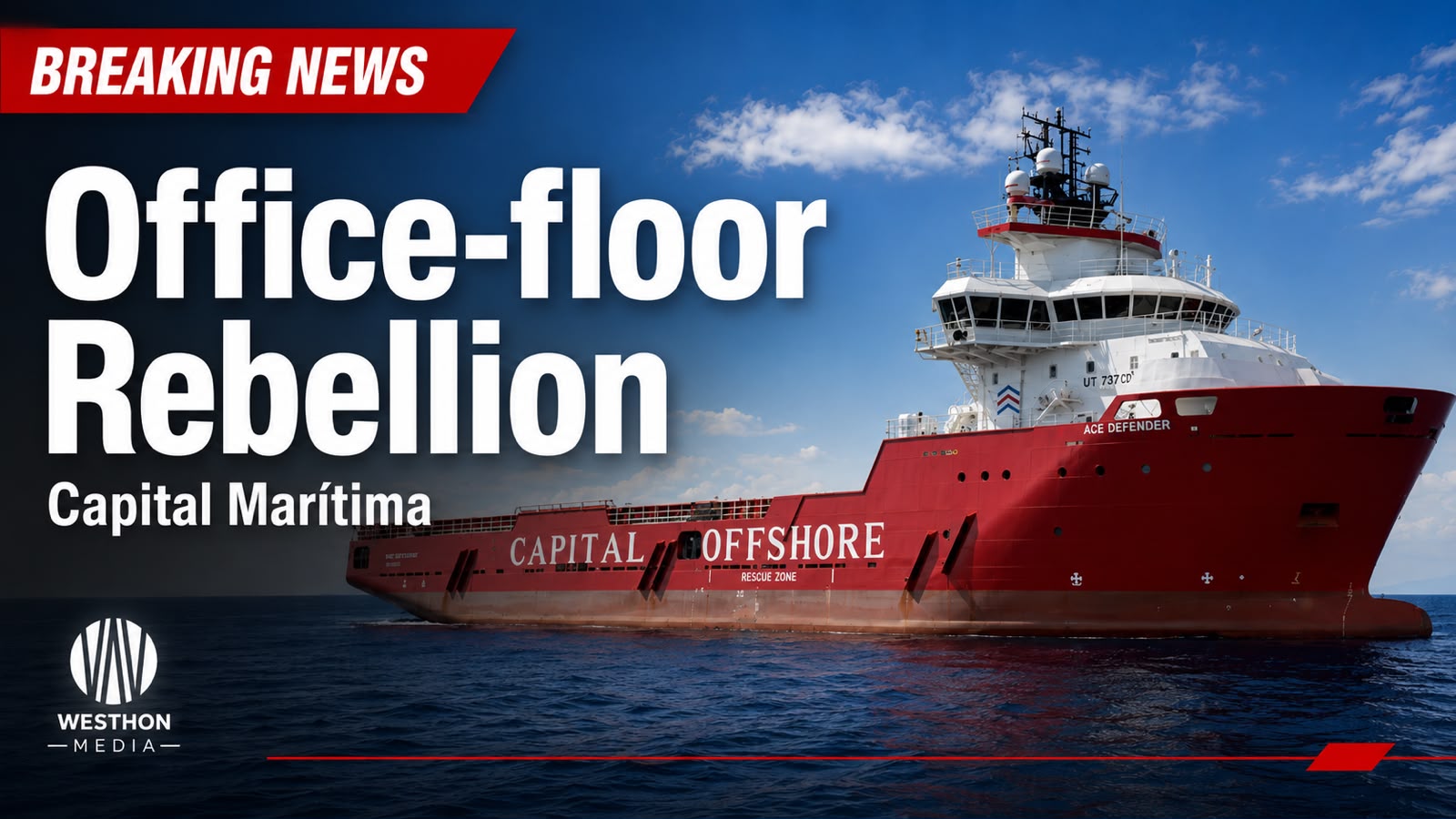
A Capital Marítima não é uma empresa abstrata. Sua relevância está no Ace Defender, embarcação de apoio offshore voltada a uma operação com a Petrobras. Fontes do setor afirmam que a transferência da embarcação da Galáxia Marítima para a Capital Marítima permanece comercialmente sensível porque a Galáxia, como contratada original, ainda pode estar exposta a obrigações relacionadas à Petrobras caso surjam interrupções operacionais, multas ou falhas de desempenho.
O caso também envolve a Belov, empresa brasileira com a qual a Capital Marítima firmou arranjos ligados à tonelagem local e à estrutura do REB que sustenta a bandeira brasileira do Ace Defender. Isso não é um detalhe lateral. No apoio marítimo offshore, a engrenagem menos glamorosa costuma ser justamente aquilo que torna o negócio real: o contrato voltado à Petrobras, a embarcação, a bandeira, o suporte de tonelagem, as contrapartes locais e a equipe de terra capaz de manter a estrutura em conformidade.
Visto dessa forma, o contraste é marcante. A arquitetura empresarial anterior parece ter sido construída em torno de uma plataforma operacional brasileira financiável: compromissos capitalizados, contrapartes locais reconhecidas e uma embarcação posicionada para trabalho com a Petrobras. O estilo de gestão recém-chegado e a disputa, conforme descritos por funcionários e pessoas familiarizadas com a empresa, parecem o oposto: forte presença de segurança, opacidade, dependência de uma estrutura societária estrangeira frouxa e linhas incertas de autoridade dentro do escritório brasileiro.
Há também uma questão de conformidade. A Westhon Media foi informada de que cidadãos estrangeiros participaram de instruções a empregados e de diretrizes internas. A base registral para tal atuação, e se essas pessoas estavam autorizadas a realizar algo além de visitas comerciais, permanece pouco clara. A questão não é nacionalidade. O Brasil permite visitas de negócios. A linha é cruzada quando visitantes passam de reuniões e supervisão comercial para uma administração de fato: dirigir empregados, controlar rotinas internas, supervisionar acessos, coletar informações operacionais ou emitir instruções.
O mesmo se aplica à segurança. Se seguranças foram mobilizados, as perguntas relevantes são simples: quem os contratou, se a empresa e os profissionais estavam devidamente autorizados, se armas eram portadas legalmente e se sua presença tinha caráter protetivo ou coercitivo. No contexto atual, a segurança no escritório não é um detalhe de fundo. Ela está no centro do relato de intimidação feito pelos empregados.
Então há a Libéria.
A pretensão do lado estrangeiro passa pela Constance Maritime Corp., um veículo societário domiciliado na Libéria. Nada disso é ilegal por si só. A navegação está cheia de veículos offshore, holdings e estruturas marítimas ligadas à tradição grega. Mas, em uma operação voltada à Petrobras, a opacidade não é neutra. Uma cadeia de propriedade com aparência de empresa-veículo torna ainda mais importante saber quem está dando instruções no Brasil, quem financia a operação, quem autorizou a segurança e quem responde perante empregados, fornecedores e clientes.
Esse invólucro societário de estilo grego importa justamente porque é familiar. No transporte marítimo, estruturas assim podem ser rotineiras. Em uma crise trabalhista, elas também podem tornar mais difícil localizar a responsabilidade. A questão para a Capital Marítima já não é apenas se um acionista estrangeiro possui direitos sob uma ordem judicial provisória. É se as pessoas que atuam sob esse guarda-chuva têm legitimidade para dirigir uma força de trabalho brasileira, perturbar uma operação sob bandeira brasileira e interferir nos arranjos locais que tornaram o Ace Defender comercialmente viável desde o início.
Executivos seniores da Capital Marítima contatados confirmaram, em linhas gerais, o estado de coisas descrito pelos empregados. Nenhuma contestação substancial foi apresentada até o momento. O novo grupo de gestão recém-chegado ainda não pôde ser alcançado para comentários.
A assembleia de segunda-feira, dia 29, agora testará se a greve se transformará em uma confrontação mais ampla — ou se, como empregados dizem ter sido supostamente ameaçado em uma comunicação de gestão atribuída a Leonardo, os grevistas serão tratados como ausentes injustificados, demitidos e substituídos imediatamente.
Para a Capital Marítima, a questão já não é apenas quem controla a companhia no papel. É se os empregados acreditam que podem voltar ao trabalho sem intimidação — e se a Petrobras e o mercado offshore podem confiar na cadeia de comando por trás do Ace Defender.
——————————————————-
The first visible sign of a governance crisis is not always a court filing. Sometimes it is an empty office.
At Capital Marítima, the recently established offshore support company linked to the Ace Defender, shore-based employees have declared a strike after alleging moral harassment, intimidation and a breakdown of workplace trust. What began as a corporate control dispute has now become a labour crisis.
In a message reviewed by Westhon Media, the strike command said workers had voted to stop activities immediately to preserve their physical and mental integrity. The communication described the workplace as toxic and said a new assembly would be held on Monday, June 29, at the union office, to decide whether the strike should continue. It also referred to the Public Labour Prosecutor’s Office and to expected labour claims.
The allegations are not confined to ordinary office tension. Employees say the atmosphere changed after a newly arrived administrative front began operating inside the company. Accounts reviewed describe the presence of armed security personnel, staff feeling watched and followed when taking phone calls, and ordinary contact with the original admin staff being treated as suspect. Employees also say police reports have been filed.
Leonardo and Gloria are referred to in employee communications as part of the new direction of the company. The tone of the complaints is notable. Workers are not framing the issue as a dispute over salaries or benefits. They are describing fear, pressure and distrust inside what had been a familiar operating office.
The legal background is important, but more limited than some corporate messaging suggests. The dispute involving Capital Marítima is under judicial secrecy and arose from an urgent measure connected to a broader arbitration fight. The known court material points to provisional relief — a temporary injunction — rather than a final decision on the merits of corporate control. At an earlier stage, the court adopted a joint administration arrangement, not a clean final transfer of command.
That distinction matters. A temporary injunction may change signatures and consent rights. It does not settle the underlying dispute. Nor does it license a contested transition to be pushed through the workplace, leave aside, by fear.
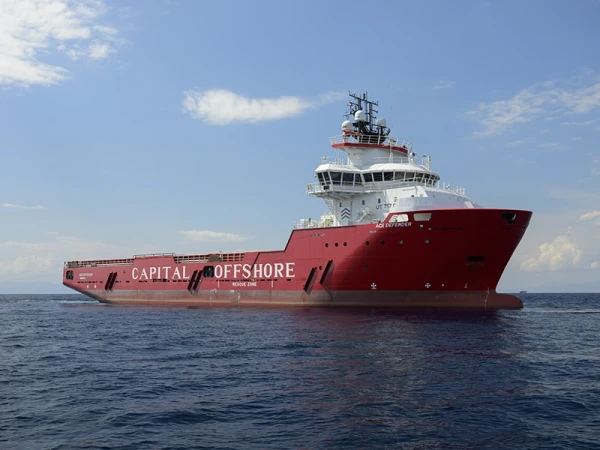
Capital Marítima is not an abstract company. Its relevance lies in the Ace Defender, a Petrobras-facing offshore support vessel. Industry sources say the vessel’s move from Galáxia Marítima to Capital Marítima remains commercially sensitive because Galáxia, as original contractor, may still face exposure under Petrobras-related obligations if operational disruption, fines or performance failures arise.
The case also involves Belov, the Brazilian company with which Capital Marítima entered arrangements tied to local tonnage and the REB structure supporting the Ace Defender’s Brazilian flag. That is not a side issue. In offshore support, the unglamorous machinery is often what makes the business real: the Petrobras-facing contract, the vessel, the flag, the tonnage support, the local counterparties and the shore team able to keep the structure compliant.
Seen that way, the contrast is stark. The earlier business architecture appears to have been built around a bankable Brazilian operating platform: funded commitments, recognised local counterparties and a vessel positioned for Petrobras work. The newly arrived management style and dispute, as described by employees and people familiar with the company, looks like the opposite: security-heavy, opaque, dependent on a loose foreign corporate setup and uncertain lines of authority inside the Brazilian office.
There is also a compliance question. Westhon Media have been informed that foreign nationals have taken part in employee instructions and internal directives. The registration basis for such activity, and whether those individuals were authorised to perform anything beyond commercial visits, remains unclear. The issue is not nationality. Brazil allows business visits. The line is crossed when visitors move from meetings and commercial oversight into de facto management: directing employees, controlling internal routines, supervising access, collecting operational information or issuing instructions.
The same applies to security. If guards were deployed, the relevant questions are simple: who hired them, whether the company and personnel were properly authorised, whether weapons were lawfully carried, and whether their presence was protective or coercive. In the present context, security at the office is not a background detail. It sits at the centre of the employees’ account of intimidation.
Then there is Liberia.
The foreign-side claim runs through Constance Maritime Corp., a Liberia-domiciled corporate vehicle. None of that is unlawful by itself. Shipping is full of offshore vehicles, holding companies and Greek-linked maritime structures. But in a Petrobras-facing operation, opacity is not neutral. A shell-company-style ownership chain makes it more important, not less, to know who is giving instructions in Brazil, who is funding the operation, who authorised security, and who is accountable to employees, suppliers and clients.
This Greek-style corporate wrapper matters precisely because it is familiar. In shipping, such structures can be routine. In a labour crisis, they can also make accountability harder to locate. The question for Capital Marítima is no longer merely whether a foreign shareholder has rights under an interim court order. It is whether the people acting under that umbrella are entitled to direct a Brazilian workforce, disturb a Brazilian-flag operation and interfere with the local arrangements that made the Ace Defender commercially viable in the first place.
Senior Capital Marítima figures reached confirmed the broad state of affairs described by employees. No substantive contestation was offered at this time. The newly arrived management group could not be reached for comment as of yet.
The Monday 29 assembly will now test whether the strike hardens into a wider confrontation — or whether, as employees say was allegedly threatened in a management communication attributed to Leonardo, those on strike are treated as unjustified absentees, fired and replaced immediately.
For Capital Marítima, the issue is no longer only who controls the company on paper. It is whether employees believe they can return to work without intimidation — and whether Petrobras and the offshore market can trust the chain of command behind the Ace Defender.