Blog

  • Special WSB: Por onde anda?

    Special WSB: Por onde anda?

    Launched in 2006 and 2007 respectively at Estaleiro Ilha S.A. (EISA), in Rio de Janeiro, the Platform Supply Vessels UP Topazio and UP Diamante represent a mature phase of Brazil’s offshore support vessel construction cycle, when local shipyards were delivering standardized PSVs to meet the rapid expansion of offshore logistics demand.

    Built as mid-size Offshore Support Vessels, both units share similar dimensions, with approximately 84.6 meters in length, 16.6 meters of beam and deadweight close to 4,200–4,300 tonnes. Designed for cargo transport, fluid handling and general offshore support, they were conceived to operate across Brazil’s offshore basins during a period of high fleet utilization.

    Registered under Brazilian flag and delivered to UP Offshore Apoio Marítimo, the vessels became part of a generation of PSVs that formed backbone of offshore logistics during 2000s and early 2010s. Like many assets of the same vintage, their operational trajectories were directly affected by sharp contraction of Brazilian offshore market after 2015, when contract terminations and vessel oversupply reshaped fleet dynamics. In this context, UP Offshore underwent a corporate reorganization, culminating in May 2021, when OceanPact concluded the acquisition of UP Offshore’s operations and legacy assets, through a corporate succession process rather than a direct vessel-by-vessel acquisition.

    From an operational standpoint, public tracking data points to a gradual exit from active service. UP Topazio still showed port-related activity in Itajaí, Santa Catarina, throughout 2024, indicating residual movements or repositioning before entering lay-up. Since then, no public AIS transmissions have been recorded. UP Diamante presents an even longer period of inactivity, with its last publicly available AIS signal dating back to June 2017, when the vessel was recorded in Rio de Janeiro.

    Today, both UP Topazio and UP Diamante are understood to be in lay-up, with no publicly visible signs of active offshore operations. Their trajectories reflect a broader reality of Brazil’s offshore support fleet, where technically viable vessels remain sidelined, awaiting either reactivation, repurposing or definitive retirement.

    Are they deteriorating quietly — or simply waiting?

    There are no public records indicating flooding, leaks, loss of propulsion or major technical incidents during their operational lives. At the same time, there are no visible signals of reactivation planning, sale processes or dismantling intentions. Curiously, both units still appear listed within OceanPact’s fleet on its corporate website, as if commercially available — a detail that contrasts with their prolonged operational silence. In absence of disclosures, silence itself becomes part of the story.

    As offshore activity selectively resumes and fleet availability tightens, the question remains — could these assets still find a path back into operation, or do they mark the closing chapter of a generation shaped by a very different market cycle?

    Every Thursday, a new “Por onde anda?” — stay tuned.

    Stay informed on key offshore and marine market developments — visit wsb-one.com.

  • Riograndense Refinery: R$ 6 bi

    Riograndense Refinery: R$ 6 bi

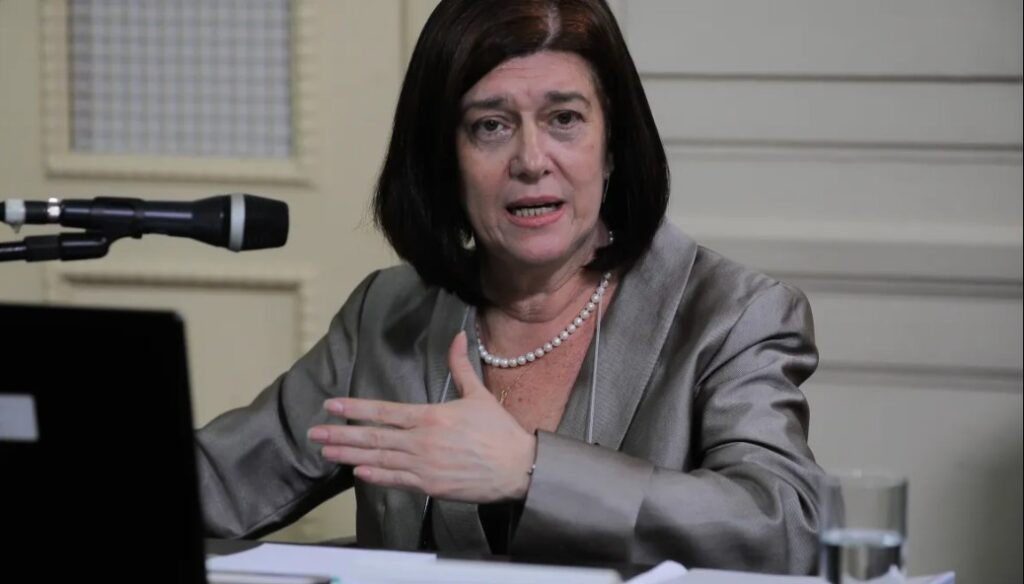
    Petrobras announced plans to convert the Riograndense Refinery, located in Rio Grande (RS), into Brazil’s first biorefinery, marking a significant step in the company’s strategy to expand production of lower-carbon fuels. The announcement was made on 20 January 2026 by Petrobras President Magda Chambriard during the contract-signing ceremony of the Mar Aberto program.

    According to Petrobras, the transformation is expected to begin in the second half of 2026 and will require investments of approximately R$ 6 billion. The project foresees the production of 100% bio-based products, repositioning the refinery within Petrobras’ refining portfolio and aligning the asset with the company’s energy transition roadmap.

    Magda Chambriard
    Magda Chambriard (Source: Petrobras)


    The event took place at the Ecovix Construções Oceânicas S.A. / Estaleiro Rio Grande S.A. facilities and was attended by Petrobras and Transpetro – Petrobras Transporte S. A. executives, federal authorities and industry representatives. Johan Paul Kempers, representing WSB Advisors, was present in connection with Ecovix and the Rio Grande shipyard, reinforcing WSB’s ongoing involvement and monitoring of strategic industrial developments linked to Brazil’s offshore and naval sectors.

    Petrobras has been conducting technical and industrial tests since 2023 to assess the feasibility of the conversion, with investments of around R$ 45 million, supported by financial contributions from partners Braskem and Grupo Ultra. These tests focus on adapting existing processes and evaluating technological routes for biofuel production.

    Founded in 1937, the Riograndense Refinery is the oldest refinery in Brazil, predating Petrobras itself. The facility currently has an installed capacity of approximately 17,000 barrels per day and produces road and marine fuels, petrochemical naphtha, LPG, solvents and specialty products. The planned conversion represents a strategic repositioning of the asset in response to evolving market and regulatory demands in the energy sector.

    Stay informed on key offshore developments — visit wsb-one.com, our data platform trusted by leading offshore companies.

  • Mar Aberto Program

    Mar Aberto Program

    As reported by WSB Advisors, Petrobras and Transpetro – Petrobras Transporte S. A. held a contract-signing ceremony in Rio Grande (RS) on 20 January for the construction of 41 vessels under the “Mar Aberto” (Open Sea) program, totaling investments of approximately R$ 2.8 billion. The event was attended by Petrobras CEO Magda Chambriard, Transpetro CEO Sérgio Bacci, federal authorities and political representatives, becoming one of the main highlights of Brazil’s oil and gas market this week.

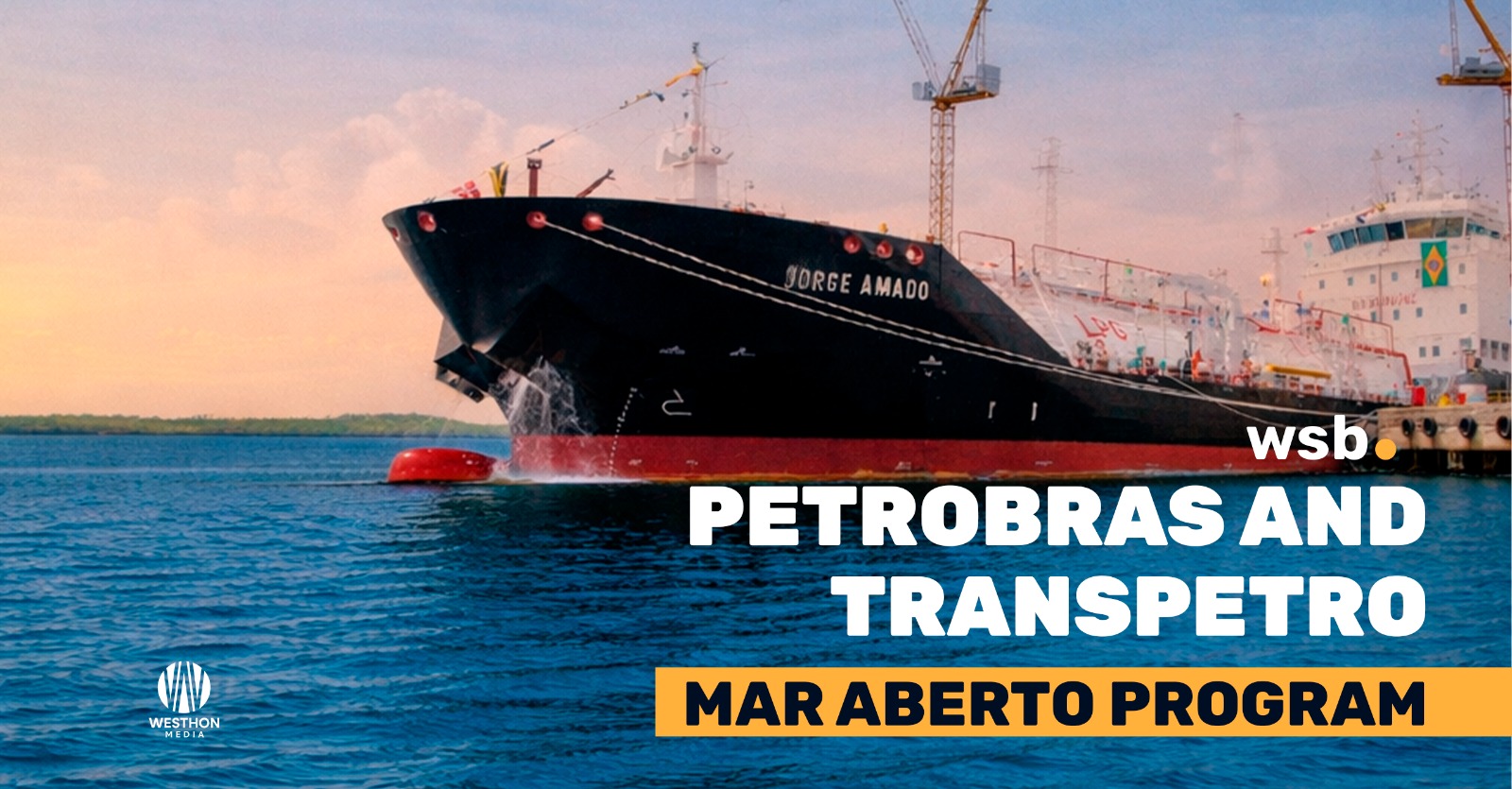
    The package includes five gas carriers, 18 pushboats and 18 barges, all to be operated by Transpetro. The vessels will be built across three Brazilian states, reinforcing domestic shipbuilding capacity. In Rio Grande do Sul, Estaleiro Rio Grande S.A. will construct the five LPG carriers, which represent the largest share of the investment. In Amazonas, Bertolini Construção Naval. da Amazônia will build the 18 barges, while in Santa Catarina, INC – Indústria Naval Catarinense will be responsible for the 18 pushboats.

    The new contracts mark the start of a new investment cycle in fleet renewal and shipbuilding, strengthening local content policies and supporting the recovery of Brazil’s naval production chain. With the inclusion of barges and pushboats, Transpetro will also enter inland fuel transportation with its own fleet, verticalizing bunkering operations and expanding logistical flexibility.

    The contracts rank among the most significant shipbuilding investments in Brazil in recent years, with direct impacts on shipyard reactivation, job creation and the domestic supply chain for goods and services. Despite adjustments in Petrobras’ medium-term investment outlook, the signing confirms continuity of industrial orders aligned with logistics, energy security and fleet modernization objectives.

    Stay informed on key offshore developments — visit wsb-one.com, our data platform trusted by leading offshore companies.

  • Staff Announcement

    Staff Announcement

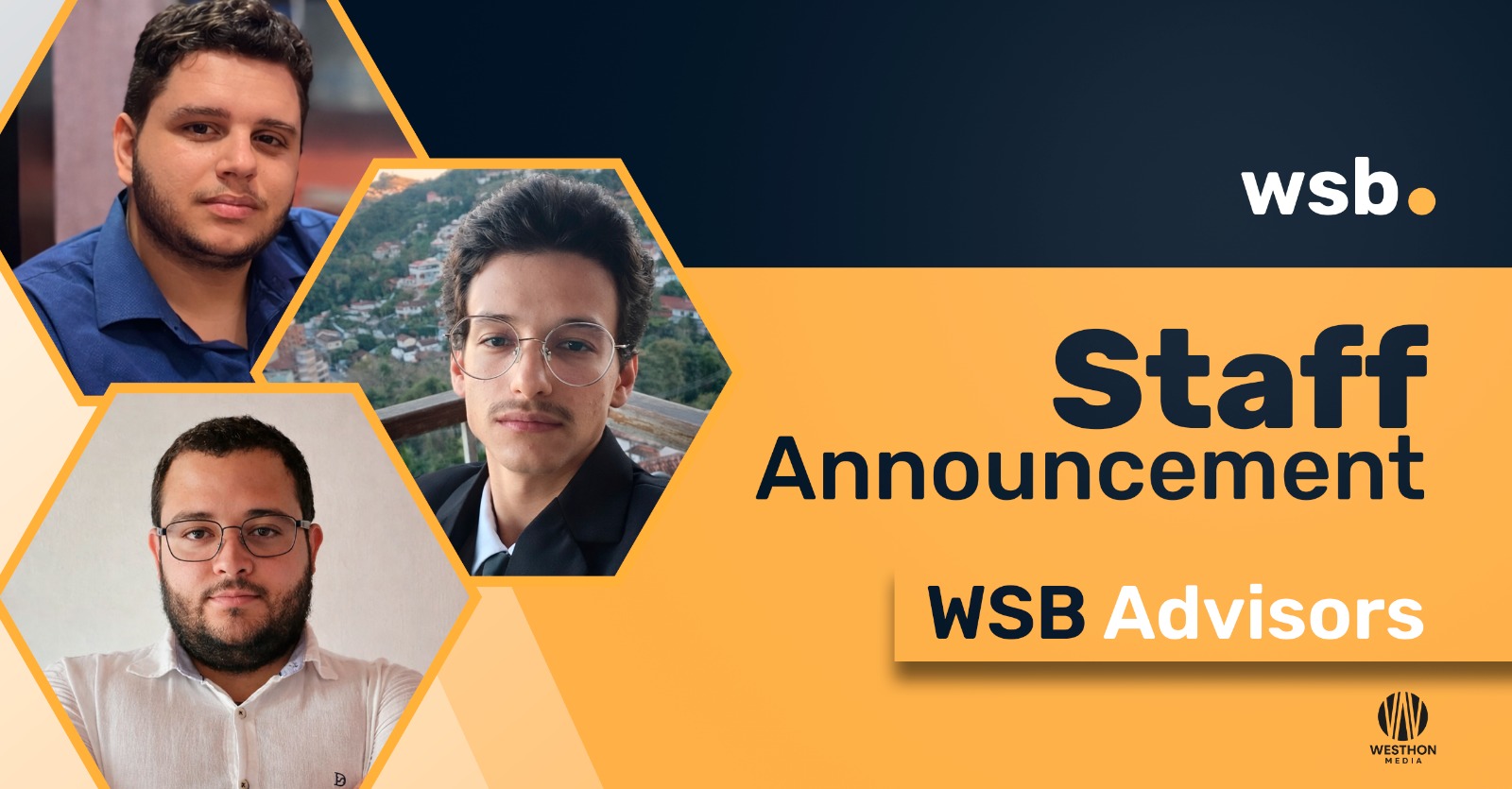
    Westhon Media, a company within the Westhon Group, announces the arrival of three new interns to its team this January 2026, reinforcing its commitment to talent development, technological innovation, and the growth of the local technology ecosystem.

    Around 20 years old, the three new team members live and study in Teresópolis (RJ), the city where Westhon officially inaugurated its headquarters at the end of last year. Hiring young local talent reflects the company’s strategy of investing in regional growth and in training professionals from the very beginning of their careers.

    They were selected after standing out at the UNIFESO Hackathon held last October, an event in which they demonstrated a high level of technical skill, creativity, analytical ability, and a strong collaborative spirit—competencies aligned with Westhon’s values and strategic needs.

    At the company, the interns will work directly with the proprietary WSB-ONE, database, the core platform for market intelligence generation and the development of advanced analytical solutions. Their activities are carried out under the supervision of Fernando Vilela, CMO of WSB Advisors, and Paulo Henrique Cantergiani, Market Intelligence Engineer Intern at WSB, who closely monitor the group’s technical and professional development.

    One of the new team members is Thyago Azevedo, who is in the final phase of his Computer Science degree, with graduation expected in December 2026. Before joining Westhon, he gained relevant experience working on systems development projects at the Rio de Janeiro Municipal Health Department, contributing to the improvement of technological solutions aimed at strengthening public healthcare services.

    Currently, Thyago works as an Intern Developer, integrating Westhon’s development team. His responsibilities include refactoring and rebuilding legacy pages, focusing on layout improvements, code organization, and component updates, while progressively taking on responsibilities and actively contributing to the modernization of the company’s systems.

    Thyago Azevedo
    Thyago Azevedo (Source: Private Collection)

    Another highlight of the group is Yuri Domingues, an undergraduate Computer Science student at UNIFESO, with approximately two years of prior market experience as a developer. Yuri has strong involvement in Full Stack projects, many of which he has led independently in technical leadership roles.

    At Westhon, Yuri’s main focus is the development of a maritime intelligence platform for the Oil & Gas (O&G) sector, in addition to the creation and architecture of internal solutions for workflow and project management. He works directly on the back end and provides Full Stack support, being responsible for implementing automated systems for collecting and processing strategic data—essential for generating insights and AI-based predictive market models.

    Yuri also stands out for his strong academic and institutional engagement. He currently serves as President of the Academic Council and Class Representative for the Computer Science program, in addition to acting as a Course Ambassador and Teaching Assistant, a researcher in an undergraduate research project, and an active participant in hackathons and technology innovation events.

    Yuri Domingues
    Yuri Domingues (Source: Private Collection)

    The third member is João Vitor Souza, a developer focused on artificial intelligence and desktop systems. He is currently in the final stage of his degree in Systems Analysis and Development, with completion expected in September 2026, and also holds academic training in Computer Science from UNIFESO. His experience includes preparing technical reports for ERP systems, integrating APIs with Power BI, and serving as a teaching assistant for Logic and Mathematical Reasoning courses—experiences that contributed to the development of strong analytical skills.

    João Vitor Souza
    João Vitor Souza (Source: Private Collection)

    Westhon Media welcomes the three new interns and wishes them a journey marked by continuous learning, professional growth, and meaningful impact. The arrival of this new team reinforces the company’s mission to connect technology, data intelligence, and promising talent to develop innovative and scalable solutions for the market.

  • Petrobras and Transpetro move forward with Mar Aberto Program

    Petrobras and Transpetro move forward with Mar Aberto Program

    Ceremony marks the start of a new phase of investments in shipbuilding and fleet renewal, reinforcing local content and the recovery of the sector’s productive chain.

    Petrobras, together with Transpetro, takes a decisive step toward the recovery of Brazilian industry by signing contracts for the construction of strategic vessels under the Mar Aberto Program. The event brings together government authorities and industry leaders, with the presence of President Luiz Inácio Lula da Silva and Petrobras CEO Magda Chambriard, reaffirming the project’s relevance to national development.

    The orderbook includes:
    • Five gas carriers to be built at Rio Grande Shipyard, in Rio Grande do Sul;
    • Eighteen barges at Bertolini Shipyard, in Amazonas;
    • Eighteen push boats at Indústria Naval Catarinense (INC), in Santa Catarina.

    The contracts represent one of the most significant recent investment movements in vessel construction in Brazil, with direct impact on the creation of skilled jobs, the revitalization of shipyards, and the strengthening of the supply chain for goods and services within the Brazilian naval sector.

    The ceremony will be broadcast live on Petrobras’ official YouTube channel starting at 4:00 pm.

  • Open Tenders

    Open Tenders

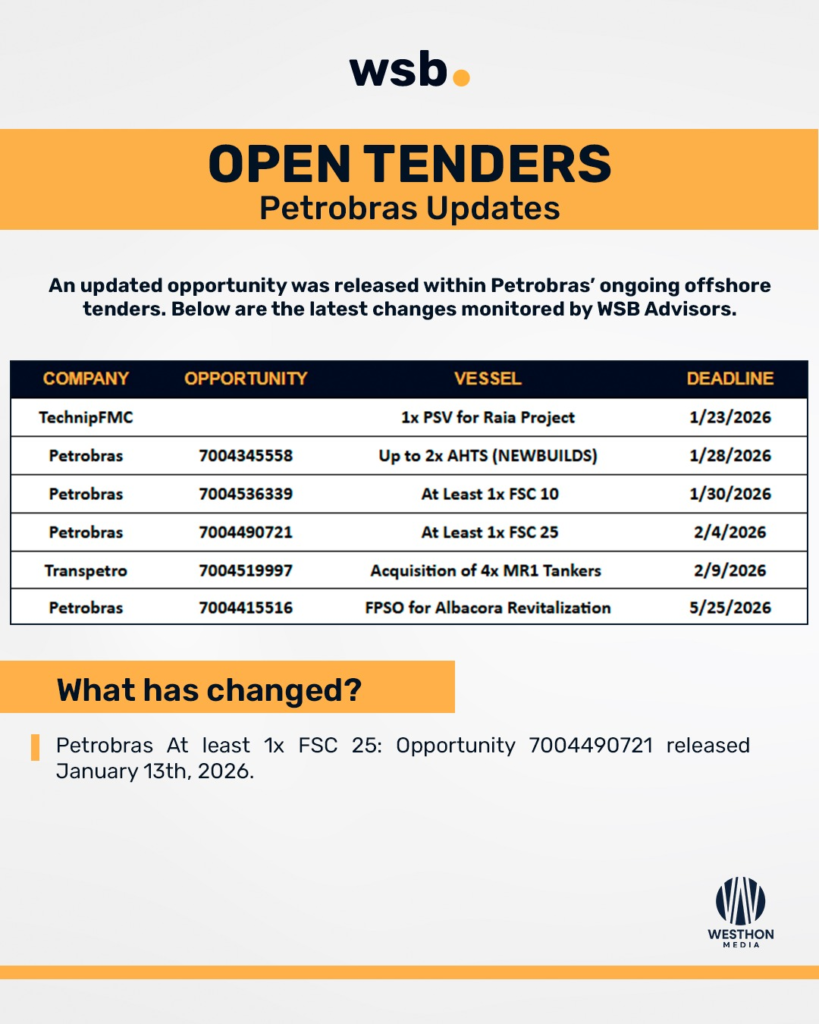
    An updated opportunity was released within Petrobras’ ongoing offshore tenders. Below are the latest changes monitored by WSB Advisors.

    What has changed?

    Petrobras at least 1x FSC 25: Opportunity 7004490721 released January 13th, 2026.

    What else is happening?

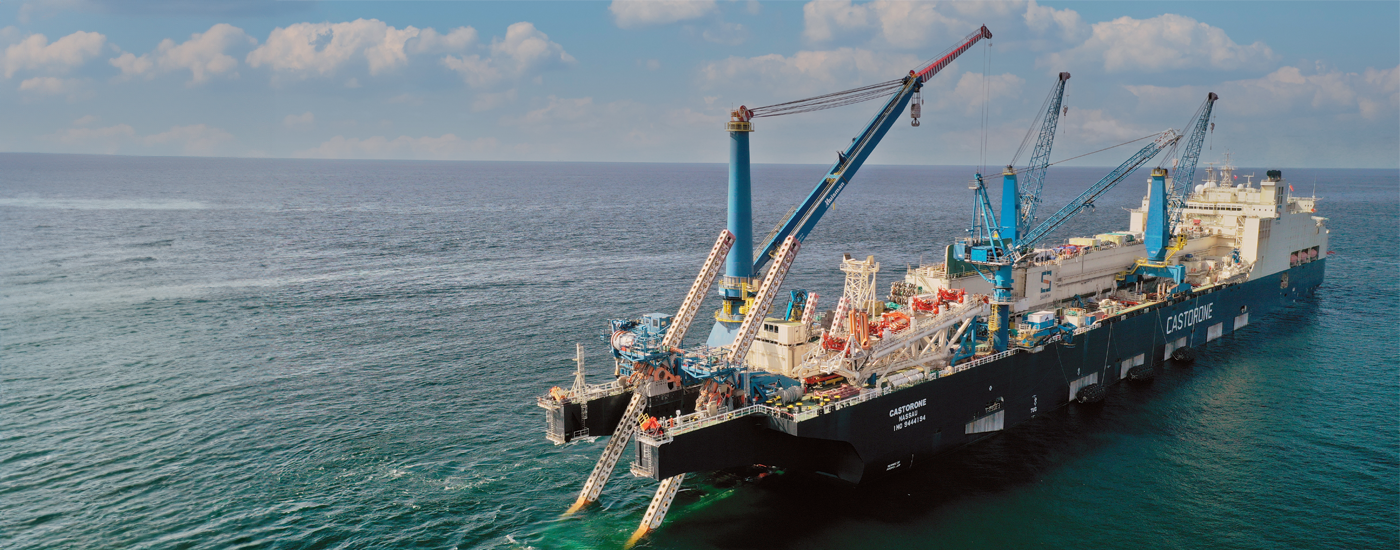
    Spliethoff started a new offshore project in Brazil for Saipem with the arrival of m/v Brouwersgracht and m/v Bloemgracht. Both vessels cleared in Rio de Janeiro and are heading to Guarujá to commence operations on the Raia Project, involving the supply of approximately 200 km of pipeline.

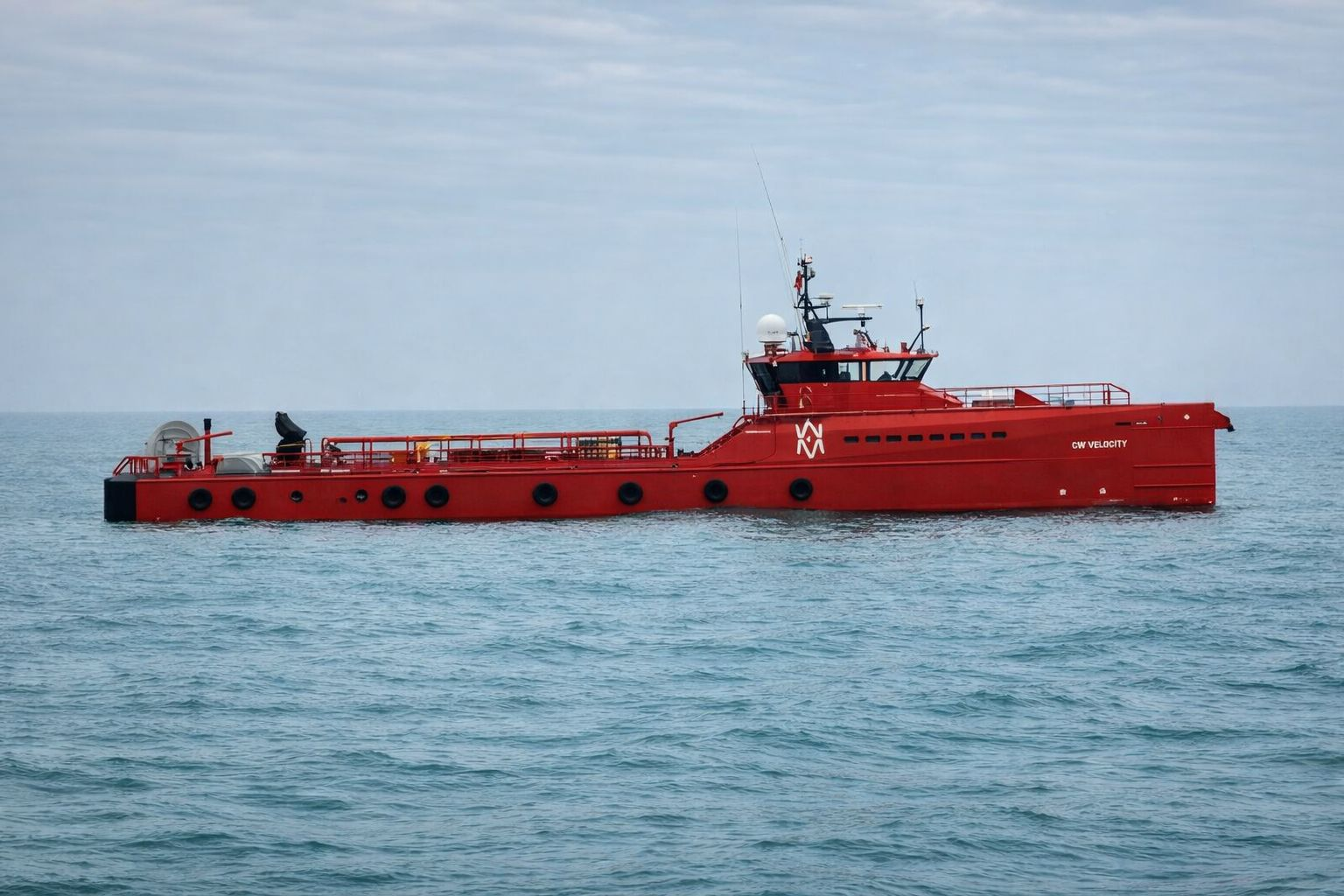
    Compagnie Maritime Monégasque (CMM) renewed the charter of the Fast Oil Spill Response Vessel CMM Velocity with Petrobras for an additional four years. The vessel remains dedicated to environmental emergency response and oil spill prevention, with the renewed contract also including the use of drones for monitoring potential spill incidents.

  • Brava strengthens Offshore Portfolio with Strategic Campos Basin acquisition

    Brava strengthens Offshore Portfolio with Strategic Campos Basin acquisition

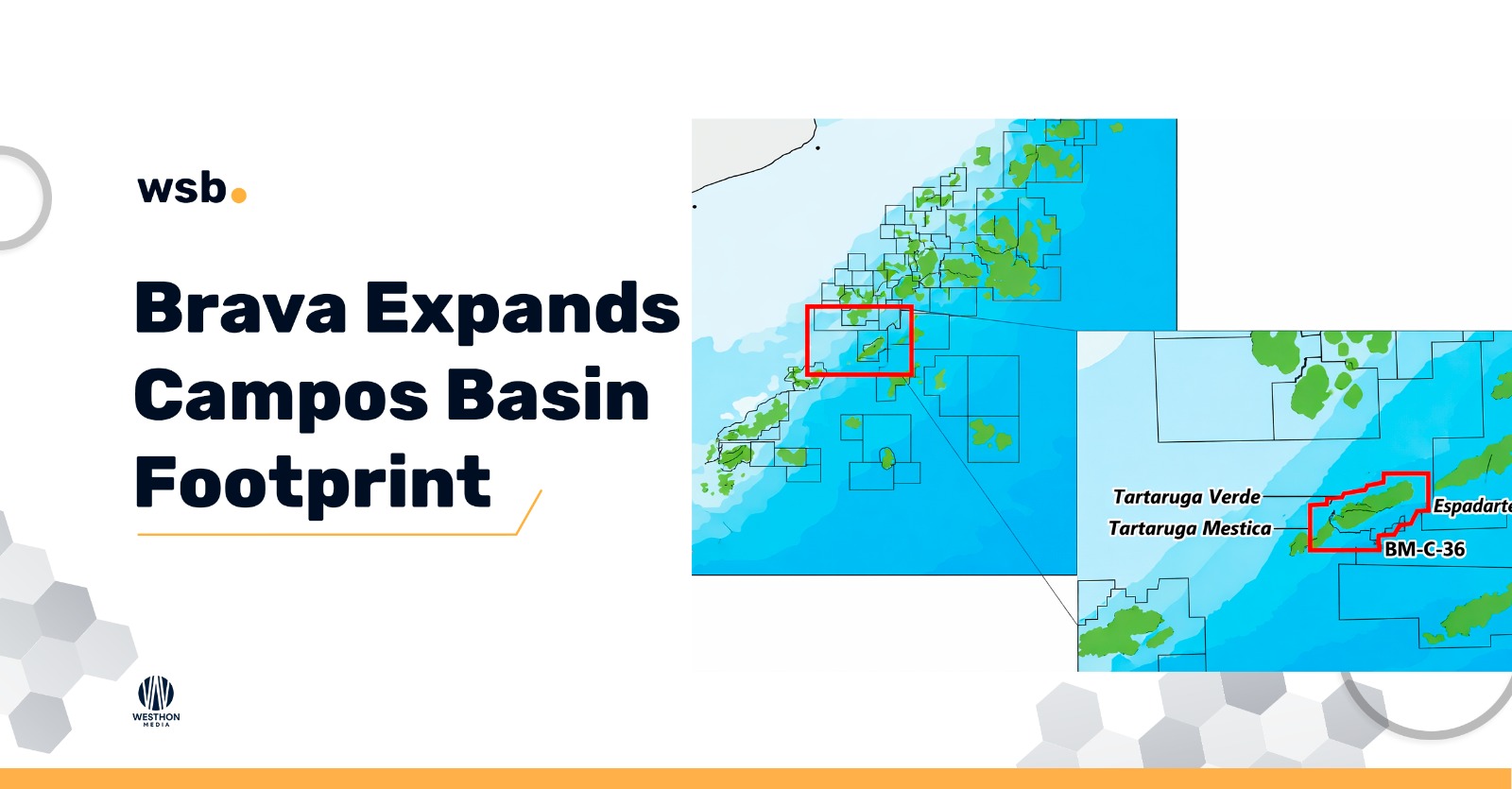
    Brazil’s Brava Energia has announced a significant expansion of its upstream footprint with the acquisition of 50% stakes in the Tartaruga Verde field and Espadarte Module III from Malaysia’s Petronas, in a transaction valued at approximately US$450 million. The deal marks a strategic step in the company’s long-term value creation strategy and portfolio repositioning.

    The transaction covers Petronas’ equity interests in both offshore assets, located in the Campos Basin, which together delivered an average production of approximately 55.6 thousand barrels of oil equivalent per day in 2025. The remaining 50% stakes in both assets continue to be held by Petrobras, which remains as operator.

    According to Brava Energia, the acquisition aligns with its revised portfolio strategy and disciplined capital allocation framework, focused on risk-adjusted returns, diversification, and sustainable value creation. Richard Kovacs, who is set to assume the role of CEO on February 1, highlighted that the assets offer immediate cash generation while strengthening the company’s production and reserves base.

    The move positions Brava Energia to leverage established offshore infrastructure while expanding its presence in Brazil’s most mature and prolific offshore basin. It also reflects ongoing consolidation dynamics in the Brazilian upstream sector, as independent energy companies pursue scale, asset quality, and operational resilience amid evolving market conditions.

  • Por onde anda? GNL 1001 & GNL 1008

    Por onde anda? GNL 1001 & GNL 1008

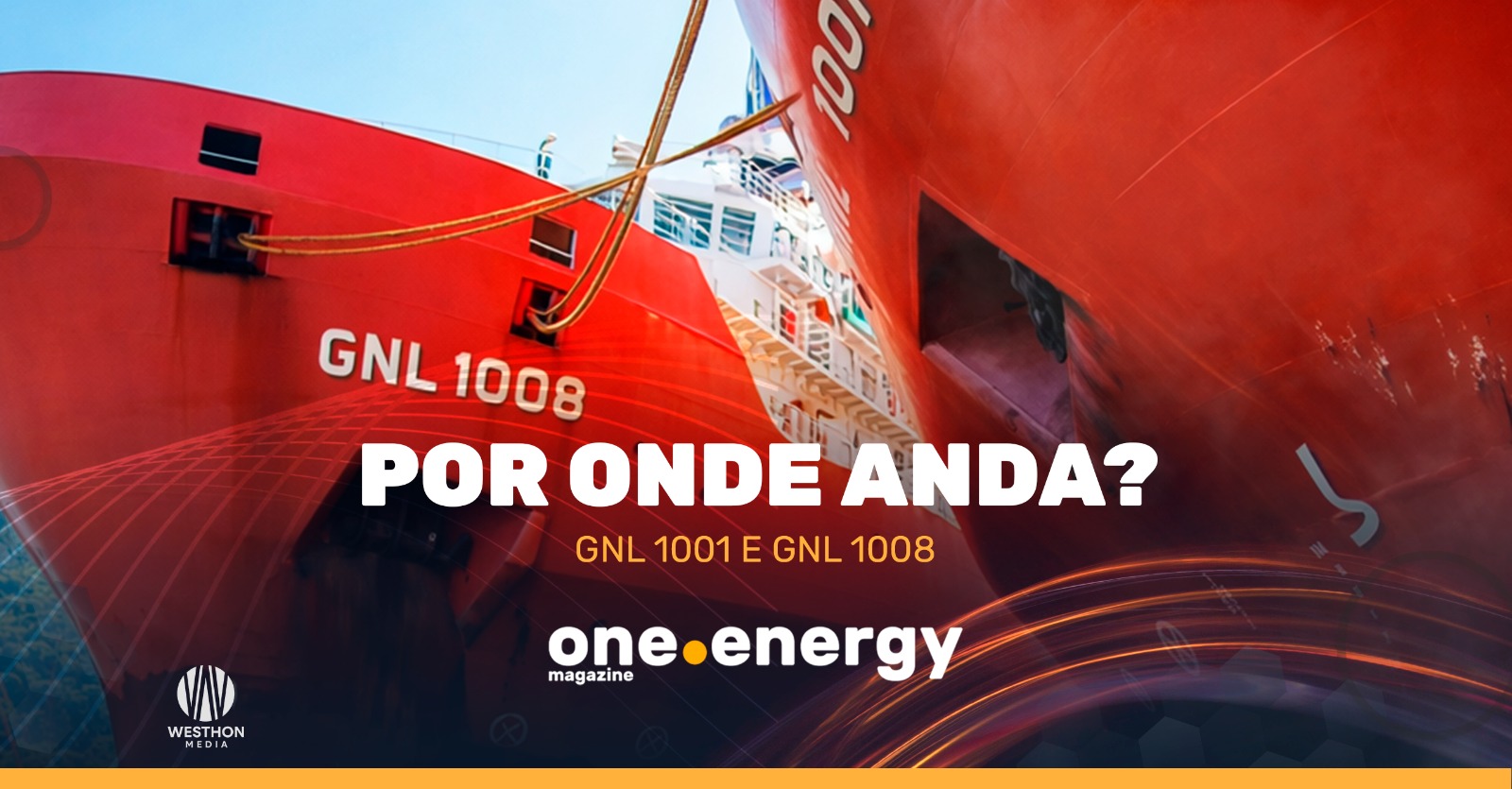
    Within Brazil’s offshore support vessel landscape, Platform Supply Vessels GNL 1001 and GNL 1008 follow an uncommon trajectory — modern PSVs that moved from lay-up back toward a path of recovery and renewed operational relevance.


    Delivered in 2016 (GNL 1008) and 2017 (GNL 1001) by TWB S.A., later Keppel/Seatrium Brasil, both units were built to Ulstein P105-derived designs. Measuring approximately 94 meters in length, with beam close to 20 meters and deadweight between 4,500 and 5,467 tonnes, they rank among largest PSVs operating in Brazil.

    Following delivery, both vessels entered directly into long-term contracts with Petrobras, integrating Brazil’s offshore logistics chain for several years and fully absorbing vessel capacity. During this period, units were commercially and operationally associated with Galáxia Marítima — Em recuperação Judicial, appearing in public records and market references as part of group’s offshore portfolio, despite being formally recognized mainly for tonnage and registry purposes.

    Inflection point came closer to end of those contracts — first in case of GNL 1008, whose charter ended earlier — and more critically after contract termination, amid growing operational constraints and judicial disputes.

    Available indications suggest structural integrity of vessels remained largely preserved due to relatively recent age and high construction standards; however, when observed at anchorage areas or ports, units already reflected an unmanaged lay-up condition, with minimal technical supervision and no clear reactivation plan.

    Break in this cycle occurred in late 2025, when Singapore-based Seatrium Limited divested 100% equity interest in Guanabara Navegação Ltda. (GNL) — special purpose entity holding both vessels — to Posidonia Shipping & Trading Ltda. The transaction, valued at approximately USD 59.7 million, took place within a judicial process and aligned with Seatrium’s divestment of non-core assets, while reflecting Posidonia’s confidence in rebuilding offshore capacity.

    Under Posidonia’s management, both units have been renamed and are being prepared for operational reactivation as part of a fleet strategy focused on large-capacity PSVs aligned with profile of recent offshore demands in Brazil. Acquisition represents more than a simple change of control: it marks potential return of two modern PSVs to operation as utilization gradually recovers and charter demand strengthens.

    Trajectory of GNL 1001 and GNL 1008 is less about long dormancy and more about structural resilience and strategic repositioning. In a market marked by asset attrition and regulatory frictions, these vessels illustrate how the right ownership transition can preserve operational relevance well beyond a typical lay-up cycle.

    Every Thursday, a new “Por onde anda?” — stay tuned.

  • Equinor secures first Union oil cargo from Bacalhau

    Equinor secures first Union oil cargo from Bacalhau


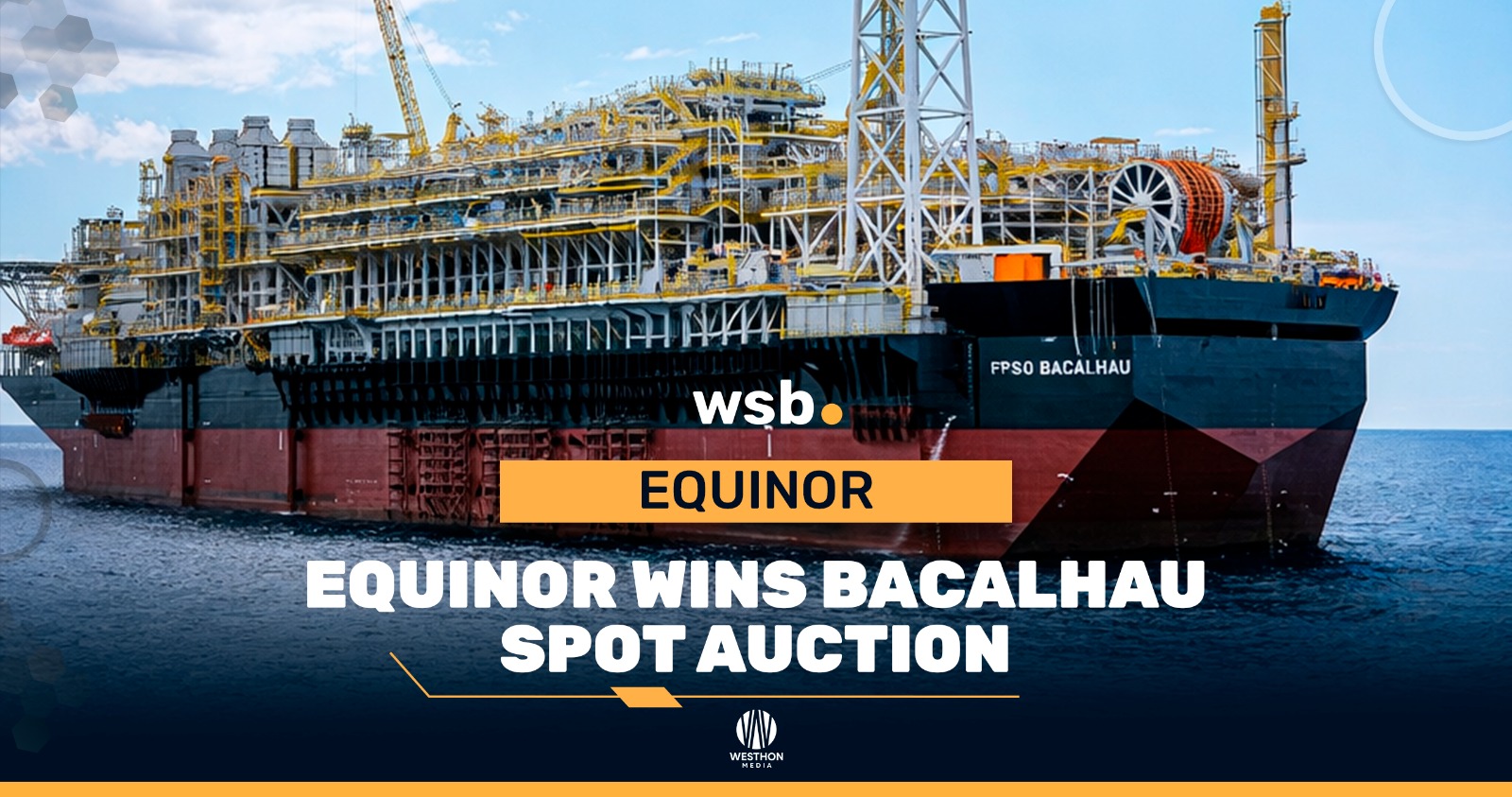
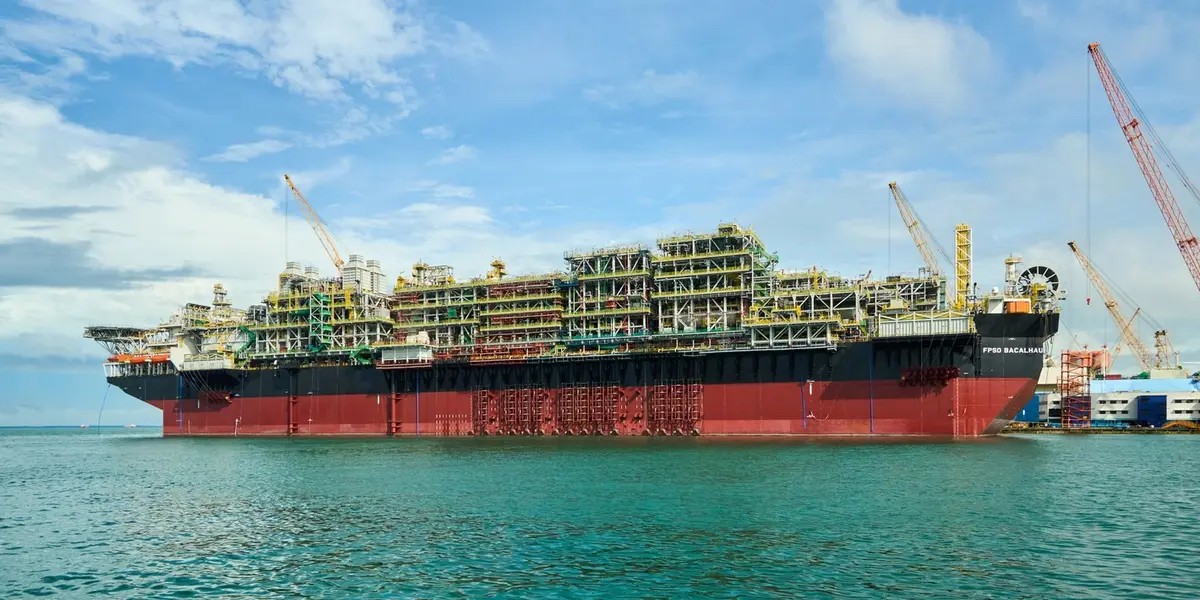
    Equinor won PPSA’s 5th Spot Oil Auction, securing the first 1 million-barrel cargo of crude oil belonging to the Union from the Bacalhau field, in pre-salt Santos Basin. The cargo is scheduled for loading in late March 2026, marking the start of commercialization of the Union’s oil from the asset.

    As reported yesterday, the auction gathered five qualified bidders — Equinor, ExxonMobil, Galp, Petrobras and PetroChina — underscoring strong interest from global majors in Brazil’s pre-salt crude. The sale follows the start-up of Bacalhau, which began production on October 15, 2025.

    According to PPSA (Pré-Sal Petróleo S/A), a new spot auction is already planned for March, covering additional Union oil cargoes from Bacalhau, reinforcing the transition of the field from initial production to a regular commercialization phase. Under the current cycle, three to four Union cargoes are expected, with further liftings scheduled between May and September 2026.

    Stay informed on key offshore developments — visit wsb-one.com, our data platform trusted by leading offshore companies.

  • PPSA holds 5th Spot Oil Auction as Global Majors Compete for First Bacalhau Cargo

    PPSA holds 5th Spot Oil Auction as Global Majors Compete for First Bacalhau Cargo

    On January 14, PPSA (Pré-Sal Petróleo S.A.) is conducting the 5th Spot Oil Auction for crude oil produced at the Bacalhau field, marking the start of commercialization of the Union’s oil from this asset. The field entered production on October 15, 2025, and the auction had its schedule revised from an original December 2025 date to January 2026.

    Five companies — Equinor, ExxonMobil, Galp, Petrobras and PetroChina — have been qualified to participate in the virtual bidding for the first cargo of 1 million barrels of oil from Bacalhau that belongs to the Union. The shipment of the cargo is expected in late March 2026 under the terms of the spot sale.

    This initial cargo is the first of three to four total cargoes to be offered under the 5th Spot Auction, with additional shipments planned between May and September 2026. The spot format reflects PPSA’s ongoing strategy to commercialize volumes on a flexible, market-responsive basis, with pricing typically referenced to dated Brent.

    The Bacalhau field, located in the pre-salt Santos Basin at depths exceeding 2,000 meters, holds recoverable reserves exceeding 1 billion barrels of oil equivalent, according to industry estimates. The development is operated by Equinor in partnership with ExxonMobil Brasil and Petrogal Brasil (a joint venture of Galp and Sinopec), with PPSA managing the Union’s contractual interests under production sharing arrangements.

    From an offshore market perspective, the 5th Spot Auction signals the transition of Bacalhau from early-stage production to active commercialization, drawing participation from global integrated majors and reinforcing Brazil’s role as a supplier in global crude markets. The outcome of today’s bidding will set a price and counterparties for the first shipment and establish a commercial benchmark for subsequent volumes in 2026.

    Stay informed on key offshore developments — visit wsb-one.com, our data platform trusted by leading offshore companies.

  • Tupi/Iracema back at 1 million bpd

    Tupi/Iracema back at 1 million bpd

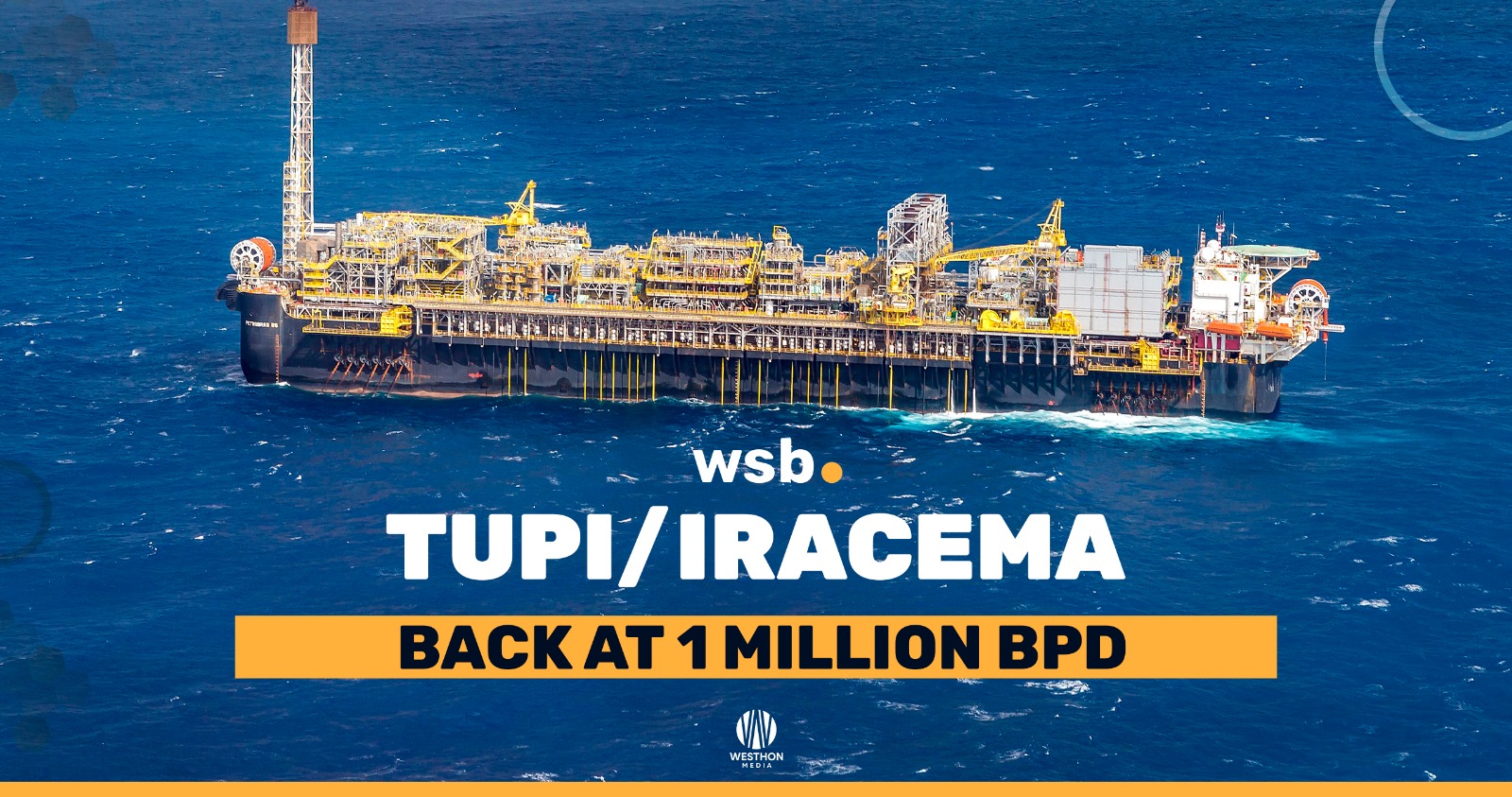
    On January 9, the Tupi/Iracema field, located in pre-salt Santos Basin, resumed production of 1 million barrels of oil per day, a level last achieved in 2019. The milestone confirms recovery of one of Brazil’s most strategic offshore assets and reflects execution of Petrobras’ medium-term production strategy.

    The result aligns with Petrobras’ 2026–2030 Business Plan, which prioritizes higher output through efficiency gains, improved reservoir management, and optimization of existing infrastructure rather than accelerated capacity additions. During 2025, Petrobras connected 11 new wells to Tupi/Iracema, bringing total drilled wells in the field to more than 150, supporting stabilization of plateau production.

    Petrobras has also indicated ongoing technical and economic assessments covering additional well drilling, life extension of existing production units, and the potential installation of a new production unit from 2031 onward, subject to partner alignment and regulatory approvals. These measures aim to sustain long-term output while preserving capital discipline.

    The performance reinforces competitiveness of Brazil’s pre-salt, which currently accounts for around 80% of Petrobras’ total production, and highlights continued relevance of mature, large-scale fields when supported by subsea interventions and reservoir optimization. Tupi/Iracema is operated by Petrobras, in partnership with Shell, Galp, and PPSA.

    From an offshore market perspective, the recovery of 1 million bpd at Tupi/Iracema signals sustained demand for subsea services, well interventions, and life-extension solutions in the Santos Basin, even as new frontier developments advance. How do you see this influencing offshore contracting and asset utilization over the next cycle?

    Stay informed on key offshore developments — visit wsb-one.com, our data platform trusted by leading offshore companies.

  • Saipem’s Castorone arrives in Brazil for Raia gas project

    Saipem’s Castorone arrives in Brazil for Raia gas project

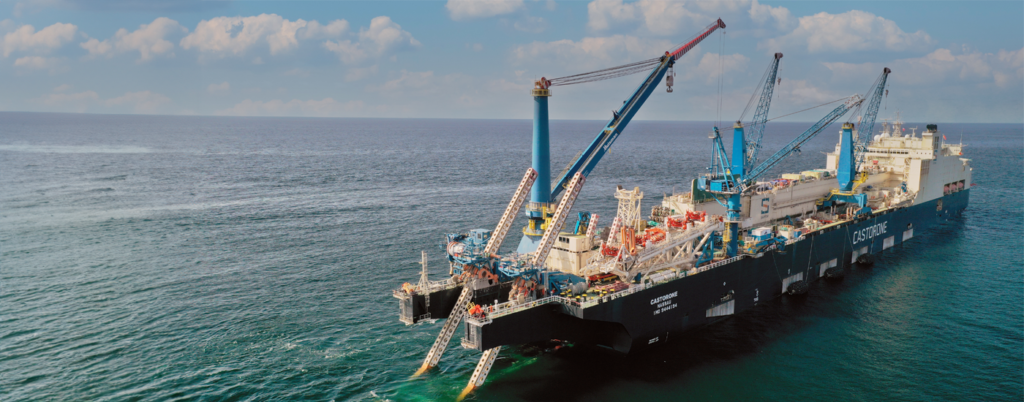
    On 15 January 2026, Saipem’s pipelay vessel Castorone arrived in Brazil to start deepwater operations at Equinor’s Raia gas project, in the Campos Basin, about 200 km offshore Rio de Janeiro. The DP3 vessel will install pipelines in water depths of up to 2,900 m, marking the start of the project’s deepwater phase.