Blog

  • WSB and UFRJ: market direction

    WSB and UFRJ: market direction

    By Rafael Bortoloti

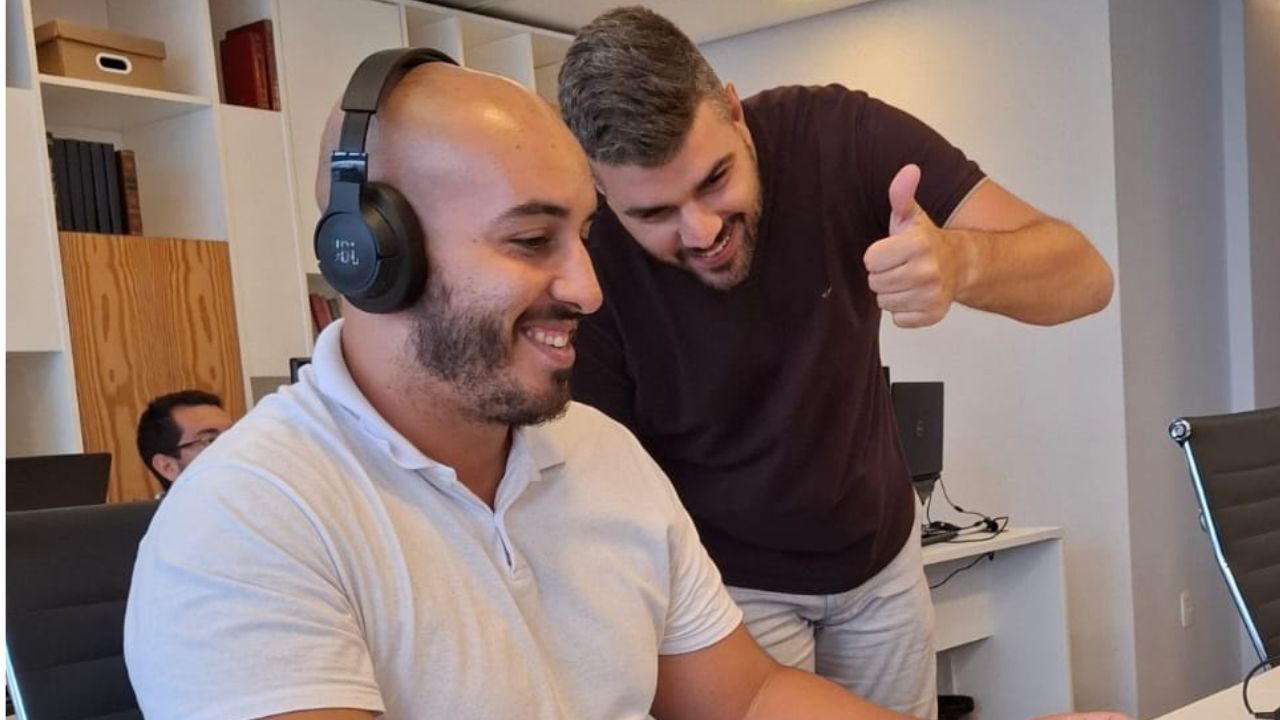
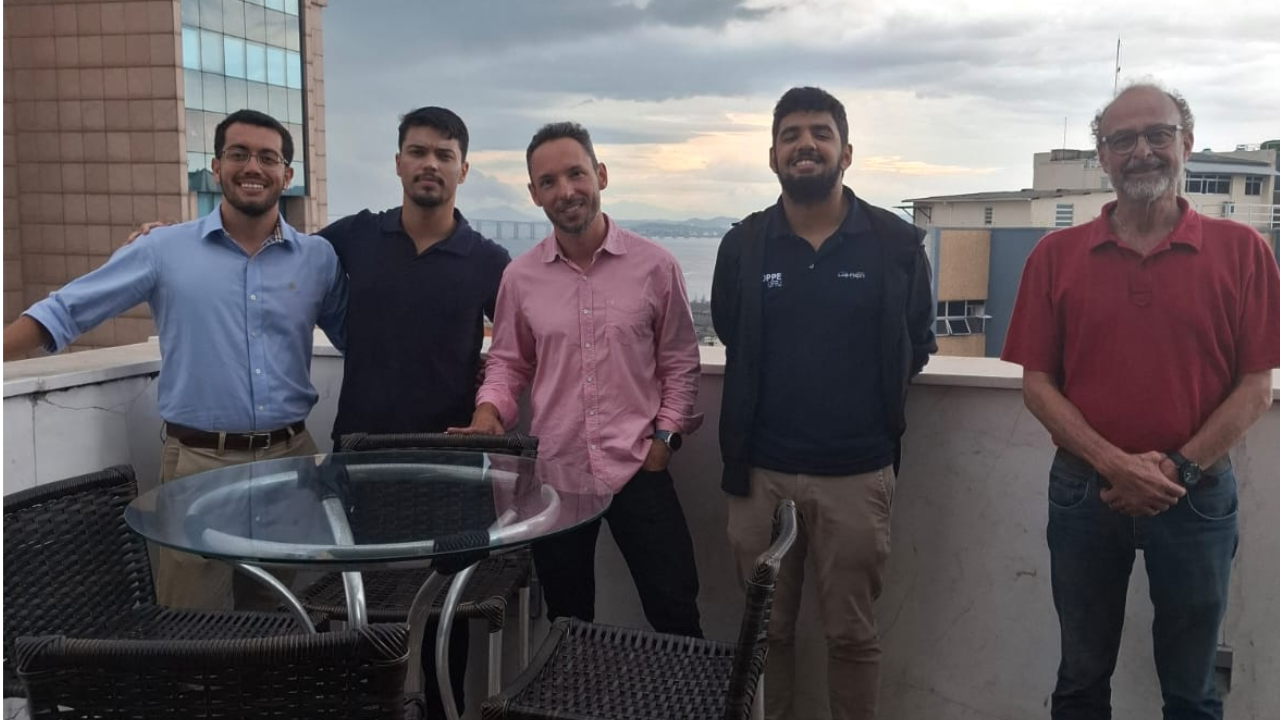
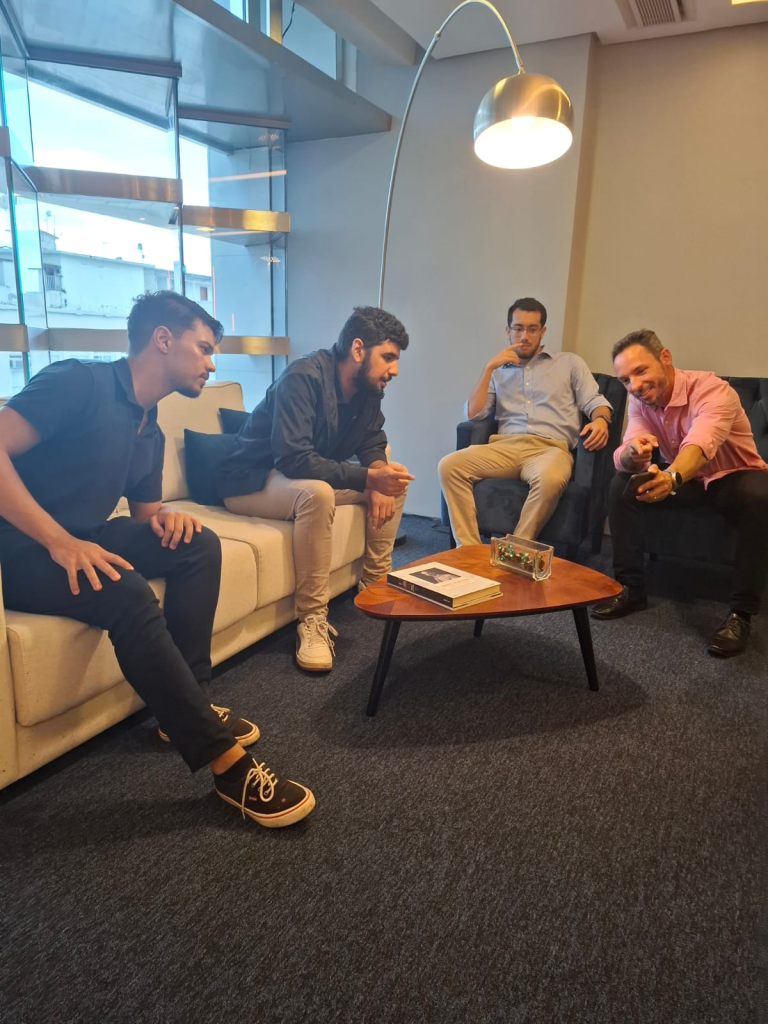
    In january, WSB welcomed Mateus Leite and Ayllon Scherwinski, President and Vice-President of Liga Naval – University community dedicated to fostering the personal and professional growth of Naval and Ocean Engineering students at UFRJ. Their visit provided an opportunity to gain firsthand exposure to the industry and deepen their understanding of key career paths.

    During their time at WSB Advisors, they explored the role of a shipbroker and its various business segments, extending into engineering services. They also had access to the WSB. One database and our other companies at Westhon Group.

    Beyond that, we provided a broad market overview, covering both Brazilian and global maritime trends, with a strong focus on the challenges and opportunities in OSV fleet renewal.

    In return, the students shared insights on the latest academic discussions, research topics, and university events such as ENAV.

    This was just the kick-off—there’s more to come. Stay tuned!

  • Boskalis tugs on FPSO Bacalhau mission

    Boskalis tugs on FPSO Bacalhau mission

    By Rafael Bortoloti

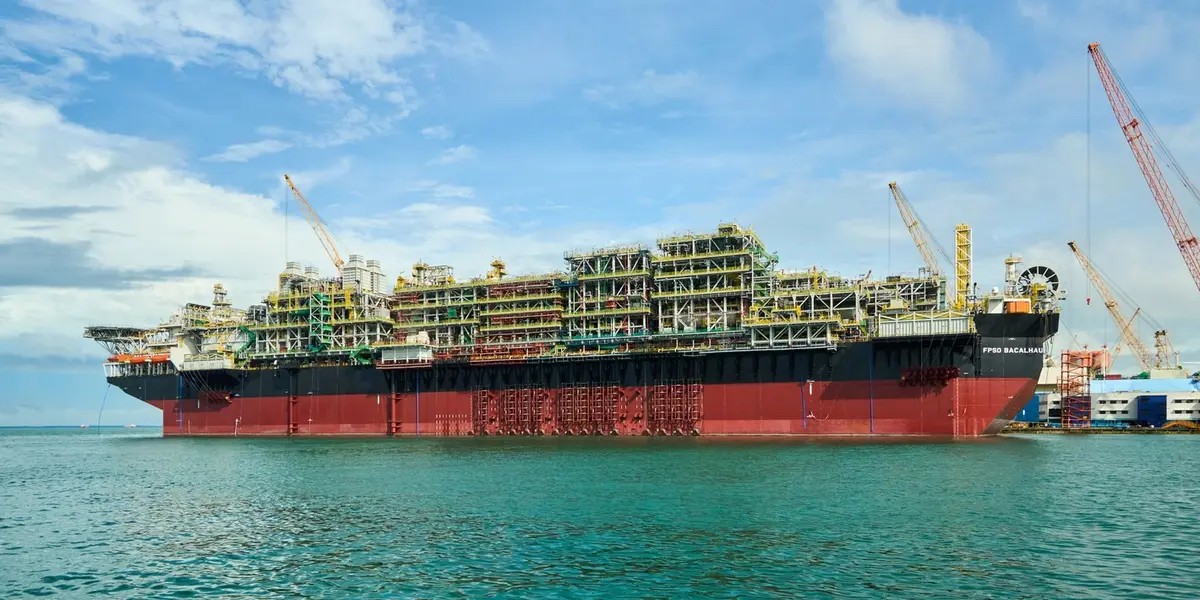
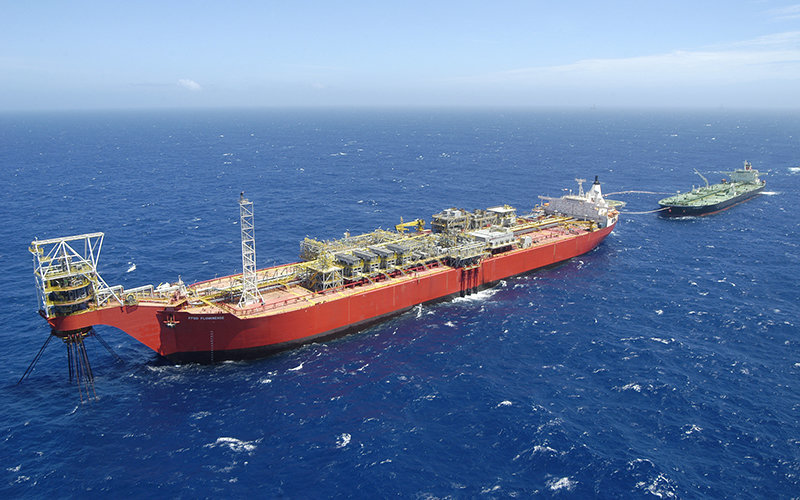
    WSB reports that three Boskalis tugs—Boka Keeper, Boka Sweeper, and Boka Defender—are towing the FPSO Bacalhau to Brazil.

    The FPSO is expected to arrive at the Bacalhau field, Santos Basin, by the end of February. Operations will be led by Equinor and MODEC targeting production of up to 220,000 bpd (barrels per day) and 530 mmscfd (million standard cubic feet per day). First oil is planned for May 25.

    “This FPSO is 370 meters long and 64 meters wide, quite impressive dimensions. It will be one of the largest floating production storage and offloading units in operation in Brazil,” says Pedro Pellegrini, Shipbroker Intern at WSB Advisors.

  • Working experience at WSB Advisors

    Working experience at WSB Advisors

    Rafael Drumond, Offshore Commercial Analyst at Grupo Bravante, joined WSB’s office for two weeks in January, immersing himself in every aspect of our operations. From handling daily tasks to engaging in high-level strategic meetings, Rafael gained hands-on experience in shipbroking and decision-making processes.

    He observed WSB’s shipbrokers at work and interacted with various teams across WSB and other companies within the Westhon Group.

    “It was an incredible experience with many lessons that I will apply both as a professional and in my naval engineering classes. And the best part is that I celebrated my two-year anniversary with Bravante on the exact day I was at WSB. It was funny,” he says.

    This was another chapter in the partnership between Bravante and WSB.

    To read more about Rafael’s journey, stay tuned in the next edition of One. Energy magazine.

  • Petrobras: bunker innovations

    Petrobras: bunker innovations

    By Rafael Bortoloti

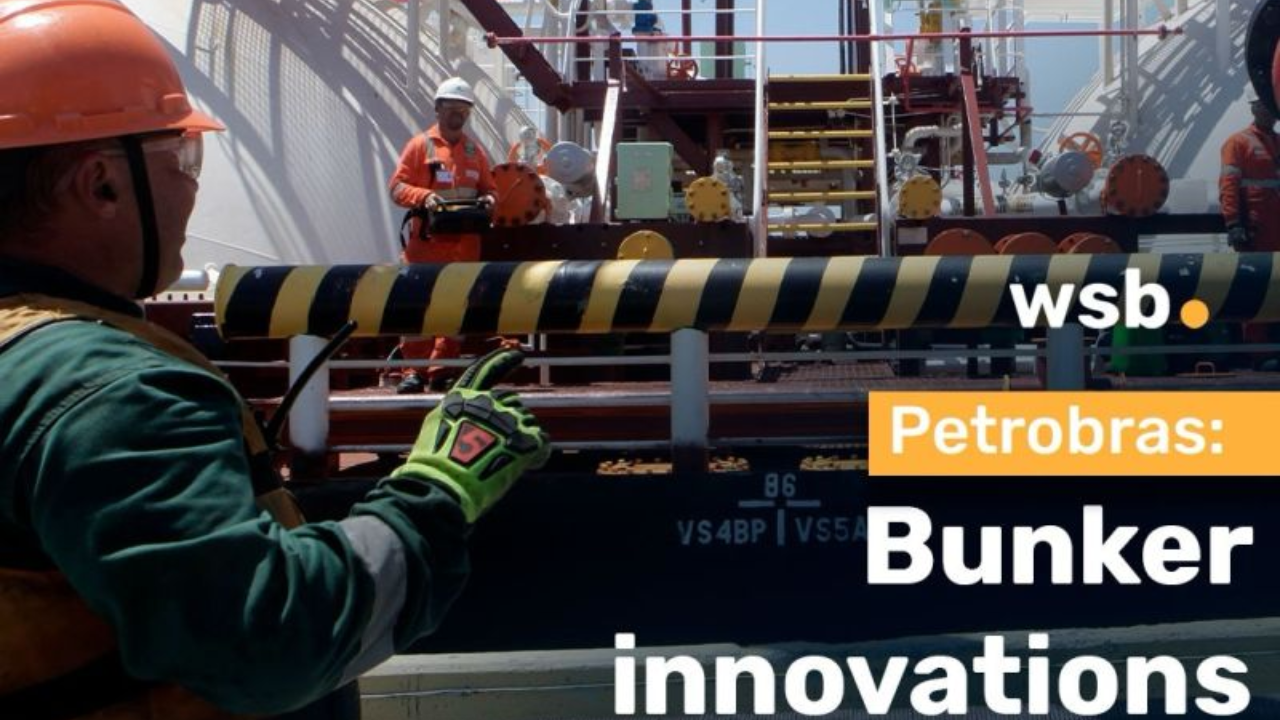
    Petrobras has achieved ISCC EU RED international certification for the commercialization of renewable bunker fuel at the Rio Grande Terminal (TERIG) in Rio Grande do Sul. The VLS (Very Low Sulfur) B24 fuel, a blend of biodiesel and mineral-origin material, which reduces greenhouse gas emissions by approximately 20%.

    “Petrobras is a pioneer in this area as well. In the past, it was the only company offering such a service in Brazil, although today there are other players in the market. Now, the oil company is innovating by being the first Brazilian company to provide marine fuel with renewable content,” remembers Daniel Buckley, Chartering Manager at WSB Advisors.

    WSB supports the sector’s development by facilitating the chartering of bunkering vessels.

  • FPSO Cidade Angra dos Reis: contract extension

    FPSO Cidade Angra dos Reis: contract extension

    Petrobras has formalized amendments to the charter and service provision contracts for the FPSO Cidade de Angra dos Reis with Tupi Pilot and MODEC. Under the new agreement, the vessel will remain operational until 2030, when decommissioning is expected to begin.

    Operating in the Tupi field, Santos Basin, the FPSO has been a cornerstone of Brazil’s pre-salt exploration since 2010. It was the first large-capacity unit deployed in the region and currently produces approximately 50,000 barrels per day (bpd).

    This development highlights the strategic importance of the Santos Basin, a key driver of Brazil’s offshore production. And with developments constantly unfolding, there’s more to come—stay connected for the latest updates!

  • Posidonia Panther in Rio de Janeiro

    Posidonia Panther in Rio de Janeiro

    By Rafael Bortoloti

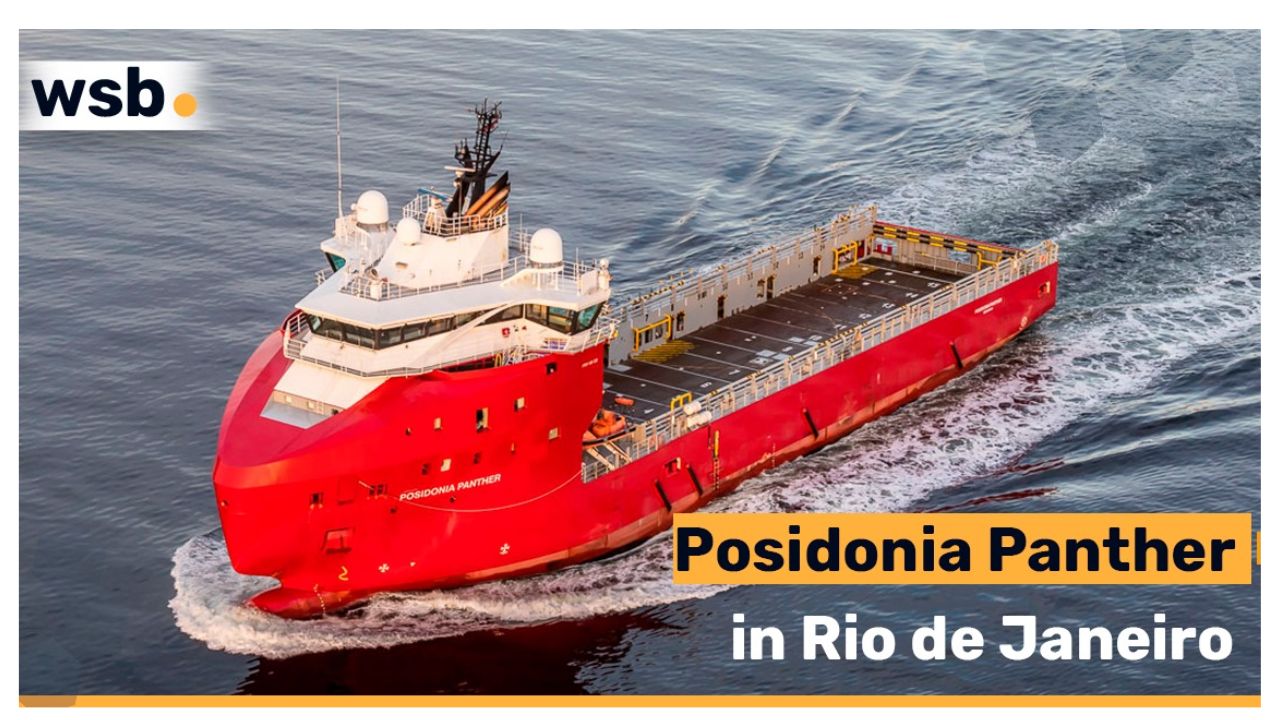
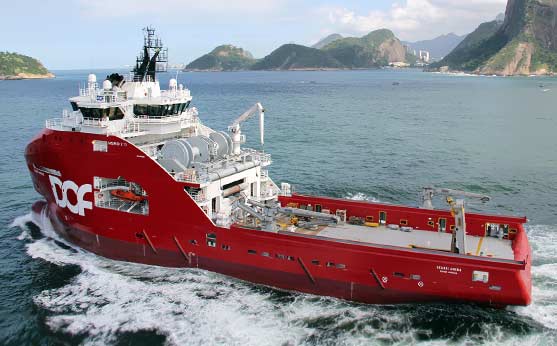
    The PSV Posidonia Panther has arrived in Guanabara Bay, Rio de Janeiro, to commence a charter contract (SEP format) with Petrobras.

    The Posidonia Panther, a PSV 5000, measures 87.73 meters in length and 19 meters in width, sailing under the Liberian flag. Built in 2012, the vessel was previously part of DOF’s fleet under the name Skandi Aukra until late last year.

    This marks another point in Posidonia Shipping’s expansion of its OSV fleet under the Brazilian Shipping Company (EBN). With five vessels now serving the oil giant and more expected to follow, Posidonia continues to strengthen its presence in Brazil’s offshore market.

    But, there’s more happening behind the scenes as Posidonia drives its fleet expansion, stay tuned for what’s coming next!

  • WSB tips

    WSB tips

    • On the Subsea7 bunker requirement for the FPSO Bacalhau and tugs arrival, two traders are short-listed, interesting enough both have considered the same OSV for the transport as the MGO is set to be delivered on location. WSB.One subscribers have the details disclosed;
    • While several Brazilian flagged PSVs are unemployed, magic strikes and one PSV3000 has obtained a 1-year CAA from ANTAQ. How is that possible?;
  • Norbe VIII: contractual amendment

    Norbe VIII: contractual amendment

    By Rafael Bortoloti

    Foresea and Petrobras Expand Norbe VIII Contract

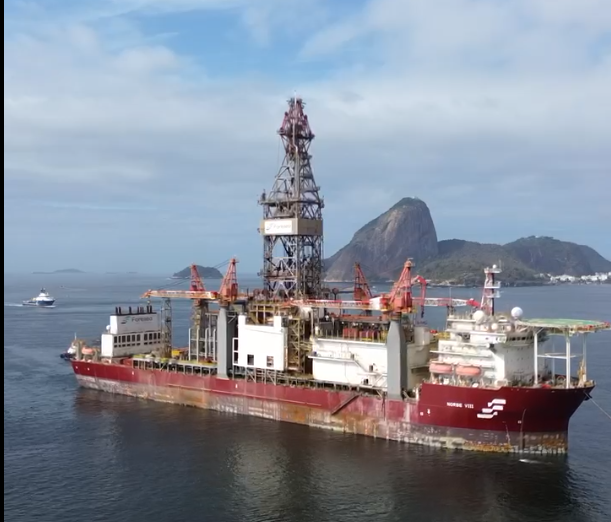
    Foresea has amended its charter agreement with Petrobras for the Norbe VIII drillship, introducing new technologies and extending operations to shallow waters. The amendment adds USD 70 million to the agreement, including a mobilization fee.

    Originally signed in December 2024, the contract covers a firm duration of 1,095 days with an option to renew for an additional term of up to 1,095 days. Currently operating in the Santos Basin, the Norbe VIII is set to undergo equipment and system upgrades, scheduled for completion by December 2025.

    These upgrades will improve its operational flexibility across various water depths while enhancing safety and performance, positioning the vessel for broader opportunities in Brazil’s offshore market.

    For deeper insights into the Norbe VIII, revisit our eighth edition of One.Energy magazine:

  • Brazilian shipyards: exciting news

    Brazilian shipyards: exciting news

    By Rafael Bortoloti

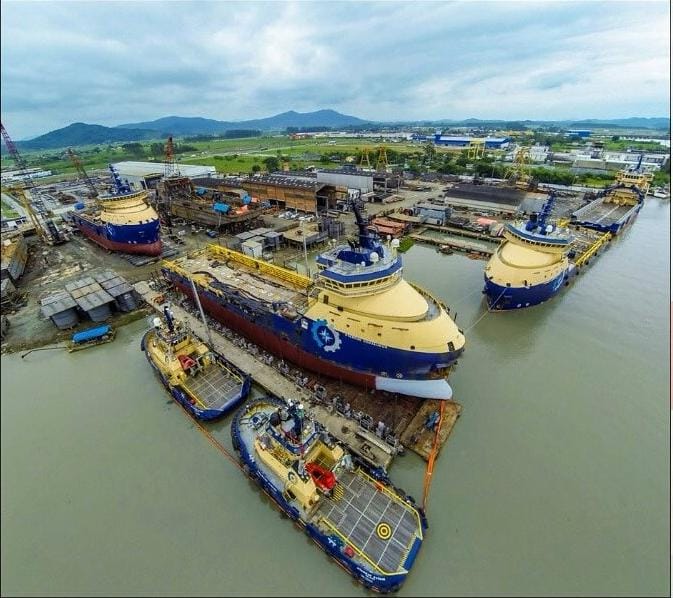
    The week took off with exciting news for brazilian shipyards. Petrobras awarded contracts to CMM and Starnav in the bid for the construction and chartering of up to 10 OSRV vessels (Opportunity number 7004306735) with a 5,000t DWT, launched last year.

    CMM will oversee the construction of six vessels, to be built at the Enseada shipyard. On the other hand, Starnav will, as expected, utilize Detroit for the fabrication of the remaining four OSRVs.

    There are also new developments from Transpetro regarding the tender for the construction and chartering of four handy-size tankers (15-18k DWT).

    Curious to learn more? Stay updated through our social media channels.

  • AHTS tender

    AHTS tender

    By Alexandre Vilela

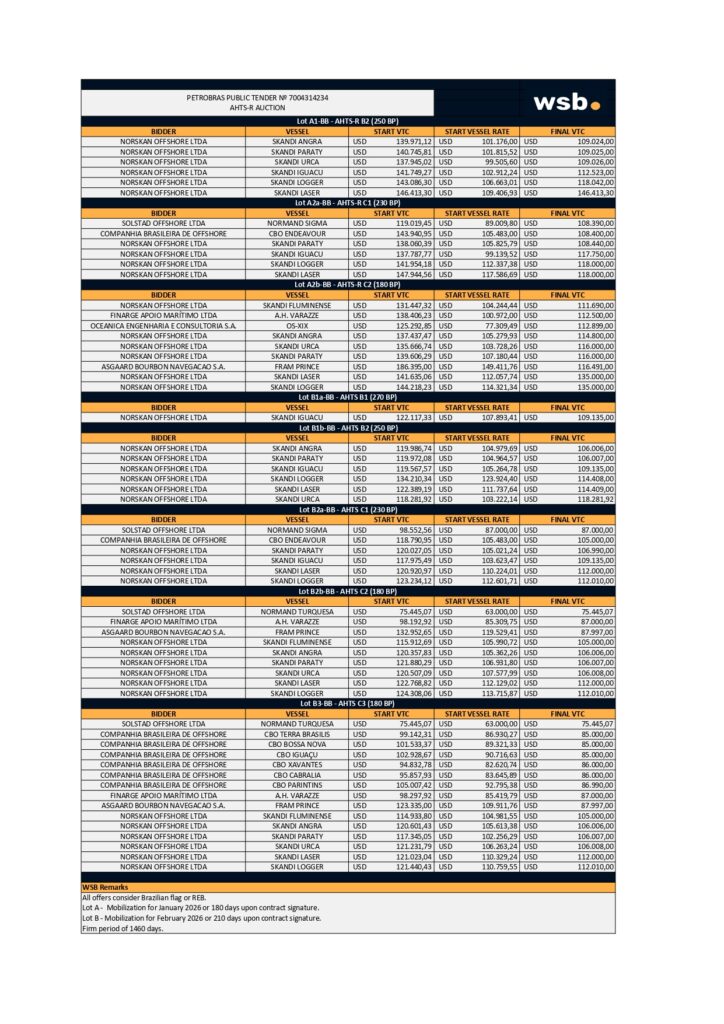
    Petrobras AHTS Tender: Rates Through the Roof – But What’s Next?

    The AHTS market in Brazil is heating up, and Petrobras’ latest tender results have made waves. Featuring 8 categories, or “Lots,” the numbers are staggering:

    AHTS-R (with ROV): rates roaring between USD 108k and 118k per day.
    AHTS (without ROV): day rates stretched from USD 75k (a bold move by Solstad Normand Turquesa) to USD 110k.

    Here’s where it gets interesting: back in our Charterers’ Workshop last November, we forecast adjusted day rates for this vessel type to average USD 87k. Fast forward, and the majority of contenders landed exactly there (with a few daring exceptions).

    But let’s ask the real question:
    How many vessels can Petrobras afford to contract before the budget for this tender snaps under the pressure?

    NOTE:

    On one side, we see owners charging adjusted rates, confident in a tight supply market. On the other, charterers must decide how to maximize resources without breaking the bank.

    The stakes are high, and the ripple effects could redefine the offshore support landscape in Brazil. What’s your take—strategic brilliance, market chaos, or a bit of both? Let’s hear your thoughts!

  • Petrobras Extends Safe Zephyrus Contract with Prosafe

    Petrobras Extends Safe Zephyrus Contract with Prosafe

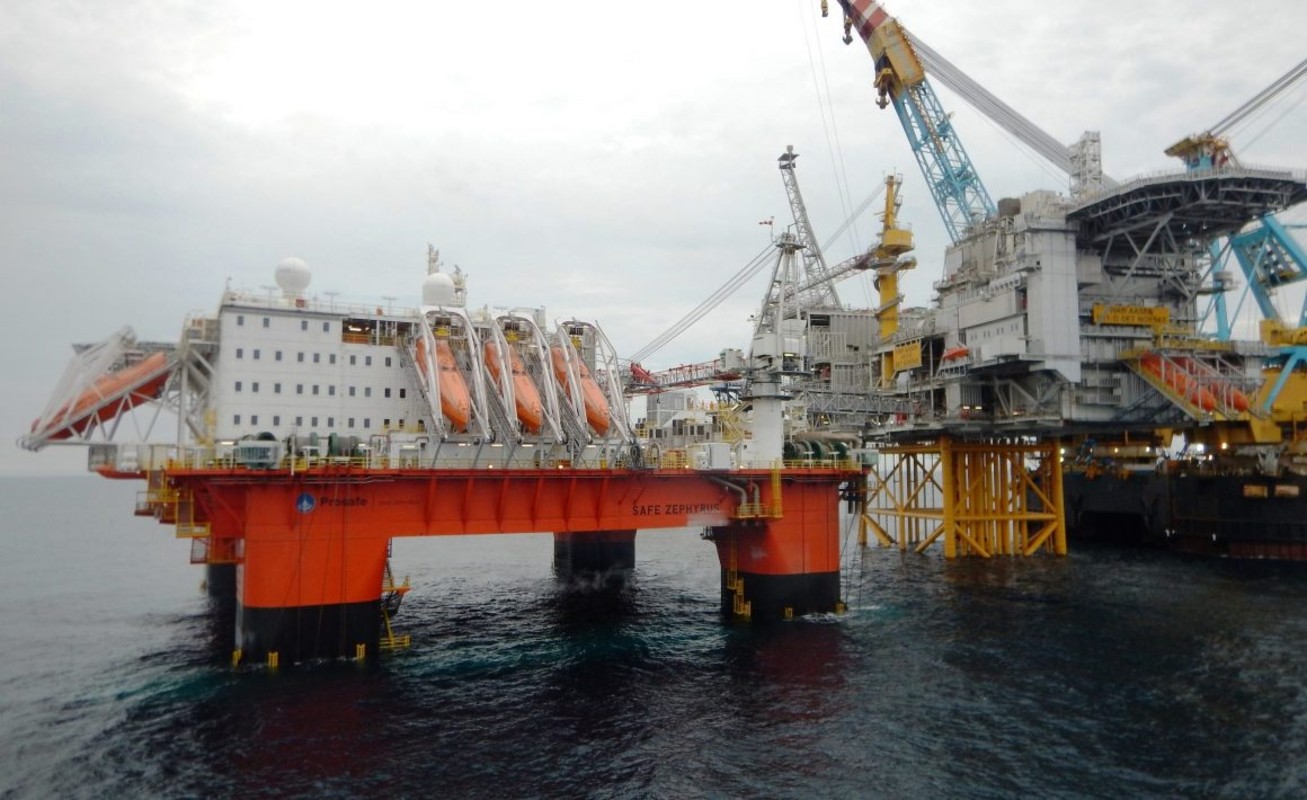
    Petrobras and Prosafe have finalized a USD 109.7 million extension to the charter contract for the Safe Zephyrus semi-submersible platform. The vessel delivers essential offshore safety support and maintenance services.

    Initially set to conclude in February 2025 after a 650-day term, the contract has been extended by an additional 954 days, now running through September 2027. The agreement also includes an increase in the daily fuel allowance from 20 m³ to 25 m³.

    The Safe Zephyrus features advanced capabilities, including a DP-3 dynamic positioning system, a 1,000 m² deck area, two 50-ton cranes, accomodation for 450 persons, and a 12-point mooring arrangement—positioning it as a critical asset for offshore operations.

  • Shell’s Decision on Gato do Mato Expected by April

    Shell’s Decision on Gato do Mato Expected by April

    By Rafael Bortoloti

    Cristiano Pinto da Costa, CEO at Shell, revealed that the company will decide by April whether to invest in the Gato do Mato project. Speaking with journalists this week, Costa indicated that the decision is likely to be positive.

    If approved, the FPSO, to be constructed by MODEC will operate at water depths of approximately 2,000 meters, 250 km offshore. The unit will have the capacity to produce 90,000 boe/d and 8.5 million m³ of natural gas per day, with storage capacity for 1.6 million barrels of oil.

    The production plan includes 10 wells: four producers, four gas injectors, and two seawater injectors. Shell holds a 70% stake as the operator, partnering with Ecopetrol (30%).

    “Shell secured the field in the 2017 ANP auction, with development initially planned for 2023. However, the company postponed the final decision in late 2022,” recalls Daniel Buckley, Chartering Manager at WSB Advisors.