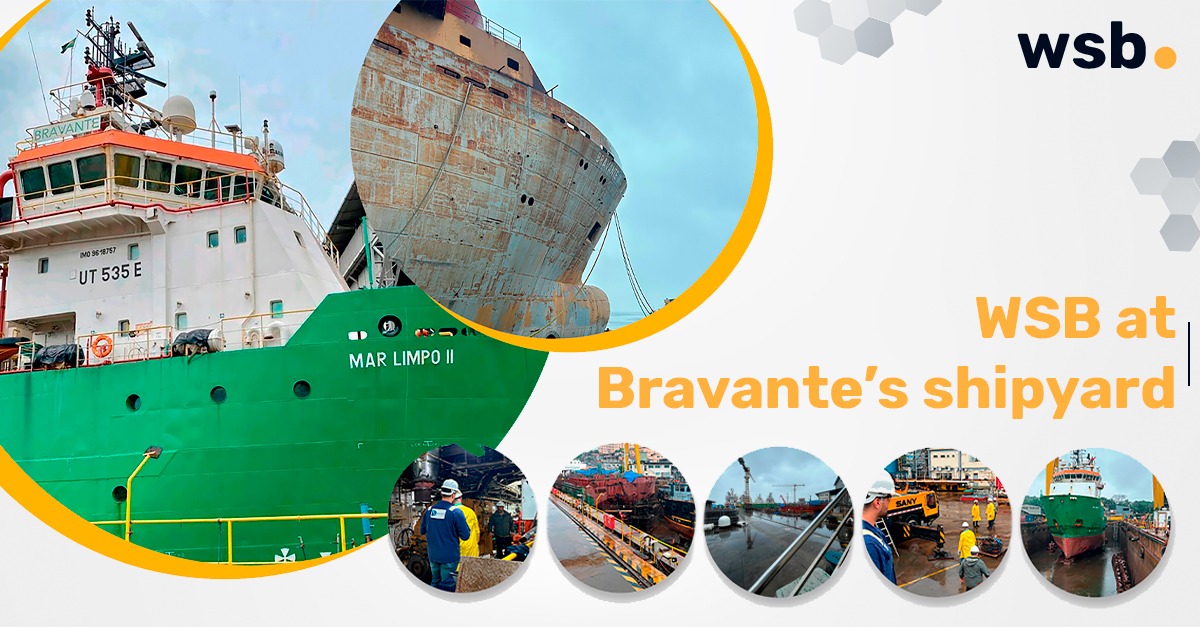
Wednesday 04th December Raphael Montes (Proposals Manager & Partner at WSB Advisors) and Pedro Pellegrini (Shipbroker Intern) had an agenda at São Miguel Shipyard in São Gonçalo, Bravante Group.
The yard is busy with repair-work. Besides, our WSB client had the chance to witness the great quality of Bravante vessels occasionally berthed on this opportunity: Bravante II and Mar Limpo III and VI.
Working outside the fancy office walls in Rio Branco avenue is the best part of a knowledgeable commercial team. We also gather some information for WSB.One, the most comprehensive database in the market.
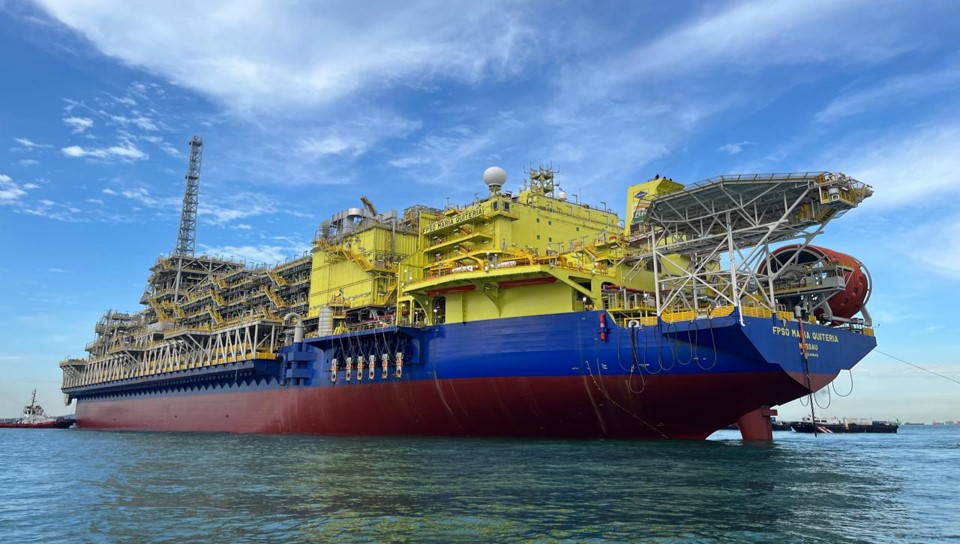
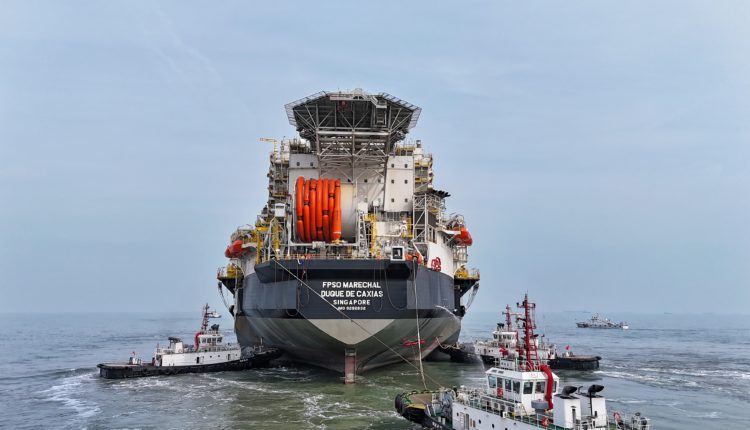
Earlier this year, in March, WSB Advisors shared insights on Petrobras’s FPSOs SEAP I and II, predicting that securing their own units would be the most probable route, based on statements by Carlos Travassos at the time.
Fast forward through two tender attempts, Petrobras has now returned to the market for the third time with a Build-Operate-Transfer (BOT) model. Under this model, the contractor is tasked with designing, constructing, delivering, and operating the units for a specific period before transferring both the asset and its operations to Petrobras.
What’s new this time? SEAP II is now a firm commitment, while SEAP I has been set as an optional requirement. Petrobras believes the BOT model will tackle two critical aspects: accelerating delivery timelines and optimizing financing, while ultimately reducing operational costs once the units are fully transferred.
Traditionally, chartered units are delivered faster but come with higher costs, while owned units, though more affordable in the long run, often face extended delivery timelines. It will be interesting to see how this BOT approach unfolds for these critical FPSO projects.
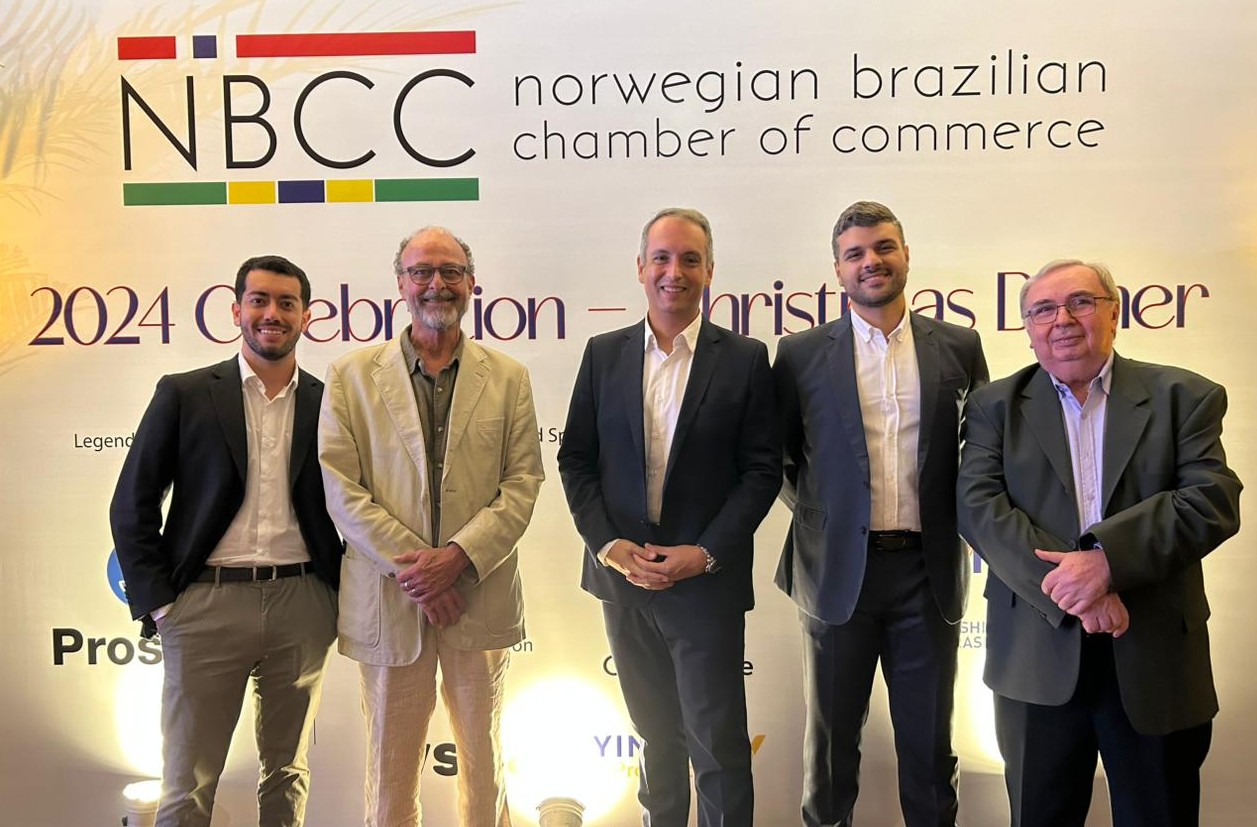
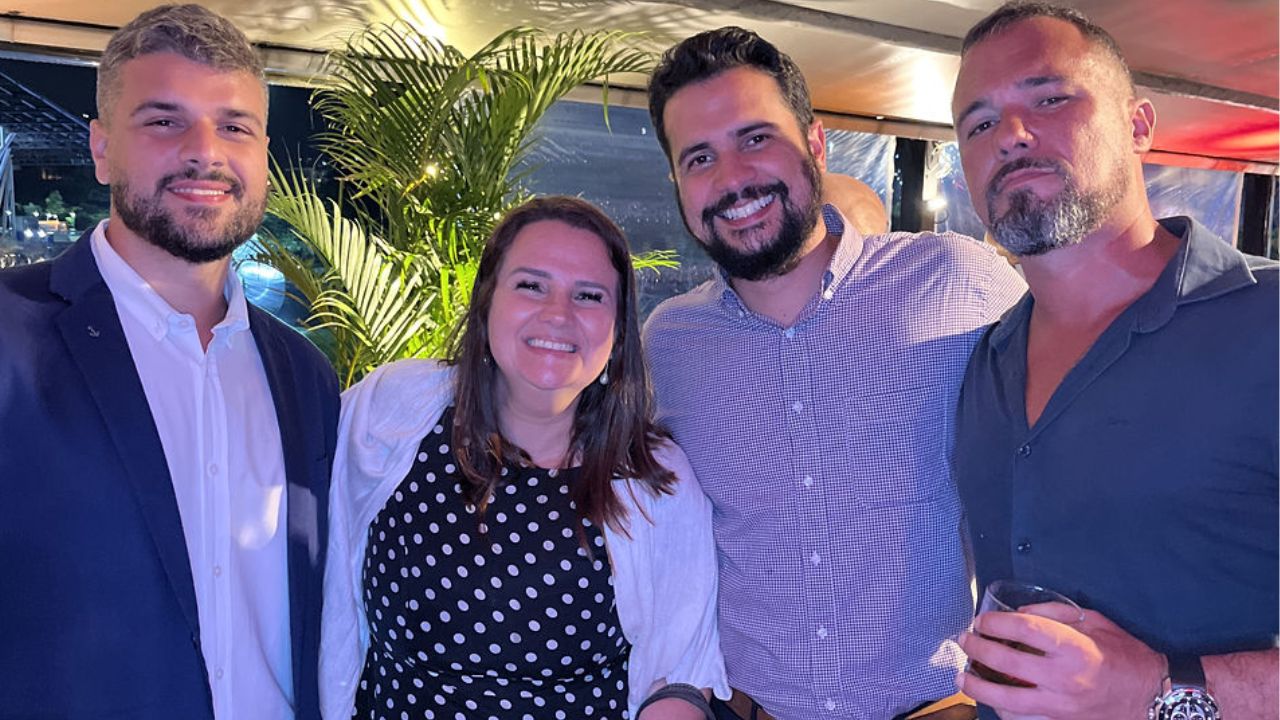
Last Friday (29th), WSB Advisors attended the NBCC – Norwegian Brazilian Chamber of Commerce – Christmas Dinner at Clube Caiçaras, Rio de Janeiro. The event was another fantastic opportunity organized by the NBCC, this time to celebrate 2024’s achievements.
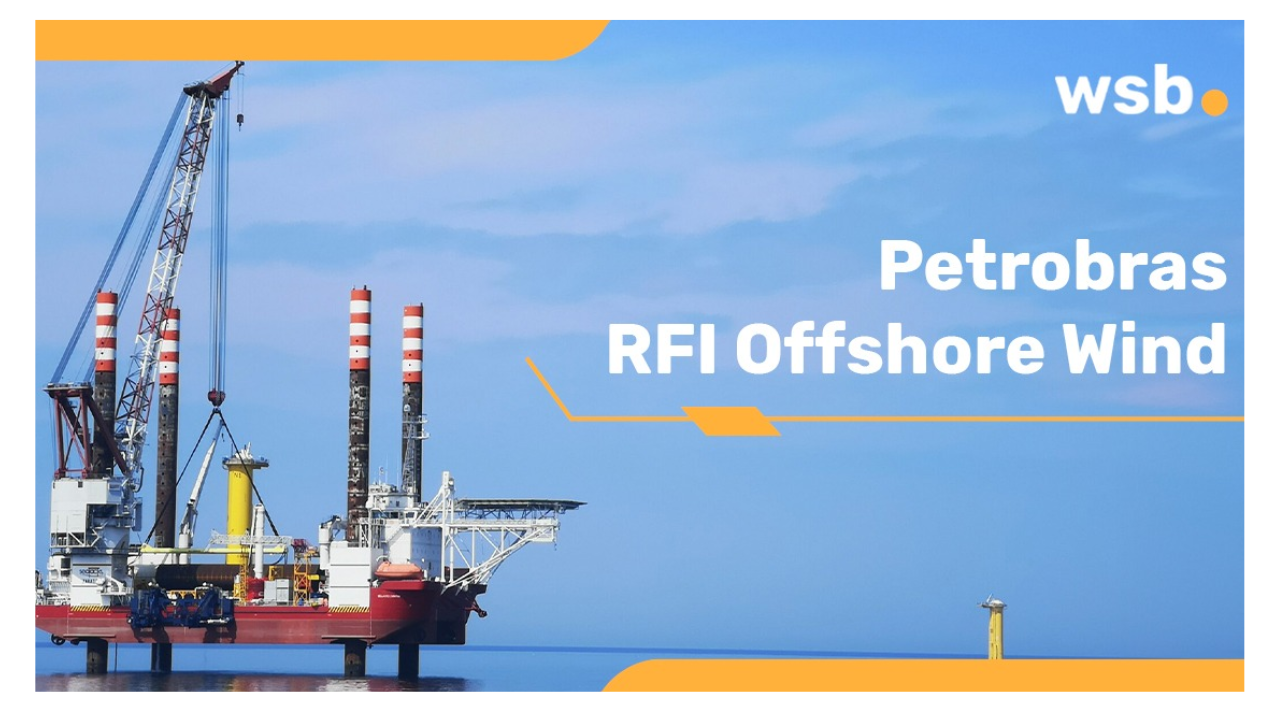
Petrobras has issued an RFI for a pioneering Offshore Wind pilot project near Porto do Açu, Rio de Janeiro. The initiative aims to install a high-capacity turbine (18MW+) 25km offshore, with 32km of submarine cables to form the interconnection system. The project may be contracted in parts or as a complete EPCI (Engineering, Procurement, Construction, and Installation) package.
Set to launch operations by September 2028, the facility will supply power to the grid, off-grid projects, or support the electrification of E&P activities.
This international RFI invites global expertise, particularly from regions like the North Sea, to strengthen Petrobras’ capabilities in offshore wind and foster the development of a robust supply chain for Brazil’s energy transition.
Brava has announced the signing of three contracts for its first integrated development campaign in the Atlanta and Papa-Terra fields, with an option to develop the Malombe field through a tieback.
The campaign will begin in 2025 and the contracts value, covering the first four wells, is approximately $200 million.
– The Lone Star rig, provided by Constellation Oil Services, will drill and complete the wells in the Atlanta and Papa-Terra fields, with the possibility of a fifth well, to be decided by Brava.
– OneSubsea will supply two wet Christmas Trees, safety equipment used in oil extraction, for the Atlanta field. The equipment for the Papa-Terra and Malombe fields is already in place.
– Baker Hughes will provide flowlines and risers for the Atlanta wells, with an option for Malombe. Existing flowlines will be used for the Papa-Terra wells.
The drillship Atlantic Zonda, operated by Ventura Offshore, has arrived in Rio de Janeiro after departing from Singapore 45 days ago. The vessel will now begin a 36-month contract with Petrobras.
This 7th-generation, dual-drilling rig, built on the Samsung 96K design, is capable of drilling in water depths of up to 12,000 feet.
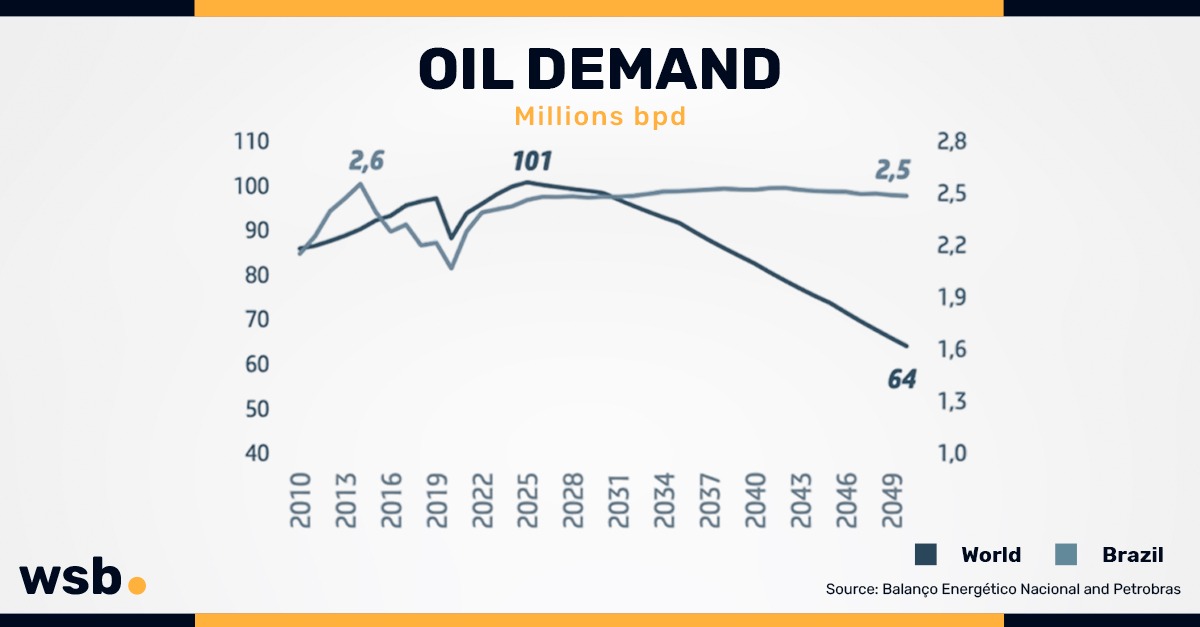
In the release of its latest Strategic Plan, Petrobras presented a graph suggesting that global oil demand will drop significantly in the coming years: from 101 million barrels per day (bpd) to 64 million bpd by 2049. In contrast, Brazil is expected to see a modest increase, rising from 2.3 million bpd to 2.5 million bpd over the next 25 years. These figures may indicate a global shift toward energy transition, as well as the potential for oil prices to rise in the future, which could prompt investors to seek alternative options.
It’s important to note that Brazil stands out as one of the few countries capable of increasing investment in the oil and gas industry while prioritizing sustainability. This is largely due to technologies developed and implemented exclusively by Petrobras, such as Carbon Capture, Utilization, and Storage (CCUS). Oil and gas will remain, and continue to be, a crucial component of Brazil’s energy agenda, alongside shipbuilding and other essential infrastructure activities for its energy sector.
Petrobras relies on its own data as well as figures from the National Energy Balance, as shown in the image below. What’s your take on this? What do you think the implications of this decline might be for our market?
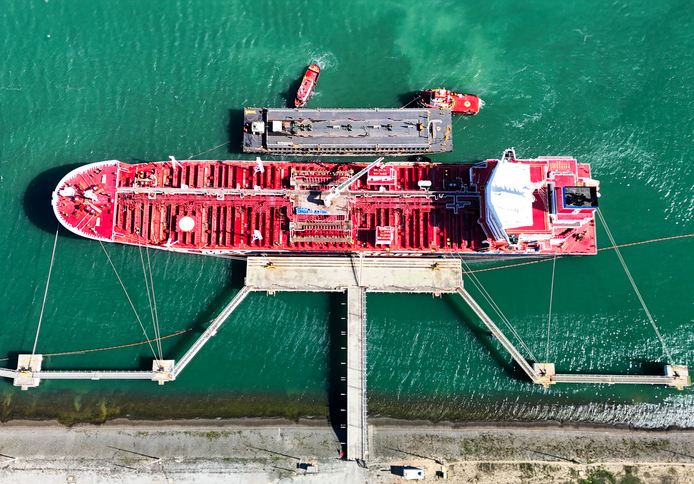
After signing a contract with Efen, Vast Infraestrutura completed its first operation at the Açu Liquid Terminal (TLA), a new terminal at the Port of Açu in São João da Barra. A few weeks ago, the infrastructure company took over operations at the site with the goal of transforming it into a hub for the storage and handling of liquids.
Vast performed the transshipment of marine gas oil (MGO) using the ship-to-barge method, which offers greater efficiency and cost savings. This fuel is widely used in the main propulsion engines of vessels, including offshore support vessels (OSVs) and tugboats. The process involved transferring fuel from a berthed MR, with a gross tonnage of up to 59,000 tons, to a barge alongside.
The companies have signed a five-year agreement, and Efen will have storage capacity for 20,000 m³ to supply the markets at the Port of Açu and offshore, from a total of 84,000 m³ later available.
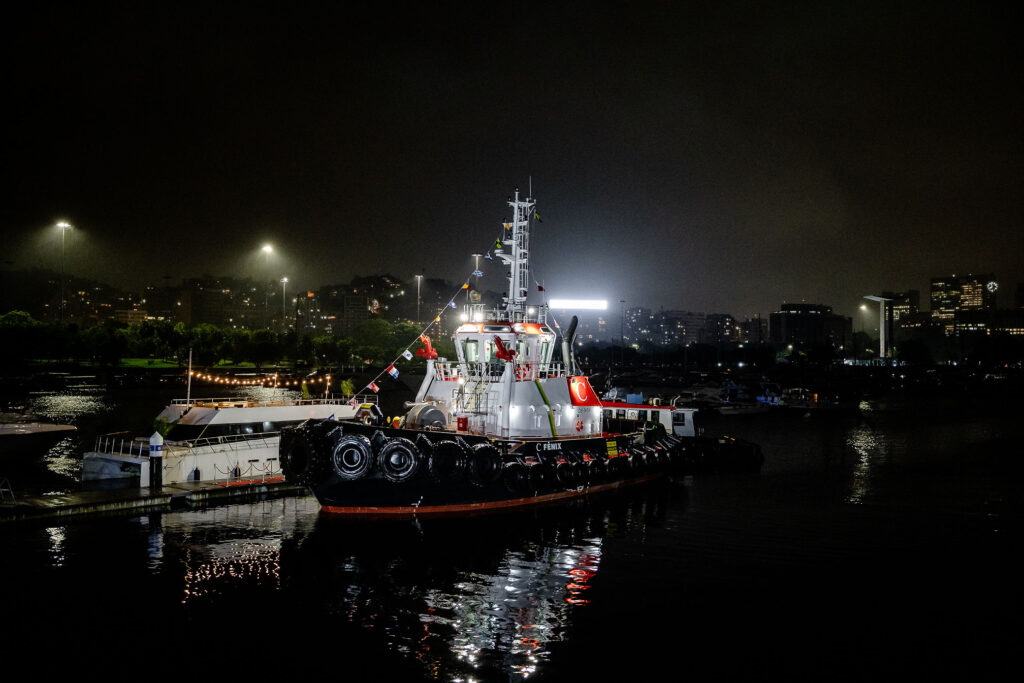
Our shipbroking team was invited by Camorim to attend their end-of-year cocktail party at Marina da Glória, Rio de Janeiro. The event also served as a celebration of the delivery of the company’s newest acquisition: the C Fênix.
C Fênix (Source: Camorim)
The ASD tug was built in Itajaí and is the first of five vessels of this type to be delivered by the DETROIT BRASIL shipyard. This type of vessel stands out for its improved maneuverability, reduced costs, lower risk of damage, and its hydrodynamic hull. The C Fênix has 70 tons of Bollard Pull, a length of 24.35 meters and 11 meters beam.
We would like to thank Camorim for the invitation and congratulate them for this wonderful event, wishing that C Fênix literally incorporates Camorim´s come back success throughout the coming year.
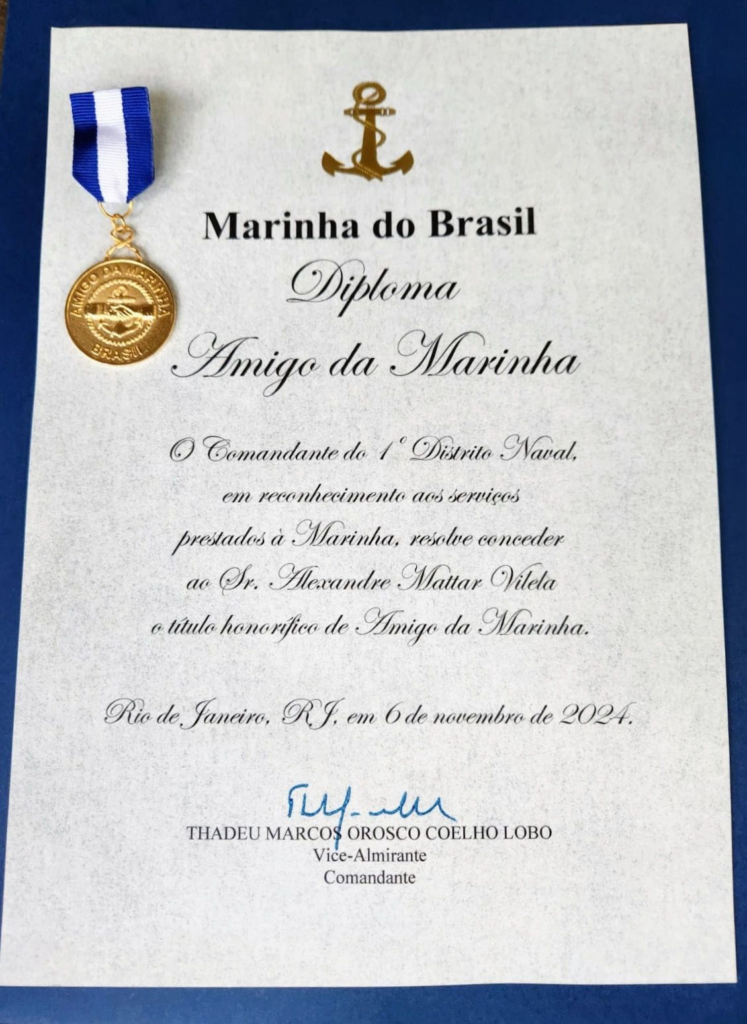
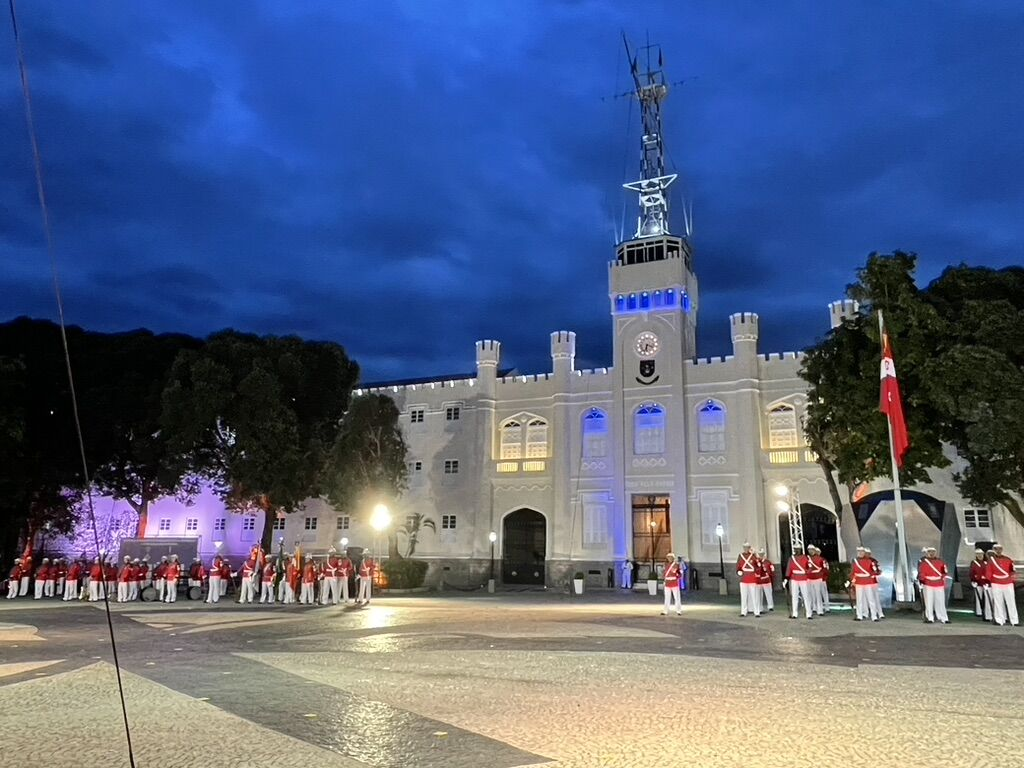
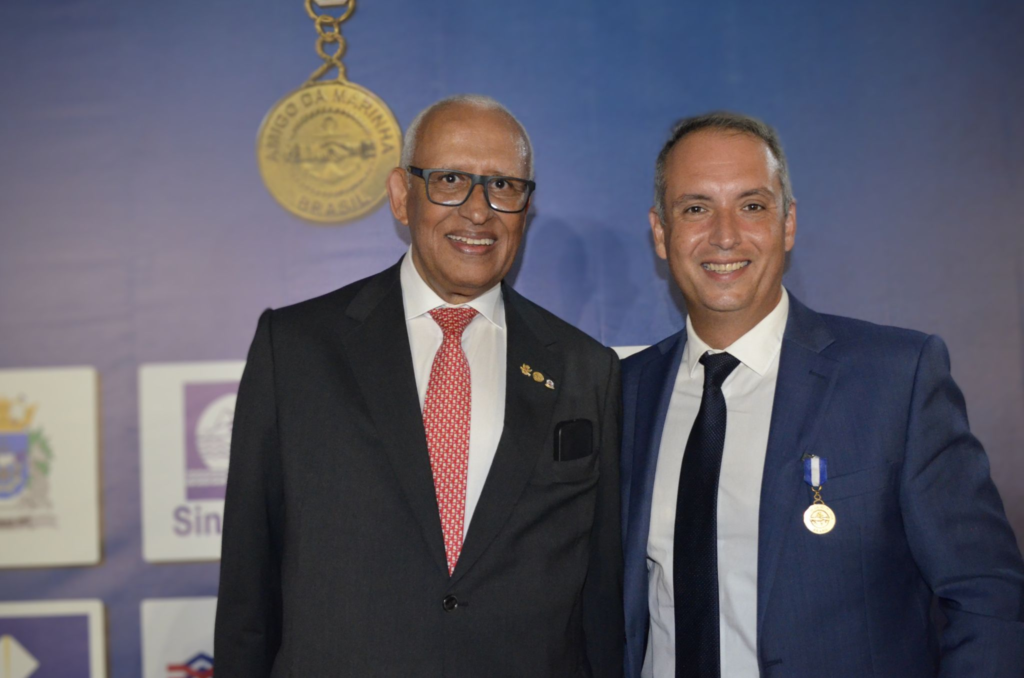
“I am deeply honored to receive the Amigo da Marinha medal, the Invictus Brazilian Navy Marinha do Brasil recognition for services to the Brazilian Navy. This achievement holds special meaning as I reflect on 2024, the year I celebrate 25 years of dedication to the merchant marine.
The journey began humbly when I first walked into Petrobras‘ headquarters to join the cargo shipment control department. Under the guidance of extraordinary mentors, I was granted opportunities to immerse myself in the world of shipping: embarking on tankers, overseeing loading operations, visiting refineries, and even spending time on oil rigs. These formative years awakened the passion for shipping in the grandson of a shipowner, my grandfather Elias Mattar.
Later, Maersk provided me with the incredible MISE program, which I firmly believe to be the best shipping education in the world. My career continued with Shell and culminated in the founding of my own shipbroking firm 14 years ago. Since 2016, with the growth of WSB Advisors, the scope of our operations has expanded into technology, engineering, and beyond.
Recently, my dear friend and business partner Joana Rodrigues helped me realize the impact of this journey—not only on myself but also on the many seafarers and professionals at sea and in land whose livelihoods were touched by the vessels I helped manage, repair, and employ. A lifetime dedicated to the merchant marine has brought a collection of cherished friendships.
This medal also reminds me of the inseparable connection between the merchant marine and the Brazilian Navy. The Brazilian merchant marine has long been a pillar of the nation’s economic strength. From World War II to the present day, merchant seafarers have made incredible sacrifices for the prosperity and sovereignty of Brazil, often with little recognition from society.
Alexandre with Dalton Schmitt (middle) and Pedro Schlegel, from TSA (Source: Brazilian Navy)
The Navy has always been a cornerstone of this maritime vocation, educating, preparing, and certifying the seafarers who fuel the lifeblood of the nation’s shipping industry. I am immensely proud to contribute to this tradition in my own capacity and to help promote the success of Brazil’s maritime endeavors.
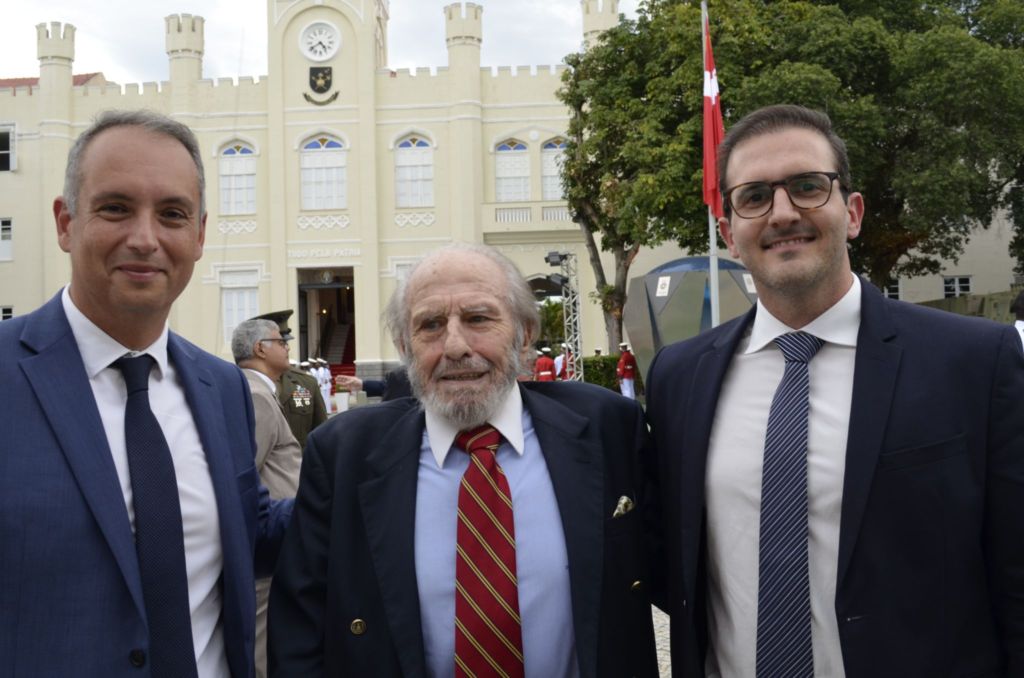
In the photos, I stand proudly alongside my dear friend and inspiration, Dalton Schmitt, who continues to devote his life to shipping and also received the medal this year.
A special mention goes to Mauricio Almeida, who this year celebrates an incredible 50 years of dedication to the industry. Working with Mauricio over the past year has been an honor, and his wisdom and passion for shipping have been invaluable in shaping my ongoing journey.
Alexandre Vilela and Maurício Almeida (Source: Brazilian Navy)
To all who dedicate their lives to the maritime vocation, I salute you. This medal is not just a recognition of my efforts but a testament to the shared mission of strengthening Brazil’s maritime legacy”, says Alexandre Vilela, CEO of WSB Advisors.
Last week, Petrobras released its renewesd Strategic Plan, now covering the period from 2025 to 2029.
Here are some highlights from the oil company’s document:
– The company plans to invest $111 billion across all areas, a 9% increase compared to the forecast for the 2024-2028 period.
– Of this total, $77 billion will be allocated to Exploration & Production (E&P), with 60% directed toward pre-salt assets.
– Petrobras projects total production of 3.2 million barrels of oil and gas equivalent per day (boed), including 2.5 million barrels of oil per day (bpd).
– Ten new production systems are set to be deployed by 2029, utilizing cutting-edge technologies that enable greater efficiency and lower emissions. Nine of these systems are already contracted.
– Production will begin at Raia in 2028, but with Equinor as the operator and Petrobras as the partner.
– There are five projects under development beyond 2029, with six more in the planning stage.
– Investments of $19.6 billion are expected in the Refining, Transportation, Marketing, Petrochemical, and Fertilizer segments, marking a 17% increase compared to the last Strategic Plan.
– A commitment to investing $16.3 billion in energy transition projects.
Numbers don’t lie as they reveal Petrobras’ strategy for FPSOs. Of the 18 FPSOs set to be contracted, 10 have already been awarded, with 12 of the total slated to be leased units and only 6 owned by Petrobras. This marks a shift, tilting the current 40% leased vs. owned ratio further toward leasing.
But at what lifting cost? (Ineep and Dieese numbers)
For post-salt deepwater, leased units have 15% higher lifting costs. For ultra-deepwater pre-salt, the difference soars to 50% higher lifting costs for leased units.
Managing and operating FPSOs isn’t Petrobras’ core business. Yet, owning units can provide an economical advantage while also driving Brazil’s shipbuilding and support industries. On tankers, sovereignty and logistical control under state management are clear benefits.
So why the shift to leasing FPSOs? If owned units are more cost-efficient in the long run, is Petrobras prioritizing short-term flexibility over long-term strategy? Cash restrains?