Tag: ANP

  • ANP sets date for 2026 O&G bidding rounds

    ANP sets date for 2026 O&G bidding rounds

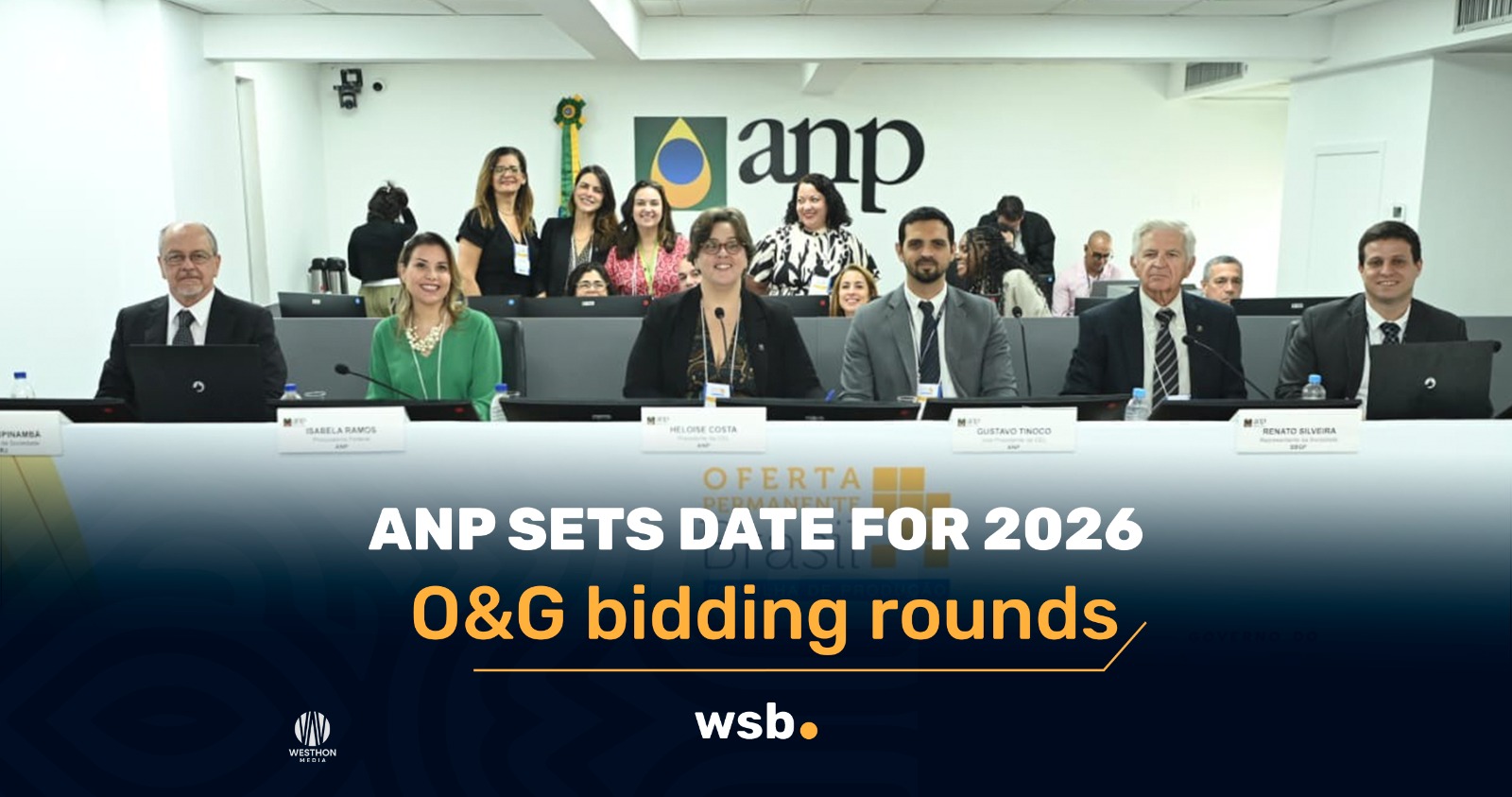
    Brazil’s National Agency of Petroleum, Natural Gas and Biofuels (ANP) has scheduled the public bid sessions for the 6th Cycle of the Permanent Concession Offer (OPC) and the 4th Cycle of the Permanent Production Sharing Offer (OPP) for October 7.

    Under the concession regime, the upcoming round may include five marginal accumulation areas and 495 exploratory blocks. The production sharing model is expected to include 23 blocks located within Brazil’s pre-salt polygon.

    Currently, 36 companies are registered for the OPC and 15 for the OPP. Companies may still apply to participate until June 5.

    ANP is expected to announce the sectors and blocks included in both cycles on August 6, while declarations of interest and bid guarantees must be submitted by July 21.

    The upcoming rounds reinforce Brazil’s position as one of the world’s most active offshore exploration markets, particularly amid continued interest in deepwater and pre-salt opportunities.

  • ANP approves production unitization agreements for Sururu and Berbigão reservoirs

    ANP approves production unitization agreements for Sururu and Berbigão reservoirs

    Petrobras has reported that it has been informed by Brazil’s National Agency of Petroleum, Natural Gas and Biofuels (ANP) of the approval of the Production Individualization Agreements (AIPs) for the shared Sururu and Berbigão reservoirs, located in the pre-salt layer of Santos Basin. According to the company, the agreements entered into force on May 1.

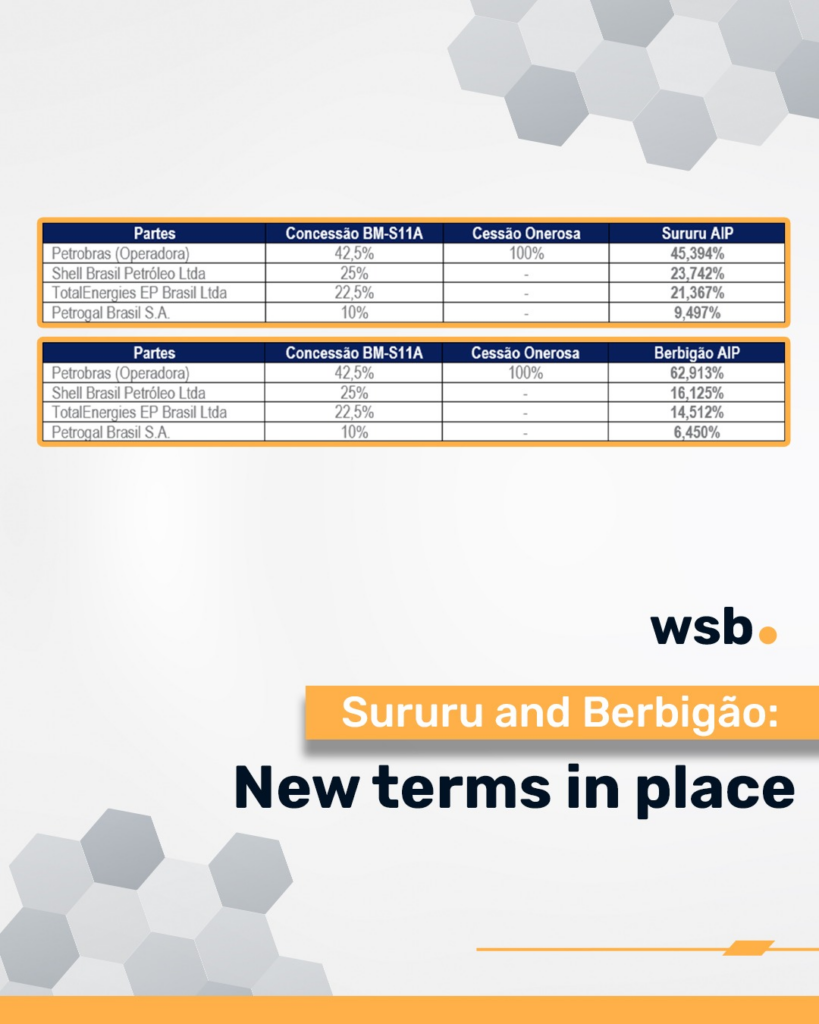
    The AIPs formalize the understanding between Petrobras, the Federal Government and partners Shell, TotalEnergies and Petrogal for the joint development of the areas. The shared reservoirs involve the BM-S-11A concession contract and the transfer-of-rights contract, the latter fully held by Petrobras.

    Under the approved terms, the Sururu reservoir will have the following stakes: 45.394% for Petrobras, 23.742% for Shell, 21.367% for TotalEnergies and 9.497% for Petrogal. In Berbigão, Petrobras will hold 62.913%, followed by Shell with 16.125%, TotalEnergies with 14.512% and Petrogal with 6.45%.

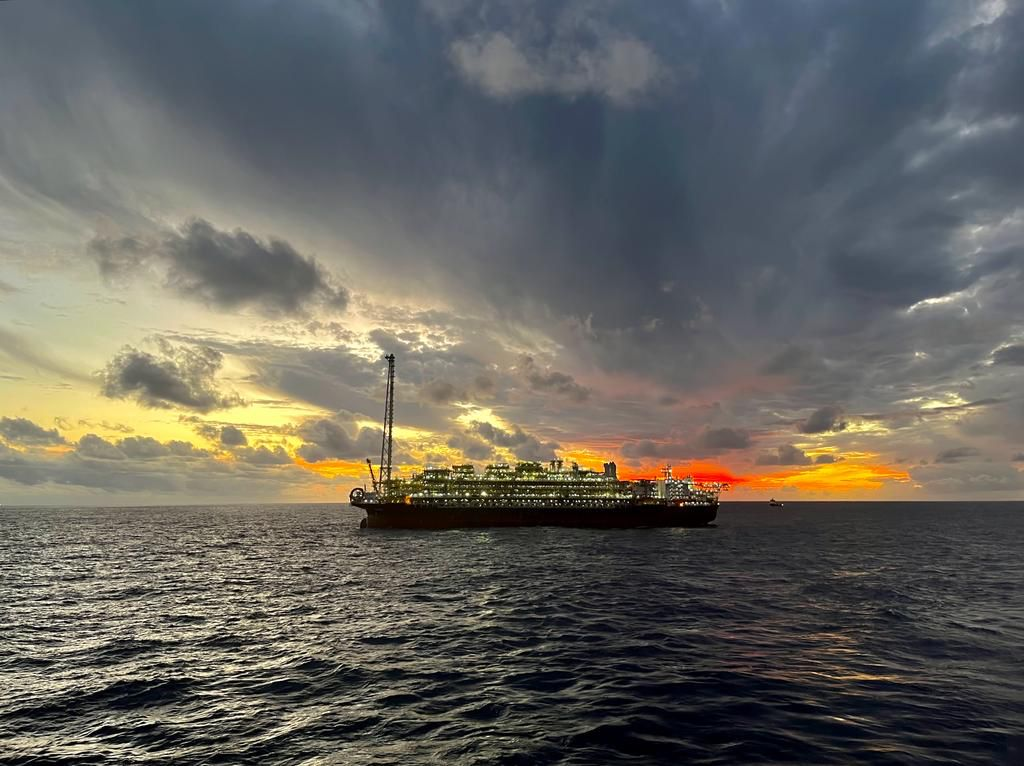
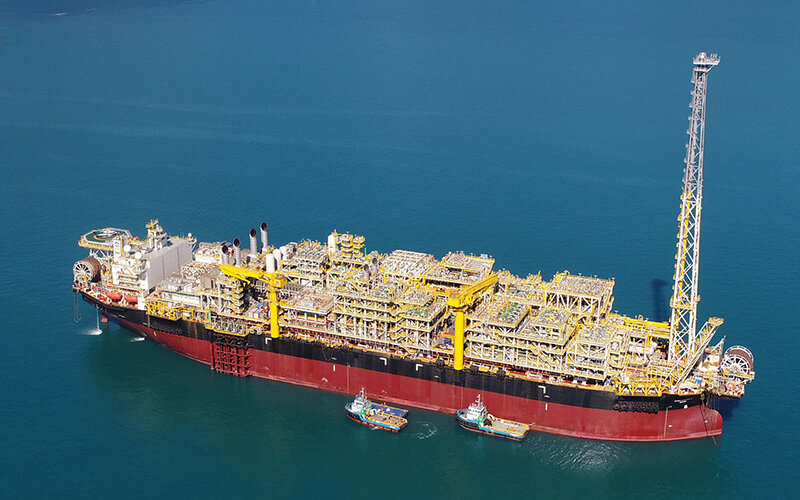
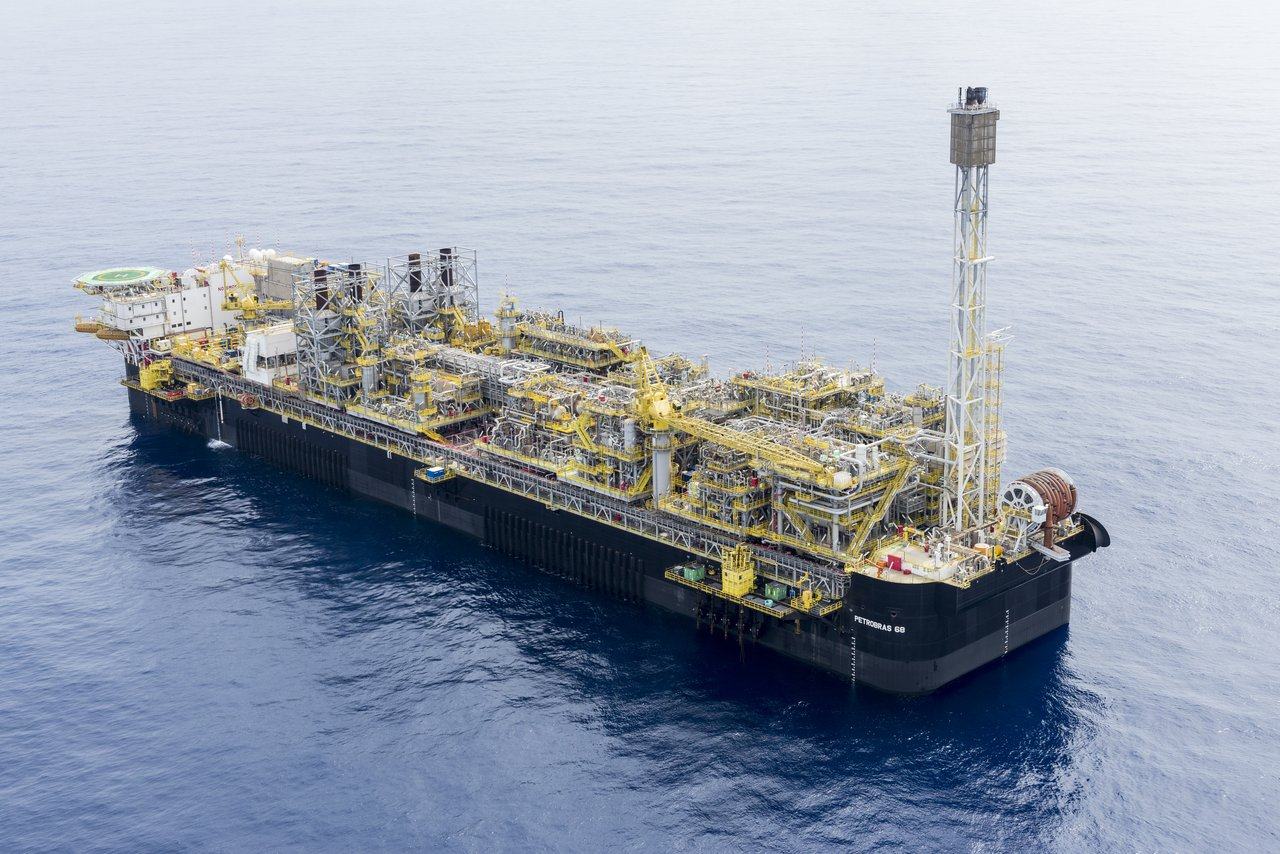
    Both reservoirs have been producing since 2019 through the FPSO P-68, which has a processing capacity of up to 150,000 barrels of oil per day. The AIPs define each company’s participation and establish the rules governing the joint development and production of oil and natural gas in the shared reservoirs.

    The approval follows years of regulatory discussions involving the unification of the reservoirs, after ANP determined the shared development of the areas. The consortium partially challenged aspects of the process, which also led to international arbitration proceedings related to the fields’ development structure.

    Production individualization agreements are required when reservoirs extend beyond the boundaries of contracted areas, in accordance with ANP regulations. Financial compensation related to costs incurred and revenues associated with volumes produced prior to the agreements entering into force will still be negotiated among the companies involved.

  • ANP prepares 23-block auction

    ANP prepares 23-block auction

    Pre-salt gains momentum as ANP expands offering and prepares new auction with 23 blocks

    ANP published on April 6 a new version of the Production Sharing Permanent Offer (OPP) notice, following board approval on March 27 and validation by the Ministry of Mines and Energy (MME).

    The update expands the number of areas available in Brazil’s pre-salt, with 15 new exploratory blocks added to the eight previously offered, bringing the total to 23 blocks available for future OPP cycles.

    All areas are located within the pre-salt polygon, with eight blocks in the Campos Basin and 13 in the Santos Basin — both considered strategic regions for national production.

    The blocks have received joint environmental feasibility assessments from the MME and the Ministry of Environment and Climate Change, allowing them to be included in the offering. Despite updates to technical and economic parameters, bidding rules and contract structures remain unchanged, reinforcing regulatory stability.

    With the publication, the areas are now open to expressions of interest from companies — a prerequisite for launching the 4th OPP cycle. Under this model, bidding rounds are only triggered once companies formally declare interest in specific blocks.

    As one of Brazil’s main licensing mechanisms, the Permanent Offer provides continuous availability of acreage and greater flexibility for companies to assess opportunities. To date, Brazil has held three production-sharing cycles under the OPP framework, consolidating the model as a key tool for attracting investment in the upstream sector.

  • ANP: strategic decisions

    ANP: strategic decisions

    The National Agency of Petroleum, Natural Gas and Biofuels (ANP) has advanced a broad set of regulatory and strategic decisions with implications for exploration policy, contractual frameworks, project development and Brazil’s energy transition agenda across the oil and gas sector.

    ANP approved the draft of the updated Production Sharing Permanent Offer (OPP) bidding round notice, incorporating 17 additional exploratory blocks and bringing the total number of areas under consideration to 25. The proposal was unanimously endorsed by the Agency’s Board and will now be forwarded to the Ministry of Mines and Energy (MME) for review, followed by a public hearing prior to final approval and publication. Of the 25 blocks, nine already hold environmental feasibility clearances, while the remaining 16 await a Joint Manifestation by the MME and the Ministry of the Environment. The expansion seeks to reinforce Brazil’s upstream exploration pipeline, while also highlighting the regulatory interdependencies between licensing and interministerial coordination.

    In oversight of upstream development plans, ANP denied an appeal filed by Equinor related to the Raia project in the Campos Basin. The Agency upheld its decision to classify the reservoir as a single field, rejecting the proposal to split it into Raia Manta and Raia Pintada. According to ANP, the areas originate from the same exploratory block (BM-C-33) and share infrastructure and production flow, characterizing an integrated development. As a result, the unified development plan submitted by Equinor and its partners was approved, with potential fiscal implications given the application of participation special rules to unified fields.

    Another relevant regulatory decision addressed deepwater gas developments in the Sergipe-Alagoas Basin. At its meeting on 26 January, ANP approved the revised development plan for the Sergipe Águas Profundas project and exceptionally extended the concession terms for the SEAP-1 and SEAP-2 areas prior to the start of production. The measure provides long-term contractual visibility and aligns concession horizons with the expected operational lifespan of offshore infrastructure, supporting the economic viability of the project. Petrobras is required to submit updated plans reflecting the Agency’s technical requirements within the established regulatory timeframe.

    On the regulatory front for decommissioning, ANP advanced the process to revise Resolution No. 854/2021, which governs financial guarantees for the decommissioning of oil and gas facilities. The Board approved the public consultation report and identified the need for adjustments to the draft resolution, including alignment with recent legislation and enhancements to the performance bond insurance model. Technical departments were tasked with updating the regulatory framework, defining implementation strategies and establishing procedures related to insurer notification and compliance.

    In the renewable fuels segment, ANP granted its first authorization for the production and commercialization of Bio-GL, a renewable liquefied gas equivalent to LPG, to the Riograndense Refinery in Rio Grande do Sul. Produced using 100% plant-based feedstock, Bio-GL underwent industrial and laboratory testing that confirmed compliance with technical specifications and its suitability as a drop-in fuel. The product has the potential to reduce CO₂ emissions by approximately 65% to 70% compared to conventional fossil LPG.

    Taken together, these decisions illustrate ANP’s multi-front regulatory role: expanding exploration opportunities, providing clarity on upstream project development, modernizing decommissioning rules and enabling the introduction of renewable fuels. The scope and sequencing of the measures also underline the complexity of aligning industrial policy, environmental licensing and fiscal frameworks — factors that will continue to shape investment decisions across Brazil’s upstream and midstream segments in the coming years.
  • ANP: Round 5

    ANP: Round 5

    The National Oil Agency (ANP) held the 5th Cycle of the Permanent Concession Offer (OPC) this week, delivering record-breaking results. The auction raised R$ 989.3 million in signing bonuses, the highest amount ever recorded among all OPC cycles. This figure represents a 500% increase over the minimum established in the tender, reaffirming the success of the round and the strong appeal of Brazil’s exploration potential.

    Planned investments for the exploration phase alone total R$ 1.46 billion, signaling market confidence in Brazil’s reserves and growing appetite for new frontiers, particularly in areas drawing global attention such as the Equatorial Margin.

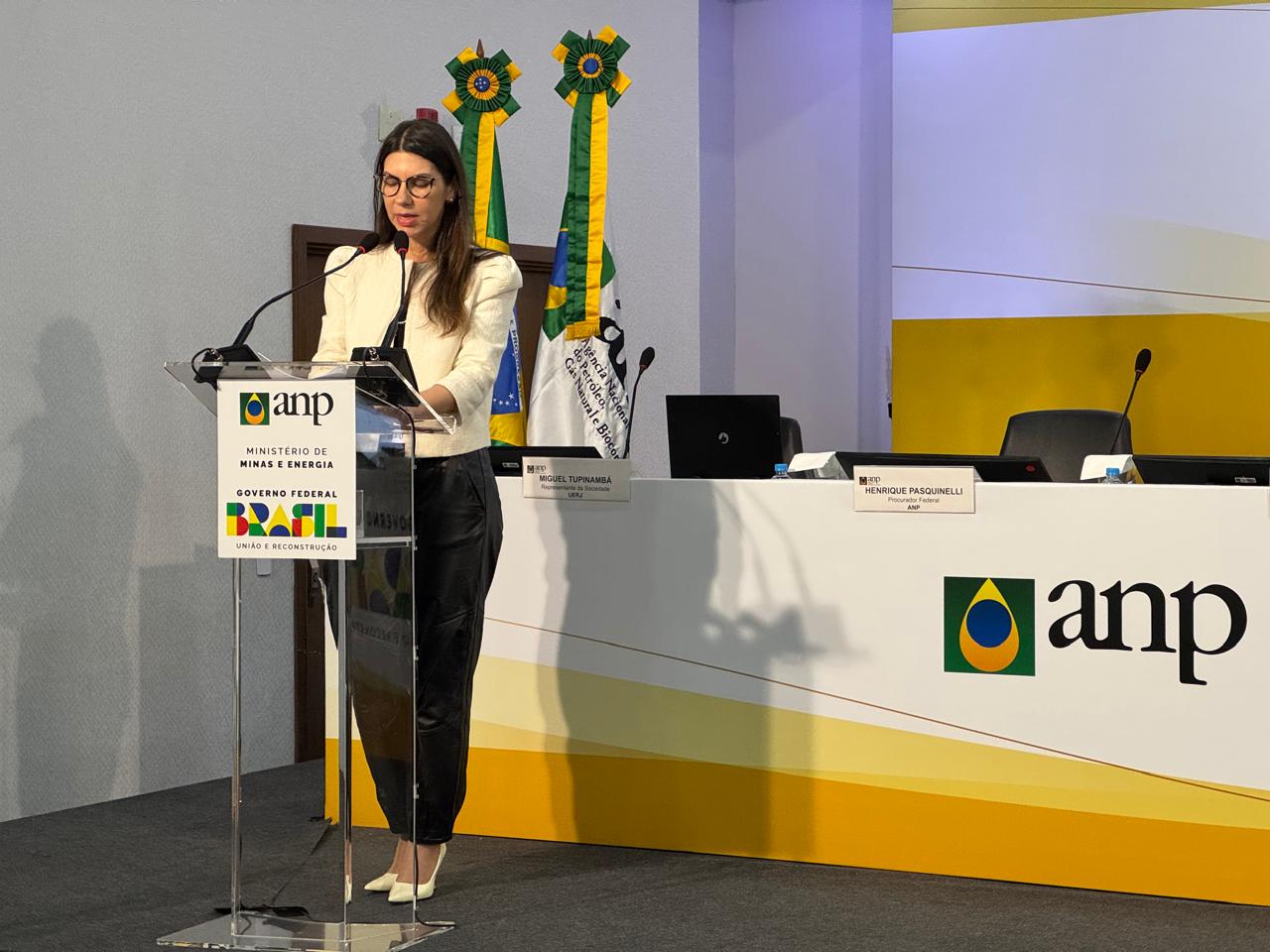
    “The result was very positive and demonstrates investors’ confidence in Brazil’s exploratory potential. We saw a premium of nearly 3,000% in Equatorial Margin blocks. This was the first time areas in that region were offered under the permanent offer model,” noted ANP’s Acting Director-General, Patricia Baran.

    A total of 34 blocks were awarded to nine companies, covering both onshore and offshore assets. The areas are distributed across the Parecis Basin (onshore), and the Foz do Amazonas, Santos, and Pelotas Basins (offshore). Petrobras played a central role, securing ten blocks in the Foz do Amazonas Basin and three in the Pelotas Basin.

  • Production news: an update

    Production news: an update

    By Rafael Bortoloti

    The ANP (National Agency of Petroleum) has released the Monthly Report on Oil and Natural Gas Production for June 2024. During this period, the total production (oil + natural gas) reached 4.353 million barrels of oil equivalent per day (boed).

    Of this total, 3.409 million boed were extracted, reflecting a 2.7% increase compared to the previous month and a 1.3% rise compared to the same month in 2023.

    Natural gas production in June was 150.07 million cubic meters per day (m³/d). This figure indicates a 3.1% increase from May 2024, but a decline of 1.4% compared to June 2023.

    Highlights:

    -Rio de Janeiro was the top producer of oil and natural gas in June, accounting for 87% and 76% of the total production, respectively.

    -The Santos Basin led in oil and gas production, contributing 77% and 79%, respectively.

    -The Tupi field, located in the pre-salt layer of the Santos Basin, was the largest producer of oil and gas, yielding 787.08 thousand boed and 39.70 million m³ per day.

    -The FPSO Guanabara topped the charts in oil and gas production, with outputs of 178,381 boed and 11.64 million m³ per day.

  • Biodiesel in Marine Fuels: A New Milestone

    Biodiesel in Marine Fuels: A New Milestone

    By Alexandre Vilela

    ANP
    ANP (Source: Agência Brasil)

    ANP (National Oil Agency) authorization to sell bunker fuel with up to 24% biodiesel. Building on the success of 2022 tests with 10% biodiesel, which achieved a 7% reduction in emissions, the new B24 blend is expected to achieve an impressive 17-19% reduction in emissions.

    This initiative aligns with the current PSV new building tender, where the use of biofuels is mandatory. Petrobras is committed to completing an industrial cycle where engine manufacturers will ensure that the added biodiesel does not compromise engine guarantees — addressing a significant challenge faced by owners during this transition phase.

    The B24 biodiesel blend primarily consists of soybean and bovine tallow oils. Notably, the ANP authorization is exclusive to Petrobras, with the biodiesel blending to take place at Petrobras terminals instead of refineries, ensuring stringent control measures.

  • ANP releases Bulletin of Oil and Natural Gas Production in Brazil for June

    ANP releases Bulletin of Oil and Natural Gas Production in Brazil for June

    According to ANP’s Bulletin of Oil and Natural Gas Production in Brazil for the month of June, 2,828 MMbbl/d (million barrels per day) of oil and 133 MMm3/d (million cubic meters per day) of natural gas were produced, totaling 3,664 MMboe/d (million barrels of oil equivalent per day). WSBOne highlights as per below:

    -Pre Salt
    The production in the pre-salt in June recorded a volume of 2.759 MMboe/d (million barrels of oil equivalent per day), with 2.188 MMbbl/d of oil and 90.7 MMm3/d of natural gas, which corresponded to 75.3% of the National production. This production is originated from 126 wells.

    -Origin Source
    In May, the offshore fields produced 97.4% of the oil and 81.7% of the natural gas. The fields operated by Petrobras were responsible for 92.7% of the oil and natural gas produced in Brazil.

    -Fields and Facilities
    The Tupi field in the Santos Basin pre-salt, was the largest producer of oil and natural gas, registering 714 Mbbl/d of oil and 33.1 MMm³/d of natural gas.

    Tupi, in the Santos Basin, was the offshore field with the highest number of producing wells: 58.

    The FPSO Carioca, producing in the Sépia and Sépia Leste fields through four interconnected wells, produced 172.904 Mbbl/d and was the facility with the highest oil production.
    Estreito, in the Potiguar Basin, had the largest number of onshore producing wells: 896