Tag: Belov

  • Editorial: Brazil has spent decades financing ships. Perhaps it is time to start building shipowners

    Editorial: Brazil has spent decades financing ships. Perhaps it is time to start building shipowners

    The dispute surrounding Capital Marítima has exposed a question that reaches far beyond one company: whether Brazil’s maritime policy is preserving not only vessels and jobs, but also the entrepreneurs, intellectual capital and industrial capability required to sustain a genuinely national shipping industry

    By Westhon Media

    For generations, Brazilian shipping was shaped by companies closely identified with their founders: Wilson Sons; CBO under the Fischer family; São Miguel and Bravante under Marcelino and Renato Nascimento following their father; Comte Matos and William, Astromaritima; Camorim; and, more recently, OceanPact and Posidonia. Despite different histories and business models, they accumulated something more important than vessels alone: Brazilian entrepreneurial, technical and institutional capital.

    Operating in Brazil required knowledge of Petrobras and international oil companies, shipyards, banks, ANTAQ, the Navy, unions, crews and repeated market cycles. Mobilisation failures, vessel downtime, financial crises and regulatory changes produced experience that remained within the country. This intangible capital, commercial credibility, engineering judgement, institutional memory and operational discipline, is difficult to value, but it is what distinguishes an established shipowner from a newly incorporated vehicle that merely controls a fleet.
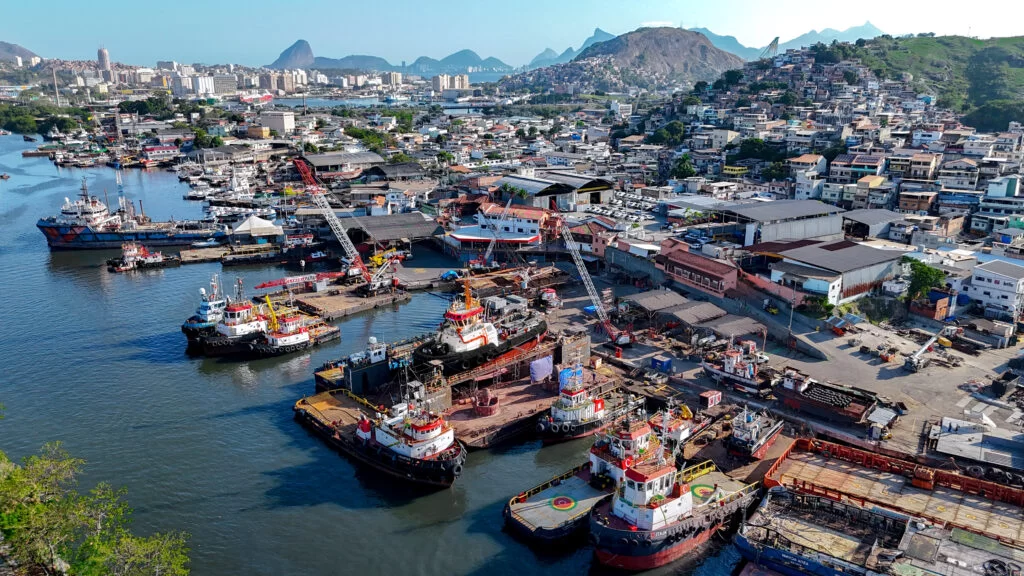
    Camorim shipyard, at Niterói (RJ)
    Camorim shipyard, at Niterói (RJ) (Source: Camorim)

    Over the past two decades, the Brazilian market has changed, drastically. International investors, foreign shipping groups and private equity have expanded, while Brazilian operators have increasingly been acquired or integrated into structures spanning several jurisdictions. More sophisticated financing and ownership arrangements are not inherently negative. Shipping depends on global capital, technology and expertise, and Brazil should continue to welcome international organized and transparent participation.

    The strategic question is whether the country is also preserving its capacity to create and strengthen Brazilian shipowners, and reserving due care to investigating the foreign entities involved. A nation can finance vessels, generate contracts and maintain employment while gradually transferring decision-making, intellectual property, commercial relationships and accumulated expertise abroad. Ships may continue to fly the Brazilian flag even as the industry’s economic and intellectual substance migrates elsewhere.

    Capital Marítima offers a visible example of this broader issue, not because foreign ownership necessarily causes poor governance, but because the dispute has shown how uncertainty over control, authority, assets and responsibility can quickly affect employees, clients, suppliers, vessels and commercial relationships built over years.

    A dispute that escaped the boardroom

    Capital Marítima developed from Embrareb, a Brazilian company associated with entrepreneur Plínio Calenzo, and later came to include Constance Maritime, incorporated in Monrovia, Liberia, alongside interests commercially associated with the Capital Offshore name. What might ordinarily have remained a dispute over shares, management and corporate authority soon reached the company’s workforce, commercial counterparties and vessel operations.

    Negotiations with shore-based employees have progressed since One Energy first reported on the dispute, and some workers indicated their willingness to accept a settlement proposed by the company. At the time of publication, however, the agreements had not yet been formally executed by the administration. The immediate tensions may have eased, but the company’s institutional position remains unsettled. Further, the technical challenges surrounding the ACE Defender with Petrobras and the Brazilian Navy have come to a halt.

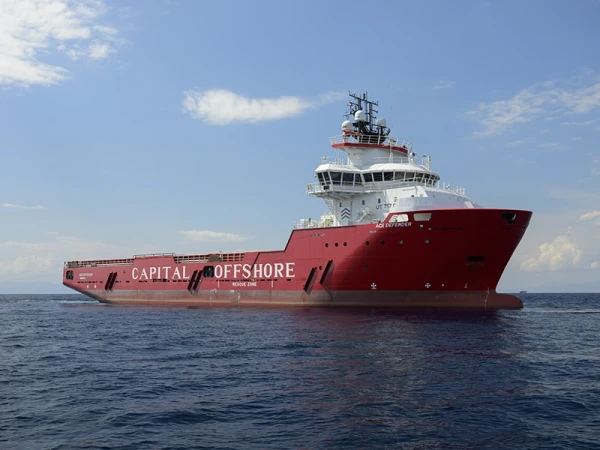
    The situation became more serious in labour proceedings involving the ACE Defender, when the court ordered the arrest of the vessel after considering the risk that a future judgment might be difficult to enforce, particularly in light of the assets available in Brazil and the opacity attributed to the corporate structure supporting the operation. Petrobras, as the recipient of the vessel’s services, was also instructed to make a judicial deposit up to the value claimed.

    The arrest does not constitute a final finding of liability. It does, however, reveal a practical concern: when a vessel operates in Brazil but ownership, management, employment, financing, guarantees and material assets are distributed abroad, the reach of Brazilian jurisdiction may be less secure than the obligations created within the country. The same weakness that may prevent an employee from recovering a legitimate indemnity can affect suppliers, creditors and commercial partners attempting to enforce guarantees or contractual rights against foreign group assets.

    The corporate dispute has also entered arbitration. After being informed that an emergency arbitrator had been appointed, the 7th Corporate Court of Rio de Janeiro suspended an Extraordinary Shareholders’ Meeting intended to consider claims against shareholders and administrators. The judge concluded that prudence required avoiding further escalation until the appropriate arbitral forum had been established and prospectively set aside the effects of any resolution adopted in breach of the order, which was followed by the arbitrator.

    The decision neither settles the control dispute nor invalidates every act of the administration currently in place. It confirms, however, that the company’s governance remains contested and subject to interim measures while arbitration proceeds.

    The sequence bears some of the characteristics of an aggressive takeover: provisional authority is obtained, operational and commercial channels are occupied rapidly, and practical consequences emerge well before the legal dispute can be finally resolved. Whether this was a deliberate strategy in the Capital case is for the courts and the arbitral tribunal to determine. What is already evident is that those assuming control appear not to have anticipated the commercial damage caused by acting before authority, representation and stakeholder relationships had been stabilized.

    A more experienced maritime transition would ordinarily seek to preserve continuity while the shareholder dispute proceeded in parallel. Instead, relationships and opportunities developed over years were exposed to immediate disruption. One Energy has confirmed that a major international client requested documentary confirmation of the authority of Capital Marítima’s current controllers on an ongoing competitive process. The required confirmation was not produced within the requested timeframe, and negotiations involving offers that had already reached the award stage were terminated.

    That episode shows how quickly provisional corporate power can destroy permanent commercial value. Often clients cannot wait for arbitration. They must secure tonnage, preserve schedules and manage risk, and they will usually move to another option when representation or vessel availability cannot be confirmed.

    What Brazil loses when it loses a shipowner

    The significance of the Capital case extends beyond the dispute itself. It brings into view the internationalisation not only of capital and control, but also of industrial knowledge, commercial intelligence and entrepreneurial capability.

    Brazilian maritime policy has historically concentrated on tangible assets: domestic construction, Brazilian-flag tonnage, REB registration, local content and financing through the Merchant Marine Fund. These instruments remain important, but ships alone do not create shipowners.
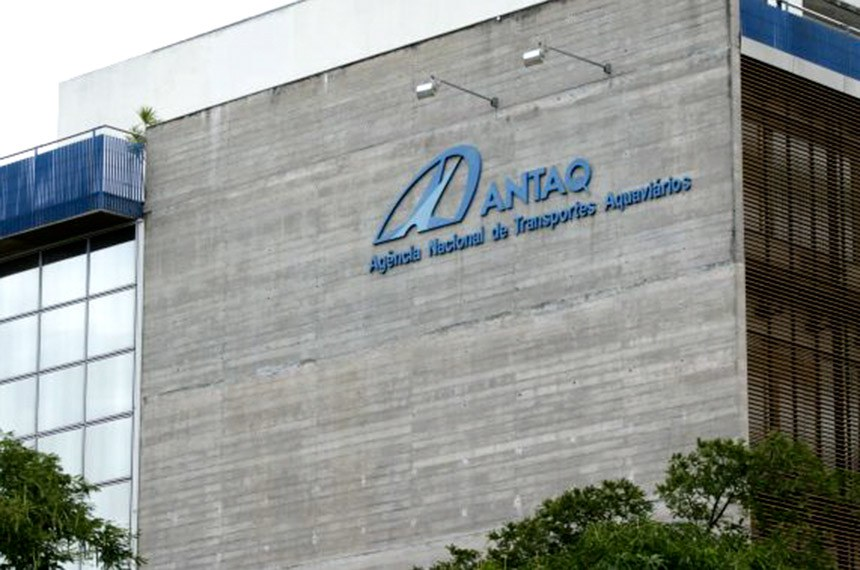
    ANTAQ headquarter
    ANTAQ headquarter (Source: Courtesy)

    A maritime company depends on accumulated capital, access to charterers, regulatory knowledge, engineering capability, financial expertise, experienced management and the ability to survive long periods of weak markets. This capability resides in people, systems, relationships and judgement, and it takes years to develop.

    Every contract performed in Brazil produces knowledge. Vessel data is collected, maintenance systems are refined, crews gain experience, engineering solutions are developed and commercial teams learn how particular clients assess risk. The strategic question is who retains and monetises that knowledge.

    When a Brazilian operator is absorbed into an international group, its legal entity may remain in the country while procurement, engineering, financial strategy, operational data and client relationships become centralised abroad. Brazilian workers continue to perform the activity, but the higher-value capability created by their experience may no longer accumulate within a Brazilian enterprise.

    This transformation is rarely dramatic. It occurs through acquisitions, management agreements and the gradual migration of strategic functions. The country continues to host vessels and crews while losing the capacity to create companies that control technology, capital and international expansion. Losing a shipowner can therefore mean losing an ecosystem of knowledge assembled over an entire generation.

    The unequal cost of building a shipowner

    The imbalance becomes clearer when the conditions faced by Brazilian entrepreneurs are compared with those available to international competitors. Local companies operate with expensive capital, volatile exchange rates, complex taxation, demanding collateral requirements and recurrent regulatory and judicial uncertainty. Offshore assets require substantial investment, while the revenue supporting them depends on contracts that may be delayed, contested or terminated.

    International groups often enter Brazil with access to deeper capital markets, export-credit agencies, established banking relationships and fleets capable of spreading risk across several regions. They may use cash flow generated elsewhere to acquire Brazilian companies or assets precisely when local operators are financially vulnerable.

    Competition therefore takes place not only between companies, but between national industrial ecosystems.

    When a foreign group acquires a Brazilian operator, it may gain approved-vendor status, licences, local registrations, trained personnel, regulatory knowledge and access to commercial relationships developed over many years, notwithstanding the extremely competitive financing mechanisms available – while they can present foreign guarantees. The Brazilian entrepreneur often created these assets under far less favourable financial conditions.

    The result is unlikely to be the disappearance of maritime activity from Brazil. The market is too attractive. The quieter consequence is that Brazilian entrepreneurs may increasingly become minority partners, local representatives or service providers within structures financed and controlled elsewhere. Brazil preserves the operations while losing more of their economic ownership.

    That outcome should not be blamed on foreign investors, who are acting,most of the time, rationally. It is principally a policy question. Other countries support the international expansion of their maritime companies through finance, guarantees, taxation and coordinated industrial policies. The absence of comparable support in Brazil is itself a choice, and it generally favours those arriving with the strongest backing.

    Partnership requires substance

    Brazil does not need to choose between domestic entrepreneurship and foreign investment. It needs partnerships that strengthen both. International groups can bring scale, technology, financial discipline and improved operating standards, but the local side should not be reduced to providing licences, market access and execution while the strategic value is accumulated elsewhere.

    A country should defend its own entrepreneurs in partnership with the world; it should not merely defend the world’s entrepreneurs through partnerships with its own.

    This does not justify protecting inefficient companies simply because they are Brazilian. Public support should require transparency, sound governance, safety, investment and the creation of lasting domestic capability. Nor should foreign-controlled groups be presumed less committed to Brazil, unless they really are. The relevant distinction is not nationality alone, but economic substance, accountability and contribution to the local industrial base.

    Brazil should aim not only to host international shipowners, but also to create Brazilian companies capable of becoming international shipowners themselves.

    Financing companies, not only ships
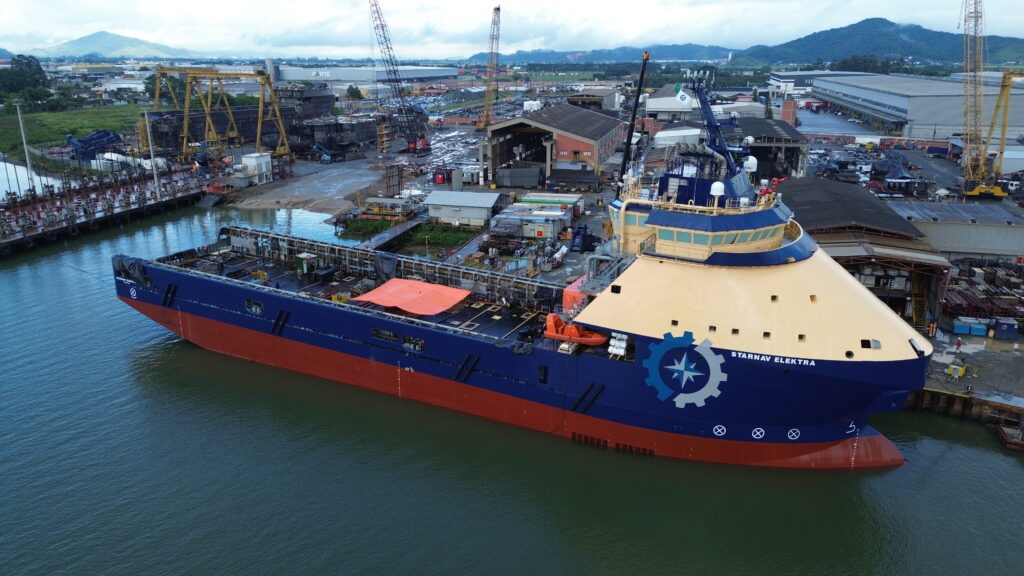
    Starnav is a Brazilian shipping company (EBN) owned by the Chilean Detroit Group
    Starnav is a Brazilian shipping company (EBN) owned by the Chilean Detroit Group (Source: Starnav/Courtesy)

    For decades, Brazilian maritime policy treated the construction and financing of vessels as its central challenge. The logic was reasonable: domestic orders would create employment, engineering capability and an industrial supply chain. But financing a vessel does not necessarily create a sustainable shipowner. Maybe it better benefits an existing and capitalized one, and not local.

    The company must also possess working capital, commercial strength, governance and the balance sheet required to absorb delays, cost overruns, technical failures and periods without revenue. A vessel depreciates; a successful shipowner can accumulate value through credibility, systems, knowledge and access to progressively better financing.

    The most valuable outcome of public support should therefore be an enterprise capable of ordering its next vessel with less dependence on the same support. Brazil should measure not only how many ships were delivered, but how many stronger, more transparent and internationally competitive companies were created. And to start, they must created from zero.

    That requires policy instruments directed at the enterprise itself: competitive capital, guarantees, governance standards, technology, data, management development and support for international expansion. Shipbuilding and entrepreneurial formation should be parts of the same strategy.

    What should count as a Brazilian shipping company?

    The transformation of the sector also raises a regulatory question. The current definition of a Brazilian Shipping Company places considerable weight on incorporation, authorisation, flag, registration and tonnage. Those criteria remain relevant, but they may no longer be sufficient measures of national economic substance.

    A company may be incorporated in Brazil, employ Brazilian crews and operate Brazilian-flagged vessels while its decision-making, guarantees, intellectual property and strategic assets remain abroad. Another may receive foreign capital while retaining management, technical capability, assets and reinvestment substantially in Brazil. Formally similar companies may therefore contribute very differently to national development and present different levels of accountability before Brazilian jurisdiction.

    A modern framework should not rely on crude ownership restrictions. It could instead consider transparency of ultimate ownership and everything in-between, the location of effective management, the availability of assets and guarantees in Brazil, the authority of local administration, reinvestment, professional training, research and development, and the participation of Brazilian entrepreneurs in economic decision-making.

    The purpose would not be to exclude internationally controlled companies, but to align access to public support, strategic protections and preferential financing with verifiable economic substance.

    Capital Marítima does not answer this debate, and its dispute should not be used to generalise about every foreign-linked operator. It does, however, show how quickly uncertainty over place, control, authority and assets can affect workers, courts, clients and commercial partners, and how an aggressive transition under provisional authority can destroy value before the underlying legal dispute reaches a final outcome.

    More than a maritime market

    Brazil must decide what it expects from maritime policy. If the objective is merely to ensure the availability of vessels, international capital can provide them whenever demand and contract terms justify the investment. Sort of what is happening now with larger demand and the ageing fleet. If the country also wants to preserve national industrial capability, its policies must support companies that retain technical knowledge, financial substance, commercial intelligence and effective decision-making in Brazil.

    This does not require protectionism. It requires incentives and standards that distinguish between structures that merely use Brazilian registrations, contracts and flag arrangements and those that build durable companies, skills and accountability within the country.

    The Capital Marítima case does not resolve this question, but it illustrates the cost of ignoring it. When control, assets, guarantees and authority are distributed across jurisdictions, a shareholder dispute can quickly affect vessels, employees, clients, suppliers and contracts. Formal Brazilian status alone does not ensure operational continuity or effective accountability.

    Brazilian policy has spent decades addressing how ships should be financed. Its next challenge is to create competitive shipowners capable of attracting international capital, retaining industrial knowledge, answering effectively to Brazilian jurisdiction and expanding beyond the domestic market. That is the practical distinction between remaining a maritime industry and becoming merely a maritime market.

    Editor’s note: One Energy has sought comments and documentary clarification from Capital Marítima, Constance Maritime and representatives associated with the administration currently in place. The publication remains open to further documents, clarification and the exercise of the right of reply. Interim court orders, labour claims and arbitral proceedings do not constitute final findings of liability, and all persons and companies mentioned remain entitled to due process and a full opportunity to present their position.
  • SAAM Towage places order for four ASD tugboats at Belov

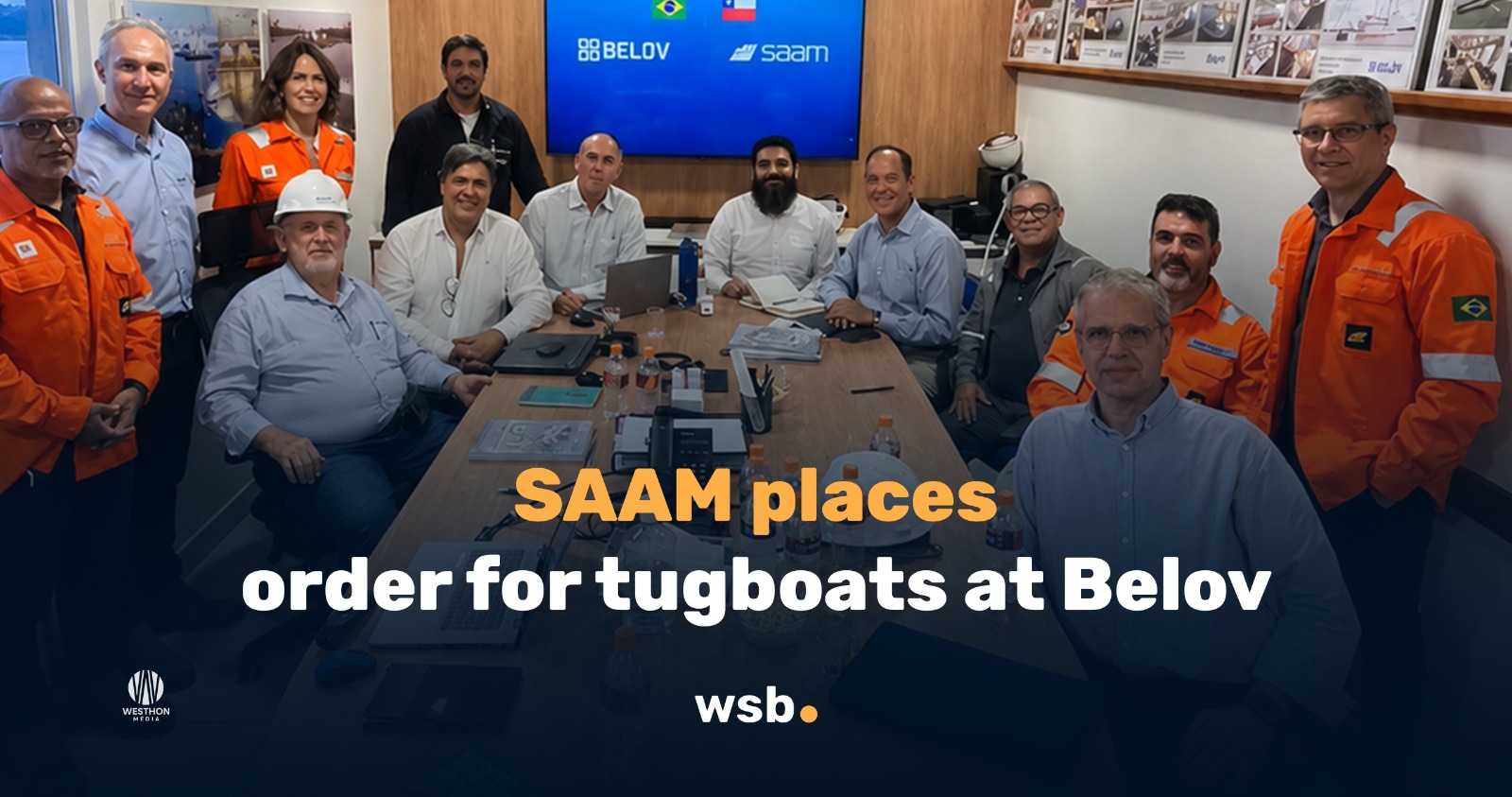
    SAAM Towage places order for four ASD tugboats at Belov

    Chilean company SAAM Towage, one of the world’s largest port tug operators, has placed an order with Belov Shipyard, in Bahia, Brazil, for the construction of four new azimuth stern drive (ASD) tugboats. Each vessel will feature 70 tonnes of bollard pull and will be equipped with FiFi firefighting systems.

    The newbuilds are scheduled for delivery in 2028 and form part of SAAM Towage’s strategy to modernize and expand its fleet with next-generation assets across its key markets, reinforcing the company’s long-term commitment to Brazil.

    According to Renata Ervilha, Country Manager of SAAM Towage Brazil, the investment reflects the company’s strategy of strengthening its operations with state-of-the-art assets while continuing to grow in one of its most important markets. She also highlighted that the partnership with Belov Shipyard will help strengthen the local logistics chain and contribute to the continued development of Brazil’s maritime industry.

    For Belov Shipyard, the contract represents another important step in the recovery of Brazil’s shipbuilding industry, reinforcing the confidence of international operators in the country’s shipbuilding capabilities.

    Stay informed on key offshore and maritime developments — visit wsb-one.com.

  • Belov SDSVs – New contracts with Petrobras

    Belov SDSVs – New contracts with Petrobras

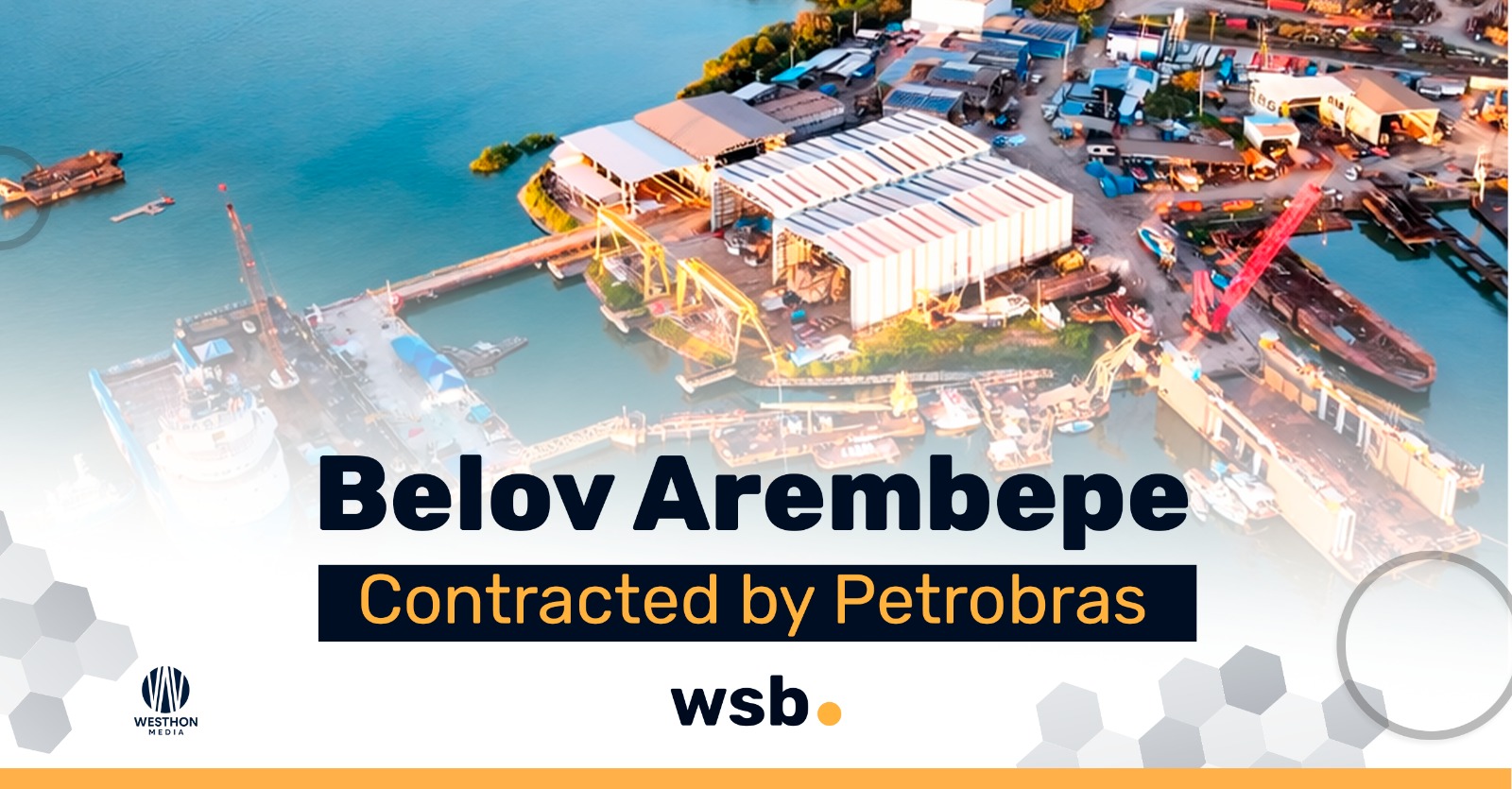
    Belov has signed eight contracts with Petrobras totaling R$ 2.7 billion for the operation of SDSV (Shallow Diving Support Vessel) vessels.

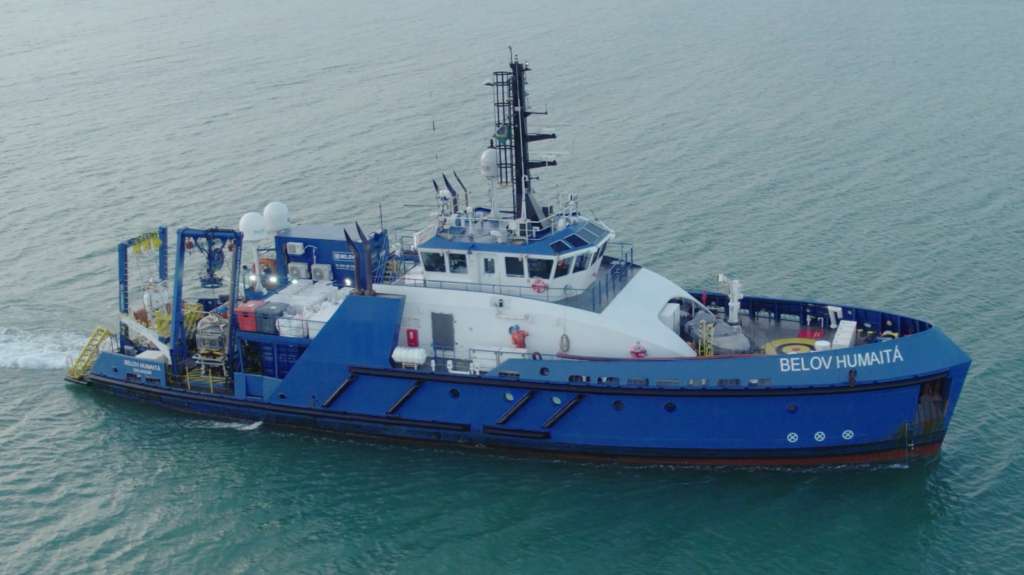
    The four-year contracts cover four vessels: Belov Humaitá, Belov Amaralina, Cidade de Ouro Preto and the newbuild Belov Arembepe.

    The vessels will support inspection, repair and maintenance activities on Petrobras offshore platforms, with contract start-ups scheduled in phases between 2H26 and 2H27.

    The award strengthens fleet utilization and provides medium-term visibility, while supporting Belov’s expansion with the addition of Belov Arembepe, expected to be delivered in 2H27.

    Belov Humaitá
    Belov Humaitá (Source: Belov)
  • Belov Arembepe in details

    Belov Arembepe in details

    By Rafael Bortoloti

    Belov Engenharia began, in February 2026, the construction of Belov Arembepe, its newest SDSV (Shallow Diving Support Vessel). The vessel already enters service with a four-year charter contract signed with Petrobras and is scheduled for delivery in 2027, within a maximum timeframe of 18 months.

    Belov Arembepe is the fourth SDSV in the company’s fleet, being the third built at the Group’s Shipyard and carries the legacy of two well-established projects: Belov Amaralina and Belov Humaitá, delivered in 2020. While it shares the same basic design as these vessels, Belov Arembepe incorporates significant upgrades, resulting directly from lessons learned over years of operating the previous units.

    Designed for shallow diving operations and intensive use of ROVs, Belov Arembepe will feature the most advanced onboard technology available on the global market. The vessel adopts power generation and automation architectures focused on energy efficiency, operational redundancy, and high-precision DP2-class dynamic positioning, expanding the range of offshore missions with high safety standards and operational availability.

    With an overall length of 40.50 meters, beam of 10.98 meters, gross tonnage of 499 tons, and installed power of 3,200 BHP, Arembepe uses diesel-electric propulsion with waterjets—a combination that has already proven pioneering and highly efficient in Belov’s previous projects.

    BELOV: A strong commitment to Bahia

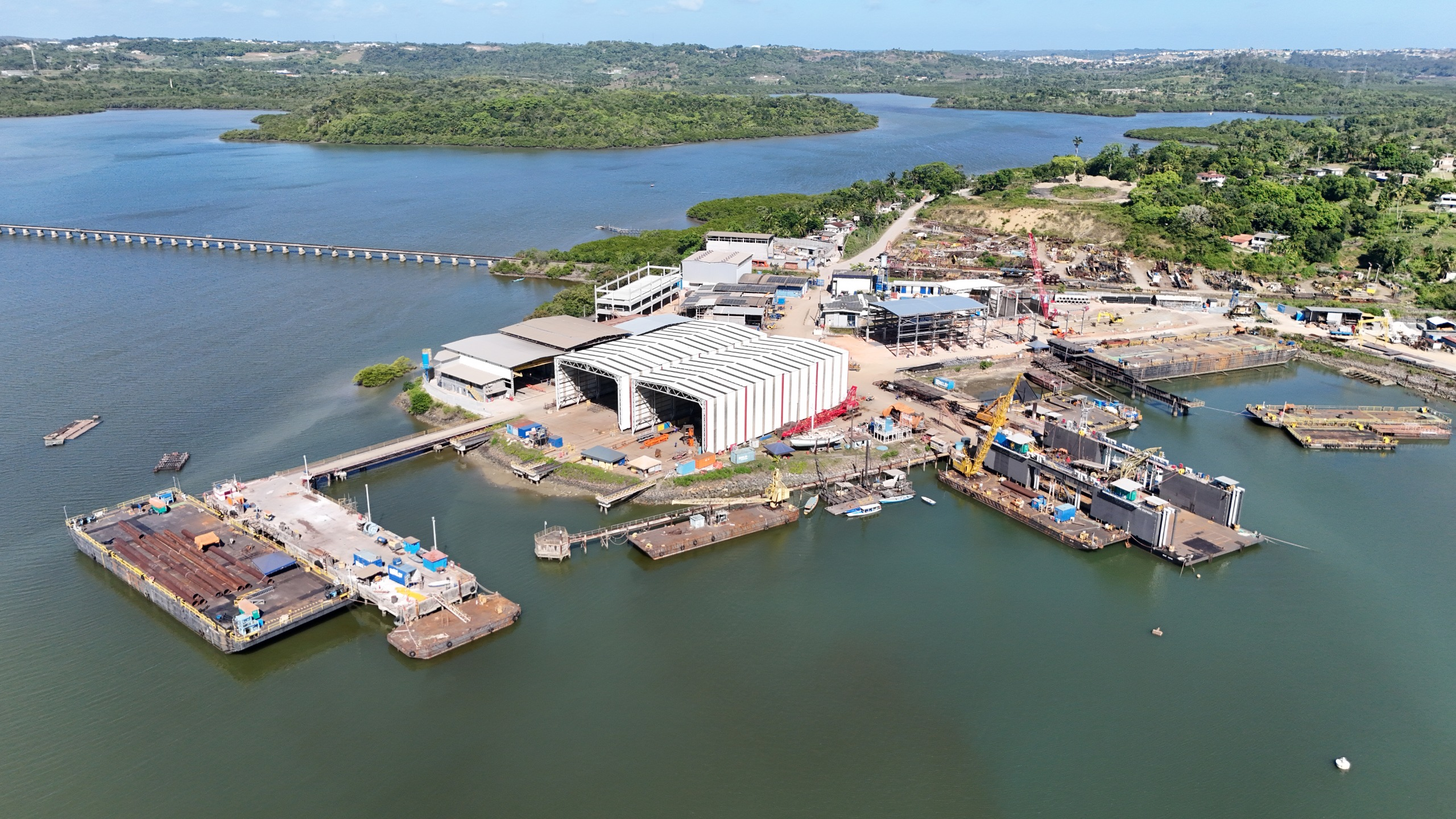
    Like Belov Amaralina and Belov Humaitá, Belov Arembepe is being entirely built at Belov Shipyard, located in the sheltered waters of Aratu Bay, within Todos os Santos Bay, Bahia. The shipyard’s strategic location—just 27 km from Salvador International Airport, 31 km from the Port of Aratu, and 9.5 km from highway BR-324—combined with its current production capacity of 5,000 tons per year, allows the company to execute highly complex projects in carbon steel and aluminum, for both newbuildings and ship repairs.

    Belov Humaitá (Source: Belov)

    The project has recently secured financing approved by the Merchant Marine Fund (FMM) in the amount of R$ 115 million, reinforcing the role of the Brazilian government in strengthening the national shipbuilding industry. For Guilherme Falcão, Project Manager at Belov Shipyard, the impact goes beyond technology.

    “Belov Shipyard reflects the company’s commitment not only to technical excellence, but also to regional development, by fostering jobs and innovation in the sector. Executing a disruptive, highly complex project with strong local content and a high level of technological integration has placed Belov and Bahia at the forefront of naval technology,” the executive comments.

    This commitment is already reflected in factual numbers. Since the start of the SDSV projects, approximately 600 direct jobs and more than 3,000 indirect jobs have been generated, during a period when Bahia’s shipbuilding industry was facing a severe downturn. In addition, around 230 direct jobs were created for vessel operations, boosting supplier development and workforce qualification.

    Belov’s tradition of naming its vessels after beaches in Bahia reinforces the company’s connection to the state where Aleixo Belov, founder of the company, established himself and concentrated his main assets. This relationship becomes even more relevant given Bahia’s strategic positioning on the Brazilian offshore map, between the Campos and Santos Basins to the south and the Equatorial Margin to the north.

    In a scenario where few companies in Brazil build vessels for their own fleets, Belov stands out alongside industry giants. On the eve of completing 45 years, in November 2026, the company reaffirms—through Belov Arembepe—its pioneering vocation and its confidence in the future of the Brazilian shipbuilding industry.

    BELOV AREMBEPE particulars

    – Delivery year: 2027
    – Current contract: Petrobras
    – Overall length: 40.50 meters
    – Beam: 10.98 meters
    – Deadweight: 518.10 tons
    – Gross tonnage: 499 tons
    – Installed power: 3,200 BHP
    – Propulsion: diesel-electric system with waterjets
    – DP class: DP2

    BELOV HUMAITÁ particulars

    – Delivery year: 2020
    – Current contract: Petrobras
    – Overall length: 40.50 meters
    – Beam: 10.98 meters
    – Deadweight: 518.10 tons
    – Gross tonnage: 499 tons
    – Installed power: 3,200 BHP
    – Propulsion: diesel-electric system with waterjets
    – DP class: DP2

    BELOV AMARALINA particulars

    – Delivery year: 2020
    – Current contract: Brava
    – Overall length: 40.50 meters
    – Beam: 10.98 meters
    – Deadweight: 518.10 tons
    – Gross tonnage: 499 tons
    – Installed power: 3,200 BHP
    – Propulsion: diesel-electric system with waterjets
    – DP class: DP2

    Q&A with Belov

    Tell us more about Belov Shipyard.

    Guilherme Falcão, Project Manager – Belov Shipyard

    Guilherme Falão (Source: Belov)

    “We are undergoing a phase of expansion and modernization at Belov Shipyard, which will increase our capacity to more than 11,000 tons per year. State-of-the-art infrastructure, combined with robust industrial processes and a highly qualified technical team, will allow us in the coming months to:

    • Execute multiple projects simultaneously with a high degree of electro-electronic integration and automation;
    • Position ourselves as one of the leading shipyards in electric and hybrid vessels, as well as complex conversions;
    • Achieve efficiency gains in cutting, assembly, welding, system integration, and commissioning, with strict compliance to schedules, costs, and class requirements;
    • Continuously advance in QSMS, productivity, and delivery timelines.

    This level of capability consolidates Belov Shipyard’s position as a reference in technologically complex vessels, reinforcing its vocation for delivering highly reliable specialized vessels to the Brazilian offshore, port, and inland waterways markets.”

    What was the average construction time for each SDSV?

    Guilherme Falcão:

    “Each project was executed within the contractual schedule, with the main milestones being contract signing and delivery to the end client: Petrobras. Belov Amaralina and Belov Humaitá were completed in parallel in just 16 months and delivered in the first quarter of 2020, at the peak of the pandemic—representing a milestone in the history of both the shipyard and the national shipbuilding industry.

    Belov Arembepe began construction in February 2026 and has a contractual timeframe of 18 months, consolidating Belov’s commitment to strict deadlines and technical requirements, with no cost changes throughout construction.”

    How was the financing through the FMM? What were the amounts?

    Juracy Vilas-Bôas, Director

    Juracy Vilas-Bôas (Source: Belov)

    “The projects relied on the essential support of the Merchant Marine Fund (FMM), reaffirming the Brazilian government’s commitment to strengthening the shipbuilding industry. As a reference for the investment value of each DSV (Diving Support Vessel), Belov Arembepe recently had its financing approved by the Fund in the amount of R$ 115 million. This financial support demonstrates institutional confidence in Belov’s governance and management, as well as in the technical capacity and delivery track record of the Shipyard, which have characterized the Group’s performance in the Brazilian naval market.”

    Were there any curiosities, challenges, or notable events during construction?

    Juracy Vilas-Bôas

    “Belov Amaralina and Belov Humaitá represented significant technological milestones on the global naval scene. To build the world’s first diesel-electric vessels equipped with waterjet propulsion and DP2 dynamic positioning, several established suppliers had to modify their products. Basic design companies, propulsion suppliers, engine manufacturers, DP system providers, and others did not have off-the-shelf solutions that fully met our requirements.

    Furthermore, integrating national and imported systems from multiple continents—along with all the challenges inherent to pioneering projects—highlighted the high level of engineering involved and Belov’s ability to lead technically demanding projects. This innovation was recognized by The Royal Institution of Naval Architects as the most significant small vessel of 2020, as well as by Work Boat World as the best vessel among all OSVs and DSVs of 2020. Another interesting fact: to launch Belov Amaralina and Belov Humaitá, the shipyard had to build a floating dock in tandem with the vessel construction. Today, this dock is responsible for dry-docking virtually all service vessels operating in Salvador and is essential for launching other shipyard projects.”

  • New Edition – One Energy magazine

    New Edition – One Energy magazine

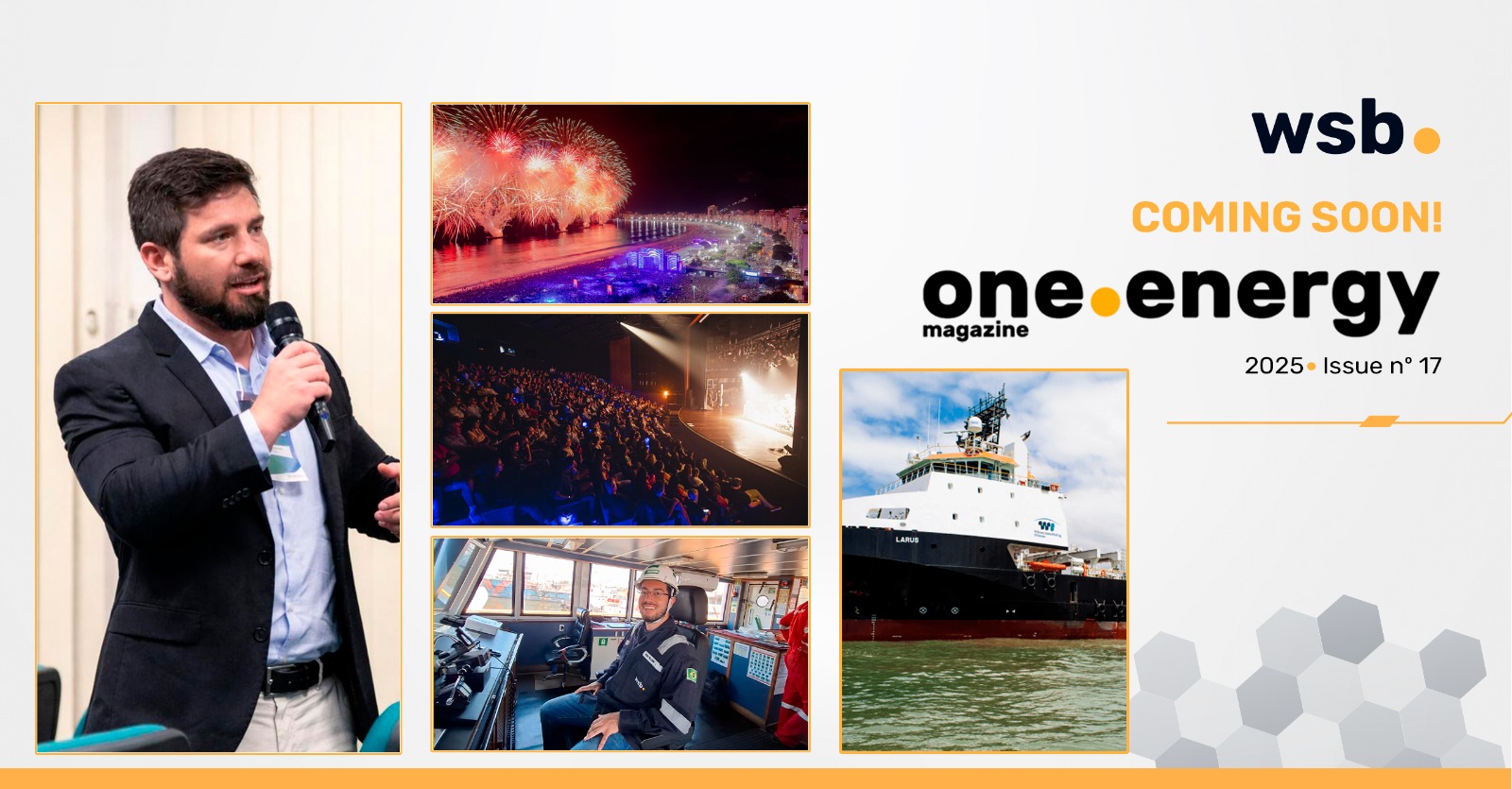
    One Energy Magazine — Issue 17

    Now Available!

    In this edition of One Energy Magazine, you’ll find an exclusive interview with José Eduardo Leal Senior Sales Manager at Kongsberg Maritime, focused on technology and artificial intelligence in the maritime sector.

    This issue also features:

    • An in-depth look at Belov Arembepe
    • WSB Advisors Norway
    • Staff announcement
    • Por onde anda?
    • Camorim behind the largest light and fireworks show on Earth
    • Tidewater acquires Wilson Sons, plus more market updates
    • Perspectives from Fernando Vilela, Alexandre Vilela, Luiz Fernando Priolli and Romulo Bacchiega
    • Market insights

    A must-read.

    Click here to read:

  • Belov Arembepe contracted by Petrobras

    Belov Arembepe contracted by Petrobras

    Belov Engenharia has signed a contract with Petrobras for the chartering of the SDSV Belov Arembepe, which will operate for the oil company for a period of four years. The agreement includes PPU-based remuneration components denominated in Brazilian reais and U.S. dollars, with a total contractual value (Service plus hire) of approximately R$ 680 million over the term.

    Construction of the Belov Arembepe began in February 2026 and is expected to last approximately 18 months, with delivery scheduled for the second half of 2027, when Petrobras is DUE to commence operations with the vessel.

    The Belov Arembepe will be the fourth SDSV in Belov’s fleet and the third vessel to be built at the group’s shipyard in Bahia. The project has been granted R$115 million in financing from the Fundo da Marinha Mercante (FMM).

    “The Belov Arembepe will incorporate the proven design of previous vessels, with operational upgrades implemented based on lessons learned in recent offshore campaigns,” said Juracy Vilas-Bôas, Director at Belov Engenharia, in an interview for the upcoming edition of One Energy magazine.

    For further technical information about the vessel, visit wsb-one.com

  • Coming Soon – One Energy Magazine – Issue 17

    Coming Soon – One Energy Magazine – Issue 17

    WSB Advisors invites you to explore the latest edition of One Energy Magazine.

    This issue marks the beginning of a new era, with the official arrival of advertisers and recurring columnists who broaden our editorial scope. Alongside in-depth coverage of the naval and offshore sectors, readers will also find thoughtful perspectives on marketing, psychology, technology, and law.

    This edition reinforces our commitment to connecting strategic insight with operational excellence across the offshore value chain.

    Highlights


    • An exclusive interview with José Eduardo Leal, Senior Sales Manager at Kongsberg
    • Oil companies and theaters: a long-standing connection
    • Staff Announcement
    • Where Are They Now?
    Camorim Serviços Marítimos behind the largest light and fireworks show on Earth
    • Belov Arembepe
    • DOF acquires Wilson Sons, plus more market updates

  • WSB with MISC, CBO and Belov

    WSB with MISC, CBO and Belov

    By Alexandre Vilela

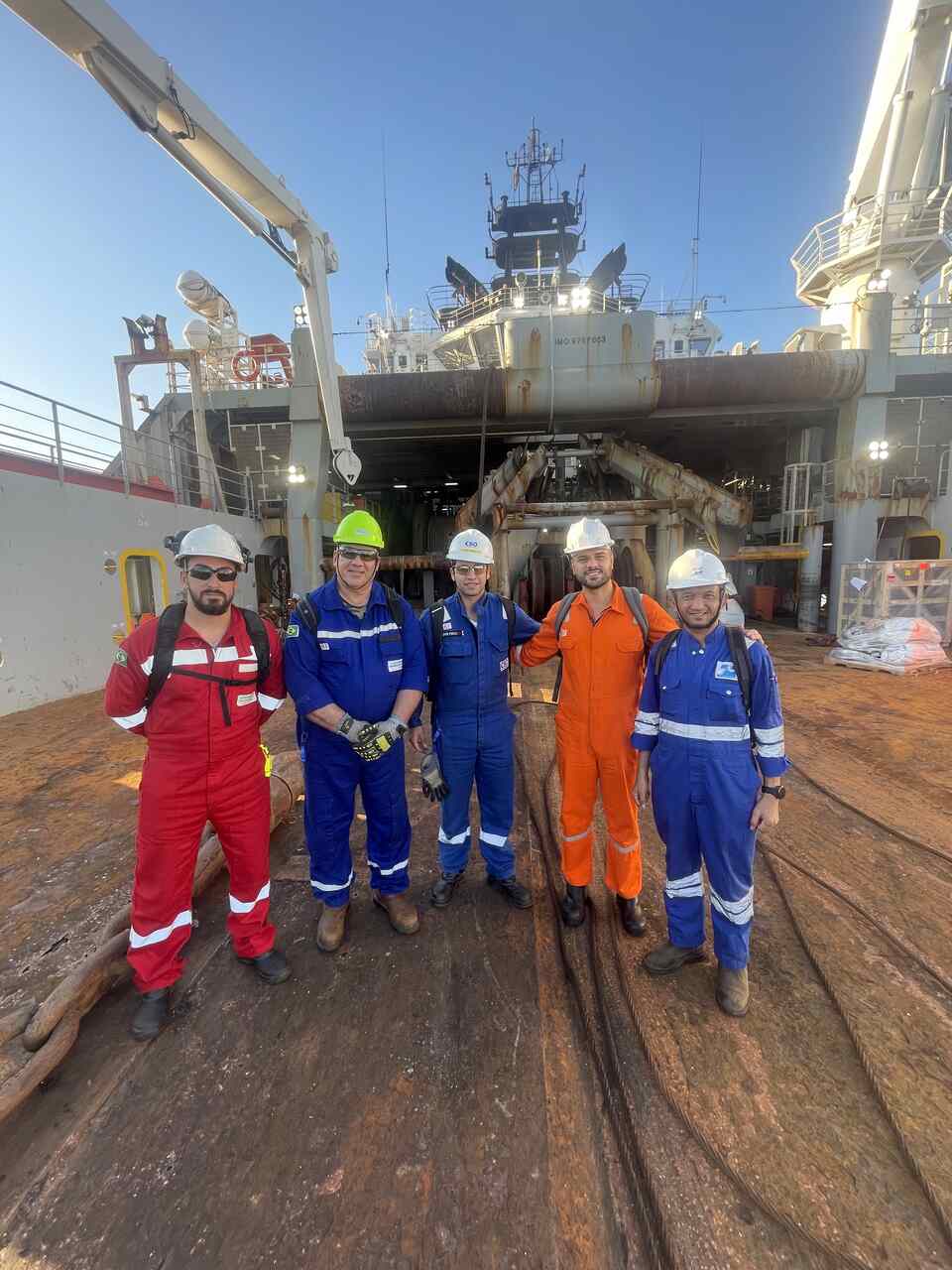
    Integrated effort commissioned by MISC: CBO vessels AH Valletta and CBO Parintins have now been inspected and approved for the Sea Water Intake Riser (SWIR) installation at FPSO Marechal Duque de Caxias having Andre Oliveira and Marco Antonio Tejero as lead DNV MWS (Marine Warranty Surveyors), and Raphael Montes from WSB Advisors as Coordinator of the inspections.

    The accompanying pictures feature key members of the MISC team Mohd Azrul Mohd Rosilan, M. Adhapiz Hasan, Ts. Syed Muhammad Taufik, all hosted by Captains Massimiliano on AH Valletta and Marcelo on CBO Parintins, supported by Rodrigo Coutinho and Otávio Pires from the OPS team from CBO.

    The engineering is detailed and with procedures from BELOV under the operational supervision of Gilberto Luiz da Costa Jr.

  • Special WSB: Aleixo Belov around the world

    Special WSB: Aleixo Belov around the world

    By Rafael Bortoloti

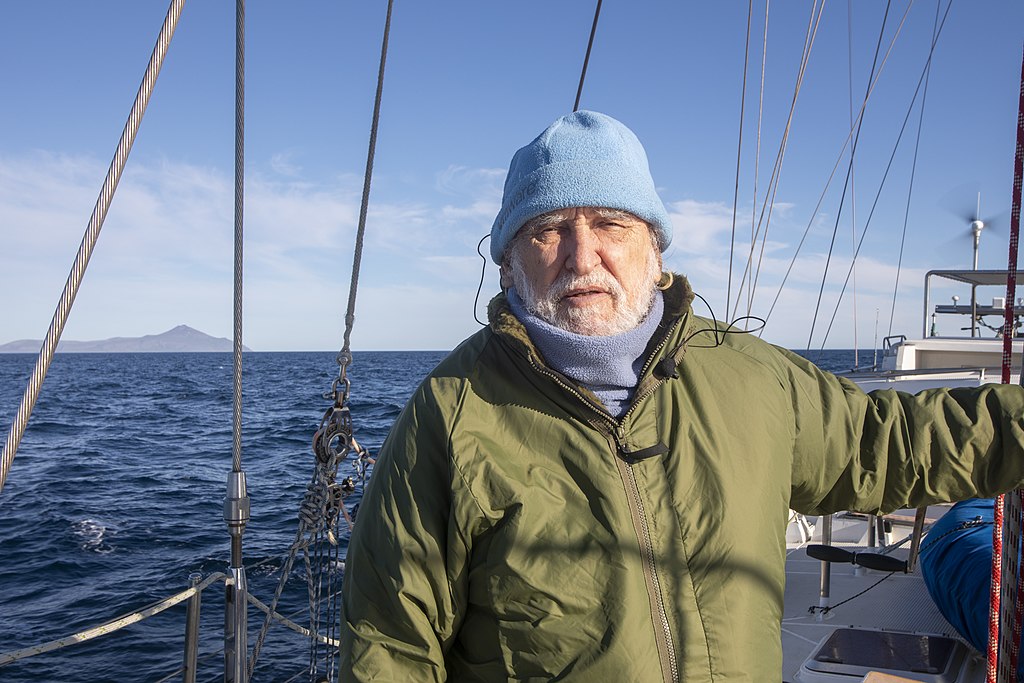
    One of the notable players of Brazilian offshore is Aleixo (born Alexey) Belov, for his work as an engineer. However, his relationship with the oceans doesn’t end there: the Ukrainian settled in Brazil has traveled five times around the world in a sailing boat.

    He arrived in Salvador, Brazil, at the age of six, in 1949. He and his parents left Ukraine due to the Second World War. It didn’t take long for him to be called Aleixo, an easier name to be pronounced in Brazil. 

    In conversation with WSB, he says that he fell in love with sailing at 16 years old, when he received diving  mask from a friend as a gift. He started playing with the object and soon became interested in oceans. In 1965, he decided to travel around the world in a sailing boat for the first time.

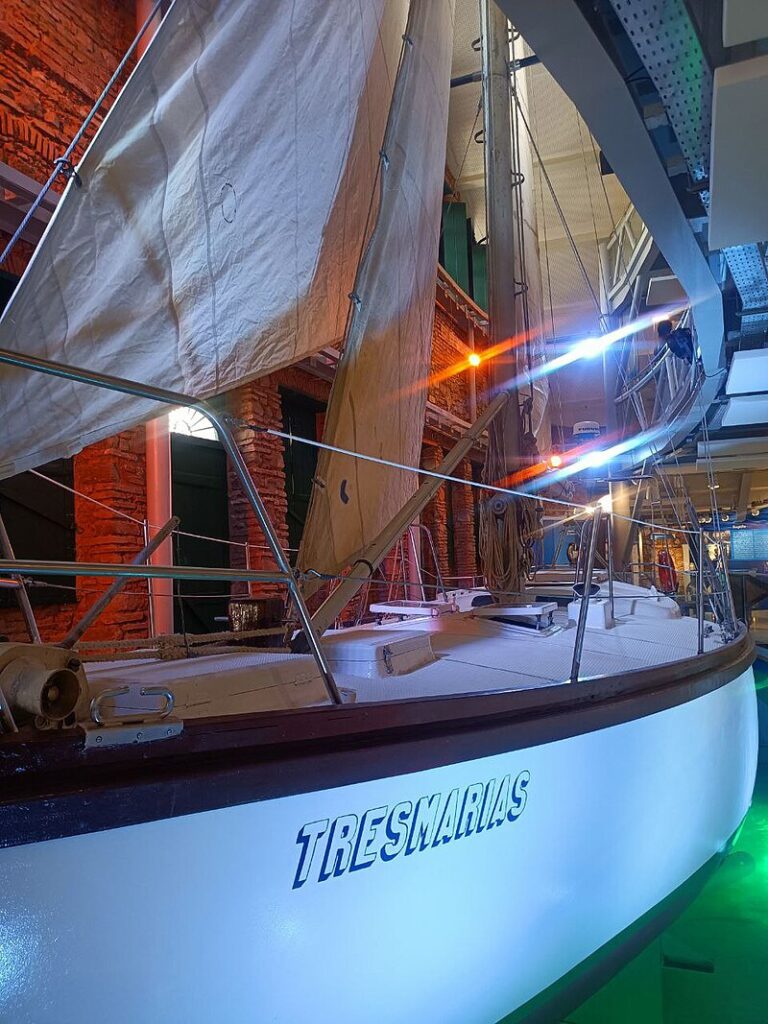
    It took Aleixo 15 years to execute the plan, leaving Salvador on March 16, 1980. Belov was motivated to travel alone to avoid intrigues aboard the boat Três Marias.

    “My first trip around the world was the shortest, because I didn’t have a lot of money and I was also afraid the boat could  run into problems. It  lasted 14 months and I  called  at 16 ports: Natal (Brazil), Trinidad and Tobago, Aruba, Panama, Galapagos, Marquesas, Tuamotus, Tahiti, Rorotonga, New Caledonia, Torres Strait, Bali, Cape Town, New Zealand, Rio de Janeiro (Brazil) and Salvador,” Belov said.

    He landed back in Salvador on May 23, 1981 with relative fame and was received by  a few dozen people.  A short time after, Belov received from the Brazilian Navy the title of the “first Brazilian navigator to make a circumnavigation of the Earth alone.” Also in 81, he released his first of ten books: “A Volta ao Mundo em Solitário” ( Around the World Solo in free translation). Still that year, he founded the engineering company Belov Engenharia, one of our customers. 

    Second and third trip around the world

    With a better financial situation, Aleixo made his second trip around the world between March 15, 1986 and December 19, 1987. To be able to do it, he left the company in hibernation. This time, again alone in the Três Marias, the route passed through 47 ports. Until Bali, the route was the same. He then ventured into places like Sri Lanka, India, South Yemen, the Red Sea, the Suez Canal and Cyprus.

    “I intended to leave India and  sail to Ukraine, my home country, but I was denied entry by authorities. At least it was good to get to know Russia. On this trip, I couldn’t miss  visiting French Polynesia, my favorite place in the world”, revealed Belov.

    Back in Brazil, Belov divided himself between work and a trilogy of books that told of his second trip around the world: “Em busca do Oriente” (1989), “Em busca das Raízes” (1989) e “A caminho de casa” (1990),  “In Search of the East”, “In Search of Roots” and  “On my way home”. 

    Again, Aleixo took about ten years to  sail for  his third journey. This was between September 23, 2000 and March 2, 2002. Once again, he went alone aboard Três Marias. However,  he met his children  that were traveling by plane in some of the stopover cities.

    Bye, Três Marias; Welcome, Fraternidade

    After, as always, he wrote another book, the fifth of his life published  in 2003: “Terceira Volta ao Mundo do Veleiro Três Marias” (Third World Tour of the “Três Marias”, in free translation). 

     The Três Marias became obsolete so he built the Fraternidade as a sailing school  boat and opened expeditions to young people who were interested in the journey. Belov announced that he was looking for people interested in learning navigation and with the courage to travel around the world. There were hundreds of registrations, with dozens selected. 

    “I paid for everything, including the plane tickets for them to return from where they stayed. The Fraternity  weighs 80 tons and I  selected the students who didn’t know how to sail and were eager to learn. The trip was between January 16, 2010 and October 22, 2011”, says Belov.

    In 2012, he received the title of Knight of the Order of Naval Merit and published his sixth book: “4ª Volta ao Mundo: a Bordo do Veleiro Escola Fraternidade (2012)’,  ( Fourth Tour of the World: On board the  Fraternity school sailboat in free translation). Excited, he made his fifth expedition, the second with students  on the Fraternidade,  between December 3, 2016 and August 4, 2018. On this trip, he left Salvador and  headed to Alaska, passing through the Caribbean and Hawaii.

    As expected, he returned and recorded everything in three books: “O Veleiro Escola Fraternidade na Antártica” (2014), “Alaska: muito além da linha do horizonte” (2019) and “Minhas viagens com outros comandantes” (2021). (In free translation  “The Sailboat School Fraternity in Antarctica”, “Alaska: far beyond the horizon” and “My trips with other commanders” . 

    Ten books… and more to come

    Between February 5 and November 12, 2022, Belov, even  at 79 years of age, ventured out and made the Northwest Passage, considered one of the most difficult routes in the world,  accross North America.

    “It was the most difficult trip I’ve ever made. I took a lot of food because there was a risk of the sailboat getting stuck in the glaciers. I was afraid of dying but luckily everything worked out.”

    In the same year, he released his tenth book: “Passagem Noroeste 2022” (Northwest Passage 2022). Still active, he is writing his 11th book that could be divided into a new trilogy. In this work, Belov will detail his life stories. 

    Other projects: engineering and museum

    While writing about his life, Aleixo Belov still runs Belov Engenharia, a company that manufactures modules for FPSOs, builds ports for large ships among other port engineering services, underwater and offshore support services in Brazil.

    Aleixo Belov developed a technique that allows concrete to be made at  sea with the same quality as that made on land. The company currently has around 1.600 employees, including divers who support oil and gas vessels. 

    He is also the owner of the Aleixo Belov Sea Museum. Opened in 2021, the place has free entry on Wednesdays and collects the businessman’s personal items  including the Três Marias and Fraternidade boats. 

    “During all these years, I always had my passport update and got a Visa when I disembarked at each port of call. According to the International Maritime Law, you can stay up to three days in the place, but there are places that will even  allow you to stay without a Visa. You have to do a lot of research before going traveling… I spent 12 million Reais to build the museum, which is located in Salvador, Bahia state and has three floors. I spend an average of R$ 100.000 per month to  maintain i, but, unfortunately, one day I will run out of money”, he says.

  • Belov’s appeal is rejected

    Belov’s appeal is rejected

    Petrobras closes the SDSV tender after nearly exceeding the validity of offers, finally disclosed the results of the appeal from bidders Belov against the initial award notice for Oceanica with vessels Far Sound and Far Scimitar.

    After appreciating the technical points brought up in the appeal, Petrobras decided to rule in favor of Oceanica and sustain the award for their vessels, albeit the differences between the requirement and the presented offers. With all stages of the public tender completed, Petrobras can now move to contract signature, with a 270-day mobilization period granted to the winner.

    With the SDSV now out of the way, Petrobras can better focus on the remaining unfinished tenders of their SUB management, such as the AHTS-R and RSV, both opportunities closed in November 2023 on which not even a partial qualification has been yet disclosed.

  • OTSV arrives in Rio

    OTSV arrives in Rio

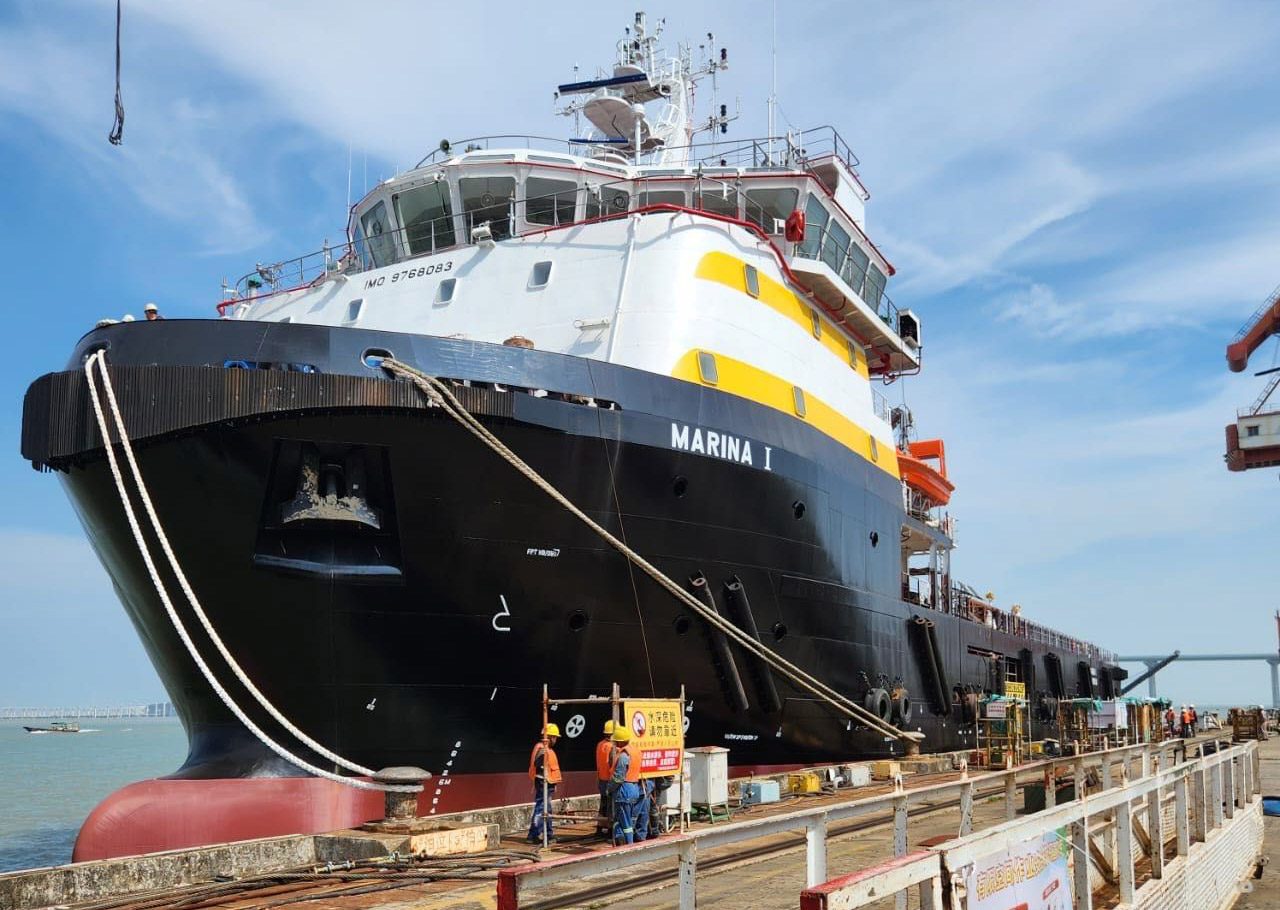
    OTSV Marina I from owners Locar has arrived in Guanabara Bay to commencer her first contract with Petrobras. The vessel went through modifications in China and is expected to start her charter in the coming weeks. This is the first offshore supply vessel acquired by Locar, a company that traditionally has only operated line handlers and barges. Marina I will join Petrobras’ OTSV fleet together with Belov Mares, a newbuild PSV also which went through modifications to become an OTSV, at Belov’s shipyard in Salvador, Bahia and was delivered to Petrobras last year.