Tag: Energy Talks

  • Energy Talks # 19 – Rogério Ibrahim

    Energy Talks # 19 – Rogério Ibrahim

    By Rafael Bortoloti

    In a period marked by the expansion of offshore activity in Brazil, driven by pre-salt developments, new oil discoveries, and growing discussions surrounding the Equatorial Margin, the drilling segment has once again moved to the forefront of the oil and gas industry. Despite its strategic importance to the offshore chain, drilling remains a topic that is rarely explored in depth within industry discussions. A gap that One.Energy magazine aims to address in this edition of Energy Talks. For the first time, the interview series dedicates an extensive and exclusive conversation to the drilling market in Brazil, covering operational challenges, technological innovation, competitiveness, safety, ESG, and market outlook.

    To open this discussion, we spoke with Rogério Ibrahim, CEO of Foresea, one of the leading references in offshore drilling in Brazil. Since the company’s foundation, Ibrahim has led a business that has distinguished itself through operational excellence, the development of pioneering technologies, and the continuous utilization of its entire fleet in a highly competitive market shaped by major international players.

    During the interview, the executive discusses groundbreaking projects developed by Foresea, including innovative solutions designed to enable the safe operation of drillships in shallow-water environments. He also addresses the impacts of the current geopolitical landscape on the industry, analyzes the momentum of Brazil’s oil and gas sector, and comments on the challenges of developing new talent for the drilling market. Ibrahim further shares his views on leadership, innovation, and Foresea’s long-term vision, offering a comprehensive perspective on one of the most strategic segments of Brazil’s offshore industry.
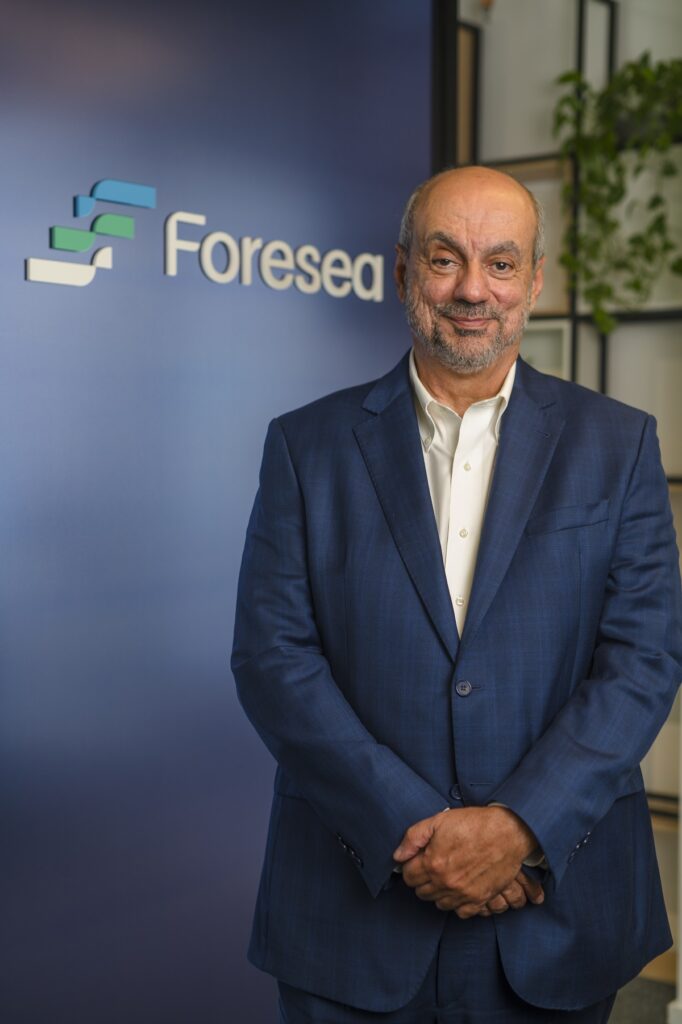
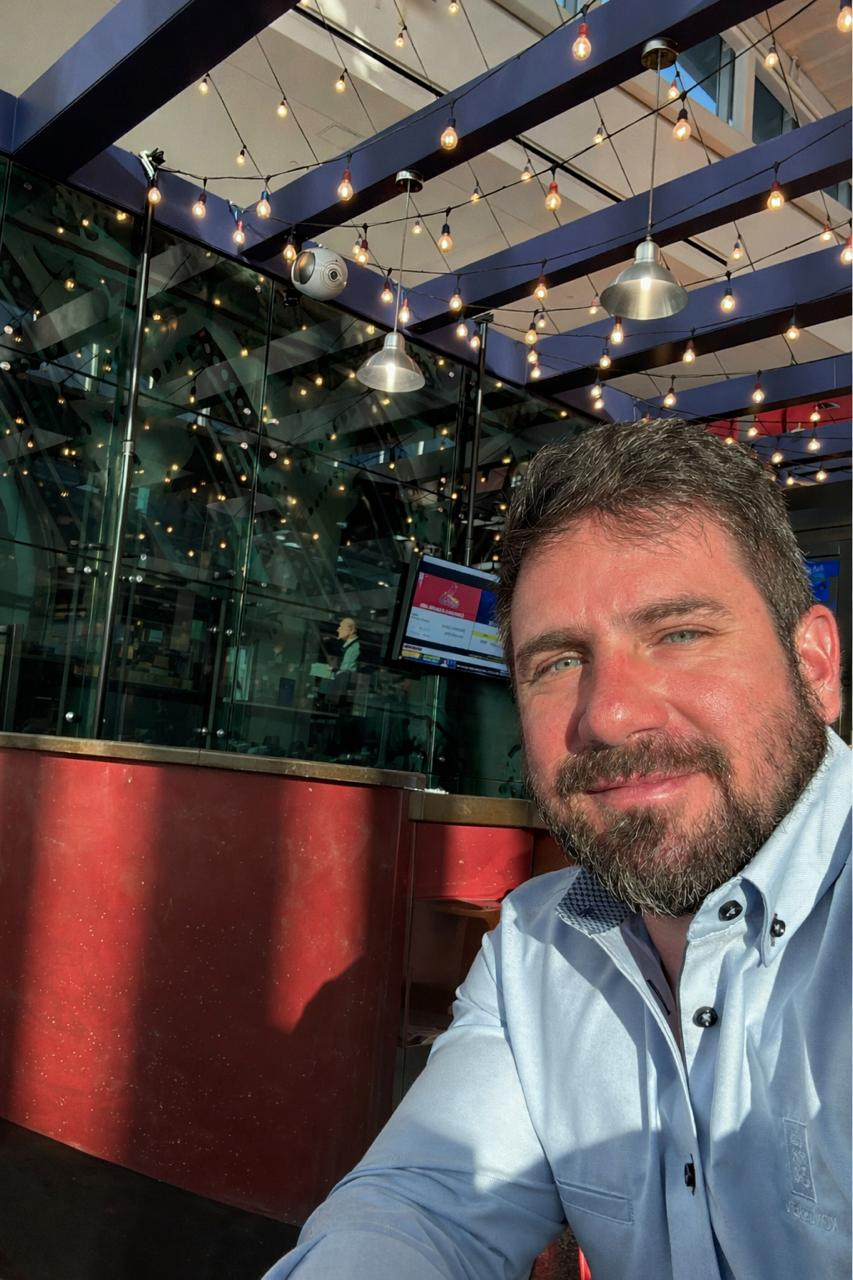
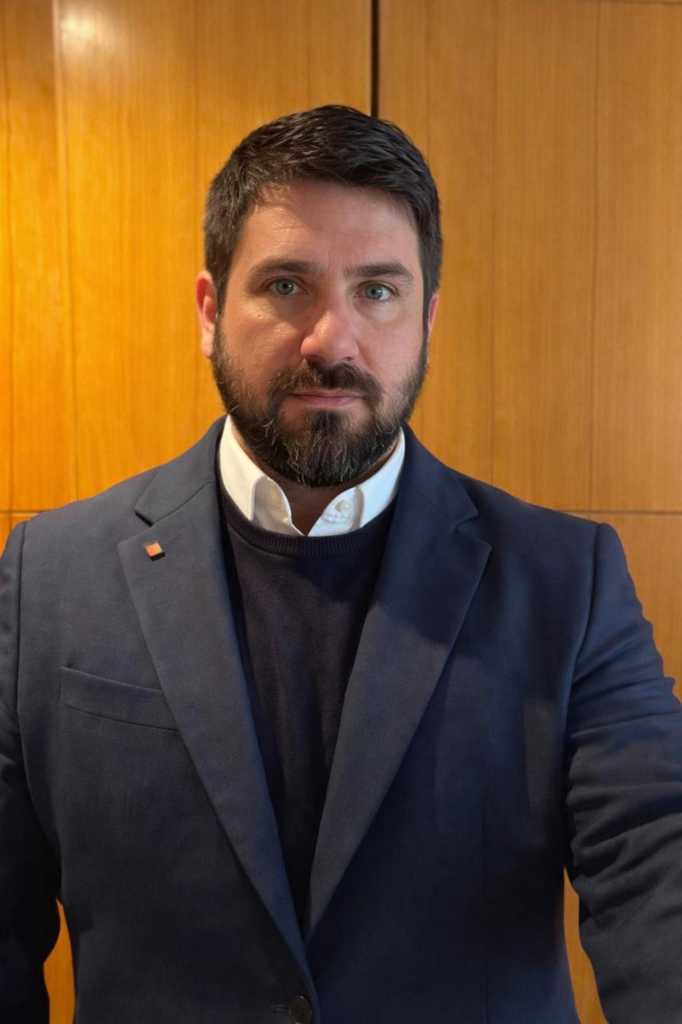
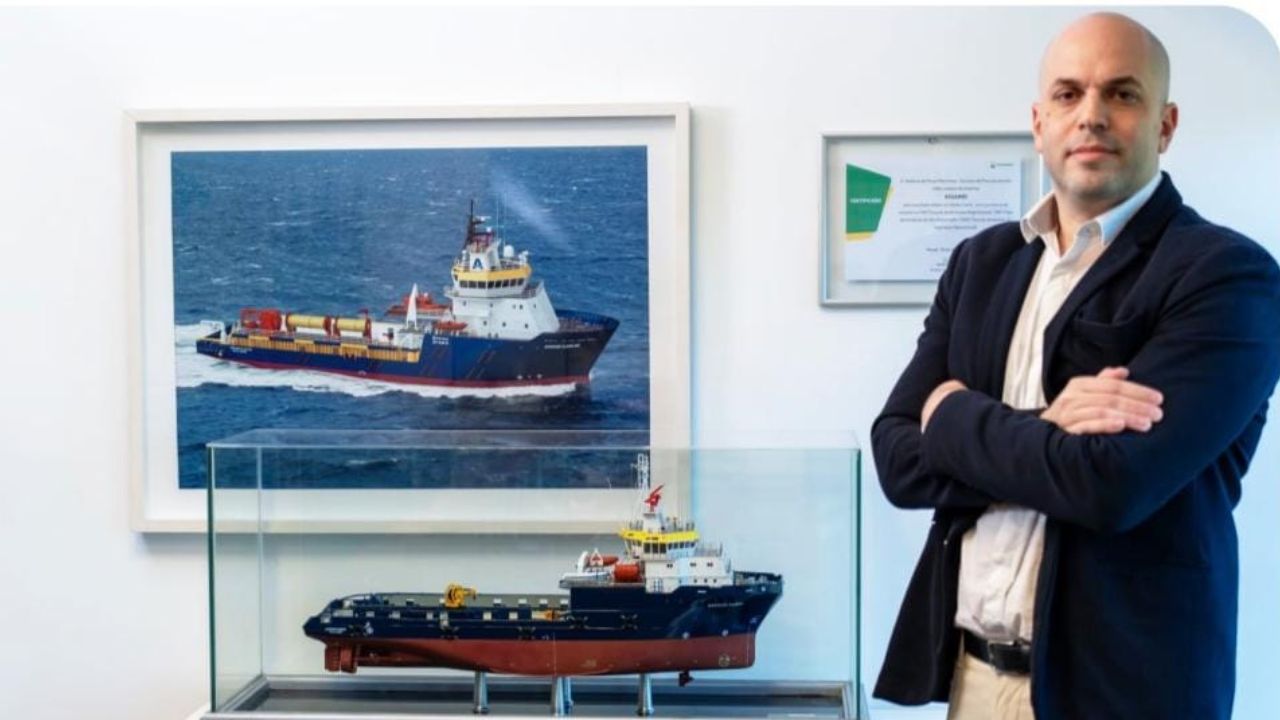
    Rogério Ibrahim, Foresea's CEO
    Rogério Ibrahim, Foresea’s CEO (Source: Bruno de Lima/Foresea)

    The name “Foresea” combines the concepts of forecasting and the sea. With that in mind, how does this ability to anticipate translate into the company’s strategy?

    The name Foresea was intentionally created to combine the idea of forecasting with the sea, reinforcing our ability to anticipate scenarios and adapt in order to deliver the best solutions in the maritime environment. That capability is built, first and foremost, on knowledge. Foresea has teams with more than thirty years of experience in the sector, and that experience translates into accumulated expertise and analytical capability. We are a company focused on solving our clients’ demands through innovation and operational excellence. This is reflected in our knowledge base, our ability to project scenarios, and our capacity to strategically plan our operations.

    Still on the topic of competitive scenarios, at the end of last year Foresea announced the development of a new technology that enables deepwater drillships to safely operate in shallow-water wells, with water depths below 400 meters. Could you elaborate on this project and its current stage?

    This project is one of several pioneering initiatives developed by our Innovation department. To explain this technology, it is important to first mention an earlier development — the anchored BOP solution, which was pioneered on our semi-submersible rig Norbe VI. This solution combines the BOP anchoring system — the Blowout Preventer being the safety equipment responsible for controlling well pressure — with real-time riser analysis.

    This innovation allows dynamically positioned rigs, which are typically deployed in deepwater environments, to also operate in shallow-water wells without requiring anchoring on the seabed, enabling faster operations and reducing environmental impact on the ocean floor. The anchored BOP solution earned Petrobras an international award at OTC Brasil 2023.

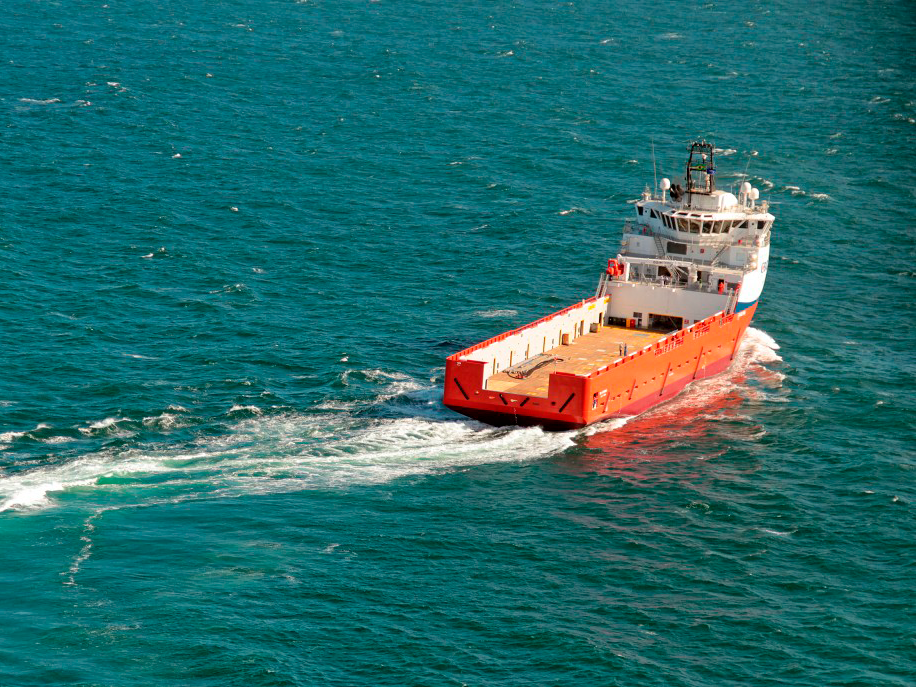
    Building on that development, Foresea created a new solution for our drillship Norbe VIII, once again combining an unprecedented set of technologies that enables a dynamically positioned drillship to remain connected to a shallow-water wellhead — in water depths below 400 meters — with a level of precision control and operational safety that currently does not exist anywhere else in the world. This technology is already being installed on the Norbe VIII, which is expected to be ready for shallow-water operations during the first half of 2026.
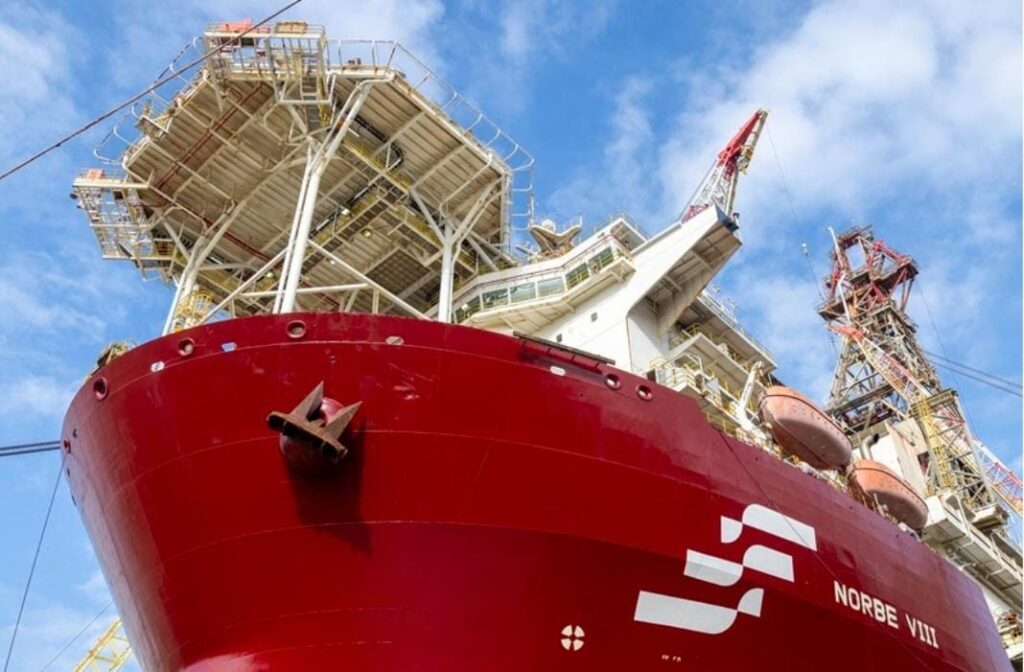
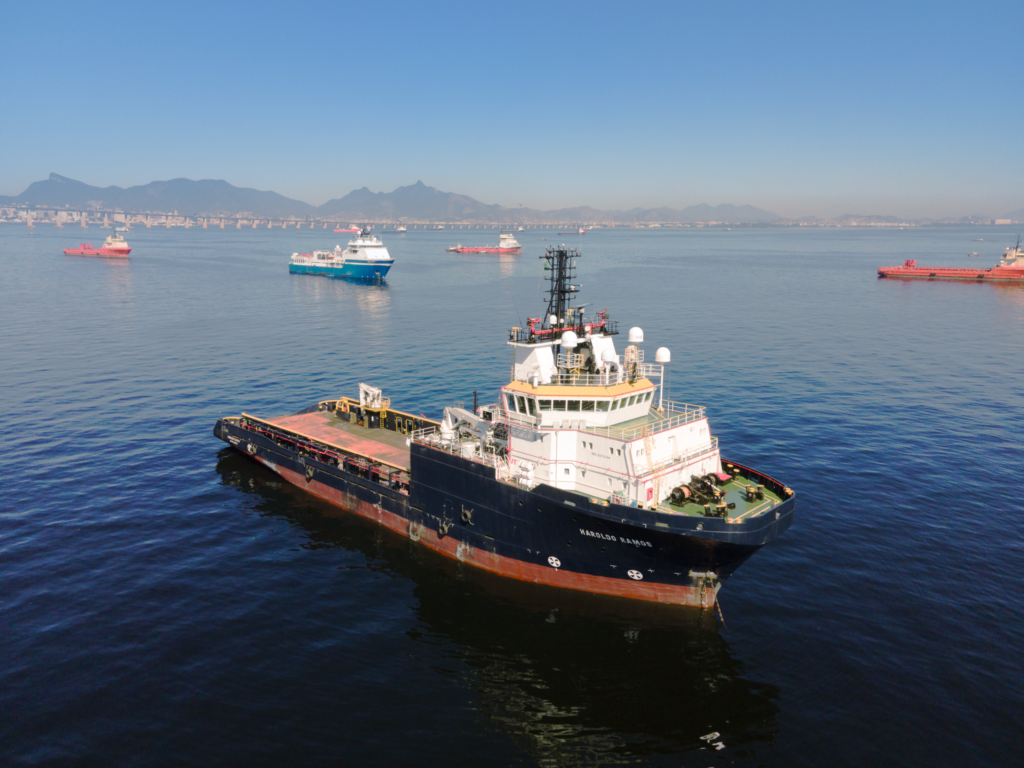
    Norbe VIII
    Norbe VIII (Source: Foresea)

    Foresea has reportedly kept its entire fleet contracted since its foundation in 2023. What explains this performance?

    Yes, we have maintained our entire fleet fully operational over the past years due to the quality of delivery we provide to our clients, always prioritizing safety and operational excellence. Foresea currently holds the best operational performance in the market. We closed 2025 with an average uptime close to 99%, winning Petrobras’ PEO-Sondas — the company’s Operational Excellence Program for drilling rigs — for the fourth consecutive time. This is the most important technical and management evaluation conducted by Petrobras. In addition, during OTC Brasil, we were recognized by Petrobras as the best offshore drilling operator.

    Is the expansion of Foresea’s asset portfolio currently under consideration?

    We are constantly monitoring the market and remain ready to evaluate any strategic business opportunities for the company. Expanding the size of our fleet is always part of our investment assessments. However, any investment decision must be accompanied by rigorous risk analysis and strong financial discipline, always with the objective of delivering returns to our shareholders without compromising our performance standards. We are not interested in growing simply for the sake of growth.

    What supports the slogan “Foresea, market leader”? Which aspects characterize the company as such? And how was it possible to achieve these results in less than three years, in a market with strong international competition?
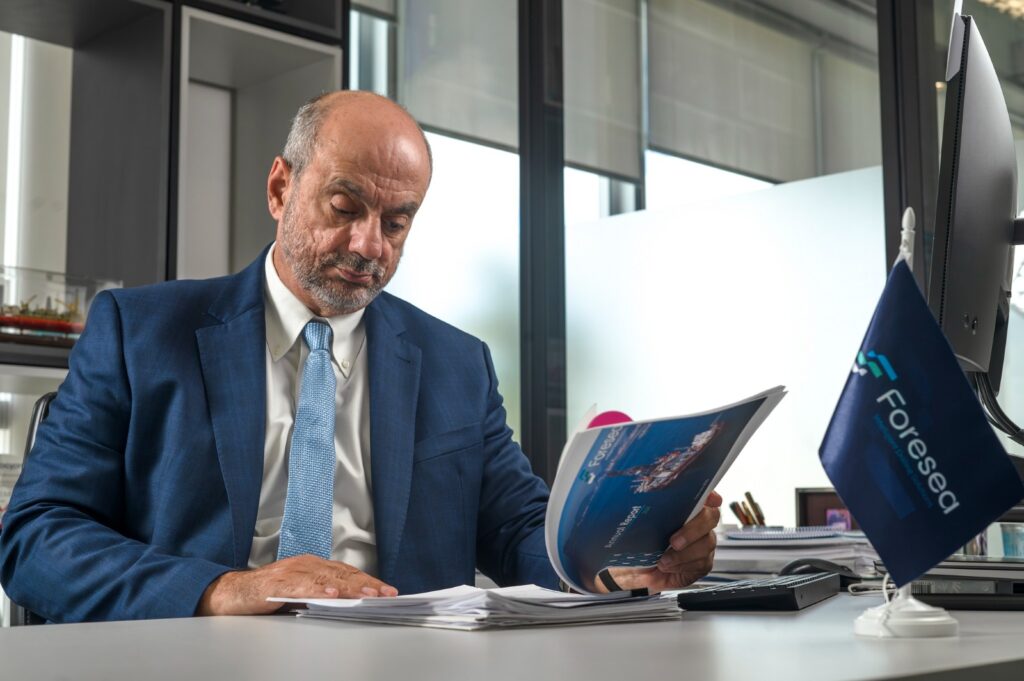
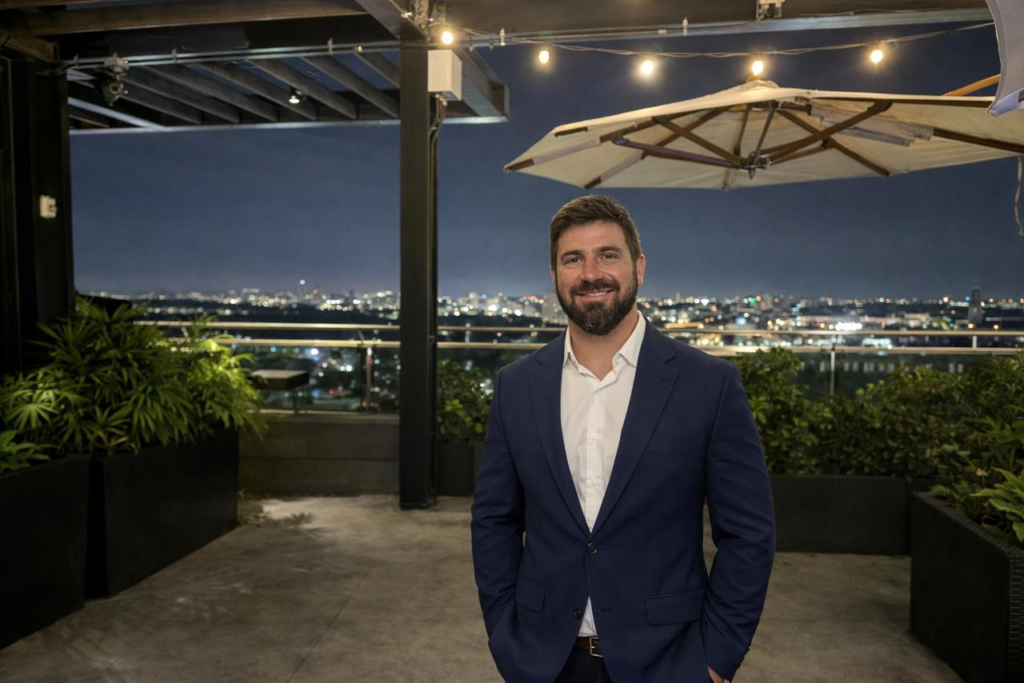
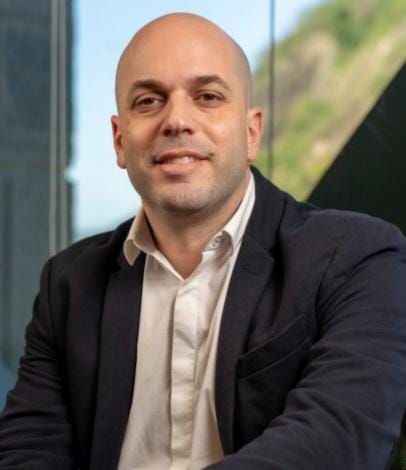
    Rogério Ibrahim, Foresea's CEO
    Rogério Ibrahim, Foresea’s CEO (Source: Bruno de Lima/Foresea)

    There are several factors that place Foresea in a leadership position within Brazil’s offshore drilling segment. As mentioned, the company has maintained all of its rigs contracted while also expanding operations through the management of third-party rigs. Foresea is also recognized for operational efficiency, with the highest uptime levels in the market and the industry recognitions previously mentioned.

    We are also leaders in innovation, introducing groundbreaking technologies to the sector. In addition, we have become a benchmark in sustainability through pioneering socio-environmental initiatives — such as the recycling and reuse of 100% of our waste and investments in improving the quality of public basic education in Macaé — which further reinforce our leadership position within the industry.

    In recent months, the offshore industry has been impacted by several developments, including the approval of exploration activities in Brazil’s Equatorial Margin and new oil discoveries. At the same time, geopolitical tensions involving the United States, Iran, and Venezuela continue to affect global oil production and distribution. Do you believe these issues spilling in Foresea in any way?

    The entire oil and gas industry closely monitors conflicts in the Middle East and evaluates their direct and indirect impacts on the domestic market. Brazilian oil is increasingly viewed as a secure and cost-competitive alternative. At the same time, we are living through a period of geopolitical uncertainty and elevated risks, which may increase insurance and maritime freight costs, in addition to creating inflationary pressure that affects overall operating expenses.

    ESG has become an increasingly relevant topic. How does Foresea incorporate these practices into its strategy and operations?

    I will begin with the “S”, the social pillar. Foresea maintains a strong commitment to people. This means ensuring high standards of safety, integrity, physical and mental health, well-being, training, and development for all employees, both onshore and offshore. It also means extending support to partners and local communities, such as Macaé, where we maintain our office and support local development projects.

    The “E” (environmental), is embedded both in our day-to-day activities, including waste management and circular economy initiatives already mentioned, and in our research, development, and innovation efforts, which focus on incorporating technologies aimed at reducing emissions and other environmental impacts. I would also highlight that operational efficiency itself contributes to reducing environmental impact.

    Finally, regarding governance, we follow strict compliance, integrity, and ethics policies across our business operations, supported by continuous monitoring processes. In addition, our fleet is internationally certified, ensuring quality standards and compliance with global regulations.

    Safety is a central pillar in the industry, and Foresea has received several awards in this area. How does the company maintain such high standards in its operations?

    Safety culture is embedded in Foresea’s DNA. This means maintaining a permanent and explicit commitment that goes far beyond operational controls and safety monitoring systems. We continuously invest in campaigns and training programs for both employees and contractors, always maintaining a strong focus on safety.

    We promote training programs covering national and international regulatory standards, customized courses for accident prevention in critical operations, and safety management initiatives. One example is the use of Observation Cards, through which employees identify and report unsafe conditions or behaviors so corrective actions can be implemented.

    More broadly, our Digital Sustainability Program enables the digital completion of health and safety checklists, while our Human Factors Program expands our strategic approach to safety management through a governance model that encourages continuous improvement and operational evolution. Altogether, these initiatives form a robust and highly structured framework that reinforces our safety culture.

    Could you also discuss Foresea’s initiatives related to developing new talent? How do you see the market for professionals interested in drilling?

    Foresea’s strategy for talent development is based on three pillars: mandatory training, educational incentives, and professional development programs.

    Mandatory training is primarily aimed at offshore personnel working onboard drilling rigs and includes compliance with legal requirements and client-specific contractual demands. Educational incentives provide subsidies for employees to pursue language courses, undergraduate and postgraduate programs, and other professional development opportunities within the oil and gas industry.

    Our development programs are designed to align company culture and prepare employees for new career challenges across all technical and professional levels. One example is our Offshore Development Program (PDO), which accelerates talent development through supervised offshore assignments for internal professionals and selected candidates from the external market.

    We also maintain a Leadership Development Program focused on principles and values, safety and risk management, communication, compliance, and career development. In addition, we created the Drilling Academy to foster knowledge exchange and continuous technical development among teams directly involved in drilling operations.

    Could you tell us a little about your professional trajectory before joining Foresea? You worked for major companies such as Odebrecht and Vale. Which lessons and experiences from that period still apply to your current role as CEO of Foresea?

    Most of my professional experience has been concentrated in management and planning. I graduated in Civil Engineering from IME, the Military Institute of Engineering,  in 1983, and shortly afterward completed a postgraduate degree in Business Administration at Coppead/UFRJ.

    I then joined Vale, where I was responsible for Commercial Planning. Later, in 1998, I joined Odebrecht and worked across several areas, including Controllership, Treasury, Projects, and Corporate Finance. That experience gave me broad exposure and eventually led me to CFO positions at several group companies, including Odebrecht Engenharia & Construção, Santo Antônio Energia S.A., Odebrecht Energia, and later Ocyan. When Foresea was established, I assumed the company’s presidency.

    I believe that this trajectory within major corporations across strategic sectors of the economy allowed me to develop highly relevant competencies, including financial restructuring, digital transformation, and high-performance team management, all of which contribute directly to my current role leading Foresea.

    You have a background in Civil Engineering. How has this technical foundation contributed to your business vision and leadership style in such a complex sector as offshore?

    I see Engineering as a discipline that naturally fosters leadership across different sectors because, beyond technical knowledge, it develops structured thinking focused on creating viable solutions for complex challenges.

    Engineers are trained to maintain a systemic and strategic perspective, understanding how each part influences the overall result. This is extremely important for decision-making processes.

    More specifically, civil engineering provides knowledge related to structures and materials, planning, logistics, cost management, and risk management, all of which are directly connected to offshore operations and business activities.
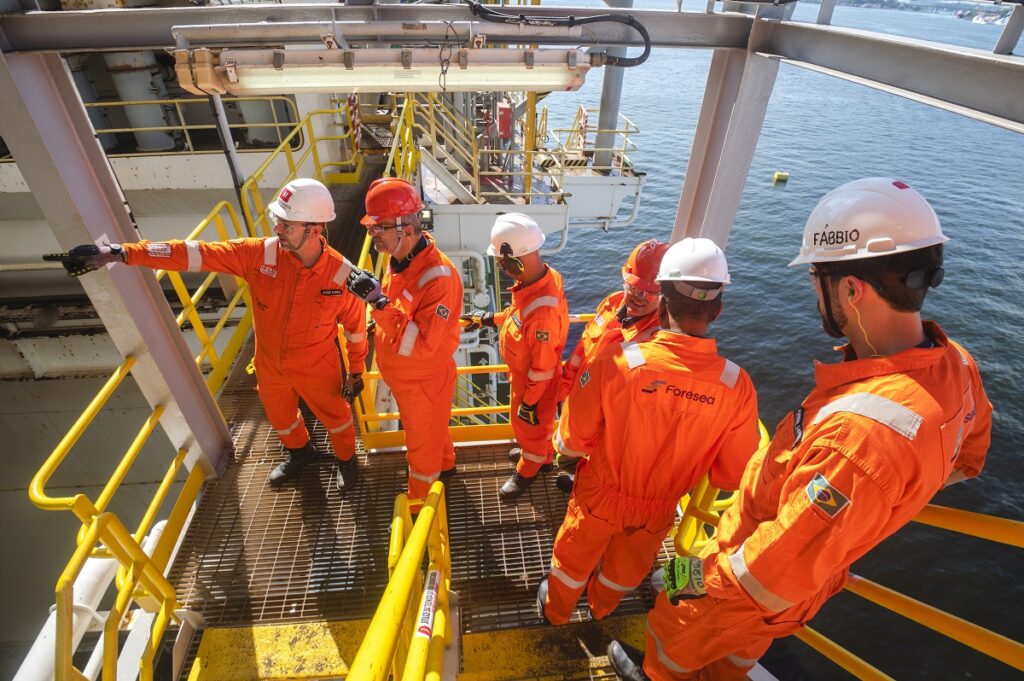
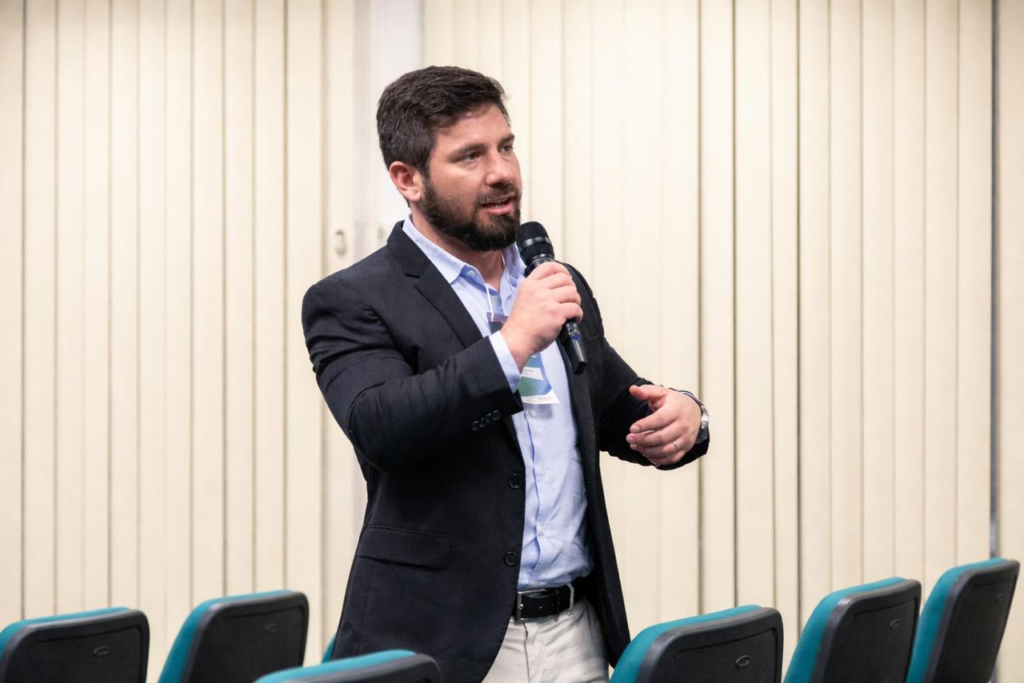
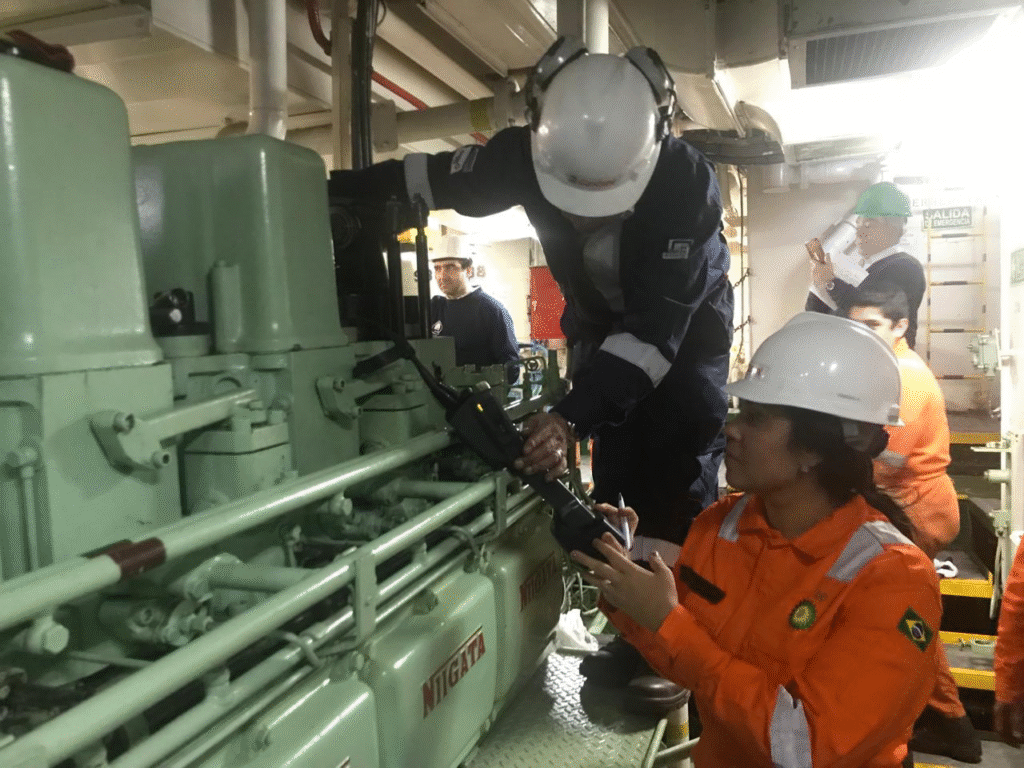
    Rogério Ibrahim on a technical drillship inspection
    Rogério Ibrahim on a technical drillship inspection (Source: Bruno de Lima/Foresea)

    Finally, what is your vision for Foresea over the next five to ten years?

    Foresea has very positive long-term prospects for several reasons. First, we believe the Brazilian oil and gas market is currently one of the most attractive in the world. Brazil already represents more than 30% of global demand for offshore drilling contracts and is entering a new growth cycle.

    We are confident that Foresea is prepared to play a leading role in this expansion. The investments we are making are aligned with that objective. Our priority is to maintain Foresea’s leadership position within the sector, fully prepared to capture market opportunities while sustaining high operational performance and environmental safety standards.
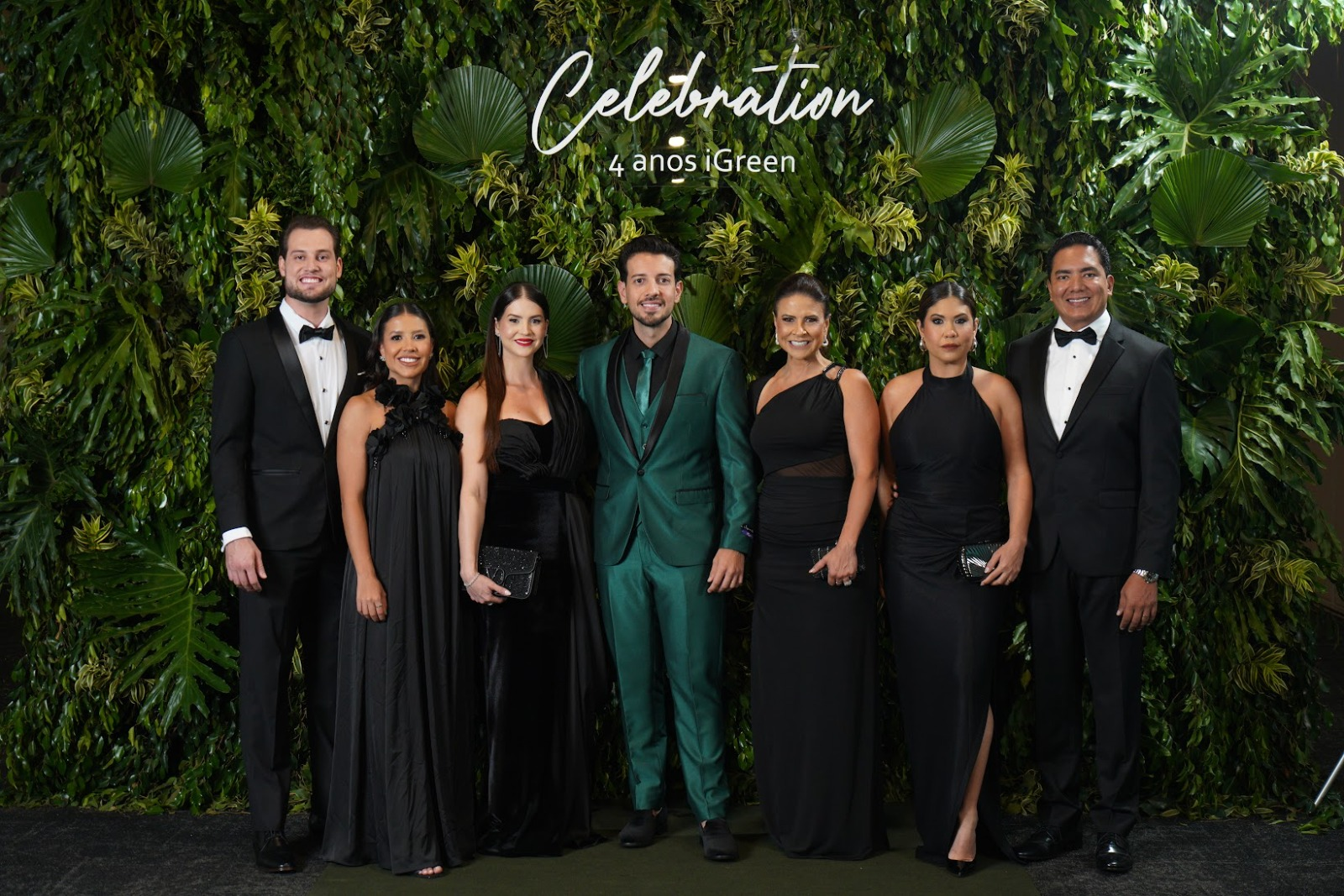
    Thanks, Ibrahim

  • Energy Talks #18 – Amanda Durante

    Energy Talks #18 – Amanda Durante

    By Rafael Bortoloti

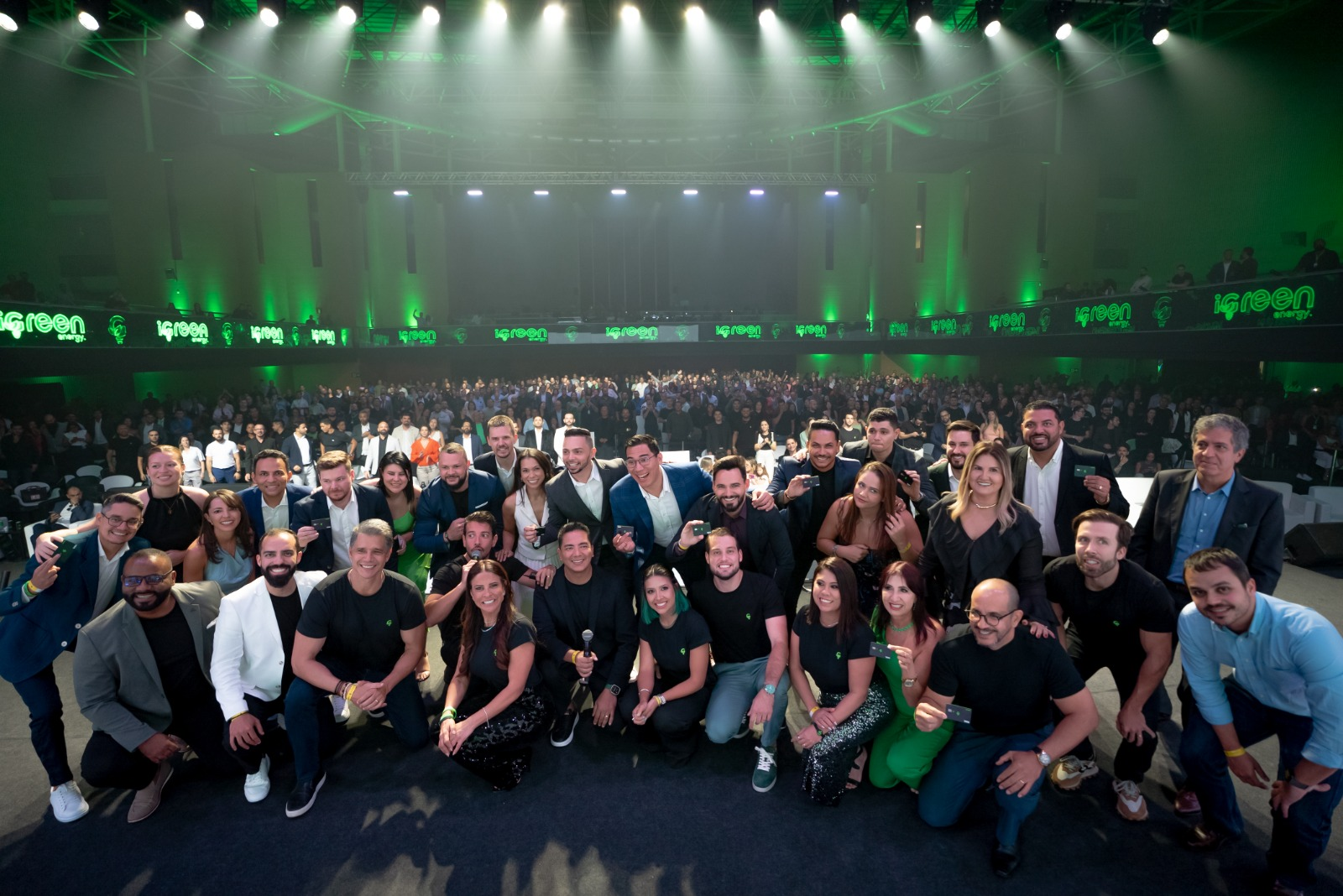
    In this edition of Energy Talks, we had the pleasure of speaking with Amanda Durante. At just 28 years old, she proudly says she turned not being hired at Itaú Unibanco into the driving force to not only change industries, but also to become an entrepreneur and inspire other women.

    With support from her brother and husband, she founded iGreen Energy. Established in 2021 and headquartered in Uberlândia, the company was created with the mission of democratizing access to clean and renewable energy. It connects members to solar plants without the need for installation or upfront investment, generating immediate savings on electricity bills. With more than 500,000 members across over 20 states, the company offers significant compensation to its network of licensed partners and contributes to reducing CO₂ emissions and building a more sustainable future.

    Under her leadership, iGreen has grown with thousands of salespeople and hundreds of thousands of sustainable energy subscribers. The company’s name came from the idea of connecting energy producers and consumers, much like delivery platforms connect restaurants and customers. Her work was recognized when she was named to the prestigious Forbes Under 30 list in the “Business & Industry” category in 2025.

    Tell us a bit about your personal and professional journey and how it influenced not only the creation of iGreen, but also the professional you are today

    I grew up in an entrepreneurial household. No one had a traditional corporate job, and I was never pressured to go to college or follow a specific path. I was always encouraged to be creative and take care of my own responsibilities. One situation that really marked me was that my mother NEVER did a school assignment for me, not even with me. She would always say, “You are the student, so you have to do it!” My projects were always the ugliest in the class, but she would look at them and say, “It’s the most beautiful one, because you made it!” And that’s how I grew up.

    I studied Business Administration and entered the job market as an intern at Itaú, but I wasn’t hired because, according to them, I wasn’t creative. That’s when I started looking for new opportunities and discovered the solar energy sector. I began as a salesperson, earning only commissions. I grew within the company, took on multiple roles, and eventually had the idea to invite my brother to help with sales. We talked and decided to create a business model. The owner of the company I worked for didn’t like the idea. So my brother Thiago and I left and founded iGreen.

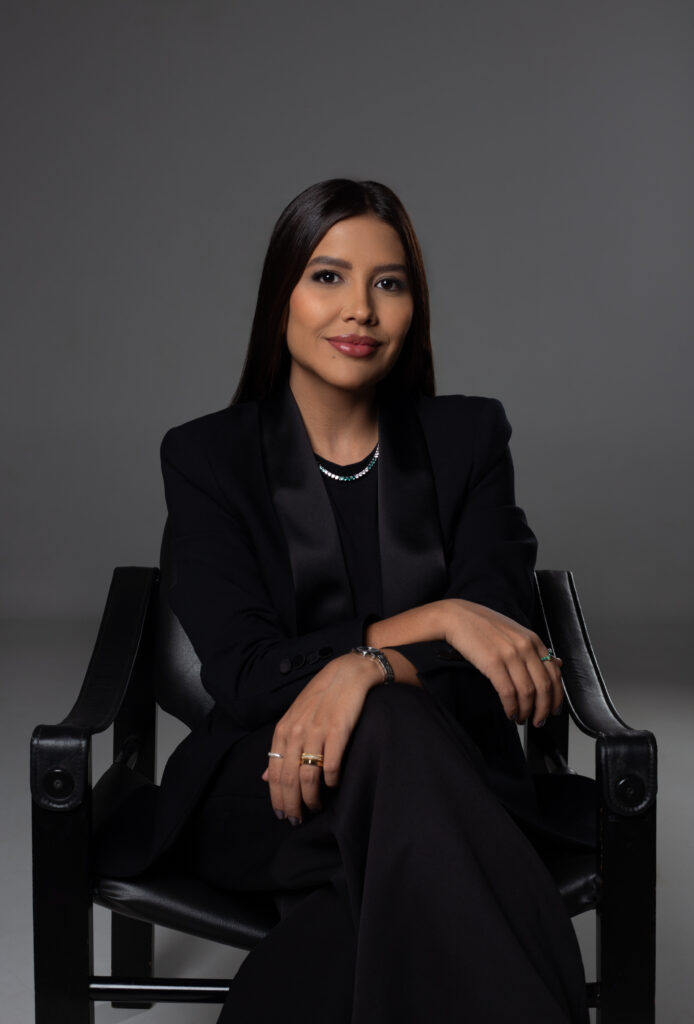
    Amanda Durante (Source: Private Collection)

    2) Your entry into the job market had a turning point after your experience at Itaú Unibanco. How did that episode shape your entrepreneurial vision?

    I learned a lot there. I learned how to sell and how to chase targets. But I also realized that it wasn’t what I wanted for my life—it lacked purpose. Even so, because of the money, I tried to get hired. And that’s when they told me I wasn’t creative. That hurt a lot. And it was exactly that moment that made me realize I needed to work with purpose. I found that purpose in renewable energy.

    3) It’s impossible to talk about you without mentioning your presence on the Forbes Under 30 list in 2025. What does that recognition represent in your journey?

    To me, it’s a seal that we’re on the right path! Being on Forbes had always been a dream, and when I applied, I thought, “Well, I still have three years to try again,” because I never imagined I would be selected on the first attempt. It was surprising and very rewarding, because it confirms what we already knew: we are building something great.

    4) You lead a company in a sector historically dominated by large players and often by men. What was it like to build authority and space in this environment?

    In almost every meeting, I’m the only woman and the youngest person, but I’ve never cared about that. I’ve never felt inferior because of it. I believe authority is built through results. So I deliver results. It doesn’t matter whether I’m a woman or a man—what matters is whether I’m generating results.

    Throughout your journey as a founder, what were the most decisive challenges in scaling the business? Who supported you? And what did you learn from them?

    There have been and still are many daily challenges, but I believe the first “no’s” I received were the hardest. Even so, we never stopped because of them. My husband, Calebe, has always supported me a lot. My brother and business partner always reminded me: “Amanda, we are a company of faith. So let’s believe until the end.” Believing that everything works for our good allows us to work with peace, knowing that God takes care of everything for us.

     iGreen was created with the goal of democratizing access to clean energy. What is still missing for this to happen on a large scale in Brazil?

    We’ve already achieved major progress. Looking back, when I started working in energy, Brazil’s electricity matrix had only 1.2% solar. iGreen was founded in 2021, and now, in 2026, solar has already surpassed 22%. That’s huge.

    For large-scale democratization, I believe we still need two key developments: building plants in regions that still lack access, and opening up the free energy market, where everyone will be able to choose their energy provider.

    iGreen Energy
    iGreen Energy (Source: Courtesy)

    The shared generation model has grown rapidly. What are the main regulatory and market barriers to its expansion today?

    What slows things down the most today is uncertainty in the sector. Things change constantly, new signals emerge, and nothing is decided clearly. But the security we have lies in Law 14,300, and we will continue to grow while waiting for the opening of the free market.

    How do you see the impact of recent regulatory changes in Brazil’s solar energy sector?

    I believe there is currently no negative impact—quite the opposite. We continue to grow while others wait for concrete answers. We are convinced that the electricity sector will only evolve, following the example of countries that have already advanced toward opening the free market. So I see no negative impact, only positive ones, accelerating this transition—and we will be ready for it.

    Do Brazilian consumers already understand the value of solar energy, or are we still in a phase of awareness and education?

    Unfortunately, we are still in the awareness phase. Brazilian consumers are still very tied to traditional utilities, regardless of their shortcomings. There is still a lot of fear about trusting a new solution. But we remain committed to this mission: through our licensed partners, we educate consumers one by one, door to door, with personalized service, bringing satisfaction and efficiency to the end user—our members.

    Looking at the next five years, what is your vision for the future of solar energy and distributed generation in the country?

    We are on a very strong growth curve. Every month, 90,000 new members start receiving clean, renewable energy through iGreen, which is equivalent to more than 22 million kWh. If since 2019 we have gone from 1.2% to 22% solar share in the energy matrix, I believe that in five years we can double that percentage and make solar the main energy source in Brazil.

    The energy transition is a global topic. Where is Brazil well positioned, and where does it still need to evolve?

    Brazil is very well positioned. With 22% of the matrix being solar and more than 50% made up of renewables overall, we are already a renewable-majority country, which is a major step in the energy transition. However, what needs to change is the mindset that solar is only for the wealthy. This holds back growth, because 80% of our members are individuals who consume up to 300 kWh—people who see solar as a real opportunity to save money. Until the right people understand this, we will continue to lose time.

    In an international scenario marked by conflicts involving oil, do you believe this tends to accelerate the search for renewable sources, especially solar?

    Absolutely. We are already seeing this in practice: panel prices have dropped, and the sector has been growing rapidly because of it.

    Sustainability also involves social impact. How do you see the role of renewable energy in inclusion and economic development?

    iGreen has already generated more than 25 million reais in savings for our members—money that goes back into Brazilians’ pockets—while providing clean energy. We have also avoided more than 20,000 tons of CO₂ emissions. I’m sure sustainability has greatly contributed to inclusion and economic development.

    If you could implement one structural change in Brazil’s electricity sector today, what would it be and why?

    I would invest in modernizing the energy transmission infrastructure. One of the biggest complaints today is that the grid cannot handle the volume of energy being injected. Instead of slowing down solar energy expansion, what needs to happen is a structural reform in transmission. We cannot limit generation because infrastructure hasn’t kept up.

    Artemis II (Source: NASA)

    Missions like Artemis II have reignited global interest in innovation. Do you believe initiatives like this can also inspire advances in new energy sources?

    Absolutely. Elon Musk, for example, is an investor in renewable energy, and missions like this highlight the importance of global change. I believe they encourage innovation and progress. When the world decides to move in a certain direction, the effects are felt across all sectors, including energy.

    Thanks, Durante

  • Energy Talks #17 – José Eduardo Leal

    Energy Talks #17 – José Eduardo Leal

    By Rafael Bortoloti and Romulo Bacchiega

    In this edition of Energy Talks, we sat down with José Eduardo Leal, a computer engineer graduate of PUC-Campinas, who is currently working as a Senior Sales Manager with the global marine technology company, Kongsberg Maritime (KM).

    We began the conversation by exploring the role of technology and artificial intelligence in marine operations, and it naturally expanded to topics such as autonomous navigation, regulation, vessel-to-shore communication, predictive analytics, and the specific challenges of the Brazilian market.

    The result is an in-depth discussion of how data, connectivity, and automation are reshaping the present — and the future — of the maritime industry.

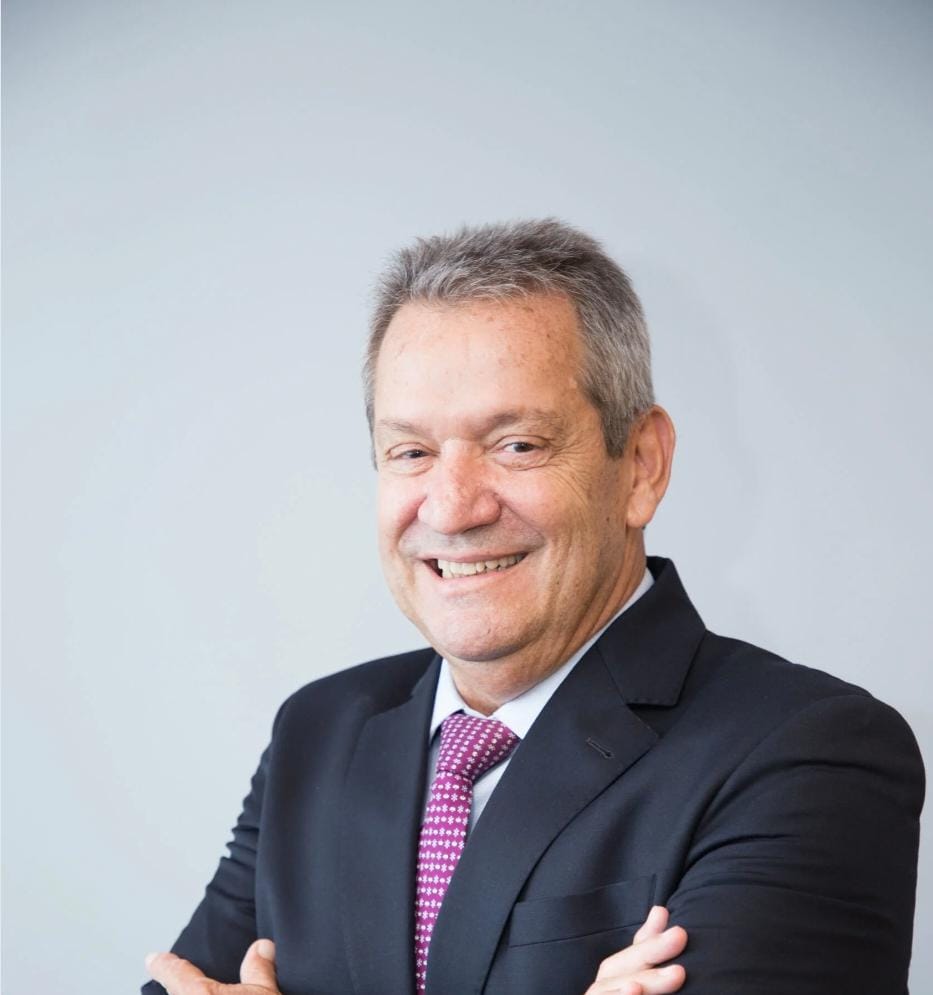
    José Eduardo Leal
    José Eduardo Leal (Source: Private Collection)

    How has your background in computer engineering contributed to your work in the maritime sector?

    I graduated from PUC-Campinas in 2011 with a degree in Computer Engineering, but even before that, it was clear to me that technology would be the driving force behind major societal transformations. In 2010, while still at university, I began my professional journey at a research center in Campinas, working in telecommunications.

    In 2013, I was offered a software engineering role at Kongsberg, and spent the next four years working with dynamic positioning (DP) systems. During that period, I worked as a field engineer and helped develop solutions for offloading operations in Brazil, specifically for DPSTs (DP Shuttle Tankers) and for offloading spread-moored FPSOs.

    After that, I worked as a DP Surveyor on shuttle tankers, where I gained hands-on onboard experience and deepened my operational understanding. In November 2023, I returned to Kongsberg, where I currently work as Senior Sales Manager. This journey has shown me that in the maritime environment, software, hardware, and operational safety are inseparable; it is not about developing conventional applications, but systems that control the position, heading, and behavior of entire vessels. That requires a much more complex technological approach.

    You frequently participate in lectures and workshops with major Brazilian energy logistics companies. What is the focus of these presentations, and how important are these dialogues?

    Kongsberg has close and strategic partnerships with energy companies around the globe, including here in Brazil. I’ve specialized in shuttle tankers over the course of my career and have been involved in the development of KM’s specific functionalities for Brazilian offloading operations, so I’ve been able to foster a technical relationship with key operators.

    In workshops and lectures, my main focus is on demonstrating how technology can enhance operational safety, particularly in critical operations such as dynamic positioning, offloading, and system integration. I share real operational cases, data insights, and practical examples that illustrate how digital solutions, automation, and data analytics can reduce risk and support informed crew decision-making.

    This dialogue is extremely valuable. It creates a two-way exchange where we not only present innovations but also gain operational feedback that helps refine our technologies to better meet the realities of offshore operations.

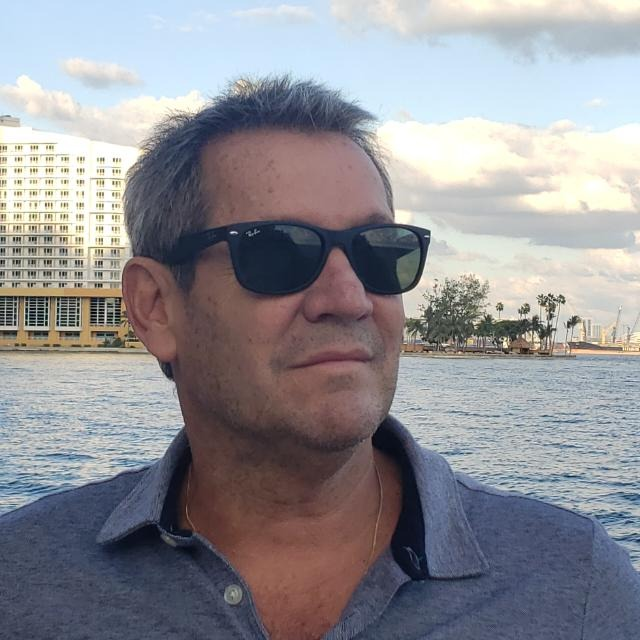
    José Eduardo Leal (Source: Private Collection)

    What are the industry’s main technological challenges today related to artificial intelligence and automation?

    Without a doubt, the biggest challenge is regulation. Technology development is advancing rapidly- Often outpacing the frameworks needed to govern it. The pace of progress in artificial intelligence, remote navigation, and autonomous vessel operations is being tempered by the regulatory requirements, class rules, and the necessary adaptation of maritime authorities.

    This is understandably a cautious process. We are dealing with highly sensitive operations involving human safety, environmental protection and high-value assets. For example, KM, has been working with remote and autonomous navigation for years, but broad adoption depends on regulatory alignment and stakeholder confidence.

    At the same time, the direction of travel for the industry is clear. Automation offers tangible benefits: reduced operational risk, lower exposure to human error, improved energy efficiency, and in many cases, better quality of life for professionals. Shore-based operational centers can enable crews and operators to work remotely while maintaining safe and efficient vessel performance.

    Is this regulatory challenge local or global?

    It’s a global challenge, but there are regional nuances. Every country has its own rules, authorities, labor laws, and economic interests. ,These different regulatory frameworks add layers of complexity to the advancements of autonomous and remote vessel operations.

    Norway, for example, is a few steps ahead. Kongsberg Maritime maintains a close working relationship with the Norwegian maritime authorities and classification societies, such as DNV. The collaboration of stakeholders helps to enable pilot projects and controlled technology testing.

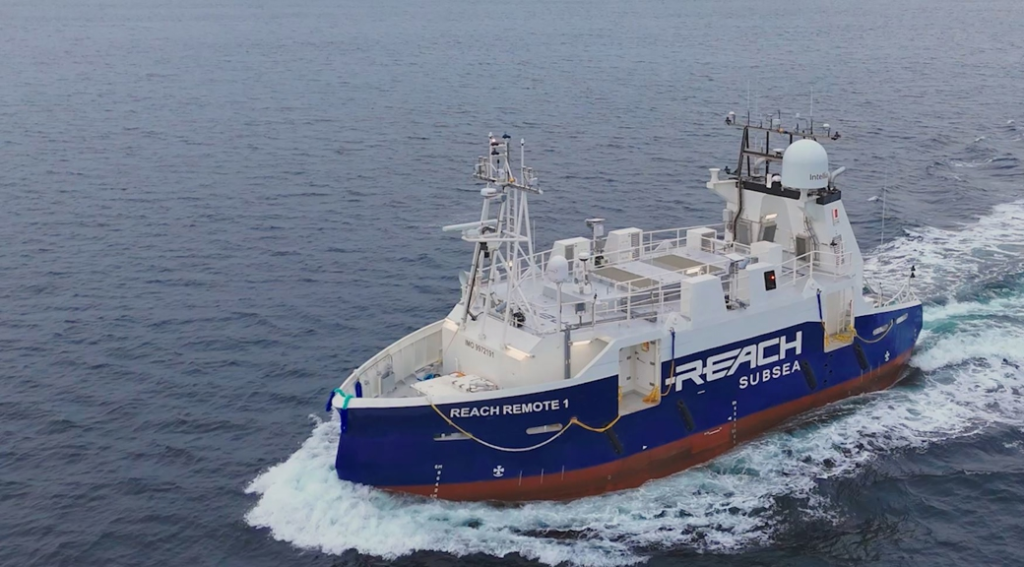
    Today, KM is involved in multiple remote and autonomous vessels initiatives. One of the most emblematic examples is Reach Remote 1, a 24-meter Uncrewed Surface Vessel (USV) operating along the Norwegian coast conducting subsea inspections. The vessel navigates autonomously and is remotely operated from an onshore control center. The vessel even carries a remotely operated vehicle for subsea intervention work.

    Reach Remote 1 (Source: Kongsberg)

    Two vessels in this series have already been delivered, and two additional units are under contract.

    Beyond smaller uncrewed platforms, there are also projects underway involving larger vessels equipped with remote and autonomous capabilities. Many of these vessels still operate with onboard crews due to local regulatory requirements, including in Norway and Sweden\- where remote and autonomous systems function as decision-support tools, strengthening operational safety and redundancy and real-time situational awareness.

    Are there social factors involved in this advancement?

    Absolutely. In some countries, automation is seen as a solution to an aging population and a shortage of maritime labor. In others, there are concerns about how advanced technologies impact employment opportunities.

    Each region has its own variables: taxes, bureaucracy, labor legislation, and public policies. That’s why there is no one-size-fits-all solution. The technology is the same, but its implementation must consider the local context.

    And how do you see this scenario in Brazil?

    In Brazil, there is not yet a clearly defined regulatory framework for remote or autonomous navigation. Progress will likely come through structured pilot projects led by major industry players, as they have enough operational scale and institutional influence to move within the regulatory and maritime authorities.

    There are also important partnerships in place with Brazilian universities, alongside ongoing research and feasibility studies. However, most of these initiatives remain at an early stage, but what can be said is that the technological potential is significant- even if the pathway to large-scale implementation will require time, regulatory maturations, and continued industry collaboration

    José Eduardo Leal (Source: Private Collection)

    Speaking of applied technology, what are Kongsberg’s main differentiators today?

    One of KM’s key differentiators is our ability to collect, integrate, and interpret operational data at scale. There are vessels operating in Brazil and around the world with our Condition Monitoring System (CMS), which enables continuous real-time insight into asset performance.

    The system uses sensors installed on critical equipment- such as thrusters- to monitor vibration, temperature, and other operational parameters. By combining this data acquisition capability with our deep product knowledge and engineering expertise, we can interpret performance patterns and anticipate failures before they occur.

    This allows operators to move from reactive maintenance to proactive, predictive strategies- anticipating potential failures before they occur, reducing unplanned downtime and ultimately improve vessel safety, reliability, and lifecycle efficiency.

    Is this directly connected to concepts such as RUL and predictive maintenance?

    Exactly. The concept of Remaining Useful Life (RUL) is at the core of this strategy. Based on the collected data, we can estimate a component’s remaining lifespan and guide operational decisions with much greater accuracy.

    Tell us a bit more about RUL…

    RUL tool predicts the remaining useful life of azimuth thruster components through a digital model connected to the physical equipment. It uses sensors and real-time data, analyzed in the cloud, to monitor conditions and performance throughout the lifecycle.

    The system supports more efficient maintenance decisions, reducing unexpected failures and operational risks. Benefits include optimized maintenance planning, better spare parts management, and extended thruster lifetime. In addition, it contributes to increased safety, sustainability, and readiness for remote operations.

    This type of solution is already deployed across multiple regions worldwide and is a clear example of how well-used data generates real value for operators.

    Moving to the most anticipated topic: how is artificial intelligence used today at Kongsberg?

    Artificial intelligence is already embedded across multiple solutions at Kongsberg, primarily driven by the scale and quality of operational data we work with—always with shipowner authorization and strict data governance. At KM, we talk about shaping the maritime future through our commitment to continuous innovation, research and development, and sustainability. We have an extremely broad portfolio. In fact, on many vessels, we supply and integrate the majority of the onboard systems- everything short of the engines.

    This allows us to have a unique, holistic view of vessel behavior. The greater the level of system integration and, the stronger the data synergy, the more accurate operational insights we can deliver to our clients.

    Today, we use artificial intelligence in areas like trend analysis, alarm pattern recognition, and  operational indicators. While small deviations in equipment behavior may go unnoticed in day-to-day operations, AI algorithms can detect subtle patterns that indicate emerging issues- such as, overheating risks or performance degradation- well before they become problems.

    A practical example of this application?

    An important example is ASOG (Activity Specific Operating Guidelines). In Brazil, this document is mandatory and defines the safe operational limits of a vessel for specific activities.

    Traditionally, ASOG is a static, paper-based document that the operator must consult and interpret. By applying AI to the real-time operational data, we can transform this framework into a dynamic decision-support tool. Instead of relying solely on manual interpretations, operators receive automated, real-time guidance on whether the vessel is operating within green, yellow, or red safety zones.

    This dramatically reduces the cognitive workload on the bridge while strengthening situational awareness and operational safety. It’s automation improving human decision-making.

    What are the differences between IoT, AI, and data prediction?

    The three concepts are closely related but operate at different layers of the digital ecosystem.

    The Internet of Things (IoT) is fundamentally about connectivity. It enables onboard equipment and vessel systems to be connected and provides the ability to access, monitor, and in some cases, remotely interact with them from shore.

    Data prediction builds on this connected environment. By collecting large volumes of operational data and analyzing them through advanced analytics, you can identify patterns, trends, and performance deviations. The greater the volume of data, the more accurate and reliable the predictive model becomes.

    Artificial intelligence is a step further. Rather than simply analyzing data, AI systems process information autonomously- learning from patterns, generating insights, and issuing alerts or recommendations without direct human intervention. In practice, it’s the difference between having data analyzed by a team and having an intelligent system continuously learning from the data to support operational decision-making.

    How do you see AI in the maritime industry over the next 5, 10, or 20 years?

    Safe autonomous navigation is just the tip of the iceberg — and also among the most complex challenges we face. We already see autonomous cars on the roads, but in a maritime environment, the variables and complexity is far greater.

    Even so, AI is already present in virtually all ship systems. What’s interesting is that many technologies are shared across industries: sensors used in aviation, for example, are also applied to vessels.

    The potential is enormous, and we are still only at the beginning.

    Do these technologies represent a threat or an opportunity for workers in the sector?

    I see them as tools to add value, not as replacements for people. Many high-risk operations can — and, arguably, should — be performed remotely. In my view, remote operation is even simpler to implement than fully autonomous operation.

    At the same time, it is essential for professionals to continuously enhance their skills. Regardless of education, position, or industry, the ability to embrace change and adapt to new technology is an invaluable asset.

    Finally, what advice would you give to those who want to pursue a career in the technological naval sector?

    The naval sector demands resilience. It’s hardly ever an easy environment, especially onboard. But it is an extremely open market for those who are willing to learn. I joined without deep knowledge of dynamic positioning systems, and Kongsberg invested in my training and supported my development. What I have learned is that showing interest, staying curious, and being open to evolve makes all the difference.

    Thank you very much, Leal! It was a truly enriching conversation for all of us.

  • Energy Talks #16 – Ronaldo Lima

    Energy Talks #16 – Ronaldo Lima

    By Rafael Bortoloti

    In this edition of the Energy Talks section of One.Energy magazine, we spoke with Ronaldo Lima, Senior Advisor at WSB Advisors, a professional with more than four decades of experience in the naval and offshore sectors. Throughout the interview, Ronaldo shares his journey — from his early steps in civil engineering to his leadership roles in major companies such as CBO and Astromarítima. He discusses the challenges and advances in the industry, the importance of Law 9.432/97, the role of innovation in Brazilian shipyards, and his perspectives on the future of energy in the country.

    Ronaldo, each interview usually has a specific focus. In the previous edition, for example, we talked a lot about mental health in the workplace. In this one, we want to pay tribute to you. But beyond that, you have an impressive resumé. Tell us about the beginning of your career.

    Source: Private Collection

    I was born and raised in Rio de Janeiro. I graduated in Civil Engineering in 1981 from Universidade Santa Úrsula. My father and older brother were both civil engineers. I was inspired by them, just as my son, João Pedro, was inspired by me. Civil engineering gave me a broad vision of the world.

    I had two internships: in the first, I took part in the construction of the Barramares condominium, a traditional and well-known development in the Barra da Tijuca neighborhood. The second was at Esusa Engenharia, where I worked in the budgeting area of construction projects.

    When I graduated, the engineering job market was weak, so I started working in the commercial department at SulAmérica Seguros, where I learned a lot about the industry.

    And after SulAmérica, what was the next step in your career?

    Five years later, I was invited to join the financial team of the Mac Laren shipyard, in Niterói, with the opportunity to pursue an MBA in the United States. I chose Nova Southeastern University in Florida in 1986.

    The program lasted a year and a half, and I returned to Brazil in 1987 to face major challenges at the Mac Laren Group, particularly amid constant changes in economic policies (currency and inflation), which led the company to file for judicial reorganization. Fortunately, the company recovered and regained prominence in Brazil’s shipbuilding industry.

    And what were your next steps after leaving the Mac Laren Group?

    In 1991, I took over as President of AstroMarítima, appointed by founder William Mac Laren, during a period of significant growth. I spent 16 years at the company, taking on my biggest challenge at that time — becoming CEO at age 33.

    I gained valuable experience working with Petrobras, learning a lot from complex negotiations, especially in chartering contracts. I also participated in the implementation of Law 9.432/97, which prioritizes the hiring of vessels under the Brazilian flag. This law boosted the growth of the maritime and offshore support sectors in the country, attracting companies such as the American Edison Chouest, the Norwegian DOF, and the Chilean Starnav, among others. It was a challenging process, involving multiple players, but extremely important for the country.

    I remember a funny situation involving a colleague from the industry who gave a presentation showing the pros and cons of building in Brazil. Someone asked him, “But the ‘cons’ side is blank.” That was the joke — there were no cons (laughs). Today, the Brazilian-flagged fleet is much larger than the foreign-flagged fleet.

    In 2006, I joined CBO (Companhia Brasileira de Offshore), where I remained for 15 years and contributed to the company’s growth, including fleet expansion and sector strengthening.

    Tell us about your experience and achievements at CBO.

    When I joined the company, it was still small and part of the Fischer Group, whose main assets included Citrosuco, a company renowned for its orange juice production. The group also owned Aliança Navegação. At that time, CBO was seen as the “ugly duckling” among these major ventures.

    I had the opportunity to be part of very important moments, such as the peak of Estaleiro Aliança. This shipyard was acquired by CBO in 2004, still under the name EBIN, and later remodeled. From then on, it began building essential assets for the company, including several PSVs and AHTSs.

    Today, CBO’s fleet has about 45 vessels, which shows the company’s tremendous growth in recent years. I’m very proud to have contributed to this expansion process. I also highlight the importance of FMM (Merchant Marine Fund) resources and the Fischer Group’s support in helping the company grow.

    PSV CBO Flamengo
    PSV CBO Flamengo (Source: CBO)

    Speaking of shipyards, is Brazil ready for a new construction boom?

    Yes. The workforce for shipbuilding can be trained relatively quickly — in about a year — and today we already have the technology and solutions to minimize delays and ensure on-time delivery, even in complex projects. The main hub is in shipyards located in Santa Catarina, but the country is fully capable of expanding the construction of small, medium, and large vessels as well as platforms.

    And how has your work at WSB Advisors been so far?

    In 2023, I was invited by Alexandre Vilela, CEO of WSB, to join the company. I coordinate projects that involve multiple areas, such as brokerage, finance, commercial, and engineering. I also represent the company at key industry events, such as OTC (Brazil and Houston) and Navalshore, drawing on my background with ABEAM.

    And how was your role at ABEAM and Syndarma?

    I led ABEAM and Syndarma for 20 years — organizations that are now practically integrated. My role was to defend the interests of Brazilian companies, foster dialogue with institutions, and ensure the strengthening of the national maritime sector. Even after stepping down as president in 2018, I remain active and maintain many important contacts in these associations.

    Recently, WSB took part in a special lecture at UFRJ. How was that experience?

    It was a very rewarding experience. We spoke with students from the Naval and Ocean Engineering programs about the market and career opportunities in the sector. We wanted to show them that the field goes beyond structural calculations and design — it also encompasses commercial and financial areas.

    I shared my career story, showing how engineers can successfully transition into commercial and strategic roles. It’s important for young people to understand that there’s room for different profiles and that the maritime sector remains a fertile ground for those eager to learn.

    Naval League experience (Plínio Ruan dos Santos Lima/Liga Naval)

    What reflections do you take from these events?

    I believe all these events have shown a strong attraction to the industry, bringing new players into the market.

    And what changes have you observed in the market over your 40 years of experience?

    The maritime sector has grown tremendously, with more sophisticated vessels and advanced technologies. There is significant technological development underway — both in vessels and in oil exploration operations. The integration between companies and the defense of national interests, as highlighted in Law 9.432/97, have been fundamental to strengthening the industry.

    And how do you see the future of the energy sector in Brazil?

    I believe oil exploration will remain predominant in the country at least until 2050. There are discussions about alternative energies, however the infrastructure and logistics are not yet mature enough to replace oil.

    For example: how many gas stations charge electric cars? How many companies supply solar panels? How many homes are ready to adopt this kind of energy? That’s why the naval and offshore sectors will continue to grow and bring new technologies, ensuring economic development and job creation in Brazil for decades to come. The growth is ongoing and far from over — especially now, with the beginning of exploration in Brazil’s Equatorial Margin.

    Thanks a lot, Ronaldo! It was a remarkable and unforgettable talk.

  • Energy Talks #15 –  Vanessa Costa

    Energy Talks #15 – Vanessa Costa

    By Rafael Bortoloti

    In this edition of our Energy Talks series, we’re pleased to share a conversation with Vanessa Costa, Business Development at Marinsa and an independent consultant in the global offshore sector. She has been 15 years since graduating from PUC-Rio and becomes the first chemical engineer to be featured in this space.

    Vanessa opens up to Westhon, reflecting on her career journey, the role of women in the workforce, her passion for psychology, and her plans for the future. A must-read!

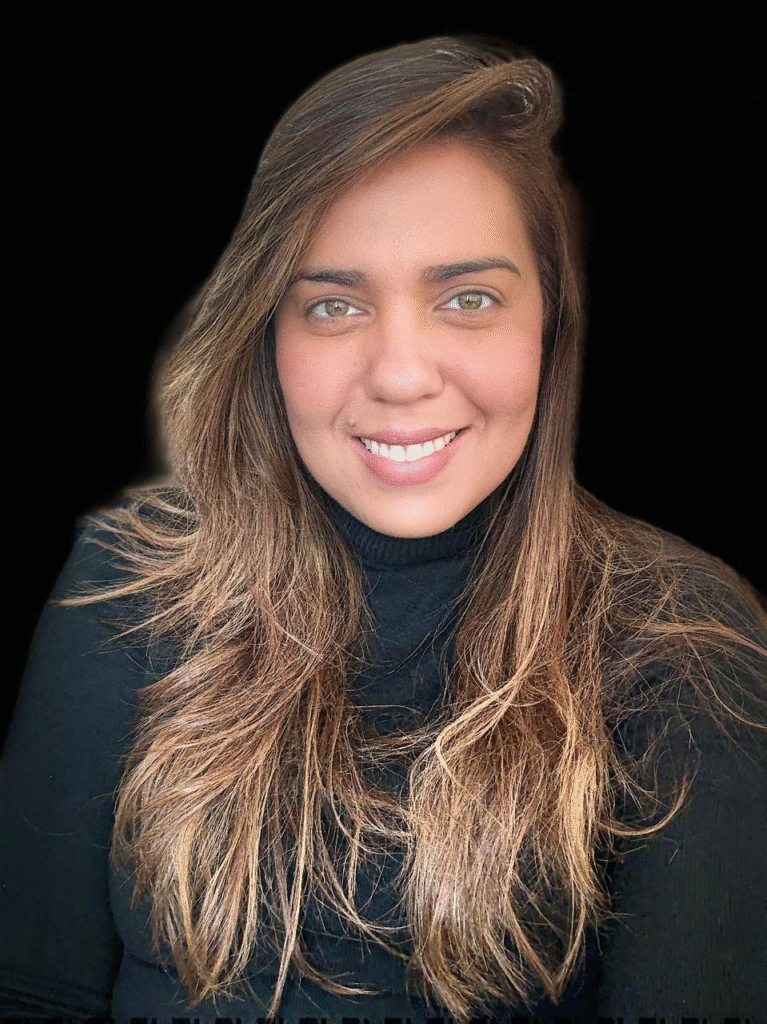
    Vanessa Costa (Source: Private Collection)

    Let’s start with a recent topic: your work on mental health in the workplace. You stirred up quite a reaction on LinkedIn with a post about it. Shortly after, participated on the same theme at the “Women of Energy: Female Leadership in the Energy Sector” event, hosted by the Energy Industries Council (EIC). What motivated you to shed light on these issues?

    That LinkedIn post, as we say in Brazil, “wasn’t therapy, but it was therapeutic.” I finally spoke out about something I’d wanted to address for a long time—something I’ve seen a lot in large corporate cultures.

    It took me a while to find the courage to speak out, I know, but my main goal was to open up an honest conversation—especially now that we’re finally beginning to talk about psychological safety in the workplace.

    Within what you’re able and comfortable to share, what are some of the biggest challenges you and the industry still face when it comes to psychological safety?

    There are still a lot of barriers for women and minorities in general. I try not to let it paralyze me. Instead, I speak up and fight for my rights—and for others who have been through the same. Psychological safety must be taken seriously. So many people are getting sick due to pressure, bullying, sexual harassment, and other forms of abuse.

    Let’s talk about the other side of the coin. What progress have you seen in this area?

    We have the Federal Constitution and improved labor laws in Brazil. In 2022, there was a major legal advancement requiring companies to implement real, effective actions to prevent harassment at work and promote effective actions in the workplace.

    Companies are now being pushed to align with this new reality and end the culture of silence. Superficial courses and feel-good slogans aren’t enough anymore. Many reporting channels are managed by HR and not entirely confidential, which creates fear of retaliation. That leads to silence, fear, and illness.

    Here’s a thought to carry: Integrity, honesty, and humility will take a person further in their career than technical skills alone ever could. In the professional world, as in life, what truly endures is character. Good people build lasting legacies.

    Vanessa during an inspection in Argentina (Source: Private Collection)

    Beautifully said. Who inspires you?

    As a woman and a citizen, I draw a lot of inspiration from my mother and my grandmother. They instilled in me all the values I hold dear, and I now pass them on to my daughter, who’s seven. We’re strong women with firm, thoughtful views of the world.

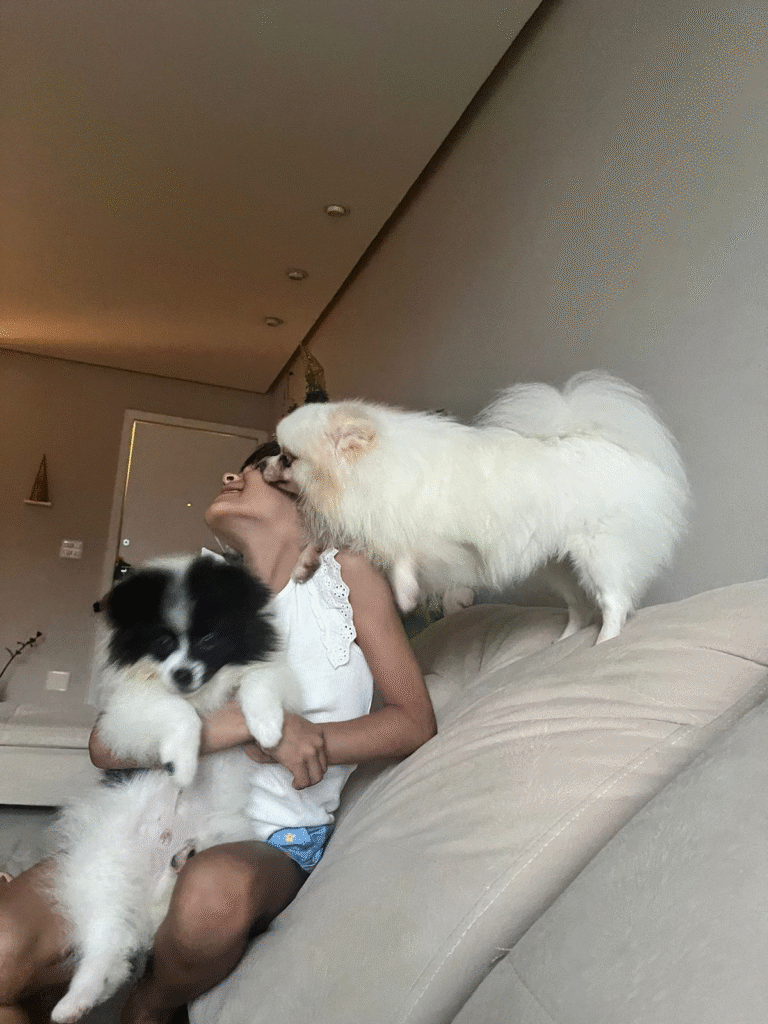
    Valentina (daughter) and her pets, Mili and Torresmo)

    I also admire the psychologist Yumara Lúcia Vasconcelos from the Federal Rural University of Pernambuco. She has done incredible work and holds a postgraduate degree in Human Rights. Her publications are outstanding, especially on mental health in the workplace and compliance. She should write a book…

    And you? Do you think about writing a book? What are your plans for the future?

    Perhaps (write a book).

    I’m focused on expand my presence in the global offshore market and support Marinsa’s growth in Brazil — especially in the offshore segment. I’m also passionate about encouraging more women to pursue leadership positions in the industry.

    Another priority for me is contributing to a fair and gradual energy transition, a cause I deeply believe in. With a strong background in the Oil and Gas/Energy segment  and Environmental Management, I’m committed to using this knowledge to drive meaningful and sustainable impact.

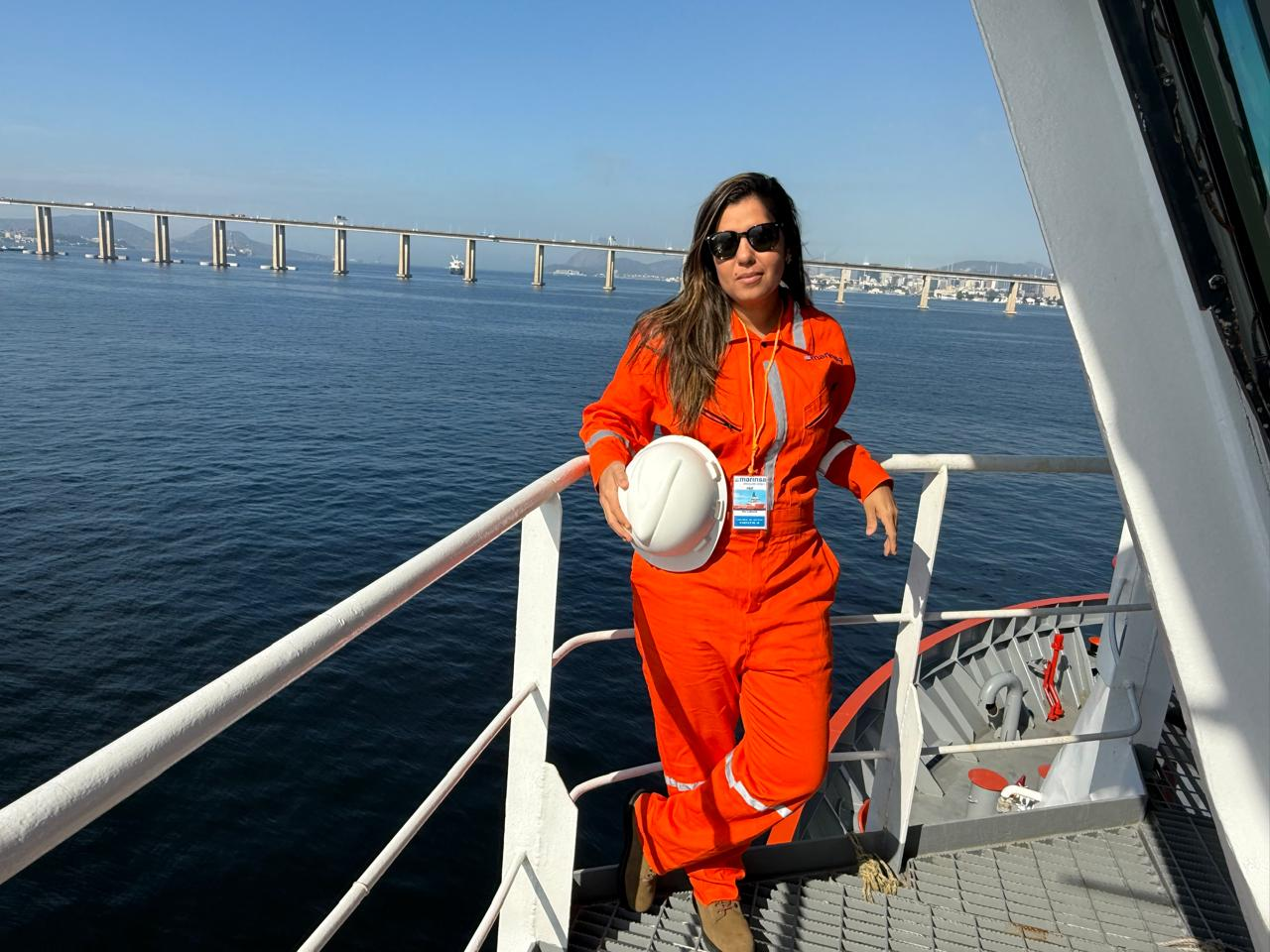
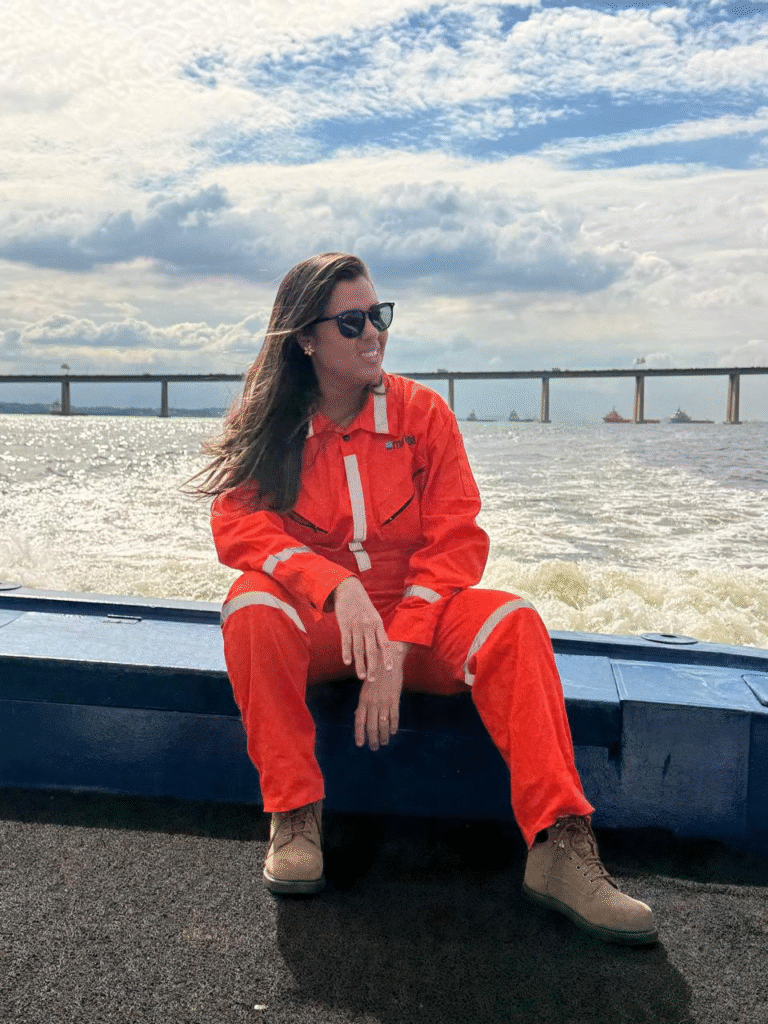
    Vanessa en route to the MPSV Puerto Real (Marinsa), by speedboat in Guanabara Bay (Source: Private Collection)

    What’s your view on the energy transition?

    Oil will remain a primary energy source for some time, even as we move toward cleaner alternatives. Brazil already has a relatively clean energy matrix, especially in onshore, but the offshore market holds incredible promise—particularly with the rise of wind energy projects.

    The energy transition presents challenges but also opens the door to innovation and new business models.

    How do you see the OSV market in Brazil today?

    Demand is growing. However, there’s a vessel supply shortage that is growing along as well. The Brazilian fleet is aging, and several vessels are about to be decommissioned, which impacts the availability and, as consequence, the charter rates.

    Additionally, foreign companies are also struggling to bring in their vessels to Brazil. There is a great LinkedIn post by WSB that really captured the issue—sometimes vessels are blocked just as they reach Brazil or even once they’re already here. It’s quite challenging for foreign companies to operate in Brazil at this moment.

    Despite Petrobras opening bids for foreign-flagged vessels, we still face the risk of blockage. The Brazilian market is full of opportunities, but foreign shipping companies hit major legal barriers.

    Our legislation is outdated in this regard—it should keep up with the pace of the market. Right now, it’s like listening to a WhatsApp message on 1x speed while the market is moving at 2x.

    WSB touched on this at their last seminar, and I couldn’t agree more.

    Now let’s go back to the beginning of your career. Tell us about your early years and how you chose chemical engineering.

    I’m from Rio de Janeiro and have always been curious about how things work. As a kid, I used to mix my mom’s beauty products—deodorants, perfumes, shampoos—you can imagine the mess I made (laughs).

    In high school, I fell in love with the lab, and that’s when I realized I wanted to work with chemistry. I was also good with numbers, so instead of going into teaching or pure lab work, I chose chemical engineering. It gave me a broader view of processes and opened up more career possibilities—especially in the energy sector, which had always fascinated me.

    I started my degree with an open mind—unsure of the exact direction, but knowing I wanted to be involved in meaningful, large-scale projects.

    How did your professional journey begin?

    I’ve always been focused on becoming a top professional. I even took some unpaid internships early on. Around 2006, I had the opportunity to intern and was awarded a research grant to study organochlorine compounds in Guanabara Bay. The project explored their impact on local fauna and flora, as well as the broader consequences for society. That experience really opened my eyes to the connection between science, the environment, and people—and it sparked my curiosity for the offshore world.

    After I graduated, one of my first jobs was working with energy projects in Brazil’s Northeast, specifically focused on thermoelectric power plants. It was an incredible technical learning experience—especially being involved from the early project phase through to the commissioning of two plants in João Pessoa. Seeing them go from concept to full operation was a milestone I’m truly proud of.

    But it was my time at TechnipFMC from 2012 to 2015 that really solidified my love for offshore. I worked on early field development projects and with process safety in mature assets.

    Later, at BP Energy (2016–2024), I had the opportunity to work on both technical and commercial fronts across LATAM. That experience helped me transition from engineering to a more commercially focused role.

    How was that transition from engineering to commercial?

    Career changes are never easy, but I was fortunate to take on roles—especially at BP—that, while technical, had strong commercial aspects. The transition felt natural, and my engineering background has become a valuable asset in business conversations and decision-making.

    In a previous chat, you shared a fascinating story. Would you mind sharing it again with our readers?

    Sure! In 2023, BP invited me on a cruise to Cozumel, Mexico, for a conference with our commercial partners. At the time, I was managing contracts for Castrol, a BP subsidiary, across several South American countries. It was right after the pandemic, and the experience was truly special—a wonderful opportunity to reconnect in person with colleagues and business partners, and also to strengthen key commercial relationships.

    That trip also left a lasting impression on me for another reason: I realized that, throughout the cruise, I was the only woman in every meeting and gathering from the territory I managed. While it’s not uncommon to see fewer women in offshore or technical environments, that moment made the gender gap especially visible. It reminded me that we still have a long way to go in creating more inclusive spaces in our industry.

    Supporting women toward leadership has always been a personal mission. Throughout my career, I’ve actively participated in initiatives to promote gender equity in the energy sector. While at BP, I had the opportunity to serve on the global planning committee for BP WIN STEM—an initiative focused on empowering women in Science, Technology, Engineering, and Mathematics. We organized a series of global online events to engage and inspire women from all over the world. It was a powerful experience that reinforced my belief in the importance of collective action to create more inclusive and diverse leadership spaces.

    How was the transition from BP to Marinsa?

    It was both difficult and easy. Leaving BP was emotionally tough—it meant a lot to me. And like any job change, it came with butterflies. But when I saw the opportunity for professional growth, I didn’t hesitate.

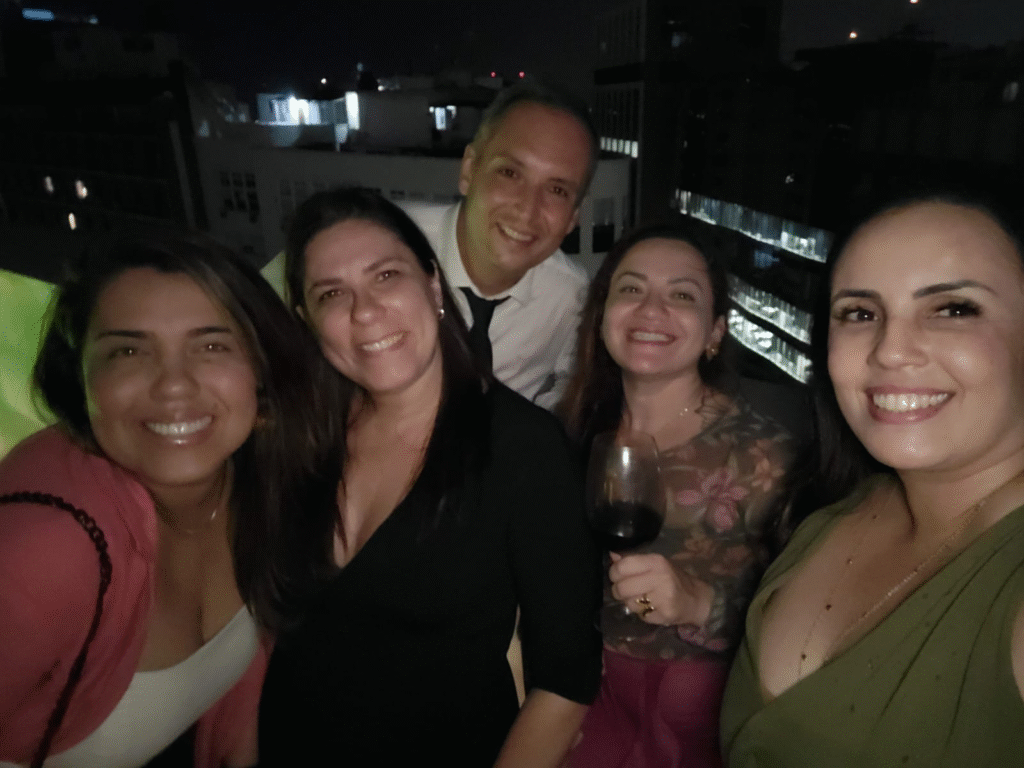
    Vanessa alongside friends at WSB’s office (Source: Private Collection)

    Final considerations…

    If there’s one thing I’ve learned throughout my career, it’s that growth often comes from the courage to step into the unknown. Whether navigating offshore operations, commercial strategy, or the complexities of workplace culture, I carry with me a strong belief in integrity, inclusion, and continuous learning. I hope my journey can serve as a reminder that there’s space for transformation—even in the most traditional industries—and that women belong in every room where decisions are made.

    Thanks, Vanessa

  • Energy Talks #14 – Fernanda Hille

    Energy Talks #14 – Fernanda Hille

    By Rafael Bortoloti

    In this edition of Energy Talks, we invite you to read our conversation with Fernanda Hille.

    A senior naval engineer at Navship — the shipyard arm of the Bram/Edison Chouest Offshore group — Fernanda has spearheaded significant improvements across various vessels. Most recently, she was transferred to ECO’s headquarters in Cut Off, Louisiana, where she has been working since February.

    Just before departing for the U.S., Fernanda stopped by the WSB office in Rio de Janeiro for a chat.

    Fernanda, thank you so much for speaking with us. We have to start with the big question: what are these changes you’ve been working on?

    Hull form modifications aimed at reducing fuel consumption. Each vessel is unique, so the changes are never exactly the same. Think of it like Formula 1: engineers use CFD (Computational Fluid Dynamics) simulations to test car shapes for better aerodynamics. I do the same, but for ships.

    I joined Navship in June 2020, initially focusing on structural and stability engineering. But it wasn’t long before hydrodynamics — my true passion — started to demand more of my time. Hydrodynamics is the study of how fluids move and interact with surfaces, and it plays a key role in how efficiently a ship performs.

    Through simulations, we optimize elements like the bulb, bow, stern, beam, and overall length to make vessels more hydrodynamic, reducing power demand at cruising speeds. There are many ways to reduce a ship’s fuel consumption, but hull form is undoubtedly one of the most important.

    Our first modification was to the bulb of the Bram Rio in 2022, which resulted in a 7% reduction in fuel use. We’ve continued refining our approach since then.

    What are you hoping to experience in the U.S.? And how do you think you’ll have changed by the time you return to Brazil in February 2026?

    The projects, challenges, and daily routine will remain pretty similar. Navship’s engineering team is always closely involved with ECO Group’s designs, so I’ve already been collaborating with the U.S. team remotely for some time. What’s changing now is proximity — I’ll be working directly with colleagues and leaders I previously only knew virtually or met during brief visits. I think that closer interaction will improve communication and efficiency.

    What are some of the current challenges the company is facing?

    There’s been a noticeable trend toward renewing Brazil’s OSV (Offshore Support Vessel) fleet. For example, at the end of last year, Bram and Navship won a bid to build six PSVs for Petrobras.

    Still, many vessels in operation are nearly 20 years old, which poses a number of challenges. That’s why continued investment in new builds is essential for modernizing the fleet.

    Beyond building and repairing OSVs, we’re involved in projects that set us apart, especially due to our vertical integration. We’re one of the few companies in the sector that controls the entire production chain — from design to delivery — giving us strategic advantages in speed, flexibility, innovation, competitive pricing, and, most importantly, quality.

    Fernanda Hille
    Fernanda Hille (Source: Private Collection)

    What about sustainability?

    Sustainability is a constant priority for us. In addition to optimizing hulls, we’re developing vessels with hybrid propulsion systems that significantly reduce CO₂ emissions. Navship also focuses on material reuse, and the group as a whole supports various environmental awareness initiatives.

    What’s been your most challenging project to date?

    That would have to be the design of the ECO Edison, the first offshore supply vessel for wind turbines in the U.S. We started the project in 2020, and the vessel was delivered last year.

    It was very different from the types of vessels we typically build in Brazil. Offshore wind energy is well established in the U.S., which made the project both exciting and challenging — especially since it was my first year on the job. Thankfully, our team is very cohesive and supportive, which made all the difference.

    You’ve spoken highly of the Edison Chouest group and received recognition, including this recent opportunity to work abroad. Can you talk more about your relationship with ECO and the values you share with the company?

    I truly admire the way the company is run. There’s a strong culture of engagement and openness to new ideas. That kind of environment keeps everyone motivated. I’m deeply grateful for the opportunities and recognition I’ve received. Navship is the first company I’ve worked for that’s not tied to academia, and I’m glad to be having such a positive experience here.

    Let’s talk about your early journey and your love for hydrodynamics. What made you choose naval engineering?

    I’ve wanted to be an engineer since I was 14, but initially, I planned to study civil engineering.

    I was raised by my single mother, Mrs. Dolores, and we couldn’t afford for me to study far from home. I’m from Joinville, Santa Catarina, so my only civil engineering option was UDESC (State University of Santa Catarina). Unfortunately, I was sick during the entrance exam and didn’t do well — competition was intense, and I didn’t make the cut.

    Two weeks later, Plan B appeared: engineering at UFSC (Federal University of Santa Catarina). They offered a general engineering program, with seven disciplines to choose from after the first two years. Naval engineering was one of them.

    I initially planned to transfer back to UDESC, but by then, Brazil’s naval industry was booming, and I started reconsidering. What I’ve always been sure about is my passion for engineering. I’ve always loved math, physics, and building things. I took the UFSC entrance exam in 2011 and started in 2012.

    Looking back, failing the UDESC exam was a blessing in disguise. I believe that when you give your best and things still don’t work out, it’s often because something better is ahead. As the saying goes, “God writes straight with crooked lines.”

    What do you remember most from your time at university?

    I loved it. To help my mom financially, I quickly found paid research opportunities, starting in my second semester and continuing until I graduated.

    I worked on three major projects, with the most significant focused on hydrodynamics in partnership with Petrobras. We worked on optimizing riser floater layouts to prevent vortex-induced vibrations (VIVs).

    Another defining experience was an exchange program in 2016, funded by the Brazilian government. I spent time in Hoboken, New Jersey, studying at the Stevens Institute of Technology, and later conducted a two-month research project on heat transfer in Chicago. That experience delayed my graduation by a year, but it was well worth it — I finished my degree in 2017.

    How did you make the transition into the job market?

    When I graduated, the market wasn’t as promising as when I started university, so I expected a tough search. But Professor André Fujarra, who had guided me through my hydrodynamics work, encouraged me to apply directly for a PhD at USP (University of São Paulo), even though I hadn’t done a master’s.

    It was a bold move, but I was accepted, supported by a Petrobras-funded research scholarship. I moved to São Paulo in February 2018 to develop a numerical tool to simulate motions of moored semi-submersibles and FPSOs. The research was done at USP’s Numerical Offshore Tank (TPN), where I also got hands-on experience with seakeeping model tests.

    How did you end up at Navship?

    In March 2020, I went home to Joinville for a family event, and that same weekend, Brazil went into lockdown. I had been living in São Paulo, but with the airport closures, I got stuck.

    I had sent my resume to Navship the month before and assumed the opportunity had passed. But in May, I was called for an interview, got the job, and started in June — still in Joinville, which is just an hour from Navegantes. I only returned to São Paulo at the end of the year to collect my things.

    How do you see the state of naval engineering education in Brazil?

    The demand for naval engineers is cyclical and closely tied to the state of the shipbuilding industry. Right now, it’s a great time — there’s a strong demand for new graduates.

    That said, the field still lacks visibility. Brazil has one of the longest coastlines in the world, but only six naval engineering programs. I may be biased, but it’s a fantastic field with diverse career paths — from technical roles to sales, construction, logistics, offshore operations, and more.

    You’ve achieved so much in under a decade. Does that surprise you? What’s your biggest reflection?

    It does surprise me. Earning a PhD and landing a role like this right after graduation — it’s been an incredible ride. I’m grateful for all the opportunities and blessings along the way.

    What’s your biggest professional dream — maybe something you hope to achieve in the next 10 years?

    I’d love to be part of designing the world’s most efficient PSV, striking the perfect balance between cargo capacity and fuel consumption. And honestly, I think our team could achieve that even sooner.

    You teared up when talking about your mother. Can you tell us more about her?

    I still don’t know how she managed it all — caring for me, taking care of my bedridden grandmother with Alzheimer’s, and working full-time. She always pushed me to study. Though she couldn’t support me financially, she gave me everything else I needed. I’m deeply thankful to have been raised by her. I truly believe she’s still watching over me.

    Fernanda Hille and her mother (Source: Private Collection)

    You were a rhythmic gymnast growing up. That must’ve been special. What do you take from that time, and does sport still play a role in your life?

    I believe sports can be just as transformative as education. I trained from age 8 to 17 — five hours a day, five days a week. During holidays, we trained even more. I represented my city in state and national competitions. The farthest I traveled was João Pessoa — 3,000 km from home!

    When I started university, I had to leave gymnastics behind. For a while, I wondered if it had been worth it. But now, I know it shaped who I am. These days, I do CrossFit. I love the community aspect.

    Thank you, Fernanda.

    Fernanda Hille (Source: Private Collection)
  • Energy talks #13 –  Fredric Fuerth

    Energy talks #13 – Fredric Fuerth

    By Rafael Bortoloti

    In this edition of Energy Talks, we are pleased to speak with Fredric Fuerth, CEO of Asgaard Bourbon. In addition to leading the company, he also serves as Vice-President of ABEAM (Brazilian Association of Maritime Support Companies) and Syndarma (National Union of Maritime Navigation Companies).

    Drawing on his vast experience, Fredric shares his insights on the energy market, emphasizing the importance of analysis, reflection, and transition during these dynamic times.

    Fred, you accepted our interview request with enthusiasm, and we noticed your eagerness to share something meaningful. What makes this moment so special?

    Brazil is experiencing significant growth in its supply chain, particularly in the maritime sector, and it’s critical for suppliers to have a voice. While there’s considerable anticipation about increased oil production, there’s often insufficient focus on the practical pathways to achieve it. Shipowners need platforms to express their perspectives, and I am grateful to WSB Magazine for providing this opportunity. It’s an honor for Asgaard Bourbon to contribute to this important dialogue.

    Click here to read the magazine in details:

    With this growing demand in Brazil, what are the key areas of focus? How do you see this unfolding?

    Several key areas stand out: new technologies, fleet availability, and the energy matrix. The biggest challenge in Brazil is ensuring asset availability. Most of the local fleet is already employed due to high operator demand, creating an urgent need for additional capacity. This can be addressed through new vessel construction or partnerships with global vessel owners. For shipowners willing to take risks, Brazil offers a lucrative market.

    The market’s heightened sensitivity also opens the door to discussions about newbuild OSVs and other innovative solutions. Companies like Petrobras play a pivotal role in setting industry standards. Ultimately, the most effective solutions will balance technical demands with the willingness of suppliers to adapt.
    The global competition extends beyond geographical boundaries to include areas like ESG impacts. Increasingly, shipowners are evaluating not just the immediate returns of a project but also the broader implications, such as whether to allocate assets to offshore wind projects instead of oil and gas. These considerations will significantly influence the market and have direct implications for Brazil.

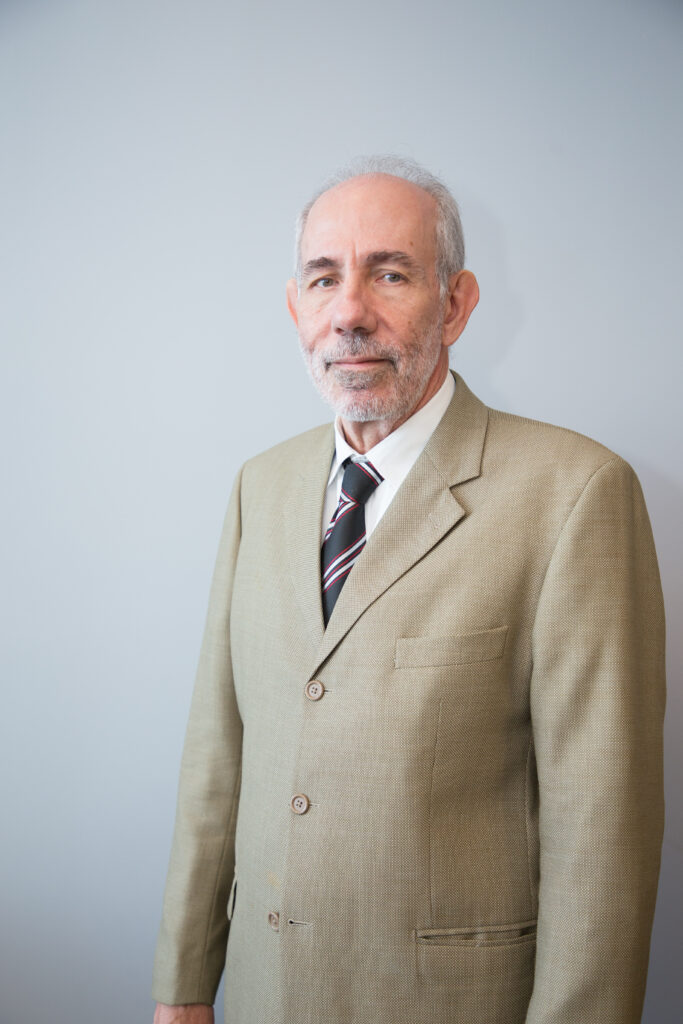
    Fredric Fuerth, CEO of Asgaard Bourbon
    Fredric Fuerth, CEO of Asgaard Bourbon (Source: Asgaard Bourbon)

    Click here to read the magazine in details:

    Let’s discuss ANTAQ, circularization, and blocks. What trends are you observing, and how do you assess the current scenario?

    The primary challenge is meeting demand with a finite Brazilian fleet. Considering the four to five years typically required to deliver new vessels post-bid, temporary reliance on foreign or REB-registered vessels might be necessary. I anticipate a reduction in circularization and blocking practices due to the limited availability of Brazilian-flagged vessels, without diminishing the appetite for national flags.

    You mentioned the energy matrix as a critical focus. Could you elaborate on this?

    Brazil’s energy matrix is somewhat detached from global trends. While countries in Europe and North America are tackling heavy carbon footprints and prioritizing environmental projects, Brazil’s hydroelectric-dominated energy mix doesn’t generate the same urgency. This delayed prioritization could leave us at a disadvantage when the demand for greener solutions, like offshore wind support vessels, intensifies. Early adopters of these solutions stand to gain a competitive edge in future markets.

    Haroldo Ramos, from Asgaard Bourbon (Source: Asgaard Bourbon)

    How is Asgaard Bourbon positioning itself in this evolving landscape? What steps are you taking to differentiate?

    As a group, we prioritize ESG considerations and strive to integrate these principles into our strategies. Brazil’s oil and gas industry must align with national environmental goals, moving beyond simplistic debates about whether the industry is “dirty” or not.

    Our focus is on the carbon cycle as a whole. For instance, emissions are just the starting point; technologies that reduce or capture carbon, like Petrobras’ CO2 injection methods, represent the future. Developing alternatives that minimize environmental impact and achieve “net zero” goals is critical. The oil and gas sector must evolve as a source of technological innovation rather than being labeled a villain akin to the tobacco industry.

    Click here to read the magazine in details:

    Energy transition is a gradual process. A balanced approach, such as capturing over 90% of CO2 emissions rather than halving emissions without capturing any, will yield lasting benefits. At Asgaard Bourbon, we are committed to turning ESG principles into actionable results.

    You mentioned other companies making strides in the energy transition. Can you share some examples?

    Several major players have rebranded and shifted focus to reflect the evolving energy landscape. Statoil became Equinor, emphasizing balance and equity. Total added “Energies” to its name, and Shell and BP have undertaken impactful renewable projects. These shifts signify a broader understanding that these companies are energy providers, not just oil operators. Such transformations challenge others to reevaluate their roles and align with changing global expectations.

    What advice would you give to young professionals aspiring to join the energy sector?

    The industry has shifted focus from oil and gas to energy as a whole, making adaptability crucial. While technical expertise remains vital, professionals who stand out will be those with diverse skills and flexibility. My advice is simple: be prepared. The rapid pace of technological advancements means that evolution is no longer on the horizon—it’s already here. Embrace it and position yourself to thrive in the unknown realities of the future.

    Click here to read the magazine in details:

    Can you share a bit about your background and journey into the offshore industry?

    I was born in Rio de Janeiro and spent part of my life in Goiás, where I initially studied electrical engineering. Later, I returned to Rio to pursue mechanical engineering at IME (Instituto Militar de Engenharia). During my studies, I explored opportunities in consulting, banking, and private equity, which equipped me with financial and management skills that have been invaluable in my career. I eventually transitioned to oil and gas, drawn by the sector’s potential, and have been in the industry for 15 years now.

    What drew you from electrical to mechanical engineering?

    As a curious child, I loved fixing things and understanding how they worked. Mechanical engineering offered a more tangible, hands-on experience, which resonated with my passion for practical applications of science.

    How was your experience at Bram, and what did you learn?

    Like my time at Intermoor, Bram was pivotal in developing both my technical and soft skills. I gained experience across operations, engineering, and commercial roles, working on projects that involved other group companies. This well-rounded exposure laid the foundation for my current management and commercial expertise.

    As CEO of Asgaard Bourbon, how would you describe your relationship with the company?

    When I joined MLog Group, I was tasked with leading its commercial department, which eventually evolved into Columbus Shipping. MLog’s partnership with Bourbon Marine & Logistics in 2022 to form Asgaard Bourbon has been a transformative journey. Drawing on my private equity and oil and gas experience, I’ve worked to strengthen the company’s position in Brazil’s offshore market. I completed my first year as CEO in May and remain committed to fostering sustainable growth.

    Click here to read the magazine in details:

    What are your personal and professional aspirations?

    My goal is to contribute meaningfully to the sustainable evolution of the oil and gas industry. Collaboration and innovation are essential to ensuring the industry’s longevity. Personally, I strive to stay informed, adopt best practices, and use my platform to drive positive change. At Asgaard Bourbon, I see immense potential to shape the industry’s future, and I’m excited to be part of this journey.

    Thank you, Fredric.

  • Energy Talks # 12 – Anídio Corrêa

    Energy Talks # 12 – Anídio Corrêa

    By Rafael Bortoloti

    In this edition of Energy Talks featured in One.Energy Magazine, we have the pleasure of speaking with Anídio Corrêa, the R&D Environment Projects Lead at WSB Advisors. Anídio, a native of Rio de Janeiro, brings a rich background as a geologist to his current role where he is pivotal in steering WSB’s initiatives on sustainable and environmental projects. Today, he brings clarity to some of the pressing questions concerning the Brazilian Equatorial Margin, an area of increasing interest in the offshore industry.

    To kick off our conversation, Anídio shares insights into his personal journey and professional path.

    “I was born and raised in the vibrant city of Rio de Janeiro, a place where the pulsating energy of urban life meets the tranquility of nature. My passion for the outdoors began early. By the age of 14, I was already an avid hiker and climber, spending every possible weekend scaling the peaks around Rio or venturing to other towns in pursuit of new challenges. This deep connection with nature and my fascination with the earth’s structures fueled my decision to pursue a career in geology. The discipline perfectly melds my love for the outdoors with my curiosity about the planet’s geological puzzles.”

    You began your higher education at the Federal University of Rio de Janeiro (UFRJ) but graduated from the Federal University of Bahia. Can you tell us what prompted this transition?

    “Absolutely, the journey between these two universities was both eventful and transformative. During my third year at UFRJ, I was presented with an exceptional opportunity—a scholarship with Petrobras. This entailed spending 30 days offshore, split between two different drilling rigs. It was a profound learning experience, deeply enhancing my understanding of the Campos Basin’s geology and the day-to-day responsibilities of an exploratory geologist. This firsthand exposure to the offshore environment offered me a clear perspective on both the advantages and challenges of working for Petrobras in such capacities.

    As my fourth year of college was drawing to a close, Petrobras announced a competitive selection process for 40 scholarships that required recipients to relocate to Salvador, Bahia. The program was structured to include the final year of geology studies at the Federal University of Bahia, coupled with a specialized course in petroleum geology. Successful completion of the program guaranteed employment with Petrobras. Having already gained a solid understanding of what the work entailed, I seized the opportunity, passed the exam, and moved to Salvador to complete my studies. This pivotal decision shaped my career path and led me to where I am today.”

    Anidio WSB
    Anídio (Source: WSB Team)

    How was the experience of “leaving home”? What professional and personal lessons did you draw from the year 1980?

    “Leaving home” was an experience I had grown quite accustomed to by 1980, thanks to my earlier adventures, including a six-month exchange program in the United States when I was sixteen. This early exposure to different cultures and environments instilled in me a sense of independence and adaptability that would prove invaluable in my career and life.

    Moving to Bahia for a year to complete my studies under a Petrobras scholarship was exhilarating. I shared a house, commonly referred to as a ‘república’ in Brazil, with five other students, all of whom were also preparing for careers at Petrobras. This arrangement not only provided a financially stable student life—thanks to our scholarships—but it also posed unique challenges and learning opportunities.

    As the de facto manager of our household, I was responsible for budgeting, bill payments, and even managing household staff, which honed my organizational and leadership skills. Living with five other young men from diverse backgrounds taught me invaluable lessons in interpersonal relationships and conflict resolution.

    Professionally, the rigorous academic environment demanded excellence, preparing me for the challenges of a career in geology. Personally, the vibrant social scene of Salvador, filled with constant festivities, taught me the importance of balancing hard work with leisure—an equilibrium that has enhanced my quality of life.

    Ultimately, the year 1980 was transformative. It was a year of intense study, vibrant social life, and profound personal growth. Upon completing my studies, I chose to start my career with Petrobras in Macaé, allowing me to return to Rio and once again live with my parents, bringing my journey full circle with newfound skills and perspectives.

    Many people are curious about what a geologist does at an oil company. Could you explain your role and experiences at Petrobras?

    “In the realm of petroleum geology, there are essentially three primary roles: field geologists, exploration geologists, and reservoir geologists. Field geologists are stationed at the drilling sites, actively involved with the physical process of drilling. Exploration geologists analyze geological data to pinpoint prospective drilling locations in search of new oil deposits. Reservoir geologists, on the other hand, focus on understanding the rock properties of oil reservoirs to optimize recovery strategies.

    At Petrobras, I started my career as a field geologist, spending five years working across various environments, from offshore platforms in the Campos and Espírito Santo Basins to onshore sites in Santos and Pelotas. My responsibilities included everything from mud logging and wireline logging to well testing and coring, as well as compiling detailed reports on these operations. This hands-on period was foundational, providing a deep dive into the operational side of oil exploration.

    Subsequently, I transitioned to a role as a reservoir geologist based in Macaé, where I analyzed well log data and petrophysical information to identify the most productive intervals of the oil reservoirs. This role was crucial in designing effective extraction techniques and ensuring sustainable oil production.

    You left Petrobras in 1987 and took a sabbatical to pursue personal projects and further studies. After a decade, you returned to the industry with roles at TotalEnergies, Shell, and again at Petrobras. What did you gain from these experiences?

    “After departing Petrobras in 1987, I embarked on a family trading project. However, realizing my passion truly lay in geology, I returned to academia in 1998 to pursue a Master’s in Marine Geology and Geophysics at Universidade Federal Fluminense. This period was enriching, rejuvenating my expertise and broadening my horizons in geological science.

    My return to the professional field was marked by a transition into environmental consultancy, particularly focusing on environmental licensing for oil and gas operations. This led to a role with Ibama, analyzing environmental impact assessments—a pivotal experience that sharpened my understanding of the environmental dimensions of oil exploration.

    In 2005, I rejoined Petrobras through a competitive examination, only to be headhunted by Shell two years later to lead their environment and licensing department. This role offered significant challenges and learning opportunities, which continued when I moved to TotalEnergies under a similar capacity. My journey culminated in an R&D role at

    TotalEnergies, focusing on environmentally sustainable research projects, before deciding to step back from the industry.

    These diverse roles have not only broadened my expertise across different aspects of geology and environmental management but also underscored the importance of adapting to changing landscapes in both professional and ecological contexts.”

    What are your challenges within WSB Advisors?

    Joining WSB Advisors brings me a lot of challenges. Geology is far from the core business of the company. Nevertheless, my experience in the past years dealing with environmental licensing thought me a lot about vessels, their purpose, some of their characteristics and how they fit into the projects which are licensed by Ibama. In certain circumstances, Ibama inspects the vessels, mainly those to play a role in the emergency plan (PEI). Eventually, I can contribute with the preparedness of the vessel and the approach with Ibama, helping to clear an unexpected demand. I also foresee working with WSB Advisors on the design and formatting of environment related projects, which can bring new opportunities to the company as well as creating opportunities of new businesses in different areas. I believe that we will find synergies working together, generating new businesses and creating value for the company.

    Read more here