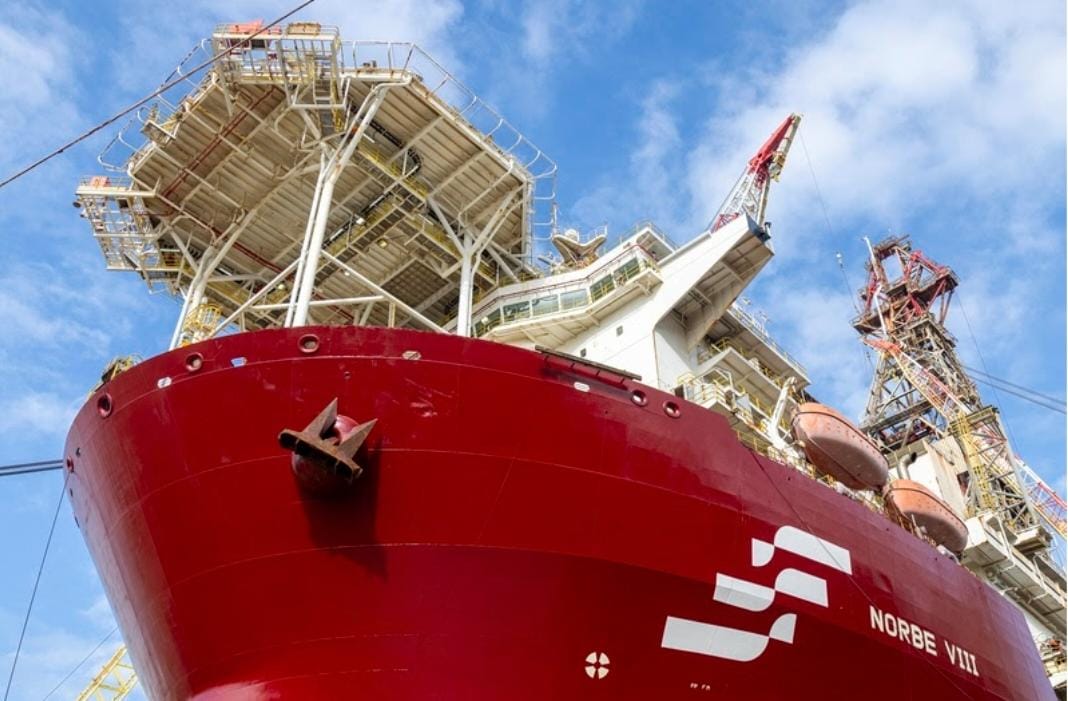
20 October 2025 – Petrobras received the operating license from Brazil’s environmental agency IBAMA to drill an exploratory well in Block FZA-M-059, located roughly 175 km off the coast of Amapá and about 500 km from the mouth of the Amazon River, in Brazil’s Equatorial Margin. Drilling operations are set to begin immediately, with an estimated duration of five months.
The approval follows completion of the Pre-Operational Assessment (APO) in August 2025 which served as the final stage of the environmental licensing process. IBAMA validated Petrobras’ emergency response plan and operational readiness before granting the license on 24 September 2025.
The company emphasized that this authorization marks a key step in Brazil’s pursuit of a new offshore frontier, combining technical excellence and environmental protection. According to Petrobras, the exploratory campaign aims to gather geological data to assess the presence of oil and gas in the region, with no production activities planned at this stage.
Stay informed on key offshore developments — visit wsb-one.com, our data platform trusted by leading offshore companies.
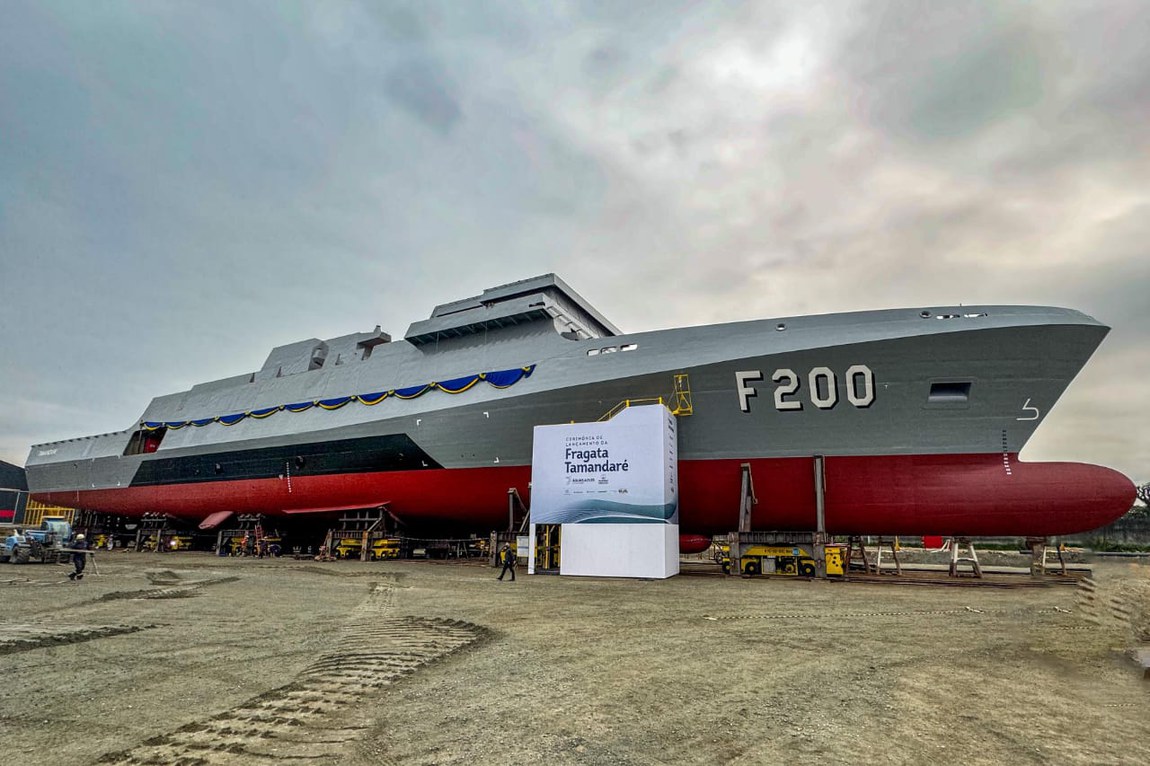
The Brazilian Navy’s Tamandaré frigate (F-200), the first of its new class, has begun sea trials focusing on systems performance and navigability, with delivery expected in December.
In the shipbuilding sector, South Korea’s Hanwha Ocean is advancing plans to establish a shipyard in Niterói, aiming to strengthen its offshore presence, meet local content requirements and position itself for upcoming Petrobras projects.
Meanwhile, Seagems has successfully completed the BRAVA Project in the Santos Basin, connecting new wells to the FPSO Atlanta. The company now operates exclusively for Petrobras under contracts totaling USD 1.8 billion.
Finally, Petrobras and Ibama have scheduled the Pre-Operational Assessment for August 24 in block FZA-M-59, the final step before a potential drilling license is granted for exploration in the Foz do Amazonas.
Stay informed on key offshore developments — visit wsb-one.com, our data platform trusted by leading offshore companies.
Petrobras and Instituto Brasileiro do Meio Ambiente e dos Recursos Naturais Renováveis – Ibama have reached an agreement to soon carry out a Pre-Operational Assessment (APO) in the Foz do Amazonas Basin, specifically in block FZA-M-59, off the coast of Amapá. This exercise is a simulated emergency designed to test oil spill response protocols, including wildlife protection measures and is expected to take place on August 24.
Planned to last three to four days, Petrobras’ performance in this simulation will be a decisive factor in obtaining the environmental license required to drill the exploratory well, a process the company has pursued for years, facing regulatory resistance.
According to Petrobras’ Director of Exploration and Production, Sylvia dos Anjos, technical teams from both institutions met this week to finalize the simulation details. While the official start date of the APO still awaits IBAMA’s confirmation, the tone is optimistic. “We are closer than we were before. I’m optimistic,” she said during an industry event in Rio de Janeiro.
The upcoming APO will be a key moment not just for Petrobras, but for Brazil’s offshore exploration roadmap. If successful, it could unlock a new frontier in the Foz do Amazonas Basin, opening opportunities for the supply chain and reinforcing Brazil’s position in the global energy market.
Stay informed on key offshore developments — visit wsb-one.com, our data platform trusted by leading offshore companies.
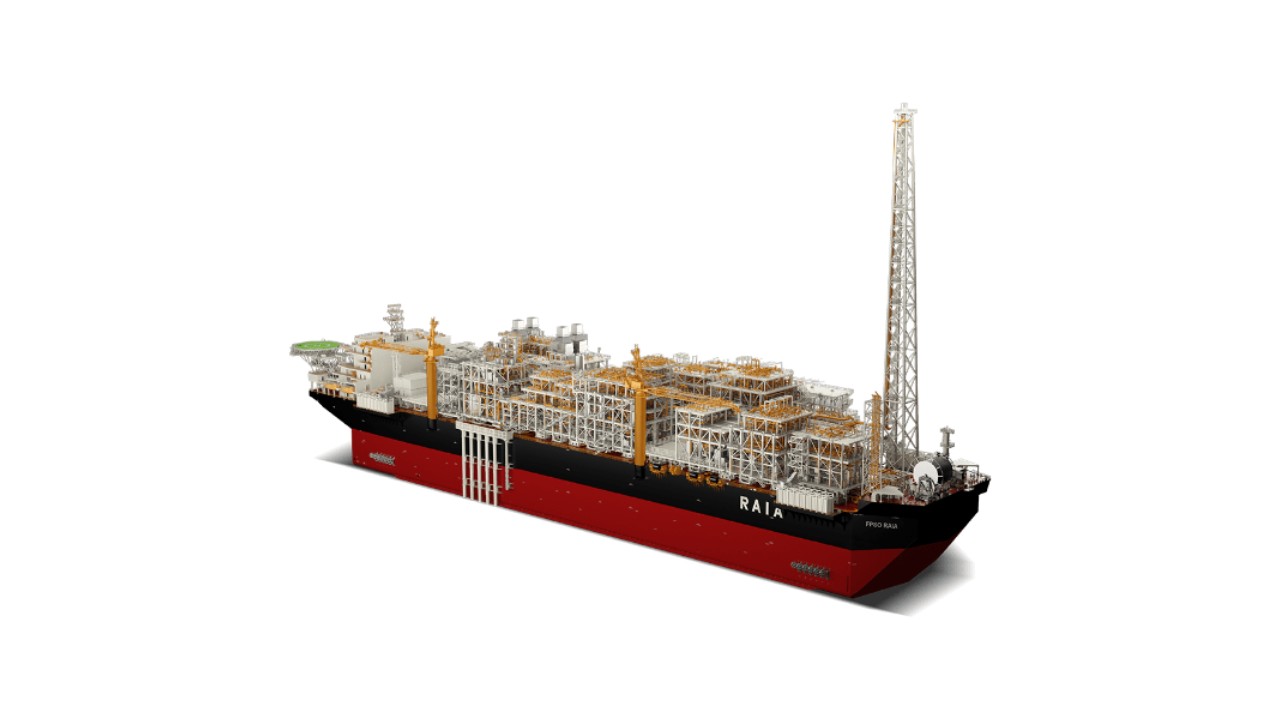
– Repsol Sinopec announced that the FPSO for the Raia Project has successfully left dry-dock, 24 days ahead of schedule. In parallel, IBAMA has issued the Maritime Installation License, authorizing the beginning of offshore pipeline installation activities.
– Instituto Brasileiro do Meio Ambiente e dos Recursos Naturais Renováveis – Ibama -has also granted PRIO the preliminary environmental license for the development system of the Wahoo field and its connection to the FPSO Valente (formerly FPSO Frade). This enables the company to move forward with the licensing process needed for subsea construction and tieback execution.
– According to BNamericas, five major players: Shapoorji Pallonji Group, MISC Group, MODEC, Ocyan and BW Offshore, are preparing bids for Petrobras’ P-88 FPSO, which will support the revitalization of the Albacora field in the Campos Basin. Relaunched under the Build-Operate-Transfer (BOT) model in March 2025, the FPSO is scheduled to begin operations in 2030, with a processing capacity of up to 120,000 barrels of oil per day. Bid submissions are due by October 1.
– BRAVA Energia confirmed the successful connection of wells 2H and 3H to the Atlanta Project. Both wells were previously part of the early production system via the FPSO Petrojarl I and are now undergoing testing and automation phases. Production may fluctuate during stabilization, but the company expects to reach peak output and operational efficiency in the coming months.
– Petrobras has extended the deadline for opportunity no. 7004436596, which refers to the potential charter of up to one “MUF PSV”. The new submission deadline is July 23rd, 2025
Stay informed on key offshore developments — visit WSB. One, our data platform trusted by leading offshore companies, and follow WSB Advisors on LinkedIn and Instagram.
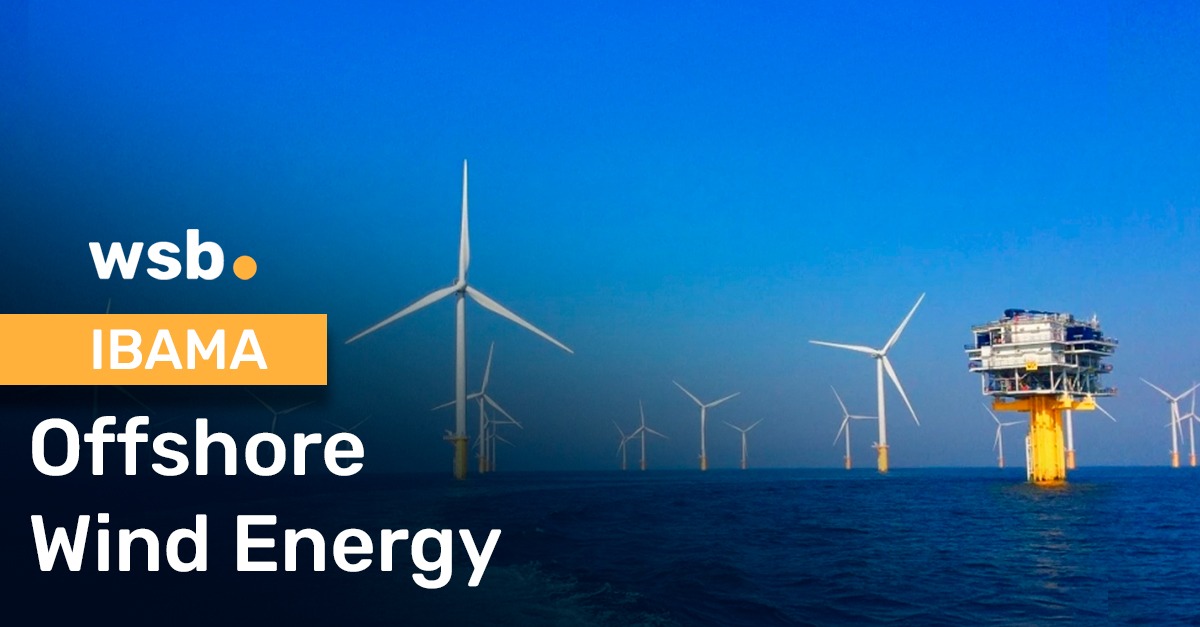
Ibama: First Preliminary License for Offshore Wind Turbine Testing Site in Brazil
Ibama has issued Brazil’s first preliminary environmental license for an offshore wind project. The license was granted to the Offshore Wind Turbine Testing Site, led by the SENAI Institute for Renewable Energy Innovation, and located off the coast of Areia Branca, in Rio Grande do Norte state, with a proposed capacity of up to 24.5 MW
The objective is to generate environmental and operational data for future offshore wind developments.
This preliminary license confirms the project’s environmental viability at the planning stage but does not authorize construction or operation. It is the first of three stages followed by installation and operational licenses. The timeline for full approval may range from months to years, depending on compliance and monitoring outcomes.
Ibama’s technical review led to the implementation of 13 programs, including underwater noise monitoring, wildlife impact studies, professional training and stakeholder engagement, key actions to ensure the project’s environmental integrity.
It sets a regulatory precedent and builds foundational knowledge for the country’s offshore wind potential, but, do you believe offshore wind has real space to grow in Brazil’s energy mix?
The ongoing IBAMA strike has severe implications for the Oil & Gas industry, potentially resulting in a loss of between 80,000 and 220,000 barrels of oil per day. Delayed drilling and well connection campaigns are just the tip of the iceberg. The true impact is felt in the day-to-day operations, where a slower environmental authority leads to significant operational setbacks. Critical vessels enlisted in emergency response plans cannot be readily replaced, and production fields in need of maintenance face delays, risking operational integrity.
A close source from an independent oil company highlighted a specific case where a simple valve replacement on a well is stalled due to the mandatory approval process from the authority, which is now delayed by the strike.
The root cause of this strike lies in the outdated collective agreement for IBAMA personnel, last updated in 2014 and only enforced in 2025. Despite a decade passing, IBAMA remains one of the few institutions where employees do not receive incremental compensation for working in remote or hazardous locations. The career structure and plan, envisioned for a 22-year program, remain unchanged since its inception.
The industry is calling for urgent action, and it is imperative that the concerns of Ibama personnel are addressed promptly.
In this edition of Energy Talks featured in One.Energy Magazine, we have the pleasure of speaking with Anídio Corrêa, the R&D Environment Projects Lead at WSB Advisors. Anídio, a native of Rio de Janeiro, brings a rich background as a geologist to his current role where he is pivotal in steering WSB’s initiatives on sustainable and environmental projects. Today, he brings clarity to some of the pressing questions concerning the Brazilian Equatorial Margin, an area of increasing interest in the offshore industry.
To kick off our conversation, Anídio shares insights into his personal journey and professional path.
“I was born and raised in the vibrant city of Rio de Janeiro, a place where the pulsating energy of urban life meets the tranquility of nature. My passion for the outdoors began early. By the age of 14, I was already an avid hiker and climber, spending every possible weekend scaling the peaks around Rio or venturing to other towns in pursuit of new challenges. This deep connection with nature and my fascination with the earth’s structures fueled my decision to pursue a career in geology. The discipline perfectly melds my love for the outdoors with my curiosity about the planet’s geological puzzles.”
You began your higher education at the Federal University of Rio de Janeiro (UFRJ) but graduated from the Federal University of Bahia. Can you tell us what prompted this transition?
“Absolutely, the journey between these two universities was both eventful and transformative. During my third year at UFRJ, I was presented with an exceptional opportunity—a scholarship with Petrobras. This entailed spending 30 days offshore, split between two different drilling rigs. It was a profound learning experience, deeply enhancing my understanding of the Campos Basin’s geology and the day-to-day responsibilities of an exploratory geologist. This firsthand exposure to the offshore environment offered me a clear perspective on both the advantages and challenges of working for Petrobras in such capacities.
As my fourth year of college was drawing to a close, Petrobras announced a competitive selection process for 40 scholarships that required recipients to relocate to Salvador, Bahia. The program was structured to include the final year of geology studies at the Federal University of Bahia, coupled with a specialized course in petroleum geology. Successful completion of the program guaranteed employment with Petrobras. Having already gained a solid understanding of what the work entailed, I seized the opportunity, passed the exam, and moved to Salvador to complete my studies. This pivotal decision shaped my career path and led me to where I am today.”
Anídio (Source: WSB Team)
How was the experience of “leaving home”? What professional and personal lessons did you draw from the year 1980?
“Leaving home” was an experience I had grown quite accustomed to by 1980, thanks to my earlier adventures, including a six-month exchange program in the United States when I was sixteen. This early exposure to different cultures and environments instilled in me a sense of independence and adaptability that would prove invaluable in my career and life.
Moving to Bahia for a year to complete my studies under a Petrobras scholarship was exhilarating. I shared a house, commonly referred to as a ‘república’ in Brazil, with five other students, all of whom were also preparing for careers at Petrobras. This arrangement not only provided a financially stable student life—thanks to our scholarships—but it also posed unique challenges and learning opportunities.
As the de facto manager of our household, I was responsible for budgeting, bill payments, and even managing household staff, which honed my organizational and leadership skills. Living with five other young men from diverse backgrounds taught me invaluable lessons in interpersonal relationships and conflict resolution.
Professionally, the rigorous academic environment demanded excellence, preparing me for the challenges of a career in geology. Personally, the vibrant social scene of Salvador, filled with constant festivities, taught me the importance of balancing hard work with leisure—an equilibrium that has enhanced my quality of life.
Ultimately, the year 1980 was transformative. It was a year of intense study, vibrant social life, and profound personal growth. Upon completing my studies, I chose to start my career with Petrobras in Macaé, allowing me to return to Rio and once again live with my parents, bringing my journey full circle with newfound skills and perspectives.
Many people are curious about what a geologist does at an oil company. Could you explain your role and experiences at Petrobras?
“In the realm of petroleum geology, there are essentially three primary roles: field geologists, exploration geologists, and reservoir geologists. Field geologists are stationed at the drilling sites, actively involved with the physical process of drilling. Exploration geologists analyze geological data to pinpoint prospective drilling locations in search of new oil deposits. Reservoir geologists, on the other hand, focus on understanding the rock properties of oil reservoirs to optimize recovery strategies.
At Petrobras, I started my career as a field geologist, spending five years working across various environments, from offshore platforms in the Campos and Espírito Santo Basins to onshore sites in Santos and Pelotas. My responsibilities included everything from mud logging and wireline logging to well testing and coring, as well as compiling detailed reports on these operations. This hands-on period was foundational, providing a deep dive into the operational side of oil exploration.
Subsequently, I transitioned to a role as a reservoir geologist based in Macaé, where I analyzed well log data and petrophysical information to identify the most productive intervals of the oil reservoirs. This role was crucial in designing effective extraction techniques and ensuring sustainable oil production.
You left Petrobras in 1987 and took a sabbatical to pursue personal projects and further studies. After a decade, you returned to the industry with roles at TotalEnergies, Shell, and again at Petrobras. What did you gain from these experiences?
“After departing Petrobras in 1987, I embarked on a family trading project. However, realizing my passion truly lay in geology, I returned to academia in 1998 to pursue a Master’s in Marine Geology and Geophysics at Universidade Federal Fluminense. This period was enriching, rejuvenating my expertise and broadening my horizons in geological science.
My return to the professional field was marked by a transition into environmental consultancy, particularly focusing on environmental licensing for oil and gas operations. This led to a role with Ibama, analyzing environmental impact assessments—a pivotal experience that sharpened my understanding of the environmental dimensions of oil exploration.
In 2005, I rejoined Petrobras through a competitive examination, only to be headhunted by Shell two years later to lead their environment and licensing department. This role offered significant challenges and learning opportunities, which continued when I moved to TotalEnergies under a similar capacity. My journey culminated in an R&D role at
TotalEnergies, focusing on environmentally sustainable research projects, before deciding to step back from the industry.
These diverse roles have not only broadened my expertise across different aspects of geology and environmental management but also underscored the importance of adapting to changing landscapes in both professional and ecological contexts.”
What are your challenges within WSB Advisors?
Joining WSB Advisors brings me a lot of challenges. Geology is far from the core business of the company. Nevertheless, my experience in the past years dealing with environmental licensing thought me a lot about vessels, their purpose, some of their characteristics and how they fit into the projects which are licensed by Ibama. In certain circumstances, Ibama inspects the vessels, mainly those to play a role in the emergency plan (PEI). Eventually, I can contribute with the preparedness of the vessel and the approach with Ibama, helping to clear an unexpected demand. I also foresee working with WSB Advisors on the design and formatting of environment related projects, which can bring new opportunities to the company as well as creating opportunities of new businesses in different areas. I believe that we will find synergies working together, generating new businesses and creating value for the company.