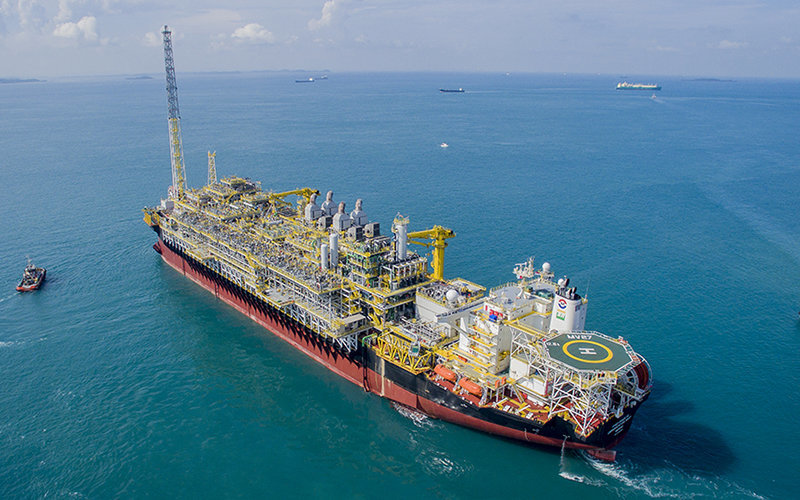
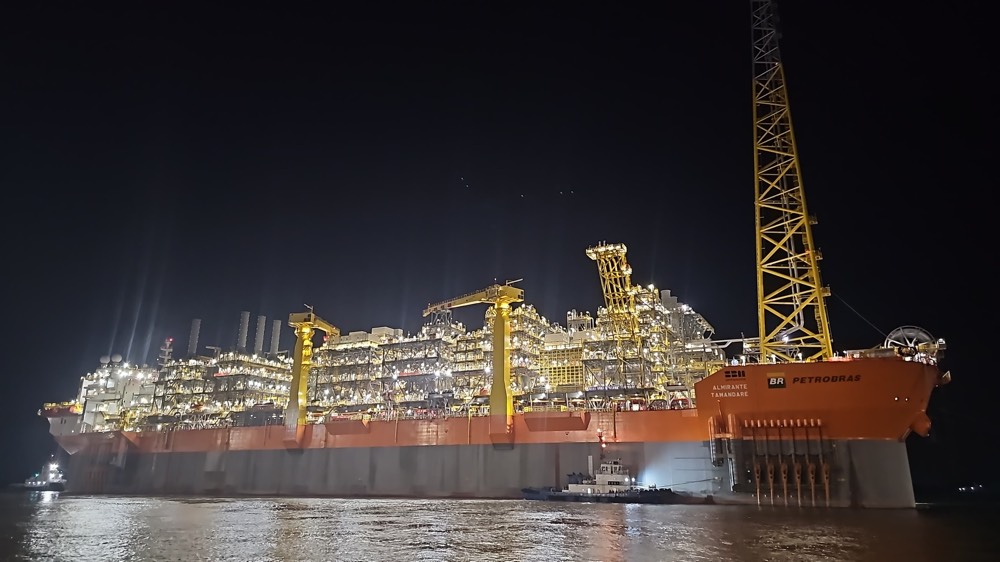
After nearly 17 years producing offshore Brazil, the FPSO Cidade de Niterói MV18 has entered the final stage of its operational lifecycle. MODEC has confirmed that the vessel has arrived at a ship recycling facility in Denmark following the completion of its demobilization from the Marlim Leste Field, in Brazil’s Campos Basin.
Delivered under an EPCI contract and subsequently operated by MODEC under a long-term charter and operations agreement with Petrobras, the FPSO achieved first oil in February 2009. During its time offshore, the unit processed approximately 159 million barrels of oil, becoming an important part of the Marlim Leste development.
Designed to process up to 100,000 barrels of oil per day, 124 million standard cubic feet of gas per day, and store 1.6 million barrels of crude oil, Cidade de Niterói represents an important generation of FPSOs that helped consolidate Brazil as one of the world’s leading deepwater producers.
The retirement of the FPSO follows the conclusion of its long-term charter with Petrobras and reflects the natural evolution of mature offshore developments. As fields such as Marlim Leste advance through new revitalization strategies and older production systems reach the end of their economic and operational cycles, legacy FPSOs are gradually being withdrawn from service.
The vessel will now be recycled in Denmark in accordance with the EU Ship Recycling Regulation and the Hong Kong International Convention for the Safe and Environmentally Sound Recycling of Ships, highlighting the industry’s growing focus on responsible end-of-life asset management.
Why it matters
The retirement of Cidade de Niterói illustrates a broader transformation taking place in Brazil’s offshore industry. As mature production systems reach the end of their operational lives, decommissioning, demobilization and responsible recycling are becoming increasingly important segments of the offshore value chain, creating new technical, environmental and commercial opportunities across the industry.
Stay informed on key offshore developments — visit wsb-one.com, our data platform trusted by leading offshore companies.
MODEC and Eld Energy have signed a memorandum of understanding to develop a 1.2 MW solid oxide fuel cell (SOFC)-based power system integrated with carbon capture for future FPSO applications.
Under the agreement, Eld Energy will lead the design, procurement and construction of the SOFC-based power system, while MODEC will develop the carbon capture facility and integrate the combined system into future FPSOs. Land-based testing is scheduled for 2029, followed by a long-term demonstration program aimed at reducing carbon emissions from offshore power generation.
1.MODEC signs strategic LoI for offshore SOFC power generation system
MODEC signed a Strategic Letter of Intent on 29 January 2026 with Eld Energy and Delta Electronics to jointly develop a solid oxide fuel cell (SOFC) power generation system for offshore and maritime applications. The agreement covers development of a 120 kW SOFC prototype module designed for FPSO integration, with onshore testing scheduled for 2027. According to the companies, the initiative targets higher energy efficiency and material reductions in greenhouse gas emissions from offshore operations.
2. Brazil reaches record oil and gas production in 2025
Brazil’s average oil and natural gas production reached a record 4.897 million barrels of oil equivalent per day in 2025, representing a 13.3% increase compared to 2024. Oil output averaged 3.77 million barrels per day, while natural gas production reached 179 million cubic meters per day, both historic highs. Pre-salt fields accounted for nearly 80% of total national production during the year. In December, production totaled 5.237 million boe/d, led by the Tupi field and FPSOs Almirante Tamandaré and Guanabara.
Stay informed on key offshore developments — visit wsb-one.com, our data platform trusted by leading offshore companies.
MODEC has awarded TMC Compressors a contract to supply a large-capacity marine compressed air system for FPSO Gato do Mato, which will operate offshore Brazil in approximately 2,000 meters of water depth. The award, announced this week, covers a system designed for high reliability and low maintenance requirements to support continuous offshore operations. FPSO Gato do Mato is expected to produce around 120,000 barrels of oil per day and is being developed by Shell (50%), Ecopetrol (30%), and TotalEnergies (20%).
Marine compressed air systems are essential for instrumentation, control, and safety tools onboard. In ultra-deepwater operations, reliability and ease of maintenance are critical to reduce downtime and logistical costs. TMC emphasized its track record of supplying similar systems for MODEC’s FPSO fleet.
The award strengthens the supply chain for Gato do Mato FPSO project, which remains in the equipment procurement and topside integration phase. Delivery, testing, and integration milestones will be the key for unit’s commissioning schedule.
Stay informed on key offshore developments — visit wsb-one.com, our data platform trusted by leading offshore companies.
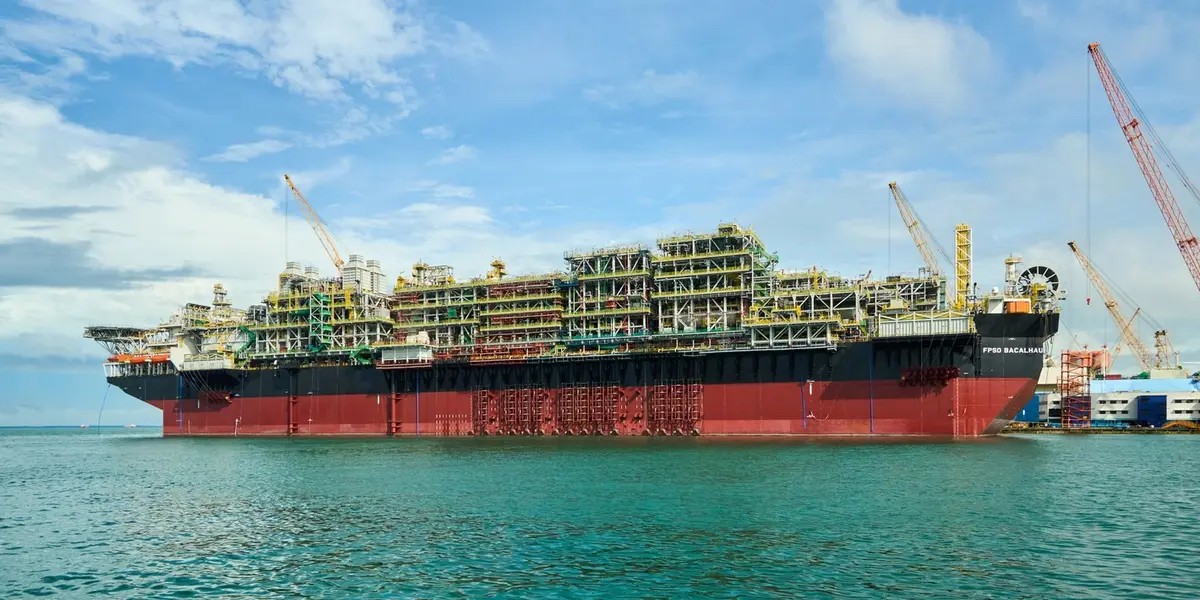
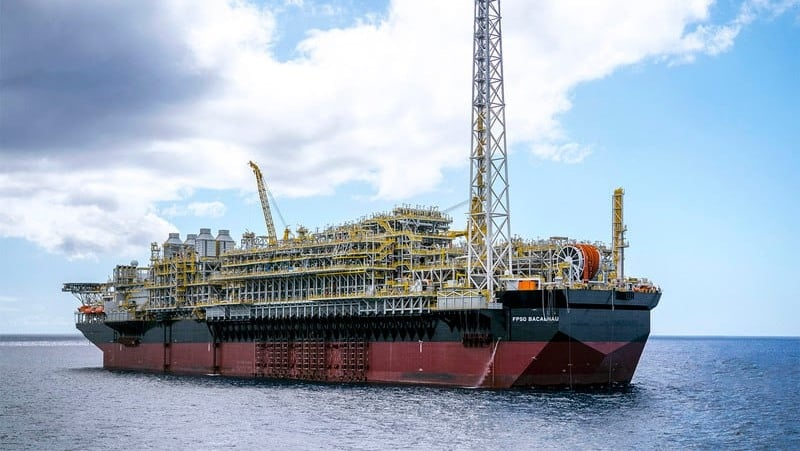
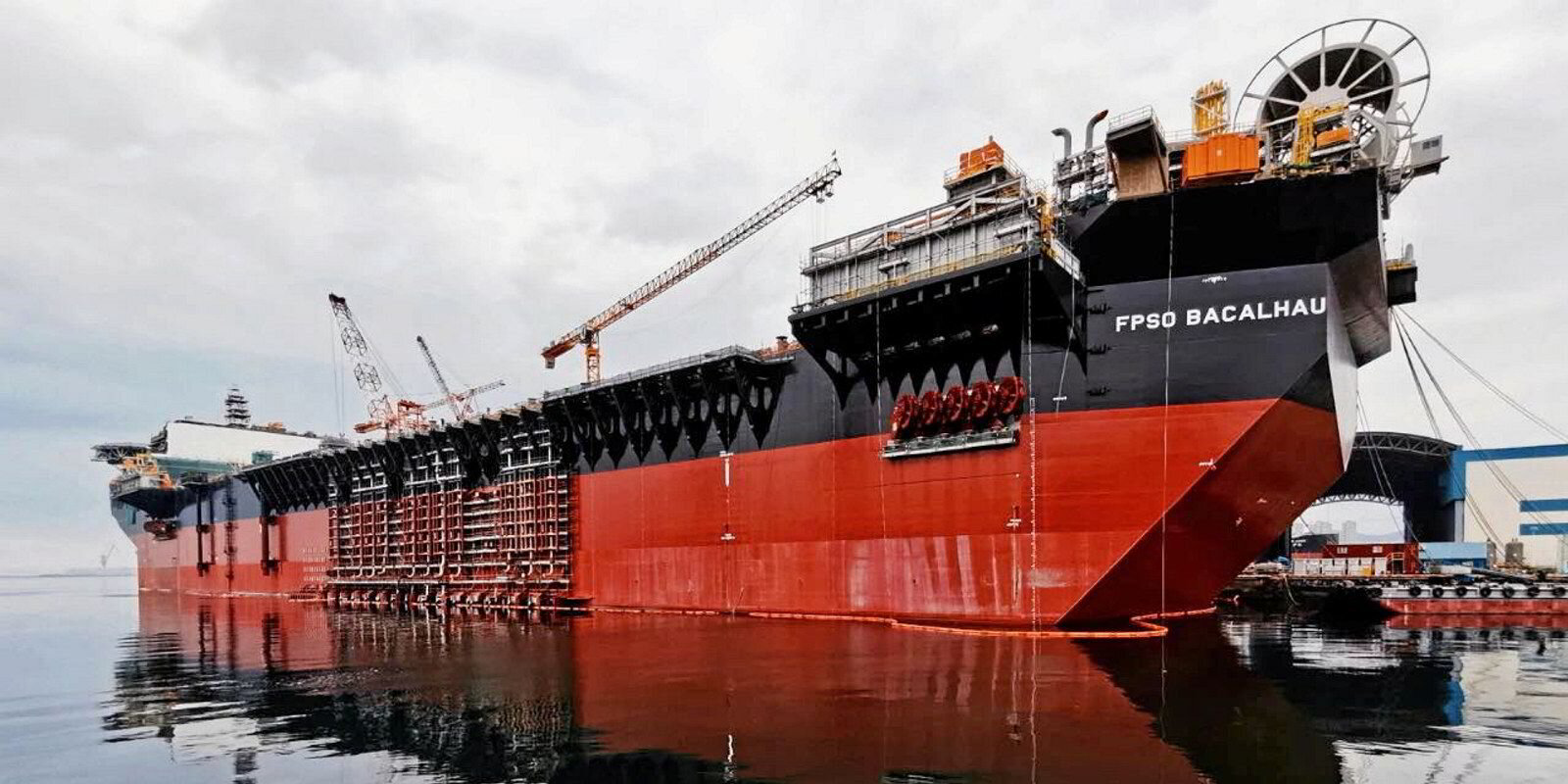
The FPSO Bacalhau has officially begun production in the Santos Basin pre-salt, marking a major step in Brazil’s offshore development. Operated by Equinor in partnership with ExxonMobil and Petrogal, the unit is among the most advanced ever deployed in the country, a 370-meter-long and 64-meter-wide floating production system with capacity to process 220,000 barrels of oil per day and store up to 2 million barrels.
Production started on October 15, 2025, at the Bacalhau field, located about 185 km off the coast of Ilhabela (São Paulo), in water depths exceeding 2,000 meters. The first phase includes 19 wells that will be gradually brought online during the ramp-up period.
FPSO Bacalhau (Source: MODEC)
The field’s recoverable reserves exceed 1 billion barrels of oil equivalent (boe), making it one of the largest deepwater projects under development outside Petrobras’ direct operation. The FPSO, supplied and operated initially by MODEC, integrates combined-cycle gas turbines (CCGT) and advanced CO₂-abatement systems designed to keep carbon intensity around 9 kg per boe.
Ownership is distributed among Equinor (40%, operator), ExxonMobil Brasil (40%), and Petrogal Brasil (20%), with PPSA overseeing production sharing over its expected 30-year lifetime.
Stay informed on key offshore developments — visit wsb-one.com, our data platform trusted by leading offshore companies.
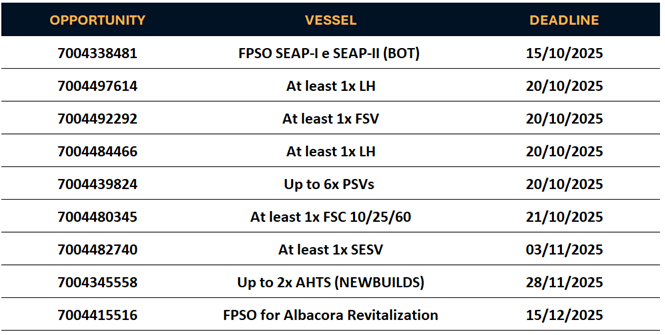
Petrobras At least 1x LH: Opportunity 7004497614 new deadline October 20th, 2025;
Petrobras At least 1x FSV: Opportunity 7004492292 new deadline October 20th, 2025;
Petrobras At least 1x LH: Opportunity 7004484466 new deadline October 20th, 2025;
Petrobras At least 1x FSC 10/25/60: Opportunity 7004480345 new deadline October 21st, 2025.
What else is happening?
DOF secured three short-term contracts with a major operator in the Espírito Santo and Santos Basins.
Geoholm was delivered in mid-September and is supporting mooring operations with one ROV for approximately two weeks.
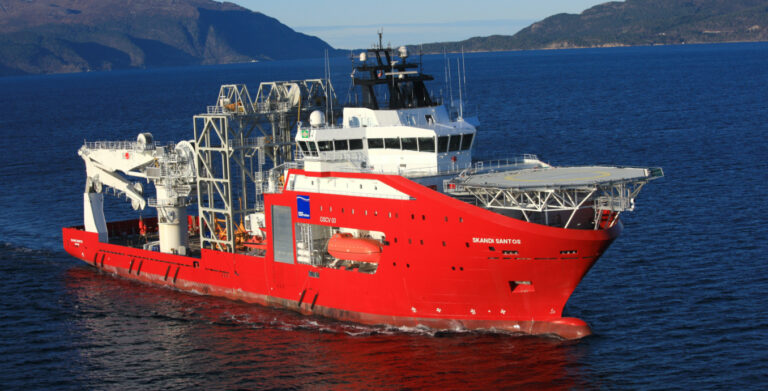
Skandi Salvador will begin a 10-day charter at the end of September for subsea equipment retrieval and will return in early November for a 60-day charter focused on subsea and well intervention operations using a work-class ROV and subsea crane.
Petrobras nearsdecision to cancel Bid
Vessel owners informed WSB that Petrobras may be close to take a final decision to cancel the current PSV tender, which had already been reduced from 17 to 6 vessels after several reviews to the tender requirements throughout this year.
The move comes as Petrobras rethinks its offshore logistics model and financial strategy, seeking to realign the company’s budget amid rapidly escalating charter costs. As part of this process, Petrobras has already started formally approaching Offshore Vessel owners to discuss discounts on existing contracts, aiming to secure future extension periods and build a more predictable cost structure for its offshore support fleet.
The absence of pre-confirmed Petrobras representatives was noted at OSJ Conference where market analysts and brokers emphasized a tightening supply, growing demand and rising PSV dayrates — all in contrast with Petrobras’ current cautionary stance and WSB’s forecast. How the company recalibrates its position in the months ahead will be different.
WSB continues to monitor Petrobras’ fleet strategy and its broader impact on Brazil’s offshore logistics landscape.
2025 will be a defining year as Brazil moves toward its next federal elections in 2026. Public enterprises, and particularly Magda Chambriard’s Petrobras, will be at the center of attention, as their performance becomes inseparable from both the economic narrative and Brazil’s global energy credibility.
At a time when offshore rates are peaking, Petrobras is moving to reduce expenses, renegotiating existing charter contracts and holding back new commitments.
This cost-containment strategy, while cautious, reflects a broader effort to realign logistics and financial priorities which will define how the company positions itself for the decade ahead.
Few institutions can influence Brazil’s trajectory as profoundly as Petrobras. Lower costs, higher revenues, anticipated production, and a robust yet timely newbuilding program — including Sérgio Bacci’s Transpetro tankers and Petrobras offshore support vessels — are not just corporate goals. They are national levers of growth and competitiveness.
Irrespective of political orientation, these are legitimate instruments of progress, now under Luiz Inácio Lula da Silva administration. When well executed, they strengthen industry, attract global confidence, and reaffirm Brazil’s role in the international energy transition.
Constructive debate and cooperation between the public and private sectors will be key. Because in the end, national progress is built through shared purpose and informed action.
Magda Chambriard (Source: Petrobras)
TP-25
Transpetro has announced the disqualification of IRUS Holding S.A. from Lot B of its ongoing Gas Carrier Newbuild Program (TP-25).
According to the Commission’s official communication, the decision is based on two points of non-compliance with the bidding notice and its addenda:
• Lack of detailed cost breakdowns in the DFP (item 3.2.2 vii);
• Absence of the required Consortium Formation Commitment Term (item 3.2.2 viii).
The appeal phase will open only after publication of the final results of the tender.
With this update, the bidding process for the eight new LPG carriers — a key component of Brazil’s coastal gas logistics plan — moves closer to its conclusion.
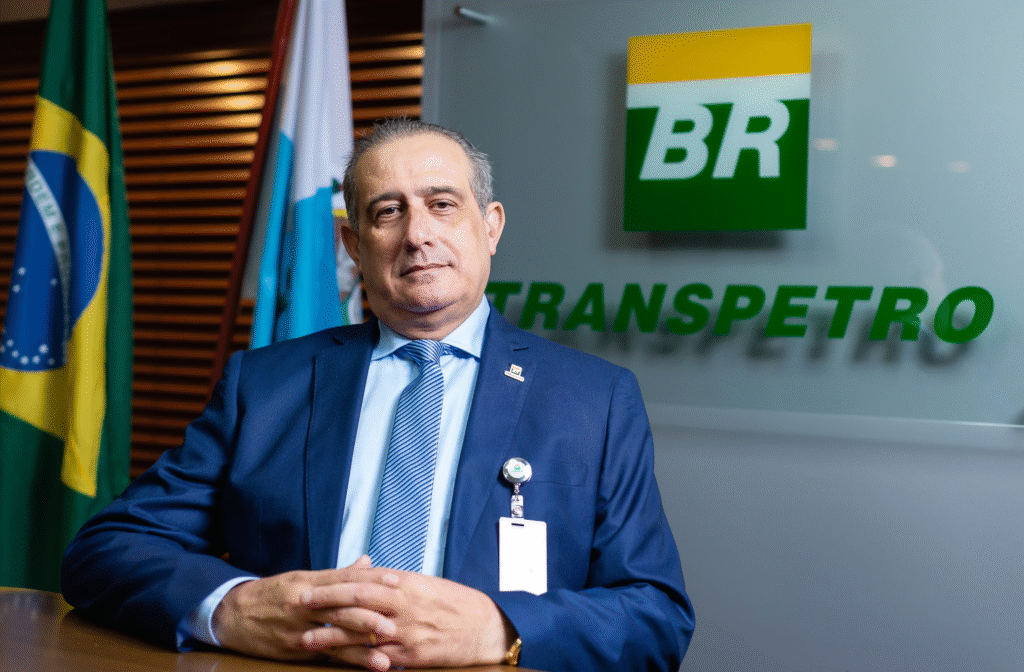
Sergio Bacci (Source: Transpetro)
TP-25 – II
Following WSB’s previous update on the disqualification of one contender from Lot B of Transpetro’s Gas Carrier Newbuild Program (TP-25), the tender has now advanced into its decisive evaluation phase.
With the removal of the previous participant, the evaluation proceeds with a configuration that yields the lowest consolidated value to Petrobras under the current assessment criteria:
Lot A – KIT L.L.C-FZ
Lot B – ECOVIX Construções Oceânicas S.A.
Combined total: USD 491.8 million
The TP-25 program continues to stand as one of Brazil’s most relevant initiatives for fleet renewal and coastal gas logistics, marking an important step in the country’s shipbuilding and energy infrastructure agenda.
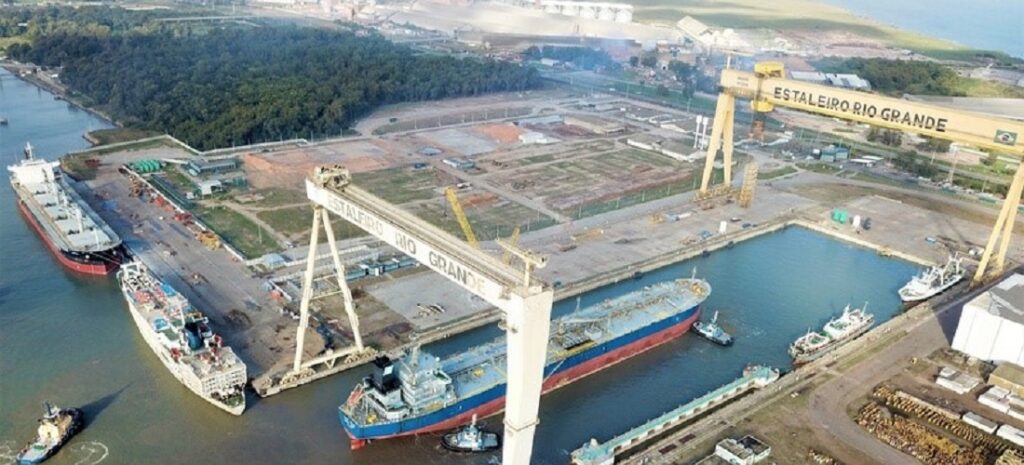
Rio Grande shipyard (Source: Ecovix)
Key Topics
Modec has advanced to a new construction phase of the FPSO Gato do Matofor the Santos Basin pre-salt, carrying out hull block cutting at COSCO Qidong in China after forward block fabrication began earlier this year at Sumitomo in Japan. The unit is planned for installation at roughly 2,000 m water depth, with capacity up to 120,000 bpd and first oil targeted for 2029.
Petrobras completed a pilot import of natural gas produced in the Vaca Muerta (Neuquén Basin), moving about 100,000 cubic meters via existing pipeline routes through Bolivia into Brazil. The transport, carried out under an arrangement with Petrobras Operaciones S.A. (POSA) and Gas Bridge (Pluspetrol), is described as an experimental step that could allow interruptible imports of up to 2 million m³ under the agreement.
President Lula and Petrobras CEO Magda Chambriard visited Bahia and confirmed the start of construction of six PSV-OSRVs for Petrobras at the Enseada shipyard, in a project supervised by CMM. The investment is estimated at R$ 2.58 billion, with delivery scheduled for 2029 and a 12-year operating period for each contract. The project is expected to generate 5,400 jobs and requires at least 40% minimum local content during the construction phase.
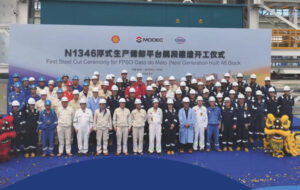
steel strike ceremony for the FPSO Gato do Mato (Source: MODEC)
Oil Discovery
Petrobras has reported hydrocarbon findings in the pre-salt of the Campos Basin. The company notified Brazil’s National Petroleum Agency (ANP) about the presence of oil traces in the Água Marinha block, in well 1-BRSA-1401DA-RJS. The well was drilled in July by the drillship Deepwater Aquila at a water depth of 2,601 meters.
The Água Marinha block was awarded in 2022 during the first cycle of the Permanent Production Sharing Offer and the production sharing contract was signed in May 2023. Petrobras operates the block with a 30% stake, alongside TotalEnergies (30%), PETRONAS (20%) and QatarEnergy (20%).
In the Campos Basin, Petrobras has announced plans to double production from the current 500,000 barrels of oil equivalent per day (boed) to 1 million boed by 2035. The company also intends to invest US$ 23 billion by 2029 in its Campos Basin Revitalization Program.
AKOFS secures contract with Petrobras
AKOFS Offshore has secured a new four-year contract with Petrobras for the multipurpose support vessel (MPSV) AKOFS Santos. Built in 2009, the vessel will continue to provide subsea construction and well intervention services for the Brazilian company.
The new contract, valued at approximately USD 246 million, is set to begin in January 2027 following the conclusion of the current agreement Around USD 140 million will be recognized as revenue for AKOFS over the contract period.
Operations will be carried out in partnership with Bravante, which will provide marine support and IKM Subsea, responsible for remotely operated vehicle (ROV) services. With this award, AKOFS’ order backlog has reached about USD 612 million at the end of Q2 2025.
The company currently operates three specialized vessels: AKOFS Santos and Aker Wayfarer, both under contract with Petrobras in Brazil, and AKOFS Seafarer, operating with Equinor in the North Sea.
Modec has advanced to a new construction phase of the FPSO Gato do Matofor the Santos Basin pre-salt, carrying out hull block cutting at COSCO Qidong in China after forward block fabrication began earlier this year at Sumitomo in Japan. The unit is planned for installation at roughly 2,000 m water depth, with capacity up to 120,000 bpd and first oil targeted for 2029.
steel strike ceremony for the FPSO Gato do Mato (Source: MODEC)
Subsea7, through the Subsea Integration Alliance (SIA), has secured a contract with Equinor to conduct concept studies for Phase 2 of the Bacalhau field in Brazil’s pre-salt Santos Basin.
The strategic alliance between Subsea7 and SLB OneSubsea brings together teams from the UK, Norway and Brazil.
Phase 1, expected to start production later this year, is already considered a technological benchmark. The Bacalhau FPSO, featuring MODEC’s next-generation M350 hull, will have a processing capacity of 220,000 barrels per day and connect 19 subsea wells in ultra-deep waters.
With estimated recoverable reserves exceeding 2 billion barrels of oil equivalent, Bacalhau is operated by Equinor in partnership with ExxonMobil, Petrogal Brasil S.A. and PPSA (Pré-Sal Petróleo S/A).
Meanwhile, Solstad Offshore has officially signed a long-term contract with Petrobras for the AHTS vessel Normand Turquesa.
The contract is scheduled to begin in February 2026 and will run for four years, with an estimated gross value of approximately USD 84 million. This agreement follows a series of recent awards between Solstad and Petrobras, reinforcing the vessel’s owners strong positioning in Brazil’s deepwater support segment.
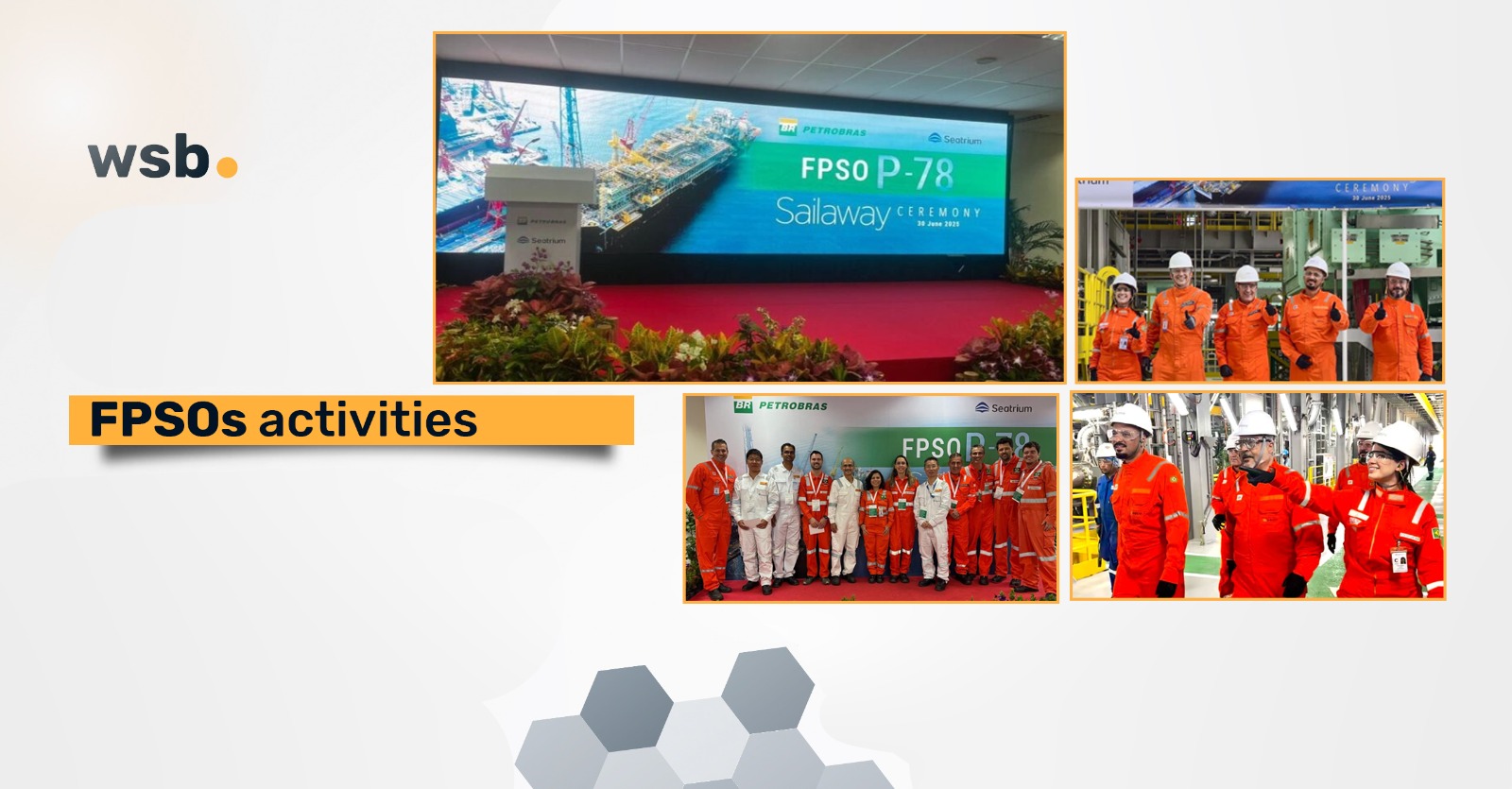
The FPSO P-78 has departed Singapore and is now enroute to Brazil where it will be deployed by Petrobras in the Búzios field, part of the pre-salt Santos Basin. The platform is expected to begin operations later this year with capacity to produce up to 180,000 barrels of oil and 7.2 million cubic meters of natural gas per day.
The unit was built by Keppel Shipyard,, while its topside modules were manufactured in Brazil, an approach that reinforces Petrobras’ strategy to expand local content in its offshore projects. The P-78 also brings together technical and industrial partnerships from Brazil, China, South Korea, Singapore and Spain. The Spanish engineering firm GHENOVA is supporting integration and commissioning activities.
The vessel is part of Petrobras’ broader pre-salt expansion. By the end of 2027 the company expects to deploy four additional FPSOs in the Santos Basin: P-79, P-80, P-82, and P-83.
“This is a special moment. The platform is already crewed, saving an entire month of pre-operational work. Another delivery completed and more oil coming soon,” said Magda Chambriard, CEO of Petrobras.
More Oil
The week also brought progress on another major offshore project. Japanese shipbuilder Sumitomo Heavy Industries held the steel-cutting ceremony for the Gato do Mato FPSO that will be operated by Shell in the Gato do Mato field. The unit, to be built by MODEC, is expected to begin production in 2029 with a capacity of up to 120,000 barrels of oil equivalent per day.
Petrobras has formalized amendments to the charter and service provision contracts for the FPSO Cidade de Angra dos Reis with Tupi Pilot and MODEC. Under the new agreement, the vessel will remain operational until 2030, when decommissioning is expected to begin.
Operating in the Tupi field, Santos Basin, the FPSO has been a cornerstone of Brazil’s pre-salt exploration since 2010. It was the first large-capacity unit deployed in the region and currently produces approximately 50,000 barrels per day (bpd).
This development highlights the strategic importance of the Santos Basin, a key driver of Brazil’s offshore production. And with developments constantly unfolding, there’s more to come—stay connected for the latest updates!
Cristiano Pinto da Costa, CEO at Shell, revealed that the company will decide by April whether to invest in the Gato do Mato project. Speaking with journalists this week, Costa indicated that the decision is likely to be positive.
If approved, the FPSO, to be constructed by MODEC will operate at water depths of approximately 2,000 meters, 250 km offshore. The unit will have the capacity to produce 90,000 boe/d and 8.5 million m³ of natural gas per day, with storage capacity for 1.6 million barrels of oil.
The production plan includes 10 wells: four producers, four gas injectors, and two seawater injectors. Shell holds a 70% stake as the operator, partnering with Ecopetrol (30%).
“Shell secured the field in the 2017 ANP auction, with development initially planned for 2023. However, the company postponed the final decision in late 2022,” recalls Daniel Buckley, Chartering Manager at WSB Advisors.
MODEC has demonstrated resilience and continued leadership in Brazil’s FPSO market despite the conclusion of the Shell Fluminense FPSO contract and Enauta‘s decision not to purchase the Cidade de Santos. The Japanese company remains a dominant force, with a fleet of 13 chartered vessels, as highlighted by WSB.One, most of which are contracted with Petrobras.
MODEC’s FPSOs consistently deliver impressive production figures. In May, FPSO Guanabara, operating in the Mero field in the Santos Basin, achieved outstanding performance with a production of 179,546 barrels of oil and 11.68 million cubic meters of gas, per day. Other noteworthy FPSOs include Cidade de Angra dos Reis and Cidade de Itaguaí, both located in the Tupi field, the largest oil-producing field in Brazil.
MODEC is further progressing with the construction of the Raia and Bacalhau FPSOs, for Equinor, Campos and Santos Basins, respectively. MODEC FPSOs in Brazil
– FPSO Anita Garibaldi (Petrobras Marlim field, Campos Basin) – FPSO Almirante Barroso (Petrobras Búzios field, Santos Basin) – FPSO Guanabara (Petrobras Mero field, Santos Basin) – FPSO Carioca (Petrobras Sépia field, Santos Basin) – FPSO Cidade de Campos dos Goytacazes (Petrobras, Tartaruga Verde and Tartaruga Mestiça, Campos Basin) – FPSO Cidade de Caraguatatuba (TotalEnergies, Lapa field, Santos Basin) – FPSO Cidade de Itaguaí (Petrobras, Tupi field, Santos Basin) – FPSO Cidade de Mangaratiba (Petrobras, Tupi field, Santos Basin) – FPSO Cidade de São Paulo (Petrobras, Sapinhoá field, Santos Basin) – FPSO Cidade de Angra dos Reis (Petrobras, Tupi field, Santos Basin) – FPSO Cidade de Santos (Petrobras, Uruguá-Tambaú field, Santos Basin) – FPSO Cidade de Macaé (Petrobras, Marlim Sul, Roncador and Marlim Leste fields, Campos Basin) – FPSO Cidade de Niterói (Petrobras Marlim Leste Field, Campos Basin)