Tag: Vast

  • Vast: new take-or-pay agreement

    Vast: new take-or-pay agreement

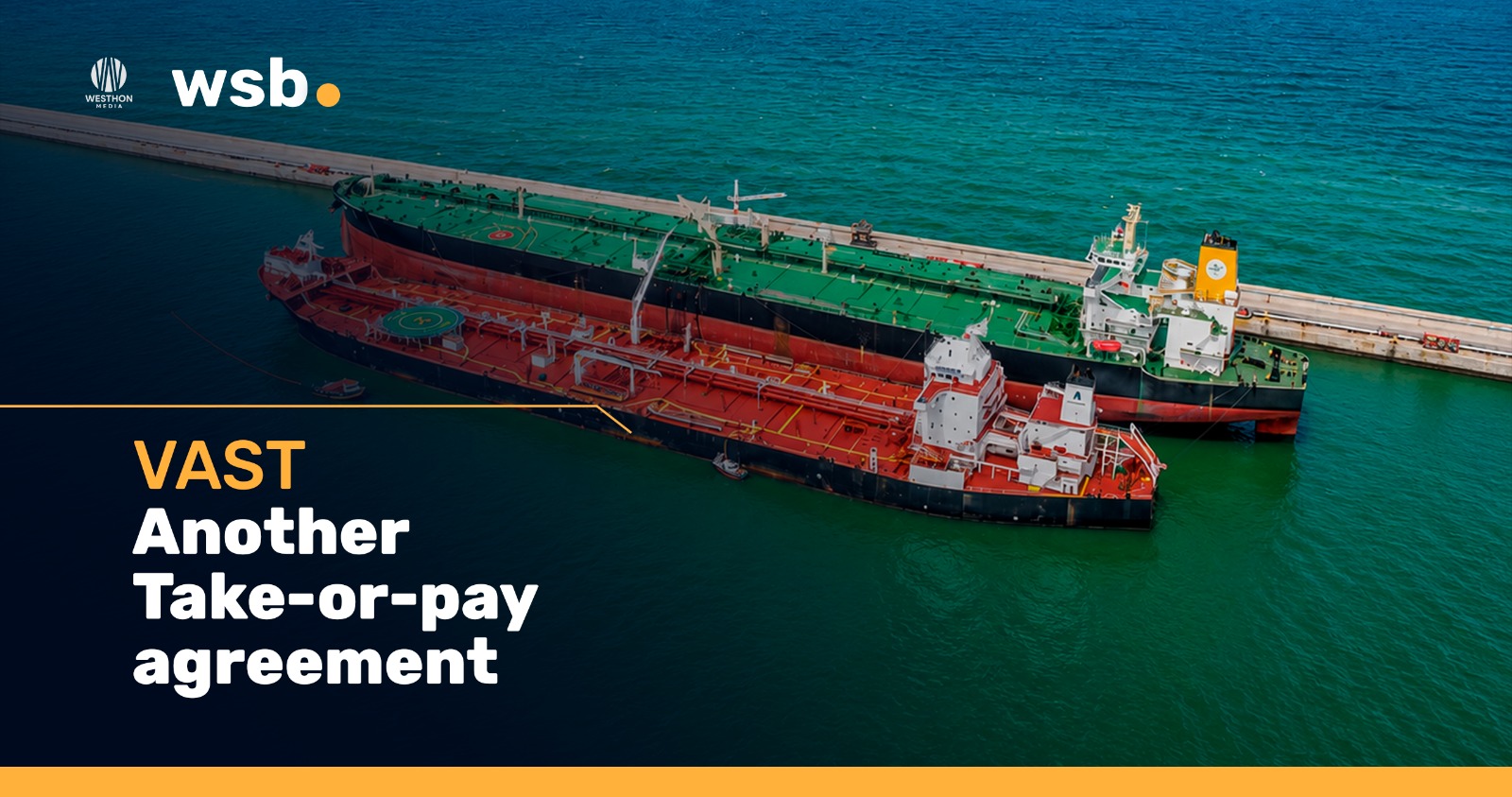
    Another take-or-pay agreement puts Brazil’s offshore logistics in the spotlight

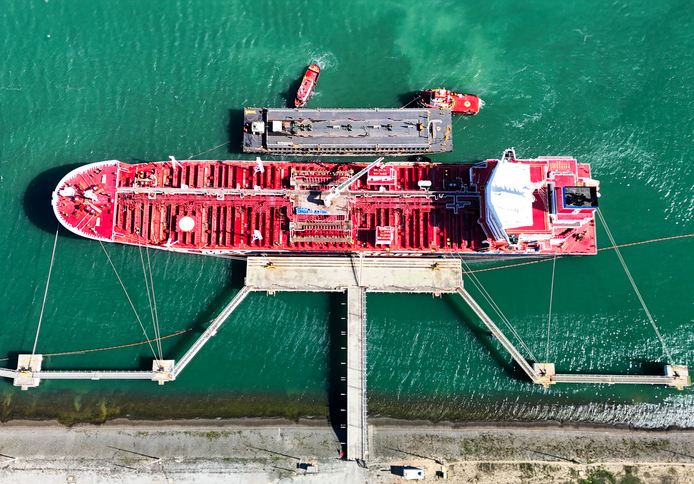
    On July 7, WSB Advisors analyzed the first take-or-pay agreement between Vast Infraestrutura and Petrobras, highlighting the role of long-term contractual structures in Brazil’s crude oil export logistics.

    Less than two weeks later, Vast announced the renewal of its take-or-pay agreement with PETRONAS Brasil until the end of 2027.

    The two agreements involve different operators, but the same logistics infrastructure and the same contractual model.

    Take-or-pay agreements guarantee payment for a minimum contracted capacity regardless of actual throughput. For terminal operators, they provide greater revenue predictability. For oil companies, they secure long-term access to export infrastructure while improving operational planning.

    On its own, the PETRONAS renewal is a straightforward commercial announcement. Alongside the agreement signed with Petrobras earlier this month, however, it adds another example of the same contractual model being adopted at the T-Oil terminal.

    The two agreements involve different operators but share the same logistics infrastructure and the same commercial structure. Together, they place two separate long-term commitments side by side at a terminal that plays a central role in Brazil’s crude oil export chain.
  • Vast and Petrobras: new agreement

    Vast and Petrobras: new agreement

    One clause says a lot about where Brazil’s offshore logistics are heading.

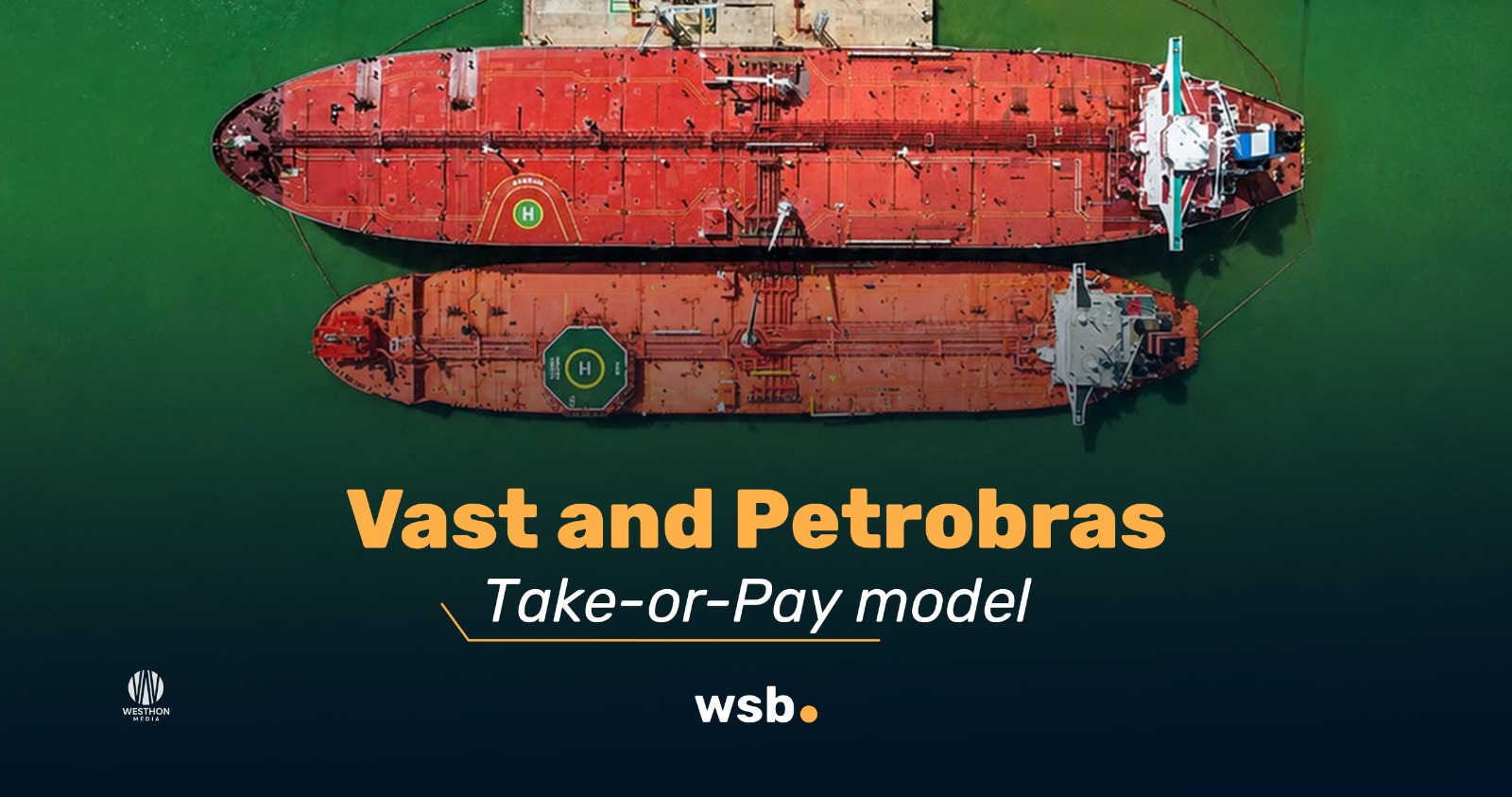
    This week, Vast Infraestrutura and Petrobras announced a new long-term agreement for crude oil transshipment operations at the T-Oil terminal, located at the Port of Açu. The contract includes a take-or-pay clause, marking the first agreement of this type between the two companies. Although financial terms were not disclosed, the companies have maintained a commercial relationship for transshipment services since 2019.

    Under this model, Petrobras commits to pay for a minimum contracted capacity regardless of actual throughput. In return, it secures long-term access to terminal capacity and greater operational predictability, while Vast benefits from more stable revenues and increased confidence to support future investments.

    The significance of this agreement goes beyond the contractual structure itself. It reflects a broader trend in Brazil’s offshore sector, where export infrastructure is increasingly being treated as a strategic asset alongside production capacity. As offshore output continues to grow, long-term logistics planning becomes just as important as developing new fields.

    For terminal operators, take-or-pay agreements reduce commercial risk, improve cash flow visibility and strengthen the financial foundations for future expansion. For producers, they provide greater certainty over export logistics, even though minimum payment obligations remain in place during periods of lower utilization.

    The agreement also reinforces the strategic importance of T-Oil. In 2025, the terminal carried out 229 crude oil transshipment operations and handled more than 48% of Brazil’s crude oil exports through terminals. Located close to the country’s main producing basins, T-Oil is licensed to handle up to 1.8 million barrels of oil per day and currently serves 11 major operators active in Brazil.

    As Brazil expands offshore production over the coming years, agreements that combine operational certainty with long-term infrastructure planning are likely to become increasingly common across the industry.

  • Vast: new project

    Vast: new project

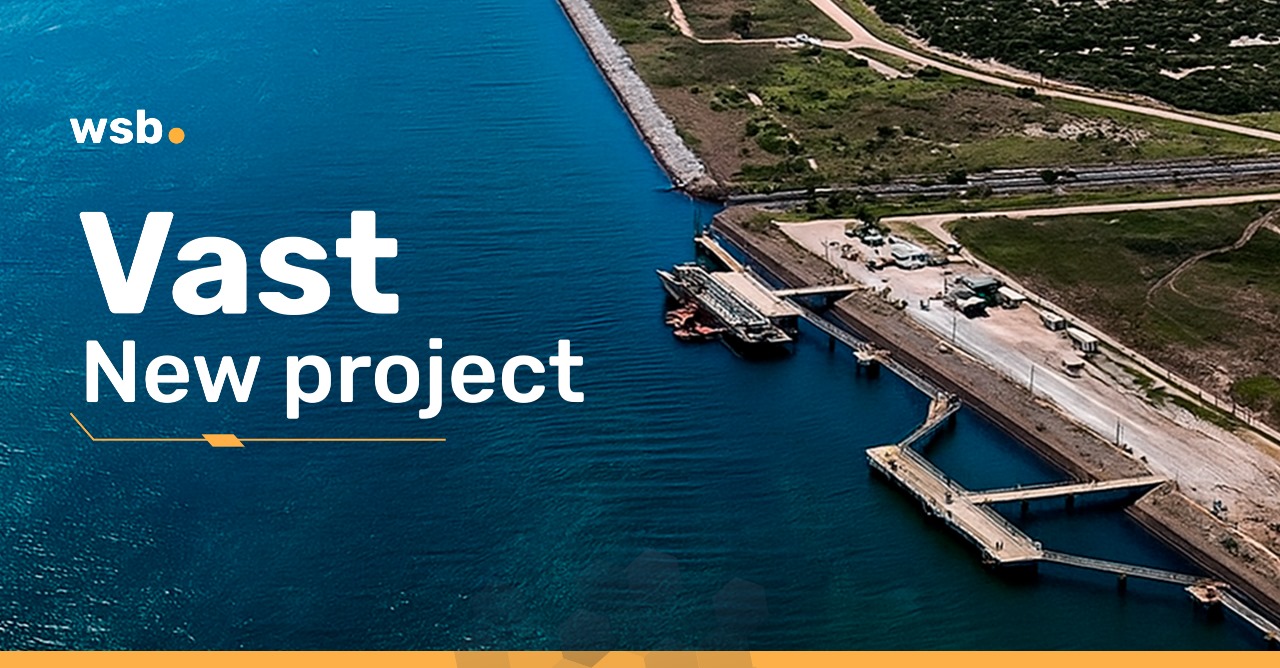
    Vast Infraestrutura announced on Tuesday (August 26) the start of construction for the tank farm at the Liquid Bulk Terminal (TLA), in Porto do Açu, in São João da Barra. Since October 2024, the TLA has been operating with ship-to-ship transfers and the supply of marine diesel oil (MGO) and hydrotreated vegetable oil (HVO).

    The new facility will enable the storage and handling of additional petroleum derivatives and biofuels, with operations scheduled to begin in the last quarter of 2026. The project represents an initial investment of BRL 250 million, with a storage capacity of approximately 40,000 m³.

    Stay informed on key offshore developments — visit wsb-one.com, our data platform trusted by leading offshore companies.

  • Vast and CNOOC: new agreement

    Vast and CNOOC: new agreement

    By Rafael Bortoloti

    Vast Infraestrutura has announced a new contract to provide oil transshipment operations, using the ship-to-ship model, with CNOOC International. The agreement is valid for three years and will be carried out at T-OIL, Porto do Açu. The location is under the management of the infrastructure company, which aims to transform it into a hub for the storage and handling of liquids.

    This is the second oil transshipment agreement between Vast and China National Offshore Oil Corporation since 2022. CNOOC holds assets in Búzios and Mero fields.

    “The ship-to-ship operations are performed for CNOOC´s crude cargoes from Suezmax shuttle tankers that loaded off FPSOs to top off VLCCs for their exports to the Far East”, details Daniel Buckley, chartering manager at WSB.

  • Vast and Efen: partnership first step

    Vast and Efen: partnership first step

    By Daniel Buckley

    After signing a contract with Efen, Vast Infraestrutura completed its first operation at the Açu Liquid Terminal (TLA), a new terminal at the Port of Açu in São João da Barra. A few weeks ago, the infrastructure company took over operations at the site with the goal of transforming it into a hub for the storage and handling of liquids.

    Vast performed the transshipment of marine gas oil (MGO) using the ship-to-barge method, which offers greater efficiency and cost savings. This fuel is widely used in the main propulsion engines of vessels, including offshore support vessels (OSVs) and tugboats. The process involved transferring fuel from a berthed MR, with a gross tonnage of up to 59,000 tons, to a barge alongside.

    The companies have signed a five-year agreement, and Efen will have storage capacity for 20,000 m³ to supply the markets at the Port of Açu and offshore, from a total of 84,000 m³ later available.