Tag: VLCC

  • Vast completes ExxonMobil  transshipment operation

    Vast completes ExxonMobil transshipment operation

    Vast Infraestrutura has successfully completed the first crude oil transshipment operation for ExxonMobil in Brazil, marking a significant milestone in the country’s oil export logistics.

    The operation was carried out at the T-Oil terminal, located at the Port of Açu in northern Rio de Janeiro state, and involved the transfer of approximately 1 million barrels from the Bacalhau field for export to international markets.

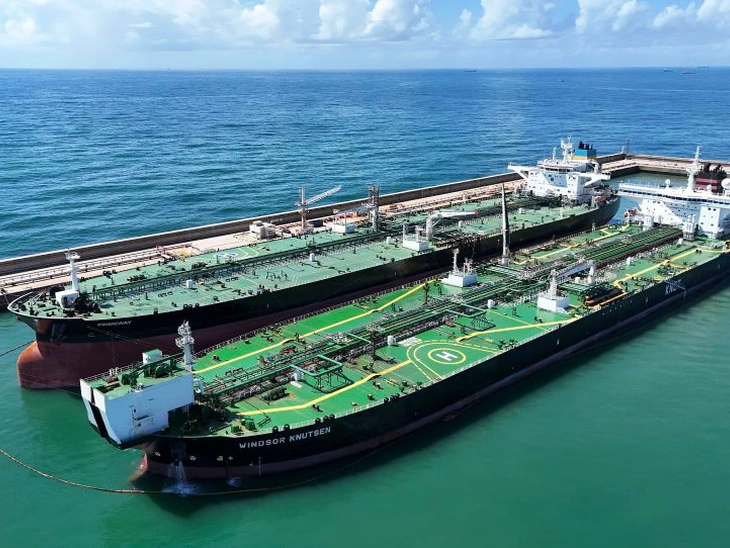
    The operation deployed two Suezmax-class tankers — Primeway and Windsor Knutsen — highlighting the terminal’s capability to handle large-scale offshore logistics operations tied to Brazil’s pre-salt developments.

    According to the company, the milestone reinforces the efficiency, safety, and reliability of the T-Oil terminal in supporting complex offshore projects. The facility is currently the only terminal in Brazil authorized to handle VLCC vessels and has a licensed capacity of up to 1.2 million barrels per day.

    The crude originated from the Bacalhau field in the Santos Basin, ExxonMobil’s first producing project in Brazil after more than a century of presence in the country. The asset is operated by Equinor (40%), in partnership with ExxonMobil Brazil (40%) and Petrogal Brasil (20), under a production sharing regime.

    With ExxonMobil joining its client portfolio, Vast further strengthens its position as a key crude oil export hub in Brazil. The company has been playing an increasingly strategic role in supporting the country’s growing offshore production and export capacity.
  • VLCC market surges — fixtures reported at US$500,000/day

    VLCC market surges — fixtures reported at US$500,000/day

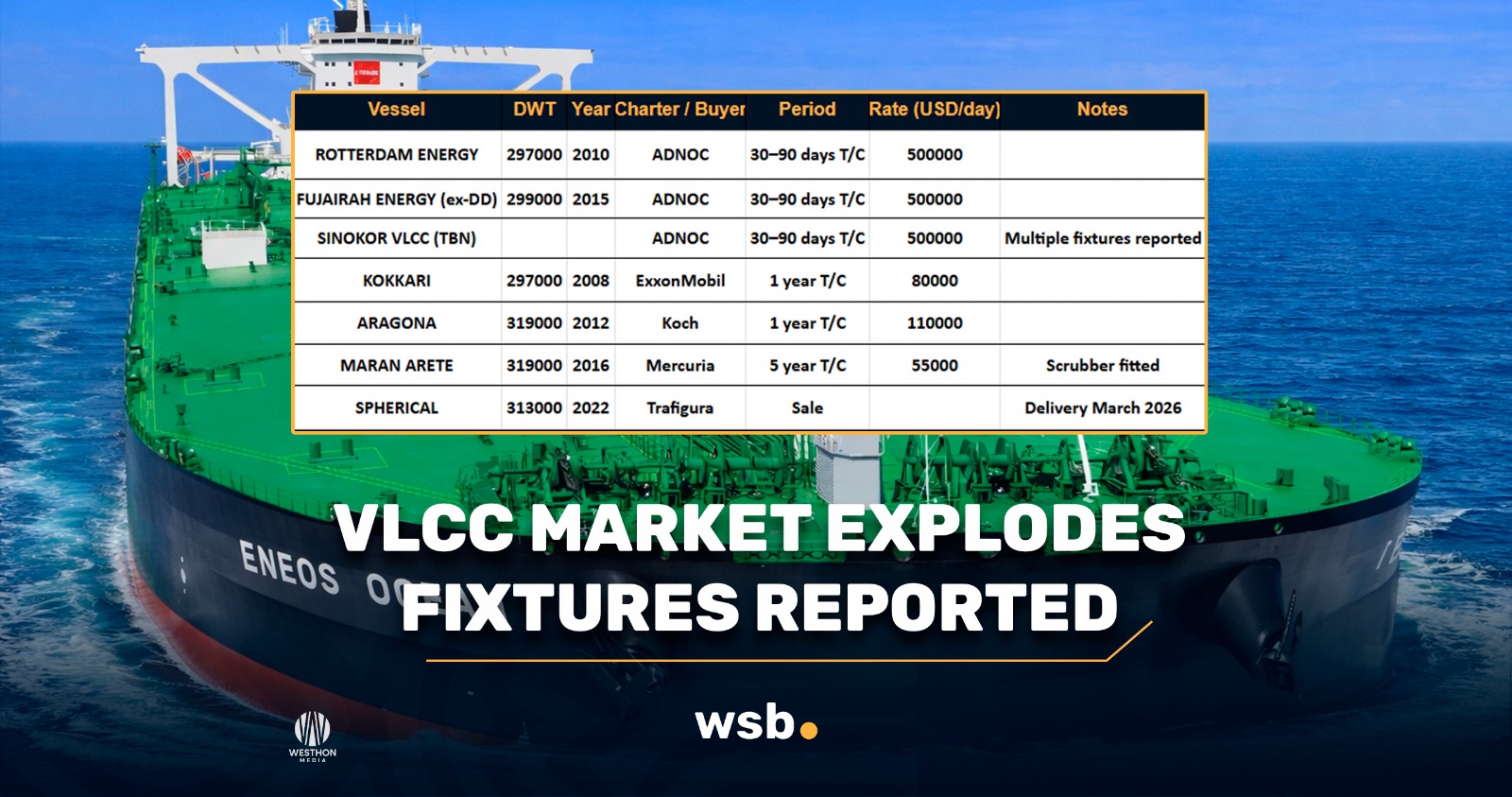
    The VLCC freight market has entered extraordinary territory, with several short-term fixtures reportedly concluded at US$500,000 per day for periods of 30–90 days.

    Much of the activity appears linked to ADNOC Group, suggesting a sudden tightening in available prompt tonnage.

    Short-term fixtures reported

    * ROTTERDAM ENERGY (297k dwt, 2010) – 30–90 days T/C to ADNOC @ US$500,000/day
    * FUJAIRAH ENERGY ex-DD (299k dwt, 2015) – 30–90 days T/C to ADNOC @ US$500,000/day
    * SINOKOR VLCC (TBN) – several fixtures reported @ US$500,000/day

    Longer-term fixtures

    * KOKKARI (297k dwt, 2008) – 1-year T/C to ExxonMobil @ US$80,000/day
    * ARAGONA (319k dwt, 2012) – 1-year T/C to Koch Engineered Solutions @ US$110,000/day
    * MARAN ARETE (319k dwt, 2016, scrubber) – 5-year T/C to Mercuria @ US$55,000/day

    Other market move

    * SPHERICAL (313k dwt, 2022) reported sold to Trafigura, delivery March 2026.

    Daily earnings approaching half a million dollars indicate an exceptionally tight prompt market and urgent cargo positioning.

    Further fixtures are expected to emerge as the situation develops.

    #Shipping #Tankers #VLCC #FreightRates #OilMarket #Maritime #EnergyMarkets

  • Porto Sudeste handles VLCC VL Prime, the largest vessel ever operated at the terminal

    Porto Sudeste handles VLCC VL Prime, the largest vessel ever operated at the terminal

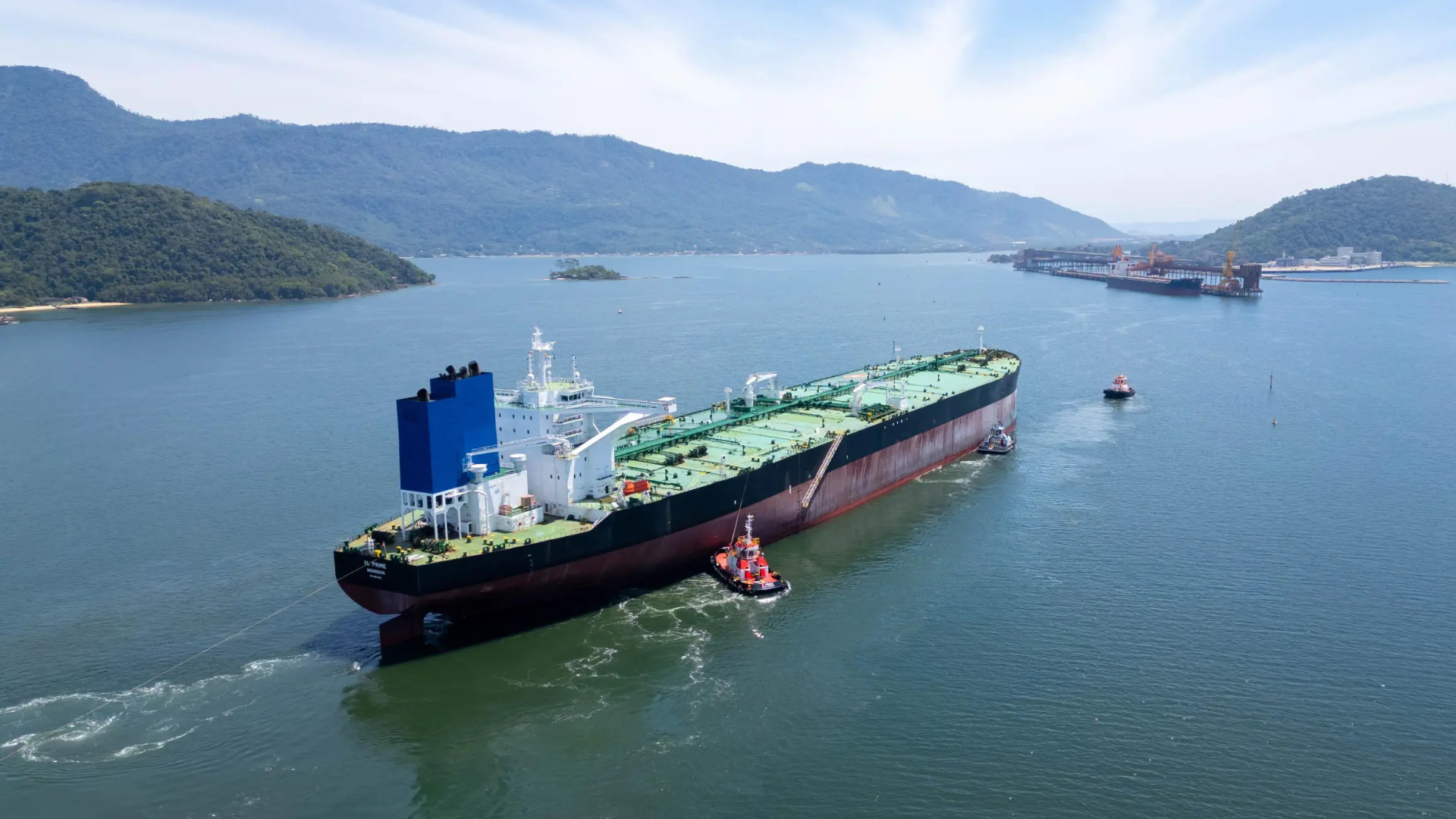
    Porto Sudeste, a port located in Itaguaí (Rio de Janeiro, Brazil), reached a logistics milestone on November 5, 2025, by handling VL Prime, a VLCC with capacity of about 2 million barrels (~320,000 tonnes), marking the largest vessel ever operated at the terminal. VL Prime arrived in ballast from Luoyang County, China, and was loaded with 1 million barrels of Mero crude via ship-to-ship (STS) transfer from M/T Eagle Campos, and then proceeded to Port of Santos for additional loading before topping up at Porto do Açu alongside another Suezmax tanker en route to Rotterdam.

    Operating a VLCC reinforces the port’s capacity to handle large-scale crude shipments, reducing transport costs and improving logistical efficiency for Brazil’s pre-salt exports. STS operation and sequential port calls (Santos and Açu) highlight growing coordination between terminals and shipping operators to optimize export logistics to European markets.

    Such large-scale operations demand strict adherence to safety and environmental protocols, as well as close coordination with maritime authorities and insurers. The milestone underscores Brazil’s expanding capability to accommodate VLCCs and enhance competitiveness in the global crude export chain.

    Stay informed on key offshore developments — visit wsb-one.com, our data platform trusted by leading offshore companies.