Tag: Wartsila

  • Wärtsilä workshop at WSB Advisors

    Wärtsilä workshop at WSB Advisors

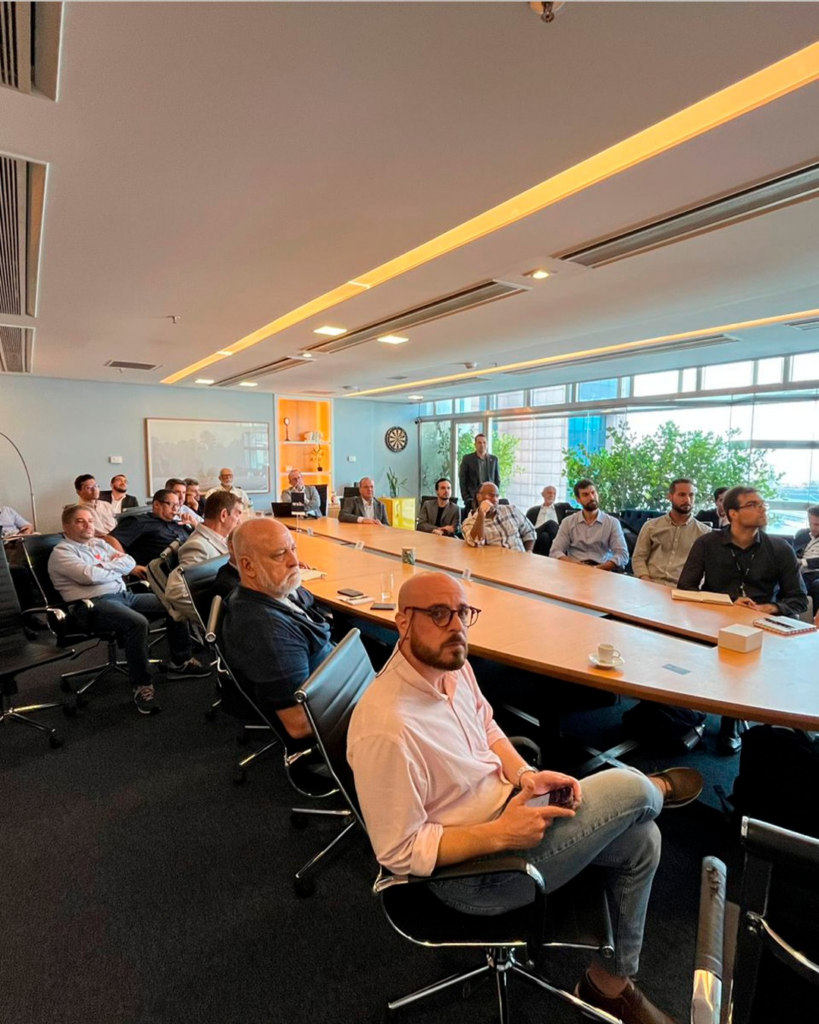
    The meeting rooms at our office in downtown Rio de Janeiro hosted a peculiar event last Thursday (May 14). Wärtsilä, a global reference in technologies and solutions for the marine and energy sectors, arrived with an international delegation and held a high-level technical workshop with the full support of WSB Advisors team.

    The event brought together around 30 executives, engineers, and specialists from the shipbuilding and offshore industries for an afternoon of technical exchange, networking, and discussions on trends shaping the future of navigation and the energy transition in the maritime sector.
    Source: WSB Advisors team


    The workshop welcomed representatives from companies and institutions such as Petrobras, Transpetro, Ecovix, Ghenova, and Bureau Veritas, creating a highly technical environment focused on sharing international experience and operational best practices, especially within the LPG vessel segment.

    The opening remarks were delivered by Raphael Montes, Managing Director at WSB, who highlighted the importance of bringing together companies, specialists, and decision-makers for strategic discussions aimed at advancing the Brazilian maritime industry. The closing remarks were delivered by Paulo Rolim, Advisory Services Lead at WSB.

    Among Wärtsilä’s international speakers were Johnny Kackur, Head of Coastal Merchant, from Finland and Frank Harteveld, Fuel Gas Supply System – Ethanol/Methanol, from the Netherlands. Carlos Mikus, Wärtsilä Gas Solutions – Cargo Handling Systems, also participated in the event. The workshop was coordinated and organized by Robert Klein, Newbuildings Sales Manager, with the participation of Mario Barbosa, General Manager Brazil, and Genil Mazza, Sales Manager Marine, Newbuilding LatAm.

    During the presentations, technical topics included Wärtsilä W32, W31, and W20 engines, marine propulsion systems, Energy Saving Devices (ESDs), shaft generators, and operational best practices for merchant vessels.

    The workshop also featured in-depth discussions on the challenges and opportunities involving alternative fuels such as ethanol, methanol, and biodiesel, as well as cargo handling and gas management solutions (Gas Solutions) — topics that are becoming increasingly relevant in the global maritime industry’s decarbonization agenda.

    Beyond the technical exchange, the meeting provided a strategic environment for interaction among executives, operators, shipyards, classification societies, and suppliers from the offshore and maritime sectors.

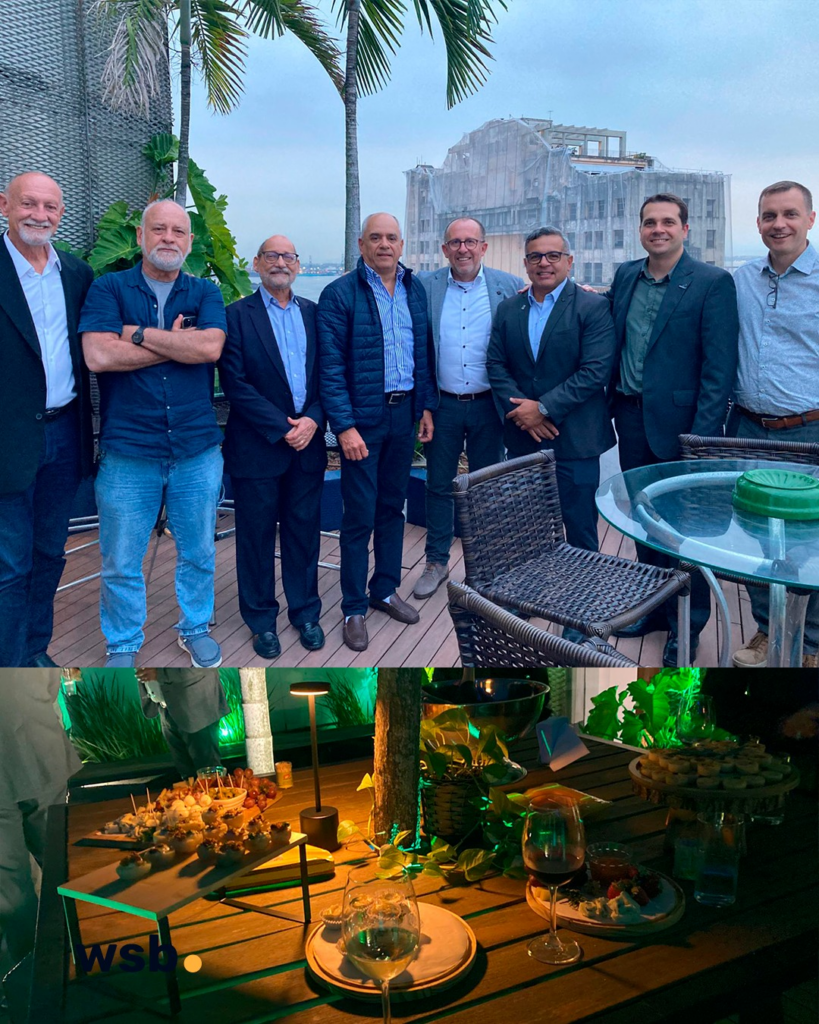
    At the end of the presentations, participants gathered for a networking cocktail reception at WSB’s rooftop, closing the event in an atmosphere of integration and professional exchange.

    We would like to thank Wärtsilä for trusting our facilities and extend a special greeting to Johnny Kackur, Frank Harteveld, Carlos Mikus, Genil Mazza, Robert Klein, and Mário Barbosa for their contributions to the success of the event.
    Source: WSB Advisors team


  • Special WSB: Por onde anda – Asso Ventisette

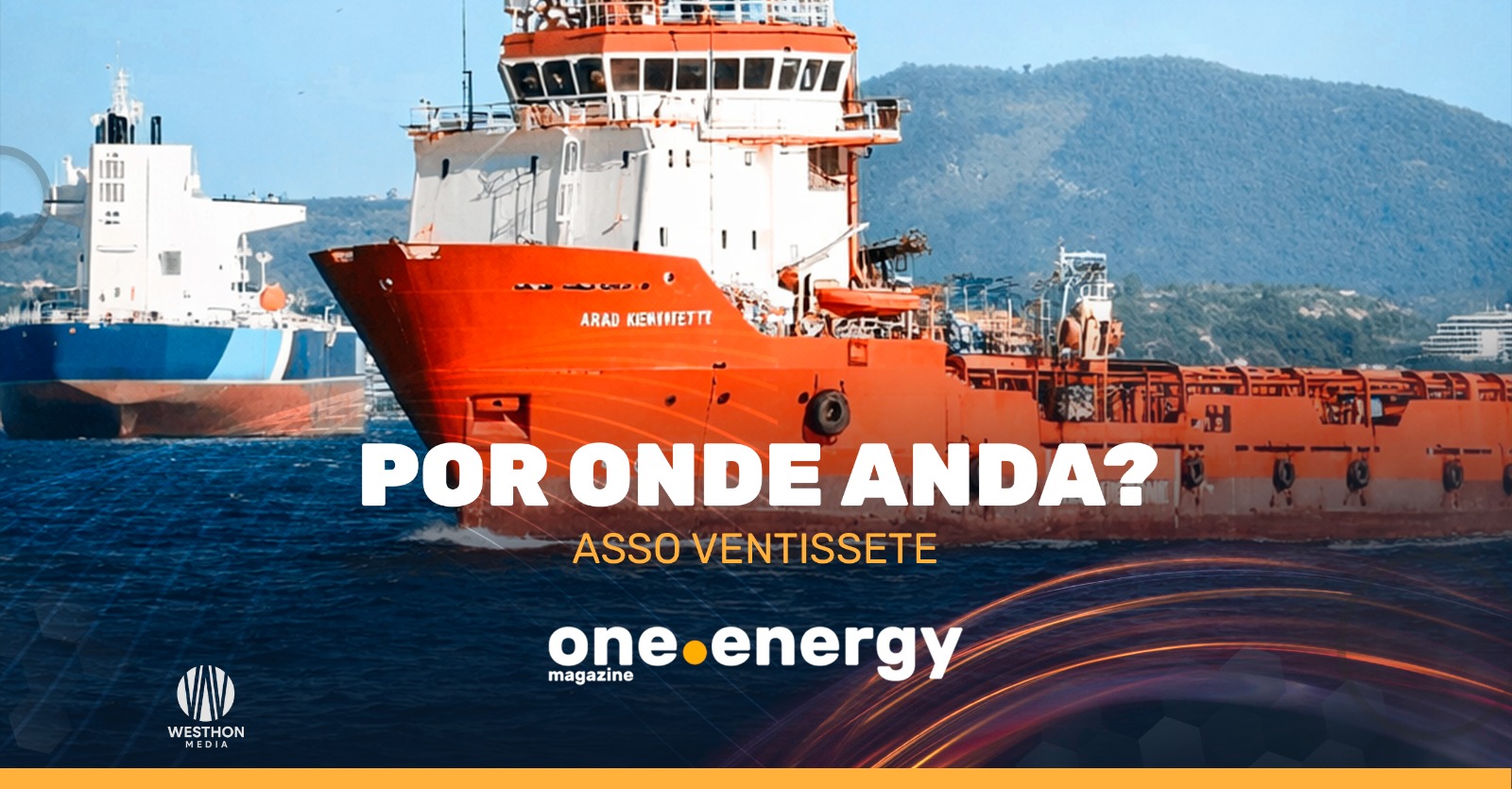
    Special WSB: Por onde anda – Asso Ventisette


    Versatility was never an exception for a PSV — it has always been part of the design.
    And increasingly, part of the challenge!

    What Asso Ventisette reveals is not a rule being broken, but a natural market filter: not every PSV can sustain extended operational roles outside the “script” over long cycles. Some step in. Very few remain.

    Built in 2007 at the former Aker Promar shipyard in Niterói, Asso Ventisette is based on the UT 755L design and classified as a PSV 3000, positioning herself within the mid-size segment that for many years formed the backbone of Brazil’s offshore logistics. With approximately 71.9 meters in length, 16 meters of beam and deadweight around 3,200 tonnes, the vessel offers about 685 m² of deck area and a cargo profile conceived for continuous offshore support rather than highly customized, single-purpose missions.

    Propulsion is provided by two Wärtsilä main engines, allowing speeds close to 14.5 knots. Dynamic positioning capability and FiFi1 notation expand operational scope, but these specifications alone do not explain the vessel’s differentiated trajectory.

    For more than four years, Asso Ventisette operated in continuous campaigns supporting shallow water diving operations for Petrobras, in cooperation with Belov. Without presenting herself as a dedicated SDSV, the vessel sustained this operational profile over a prolonged cycle — something that, in practice, few PSVs manage to achieve without compromising availability, cost efficiency, or reliability.

    The discussion here is not about typology, but about operational endurance. Extended offshore roles demand more than deck space and certificates; they require stable performance, disciplined maintenance, and operational trust built over time. Many PSVs can take on broader scopes. Few can remain there — and Asso Ventisette stands out precisely for that reason.

    So, where is she now?
    Based on market intelligence and WSB-One data, Asso Ventisette has been positioned in active employment within the PSV segment, with visibility for new contractual windows following the conclusion of the shallow diving support campaign. Vessel movement records indicate consistent offshore support activity, with operational presence in the Búzios and Roncador areas — environments where the PSV 3000 profile remains in demand by operators and logistics contract integrators.

    Sometimes, the difference between being employed or laid up is not on the spec sheet — it is how long a vessel can keep performing once the scope stops being purely theoretical.

    Every Thursday, a new “Por onde anda?” — stay tuned.

    Stay informed on key offshore and marine market developments — visit wsb-one.com

  • Grupo CBO and hybrid vessels

    Grupo CBO and hybrid vessels

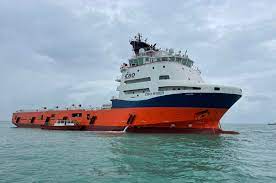
    Wärtsilä and Grupo CBO have signed an “Agreement for Decarbonization Modelling” aiming to support and accelerate the decarbonization of CBO’s offshore supply fleet. The scope of the agreement includes a detailed analysis of the potential benefits to CBO of short and long-term solutions. These include digitization, energy efficiency and energy saving devices, hybridization and future alternative marine fuels with a particular focus on the viability of fuel Ethanol. In connection with this announcement, Equinor informed this week that it has signed an agreement with CBO for the conversion of up to three PSVs to the hybrid model. The intention of the Norwegian major is to have the first vessel ready and adapted by the first quarter of 2023. According to CBO, the PSV CBO Wiser will be the first vessel of their fleet to go through such modifications and receive the battery packs.