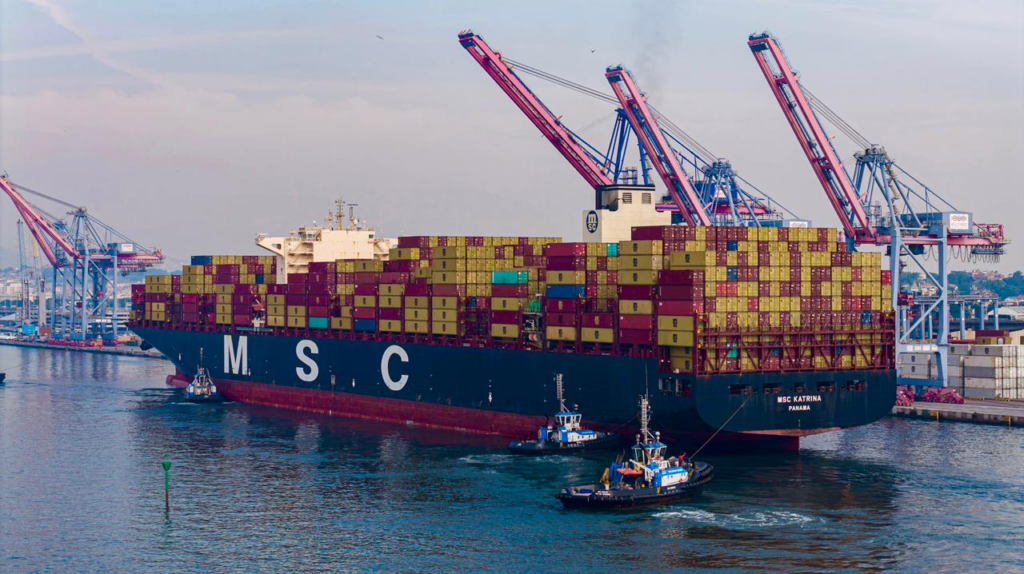
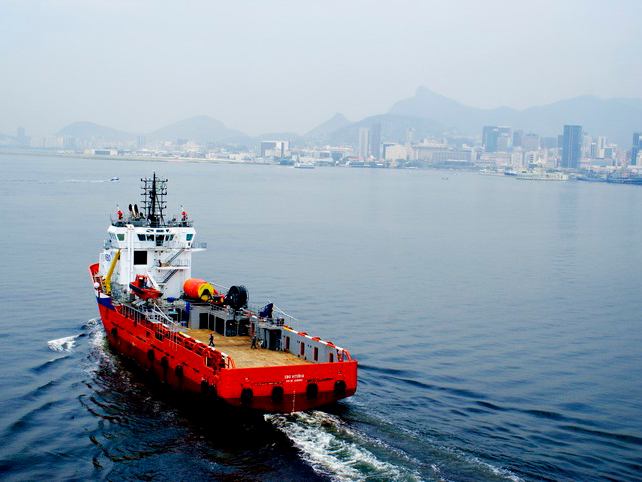
Wilson Sons tugboats surrounded the MSC Katrina into Guanabara Bay. The impressive New Panamax vessel measures 366 meters in length. Part of the operation could be seen directly from our office in downtown Rio de Janeiro.
Petrobras announced R$ 37 billion in investments in the state of São Paulo through 2030, with a focus on refining, biorefining, E&P, decarbonization, and sustainable energy generation projects. Part of the investment will go to the Paulínia Refinery, which will receive R$ 6 billion to expand production capacity and strengthen the supply of more sustainable fuels.
Petrobras reported net income of R$ 32.7 billion in the first quarter of 2026, up 110% compared to the previous quarter. The result was driven by higher production, stronger Brent prices, and improved operational performance.
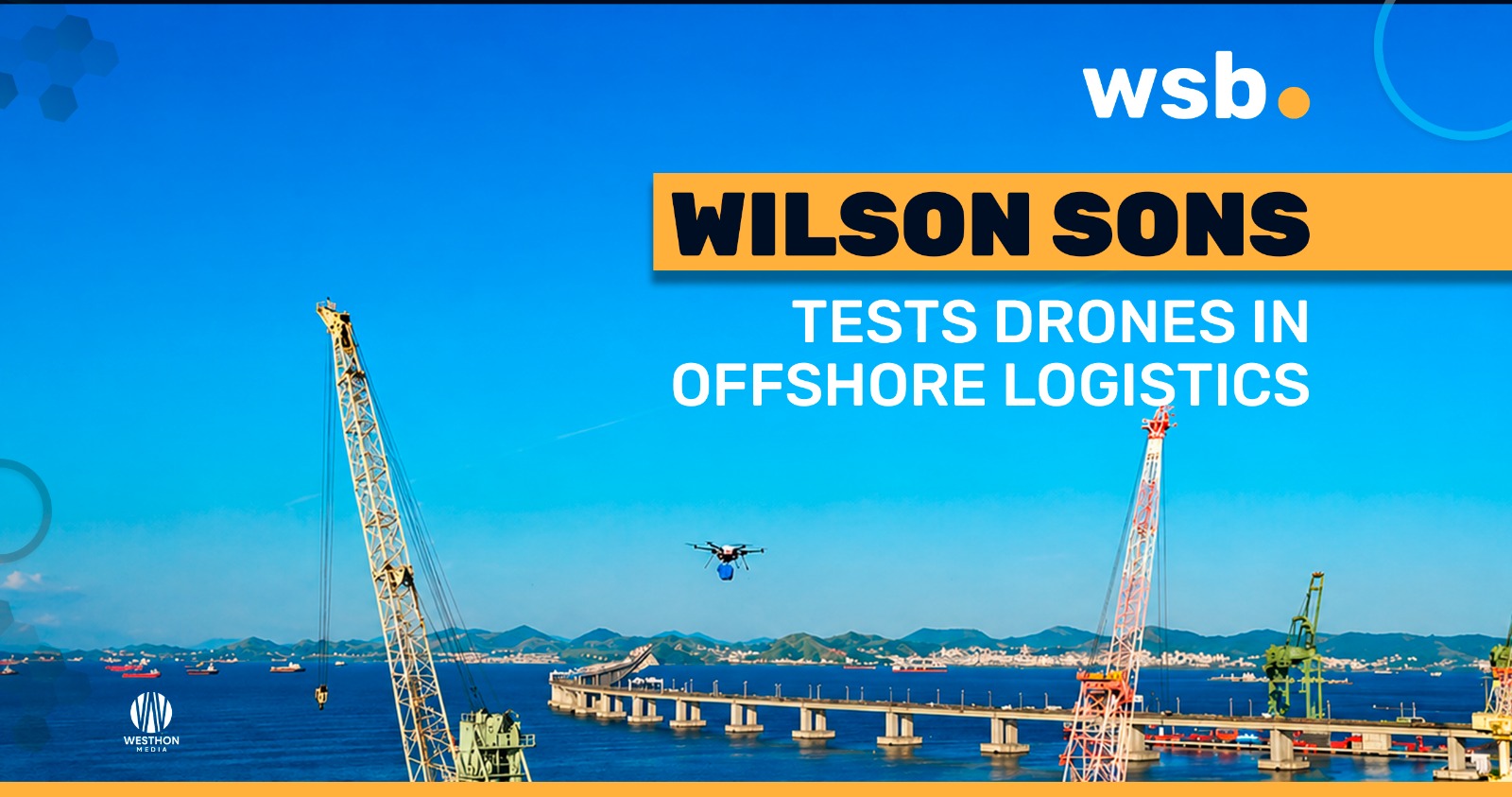
Wilson Sons has started testing the use of drones to deliver and collect documents from offshore support vessels operating in Guanabara Bay, Rio de Janeiro.
The operation is currently in a proof-of-concept phase and uses equipment from Speedbird Aero, with support from the company’s offshore base in Rio. Flights cover distances of approximately eight kilometers, with a duration of up to nine minutes, transporting light payloads.
The initiative follows previous tests conducted at the Port of Salvador and aims to evaluate the technical feasibility of applying drone operations to maritime logistics.
According to the company, the tests were carried out with the necessary authorizations from the National Civil Aviation Agency (ANAC) and the Department of Airspace Control (DECEA).
The scope at this stage remains limited to document transfer, with the objective of assessing operational performance, reliability and integration with existing port and offshore routines.
Discipline Meets Opportunity Tidewater’s move in Brazil and what it reveals about the offshore cycle
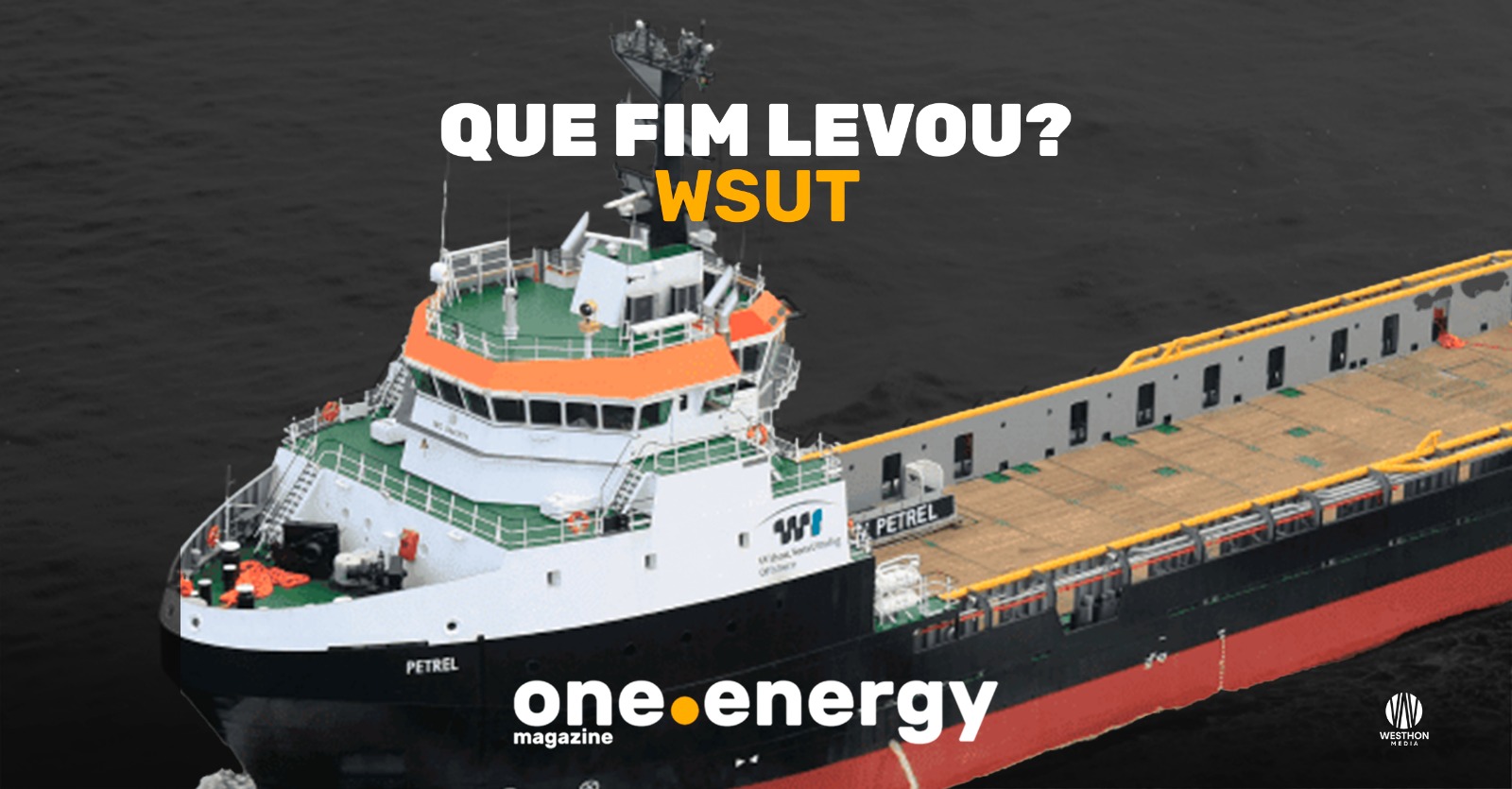
Brazil’s offshore sector has entered a new phase of consolidation. Within days of OceanPact and CBO announcing their combination, Tidewater moved to acquire Wilson Sons Ultratug Offshore (WSUT), a transaction valued at approximately $500 million including debt. The proximity of these announcements is unlikely to be coincidental. Rather, it signals that Brazil has once again become a focal point for offshore capital allocation.
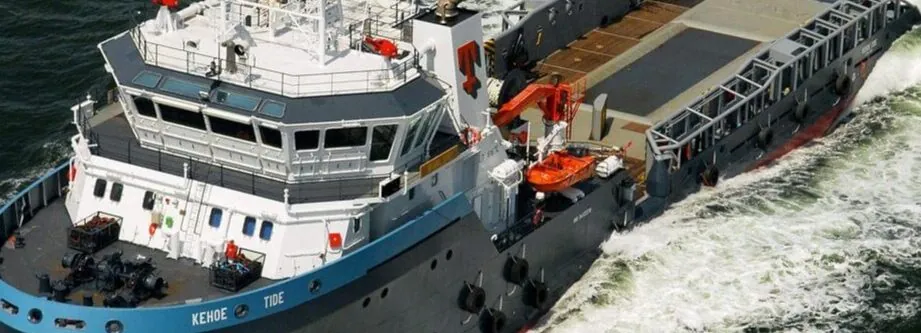
At first glance, the transaction is straightforward. Tidewater is acquiring a fleet of 22 platform supply vessels, the vast majority already operating in Brazilian waters, and in doing so expands its local footprint from a marginal position to a meaningful presence. Yet, as is often the case in offshore shipping, the strategic importance of the deal lies less in the number of vessels than in the economic philosophy behind it.
Tidewater has spent the past several years rebuilding its position through a disciplined and consistent approach to capital allocation. The acquisition of WSUT follows the same pattern established in earlier transactions, including the purchase of PSVs from Solstad, where the company expanded its fleet selectively while preserving balance sheet strength. Even after the WSUT transaction, Tidewater expects to maintain net leverage below 1x, a level that stands out in a sector historically prone to overextension.
The economics of the acquisition appear aligned with that discipline. The WSUT fleet is already integrated into the Petrobras offshore logistics system, providing immediate utilization and revenue visibility. Tidewater has indicated that the business could generate approximately $220 million in annual revenue with margins approaching the high-50% range, figures that fit comfortably within its operating model. Unlike more complex offshore service platforms, Tidewater’s value proposition remains rooted in a relatively simple equation: vessel availability, utilization and day rates.
Source: Tidewater
The equity market’s reaction reflects this familiarity. Rather than a sharp repricing, Tidewater’s shares have responded with measured confidence, consistent with investor expectations that the company will continue to expand without abandoning its core principles. In a sector where capital discipline has often been elusive, predictability itself has become a source of value.
The contrast with recent developments in Brazil is notable. While local consolidation has produced larger and more diversified platforms, Tidewater’s entry reinforces a different interpretation of the market. The company is not pursuing integration into subsea or environmental services, nor is it attempting to build a broader offshore services ecosystem. Instead, it is doubling down on what the Brazilian market continues to demand most consistently: reliable offshore tonnage.
That demand profile remains strikingly traditional. Despite years of discussion around integrated service models, Petrobras’ contracting strategy has in several areas moved back toward more conventional structures. Activities once envisioned as bundled service packages have increasingly returned to EPCI contractors or internal capabilities, while day-to-day offshore logistics continues to rely on familiar vessel classes — PSVs, AHTS units and other support vessels that form the backbone of offshore operations.
Tidewater’s strategy aligns closely with that reality. Its fleet, further strengthened by the earlier acquisition of Solstad vessels, is now increasingly positioned toward contracts with international oil companies, providing geographic diversification beyond Brazil. The addition of WSUT enhances its presence in Petrobras’ ecosystem without creating dependence on it, allowing Tidewater to balance exposure between national and international operators.
One of the more telling aspects of Tidewater’s model lies in what happens after acquisition. The company has consistently demonstrated a willingness to dispose of or retire vessels once their economic usefulness declines. This discipline suggests that not all of the vessels acquired through WSUT are intended to remain in the fleet indefinitely. As Petrobras contracts expire, Tidewater will likely evaluate each unit based on expected cash generation relative to maintenance and upgrade costs. Where that equation no longer holds, vessels may simply exit the fleet.
Such an approach reflects a broader principle that has guided Tidewater’s resurgence. Growth is not pursued for its own sake; it is pursued where it can be supported by cash flow. In an industry where aging fleets and deferred maintenance have historically eroded value, this willingness to rationalize assets can be as important as the acquisitions themselves.
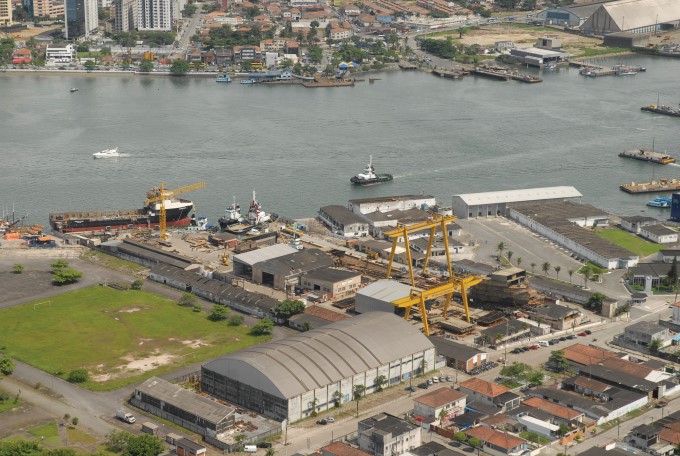
Wilson Sons shipyard (Source: Courtesy)
The timing of the WSUT transaction also offers a broader signal. Coming immediately after a major local consolidation, it demonstrates that Brazil is once again attracting both domestic and international capital. Yet it also highlights that not all capital is being deployed in the same way. Where some players are building integrated platforms, others are reinforcing core fleet positions.
The offshore sector has long oscillated between these two models. Periods of expansion often encourage diversification and operational complexity, while subsequent cycles tend to reward simplicity and financial discipline. Tidewater’s latest move suggests that, at least for now, the latter approach retains strong appeal.
In that sense, the acquisition of WSUT is less about entering Brazil and more about reaffirming a strategy. It reflects a view that, even as the offshore market evolves, its economic fundamentals remain unchanged. Vessels still require capital. Contracts still determine value. And in the end, the companies that succeed are those that manage to convert operational scale into cash without allowing capital intensity to outrun returns.
WSB Offshore Intelligence
A detailed fleet, valuation and contract exposure analysis of the WSUT acquisition — including age profile, Petrobras vs IOC exposure and replacement CAPEX implications — is available to WSB subscribers.
In this edition of One Energy Magazine, you’ll find an exclusive interview with José Eduardo Leal Senior Sales Manager at Kongsberg Maritime, focused on technology and artificial intelligence in the maritime sector.
This issue also features:
An in-depth look at Belov Arembepe
WSB Advisors Norway
Staff announcement
Por onde anda?
Camorim behind the largest light and fireworks show on Earth
Tidewater acquires Wilson Sons, plus more market updates
Perspectives from Fernando Vilela, Alexandre Vilela, Luiz Fernando Priolli and Romulo Bacchiega
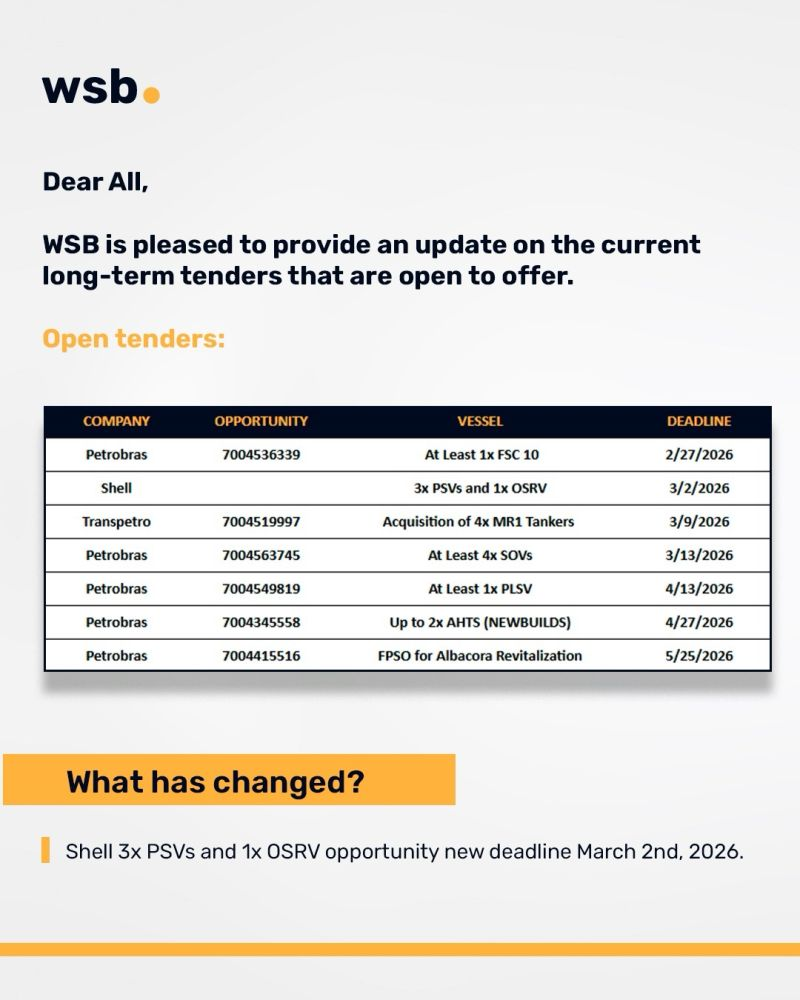
• Shell — 3x PSVs and 1x OSRV opportunity, new deadline March 2nd, 2026
What else is happening?
• Tidewater Inc. announced the acquisition of 100% of Wilson Sons Ultratug Offshore Participações S.A. and Atlantic Offshore Services S.A. in a transaction valued at approximately USD 500 million, reflecting continued consolidation dynamics in Brazil’s PSV segment.
PS: This will not be the last M&A movement in the marine & offshore market in 2026.
Wilson Sons announces the SPA (S&P Agreement) reached with SAS Shipping, fully owned subsidiary of MSC Mediterranean Shipping Company. SAS Shipping is already active in Brazil as controlling shareholder of Log-In Logística Integrada.
The closing is expected in the second half of 2025, at which time the buyer will launch a public offer to acquire the remaining shares under the same terms as the S&P agreement, in accordance with CVM regulations.
What is closing? At this stage, the buyer officially takes ownership of the shares, completing the transaction under the agreed terms.
“At the WSB Advisors Semina, we highlighted the growing trend of acquisitions within Brazilian infrastructure and shipping. As anticipated, new developments have now emerged in the market.
Admiral Ilques Barbosa Jr remarked during the seminar that infrastructure—particularly shipping—intersects with national sovereignty, pinpointing the importance of logistical security for Brazil’s future.
While WSB Advisors was not involved in the recent transaction between Wilson Sons and MSC our industry expertise leads to a broader observation: this will likely not be the last deal of its kind in the sector.
On a personal note, it may be time to reconsider the incentives and, perhaps, debate the rules surrounding Brazilian tonnage ownership. Although, in principle, the transfer of shares from Ocean Wilsons to SAS Shipping does not affect the local ownership of Wilson Sons’ operations, it raises questions about the long-term implications for national interests”, says Alexandre Vilela, CEO of WSB Advisors.
Petrobras released the preliminary rankings for the vessels registered in their tender to charter up to five OSRVs, which closed last week. Out of the 26 contenders, three were disqualified for incomplete proposals that lacked fuel consumption cost values: Mandrião and Atobá from Wilson Sons and Titan from Asgaard Bourbon Navegação. This company is still competing with two other vessels, yet to be named.
The vessels are ranked by the lowest total daily rate, including fuel costs. Leading the list is OceanPact Serviços Marítimos’s Ilha de Tinharé, followed by Brasbunker’s Mar Limpo III, V, and IV, and Bram’s Campos Contender.
The tender is divided into two lots: Lot A includes 14 vessels, while Lot B comprises 9 vessels. Some vessels, such as the ones from Brasbunker, were offered in both lots.
Petrobras released the partial homologation of the “Up to 21 PSVs” tender, as follopetrobws:
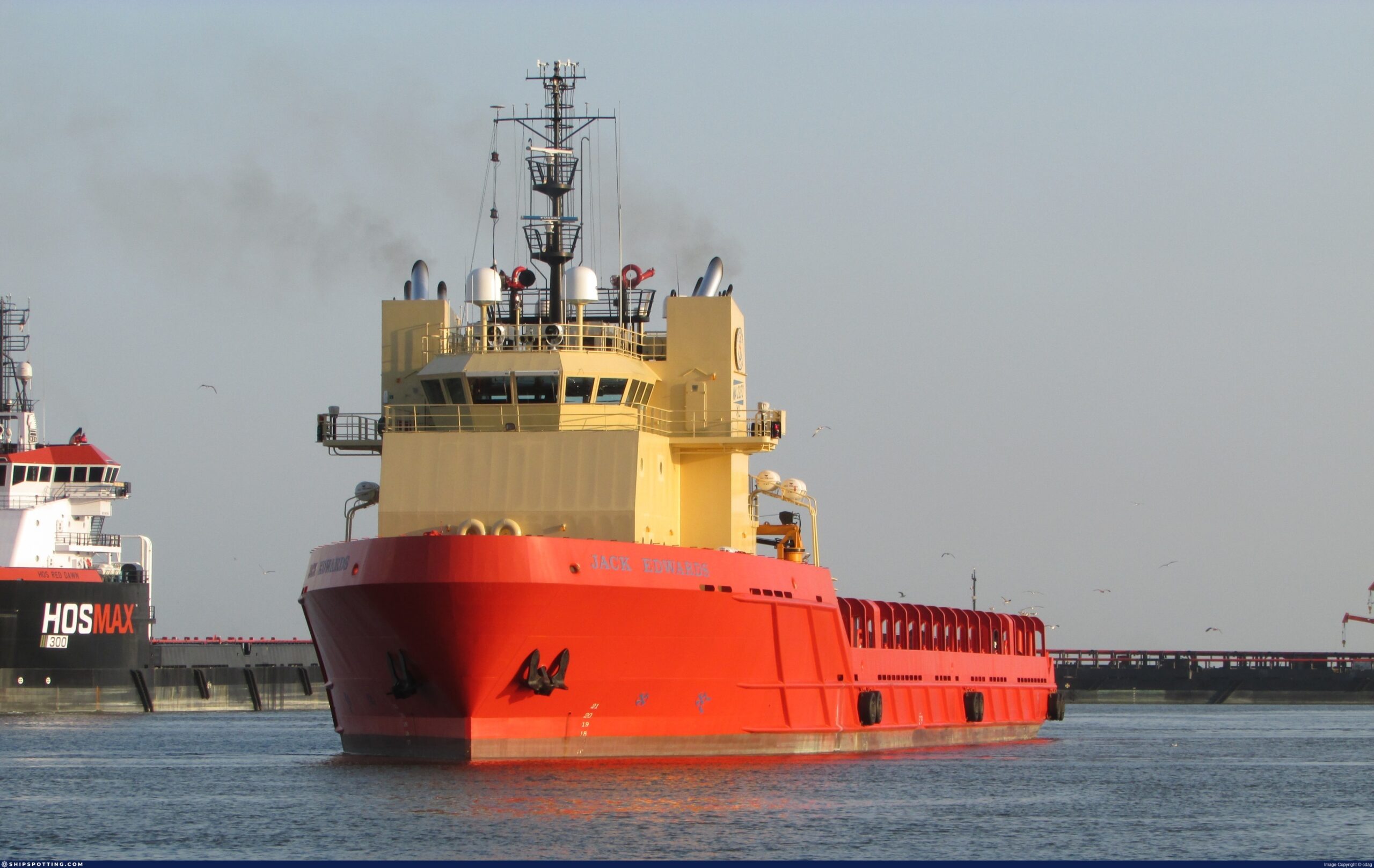
11 vessels are confirmed: Bram Búzios, Allie Chouest and Roger White, from Bram; Batuíra e Prion, from Wilson, Sons; Starnav Scorpius, from Starnav; Sealink 178, from Camorim, Posidonia Lion, from Posidonia, Wm Pacific, from Marlim (Bravante Group), e Standard Defender, from Galáxia and a new vessel, Jack Edwards, from Bram, replacing Clarence Triche. Jack Edwards and Allie Chouest have already arrived in Brazil.
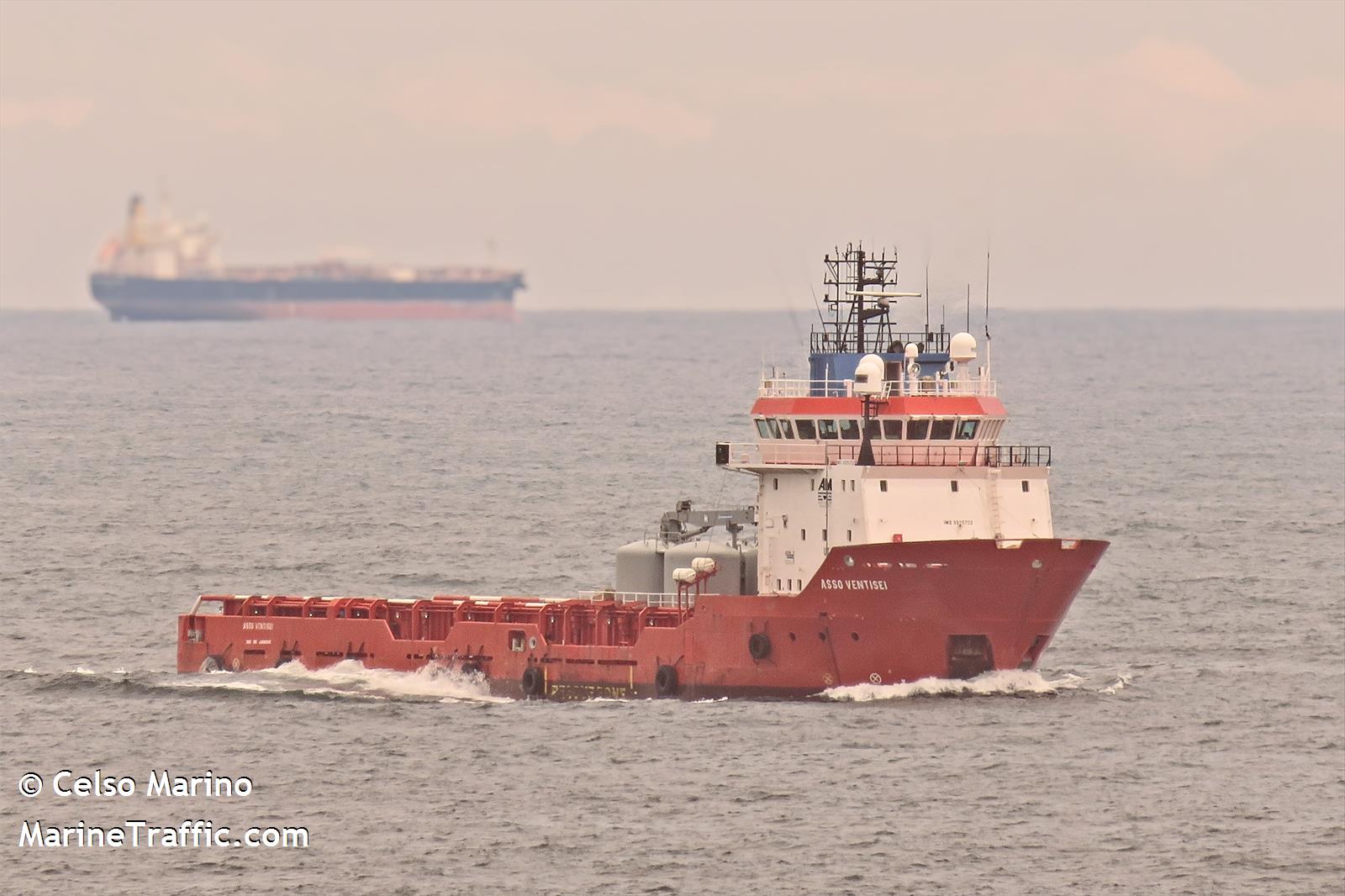
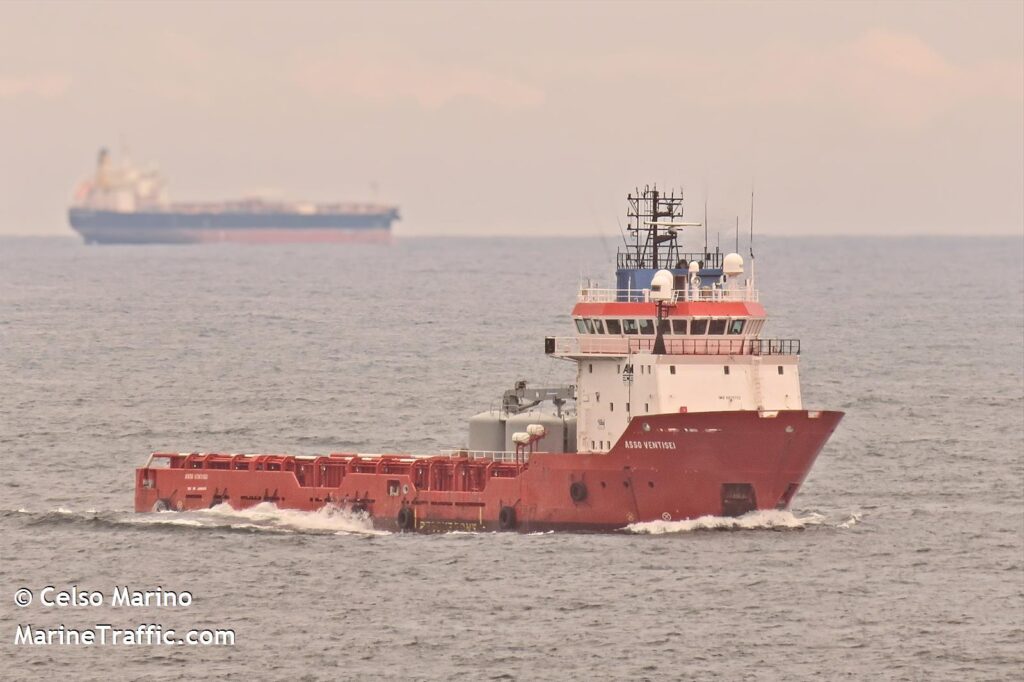
Petrobras will shortly take delivery of two PSV dry-bulk carriers, Asso Ventisei and Saveiros Fragata chartered in one of the Oil Major’s opportunities for DWT 3000 PSVs issued last year. Both vessels are going through final preparations for onhire and shall soon engage in operations. After a long wait of over 4 years for a tender of this type, these contracts mark the return of this once popular category of vessel back into Petrobras’ fleet. The hiring of not only dry-bulk carriers but also other types of PSVs such as Hybrid and Multipurpose, were all mainly driven by the increasing drilling activity by Petrobras in recent years.