The Fort Lauderdale International Boat Show (FLIBS) has long transcended the definition of a mere leisure-marine exhibition. Today, it stands as a global meeting point where technology, shipbuilding, brokerage, finance, logistics, and lifestyle converge. For the Westhon Group — and particularly for WSB Advisors, its flagship maritime intelligence and shipbroking arm — the 2025 edition offered more than an industry update. It offered perspective, convergence, and direction.
This year, board members of Westhon attended FLIBS with a dual purpose: to reassess the evolving global boating landscape and to position WSB Advisors to play a meaningful role in the next stage of Brazil’s marine, shipbuilding, and leisure-vessel markets.
A Showcase of Scale and Technical Maturity
FLIBS’ organisation remains a reference point for global maritime events. The show spans seven venues and presents a curated technical ecosystem rather than a catalogue of vessels. Every segment — from superyachts to tenders, from electronics to propulsion — is arranged with operational precision. That structure is particularly relevant to WSB Advisors, whose work depends not only on market information but on a deep understanding of how marine supply chains behave.
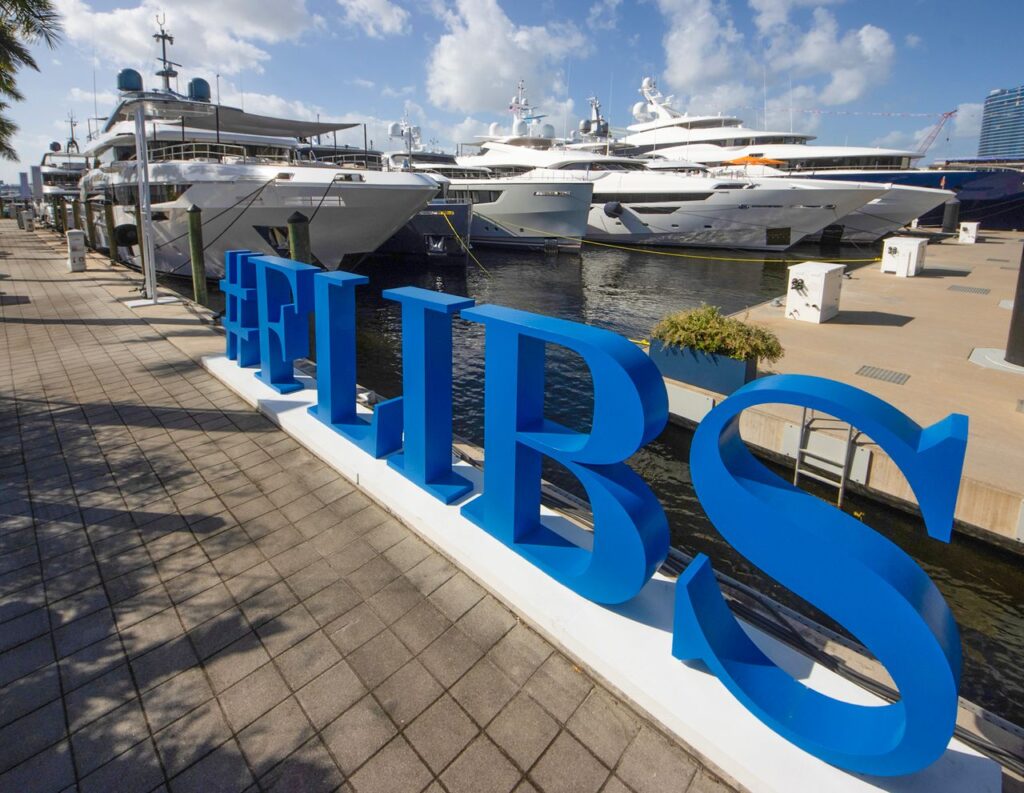
In 2025, FLIBS brought:
- more than 1,300 vessels on display;
- over 1,000 brands from 50+ countries;
- an economic impact of USD 1.7 billion to Florida;
- increased representation from shipyards, naval architects, refit specialists and marine-tech manufacturers.
For a shipbroking and intelligence house, these numbers matter. Growth in the leisure sector typically precedes investment waves in support infrastructure, finance, and later — as in Brazil — regulatory adaptation. Understanding this cycle is essential for anticipating vessel flows, demand drivers and shipbuilding opportunities.
WSB Advisors: Connecting International Shipping With Emerging Marine Niches
WSB Advisors’ traditional expertise is rooted in offshore support vessels, project cargo, industrial tonnage, and shipyard-related strategy. But the maritime world is changing, and the boundaries between industrial and leisure segments are becoming increasingly permeable.
FLIBS revealed three particularly relevant intersections:
1. The global mobility of vessels and the rise of multi-regional dry-transport networks
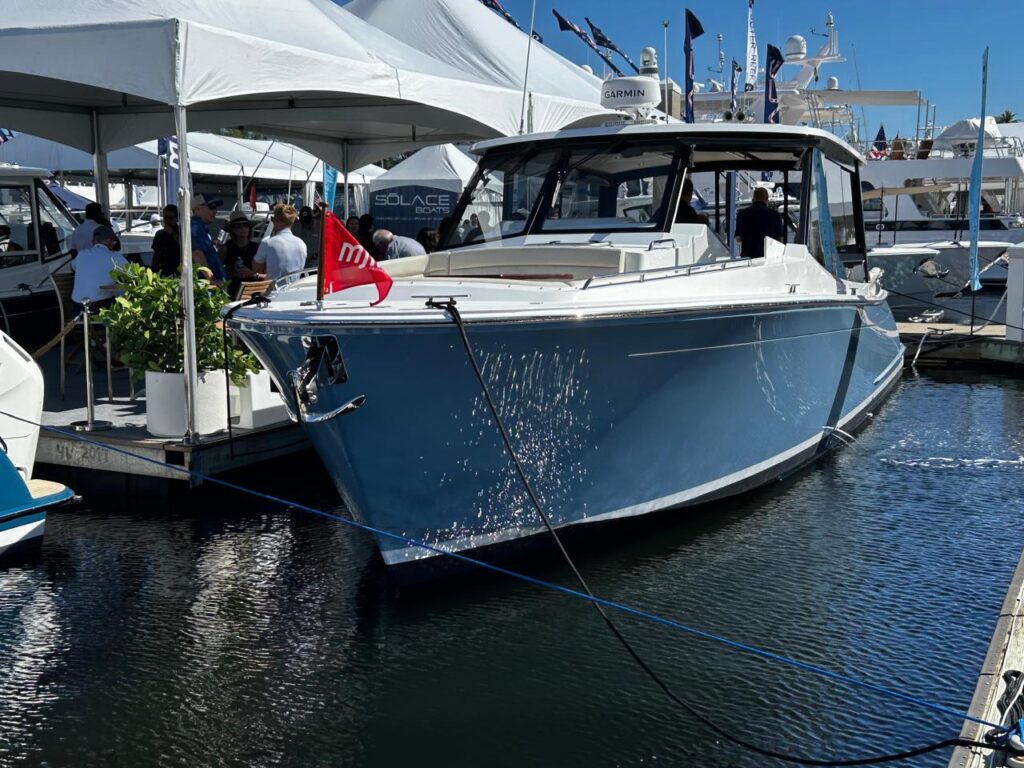
The delegation met international co-brokers who specialise in seasonal yacht relocation to South America and the Mediterranean. These networks, although leisure-orientated, open channels for repositioning vintage offshore support vessels to jurisdictions that have consolidated dismantling and repurposing capacity — an area where Brazil still faces regulatory and technical bottlenecks.
This creates a two-way market:
- pleasure craft heading into Brazil,
- older offshore units moving out of Brazil for compliant end-of-life handling.
Such flows fit directly within WSB Advisors’ brokerage structure.
2. Shipbuilding insights beyond traditional offshore and merchant vessels
FLIBS gave visibility to shipyards diversifying into fast craft, aluminium builds, composite construction, and hybrid propulsion solutions. For WSB Advisors, which is studying new pathways for shipbuilding in Brazil beyond tankers, gas carriers, and OSVs, these sectors offer technological spillover and industrial insights.
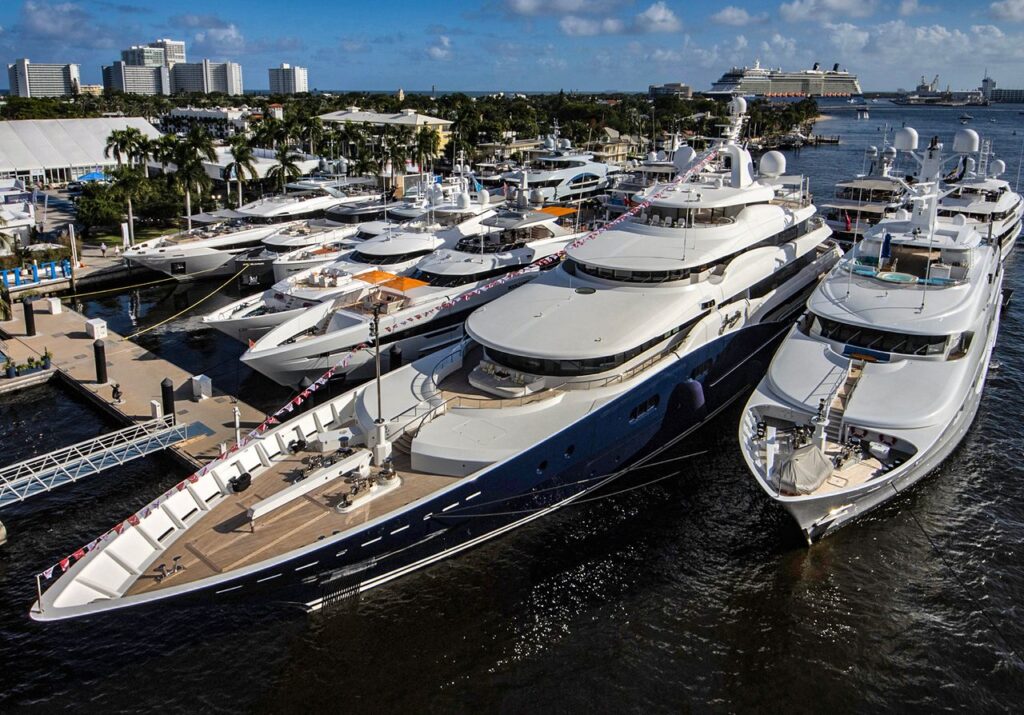
The leisure-marine industry is often the first to adopt innovation: lightweight materials, digital helm systems, advanced navigation electronics, battery-hybrid arrangements. These technologies eventually influence commercial shipbuilding. WSB’s engineering and advisory teams benefit from understanding these early trends.
3. Brazil’s underexplored leisure-vessel potential
WSB Advisors will take the lead within Westhon’s structure to develop activities in boating and marine leisure, including brokerage, refit intelligence, design partnerships, and eventually domestic shipbuilding pathways. The Brazilian market remains fragmented but rapidly growing. FLIBS offered a strategic benchmark of where Brazil can evolve — and where WSB can position itself.
Human Connections Behind the Technical Landscape
Beyond numbers and logistics, FLIBS also reaffirmed a human truth: maritime business is built on relationships.
The Westhon delegation reconnected with long-standing colleagues and suppliers such as Yanmar, Raymarine, Garmin, and engineers and managers from global shipyards. These conversations highlighted shared challenges: equipment availability, import cycles, emissions regulations, electronic integration, and the need for standardised service networks across the Americas.
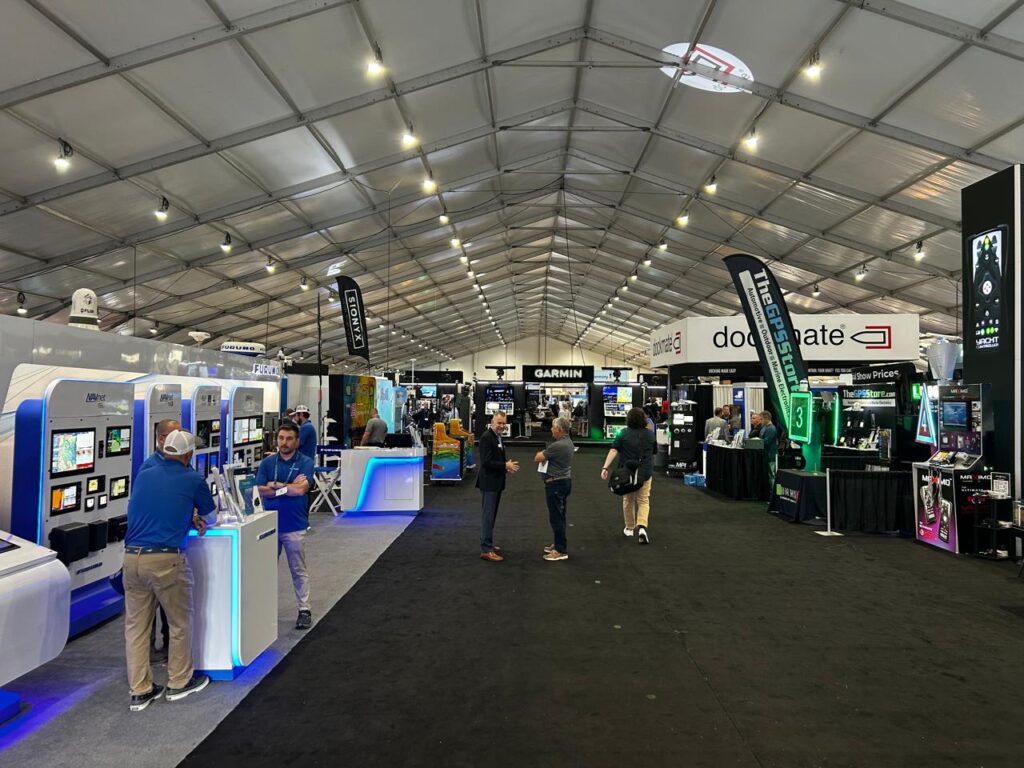
WSB Advisors, whose model blends technical brokerage with human-centric market engagement, benefitted from this environment. The show’s atmosphere — a mix of engineering precision and boating passion — reflects precisely the crossover that defines WSB’s approach: data and relationships, intelligence and proximity, strategy and trust.
Technical Themes With Strategic Impact
Several technical developments at FLIBS directly aligned with Westhon and WSB’s focus areas:
- Sustainability & Hybrid Systems
Battery-hybrid propulsion advances are accelerating in leisure craft and are likely to influence auxiliary systems on offshore vessels. - Electronics Integration
Raymarine and Garmin showcased new unified bridge systems, increasingly user-friendly yet deeply data-driven. Such interfaces foreshadow the future of small commercial craft and support boats in Brazil. - Modular Shipbuilding
A number of yards presented modular and pre-fabricated solutions that could be adapted to regional Brazilian shipyards seeking competitive differentiation beyond heavy steel. - Lifecycle Management
Discussions on responsible dismantling and vessel lifecycle planning underscored the relevance of WSB Advisors’ work on the safe redeployment of ageing offshore tonnage.
These themes play naturally into the intelligence, brokerage, engineering and shipyard advisory capabilities that WSB Advisors has spent years consolidating.
A Moment of Strategic Convergence
FLIBS 2025 offered Westhon and WSB Advisors a rare combination of technical content, market visibility, networking and future-oriented insight. It bridged the firm’s core offshore and industrial domains with the fast-evolving world of leisure-marine technology, supply chains and vessel mobility.
Above all, the event reinforced that WSB Advisors’ future lies not only in managing complex offshore and shipyard deals but also in shaping new market entries — including the professionalisation of Brazil’s boating sector and the development of a cross-Americas maritime intelligence network. In a global industry where technology advances quickly and relationships matter deeply, FLIBS served as both a mirror and a compass: reflecting where the market stands today and guiding where Westhon and WSB Advisors can go next.
Stay tuned — the next edition of One Energy goes live soon.
WSB Advisors. No detail too small. Stay informed with WSB-One.