Blog

  • OTC 2026 to gather industry players in Houston

    OTC 2026 to gather industry players in Houston

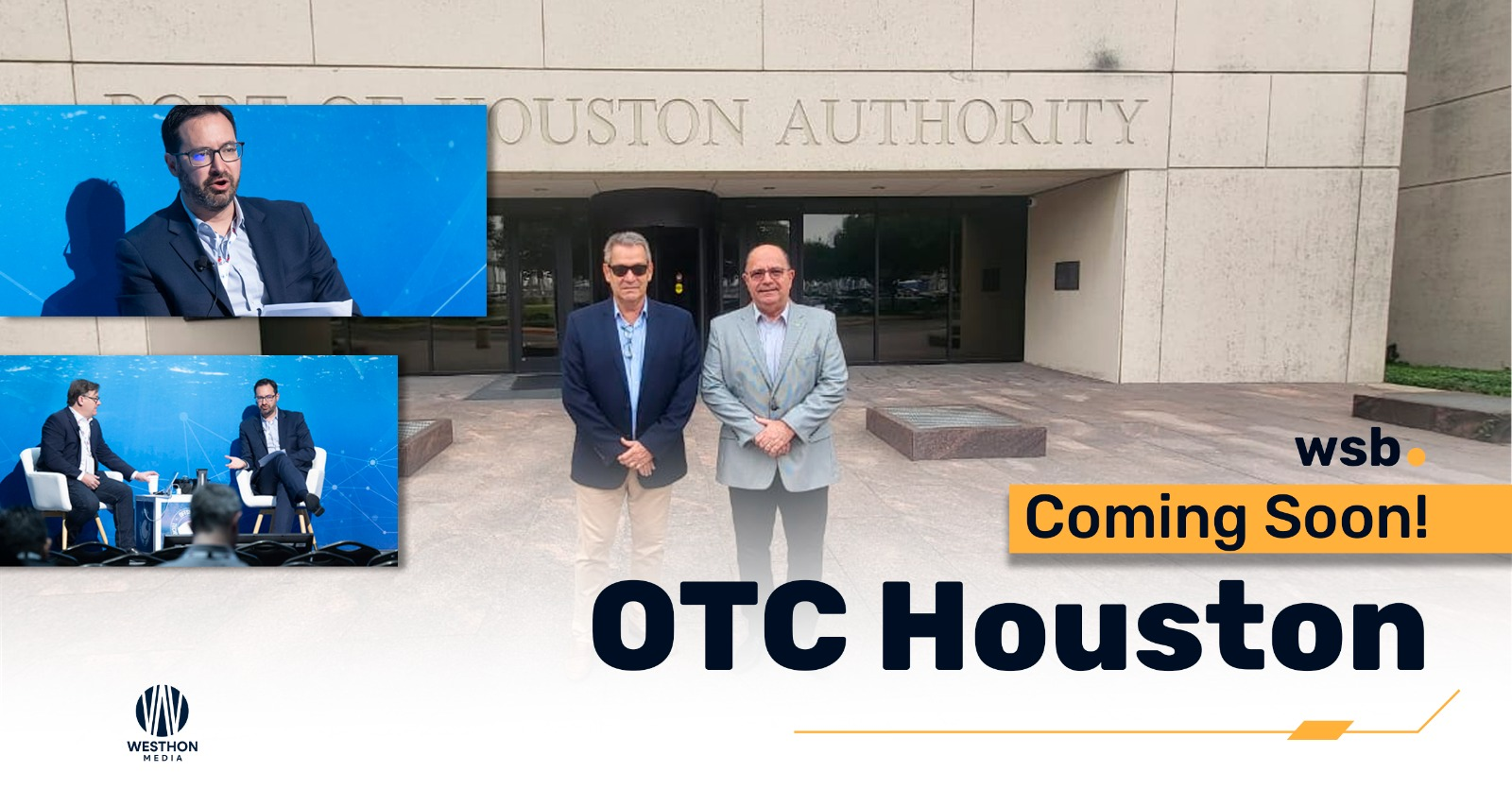
    The offshore industry is set to convene at the Offshore Technology Conference (OTC) 2026, scheduled to take place from May 4 to 7 in Houston.

    Established in 1969, OTC remains one of the largest global gatherings in the offshore sector, typically attracting more than 30,000 professionals. The event’s agenda is expected to focus on topics such as offshore innovation, energy transition and operational efficiency.
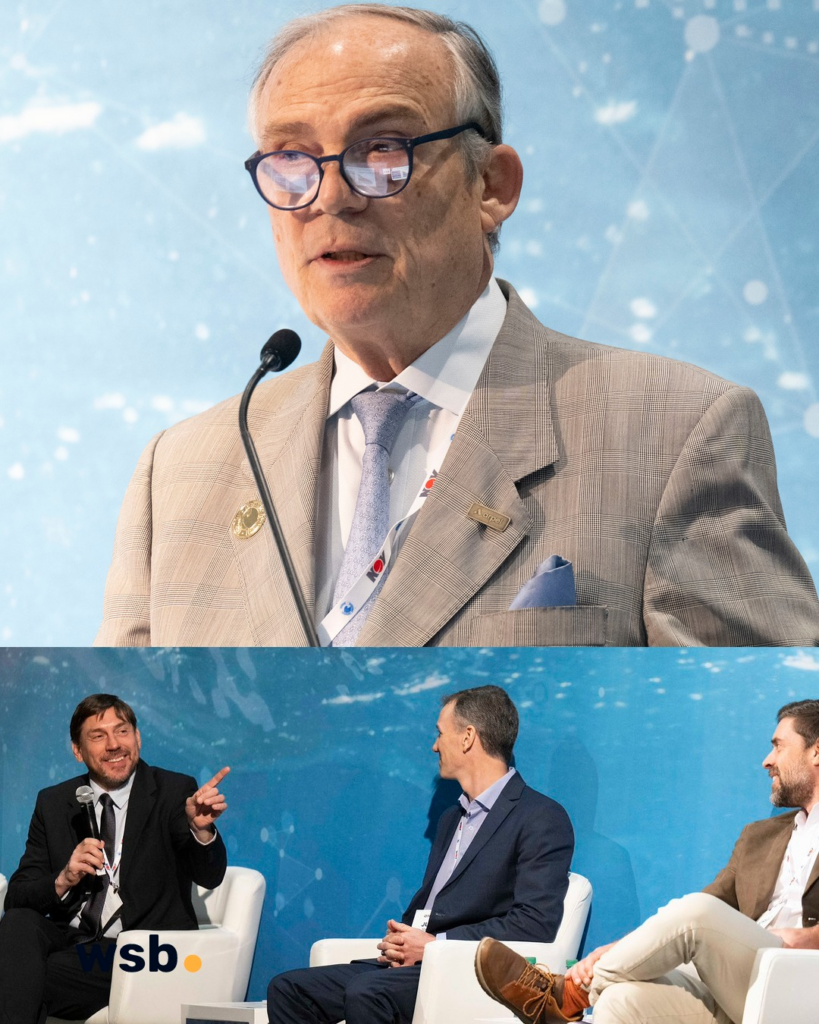
    WSB Advisors will be represented at the conference by Alvaro Antunes, CEO of Intcom and partner of the consultancy.

    In addition to participating in the official program, Antunes is expected to attend meetings with industry counterparts in Houston, following the typical pattern of parallel business activity that takes place during OTC.

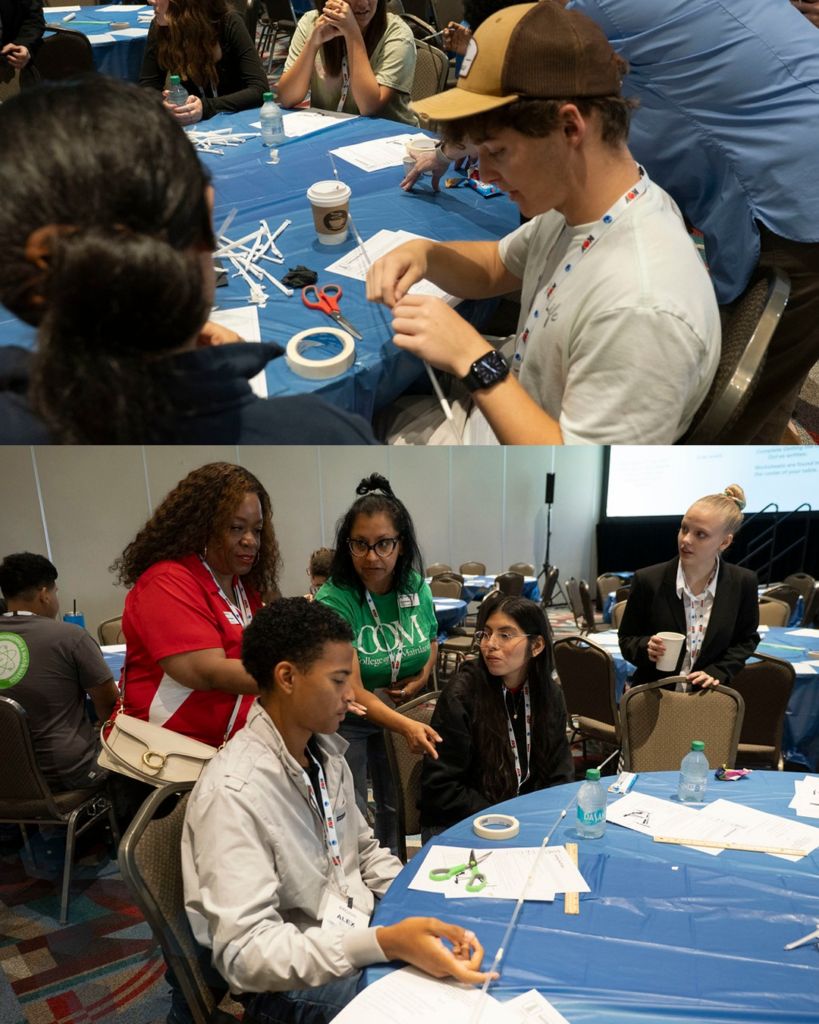
    • Editorial note: The images used in this post are from the 2025 edition

    Stay informed on key offshore developments — visit wsb-one.com, our data platform trusted by leading offshore companies.
  • Petrobras starts production from FPSO P-79 at Búzios ahead of schedule

    Petrobras starts production from FPSO P-79 at Búzios ahead of schedule

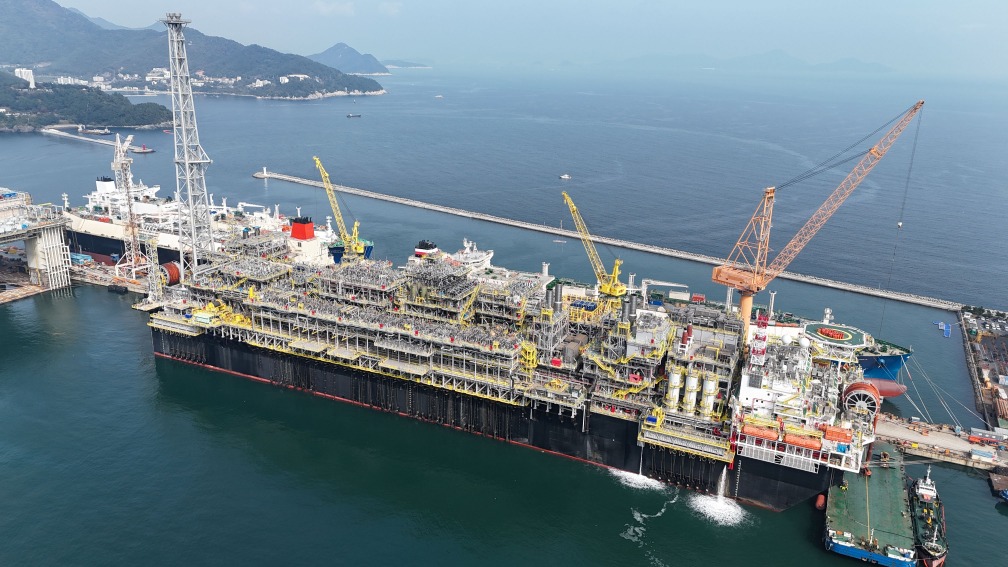
    Petrobras began oil production from the FPSO P-79 on May 1, marking an early start compared to the schedule outlined in the company’s latest Business Plan (2026–2030).

    P-79 is operating in the Búzios Field, Santos Basin. The unit has the capacity to produce up to 180,000 barrels of oil per day and compress 7.2 million cubic meters of gas. With its start-up, the field’s installed production capacity reaches around 1.3 million barrels per day.

    The vessel arrived from the Hanwha Ocean shipyard in February and measures approximately 345 meters in length.

    The FPSO is part of the Búzios 8 Development Project, which includes 14 wells — eight producers and six injectors — equipped with intelligent completion systems. The unit is connected through rigid pipelines for production, injection, and gas export, as well as flexible lines for service support.

    P-79 is the eighth FPSO in operation in Búzios, currently Brazil’s largest producing field, which surpassed 1 million barrels per day in 2025. Discovered in 2010, the field is located around 180 km offshore, in water depths exceeding 2,000 meters.

  • Petrobras CEO Magda Chambriard elected chair of Braskem board amid ownership reshuffle

    Petrobras CEO Magda Chambriard elected chair of Braskem board amid ownership reshuffle

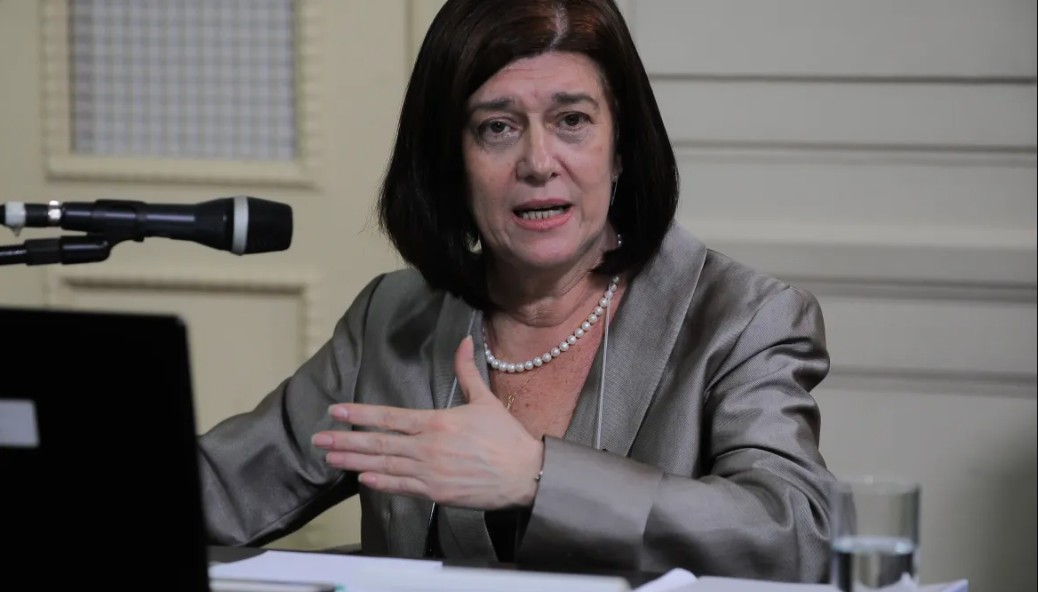
    Magda Chambriard, CEO of Petrobras, has been elected chair of the board of Braskem, following recent changes in the company’s ownership structure.

    The appointment comes amid the ongoing transition of control previously held by Novonor, marking a new phase in Braskem’s governance.

    Petrobras holds approximately 47% of voting shares and 36.1% of total capital in Braskem, positioning itself as a key shareholder in the company. Chambriard’s election reinforces Petrobras’ role in the company’s strategic direction at a time of broader restructuring.

    The move reflects a shift toward greater influence over governance without changes in equity participation, as Petrobras continues to reassess its position across the downstream and petrochemical segments.

    Stay informed on key offshore developments — visit wsb-one.com, our data platform trusted by leading offshore companies.
  • Patrol vessel Mangaratiba

    Patrol vessel Mangaratiba

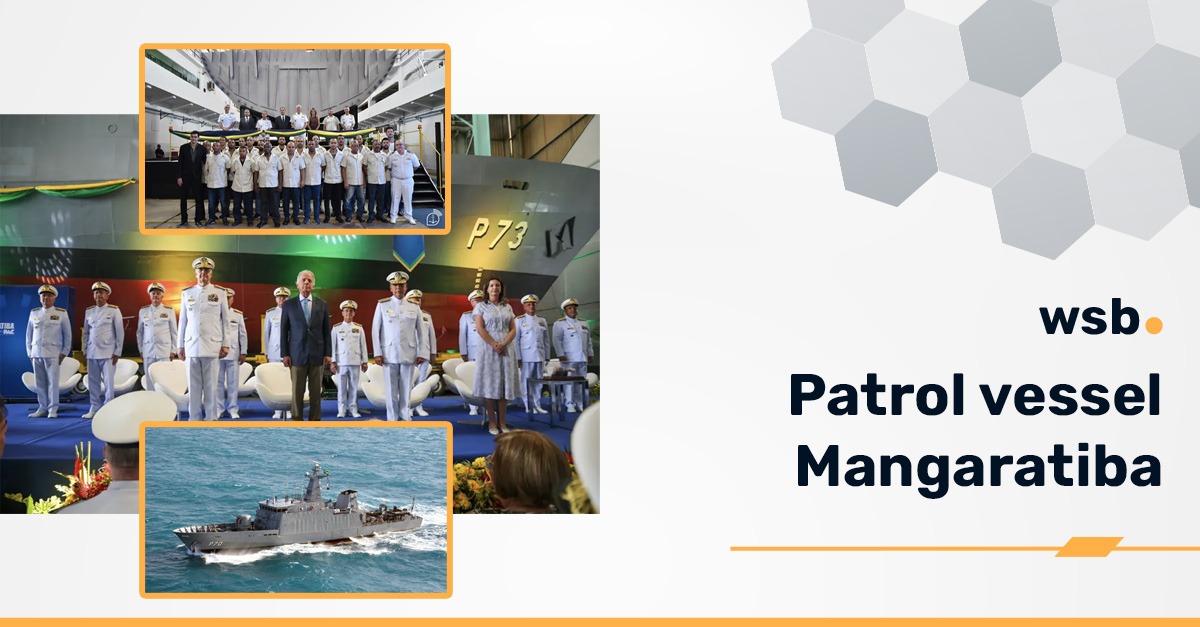
    Marinha do Brasil recently held the launching ceremony of the patrol vessel “Mangaratiba” (P73) at the Arsenal de Marinha do Rio de Janeiro (AMRJ). Following the ceremony, the vessel will proceed to the next stages, including harbor trials, sea trials, and weapons trials — preceding its commissioning into operational service. Full incorporation into the fleet is expected in the second half of this year.

    Construction of the “Mangaratiba” began at a civilian shipyard and was completed at AMRJ, where structural work was finalized and propulsion, electrical, navigation, communication, and weapons systems were installed. Measuring 54.2 meters in length, the vessel has an endurance of approximately 2,500 nautical miles (around 5,000 kilometers) and can accommodate up to 51 personnel, enabling extended operations in remote areas.

    What is a patrol vessel?

    It is a small- to medium-sized warship, designed for versatility and agility in coastal, riverine, and jurisdictional waters. Its main roles include maritime law enforcement, search and rescue (SAR) operations, combating illicit activities such as illegal fishing and smuggling, and protecting strategic assets such as offshore oil platforms.“

    “Mangaratiba” is the fourth patrol vessel of the Macaé class, following:

    • NPa Macaé (P70), commissioned in 2009

    • NPa Macau (P71), commissioned in 2010

    • NPa Maracanã (P72), commissioned in 2022

    The next vessel in this series is the patrol vessel “Miramar” (P74), currently under construction, with launch expected around 2028. Keel laying took place in 2024.

  • Wilson Sons tests drone deliveries for offshore support vessels in Guanabara Bay

    Wilson Sons tests drone deliveries for offshore support vessels in Guanabara Bay

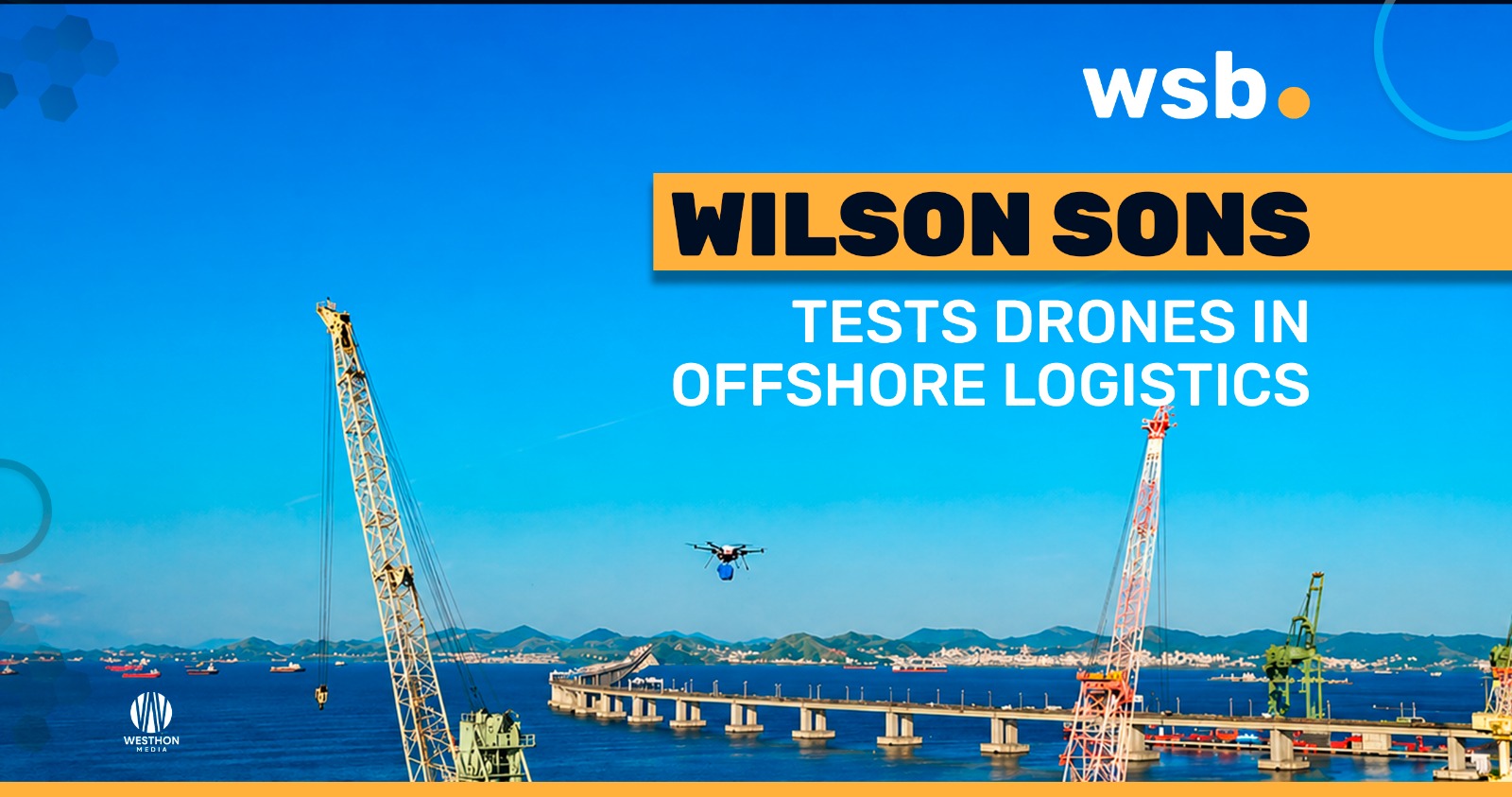
    Wilson Sons has started testing the use of drones to deliver and collect documents from offshore support vessels operating in Guanabara Bay, Rio de Janeiro.

    The operation is currently in a proof-of-concept phase and uses equipment from Speedbird Aero, with support from the company’s offshore base in Rio. Flights cover distances of approximately eight kilometers, with a duration of up to nine minutes, transporting light payloads.

    The initiative follows previous tests conducted at the Port of Salvador and aims to evaluate the technical feasibility of applying drone operations to maritime logistics.

    According to the company, the tests were carried out with the necessary authorizations from the National Civil Aviation Agency (ANAC) and the Department of Airspace Control (DECEA).

    The scope at this stage remains limited to document transfer, with the objective of assessing operational performance, reliability and integration with existing port and offshore routines.

  • Petrobras reinforces Campos Basin strategy with Argonauta transaction

    Petrobras reinforces Campos Basin strategy with Argonauta transaction

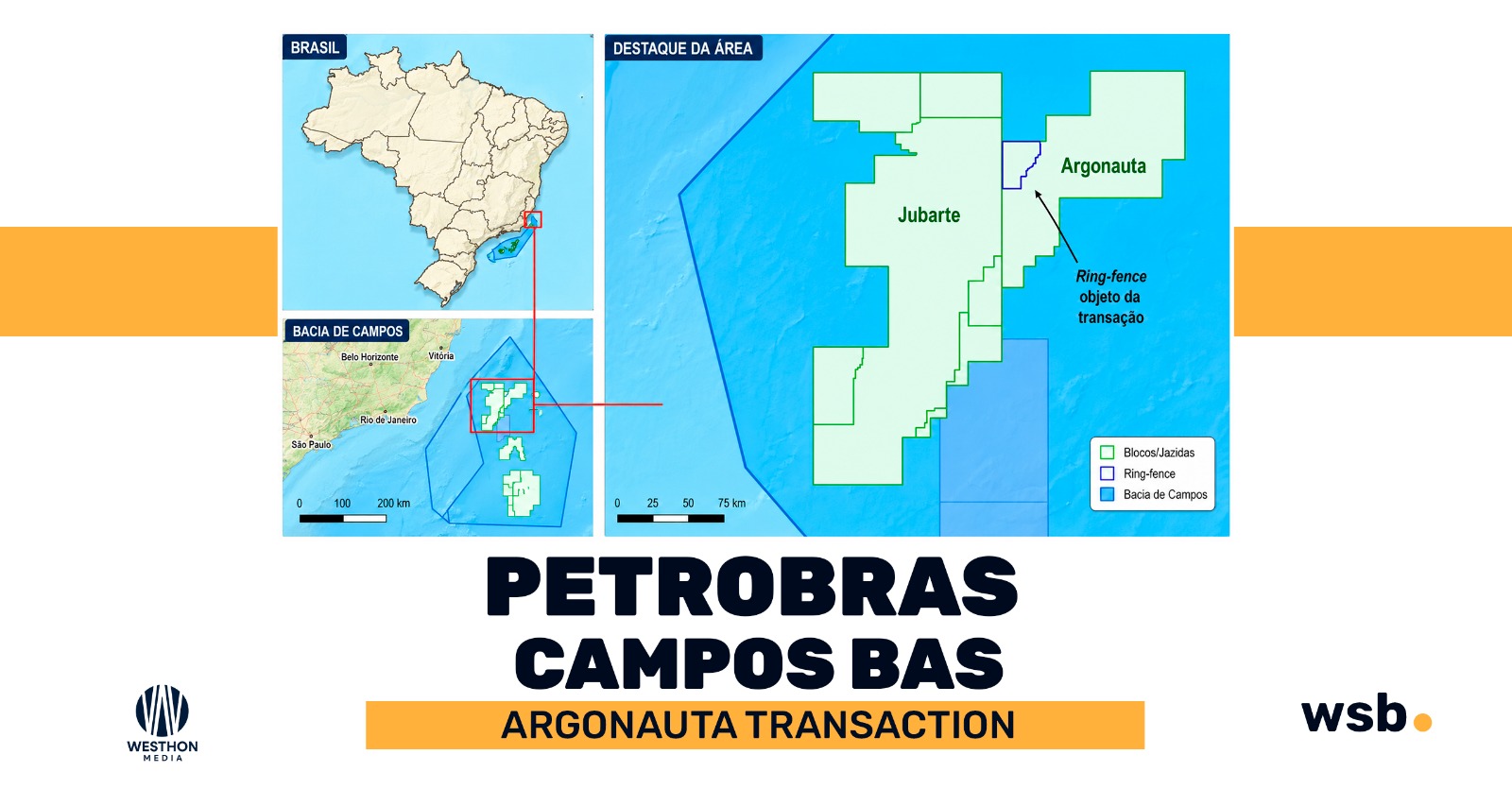
    Petrobras announced an agreement to acquire 100% of a ring-fence portion of the Argonauta Field, in the Campos Basin, currently held by Shell, ONGC and Brava.

    The transaction involves a portion of Argonauta linked to 0.86% of the shared Jubarte pre-salt reservoir. The total consideration will be R$700 million plus US$150 million, subject to contractual adjustments and closing conditions.

    Once completed, Petrobras will hold 98.11% of the Jubarte Shared Reservoir, while the Brazilian government, represented by PPSA, will retain 1.89% related to the extension of the reservoir into non-contracted areas.

    More than a portfolio adjustment, the deal points to a broader strategy: Petrobras is consolidating control over profitable producing assets in the Campos Basin, simplifying governance and reinforcing its position in Brazil’s oldest offshore producing province.

    The move follows other recent transactions, including the reacquisition of Petronas’ stake in Tartaruga Verde and Espadarte Module III, and is aligned with the company’s 2026–2030 Business Plan, which prioritizes value maximization in resilient upstream assets.

    In a market where new frontier development faces longer licensing cycles and higher execution risk, mature basins with existing infrastructure are gaining renewed strategic relevance.

    Campos Basin is no longer just a legacy province. It is becoming a core pillar in Petrobras’ portfolio optimization strategy.

    Stay informed on key offshore developments — visit wsb-one.com, our data platform trusted by leading offshore companies.
  • RSV Bid 2024: DOF awarded

    RSV Bid 2024: DOF awarded

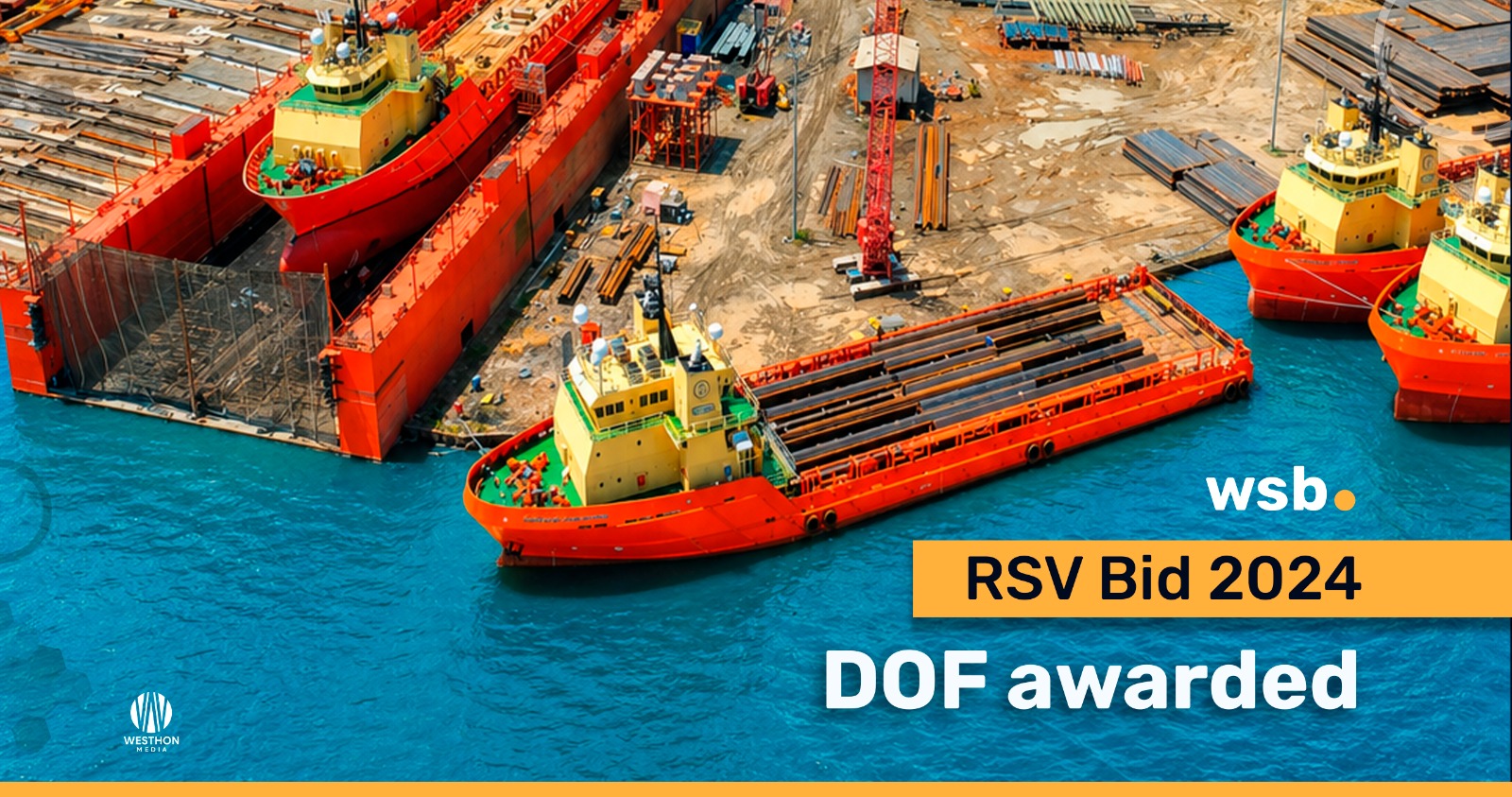
    Petrobras awarded this week four RSV-type vessels to DOF under bid 7004319394, launched in 2024. The contracts have a 12-year term and total more than R$11.05 billion, with an estimated day rate of around US$116,364 per vessel.

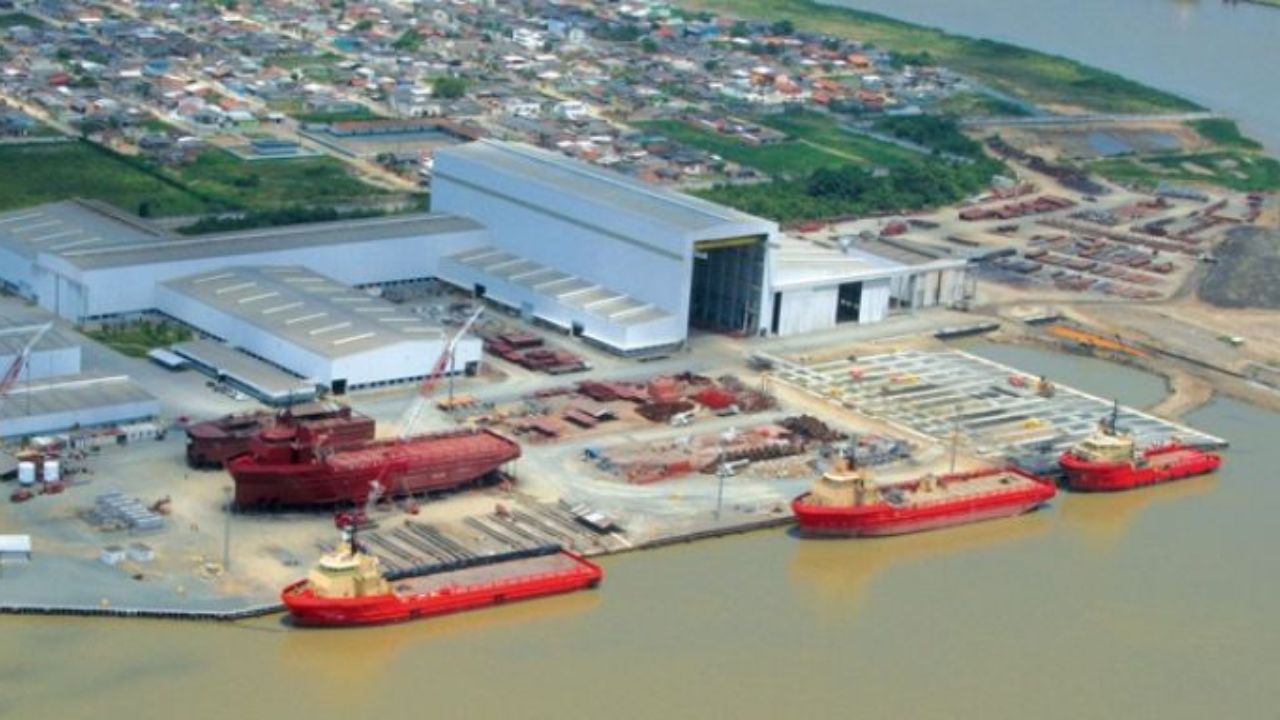
    The vessels will be built at the Navship shipyard.

    In addition, the same yard will also be responsible for four other vessels under this tender, which were already awarded last year to Bram Offshore, at a day rate of US$108,990 per vessel.

  • Petrobras postpones AHTS newbuild tender

    Petrobras postpones AHTS newbuild tender

    Bad news? At first glance, yes.

    But maybe not.

    The tender has moved from 27 April to 27 May, after a series of updates and adjustments to the specs.

    In plain English: Petrobras seems to be listening.

    And in a high-spec AHTS newbuilding tender, listening to the market is not weakness. It may be exactly what is needed to bring more yards, more suppliers, more owners and — ultimately — more competition to the table.

    The real story is not the delay.

    The real story is whether this extra month turns into better bids, more bidders and a stronger tender.

    Bram and DOF remain names to watch.

    But the door may now be slightly more open.

    More time. More offers. More competition.

    That is where the market should be looking.

  • Open Tenders and more

    Open Tenders and more

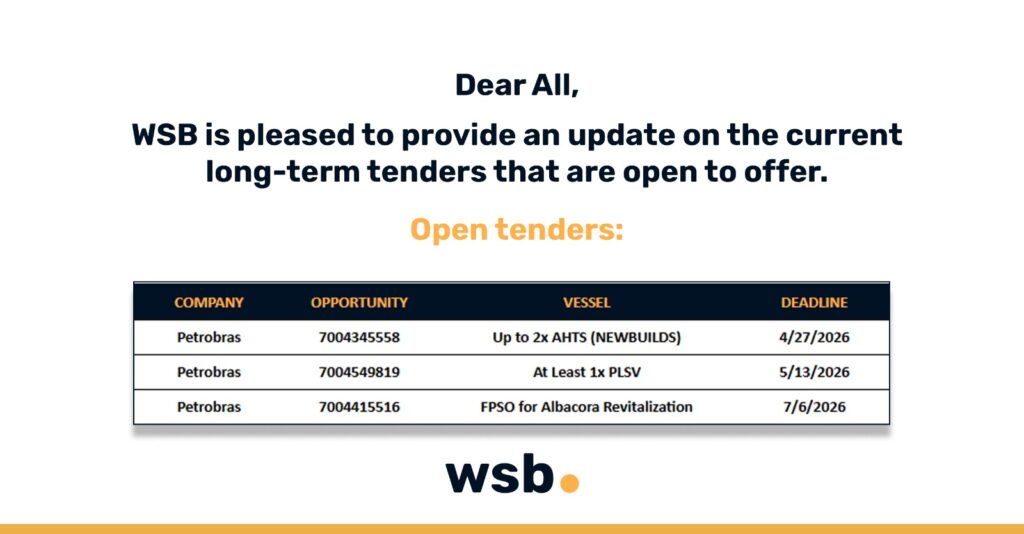
    Dear All,

    WSB is pleased to provide an update on the current long-term tenders that are open to offer.

    What has changed?


    What else is happening?

    VLI has begun a R$ 80 million upgrade of the São Luís Port Terminal (TPSL) in Maranhão, with completion expected in the first quarter of 2027.  The project aims to boost operational efficiency, raising maritime loading capacity from 3,000 to 3,700 tons per hour, a 23% increase, and internal grain outflow from 1,500 to 2,000 t/h, up 33%. In 2025, TPSL handled 5.8 million tons through Berth 105, 4.1% more than in 2024. The terminal is part of VLI’s Northern Corridor, which serves the Matopiba region and moved 15 billion TKU last year.

  • Coming Soon – Energy Talks – Amanda Durante

    Coming Soon – Energy Talks – Amanda Durante

    In the next edition of Energy Talks, we speak with one of the young leaders gaining ground in Brazil’s energy sector.

    At just 28, Amanda Durante shares how a pivotal early-career moment became the starting point for building a company with nationwide reach. As founder of iGreen Energy, she discusses the challenges of scaling an innovative business model in a fast-evolving market.

    Recognized in the Forbes Under 30 list, Amanda brings a direct perspective on leadership, execution, and growth. The conversation also explores Brazil’s regulatory environment and the outlook for solar energy in the country.

    An interview grounded in real experience — from someone actively shaping Brazil’s energy transition.

  • Open Tenders

    Open Tenders

    Dear All,

    WSB is pleased to provide an update on the current long-term tenders that are open to offer.

    Open tenders


    What has changed?

    – No updates

  • P-79: new step

    P-79: new step

    Petrobras has completed the tieback of the Búzios 90 well, a step that enables first oil from the P-79 platform in the Búzios field, in the Santos Basin. The unit will have the capacity to produce up to 180,000 barrels of oil per day and compress 7.2 million cubic meters of gas, becoming the eighth platform operating in the field. Start-up now depends only on approval from the Agência Nacional do Petróleo (ANP).

    According to the company’s CEO, Magda Chambriard, the platform is ready to begin operations once regulatory clearance is granted. She highlighted the complexity of the work, which involved around 1,300 hours and the installation of 15 km of flexible and rigid lines, as well as umbilicals. The Búzios 90 well is expected to produce about 50,000 barrels per day.

    Located about 180 km off the coast of Rio de Janeiro in ultra-deep waters, P-79 is part of the Búzios 8 project, which includes 14 wells — eight producers and six injectors — as well as a gas export pipeline connected to the Rota 3 system.

    The tieback campaign was carried out alongside anchoring operations and involved 11 vessels, both owned and contracted. According to the company, the main challenges were managing simultaneous activities on the FPSO and in the subsea environment, as well as logistical constraints.