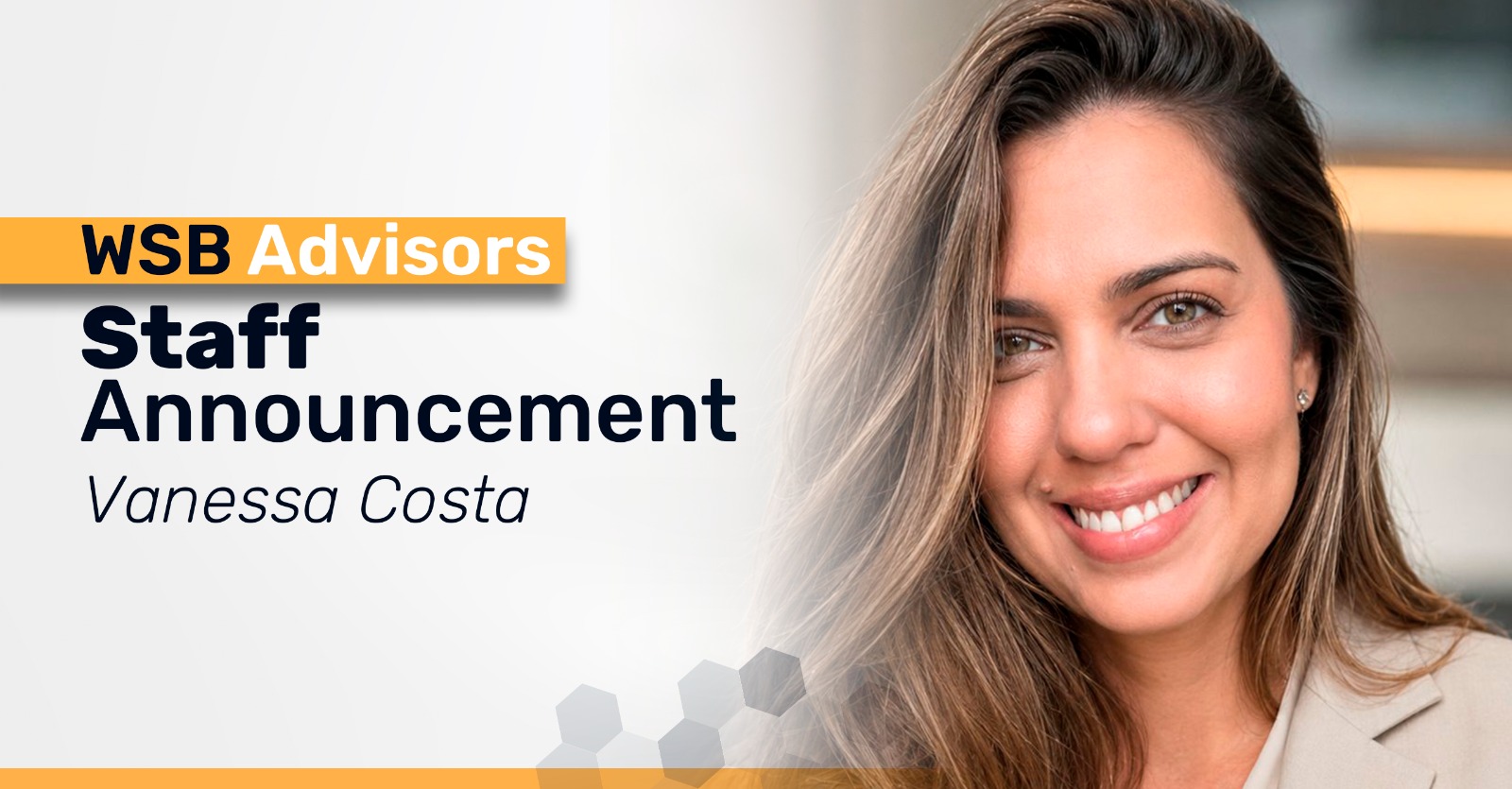
WSB Advisors is pleased to announce the arrival of Vanessa Costa as the company’s new Brokerage & Commercial Strategy Lead. With more than 15 years of experience in the energy and offshore sectors, Vanessa brings a unique combination of technical expertise, commercial vision and international market knowledge.
A Chemical Engineer graduated from PUC-Rio, she built a solid career in the Oil & Gas industry, with extensive experience in business development, commercial strategy and offshore operations across Latin America.
A significant part of her professional journey was built at bp/Castrol, where she held technical and commercial roles across the LATAM region from 2016 to 2024. During this period, Vanessa strengthened relationships with global partners, managed strategic commercial contracts and actively contributed to initiatives focused on ethical leadership, diversity and innovation within the energy sector.
Throughout her career, she also developed expertise in offshore market dynamics, vessel operations, energy transition and international business development, becoming a respected voice within the industry.
At WSB Advisors, Vanessa will focus on expanding brokerage opportunities, strengthening strategic commercial relationships and supporting the company’s continued growth in Brazil and international markets.
In addition, she will reinforce the existing commercial structure, bringing a collaborative approach and strong market intelligence to ongoing and future projects. Her arrival represents another important step in WSB Advisors’ commitment to delivering high-level strategic solutions to the maritime, offshore and energy industries.
Welcome to the team!
#offshore #shipbroking #wsb #staffannouncement #commercial
Blog
-
Staff Announcement – Vanessa Costa
-

Breaking news
Wilson Sons tugboats surrounded the MSC Katrina into Guanabara Bay. The impressive New Panamax vessel measures 366 meters in length. Part of the operation could be seen directly from our office in downtown Rio de Janeiro.
Petrobras announced R$ 37 billion in investments in the state of São Paulo through 2030, with a focus on refining, biorefining, E&P, decarbonization, and sustainable energy generation projects. Part of the investment will go to the Paulínia Refinery, which will receive R$ 6 billion to expand production capacity and strengthen the supply of more sustainable fuels.
Petrobras reported net income of R$ 32.7 billion in the first quarter of 2026, up 110% compared to the previous quarter. The result was driven by higher production, stronger Brent prices, and improved operational performance.
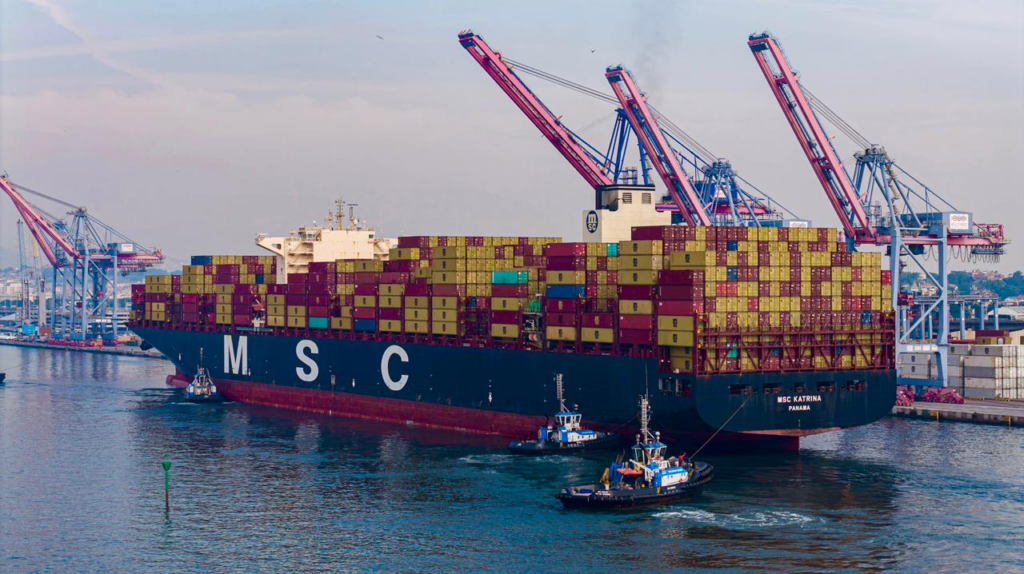
MSC Katrina (Source: Porto do Rio) -
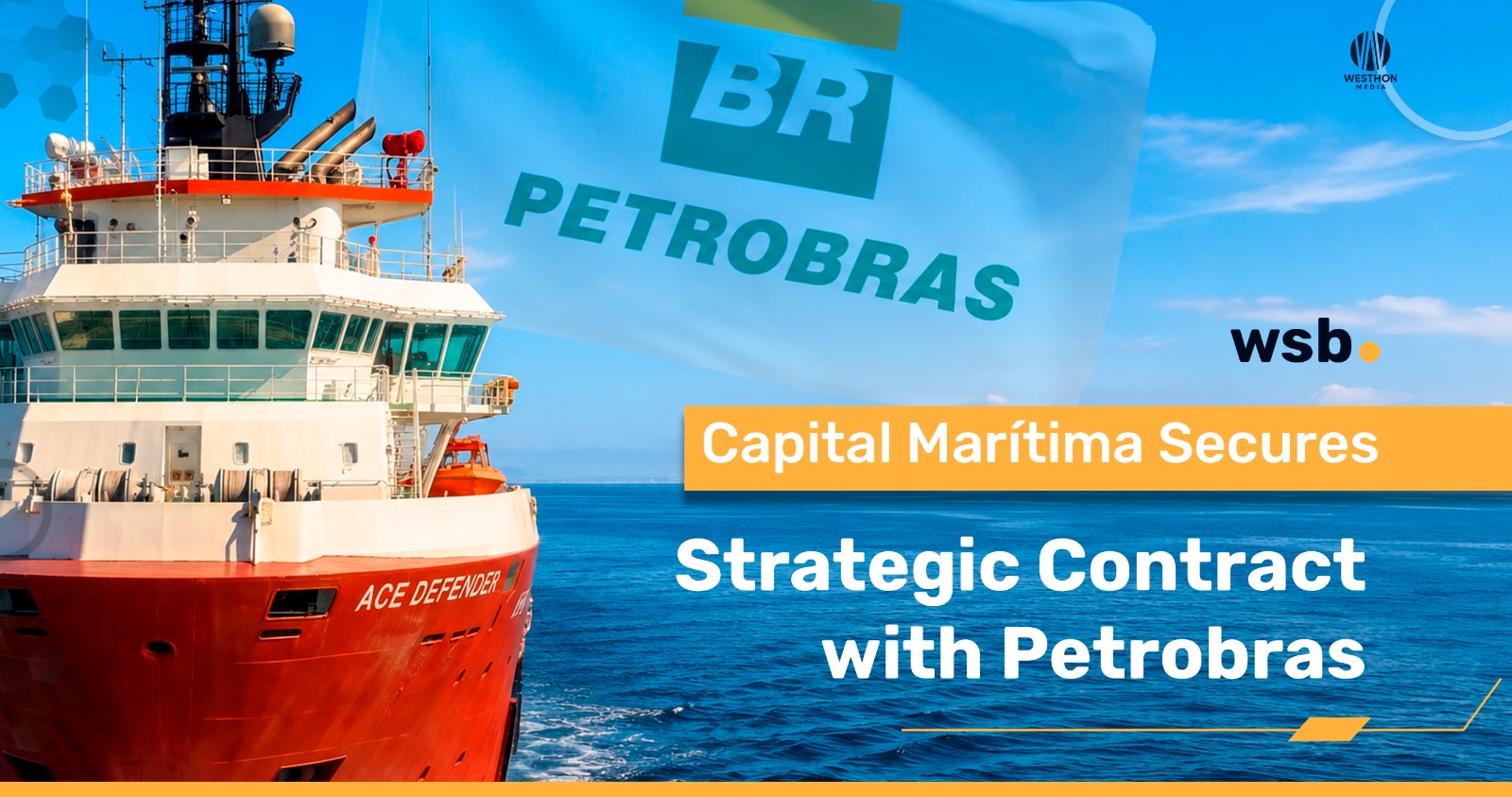
Capital Marítima announces Petrobras contract
Capital Marítima has announced a new contract with Petrobras, marking a significant step forward in the company’s expansion within Brazil’s offshore support market. The agreement involves the vessel Ace Defender, a Platform Supply Vessel (PSV) that will now join Petrobras’ operations under a time charter contract with a fully integrated crew package.
Headquartered in Barra da Tijuca, Capital Marítima operates in the offshore marine sector with a portfolio focused on vessel ownership and operations, offshore and port support services, coastal shipping, Ship-to-Ship (STS) operations, and the development of integrated marine solutions for Brazil’s energy industry.
Under the time charter agreement, the Ace Defender will be delivered fully crewed and ready for immediate deployment, strengthening Petrobras’ operational capabilities in the offshore marine support segment. The vessel will become part of the fleet dedicated to the logistical support of deepwater and ultra-deepwater operations, a market segment experiencing continued growth amid rising demand for specialized marine services in the oil and gas industry.
The new contract represents an important milestone for the company and highlights the growing participation of qualified Brazilian shipowners in supporting Petrobras’ offshore operations, further reinforcing the expansion of the country’s maritime industry.
WSB Advisors will continue monitoring Capital Marítima’s development as the company further consolidates its position within Brazil’s offshore support vessel market.
-
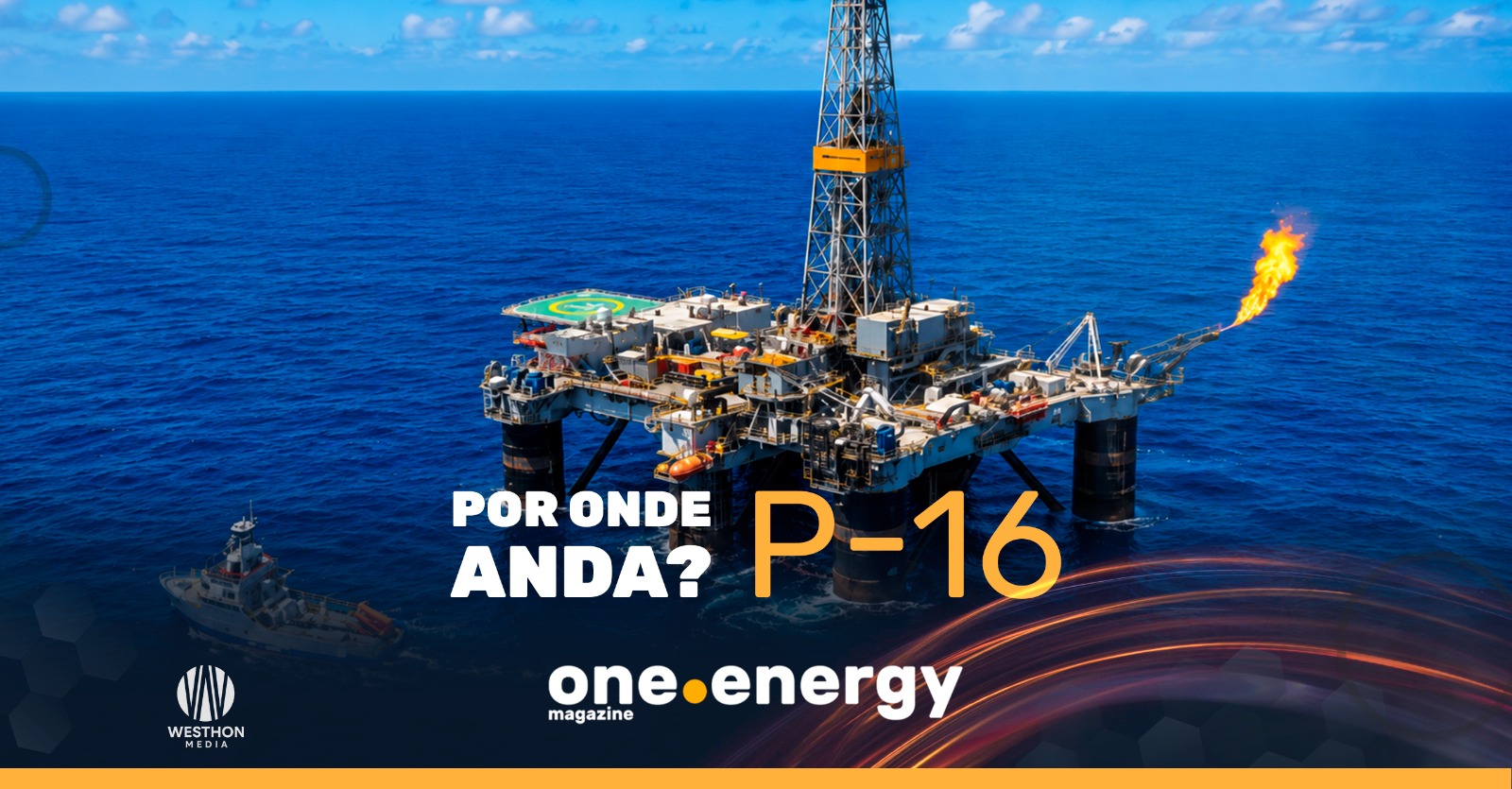
Special WSB: Por Onde Anda? Petrobras P-16
She had no disaster named after her.
No inquiry. No memorial. No court case running twenty years later.
Just steel. Just sea. Just oil — for decades, in 300 meters of South Atlantic waters.Platform P-16 — Petrobras XVI — was a semi-submersible of the pioneering Roman-numeral generation that quietly built Brazil’s offshore industry. Processing up to 20,000 barrels a day. Displacing 18,000 tonnes of seawater. Floating on two submerged pontoons, anchored to the Campos Basin floor, holding position while the South Atlantic did its worst.
She was a laboratory as much as a platform. Flexible risers tested on her flanks. Subsea manifolds connected below her. Engineering knowledge that would later carry Brazil into 1,500 meters — into 2,000 — into the pre-salt layer that changed global energy.
She didn’t go there. But the engineers who did learned their craft on her.
In 2017, Petrobras auctioned her alongside six sister platforms at the Port of Aratu, Bahia. Seven units. US$ 83.5 million combined. The P-16 left with a new owner, without her name, headed most likely to a breaking yard.
An estimated 10,000 tonnes of steel. Returned to the market. Recycled into other things.
Where is P-16 now?
She isn’t anywhere.
She is everywhere steel goes when the sea is done with it.— WSB Advisors tracks the vessels the industry forgets.
-
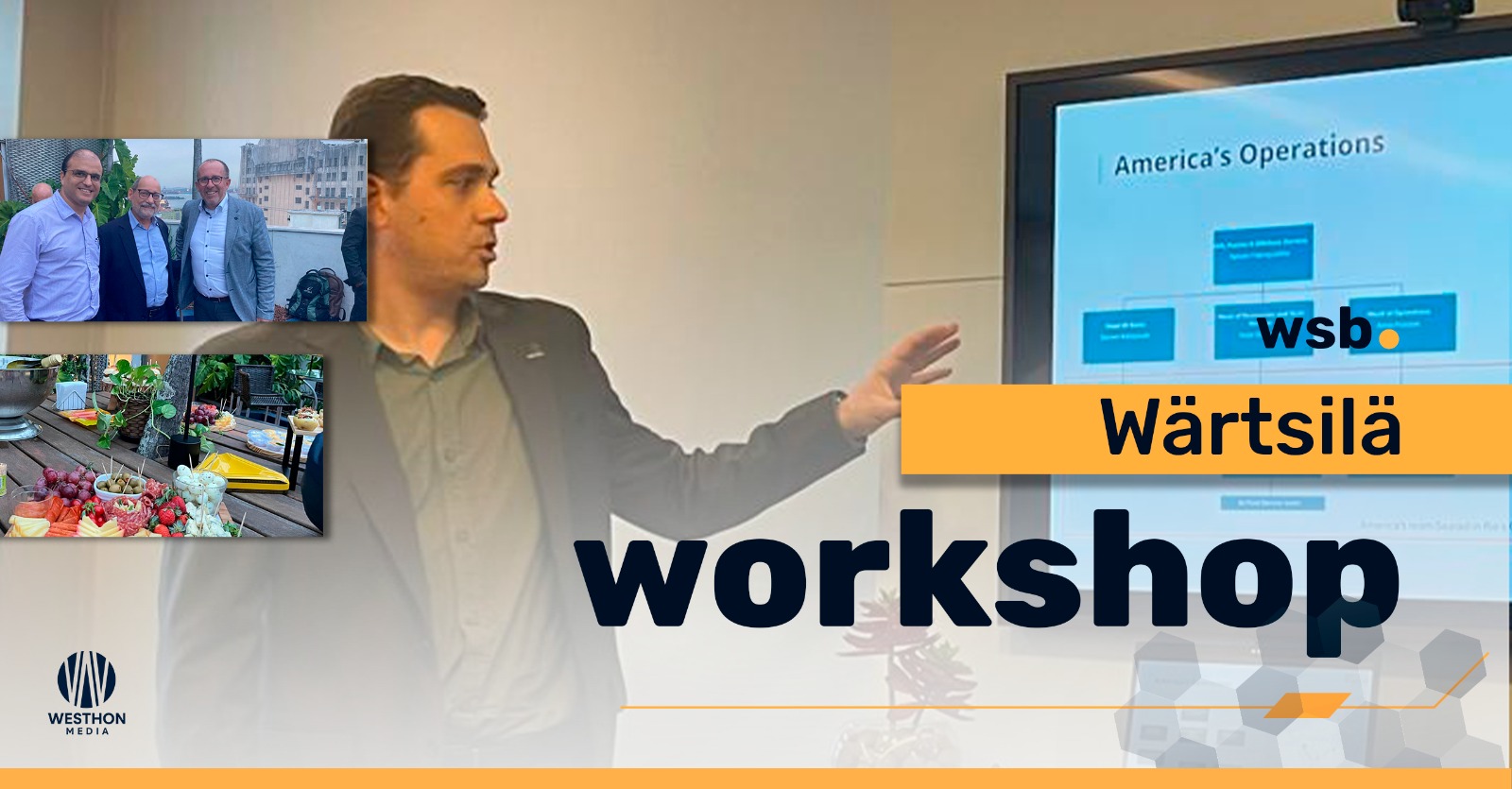
Wärtsilä workshop at WSB Advisors
The meeting rooms at our office in downtown Rio de Janeiro hosted a peculiar event last Thursday (May 14). Wärtsilä, a global reference in technologies and solutions for the marine and energy sectors, arrived with an international delegation and held a high-level technical workshop with the full support of WSB Advisors team.
The event brought together around 30 executives, engineers, and specialists from the shipbuilding and offshore industries for an afternoon of technical exchange, networking, and discussions on trends shaping the future of navigation and the energy transition in the maritime sector.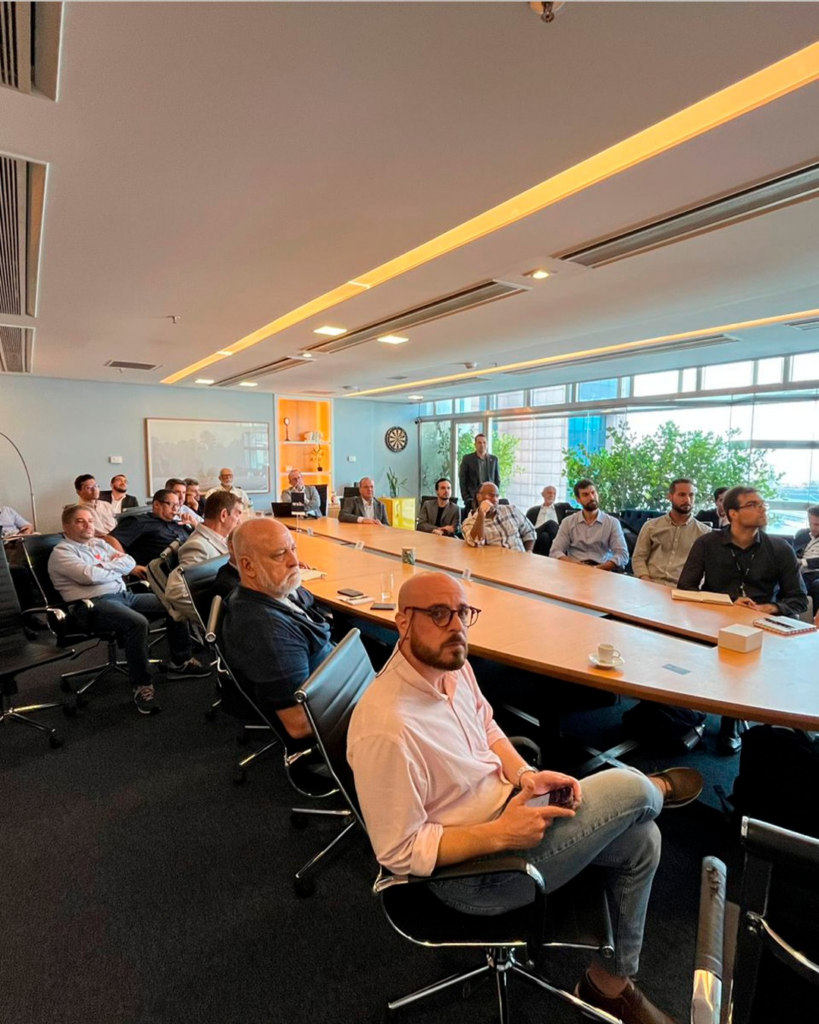
Source: WSB Advisors team
The workshop welcomed representatives from companies and institutions such as Petrobras, Transpetro, Ecovix, Ghenova, and Bureau Veritas, creating a highly technical environment focused on sharing international experience and operational best practices, especially within the LPG vessel segment.
The opening remarks were delivered by Raphael Montes, Managing Director at WSB, who highlighted the importance of bringing together companies, specialists, and decision-makers for strategic discussions aimed at advancing the Brazilian maritime industry. The closing remarks were delivered by Paulo Rolim, Advisory Services Lead at WSB.
Among Wärtsilä’s international speakers were Johnny Kackur, Head of Coastal Merchant, from Finland and Frank Harteveld, Fuel Gas Supply System – Ethanol/Methanol, from the Netherlands. Carlos Mikus, Wärtsilä Gas Solutions – Cargo Handling Systems, also participated in the event. The workshop was coordinated and organized by Robert Klein, Newbuildings Sales Manager, with the participation of Mario Barbosa, General Manager Brazil, and Genil Mazza, Sales Manager Marine, Newbuilding LatAm.
During the presentations, technical topics included Wärtsilä W32, W31, and W20 engines, marine propulsion systems, Energy Saving Devices (ESDs), shaft generators, and operational best practices for merchant vessels.
The workshop also featured in-depth discussions on the challenges and opportunities involving alternative fuels such as ethanol, methanol, and biodiesel, as well as cargo handling and gas management solutions (Gas Solutions) — topics that are becoming increasingly relevant in the global maritime industry’s decarbonization agenda.
Beyond the technical exchange, the meeting provided a strategic environment for interaction among executives, operators, shipyards, classification societies, and suppliers from the offshore and maritime sectors.
At the end of the presentations, participants gathered for a networking cocktail reception at WSB’s rooftop, closing the event in an atmosphere of integration and professional exchange.
We would like to thank Wärtsilä for trusting our facilities and extend a special greeting to Johnny Kackur, Frank Harteveld, Carlos Mikus, Genil Mazza, Robert Klein, and Mário Barbosa for their contributions to the success of the event.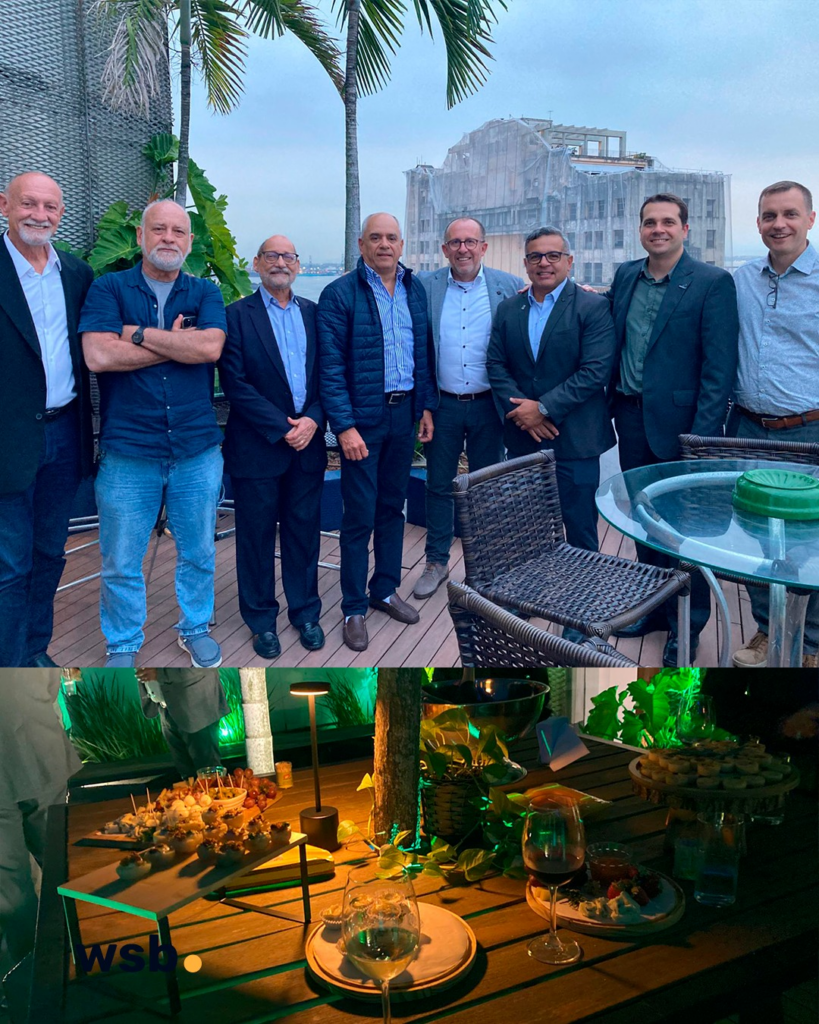
Source: WSB Advisors team -
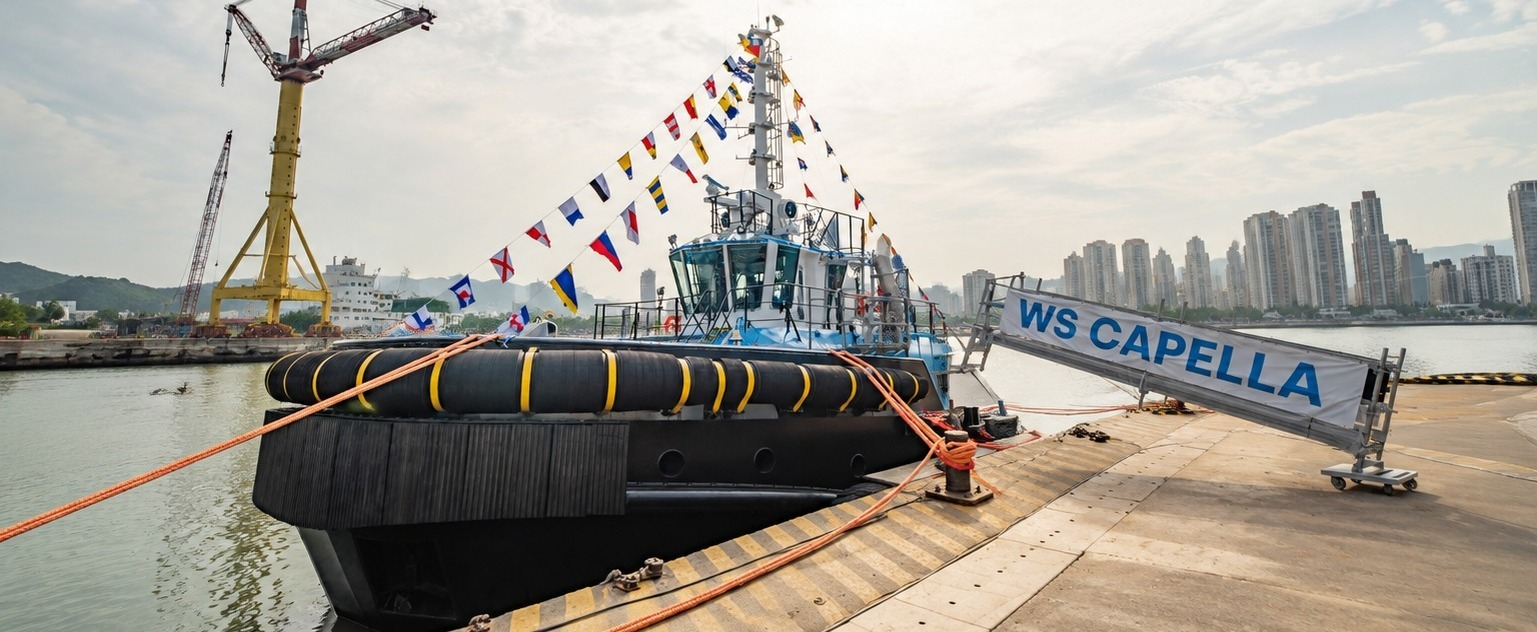
Wilson Sons launches new tugboat
Wilson Sons held this Wednesday (May 13) the launch ceremony for the WS Capella tugboat at the company’s shipyard in Guarujá, São Paulo. The vessel is the second unit in a new series of three high-powered tugboats being built for operations in Brazil.
Built at Wilson Sons’ own shipyard, the ASD 2312-class tug features 70 tonnes of bollard pull, azimuth propulsion, and the capability to support large vessels during berthing and unberthing operations at the Port of Santos, Latin America’s largest port complex. The project also incorporates modern design solutions aimed at improving fuel efficiency and reducing emissions.
According to the company, the new series is part of its fleet renewal and expansion strategy. Wilson Sons now operates a fleet of 83 tugboats along the Brazilian coast. A third ASD 2312-class vessel is currently under construction, with delivery scheduled for the third quarter of this year.
-
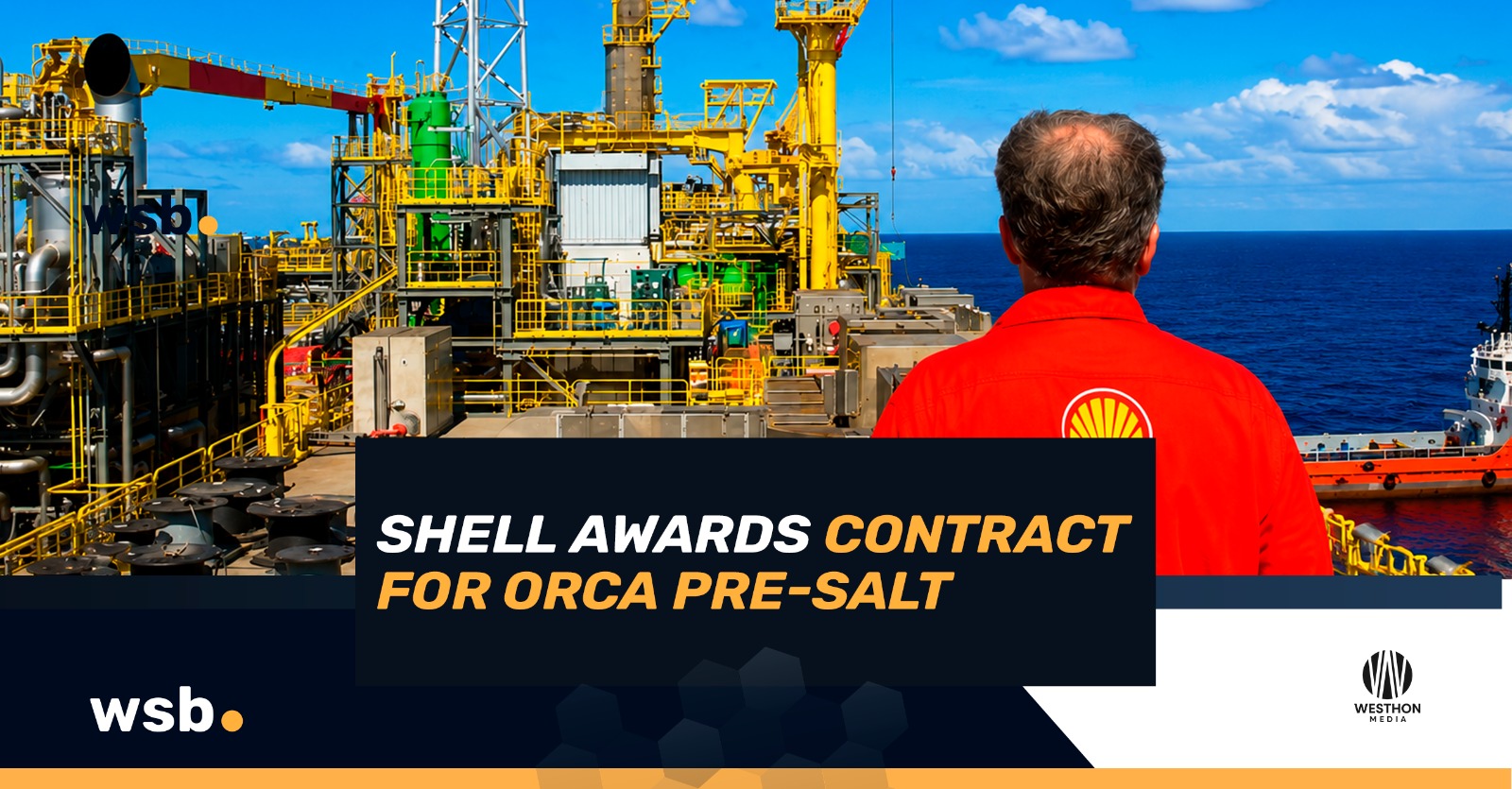
Shell Awards Marine Warranty Survey Contract for Orca Pre-Salt Project Offshore Brazil
Shell has selected U.S.-based New Wave Offshore Energy to provide Marine Warranty Survey (MWS) services for the Orca project, a major deepwater development located in Brazil’s prolific Santos Basin pre-salt province. The contract reinforces continued offshore activity in the region as operators advance large-scale subsea and floating production projects aimed at expanding long-term output from Brazil’s ultra-deepwater reserves.
Under the agreement, New Wave Offshore Energy will oversee independent marine assurance activities covering transportation and installation operations, vessel suitability reviews, engineering assessments, and offshore operational risk management throughout the project’s execution phase. The company will also support compliance verification and marine safety procedures associated with complex offshore installation campaigns.
Formerly known as Gato do Mato, the Orca development is estimated to contain approximately 370 million barrels of recoverable resources and represents another strategic investment by Shell in the Brazilian offshore market. The project is expected to play a relevant role in the company’s long-term deepwater production portfolio.
According to New Wave Offshore Energy CEO Kyle Eddings, the award reflects the industry’s confidence in the company’s technical expertise and track record supporting high-value offshore developments. The contract further expands New Wave’s presence in the global marine assurance and offshore energy services market.
Stay connected with WSB Advisors for the latest developments shaping the global marine and offshore energy industries.
-
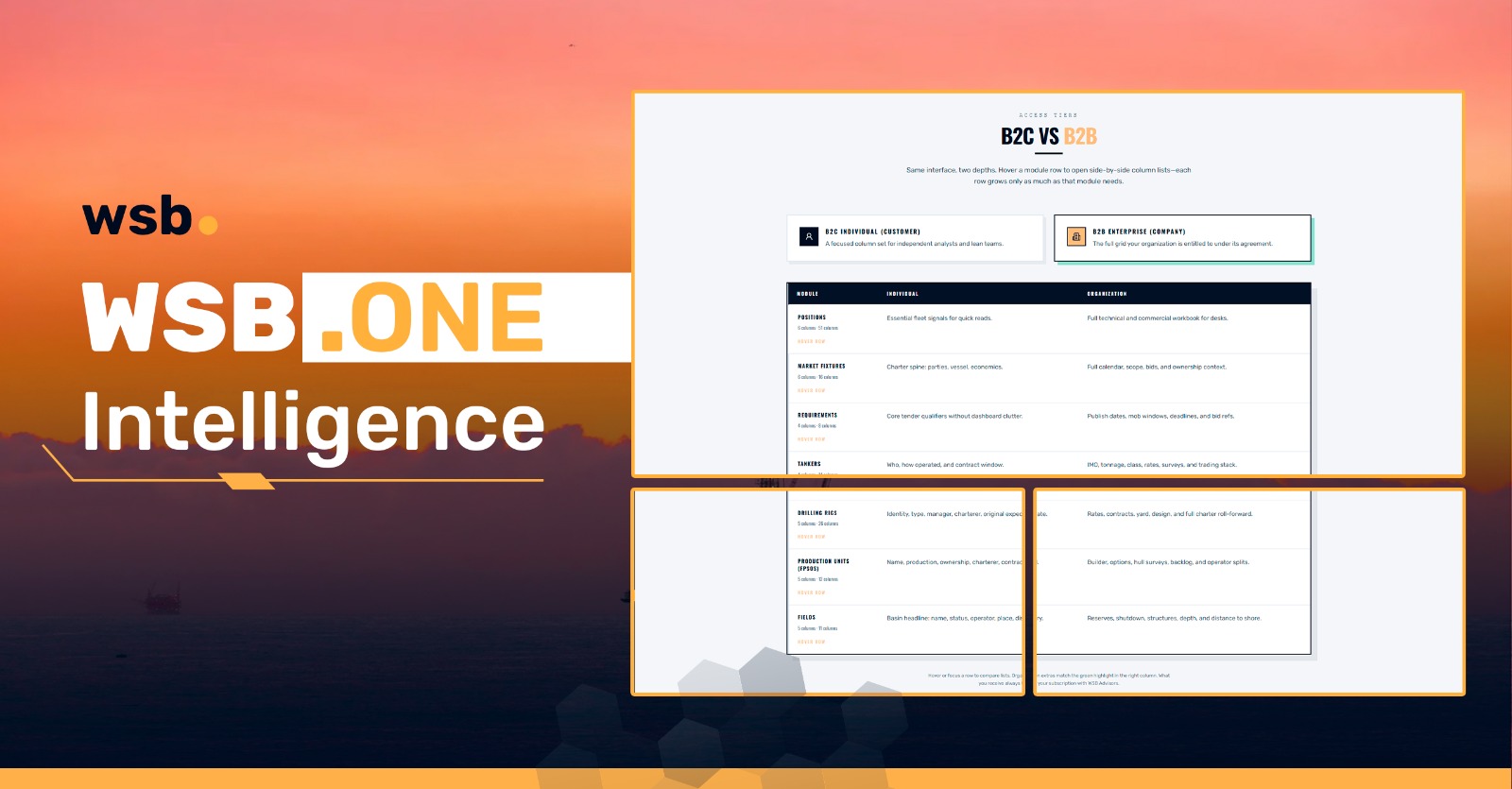
WSB Advisors new database
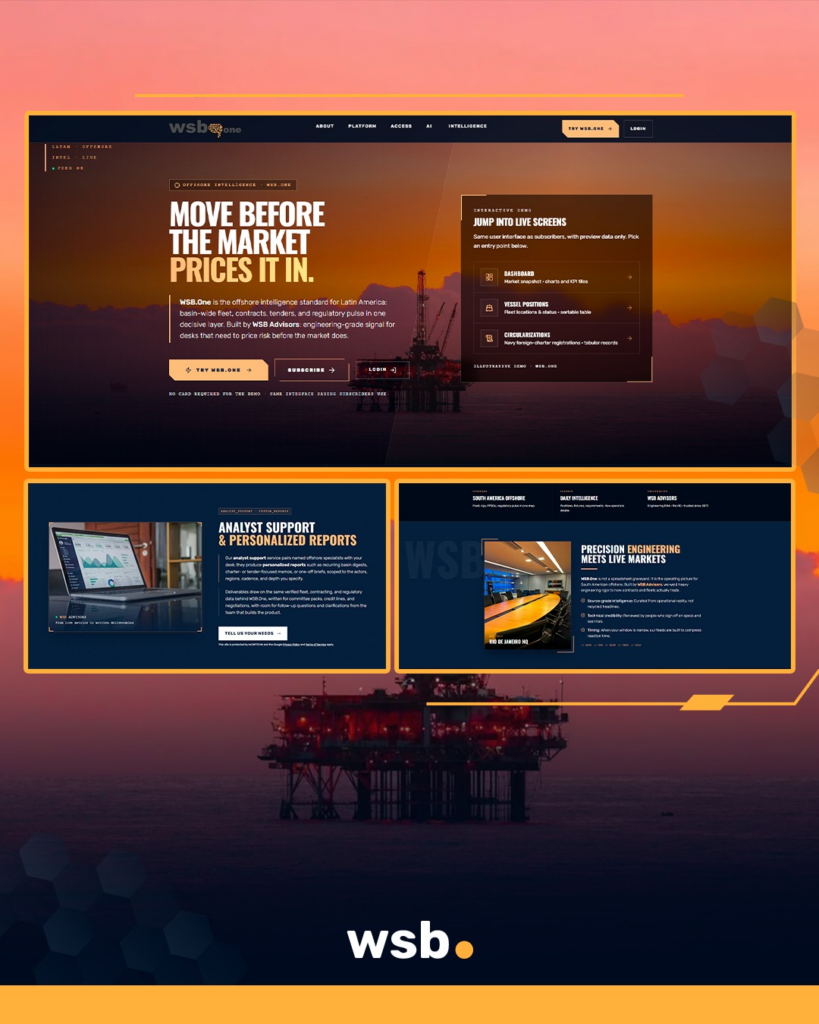
WSB Advisors proudly presents this week a new updated version of WSB.One.
More than just a database, WSB.One is the operational overview of the offshore sector. Developed by our software team, the immersive platform connects heavy engineering, operations, contracts, fleets, and market movements into a single experience.
This new version arrives even more robust, expanding its vessel information coverage — now monitoring and delivering daily intelligence on more than 600 vessels, providing even greater depth, context, and intelligence for those making decisions every day.
After all, our motto is: WSB — We Support Your Business.
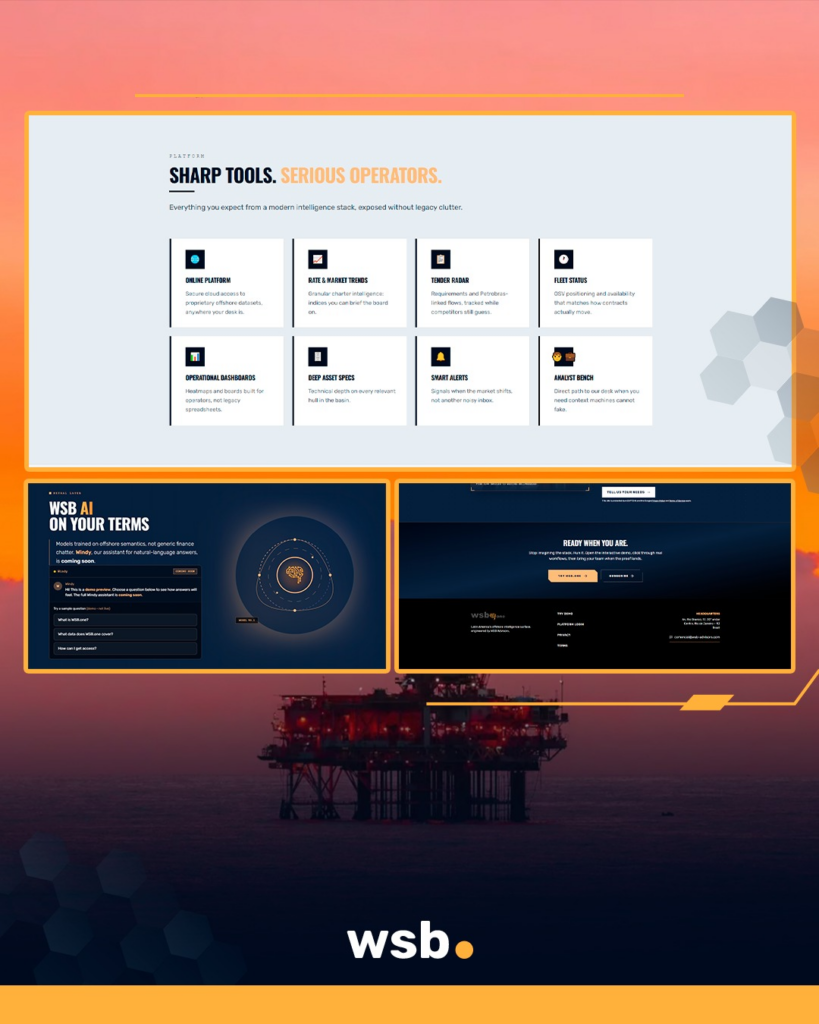
WSB.One now also offers different access experiences:
* B2B, focused on companies and operations;
* B2C, designed for students, executives, professionals, and offshore market enthusiasts.Among the latest advances, the platform now provides detailed information on wells and basins, including interactive asset maps and production history, expanding the sector’s real-time analysis and monitoring capabilities.
With intelligence curated from operational reality, the platform combines technical credibility, precision, and speed for a market where timing makes all the difference.
And this is not even half of what WSB.One delivers.
Keep following our social media channels throughout this and the coming weeks to discover new features, tools, and platform differentiators.
wsb-one.com
-
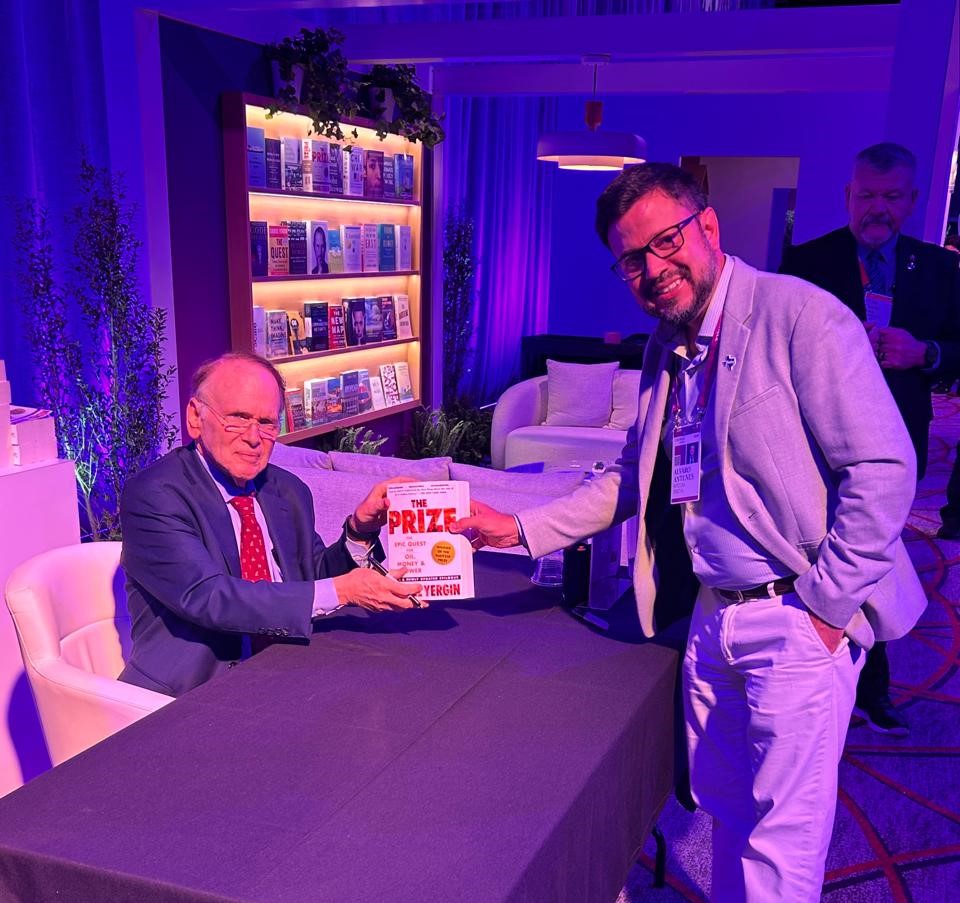
Alvaro Antunes: the strategist who transforms innovation into global impact
Founder and CEO of Intcom, one of the technology and innovation companies within the Westhon Group, Alvaro Antunes embodies the modern executive: restless, visionary, and driven by results. Since the company’s creation in 2011, though conceived years earlier, he has led Intcom along a consistent growth trajectory, positioning it as a benchmark in the development of intelligent solutions for complex industrial sectors.
With a strong aptitude for technology and mathematics, Alvaro built a solid foundation that now supports a robust portfolio of platforms focused on operational efficiency, workforce management, and cost reduction. But his edge goes beyond technical expertise. Fluent in English and equipped with a broad and strategic network, he moves seamlessly across different markets, connecting people, ideas, and opportunities on a global scale.
This explains why it is rare to find him at Intcom’s office in downtown Rio de Janeiro. His schedule is dynamic and intense: at times acquiring new clients, at others hosting events, forming partnerships, or representing not only Intcom but also WSB Advisors—the flagship of Westhon—as well as the group itself. More than an executive, Alvaro is a connector, someone with a unique ability to mobilize teams and leadership around ambitious goals, often within challenging deadlines.
CERAWeek 2026
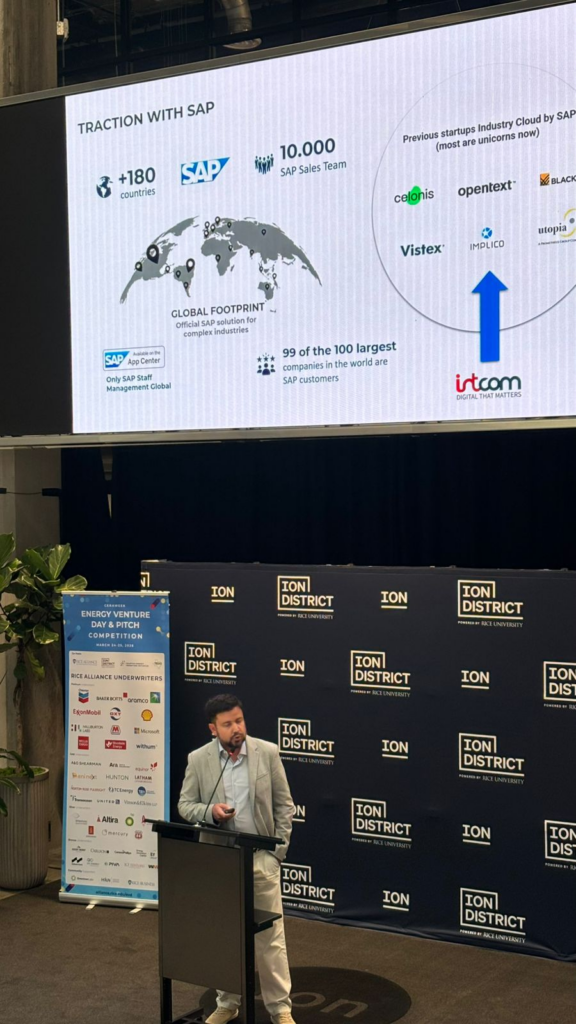
This capability was once again evident during his participation in CERAWeek 2026, one of the world’s leading energy events. Representing Intcom, Alvaro spearheaded strategic initiatives, including participation in Energy Venture Day and the CERAWeek Pitch Competition. On that occasion, he presented advanced HSE solutions and real-time monitoring technologies, highlighting how the company’s platforms are driving greater safety, efficiency, and cost reduction in industrial environments.
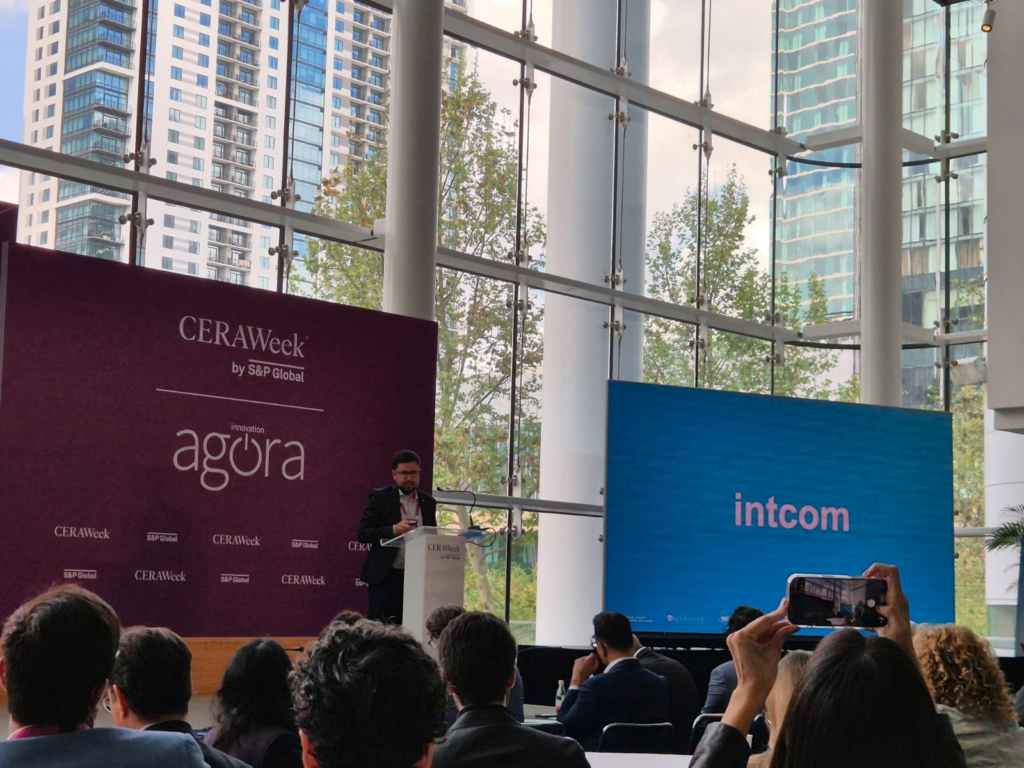
Source: Private Collection He also reinforced Intcom’s commitment to critical industry topics such as decommissioning, demonstrating how the application of artificial intelligence can make these processes more precise, safe, and efficient. His international presence is nothing new: in 2025, following his participation in the same event, Antunes led a panel in Brazil bringing together key industry leaders to discuss trends and challenges in the energy transition—yet another example of his ability to turn knowledge into concrete action.
Under his leadership, Intcom has consolidated solutions such as Blue Opex II, Blue JV, Blue Health, Blue Direct, and Blue Bonus, serving major companies and managing more than 11,000 lives across four continents. An achievement that reflects not only the quality of the tools developed, but also the strategic vision of its founder.
Despite his intense routine, Alvaro maintains an admirable balance between professional and personal life. A father of two, he makes a point of closely following his family’s growth. And whenever he finds free time, he never gives up to support Vasco da Gama, his favorite football club.
In an increasingly competitive and dynamic landscape, Alvaro Antunes stands out as a leader who combines intelligence, energy, and purpose. At the helm of Intcom, he does not merely keep pace with industry transformations. He helps shape them.
“Alvaro is a great friend and someone I deeply admire. In addition to being extremely intelligent, he has a rare trait: the ability to bring people together, connect different profiles, and ensure that everyone moves forward collectively. He always finds opportunities for those around him and contributes in a very positive way to every environment he is part of”, reveals Daniel Moura, CEO of PIX Force, INTCOM’S partner company.
Source: Private Collection -
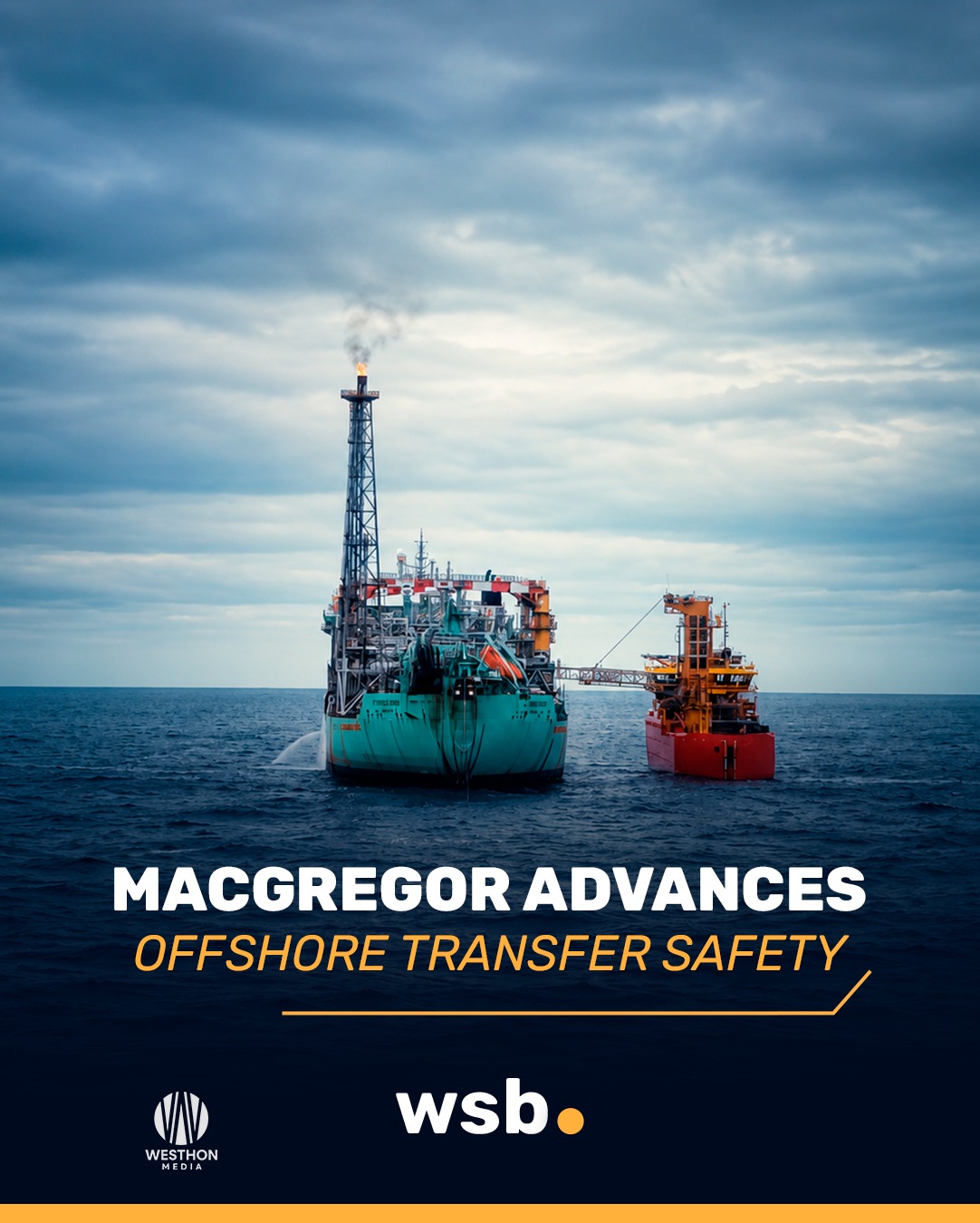
MacGregor advances offshore transfer safety
MacGregor, a global reference in the manufacturing of marine cranes and offshore equipment, has announced the successful validation of its advanced floating-to-floating motion compensation technology for the Horizon V4 offshore gangway system.
The solution enables safe personnel transfer between two independently moving offshore units — such as a Commissioning Service Operation Vessel (CSOV) and an FPSO — enhancing safety and operational efficiency in complex maritime environments. The technology was certified by DNV following successful sea acceptance tests.
According to the company, the system uses high-precision LiDAR-based relative motion tracking, reducing dependence on weather windows while increasing operational uptime. The validation also opens new opportunities for applications in the offshore oil, gas, and floating wind sectors.
Throughout this week, we at WSB Advisors had the opportunity to get to know MacGregor more closely, as well as learn more about its activities in the market. During the “exchange” held at our headquarters, we also presented our own assets and capabilities. And, of course, we had many valuable conversations about the market.
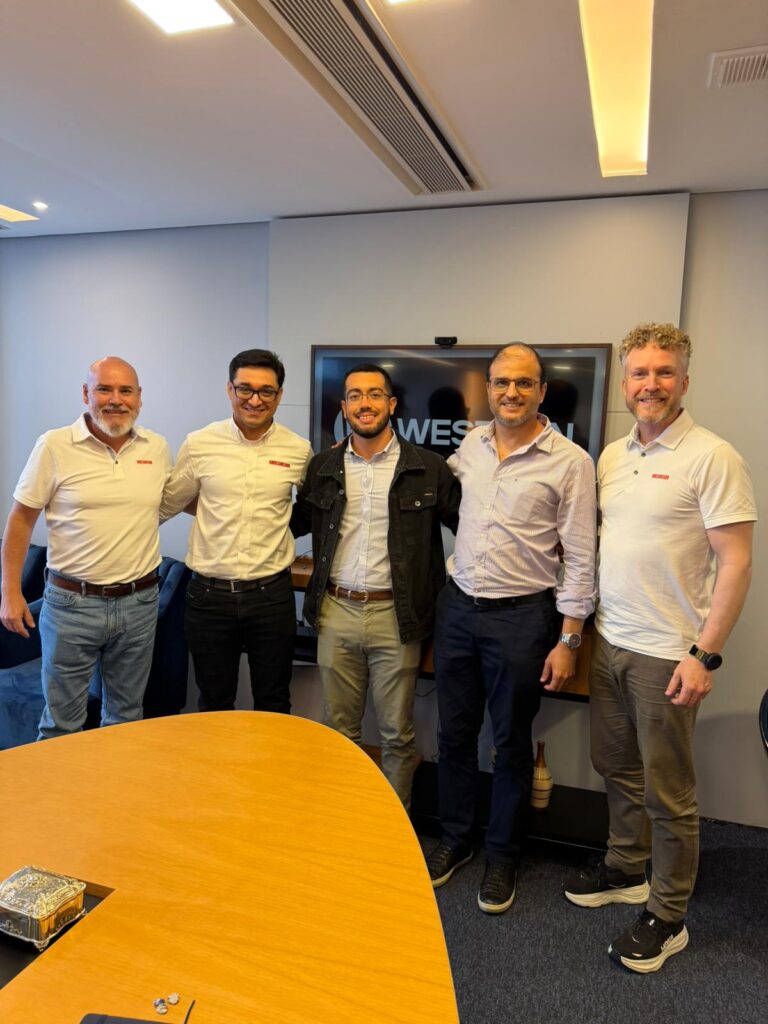
Source: Rafael Bortoloti/WSB Advisors -

Constitutional Insights #2
Water: Commodity or Common Good?
In the early hours of February 28, the United States and Israel launched a military offensive against Iranian targets, including key leadership figures, prompting an immediate response from Iran.
Since the Islamic Revolution (1979), there has been intense rivalry between Israel and Iran; however, an open war such as the one currently unfolding is unprecedented and may, as the conflict develops, lead to the involvement of other countries, potentially escalating into a global-scale war.
Every war brings significant and long-lasting impacts, regardless of its scale or underlying motives. Armed conflicts result in: (i) loss of life (both military personnel and civilians), long-term psychological trauma, mass displacement, and refugee crises; (ii) destruction of urban infrastructure, including housing, schools, hospitals, industrial facilities, transportation networks, and other essential structures; and (iii) social and economic crises, leading to increased inflation, poverty, social instability, and widespread human rights violations.
Even in times of war, however, certain rules must be observed. These rules are collectively referred to as the Law of War (International Humanitarian Law), which comprises international norms primarily based on the Geneva Conventions of August 12, 1949. It’s purpose is to prohibit certain acts and methods of warfare, limit hostilities, and ensure the protection of civilians, the wounded, and prisoners of war. These rules also prohibit attacks against, destruction of, or damage to infrastructure indispensable to the survival of the civilian population, including drinking water facilities and irrigation systems.
Article 54(2) of Additional Protocol I to the Geneva Conventions states:
“It is prohibited to attack, destroy, remove or render useless objects indispensable to the survival of the civilian population, such as foodstuffs, agricultural areas for the production of foodstuffs, crops, livestock, drinking water installations and supplies and irrigation works, for the specific purpose of denying them for their sustenance value to the civilian population or to the adverse Party, whatever the motive, whether in order to starve out civilians, to cause them to move away, or for any other motive.”
Nevertheless, last week Iran and Bahrain reported attacks on desalination infrastructure — facilities essential for water supply — creating a serious risk to regional water security and raising concerns about the use of water as a “weapon of war.”
The desalination plant on Qeshm Island in Iran, which supplies several Iranian villages, as well as another desalination facility in Bahrain, were reportedly damaged. These installations are crucial for water provision, representing a serious escalation with potential risks to civilian survival.
Such attacks inevitably place this resource at the center of governmental concern, as the United Nations (UN) considers water a strategic natural resource, essential for life, economic stability, and global security—not merely a commercial commodity.
Recently, the UN warned that the world has entered an era of “global water bankruptcy,” caused by human activities that have altered the water cycle and compromised the reliability of water availability. Currently, around 4 billion people experience severe water scarcity for at least one month each year. The Food and Agriculture Organization (FAO) estimates that this scarcity could affect up to two-thirds of the world’s population by 2050.
In response, the UN General Assembly declared in 2010 that clean and safe drinking water and sanitation are essential human rights, emphasizing that water is a common good rather than a commodity, and warning against its financialization or treatment as a mere market product. Nevertheless, due to increasing scarcity, water is also treated as a commodity and traded in financial markets, generating debates about equitable access.
In Brazil, Law No. 9,433/1997 defines water as a public resource with economic value, but establishes that its priority use is human consumption, in line with the UN’s understanding that water should not be managed solely through a market-oriented approach, but rather prioritized as a resource essential to life.
Despite this framework, water has been priced in financial markets, with water futures contracts traded on the New York Stock Exchange since 2020, allowing financial speculation regarding its future value. This reflects the fact that water is fundamentally a limited natural resource whose price is influenced by climate variability, demand, and energy production.
Water is therefore treated as a commodity in financial markets, particularly due to its scarcity—only about 1% of the planet’s water is potable—which increases its economic value and attracts financial investment. However, there remains significant tension between the perspective of water as a human right (implying universal access) and its comodityfication, which may hinder access for vulnerable populations. While international institutions emphasize water as a common good and a heritage of humanity, financial markets tend to treat it as a scarce economic asset.
Whether in Brazil or globally, it is essential that public policies governing water management and use be effective, coordinated, and sustainable. Water scarcity is not merely a natural phenomenon but also a consequence of mismanagement, river pollution, and deforestation.
Addressing these challenges is crucial to achieving United Nations Sustainable Development Goal (SDG) 6, which aims to ensure access to safe water and sanitation for all by 2030. This requires coordinated public policies among different levels of government—federal, state, and municipal—to avoid overlapping or ineffective actions, adopting the river basin as the primary planning unit and protecting forests and water resources in order to mitigate droughts and floods.
-
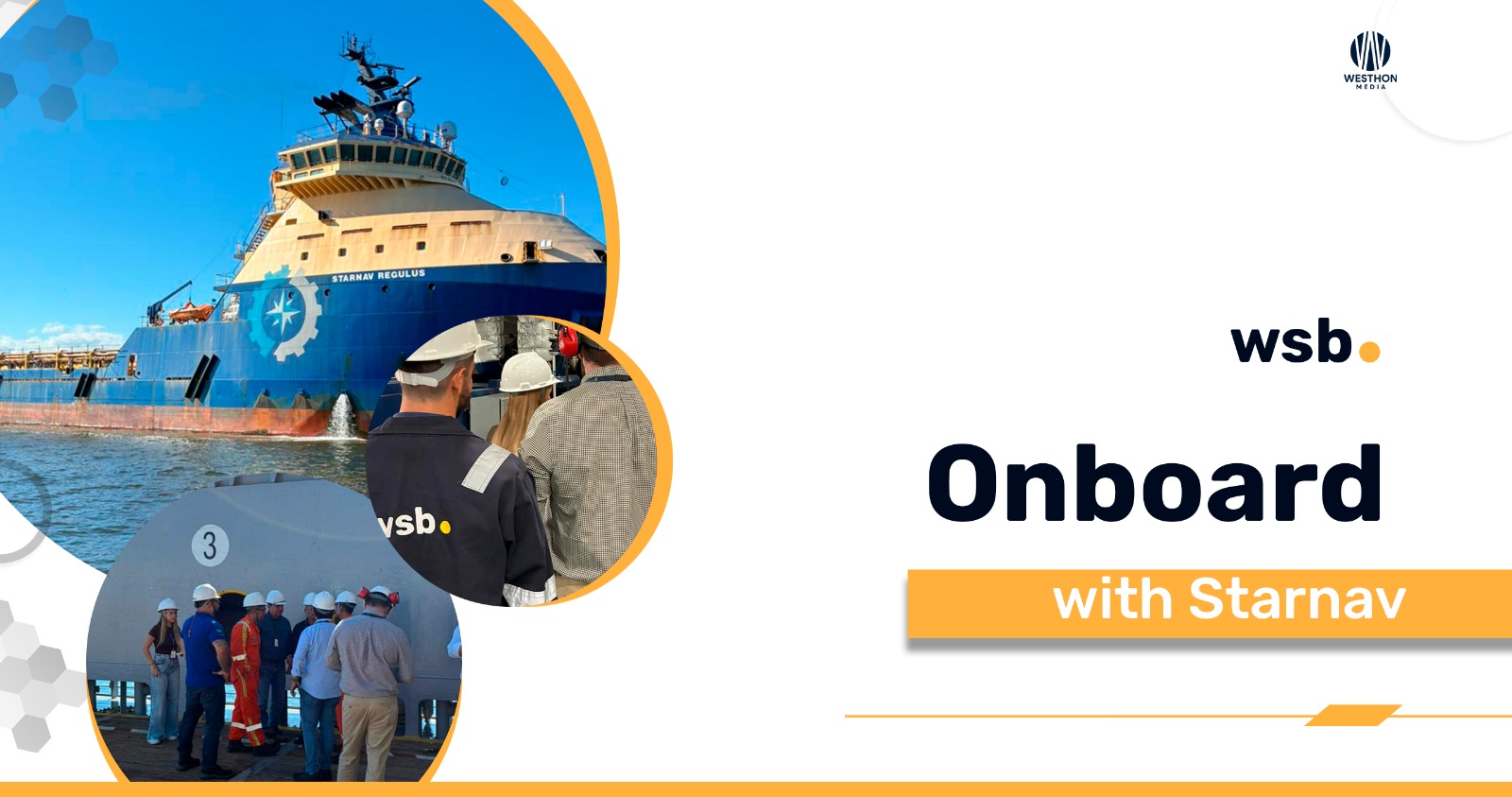
Onboard Starnav fleet
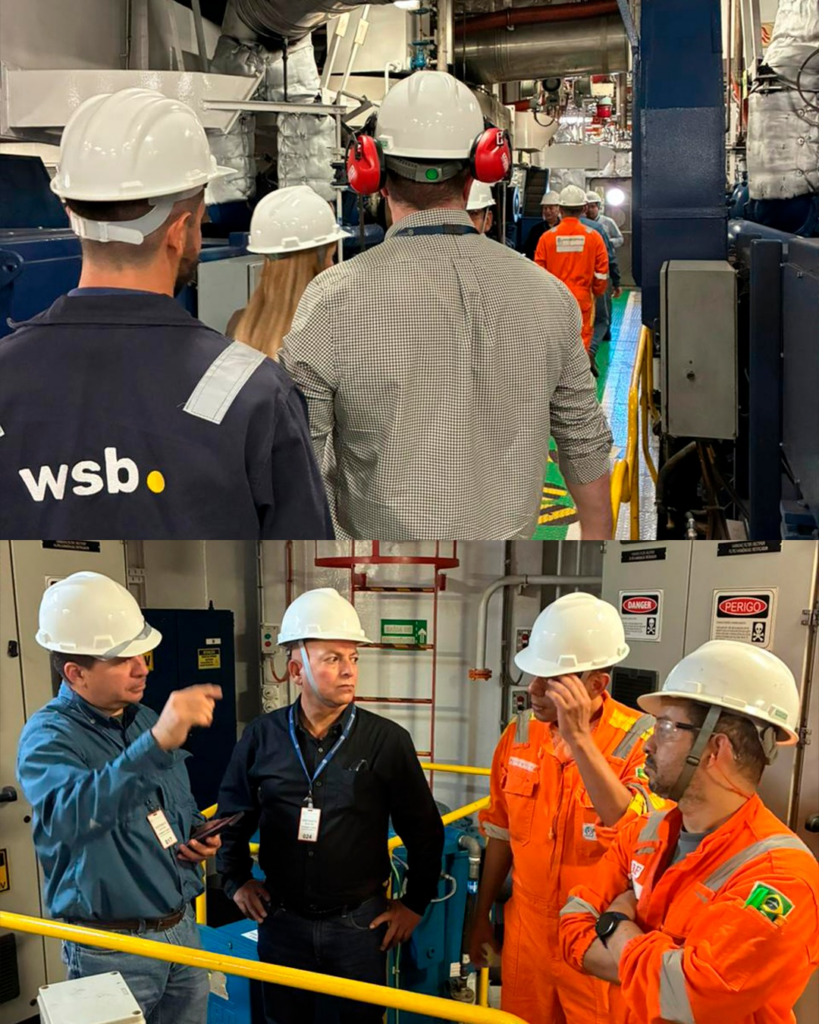
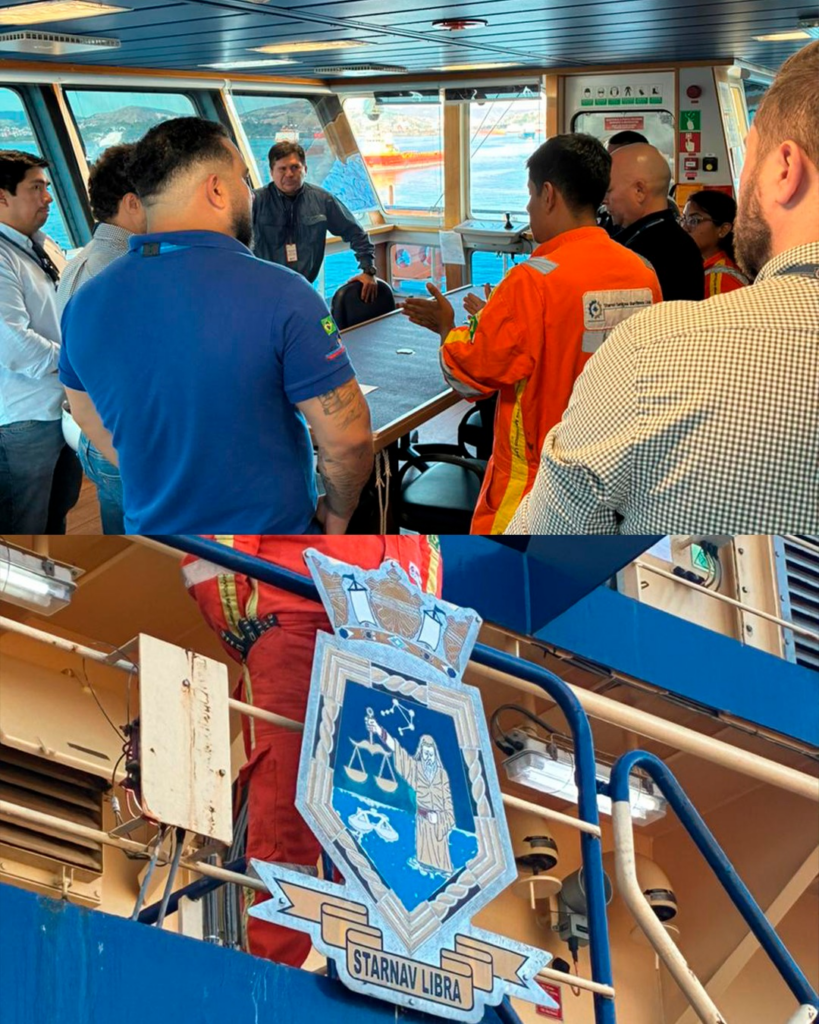
Last Thursday, May 7, WSB Advisors was aboard the PSVs Starnav Libra and Starnav Regulus, from Starnav, for a courtesy visit with clients in Guanabara Bay.
Representing WSB: Raphael Montes, Managing Director; Pedro Pellegrini, Shipbroker/Naval Engineer; and Maria Eduarda Camba, Shipbroker Intern.
“It was my first visit to a PSV. What caught my attention was the sheer size of the vessel and how clean and organized all the spaces were, including the engine room,” comments Maria Eduarda.
The vessels will support a pipeline installation campaign soon.
The agenda included representatives from the clients and the Starnav team, including Marco Antonio Cozzolino and Vinicius Balbinott Silva. We continue aligning technical and operational details to ensure safety and efficiency in the offshore execution.
We thank Starnav for the warm reception and for the partnership that strengthens the naval sector.