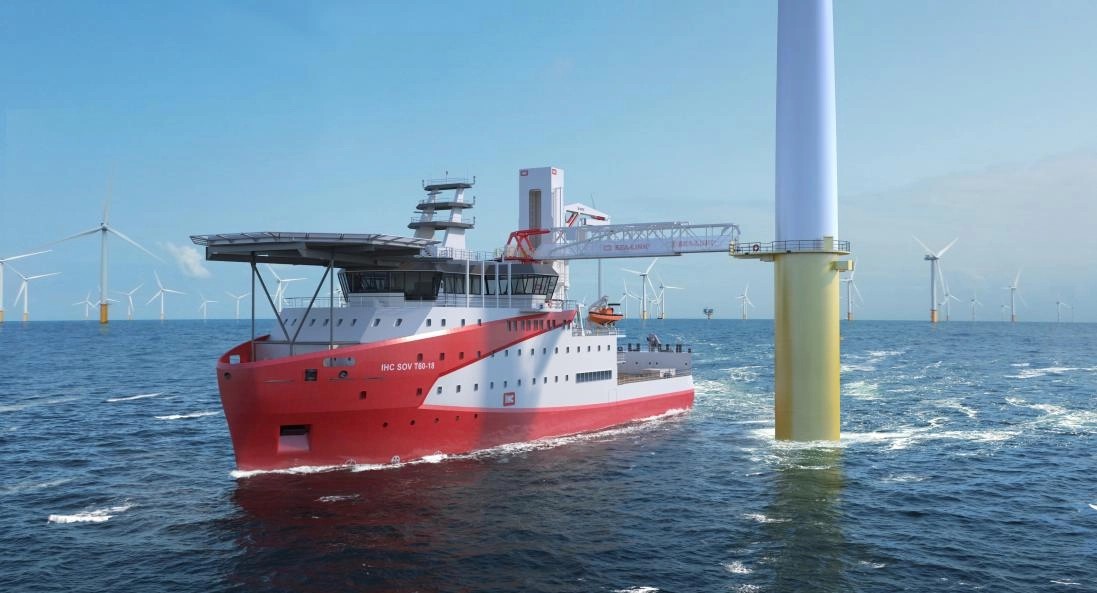
Petrobras has launched a new tender for the chartering of up to six Service Operation Vessels (SOVs), with firm contracts of 730 days and extension options. The opportunity is split into two lots:
Lot A includes up to three SOVs, with expected delivery by June 2026.
Lot B covers up to six SOVs, with expected delivery by September 2026. However, three of these vessels will only be chartered if Lot A is not partially or fully awarded.
To qualify, vessels must offer accommodation for at least 60 people, feature DP2 capability, a gangway, a 200m² deck area and specific dimensional constraints as outlined in the technical annex.
Proposal deadline: July 23, 2025.
👉 Another SOV tender for three vessels is also expected to close this Friday (July 4).
For more information, contact: comercial@cms.oneenergynews.com
Blog
-
Petrobras Opens Tender for Up to 6 SOVs
-
FPSOs activities
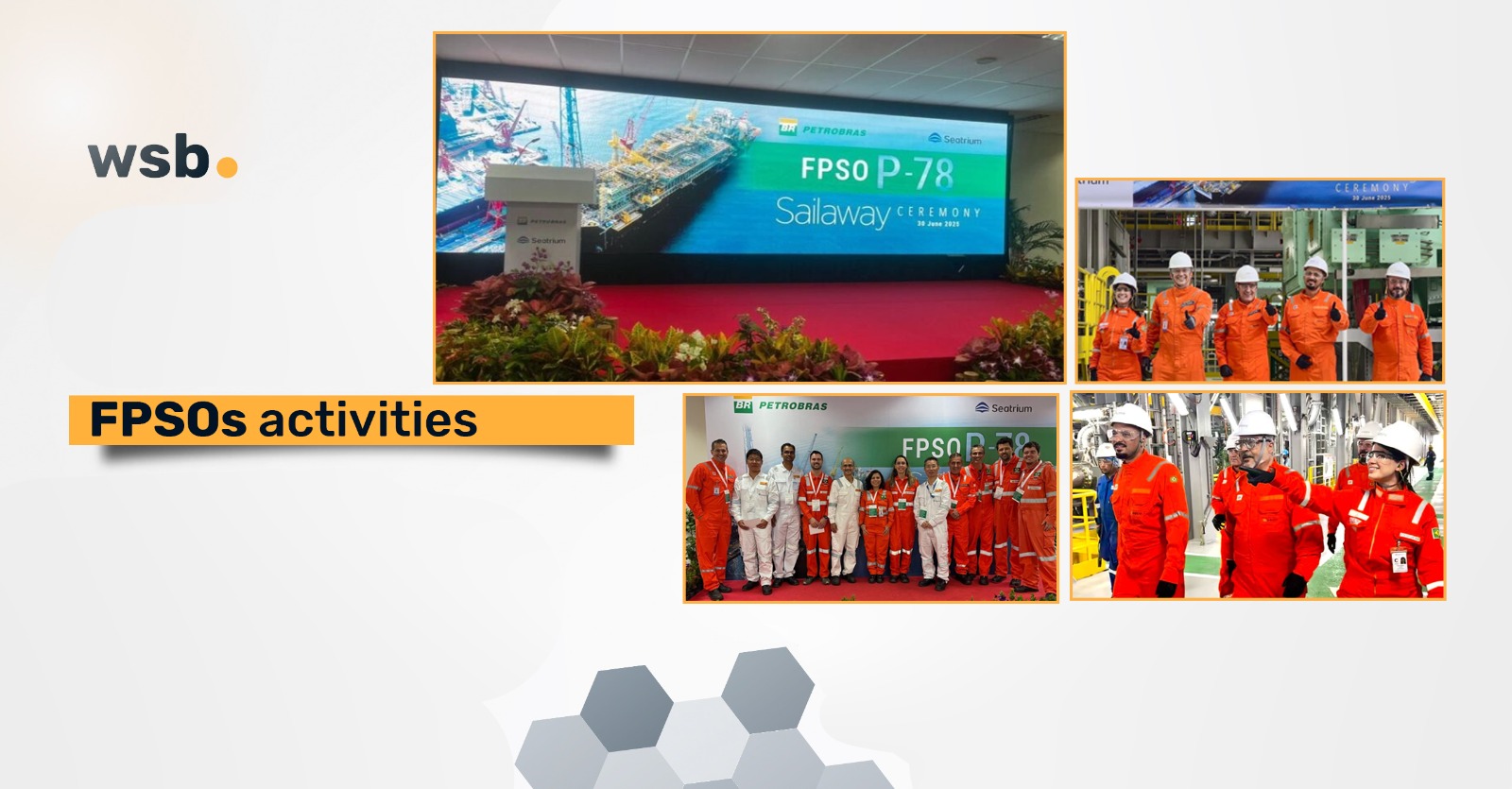
The FPSO P-78 has departed Singapore and is now enroute to Brazil where it will be deployed by Petrobras in the Búzios field, part of the pre-salt Santos Basin. The platform is expected to begin operations later this year with capacity to produce up to 180,000 barrels of oil and 7.2 million cubic meters of natural gas per day.
The unit was built by Keppel Shipyard,, while its topside modules were manufactured in Brazil, an approach that reinforces Petrobras’ strategy to expand local content in its offshore projects. The P-78 also brings together technical and industrial partnerships from Brazil, China, South Korea, Singapore and Spain. The Spanish engineering firm GHENOVA is supporting integration and commissioning activities.
The vessel is part of Petrobras’ broader pre-salt expansion. By the end of 2027 the company expects to deploy four additional FPSOs in the Santos Basin: P-79, P-80, P-82, and P-83.
“This is a special moment. The platform is already crewed, saving an entire month of pre-operational work. Another delivery completed and more oil coming soon,” said Magda Chambriard, CEO of Petrobras.
More Oil
The week also brought progress on another major offshore project. Japanese shipbuilder Sumitomo Heavy Industries held the steel-cutting ceremony for the Gato do Mato FPSO that will be operated by Shell in the Gato do Mato field. The unit, to be built by MODEC, is expected to begin production in 2029 with a capacity of up to 120,000 barrels of oil equivalent per day. -

DOF and Petrobras
DOF has confirmed the award of two new long-term contracts by Petrobras, together valued at over USD 275 million, surpassing BRL 1 billion at current exchange rates.
The AHTS Skandi Logger has secured a four-year charter, joining the ranks of other DOF vessels recently contracted by Petrobras, including the Skandi Iguaçu, Skandi Angra, Skandi Paraty, and Urca. Operations are expected to begin in February 2026.
Meanwhile, the RSV Skandi Achiever was also awarded by Petrobras a four-year contract, with offshore activities scheduled to start in December 2025. The agreement includes the deployment of two WROVs and a subsea crane, reinforcing the vessel’s advanced subsea intervention capabilities. -

WSB tips – Open tenders & more
Dear All,
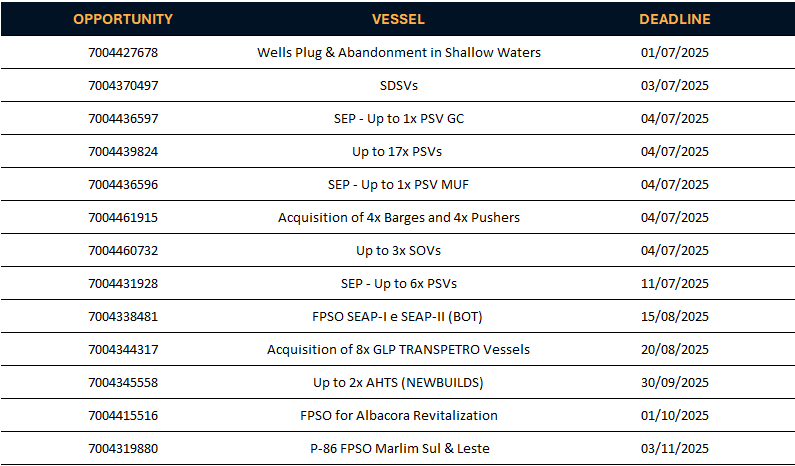
WSB is pleased to provide an update on the current long-term tenders that are open to offer.
Open tenders:
What has changed?
- Petrobras Wells Plug & Abandonment in Shallow Waters : Opportunity 7004427678 new deadline July 1st, 2025;
- Petrobras Up to 2x AHTS (NEWBUILDS) : Opportunity 7004345558 new deadline September 30th, 2025.
-
Nor-Shipping celebration
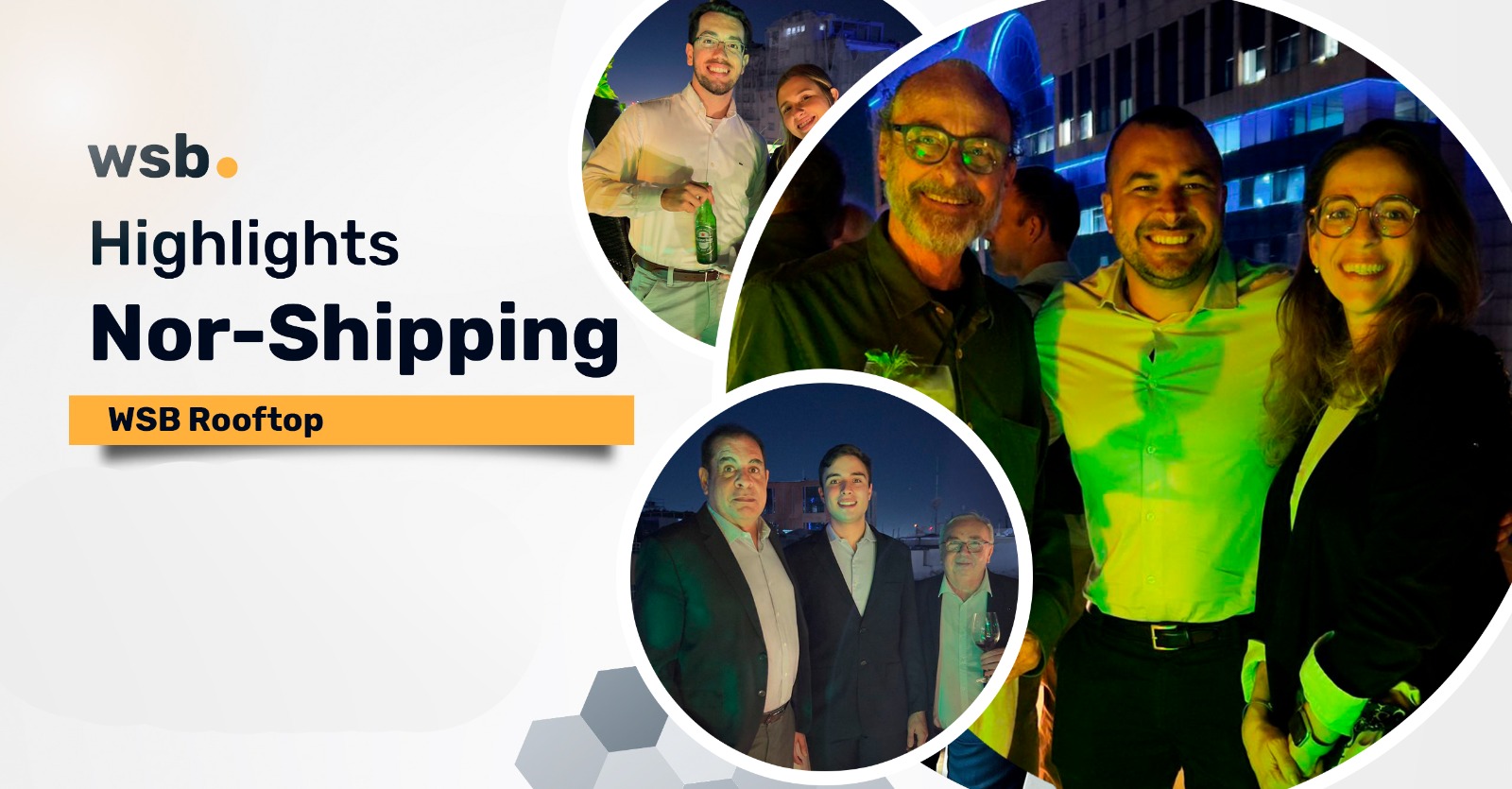
Last Thursday, WSB hosted “Highlights – Nor-Shipping” at our rooftop space in downtown Rio. The evening brought together around 30 leaders from across the maritime industry, representing various segments and including the presence of public sector authorities.
With fine whisky, a range of appetizers and good music, the night was all about reconnecting, building new relationships, strengthening networks and exchanging insights gained during the five days of Nor-Shipping 2025, held earlier this month in Lillestrøm, Norway.
To make the gathering even more memorable, we celebrated the birthdays of two close friends and industry professionals: Sean Buckley (Sales Business Development Executive at SAP) and Anidio Correa (R&D Environment Projects Lead at WSB Advisors). -
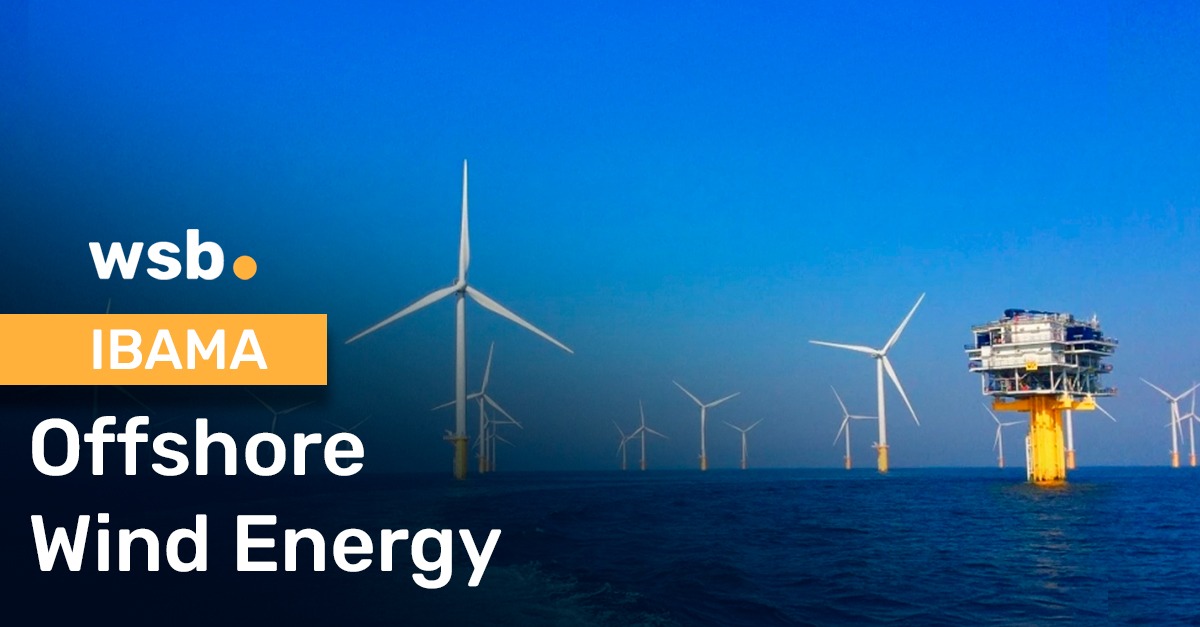
Ibama: Offshore Energy Wind
Ibama: First Preliminary License for Offshore Wind Turbine Testing Site in Brazil
Ibama has issued Brazil’s first preliminary environmental license for an offshore wind project. The license was granted to the Offshore Wind Turbine Testing Site, led by the SENAI Institute for Renewable Energy Innovation, and located off the coast of Areia Branca, in Rio Grande do Norte state, with a proposed capacity of up to 24.5 MW
The objective is to generate environmental and operational data for future offshore wind developments.
This preliminary license confirms the project’s environmental viability at the planning stage but does not authorize construction or operation. It is the first of three stages followed by installation and operational licenses. The timeline for full approval may range from months to years, depending on compliance and monitoring outcomes.
Ibama’s technical review led to the implementation of 13 programs, including underwater noise monitoring, wildlife impact studies, professional training and stakeholder engagement, key actions to ensure the project’s environmental integrity.
It sets a regulatory precedent and builds foundational knowledge for the country’s offshore wind potential, but, do you believe offshore wind has real space to grow in Brazil’s energy mix?
-
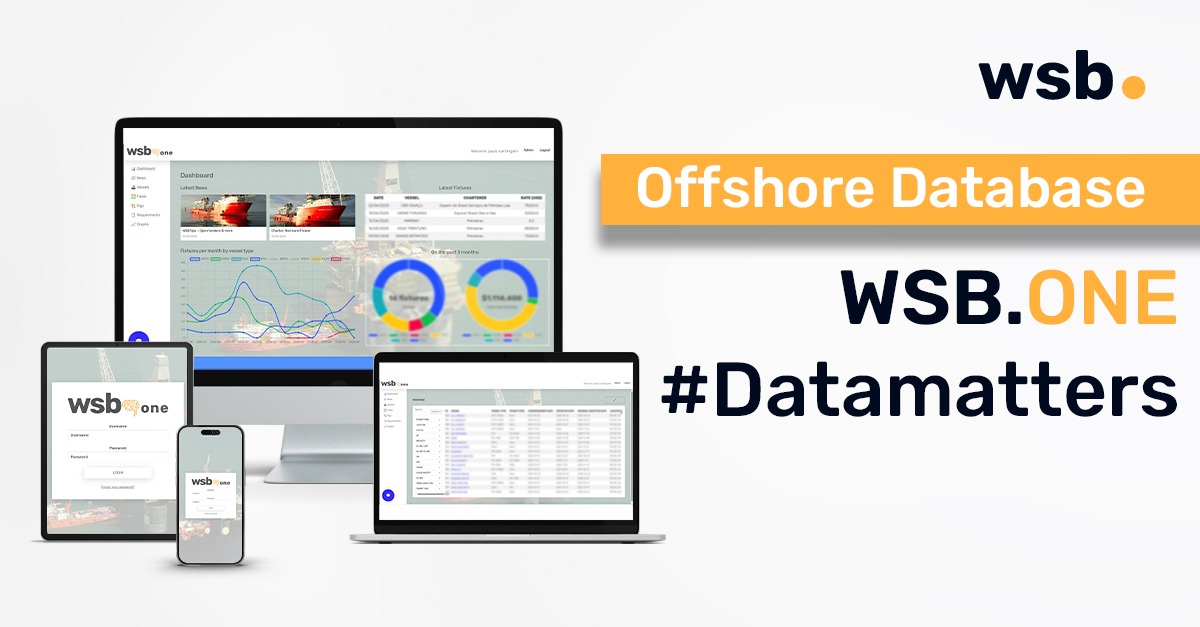
Offshore Database: WSB.One
Datamatters –
Paulo Cantergiani, Market Intelligence Intern at WSB Advisors, conducted a comparative study of Brazil’s offshore support vessels (OSV) fleet, analyzing May 2024 against the same period this year. Drawing from exclusive data within WSB. One, our database, the study reveals important trends shaping the sector’s evolving dynamics.
AHTS vessels recorded the sharpest decline, dropping from 53 to 50 units, a 5.7% contraction. The reduction reflects a temporary gap in chartering activity, largely linked to the timing of Petrobras tenders currently being finalized.
Meanwhile, the RSV segment remained stable, with 28 active units throughout the period, reinforcing the steady demand for subsea inspection and maintenance services critical to offshore infrastructure integrity.
PSV numbers also saw a slight reduction, from 129 units in May 2024 to 122 in May 2025. a 5.4% contraction.
The findings highlight the differentiated behavior of each OSV segment and reinforce the value of real-time and data-driven decision-making. In a volatile market, access to accurate and granular fleet information remains a key asset for anticipating shifts and aligning commercial strategies.
More details in the infographic below or by subscribing to our WSB. One database.
WSB – We Support Your Business -
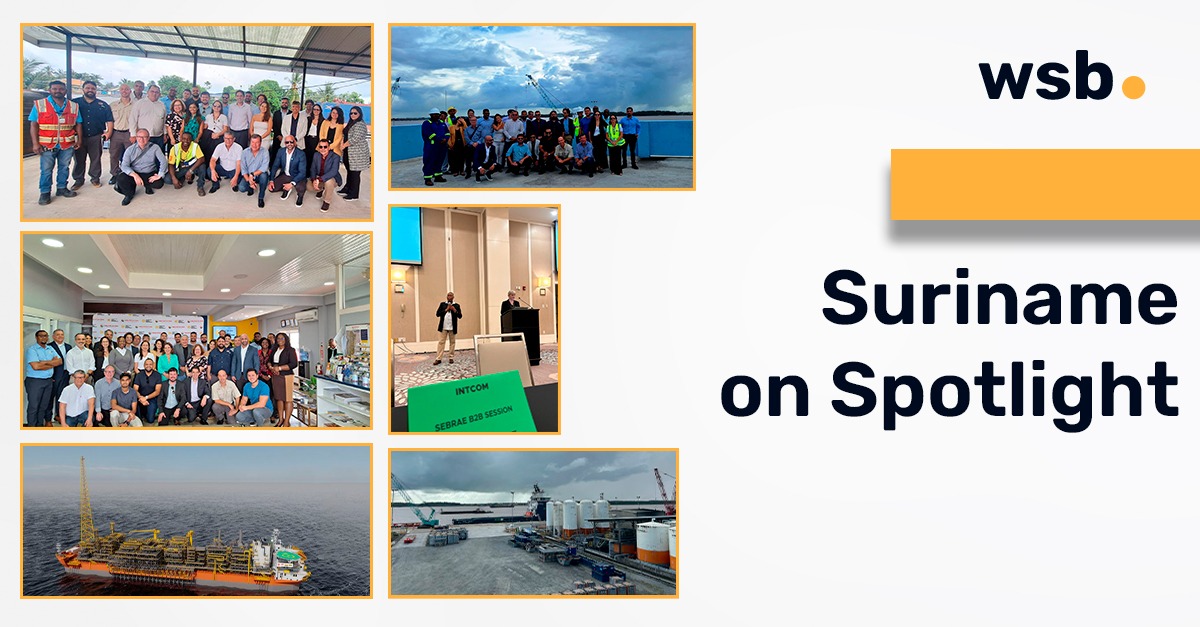
Suriname on spotlight
Intcom Solutions, a Westhon company, the technology lead of our group, recently completed a productive week in Suriname. Headed by Alvaro Antunes, Intcom CEO, who also represented WSB Advisors and our partners in technology IDENTEC SOLUTIONS, presented a portfolio of advanced technology and artificial intelligence solutions tailored to the naval and offshore sectors.
The initiative was part of a business mission organized by SEBRAE (Brazilian Support Service for Micro and Small Enterprises) and included a stop in Guyana—two countries that are quickly rising in strategic importance within South America’s energy landscape.
Alvaro held high-level meetings with key stakeholders such as ExxonMobil, MODEC, Halliburton, SBM Offshore, Noble Corporation and SLB as well as with port authorities and local players. The objective was clear: to promote meaningful partnerships and demonstrate how Brazilian innovation can contribute decisively to the region’s offshore growth.
Guyana is on track to reach a production milestone of approximately 1 million barrels of oil per day by 2027, a volume that could rival Brazil’s Campos Basin. Suriname, meanwhile, is preparing for a historic turning point: the beginning of offshore oil production. This week, SBM announced the award of the contract for the FPSO “GranMorgu,” the country’s first floating production unit, owned by TotalEnergies.
“It is an honor for us to take part in such a defining moment for the economic and industrial trajectory of these nations—especially Suriname,” stated Antunes. -

WSB tips – Open tenders & more
Dear All,
WSB is pleased to provide an update on the current long-term tenders that are open to offer.
Open tenders:
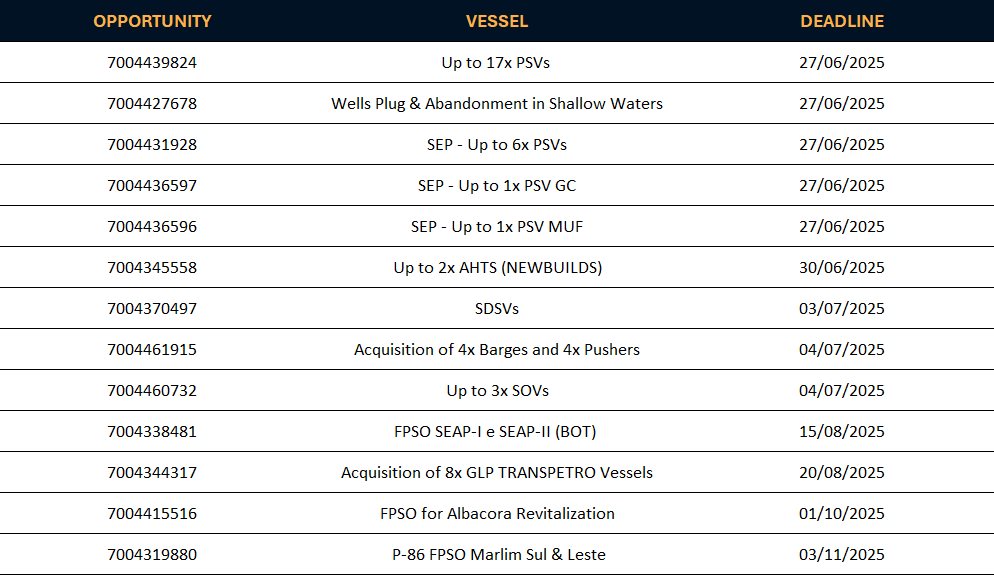
What has changed?
- Petrobras Acquisition of 4x Barges and 4x Pushers TRANSPETRO Vessels: Opportunity 7004461915 new deadline July 4th, 2025;
- Petrobras Up to 3 SOVs: Opportunity 7004460732 new deadline July 4th, 2025;
- Petrobras Acquisition of 8x GLP TRANSPETRO Vessels: Opportunity 7004344317 new deadline August 20th, 2025.
What else is happening?
- ECB lands 53-month UMS ES deal with Petrobras, entering Espírito Santo’s offshore market for the first time.
- Normand Flower secured a 4-year plus options contract with Petrobras starting Q1,2026.
- Equinor acquires 100% of Block S-M-1617, expanding in Brazil’s Santos Basin.
- ECB seals EPRD Marlim contract with Petrobras, a 5-year offshore decommissioning project focused on eco-driven operations.
-

Charter: Normand Flower
Solstad has confirmed the award of a new contract in Brazil for the construction support vessel (CSV) Normand Flower, which will operate under a long-term charter with Petrobras.
The contract is set to begin in January 2026 and will span four years, with an estimated gross value of USD 115 million — excluding ROV-related services. -

Energy Solutions are ON!
Petrobras announces the contracting of its first fully electric FPSOs. The P-84 and P-85 units, developed in partnership with ABB and Seatrium, will be deployed in the Atapu and Sépia pre-salt fields. Each platform will have the capacity to produce up to 225,000 barrels per day, but the main highlight is the full electrification of operations, expected to reduce greenhouse gas emission intensity by 30% per barrel produced.The package includes advanced automation and control systems, with part of the equipment to be manufactured in Brazil, strengthening the local supply chain. Seatrium will lead the engineering and construction of both units.
This week, Petrobras also confirmed the restart of construction on Train 2 at the Abreu e Lima refinery (RNEST). The expansion aims to double the refinery’s capacity to 260,000 barrels per day by 2029, increasing the output of higher-value products with lower sulfur content.
More Plans
Beyond the new FPSOs, Petrobras is advancing on several other energy transition fronts:
• Commercialization of VLS B24 bunker fuel, with 24% second-generation biodiesel made from agro-industrial waste.
• First direct sale of coprocessed diesel with renewable content to an end customer.
• Partnership with Embrapa to develop low-carbon biofuels and sustainable fertilizers using feedstocks such as soy, macaúba, and eucalyptus.
• Successful test of 5% eucalyptus biomass oil blended with fossil feedstock—broadening the portfolio of low-carbon solutions. -
ANP: Round 5
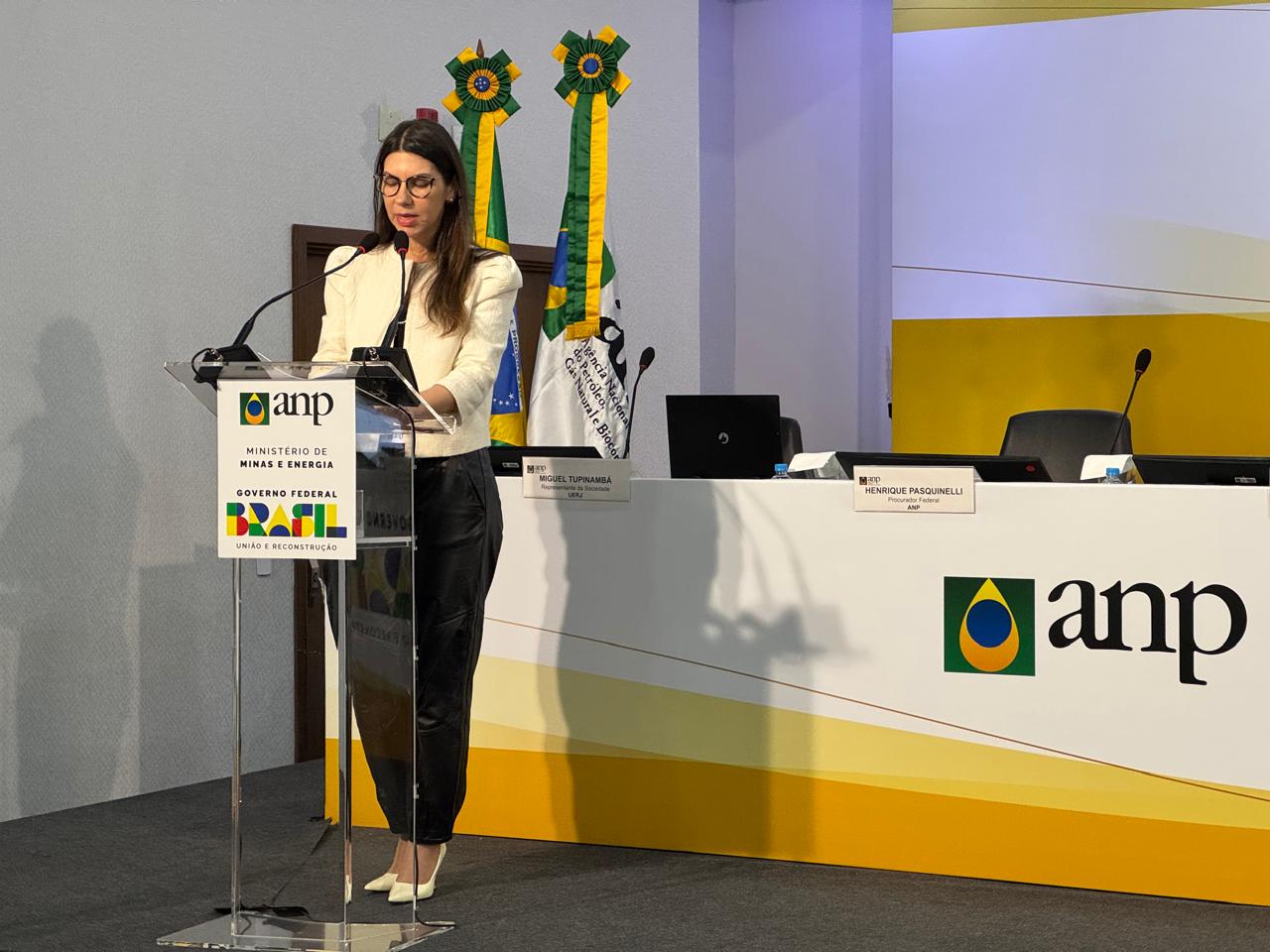
The National Oil Agency (ANP) held the 5th Cycle of the Permanent Concession Offer (OPC) this week, delivering record-breaking results. The auction raised R$ 989.3 million in signing bonuses, the highest amount ever recorded among all OPC cycles. This figure represents a 500% increase over the minimum established in the tender, reaffirming the success of the round and the strong appeal of Brazil’s exploration potential.
Planned investments for the exploration phase alone total R$ 1.46 billion, signaling market confidence in Brazil’s reserves and growing appetite for new frontiers, particularly in areas drawing global attention such as the Equatorial Margin.
“The result was very positive and demonstrates investors’ confidence in Brazil’s exploratory potential. We saw a premium of nearly 3,000% in Equatorial Margin blocks. This was the first time areas in that region were offered under the permanent offer model,” noted ANP’s Acting Director-General, Patricia Baran.
A total of 34 blocks were awarded to nine companies, covering both onshore and offshore assets. The areas are distributed across the Parecis Basin (onshore), and the Foz do Amazonas, Santos, and Pelotas Basins (offshore). Petrobras played a central role, securing ten blocks in the Foz do Amazonas Basin and three in the Pelotas Basin.