Blog

  • Three New Offshore Vessel Charter Contracts

    Three New Offshore Vessel Charter Contracts

    This week began with strong momentum in the offshore support vessel market, as three new charter contracts were officially announced.

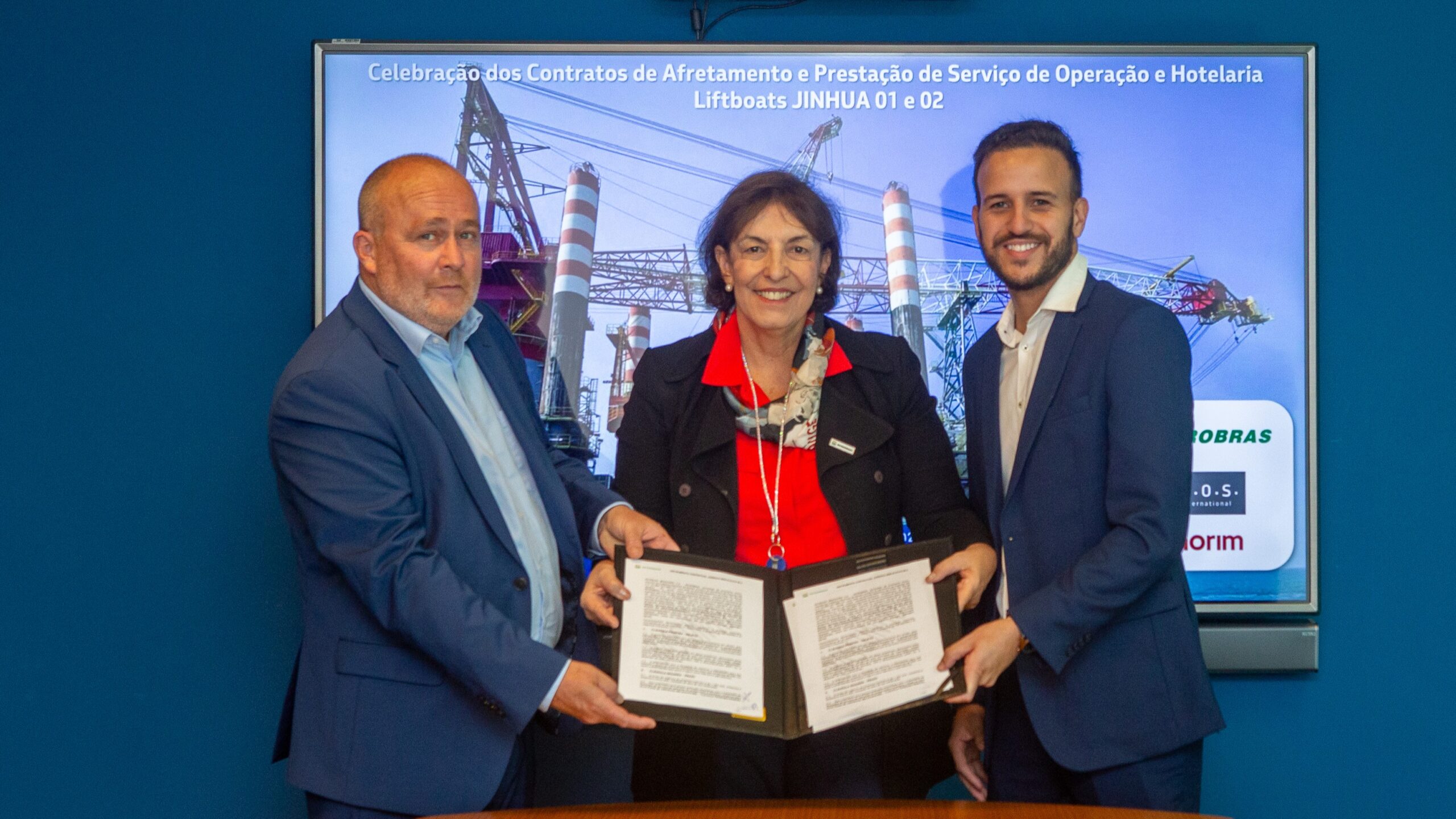
    Camorim has signed a BRL 1.2 billion agreement with Petrobras to deploy the liftboats Jin Hua 01 and Jin Hua 02 in partnership with OOS International B.V.

    These vessels will support maintenance and readiness campaigns for fixed platforms in the Sergipe-Alagoas and Rio Grande do Norte-Ceará basins. The contract will run for three years, with the official start date yet to be confirmed.

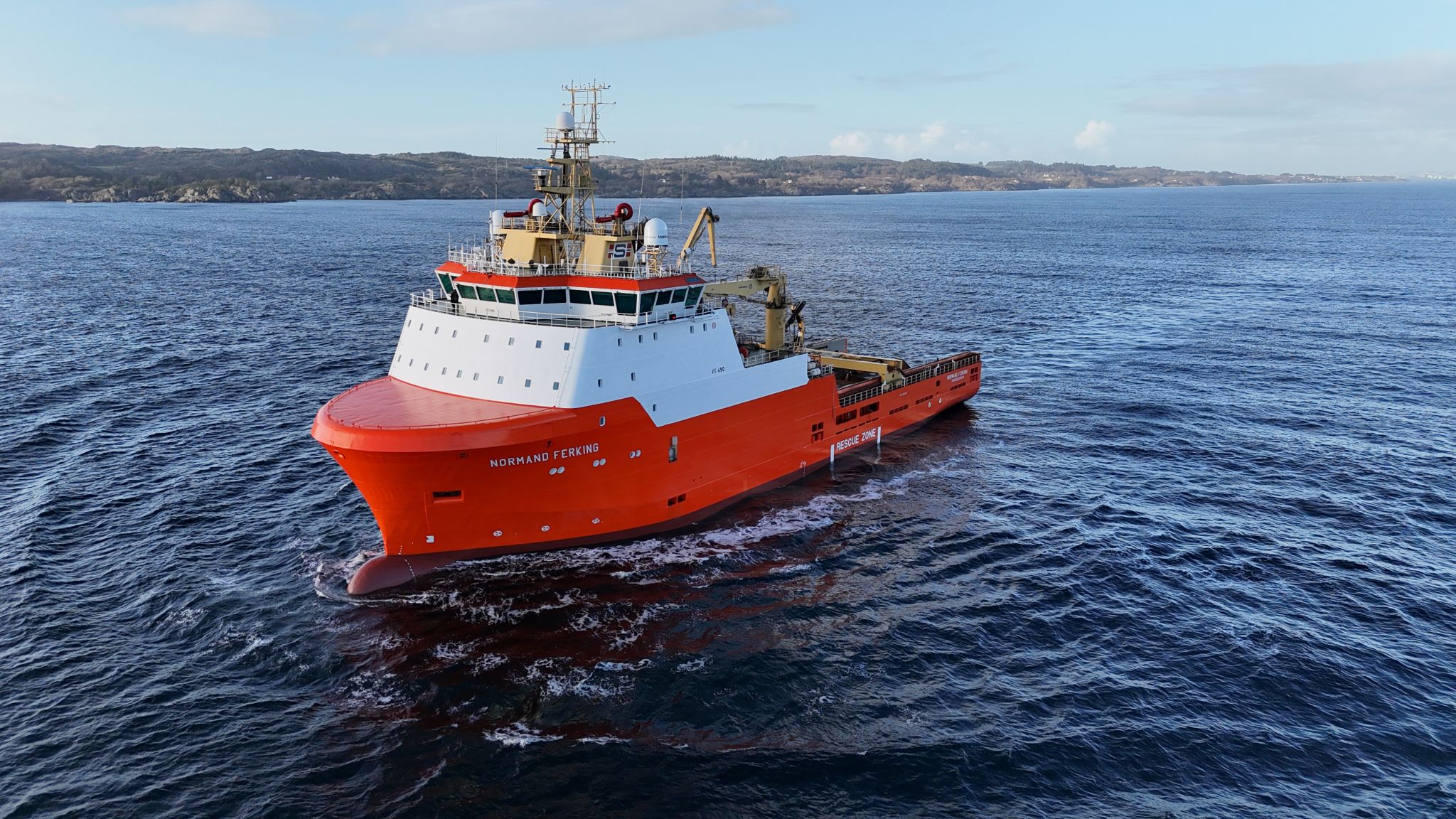
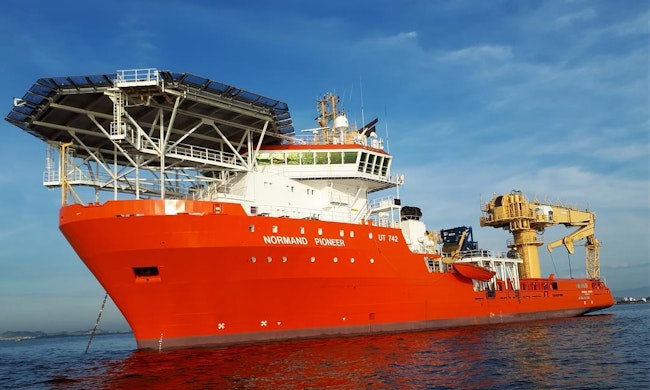
    Solstad has secured a four-year charter with Petrobras for the construction support vessel Normand Commander with Petrobras, with operations expected to begin in the first quarter of 2026. The deal is valued at approximately USD 108 million, excluding ROV services.

    Also on Monday, DOF announced two new four-year contracts, also with Petrobras, for the AHTS vessels Skandi Fluminense and Skandi Lifter. These awards stem from the same tender processes that recently secured long-term contracts for Skandi Logger, Skandi Iguaçu, Skandi Angra, Skandi Paraty and Skandi Urca.

    To stay updated on Brazil’s OSV market and access exclusive project data, reach out to: comercial@cms.oneenergynews.com. Stay informed on key offshore developments — visit www.wsb-one.com, our data platform trusted by leading offshore companies.
  • Petrobras 2x AHTS Newbuilds – Updated Clarification Schedule

    Petrobras 2x AHTS Newbuilds – Updated Clarification Schedule

    By Pedro Pellegrini

    After reviewing the tender documents and their respective attachments for the 2x AHTS newbuildings requirement, Petrobras had scheduled a clarification live session for this Friday (1st). However, due to technical issues, the session has been postponed to next Monday (4th) at 3:30 PM (Brazilian time).

    The requirement — which has sparked considerable discussion in the industry due to its unprecedented specifications and technical challenges — has caught the attention of several key players.

    Interested in understanding this unique AHTS project that’s shaking up the market?

    Click the link below to stay in the loop:

  • Open tenders & More

    Open tenders & More

    Dear All,

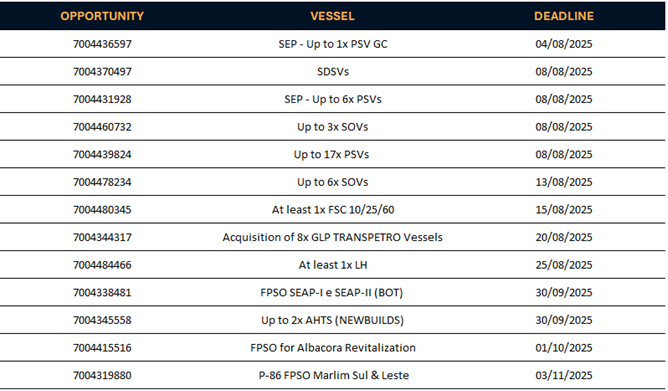
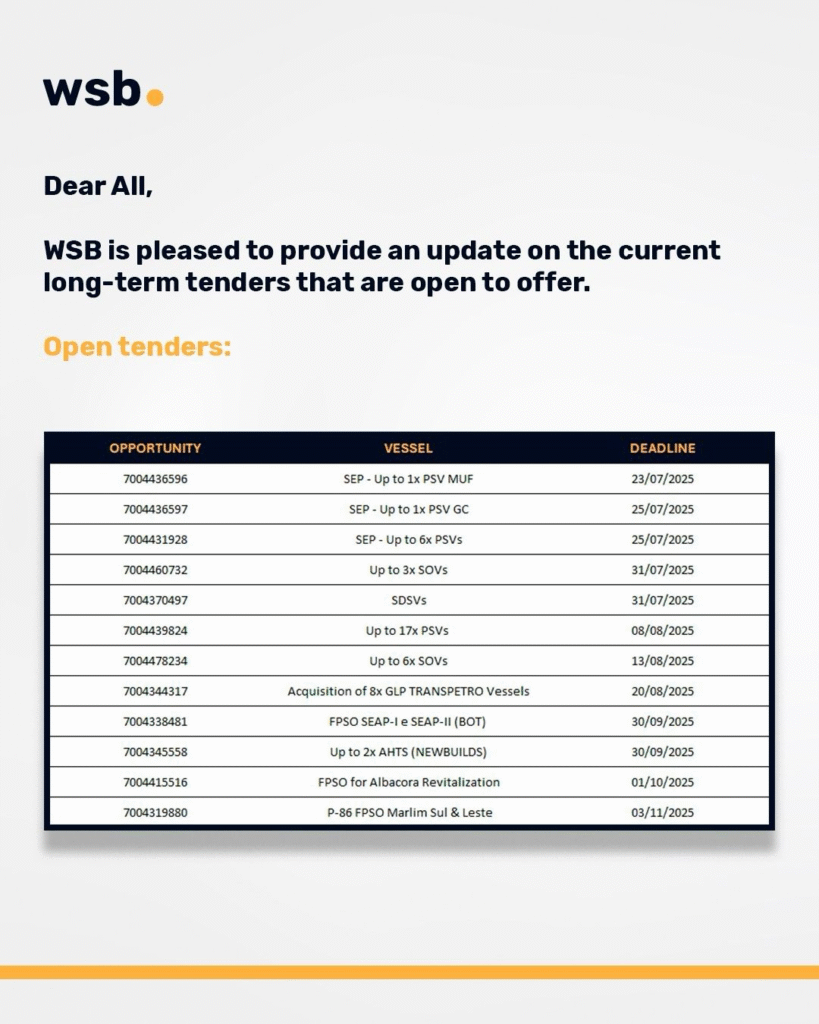
    WSB is pleased to provide an update on the current long-term tenders that are open to offer.

    Open tenders:

    What has changed?

    • Petrobras SEP Up to 1x PSV GC: Opportunity 7004436597 new deadline August 4th, 2025;
    • Petrobras SDSVs: Opportunity 7004370497 new deadline August 8th, 2025;
    • Petrobras At least 1x LH: Opportunity 7004484466 released on August 1st, 2025.

    What else is happening?

    • Petrobras redefines its ambitious AHTS technical specifications, reducing vessel size, deck area, crane strength and torpedo pile capacity. The redesign moves away from record-breaking specs toward a more feasible, globally aligned solution, shaped by industry feedback. The result is a technically capable vessel design that significantly reduces construction complexity and cost, without compromising its core function within Petrobras’ offshore operations.
    • PRIO receives IBAMA’s Preliminary License approval for Wahoo field, bringing PRIO closer to production through a lean subsea tieback strategy, reducing environmental impact.
  • Ethanol solutions

    Ethanol solutions

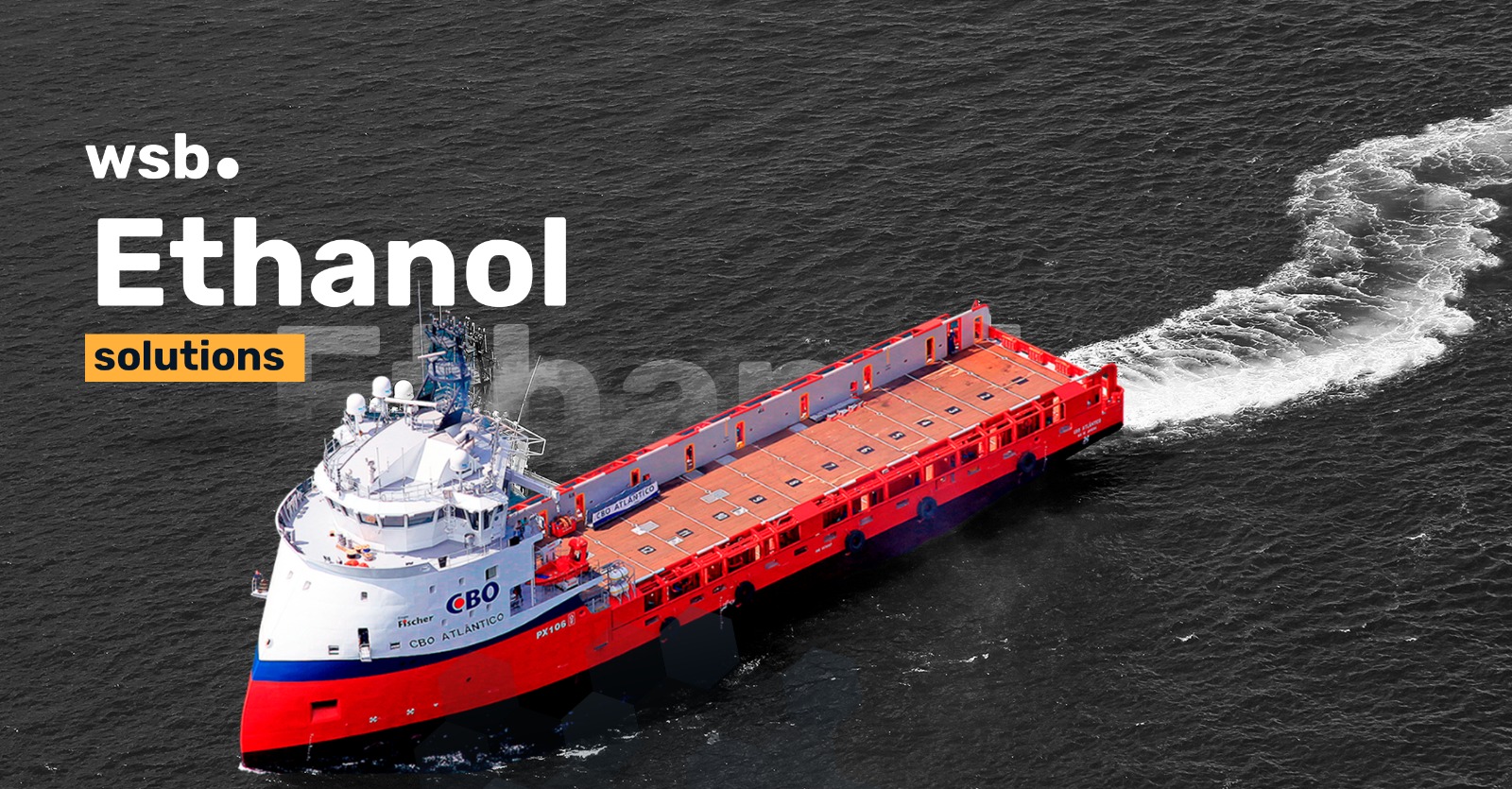
    Ethanol: A Viable Path to Decarbonization in Brazil’s Maritime Sector?

    The use of ethanol as a marine fuel is an emerging option as a concrete step toward decarbonization in Brazil’s naval industry. Recent initiatives, such as the pioneering project by Sotreq S/A and Caterpillar Inc. to convert a MaK marine engine to a dual-fuel system (diesel and ethanol), are placing the country at the forefront of sustainable maritime solutions. This marks the first conversion of its kind worldwide and underscores Brazil’s potential to lead in low-emission technologies for high-demand sectors like shipping and offshore support.

    Ethanol, produced primarily from sugarcane and corn, is a renewable, widely available and logistically viable alternative. When considering its full lifecycle, it can cut CO₂ emissions by up to 60% compared to fossil fuels, like Diesel. Its infrastructure can easily be put in place across Brazil’s ports, creating an immediate pathway for adoption, unlike other emerging alternatives such as hydrogen, ammonia or green methanol, which still face scaling and cost challenges.

    According to Anidio Correa, R&D Environment Projects Lead at WSB Advisors, ethanol represents both a practical and strategic solution:

    “The technology for production, storage and transport of ethanol is fully mastered in Brazil. If truly adopted, the challenge lies in gradually adapting maritime engines, ensuring safety, preserving autonomy and energy efficiency while considering the lower energy density of ethanol, compared with diesel. Adoption shall be progressive, allowing fuel production to grow alongside market demand. Ethanol could represent a safe, cost-effective and scalable solution for the sector.”

    As Brazil progresses its energy transition, ethanol-powered maritime operations could offer a competitive, sustainable path, aligned with IMO decarbonization targets and the country’s robust renewable infrastructure.

    Would ethanol-powered vessels become a turning point for the Brazilian maritime industry?

    What do you think?

  • Petrobras: new AHTS specs

    Petrobras: new AHTS specs

    By Alexandre Vilela and Pedro Pelllegrini

    Petrobras Scales Back Ambitious Design in Multi-Year AHTS Newbuilding Tender

    Petrobras has revised the technical specifications for its next-generation large Anchor Handling Tug Supply (AHTS) vessels under Brazil’s landmark AHTS Newbuilding tender, which is expected to result in multi-year awards. The original requirements were developed after extensive market sounding and aimed to stretch design boundaries by proposing a vessel of unprecedented scale and capacity, intended to redefine offshore support capabilities in deep and ultra-deepwater environments.

    The initial concept called for a vessel capable of carrying eight 160-ton torpedo piles on deck, effectively centralizing operations typically performed by up to four conventional AHTSs. This responded to Petrobras’ plan to increase torpedo pile weights from 120 to 160 tons, with the goal of reducing the number of mooring lines required per offshore unit. The concept also envisioned enhanced chain-handling capacity and significant onboard storage to support operations in remote, high-energy basins such as the Equatorial Margin.

    After significant industry feedback and feasibility analysis, Petrobras has now adopted a more pragmatic approach. The revised specifications bring the project closer to international standards while maintaining operational effectiveness.

    Key updates include a reduction in length overall from 130m to 97m, draft from 8.4m to 7m and deck area from 1,500m² to 840m². The original 250-ton subsea crane will be replaced with a 20-ton main crane and deck capacity has been lowered from 8+1 to 4+1 torpedo piles.

    The result is a technically capable vessel design that significantly reduces construction complexity and cost, without compromising its core function within Petrobras’ offshore operations.

  • Oil traces detected

    Oil traces detected

    BP has confirmed the presence of oil and gas traces at the pioneer well 1-BP-13-SPS, located in the Bumerangue block in Brazil’s pre-salt Santos Basin. The well is situated in 2,300 meters of water and is being drilled by the Valaris Renaissance drillship, with operations having started in late May. The Bumerangue block was fully acquired by BP during Brazil’s 2022 production-sharing bidding round.

    In addition to Bumerangue, BP operates four exploration blocks in Brazil, including Tupinambá (also with 100% interest) and Pau Brasil, where it holds a 50% stake alongside partners CNOOC International and Ecopetrol. The company also maintains interests in various blocks across the Barreirinhas and Campos basins.

  • WSSV Bid

    WSSV Bid

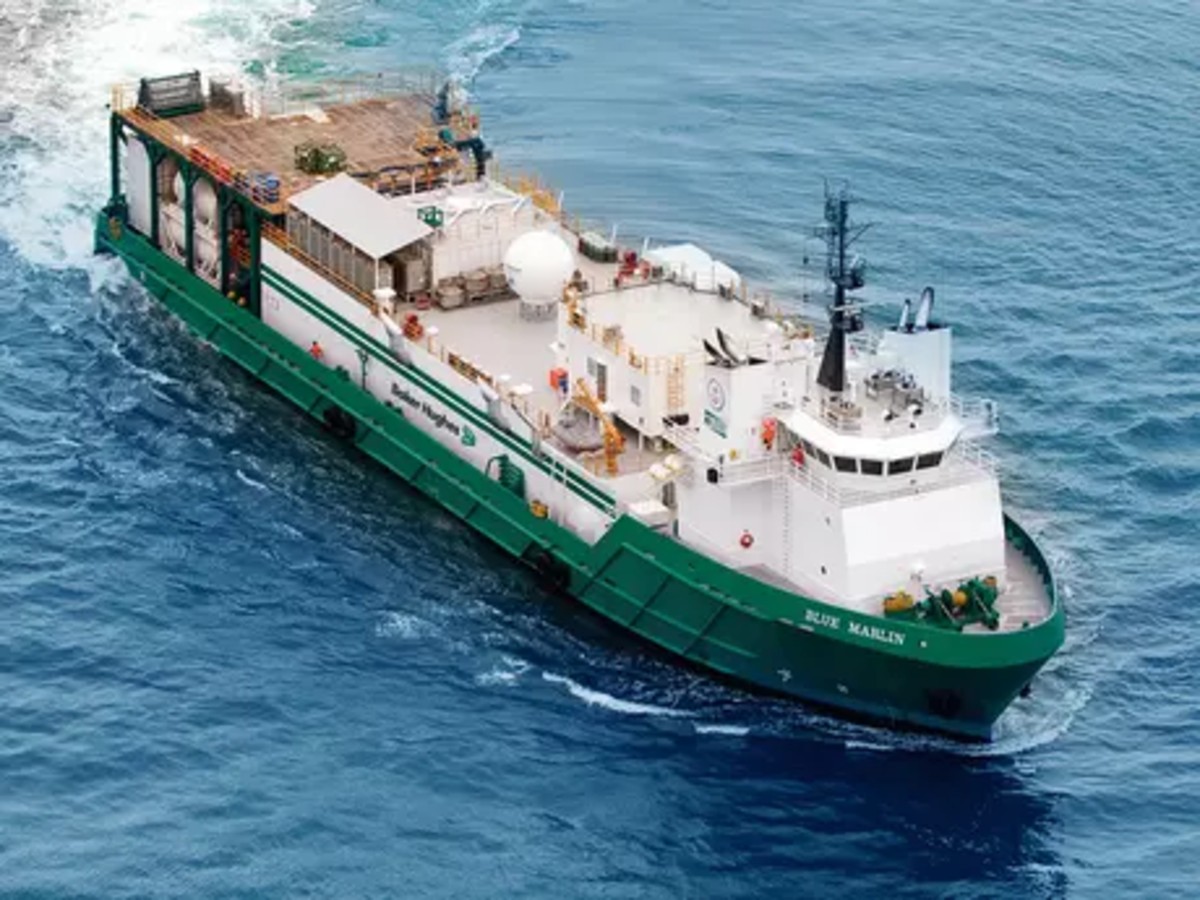
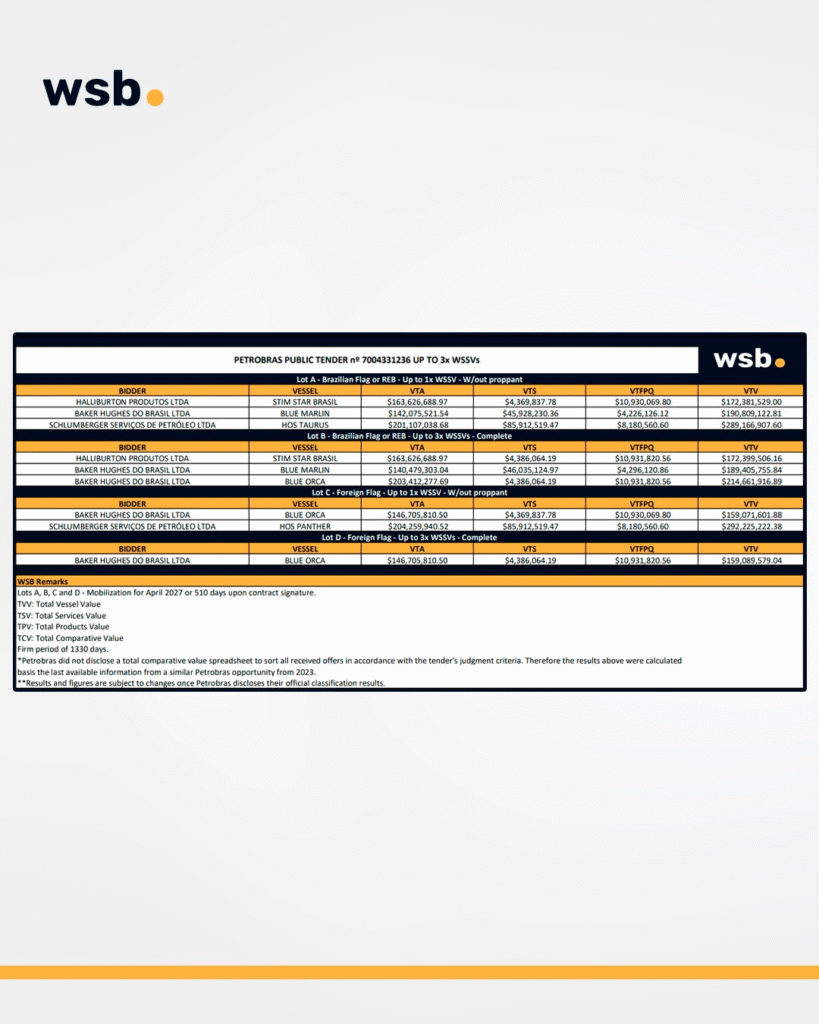
    Petrobras has announced the final results of its tender for the charter of up to three Well Stimulation Support Vessels (WSSVs), initially launched in 2024. The selected contracts will have a fixed duration of 1,330 days – approximately three and a half years – with operations expected to begin in April 2027 or within 510 days from the contract signing date.

    Three vessels have advanced to the final shortlist phase, one step before official contract award: the Stim Star, operated by Halliburton, the Blue Marlin and Blue Orca, both operated by Baker Hughes.

    For more information, see the graphic below or contact us at: comercial@cms.oneenergynews.com.

  • Latest news

    Latest news

    Petrobras has postponed two tender opportunities to August 8, 2025. The first refers to Opportunity No. 7004431928, covering up to six PSVs – SEP. The second, Opportunity No. 7004460732, involves the charter of up to three SOVs.

    According to BNamericas, Petrobras is evaluating a new subsea system named Hisep 2, designed to separate and reinject CO₂ directly on the seabed, making it possible to commercialize natural gas. This innovation reinforces the company’s strategy to expand domestic gas supply while advancing its decarbonization agenda. The first unit, Hisep 1, is already under construction by TechnipFMC in Rio de Janeiro and is scheduled for installation in 2028 at the Mero 3 field, in the pre-salt.

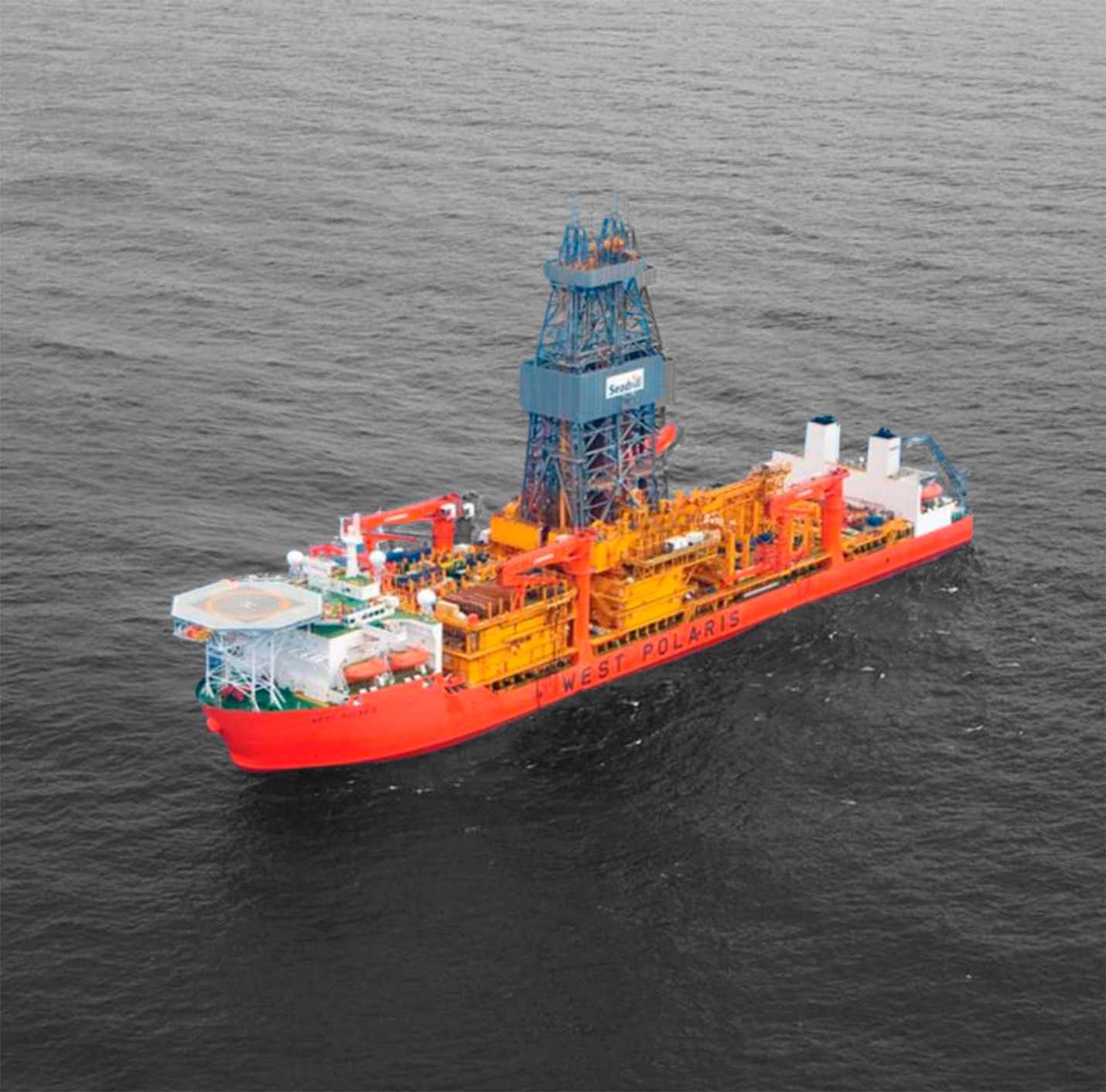
    The company has also initiated drilling activities at well 4-BRSA-1402-RJS, located in the Alto de Cabo Frio Central block in the Campos Basin. The operation is being carried out by the West Polaris drillship, owned by Seadrill. In June, Petrobras had already confirmed signs of oil in a nearby well within the same block. The area was acquired in 2017 and is being developed in partnership with BP, with both companies holding equal stakes.

  • Coming Soon: The All-New WSB. One

    Coming Soon: The All-New WSB. One

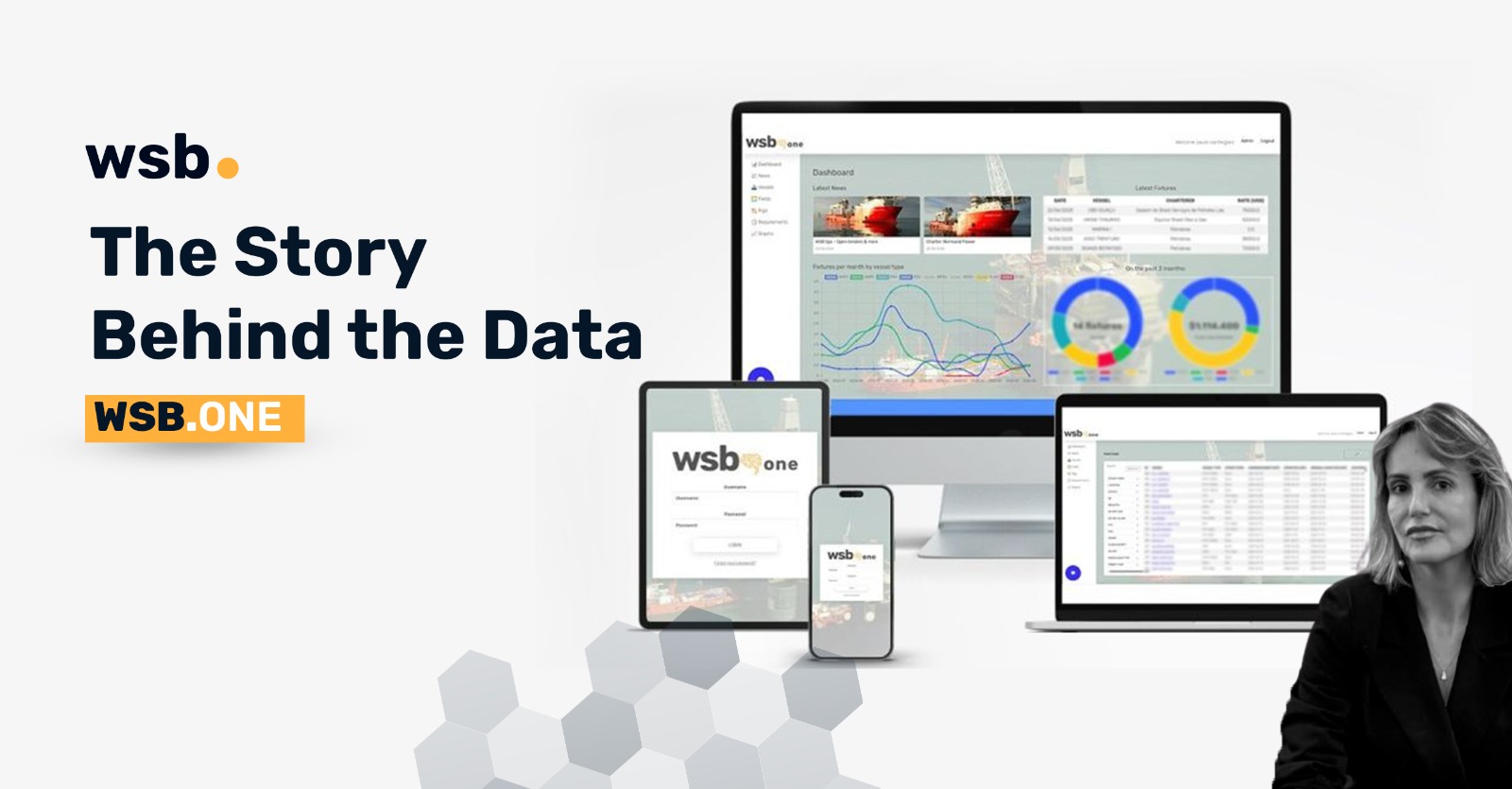
    More than a database — a story of vision, purpose and relentless curiosity.

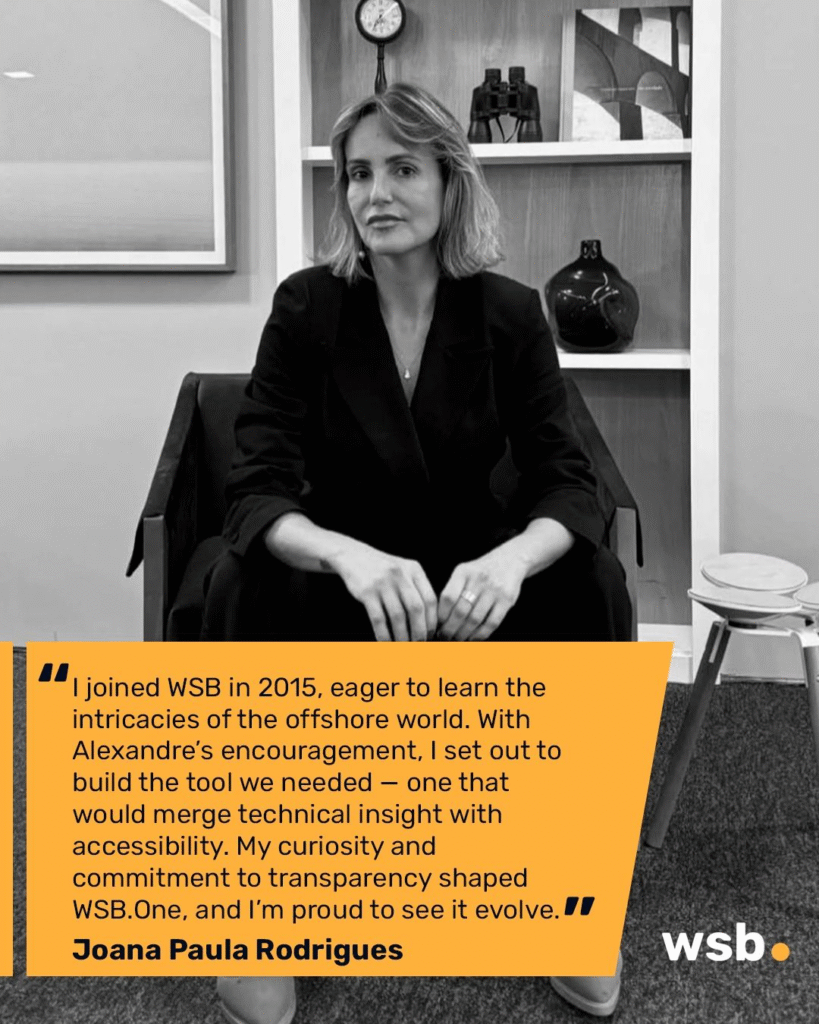
    WSB. One was born nearly a decade ago from a conversation between Alexandre Mattar Vilela, CEO of WSB Advisors and Westhon and Joana Paula Rodrigues, then a newly appointed shipbroker with a passion for research. What started as an internal effort to organize operational, commercial and regulatory data has grown into a benchmark for offshore market intelligence and positioned Joana as the natural leader of our upstream data efforts.

    “I joined WSB in 2015, eager to learn the intricacies of the offshore world. With Alexandre’s encouragement, I set out to build the tool we needed — one that would merge technical insight with accessibility. My curiosity and commitment to transparency shaped WSB. One and I’m proud to see it evolve,” says Joana, affectionately known as the platform’s ‘mother’.

    Now, we’re about to unveil a fully revamped WSB.One
    – Smarter interface
    – Richer local data
    – Seamless experience
    – Precision and detail unmatched by any other tool in Brazil

    A new standard in decision-making is coming.


    Stay tuned!

  • Offshore briefing

    Offshore briefing

    Offshore Briefing — Drilling, Merchant Marine Fund, and New Charter Awards

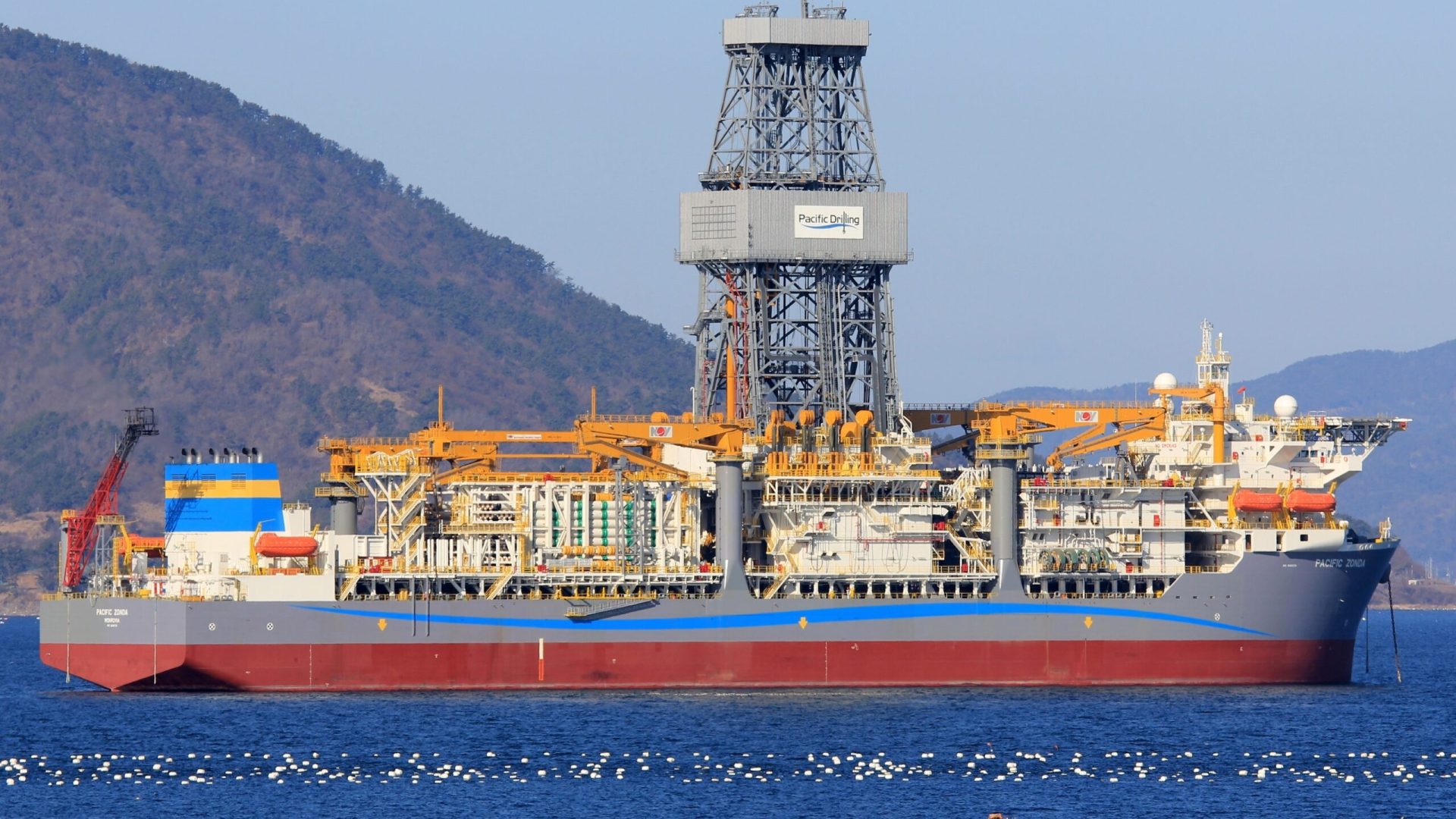
    • Petrobras has started drilling the 9-BUZ-103D-RJS well in the Búzios field, located in the Campos Basin. The operation is taking place in 1,700 meters of water depth and is being conducted by the drillship Atlantic Zonda, owned by Eldorado Drilling and operated by Ventura Offshore.

    • Revenues from the AFRMM (Additional Freight for the Renewal of the Merchant Marine) reached BRL 2.2 billion in the first half of 2025, a 15% increase over the same period in 2024. Net revenue totaled BRL 1.9 billion, up 8.6%. Disbursements from the Merchant Marine Fund (FMM) reached BRL 979 million, largely driven by vessel and port infrastructure financing. Reimbursements to Brazilian Shipping Companies (EBNs) totaled BRL 333 million — 72% higher than the first half of 2024.

    • Solstad Offshore confirmed a contract award for the CSV Normand Mermaid with U.S. based SAExploration. The agreement, valued between USD 10 million and USD 30 million, is set to begin in July 2025 for 150 days with potential extensions. The scope also includes two Work Class ROVs, tooling and inspection services to be provided by Omega Subsea.

    Stay updated on key developments in Brazil’s offshore sector — visit WSB. One, our intelligence platform used by leading offshore companies and follow us on LinkedIn and Instagram.

  • Offshore Highlights: Early Milestones, FPSO Tenders and Project Updates

    Offshore Highlights: Early Milestones, FPSO Tenders and Project Updates

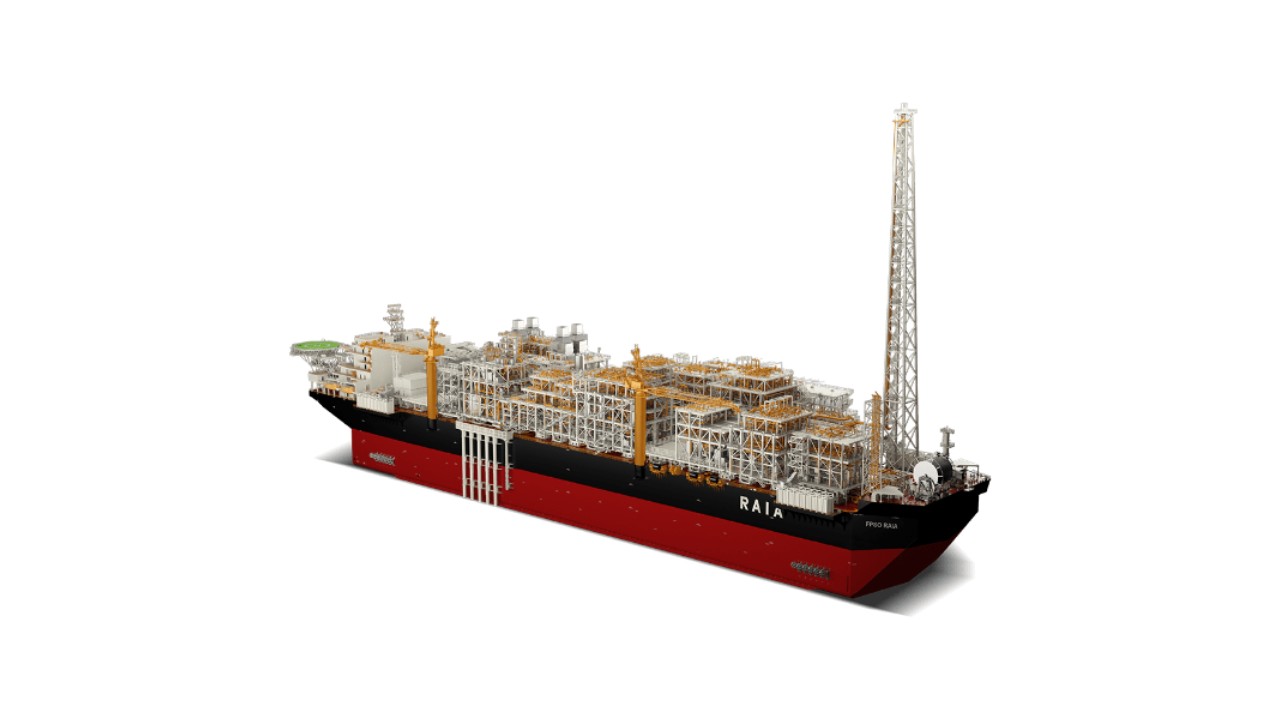
    – Repsol Sinopec announced that the FPSO for the Raia Project has successfully left dry-dock, 24 days ahead of schedule. In parallel, IBAMA has issued the Maritime Installation License, authorizing the beginning of offshore pipeline installation activities.

    – Instituto Brasileiro do Meio Ambiente e dos Recursos Naturais Renováveis – Ibama -has also granted PRIO the preliminary environmental license for the development system of the Wahoo field and its connection to the FPSO Valente (formerly FPSO Frade). This enables the company to move forward with the licensing process needed for subsea construction and tieback execution.

    – According to BNamericas, five major players: Shapoorji Pallonji Group, MISC Group, MODEC, Ocyan and BW Offshore, are preparing bids for Petrobras’ P-88 FPSO, which will support the revitalization of the Albacora field in the Campos Basin. Relaunched under the Build-Operate-Transfer (BOT) model in March 2025, the FPSO is scheduled to begin operations in 2030, with a processing capacity of up to 120,000 barrels of oil per day. Bid submissions are due by October 1.

    – BRAVA Energia confirmed the successful connection of wells 2H and 3H to the Atlanta Project. Both wells were previously part of the early production system via the FPSO Petrojarl I and are now undergoing testing and automation phases. Production may fluctuate during stabilization, but the company expects to reach peak output and operational efficiency in the coming months.

    – Petrobras has extended the deadline for opportunity no. 7004436596, which refers to the potential charter of up to one “MUF PSV”. The new submission deadline is July 23rd, 2025

    Stay informed on key offshore developments — visit WSB. One, our data platform trusted by leading offshore companies, and follow WSB Advisors on LinkedIn and Instagram.

  • WSB tips – Open tenders & more

    WSB tips – Open tenders & more

    By Maria Eduarda Camba

    Hi, All

    WSB Advisors is pleased to provide an update on the current long-term tenders that are open to offer:

    What has changed?

    Petrobras has extended the deadline for opportunity no. 7004436596, which refers to the potential charter of up to one “MUF PSV”. The new submission deadline is July 23rd, 2025.

    Petrobras has extended the deadline for opportunity no. 7004436597, which refers to the potential charter of up to one PSV with GC. The new submission deadline is August 1st, 2025.

    Petrobras has extended the deadline for opportunity no. 7004439824, which refers to the potential charter of up to seventeen PSVs. The new submission deadline is August 8th, 2025.

    Petrobras has extended the deadline for opportunity no. 7004478234, which refers to the potential charter of up to six SOVs. The new submission deadline is August 13th, 2025.