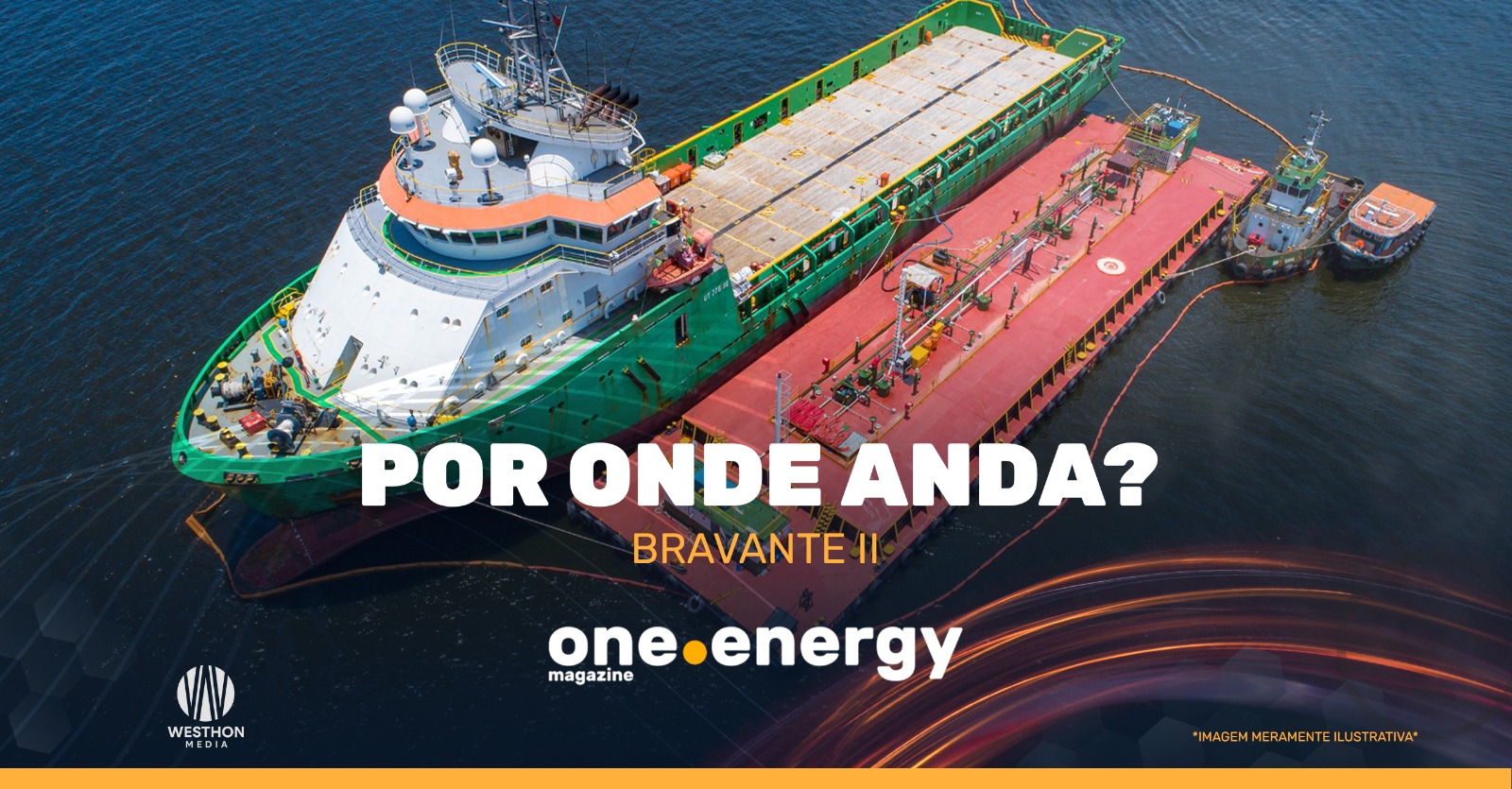
Forged to cross cycles — not just to fit a single market moment — Bravante II is one of those assets that, on the offshore Brazilian Battleship board, remained marked as operational while many peers had already been crossed out. Built in Brazil, it not only survived the sector’s turning point but preserved operational relevance when a large portion of the fleet fell behind.
Built in 2017 by Estaleiro Navegação São Miguel, Bravante II belongs to a generation of offshore support vessels developed under a more disciplined environment, shaped by stricter technical, regulatory and operational requirements than those seen during the accelerated expansion phase of the previous decade.
Classified as a PSV, Bravante II was designed to meet the typical logistics demands of Brazil’s Campos and Santos basins. With 87.9 meters LOA, 19.04 meters of beam, gross tonnage of approximately 3,983, and deadweight estimated at around 5,500 tonnes, it positions itself as a large PSV.
From a technical standpoint, the vessel follows a more conservative concept, featuring diesel-electric propulsion with total installed power of approximately 8,500 kW, an arrangement focused on operational robustness, energy efficiency and reliability during extended campaigns. The deck area, close to 850 m², reinforces a functional profile that prioritizes cargo flow, operational simplicity and ease of maintenance — characteristics that, under demanding offshore conditions, continue to be decisive.
Since entering service, Bravante II has remained focused on the Brazilian market, operating predominantly in regular offshore support campaigns. Unlike vessels that went through prolonged lay-up periods or multiple ownership changes, it has maintained a relatively stable trajectory, reflecting a fleet management approach centered on availability and operational predictability.
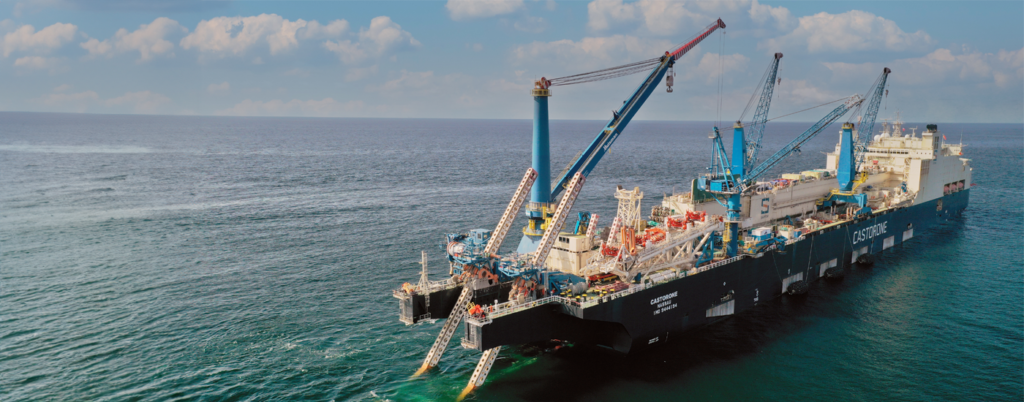
Public tracking data indicate that, in 2026, Bravante II remains active, with AIS in operation and recent movement history. During this period, the vessel has been employed in support Pipeline project, operating on routes between Guarujá and the Raia area, assisting logistical activities associated with the Castorone pipelay vessel and the heavy-lift support chain involved in subsea infrastructure installation. There are no public records of major technical incidents, propulsion losses or structural events that have compromised its operational performance over time.
And here lies the question the market rarely puts on paper: why does a vessel built in 2017, with a more conservative design, continue to “take jobs” from newer units? The answer lies less in cutting-edge technology and more in reliability, real availability and disciplined fleet management — attributes that, in tighter demand cycles, weigh heavily in chartering decisions.
The vessel is a reminder that, in Brazilian offshore operations, doing the job well — for a long time — remains a tangible competitive advantage!
Tag: offshore
-
Special WSB: Por onde anda? Bravante II
-
ANP: strategic decisions
The National Agency of Petroleum, Natural Gas and Biofuels (ANP) has advanced a broad set of regulatory and strategic decisions with implications for exploration policy, contractual frameworks, project development and Brazil’s energy transition agenda across the oil and gas sector.
ANP approved the draft of the updated Production Sharing Permanent Offer (OPP) bidding round notice, incorporating 17 additional exploratory blocks and bringing the total number of areas under consideration to 25. The proposal was unanimously endorsed by the Agency’s Board and will now be forwarded to the Ministry of Mines and Energy (MME) for review, followed by a public hearing prior to final approval and publication. Of the 25 blocks, nine already hold environmental feasibility clearances, while the remaining 16 await a Joint Manifestation by the MME and the Ministry of the Environment. The expansion seeks to reinforce Brazil’s upstream exploration pipeline, while also highlighting the regulatory interdependencies between licensing and interministerial coordination.
In oversight of upstream development plans, ANP denied an appeal filed by Equinor related to the Raia project in the Campos Basin. The Agency upheld its decision to classify the reservoir as a single field, rejecting the proposal to split it into Raia Manta and Raia Pintada. According to ANP, the areas originate from the same exploratory block (BM-C-33) and share infrastructure and production flow, characterizing an integrated development. As a result, the unified development plan submitted by Equinor and its partners was approved, with potential fiscal implications given the application of participation special rules to unified fields.
Another relevant regulatory decision addressed deepwater gas developments in the Sergipe-Alagoas Basin. At its meeting on 26 January, ANP approved the revised development plan for the Sergipe Águas Profundas project and exceptionally extended the concession terms for the SEAP-1 and SEAP-2 areas prior to the start of production. The measure provides long-term contractual visibility and aligns concession horizons with the expected operational lifespan of offshore infrastructure, supporting the economic viability of the project. Petrobras is required to submit updated plans reflecting the Agency’s technical requirements within the established regulatory timeframe.
On the regulatory front for decommissioning, ANP advanced the process to revise Resolution No. 854/2021, which governs financial guarantees for the decommissioning of oil and gas facilities. The Board approved the public consultation report and identified the need for adjustments to the draft resolution, including alignment with recent legislation and enhancements to the performance bond insurance model. Technical departments were tasked with updating the regulatory framework, defining implementation strategies and establishing procedures related to insurer notification and compliance.
In the renewable fuels segment, ANP granted its first authorization for the production and commercialization of Bio-GL, a renewable liquefied gas equivalent to LPG, to the Riograndense Refinery in Rio Grande do Sul. Produced using 100% plant-based feedstock, Bio-GL underwent industrial and laboratory testing that confirmed compliance with technical specifications and its suitability as a drop-in fuel. The product has the potential to reduce CO₂ emissions by approximately 65% to 70% compared to conventional fossil LPG.
Taken together, these decisions illustrate ANP’s multi-front regulatory role: expanding exploration opportunities, providing clarity on upstream project development, modernizing decommissioning rules and enabling the introduction of renewable fuels. The scope and sequencing of the measures also underline the complexity of aligning industrial policy, environmental licensing and fiscal frameworks — factors that will continue to shape investment decisions across Brazil’s upstream and midstream segments in the coming years.
-
Open Tenders & More
Dear All,
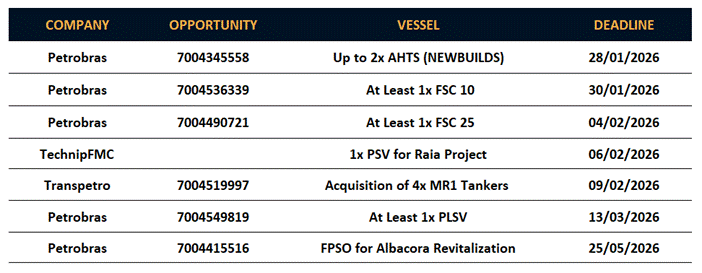
WSB is pleased to provide an update on the current long-term tenders that are open to offer.
Open tenders:
What has changed?
- Petrobras At least 1x PLSV: Opportunity 7004549819 released January 14th, 2026.
What else is happening?
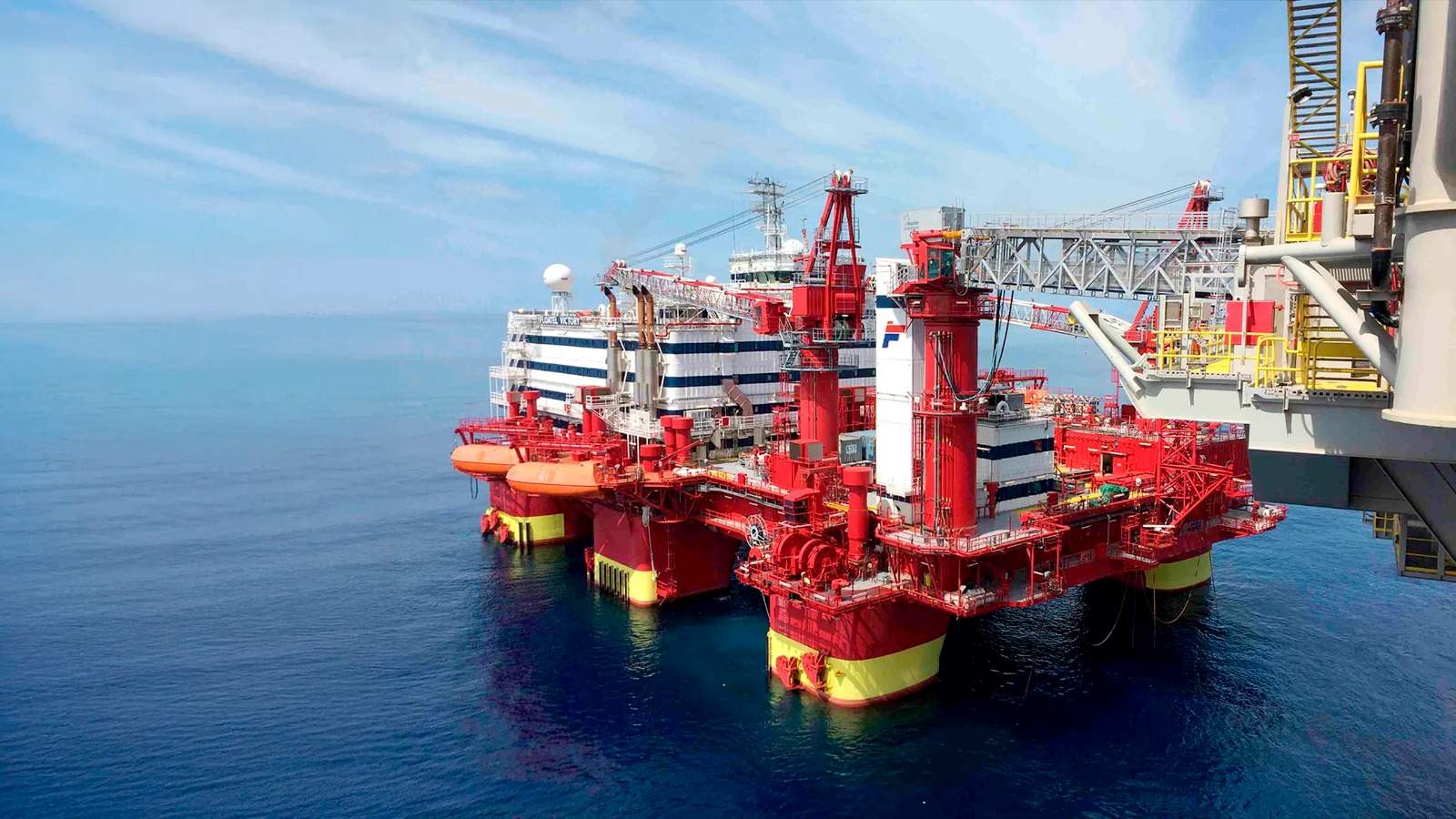
- Floatel Victory is due to move to Karoon for a 4-6-month period after the end of its contract with PRIO, scheduled for Q1 2026 (following takeover of the field from Equinor). Rumors of a PSV will also support the floatel operation, providing supply duties to the accommodation unit.
- Lagunero has arrived at the Guanabara Bay anchorage, where it is preparing to start an accommodation contract with Petrobras.
- Competitive market: a high number of PSV bids is expected in the ongoing in the TechnipFMC tender, in light of Petrobras’ slowing down chartering demand.
- OTSV Marina I has gone through an early termination by Petrobras for not meeting the technical/operational required performance
-

Special WSB: Por onde anda?
Launched in 2006 and 2007 respectively at Estaleiro Ilha S.A. (EISA), in Rio de Janeiro, the Platform Supply Vessels UP Topazio and UP Diamante represent a mature phase of Brazil’s offshore support vessel construction cycle, when local shipyards were delivering standardized PSVs to meet the rapid expansion of offshore logistics demand.
Built as mid-size Offshore Support Vessels, both units share similar dimensions, with approximately 84.6 meters in length, 16.6 meters of beam and deadweight close to 4,200–4,300 tonnes. Designed for cargo transport, fluid handling and general offshore support, they were conceived to operate across Brazil’s offshore basins during a period of high fleet utilization.
Registered under Brazilian flag and delivered to UP Offshore Apoio Marítimo, the vessels became part of a generation of PSVs that formed backbone of offshore logistics during 2000s and early 2010s. Like many assets of the same vintage, their operational trajectories were directly affected by sharp contraction of Brazilian offshore market after 2015, when contract terminations and vessel oversupply reshaped fleet dynamics. In this context, UP Offshore underwent a corporate reorganization, culminating in May 2021, when OceanPact concluded the acquisition of UP Offshore’s operations and legacy assets, through a corporate succession process rather than a direct vessel-by-vessel acquisition.
From an operational standpoint, public tracking data points to a gradual exit from active service. UP Topazio still showed port-related activity in Itajaí, Santa Catarina, throughout 2024, indicating residual movements or repositioning before entering lay-up. Since then, no public AIS transmissions have been recorded. UP Diamante presents an even longer period of inactivity, with its last publicly available AIS signal dating back to June 2017, when the vessel was recorded in Rio de Janeiro.
Today, both UP Topazio and UP Diamante are understood to be in lay-up, with no publicly visible signs of active offshore operations. Their trajectories reflect a broader reality of Brazil’s offshore support fleet, where technically viable vessels remain sidelined, awaiting either reactivation, repurposing or definitive retirement.
Are they deteriorating quietly — or simply waiting?
There are no public records indicating flooding, leaks, loss of propulsion or major technical incidents during their operational lives. At the same time, there are no visible signals of reactivation planning, sale processes or dismantling intentions. Curiously, both units still appear listed within OceanPact’s fleet on its corporate website, as if commercially available — a detail that contrasts with their prolonged operational silence. In absence of disclosures, silence itself becomes part of the story.
As offshore activity selectively resumes and fleet availability tightens, the question remains — could these assets still find a path back into operation, or do they mark the closing chapter of a generation shaped by a very different market cycle?
Every Thursday, a new “Por onde anda?” — stay tuned.
Stay informed on key offshore and marine market developments — visit wsb-one.com.
-

Riograndense Refinery: R$ 6 bi
Petrobras announced plans to convert the Riograndense Refinery, located in Rio Grande (RS), into Brazil’s first biorefinery, marking a significant step in the company’s strategy to expand production of lower-carbon fuels. The announcement was made on 20 January 2026 by Petrobras President Magda Chambriard during the contract-signing ceremony of the Mar Aberto program.
According to Petrobras, the transformation is expected to begin in the second half of 2026 and will require investments of approximately R$ 6 billion. The project foresees the production of 100% bio-based products, repositioning the refinery within Petrobras’ refining portfolio and aligning the asset with the company’s energy transition roadmap.
Magda Chambriard (Source: Petrobras)
The event took place at the Ecovix Construções Oceânicas S.A. / Estaleiro Rio Grande S.A. facilities and was attended by Petrobras and Transpetro – Petrobras Transporte S. A. executives, federal authorities and industry representatives. Johan Paul Kempers, representing WSB Advisors, was present in connection with Ecovix and the Rio Grande shipyard, reinforcing WSB’s ongoing involvement and monitoring of strategic industrial developments linked to Brazil’s offshore and naval sectors.
Petrobras has been conducting technical and industrial tests since 2023 to assess the feasibility of the conversion, with investments of around R$ 45 million, supported by financial contributions from partners Braskem and Grupo Ultra. These tests focus on adapting existing processes and evaluating technological routes for biofuel production.
Founded in 1937, the Riograndense Refinery is the oldest refinery in Brazil, predating Petrobras itself. The facility currently has an installed capacity of approximately 17,000 barrels per day and produces road and marine fuels, petrochemical naphtha, LPG, solvents and specialty products. The planned conversion represents a strategic repositioning of the asset in response to evolving market and regulatory demands in the energy sector.
Stay informed on key offshore developments — visit wsb-one.com, our data platform trusted by leading offshore companies. -
Mar Aberto Program
As reported by WSB Advisors, Petrobras and Transpetro – Petrobras Transporte S. A. held a contract-signing ceremony in Rio Grande (RS) on 20 January for the construction of 41 vessels under the “Mar Aberto” (Open Sea) program, totaling investments of approximately R$ 2.8 billion. The event was attended by Petrobras CEO Magda Chambriard, Transpetro CEO Sérgio Bacci, federal authorities and political representatives, becoming one of the main highlights of Brazil’s oil and gas market this week.
The package includes five gas carriers, 18 pushboats and 18 barges, all to be operated by Transpetro. The vessels will be built across three Brazilian states, reinforcing domestic shipbuilding capacity. In Rio Grande do Sul, Estaleiro Rio Grande S.A. will construct the five LPG carriers, which represent the largest share of the investment. In Amazonas, Bertolini Construção Naval. da Amazônia will build the 18 barges, while in Santa Catarina, INC – Indústria Naval Catarinense will be responsible for the 18 pushboats.
The new contracts mark the start of a new investment cycle in fleet renewal and shipbuilding, strengthening local content policies and supporting the recovery of Brazil’s naval production chain. With the inclusion of barges and pushboats, Transpetro will also enter inland fuel transportation with its own fleet, verticalizing bunkering operations and expanding logistical flexibility.
The contracts rank among the most significant shipbuilding investments in Brazil in recent years, with direct impacts on shipyard reactivation, job creation and the domestic supply chain for goods and services. Despite adjustments in Petrobras’ medium-term investment outlook, the signing confirms continuity of industrial orders aligned with logistics, energy security and fleet modernization objectives.
Stay informed on key offshore developments — visit wsb-one.com, our data platform trusted by leading offshore companies. -
Open Tenders
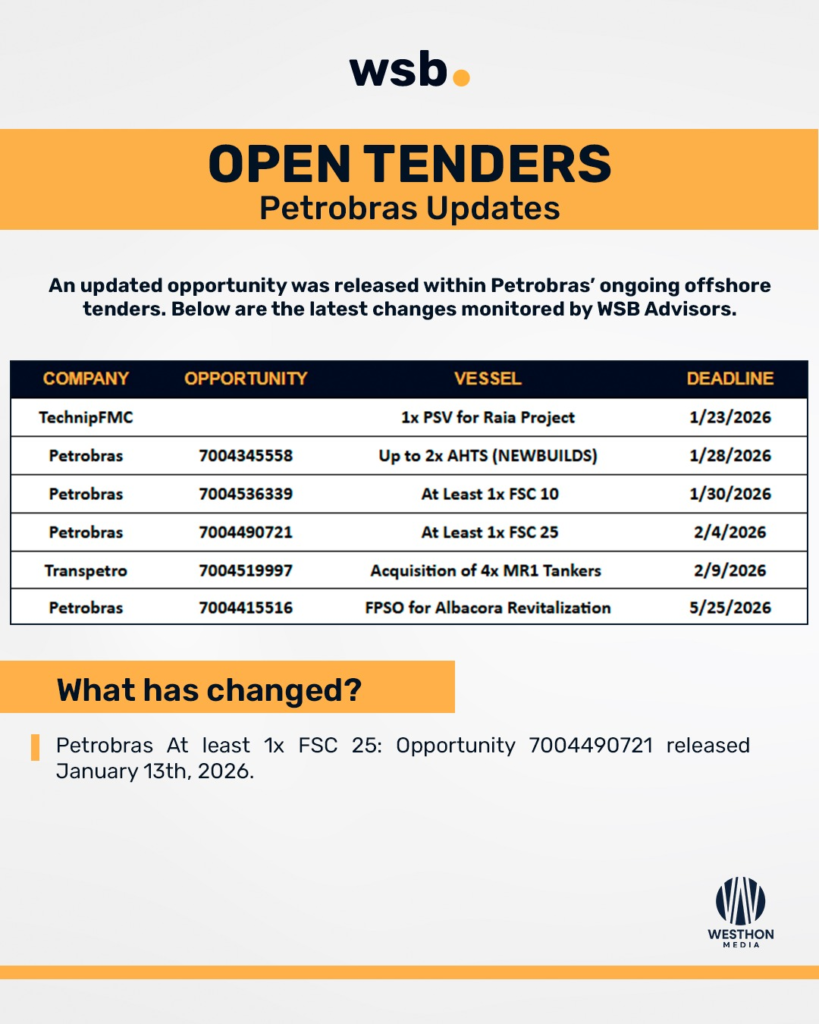
An updated opportunity was released within Petrobras’ ongoing offshore tenders. Below are the latest changes monitored by WSB Advisors.
What has changed?
– Petrobras at least 1x FSC 25: Opportunity 7004490721 released January 13th, 2026.
What else is happening?
– Spliethoff started a new offshore project in Brazil for Saipem with the arrival of m/v Brouwersgracht and m/v Bloemgracht. Both vessels cleared in Rio de Janeiro and are heading to Guarujá to commence operations on the Raia Project, involving the supply of approximately 200 km of pipeline.
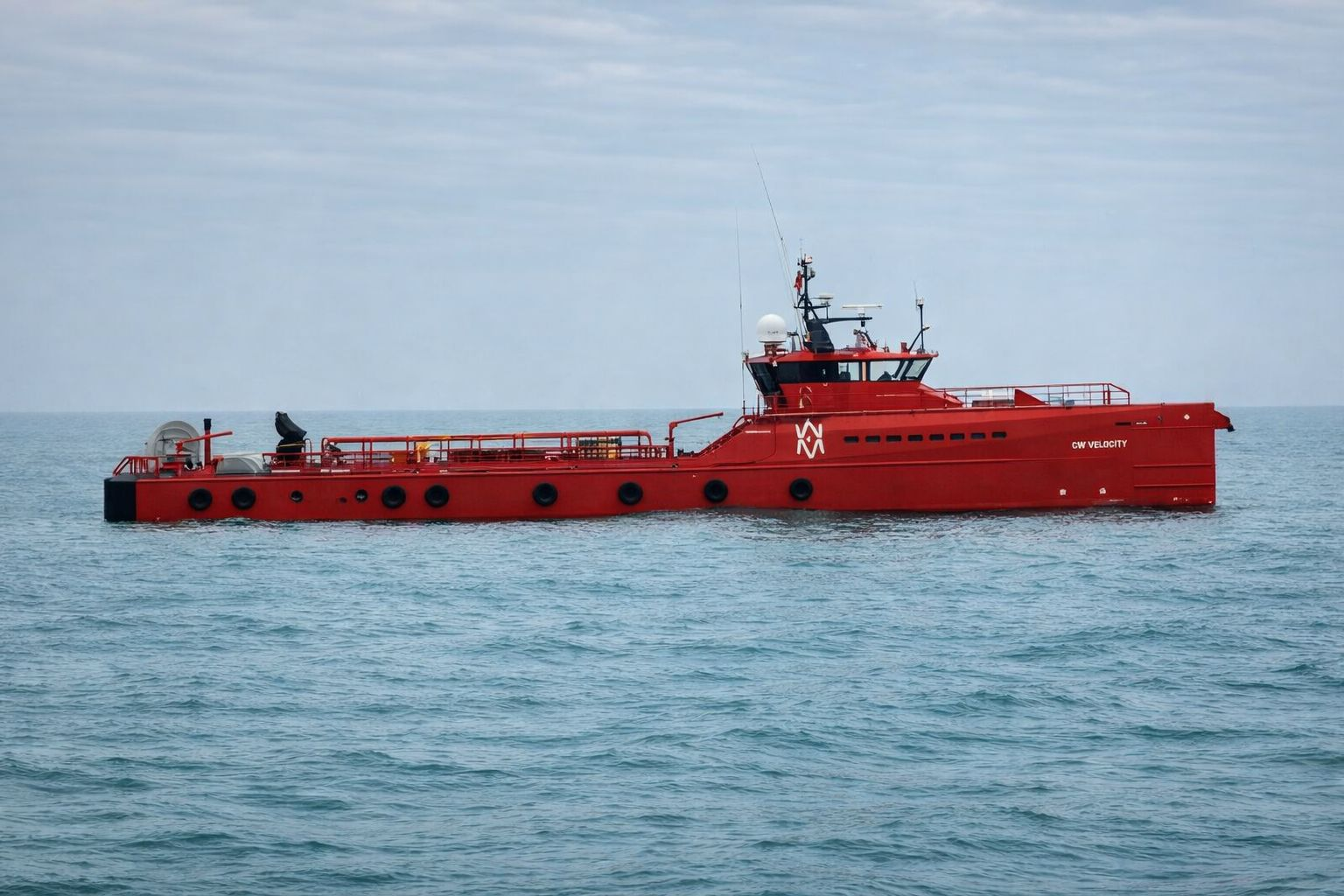
– Compagnie Maritime Monégasque (CMM) renewed the charter of the Fast Oil Spill Response Vessel CMM Velocity with Petrobras for an additional four years. The vessel remains dedicated to environmental emergency response and oil spill prevention, with the renewed contract also including the use of drones for monitoring potential spill incidents.
-
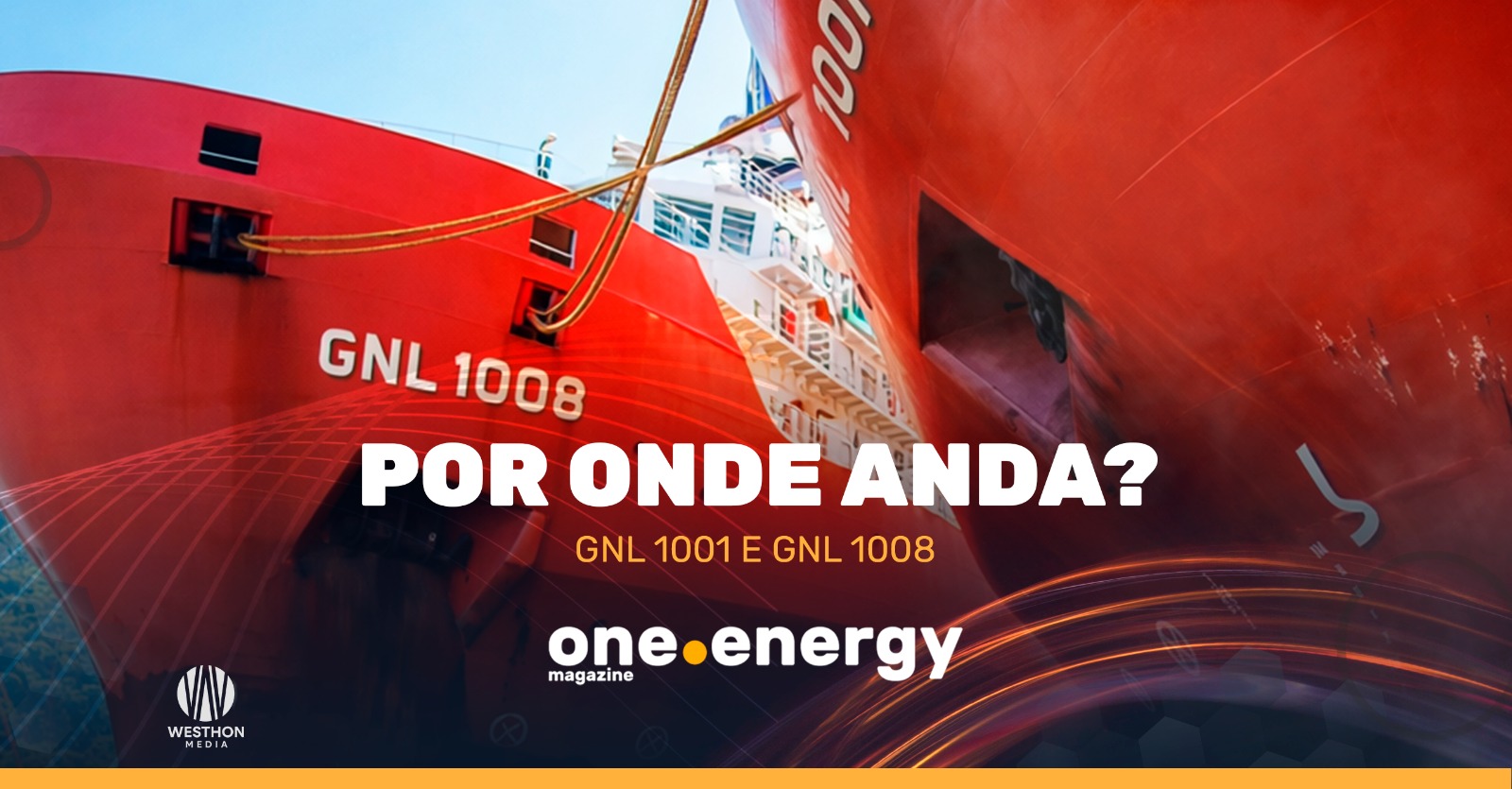
Por onde anda? GNL 1001 & GNL 1008
Within Brazil’s offshore support vessel landscape, Platform Supply Vessels GNL 1001 and GNL 1008 follow an uncommon trajectory — modern PSVs that moved from lay-up back toward a path of recovery and renewed operational relevance.
Delivered in 2016 (GNL 1008) and 2017 (GNL 1001) by TWB S.A., later Keppel/Seatrium Brasil, both units were built to Ulstein P105-derived designs. Measuring approximately 94 meters in length, with beam close to 20 meters and deadweight between 4,500 and 5,467 tonnes, they rank among largest PSVs operating in Brazil.
Following delivery, both vessels entered directly into long-term contracts with Petrobras, integrating Brazil’s offshore logistics chain for several years and fully absorbing vessel capacity. During this period, units were commercially and operationally associated with Galáxia Marítima — Em recuperação Judicial, appearing in public records and market references as part of group’s offshore portfolio, despite being formally recognized mainly for tonnage and registry purposes.
Inflection point came closer to end of those contracts — first in case of GNL 1008, whose charter ended earlier — and more critically after contract termination, amid growing operational constraints and judicial disputes.
Available indications suggest structural integrity of vessels remained largely preserved due to relatively recent age and high construction standards; however, when observed at anchorage areas or ports, units already reflected an unmanaged lay-up condition, with minimal technical supervision and no clear reactivation plan.
Break in this cycle occurred in late 2025, when Singapore-based Seatrium Limited divested 100% equity interest in Guanabara Navegação Ltda. (GNL) — special purpose entity holding both vessels — to Posidonia Shipping & Trading Ltda. The transaction, valued at approximately USD 59.7 million, took place within a judicial process and aligned with Seatrium’s divestment of non-core assets, while reflecting Posidonia’s confidence in rebuilding offshore capacity.
Under Posidonia’s management, both units have been renamed and are being prepared for operational reactivation as part of a fleet strategy focused on large-capacity PSVs aligned with profile of recent offshore demands in Brazil. Acquisition represents more than a simple change of control: it marks potential return of two modern PSVs to operation as utilization gradually recovers and charter demand strengthens.
Trajectory of GNL 1001 and GNL 1008 is less about long dormancy and more about structural resilience and strategic repositioning. In a market marked by asset attrition and regulatory frictions, these vessels illustrate how the right ownership transition can preserve operational relevance well beyond a typical lay-up cycle.
Every Thursday, a new “Por onde anda?” — stay tuned. -
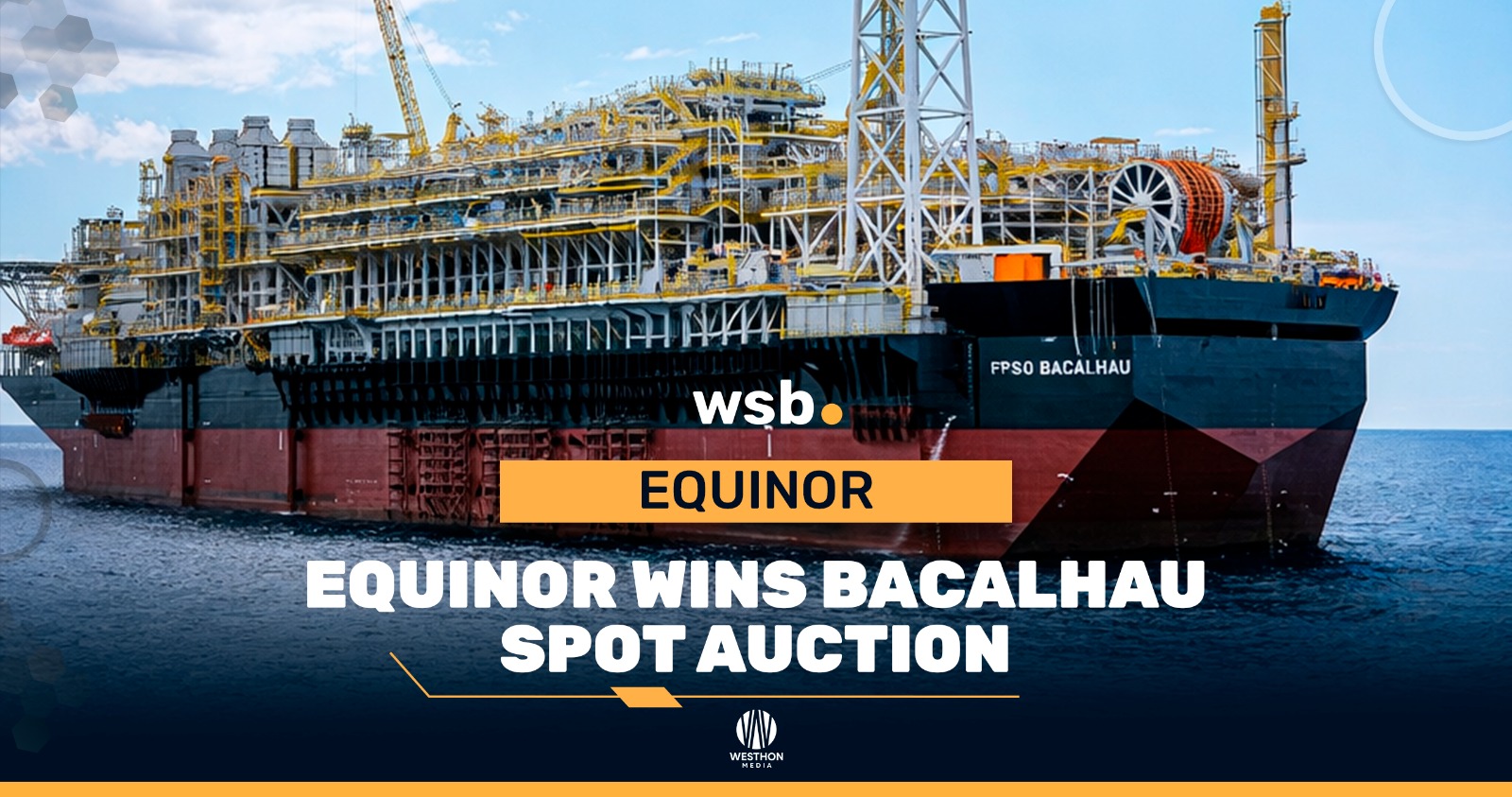
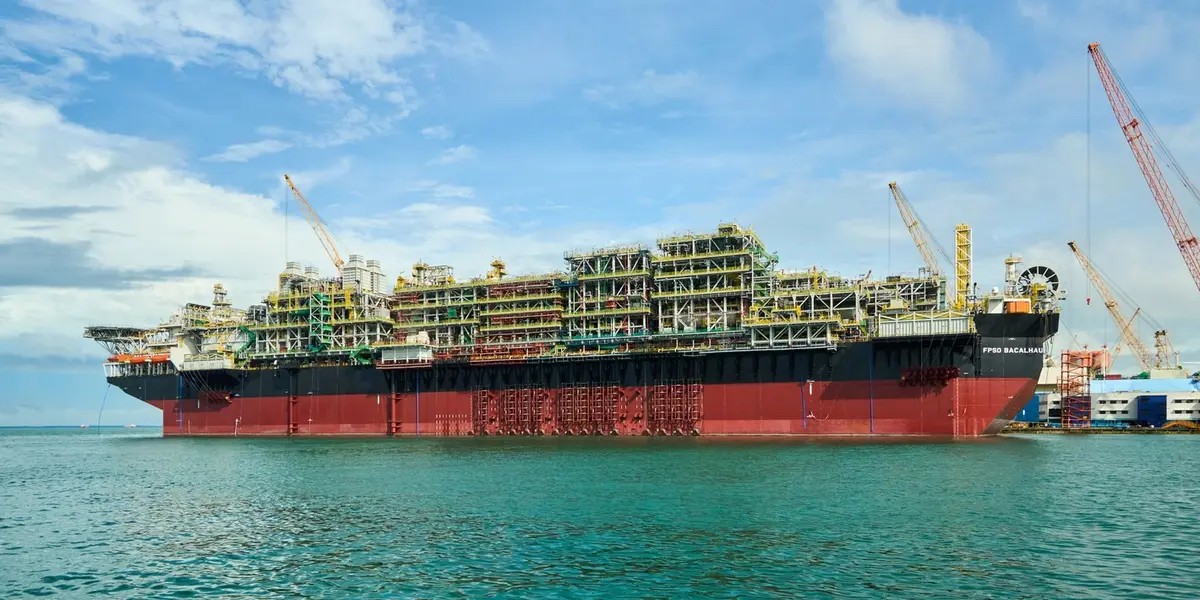
Equinor secures first Union oil cargo from Bacalhau
Equinor won PPSA’s 5th Spot Oil Auction, securing the first 1 million-barrel cargo of crude oil belonging to the Union from the Bacalhau field, in pre-salt Santos Basin. The cargo is scheduled for loading in late March 2026, marking the start of commercialization of the Union’s oil from the asset.As reported yesterday, the auction gathered five qualified bidders — Equinor, ExxonMobil, Galp, Petrobras and PetroChina — underscoring strong interest from global majors in Brazil’s pre-salt crude. The sale follows the start-up of Bacalhau, which began production on October 15, 2025.
According to PPSA (Pré-Sal Petróleo S/A), a new spot auction is already planned for March, covering additional Union oil cargoes from Bacalhau, reinforcing the transition of the field from initial production to a regular commercialization phase. Under the current cycle, three to four Union cargoes are expected, with further liftings scheduled between May and September 2026.
Stay informed on key offshore developments — visit wsb-one.com, our data platform trusted by leading offshore companies. -
PPSA holds 5th Spot Oil Auction as Global Majors Compete for First Bacalhau Cargo
On January 14, PPSA (Pré-Sal Petróleo S.A.) is conducting the 5th Spot Oil Auction for crude oil produced at the Bacalhau field, marking the start of commercialization of the Union’s oil from this asset. The field entered production on October 15, 2025, and the auction had its schedule revised from an original December 2025 date to January 2026.
Five companies — Equinor, ExxonMobil, Galp, Petrobras and PetroChina — have been qualified to participate in the virtual bidding for the first cargo of 1 million barrels of oil from Bacalhau that belongs to the Union. The shipment of the cargo is expected in late March 2026 under the terms of the spot sale.
This initial cargo is the first of three to four total cargoes to be offered under the 5th Spot Auction, with additional shipments planned between May and September 2026. The spot format reflects PPSA’s ongoing strategy to commercialize volumes on a flexible, market-responsive basis, with pricing typically referenced to dated Brent.
The Bacalhau field, located in the pre-salt Santos Basin at depths exceeding 2,000 meters, holds recoverable reserves exceeding 1 billion barrels of oil equivalent, according to industry estimates. The development is operated by Equinor in partnership with ExxonMobil Brasil and Petrogal Brasil (a joint venture of Galp and Sinopec), with PPSA managing the Union’s contractual interests under production sharing arrangements.
From an offshore market perspective, the 5th Spot Auction signals the transition of Bacalhau from early-stage production to active commercialization, drawing participation from global integrated majors and reinforcing Brazil’s role as a supplier in global crude markets. The outcome of today’s bidding will set a price and counterparties for the first shipment and establish a commercial benchmark for subsequent volumes in 2026.
Stay informed on key offshore developments — visit wsb-one.com, our data platform trusted by leading offshore companies.
-
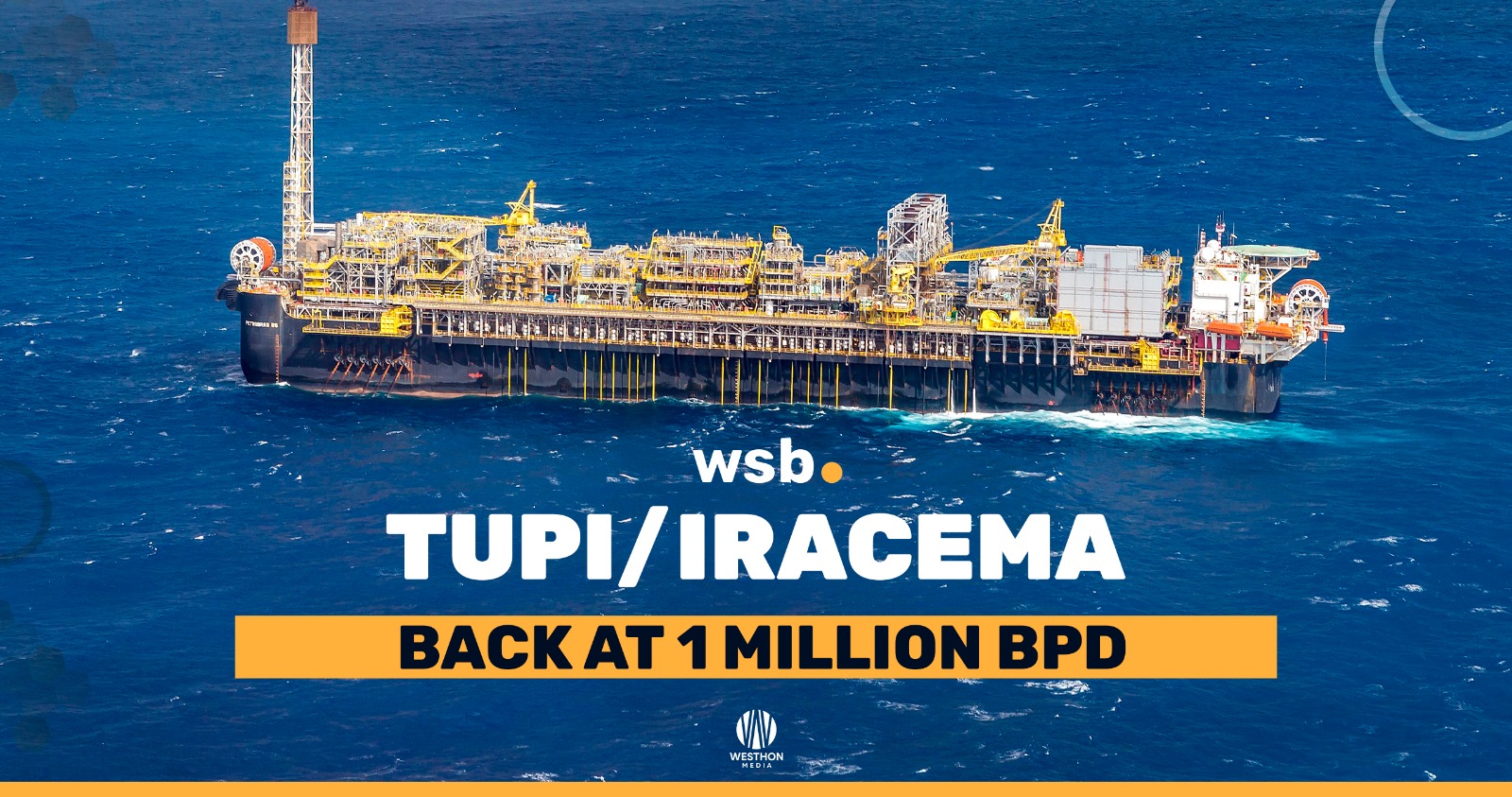
Tupi/Iracema back at 1 million bpd
On January 9, the Tupi/Iracema field, located in pre-salt Santos Basin, resumed production of 1 million barrels of oil per day, a level last achieved in 2019. The milestone confirms recovery of one of Brazil’s most strategic offshore assets and reflects execution of Petrobras’ medium-term production strategy.
The result aligns with Petrobras’ 2026–2030 Business Plan, which prioritizes higher output through efficiency gains, improved reservoir management, and optimization of existing infrastructure rather than accelerated capacity additions. During 2025, Petrobras connected 11 new wells to Tupi/Iracema, bringing total drilled wells in the field to more than 150, supporting stabilization of plateau production.
Petrobras has also indicated ongoing technical and economic assessments covering additional well drilling, life extension of existing production units, and the potential installation of a new production unit from 2031 onward, subject to partner alignment and regulatory approvals. These measures aim to sustain long-term output while preserving capital discipline.
The performance reinforces competitiveness of Brazil’s pre-salt, which currently accounts for around 80% of Petrobras’ total production, and highlights continued relevance of mature, large-scale fields when supported by subsea interventions and reservoir optimization. Tupi/Iracema is operated by Petrobras, in partnership with Shell, Galp, and PPSA.
From an offshore market perspective, the recovery of 1 million bpd at Tupi/Iracema signals sustained demand for subsea services, well interventions, and life-extension solutions in the Santos Basin, even as new frontier developments advance. How do you see this influencing offshore contracting and asset utilization over the next cycle?
Stay informed on key offshore developments — visit wsb-one.com, our data platform trusted by leading offshore companies.
-
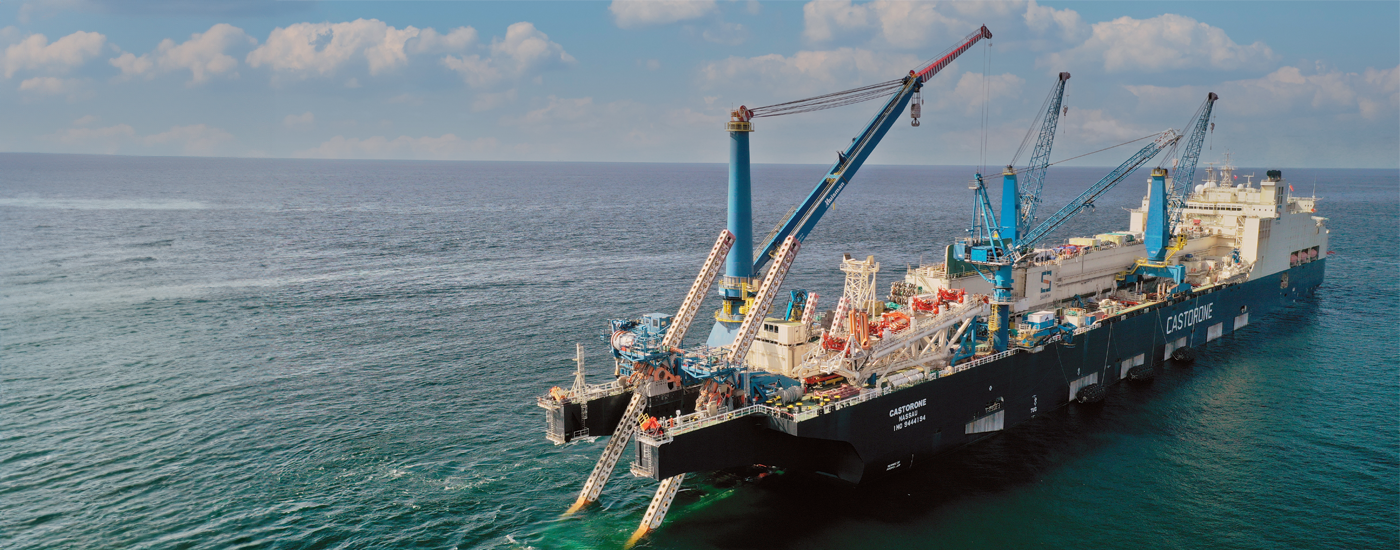
Saipem’s Castorone arrives in Brazil for Raia gas project
On 15 January 2026, Saipem’s pipelay vessel Castorone arrived in Brazil to start deepwater operations at Equinor’s Raia gas project, in the Campos Basin, about 200 km offshore Rio de Janeiro. The DP3 vessel will install pipelines in water depths of up to 2,900 m, marking the start of the project’s deepwater phase.