Tag: Petrobras

  • DOF extends Petrobras contracts for two PLSVs through January 2028

    DOF extends Petrobras contracts for two PLSVs through January 2028

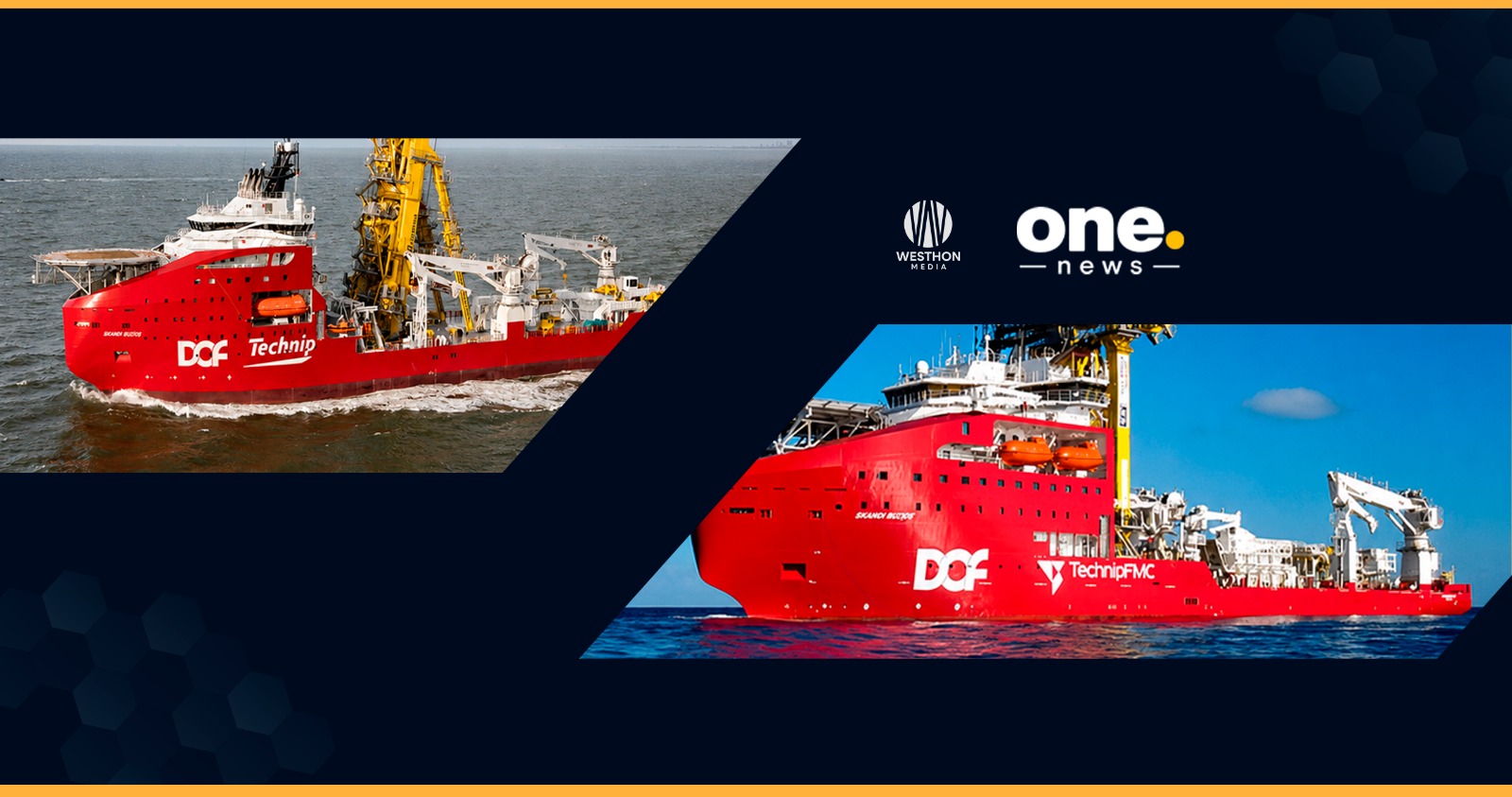
    DOF has secured contract extensions with Petrobras for the PLSVs Skandi Búzios and Skandi Recife, keeping both vessels in operation offshore Brazil through January 2028.

    Skandi Búzios received a 516-day extension, while Skandi Recife was awarded an additional 550 days. Their existing contracts were previously scheduled to expire in the third quarter of 2026.

    The vessels are owned through a joint venture between DOF and TechnipFMC, with each company holding a 50% interest.

    Skandi Búzios and Skandi Recife have operated for Petrobras under long-term contracts since 2017 and 2018, respectively. Both are designed for flexible pipelay and umbilical installation in Brazil’s deep and ultra-deep waters.

    The extensions maintain two high-capacity PLSVs under contract with Petrobras as subsea activity continues offshore Brazil.

    The contract values were not disclosed.

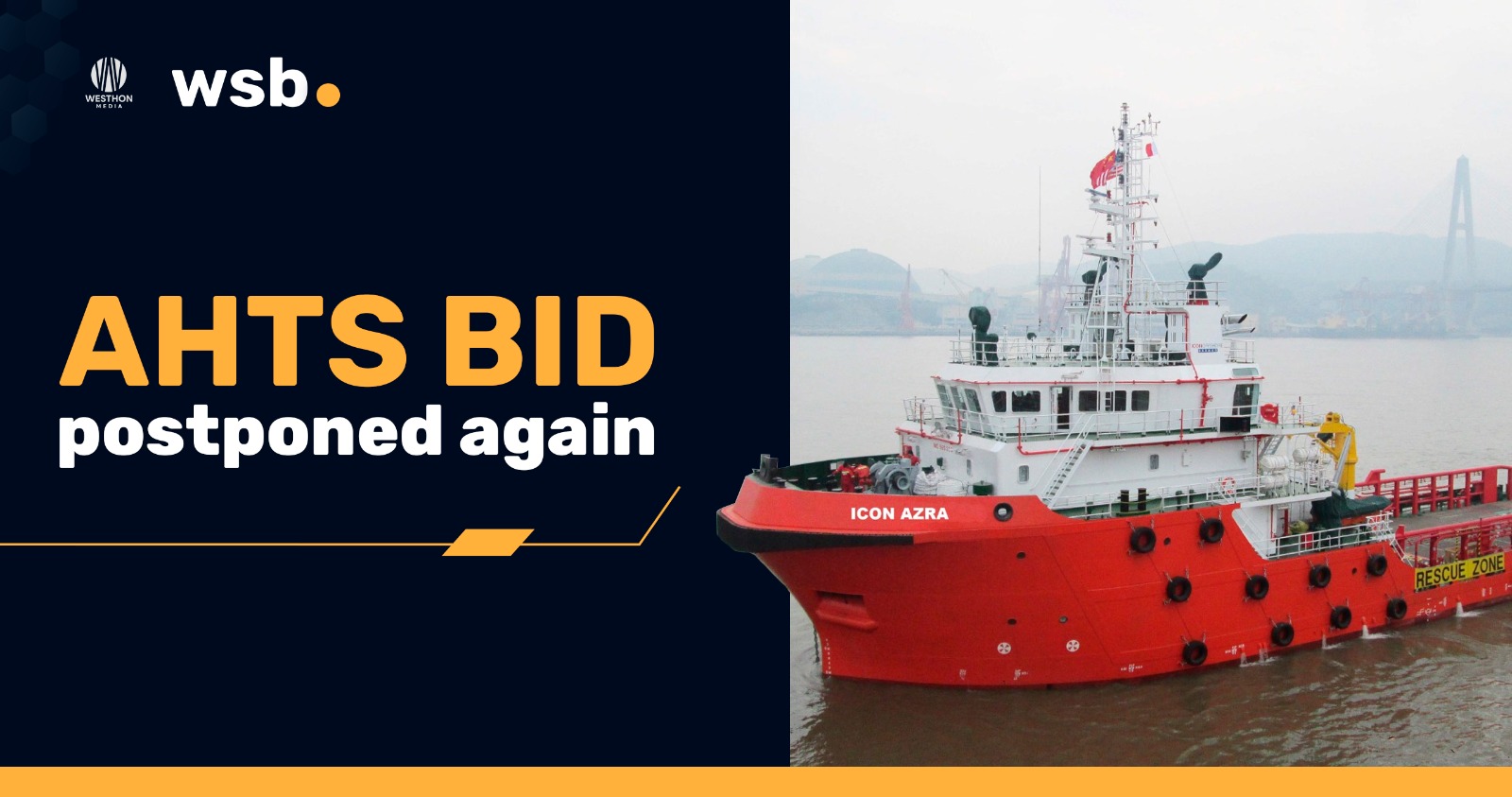
  • Petrobras: AHTS bid newbuilding posptponed once again

    Petrobras: AHTS bid newbuilding posptponed once again

    Petrobras extends AHTS tender deadline to August 21Petrobras has extended the submission deadline for its newbuild AHTS tender, with bids now due on August 21. This is the fourth postponement since late May.

    Petrobras has not disclosed the reason for the latest extension. Several shipowners have requested additional time to meet the financing documentation required under Addendum K, with the bank Comfort Letter once again at the center of the issue. Petrobras considered the requests but is not expected to remove the requirement.

    After such a prolonged process and repeated extensions, the possibility of cancellation can no longer be ignored, although Petrobras has given no indication that this is currently under consideration.

    At this point, the focus is no longer on the deadline itself. What happens when bidding closes will say far more about the market than another extension ever could.

  • Vast: new take-or-pay agreement

    Vast: new take-or-pay agreement

    Another take-or-pay agreement puts Brazil’s offshore logistics in the spotlight

    On July 7, WSB Advisors analyzed the first take-or-pay agreement between Vast Infraestrutura and Petrobras, highlighting the role of long-term contractual structures in Brazil’s crude oil export logistics.

    Less than two weeks later, Vast announced the renewal of its take-or-pay agreement with PETRONAS Brasil until the end of 2027.

    The two agreements involve different operators, but the same logistics infrastructure and the same contractual model.

    Take-or-pay agreements guarantee payment for a minimum contracted capacity regardless of actual throughput. For terminal operators, they provide greater revenue predictability. For oil companies, they secure long-term access to export infrastructure while improving operational planning.

    On its own, the PETRONAS renewal is a straightforward commercial announcement. Alongside the agreement signed with Petrobras earlier this month, however, it adds another example of the same contractual model being adopted at the T-Oil terminal.

    The two agreements involve different operators but share the same logistics infrastructure and the same commercial structure. Together, they place two separate long-term commitments side by side at a terminal that plays a central role in Brazil’s crude oil export chain.

  • Oceaneering secures Petrobras contract

    Oceaneering secures Petrobras contract

    A new Petrobras contract highlights the continued importance of subsea services in Brazil’s offshore sector.

    This week, Oceaneering announced that it has been awarded a four-year contract by Petrobras to provide ROV services offshore Brazil. Operations are scheduled to begin in 2027 and will include two work-class ROV systems, specialized tooling packages, and monitoring and positioning support services deployed from AKOFS Offshore’s subsea engineering support vessel Aker Wayfarer. The contract was awarded through a competitive tender process and will be executed by Oceaneering’s Brazilian subsidiary, Marine Production Systems do Brasil (MPS). The contract value was not disclosed.

    ROVs remain essential for a wide range of offshore activities, including inspection, intervention and other subsea operations throughout the life cycle of offshore assets. As Brazil continues to develop new offshore projects while maintaining a large portfolio of producing fields, these capabilities remain an integral part of offshore execution.

    Although this is a single contract, it fits within a broader pattern seen in Brazil’s offshore market, where continued

  • Transpetro – Decarbonization plans

    Transpetro – Decarbonization plans

    Decarbonization in shipping is becoming less about breakthrough technologies and more about combining practical solutions that can be deployed today.

    Transpetro’s latest initiative reflects this approach in practice.

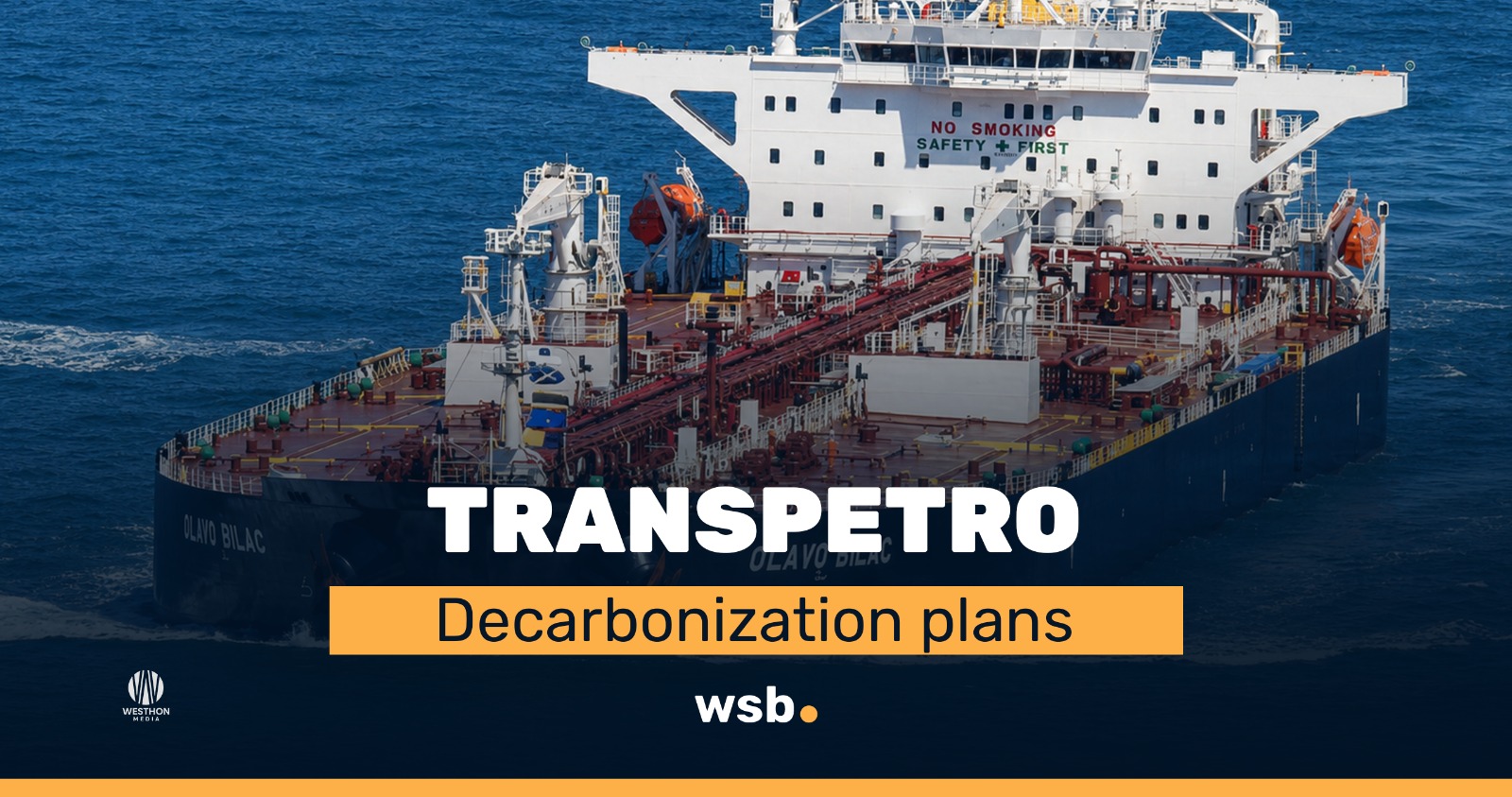
    On July 2, the Petrobras subsidiary completed its first bunkering operation using B30, a marine fuel containing 30% renewable content. The operation took place at the Port of Rotterdam, where the tanker Olavo Bilac received approximately 400 tonnes of fuel.

    The initiative builds on a program launched in 2025. During its first phase, six vessels operated on B24 fuel, consuming around 4,000 tonnes and avoiding approximately 1,600 tonnes of CO₂ emissions.

    The use of renewable-content marine fuels is only one component of the company’s broader decarbonization strategy.

    Transpetro is also investing in hydrodynamic appendages, engine combustion optimization, software-based speed monitoring, regular hull cleaning and specialized low-friction coatings. Together, these initiatives improve vessel efficiency, reduce fuel consumption and contribute to lower greenhouse gas emissions.

    For shipowners and operators, the direction is becoming increasingly clear. Progress toward lower emissions is likely to come from combining alternative fuels with proven efficiency technologies, allowing measurable reductions while leveraging existing fleet infrastructure.

    The initiative is aligned with the International Maritime Organization’s (IMO) ambition of achieving net-zero greenhouse gas emissions from international shipping by or around 2050.

  • Vast and Petrobras: new agreement

    Vast and Petrobras: new agreement

    One clause says a lot about where Brazil’s offshore logistics are heading.

    This week, Vast Infraestrutura and Petrobras announced a new long-term agreement for crude oil transshipment operations at the T-Oil terminal, located at the Port of Açu. The contract includes a take-or-pay clause, marking the first agreement of this type between the two companies. Although financial terms were not disclosed, the companies have maintained a commercial relationship for transshipment services since 2019.

    Under this model, Petrobras commits to pay for a minimum contracted capacity regardless of actual throughput. In return, it secures long-term access to terminal capacity and greater operational predictability, while Vast benefits from more stable revenues and increased confidence to support future investments.

    The significance of this agreement goes beyond the contractual structure itself. It reflects a broader trend in Brazil’s offshore sector, where export infrastructure is increasingly being treated as a strategic asset alongside production capacity. As offshore output continues to grow, long-term logistics planning becomes just as important as developing new fields.

    For terminal operators, take-or-pay agreements reduce commercial risk, improve cash flow visibility and strengthen the financial foundations for future expansion. For producers, they provide greater certainty over export logistics, even though minimum payment obligations remain in place during periods of lower utilization.

    The agreement also reinforces the strategic importance of T-Oil. In 2025, the terminal carried out 229 crude oil transshipment operations and handled more than 48% of Brazil’s crude oil exports through terminals. Located close to the country’s main producing basins, T-Oil is licensed to handle up to 1.8 million barrels of oil per day and currently serves 11 major operators active in Brazil.

    As Brazil expands offshore production over the coming years, agreements that combine operational certainty with long-term infrastructure planning are likely to become increasingly common across the industry.

  • FPSO Cidade de Niterói reaches the final chapter

    FPSO Cidade de Niterói reaches the final chapter

    After nearly 17 years producing offshore Brazil, the FPSO Cidade de Niterói MV18 has entered the final stage of its operational lifecycle. MODEC has confirmed that the vessel has arrived at a ship recycling facility in Denmark following the completion of its demobilization from the Marlim Leste Field, in Brazil’s Campos Basin.

    Delivered under an EPCI contract and subsequently operated by MODEC under a long-term charter and operations agreement with Petrobras, the FPSO achieved first oil in February 2009. During its time offshore, the unit processed approximately 159 million barrels of oil, becoming an important part of the Marlim Leste development.

    Designed to process up to 100,000 barrels of oil per day, 124 million standard cubic feet of gas per day, and store 1.6 million barrels of crude oil, Cidade de Niterói represents an important generation of FPSOs that helped consolidate Brazil as one of the world’s leading deepwater producers.

    The retirement of the FPSO follows the conclusion of its long-term charter with Petrobras and reflects the natural evolution of mature offshore developments. As fields such as Marlim Leste advance through new revitalization strategies and older production systems reach the end of their economic and operational cycles, legacy FPSOs are gradually being withdrawn from service.

    The vessel will now be recycled in Denmark in accordance with the EU Ship Recycling Regulation and the Hong Kong International Convention for the Safe and Environmentally Sound Recycling of Ships, highlighting the industry’s growing focus on responsible end-of-life asset management.

    Why it matters

    The retirement of Cidade de Niterói illustrates a broader transformation taking place in Brazil’s offshore industry. As mature production systems reach the end of their operational lives, decommissioning, demobilization and responsible recycling are becoming increasingly important segments of the offshore value chain, creating new technical, environmental and commercial opportunities across the industry.

    Stay informed on key offshore developments — visit wsb-one.com, our data platform trusted by leading offshore companies.
  • Open Tenders

    Open Tenders

    By Maria Eduarda Camba

    WSB Advisors — Open Tenders

    Dear All,

    The following offshore opportunities have received updates in recent days. Here are the latest developments monitored by WSB Advisors.

    What has changed?

    • Petrobras — At least 1x FSC: Opportunity 7004601531, new deadline June 30th, 2026
    • Petrobras — At least 1x OSRV 105: Opportunity 7004497861, new deadline June 30th, 2026
    • Petrobras — At least 1x UMS: Opportunity 7004613237, released June 22nd, 2026

    Stay informed on key offshore developments — visit wsb-one.com, our data platform trusted by leading offshore companies.

  • Búzios field reaches record production of 1.1 million barrels per day

    Búzios field reaches record production of 1.1 million barrels per day

    Brazil’s Búzios pre-salt field reached a record average production of 1.1 million barrels of oil per day, surpassing the previous milestone of 1 million bpd achieved in October 2025.

    Operated by Petrobras in the Santos Basin, Búzios is Brazil’s largest producing offshore oil field and accounts for nearly one-third of Petrobras’ operated production in Brazil. Petrobras expects production to continue increasing as additional wells and production units enter operation.

    Stay informed on key offshore developments — visit wsb-one.com, our data platform trusted by leading offshore companies.

  • Petrobras and Pemex: MoU details

    Petrobras and Pemex: MoU details

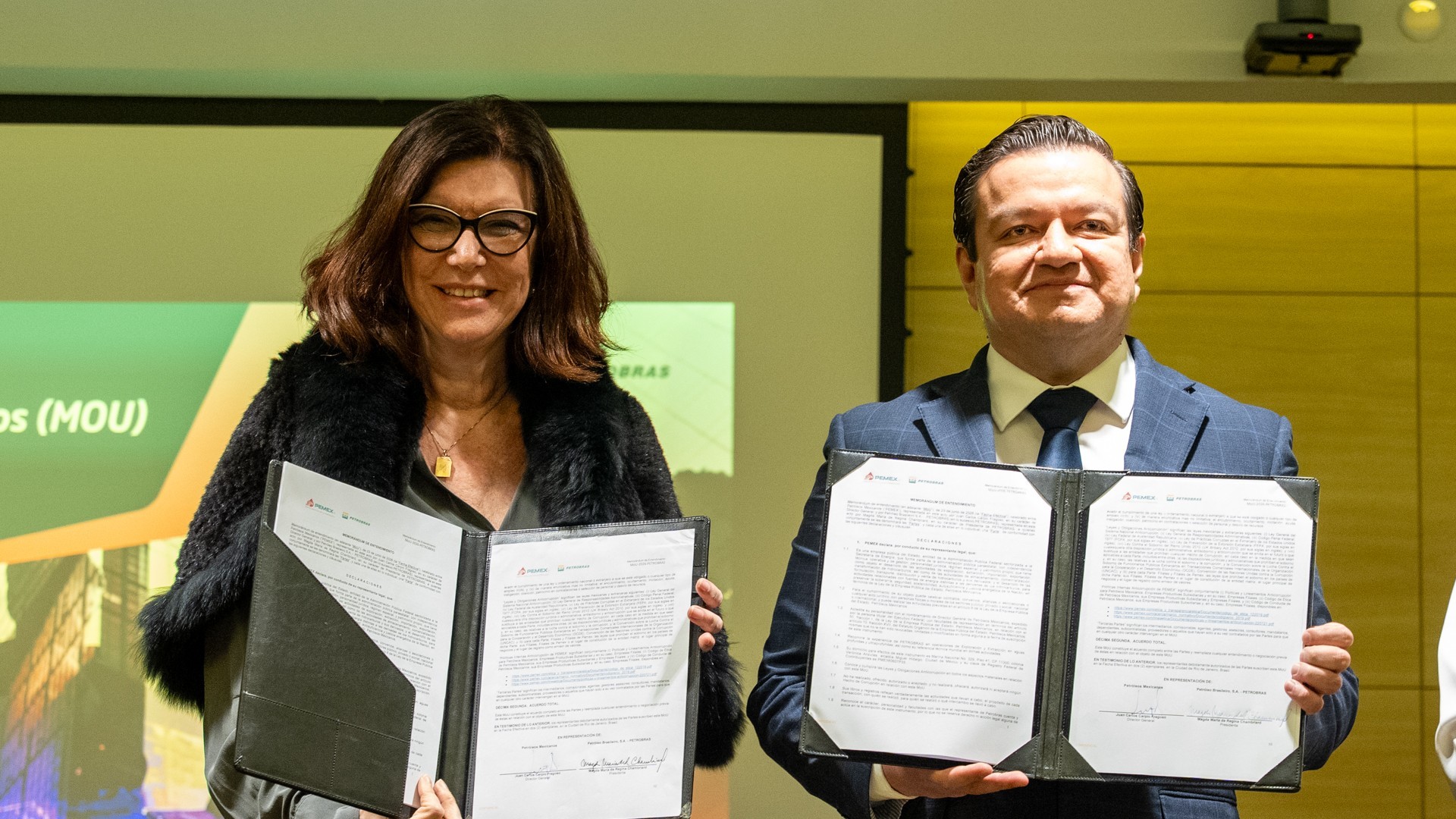
    Following the recent signing of their Memorandum of Understanding (MoU), Petrobras and Pemex have outlined the first areas of cooperation to be evaluated under the agreement, providing greater visibility into the strategic direction of the partnership.

    In the exploration and production segment, the companies will assess opportunities involving mature fields, seismic reprocessing and deepwater and ultra-deepwater projects, including potential developments in the Gulf of Mexico. The cooperation also includes the exchange of technologies and operational best practices, leveraging Petrobras’ internationally recognized expertise in complex offshore operations.

    Beyond upstream activities, the MoU covers cooperation in refining, petrochemicals, fertilizers, gas processing, energy efficiency, emissions reduction and carbon capture initiatives, reflecting a broad technical agenda between the two state-owned companies.

    The agreement is valid for two years and does not establish binding investment commitments or joint ventures. Any future projects arising from the partnership will remain subject to separate technical, commercial and regulatory evaluations.

    The announcement provides a clearer picture of the cooperation framework and confirms that the current focus remains on technical collaboration and the assessment of potential opportunities, rather than immediate investment decisions.

  • Petrobras extends newbuild AHTS tender to July 21

    Petrobras extends newbuild AHTS tender to July 21

    Petrobras has extended the submission deadline for Opportunity No. 7004345558, covering the chartering of up to two newbuild Anchor Handling Tug Supply (AHTS) vessels with specialized technical services. Proposals are now due on July 21, 2026.

    The extension follows recent amendments to the tender documentation, including new requirements related to shipyard commitments and financing arrangements. Among the most significant changes are the mandatory submission of a preliminary agreement with the nominated shipyard, the binding nature of the selected shipyard throughout the bidding process and the requirement for written evidence from a financial institution indicating the bidder’s ability to secure construction financing.

    While Petrobras has not disclosed the reasons for the extension, the additional time provides participants with further opportunity to address the revised commercial, technical and financial requirements before proposal submission.

  • Petrobras extends NB AHTS bid following recent amendments

    Petrobras extends NB AHTS bid following recent amendments

    Petrobras has extended the submission deadline for Opportunity No. 7004345558, covering the long-term chartering of up to two newbuild Anchor Handling Tug Supply (AHTS) vessels, together with specialized technical services. According to the latest update published on Petronect, proposals are now due on June 22, 2026.

    The extension follows a series of recent amendments to the tender documentation, including changes introduced through Addendum K and new requirements related to shipyard commitments and financing arrangements.

    Among the most significant updates are the mandatory submission of a preliminary agreement with the selected shipyard, the binding nature of the nominated shipyard throughout the bidding process and the requirement for written evidence from a financial institution indicating the bidder’s ability to secure construction financing. Collectively, these requirements significantly increase the level of commercial, technical and financial preparation expected from participants before proposal submission.

    For the market, deadline extensions at this stage of Petrobras tenders are not unusual. As bidders incorporate the latest contractual and commercial requirements into their proposals, additional time often helps ensure greater alignment between Petrobras’ expectations and the documentation submitted by the bidders.

    Given the strategic importance of this opportunity for Brazil’s offshore newbuilding market, the additional time is expected to support more robust and competitive proposals while allowing bidders to properly address the changes, technical and financial requirements introduced into the tender.

    WSB Advisors will continue to monitor the opportunity and report further developments as they become available.