Tag: Shipbroking

  • TEN takes delivery of Anfield DP for long-term employment in Brazil

    TEN takes delivery of Anfield DP for long-term employment in Brazil

    Tsakos Energy Navigation has taken delivery of the 154,850 dwt DP2 Suezmax shuttle tanker Anfield DP from Samsung Heavy Industries.

    The vessel will begin a ten-year charter with a U.S. oil major, with extension options that could keep it employed until its 20th anniversary.

    Anfield DP is the third vessel delivered under TEN’s current programme of 12 new DP2 shuttle tankers. The company now operates seven units and has nine more on order, taking its shuttle tanker fleet to 16 vessels by the end of 2028.

    The scale and duration of the programme reflect the long-term capacity being committed to Brazil’s offshore market

  • West Carina completes 18-well campaign in Búzios

    West Carina completes 18-well campaign in Búzios

    Seadrill’s drillship West Carina has completed its drilling and completion campaign in the Búzios field after more than three years of operations.

    According to the company, the rig delivered 18 wells while supporting the expanded use of Managed Pressure Drilling in one of Petrobras’ most technically demanding offshore developments.

    West Carina also became the first rig in Seadrill’s fleet to deploy Pressurized Mud Cap Drilling and Floating Mud Cap Drilling techniques.

    In a previous operation disclosed by Seadrill, the use of PMCD reduced drilling time from 32 to 12 days, illustrating the potential impact of the technology in challenging pre-salt formations.

    The drillship remained in Brazil through successive contract extensions, with its latest term running through June 2026.

    Seadrill has not disclosed the rig’s next assignment.

  • Petrobras revokes newbuild AHTS tender

    Petrobras revokes newbuild AHTS tender

    Petrobras has revoked its tender for the charter of up to two newbuild AHTS vessels before the opening of proposals.

    According to the official notice, the company reassessed the assumptions that supported the procurement, the need for the contracting and its corporate priorities following an economic review of its projects.

    Petrobras concluded that continuing the tender was no longer convenient under the revised conditions.

    The decision follows a prolonged procurement process marked by repeated extensions.

    On July 17, after the fourth postponement, we noted that the possibility of cancellation could no longer be ignored:

    The tender had been open since December 2024 and was most recently scheduled to close on August 21, 2026.

  • Por Onde Anda? Bram Force

    Por Onde Anda? Bram Force

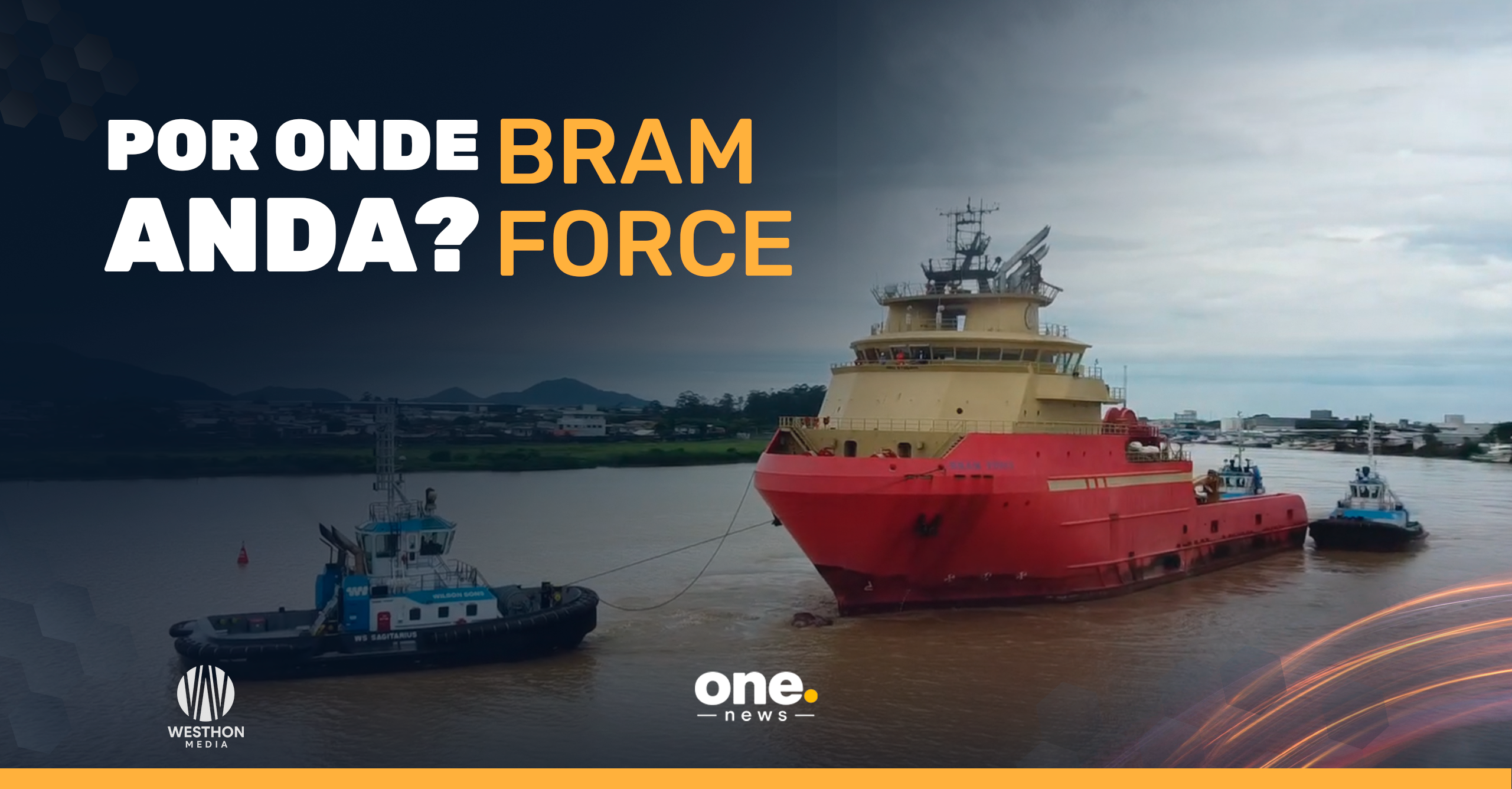
    More than a year after suffering a major engine room fire, Bram Force has returned to offshore operations in Brazil, once again working in the Campos Basin.

    Delivered by Navship in 2017, the Brazilian-flagged AHTS is part of Bram Offshore, the Brazilian subsidiary of Edison Chouest Offshore.

    On 8 January 2025, while operating near Petrobras’ P-37, the vessel experienced an engine room fire. The crew was safely evacuated by a nearby Maersk vessel, firefighting operations lasted approximately 12 hours, and no injuries or pollution were reported.

    Following the casualty, the vessel was towed to the Port of Açu, where the Brazilian Navy initiated an Administrative Inquiry. After the extent of the damage was assessed, Bram Force underwent an extensive repair programme at Navship in Itajaí, the same shipyard where she was originally built.

    AIS data now confirms that the vessel has resumed offshore service.

    For most companies, restoring an offshore support vessel after a major engine room casualty is neither a quick nor an inexpensive decision. Beyond the technical complexity, owners must balance repair costs, downtime, commercial commitments and the long-term value of the asset.

    Bram Offshore chose restoration.

    The return of Bram Force illustrates a reality often overlooked outside the industry: modern offshore vessels are strategic assets, and in many cases rebuilding them is both technically feasible and commercially justified.

    Its return also reflects the work of shipyard teams, class societies, equipment manufacturers, regulators and the vessel’s owner to bring a complex offshore asset safely back into service.

    In shipping, success is rarely measured by avoiding every incident. It is measured by how professionally companies respond when incidents occur.

    Bram Force is back at work.

  • Mauá Shipyard advances plans to strengthen its market position

    Mauá Shipyard advances plans to strengthen its market position

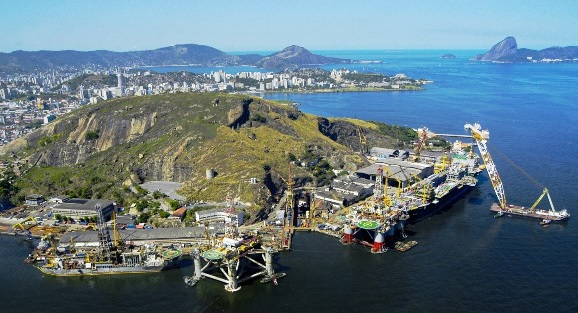
    Mauá Shipyard has announced the completion of three strategic initiatives aimed at strengthening its position in the shipbuilding and offshore markets. The measures include obtaining Tax Clearance Certificates (Certidões Negativas de Débito, or CNDs), achieving compliance with the NORSOK M-501 standard for coating systems 7B and 7C, and modernizing its planning and control system.

    According to the company, the tax clearance certificates were obtained after more than 15 years, confirming the regularization of its municipal, state and federal tax obligations. The achievement removes an important barrier to the shipyard’s participation in public tenders and government procurement processes.

    In May 2026, the shipyard also obtained certification of compliance with NORSOK M-501 for coating systems 7B and 7C, an international standard widely adopted by the oil and gas industry. To achieve the certification, Mauá invested in workforce training and a dedicated temperature-controlled painting facility designed to support offshore and subsea applications.

    The company has also implemented a new planning and control model that combines traditional project management practices with agile methodologies. According to Mauá, the system uses technology and artificial intelligence to manage its project portfolio more efficiently, with the aim of improving operational performance and delivery predictability.

    “After more than 15 years, Mauá and EISA shipyards have obtained their Tax Clearance Certificates from the municipal, state and federal authorities. This achievement is the result of a lengthy negotiation process through which we were able to renegotiate and restructure all of the shipyards’ tax liabilities. It represents an important step in the consolidation of our judicial reorganization plan, allowing us to participate in government tenders and supporting our return to the shipbuilding sector,” said Miro Arantes Filho, CEO of Mauá Shipyard.

  • Brava Vessels – AHTS docking schedule

    Brava Vessels – AHTS docking schedule

    Recent movements involving AHTS vessels serving Brava Energia are linked to separate docking and replacement arrangements within the company’s offshore support fleet.

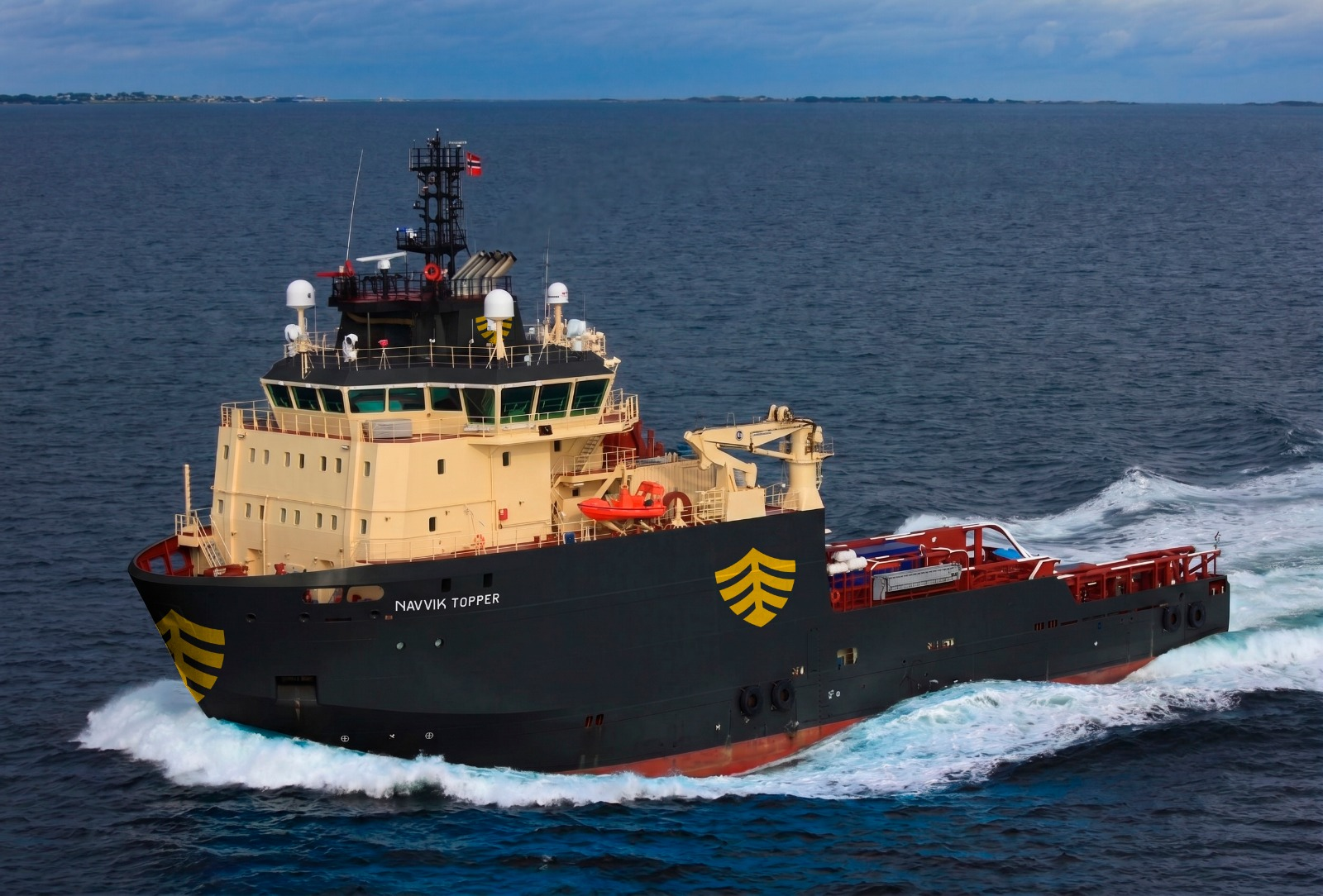
    One Energy News understands that Navvik Topper was mobilized to cover Bushbuck while the Bram Offshore vessel underwent docking and corrective maintenance.

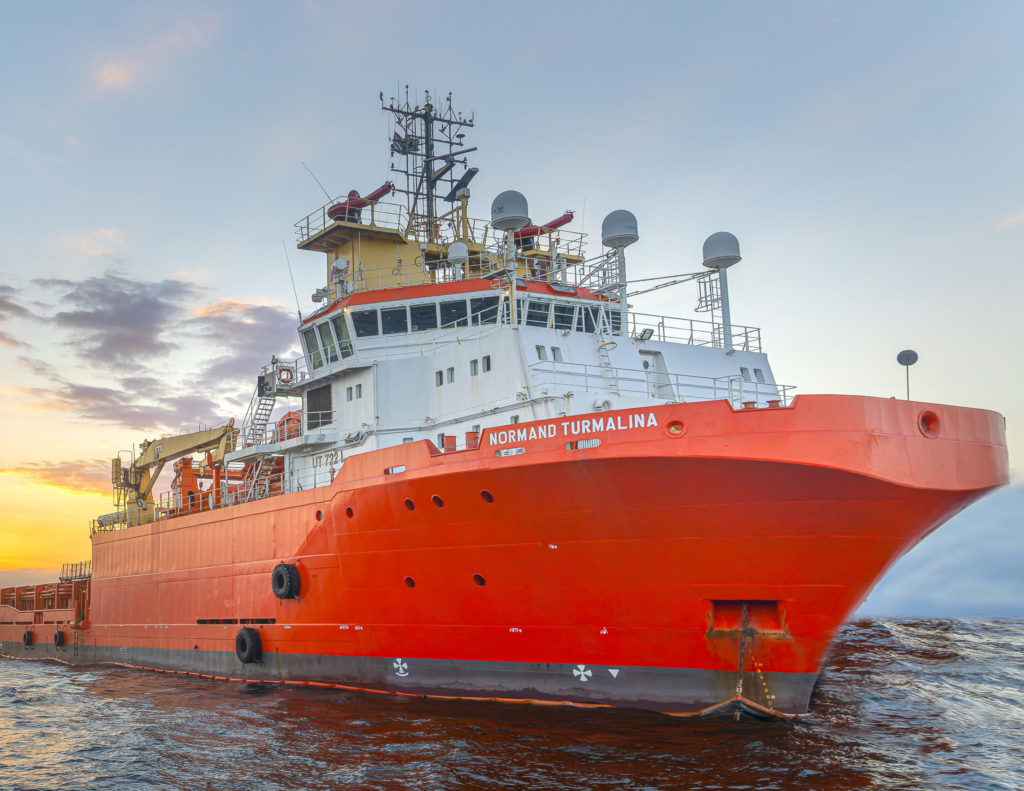
    With Normand Turmalina now entering scheduled dry docking, Navvik Topper is also understood to be among the main options to provide temporary coverage during the maintenance period.

    Bushbuck’s maintenance included corrective work on one of its main engines. The available information points to maintenance activity, not an operational incident.

    Normand Turmalina remains under firm charter with Brava until early 2029 and is expected to return after completing its routine docking programme.

    The duration of the latest substitution has not been disclosed.

    Normand Turmalina
    Normand Turmalina (Source: Solstad)
  • Breaking News

    Breaking News

    Breaking News | Brazil Offshore & Maritime Update

    P-52 remains offline after gas-lift riser incident

    Petrobras’ P-52 remains shut down at the Roncador field, nine months after a flammable gas leak led to an emergency shutdown. The ANP has not authorized its restart, and Petrobras has not established a return date. The unit was producing approximately 35,000 barrels per day before the shutdown.

    P-33 begins voyage to Rio Grande for dismantling

    Petrobras’ former P-33 production unit left Porto do Açu on July 23 for the Rio Grande shipyard, where it will be dismantled and recycled. The unit was sold in 2023 to Gerdau, in partnership with Ecovix, and had been moored at Açu since February 2024.

    Normand Turmalina hauled out for maintenance

    The Brazilian-flagged AHTS Normand Turmalina has been hauled out for maintenance and preservation work. The team involved in the manoeuvre described the vessel as weighing approximately 5,000 tonnes and identified Dock Brasil as responsible for the engineering works. The location and scope of the maintenance were not disclosed.

    ANP approves review of marine fuel specifications

    The ANP approved a 45-day public consultation and a public hearing on proposed revisions to Brazil’s specifications for marine diesel and marine fuel oil. The draft updates the regulations to international standards and introduces rules for renewable and synthetic marine fuels.

    Consultation on Brazilian supplier preference closes

    The ANP’s 60-day preliminary consultation on equal opportunity and preferential treatment for Brazilian suppliers in oil and gas procurement closed on July 24. The proposal covers procurement schedules, preference margins, supplier complaints, regulatory oversight and penalties.

    Stay informed on key offshore developments.

  • Open Tenders & More

    Open Tenders & More

    Dear Madam/Sir,

    We are pleased to provide an update on the current long-term tenders that are open to offer.

    Open tenders:

    What has changed?

    • Petrobras 1x UMS: Opportunity 7004613237 was concluded on July 21st, 2026.

    What else is happening?

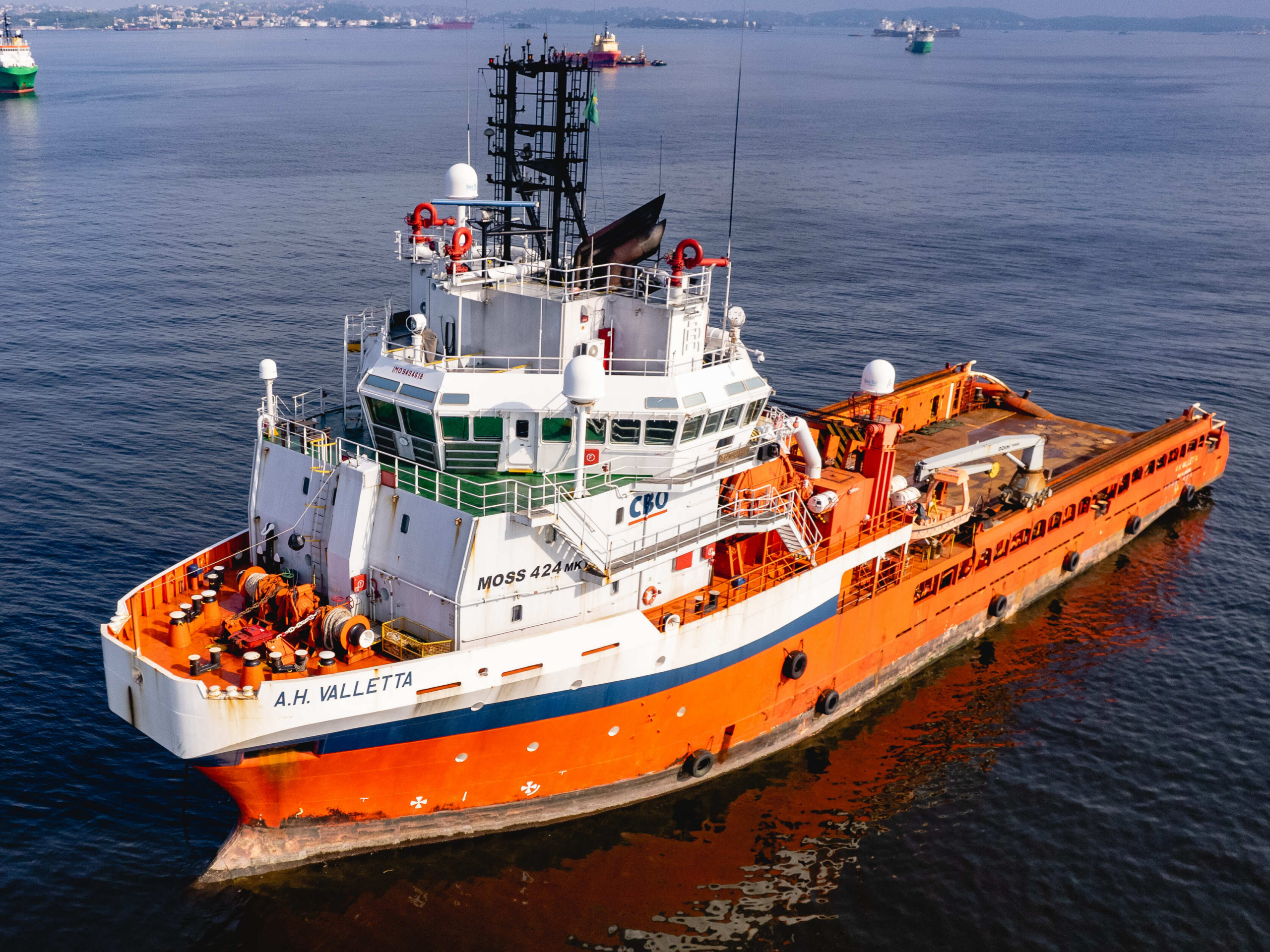
    • End of contract. A.H. Valletta and CBO Xavantes are expected to complete the Atlantic Star towing contract shortly. The buoys and anchors have been offloaded in Itajaí, while the mooring equipment has been offloaded in Niterói.
    • Run of bad luck. In less than six months, DOF has experienced the total loss of one vessel and an engine room fire aboard another (non-critical). It raises questions about what has been happening at the Norwegian company, traditionally recognized for its operational excellence.
  • One Energy magazine – New edition

    One Energy magazine – New edition

    The 19th edition of OneEnergy magazine, published by Westhon Media, features an exclusive interview with Rogério Ibrahim, CEO of Foresea. The issue also highlights Wärtsilä‘s presence in Brazil, along with profiles of Maria Ciriaco and Vanessa Costa, two of Westhon‘s key professionals.

    Also in this edition:

    – Columns by Romulo Augusto Bacchiega and Fernando Vilela CMO at WSB Advisors

    – The latest offshore and maritime market news

    – Editorial: Brazil has spent decades financing ships. Perhaps it is time to start building shipowners

    Click here to read: https://lnkd.in/d_Hmkrz5

  • DOF updates: Skandi Amazonas and Skandi Logger

    DOF updates: Skandi Amazonas and Skandi Logger

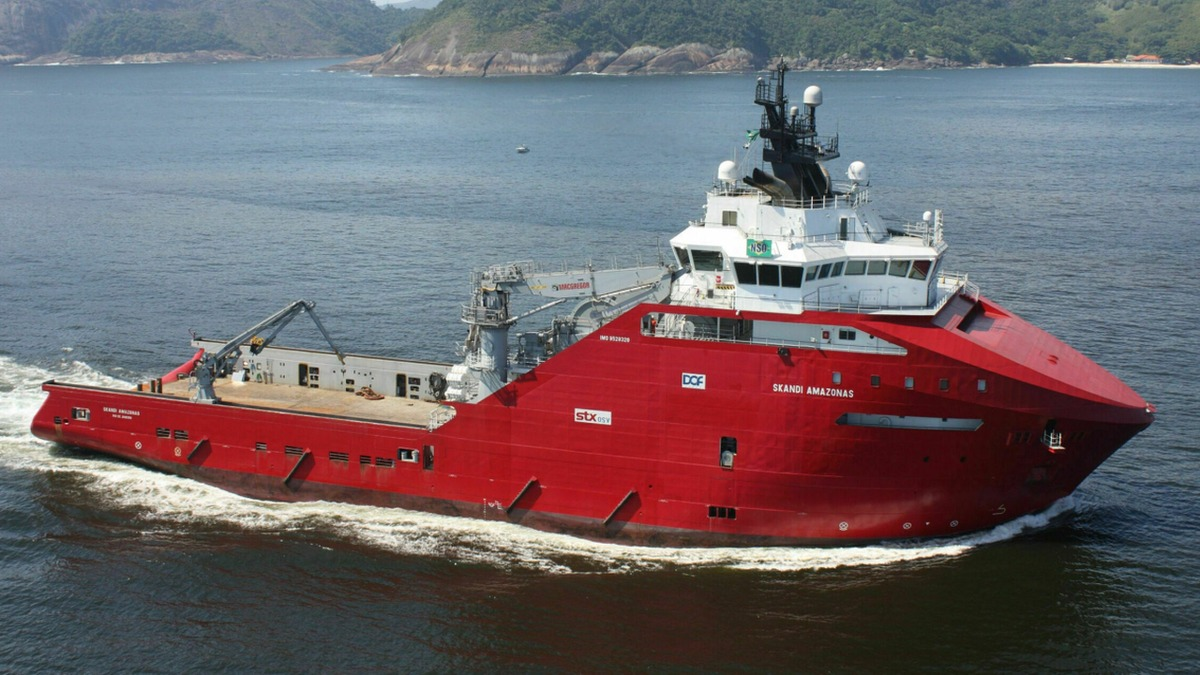
    DOF has provided a market update on the two most significant incidents involving its fleet in recent months, confirming the constructive total loss of the AHTS Skandi Amazonas while also outlining the latest developments regarding the electrical incident aboard Skandi Logger.

    Regarding Skandi Amazonas, the company confirmed it has declared the vessel a Constructive Total Loss (CTL) following the grounding that occurred on 15 May 2026 off Macaé, Brazil. The incident damaged the hull, allowing water to enter the vessel.

    Following an extensive technical assessment, DOF concluded that the estimated cost of rebuilding the vessel exceeds its insured hull and machinery value. As a result, the company will receive a USD 115 million Hull & Machinery insurance payout, bringing market speculation over the vessel’s future to an end.

    DOF also provided an update on Skandi Logger, confirming that, during the early hours of Wednesday (22), the vessel experienced an electrical fault resulting in a short circuit, with no open flame, in its main switchboard while operating alongside Petrobras’ P-37 platform in the Marlim Field, Campos Basin.

    According to the company, the response was immediate, with support provided to the onboard crew and preparations initiated to release the vessel from the field so that the necessary repairs can be carried out. DOF stated that there were no injuries or environmental impacts. The vessel remains under control while the company continues to monitor the situation and implement the necessary measures to ensure the safety of personnel, the environment and ongoing operations.

  • DOF reshapes fleet

    DOF reshapes fleet

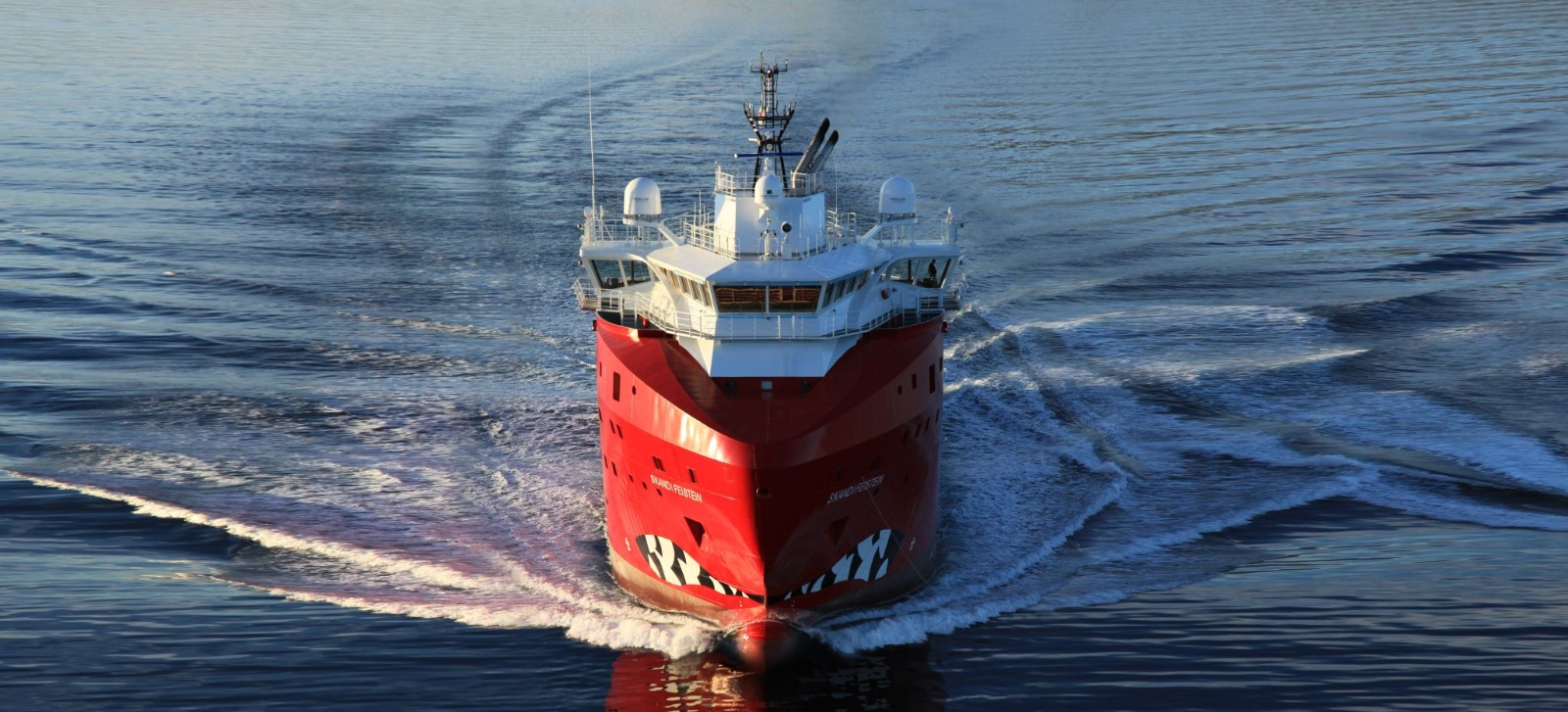
    DOF has announced the sale of four Platform Supply Vessels (PSVs), Skandi Mongstad, Skandi Flora, Skandi Feistein and Skandi Kvitsøy, as part of its ongoing fleet optimisation strategy. The vessels will be delivered to their new owners during the third quarter of 2026 while remaining on their existing contracts. The transaction is expected to generate approximately USD 50 million in net cash after repayment of the debt associated with the vessels.

    As part of the agreement, DOF will continue to manage the four PSVs and will retain a minority ownership interest in the acquiring company.

    At the same time, the company has acquired two new Construction Support Vessels (CSVs) currently under construction at the PaxOcean shipyard in China. Based on the SALT 310 OCV design, the vessels will be equipped with 250-tonne offshore cranes, two work-class ROVs and accommodation for 123 personnel. They are intended for subsea operations, including inspection, maintenance and repair (IMR) campaigns, as well as offshore construction support, with deliveries scheduled for the fourth quarter of 2027 and the first quarter of 2028.

    The transaction reflects DOF’s continued strategy of optimising its fleet by reducing exposure to lower-value PSV assets while expanding its subsea capabilities with higher-specification vessels. The move also comes as the company points to a record backlog and sustained demand for offshore services.

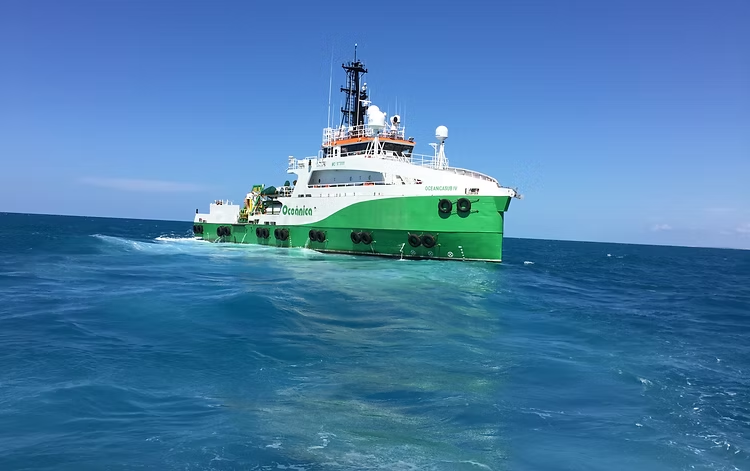
  • Oceânica officers approve strike as labour talks reach critical stage

    Oceânica officers approve strike as labour talks reach critical stage

    Maritime officers and electricians employed by Oceânica have voted in favour of strike action after months of unsuccessful collective bargaining negotiations, marking a significant escalation in one of Brazil’s largest offshore support operators.

    According to Sindmar, 97% of those attending the extraordinary general assembly approved the measure following the rejection of three company proposals. The union said Oceânica will be formally notified on Thursday, after which the legal procedures required before any work stoppage will be observed. Operations continue normally at this stage.

    The dispute centres on food allowance levels, differences between offshore and shore-based remuneration, length-of-service recognition and other employment conditions.

    While negotiations officially remain open, the vote significantly increases pressure on both parties to reach an agreement before industrial action affects offshore operations.

    One Energy News has approached Oceânica for comment and will update this story upon receipt of the company’s position.