Discover unparalleled insight with WSB.One, the premier Offshore Oil & Gas database in the local market.
Offering comprehensive intelligence since 2008, our platform grants immediate access to an extensive archive of projects, production units. drilling rigs, and offshore vessels.
Explore detailed data on contracts, daily rates (historical and current), contract durations, charterers, and much more, empowering your decisions with unmatched precision and depth.
Unlock the future of offshore Oil & Gas exploration with WSB.One – where history informs innovation.
WSB – We Support your Business
Tag: Shipbroking
-

WSB database
-
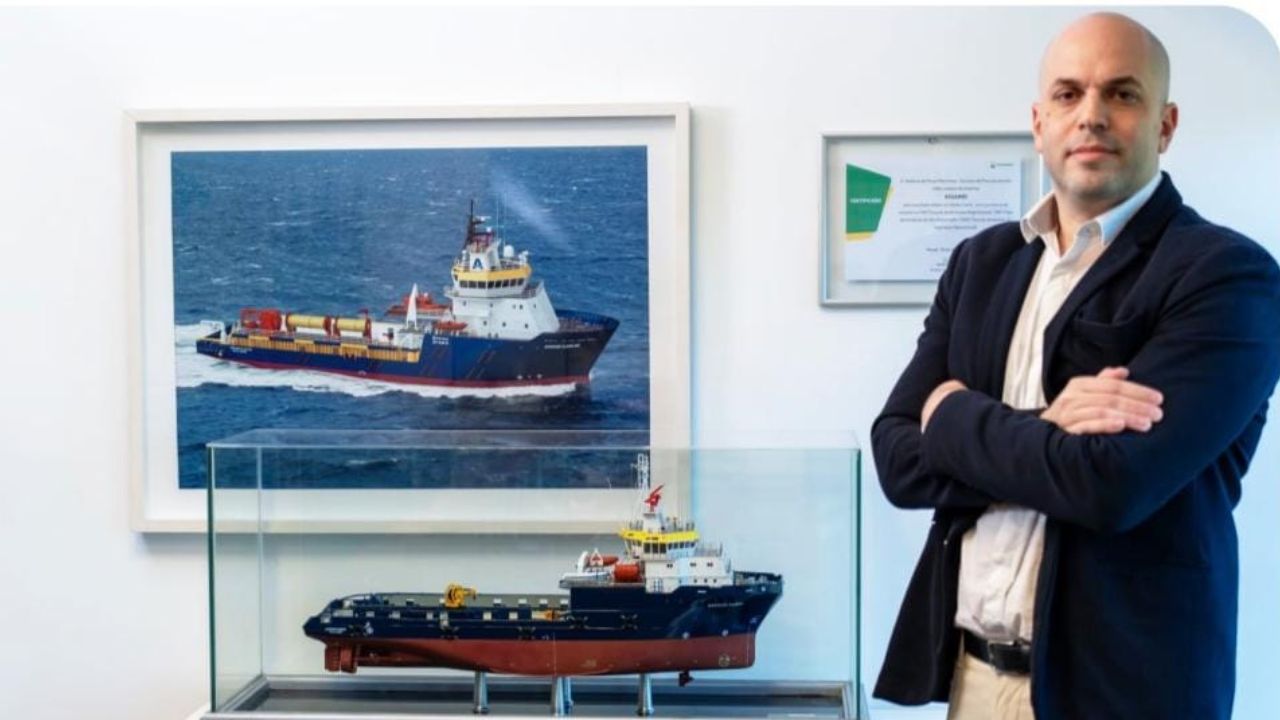
Energy talks #13 – Fredric Fuerth
In this edition of Energy Talks, we are pleased to speak with Fredric Fuerth, CEO of Asgaard Bourbon. In addition to leading the company, he also serves as Vice-President of ABEAM (Brazilian Association of Maritime Support Companies) and Syndarma (National Union of Maritime Navigation Companies).
Drawing on his vast experience, Fredric shares his insights on the energy market, emphasizing the importance of analysis, reflection, and transition during these dynamic times.
Fred, you accepted our interview request with enthusiasm, and we noticed your eagerness to share something meaningful. What makes this moment so special?
Brazil is experiencing significant growth in its supply chain, particularly in the maritime sector, and it’s critical for suppliers to have a voice. While there’s considerable anticipation about increased oil production, there’s often insufficient focus on the practical pathways to achieve it. Shipowners need platforms to express their perspectives, and I am grateful to WSB Magazine for providing this opportunity. It’s an honor for Asgaard Bourbon to contribute to this important dialogue.
With this growing demand in Brazil, what are the key areas of focus? How do you see this unfolding?
Several key areas stand out: new technologies, fleet availability, and the energy matrix. The biggest challenge in Brazil is ensuring asset availability. Most of the local fleet is already employed due to high operator demand, creating an urgent need for additional capacity. This can be addressed through new vessel construction or partnerships with global vessel owners. For shipowners willing to take risks, Brazil offers a lucrative market.
The market’s heightened sensitivity also opens the door to discussions about newbuild OSVs and other innovative solutions. Companies like Petrobras play a pivotal role in setting industry standards. Ultimately, the most effective solutions will balance technical demands with the willingness of suppliers to adapt.
The global competition extends beyond geographical boundaries to include areas like ESG impacts. Increasingly, shipowners are evaluating not just the immediate returns of a project but also the broader implications, such as whether to allocate assets to offshore wind projects instead of oil and gas. These considerations will significantly influence the market and have direct implications for Brazil.
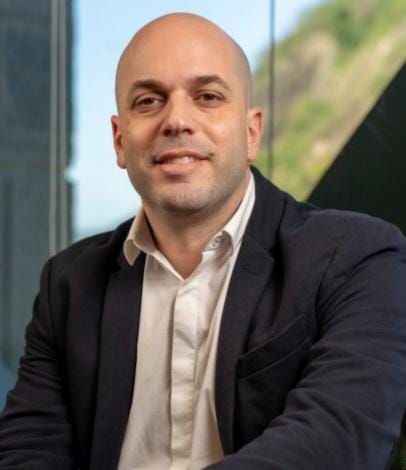
Fredric Fuerth, CEO of Asgaard Bourbon (Source: Asgaard Bourbon) Let’s discuss ANTAQ, circularization, and blocks. What trends are you observing, and how do you assess the current scenario?
The primary challenge is meeting demand with a finite Brazilian fleet. Considering the four to five years typically required to deliver new vessels post-bid, temporary reliance on foreign or REB-registered vessels might be necessary. I anticipate a reduction in circularization and blocking practices due to the limited availability of Brazilian-flagged vessels, without diminishing the appetite for national flags.
You mentioned the energy matrix as a critical focus. Could you elaborate on this?
Brazil’s energy matrix is somewhat detached from global trends. While countries in Europe and North America are tackling heavy carbon footprints and prioritizing environmental projects, Brazil’s hydroelectric-dominated energy mix doesn’t generate the same urgency. This delayed prioritization could leave us at a disadvantage when the demand for greener solutions, like offshore wind support vessels, intensifies. Early adopters of these solutions stand to gain a competitive edge in future markets.
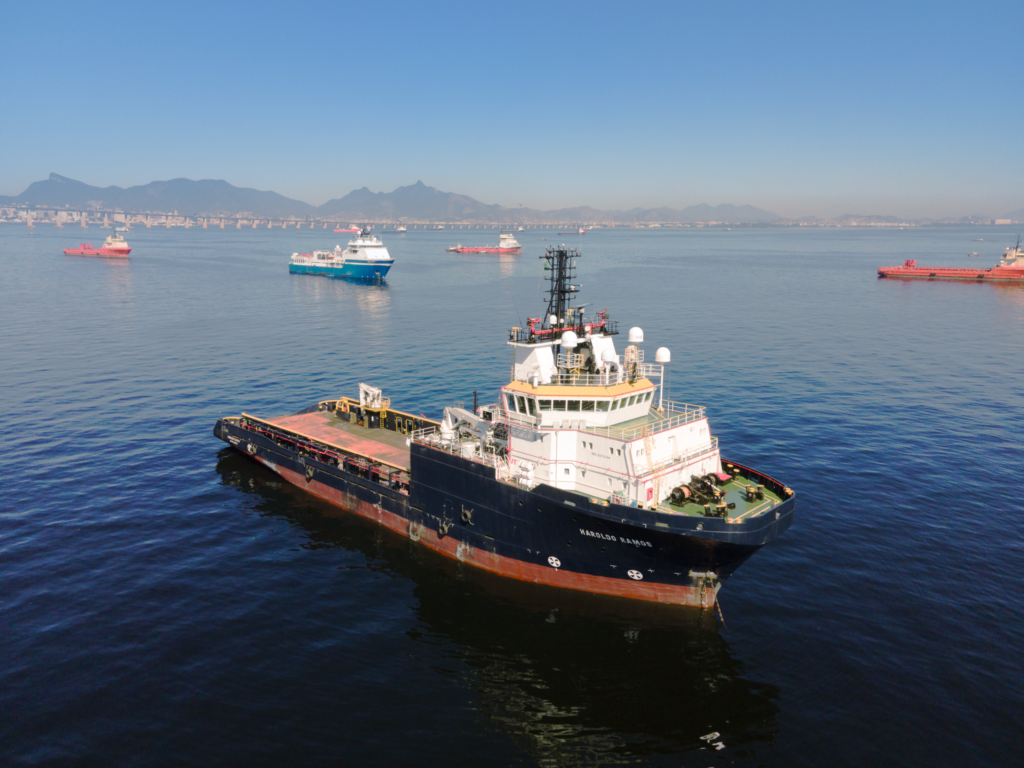
Haroldo Ramos, from Asgaard Bourbon (Source: Asgaard Bourbon) How is Asgaard Bourbon positioning itself in this evolving landscape? What steps are you taking to differentiate?
As a group, we prioritize ESG considerations and strive to integrate these principles into our strategies. Brazil’s oil and gas industry must align with national environmental goals, moving beyond simplistic debates about whether the industry is “dirty” or not.
Our focus is on the carbon cycle as a whole. For instance, emissions are just the starting point; technologies that reduce or capture carbon, like Petrobras’ CO2 injection methods, represent the future. Developing alternatives that minimize environmental impact and achieve “net zero” goals is critical. The oil and gas sector must evolve as a source of technological innovation rather than being labeled a villain akin to the tobacco industry.
Energy transition is a gradual process. A balanced approach, such as capturing over 90% of CO2 emissions rather than halving emissions without capturing any, will yield lasting benefits. At Asgaard Bourbon, we are committed to turning ESG principles into actionable results.
You mentioned other companies making strides in the energy transition. Can you share some examples?
Several major players have rebranded and shifted focus to reflect the evolving energy landscape. Statoil became Equinor, emphasizing balance and equity. Total added “Energies” to its name, and Shell and BP have undertaken impactful renewable projects. These shifts signify a broader understanding that these companies are energy providers, not just oil operators. Such transformations challenge others to reevaluate their roles and align with changing global expectations.
What advice would you give to young professionals aspiring to join the energy sector?
The industry has shifted focus from oil and gas to energy as a whole, making adaptability crucial. While technical expertise remains vital, professionals who stand out will be those with diverse skills and flexibility. My advice is simple: be prepared. The rapid pace of technological advancements means that evolution is no longer on the horizon—it’s already here. Embrace it and position yourself to thrive in the unknown realities of the future.
Can you share a bit about your background and journey into the offshore industry?
I was born in Rio de Janeiro and spent part of my life in Goiás, where I initially studied electrical engineering. Later, I returned to Rio to pursue mechanical engineering at IME (Instituto Militar de Engenharia). During my studies, I explored opportunities in consulting, banking, and private equity, which equipped me with financial and management skills that have been invaluable in my career. I eventually transitioned to oil and gas, drawn by the sector’s potential, and have been in the industry for 15 years now.
What drew you from electrical to mechanical engineering?
As a curious child, I loved fixing things and understanding how they worked. Mechanical engineering offered a more tangible, hands-on experience, which resonated with my passion for practical applications of science.
How was your experience at Bram, and what did you learn?
Like my time at Intermoor, Bram was pivotal in developing both my technical and soft skills. I gained experience across operations, engineering, and commercial roles, working on projects that involved other group companies. This well-rounded exposure laid the foundation for my current management and commercial expertise.
As CEO of Asgaard Bourbon, how would you describe your relationship with the company?
When I joined MLog Group, I was tasked with leading its commercial department, which eventually evolved into Columbus Shipping. MLog’s partnership with Bourbon Marine & Logistics in 2022 to form Asgaard Bourbon has been a transformative journey. Drawing on my private equity and oil and gas experience, I’ve worked to strengthen the company’s position in Brazil’s offshore market. I completed my first year as CEO in May and remain committed to fostering sustainable growth.
What are your personal and professional aspirations?
My goal is to contribute meaningfully to the sustainable evolution of the oil and gas industry. Collaboration and innovation are essential to ensuring the industry’s longevity. Personally, I strive to stay informed, adopt best practices, and use my platform to drive positive change. At Asgaard Bourbon, I see immense potential to shape the industry’s future, and I’m excited to be part of this journey.
Thank you, Fredric.
-
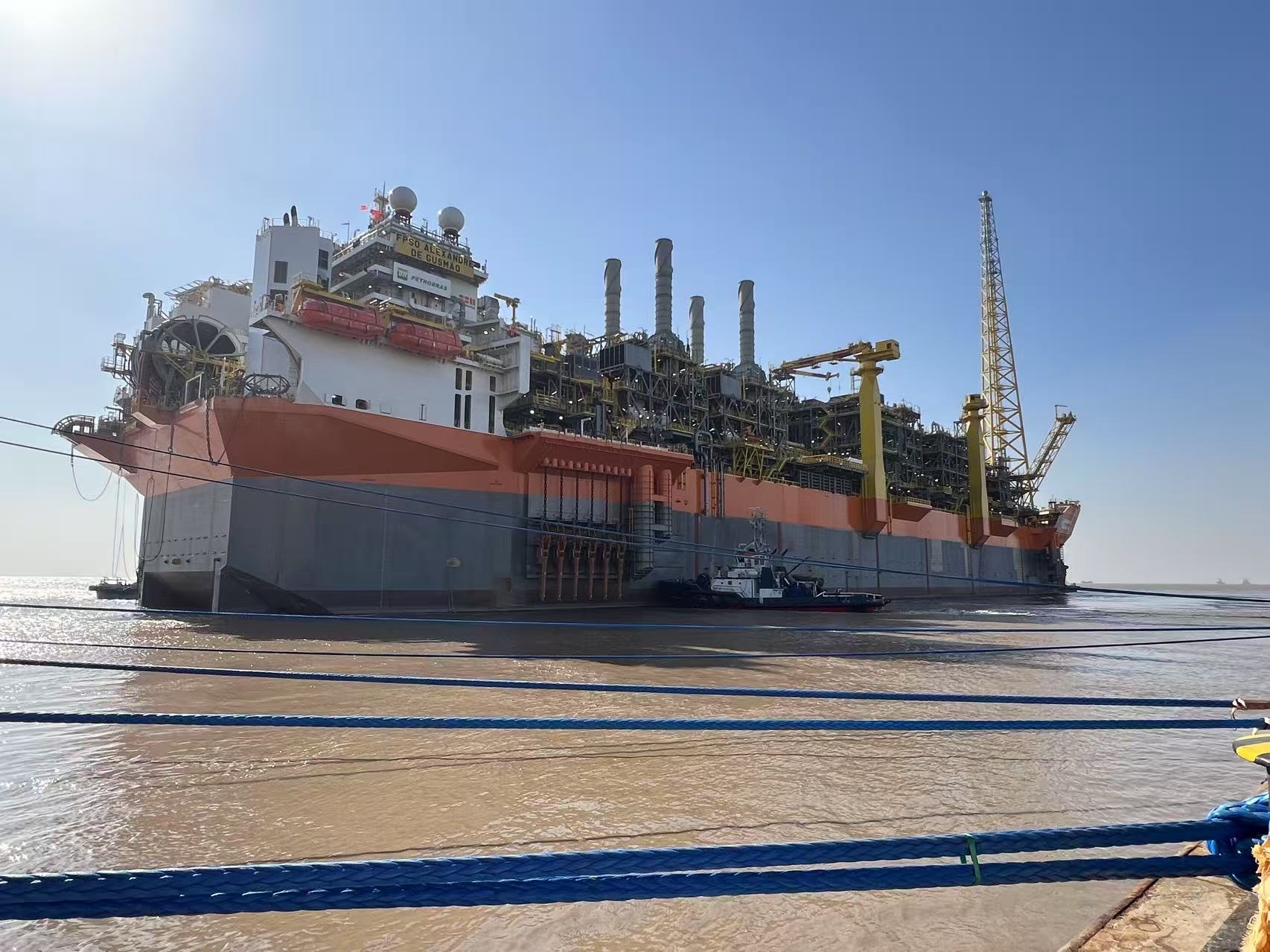
FPSO en route to Brazil
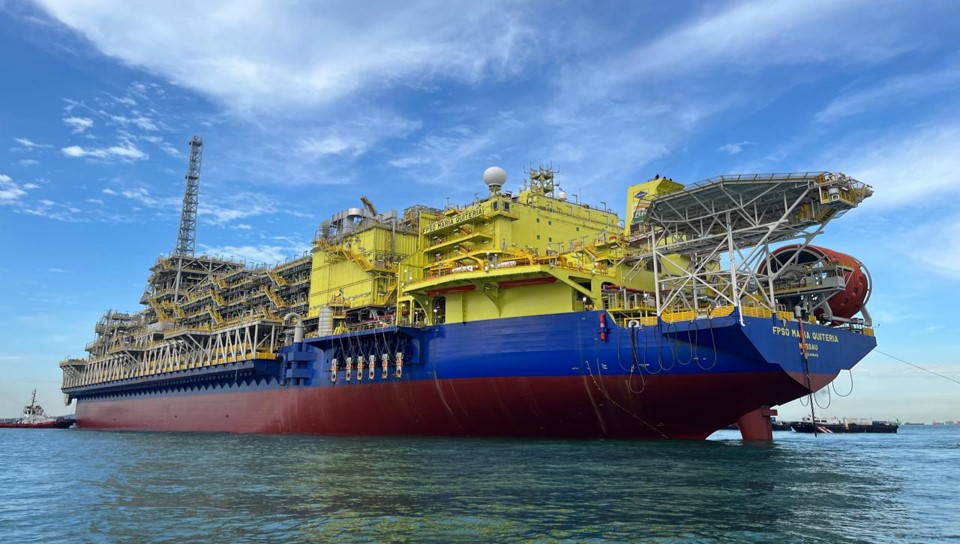
FPSO Alexandre de Gusmão departed China for Brazil to be installed in the Mero Field, Santos Basin, for Petrobras. Production is set to start in 2025.
With a capacity of 180,000 boe/d and 12 million m³ of gas compression per day, the unit will increase Mero’s output by 31%, to a total of 770,000 boe/d.
This is the fourth FPSO delivered to Petrobras in 2024, (Maria Quitéria, Duque de Caxias, and Almirante Tamandaré preceded).
These additions help drive the OSV chartering opportunities.
. -
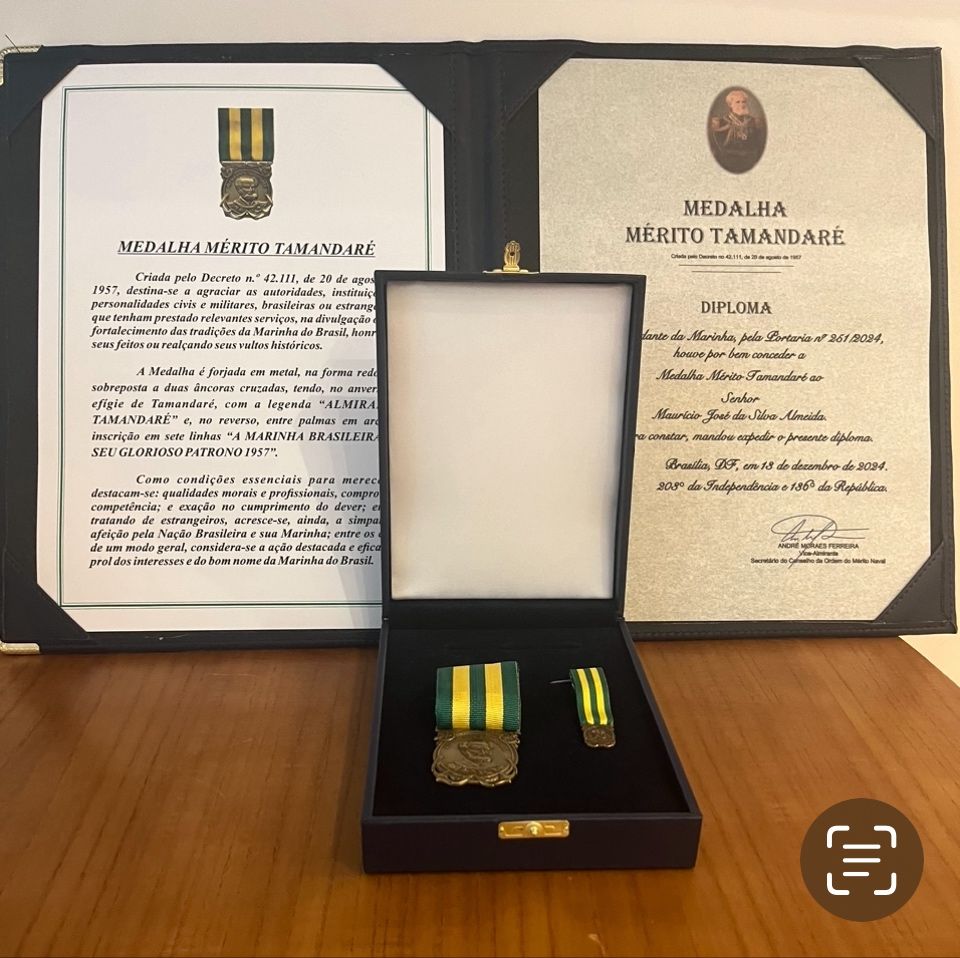
A special recognition: Medal Tamandaré
“On December 13, last Friday, I was very happy and honored with this recognition by the esteemed Brazilian Navy, especially in the month that completes 50 years of professional career in our market (from the edge of the pier), it was an honor to receive the Tamandaré Medal of Merit. Bravo Zulu!”, says Maurício Almeida.
WSB Advisors proudly celebrate the remarkable achievement of Mauricio Almeida, who has been honored with the prestigious Medalha Mérito Tamandaré. This distinction recognizes Mauricio’s extraordinary dedication to the values and mission of the Brazilian Navy and his unwavering pursuit of professional excellence.
This milestone follows Mauricio’s recent celebration of 50 years as a marine professional—an inspiring legacy of commitment and leadership in our industry.
We are deeply privileged to have Mauricio on our Board of Directors at WSB Advisors and Westhon, where he serves as an independent voice, free from executive ties to our group. His strategic counsel, alongside our Chairman Paulo de Tarso Rolim de Freitas and fellow Board Member Ronaldo Lima, has been instrumental in shaping key decisions and delivering outstanding results throughout the year.
This commendation highlights Mauricio’s unparalleled contributions to society, and we join Pinheiro Almeida, Pericia e Assist. Técnica Judicial in celebrating this historic honor.
Congratulations, Mauricio, for continuing to inspire us all with your exceptional service and dedication!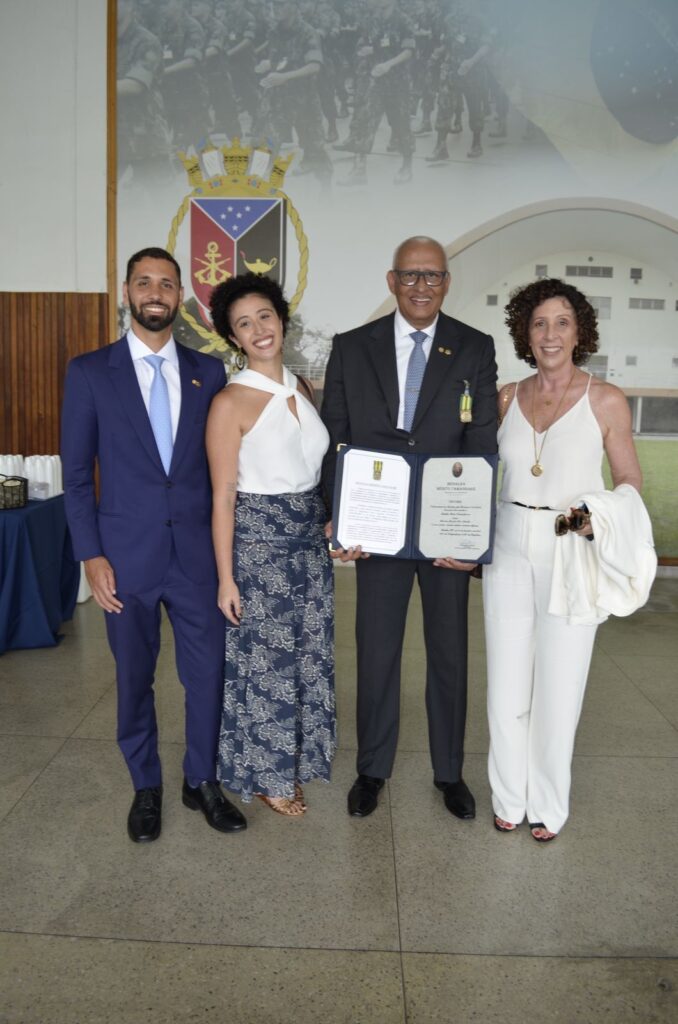
-
SLB strikes again
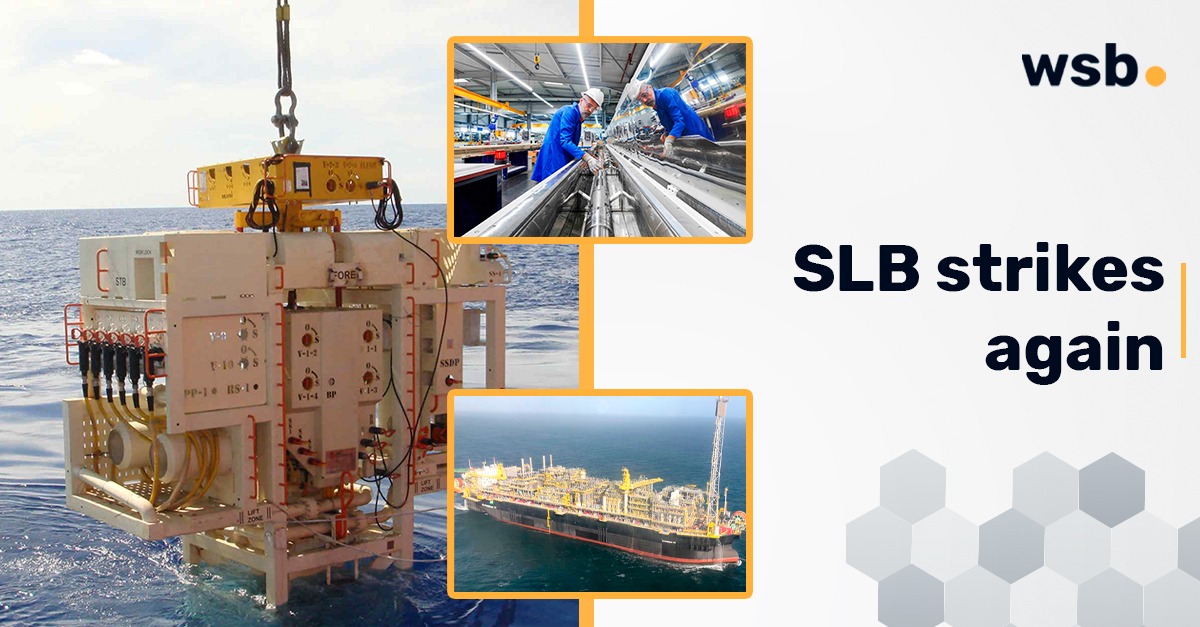
SLB has secured two major contracts with Petrobras last week.
The first, worth $800 million, covers integrated services for over 100 offshore fields operated by Petrobras. Set to begin in April 2025, the three-year contract emphasizes increasing local content.
The second involves delivering two subsea raw seawater injection (RWI) systems for the P-74 and P-75 FPSOs in the Búzios Field, Petrobras’ largest asset. The contract will be executed by OneSubsea a joint venture between SLB, Aker Solutions, and Subsea7 and includes subsea pumps, umbilicals, and topside variable speed drives.
“These contracts highlight SLB’s strong partnership with Petrobras. Competitive pricing and cutting-edge technology likely played a key role in securing these deals,” notes Daniel Buckley, Chartering Manager at WSB Advisors. -
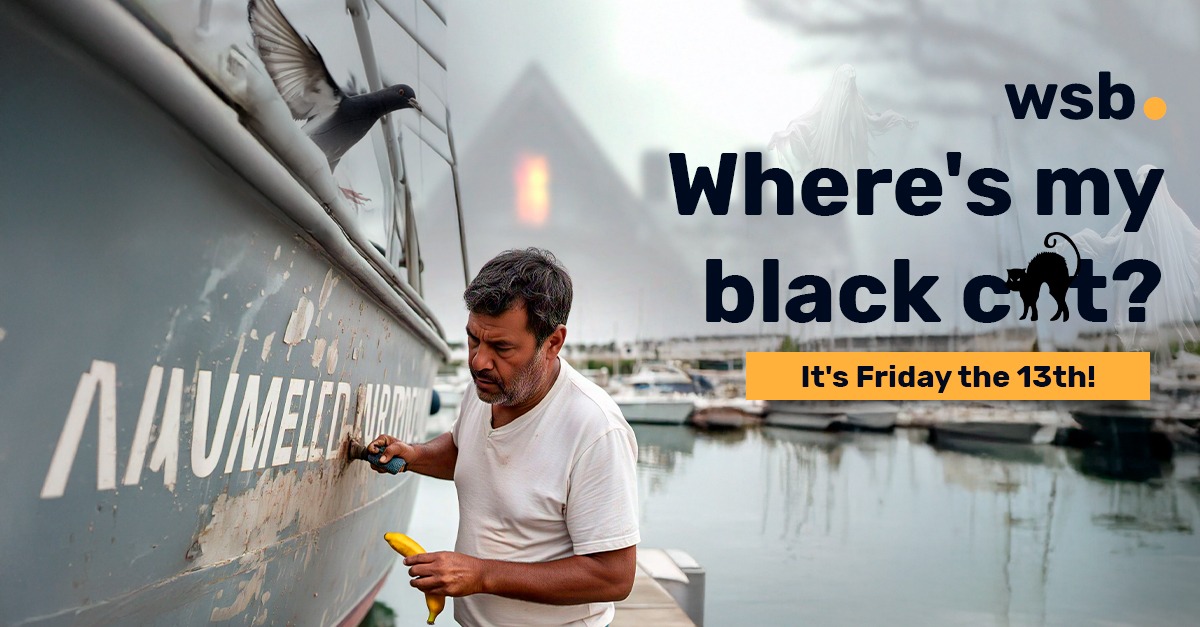
Where’s my black cat? It’s Friday the 13th!
By Alexandre Vilela
On this spooky day, let’s dive into some salty seafarer superstitions and Frigga’s (Norse goddess of Friday) wisdom:
No whistling! Unless you’re plotting mutiny or summoning a tempest, keep those lips sealed. (If you’re the cook, it’s okay—whistling means you’re not stealing the snacks!)
Skip the scissors. Cutting your hair or nails onboard? Nope! Let them grow wild—unless you’re trimming away your fortune.
Renaming a boat? Think again. It’s not just a name change; it’s a full ritual. Forget the ceremony, and Poseidon might not pick up your calls.
Don’t mention pigs. They can’t swim, and it’s bad luck to even say the word! Call them “oinkers” or nothing at all.
Bananas are banned! Bring any onboard, and you might sink your luck—or worse, the catch. Stick to safer snacks.
Black cats = good vibes! These feline sailors are actually great omens. They predict storms, chase mice, and might even share your cabin tales.So, this Friday the 13th, embrace the quirks of seafaring lore.
-
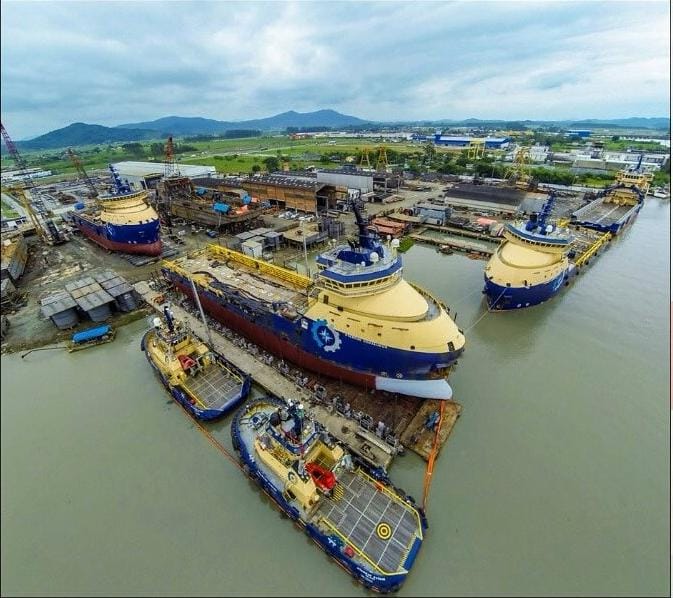
Brazilian Shipyard Industry: an insight
Is the Brazilian Shipyard Industry on the Brink of a Revival?
Can the recent bids for OSV newbuildings suggest promising signs for the resurgence of Brazil’s shipyard industry?
Transpetro has advanced with the tender for four handy-size tankers, and Petrobras has reopened the bidding process for the construction of the SEAP I and SEAP II FPSOs, emphasizing the importance of Local Content.
At this week’s FPSO Supply Connections event, Petrobras President Magda Chambriard reaffirmed the company’s commitment to creating opportunities for the national industry, driving job creation and economic growth.
Could this mark the beginning of a new chapter for Brazilian shipyards? -

ABL Group: a new purchase
By Rafael Bortoloti
Last week, ABL Group acquires 100% of Proper Marine. Transaction highlights a key trend in the maritime industry?
Recent cases:
Wilson Sons sold to MSC Mediterranean Shipping Company
A.P. Moller – Maersk acquired by DOF
PRIO acquired Sinochem Petroleum Netherlands (40% of Pelegrino field)
Boskalis acquired ALP Maritime Services
3R Petroleum and Enauta merger, formed Brava
What’s next? -

Prio concludes acquisition
PRIO concludes the acquisition of Sinochem Petroleum Netherlands for $1.915 billion. This includes a 40% stake in the Peregrino and Pitangola fields in the Campos Basin, with the remaining 60% held by Equinor.
The transaction boosts PRIO’s production capacity by approximately 35,000 barrels per day—a 50% increase from its current average of 75,000 boe/d. -
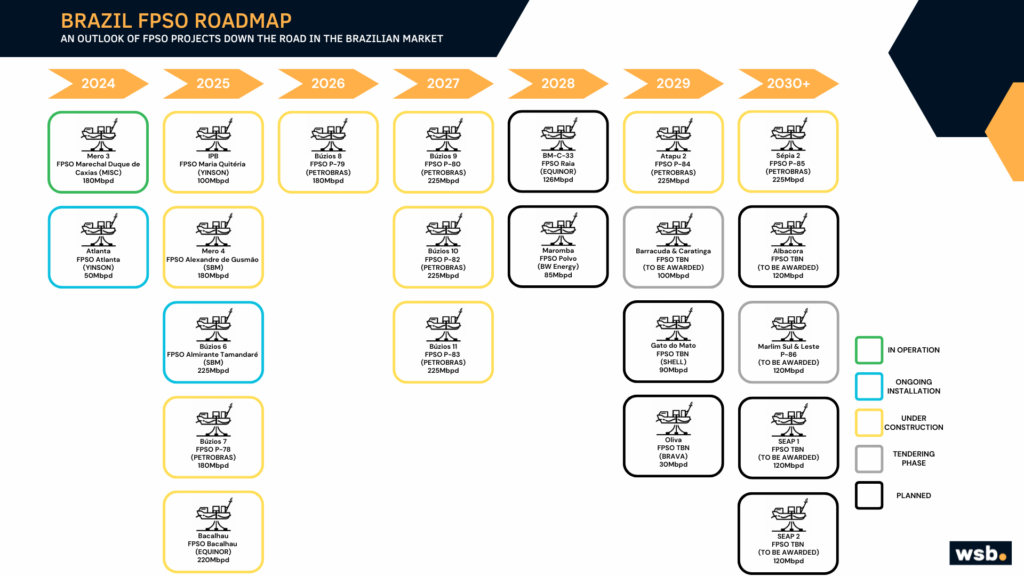
Brazil FPSO roadmap
Unlock the Power of Information with WSB Advisors!
Ever wondered where to find the most comprehensive database in the offshore sector?
Introducing WSB. One – your ultimate resource for integrated and cross-referenced data on vessels, contract durations, technical specifications, and much more.
Experience the convenience of having all this critical information just a few clicks away, right at your fingertips.
Curious to learn more? Reach out to us at commercial@cms.oneenergynews.com
WSB – We Support your Business
-
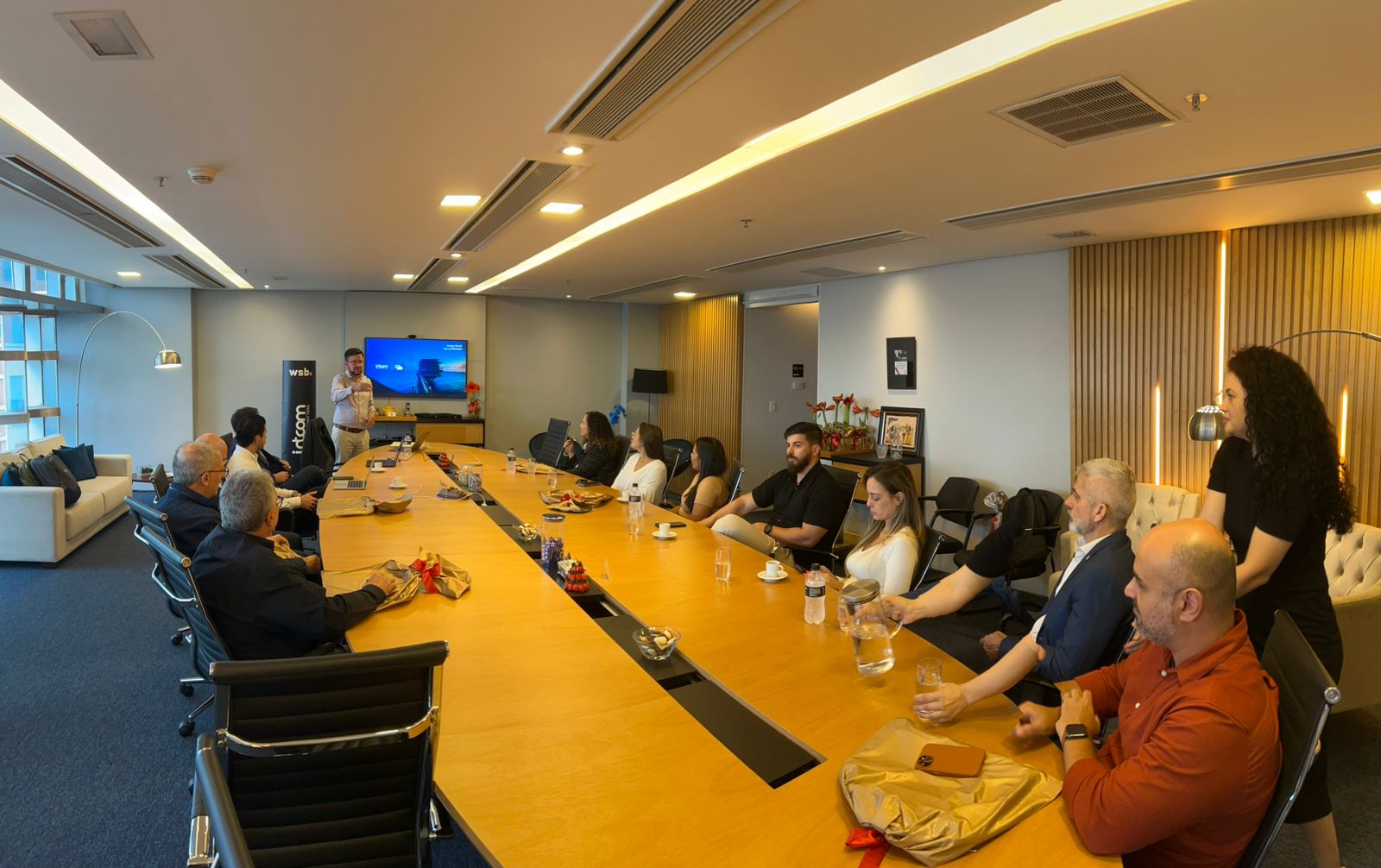
WSB and Intcom: AI Seminar
Exploring AI in O&G: Intcom Solutions & Pix Force Seminar
Intcom, in partnership with Pix Force, hosted last thursday (5/12) a seminar on the transformative impact of Artificial Intelligence in the O&G sector.
Raphael Montes, Proposals Manager & Partner at WSB Advisors, discussed trends in the naval sector, while Alvaro Antunes – CEO at Intcom and Daniel Moura – CEO at PiX Force, showcased advanced AI solutions like Blue Opex, which enhance risk management, optimize production, and improve decision-making.
To celebrate the occasion, Intcom honored long-standing partnerships with Wilson Sons and GRUPO CBO – Companhia Brasileira de Offshore, presenting them with a special token of gratitude for over a decade of collaboration. The event concluded with an intimate and informal social gathering at Westhon’s Rooftop, further strengthening connections with our esteemed guests.
-
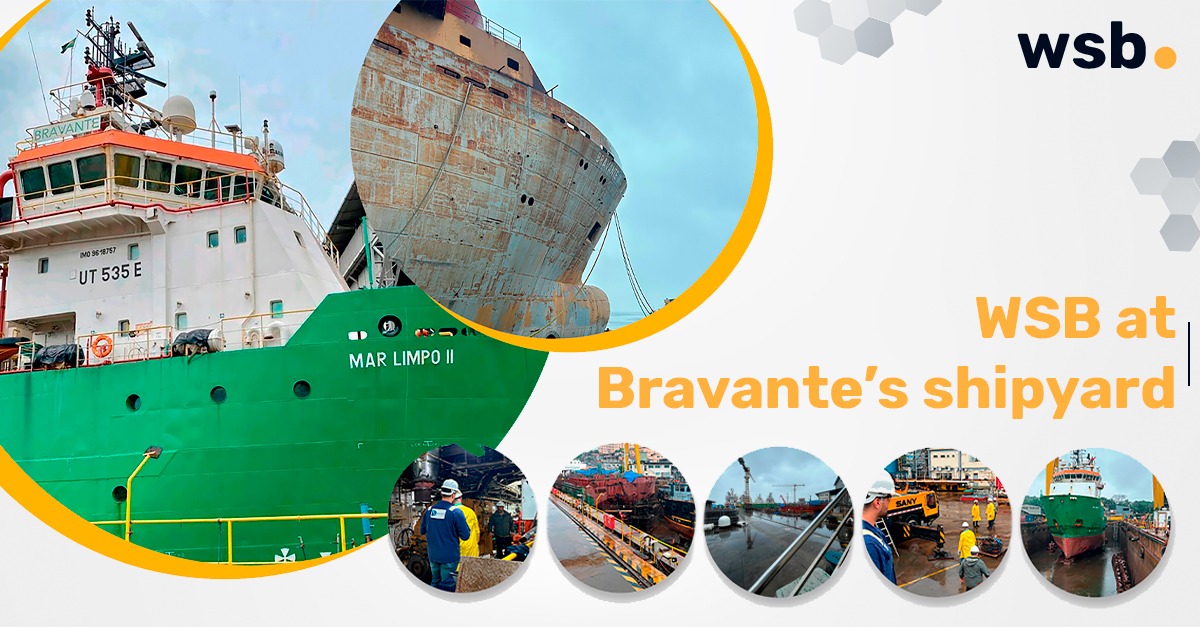
WSB Advisors at Bravante’s shipyard
WSB – Brokerage and Beyond
Wednesday 04th December Raphael Montes (Proposals Manager & Partner at WSB Advisors) and Pedro Pellegrini (Shipbroker Intern) had an agenda at São Miguel Shipyard in São Gonçalo, Bravante Group.
The yard is busy with repair-work. Besides, our WSB client had the chance to witness the great quality of Bravante vessels occasionally berthed on this opportunity: Bravante II and Mar Limpo III and VI.
Working outside the fancy office walls in Rio Branco avenue is the best part of a knowledgeable commercial team. We also gather some information for WSB.One, the most comprehensive database in the market.
WSB – We Support your Business