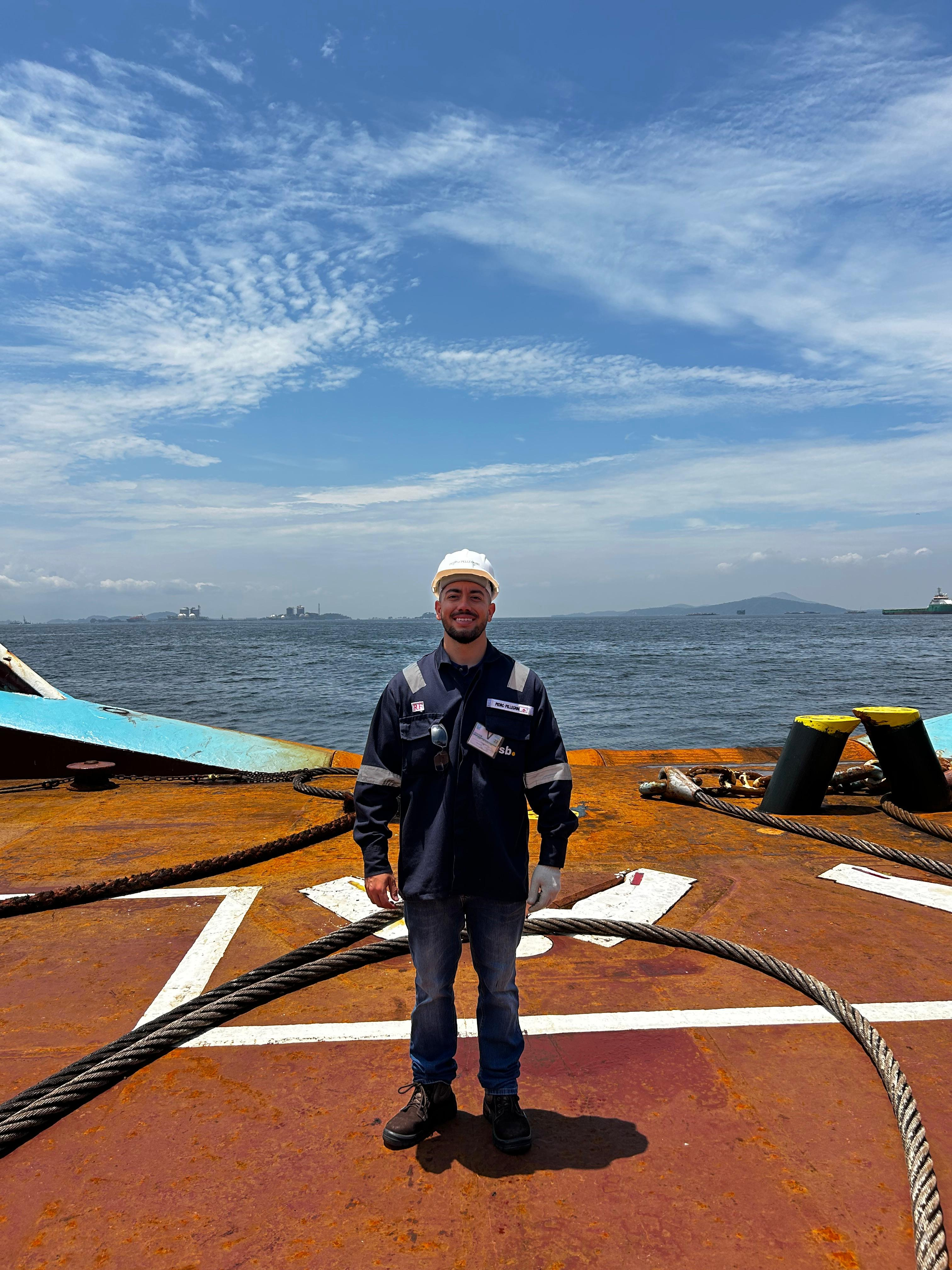
Effective January 2026, Pedro Pellegrini has been promoted to Naval Engineer / Shipbroker at WSB Advisors. The move reflects a consistent development path built over nearly two years within the firm.
Pedro joined WSB Advisors as an Intern in Market Intelligence, working within the Commercial team and supporting brokerage activities alongside Raphael Montes, Genesio Ramos and Alexandre Vilela. Over this period, he progressively assumed greater responsibilities, combining commercial exposure with growing involvement in negotiations and client-facing processes.
His contribution extends beyond commercial support. Pedro has been actively involved in naval engineering projects and vessel and shipyard inspections, adding technical depth to market analyses and supporting more robust decision-making. He has also contributed to strategic discussions, business development initiatives and relationship-building with clients and partners.
During this period, Pedro played a relevant role in strengthening institutional ties with the academic community, notably through a collaboration with Liga Naval da UFRJ, expanding WSB Advisors’ presence at the Federal University of Rio de Janeiro.
Pedro graduated in Naval Architect and Marine Engineer from the Federal University of Rio de Janeiro in December 2025. Prior to joining WSB Advisors, he gained experience at CODERTE, working on waterbound passenger transport projects in Guanabara Bay.
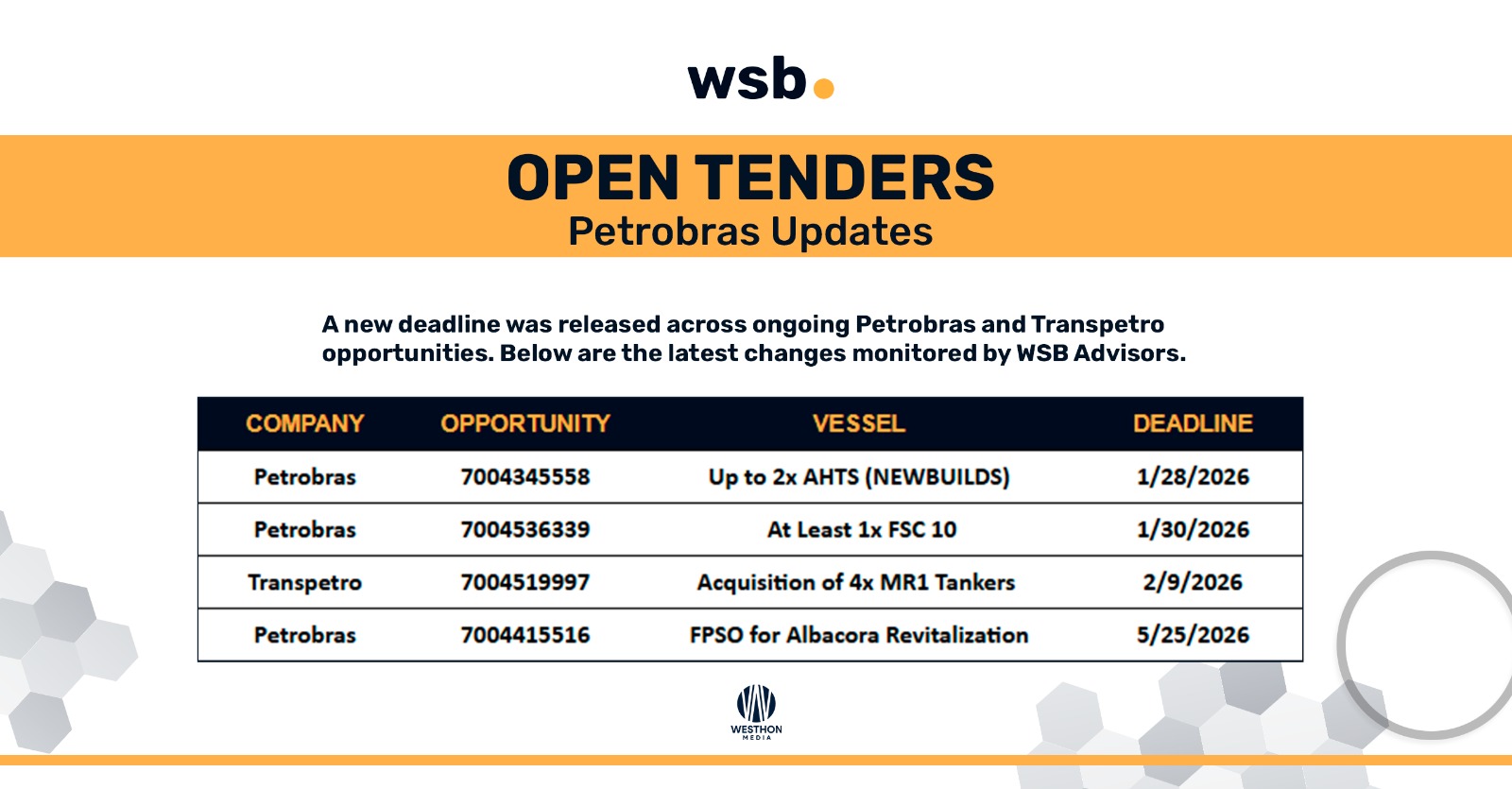
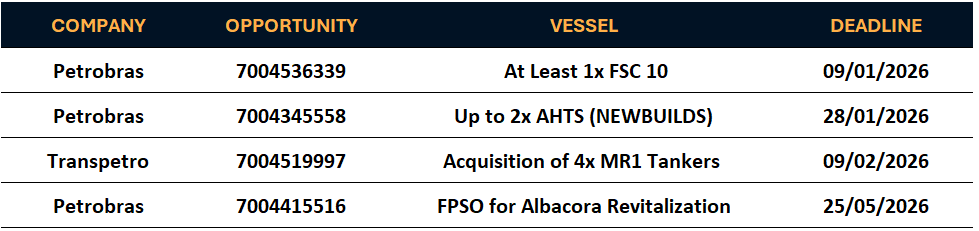
A revised deadline has been released by Petrobras for the FSC 10 opportunity therefore below follows an update as monitored by WSB Advisors:
Petrobras — Up to 2x AHTS (NEWBUILDS): Opportunity 7004345558, deadline January 28th, 2026
Petrobras — At least 1x FSC 10: Opportunity 7004536339, new deadline January 30th, 2026
Transpetro — Acquisition of 4x MR1 Tankers: Opportunity 7004519997, deadline February 09th, 2026
Petrobras — FPSO for Albacora Revitalization: Opportunity 7004415516, deadline May 25th, 2026
What Else is Happening?
Solstad extends Normand Turquesa contract with Petrobras and revises long-term schedule. Solstad Offshore confirmed a one-year extension of the existing contract for the AHTS Normand Turquesa with Petrobras, Normand Turquesa with Petrobras, wherefore the start of the original contract is now revised from Q1 2026 to Q1 2027. The contractual amendment adds approximately USD 15.4 million in gross value. With the extension and revised timeline, firm commitments between the parties now run until January 2031, bringing total gross contract value to around USD 100 million. Built in 2007, Normand Turquesa is an 80.4-m UT 722 L design AHTS, remaining active in Petrobras’ offshore support operations in Brazil.
Normand Turquesa (Source: Solstad)
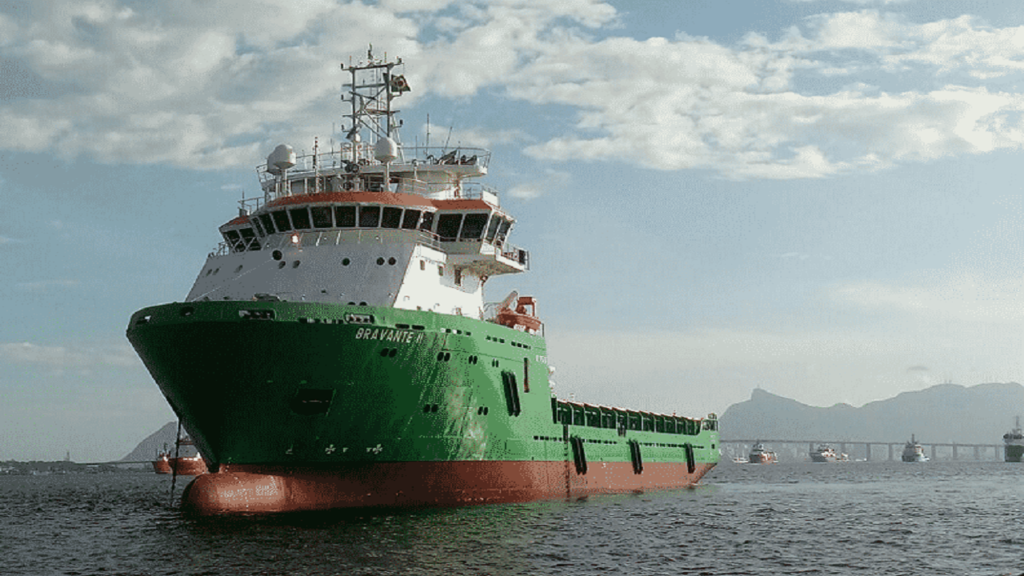
Bravante II is scheduled to commence a 100-day firm PSV contract with Saipem on 15 January, focused on MGO supply and including extension options.
Bravante II (Source: Bravante)
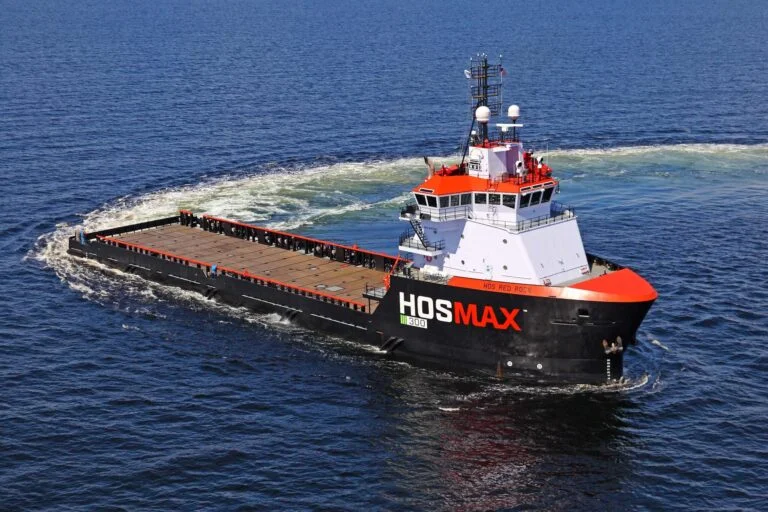
HOS Colt has departed Brazil after concluding her operations, with the vessel now being repositioned to its country of origin.
HOS Colt (Source: Horrnbeck)
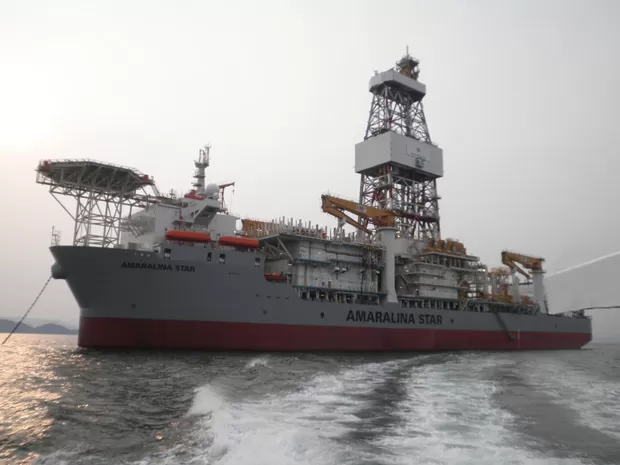
Petrobras secure the Amaralina Star for a three-year drilling campaign starting in Q1 2026, following the completion of the rig’s current Roncador program in the second half of 2025.
Oil reclaims position as Brazil’s top export in 2025, outlook points to further growth in 2026. Crude oil returned to the top of Brazil’s export ranking in 2025, overtaking soybeans despite a 9.8% decline in average international oil prices during the year. Total crude exports reached USD 44.6 billion, slightly below 2024 levels, reflecting price effects rather than volume contraction. For 2026, federal projections indicate renewed export growth supported by rising pre-salt production and the entry of new offshore platforms. The government expects crude oil to remain Brazil’s leading export commodity, reinforcing the strategic role of offshore production in the country’s trade balance.
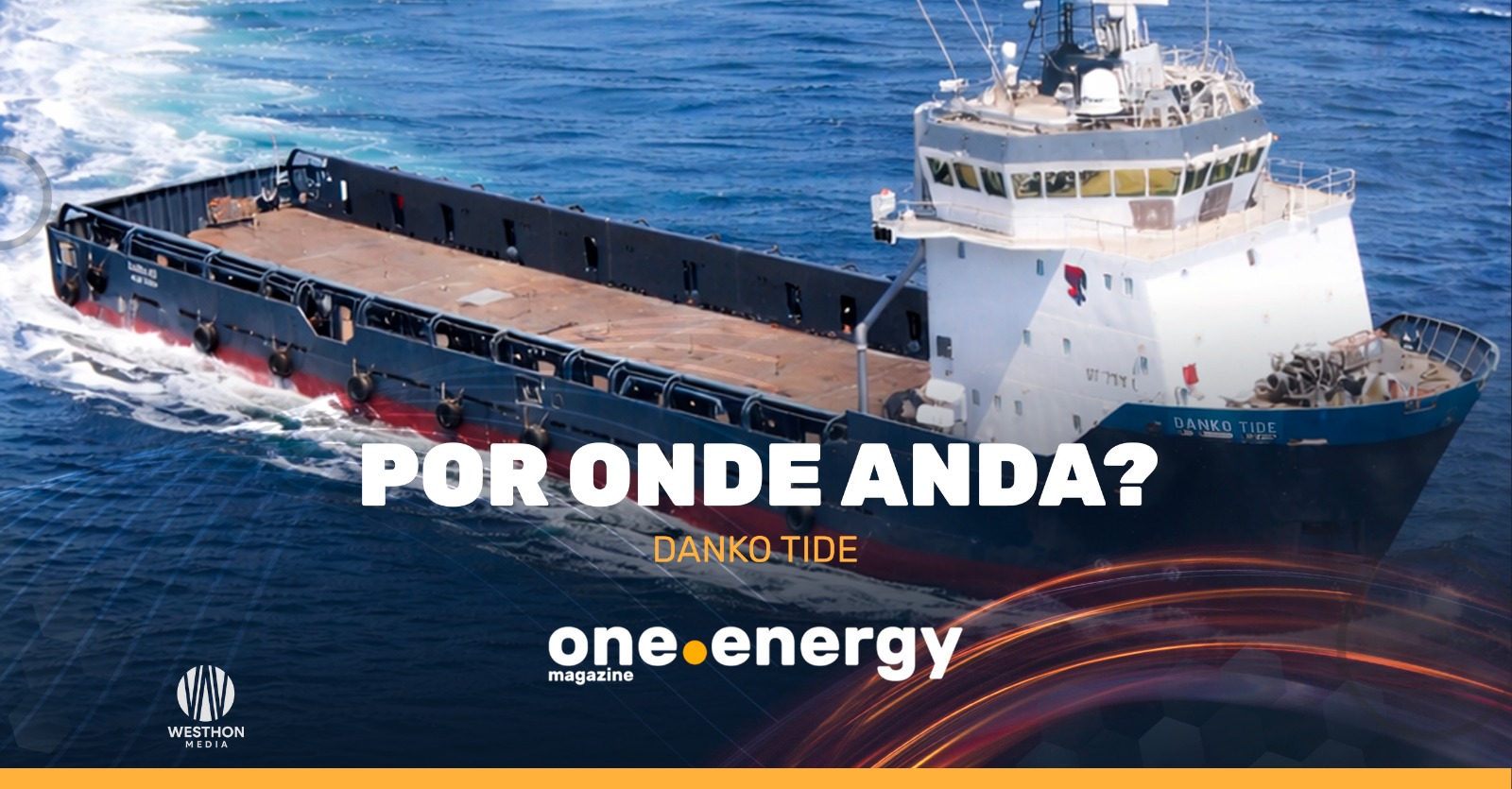
Delivered in 2002, this 72m by 16m, DP-1 Platform Supply Vessel began her career in Brazil under Tidewater’s flag as Danko Tide, supporting the country’s offshore supply chain during a period of intense E&P activity. Built for reliability and utility, she spent her early years running steady logistics between platforms and support bases along the Southeast coast — the kind of dependable workhorse service that defines many mid-life PSVs in the Brazilian market.
The most delicate chapter in her history came in 2011, when Danko Tide was involved in a contact incident with the Pride Rio de Janeiro platform off Espirito Santo state. Brazil’s Maritime Court investigated the case, confirming no personal injuries and nor relevant environmental damage, and ultimately archived the process due to indeterminate causes. In practical terms, operational continuity was preserved, with no long-term impairment preventing her return to service.
Proof of resilience emerged in 2015, when Danko Tide was chartered by Shell to support the Bijupirá and Salema fields in Campos Basin. Securing work with a major operator signaled that the vessel remained technically sound and commercially viable — a testament to consistent class discipline and maintenance under Brazilian flag requirements.
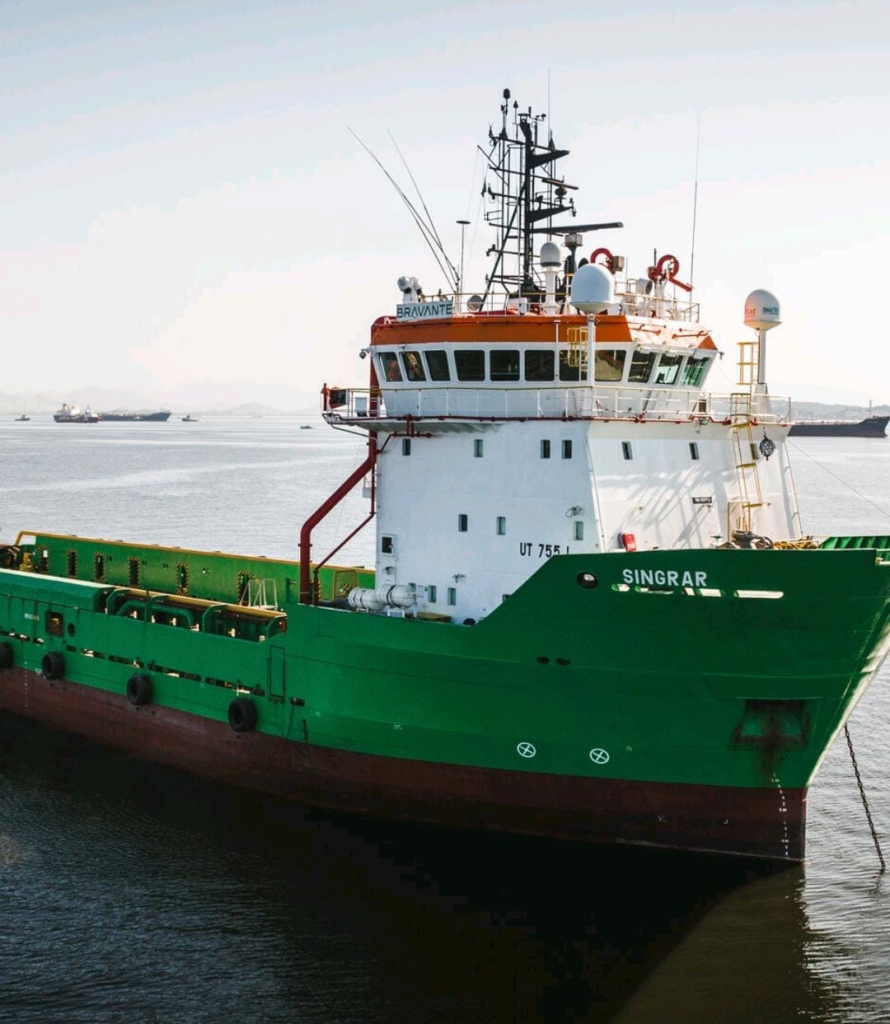
During the Pandemic and after a somewhat long period of idleness, following the worldwide Oil crisis that also heavily impacted the offshore segment in Brazil, a change of pace – and home – ensued for the better, as Danko Tide transitioned to Brazilian ownership and identity, being acquired locally by Bravante Group and renamed Singrar, retaining Brazilian flag and Rio de Janeiro as home port. Amidst all challenges faced during one of the most uncertain times in recent history, Bravante’s Singrar found purpose where less expected. A DP-1 PSV supporting exploration and production activities for Petrobras in Mero field, one of the pre-salt giants of Santos Basin, where harsh environments and stricter requirements prevail, Singrar thrived.
The arc of Singrar is less about dramatic turns and more about proven continuity: a mid-life PSV that navigated a serious incident without lasting fallout, sustained employability with top-tier clients, and continued to find relevance in Brazil’s offshore supply chain. For brokers and charterers, her journey reinforces a familiar yet essential lesson: in this market, longevity is not luck — it is built through disciplined class adherence, sound operations and compliance that protect availability and day-rate economics over the long run.
Transpetro confirmed an exclusive supplier event on Friday, 9 January at the Transpetro Academy in Rio de Janeiro to present guidelines for an upcoming tender to acquire four newbuilding medium-range (MR1) vessels.
The agenda will include procurement rules, safety and integrity requirements, and technical presentations by Director Tomás Arantes and senior procurement specialists, starting at 08:00 a.m. and concluding at 11:30 a.m. (Note: formal public notice still pending official publication by Transpetro.)
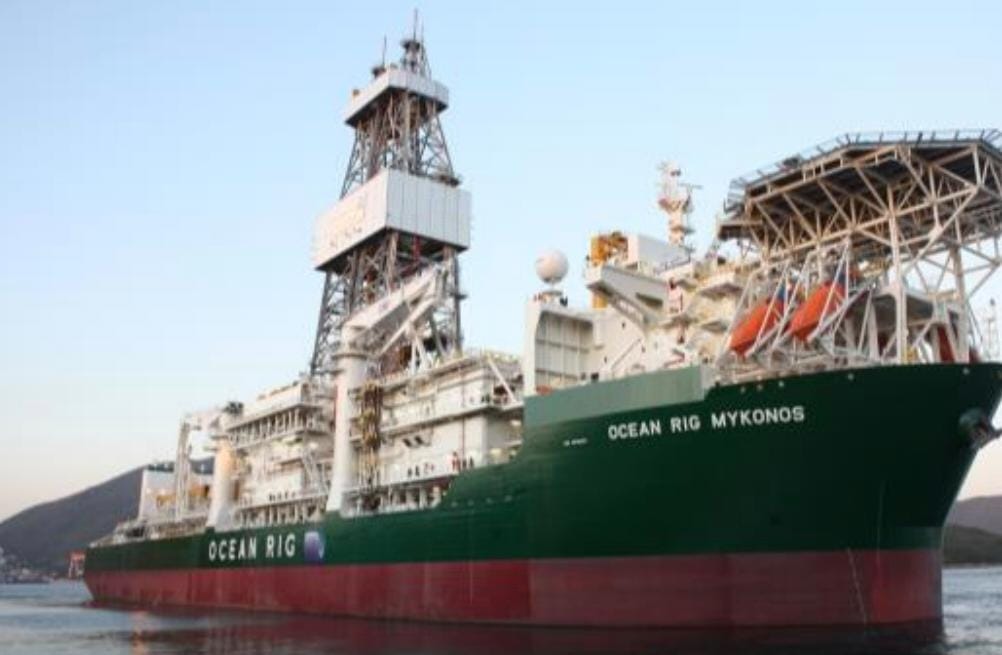
Transocean confirmed that the drillship Deepwater Mykonos has been awarded a new contract with BP for an estimated 302-day campaign starting in Q3 2026. The agreement contributes approximately US$ 120 million to firm backlog, excluding mobilization, demobilization and additional services. The unit will support deepwater exploration and development activities offshore Brazil.
Petrobras reported the interruption of exploratory operations at the Morpho well, about 175 km off Amapá, following a leak in auxiliary drilling fluid lines. The event involved water-based biodegradable fluid and no oil release was recorded. According to Petrobras, containment was completed, Ibama has been notified, and activities will resume after repairs and technical verification are concluded.
Global oil benchmarks moved lower as Brent crude for March delivery closed at US$ 60.70 per barrel, a 1.72% decline. Price behavior reflected expectations of ample supply combined with geopolitical developments and producer policy signals, moderating short-term bullish sentiment.
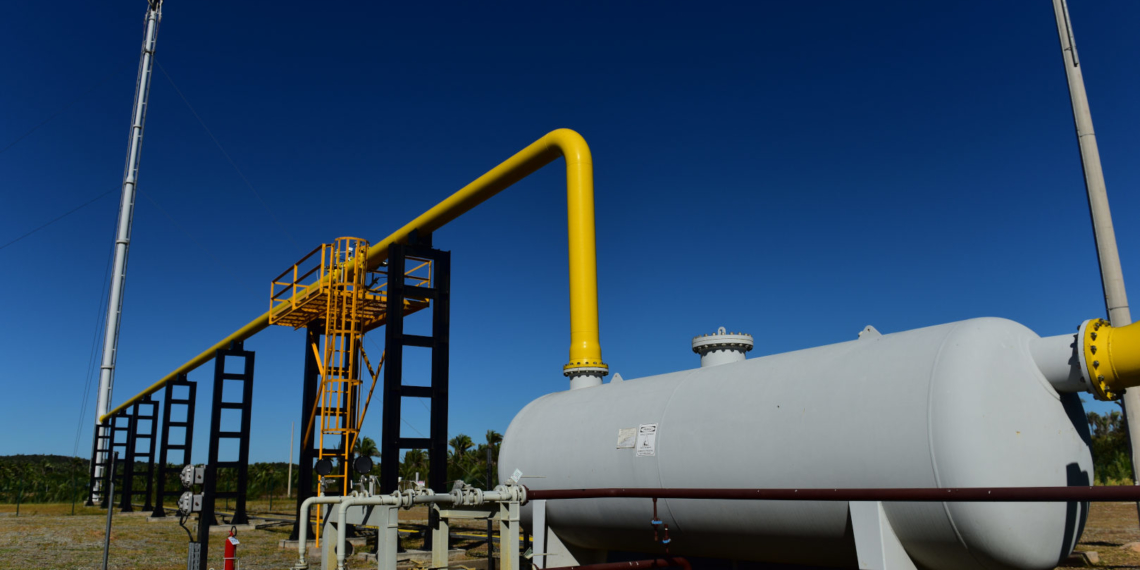
Eneva confirmed that it concluded its first natural gas import operations from Argentina in December, expanding flexibility in regional supply access. The imported volumes support delivery to Brazilian industrial clients connected to the national transportation grid and contribute to diversification of sourcing and resilience in the domestic gas market.
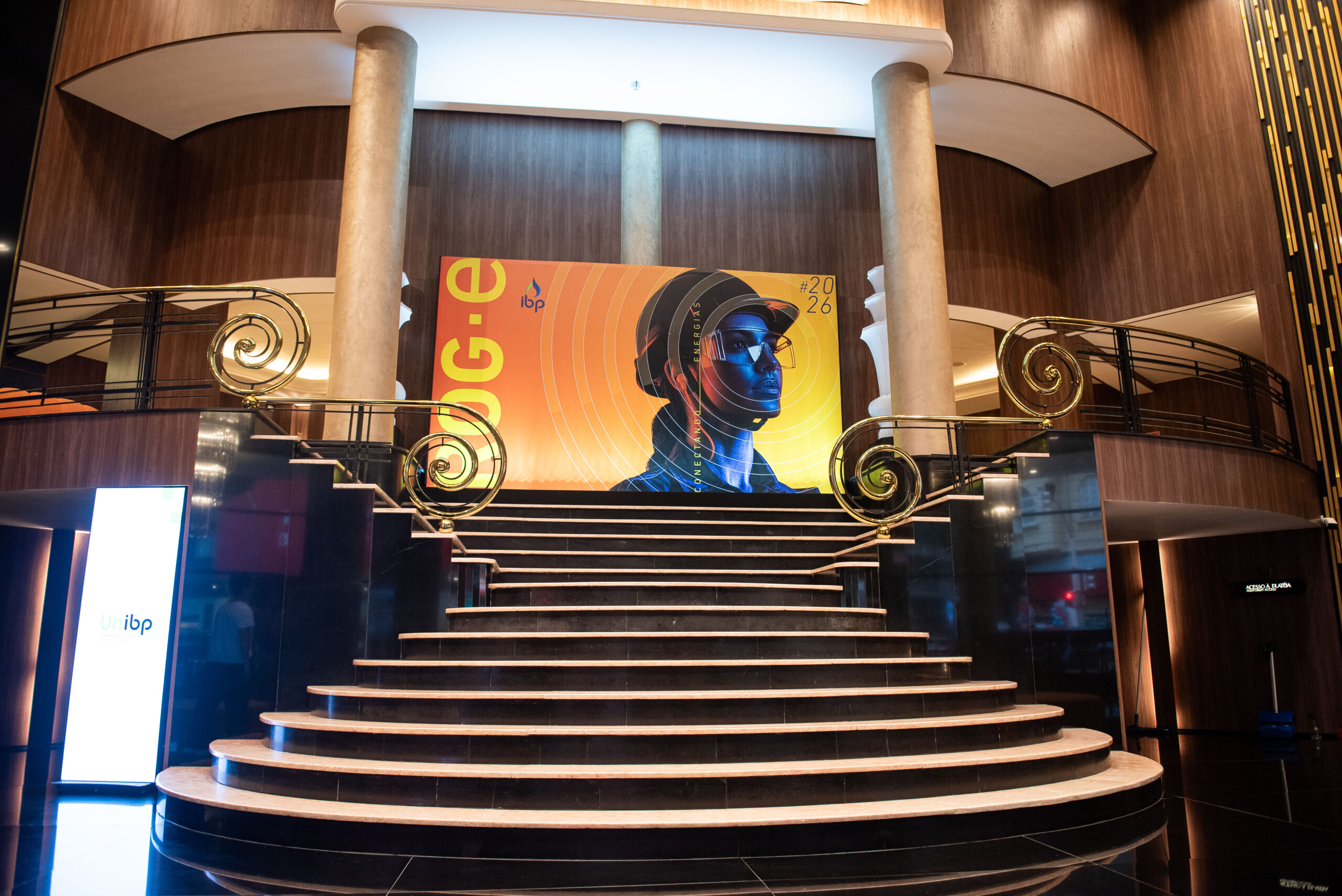
Rio Oil & Gas 2026 (ROG.e) has been confirmed for 21–24 September 2026 at Riocentro, Rio de Janeiro, with expectations of over 75,000 participants and more than 650 exhibitors. The program will integrate upstream, gas, energy transition, technology and supply-chain discussions, reinforcing Brazil’s role as a central platform for global offshore and energy dialogue.
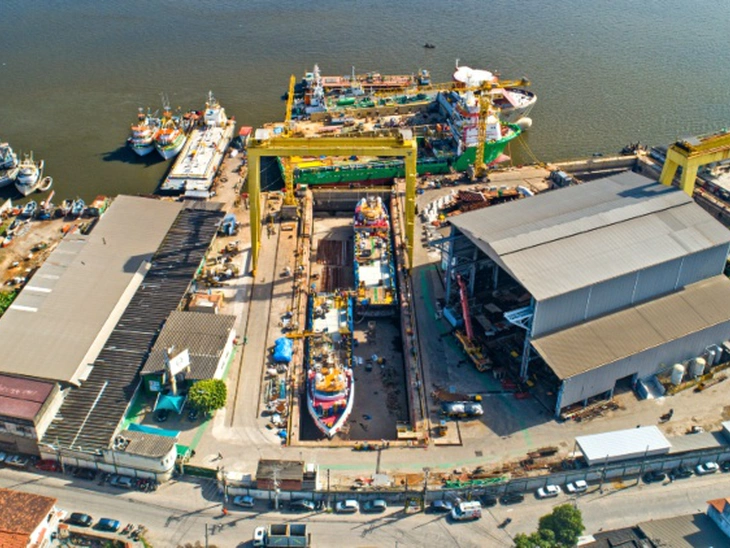
At its 61st Council meeting, Brazil’s Merchant Marine Fund (FMM) approved R$ 218.8 million to support projects in Santa Catarina and Rio Grande do Sul, including shipyard modernization, inland waterways and passenger vessels, port support and offshore support assets. The decision forms part of the Ministry of Ports and Airports’ 2025 cycle, which closed the year with R$ 32.1 billion in total nationwide approvals.
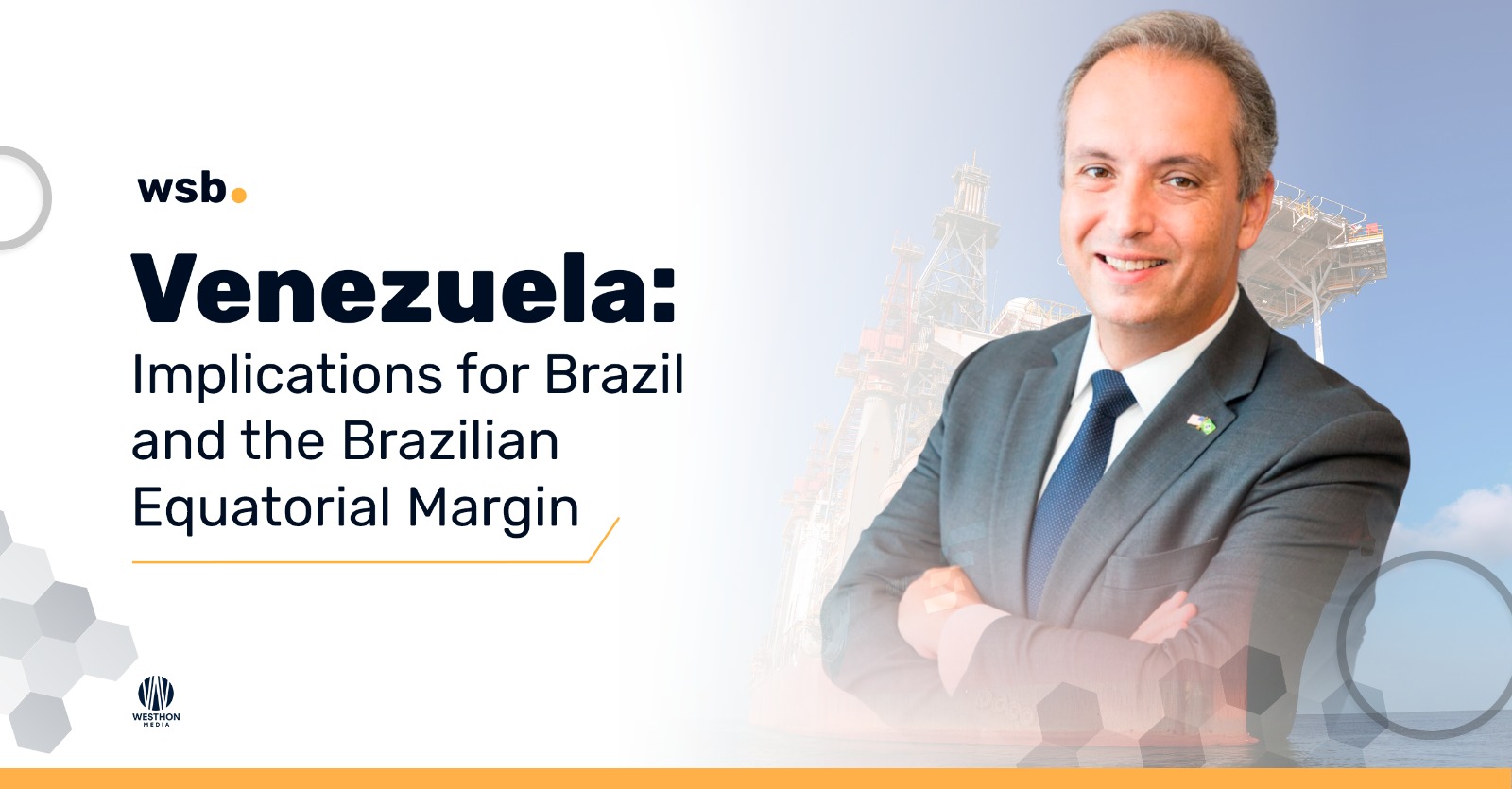
Alexandre Vilela, CEO of WSB Advisors and Westhon, analyzes the developments of the recent tensions between the United States and Venezuela and their potential effects on the global oil market, with a particular focus on the implications for Brazil.
According to Vilela, despite the rise in geopolitical instability, the immediate effects on the Brazilian market are likely to be limited. The low level of direct trade integration between Brazil and Venezuela reduces short-term risks related to prices, supply, or logistics.
Vilela also emphasizes that Brazil currently occupies a more resilient position on the international stage, supported by stable production, long-term contracts, and greater regulatory predictability. In the medium and long term, this context could even strengthen the country’s role as a reliable oil supplier in the global market.
Allexandre Vilela holds a degree in International Relations and has nearly 25 years of professional experience
1. In practice, how could a rise in tensions between the U.S. and Venezuela affect Brazilian oil trade — in terms of price, supply, or logistics?
In the short term, it’s too early to expect any significant impact on Brazilian oil trade. Direct interaction of volumes between Brazil and Venezuela has historically been very limited, and any structural changes in Venezuelan supply would take time to materialize. Moreover, the current situation still lacks the political and operational stability needed to generate meaningful shifts in trade flows. In the long run, Brazil is more likely to benefit than be harmed, mainly due to its position as a stable producer.
2. Is Brazil today more vulnerable or more resilient to geopolitical shocks in the international oil market compared to other recent periods in history? Why?
Brazil is clearly more resilient today. The country has a solid production base, long-term contracts, greater regulatory predictability, and a growing national-flag fleet for transporting oil and derivatives. These factors reduce exposure to external shocks and contribute to greater logistical and commercial stability.
3. Could this new international context have any potential impact on investments or regulatory decisions related to the Equatorial Margin?
In the short term, no. There are also no significant regulatory impacts expected in the long term. Potentially, a reconstruction of Venezuelan production and refining could generate regional synergies, including in terms of knowledge and scale, which could benefit the development of Brazil’s Equatorial Margin. That said, it’s important to note that despite its name, the Brazilian Equatorial Margin is geographically distant from Venezuela and already follows its own logic, aligned with the proven FPSO model, as seen in Guyana.
4. If Venezuelan oil faces additional restrictions or export redirection, could Brazil benefit commercially, or would this likely put pressure on domestic prices and costs?
This scenario is unlikely. Recent developments point more toward a relaxation of restrictions rather than additional tightening. Therefore, no significant structural pressure on Brazilian prices or domestic costs is expected from this specific factor.
5. Could this international context accelerate or slow Brazil’s strategic decisions regarding exploration, refining, and energy self-sufficiency?
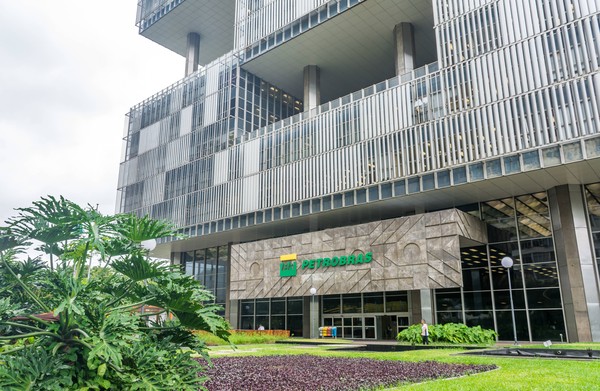
Petrobras headquarter (Souce: Petrobras)
Rather than slowing them down, this context reinforces a broader strategic perspective. Brazil has previously been affected by asset nationalizations and unmet commitments in Venezuela, but today it possesses high technical, operational, and financial expertise. Energy self-sufficiency should be understood not only as domestic production but also as a national company’s ability to operate in an integrated way, both inside and outside the country. In this sense, Petrobras can, selectively, align itself with a regional market in reconstruction and capture value in a potential near-term international expansion.