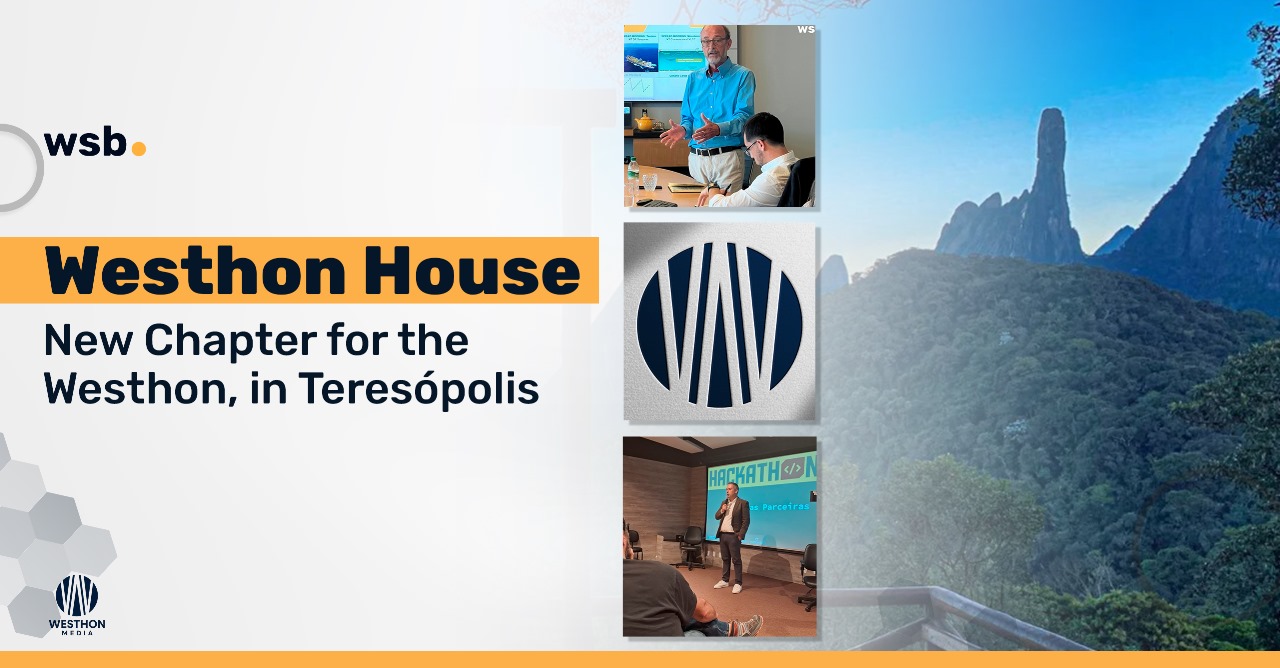
The Brazilian offshore market is entering a new cycle of expansion and reconfiguration. Amid this transformation, the Westhon Group takes a strategic step forward with the inauguration, in 2025, of Westhon House in Teresópolis (RJ) — a space designed to integrate intelligence, engineering, and communication within a single collaborative environment.
More than a corporate headquarters, Westhon House represents a shift in how the Group envisions and executes its operations. The facility brings together the market intelligence, advisory, and engineering divisions of WSB Advisors, along with Westhon Media and Tirreno Engenharia, consolidating an ecosystem that unites data, technology, and people under a shared strategy. Meanwhile, WSB Broker continues to operate from downtown Rio de Janeiro and maintains its international bases in Houston (USA) and Kristiansand (Norway), ensuring the global reach that distinguishes the Group in the offshore market.
Innovation and purpose
Designed with collaboration and technology at its core, Westhon House functions as the Group’s operational and creative center. Every space was conceived to foster seamless interaction between data and decision-making — bringing together analysts, engineers, and communication professionals in a single cycle of creation and intelligence.
This initiative reinforces the Group’s commitment to integration as a catalyst for innovation — where engineering, data, and communication work in synergy to deliver faster, more accurate, and more consistent solutions to the industry.
Human development and regional impact
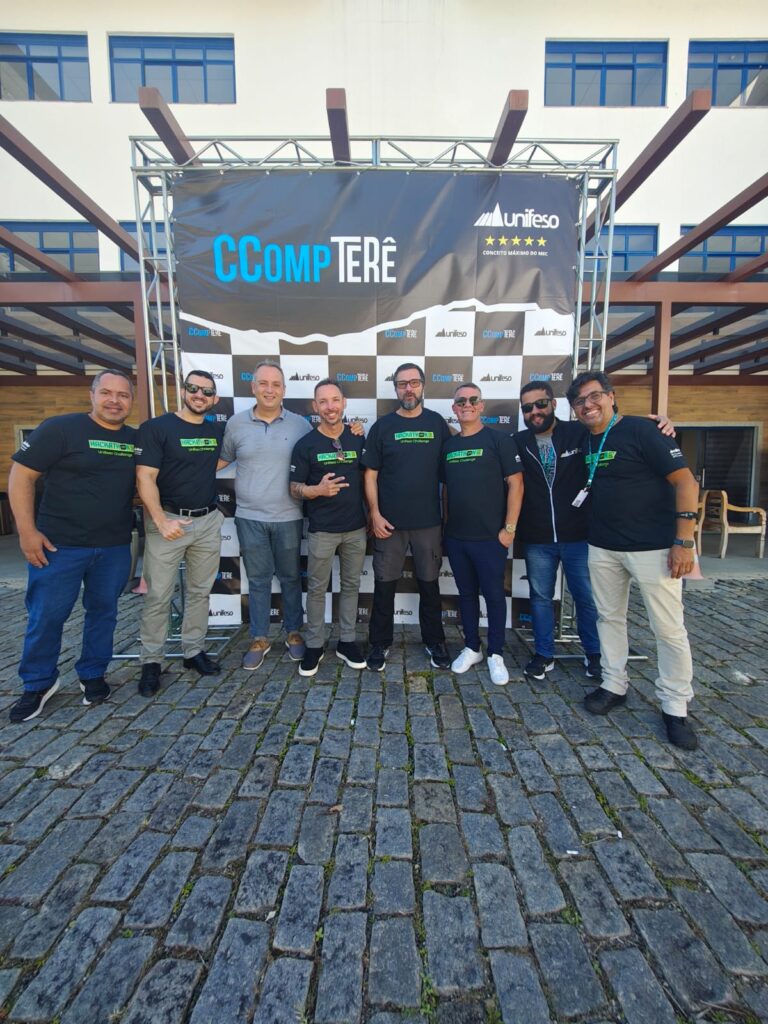
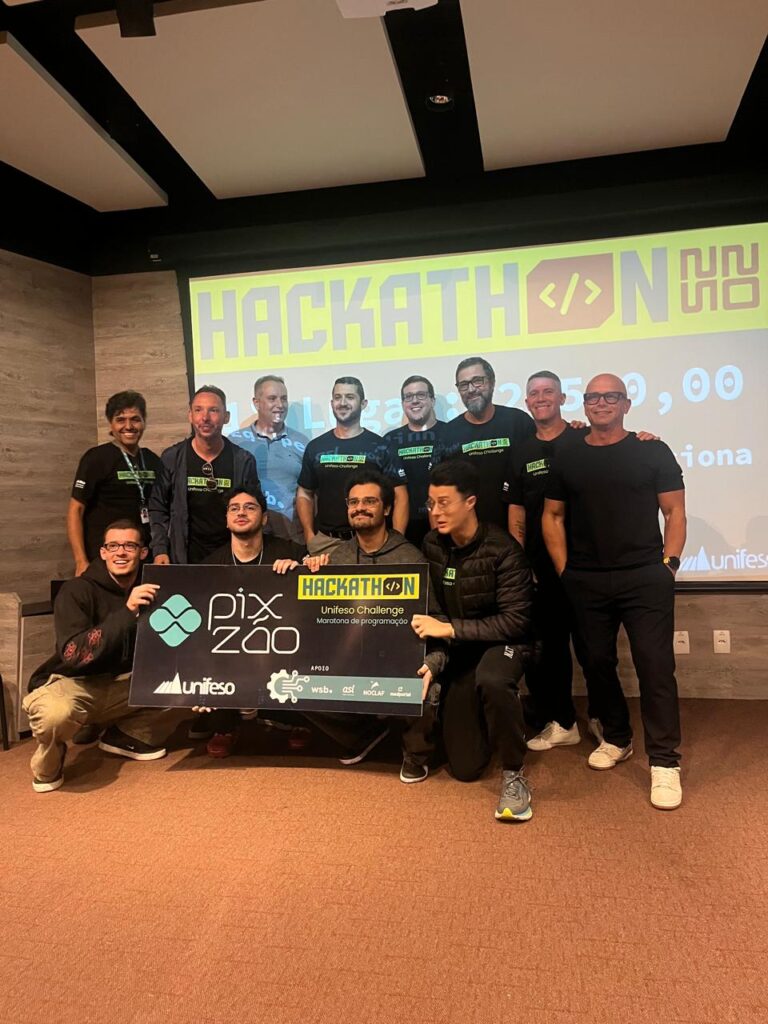
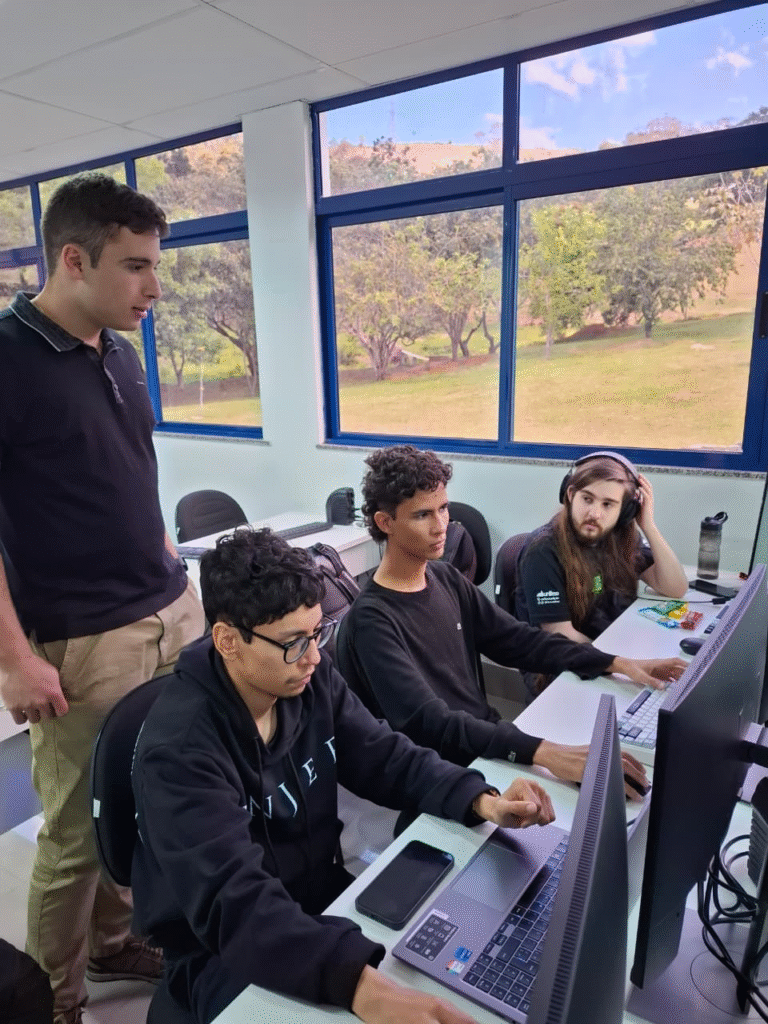
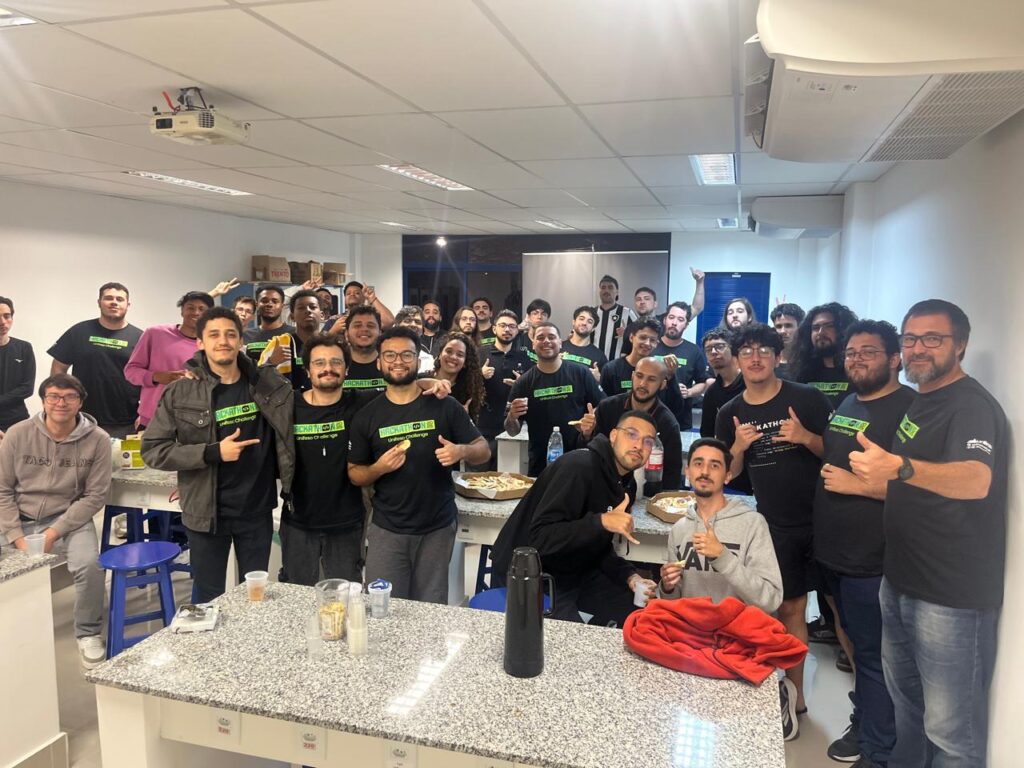
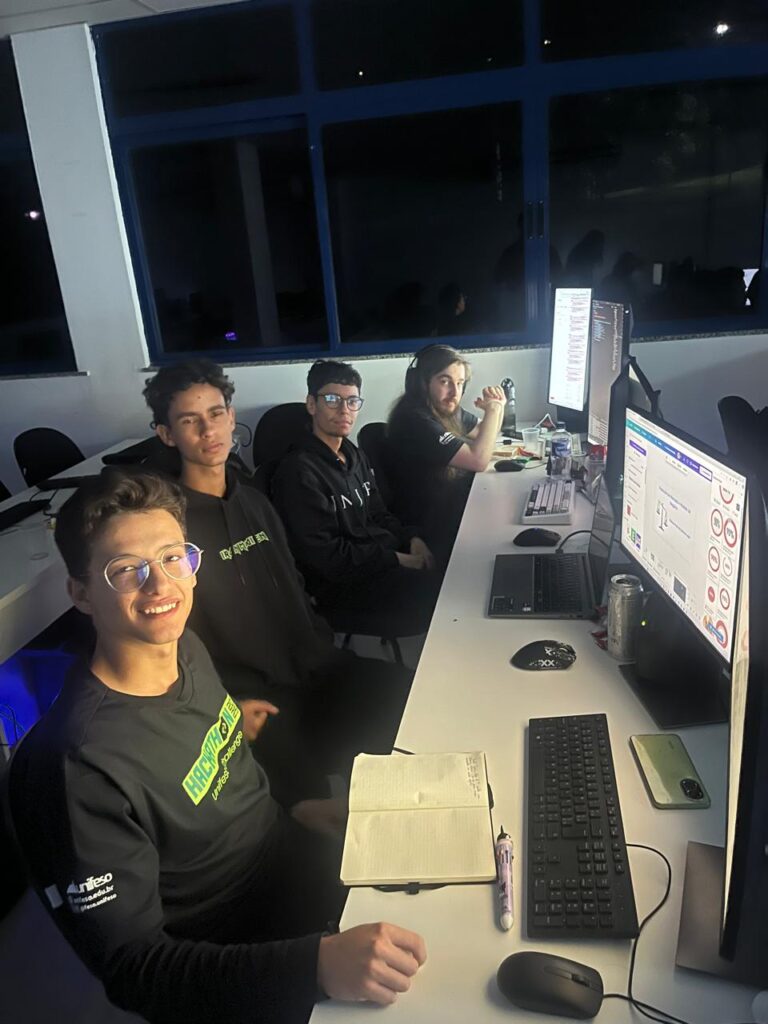
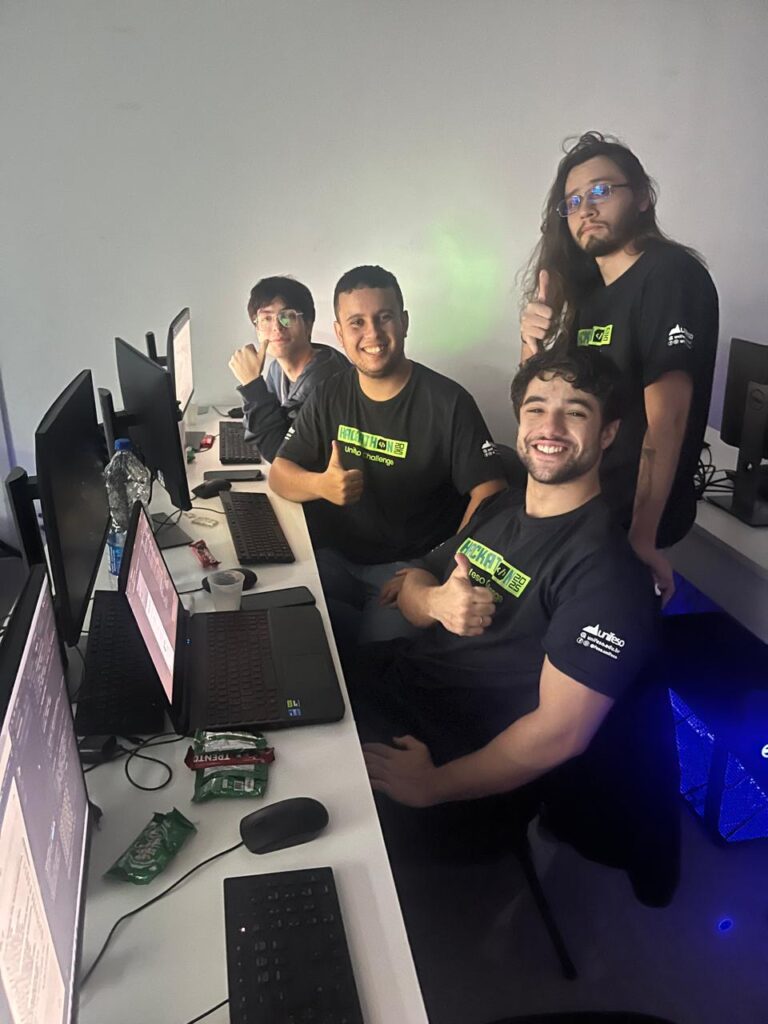
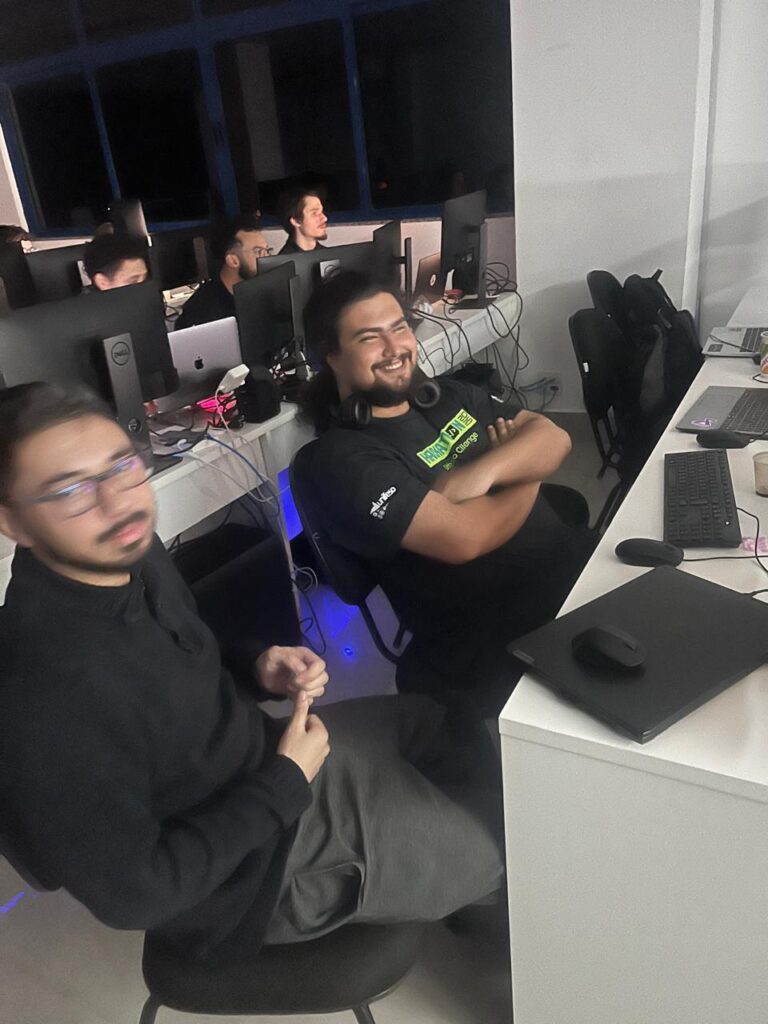
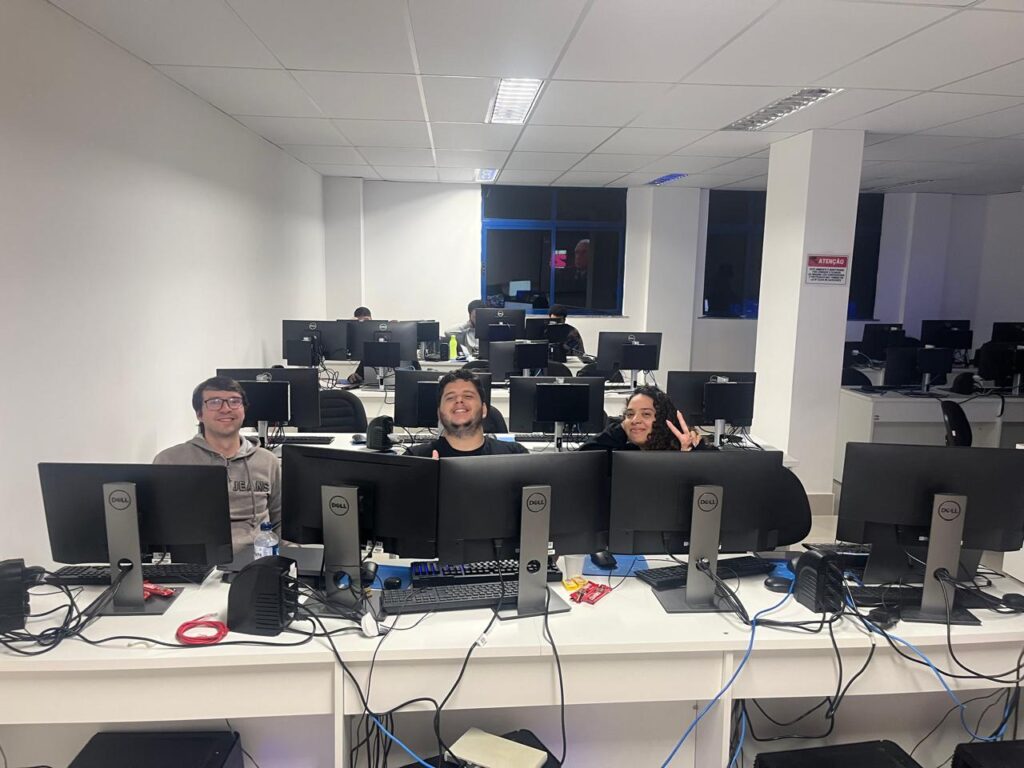
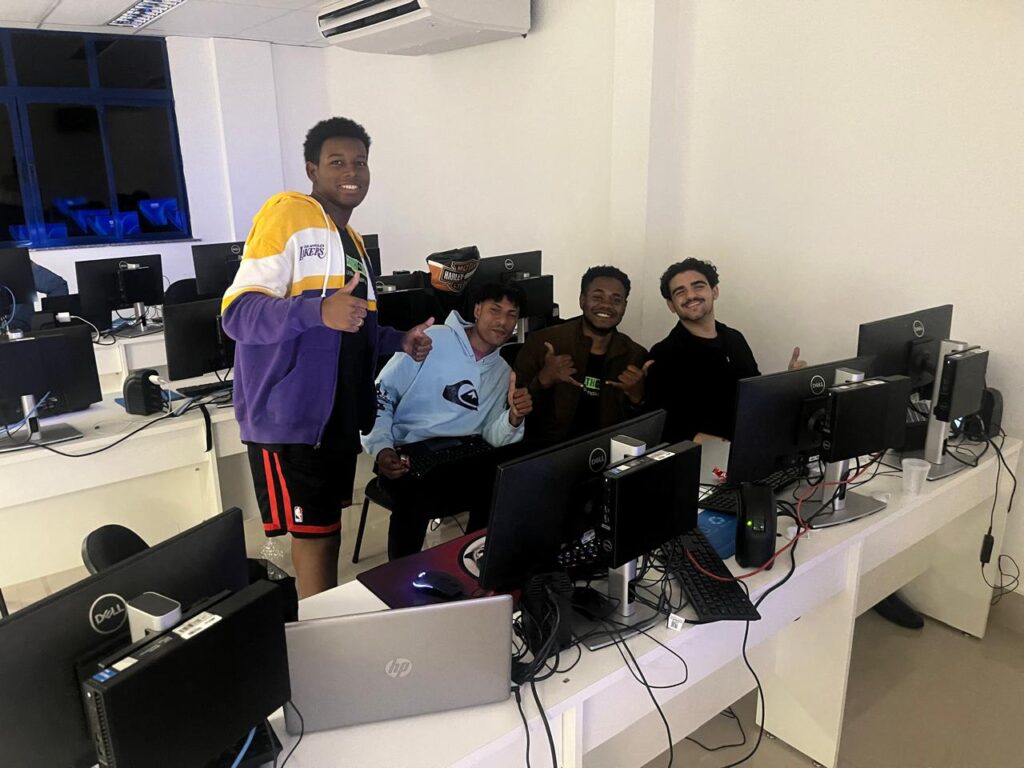
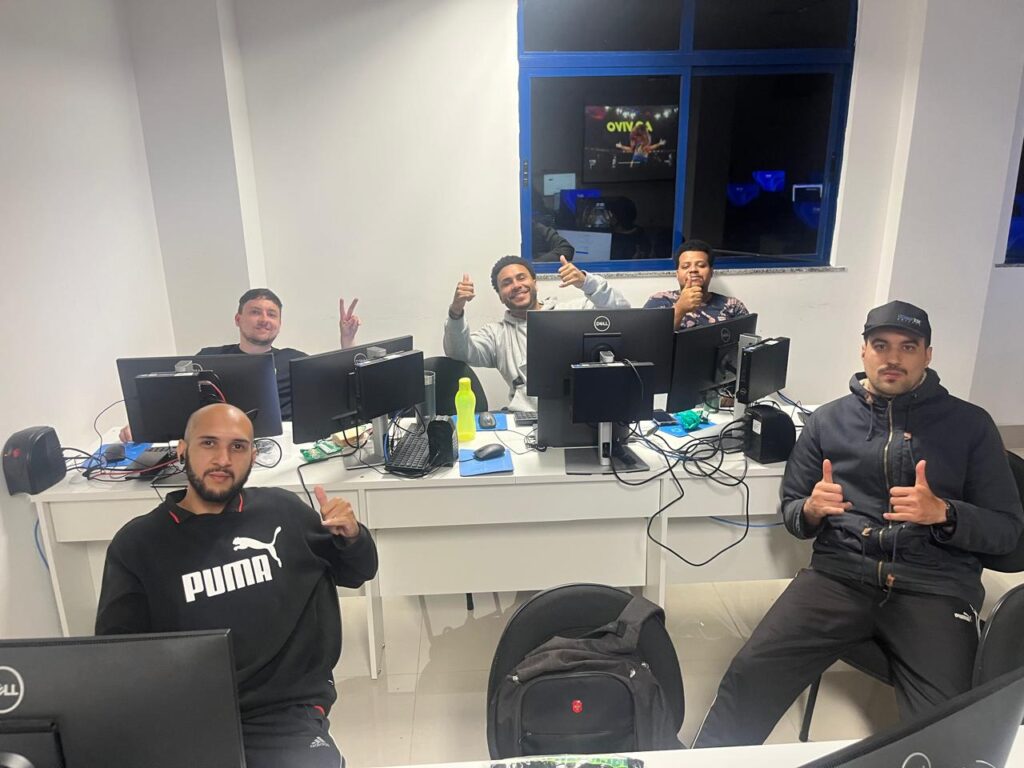
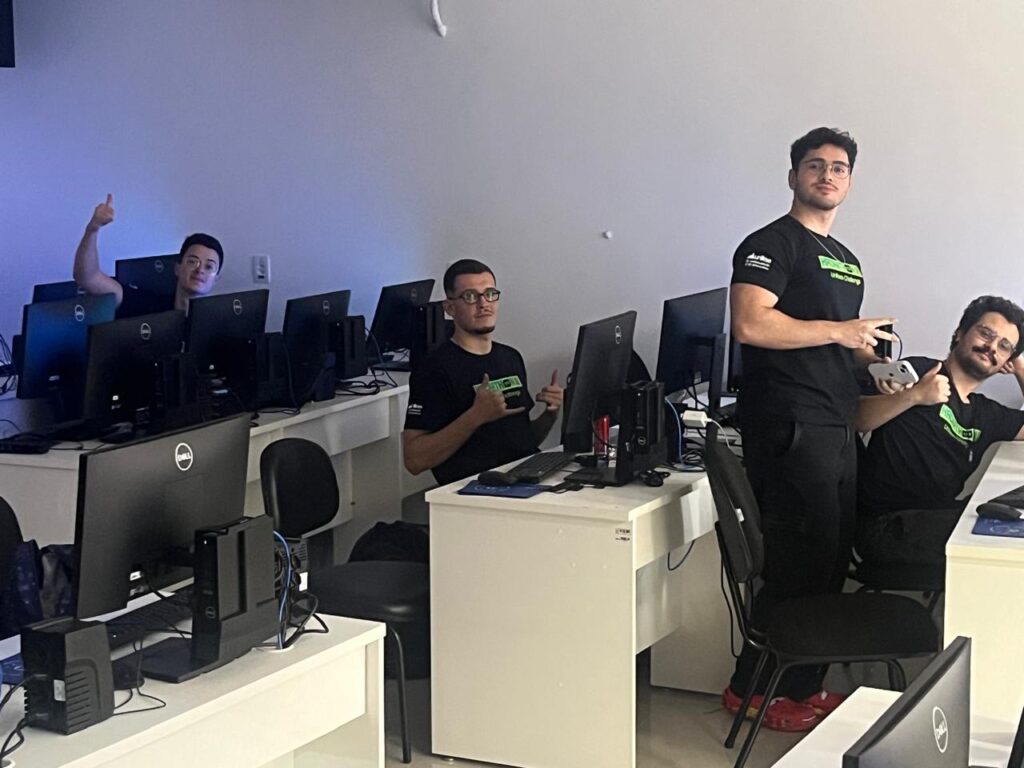
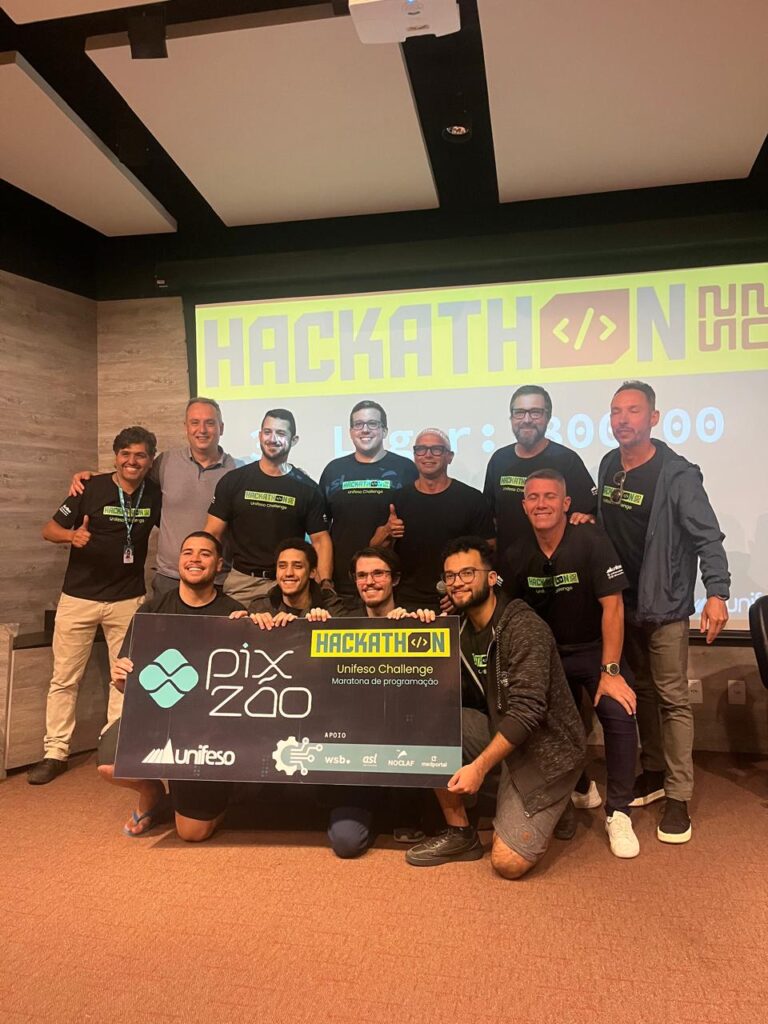
The choice of Teresópolis goes beyond geography. The city is emerging as a new strategic hub for talent in technology and innovation. In 2025, the Westhon Group participated in the Hackathon UNIFESO Challenge, in partnership with UNIFESO University — an initiative aimed at training new professionals in technology and communication.
Hackathon with WSB Advisors – Source: Unifeso
The Westhon House team is being gradually composed of local talent, strengthening the regional ecosystem and generating direct professional opportunities. This focus on decentralization and human development reflects the Group’s DNA — the belief that investing in people drives innovation.
Global presence, local essence
Even with international operations in Houston and Kristiansand, the Group reinforces in Westhon House the connection between global vision and local execution. The Teresópolis structure serves as the coordination center for intelligence and operations, ensuring that data analysis, strategic content, and engineering are aligned with the challenges and opportunities of the Brazilian offshore market — one of the most complex and dynamic in South America.
Integration as the path forward
With the inauguration of Westhon House, the Group opens a new chapter in its trajectory — transforming information into strategy and data into decision. This is the principle guiding WSB Advisors and the entire Westhon Group: to unite people, technology, and intelligence around a single purpose — to drive the future of the offshore industry with precision, consistency, and integrated vision.
Stay informed on key offshore developments — visit wsb-one.com, our data platform trusted by leading offshore companies, and cms.oneenergynews.com.
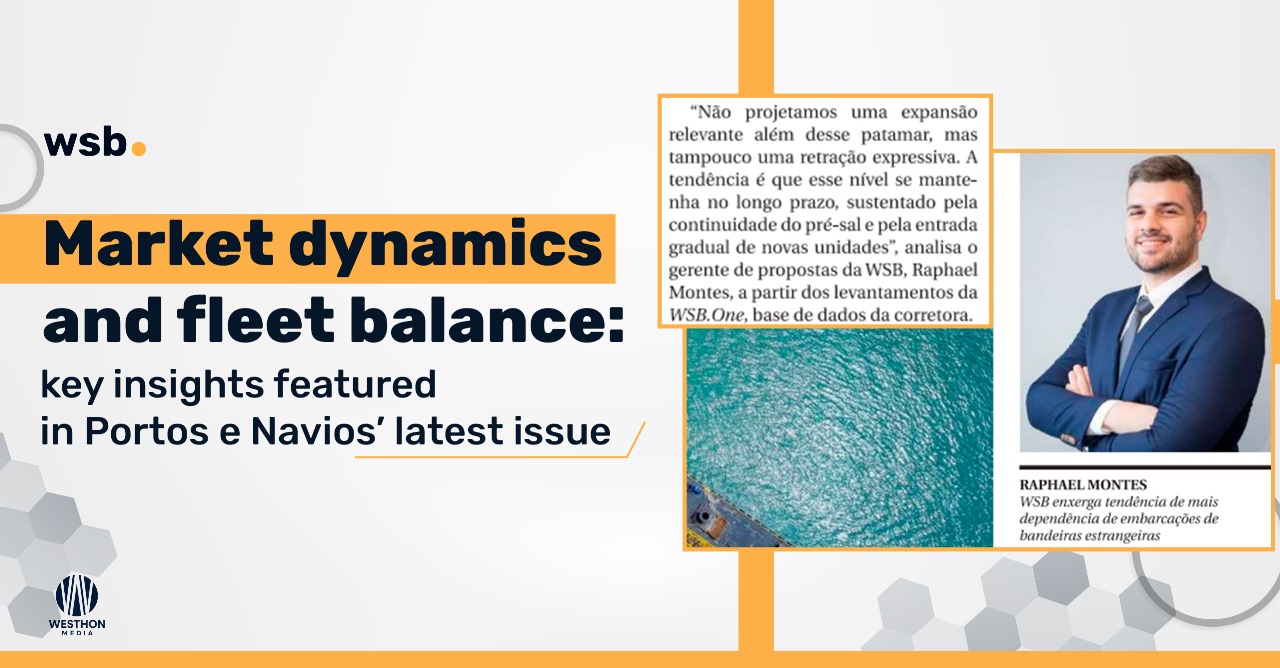
The latest issue of Portos e Navios discusses the current balance of Brazil’s offshore support fleet amid rising bid activity, newbuild programs, and the growing presence of foreign tonnage.
Based on data from wsb-one and insights from Raphael Montes, Proposals Manager at WSB Advisors, the analysis points to a stable fleet of around 500 vessels in the AJB — supported by pre-salt operations and a gradual entry of new units, with no short-term expansion expected.
Around 25 vessels are under construction in Brazil, reflecting a more mature and selective cycle focused on efficiency, digitalization, and environmental compliance. Energy transition remains slow, with room for greater progress in biofuels such as ethanol and biodiesel.
The aging national fleet and the limited pace of newbuilds are likely to increase the share of foreign vessels, while new frontiers like the Equatorial Margin and offshore wind are still far from generating effective demand.
Stay informed on key offshore developments — visit wsb-one.com, our data platform trusted by leading offshore companies.
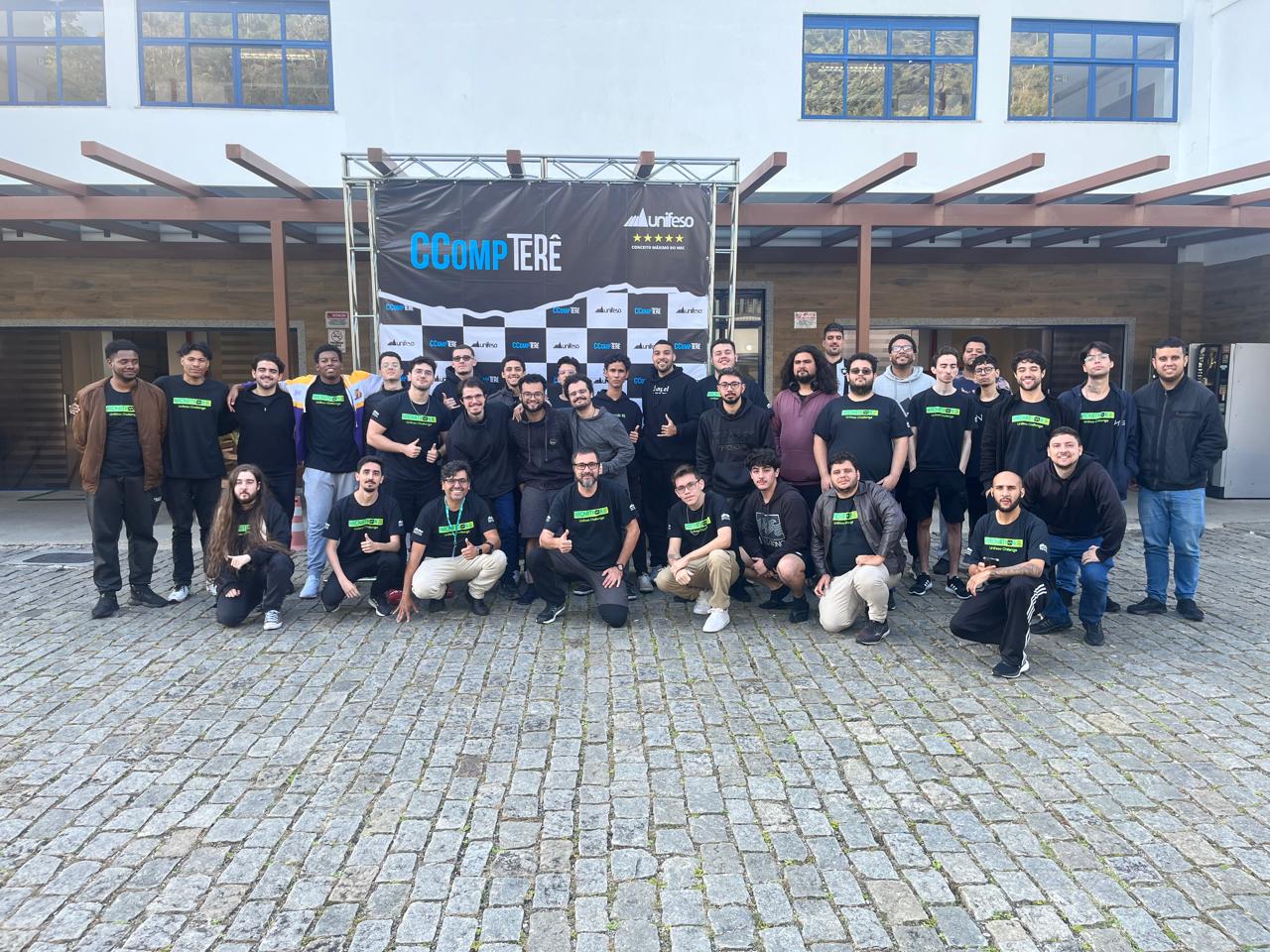
The UNIFESO Challenge 2025 turned Teresópolis into a true laboratory of ideas. Over a 24-hour immersive marathon, Computer Science students and ADS from UNIFESO came together to develop innovative technological solutions based on challenges presented by partner companies — including Noclaf, ASL SofHouse, Medportal, Unifeso and WSB Advisors.
Source: Unifeso
More than a competition, the hackathon served as a platform connecting academia and the market, encouraging the development of computational solutions focused on sustainability, technology, and social impact. Teams received specialized mentorship and, at the end of the marathon, presented their projects in pitch format to a panel of representatives from the partner companies.
Source: Unifeso
Proposals were evaluated according to feasibility, degree of technological innovation, solution completeness, computational grounding, team synergy, clarity of communication, and user experience (UX).
Source: Rafael Bortoloti/WSB Advisors
The top three teams were awarded financial prizes, recognizing the effort and creativity applied under tight deadlines. One team received special recognition for contending for third place with a highly complex project delivered fully within the allotted time — exemplifying the commitment and quality achieved by the participants.
Source: Unifeso
In addition to supporting the Hackathon, WSB Advisors announced the opening of three internship positions at its new Teresópolis office, aimed at students interested in data, energy, and offshore projects.
This initiative reinforces the company’s commitment to developing young talent and connecting the offshore sector with academic innovation, highlighting Teresópolis’ potential as a regional hub for technology and innovation.
Source: Unifeso
Stay informed on key offshore developments — visit wsb-one.com, our data platform trusted by leading offshore companies.
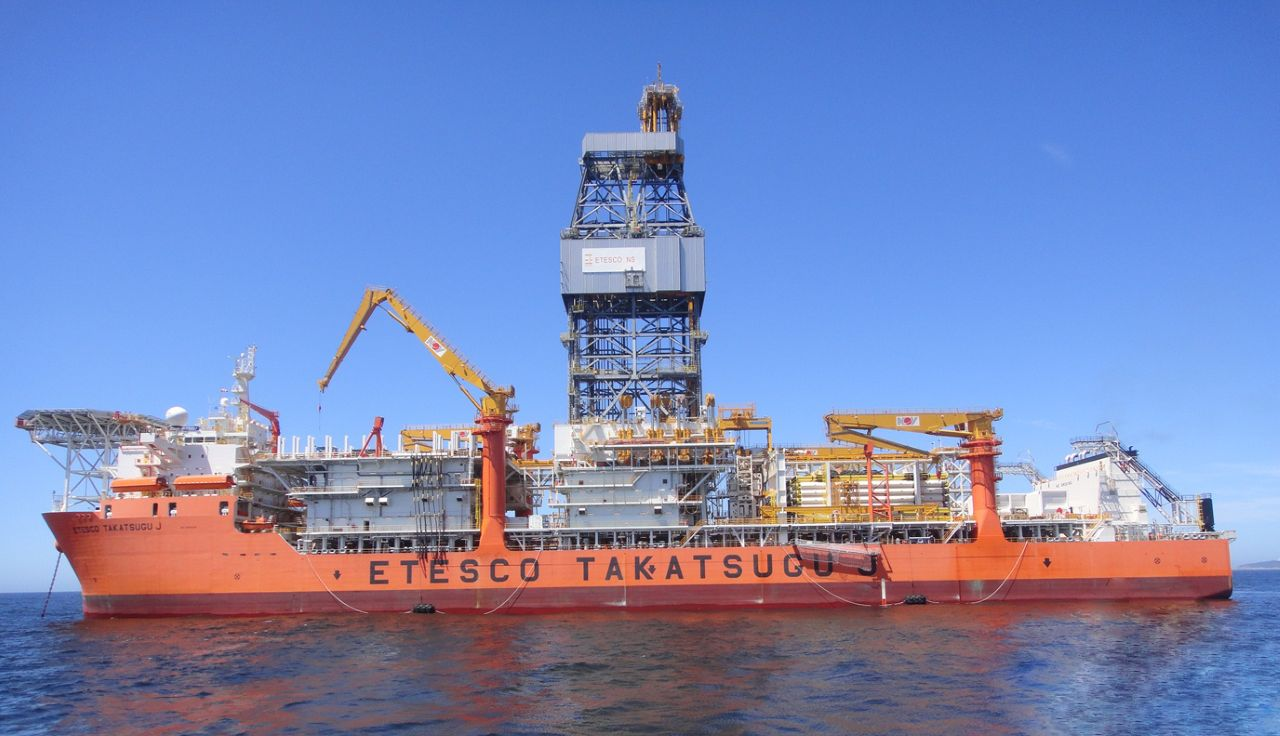
The drillship Etesco Takatsugu J, a 6th-generation unit with capacity to operate in 3,000-meter waters, has arrived in Rio de Janeiro to start a three-year contract with Petrobras, valued at US$ 446 million. The agreement includes mobilization fees and a daily operating rate, reinforcing Petrobras’ ongoing investment in deepwater drilling capacity.
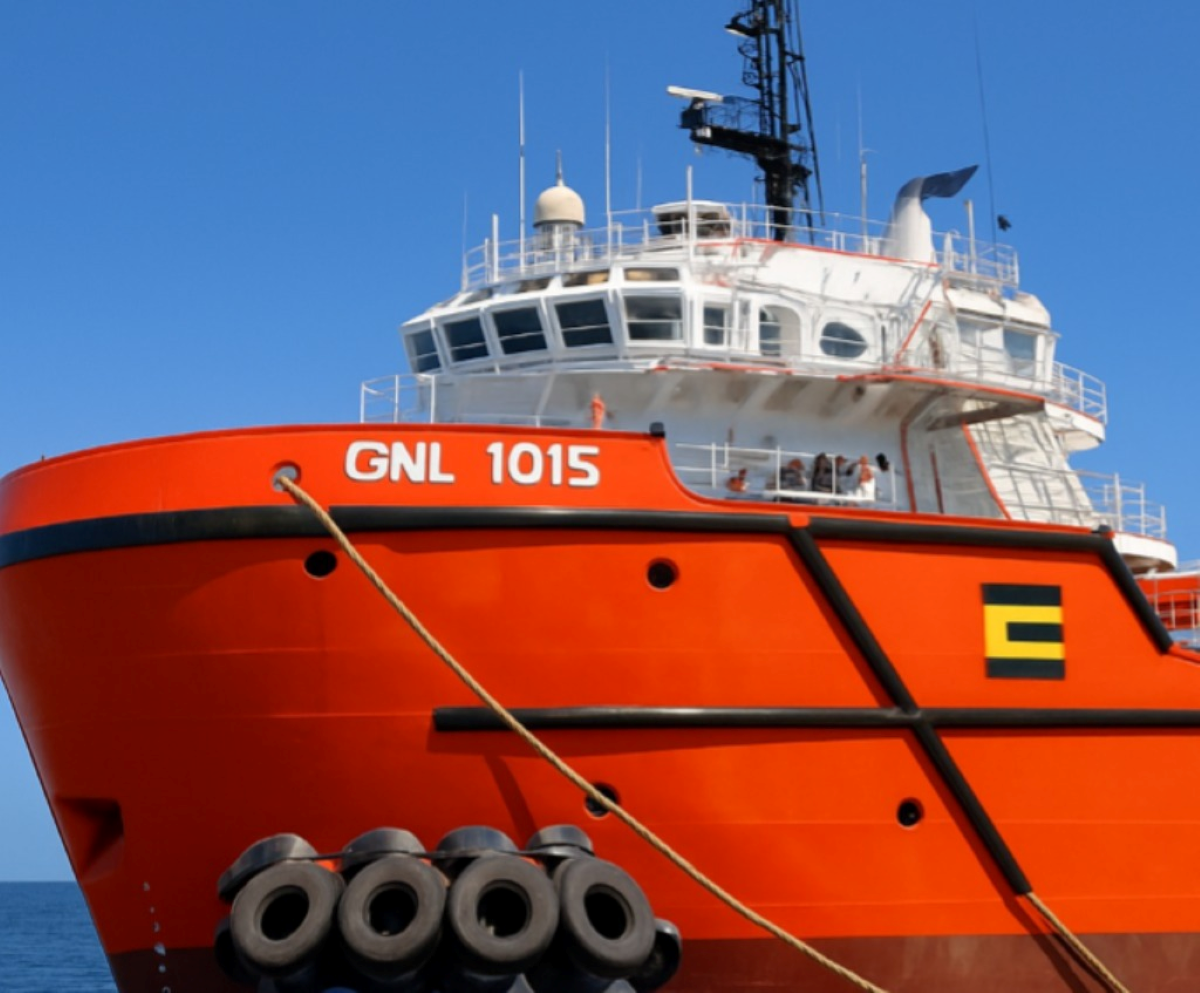
The former AHTS Varada Maresias — now renamed GNL 1015 (IMO 9468657) — was expected to mark a new chapter for Galáxia Marítima S.A., entering Petrobras’ OSRV tender program.
Built in 2013 at ABG Shipyard (India), the vessel was reflagged to Brazil and announced as part of the national offshore support fleet. A contract was reportedly awarded under Galáxia’s name — yet, to date, there are no confirmed signs of mobilization.
According to official registries, GNL 1015 remains anchored off Niterói/RJ, length 57 m, beam 17 m, deadweight 1,850 t.
Maritime sources point to crew-related difficulties and pending operational readiness, echoing broader challenges faced by several units reintroduced to service in recent years.
In short: the vessel is present — but inactive.
Between regulatory hurdles, staffing complexities, and deferred deployment, time continues to count against her contract clock.
Next Thursday: “Por onde anda Saveiroa Albatroz?” Stay with WSB.One — intelligence that separates record from reality.
New offshore tenders and revisions were recorded this week across key operators.
• Petrobras — Opportunity 7004439824 revised: the original bid for six PSVs was reduced to one unit. • Shell — Opportunity 2742521175 released on September 22, 2025, for the acquisition of one CSV. • Transpetro – Petrobras Transporte S. A. — Opportunity 7004521370 released on October 20, 2025, for the acquisition of 18 barges and 18 pushers.
Stay informed on key offshore developments — visit wsb-one.com, our data platform trusted by leading offshore companies.
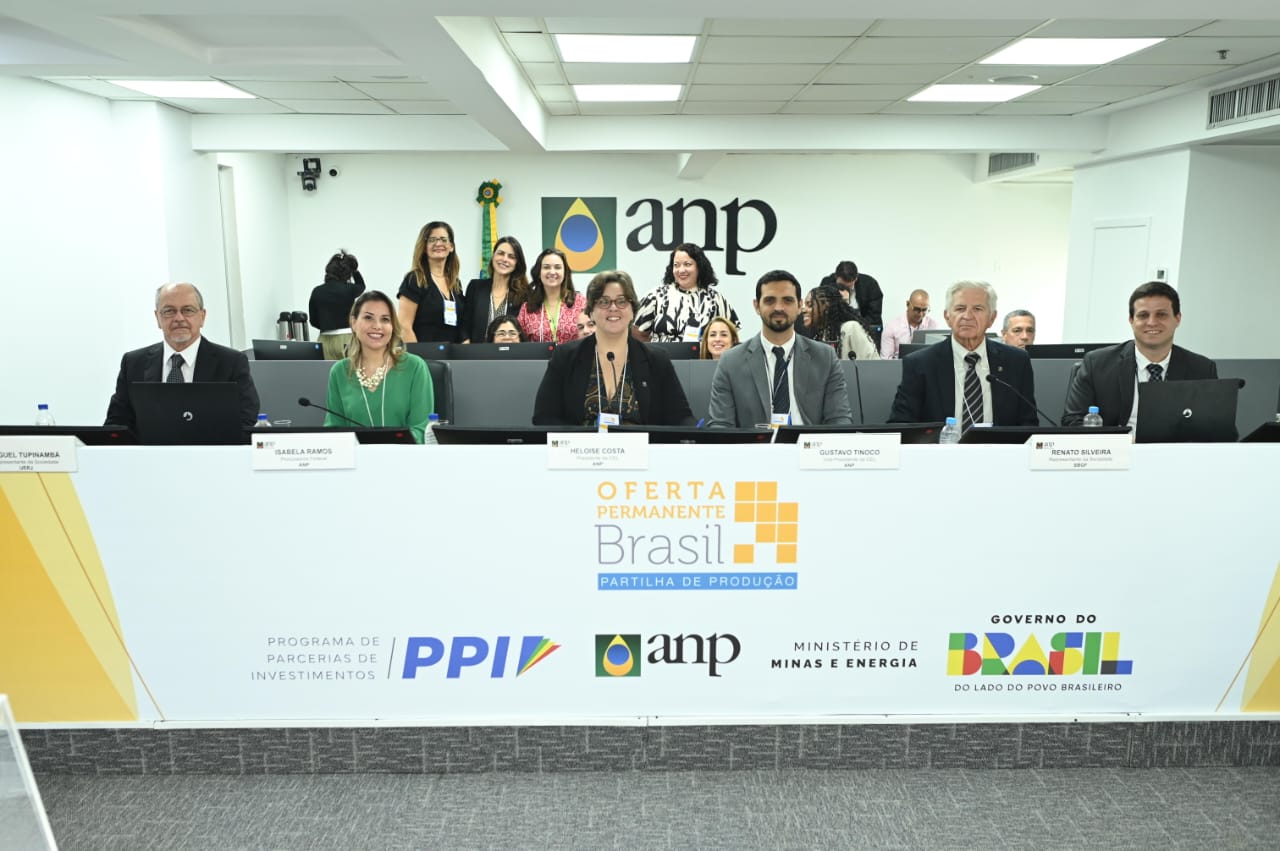
On October 22, Brazil’s National Agency for Petroleum, Natural Gas and Biofuels (ANP) held the 3rd Permanent Sharing Offer in Rio de Janeiro. Of the seven pre-salt blocks offered, five were awarded — Esmeralda and Ametista, in the Santos Basin, and Citrino, Itaimbezinho, and Jaspe, in the Campos Basin.
The winners were:
Karoon – Esmeralda
CNOOC (70%) and Sinopec (30%) – Ametista
Petrobras – Citrino
Equinor – Itaimbezinho
Petrobras (60%) and Equinor (40%) – Jaspe
Jaspe received the highest bid of the round, offering 32.85% of profit oil to the State, after Petrobras exercised its right of first refusal over Chevron’s proposal. Signature bonuses totaled BRL 103.7 million, with initial exploration investments of BRL 451.5 million.
The round marked the debut of independents Karoon and Sinopec under Brazil’s production-sharing regime, signaling greater diversity among operators historically dominated by majors. The Chinese consortium CNOOC–Sinopec became the first state-owned operator from China to lead a pre-salt area.
Despite the absence of most traditional majors, the auction was deemed a success given the current oil price volatility and reduced attractiveness of the sharing regime. Citrino registered the highest premium, with 251.63% above the minimum profit oil percentage.
ANP Director Symone Araujo emphasized that “replacing reserves is a fundamental duty for energy security.” The agency is now preparing the technical presentation of 16 new blocks for inclusion in the next bidding cycle, potentially bringing 26 new areas to the market under the sharing regime.
Contract signing is expected by May 2026.
Stay informed on key offshore developments — visit wsb-one.com , our data platform trusted by leading offshore companies.
On October 22, Fundação Getulio Vargas (FGV) hosted the 2nd Offshore Decommissioning Seminar: Challenges and Opportunities in Rio de Janeiro. The event brought together government officials, oil and gas industry leaders, legal experts, and academics to discuss advances and challenges in one of the most complex stages of offshore infrastructure life cycles. WSB was represented by Pedro Pellegrini, Intern Shipbroker at the company.
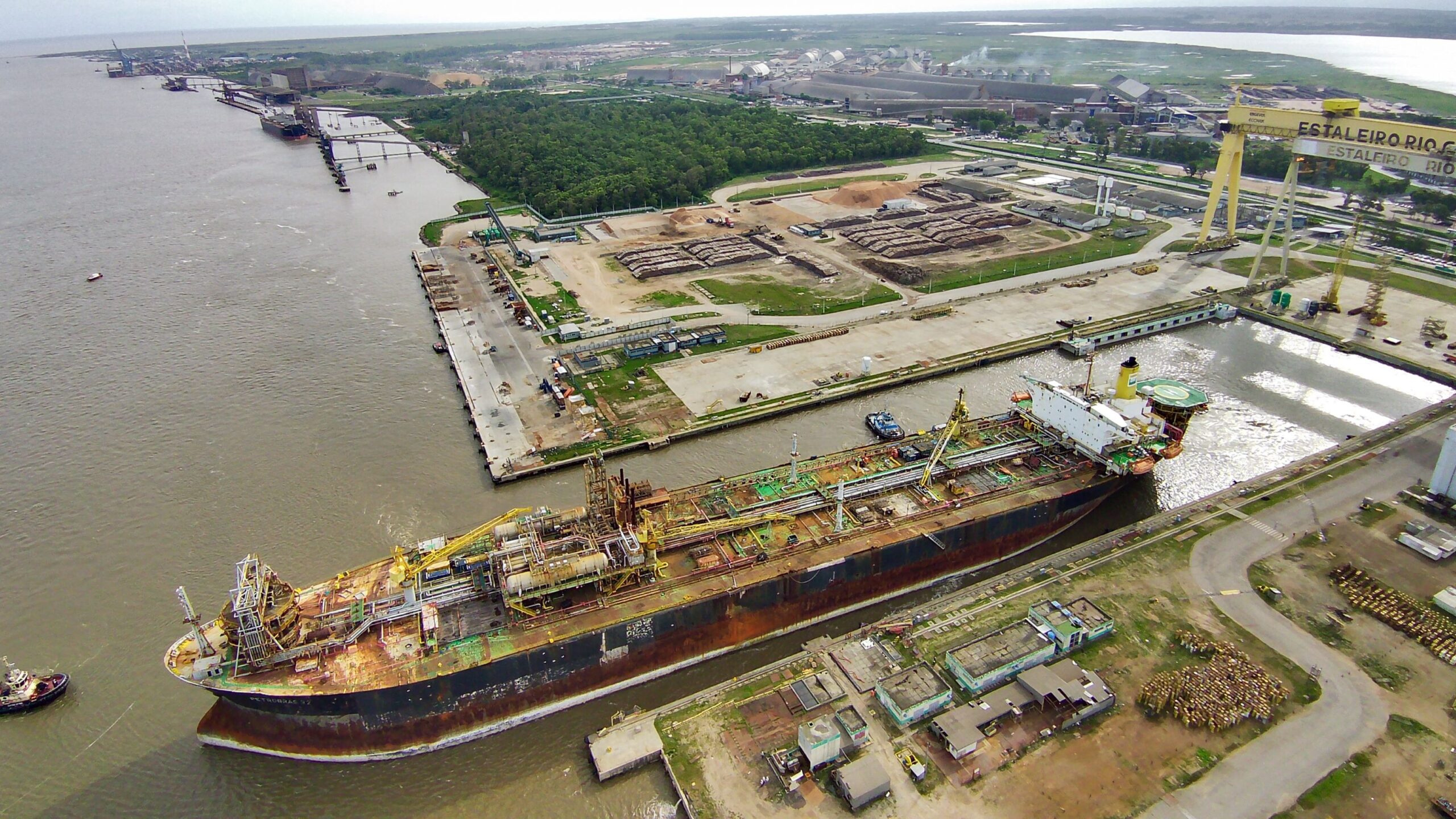
The main highlight came from Carlos Castilho, Petrobras’ General Manager for Decommissioning Projects, who presented the company’s long-term plan to decommission ten offshore platforms by 2050, including five FPSOs and five semi-submersibles, all in the Campos Basin. Platforms P-32 and P-33 are currently awaiting dismantling at shipyards and will be among the first to undergo sustainable recycling or reuse.
Petrobras also revealed plans to invest around USD 9.9 billion in decommissioning activities over the next five years. The program includes the removal and repurposing of subsea equipment, wells, monobuoys, flexible lines, and onshore facilities. Castilho clarified that Petrobras will not use PLSVs for line removal, as the operations are part of decommissioning, not standard maintenance, highlighting market opportunities for new entrants.
Over four technical panels and an opening session, participants debated key themes such as the economic relevance of decommissioning, investment opportunities, regulatory challenges, engineering solutions, circular economy, and metrics for the UN Sustainable Development Goals (SDGs).
Pedro Pellegrini highlighted the sector’s opportunities, stating: “Brazil, according to S&P Global, is among the world’s leaders in projected offshore decommissioning investments between 2024 and 2033. This is a segment that already generates — and will continue to generate — thousands of jobs and business opportunities. At WSB, we aim to stay closely informed on developments in this evolving landscape.”
Stay informed on key offshore developments — visit wsb-one.com, our data platform trusted by leading offshore companies.
Transpetro, a subsidiary of Petrobras, has announced a public tender for the acquisition of 18 barges and 18 push boats, with deliveries expected through 2028. The process is divided into six lots, three for barges and three for push boats, and allows a single shipyard to be awarded more than one lot. Interested shipyards will have 45 days to submit their proposals.
The barges will be designed to transport a minimum of two grades fully segregated and will incorporate modern technologies. Among the 18 units to be built, ten will be of 3.000 DWT and eight of 2.000 DWT.”
According to Transpetro President Sérgio Bacci, the initiative reinforces the company’s commitment to generating consistent demand for Brazil’s shipbuilding industry while expanding its operational capacity along the entire Brazilian coast. The project also marks Transpetro’s entry into the inland navigation segment, an area in which the company had not previously operated.
The state-owned operator aims to strengthen its role in the transport of petroleum products and biofuels, supporting activity in domestic shipyards and promoting new logistics solutions for its more than 170 clients. Brazil’s inland barge market currently handles around 10 million tons of liquid bulk per year.
Daniel Buckley, Chartering Manager and tanker specialist at WSB Advisors, noted that the new barges are expected to load products at Transpetro terminals and directly supply vessels in barge-to-ship operations, such as in Guanabara Bay — a step aligned with growing demand for marine fuel distribution and logistical integration within inland waterways and protected waters
20 October 2025 – Petrobras received the operating license from Brazil’s environmental agency IBAMA to drill an exploratory well in Block FZA-M-059, located roughly 175 km off the coast of Amapá and about 500 km from the mouth of the Amazon River, in Brazil’s Equatorial Margin. Drilling operations are set to begin immediately, with an estimated duration of five months.
The approval follows completion of the Pre-Operational Assessment (APO) in August 2025 which served as the final stage of the environmental licensing process. IBAMA validated Petrobras’ emergency response plan and operational readiness before granting the license on 24 September 2025.
The company emphasized that this authorization marks a key step in Brazil’s pursuit of a new offshore frontier, combining technical excellence and environmental protection. According to Petrobras, the exploratory campaign aims to gather geological data to assess the presence of oil and gas in the region, with no production activities planned at this stage.
Stay informed on key offshore developments — visit wsb-one.com, our data platform trusted by leading offshore companies.
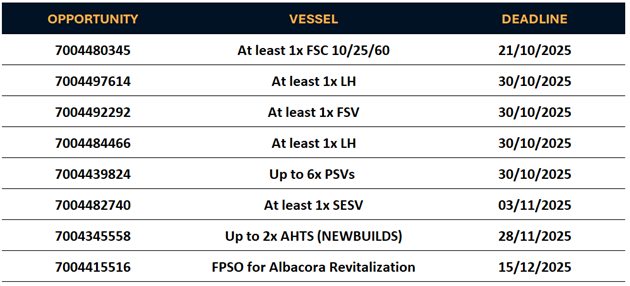
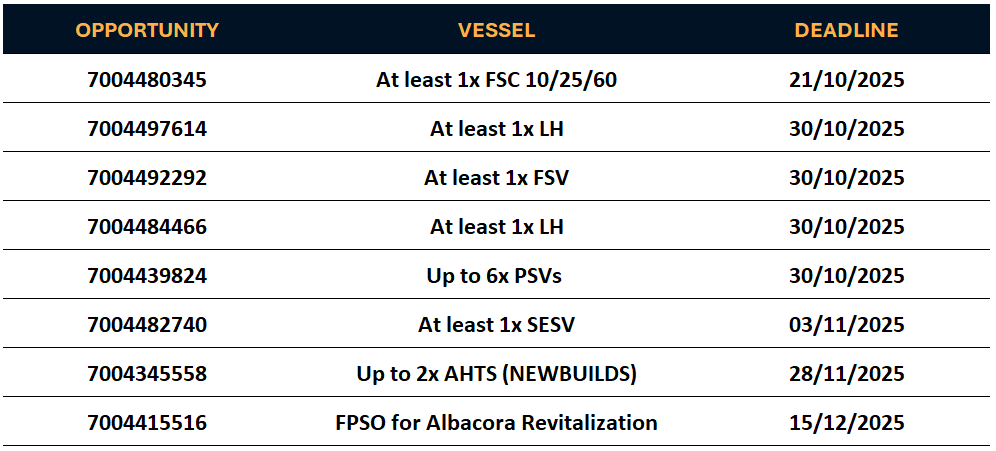
WSB is pleased to provide an update on the current long-term tenders that are open to offer.
What has changed?
Petrobras At least 1x LH: Opportunity 7004497614 new deadline October 30th, 2025;
Petrobras At least 1x FSV: Opportunity 7004492292 new deadline October 30th, 2025;
Petrobras At least 1x LH: Opportunity 7004484466 new deadline October 30th, 2025;
What else is happening?
Skandi Chieftain and Skandi Olympia have been awarded 4-year RSV contracts with Petrobras, valued at approximately USD 200 million, with delivery expected in October 2026.
FPSO Peregrino
The FPSO Peregrino, operating in the Campos Basin, officially resumed production on October 17, 2025, following authorization from ANP. The platform, operated by Equinor, will now begin ramping up output after being offline since August 2025, when production was halted due to operational safety procedures.
The restart marks an important step for PRIO, which holds a 40% interest in the field. The remaining 60% stake in the Peregrino field is currently being acquired from Equinor, in a transaction expected to significantly expand PRIO’s operated portfolio in the Campos Basin.
The Peregrino FPSO produces heavy oil from shallow waters and has been a key contributor to Brazil’s offshore production since it first came online in 2011.
FPSO Peregrino (Source: Equinor)
Key Offshore Updates
Halliburton has signed new contracts to support operations in deepwater fields in the Santos Basin, with activities set to begin in 2026. In the Búzios field, the company will deploy SmartWell technology to optimize production, while in the Sépia and Atapu fields, it will supply EcoStar electric safety valves. The Stim Star Brasil vessel will also perform stimulation services to enhance the productivity and efficiency of Petrobras’ reservoirs.
SBM submitted the best proposals in Petrobras’ tender for the SEAP I and II FPSOs, valued at approximately US$ 4 bi. Petrobras now review compliance with technical and contractual requirements before awarding the contracts. Both units will follow the Build, Operate, and Transfer (BOT) model, under which the contractor is responsible for construction, operation, and later transfer of the assets. SEAP 2 is expected to begin operations in 2030.
The SEAP project forms part of Petrobras’ broader strategy to accelerate production growth and improve access to financing.
Petrobras has announced plans to restart operations of the FPSO Cidade de Angra dos Reis in the Tupi field, following compliance with safety requirements established by Brazil’s regulatory agency, ANP . The unit has been offline since February but is expected to return to service.
The FPSO Cidade de Angra dos Reis has a production capacity of up to 50,000 barrels of oil per day and has been operating in the Tupi field since October 2010. It was the first large-capacity FPSO to begin production in the Santos Basin pre-salt area, marking a key step in Brazil’s offshore development
FPSO Cidade Angra dos Reis (Source; Petrobras)
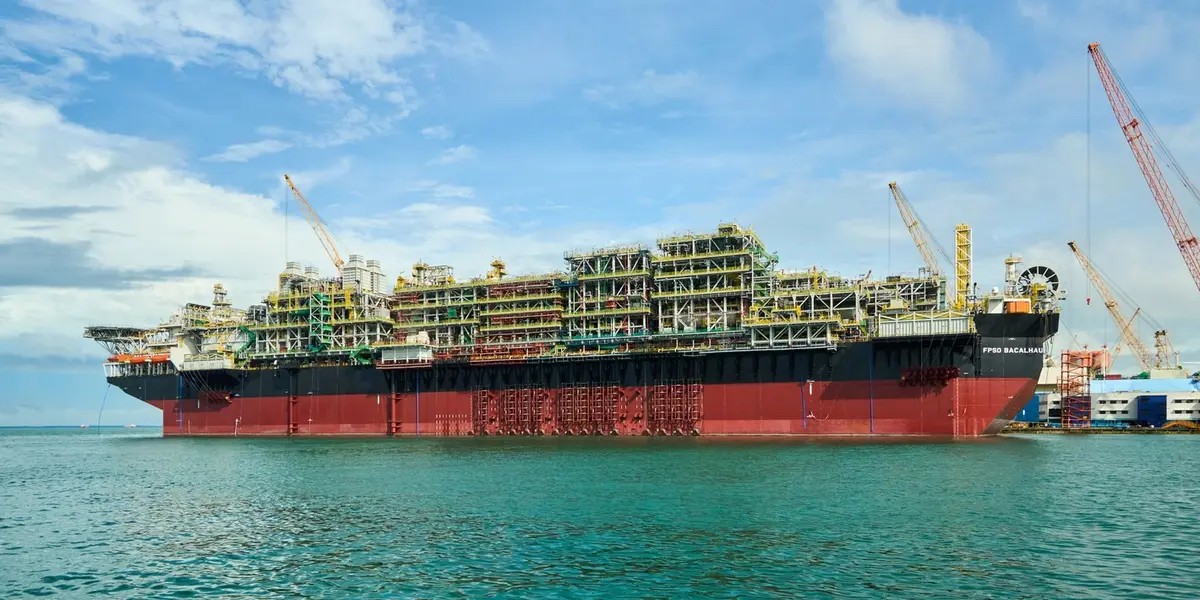
FPSO Bacalhau
The FPSO Bacalhau has officially begun production in the Santos Basin pre-salt, marking a major step in Brazil’s offshore development. Operated by Equinor in partnership with ExxonMobil and Petrogal, the unit is among the most advanced ever deployed in the country, a 370-meter-long and 64-meter-wide floating production system with capacity to process 220,000 barrels of oil per day and store up to 2 million barrels.
Production started on October 15, 2025, at the Bacalhau field, located about 185 km off the coast of Ilhabela (São Paulo), in water depths exceeding 2,000 meters. The first phase includes 19 wells that will be gradually brought online during the ramp-up period.
The field’s recoverable reserves exceed 1 billion barrels of oil equivalent (boe), making it one of the largest deepwater projects under development outside Petrobras’ direct operation. The FPSO, supplied and operated initially by MODEC, integrates combined-cycle gas turbines (CCGT) and advanced CO₂-abatement systems designed to keep carbon intensity around 9 kg per boe.
Ownership is distributed among Equinor (40%, operator), ExxonMobil Brasil (40%), and Petrogal Brasil (20%), with PPSA overseeing production sharing over its expected 30-year lifetime.
Special Westhon Media
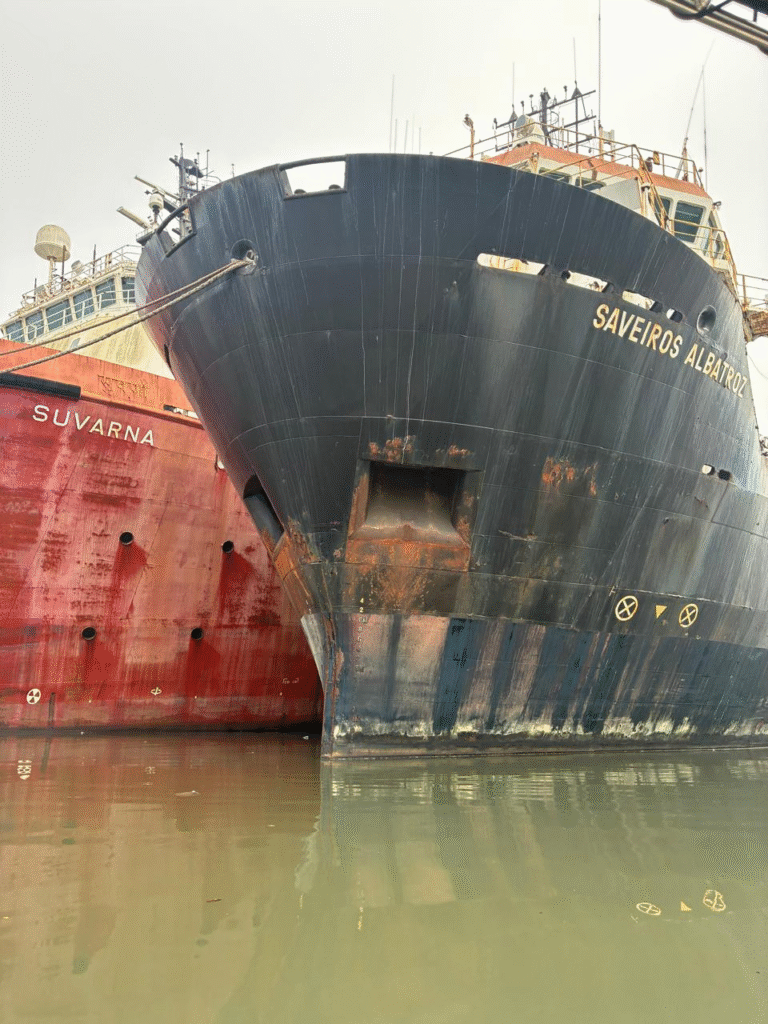
Media reports say the AHTS Suvarna has been abandoned in Rio’s Canal do Cunha — leaking oil, listing, and the subject of investigations and actions against current responsible Superpesa.
The once-formidable AHTS trio – Suvarna, Sudaksha and Subhiksha – were originally part of Varun Shipping’s fleet, left adrift during the oil downturn and later registered under Wilson Sons, left over with the local shipping company.
Today?
The Brazilian Navy, Tribunal Marítimo, and ANTAQ have no record whatsoever of these vessels. They’ve been sold, scrapped, or simply vanished.
FACT CHECK:
Only Suvarna still “exists” – barely floating, rusting and spilling in the shadows of Guanabara Bay.
Sudaksha and Subhiksha? Dismantled. One of their keels now lies underwater, literally.
Yet, some “global databases” still list all three as tonnage.
Not on WSB-One.
At WSB-One.com, ships don’t vanish – they’re verified.
Next Thursday: “Por onde anda VARADA MARESIAS?”
Stay tuned.
Source: Internet
WSB at UFRJ
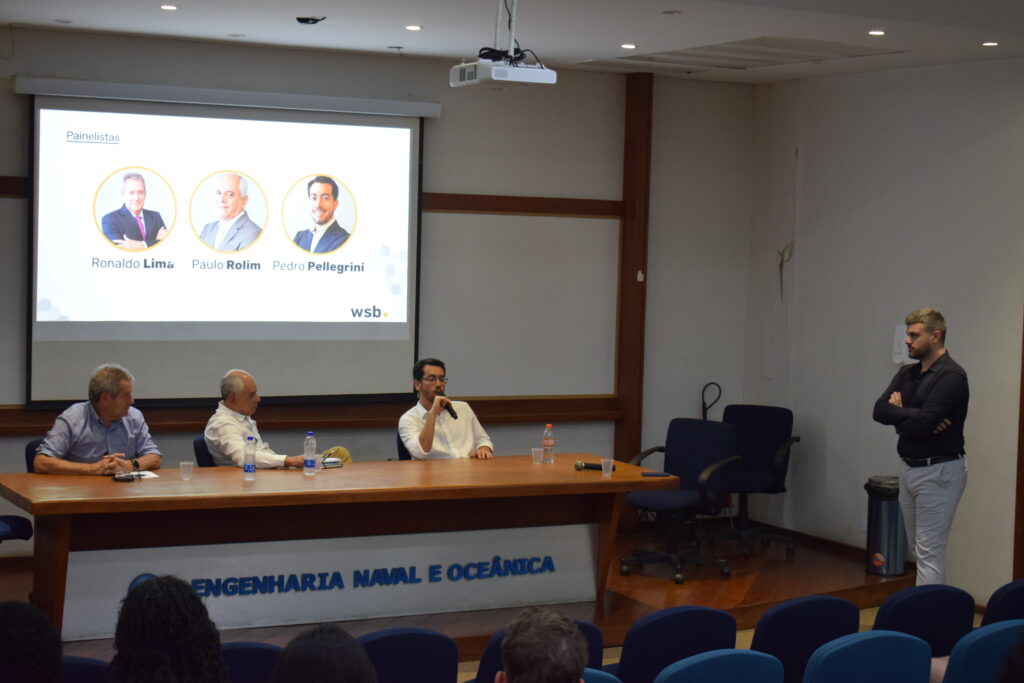
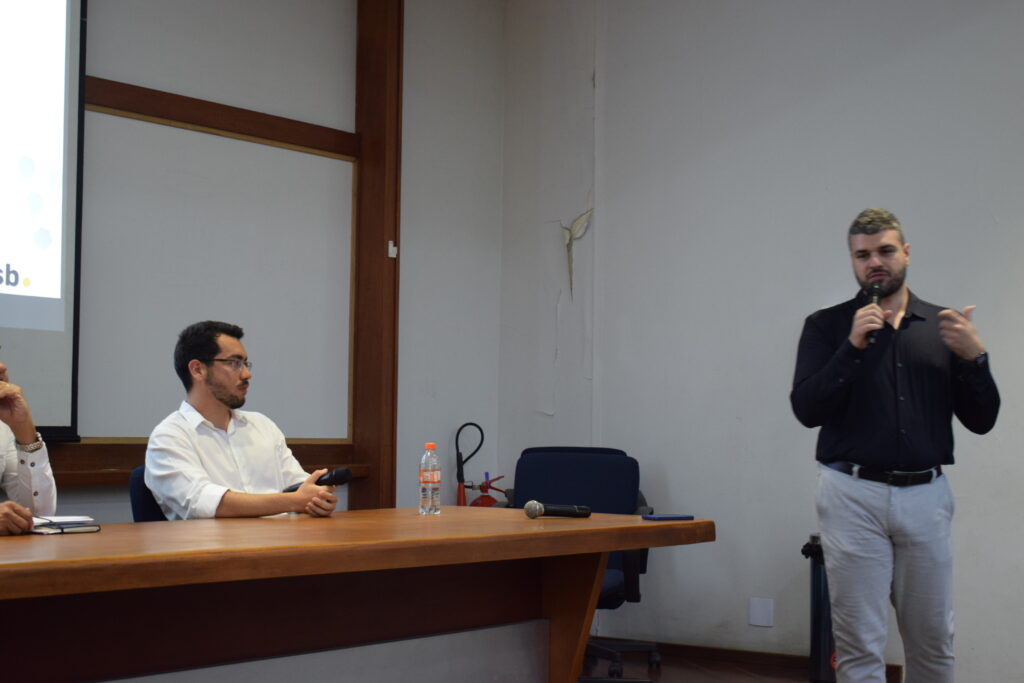
At the invitation of the Naval League, WSB Advisors held a special talk yesterday (October 14th) for students of Naval and Ocean Engineering at UFRJ. Four WSB professionals shared their experiences and insights on the current landscape and future opportunities in the naval and offshore industries — both essential pillars for Brazil’s energy and economic development.
Source: Plínio Ruan dos Santos Lima/Liga Naval
The two-hour roundtable was moderated by Raphael Montes (Proposals Manager) and featured Paulo Rolim (Advisory Lead), Ronaldo Lima (Senior Advisor), and Pedro Pellegrini (Intern and Naval Engineering student at UFRJ). Together, the group fostered an enriching and intergenerational dialogue, combining different but complementary perspectives on professional growth in the industry.
Source: Plínio Ruan dos Santos Lima/Liga Naval
During the discussion, WSB Advisors explained how the commercial segment operates within the naval industry, emphasizing that there is much more beyond structural calculations, EPCI projects, and classification societies. The speakers highlighted that shipbroking does not necessarily require an engineering background — although a solid understanding of vessel design and operations is a valuable advantage.
Ronaldo Lima, a civil engineer by training, shared his experience transitioning from a technical foundation into the commercial and financial sides of the offshore sector, detailing the challenges and opportunities that come with this shift.
Paulo Rolim emphasized that even in uncertain market cycles, there will always be space for skilled professionals. With five decades of experience as a naval engineer, he underlined the importance of internships, continuous learning, and the university experience as key elements in developing maturity and professional confidence.
Closing the session, Pedro Pellegrini spoke about the importance of building a strong and authentic professional network — even for those pursuing purely technical paths. He highlighted how his time at WSB Advisors has broadened his perspective, giving him a comprehensive understanding of the sector and its main players — from shipowners and charterers to drillers and service companies.
The event concluded with remarks from Plínio Ruan dos Santos Lima, Vice President and Marketing Coordinator of the Naval League, who expressed his gratitude:
“The Naval League is deeply thankful for WSB Advisors’ participation. Events like this show students the real-world side of naval engineering and its many opportunities while inspiring us with the speakers’ experiences. Every word was received with enthusiasm and will serve as valuable guidance for our professional journeys. One question that remains is: what’s more challenging — moving from the technical side to the commercial area, or the other way around?”
Staff Announcement
WSB Advisors is pleased to welcome Romulo Bacchiega, who joins the company as Head of Content & Sales.
Born in Niterói (RJ), Romulo joined the team in late October with the mission of strengthening WSB Advisors’ communication and marketing departments while fostering strategic partnerships with leading offshore market players.
With a solid career since 2004 in the Oil & Gas and Naval sectors, he brings extensive experience in technical procurement, negotiation and EPC contract management. Over the years, he has worked with major shipyards and international companies, leading acquisitions of equipment, materials and services for large-scale projects — including the construction of ships and offshore platforms.
Fluent in English and skilled in the use of Generative AI tools, Romulo holds a degree in Business Administration from ESPM, a postgraduate degree in Project Management from COPPEAD/UFRJ, and is currently pursuing postgraduate studies in Digital Journalism and Communication at FAAP. He is recognized for his strong negotiation skills, strategic vision in procurement and proven ability to optimize processes and manage relationships with global suppliers.
We are excited to have Romulo on board and look forward to his contributions and growth within the group.
“It is a great pleasure and honor to join such a highly qualified and dedicated team as the one I’ve found at WSB. I am confident that we will achieve excellent results together, delivering information with accuracy and credibility while contributing to the development of the naval, offshore and energy sectors through WSB’s valuable market intelligence,” said Bacchiega.
WSB is pleased to provide an update on the current long-term tenders that are open to offer.
Open tenders:
What has changed?
Petrobras At least 1x LH: Opportunity 7004497614 new deadline October 30th, 2025;
Petrobras At least 1x FSV: Opportunity 7004492292 new deadline October 30th, 2025;
Petrobras At least 1x LH: Opportunity 7004484466 new deadline October 30th, 2025;
What else is happening?
Skandi Chieftain and Skandi Olympia have been awarded 4-year RSV contracts with Petrobras, valued at approximately USD 200 million, with delivery expected in October 2026.
Bacalhau field in the Santos Basin has officially started production, marking a key milestone for Equinor and its partners, with the field set to produce safely, efficiently and with production emissions half the industry average.
The FPSO Peregrino, operating in the Campos Basin , officially resumed production on October 17, 2025, following authorization from (ANP). The restart marks an important step for PRIO, which holds a 40% interest in the field. The remaining 60% stake in the Peregrino field is currently being acquired from Equinor, in a transaction expected to significantly expand PRIO’s operated portfolio in the Campos Basin.