The drillship Atlantic Zonda, operated by Ventura Offshore, has arrived in Rio de Janeiro after departing from Singapore 45 days ago. The vessel will now begin a 36-month contract with Petrobras.
This 7th-generation, dual-drilling rig, built on the Samsung 96K design, is capable of drilling in water depths of up to 12,000 feet.
Category: Last News
-

Atlantic Zonda in Rio de Janeiro
-
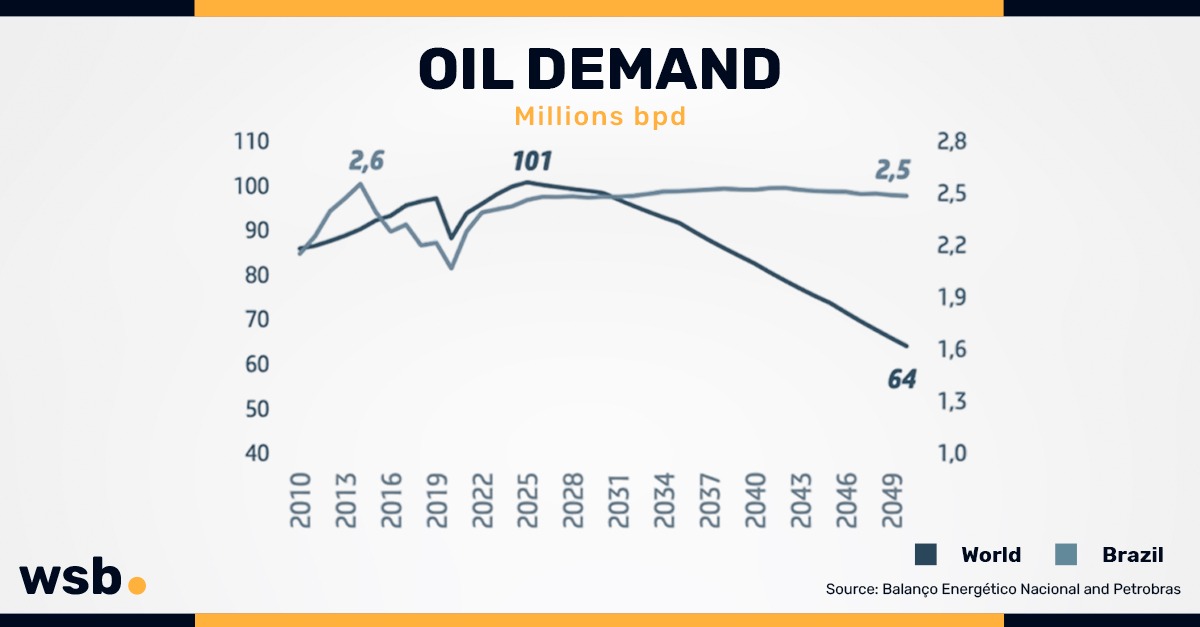
Oil demand in Brazil and world
In the release of its latest Strategic Plan, Petrobras presented a graph suggesting that global oil demand will drop significantly in the coming years: from 101 million barrels per day (bpd) to 64 million bpd by 2049. In contrast, Brazil is expected to see a modest increase, rising from 2.3 million bpd to 2.5 million bpd over the next 25 years. These figures may indicate a global shift toward energy transition, as well as the potential for oil prices to rise in the future, which could prompt investors to seek alternative options.
It’s important to note that Brazil stands out as one of the few countries capable of increasing investment in the oil and gas industry while prioritizing sustainability. This is largely due to technologies developed and implemented exclusively by Petrobras, such as Carbon Capture, Utilization, and Storage (CCUS). Oil and gas will remain, and continue to be, a crucial component of Brazil’s energy agenda, alongside shipbuilding and other essential infrastructure activities for its energy sector.
Petrobras relies on its own data as well as figures from the National Energy Balance, as shown in the image below. What’s your take on this? What do you think the implications of this decline might be for our market? -
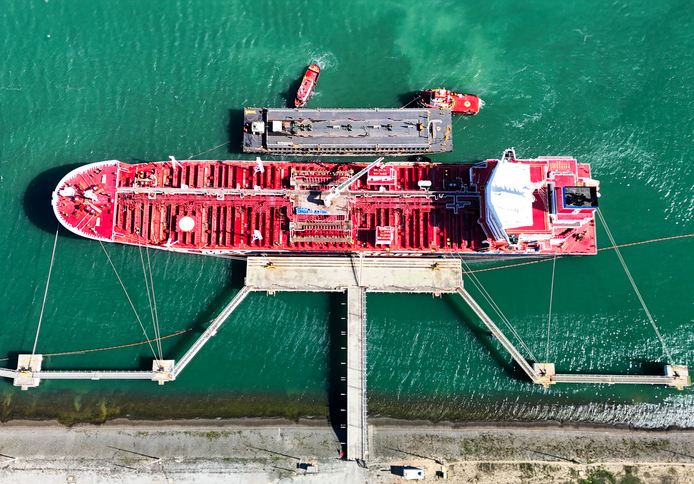
Vast and Efen: partnership first step
After signing a contract with Efen, Vast Infraestrutura completed its first operation at the Açu Liquid Terminal (TLA), a new terminal at the Port of Açu in São João da Barra. A few weeks ago, the infrastructure company took over operations at the site with the goal of transforming it into a hub for the storage and handling of liquids.
Vast performed the transshipment of marine gas oil (MGO) using the ship-to-barge method, which offers greater efficiency and cost savings. This fuel is widely used in the main propulsion engines of vessels, including offshore support vessels (OSVs) and tugboats. The process involved transferring fuel from a berthed MR, with a gross tonnage of up to 59,000 tons, to a barge alongside.
The companies have signed a five-year agreement, and Efen will have storage capacity for 20,000 m³ to supply the markets at the Port of Açu and offshore, from a total of 84,000 m³ later available. -
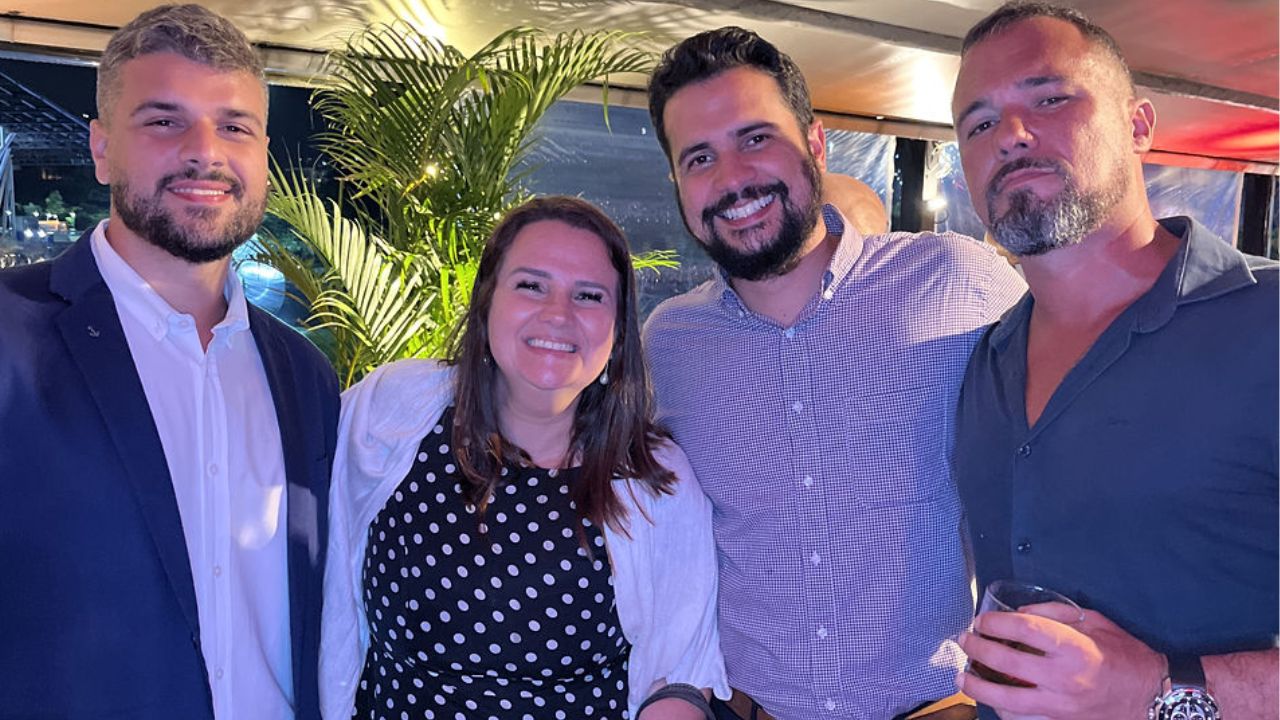
Camorim cocktail party 2024
Our shipbroking team was invited by Camorim to attend their end-of-year cocktail party at Marina da Glória, Rio de Janeiro. The event also served as a celebration of the delivery of the company’s newest acquisition: the C Fênix.
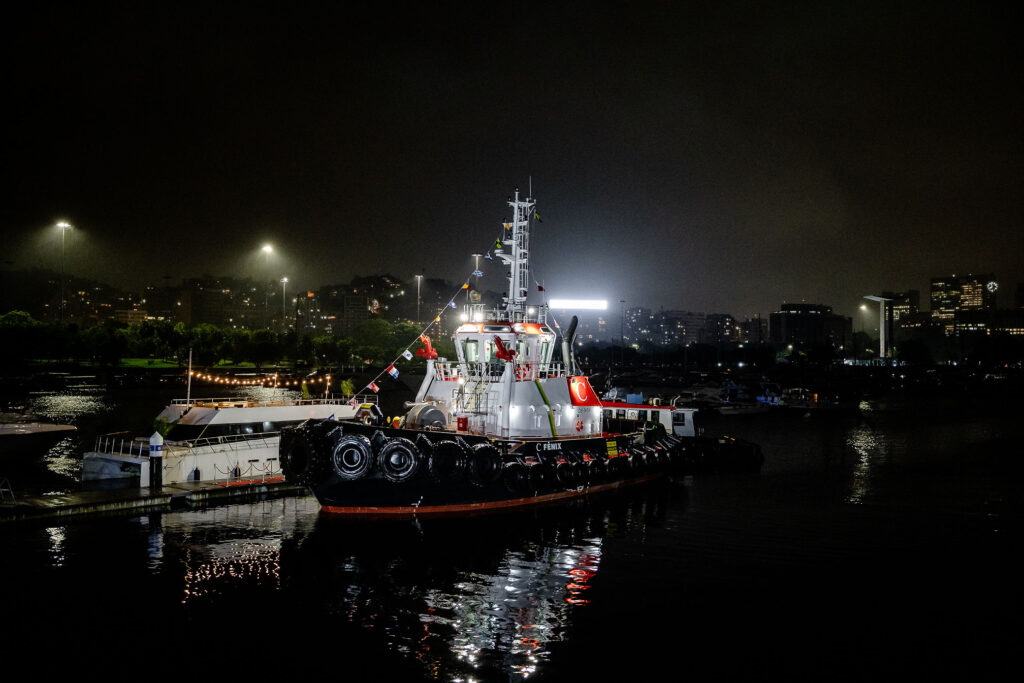
C Fênix (Source: Camorim) The ASD tug was built in Itajaí and is the first of five vessels of this type to be delivered by the DETROIT BRASIL shipyard. This type of vessel stands out for its improved maneuverability, reduced costs, lower risk of damage, and its hydrodynamic hull. The C Fênix has 70 tons of Bollard Pull, a length of 24.35 meters and 11 meters beam.
We would like to thank Camorim for the invitation and congratulate them for this wonderful event, wishing that C Fênix literally incorporates Camorim´s come back success throughout the coming year.
WSB was represented by Daniel Buckley, Raphael Montes and Pedro Pellegrini -

A Special recognition – Amigo da Marinha Medal
“I am deeply honored to receive the Amigo da Marinha medal, the Invictus Brazilian Navy Marinha do Brasil recognition for services to the Brazilian Navy. This achievement holds special meaning as I reflect on 2024, the year I celebrate 25 years of dedication to the merchant marine.
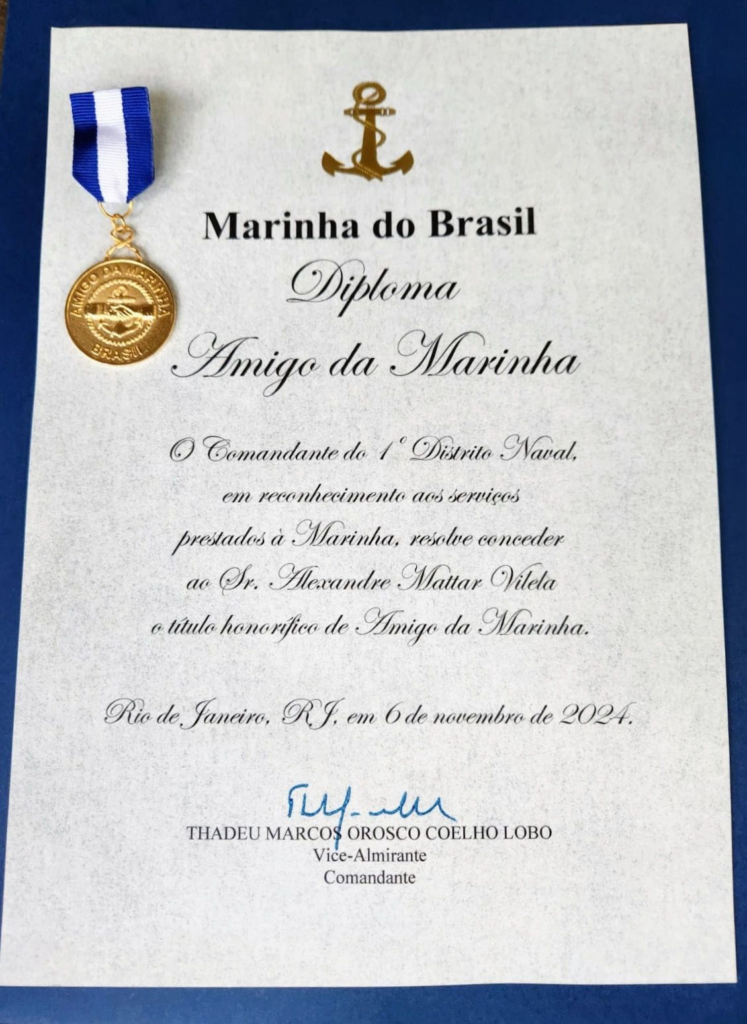
The journey began humbly when I first walked into Petrobras‘ headquarters to join the cargo shipment control department. Under the guidance of extraordinary mentors, I was granted opportunities to immerse myself in the world of shipping: embarking on tankers, overseeing loading operations, visiting refineries, and even spending time on oil rigs. These formative years awakened the passion for shipping in the grandson of a shipowner, my grandfather Elias Mattar.
Later, Maersk provided me with the incredible MISE program, which I firmly believe to be the best shipping education in the world. My career continued with Shell and culminated in the founding of my own shipbroking firm 14 years ago. Since 2016, with the growth of WSB Advisors, the scope of our operations has expanded into technology, engineering, and beyond.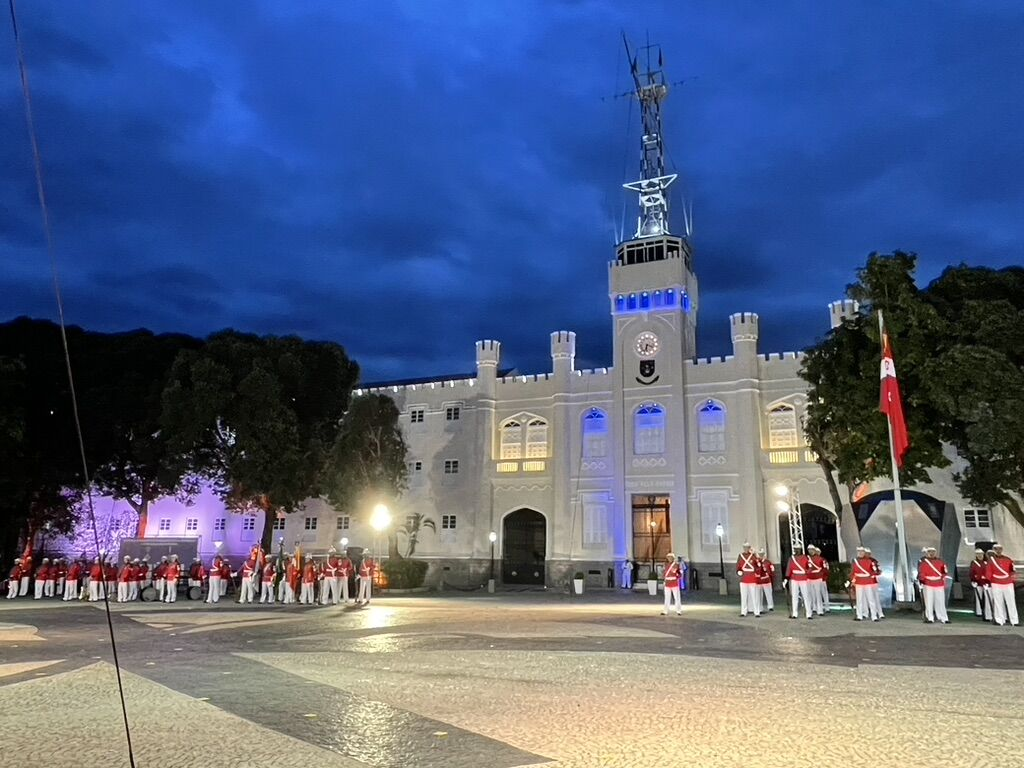
Recently, my dear friend and business partner Joana Rodrigues helped me realize the impact of this journey—not only on myself but also on the many seafarers and professionals at sea and in land whose livelihoods were touched by the vessels I helped manage, repair, and employ. A lifetime dedicated to the merchant marine has brought a collection of cherished friendships.
This medal also reminds me of the inseparable connection between the merchant marine and the Brazilian Navy. The Brazilian merchant marine has long been a pillar of the nation’s economic strength. From World War II to the present day, merchant seafarers have made incredible sacrifices for the prosperity and sovereignty of Brazil, often with little recognition from society.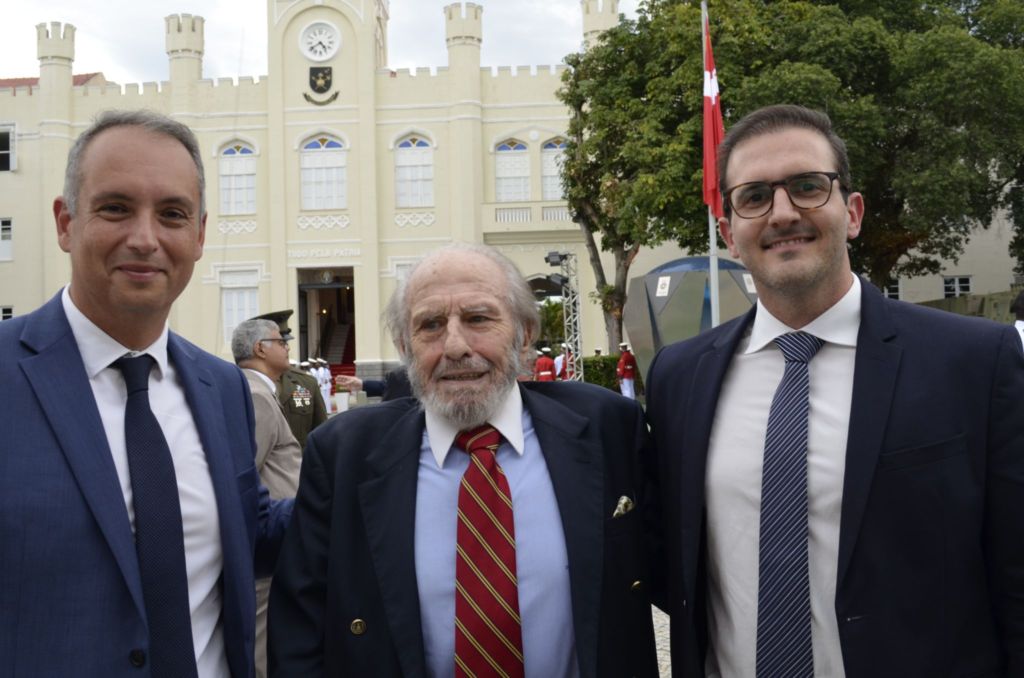
Alexandre with Dalton Schmitt (middle) and Pedro Schlegel, from TSA (Source: Brazilian Navy) The Navy has always been a cornerstone of this maritime vocation, educating, preparing, and certifying the seafarers who fuel the lifeblood of the nation’s shipping industry. I am immensely proud to contribute to this tradition in my own capacity and to help promote the success of Brazil’s maritime endeavors.
In the photos, I stand proudly alongside my dear friend and inspiration, Dalton Schmitt, who continues to devote his life to shipping and also received the medal this year.A special mention goes to Mauricio Almeida, who this year celebrates an incredible 50 years of dedication to the industry. Working with Mauricio over the past year has been an honor, and his wisdom and passion for shipping have been invaluable in shaping my ongoing journey.
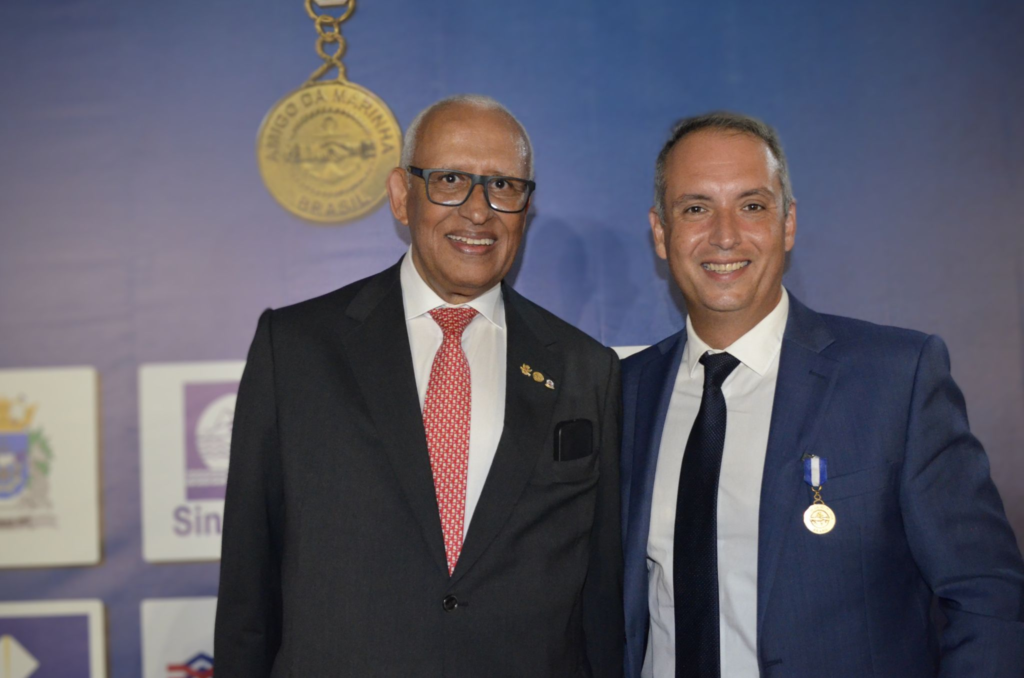
Alexandre Vilela and Maurício Almeida (Source: Brazilian Navy) To all who dedicate their lives to the maritime vocation, I salute you. This medal is not just a recognition of my efforts but a testament to the shared mission of strengthening Brazil’s maritime legacy”, says Alexandre Vilela, CEO of WSB Advisors.
-
Petrobras’ Srategic Plan
Last week, Petrobras released its renewesd Strategic Plan, now covering the period from 2025 to 2029.
Here are some highlights from the oil company’s document:
– The company plans to invest $111 billion across all areas, a 9% increase compared to the forecast for the 2024-2028 period.
– Of this total, $77 billion will be allocated to Exploration & Production (E&P), with 60% directed toward pre-salt assets.
– Petrobras projects total production of 3.2 million barrels of oil and gas equivalent per day (boed), including 2.5 million barrels of oil per day (bpd).
– Ten new production systems are set to be deployed by 2029, utilizing cutting-edge technologies that enable greater efficiency and lower emissions. Nine of these systems are already contracted.
– Production will begin at Raia in 2028, but with Equinor as the operator and Petrobras as the partner.
– There are five projects under development beyond 2029, with six more in the planning stage.
– Investments of $19.6 billion are expected in the Refining, Transportation, Marketing, Petrochemical, and Fertilizer segments, marking a 17% increase compared to the last Strategic Plan.
– A commitment to investing $16.3 billion in energy transition projects.
More details you can check out soon at cms.oneenergynews.com -
FPSO is not mine
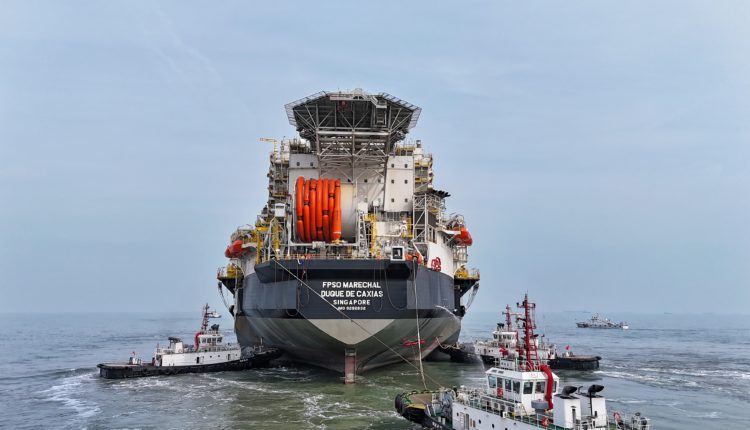
Numbers don’t lie as they reveal Petrobras’ strategy for FPSOs. Of the 18 FPSOs set to be contracted, 10 have already been awarded, with 12 of the total slated to be leased units and only 6 owned by Petrobras. This marks a shift, tilting the current 40% leased vs. owned ratio further toward leasing.
But at what lifting cost? (Ineep and Dieese numbers)
For post-salt deepwater, leased units have 15% higher lifting costs.
For ultra-deepwater pre-salt, the difference soars to 50% higher lifting costs for leased units.
Managing and operating FPSOs isn’t Petrobras’ core business. Yet, owning units can provide an economical advantage while also driving Brazil’s shipbuilding and support industries. On tankers, sovereignty and logistical control under state management are clear benefits.
So why the shift to leasing FPSOs? If owned units are more cost-efficient in the long run, is Petrobras prioritizing short-term flexibility over long-term strategy? Cash restrains?
What’s your take? -
WSSV new Bid
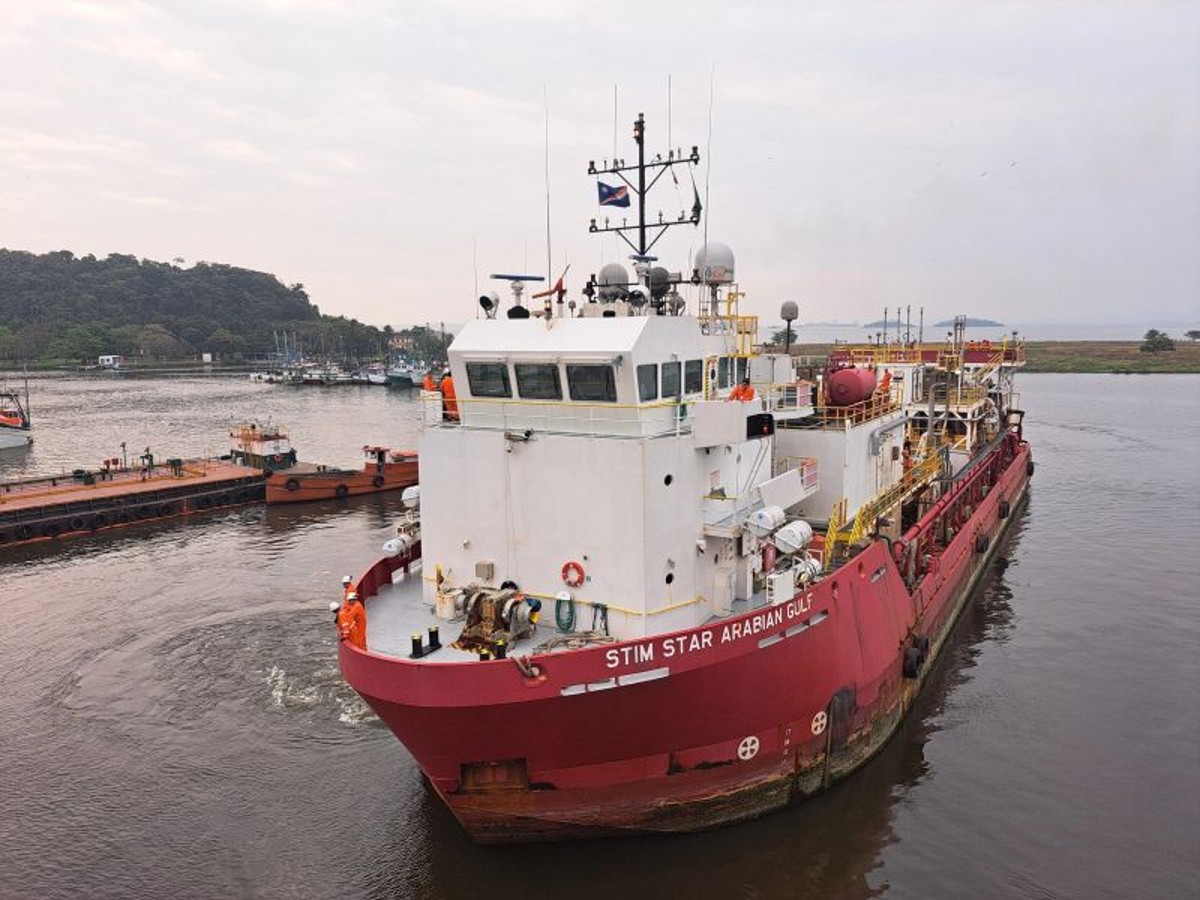
Petrobras released a new Well Simulation Support Vessel (WSSV) public tender, approximately one year after re-chartering the Stim Star Arabian Gulf. This new tender allows for up to 3 vessels to be chartered, in which Petrobras most likely seeks to re-absorb the remaining 3 WSSVs already operating in their fleet.
The opportunity will take offers of both Brazilian and foreign-flagged vessels, with current deadline for submissions on December 4th.
This type of tender leads to three contracts for the awarded company(ies): one charter party agreement for the vessel, one services agreement for the well stimulation plant and one agreement for the supply of chemical products.
For further details on this tender or other information about our Offshore segment, please contact us at comercial@cms.oneenergynews.com -

G20 in Rio de Janeiro
The G20 summit in Rio de Janeiro concludes today, gathering leaders from 19 countries, to address “Sustainable Development and Energy Transition.” On Monday, participants signed a declaration committing to accelerate the clean energy transition and triple renewable energy capacity in the coming years.
These developments align with the clean energy matrix already promoted and established in Brazil, supported by the country’s significant hydroelectric power generation.
Brazil stands out as one of the few nations capable of increasing investment in the oil and gas industry while prioritizing sustainability. This is also largely due to Petrobras’ uniquely developed and implemented technologies, such as Carbon Capture, Utilization, and Storage (CCUS).
Oil and gas remain, and will continue to remain, a major component of Brazil’s energy agenda, alongside shipbuilding and construction activities essential for its energy infrastructure. -
Transpetro Bid
The Transpetro – Petrobras Transporte S. A. TP-25 Shipbuilding Program
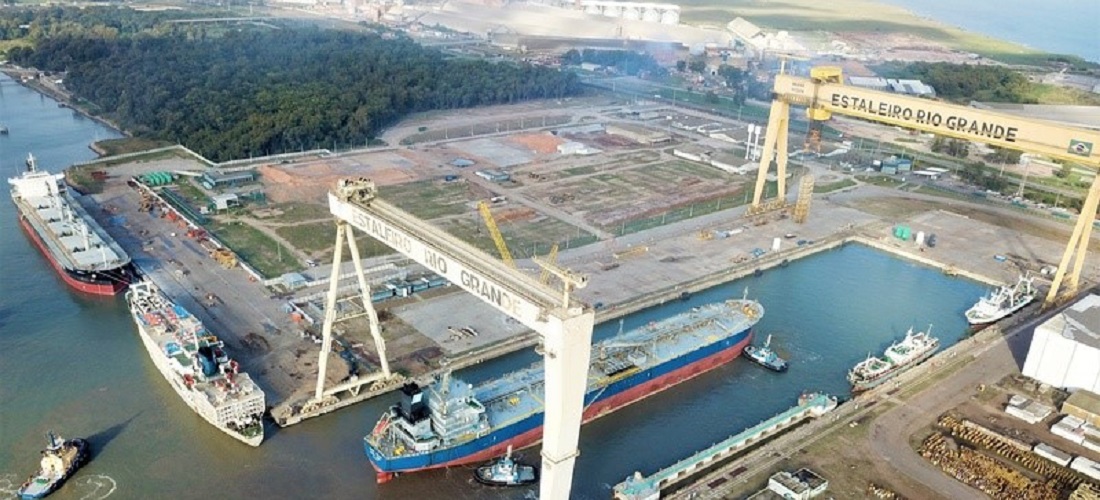
The tender for the first four handy-size tankers (15-18 thousand DWT) of Transpetro’s TP-25 shipbuilding program has received a bid from shipyard Rio Grande S.A, in partnership with Mac Laren. Among 20 pre-qualified bidders, this offer quotes around USD 75 million per vessel—a total of USD 300 million for all four units, or approximately BRL 1.7 billion.
The absence of additional contenders and adherence to deadlines, notably without repeated postponements, indicate that Transpetro is moving decisively forward, on their commitment to meeting fleet renewal demands pushing for market alignment. This approach also highlights the potential for Brazilian shipbuilding costs to benefit from scale, achieving greater competitiveness with shipbuilding leaders, especially China.
WSB Advisors is proud to have acted as advisors to the offering group in this tender. As the process advances to the negotiation and approval phases, several critical steps remain before the contract can be finalized. -
FPSOs in Brazil: a recap
Renata Baruzzi, Director of Engineering, Technology, and Innovation at Petrobras, confirmed company plans to release bids this year to hire two FPSOs for the Sergipe Águas Profundas project (SEAP 1 and 2), further boosting the FPSO sector in Brazil.
In the past 30 days, several key milestones have been achieved in the segment:
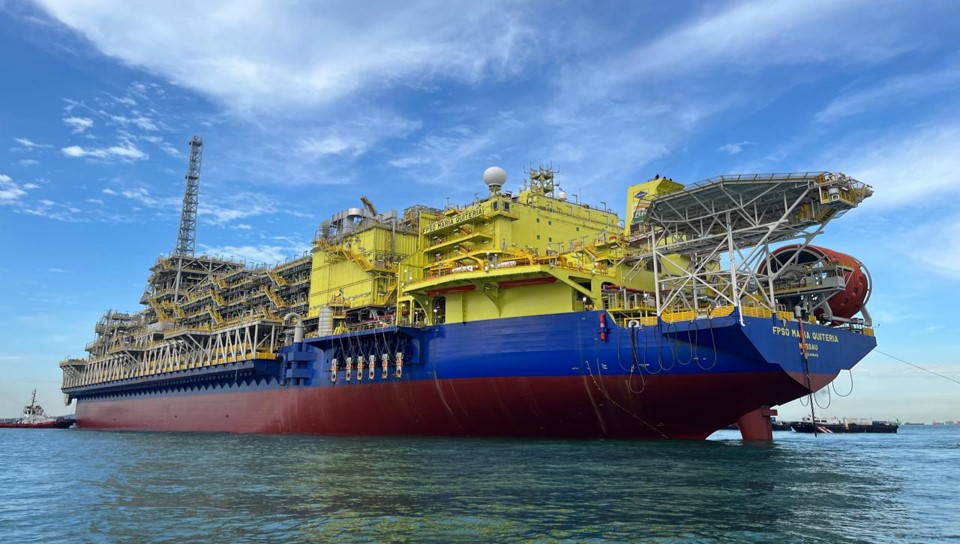
• Naming ceremony of Equinor’s FPSOs Bacalhau and Petrobras’ Alexandre de Gusmão.
• Start of operations of Marechal Duque de Caxias and Maria Quitéria, both for Petrobras.
• Arrival of Almirante Tamandaré FPSO at the Búzios field, with production expected to begin in 2025.
• Sepetiba reached a production peak of 3.49 million boed in less than eight months of installation.The operations of these FPSOs increases the demand for OSVs.
Want to know which types and numbers for the next hires? More than stay tunned you can reach us and benefit from WSB.One data.
-
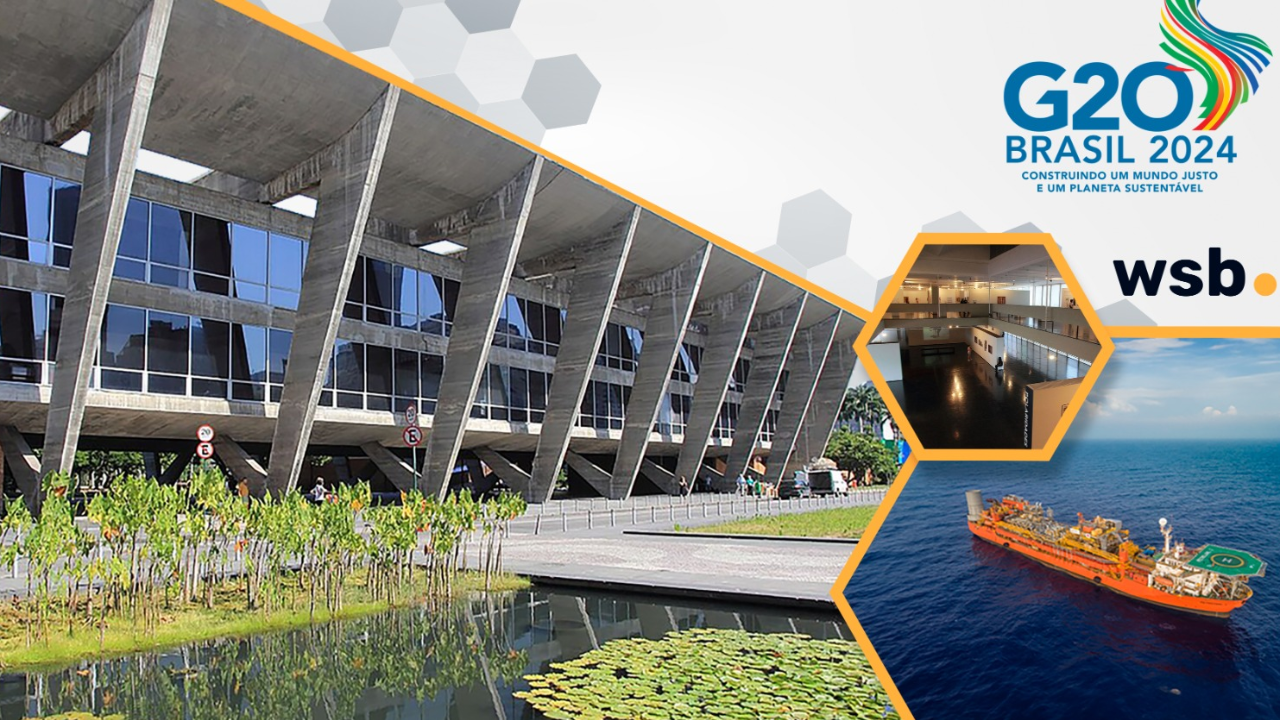
Rio de Janeiro will host the next G20 Summit
The city of Rio de Janeiro will host the next G20 Summit on November 18 and 19. Recognized as one of the world’s leading international forums, the event will bring together leaders from 19 countries, along with representatives from the European Union and the African Union. Together, G20 nations gather approximately 85% of global GDP, 75% of global trade, and nearly two-thirds of the world’s population.
You might be questioning : how does this affect WSB?
The theme for the 2024 G20 Brasil 2024 Summit is “Building a Fairer World and a Sustainable Planet,” with a focus on environmental development. Energy transition will be a key topic, closely aligned with an issue central to WSB Advisors and our clients.
Debates around energy policies, climate change, and renewable energy sources have a direct impact on our industry and could influence pricing and contracts.
President Lula will host the summit, and WSB will closely follow the discussions to set our strategies and support our clients in their decision-making.