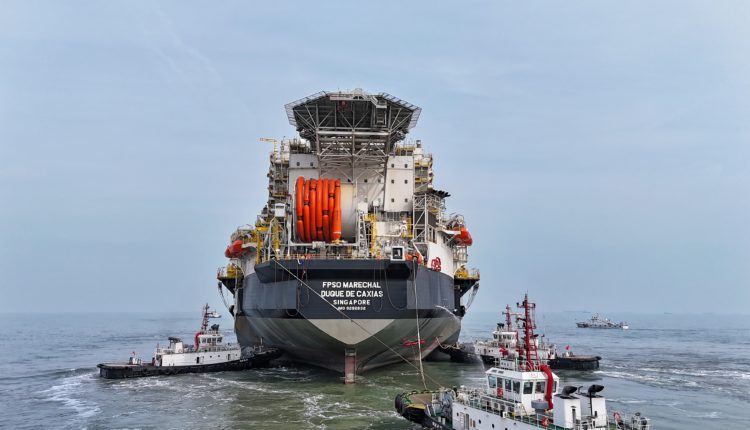
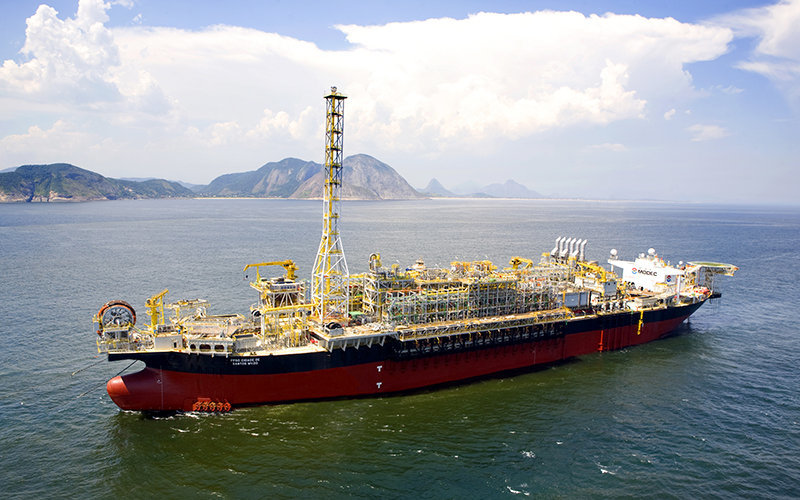
The arrival of the FPSO Marechal Duque de Caxias marks a significant milestone for Brazil’s offshore oil production capabilities. This state-of-the-art floating production, storage, and offloading (FPSO) unit, chartered by Petrobras from MISC, has a production capacity of up to 180,000 barrels of oil and the ability to compress 12 million cubic meters of gas daily. As it prepares to commence operations in the Mero field in the pre-salt Santos Basin, WSB Advisors has been instrumental in supporting MISC throughout various phases of this ambitious project.
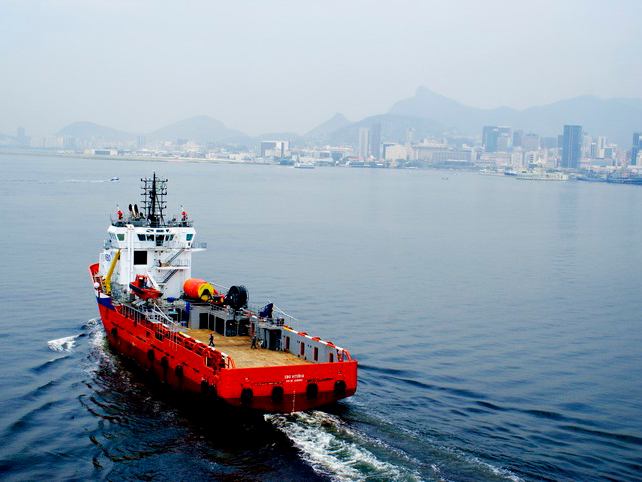
Chartering Support Vessels One of the critical areas where WSB Advisors has provided essential support is in determine the right type of vessel, selecting capable bidders and chartering the necessary units. The vessels CBO Copacabana, AH Valletta, and CBO Parintins have been engaged to perform tasks such as cargo runs from the supply base to the FPSO, the installation of the submerged water intake riser (SWIR), and the commissioning of offloading hoses. This logistical coordination is vital for ensuring the smooth and timely execution of the project’s offshore operations.
Beyond Brokerage True to its motto “Brokerage And Beyond,” WSB Advisors has extended its services beyond traditional brokerage. Collaborating closely with MISC and the engineering company BELOV, WSB Advisors played a coordination role in determining the best engineering solutions for connecting the SWIR sections on board the offshore support vessels. This involved detailed technical discussions and the pre-selection of vessels based on stringent technical criteria.
WSB Advisors further facilitated the coordination between MISC, BELOV, and CBO, ensuring that all parties were aligned on the procedures and safety measures required for the project’s execution. This collaborative approach helped in identifying potential hazards and implementing the necessary precautions to guarantee a safe and efficient operation.
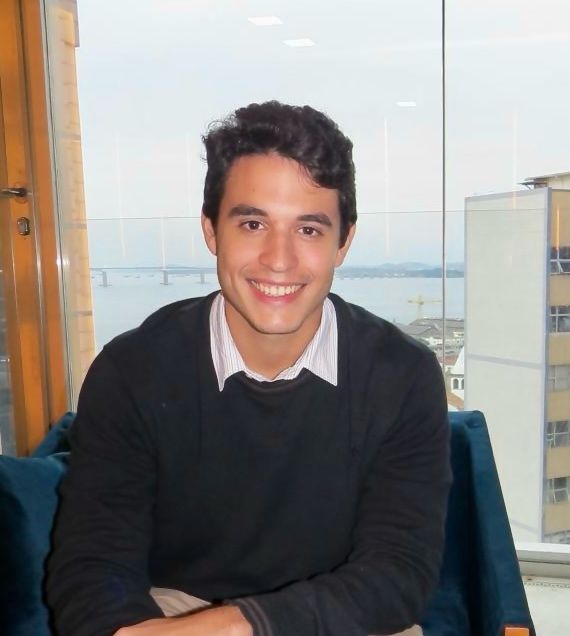
Inspection and Acceptance Upon reaching the operational readiness phase, WSB Advisors hosted MISC’s international team of engineers and leaders in Brazil for the inspection and acceptance of the selected vessels. Raphael Montes, WSB Advisors’ Proposals Manager with extensive operational experience, acted as the facilitator for these critical discussions. His expertise ensured that the vessels met all operational requirements and were ready for on-hire acceptance.
Success The comprehensive support provided by WSB Advisors is our commitment to ensuring the success of the FPSO Marechal Duque de Caxias project. From chartering support vessels to coordinating complex engineering tasks and facilitating vessel inspections, WSB Advisors has demonstrated its capability to deliver beyond brokerage. This project not only enhances Brazil’s oil production capacity but also highlights the critical role played by WSB Advisors in supporting complex offshore projects.
Stay tuned as we will present others tasks we have performed for this project from our engineering department.
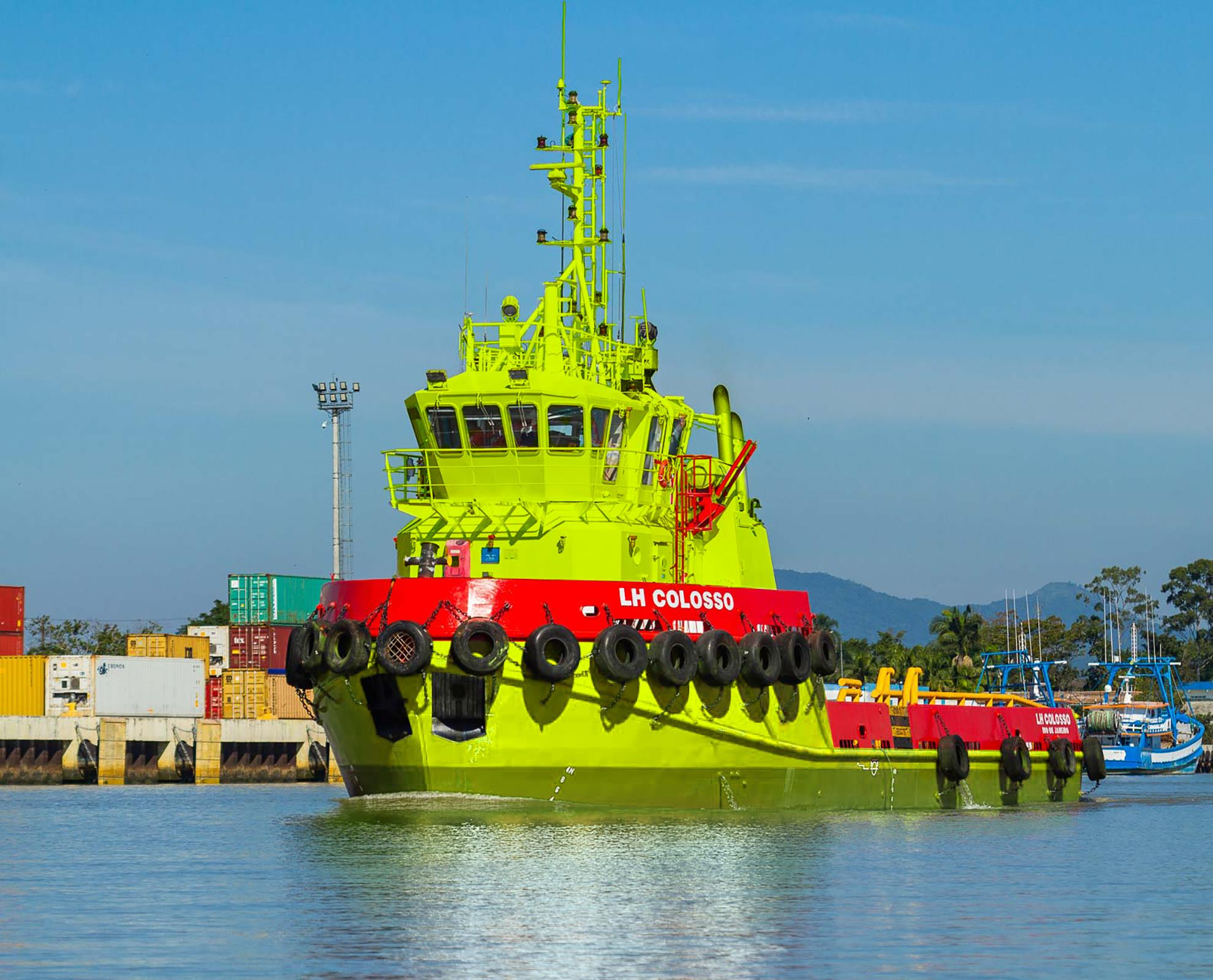
Petrobras opened a bid for chartering of up to five vessels of the LH 2500 type. The contracts will be valid for 1460 days, starting in the first half of 2025. The proposals will be divided into three lots (see details at the end of the report).
The oil company requires vessels to have been built from 2006 onwards, 45 tons of bollard pull and 92 m2 of deck capacity. There aren’t specifications regarding the maximum or minimum draft or the length of the vessel.
Contracting Procedure: Bidding by closed dispute mode, with judgment based on lowest price classifications per item.
Important days
*Proposal submission begins: July 11, 2024, at 20:00. (LT) Proposal opening: August 1, 2024, at 17:00. (LT)
– Batch 1: Starts in February 2025, execution of 1460 days. – Batch 2: Start in March 2025, execution of 1460 days. – Batch 3: Start in April 2025, execution of 1460 days.
ANP (National Oil Agency) authorization to sell bunker fuel with up to 24% biodiesel. Building on the success of 2022 tests with 10% biodiesel, which achieved a 7% reduction in emissions, the new B24 blend is expected to achieve an impressive 17-19% reduction in emissions.
This initiative aligns with the current PSV new building tender, where the use of biofuels is mandatory. Petrobras is committed to completing an industrial cycle where engine manufacturers will ensure that the added biodiesel does not compromise engine guarantees — addressing a significant challenge faced by owners during this transition phase.
The B24 biodiesel blend primarily consists of soybean and bovine tallow oils. Notably, the ANP authorization is exclusive to Petrobras, with the biodiesel blending to take place at Petrobras terminals instead of refineries, ensuring stringent control measures.
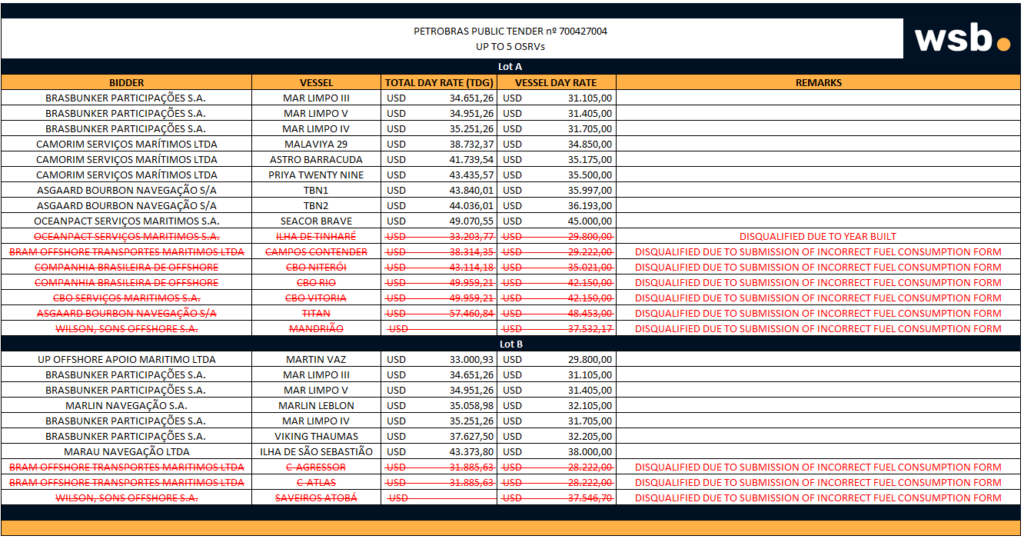
Petrobras recently published the official ranking of proposals for the latest OSRV (Oil Spill Response Vessel) tender. 10 vessels were disqualified, 9 of which due to the mistaken submission of the fuel consumption spreadsheet, affecting 4 distinct owners. Currently, 13 vessels remain under consideration, divided into 2 lots.
Root cause: An initial error in the documentation package provided by Petrobras, which included the wrong spreadsheet (PSV consumption scenarios instead of OSRV). In Q&A Circular 6 of 8, a corrected spreadsheet was made available, but many participants missed this update.
What lesson can be learned from this tender process? Your insights and comments are welcome.
For the complete list of disqualified vessels and owners, as well as those still under consideration, please check the image below
Transpetro, the transportation and logistics subsidiary of Petrobras, has announced a substantial investment in building a new fleet of vessels. This initiative underscores a commitment to modernizing their infrastructure and stimulating economic growth in the maritime sector.
This ambitious plan begins with an international bid for the construction of four tankers vessels, each one between 15,000 to 18,000 deadweight.
The first is expected to be launched in the first half of 2026, with subsequent ships following at six-month intervals until mid-2028. This initiative is part of Petrobras’ Strategic Program for 2024-2028, which includes a comprehensive plan for fleet renewal.
One of the most compelling aspects of this project is the emphasis on supporting Brazilian shipyards. As highlighted by Transpetro CEO Sergio Bacci, domestic shipyards will have access to the Merchant Marine Fund (FMM), providing them with a competitive edge. Current deadline to send proposals: October 7, 2024
MODEC has demonstrated resilience and continued leadership in Brazil’s FPSO market despite the conclusion of the Shell Fluminense FPSO contract and Enauta‘s decision not to purchase the Cidade de Santos. The Japanese company remains a dominant force, with a fleet of 13 chartered vessels, as highlighted by WSB.One, most of which are contracted with Petrobras.
MODEC’s FPSOs consistently deliver impressive production figures. In May, FPSO Guanabara, operating in the Mero field in the Santos Basin, achieved outstanding performance with a production of 179,546 barrels of oil and 11.68 million cubic meters of gas, per day. Other noteworthy FPSOs include Cidade de Angra dos Reis and Cidade de Itaguaí, both located in the Tupi field, the largest oil-producing field in Brazil.
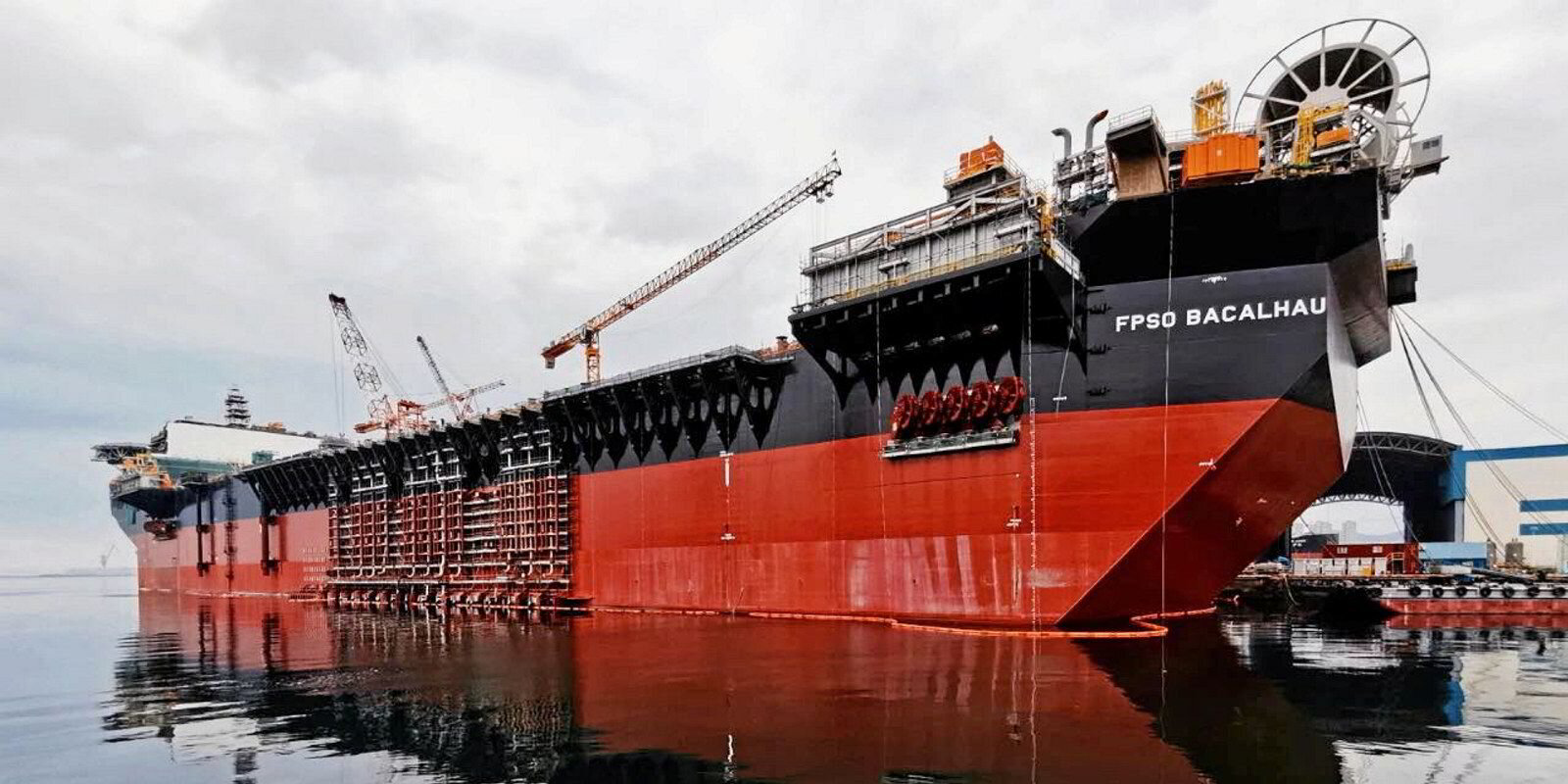
MODEC is further progressing with the construction of the Raia and Bacalhau FPSOs, for Equinor, Campos and Santos Basins, respectively. MODEC FPSOs in Brazil
– FPSO Anita Garibaldi (Petrobras Marlim field, Campos Basin) – FPSO Almirante Barroso (Petrobras Búzios field, Santos Basin) – FPSO Guanabara (Petrobras Mero field, Santos Basin) – FPSO Carioca (Petrobras Sépia field, Santos Basin) – FPSO Cidade de Campos dos Goytacazes (Petrobras, Tartaruga Verde and Tartaruga Mestiça, Campos Basin) – FPSO Cidade de Caraguatatuba (TotalEnergies, Lapa field, Santos Basin) – FPSO Cidade de Itaguaí (Petrobras, Tupi field, Santos Basin) – FPSO Cidade de Mangaratiba (Petrobras, Tupi field, Santos Basin) – FPSO Cidade de São Paulo (Petrobras, Sapinhoá field, Santos Basin) – FPSO Cidade de Angra dos Reis (Petrobras, Tupi field, Santos Basin) – FPSO Cidade de Santos (Petrobras, Uruguá-Tambaú field, Santos Basin) – FPSO Cidade de Macaé (Petrobras, Marlim Sul, Roncador and Marlim Leste fields, Campos Basin) – FPSO Cidade de Niterói (Petrobras Marlim Leste Field, Campos Basin)
Enauta informed Modec that it will rescind the purchase contract for the FPSO Cidade de Santos. The vessel, which was purchased at the end of 2023, for US$48.5 million, will return to the helm of the Japanese company.
Of this amount, US$7.2 million was paid at the signing of the contract, while the balance would be paid later. In a statement, the brazilian oil company highlighted that she has the right to receive half of the amount paid when signing the agreement, the equivalent of 3.6 million dollars.
The vessel produces oil and natural gas in Uruguá and Tambaú, in the Santos Basin. The fields were sold by Petrobras to Enauta on the same day as the purchase of the FPSO. Now, the companies are discussing what to do with the asset.
DOF and A.P. Moller Holding have sealed an agreement to imbed Maersk Supply Service into DOF in a mix of cash and shares in the company, consideration of approximately US$ 1,1 billion and A.P. Moller Holding to underwrite 25% of the share capital in DOF.
The companies hope to complete the details of the operation until later this year, to an expanded portfolio of 78 offshore support vessels, CSVs and AHTSs as highlights.
For specific reasons the Brazilian affiliated companies of Maersk Supply Service are in principle not part of the deal.
A.P. Moller Holding has segregated as announced the offshore wind division as otherwise developed from within Maersk Supply Service (MSS) already launching the Maersk Wind business as a stand alone.
“DOF name and brand remain, MSS fades away. Makes sense. A.P. Moller Holding has evolved to become an industrial investor leveraging from the position its A.P. Moller – Maersk different operating companies built throughout decades. DOF on the other hand is the right vehicle to raise the equity and debt facility to enable the transaction. A.P.Moller to nominate two additional members to the board (vice-chairman and member of the remuneration committee) and the chairman of the nomination committee. Complex deal. Nice move. Good for both. Good for the industry”, said Alexandre Vilela, CEO of WSB Advisors.
In this edition of Energy Talks featured in One.Energy Magazine, we have the pleasure of speaking with Anídio Corrêa, the R&D Environment Projects Lead at WSB Advisors. Anídio, a native of Rio de Janeiro, brings a rich background as a geologist to his current role where he is pivotal in steering WSB’s initiatives on sustainable and environmental projects. Today, he brings clarity to some of the pressing questions concerning the Brazilian Equatorial Margin, an area of increasing interest in the offshore industry.
To kick off our conversation, Anídio shares insights into his personal journey and professional path.
“I was born and raised in the vibrant city of Rio de Janeiro, a place where the pulsating energy of urban life meets the tranquility of nature. My passion for the outdoors began early. By the age of 14, I was already an avid hiker and climber, spending every possible weekend scaling the peaks around Rio or venturing to other towns in pursuit of new challenges. This deep connection with nature and my fascination with the earth’s structures fueled my decision to pursue a career in geology. The discipline perfectly melds my love for the outdoors with my curiosity about the planet’s geological puzzles.”
You began your higher education at the Federal University of Rio de Janeiro (UFRJ) but graduated from the Federal University of Bahia. Can you tell us what prompted this transition?
“Absolutely, the journey between these two universities was both eventful and transformative. During my third year at UFRJ, I was presented with an exceptional opportunity—a scholarship with Petrobras. This entailed spending 30 days offshore, split between two different drilling rigs. It was a profound learning experience, deeply enhancing my understanding of the Campos Basin’s geology and the day-to-day responsibilities of an exploratory geologist. This firsthand exposure to the offshore environment offered me a clear perspective on both the advantages and challenges of working for Petrobras in such capacities.
As my fourth year of college was drawing to a close, Petrobras announced a competitive selection process for 40 scholarships that required recipients to relocate to Salvador, Bahia. The program was structured to include the final year of geology studies at the Federal University of Bahia, coupled with a specialized course in petroleum geology. Successful completion of the program guaranteed employment with Petrobras. Having already gained a solid understanding of what the work entailed, I seized the opportunity, passed the exam, and moved to Salvador to complete my studies. This pivotal decision shaped my career path and led me to where I am today.”
Anídio (Source: WSB Team)
How was the experience of “leaving home”? What professional and personal lessons did you draw from the year 1980?
“Leaving home” was an experience I had grown quite accustomed to by 1980, thanks to my earlier adventures, including a six-month exchange program in the United States when I was sixteen. This early exposure to different cultures and environments instilled in me a sense of independence and adaptability that would prove invaluable in my career and life.
Moving to Bahia for a year to complete my studies under a Petrobras scholarship was exhilarating. I shared a house, commonly referred to as a ‘república’ in Brazil, with five other students, all of whom were also preparing for careers at Petrobras. This arrangement not only provided a financially stable student life—thanks to our scholarships—but it also posed unique challenges and learning opportunities.
As the de facto manager of our household, I was responsible for budgeting, bill payments, and even managing household staff, which honed my organizational and leadership skills. Living with five other young men from diverse backgrounds taught me invaluable lessons in interpersonal relationships and conflict resolution.
Professionally, the rigorous academic environment demanded excellence, preparing me for the challenges of a career in geology. Personally, the vibrant social scene of Salvador, filled with constant festivities, taught me the importance of balancing hard work with leisure—an equilibrium that has enhanced my quality of life.
Ultimately, the year 1980 was transformative. It was a year of intense study, vibrant social life, and profound personal growth. Upon completing my studies, I chose to start my career with Petrobras in Macaé, allowing me to return to Rio and once again live with my parents, bringing my journey full circle with newfound skills and perspectives.
Many people are curious about what a geologist does at an oil company. Could you explain your role and experiences at Petrobras?
“In the realm of petroleum geology, there are essentially three primary roles: field geologists, exploration geologists, and reservoir geologists. Field geologists are stationed at the drilling sites, actively involved with the physical process of drilling. Exploration geologists analyze geological data to pinpoint prospective drilling locations in search of new oil deposits. Reservoir geologists, on the other hand, focus on understanding the rock properties of oil reservoirs to optimize recovery strategies.
At Petrobras, I started my career as a field geologist, spending five years working across various environments, from offshore platforms in the Campos and Espírito Santo Basins to onshore sites in Santos and Pelotas. My responsibilities included everything from mud logging and wireline logging to well testing and coring, as well as compiling detailed reports on these operations. This hands-on period was foundational, providing a deep dive into the operational side of oil exploration.
Subsequently, I transitioned to a role as a reservoir geologist based in Macaé, where I analyzed well log data and petrophysical information to identify the most productive intervals of the oil reservoirs. This role was crucial in designing effective extraction techniques and ensuring sustainable oil production.
You left Petrobras in 1987 and took a sabbatical to pursue personal projects and further studies. After a decade, you returned to the industry with roles at TotalEnergies, Shell, and again at Petrobras. What did you gain from these experiences?
“After departing Petrobras in 1987, I embarked on a family trading project. However, realizing my passion truly lay in geology, I returned to academia in 1998 to pursue a Master’s in Marine Geology and Geophysics at Universidade Federal Fluminense. This period was enriching, rejuvenating my expertise and broadening my horizons in geological science.
My return to the professional field was marked by a transition into environmental consultancy, particularly focusing on environmental licensing for oil and gas operations. This led to a role with Ibama, analyzing environmental impact assessments—a pivotal experience that sharpened my understanding of the environmental dimensions of oil exploration.
In 2005, I rejoined Petrobras through a competitive examination, only to be headhunted by Shell two years later to lead their environment and licensing department. This role offered significant challenges and learning opportunities, which continued when I moved to TotalEnergies under a similar capacity. My journey culminated in an R&D role at
TotalEnergies, focusing on environmentally sustainable research projects, before deciding to step back from the industry.
These diverse roles have not only broadened my expertise across different aspects of geology and environmental management but also underscored the importance of adapting to changing landscapes in both professional and ecological contexts.”
What are your challenges within WSB Advisors?
Joining WSB Advisors brings me a lot of challenges. Geology is far from the core business of the company. Nevertheless, my experience in the past years dealing with environmental licensing thought me a lot about vessels, their purpose, some of their characteristics and how they fit into the projects which are licensed by Ibama. In certain circumstances, Ibama inspects the vessels, mainly those to play a role in the emergency plan (PEI). Eventually, I can contribute with the preparedness of the vessel and the approach with Ibama, helping to clear an unexpected demand. I also foresee working with WSB Advisors on the design and formatting of environment related projects, which can bring new opportunities to the company as well as creating opportunities of new businesses in different areas. I believe that we will find synergies working together, generating new businesses and creating value for the company.
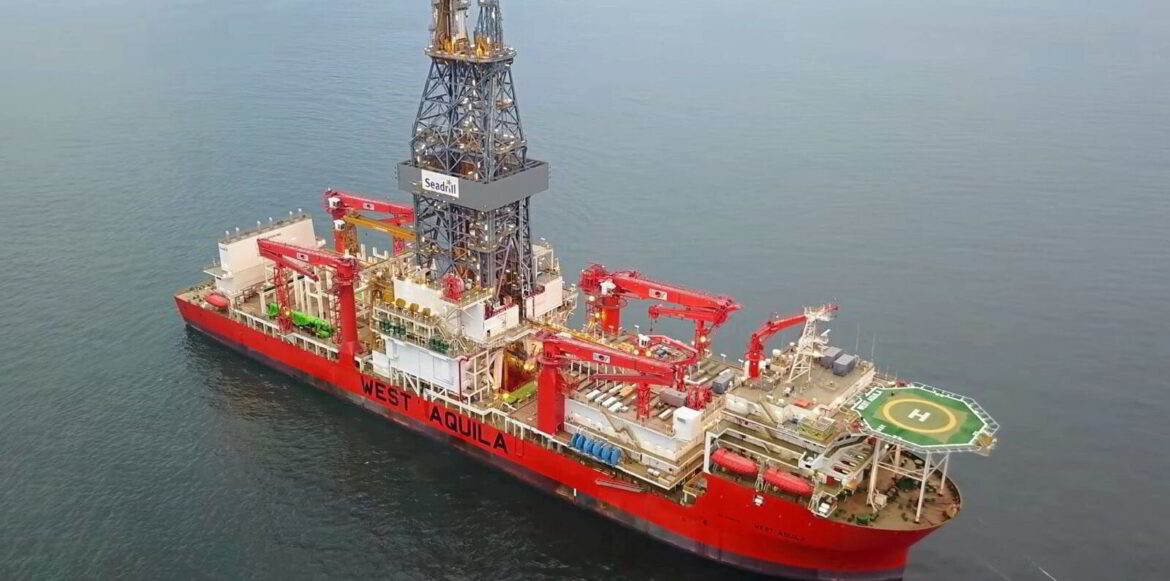
The DeepWater Aquila drillship (former West Aquila), from Transocean, began a three-year charter with Petrobras in Santos Basin. The contract, awarded in September 2023, represents US$486 million in firm backlog, excluding a mobilization fee of approximately 90 times the contract dayrate.
The drillship has a total length of 238 meters (LOA) and its width is 42 meters. She was built in 2023 and is sailing under the flag of Marshall Islands. The vessel began its journey towards Brazil last March.
Transocean from Switzerland, has six rigs chartered in Brazil, all with Petrobras: Deepwater Aquila, Deepwater Corcovado, Deepwater Mykonos, Deepwater Orion, Dhirubhai Deepwater KG2 and Petrobras 10,000.
Petrobras has once again postponed the Barracuda-Caratinga tender proposal deadline. While the market often interprets this as a reflection of Petrobras’s diminished ability to attract players, especially in light of the single offer result for SEAP I and II, the reality is different.
The number of FPSO operators has actually increased in recent years with the entry of BW Offshore, Yinson, and MISC Group. On the local shipyard front, Seatrium has also strengthened its position, committing to the utilization of their combined Angra dos Reis and Aracruz facilities.
The complexity of projects has significantly increased, with advancements in technology such as electrification and Carbon Capture, Utilization, and Storage (CCUS) gaining prominence. Petrobras’s tenders are highly prescriptive, and their demanding requirements as charterers lead to naturally longer and more detailed tender processes.
We anticipate that Petrobras will address the current FPSO tenders with renewed focus and soon resolve the SEAP units, continuing its growth trajectory in the segment.