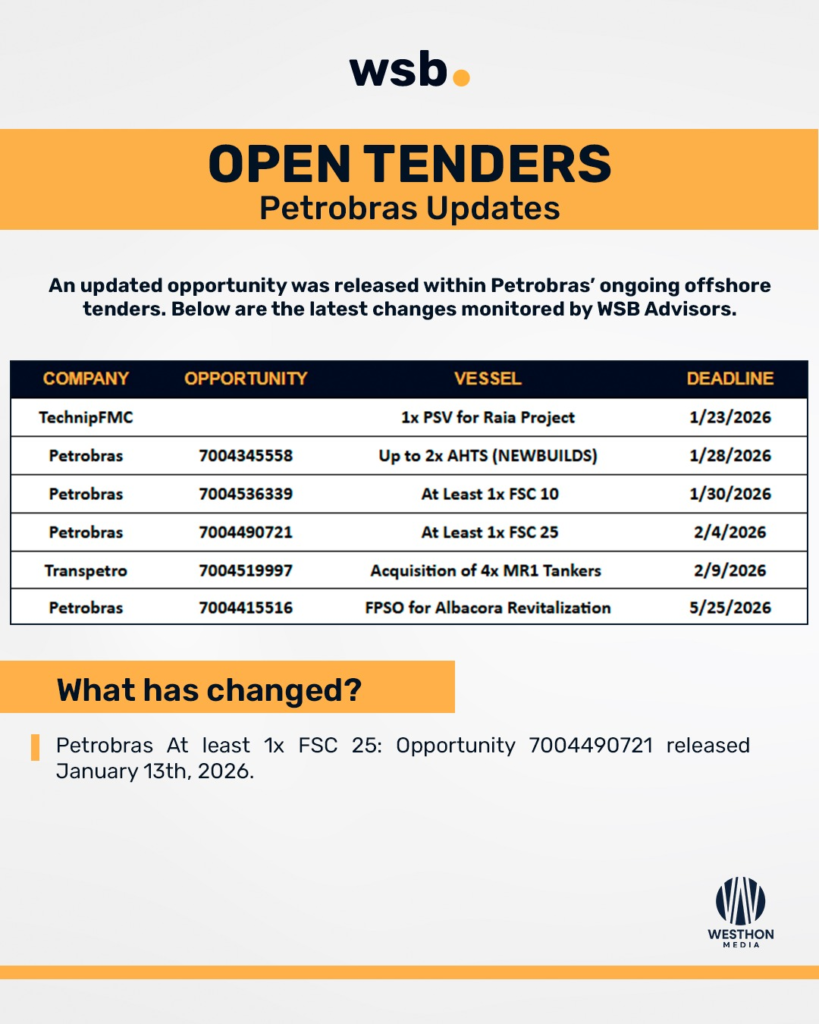
An updated opportunity was released within Petrobras’ ongoing offshore tenders. Below are the latest changes monitored by WSB Advisors.
What has changed?
– Petrobras at least 1x FSC 25: Opportunity 7004490721 released January 13th, 2026.
What else is happening?
– Spliethoff started a new offshore project in Brazil for Saipem with the arrival of m/v Brouwersgracht and m/v Bloemgracht. Both vessels cleared in Rio de Janeiro and are heading to Guarujá to commence operations on the Raia Project, involving the supply of approximately 200 km of pipeline.
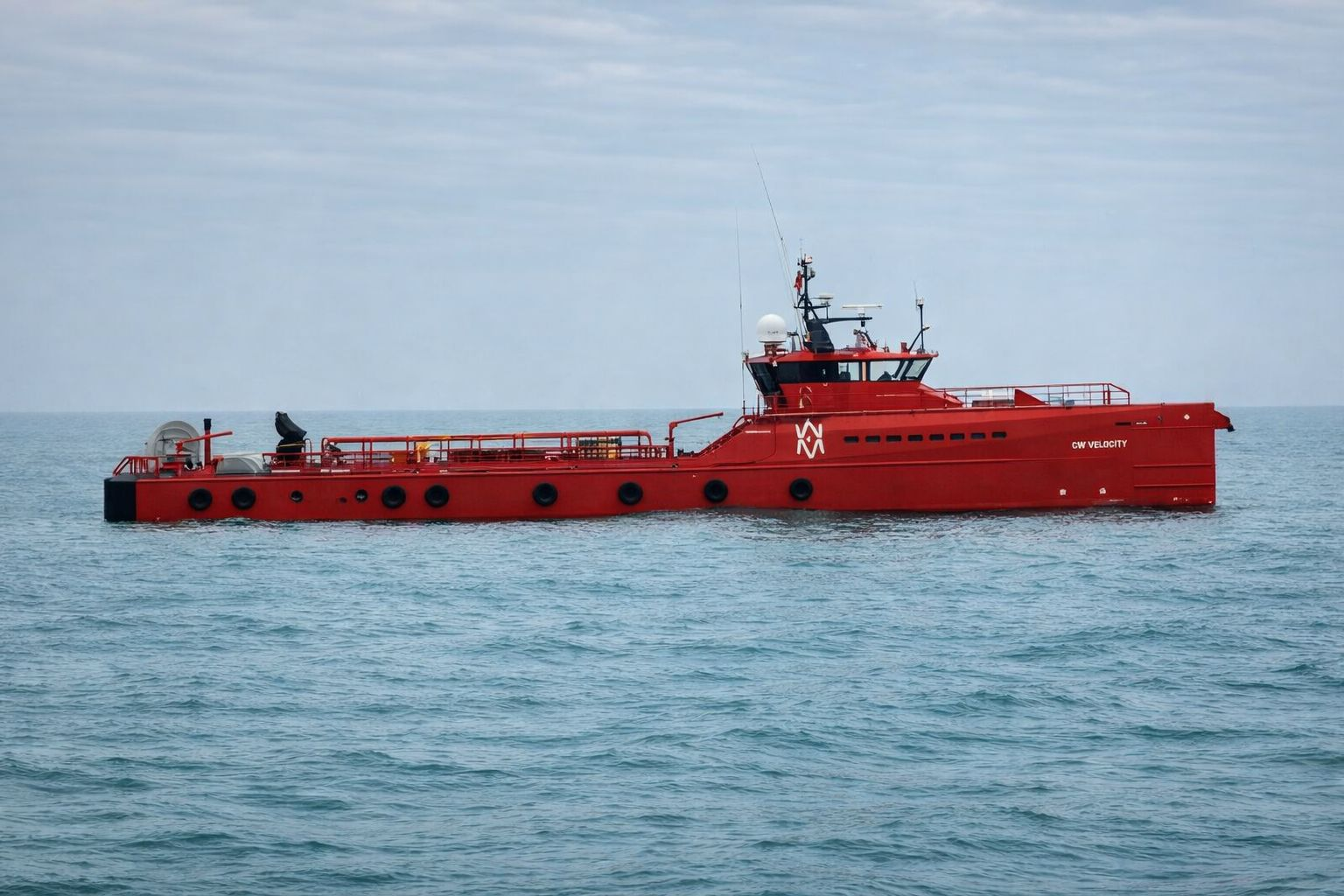
– Compagnie Maritime Monégasque (CMM) renewed the charter of the Fast Oil Spill Response Vessel CMM Velocity with Petrobras for an additional four years. The vessel remains dedicated to environmental emergency response and oil spill prevention, with the renewed contract also including the use of drones for monitoring potential spill incidents.
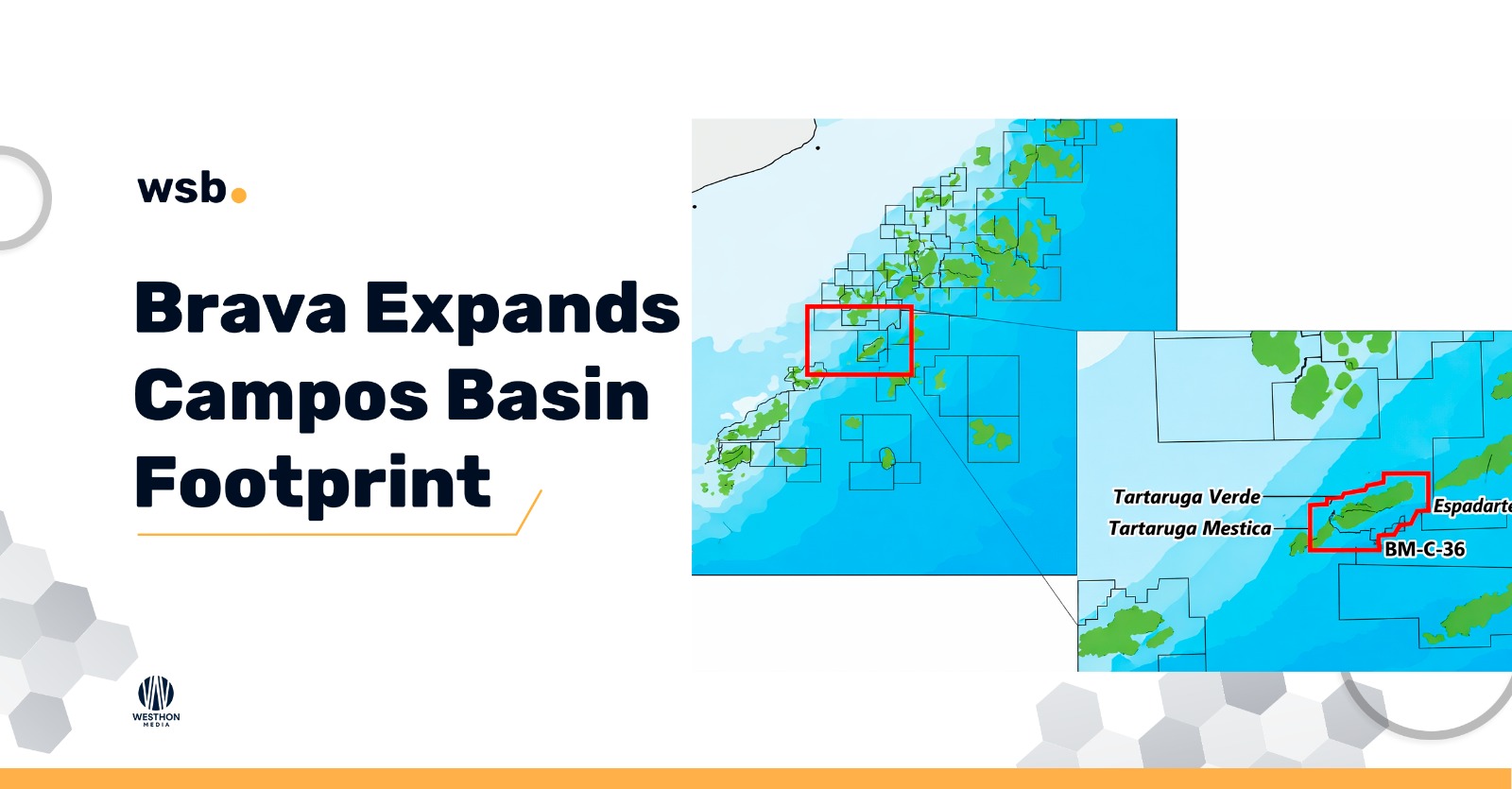
Brazil’s Brava Energia has announced a significant expansion of its upstream footprint with the acquisition of 50% stakes in the Tartaruga Verde field and Espadarte Module III from Malaysia’s Petronas, in a transaction valued at approximately US$450 million. The deal marks a strategic step in the company’s long-term value creation strategy and portfolio repositioning.
The transaction covers Petronas’ equity interests in both offshore assets, located in the Campos Basin, which together delivered an average production of approximately 55.6 thousand barrels of oil equivalent per day in 2025. The remaining 50% stakes in both assets continue to be held by Petrobras, which remains as operator.
According to Brava Energia, the acquisition aligns with its revised portfolio strategy and disciplined capital allocation framework, focused on risk-adjusted returns, diversification, and sustainable value creation. Richard Kovacs, who is set to assume the role of CEO on February 1, highlighted that the assets offer immediate cash generation while strengthening the company’s production and reserves base.
The move positions Brava Energia to leverage established offshore infrastructure while expanding its presence in Brazil’s most mature and prolific offshore basin. It also reflects ongoing consolidation dynamics in the Brazilian upstream sector, as independent energy companies pursue scale, asset quality, and operational resilience amid evolving market conditions.
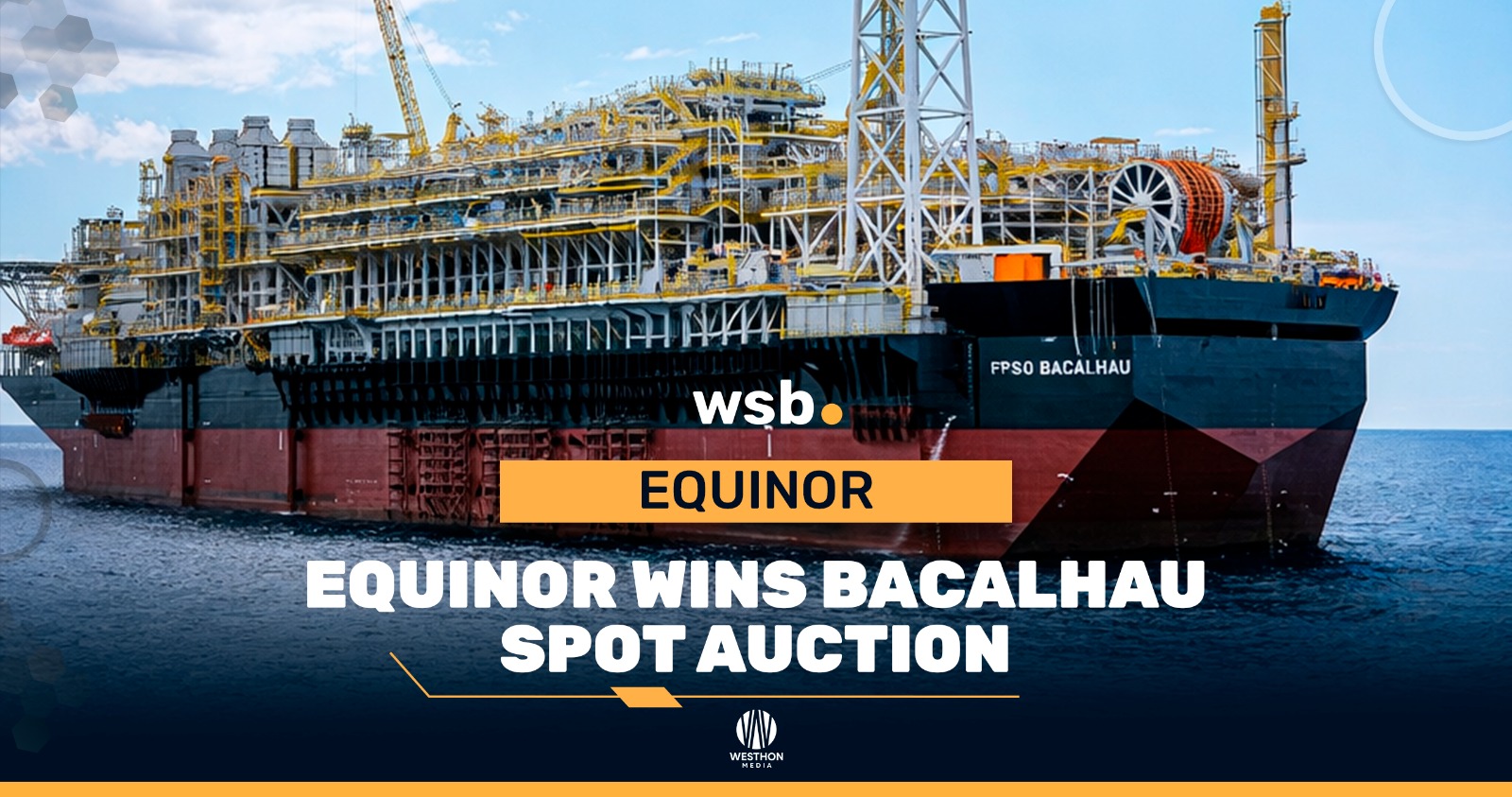
Equinor won PPSA’s 5th Spot Oil Auction, securing the first 1 million-barrel cargo of crude oil belonging to the Union from the Bacalhau field, in pre-salt Santos Basin. The cargo is scheduled for loading in late March 2026, marking the start of commercialization of the Union’s oil from the asset.
As reported yesterday, the auction gathered five qualified bidders — Equinor, ExxonMobil, Galp, Petrobras and PetroChina — underscoring strong interest from global majors in Brazil’s pre-salt crude. The sale follows the start-up of Bacalhau, which began production on October 15, 2025.
According to PPSA (Pré-Sal Petróleo S/A), a new spot auction is already planned for March, covering additional Union oil cargoes from Bacalhau, reinforcing the transition of the field from initial production to a regular commercialization phase. Under the current cycle, three to four Union cargoes are expected, with further liftings scheduled between May and September 2026. Stay informed on key offshore developments — visit wsb-one.com, our data platform trusted by leading offshore companies.
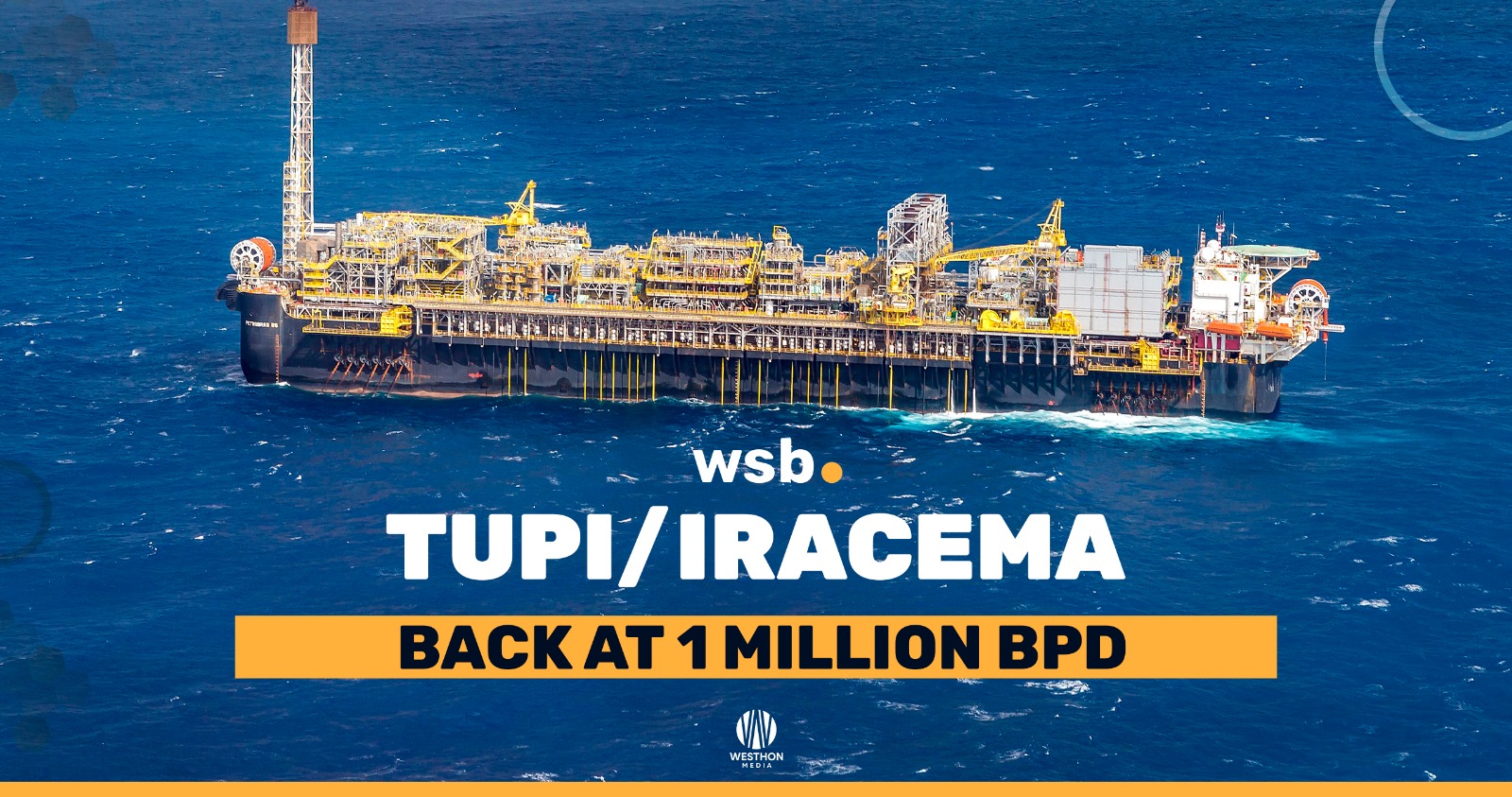
On January 9, the Tupi/Iracema field, located in pre-salt Santos Basin, resumed production of 1 million barrels of oil per day, a level last achieved in 2019. The milestone confirms recovery of one of Brazil’s most strategic offshore assets and reflects execution of Petrobras’ medium-term production strategy.
The result aligns with Petrobras’ 2026–2030 Business Plan, which prioritizes higher output through efficiency gains, improved reservoir management, and optimization of existing infrastructure rather than accelerated capacity additions. During 2025, Petrobras connected 11 new wells to Tupi/Iracema, bringing total drilled wells in the field to more than 150, supporting stabilization of plateau production.
Petrobras has also indicated ongoing technical and economic assessments covering additional well drilling, life extension of existing production units, and the potential installation of a new production unit from 2031 onward, subject to partner alignment and regulatory approvals. These measures aim to sustain long-term output while preserving capital discipline.
The performance reinforces competitiveness of Brazil’s pre-salt, which currently accounts for around 80% of Petrobras’ total production, and highlights continued relevance of mature, large-scale fields when supported by subsea interventions and reservoir optimization. Tupi/Iracema is operated by Petrobras, in partnership with Shell, Galp, and PPSA.
From an offshore market perspective, the recovery of 1 million bpd at Tupi/Iracema signals sustained demand for subsea services, well interventions, and life-extension solutions in the Santos Basin, even as new frontier developments advance. How do you see this influencing offshore contracting and asset utilization over the next cycle?
Stay informed on key offshore developments — visit wsb-one.com, our data platform trusted by leading offshore companies.
In January 2026, Petrobras executed amendments to the charter and service contracts of FPSO Cidade de Angra dos Reis, adjusting commercial and operational terms. The unit’s role in Petrobras’ production system remains unchanged, aligned with ongoing optimization of its FPSO portfolio.
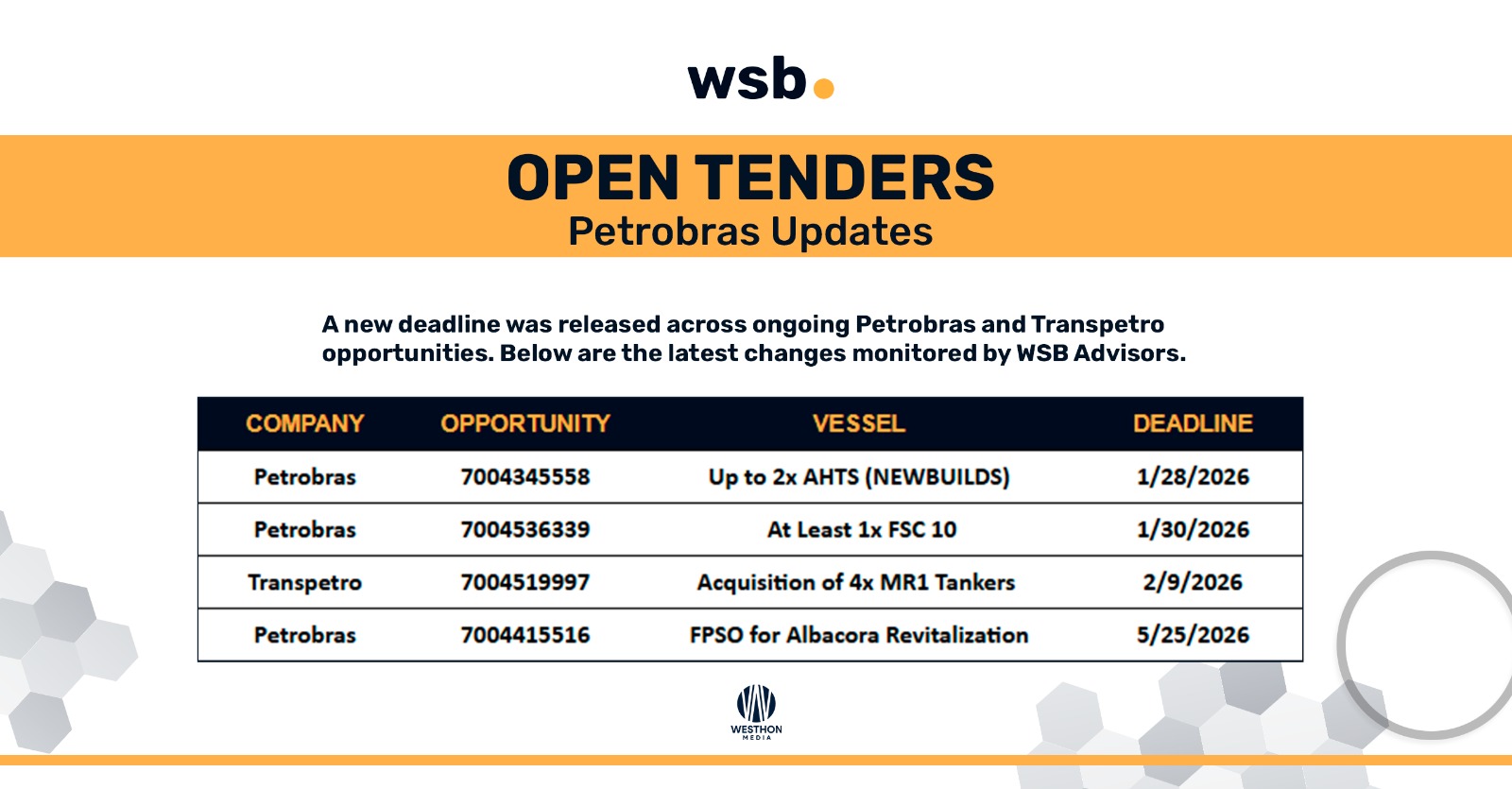
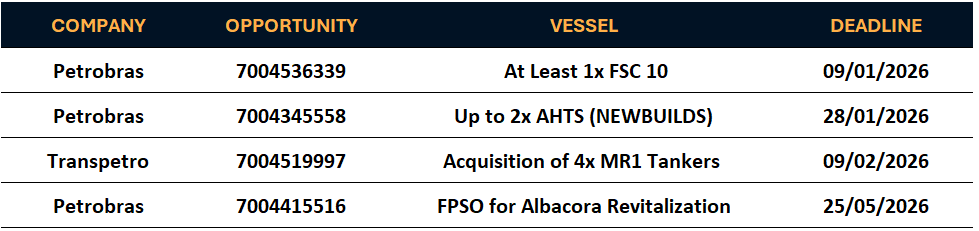
A revised deadline has been released by Petrobras for the FSC 10 opportunity therefore below follows an update as monitored by WSB Advisors:
Petrobras — Up to 2x AHTS (NEWBUILDS): Opportunity 7004345558, deadline January 28th, 2026
Petrobras — At least 1x FSC 10: Opportunity 7004536339, new deadline January 30th, 2026
Transpetro — Acquisition of 4x MR1 Tankers: Opportunity 7004519997, deadline February 09th, 2026
Petrobras — FPSO for Albacora Revitalization: Opportunity 7004415516, deadline May 25th, 2026
What Else is Happening?
Solstad extends Normand Turquesa contract with Petrobras and revises long-term schedule. Solstad Offshore confirmed a one-year extension of the existing contract for the AHTS Normand Turquesa with Petrobras, Normand Turquesa with Petrobras, wherefore the start of the original contract is now revised from Q1 2026 to Q1 2027. The contractual amendment adds approximately USD 15.4 million in gross value. With the extension and revised timeline, firm commitments between the parties now run until January 2031, bringing total gross contract value to around USD 100 million. Built in 2007, Normand Turquesa is an 80.4-m UT 722 L design AHTS, remaining active in Petrobras’ offshore support operations in Brazil.
Normand Turquesa (Source: Solstad)
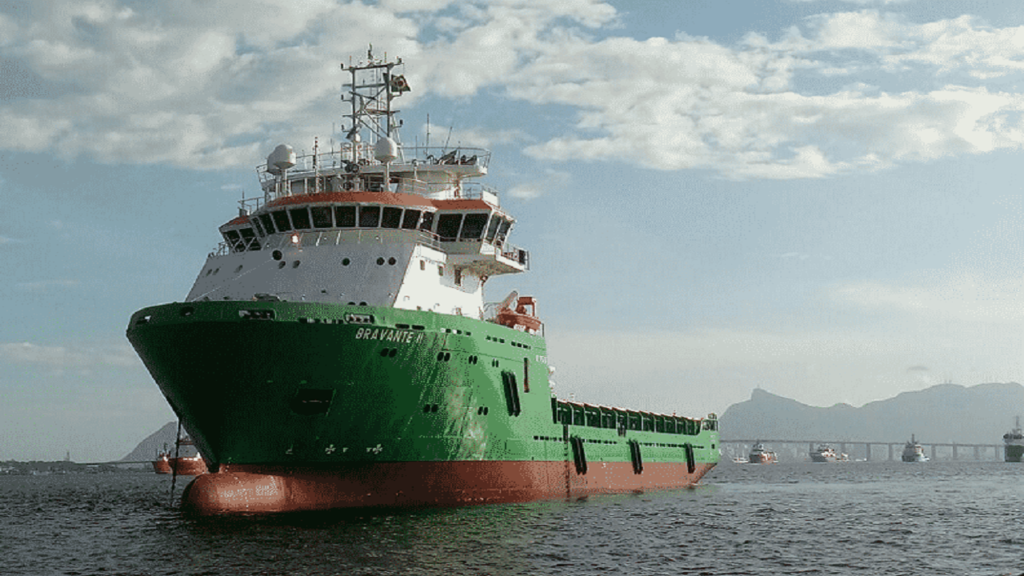
Bravante II is scheduled to commence a 100-day firm PSV contract with Saipem on 15 January, focused on MGO supply and including extension options.
Bravante II (Source: Bravante)
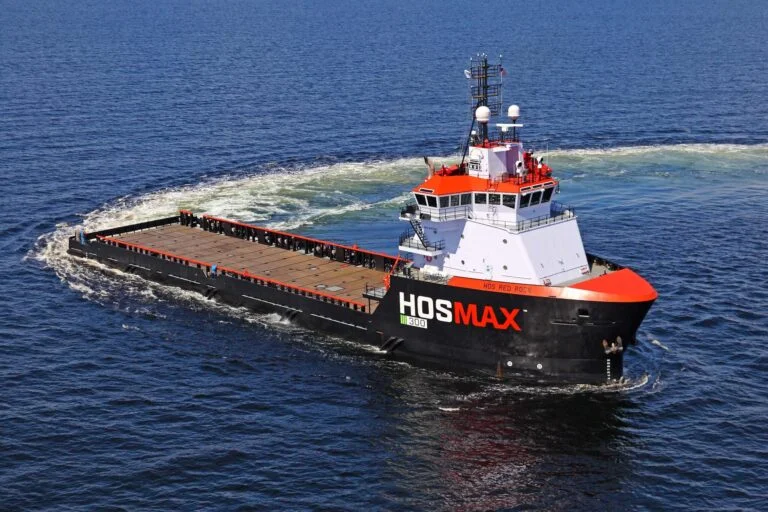
HOS Colt has departed Brazil after concluding her operations, with the vessel now being repositioned to its country of origin.
HOS Colt (Source: Horrnbeck)
Petrobras secure the Amaralina Star for a three-year drilling campaign starting in Q1 2026, following the completion of the rig’s current Roncador program in the second half of 2025.
Oil reclaims position as Brazil’s top export in 2025, outlook points to further growth in 2026. Crude oil returned to the top of Brazil’s export ranking in 2025, overtaking soybeans despite a 9.8% decline in average international oil prices during the year. Total crude exports reached USD 44.6 billion, slightly below 2024 levels, reflecting price effects rather than volume contraction. For 2026, federal projections indicate renewed export growth supported by rising pre-salt production and the entry of new offshore platforms. The government expects crude oil to remain Brazil’s leading export commodity, reinforcing the strategic role of offshore production in the country’s trade balance.
Petrobras reported the interruption of exploratory operations at the Morpho well, about 175 km off Amapá, following a leak in auxiliary drilling fluid lines. The event involved water-based biodegradable fluid and no oil release was recorded. According to Petrobras, containment was completed, Ibama has been notified, and activities will resume after repairs and technical verification are concluded.
Global oil benchmarks moved lower as Brent crude for March delivery closed at US$ 60.70 per barrel, a 1.72% decline. Price behavior reflected expectations of ample supply combined with geopolitical developments and producer policy signals, moderating short-term bullish sentiment.
Alexandre Vilela, CEO of WSB Advisors and Westhon, analyzes the developments of the recent tensions between the United States and Venezuela and their potential effects on the global oil market, with a particular focus on the implications for Brazil.
According to Vilela, despite the rise in geopolitical instability, the immediate effects on the Brazilian market are likely to be limited. The low level of direct trade integration between Brazil and Venezuela reduces short-term risks related to prices, supply, or logistics.
Vilela also emphasizes that Brazil currently occupies a more resilient position on the international stage, supported by stable production, long-term contracts, and greater regulatory predictability. In the medium and long term, this context could even strengthen the country’s role as a reliable oil supplier in the global market.
Allexandre Vilela holds a degree in International Relations and has nearly 25 years of professional experience
1. In practice, how could a rise in tensions between the U.S. and Venezuela affect Brazilian oil trade — in terms of price, supply, or logistics?
In the short term, it’s too early to expect any significant impact on Brazilian oil trade. Direct interaction of volumes between Brazil and Venezuela has historically been very limited, and any structural changes in Venezuelan supply would take time to materialize. Moreover, the current situation still lacks the political and operational stability needed to generate meaningful shifts in trade flows. In the long run, Brazil is more likely to benefit than be harmed, mainly due to its position as a stable producer.
2. Is Brazil today more vulnerable or more resilient to geopolitical shocks in the international oil market compared to other recent periods in history? Why?
Brazil is clearly more resilient today. The country has a solid production base, long-term contracts, greater regulatory predictability, and a growing national-flag fleet for transporting oil and derivatives. These factors reduce exposure to external shocks and contribute to greater logistical and commercial stability.
3. Could this new international context have any potential impact on investments or regulatory decisions related to the Equatorial Margin?
In the short term, no. There are also no significant regulatory impacts expected in the long term. Potentially, a reconstruction of Venezuelan production and refining could generate regional synergies, including in terms of knowledge and scale, which could benefit the development of Brazil’s Equatorial Margin. That said, it’s important to note that despite its name, the Brazilian Equatorial Margin is geographically distant from Venezuela and already follows its own logic, aligned with the proven FPSO model, as seen in Guyana.
4. If Venezuelan oil faces additional restrictions or export redirection, could Brazil benefit commercially, or would this likely put pressure on domestic prices and costs?
This scenario is unlikely. Recent developments point more toward a relaxation of restrictions rather than additional tightening. Therefore, no significant structural pressure on Brazilian prices or domestic costs is expected from this specific factor.
5. Could this international context accelerate or slow Brazil’s strategic decisions regarding exploration, refining, and energy self-sufficiency?
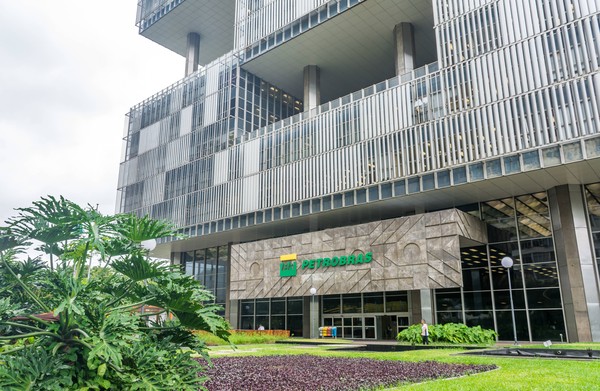
Petrobras headquarter (Souce: Petrobras)
Rather than slowing them down, this context reinforces a broader strategic perspective. Brazil has previously been affected by asset nationalizations and unmet commitments in Venezuela, but today it possesses high technical, operational, and financial expertise. Energy self-sufficiency should be understood not only as domestic production but also as a national company’s ability to operate in an integrated way, both inside and outside the country. In this sense, Petrobras can, selectively, align itself with a regional market in reconstruction and capture value in a potential near-term international expansion.
DOF has signed a four-year contract with Petrobras for the vessel Skandi Commander, with operations scheduled to begin in January 2027. The agreement includes deployment of an Autonomous Underwater Vehicle (AUV) alongside the vessel’s Remote Operated Vehicle (ROV), enhancing subsea inspection, survey and intervention capabilities in offshore operations.
The contract adds to ongoing subsea support awards in Brazil, following multiple tenders secured by DOF in 2025 across AHTS, RSV and PIDF segments, cumulatively exceeding USD 2 billion in backlog.
Skandi Commander’s dual ROV-AUV configuration is expected to support inspection and integrity work across Petrobras’ offshore asset base. Mons Aase, CEO of DOF Group ASA, commented on the year’s achievements in Brazil and referenced a significant portion of the company’s fleet on firm contracts extending beyond 2030.
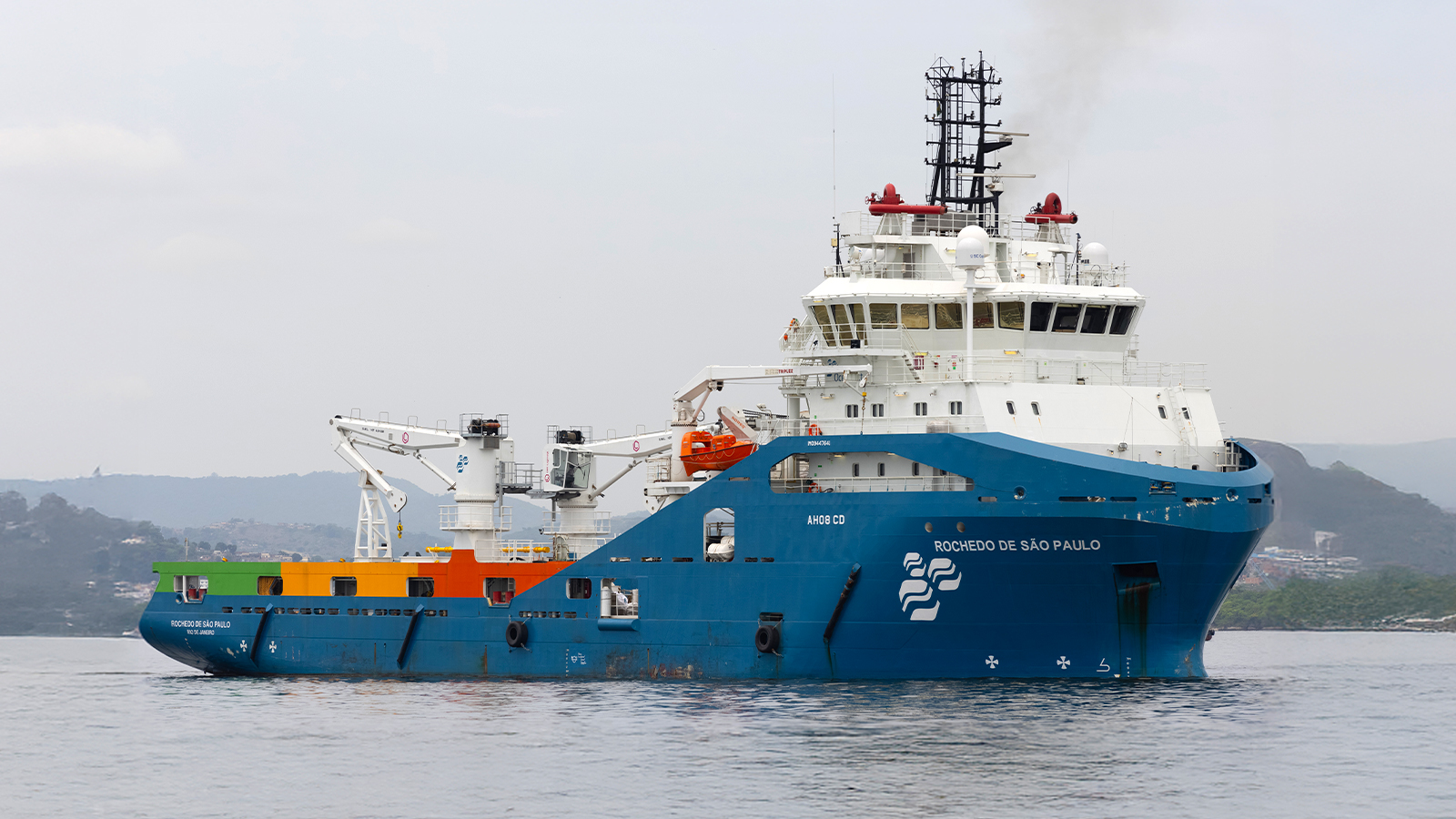
OceanPact has signed a four-year contract with Petrobras, estimated at approximately R$500 million, for the charter of the AHTS vessel Rochedo de São Paulo. The scope of the agreement includes the handling and maintenance of offloading hoses, an activity that is essential to ensuring the continuity, safety, and efficiency of oil transfers between offshore units and shuttle tankers.
In an official statement, the shipowner emphasized that the “signing of the contract strengthens OceanPact’s presence in strategic maritime operations and adds to other important commercial milestones announced throughout 2025.”
In August, the company signed four additional four-year contracts with Petrobras totaling approximately R$3.2 billion for the charter of RSV vessels. The following month, OceanPact announced two further contracts worth more than R$700 million for the provision of marine environmental monitoring services in areas operated by the oil company.