Tag: Petrobras

  • DOF, Petrobras and the strategic value of time in Brazil’s offshore market

    DOF, Petrobras and the strategic value of time in Brazil’s offshore market

    By Alexandre Vilela

    DOF’s recent disclosure regarding the extension of seven contracts with Petrobras in Brazil deserves attention beyond the headline numbers. Not because the extensions themselves are unexpected, but because they illustrate, with unusual clarity, how timing, regulation and industrial legacy interact in the Brazilian offshore support vessel market.

    Few executives are as closely connected to the history of this fleet as Paulo Rolim, Board Member and Advisory Services Lead of WSB Advisors. Paulo witnessed — and actively participated in — the construction of most of these vessels in Brazil, across the successive transitions from Promar’s Aker Yards- to STX- and VARD–, where he ultimately served as COO of VARD Brazil. These vessels are not merely assets on a balance sheet; they are the tangible outcome of a long-term commitment by the Norwegian maritime cluster to Brazilian shipbuilding, technology transfer and local capability development.

    That legacy matters today.

    DOF has now confirmed that the five Brazilian-flagged AHTS vessels with ROVs — Skandi Fluminense, Skandi Paraty, Skandi Angra, Skandi Urca and Skandi Iguaçu — will see their existing contracts extended to Q1 2027, while the new four-year contracts signed in 2025 will commence only thereafter, running to 2031. A similar logic applies to the RSVs Skandi Chieftain and Skandi Olympia, whose current contracts are extended through 2026, deferring the start of their new four-year charters to 2027.
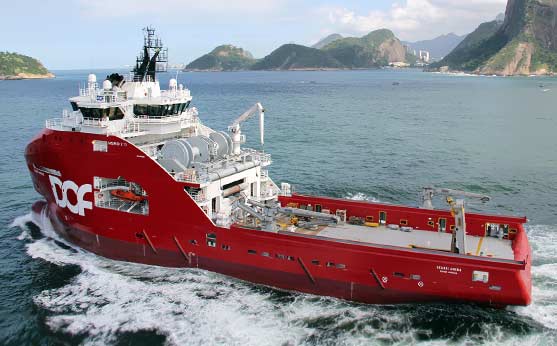
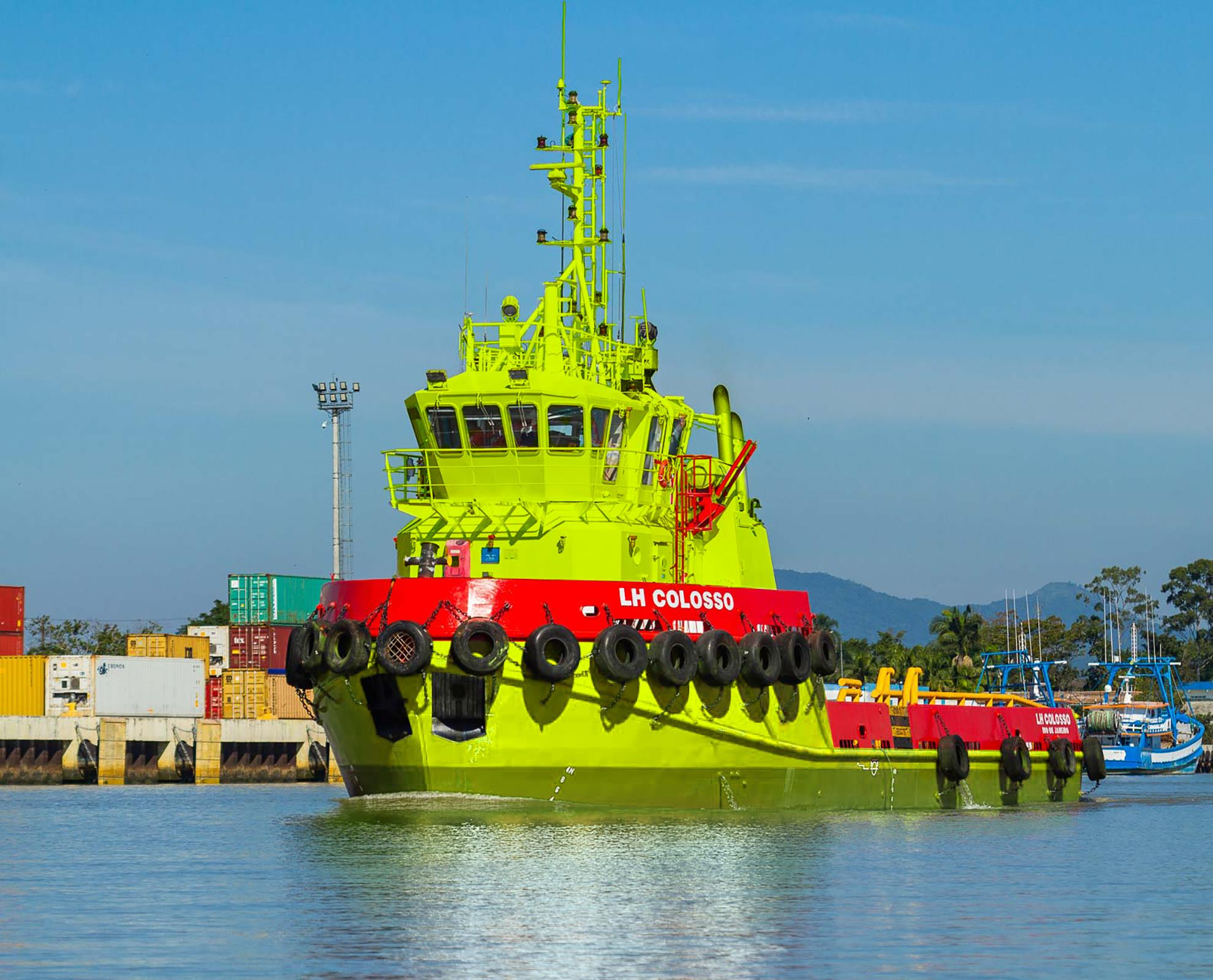
    Skandi Angra
    Skandi Angra (Source: DOF Subsea)

    From Petrobras’ perspective, this is a rational and economically disciplined outcome. By extending current contracts and postponing the start of new ones negotiated at higher forward rates, Petrobras effectively locks in short-term cost savings, while maintaining uninterrupted access to a fleet that is already proven, compliant and operationally embedded in Brazil. In a market where day rates are structurally improving from the owners’ standpoint, time becomes a valuable negotiating instrument.

    From DOF’s standpoint, the trade-off is equally clear. While the deferment delays the uplift in revenues associated with new contracts, it strengthens backlog visibility, adds more than USD 160 million in contracted value, and preserves fleet utilization in one of the company’s most strategically important regions. Balance sheet stability and long-term employment often justify moderation in near-term upside.

    There is, however, a deeper structural layer. The AHTSs were built in Brazil, under Brazilian industrial policy frameworks that still shape today’s regulatory environment, and support the re-flag of foreign built tonnage. Whether by commercial preference or regulatory constraint, Brazilian-built and Brazilian-flagged assets retain a privileged — and in some cases unavoidable — position in Petrobras’ fleet planning. This reality reinforces the long-term value of earlier industrial investments, even when market cycles turn. Precisely the vision developed and delivered to DOF by a good friend of ours: Hans Falnes Ellingsen.

    In this sense, the announcement is less about extensions and more about the strategic management of time. Petrobras secures operational continuity and postpones cost escalation. DOF extends backlog duration and mitigates risk. And Brazil’s offshore market once again demonstrates that vessels with deep local roots tend to remain relevant far longer than their steel alone would suggest.

    At WSB Advisors, we view this episode as a reminder that in Brazil, industrial history, regulation and commercial strategy are inseparable — and that understanding their interaction is often more valuable than simply reading the headline.
  • Petrobras Unveils its 2026–2030 Business Plan

    Petrobras Unveils its 2026–2030 Business Plan

    By Romulo Bacchiega

    Petrobras Unveils its 2026–2030 Business Plan, Signaling a New Growth Cycle with Direct Impacts on the Naval and Offshore Industry

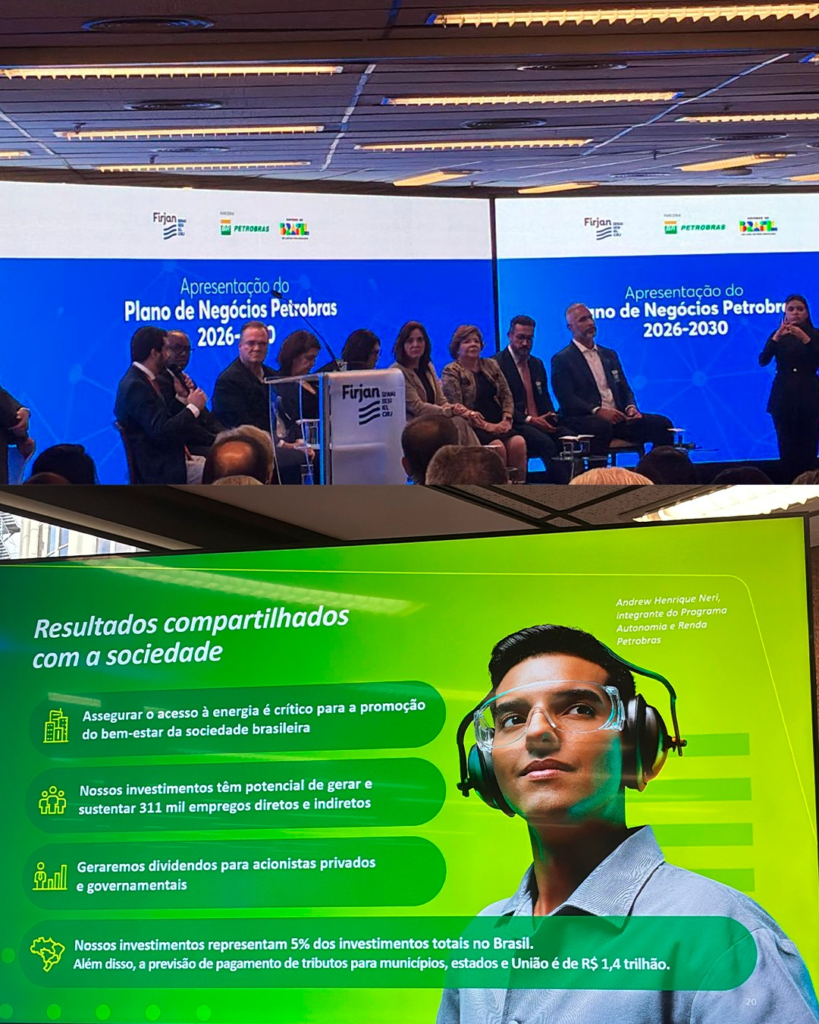
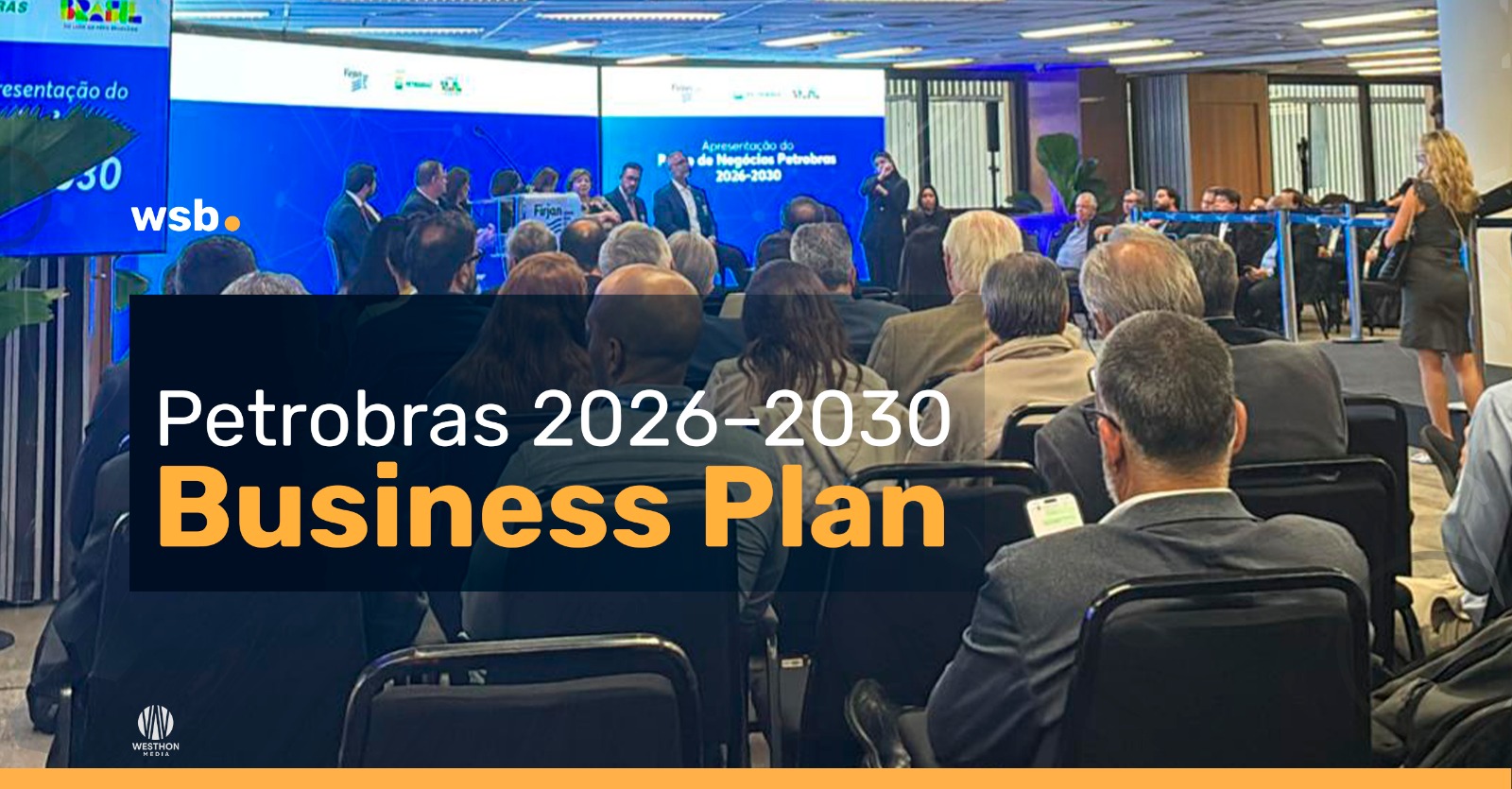
    Petrobras presented its official 2026–2030 Business Plan last Friday, December 5, at the Firjan headquarters in Rio de Janeiro. The event brought together company executives, industry representatives, institutional leaders and numerous guests from across the energy sector. The presentation, delivered by technical specialists and managers from multiple business units, outlined not only the company’s strategic direction for the next five years but also a clear view of the role that oil, natural gas and low-carbon fuels will play in Brazil’s energy matrix through 2050.

    The plan reinforces Petrobras’ ambition to maintain a leading position in the nation’s energy supply, combining growth in oil and gas output with increasing investments in biofuels, petrochemicals and low-carbon energy solutions. The company also reiterated its firm commitment to a “just” energy transition, aligned with national energy security and the competitiveness of Brazil’s industrial base.

    A plan launched in a challenging market environment

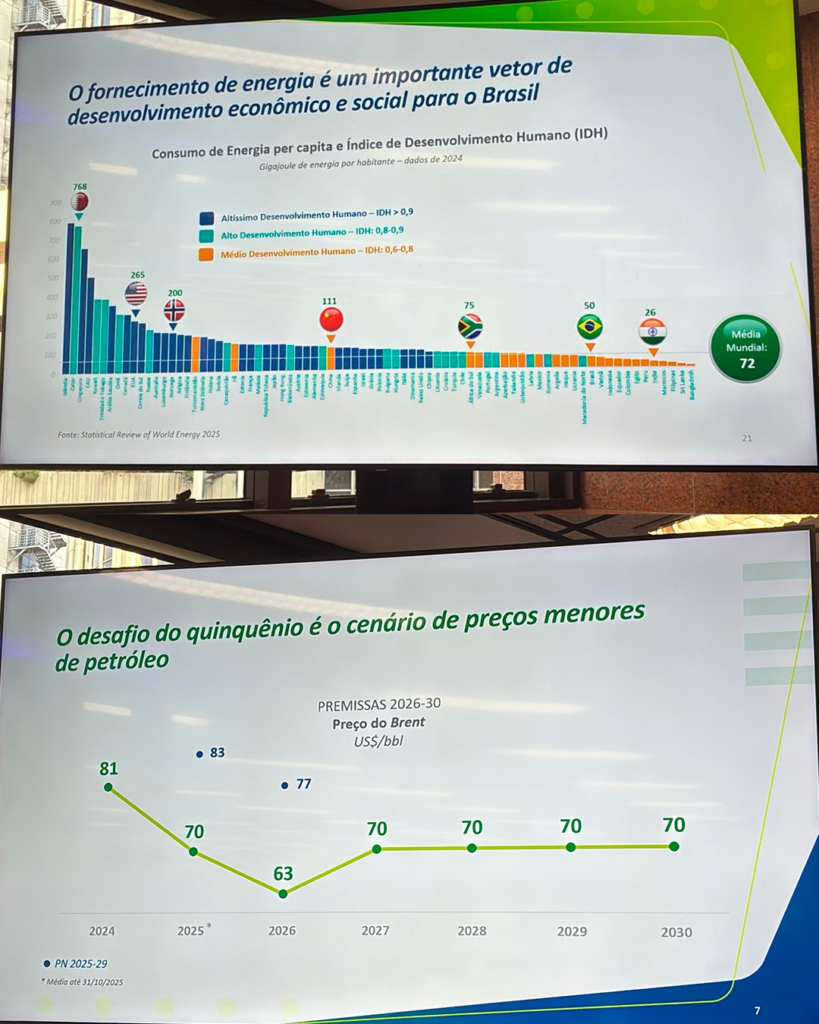
    The presentation began with a pragmatic assessment: market conditions in 2025 proved more challenging than anticipated, with Brent prices falling below the assumptions adopted in the previous plan. Even so, the new plan is anchored in operational discipline and capital efficiency, projecting a breakeven Brent of US$ 59/bbl as early as 2026.

    Source: Petrobras

    Despite this scenario, Petrobras reaffirmed ambitious targets for production growth, supported by structural improvements in efficiency, governance and cost optimization.

    Oil and gas production accelerates and underpins new investments

    Petrobras expects to deliver consistent growth in oil and natural gas production throughout the five-year period. The updated forecast points to approximately 2.4 million barrels per day in 2025, stabilizing between 2.6 and 2.7 million barrels per day by 2030.

    This expansion is driven by a robust portfolio of pre-salt and post-salt projects, including new FPSOs, upgrades to existing systems and around 100 additional development wells by 2030. Among the highlights are the Búzios 6 through 11 projects, Atapu 2, Sépia 2, Raia and the Mero Extension, which form the core of pre-salt production growth.

    Source: Petrobras

    Natural gas output is also set to expand, with domestic availability projected to reach 67 million m³/day by 2030.

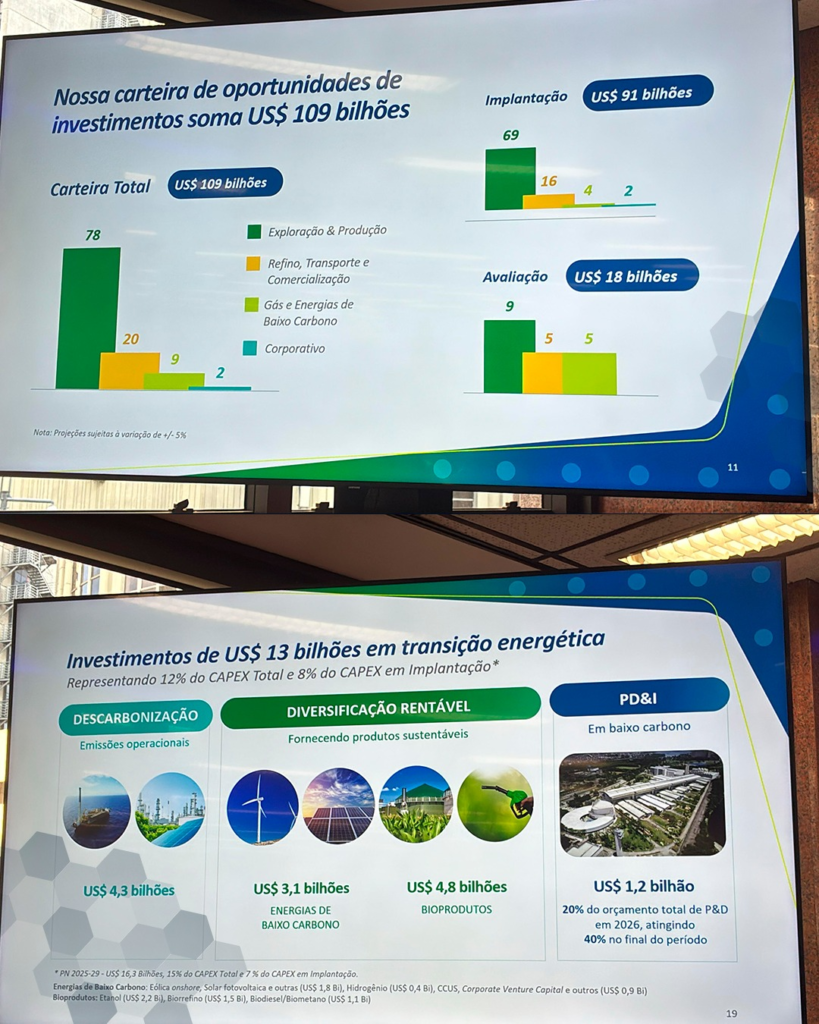
    US$ 109 billion in investments and a portfolio built for resilience

    Combined, the investments outlined in the plan reach US$ 109 billion. The largest share — US$ 91 billion — is already in the implementation phase. The capital is allocated primarily across:

    • Exploration & Production;
    • Refining, Transportation and Marketing;
    • Gas and Low-Carbon Energy;
    • Corporate Projects.

    The company emphasized that, even under lower oil-price assumptions, it will maintain a gross debt ceiling of US$ 75 billion, converging to US$ 65 billion by the end of the decade, ensuring its dividend policy and long-term self-funding capacity.

    Maritime logistics, fleet renewal and direct impact on the naval sector

    One of the most anticipated segments of the presentation involved the Mar Aberto program, a comprehensive initiative to overhaul Petrobras’ maritime logistics and modernize its fleet. The plan allocates approximately US$ 2 billion to new vessels, which may translate into nearly US$ 4 billion in domestic shipbuilding activity.

    The package includes:

    • 20 coastal navigation vessels;
    • 18 barges and pushers for bunker operations;
    • 12 PSVs;
    • 10 OSRVs;
    • 16 RSVs;
    • 2 AHTSs.

    This initiative — one of the most significant naval-sector announcements made by Petrobras since the early 2010s — has the potential to reactivate shipyards, revive suppliers and restore operational capacity across a supply chain that has remained largely underutilized for nearly a decade.

    The company also confirmed the continuation of its offshore vessel chartering program, noting that roughly 40 new offshore support vessels will be contracted to sustain E&P activities throughout the period.

    For a sector that has endured almost ten years of subdued activity, the message was explicit: the pace of exploration and production planned for the coming years will require renewed and expanded capacity within Brazil.

    Source: Petrobras

    Expansion of refining capacity and new industrial projects

    Petrobras also outlined its portfolio of structural investments in refining, logistics and natural gas. Key highlights include:

    • new biorefining projects at REPLAN, RPBC and Boaventura;
    • expansion of HDT and HDS units;
    • increased export and propylene handling capacity;
    • new pipeline infrastructure in Brazil’s Center-West region;
    • modernization and construction of vessels for refined-product transportation.

    Together, these initiatives reinforce the company’s objective of increasing domestic processing of Brazilian crude, reducing import dependence and boosting the supply of higher-quality fuels.

    Energy transition: focus on biofuels and low-carbon solutions

    Petrobras has earmarked US$ 13 billion for low-carbon and bioproduct initiatives — the largest investment ever allocated to this area in the company’s history.

    The funds target:

    • ethanol, biodiesel and biomethane;
    • renewable diesel (R5);
    • SAF and biobunker;
    • hydrogen projects;
    • carbon capture, utilization and storage;
    • onshore solar and wind;
    • innovation and R&D in clean energy technologies.

    The company emphasized that, while Brazil’s energy mix remains significantly more renewable than the global average, fossil fuels will continue to play a relevant role in the decades ahead. The strategy, therefore, is to expand oil and gas production while laying the foundation for a diversified portfolio of sustainable, higher-value energy products.

    Employment, economic impact and social value

    As a final highlight, Petrobras estimated that the investments under the plan could support 311,000 direct and indirect jobs across the country.
    Projected tax contributions — spanning federal, state and municipal jurisdictions — total R$ 1.4 trillion, underscoring the company’s role not only as an energy producer but as a critical driver of economic and social development.

  • Open Tenders & More

    Open Tenders & More

    By Maria Eduarda Camba

    Dear All,

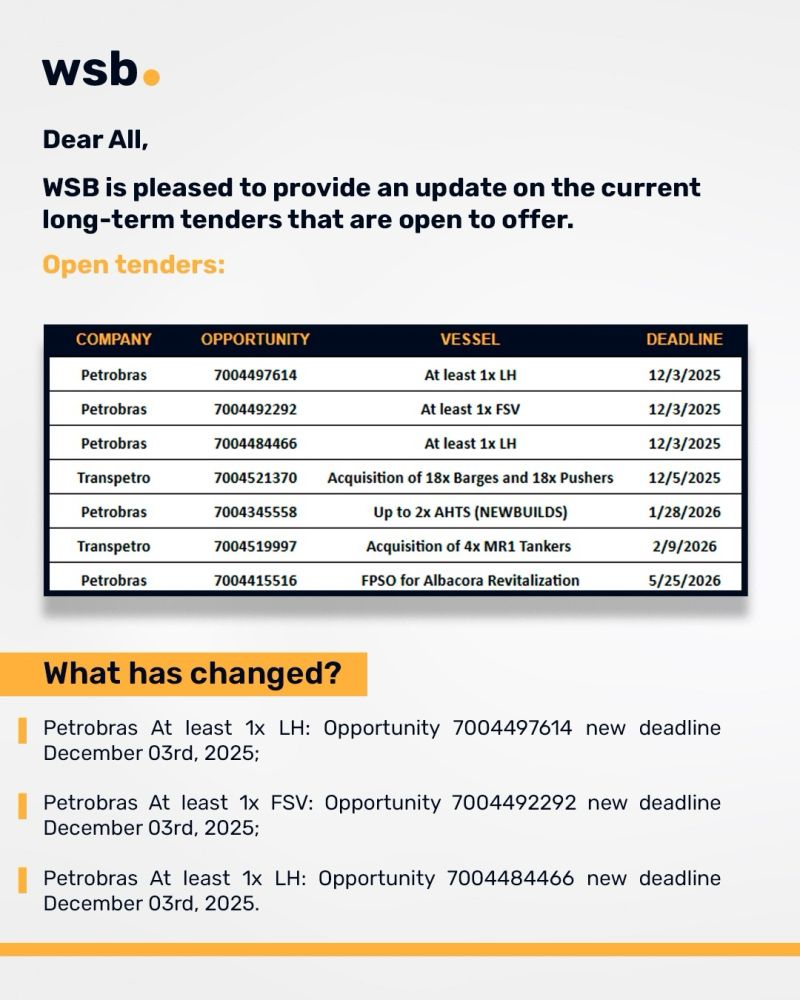
    WSB is pleased to provide an update on the current long-term tenders that are open to offer.

    Open tenders:

    What has changed?

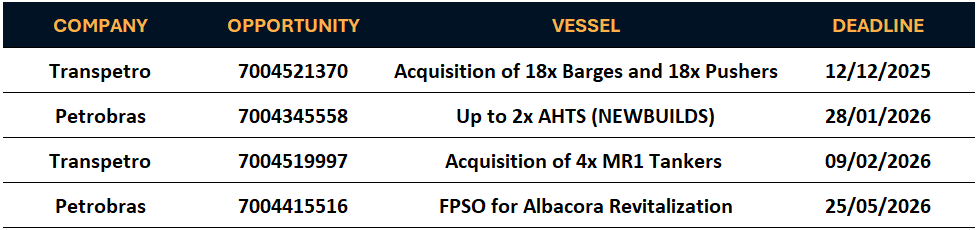
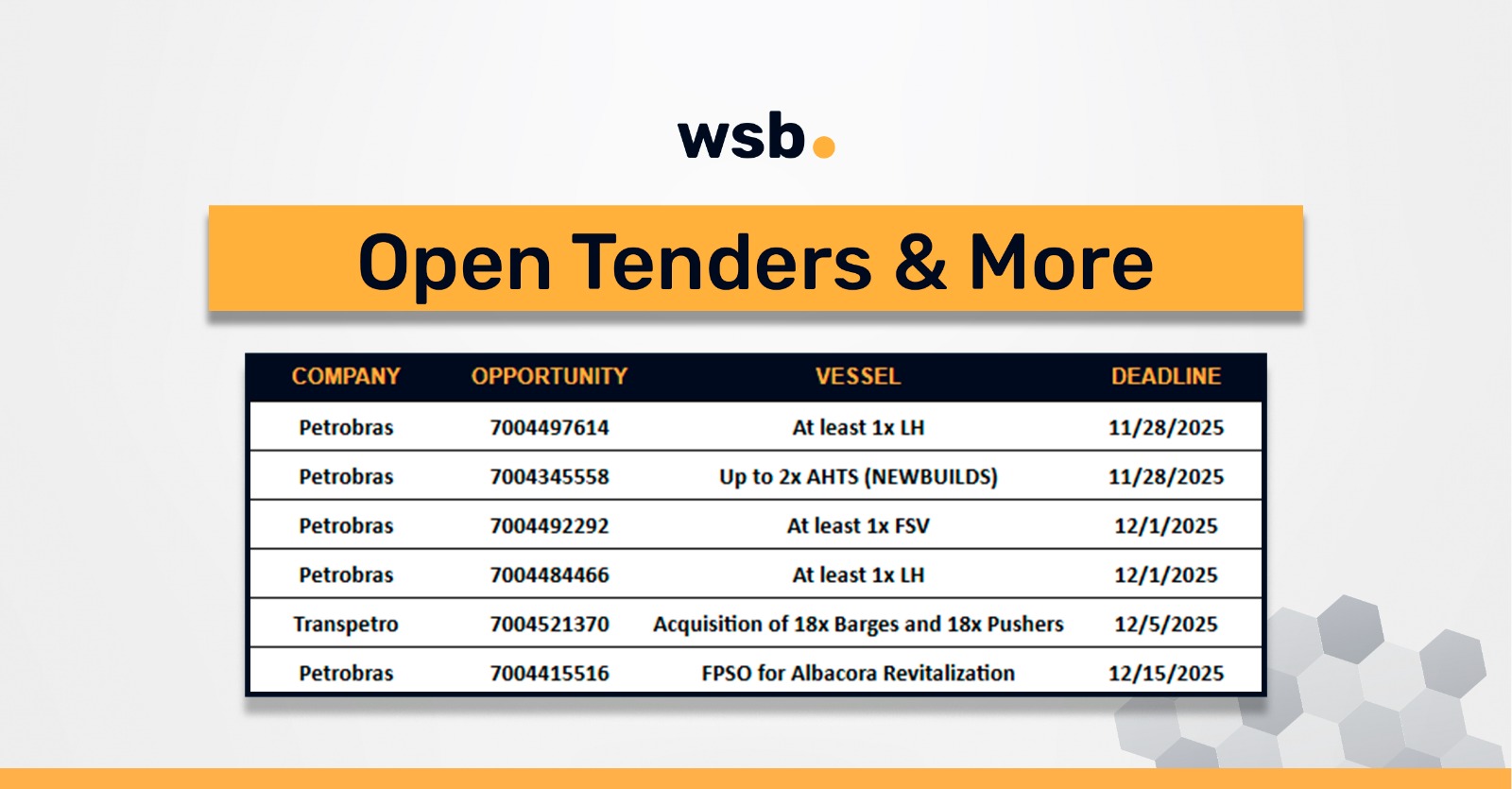
    • Transpetro Acquisition of 18x Barges and 18x Pushers: Opportunity 7004521370 new deadline December 12th, 2025.

    What else is happening?

    • Petrobras cancels three tenders:At least 1x LH — Opportunity 7004497614
      At least 1x FSV — Opportunity 7004492292
      At least 1x LH — Opportunity 7004484466
    • CMM Offshore expands its presence as EBN,scoring vessel management contractsfor two Heavy Lifters to be employed in the Raia Project, in a partnership with Saipem and Equinor.
  • WSB One: 17 years of fixtures that tell the history of Brazil’s offshore market

    WSB One: 17 years of fixtures that tell the history of Brazil’s offshore market


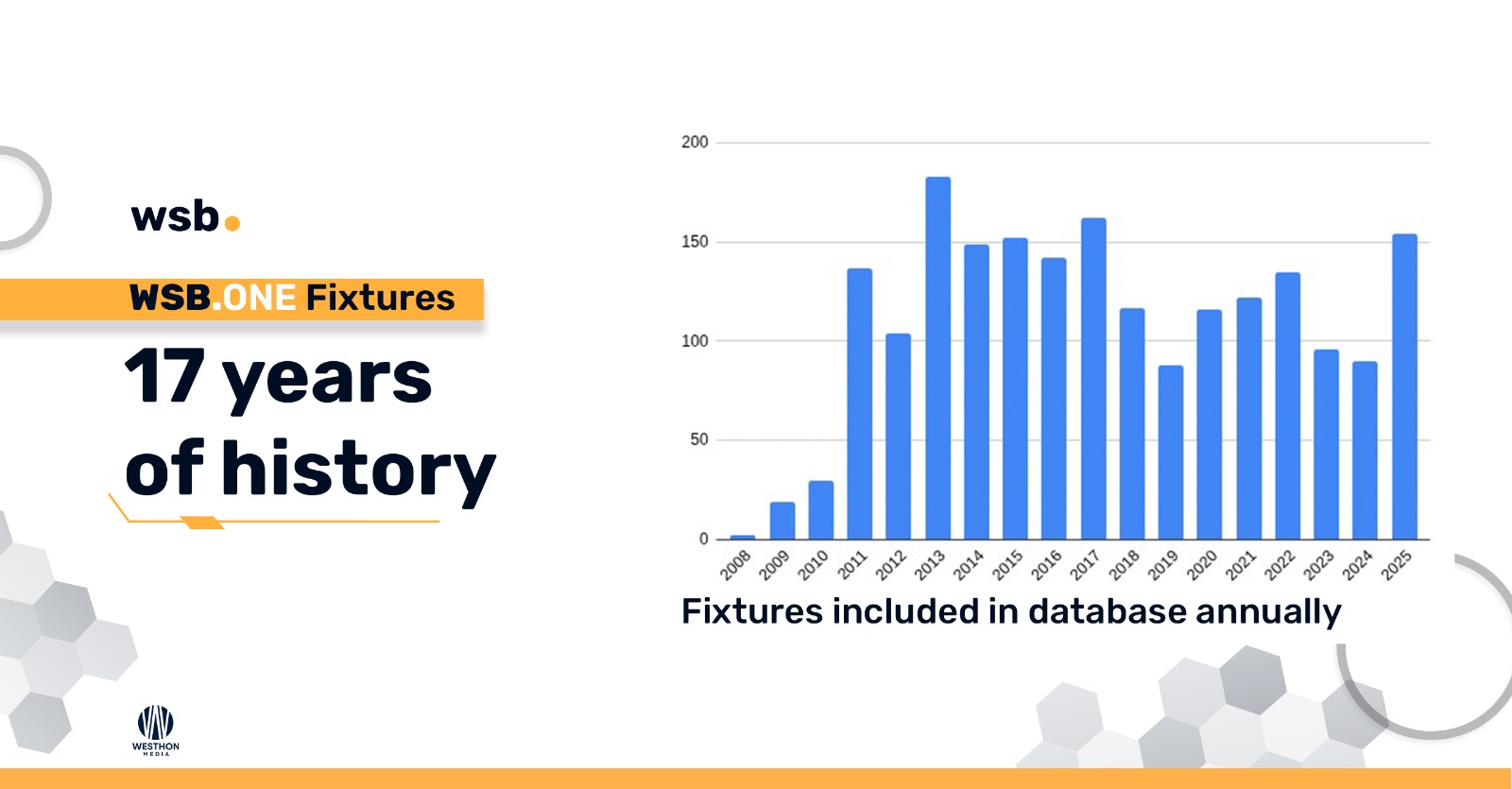
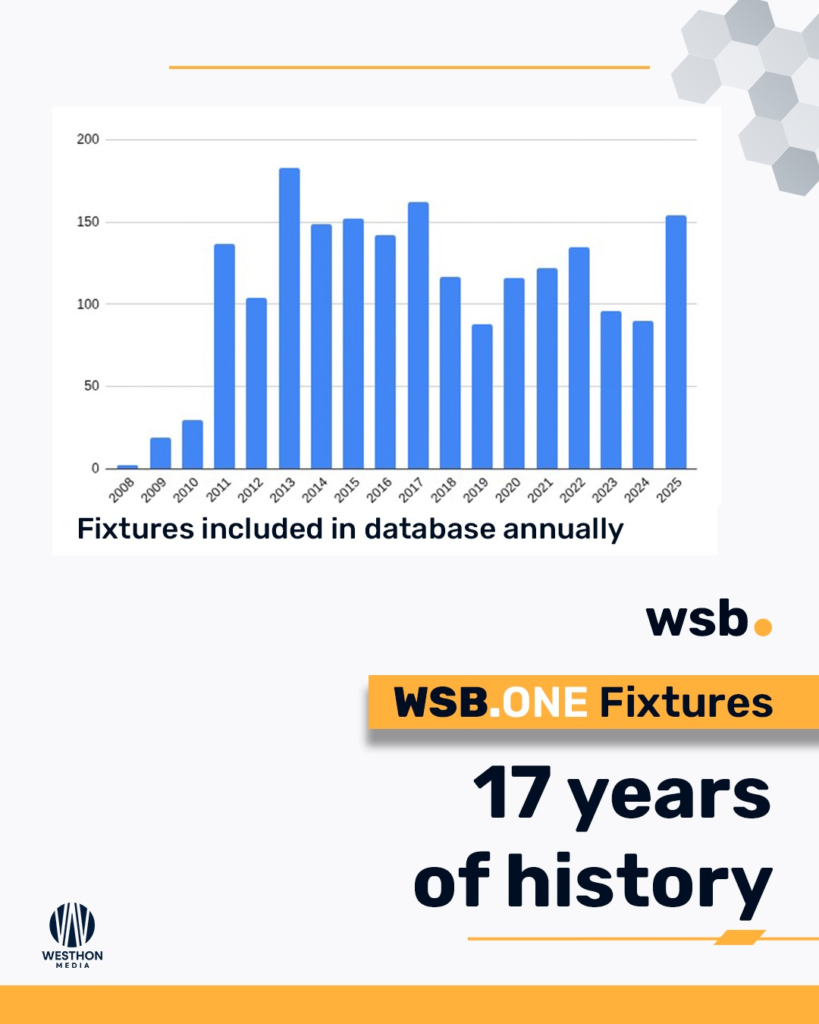
    WSB One has just reached a milestone unmatched in this sector: almost 2,000 fixtures logged since 2008 — 17 years of contracts mapped line by line, tracking how the market evolved, where demand concentrated, which players led each cycle and how chartering strategies shifted over time.

    This is not just a number — it is operational memory. WSB One allows users to identify patterns, understand price movements, anticipate opportunities and compare commercial decisions with real historical and statistical depth, not assumptions.


    And this is only part of what the platform delivers. WSB One tracks more than 660 vessels in operation or ready to work in Brazil — OSVs, drillships, FPSOs, tankers and specialized units. Each asset brings a wide data set: position, availability, technical details, operational history, contracts, yards and, above all, market context. Everything updated daily and validated by WSB Advisors with support from official sources.


    The result is a platform that shows not only where the market stands today, but where it came from — and where it is heading.

    Datamatters — In a competitive, fast-moving environment, clarity depends on data that actually makes a difference.

    Explore the platform, review access plans and see how WSB One can elevate your decision-making: wsb-one.com or connect directly with the team: commercial@cms.oneenergynews.com

  • OPEN TENDERS — Petrobras Updates

    OPEN TENDERS — Petrobras Updates


    New deadlines were released across ongoing Petrobras opportunities. Below are the latest changes monitored by WSB Advisors.

    What has changed?

    • Petrobras — At least 1x LH: Opportunity 7004497614, new deadline December 03rd, 2025
    • Petrobras — At least 1x FSV: Opportunity 7004492292, new deadline December 03rd, 2025
    • Petrobras — At least 1x LH: Opportunity 7004484466, new deadline December 03rd, 2025

    What else happened?

    MODEC announced the merger of MODEC America and SOFEC effective 1 January 2026, forming the Mooring Solutions Business Unit. SOFEC’s mooring portfolio will remain available to the market under the SOFEC brand while operating fully inside MODEC’s structure.

    – Petrobras held a press briefing today, 1 December, in Recife, focused on the planned expansion of the Refinaria Abreu e Lima S.A. (RNEST). Leadership and technical teams presented updates on processing capacity and next steps for the unit.

    – Petrobras also outlined highlights of its 2026–2030 Strategic Plan, including cost-optimization measures estimated at US$ 12 billion between 2025 and 2030, reinforced focus on low-carbon initiatives and investment projections across E&P, refining, logistics and energy-transition programs.

    Shell spected to receive second round tenders for subsea intervention vessel this week

    Equinor are overloaded with fuel deliveries demands but so far managing to schedule operations to avoid any extra charters.

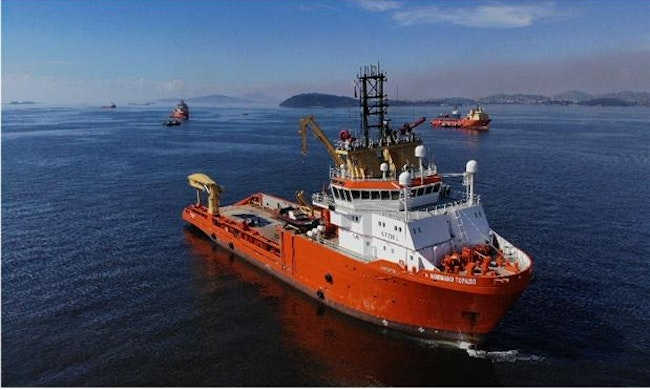
  • Solstad secures contract for AHTS Normand Topazio with Petrobras

    Solstad secures contract for AHTS Normand Topazio with Petrobras

    Solstad Offshore ASA confirmed today (November 26) that it has signed a firm 4-year agreement with Petrobras for AHTS Normand Topazio. Contract starts in Q1 2026 and is valued at roughly USD 73 million. The vessel will support Petrobras offshore logistics and anchor-handling activities, reinforcing Solstad’s long-standing presence in Brazil’s supply fleet.

  • Open tenders

    Open tenders

    Dear All,

    WSB is pleased to provide an update on the current long-term tenders that are open to offer.

  • Coming soon: One.Energy magazine

    Coming soon: One.Energy magazine

    One Energy Magazine — Final 2025 Edition: What’s Inside

    Coming soon!

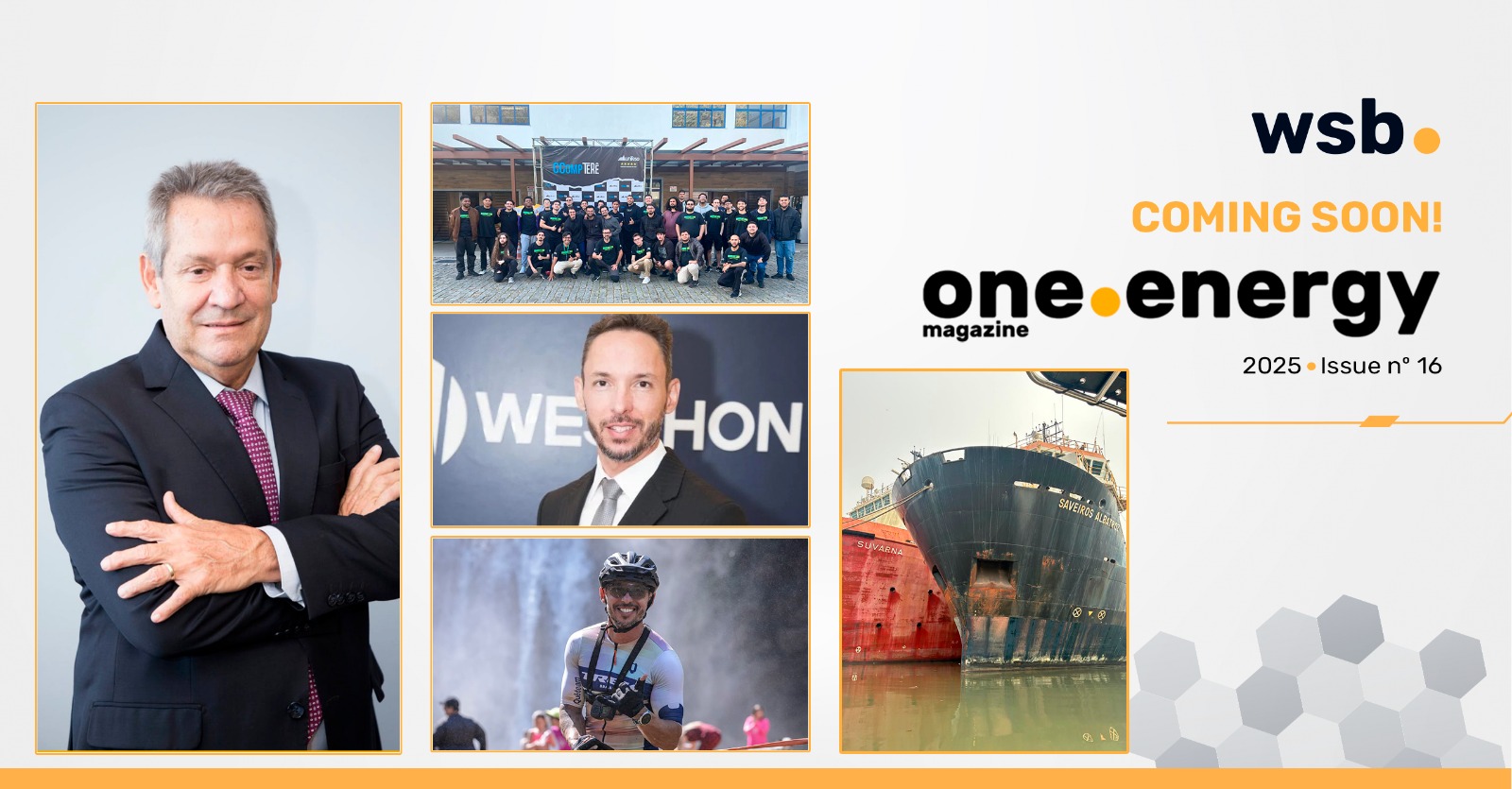
    In the upcoming and final 2025 edition of One Energy magazine, you’ll find an exclusive interview with Ronaldo Lima, Senior Advisor at WSB Advisors. Drawing on nearly 45 years in the energy sector, he discusses sensitive points in maritime regulation and shares his perspective on Brazil’s energy transition.

    This edition also brings:
    • Westhon’ new headquarters — meet the Westhon House
    • The redesigned WSB Advisors database, WSB-One.com
    • WSB Advisors’ strategic partnership with Unifeso
    • A comprehensive analysis of the Rio–Niterói ferries
    • Insights into Starnav’s growth
    • Perspectives from Fernando Vilela on digital marketing markets
    • Market updates — and more

    A must-read.

  • Petrobras reports high quality oil indication in Campos Basin

    Petrobras reports high quality oil indication in Campos Basin

    Petrobras announced the discovery of high-quality oil in a post-salt exploratory well in the Sudoeste de Tartaruga Verde block, Campos Basin, about 108 km off Campos dos Goytacazes (RJ). Well 4-BRSA-1403D-RJS was drilled in water depth of around 734 meters and initial logging, gas indication and fluid sampling confirmed the presence of hydrocarbons.

    Petrobras states that reservoir samples will be sent to laboratories for detailed analysis, including fluid characterization and reservoir quality tests, which will support future estimates of productive potential.

    Sudoeste de Tartaruga Verde was awarded to Petrobras in September 2018 during Brazil’s 5th Production-Sharing Round, with Petrobras holding 100% operating interest and PPSA acting as contract manager.

    Even with strong pre-salt growth, Campos remains a strategic region for upcoming investments, especially where post-salt plays with simpler geology offer shorter cycle times and potential cost reductions.

  • Special WSB: “Por onde anda?”

    Special WSB: “Por onde anda?”

    By Westhon Media

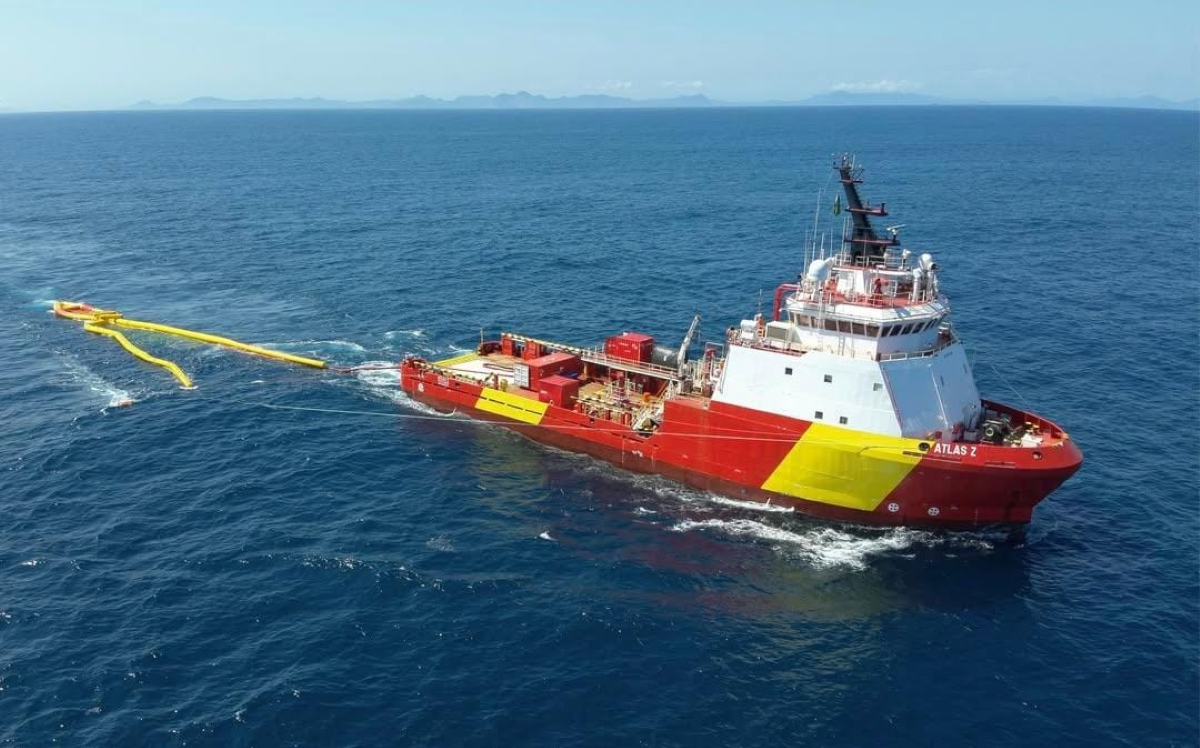
    From a detained support vessel to an active OSRV under Petrobras’ umbrella, former Astro Tupi illustrates the recurring reshaping of Brazil’s offshore fleet. Astro Tupi (IMO 9630705) was hired as named by Petrobras under Opportunity 7004235990, with Galáxia Navegação Ltda. as the contracting party and contract end-date set for August 2029. Galaxia still operates the vessel having recently promoted the vessel performance in social media. Despite this, public ANTAQ records never showed the vessel listed in Galáxia’s fleet.

    Tribunal Marítimo, in its October publication, confirms the vessel’s name change from Astro Tupi to Atlas Z, now under the disponent ownership of Lagoa Offshore, a subsidiary of Brazilian Maritime Holdings (Majuro), part of MCT Inc..

    The Greek owner stated to WSB Advisors having made a multimillion-dollar investment in the unit. ANTAQ public records now confirm a charter agreement between Astromarítima and Lagoa Offshore, with the latter appearing as the EBN and operator of Atlas Z, which supports the interim authorization issued by the authority to Lagoa as EBN.

    WSB Advisors. No detail too small. Stay informed with WSB-One.

  • Constellation starts operations of jack-up ADMarine 511 for Petrobras P&A campaign

    Constellation starts operations of jack-up ADMarine 511 for Petrobras P&A campaign

    Constellation Oil Services has started operations of the jack-up rig ADMarine 511, under contract with Petrobras for a plug & abandonment (P&A) campaign in Sergipe, Alagoas, Ceará and Potiguar basins. Announced on March 31, 2025, the US$ 170 million contract covers the rig’s mobilization from Bahrain and a firm term of 1,143 days, with extension options. The three-leg cantilever unit, model MSC CJ46-X100D, underwent inspections and upgrades in Brazil to meet local regulatory requirements before commencing operations.

    The campaign focuses on well P&A activities linked to fixed structures in shallow waters — a segment expanding in Brazil as decommissioning programs progress. ADMarine 511, capable of operating up to 375 feet (114 meters) deep, completed classification surveys and technical modifications at Estaleiro Atlântico Sul before deployment. Constellation highlighted the project’s contribution to local employment and compliance with Brazilian safety standards.

    The contract reinforces the participation of international operators in Brazil’s P&A segment and signals Petrobras’s intention to accelerate decommissioning activities in shallow-water areas. For suppliers and local yards, the campaign opens demand opportunities for mobilization, inspection, and compliance services.

    Stay informed on key offshore developments — visit wsb-one.com, our data platform trusted by leading offshore companies.

  • FPSO P-79 departs South Korea bound for Brazil; startup expected in 2026

    FPSO P-79 departs South Korea bound for Brazil; startup expected in 2026

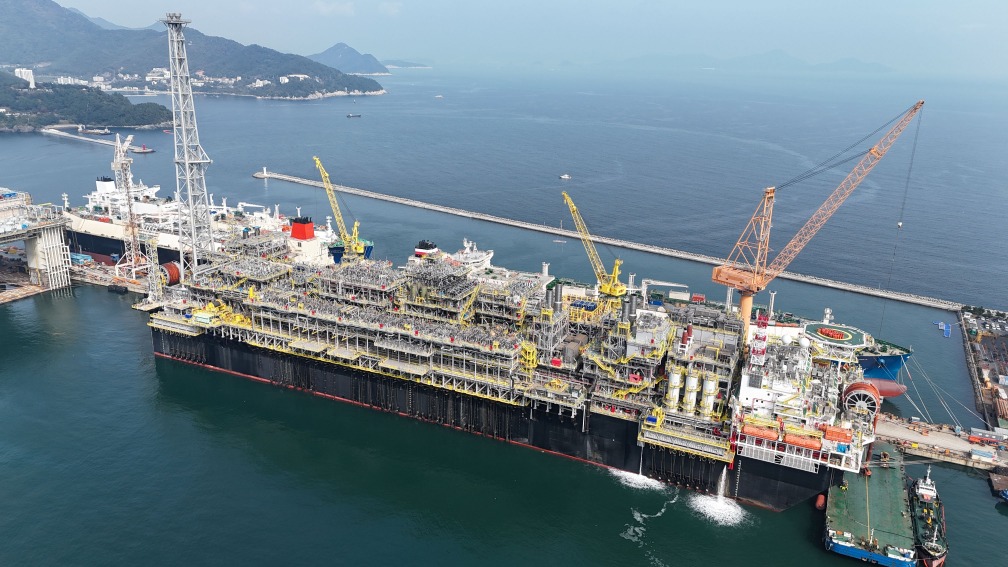
    Petrobras FPSO P-79 departed from Hanwha Ocean shipyard in Geoje, South Korea, on November 11, 2025, heading to Búzios field (Santos Basin), where it will operate as “Búzios-8” unit. Designed to produce 180,000 barrels of oil per day and process 7.2 million m³/day of associated gas, the unit is expected to begin operations in early 2026. Petrobras also obtained environmental licenses authorizing an additional 20,000 bpd production capacity at Búzios.

    P-79 mobilization marks another milestone in Petrobras’s large-scale expansion of pre-salt production capacity in Santos Basin, where multiple FPSOs are under construction or commissioning. The voyage will be carried out with crew on board to speed up the integration and commissioning schedule, once the unit arrives in Brazil.

    The FPSO’s arrival and commissioning phases will define the startup timeline for Búzios-8. Industry forecasts to further consolidate Búzios as one of the world’s largest deepwater oil-producing fields.

    Stay informed on key offshore developments — visit wsb-one.com, our data platform trusted by leading offshore companies.