Anidio Correa, R&D Environment Projects Lead at WSB Advisors, participated in the breakfast seminar Challenges and Opportunities for Strengthening Collaboration Between Norway and Brazil this Friday (May 16) in Rio de Janeiro. The event, organized by the NBCC – Norwegian Brazilian Chamber of Commerce in honor of Norway’s Constitution Day, celebrated on May 17, featured discussions on key topics like trading opportunities, investments, the Amazon Fund, climate change, COP 30, EFTA-MERCOSUR, energy, oceans, and artificial intelligence. Norwegian Ambassador Odd Magne Ruud and Brazilian Ambassador Flavio Goldman shared their perspectives, with moderation by Kjetil Solbrække from NBCC. WSB congratulates Norway on its Constitution Day and extends its thanks to NBCC for the invitation.
Meanwhile, also in Rio, Jake van den Dries , HSSE Lead at WSB, supported his friend Alvaro Antunes, CEO of Intcom Solutions, at FPSO Expo 2025. Antunes took the stage alongside Daniel Moura, CEO of Pix Force, during the Startups in Focus pitch session, where they introduced BlueOpex with Identec’s Crew Companion e-mustering system, providing a comprehensive approach to personnel tracking and safety management.
Tag: WSB
-
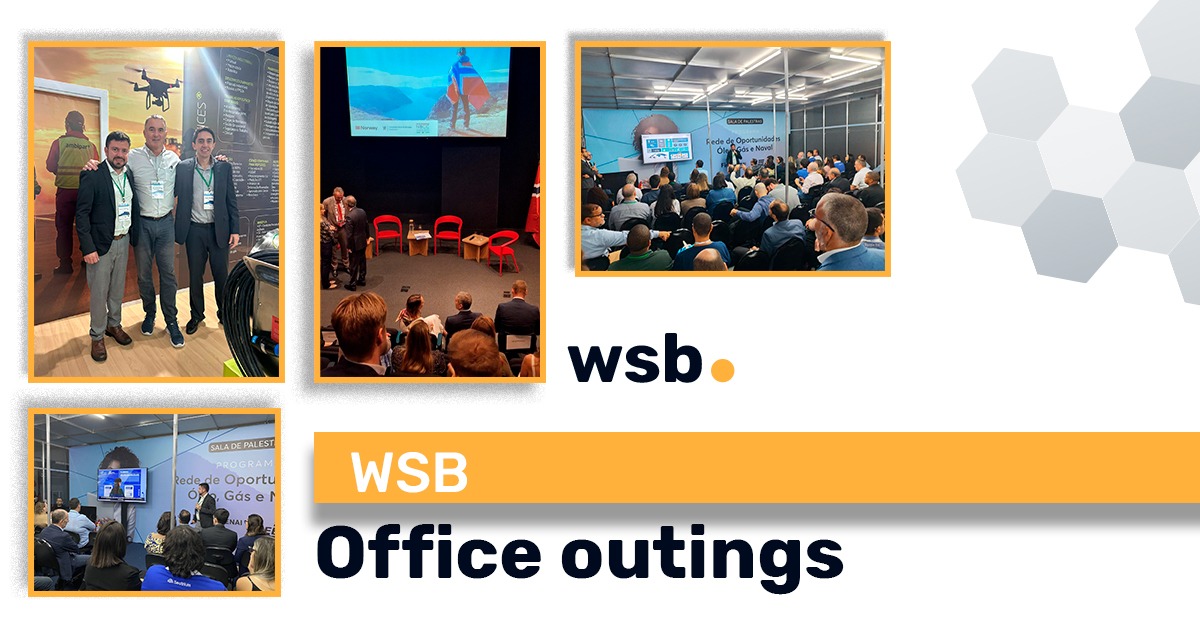
WSB Office outings
-
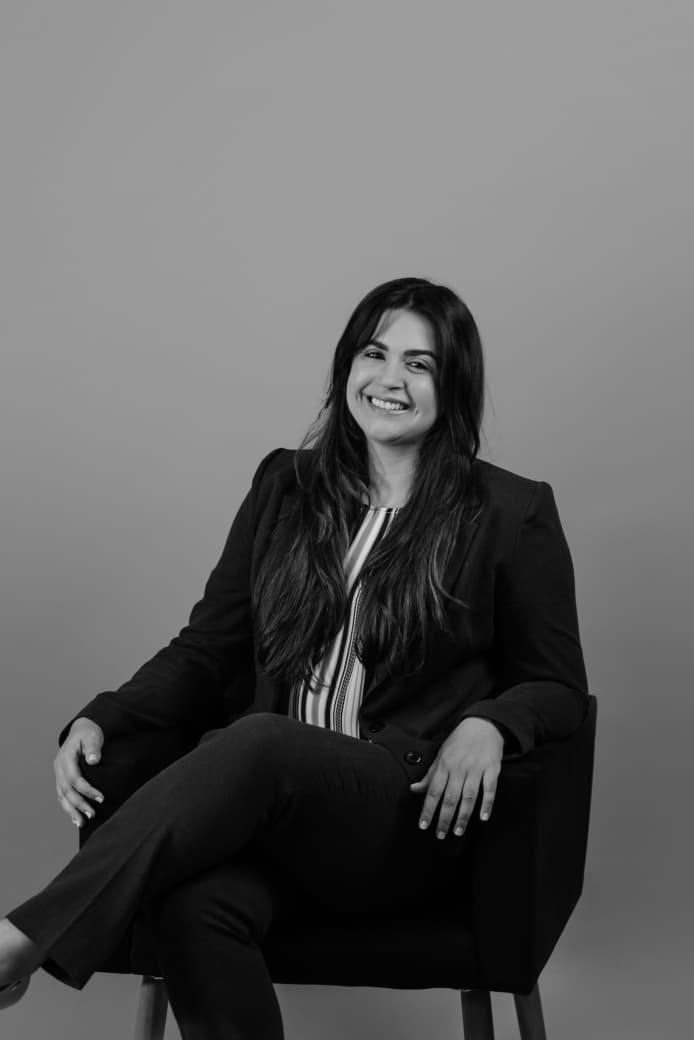
Energy Talks #14 – Fernanda Hille
In this edition of Energy Talks, we invite you to read our conversation with Fernanda Hille.
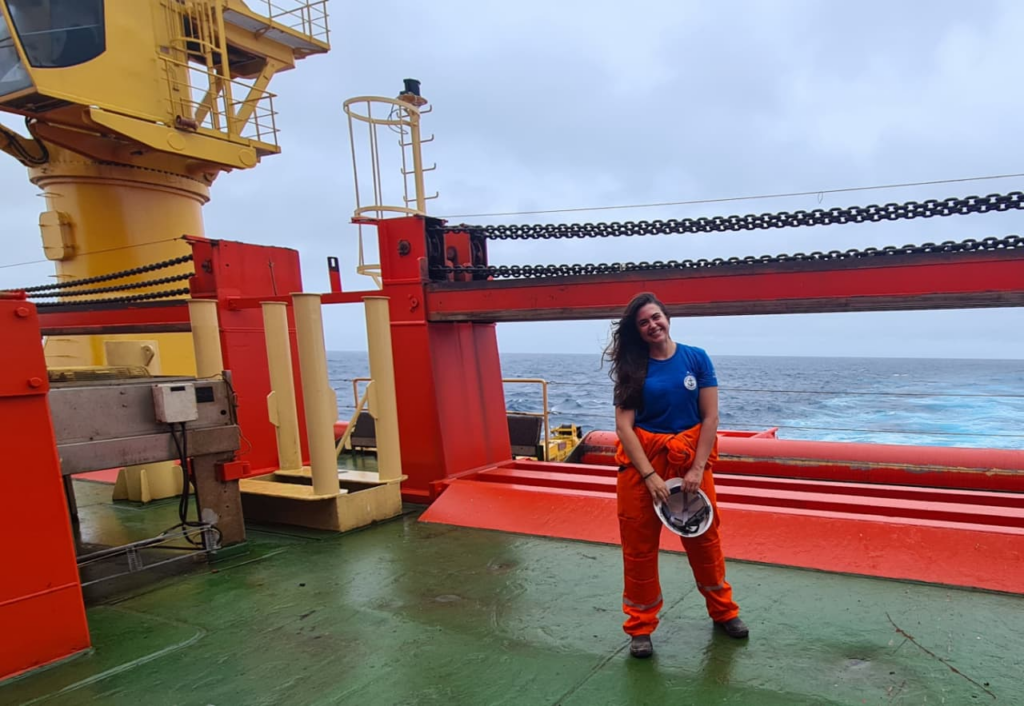
A senior naval engineer at Navship — the shipyard arm of the Bram/Edison Chouest Offshore group — Fernanda has spearheaded significant improvements across various vessels. Most recently, she was transferred to ECO’s headquarters in Cut Off, Louisiana, where she has been working since February.
Just before departing for the U.S., Fernanda stopped by the WSB office in Rio de Janeiro for a chat.
Fernanda, thank you so much for speaking with us. We have to start with the big question: what are these changes you’ve been working on?
Hull form modifications aimed at reducing fuel consumption. Each vessel is unique, so the changes are never exactly the same. Think of it like Formula 1: engineers use CFD (Computational Fluid Dynamics) simulations to test car shapes for better aerodynamics. I do the same, but for ships.
I joined Navship in June 2020, initially focusing on structural and stability engineering. But it wasn’t long before hydrodynamics — my true passion — started to demand more of my time. Hydrodynamics is the study of how fluids move and interact with surfaces, and it plays a key role in how efficiently a ship performs.
Through simulations, we optimize elements like the bulb, bow, stern, beam, and overall length to make vessels more hydrodynamic, reducing power demand at cruising speeds. There are many ways to reduce a ship’s fuel consumption, but hull form is undoubtedly one of the most important.
Our first modification was to the bulb of the Bram Rio in 2022, which resulted in a 7% reduction in fuel use. We’ve continued refining our approach since then.
What are you hoping to experience in the U.S.? And how do you think you’ll have changed by the time you return to Brazil in February 2026?
The projects, challenges, and daily routine will remain pretty similar. Navship’s engineering team is always closely involved with ECO Group’s designs, so I’ve already been collaborating with the U.S. team remotely for some time. What’s changing now is proximity — I’ll be working directly with colleagues and leaders I previously only knew virtually or met during brief visits. I think that closer interaction will improve communication and efficiency.
What are some of the current challenges the company is facing?
There’s been a noticeable trend toward renewing Brazil’s OSV (Offshore Support Vessel) fleet. For example, at the end of last year, Bram and Navship won a bid to build six PSVs for Petrobras.
Still, many vessels in operation are nearly 20 years old, which poses a number of challenges. That’s why continued investment in new builds is essential for modernizing the fleet.
Beyond building and repairing OSVs, we’re involved in projects that set us apart, especially due to our vertical integration. We’re one of the few companies in the sector that controls the entire production chain — from design to delivery — giving us strategic advantages in speed, flexibility, innovation, competitive pricing, and, most importantly, quality.
Fernanda Hille (Source: Private Collection) What about sustainability?
Sustainability is a constant priority for us. In addition to optimizing hulls, we’re developing vessels with hybrid propulsion systems that significantly reduce CO₂ emissions. Navship also focuses on material reuse, and the group as a whole supports various environmental awareness initiatives.
What’s been your most challenging project to date?
That would have to be the design of the ECO Edison, the first offshore supply vessel for wind turbines in the U.S. We started the project in 2020, and the vessel was delivered last year.
It was very different from the types of vessels we typically build in Brazil. Offshore wind energy is well established in the U.S., which made the project both exciting and challenging — especially since it was my first year on the job. Thankfully, our team is very cohesive and supportive, which made all the difference.
You’ve spoken highly of the Edison Chouest group and received recognition, including this recent opportunity to work abroad. Can you talk more about your relationship with ECO and the values you share with the company?
I truly admire the way the company is run. There’s a strong culture of engagement and openness to new ideas. That kind of environment keeps everyone motivated. I’m deeply grateful for the opportunities and recognition I’ve received. Navship is the first company I’ve worked for that’s not tied to academia, and I’m glad to be having such a positive experience here.
Let’s talk about your early journey and your love for hydrodynamics. What made you choose naval engineering?
I’ve wanted to be an engineer since I was 14, but initially, I planned to study civil engineering.
I was raised by my single mother, Mrs. Dolores, and we couldn’t afford for me to study far from home. I’m from Joinville, Santa Catarina, so my only civil engineering option was UDESC (State University of Santa Catarina). Unfortunately, I was sick during the entrance exam and didn’t do well — competition was intense, and I didn’t make the cut.
Two weeks later, Plan B appeared: engineering at UFSC (Federal University of Santa Catarina). They offered a general engineering program, with seven disciplines to choose from after the first two years. Naval engineering was one of them.
I initially planned to transfer back to UDESC, but by then, Brazil’s naval industry was booming, and I started reconsidering. What I’ve always been sure about is my passion for engineering. I’ve always loved math, physics, and building things. I took the UFSC entrance exam in 2011 and started in 2012.
Looking back, failing the UDESC exam was a blessing in disguise. I believe that when you give your best and things still don’t work out, it’s often because something better is ahead. As the saying goes, “God writes straight with crooked lines.”
What do you remember most from your time at university?
I loved it. To help my mom financially, I quickly found paid research opportunities, starting in my second semester and continuing until I graduated.
I worked on three major projects, with the most significant focused on hydrodynamics in partnership with Petrobras. We worked on optimizing riser floater layouts to prevent vortex-induced vibrations (VIVs).
Another defining experience was an exchange program in 2016, funded by the Brazilian government. I spent time in Hoboken, New Jersey, studying at the Stevens Institute of Technology, and later conducted a two-month research project on heat transfer in Chicago. That experience delayed my graduation by a year, but it was well worth it — I finished my degree in 2017.
How did you make the transition into the job market?
When I graduated, the market wasn’t as promising as when I started university, so I expected a tough search. But Professor André Fujarra, who had guided me through my hydrodynamics work, encouraged me to apply directly for a PhD at USP (University of São Paulo), even though I hadn’t done a master’s.
It was a bold move, but I was accepted, supported by a Petrobras-funded research scholarship. I moved to São Paulo in February 2018 to develop a numerical tool to simulate motions of moored semi-submersibles and FPSOs. The research was done at USP’s Numerical Offshore Tank (TPN), where I also got hands-on experience with seakeeping model tests.
How did you end up at Navship?
In March 2020, I went home to Joinville for a family event, and that same weekend, Brazil went into lockdown. I had been living in São Paulo, but with the airport closures, I got stuck.
I had sent my resume to Navship the month before and assumed the opportunity had passed. But in May, I was called for an interview, got the job, and started in June — still in Joinville, which is just an hour from Navegantes. I only returned to São Paulo at the end of the year to collect my things.
How do you see the state of naval engineering education in Brazil?
The demand for naval engineers is cyclical and closely tied to the state of the shipbuilding industry. Right now, it’s a great time — there’s a strong demand for new graduates.
That said, the field still lacks visibility. Brazil has one of the longest coastlines in the world, but only six naval engineering programs. I may be biased, but it’s a fantastic field with diverse career paths — from technical roles to sales, construction, logistics, offshore operations, and more.
You’ve achieved so much in under a decade. Does that surprise you? What’s your biggest reflection?
It does surprise me. Earning a PhD and landing a role like this right after graduation — it’s been an incredible ride. I’m grateful for all the opportunities and blessings along the way.
What’s your biggest professional dream — maybe something you hope to achieve in the next 10 years?
I’d love to be part of designing the world’s most efficient PSV, striking the perfect balance between cargo capacity and fuel consumption. And honestly, I think our team could achieve that even sooner.
You teared up when talking about your mother. Can you tell us more about her?
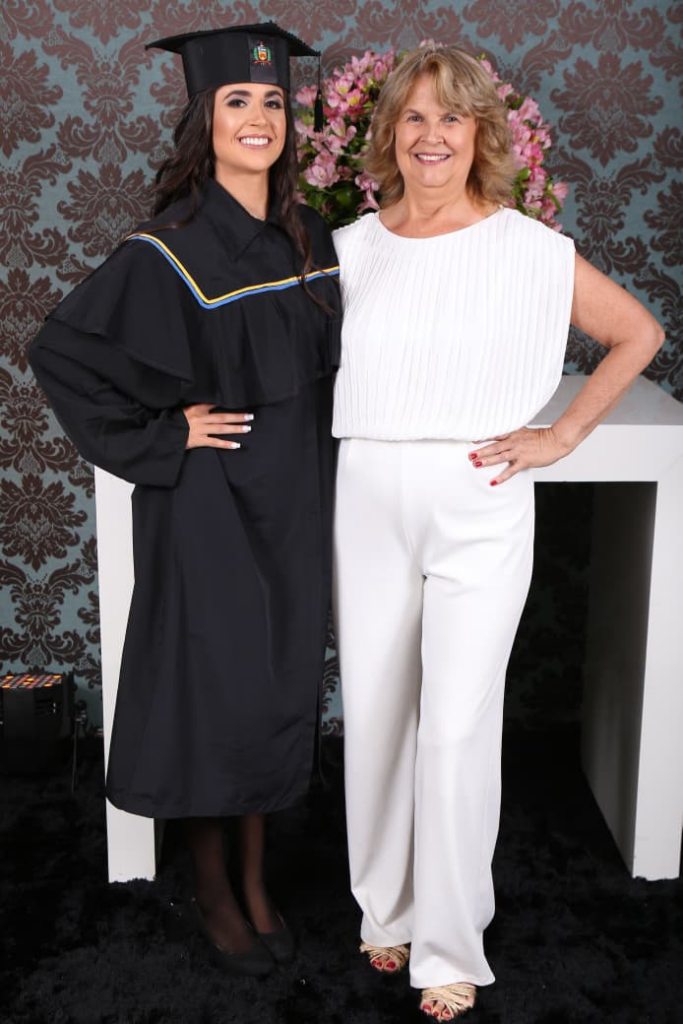
I still don’t know how she managed it all — caring for me, taking care of my bedridden grandmother with Alzheimer’s, and working full-time. She always pushed me to study. Though she couldn’t support me financially, she gave me everything else I needed. I’m deeply thankful to have been raised by her. I truly believe she’s still watching over me.
Fernanda Hille and her mother (Source: Private Collection) You were a rhythmic gymnast growing up. That must’ve been special. What do you take from that time, and does sport still play a role in your life?
I believe sports can be just as transformative as education. I trained from age 8 to 17 — five hours a day, five days a week. During holidays, we trained even more. I represented my city in state and national competitions. The farthest I traveled was João Pessoa — 3,000 km from home!
When I started university, I had to leave gymnastics behind. For a while, I wondered if it had been worth it. But now, I know it shaped who I am. These days, I do CrossFit. I love the community aspect.
Thank you, Fernanda.
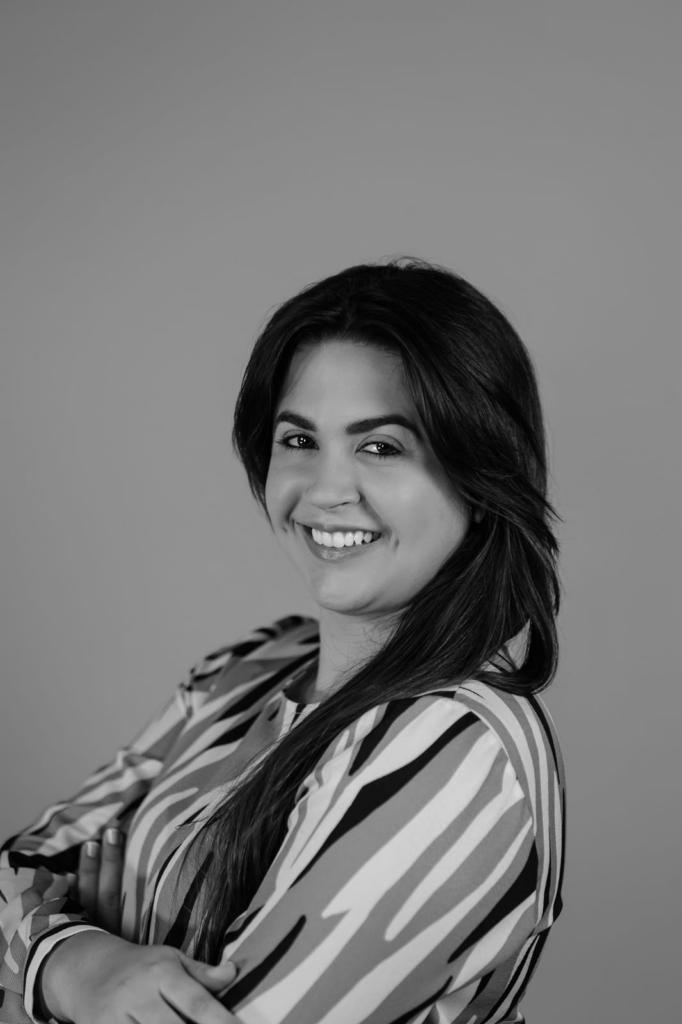
Fernanda Hille (Source: Private Collection) -
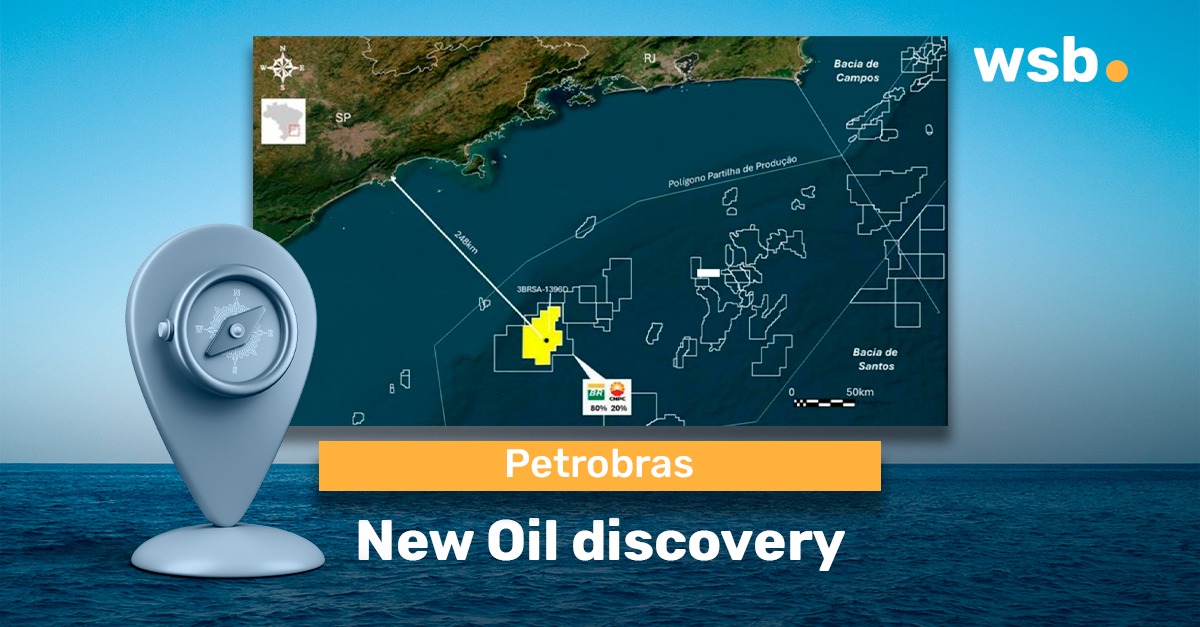
Petrobras: new oil discovery
Petrobras Confirms New Oil Discovery in Santos Basin
Petrobras has confirmed the presence of high-quality, contaminant-free oil in well 3-BRSA-1396D-SP, located in the Aram block of the Santos Basin. The well, drilled at a water depth of 1,952 meters, revealing a promising oil-bearing interval through electric logs, gas evidence, and fluid sampling.
Laboratory analyses will follow to further assess the reservoir’s characteristics and production potential, a critical step in defining the commercial viability of the asset.
“The Aram block has been operated by Petrobras since 2020, with the Oil Company holding an 80% stake in partnership with CNPC, which owns the remaining 20%. This marks the second discovery in the block since March, further highlighting the Oil Company’s unmatched ability to lead new discoveries and projects in Brazil. Petrobras’ human and technical resources are truly remarkable.”, says Anidio Corrêa, R&D Environment Projects Lead.
-
WSB tips – Open tenders & more
By Pedro Pellegrini
Dear All,
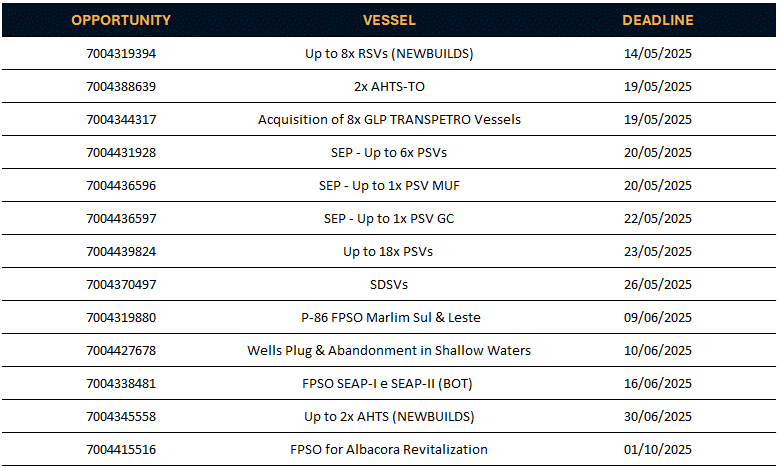
WSB is pleased to provide an update on the current long-term tenders that are open to offer.
Open tenders:
What has changed?
- Petrobras 18x PSVs: Opportunity 7004 new deadline May 23rd, 2025.
What else is happening?
- Exciting news! Karoon Energy completed the acquisition of the FPSO Cidade de Itajaí and PRIO has acquired full ownership of the Peregrino field from Equinor;
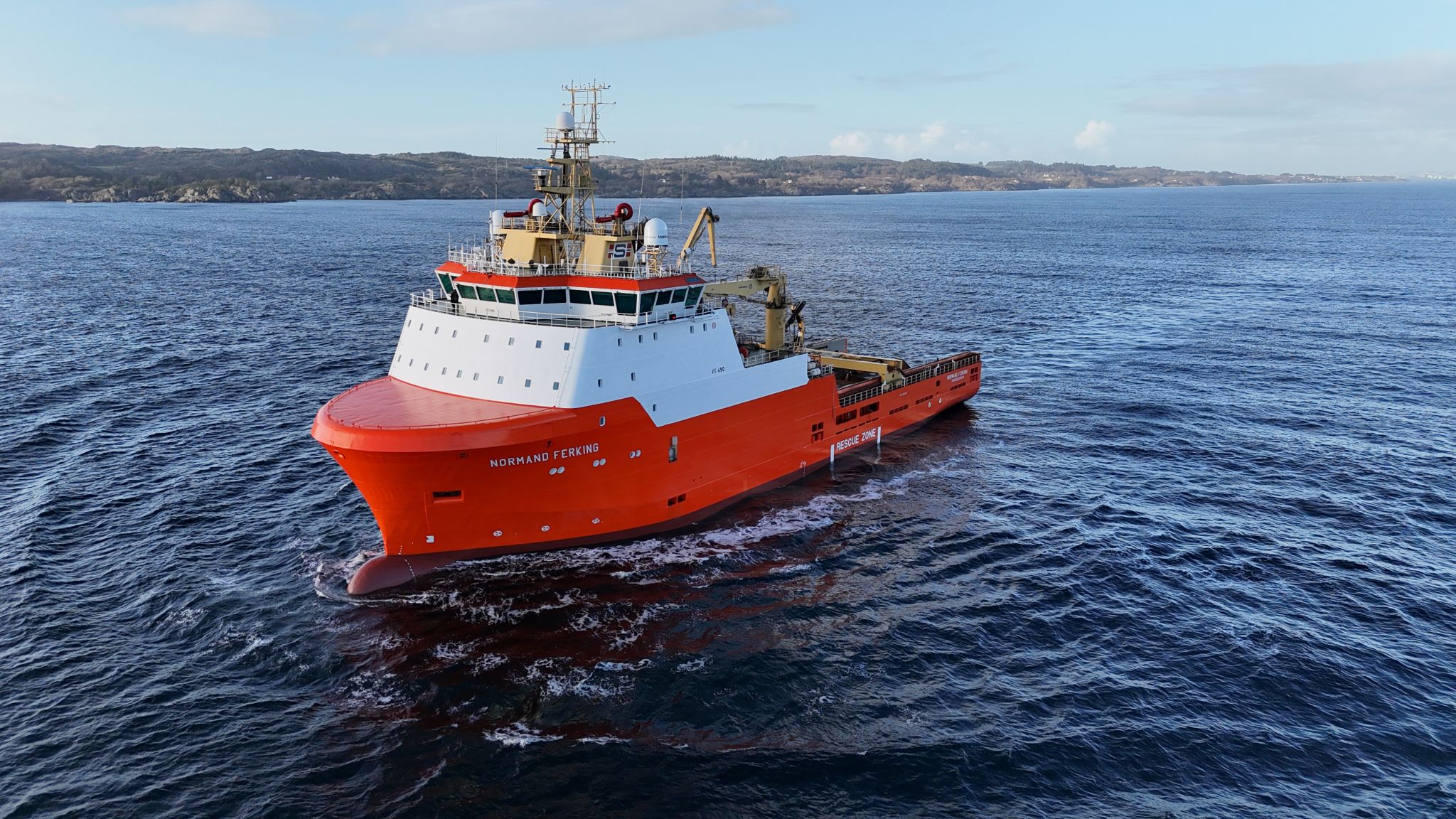
- Solstad on the news! The company had several vessels highly rated in the RSV and AHTS tenders set to begin operations in Q12026 and also initiated 3-year contracts at the end of April for the vessels Sagaris and Ferking.
-
Karoon acquires FPSO
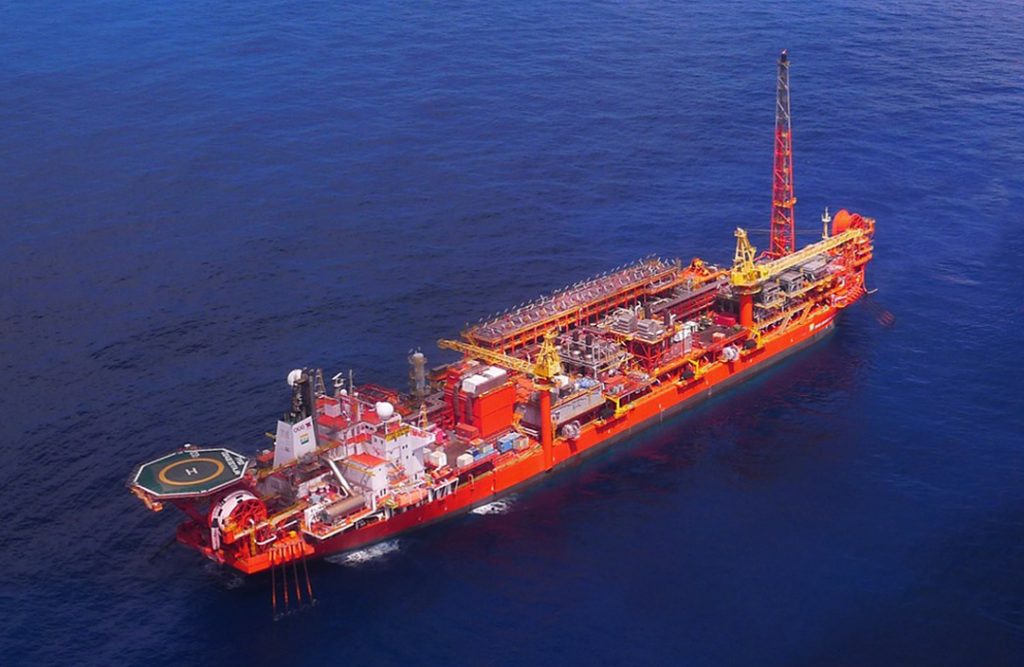
Karoon Energy Acquires FPSO Cidade de Itajaí for $115 Million
Karoon Energy has finalized its $115 million acquisition of the FPSO Cidade de Itajaí from Altera & Ocyan. The deal, which also includes approximately $8 million in transaction costs, was initiated in February.
Operating in the Baúna Field in the Santos Basin since 2013, the FPSO has a production capacity of up to 80,000 barrels of oil per day (boed) and a gas compression capacity of 2 million cubic meters per day.
Karoon, which has owned the Baúna Field since 2020, now takes full control of both the field and its production vessel. The company plans to transfer operational management to a new operator by mid-2025. Until then, Altera & Ocyan will continue to oversee operations.
“Taking ownership of the Cidade de Itajaí FPSO marks a further significant milestone in Karoon’s evolution over the past five years, from an explorer to an operator of offshore oil and gas production assets,” said Julian Fowles, CEO and Managing Director of Karoon. -
WSB and Westhon at OTC Houston
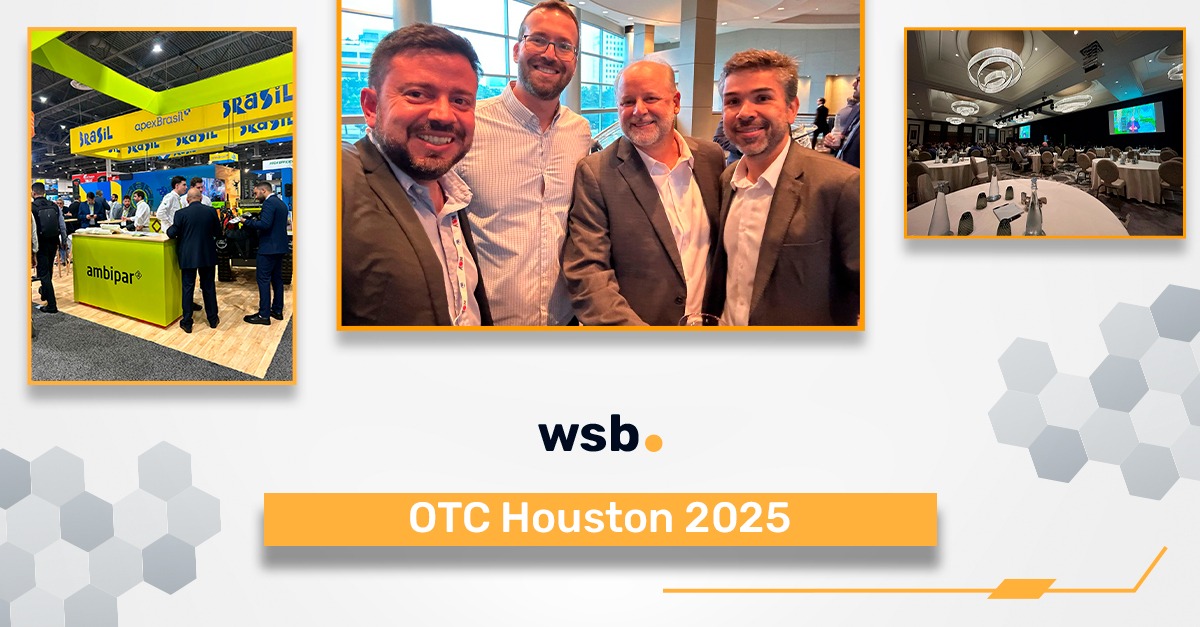
The Offshore Technology Conference (OTC) is underway in Houston, running from May 5 to 8, and is expected to attract over 30,000 professionals. High-profile figures like Magda Chambriard, CEO of Petrobras, and Sérgio Bacci, CEO of Transpetro – Petrobras Transporte S. A., are among the attendees, reinforcing the event’s significance as a global hub for the offshore energy sector.
Representing the Westhon Group, Alvaro Antunes, CEO of Intcom Solutions and partner at WSB Advisors, is attending this year’s edition. “It’s always great to be at OTC. The entire city embraces the conference, and there are several other side events happening at the same time. It’s an incredible opportunity to gain insights from all the major market players and share them with both WSB and Intcom,” Antunes shares.
Discussions at OTC and related events are focused on critical topics like energy transition, decarbonization, market integration, project financing, and technological innovation. With its vast reserves and growing production, Brazil plays a key role in this context, emerging as a strategic player in the global energy market.
Brazil’s Role in the Global Energy Transition
At a parallel event, the fourth edition of the “Business Roundtable” brought together around 200 representatives from shipyards, equipment manufacturers, engineering firms, and operators, exploring opportunities linked to Petrobras’ robust investment plans.
Petrobras CEO Magda Chambriard highlighted the significance of these initiatives, stating, “Strengthening the national shipbuilding industry is essential to ensuring operational safety, creating qualified jobs, and fostering regional development. Brazil has all the potential to become a competitive hub for offshore engineering and construction.”
Renata Baruzzi, Petrobras’ Director of Engineering, Technology, and Innovation, reinforced this perspective, adding, “The growth of Brazil’s shipbuilding industry is strategic for maintaining the competitiveness of our projects. We are committed to enhancing demand predictability, supporting local suppliers, and encouraging partnerships with foreign companies, always focusing on excellence, innovation, and social responsibility.” -
DOF and Petrobras: renewed support
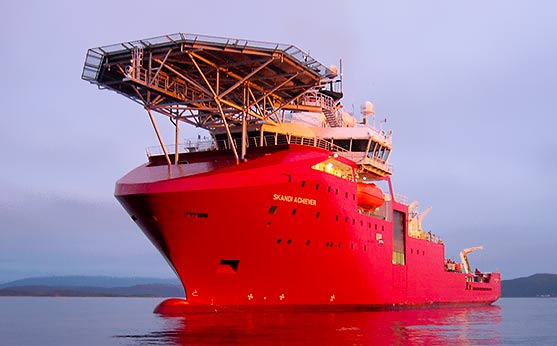
DOF Secures New SURF Campaign in Brazil and Extends Skandi Salvador Charter
DOF has secured a new contract for its Diving Support Vessel (DSV) Skandi Achiever in Brazil, supporting an offshore service and survey scope tied to a SURF project. Operations are expected to begin in early May and will span three campaigns throughout 2025.
In addition, the charter and services agreement for the MPSV Skandi Salvador with Subsea7 also related to SURF activities in Brazil, has been extended through July 2025. The deal includes options for further extensions.
For more updates, subscribe to WSB One, the market’s largest offshore data platform. -
Solstad Secures Three Long-Term Contracts with Petrobras
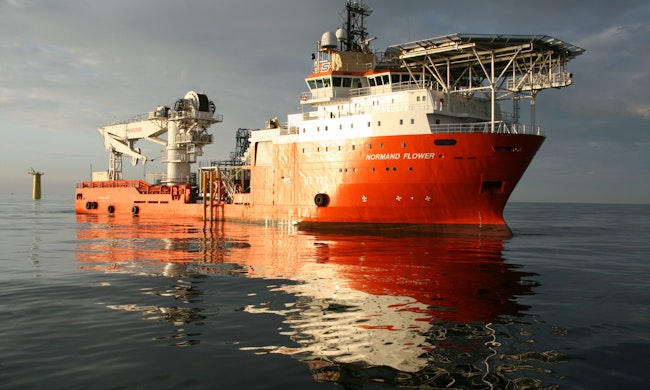
Solstad Offshore has signed new charter agreements with Petrobras for two AHTS vessels, including one equipped with an ROV. The contracts are set for four years, with operations starting in Q1 2026. The vessels will be sourced from the global fleet of Solstad Maritime, in which Solstad Offshore holds a 27.3% stake.
Additionally, the CSV Normand Flower has secured a separate four-year charter with Petrobras, scheduled to begin in December 2025. -
WSB tips – Open tenders & more
Dear All,
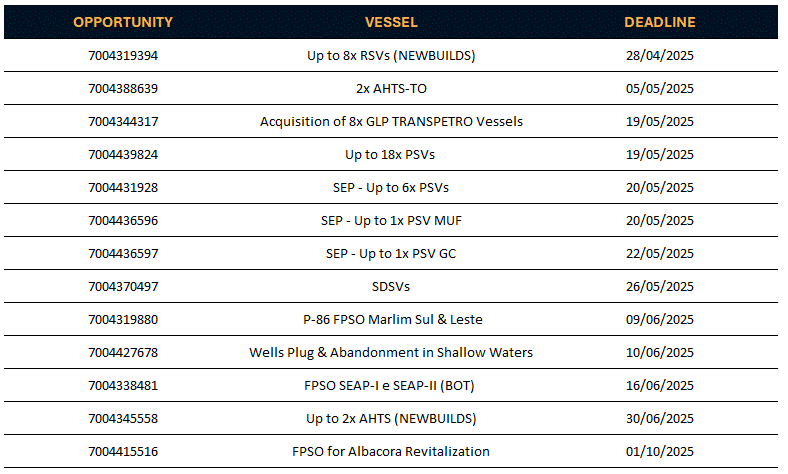
WSB is pleased to provide an update on the current long-term tenders that are open to offer.
Open tenders:
What has changed?
- Petrobras 18x PSVs: Opportunity 7004439824 released Apr 24th, 2025;
- Petrobras Wells P&A: Opportunity 7004427678 released Apr 04th, 2025;
- Petrobras SEP 1x PSV MUF: Opportunity 7004436596 new deadline May 20th, 2025;
- Petrobras SEP 1x PSV GC: Opportunity 7004436597 new deadline May 22th, 2025;
- Petrobras SEP 6x PSVs: Opportunity 7004431928 new deadline May 20th, 2025;
- Petrobras 2x AHTS-TO: Opportunity 7004388639 new deadline May 05th, 2025.
What else is happening?
- Petrobras launches a new tender for 18 PSVs, bringing the total to 26 vessels in just a few days and heating up the Brazilian market for offshore support.
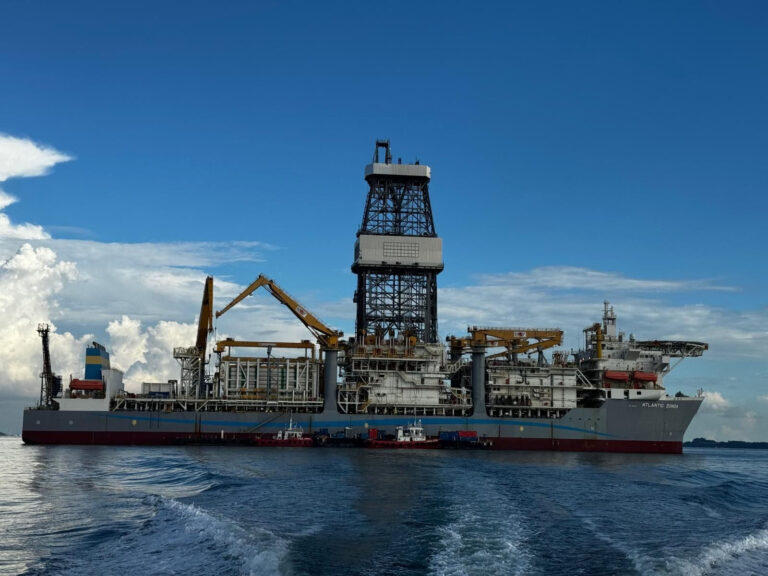
- Drillship Atlantic Zonda kicks off its first deepwater drilling campaign in Brazil, marking a new milestone in the country’s offshore exploration.
-
PSV Opportunities – “Bring me everyone”
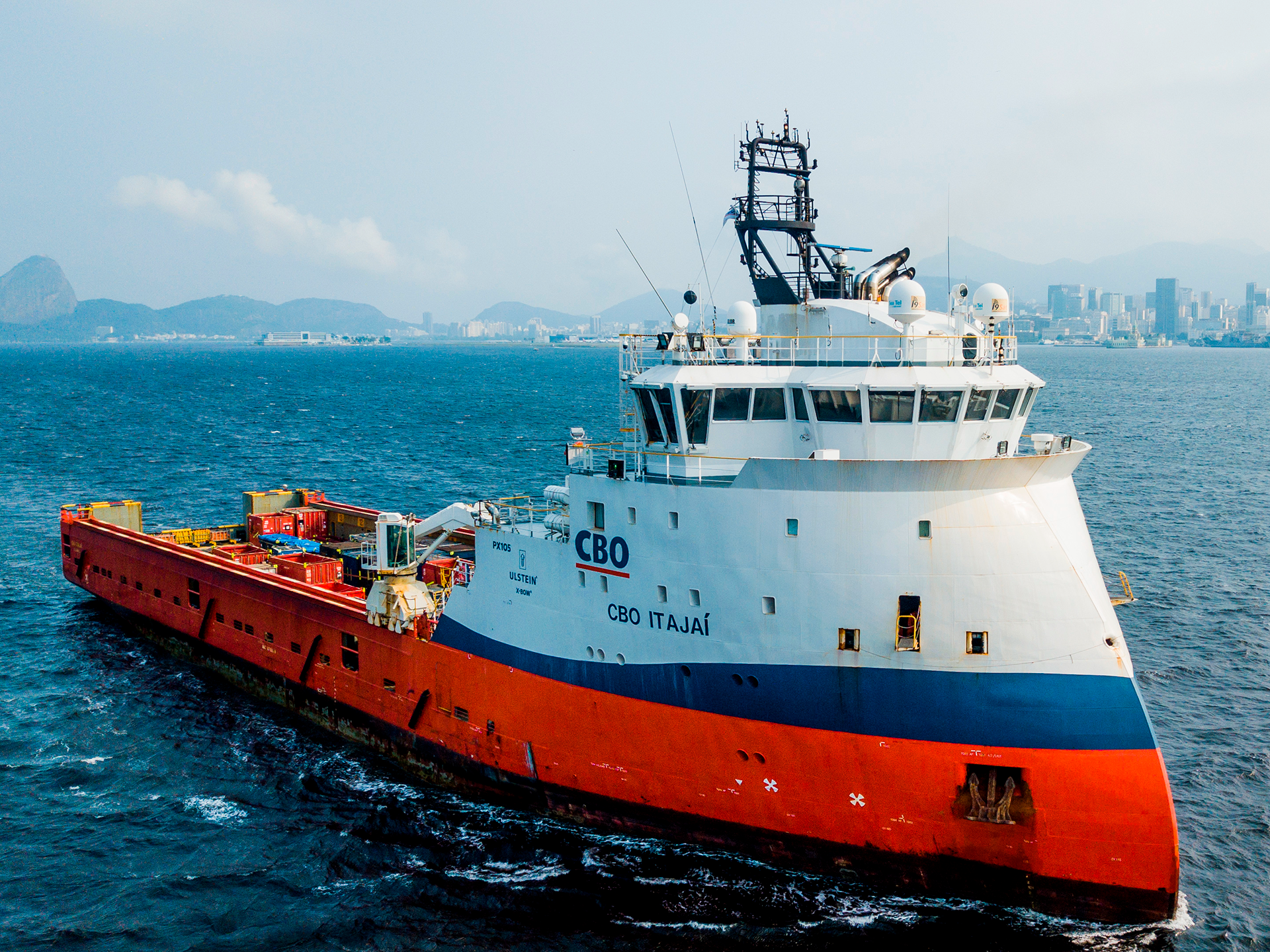
Yesterday (April 24), Petrobras has launched a large-scale tender to charter up to 18 Platform Supply Vessels (PSVs). The deadline for proposal submissions is May 19 at 5:00 p.m., and the opportunity is open to both Brazilian and international flags. Contracts will have a duration of four years.
The process follows Petrobras’ traditional closed-bid model, with the lowest price as the primary selection criteria, followed by an evaluation of each vessel’s technical specifications.
The opportunity includes:
• Up to 5 General Cargo PSVs (CG)
• Up to 8 Multipurpose (MUF) or Fluid Carrier (FLU) PSVs
• Up to 2 PSVs of the Hybrid type
• Up to 3 Multipurpose (MUF) or Fluid Carrier (FLU) PSVs — on separate commencement dates.
All vessels must have a deadweight (DWT) of either 3,000 or 4,500 tons. Full details are outlined in the tender documents.
Expected mobilization timelines:
• Lot A – January 2026 or within 180 days after contract signing
• Lots B and C – May 2026 or within 240 days after contract signing
• Lot D – September 2026 or within 305 days after contract signing
The volume of vessels under consideration is significant. Petrobras currently has three other ongoing PSV tenders, which could bring the total to 26 new vessels contracted in the coming months.
“The last time we saw something like this was in 2023, when the company launched tenders for 20 and then 21 vessels. This new opportunity is certainly a chance for companies that have been off the radar to re-engage with the market,” says Pedro Pellegrini, Intern Shipbroker at WSB Advisors. -
Brief market updates
Petrobras on the move! In less than a week, the company has issued three PSV charter requests;
Awards incoming! Partial results for the RSV and AHTS charter tenders have just been released;
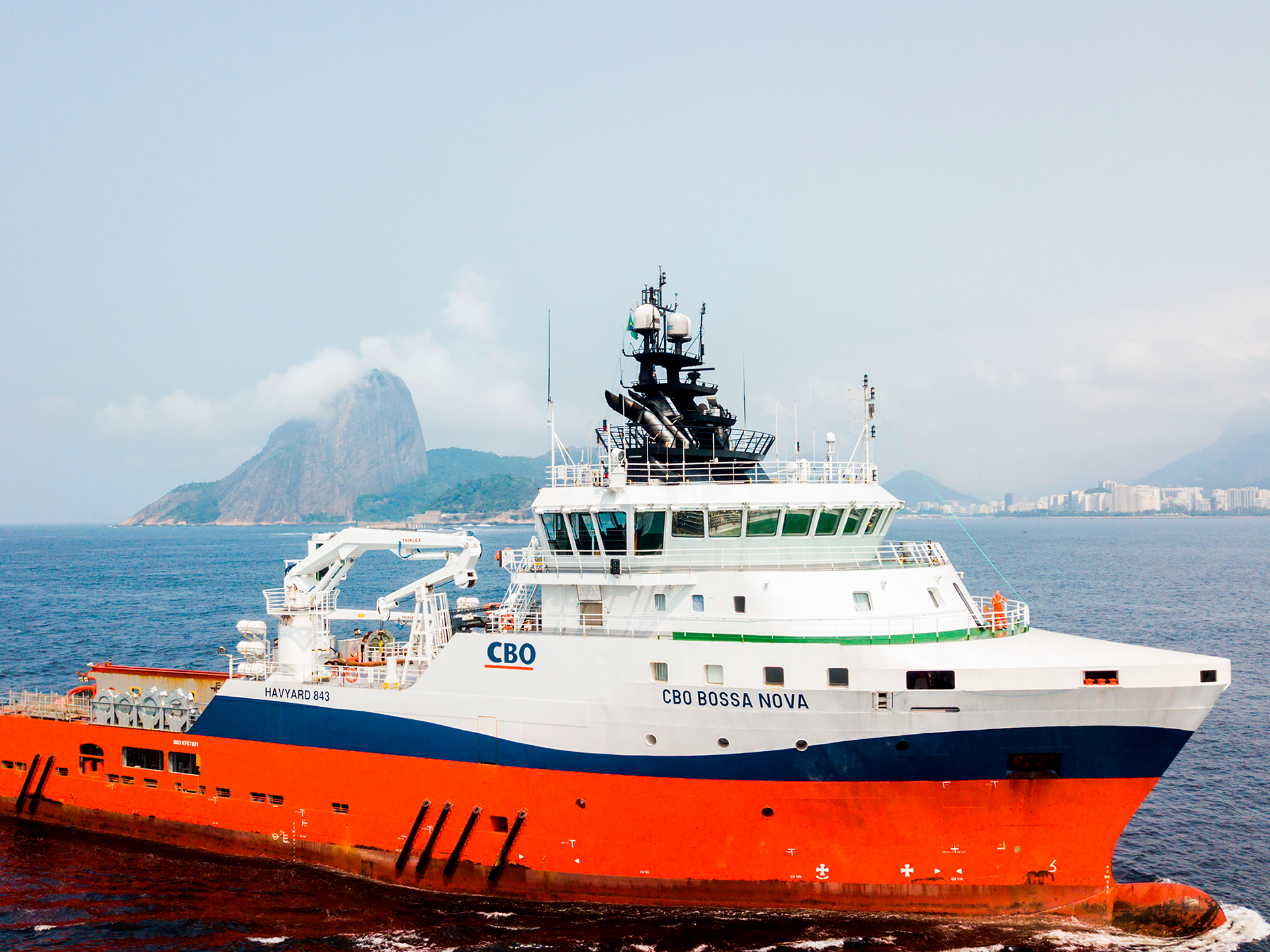
Milestone! CBO Bossa Nova and AH Valletta successfully deployed a 120t torpedo anchor without A-Frame, using the In-Line Tensioner (ILT) for the first time. -
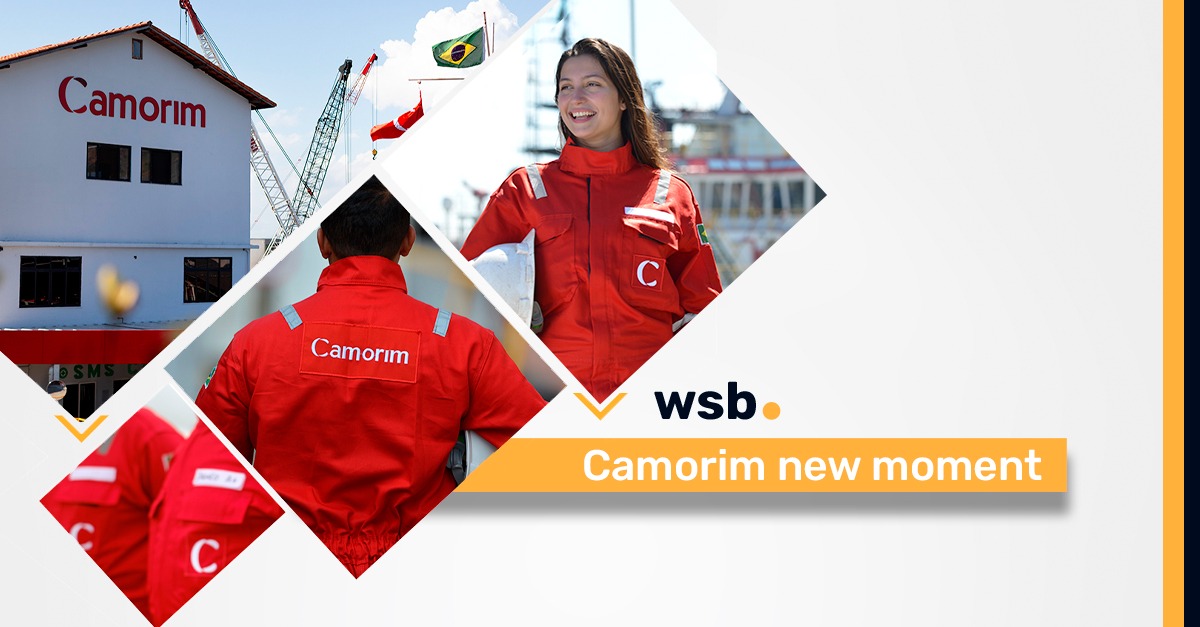
Camorim: new brand
Camorim has unveiled its new visual identity, blending tradition, innovation, and a forward-looking strategy. The rebranding marks the beginning of the company’s 30th anniversary celebrations, which will culminate in May 2025. As one of Brazil’s leading maritime and port support companies, this evolution reflects Camorim’s solid track record and growing influence in the sector.
Headquartered in Niterói, Rio de Janeiro, the company is experiencing rapid expansion, both in fleet size and strategic contracts. Today, Camorim operates a fleet of over 150 vessels, including tugboats, PSVs, AHTSs, barges, launches, and LHs, demonstrating its alignment with market shifts and client demands.
Steered by Carlinhos Camorim and Eduardo Adami, father and son, Camorim stands out for its professionalism and operational excellence. “We believe a brand goes beyond a visual symbol. It represents everything we are, what we’ve built, and, most importantly, where we’re headed. Reaching 30 years with a solid and trustworthy history is a source of pride, and we want this new identity to reflect this moment of celebration and vision,” says Eduardo Adami, Vice President of Camorim.
WSB is proud to support Camorim on its journey through key deals achieved in the last couple of years, from sales and purchase deals to recent fixtures and strategic partnerships with other fellow owners.