Tag: WSB

  • West Carina completes 18-well campaign in Búzios

    West Carina completes 18-well campaign in Búzios

    Seadrill’s drillship West Carina has completed its drilling and completion campaign in the Búzios field after more than three years of operations.

    According to the company, the rig delivered 18 wells while supporting the expanded use of Managed Pressure Drilling in one of Petrobras’ most technically demanding offshore developments.

    West Carina also became the first rig in Seadrill’s fleet to deploy Pressurized Mud Cap Drilling and Floating Mud Cap Drilling techniques.

    In a previous operation disclosed by Seadrill, the use of PMCD reduced drilling time from 32 to 12 days, illustrating the potential impact of the technology in challenging pre-salt formations.

    The drillship remained in Brazil through successive contract extensions, with its latest term running through June 2026.

    Seadrill has not disclosed the rig’s next assignment.

  • Por Onde Anda? Bram Force

    Por Onde Anda? Bram Force

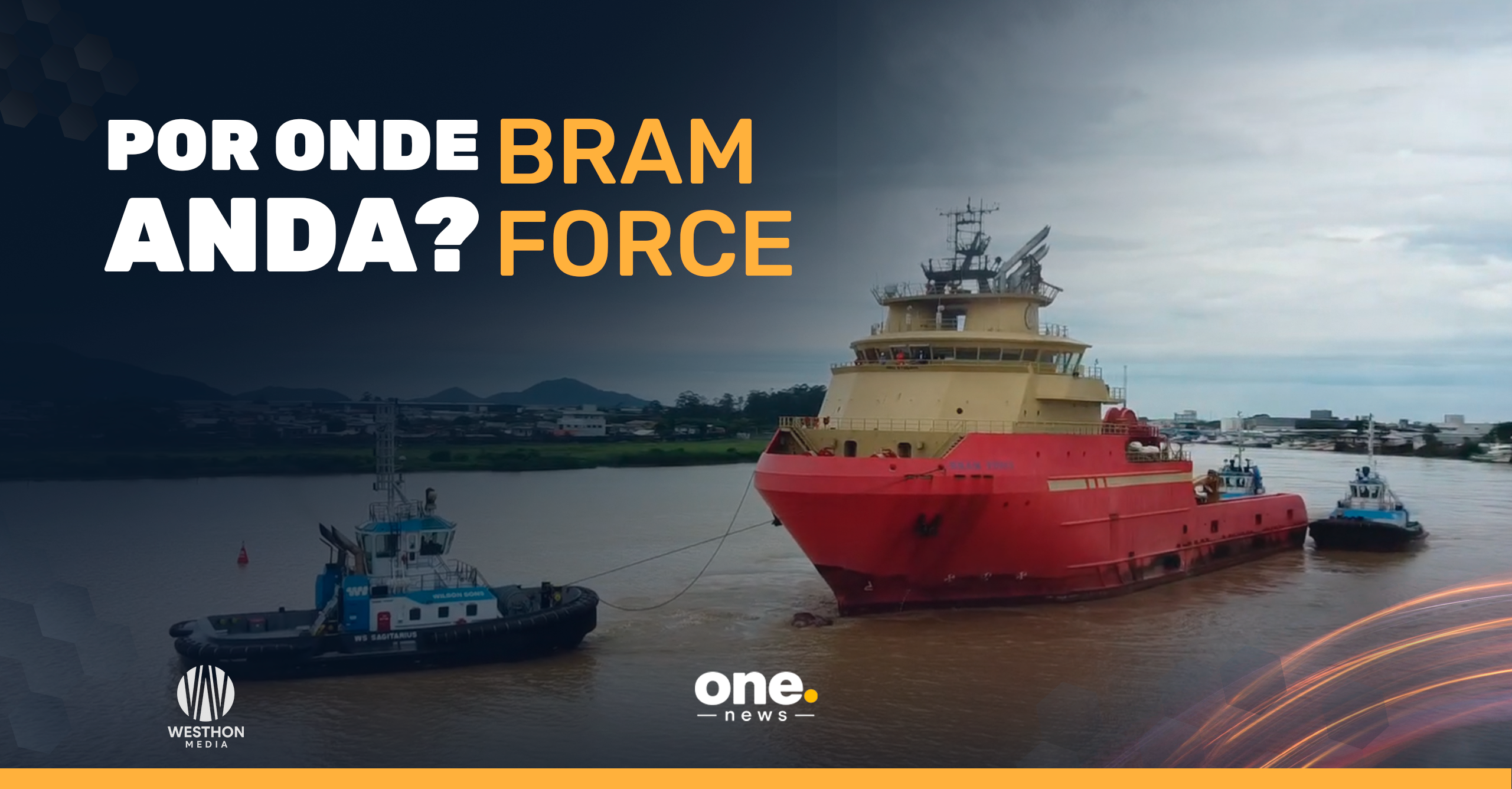
    More than a year after suffering a major engine room fire, Bram Force has returned to offshore operations in Brazil, once again working in the Campos Basin.

    Delivered by Navship in 2017, the Brazilian-flagged AHTS is part of Bram Offshore, the Brazilian subsidiary of Edison Chouest Offshore.

    On 8 January 2025, while operating near Petrobras’ P-37, the vessel experienced an engine room fire. The crew was safely evacuated by a nearby Maersk vessel, firefighting operations lasted approximately 12 hours, and no injuries or pollution were reported.

    Following the casualty, the vessel was towed to the Port of Açu, where the Brazilian Navy initiated an Administrative Inquiry. After the extent of the damage was assessed, Bram Force underwent an extensive repair programme at Navship in Itajaí, the same shipyard where she was originally built.

    AIS data now confirms that the vessel has resumed offshore service.

    For most companies, restoring an offshore support vessel after a major engine room casualty is neither a quick nor an inexpensive decision. Beyond the technical complexity, owners must balance repair costs, downtime, commercial commitments and the long-term value of the asset.

    Bram Offshore chose restoration.

    The return of Bram Force illustrates a reality often overlooked outside the industry: modern offshore vessels are strategic assets, and in many cases rebuilding them is both technically feasible and commercially justified.

    Its return also reflects the work of shipyard teams, class societies, equipment manufacturers, regulators and the vessel’s owner to bring a complex offshore asset safely back into service.

    In shipping, success is rarely measured by avoiding every incident. It is measured by how professionally companies respond when incidents occur.

    Bram Force is back at work.

  • Mauá Shipyard advances plans to strengthen its market position

    Mauá Shipyard advances plans to strengthen its market position

    Mauá Shipyard has announced the completion of three strategic initiatives aimed at strengthening its position in the shipbuilding and offshore markets. The measures include obtaining Tax Clearance Certificates (Certidões Negativas de Débito, or CNDs), achieving compliance with the NORSOK M-501 standard for coating systems 7B and 7C, and modernizing its planning and control system.

    According to the company, the tax clearance certificates were obtained after more than 15 years, confirming the regularization of its municipal, state and federal tax obligations. The achievement removes an important barrier to the shipyard’s participation in public tenders and government procurement processes.

    In May 2026, the shipyard also obtained certification of compliance with NORSOK M-501 for coating systems 7B and 7C, an international standard widely adopted by the oil and gas industry. To achieve the certification, Mauá invested in workforce training and a dedicated temperature-controlled painting facility designed to support offshore and subsea applications.

    The company has also implemented a new planning and control model that combines traditional project management practices with agile methodologies. According to Mauá, the system uses technology and artificial intelligence to manage its project portfolio more efficiently, with the aim of improving operational performance and delivery predictability.

    “After more than 15 years, Mauá and EISA shipyards have obtained their Tax Clearance Certificates from the municipal, state and federal authorities. This achievement is the result of a lengthy negotiation process through which we were able to renegotiate and restructure all of the shipyards’ tax liabilities. It represents an important step in the consolidation of our judicial reorganization plan, allowing us to participate in government tenders and supporting our return to the shipbuilding sector,” said Miro Arantes Filho, CEO of Mauá Shipyard.

  • Brava Vessels – AHTS docking schedule

    Brava Vessels – AHTS docking schedule

    Recent movements involving AHTS vessels serving Brava Energia are linked to separate docking and replacement arrangements within the company’s offshore support fleet.

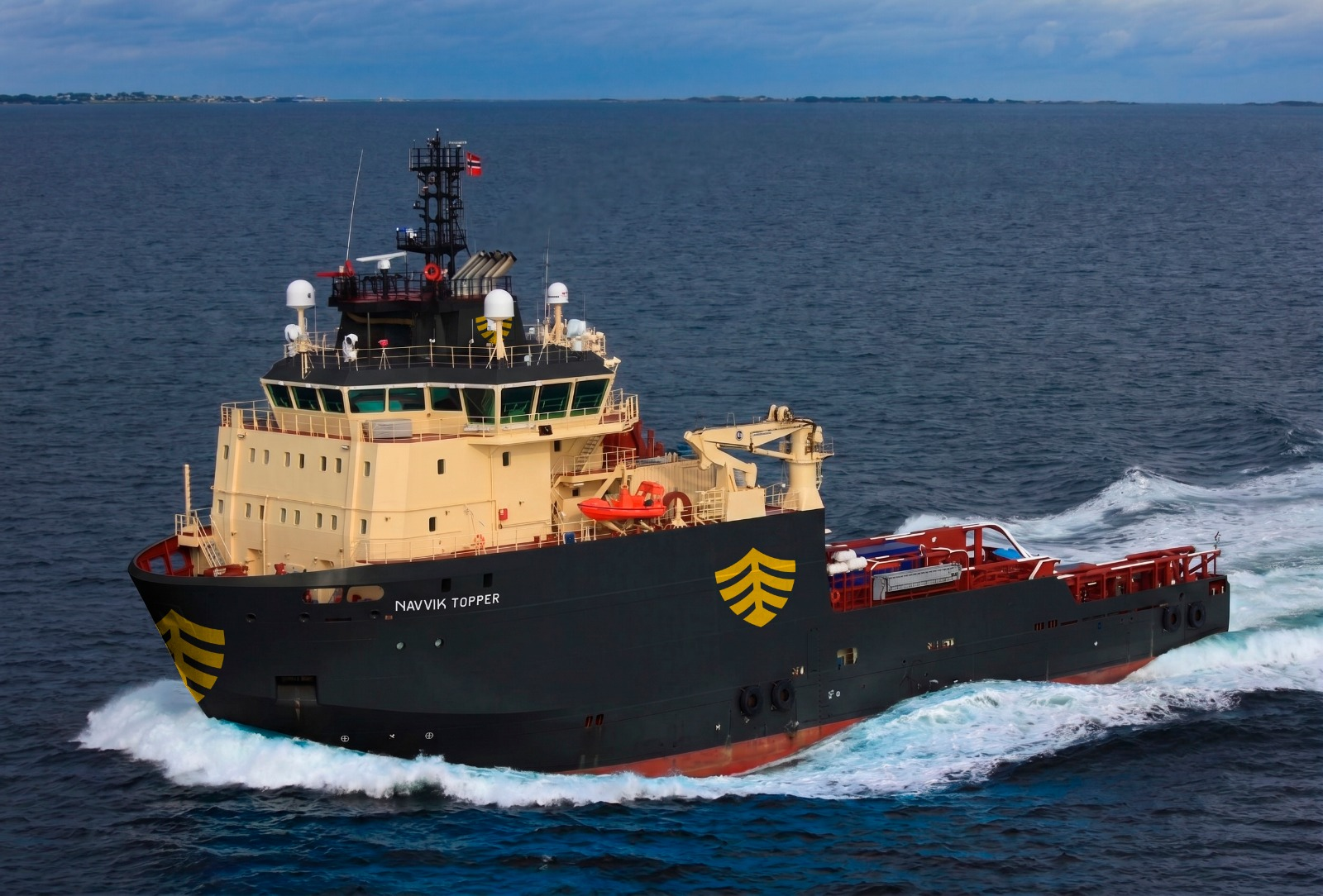
    One Energy News understands that Navvik Topper was mobilized to cover Bushbuck while the Bram Offshore vessel underwent docking and corrective maintenance.

    With Normand Turmalina now entering scheduled dry docking, Navvik Topper is also understood to be among the main options to provide temporary coverage during the maintenance period.

    Bushbuck’s maintenance included corrective work on one of its main engines. The available information points to maintenance activity, not an operational incident.

    Normand Turmalina remains under firm charter with Brava until early 2029 and is expected to return after completing its routine docking programme.

    The duration of the latest substitution has not been disclosed.

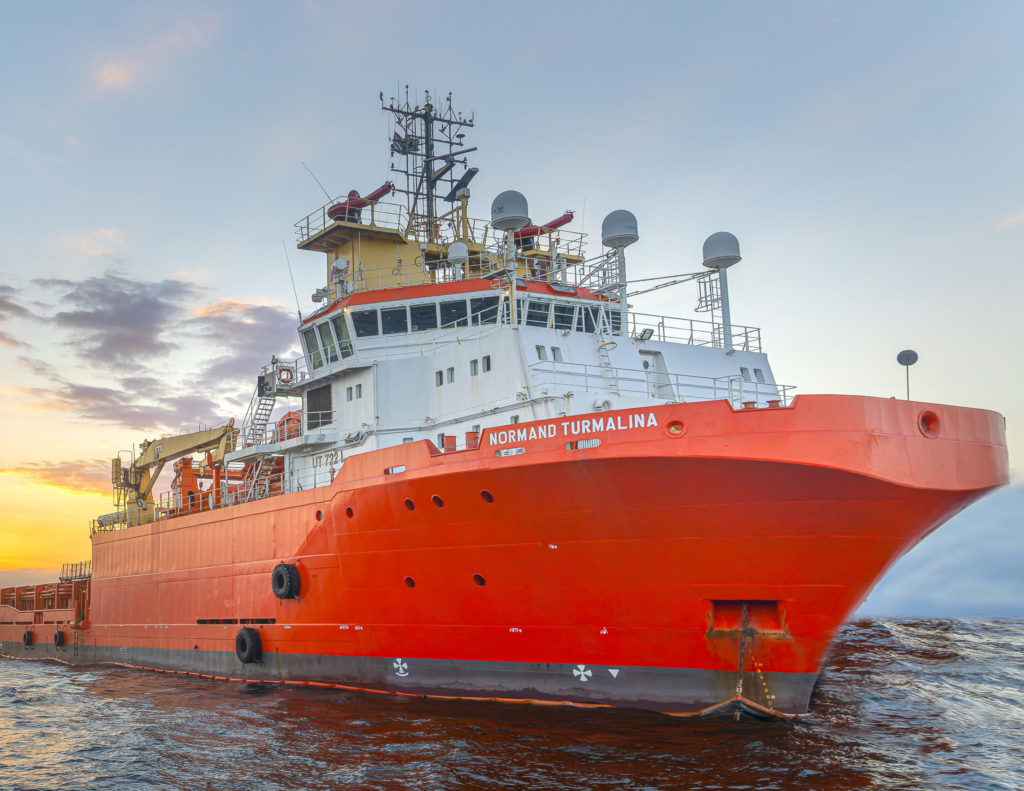
    Normand Turmalina
    Normand Turmalina (Source: Solstad)
  • Breaking News

    Breaking News

    Breaking News | Brazil Offshore & Maritime Update

    P-52 remains offline after gas-lift riser incident

    Petrobras’ P-52 remains shut down at the Roncador field, nine months after a flammable gas leak led to an emergency shutdown. The ANP has not authorized its restart, and Petrobras has not established a return date. The unit was producing approximately 35,000 barrels per day before the shutdown.

    P-33 begins voyage to Rio Grande for dismantling

    Petrobras’ former P-33 production unit left Porto do Açu on July 23 for the Rio Grande shipyard, where it will be dismantled and recycled. The unit was sold in 2023 to Gerdau, in partnership with Ecovix, and had been moored at Açu since February 2024.

    Normand Turmalina hauled out for maintenance

    The Brazilian-flagged AHTS Normand Turmalina has been hauled out for maintenance and preservation work. The team involved in the manoeuvre described the vessel as weighing approximately 5,000 tonnes and identified Dock Brasil as responsible for the engineering works. The location and scope of the maintenance were not disclosed.

    ANP approves review of marine fuel specifications

    The ANP approved a 45-day public consultation and a public hearing on proposed revisions to Brazil’s specifications for marine diesel and marine fuel oil. The draft updates the regulations to international standards and introduces rules for renewable and synthetic marine fuels.

    Consultation on Brazilian supplier preference closes

    The ANP’s 60-day preliminary consultation on equal opportunity and preferential treatment for Brazilian suppliers in oil and gas procurement closed on July 24. The proposal covers procurement schedules, preference margins, supplier complaints, regulatory oversight and penalties.

    Stay informed on key offshore developments.

  • Open Tenders & More

    Open Tenders & More

    Dear Madam/Sir,

    We are pleased to provide an update on the current long-term tenders that are open to offer.

    Open tenders:

    What has changed?

    • Petrobras 1x UMS: Opportunity 7004613237 was concluded on July 21st, 2026.

    What else is happening?

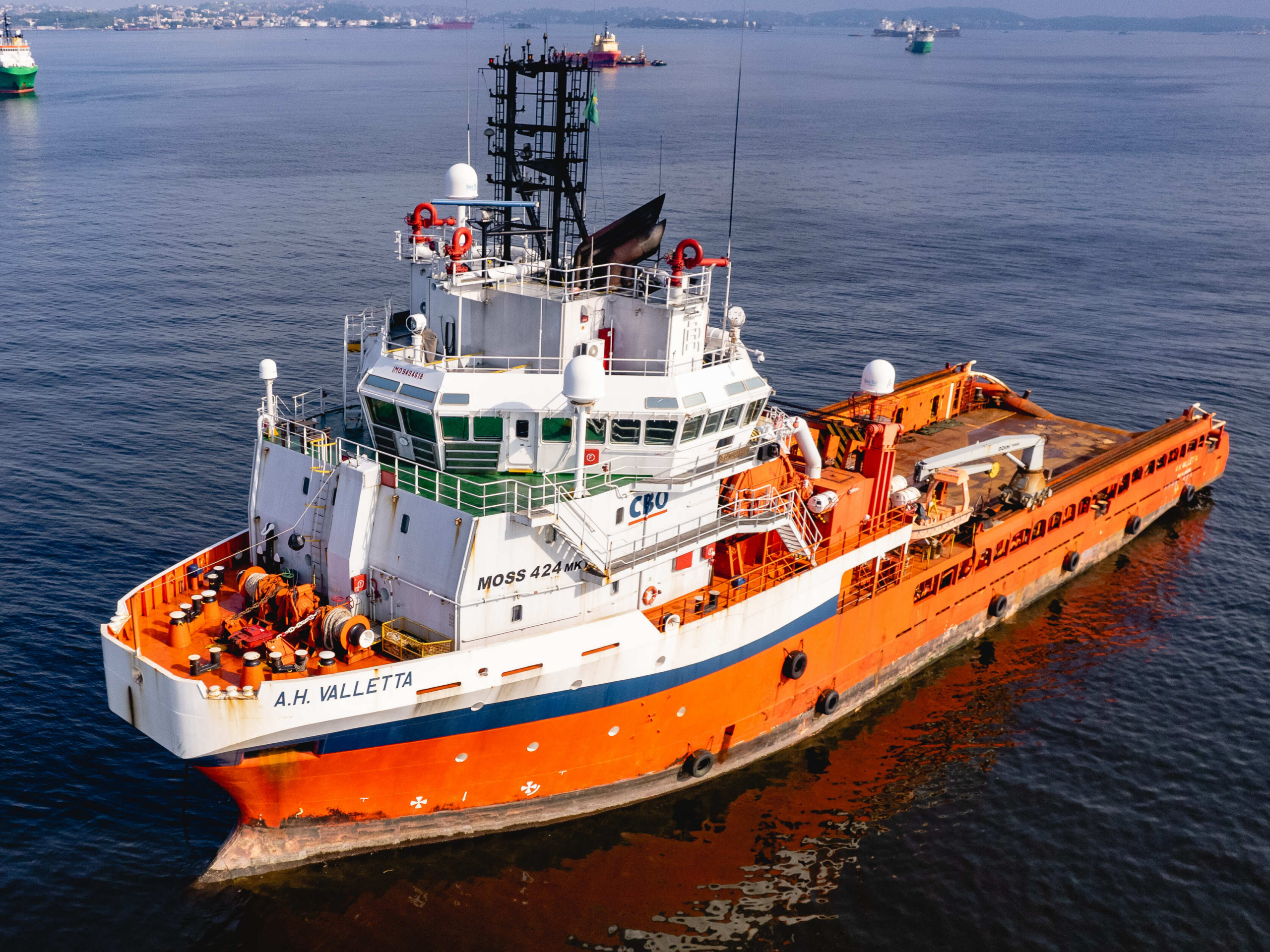
    • End of contract. A.H. Valletta and CBO Xavantes are expected to complete the Atlantic Star towing contract shortly. The buoys and anchors have been offloaded in Itajaí, while the mooring equipment has been offloaded in Niterói.
    • Run of bad luck. In less than six months, DOF has experienced the total loss of one vessel and an engine room fire aboard another (non-critical). It raises questions about what has been happening at the Norwegian company, traditionally recognized for its operational excellence.
  • One Energy magazine – New edition

    One Energy magazine – New edition

    The 19th edition of OneEnergy magazine, published by Westhon Media, features an exclusive interview with Rogério Ibrahim, CEO of Foresea. The issue also highlights Wärtsilä‘s presence in Brazil, along with profiles of Maria Ciriaco and Vanessa Costa, two of Westhon‘s key professionals.

    Also in this edition:

    – Columns by Romulo Augusto Bacchiega and Fernando Vilela CMO at WSB Advisors

    – The latest offshore and maritime market news

    – Editorial: Brazil has spent decades financing ships. Perhaps it is time to start building shipowners

    Click here to read: https://lnkd.in/d_Hmkrz5

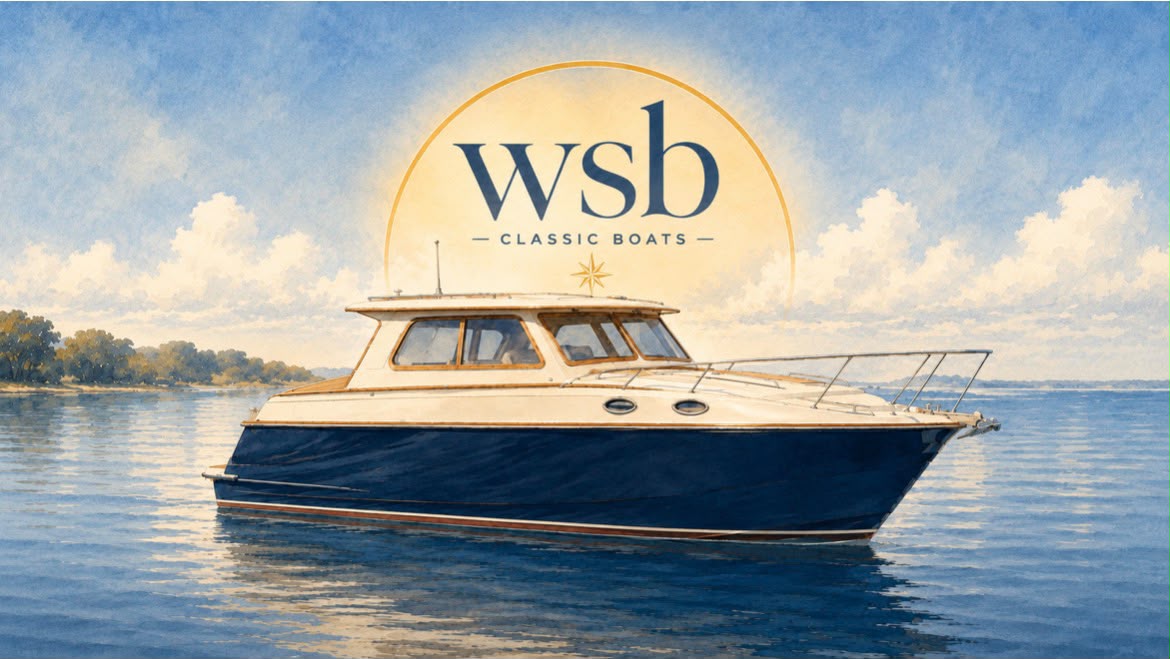
  • Launching WSB Classic Boats

    Launching WSB Classic Boats

    At WSB, we have always believed that the offshore, maritime and nautical sectors are not only about assets, steel, fiberglass, engines and contracts. They are also about culture, design, engineering intelligence and the ability to see value where others may see only a common boat.

    We are now launching a new experimental initiative: WSB Classic Boats.

    This will not start as a conventional business line. It will start as a laboratory.

    WSB will unite its Nautical Survey and Engineering teams to sponsor and follow the first full refit experiment aimed at transforming an existing boat into a desirable, elegant and affordable classic-inspired vessel.

    The base boat will be a vessel of at least 30 feet, with overnight capacity for four people. The outcome will not be a cosmetic intervention, but a fully developed refit project — engineering, naval architecture, interior design, technical feasibility, cost control, documentation and lessons learned.

    For this first experiment, we are selecting a small multidisciplinary team:

    One engineer from WSB.
    One engineer from a client, partner or fellow company.
    One architect.
    One interior designer.

    The mission is simple in concept, but complex in execution: to take a “sem sal” boat and study how far Brazilian engineering, design and craftsmanship can go in transforming it into a Classic Boat, inspired by the timeless lines of builders such as Riva, Hinckley and other classic nautical references, while respecting technical limitations, safety, cost and practical use.

    This initiative will be closely followed by WSB leadership. Our purpose is not only to create one beautiful boat. It is to learn whether Brazil can develop a credible refit niche capable of giving new life to existing vessels, creating value, beauty and affordability under the WSB Classic Boats name.

    Brazil has boats. Brazil has craftsmen. Brazil has engineers. Brazil has designers. What we want to test is whether these capabilities can be organized into a repeatable refit model.

    The first project will be our proof of concept.

    A boat can be more than transportation. It can be identity, memory, engineering and desire.

    Let the experiment begin.

    WSB Classic Boats
    From ordinary boats to classic desire.

  • Breaking News: Mayday Skandi Logger

    Breaking News: Mayday Skandi Logger

    BREAKING NEWS:

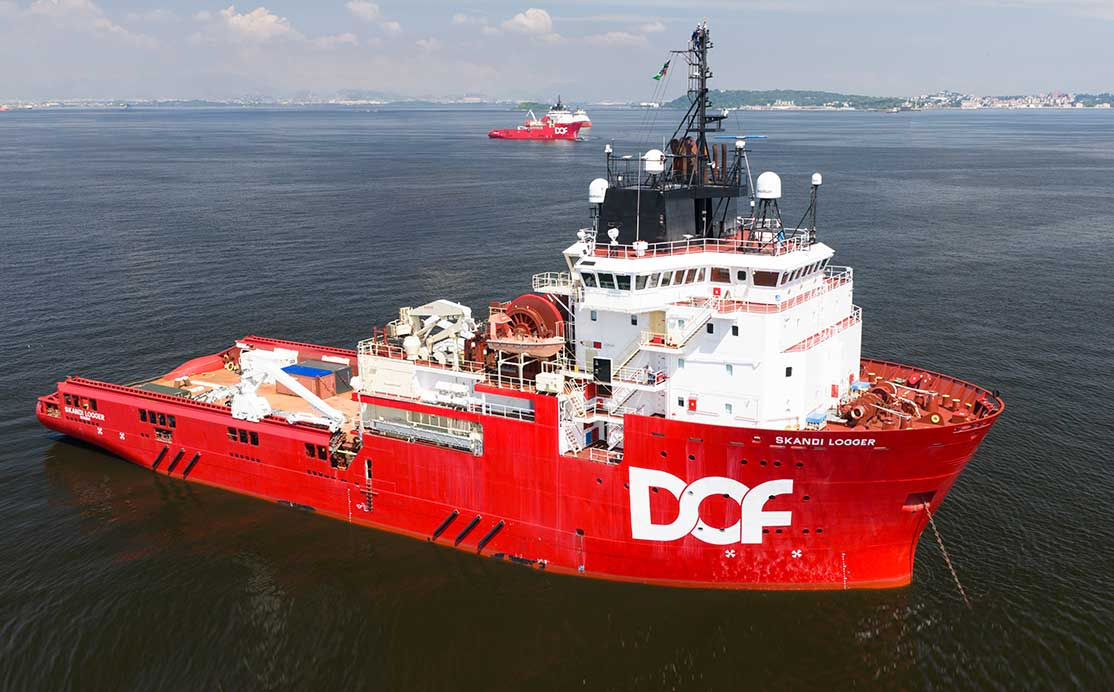
    Our newsroom has received an audio recording reportedly from the bridge of the Skandi Logger, broadcasting a Mayday distress call and an order to abandon ship near the P-37 platform in the Marlim field. The vessel’s position has been confirmed.

    Sources at the scene report that the vessel is already receiving assistance and connected for towing. The situation appears to be under control. At this stage, there is no confirmed information of any injuries or casualties.

    In contact with our team, DOF said:

    “DOF reports that, in the early hours of Wednesday (22), the Skandi Logger experienced an electrical short circuit, with no open flame, in its main switchboard while operating alongside the P-37 platform in Brazil’s Campos Basin.

    The company responded immediately to the incident and is providing full support to the onboard crew, while also coordinating and planning the operation to release the vessel from the field and carry out the necessary repairs.

    No injuries were reported among those on board, and, at this time, no environmental impact has been identified.

    The vessel remains under control, and DOF continues to monitor the situation while taking all necessary measures to ensure the safety of personnel, the environment, and the operation”

    We are seeking further details from Brazilian Navy and will provide updates as information becomes available.

  • Barge grounds at Icaraí breakwater

    Barge grounds at Icaraí breakwater


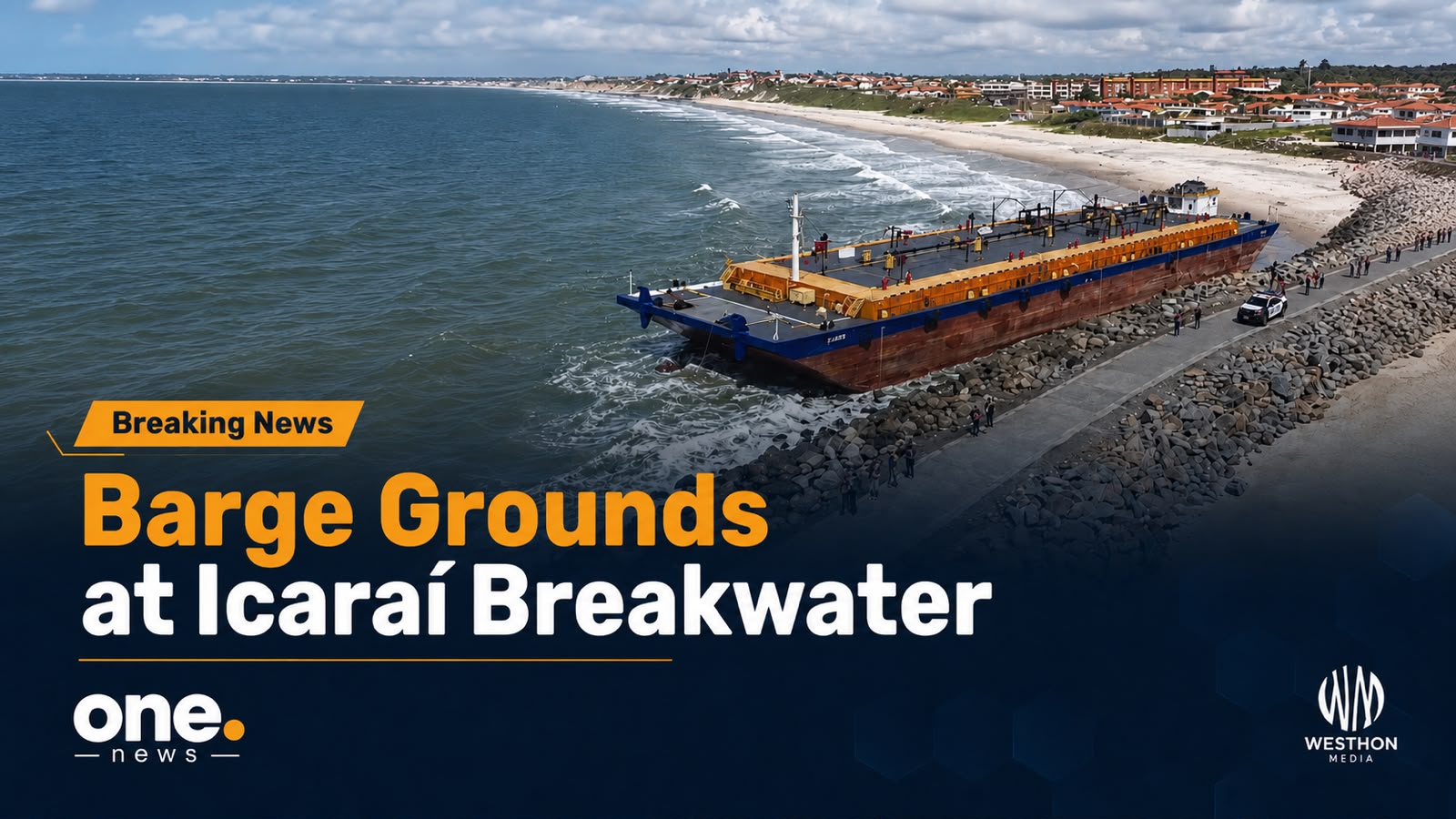
    UPDATE, July 22: The barge FLU IPÊ was removed from the Icaraí breakwater in Caucaia, Ceará, on Wednesday morning at approximately 9:00 a.m., concluding a refloating operation that lasted nearly 28 hours. Sulnorte Serviços Marítimos, the company responsible for the operation, said the work was conducted in accordance with the plan approved by the Ceará Port Captaincy, with no environmental impact and no injuries reported among crew, company personnel or local residents.


    FLU IPÊ barge remains grounded on Ceará coast after tow separation

    The barge FLU IPÊ remained grounded at the Icaraí breakwater in Caucaia, Ceará, on Tuesday evening after separating from its towing system during an offshore tow.

    The operation was being conducted by the tug SN Caraíva. Sulnorte, the company responsible for the tow, said the barge drifted after the separation and subsequently grounded at the breakwater.

    The cause of the incident has not yet been established. Reports that the towing line broke have not been confirmed by either Sulnorte or the Brazilian Navy.

    The barge was empty and uncrewed at the time of the incident. No injuries, oil spill or environmental damage were reported.

    The Ceará Port Captaincy inspected the site and will open an Administrative Inquiry into Navigation Accidents and Facts to determine the causes, circumstances and responsibilities. The initial deadline for completion is 90 days.

    Sulnorte said technical and operational teams were mobilized to monitor the barge and prepare its removal, subject to tide, weather and safety conditions. Despite preparations to begin the operation on Tuesday, FLU IPÊ remained grounded at the latest update [see update above].

  • News has a new home

    News has a new home


    As our editorial activities continue to grow, all offshore news, market analysis and industry coverage previously published through WSB Advisors will now be shared by One Energy News.

    This evolution allows each brand to focus on its core mission.

    One Energy News becomes our dedicated editorial platform, committed to delivering independent offshore journalism, market intelligence and industry insights.

    WSB Advisors remains focused on shipbroking, commercial advisory and connecting opportunities across the offshore market.

    To continue following WSB Advisors, please visit: WSB Advisors

    Thank you for being part of this journey. Welcome to: One Energy News.

  • Petrobras: AHTS bid newbuilding posptponed once again

    Petrobras: AHTS bid newbuilding posptponed once again

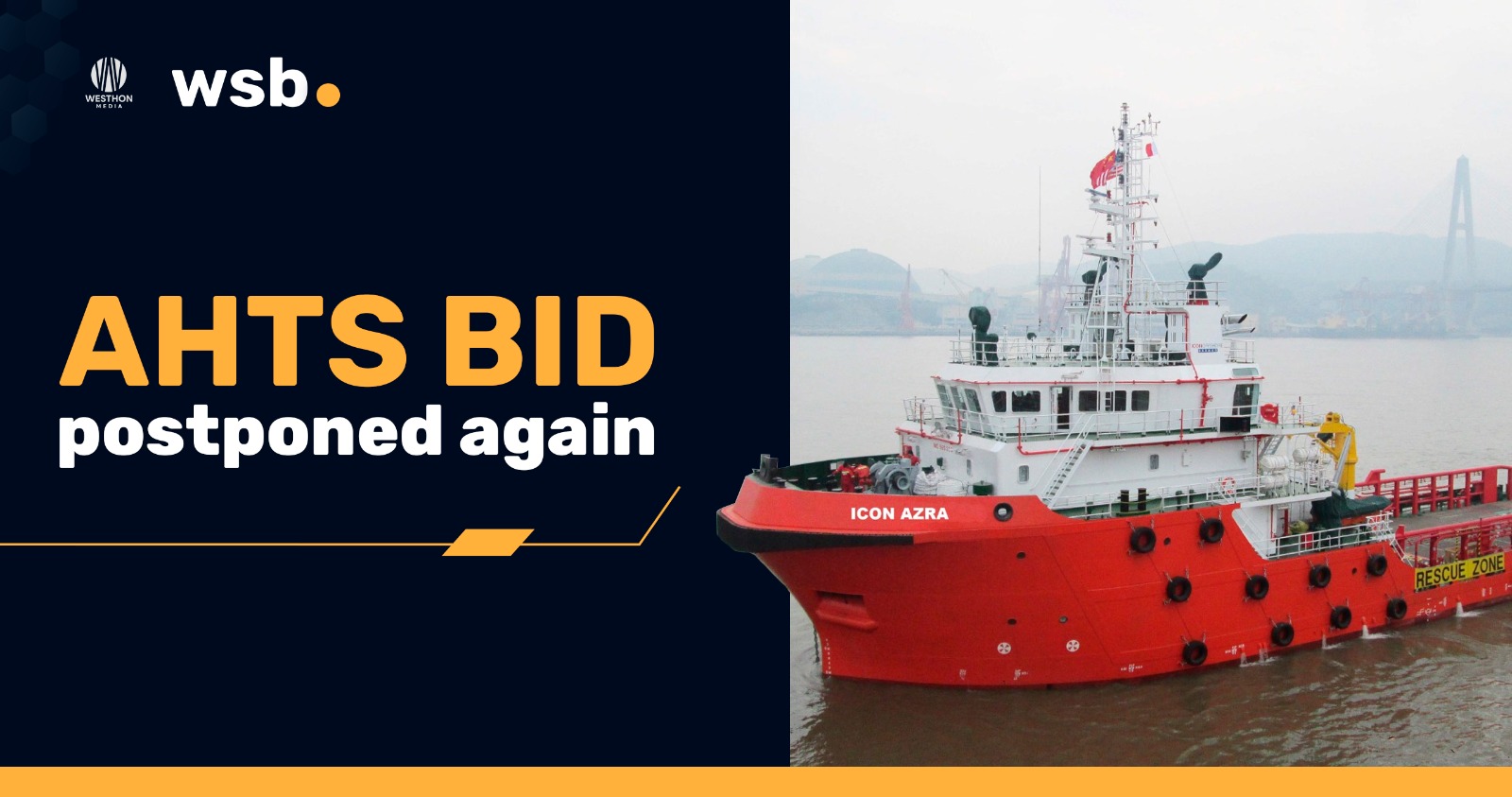
    Petrobras extends AHTS tender deadline to August 21Petrobras has extended the submission deadline for its newbuild AHTS tender, with bids now due on August 21. This is the fourth postponement since late May.

    Petrobras has not disclosed the reason for the latest extension. Several shipowners have requested additional time to meet the financing documentation required under Addendum K, with the bank Comfort Letter once again at the center of the issue. Petrobras considered the requests but is not expected to remove the requirement.

    After such a prolonged process and repeated extensions, the possibility of cancellation can no longer be ignored, although Petrobras has given no indication that this is currently under consideration.

    At this point, the focus is no longer on the deadline itself. What happens when bidding closes will say far more about the market than another extension ever could.