Author: Rafael Bortoloti

  • Petrobras reinforces Campos Basin strategy with Argonauta transaction

    Petrobras reinforces Campos Basin strategy with Argonauta transaction

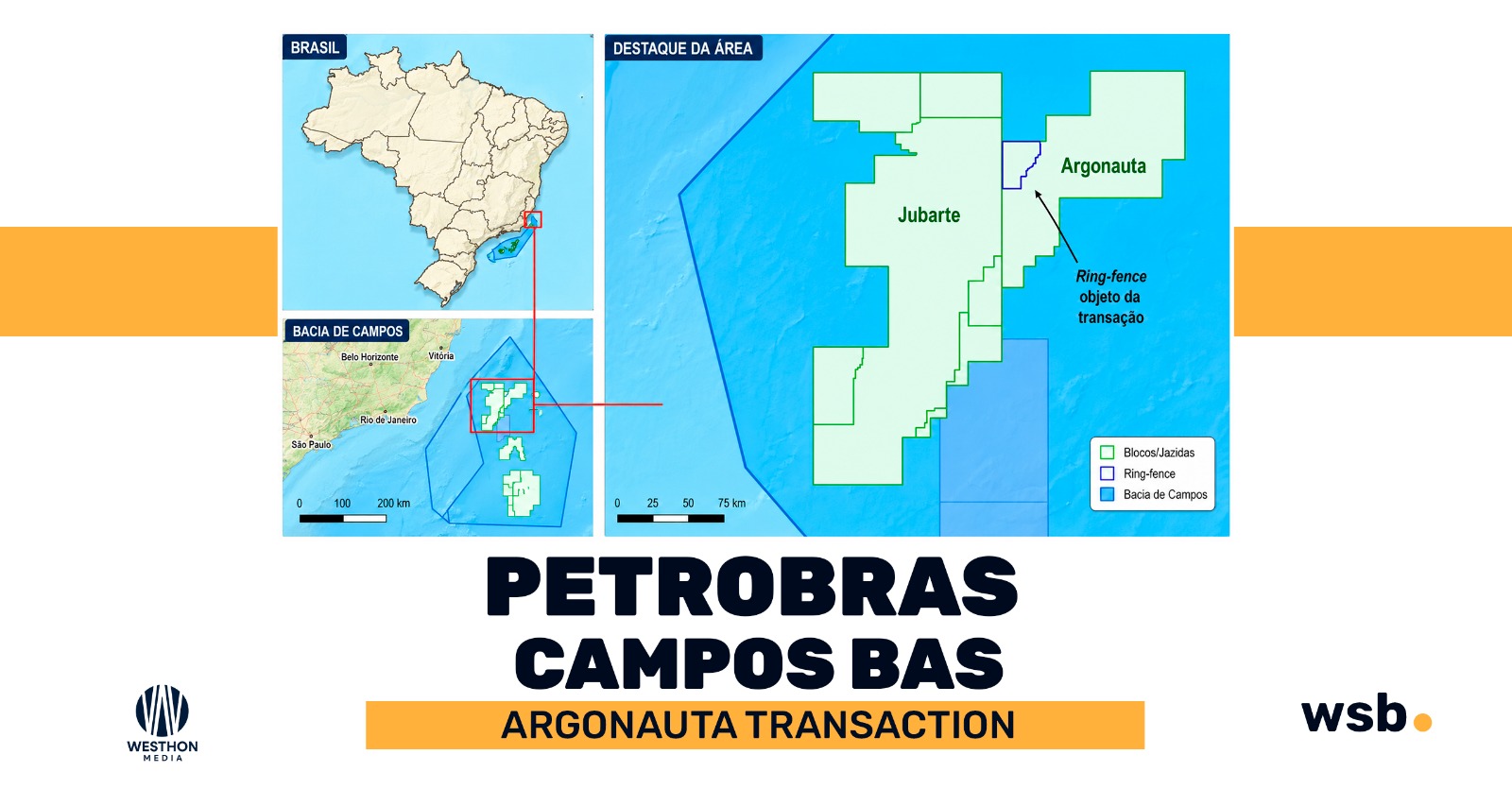
    Petrobras announced an agreement to acquire 100% of a ring-fence portion of the Argonauta Field, in the Campos Basin, currently held by Shell, ONGC and Brava.

    The transaction involves a portion of Argonauta linked to 0.86% of the shared Jubarte pre-salt reservoir. The total consideration will be R$700 million plus US$150 million, subject to contractual adjustments and closing conditions.

    Once completed, Petrobras will hold 98.11% of the Jubarte Shared Reservoir, while the Brazilian government, represented by PPSA, will retain 1.89% related to the extension of the reservoir into non-contracted areas.

    More than a portfolio adjustment, the deal points to a broader strategy: Petrobras is consolidating control over profitable producing assets in the Campos Basin, simplifying governance and reinforcing its position in Brazil’s oldest offshore producing province.

    The move follows other recent transactions, including the reacquisition of Petronas’ stake in Tartaruga Verde and Espadarte Module III, and is aligned with the company’s 2026–2030 Business Plan, which prioritizes value maximization in resilient upstream assets.

    In a market where new frontier development faces longer licensing cycles and higher execution risk, mature basins with existing infrastructure are gaining renewed strategic relevance.

    Campos Basin is no longer just a legacy province. It is becoming a core pillar in Petrobras’ portfolio optimization strategy.

    Stay informed on key offshore developments — visit wsb-one.com, our data platform trusted by leading offshore companies.

  • RSV Bid 2024: DOF awarded

    RSV Bid 2024: DOF awarded

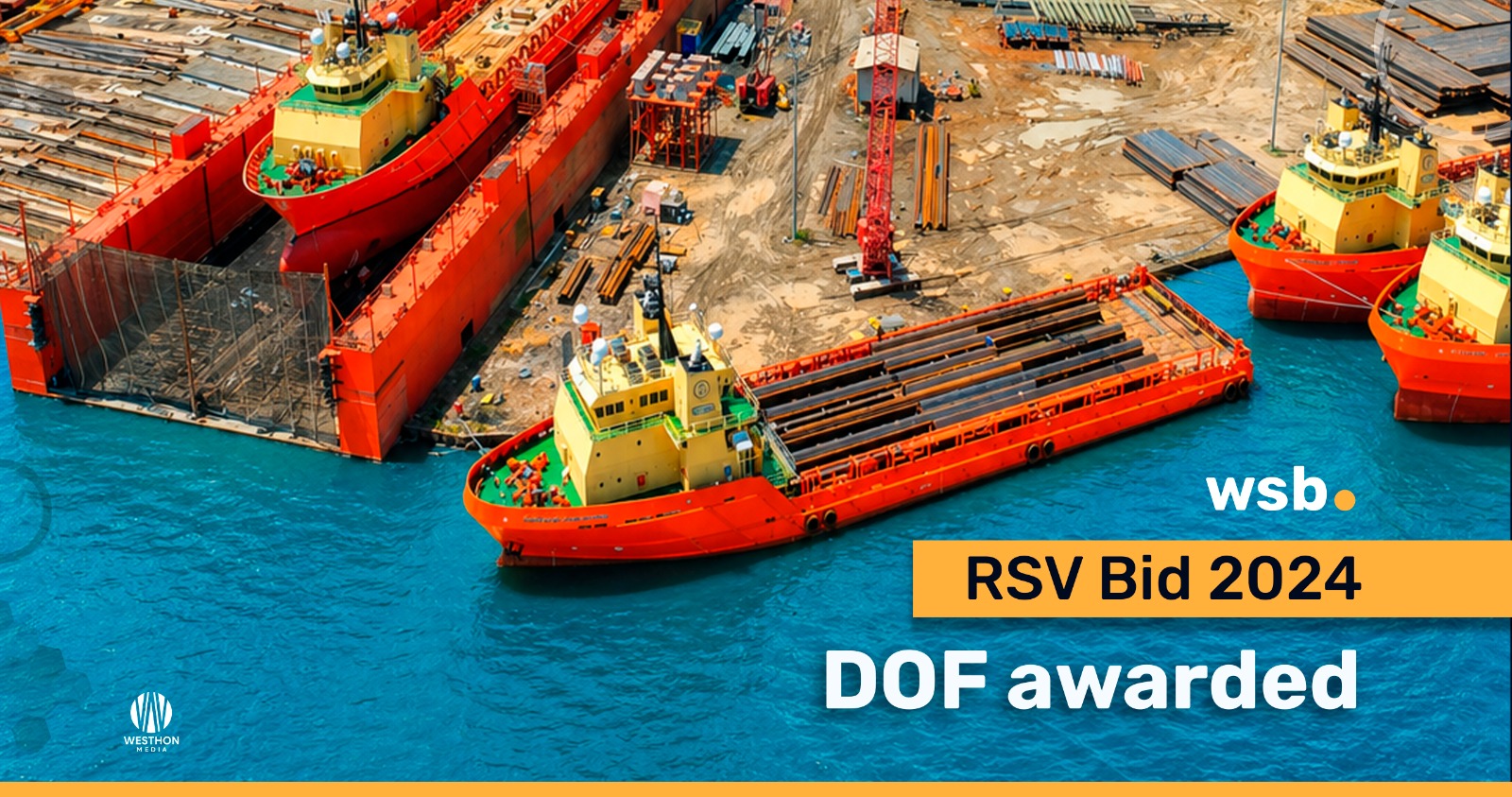
    Petrobras awarded this week four RSV-type vessels to DOF under bid 7004319394, launched in 2024. The contracts have a 12-year term and total more than R$11.05 billion, with an estimated day rate of around US$116,364 per vessel.

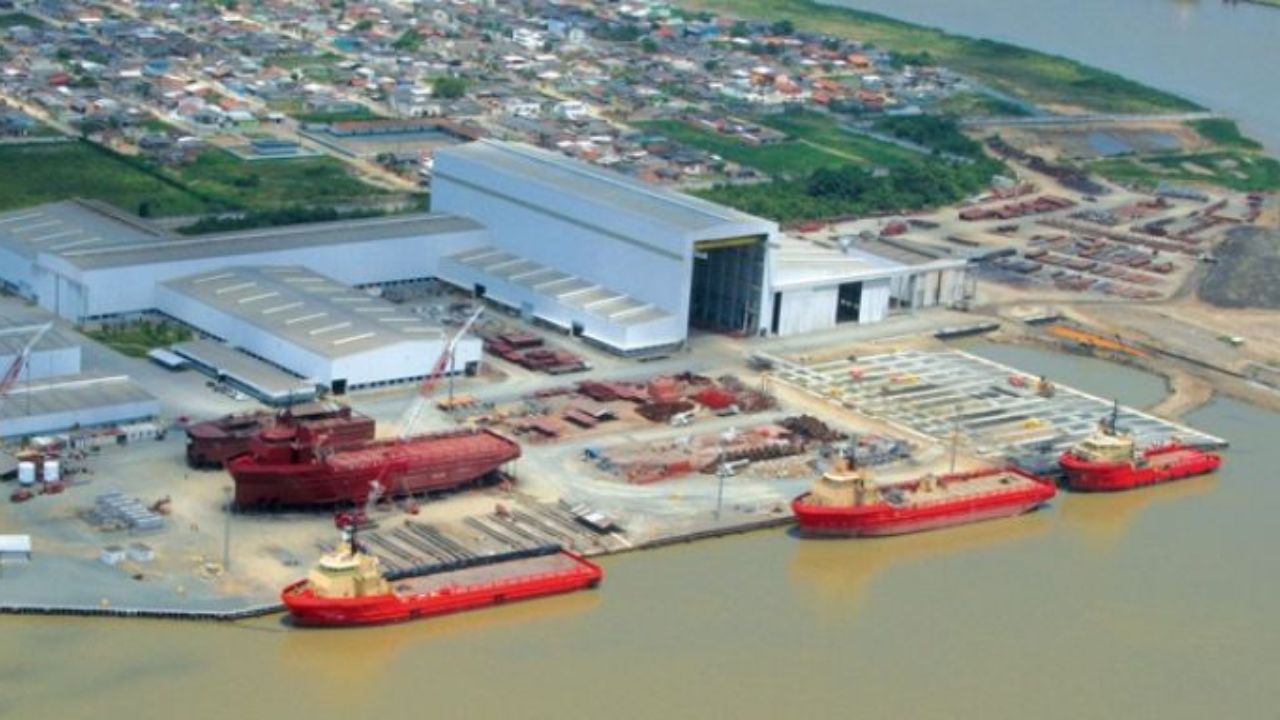
    The vessels will be built at the Navship shipyard.

    In addition, the same yard will also be responsible for four other vessels under this tender, which were already awarded last year to Bram Offshore, at a day rate of US$108,990 per vessel.

  • Petrobras postpones AHTS newbuild tender

    Petrobras postpones AHTS newbuild tender

    Bad news? At first glance, yes.

    But maybe not.

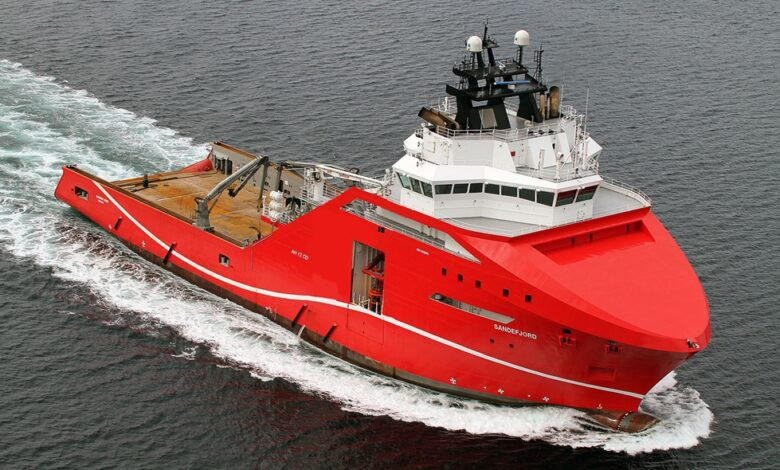
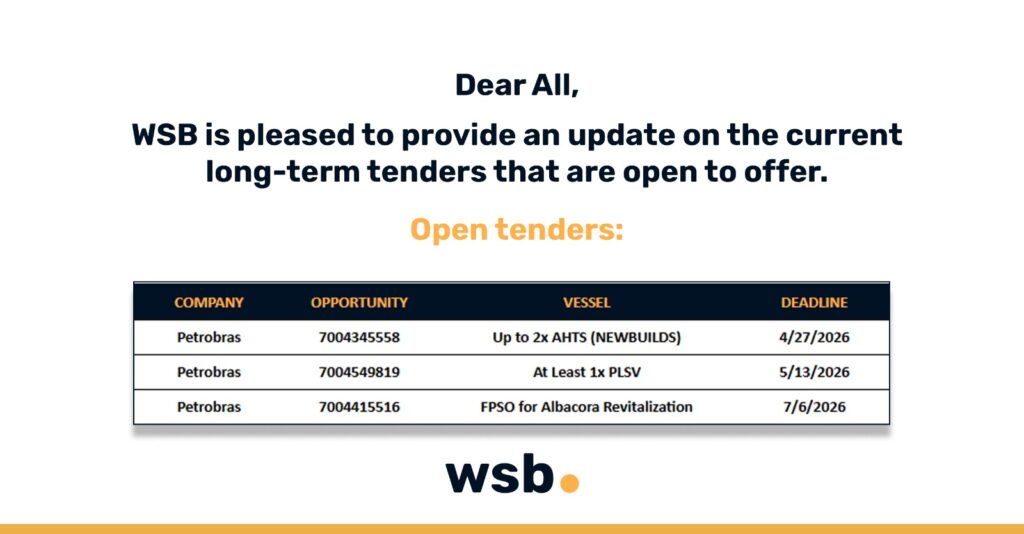
    The tender has moved from 27 April to 27 May, after a series of updates and adjustments to the specs.

    In plain English: Petrobras seems to be listening.

    And in a high-spec AHTS newbuilding tender, listening to the market is not weakness. It may be exactly what is needed to bring more yards, more suppliers, more owners and — ultimately — more competition to the table.

    The real story is not the delay.

    The real story is whether this extra month turns into better bids, more bidders and a stronger tender.

    Bram and DOF remain names to watch.

    But the door may now be slightly more open.

    More time. More offers. More competition.

    That is where the market should be looking.

  • Open Tenders and more

    Open Tenders and more

    Dear All,

    WSB is pleased to provide an update on the current long-term tenders that are open to offer.

    What has changed?


    What else is happening?

    VLI has begun a R$ 80 million upgrade of the São Luís Port Terminal (TPSL) in Maranhão, with completion expected in the first quarter of 2027.  The project aims to boost operational efficiency, raising maritime loading capacity from 3,000 to 3,700 tons per hour, a 23% increase, and internal grain outflow from 1,500 to 2,000 t/h, up 33%. In 2025, TPSL handled 5.8 million tons through Berth 105, 4.1% more than in 2024. The terminal is part of VLI’s Northern Corridor, which serves the Matopiba region and moved 15 billion TKU last year.

  • Coming Soon – Energy Talks – Amanda Durante

    Coming Soon – Energy Talks – Amanda Durante

    In the next edition of Energy Talks, we speak with one of the young leaders gaining ground in Brazil’s energy sector.

    At just 28, Amanda Durante shares how a pivotal early-career moment became the starting point for building a company with nationwide reach. As founder of iGreen Energy, she discusses the challenges of scaling an innovative business model in a fast-evolving market.

    Recognized in the Forbes Under 30 list, Amanda brings a direct perspective on leadership, execution, and growth. The conversation also explores Brazil’s regulatory environment and the outlook for solar energy in the country.

    An interview grounded in real experience — from someone actively shaping Brazil’s energy transition.

  • Open Tenders

    Open Tenders

    Dear All,

    WSB is pleased to provide an update on the current long-term tenders that are open to offer.

    Open tenders


    What has changed?

    – No updates

  • P-79: new step

    P-79: new step

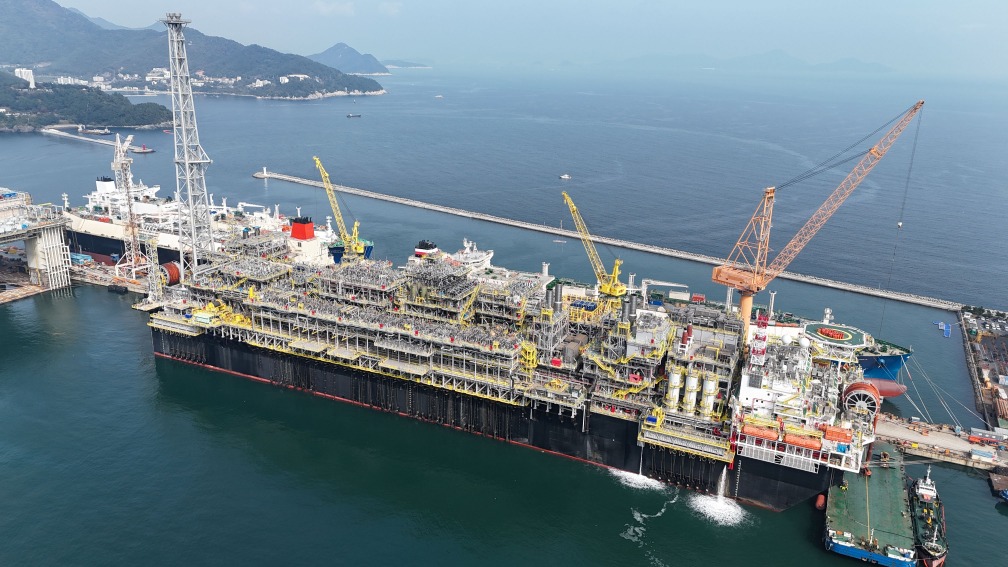
    Petrobras has completed the tieback of the Búzios 90 well, a step that enables first oil from the P-79 platform in the Búzios field, in the Santos Basin. The unit will have the capacity to produce up to 180,000 barrels of oil per day and compress 7.2 million cubic meters of gas, becoming the eighth platform operating in the field. Start-up now depends only on approval from the Agência Nacional do Petróleo (ANP).

    According to the company’s CEO, Magda Chambriard, the platform is ready to begin operations once regulatory clearance is granted. She highlighted the complexity of the work, which involved around 1,300 hours and the installation of 15 km of flexible and rigid lines, as well as umbilicals. The Búzios 90 well is expected to produce about 50,000 barrels per day.

    Located about 180 km off the coast of Rio de Janeiro in ultra-deep waters, P-79 is part of the Búzios 8 project, which includes 14 wells — eight producers and six injectors — as well as a gas export pipeline connected to the Rota 3 system.

    The tieback campaign was carried out alongside anchoring operations and involved 11 vessels, both owned and contracted. According to the company, the main challenges were managing simultaneous activities on the FPSO and in the subsea environment, as well as logistical constraints.

  • Brazil launches offshore innovation hub

    Brazil launches offshore innovation hub

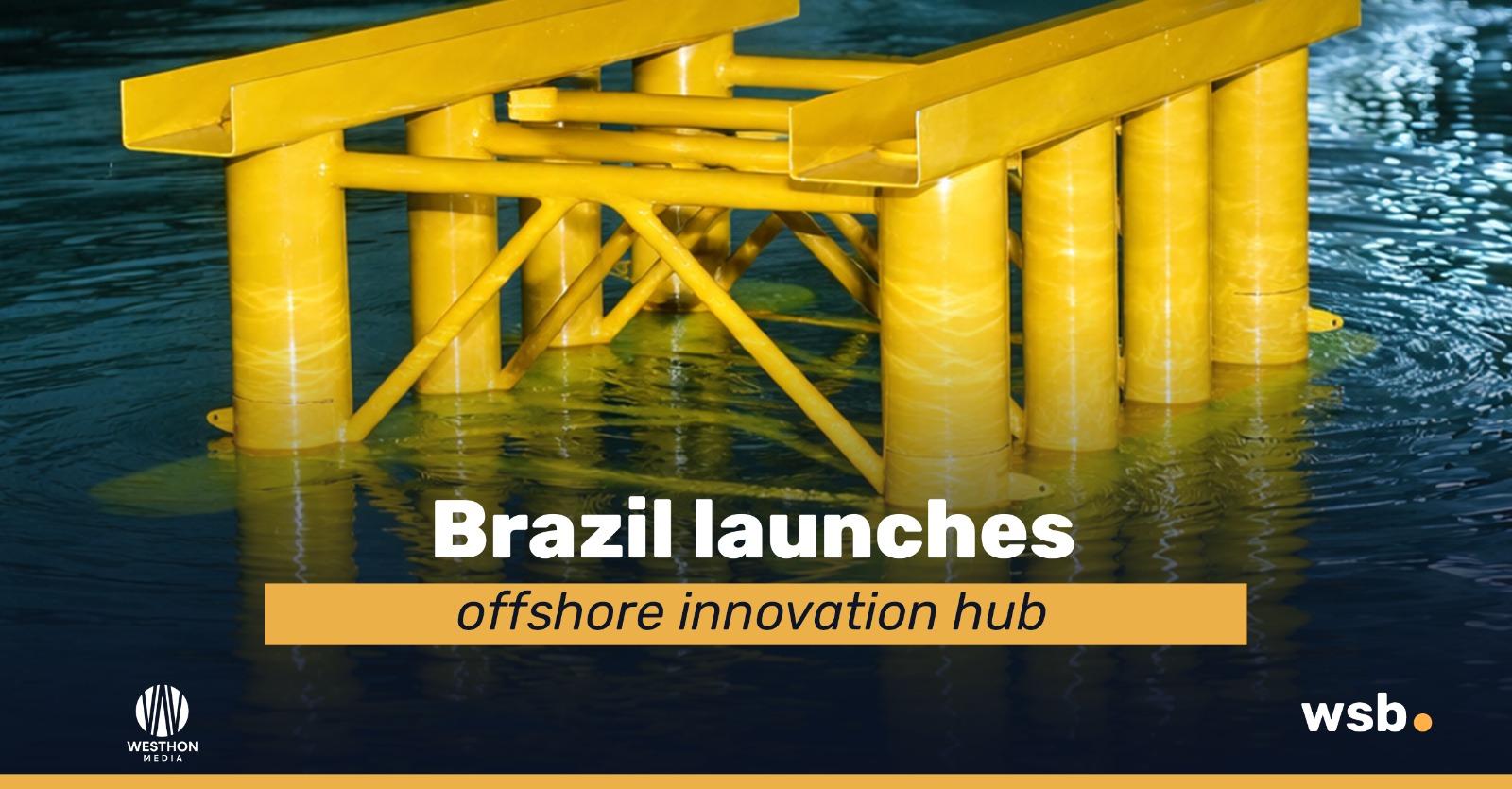
    Brazil Launches Offshore and Subsea Innovation Center with R$ 163 Million Investment

    USP, IPT, Shell and Fapesp join forces to position Brazil at the forefront of applied research for the offshore sector, with a focus on advanced materials, low-carbon energy and digital transformation.

    A Heavyweight Partnership

    On 15 April 2026, the Escola Politécnica at the University of São Paulo (USP) hosted the official launch of the Offshore Technology Innovation Centre (OTIC) — a centre dedicated to the development of cutting-edge technologies for the oceanic and subsea environment. The initiative brings together USP, the Institute for Technological Research (IPT), Shell and the São Paulo Research Foundation (Fapesp), forming one of the most significant public-private partnerships ever established for the offshore sector in Brazil.
    The ceremony also marked the inauguration of four new laboratories associated with the OTIC, all located within the University City campus in São Paulo.

    Five Pillars, One Strategic Goal

    The OTIC is structured around five technical pillars that guide its operations: Low-Carbon Energy, Digital Transformation, New Materials and Nanotechnology, Safety, Environment and Circular Economy, and New Processes and Operations. The logic underpinning these pillars is straightforward — to accelerate the technological transition of Brazil’s offshore sector by closing the gap between scientific output and the practical demands of industry.

    R$ 163 Million and Global Ambitions

    The estimated investment over the course of the project stands at approximately R$ 163 million, a figure that reflects the scale of the partners’ ambitions. The stated objective is to position Brazil as an international reference in subsea technologies — an increasingly competitive market as deepwater exploration consolidates its role as a pillar of the global energy mix.

    IPT’s Role: Advanced Materials at the Core

    IPT’s participation in the OTIC is anchored in the laboratories of its Advanced Materials Unit, operating specifically in the areas of corrosion and protection and lightweight structures — competencies with direct application to the durability and structural integrity challenges that define the offshore environment.

    Anderson Correia, IPT’s President and CEO, underscored the institutional significance of the project, noting that the institute’s contribution rests on the expertise of its teams in technology areas that are critical to industry. Sandra Moraes, Director of the Advanced Materials Unit, was more specific in outlining the expected impact: the teams involved play a strategic role in developing solutions for aggressive environments, in the integration of onshore and offshore systems, and in operational efficiency — all central themes for any company operating in Brazil’s pre-salt fields.

    Bridging Academia and Industry

    The OTIC is being launched at a moment when Brazil’s offshore industry is going through a phase of consolidation and reinvestment. The proximity between applied research laboratories and energy sector operators creates conditions for innovation to reach the market faster and with greater alignment to operational needs.

    For the offshore supply chain — shipbuilders, equipment manufacturers, integrity and inspection companies — the centre represents a concrete opportunity to access frontier technological development in partnership with internationally recognised institutions.
  • Petrobras advances US$450 million Mero seismic monitoring project into data phase

    Petrobras advances US$450 million Mero seismic monitoring project into data phase

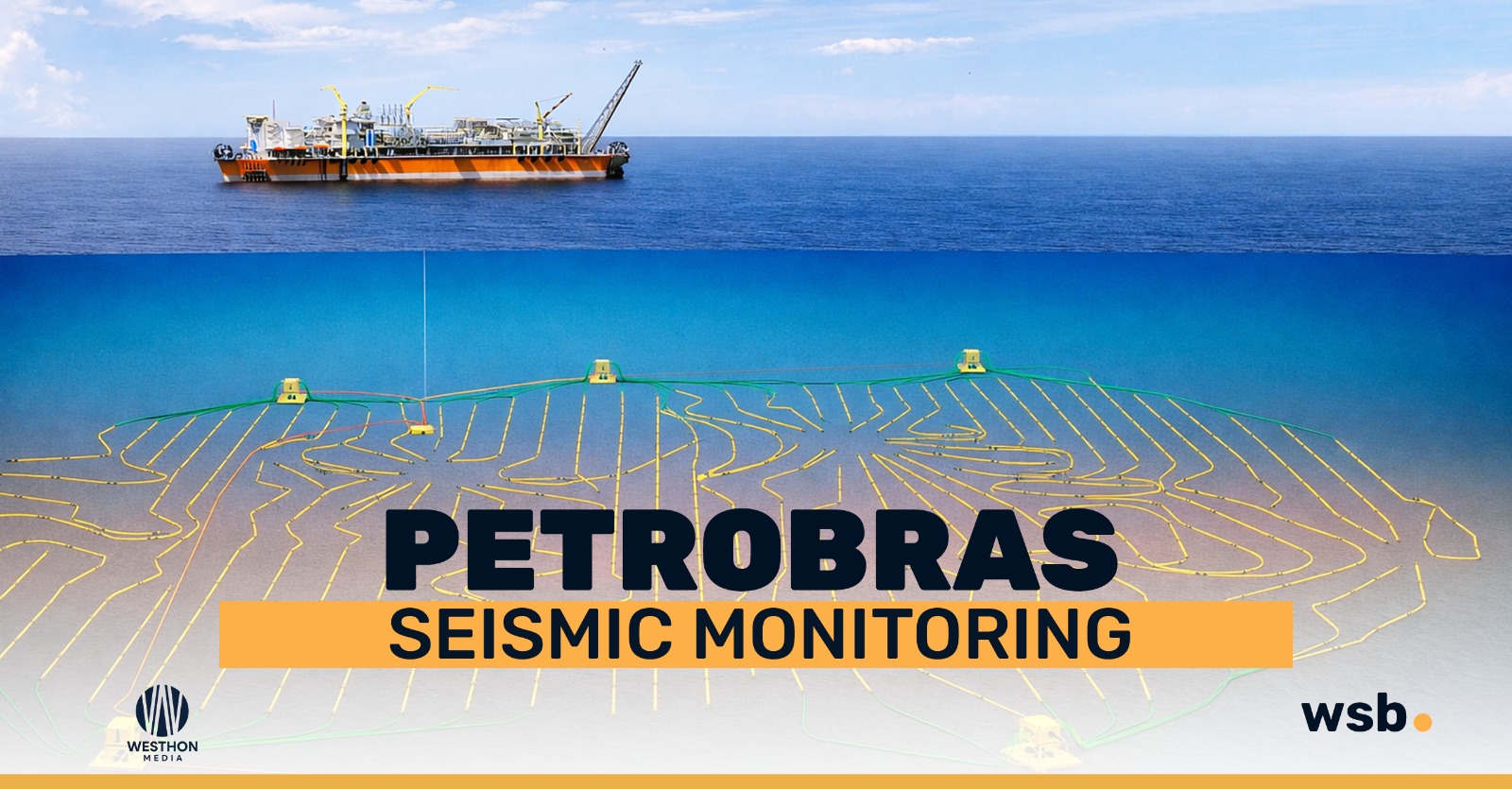
    Petrobras has advanced the world’s largest permanent seismic monitoring project at the Mero field, in Brazil’s Santos Basin. The initiative, backed by approximately US$450 million in investments, completed its first phase in March 2026 and is now moving into a key stage, with first data acquisition expected in the second quarter.

    More than 460 km of seabed cables have already been installed, covering an area of 222 km². The system will monitor production activities at FPSOs Guanabara (Mero 1) and Sepetiba (Mero 2), helping Petrobras and its partners track reservoir behavior in real time.

    A second phase is planned to add another 316 km of cables, with completion expected in 2027, expanding the monitoring network across the field.

    The project is centered on Mero, one of Brazil’s leading pre-salt assets, which was producing more than 680,000 barrels per day as of January 2026.

    More than a new investment announcement, this marks a relevant execution milestone: the project has moved from installation into the operational data phase, with direct implications for reservoir management and recovery efficiency.

  • Por onde anda? Maersk Maker

    Por onde anda? Maersk Maker

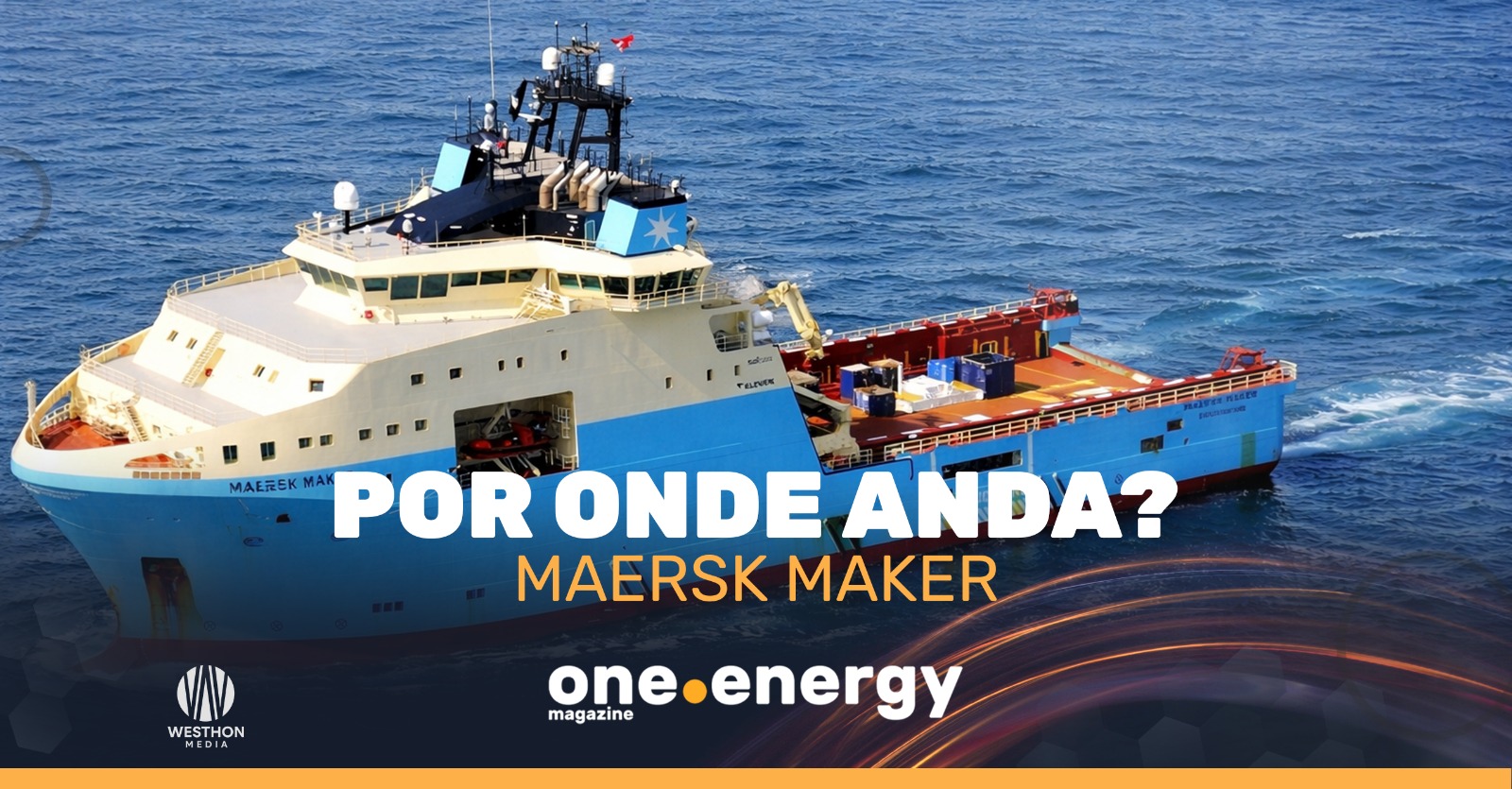
    For those who follow Brazil’s offshore support vessel market, Maersk Maker is a familiar name. The vessel has now undergone both a change of identity and a shift in management. So where is she now, and what sits behind this latest move?

    Previously tracked by us as an Ice Class 1A AHTS, the vessel has been renamed Tor Viking and has formally joined the fleet of Viking Supply Ships. As of April, her technical and commercial management has also been transferred to Sea1 Offshore.

    A Strategic Realignment

    This development points to a broader strategic alignment. The vessel was acquired from Maersk by Kistefos AS before being moved into Viking Supply Ships. Looking more closely at the corporate structure, businessman Christen Sveaas holds significant interests in both Viking Supply Ships and Sea1 Offshore. In practice, this places ownership and operation of the vessel within the same wider strategic sphere.

    Positioned for Harsh-Environment Demand

    This is more than a simple renaming exercise. With approximately 230 tonnes of bollard pull and specifications suited to harsh and icy environments, Tor Viking stands as a relevant asset within a segment that remains highly specialised and commercially demanding. At a time when owners and operators continue to value capable, niche tonnage, the vessel appears well positioned in one of the market’s most competitive arenas.

  • Ecovix starts steel processing for Transpetro Handy tankers

    Ecovix starts steel processing for Transpetro Handy tankers

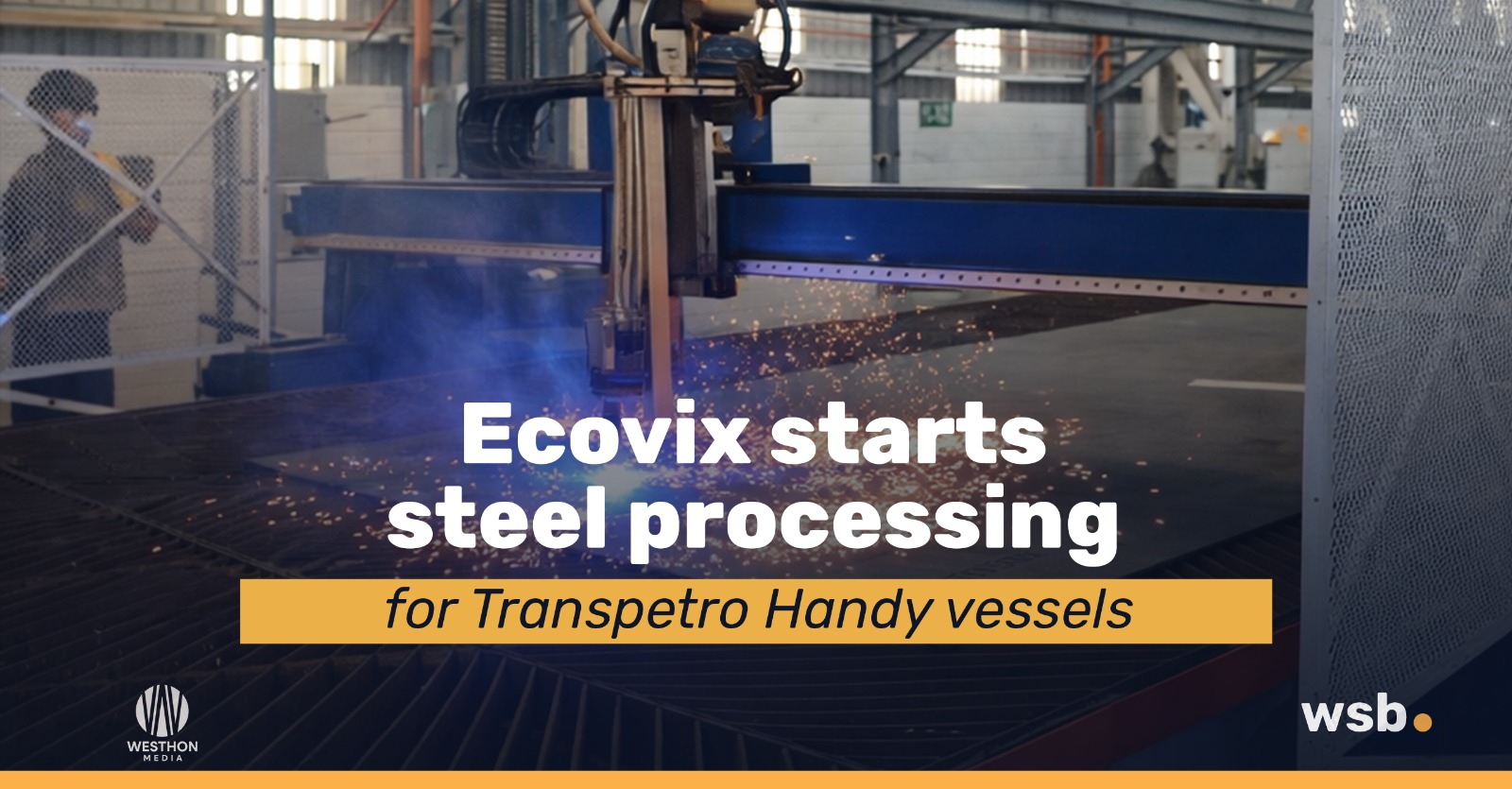
    Ecovix has started steel processing for the construction of four Handy tankers contracted by Transpetro, marking the beginning of hull fabrication works at the Rio Grande Shipyard in southern Brazil.

    The activity began on April 9, with approximately 100 tonnes of steel already delivered to the yard. Additional deliveries totaling around 11,500 tonnes are expected by June, as the project advances.

    The vessels are part of Transpetro’s fleet renewal program and are being built under contracts aimed at expanding and modernizing the company’s logistics capacity. More than 50% of the equipment required for the project has already been procured.

    The initial phase of construction is expected to generate new jobs at the shipyard, with around 100 additional workers to be incorporated into the workforce.

    Stay informed on key offshore developments — visit wsb-one.com, our data platform trusted by leading offshore companies.

  • RSV Petrobras Tender: Partial results

    RSV Petrobras Tender: Partial results

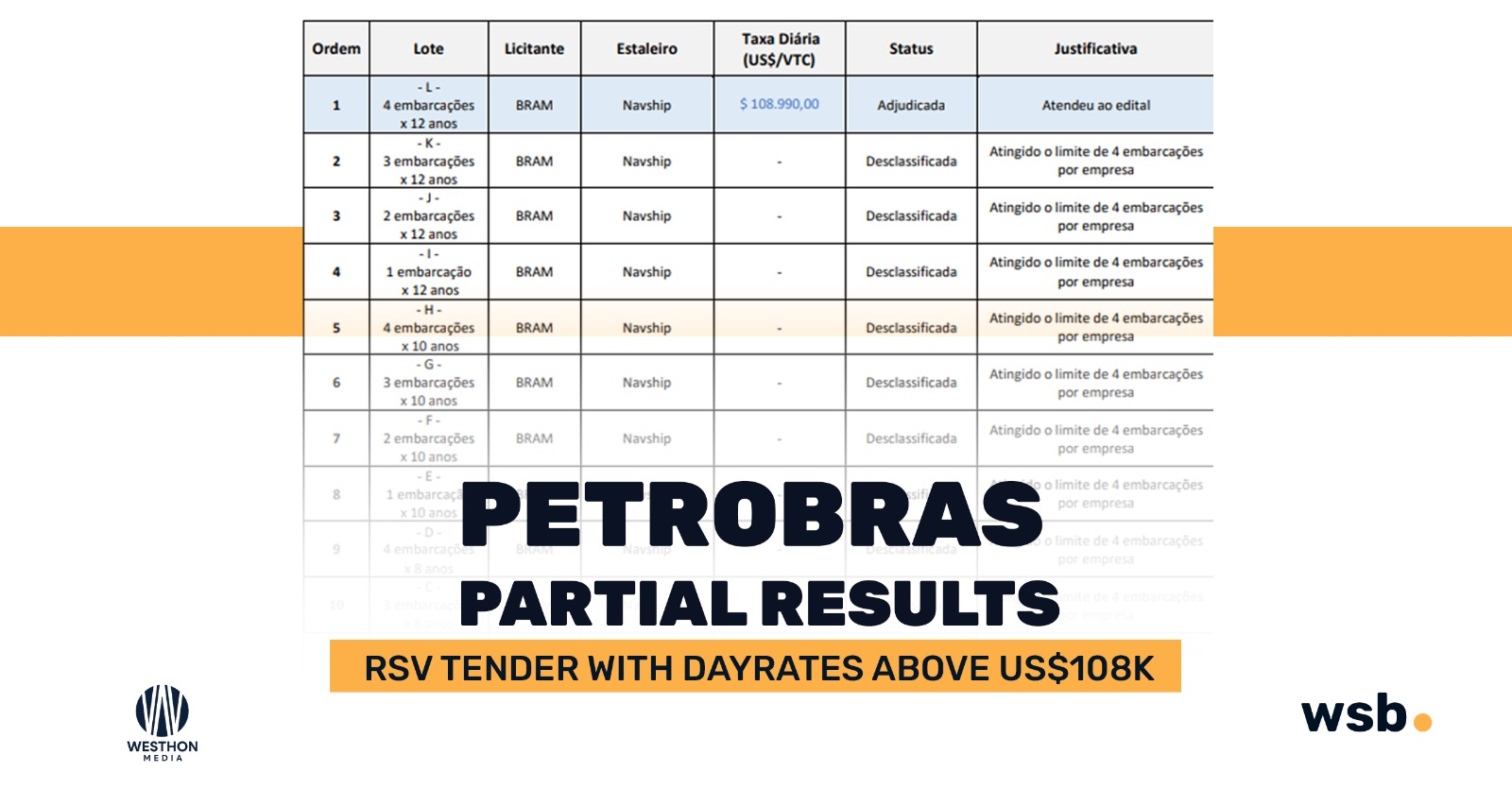
    Petrobras released on April 15, 2026 the partial results of tender opportunity 7004319394, related to the chartering of RSV-2024 type vessels.

    The tender provides for the contracting of up to 8 vessels, with awards being defined in phases. In this partial result, a proposal submitted by BRAM Offshore in partnership with Navship was adjudicated for 4 vessels under 12-year contracts, at a rate of US$108,990 per day per vessel, considered compliant with tender requirements.

    Other proposals from BRAM were disqualified for exceeding the maximum limit of vessels per company, while DOF submitted a classified bid for the same lot at US$116,364 per day, above the leading offer.

    Several other participants, including proposals involving shipyards such as Rio Grande and Enseada, were not evaluated for being outside the number of available slots, while bids from Ocyan were disqualified due to lack of a shipyard agreement.

    The process is currently in the appeal phase, with a one-business-day deadline for submissions, in accordance with tender rules