Author: Rafael Bortoloti

  • Open Tenders & More

    Open Tenders & More

    Dear All,

    WSB is pleased to provide an update on the current long-term tenders that are open to offer.

    Open tenders:

    What has changed?

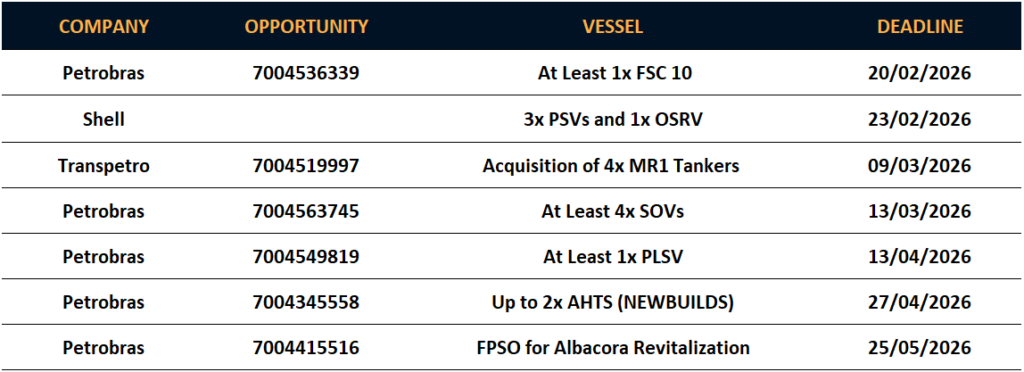
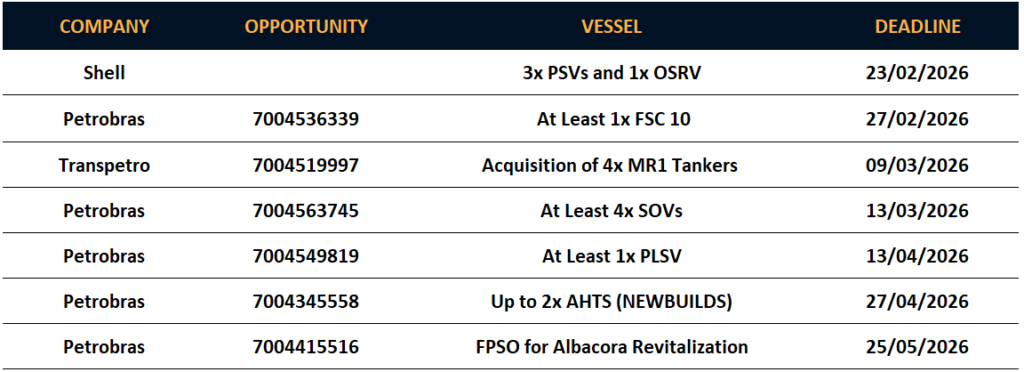
    • Petrobras At Least 1x FSC 10: Opportunity 7004536339 new deadline February 27th, 2026.

    What else is happening?

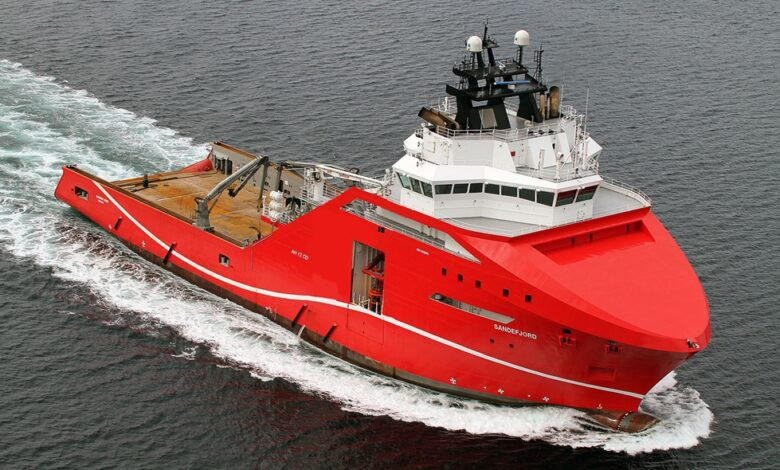
    • DOF announced the acquisition of the anchor handling vessels Aurora Sandefjord and Aurora Saltfjord as part of a ~$100 million fleet upgrade, with deliveries expected in April 2026 and June/July 2026, respectively.
    • Valaris has commenced a US$498 million drilling contract with Equinor for the drilling of six wells at the Raia gas field in Brazil’s Campos Basin pre-salt, supporting first production expected in 2028.
  • Special WSB: Por onde anda? Maersk Involver

    Special WSB: Por onde anda? Maersk Involver


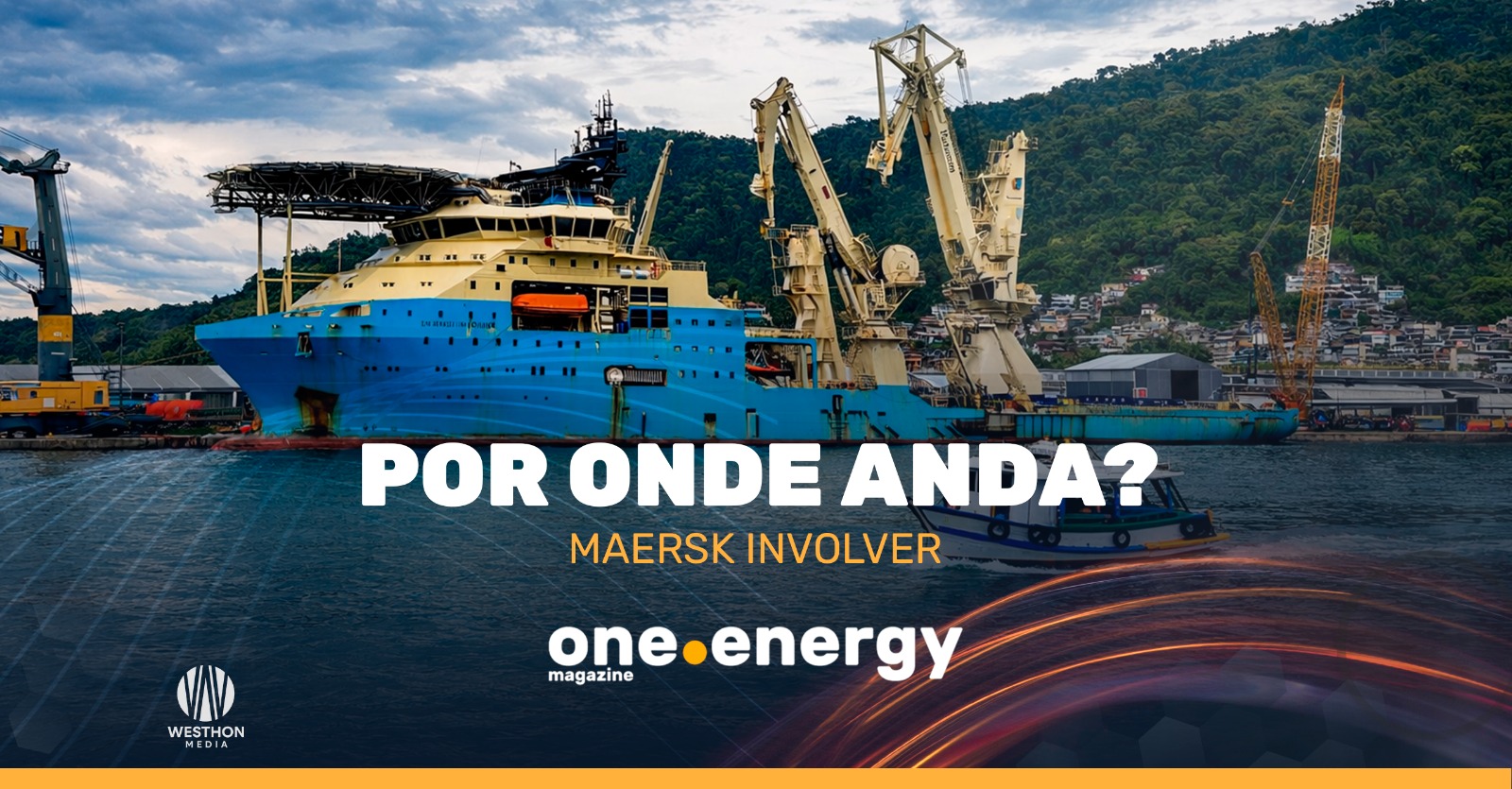
    Built in 2007, with an impressive 138 meters LOA, the then Maersk Involver was born under the Danish offshore tradition. A blue hull, robust lines, and a clear purpose: to deliver capacity where conventional logistics cannot reach.

    But the sea changes. And so do assets.

    On November 1st, 2024, following the completion of the acquisition of Maersk Supply Service by DOF Group ASA, the fleet underwent a visible transformation.
    Names changed.
    Colors changed.The soft Danish blue gave way to the distinctive Norwegian red.

    Maersk Involver became Skandi Involver.

    Today, the vessel operates in Brazilian waters under contract with Petrobras, supporting subsea inspection activities. Her recent presence has been associated with the FPSO Sepetiba, operated by SBM Offshore — in Mero Field, one of Brazil’s key production hubs.

    But her story did not begin here.

    Before Brazil, she had already taken part in subsea campaigns offshore Angola.
    In the North Sea, she operated as a walk-to-work vessel in Denmark.
    She has worked in environments where logistics does not tolerate improvisation.

    Classified as an MPSV, Skandi Involver occupies a hybrid space in the market. In a country where distance, water depth, and production scale put constant pressure on the logistics chain, onboard capacity stops being a differentiator — it becomes a strategic tool.

    Some vessels adapt to survive.
    Others seem to have been designed for constant adaptation.

    And then comes the detail that disrupts the narrative.

    After the acquisition, the rule appeared clear: new name, new visual identity.
    Yet recent records show something intriguing.

    👉 Why does she still appear blue?

    A transitional delay? Or simply time — which in offshore operations is rarely linear?

    In the end, Skandi Involver continues her course — discreet, stable, operational.
    Too large to be ordinary.
    Too specialized to be circumstantial.

    Every Thursday, a new “Por onde anda?”
    Stay tuned.

  • BRAVA moves forward in Papa-Terra

    BRAVA moves forward in Papa-Terra

    BRAVA has announced that its subsidiary 3R Petroleum Offshore was authorized to proceed with the transfer of a 37.5% interest in the Campo de Papa-Terra consortium previously held by Nova Técnica Energy Ltda..

    The authorization was issued on 15 February 2026 as part of ongoing arbitration between the parties. The decision allows the company to initiate formal steps required for the transfer, including regulatory filings with ANP, and other authorities.

    The participation transfer remains reversible until a final arbitration ruling is issued, and the 37.5% stake cannot be sold or transferred to third parties during the process.

    The dispute originated in May 2024 following proceedings initiated by 3R Offshore related to contractual obligations within the Papa-Terra joint operating agreement.

    Stay informed on key offshore developments — visit wsb-one.com, our data platform trusted by leading offshore companies.
  • Open Tenders & More

    Open Tenders & More

    Dear All,

    WSB is pleased to provide an update on the current long-term tenders that are open to offer.

    Open tenders:

    What has changed?

    • Petrobras At Least 1x FSC 10: Opportunity 7004536339 new deadline February 20th, 2026.
    • Petrobras At Least 4x SOVs: Opportunity 7004563745 released February 12th, 2026.

    What else is happening?

    • Brazilian O&G market remains quiet as Carnival takes over! 🎉🎊
      As celebrations continue, we’ll be ready to set sail with fresh updates soon. Stay tuned!
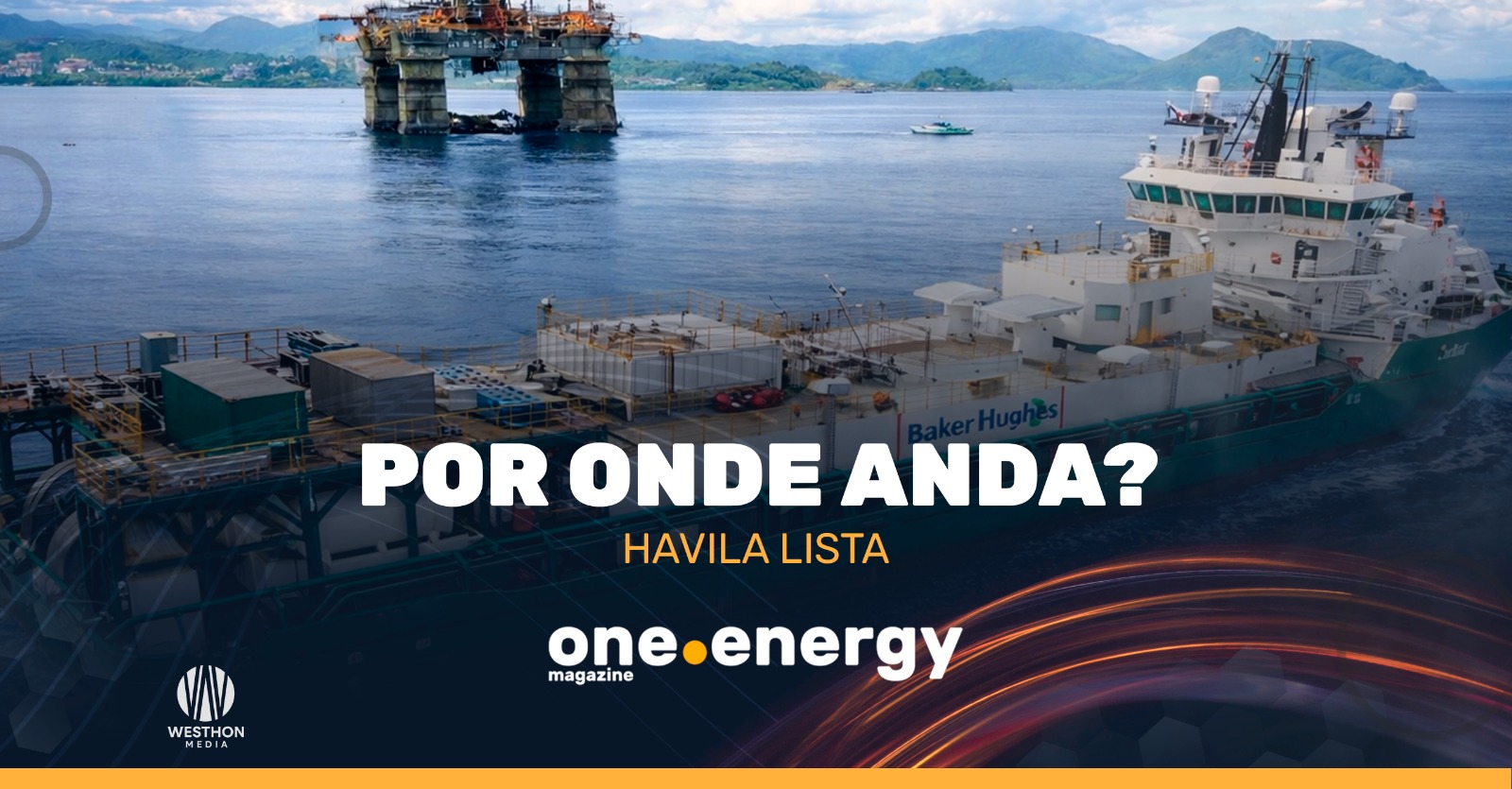
  • Special WSB – Por onde anda? Havila Lista

    Special WSB – Por onde anda? Havila Lista

    Some vessels do not belong to a field, a country, or an operator.
    They belong to market — and survive by changing skin.

    Havila Lista was delivered in 1999 by Simek AS shipyard, Norway. Built as a PSV under Norwegian flag, classed by DNV, prepared to operate in one of most demanding environments in the world: North Sea.

    She was a vessel with a defined identity.

    Identity??

    A few years later, control changed. She leaves Norwegian registry, adopts Bahamas flag and, later, Vanuatu. Name changed as well: no longer Havila Lista, she starts sailing as Blue Angel.

    Does a vessel that changes name bring bad luck?

    If that was the rule, we would all be “a ver navios”.

    Under new management, former Havila Lista takes on a different operational profile. From traditional PSV, she moves into long cycles supporting well stimulation operations — converted to WSSV. Deck stops being just cargo space and begins carrying a dedicated technical configuration.

    Decades after launch, another strategic shift. Vessel returns to Brazil, is nationalized, enters REB and receives new name: BRAM Natal. Specialized plant is removed. Asset goes back to PSV configuration, repositioned to meet dynamics of Brazilian market.

    Three names over her lifetime. Different flags. Different control structures. Different operational scopes.

    Same hull since 1999.

    Havila Lista — or Blue Angel, or BRAM Natal — keeps sailing. Currently under contract with Brava Energia, valid through October 2026.

    In the end, market does not preserve names.

    It preserves those who adapt.

    Anything in common??

    Every Thursday, a new “Por onde anda?” — stay tuned.

    Stay informed on key offshore developments — visit wsb-one.com, our data platform trusted by leading offshore companies.
  • What are your plans for Carnival?

    What are your plans for Carnival?

    While the market slows down, data keeps moving. And in the offshore industry, those who control structured information control decision-making power.

    WSB Advisors offers WSB-One, the most comprehensive offshore database platform in South America. Real-time information on vessels, contracts, availability, and technical specifications — transformed into strategic intelligence for companies operating in oil & gas and renewable energy.

    This is not just about following the market. It’s about anticipating movements, identifying opportunities, and competing with an edge in a sector where timing and information make all the difference.

    With WSB-One, you gain access to:

    * Integrated and cross-referenced data on nearly 600 vessels
    * Detailed information on OSVs, drilling rigs, and FPSOs
    * Full technical specifications
    * Daily updated vessel availability
    * Chartering activity and contract duration monitoring
    * Ongoing requirements tracking
    * Market positioning and competitor visibility
    * On-time offshore market news
    * Interactive graphics for faster and clearer analysis
    * Dedicated analysts ensuring continuous updates and reliable intelligence

    The offshore market doesn’t take a break.

    Are you keeping up?

    Stay informed on key offshore developments — visit wsb-one.com, our data platform trusted by leading offshore companies.

  • Merger: Transocean and Valaris

    Merger: Transocean and Valaris

    Swiss-based Transocean confirmed market speculation this week by announcing the acquisition of rival Valaris in a transaction valued at approximately US$ 5.8 billion. Under the proposed structure, Transocean shareholders will hold around 53% of the combined company, with Valaris shareholders owning the remaining 47%, resulting in a pro forma enterprise value close to US$ 17 billion.

    Once completed, the deal will create the world’s largest publicly traded offshore drilling contractor, with a combined fleet of 73 rigs, including 33 drillships, nine semisubmersibles and 31 jack-up rigs, as well as an estimated US$ 10 billion order backlog. The transaction remains subject to regulatory and shareholder approvals.

    What’s next?

    The combination is expected to expand exposure to key offshore basins globally and unlock more than US$ 200 million in identified cost synergies, on top of Transocean’s ongoing cost-reduction initiatives. Management expects these gains to strengthen cash flow generation, accelerate deleveraging and enhance financial flexibility, at a time when demand for high-specification offshore drilling units remains firm across major deepwater markets.

    And what does this mean for Brazil?

    Brazil continues to rank among the most strategic deepwater markets for the combined company. Both contractors already operate critical assets in the country, including Deepwater Corcovado and Valaris DS-4, reinforcing local exposure to Petrobras’ long-term offshore development plans.

    At the same time, the merger further concentrates the supply side of the ultra-deepwater drilling market. While greater scale and financial strength may support operational efficiency and fleet investment, fewer global players with high-specification rigs could reshape competitive dynamics in future tenders, particularly in markets such as Brazil where demand remains structurally strong.

    Stay informed on key offshore developments — visit wsb-onecom, our data platform trusted by leading offshore companies.

  • P-79 in Brazil

    P-79 in Brazil

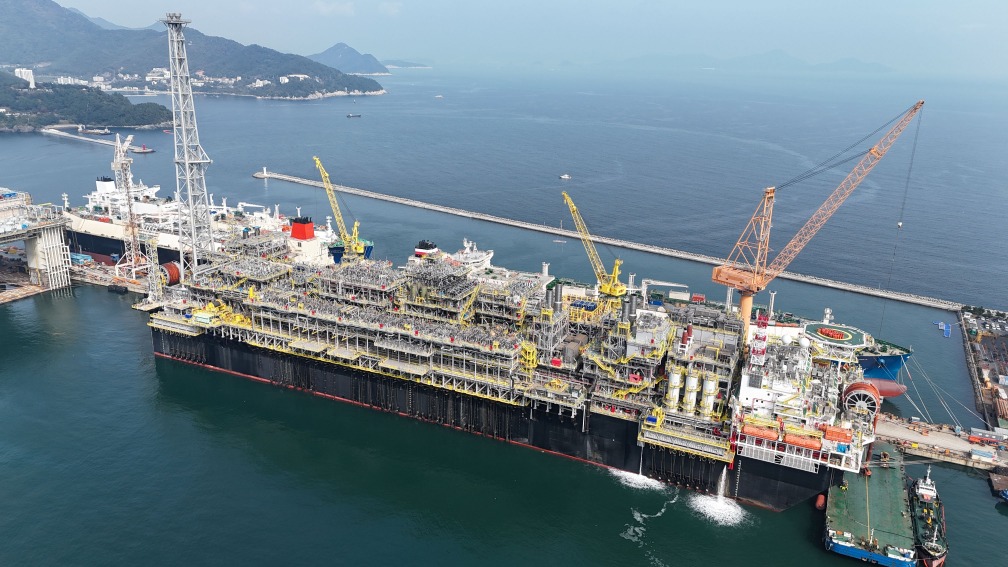
    The FPSO P-79 arrived in Santos Basin over the weekend, advancing the expansion of production at Búzios pre-salt field. The unit departed Hanwha Ocean shipyard in South Korea in November and was towed to Brazil with crew on board to accelerate operational start-up.

    P-79 will be the eighth FPSO planned for Búzios, which currently has six units in operation. The project includes 14 wells — eight producers and six WAG injectors — and is scheduled to start production in August 2026. The unit is expected to increase installed capacity by around 15.6% and will operate about 180 km offshore Rio de Janeiro, in water depths of up to 2,100 meters.

  • Open Tenders & More

    Open Tenders & More

    Dear All,

    WSB is pleased to provide an update on the current long-term tenders that are open to offer.


    Open tenders: What has changed?

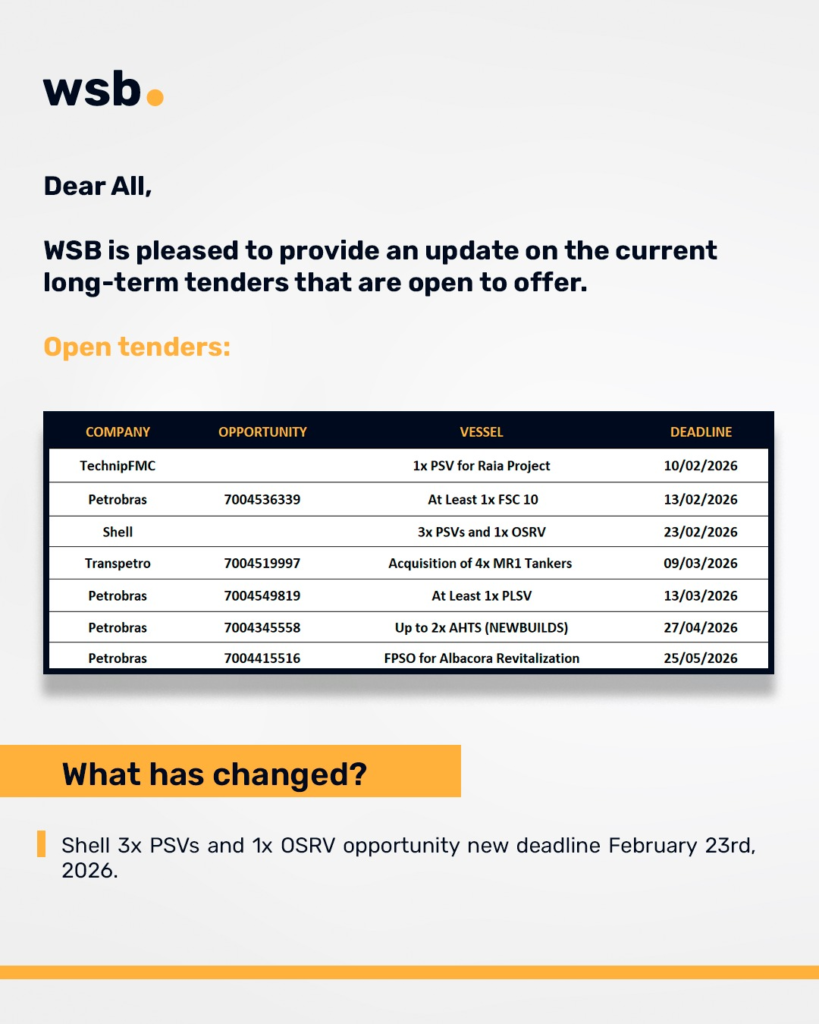
    Shell 3x PSVs and 1x OSRV opportunity new deadline February 23rd, 2026.

    Stay informed on key offshore developments — visit wsb-one.com, our data platform trusted by leading offshore companies.
  • Open tenders & More

    Open tenders & More

    Dear All,

    WSB is pleased to provide an update on the current long-term tenders that are open to offer.

    Open tenders:

    What has changed?

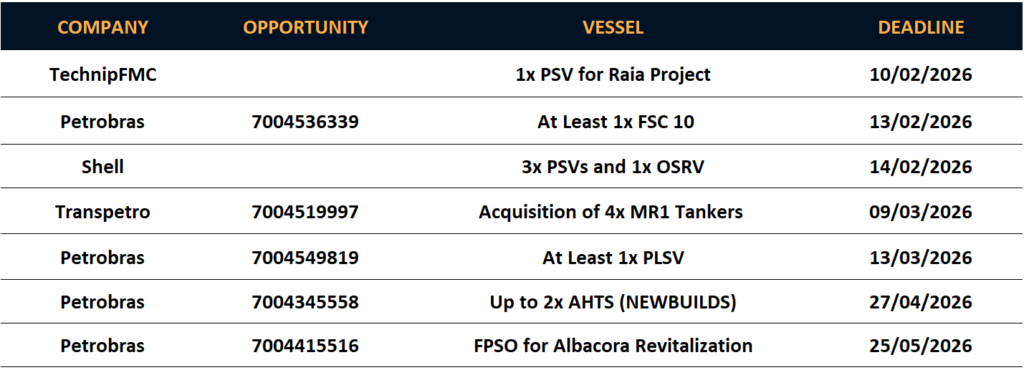
    • Petrobras Acquisition of 4x MR1 Tankers: Opportunity 7004519997 new deadline March 9th, 2026.
    • Technip 1x PSV for Raia Project new deadline February 10th, 2026.

    What else is happening?

    • Petrobras announced a partial annulment of the bidding process for the 6 SOVS tender (7004478234) due to technical and budgetary adjustments. The tender has been returned to the proposal stage, with revised documentation and a new submission timeline.
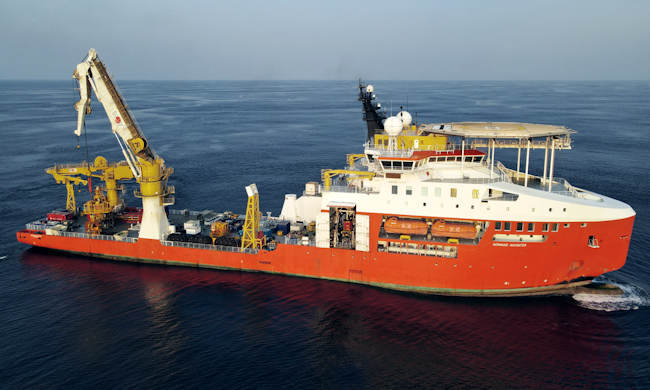
    • Solstad Maritime signed a Letter of Intent with an international subsea contractor for the CSV Normand Navigator,securing a 450-day contract starting in Q2 2026, supported by two work-class ROVs.
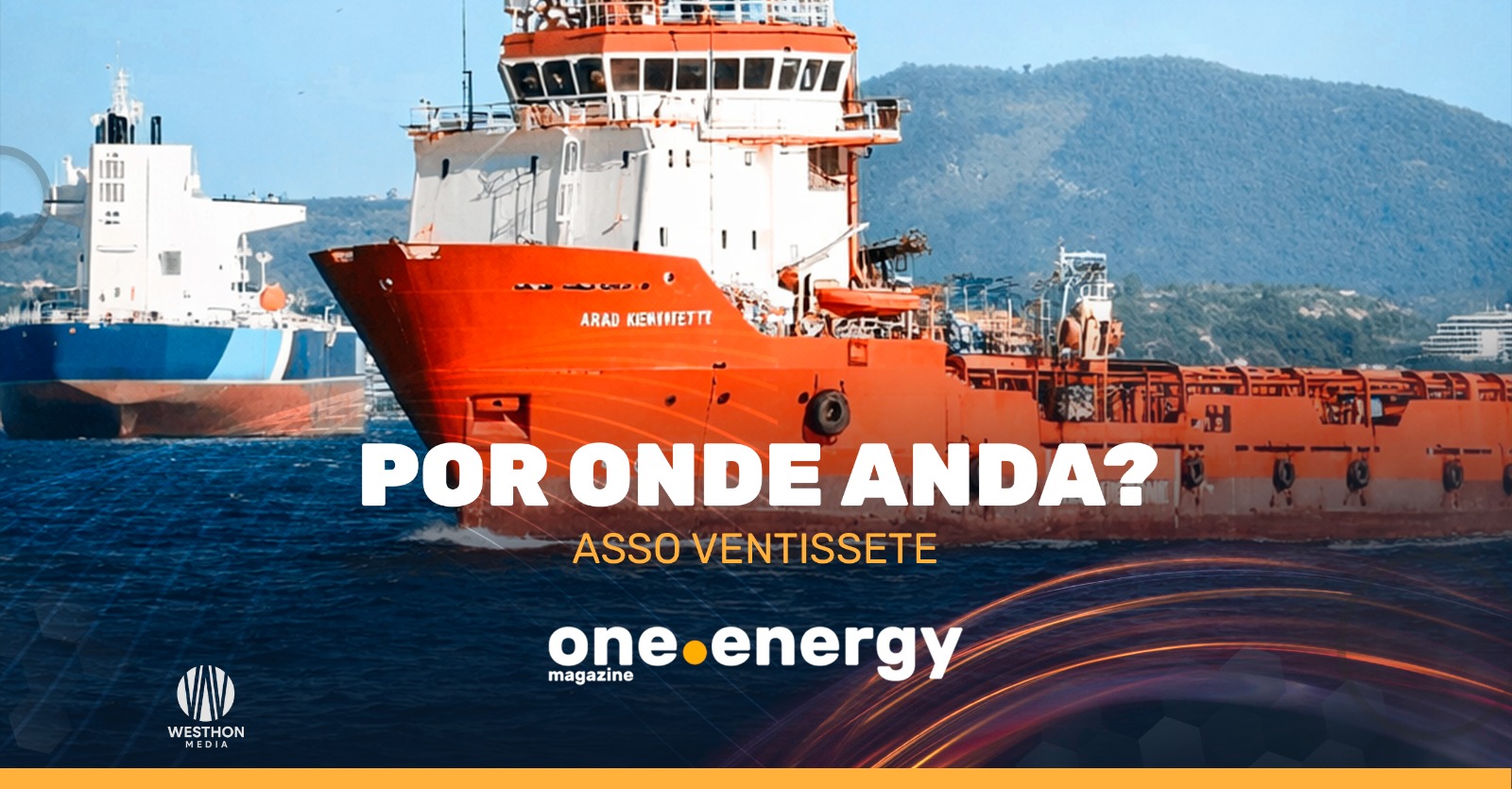
  • Special WSB: Por onde anda – Asso Ventisette

    Special WSB: Por onde anda – Asso Ventisette


    Versatility was never an exception for a PSV — it has always been part of the design.
    And increasingly, part of the challenge!

    What Asso Ventisette reveals is not a rule being broken, but a natural market filter: not every PSV can sustain extended operational roles outside the “script” over long cycles. Some step in. Very few remain.

    Built in 2007 at the former Aker Promar shipyard in Niterói, Asso Ventisette is based on the UT 755L design and classified as a PSV 3000, positioning herself within the mid-size segment that for many years formed the backbone of Brazil’s offshore logistics. With approximately 71.9 meters in length, 16 meters of beam and deadweight around 3,200 tonnes, the vessel offers about 685 m² of deck area and a cargo profile conceived for continuous offshore support rather than highly customized, single-purpose missions.

    Propulsion is provided by two Wärtsilä main engines, allowing speeds close to 14.5 knots. Dynamic positioning capability and FiFi1 notation expand operational scope, but these specifications alone do not explain the vessel’s differentiated trajectory.

    For more than four years, Asso Ventisette operated in continuous campaigns supporting shallow water diving operations for Petrobras, in cooperation with Belov. Without presenting herself as a dedicated SDSV, the vessel sustained this operational profile over a prolonged cycle — something that, in practice, few PSVs manage to achieve without compromising availability, cost efficiency, or reliability.

    The discussion here is not about typology, but about operational endurance. Extended offshore roles demand more than deck space and certificates; they require stable performance, disciplined maintenance, and operational trust built over time. Many PSVs can take on broader scopes. Few can remain there — and Asso Ventisette stands out precisely for that reason.

    So, where is she now?
    Based on market intelligence and WSB-One data, Asso Ventisette has been positioned in active employment within the PSV segment, with visibility for new contractual windows following the conclusion of the shallow diving support campaign. Vessel movement records indicate consistent offshore support activity, with operational presence in the Búzios and Roncador areas — environments where the PSV 3000 profile remains in demand by operators and logistics contract integrators.

    Sometimes, the difference between being employed or laid up is not on the spec sheet — it is how long a vessel can keep performing once the scope stops being purely theoretical.

    Every Thursday, a new “Por onde anda?” — stay tuned.

    Stay informed on key offshore and marine market developments — visit wsb-one.com

  • Breaking news

    Breaking news

    1. Vast Infraestrutura signs crude oil transshipment agreement with ExxonMobil at T-Oil terminal

    Vast Infraestrutura signed a commercial agreement with ExxonMobil Brazil for crude oil transshipment operations at the T-Oil terminal, located at Porto do Açu (RJ). With the new contract, ExxonMobil becomes the twelfth active client at the terminal, reinforcing Vast’s role as a key export hub for offshore crude in Brazil.
    According to the company, the agreement is aligned with ExxonMobil’s first production developments in Brazilian offshore acreage and expands the terminal’s portfolio amid rising export flows from deepwater and pre-salt fields.

    2. Shell agrees to sell 20% stake in Orca Project to KUFPEC

    Shell reached an agreement to sell a 20% participating interest in the Orca Project to Kuwait Foreign Petroleum Exploration Company (KUFPEC). The project is located in deepwater pre-salt areas of the Santos Basin.
    Following the transaction, Shell will remain operator with a 50% stake. Financial terms were not disclosed. Completion is subject to regulatory approvals, with closing expected by the end of 2026.

    3. Valaris Limited drillship DS-17 arrives in Brazil for Equinor’s Raia exploration campaign

    Valaris’ drillship DS-17 arrived in Rio de Janeiro to commence a new offshore drilling contract with Equinor in Brazil. The unit will drill six wells as part of the exploratory program of the Raia field, located in Campos Basin.
    The contract was awarded after Raia’s declaration of commerciality in 2023 and is expected to run for approximately 852 days, with an estimated total contract value of around US$498 million. Raia is one of Brazil’s largest natural gas projects under development, with production planned to start in 2028.

    Stay informed on key offshore developments — visit wsb-one.com, our data platform trusted by leading offshore companies.