Author: Rafael Bortoloti

  • Energy Talks # 19 – Rogério Ibrahim

    Energy Talks # 19 – Rogério Ibrahim

    By Rafael Bortoloti

    In a period marked by the expansion of offshore activity in Brazil, driven by pre-salt developments, new oil discoveries, and growing discussions surrounding the Equatorial Margin, the drilling segment has once again moved to the forefront of the oil and gas industry. Despite its strategic importance to the offshore chain, drilling remains a topic that is rarely explored in depth within industry discussions. A gap that One.Energy magazine aims to address in this edition of Energy Talks. For the first time, the interview series dedicates an extensive and exclusive conversation to the drilling market in Brazil, covering operational challenges, technological innovation, competitiveness, safety, ESG, and market outlook.

    To open this discussion, we spoke with Rogério Ibrahim, CEO of Foresea, one of the leading references in offshore drilling in Brazil. Since the company’s foundation, Ibrahim has led a business that has distinguished itself through operational excellence, the development of pioneering technologies, and the continuous utilization of its entire fleet in a highly competitive market shaped by major international players.

    During the interview, the executive discusses groundbreaking projects developed by Foresea, including innovative solutions designed to enable the safe operation of drillships in shallow-water environments. He also addresses the impacts of the current geopolitical landscape on the industry, analyzes the momentum of Brazil’s oil and gas sector, and comments on the challenges of developing new talent for the drilling market. Ibrahim further shares his views on leadership, innovation, and Foresea’s long-term vision, offering a comprehensive perspective on one of the most strategic segments of Brazil’s offshore industry.
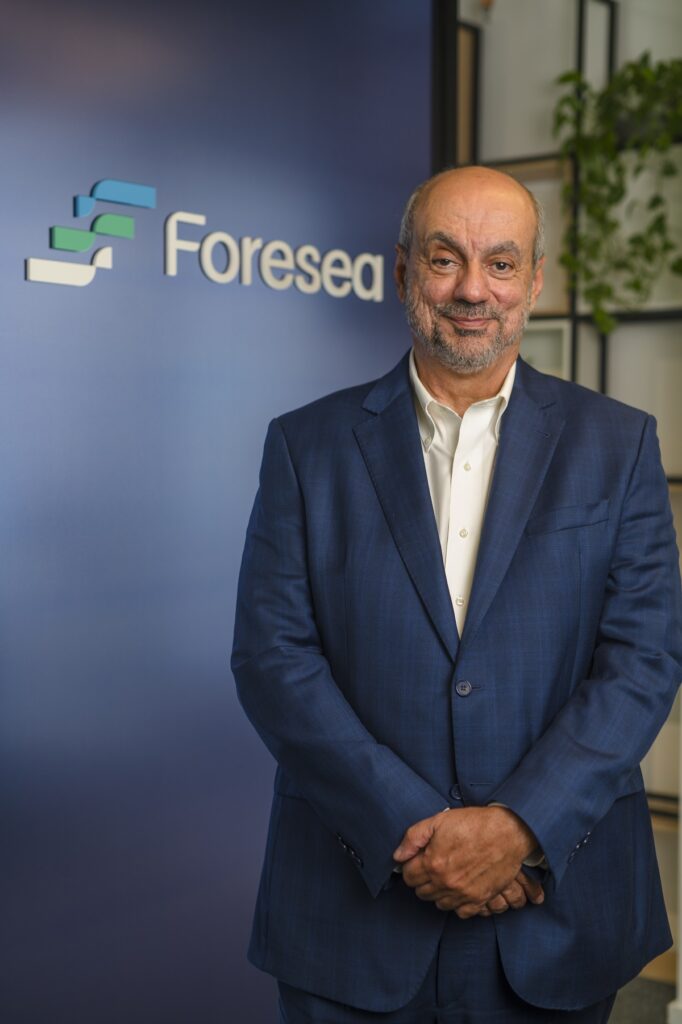
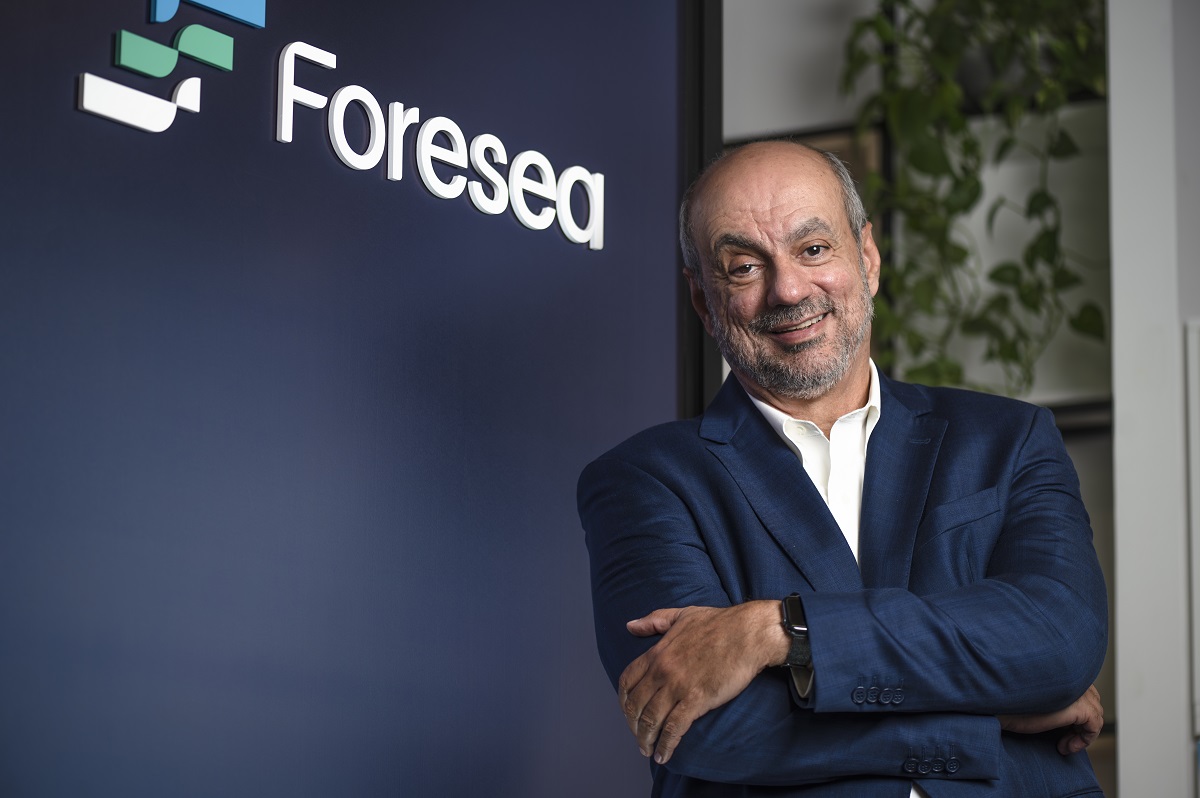
    Rogério Ibrahim, Foresea's CEO
    Rogério Ibrahim, Foresea’s CEO (Source: Bruno de Lima/Foresea)

    The name “Foresea” combines the concepts of forecasting and the sea. With that in mind, how does this ability to anticipate translate into the company’s strategy?

    The name Foresea was intentionally created to combine the idea of forecasting with the sea, reinforcing our ability to anticipate scenarios and adapt in order to deliver the best solutions in the maritime environment. That capability is built, first and foremost, on knowledge. Foresea has teams with more than thirty years of experience in the sector, and that experience translates into accumulated expertise and analytical capability. We are a company focused on solving our clients’ demands through innovation and operational excellence. This is reflected in our knowledge base, our ability to project scenarios, and our capacity to strategically plan our operations.

    Still on the topic of competitive scenarios, at the end of last year Foresea announced the development of a new technology that enables deepwater drillships to safely operate in shallow-water wells, with water depths below 400 meters. Could you elaborate on this project and its current stage?

    This project is one of several pioneering initiatives developed by our Innovation department. To explain this technology, it is important to first mention an earlier development — the anchored BOP solution, which was pioneered on our semi-submersible rig Norbe VI. This solution combines the BOP anchoring system — the Blowout Preventer being the safety equipment responsible for controlling well pressure — with real-time riser analysis.

    This innovation allows dynamically positioned rigs, which are typically deployed in deepwater environments, to also operate in shallow-water wells without requiring anchoring on the seabed, enabling faster operations and reducing environmental impact on the ocean floor. The anchored BOP solution earned Petrobras an international award at OTC Brasil 2023.

    Building on that development, Foresea created a new solution for our drillship Norbe VIII, once again combining an unprecedented set of technologies that enables a dynamically positioned drillship to remain connected to a shallow-water wellhead — in water depths below 400 meters — with a level of precision control and operational safety that currently does not exist anywhere else in the world. This technology is already being installed on the Norbe VIII, which is expected to be ready for shallow-water operations during the first half of 2026.
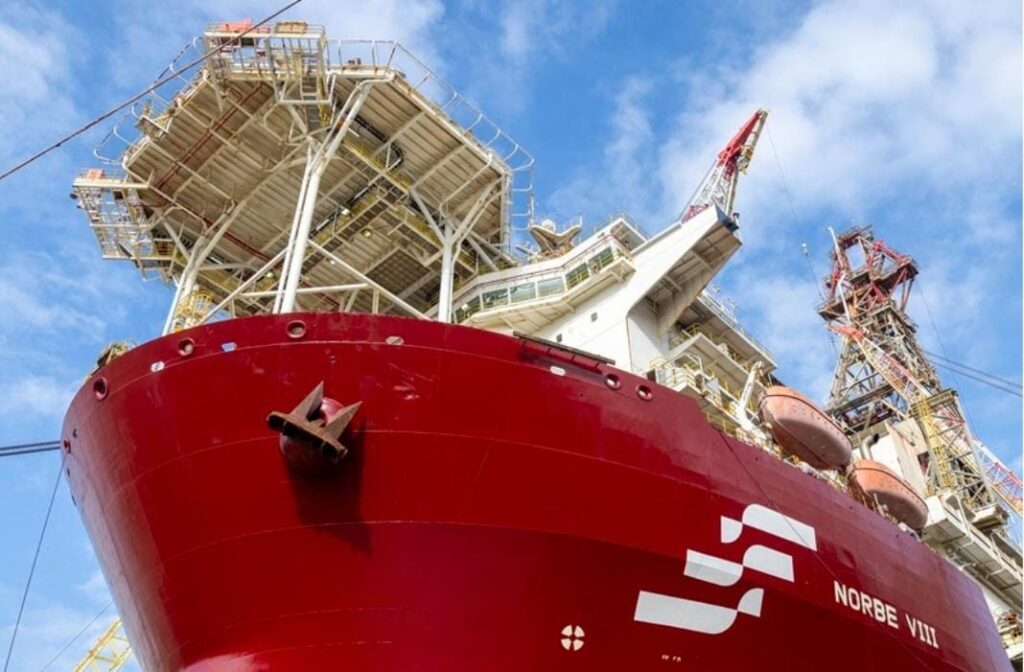
    Norbe VIII
    Norbe VIII (Source: Foresea)

    Foresea has reportedly kept its entire fleet contracted since its foundation in 2023. What explains this performance?

    Yes, we have maintained our entire fleet fully operational over the past years due to the quality of delivery we provide to our clients, always prioritizing safety and operational excellence. Foresea currently holds the best operational performance in the market. We closed 2025 with an average uptime close to 99%, winning Petrobras’ PEO-Sondas — the company’s Operational Excellence Program for drilling rigs — for the fourth consecutive time. This is the most important technical and management evaluation conducted by Petrobras. In addition, during OTC Brasil, we were recognized by Petrobras as the best offshore drilling operator.

    Is the expansion of Foresea’s asset portfolio currently under consideration?

    We are constantly monitoring the market and remain ready to evaluate any strategic business opportunities for the company. Expanding the size of our fleet is always part of our investment assessments. However, any investment decision must be accompanied by rigorous risk analysis and strong financial discipline, always with the objective of delivering returns to our shareholders without compromising our performance standards. We are not interested in growing simply for the sake of growth.

    What supports the slogan “Foresea, market leader”? Which aspects characterize the company as such? And how was it possible to achieve these results in less than three years, in a market with strong international competition?
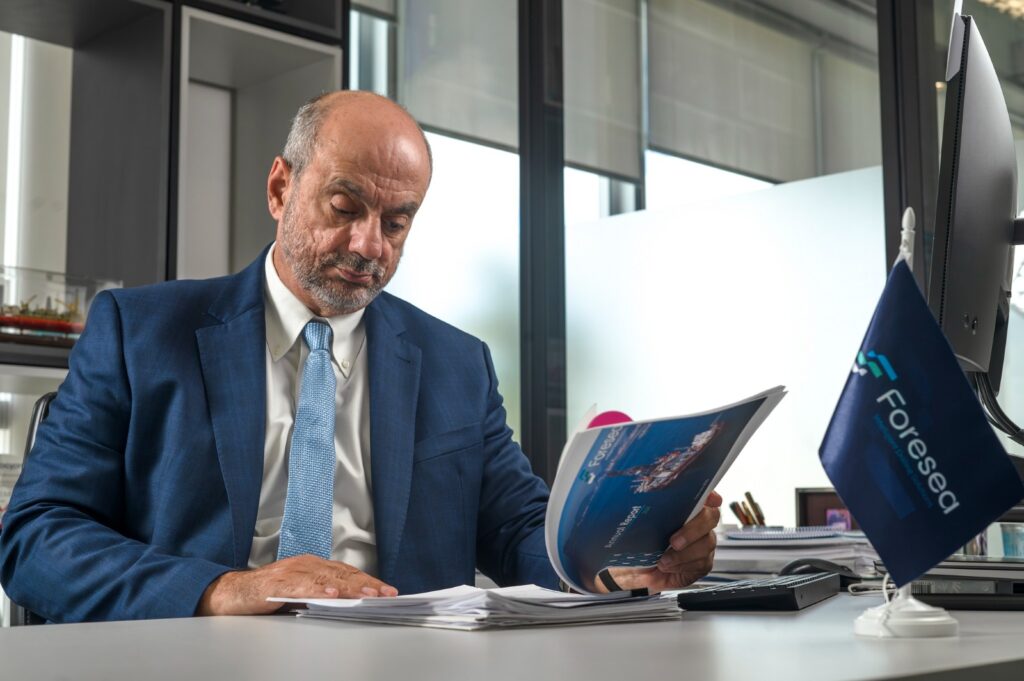
    Rogério Ibrahim, Foresea's CEO
    Rogério Ibrahim, Foresea’s CEO (Source: Bruno de Lima/Foresea)

    There are several factors that place Foresea in a leadership position within Brazil’s offshore drilling segment. As mentioned, the company has maintained all of its rigs contracted while also expanding operations through the management of third-party rigs. Foresea is also recognized for operational efficiency, with the highest uptime levels in the market and the industry recognitions previously mentioned.

    We are also leaders in innovation, introducing groundbreaking technologies to the sector. In addition, we have become a benchmark in sustainability through pioneering socio-environmental initiatives — such as the recycling and reuse of 100% of our waste and investments in improving the quality of public basic education in Macaé — which further reinforce our leadership position within the industry.

    In recent months, the offshore industry has been impacted by several developments, including the approval of exploration activities in Brazil’s Equatorial Margin and new oil discoveries. At the same time, geopolitical tensions involving the United States, Iran, and Venezuela continue to affect global oil production and distribution. Do you believe these issues spilling in Foresea in any way?

    The entire oil and gas industry closely monitors conflicts in the Middle East and evaluates their direct and indirect impacts on the domestic market. Brazilian oil is increasingly viewed as a secure and cost-competitive alternative. At the same time, we are living through a period of geopolitical uncertainty and elevated risks, which may increase insurance and maritime freight costs, in addition to creating inflationary pressure that affects overall operating expenses.

    ESG has become an increasingly relevant topic. How does Foresea incorporate these practices into its strategy and operations?

    I will begin with the “S”, the social pillar. Foresea maintains a strong commitment to people. This means ensuring high standards of safety, integrity, physical and mental health, well-being, training, and development for all employees, both onshore and offshore. It also means extending support to partners and local communities, such as Macaé, where we maintain our office and support local development projects.

    The “E” (environmental), is embedded both in our day-to-day activities, including waste management and circular economy initiatives already mentioned, and in our research, development, and innovation efforts, which focus on incorporating technologies aimed at reducing emissions and other environmental impacts. I would also highlight that operational efficiency itself contributes to reducing environmental impact.

    Finally, regarding governance, we follow strict compliance, integrity, and ethics policies across our business operations, supported by continuous monitoring processes. In addition, our fleet is internationally certified, ensuring quality standards and compliance with global regulations.

    Safety is a central pillar in the industry, and Foresea has received several awards in this area. How does the company maintain such high standards in its operations?

    Safety culture is embedded in Foresea’s DNA. This means maintaining a permanent and explicit commitment that goes far beyond operational controls and safety monitoring systems. We continuously invest in campaigns and training programs for both employees and contractors, always maintaining a strong focus on safety.

    We promote training programs covering national and international regulatory standards, customized courses for accident prevention in critical operations, and safety management initiatives. One example is the use of Observation Cards, through which employees identify and report unsafe conditions or behaviors so corrective actions can be implemented.

    More broadly, our Digital Sustainability Program enables the digital completion of health and safety checklists, while our Human Factors Program expands our strategic approach to safety management through a governance model that encourages continuous improvement and operational evolution. Altogether, these initiatives form a robust and highly structured framework that reinforces our safety culture.

    Could you also discuss Foresea’s initiatives related to developing new talent? How do you see the market for professionals interested in drilling?

    Foresea’s strategy for talent development is based on three pillars: mandatory training, educational incentives, and professional development programs.

    Mandatory training is primarily aimed at offshore personnel working onboard drilling rigs and includes compliance with legal requirements and client-specific contractual demands. Educational incentives provide subsidies for employees to pursue language courses, undergraduate and postgraduate programs, and other professional development opportunities within the oil and gas industry.

    Our development programs are designed to align company culture and prepare employees for new career challenges across all technical and professional levels. One example is our Offshore Development Program (PDO), which accelerates talent development through supervised offshore assignments for internal professionals and selected candidates from the external market.

    We also maintain a Leadership Development Program focused on principles and values, safety and risk management, communication, compliance, and career development. In addition, we created the Drilling Academy to foster knowledge exchange and continuous technical development among teams directly involved in drilling operations.

    Could you tell us a little about your professional trajectory before joining Foresea? You worked for major companies such as Odebrecht and Vale. Which lessons and experiences from that period still apply to your current role as CEO of Foresea?

    Most of my professional experience has been concentrated in management and planning. I graduated in Civil Engineering from IME, the Military Institute of Engineering,  in 1983, and shortly afterward completed a postgraduate degree in Business Administration at Coppead/UFRJ.

    I then joined Vale, where I was responsible for Commercial Planning. Later, in 1998, I joined Odebrecht and worked across several areas, including Controllership, Treasury, Projects, and Corporate Finance. That experience gave me broad exposure and eventually led me to CFO positions at several group companies, including Odebrecht Engenharia & Construção, Santo Antônio Energia S.A., Odebrecht Energia, and later Ocyan. When Foresea was established, I assumed the company’s presidency.

    I believe that this trajectory within major corporations across strategic sectors of the economy allowed me to develop highly relevant competencies, including financial restructuring, digital transformation, and high-performance team management, all of which contribute directly to my current role leading Foresea.

    You have a background in Civil Engineering. How has this technical foundation contributed to your business vision and leadership style in such a complex sector as offshore?

    I see Engineering as a discipline that naturally fosters leadership across different sectors because, beyond technical knowledge, it develops structured thinking focused on creating viable solutions for complex challenges.

    Engineers are trained to maintain a systemic and strategic perspective, understanding how each part influences the overall result. This is extremely important for decision-making processes.

    More specifically, civil engineering provides knowledge related to structures and materials, planning, logistics, cost management, and risk management, all of which are directly connected to offshore operations and business activities.
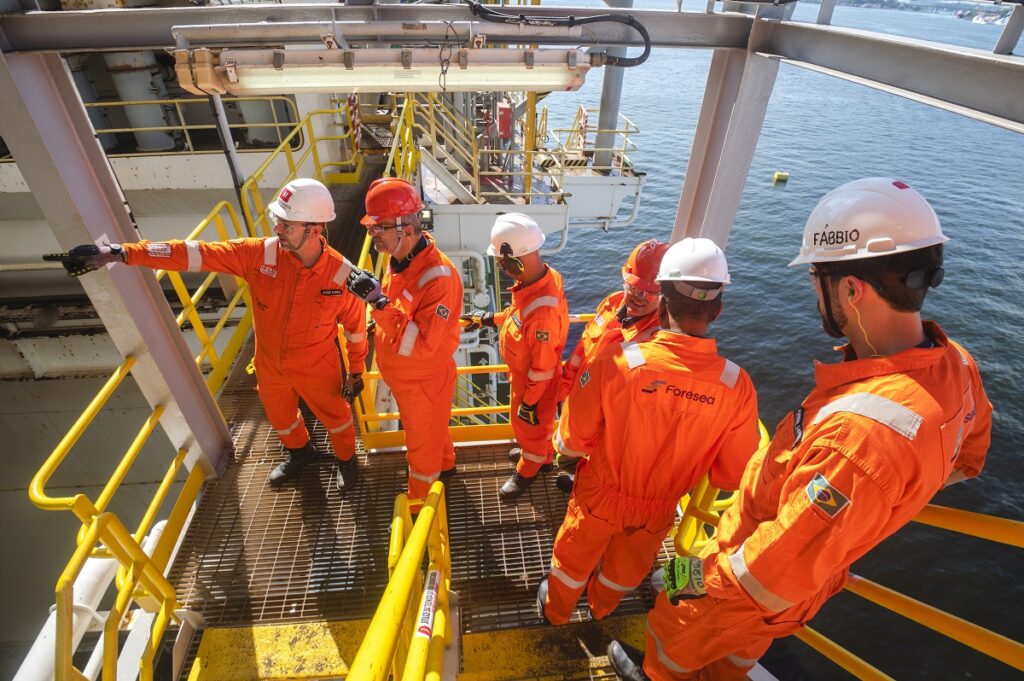
    Rogério Ibrahim on a technical drillship inspection
    Rogério Ibrahim on a technical drillship inspection (Source: Bruno de Lima/Foresea)

    Finally, what is your vision for Foresea over the next five to ten years?

    Foresea has very positive long-term prospects for several reasons. First, we believe the Brazilian oil and gas market is currently one of the most attractive in the world. Brazil already represents more than 30% of global demand for offshore drilling contracts and is entering a new growth cycle.

    We are confident that Foresea is prepared to play a leading role in this expansion. The investments we are making are aligned with that objective. Our priority is to maintain Foresea’s leadership position within the sector, fully prepared to capture market opportunities while sustaining high operational performance and environmental safety standards.
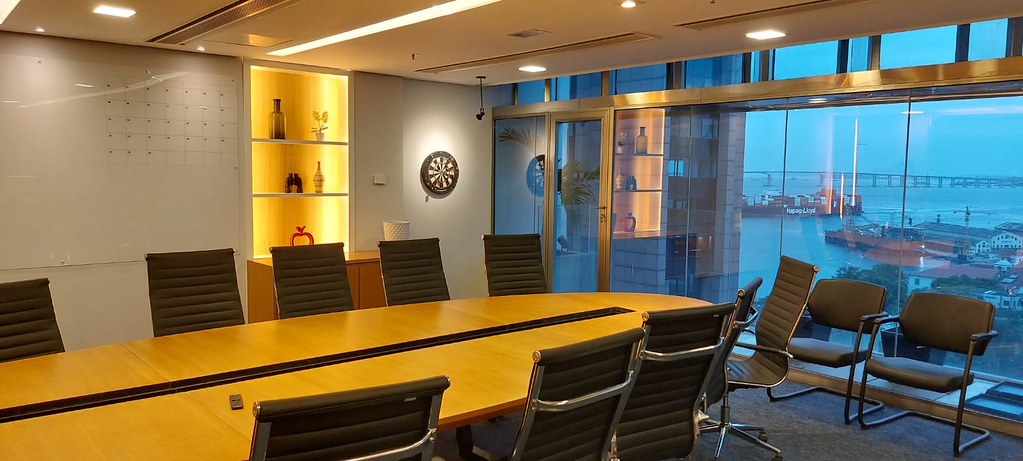
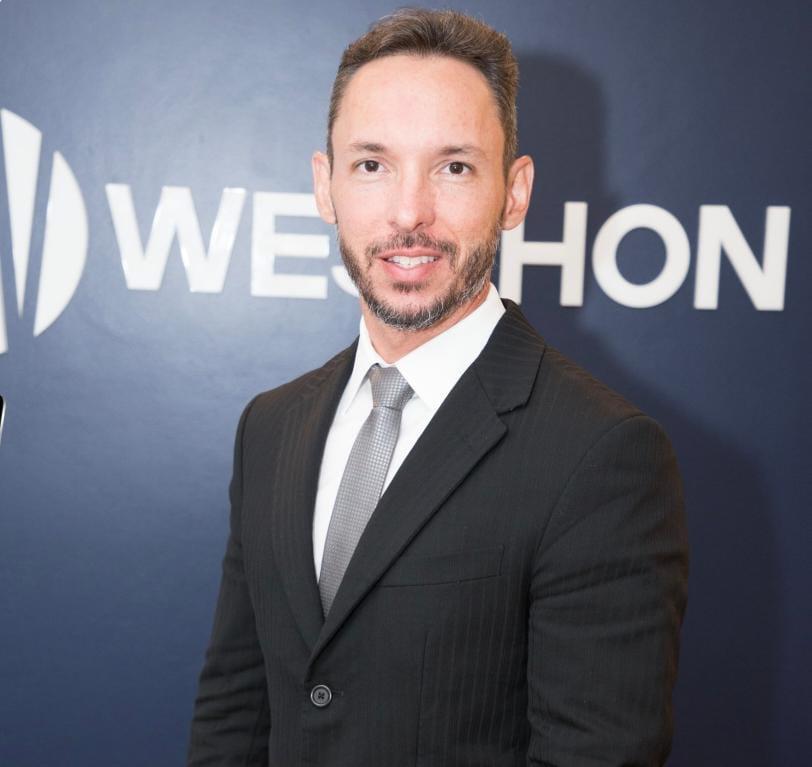
    Thanks, Ibrahim

  • Digital Minds #3

    Digital Minds #3

    The End of Intermediaries… or the Value of Judgment?

    By Fernando Vilela

    Fernando Vilela
    Fernando Vilela (Source: Klesio Abel/WSB Team)

    The other day, someone called me asking for information. They weren’t a client, weren’t interested in hiring anything, didn’t want a meeting, and certainly weren’t asking for a proposal. They just wanted a piece of information. Then came the questions: a vessel, a contract, a contact, a confirmation.

    Sound familiar?

    We’ve all been on both sides of that conversation, especially because, in our industry, it’s necessary. At some point, we’ve all shut down the computer, ignored the reports, closed a few of the dozens of tabs open in our browser, and decided to call someone.

    And that’s where the contradiction appears.

    Never before have we had so much access to information, and never before have we seen so many people desperately searching for it.

    I’m certain that the person who made that call was carrying more research capability in their pocket than an entire company possessed a few decades ago. Today we have LinkedIn, artificial intelligence, tracking systems, specialized platforms, newsletters, dashboards, and an almost absurd amount of data available just a few clicks away. Depending on your role, there’s a good chance you even subscribe to WSB.One or another industry platform.

    In theory, finding answers has never been easier.

    But, as always, there’s a “but.”

    If information is everywhere, why do we keep looking for people?

    What happened to all those predictions? Face-to-face meetings would disappear. Industry events would become irrelevant. Networking would move entirely online.

    According to the internet’s experts, intermediaries would be replaced by platforms, and artificial intelligence would take care of the rest.

    A logical conclusion?

    Funny.

    Events got bigger, trade shows expanded, airports remain crowded, and we continue receiving invitations to lunch and dinner.

    The reality is that professionals still travel across cities, states, countries, and even oceans to discuss matters that, theoretically, could be resolved in a fifteen-minute video call.

    The problem was never the technology.

    The problem was that we misunderstood where the real value was.

    For a long time, we believed that information was power. And perhaps it was, back when data was scarce and those who had access to it held a significant advantage.

    Today, the challenge is no longer finding information.

    It’s surviving it.

    And, interestingly enough, ending the day with just as many questions as when you started.

    Consider this: a platform can show where a vessel is. It can display contracts, historical data, movements, and market trends. In fact, it should. That’s exactly what data platforms are designed to do. They save time, organize complex markets, and eliminate an enormous amount of work.

    But eventually, every piece of information leads to the same question:

    “Now what?”

    Will that seemingly available vessel actually be available when you need it? Will the contract that’s about to expire really come to an end? Is there an extension negotiation taking place behind the scenes? Is the owner genuinely interested in that opportunity? Are there any operational or technical issues? Does the documentation comply? Does the crew meet the requirements?

    And perhaps the most important question of all:

    Will that client actually close the deal, or will they change their mind three times during the negotiation?

    Because that’s precisely the moment when data stops helping on its own.

    That’s when experience, relationships, and judgment begin to matter.

    Perhaps the market is not witnessing the end of intermediaries.

    Perhaps it’s witnessing the end of professionals whose only role was moving information from one side to the other.

    Technology already does that.

    And it does it better, faster, and cheaper.

    What remains rare is someone capable of interpreting context, anticipating risks, connecting scattered pieces of information, and turning a mountain of data into a practical decision.

    Someone capable of looking at a screen full of information and saying:

    “Ignore 95% of this. What matters is right here.”

    The more data exists, the more valuable judgment becomes.

    And there’s an observation that may be even more important.

    “Deal closed. Contract signed. What’s next?”

    In reality, that’s often when the real work begins.

    That’s when operational adjustments, delays, scope changes, pending documents, questions, problems, and the inevitable surprises that no spreadsheet could ever predict begin to emerge.

    And perhaps that’s the point advocates of disintermediation never fully understood.

    Finding an opportunity has become easier. Closing a contract has become easier too. Making things work afterward remains the hard part.

    And perhaps that’s why the most valuable professionals are not merely those who find opportunities, but those who remain present when those opportunities become responsibilities. They’re the ones who stay involved, answer the phone when problems arise, and help find solutions long after the excitement of the negotiation has faded and the reality of execution has begun.

    Because data helps find answers.

    Experience helps make things work.

    And that may say more about the future of business than any technological prediction of the past decade

    Data Matters
    Data Matters
  • 11,000 tonnes of steel arrive at Ecovix as Transpetro tanker programme enters new industrial phase

    11,000 tonnes of steel arrive at Ecovix as Transpetro tanker programme enters new industrial phase

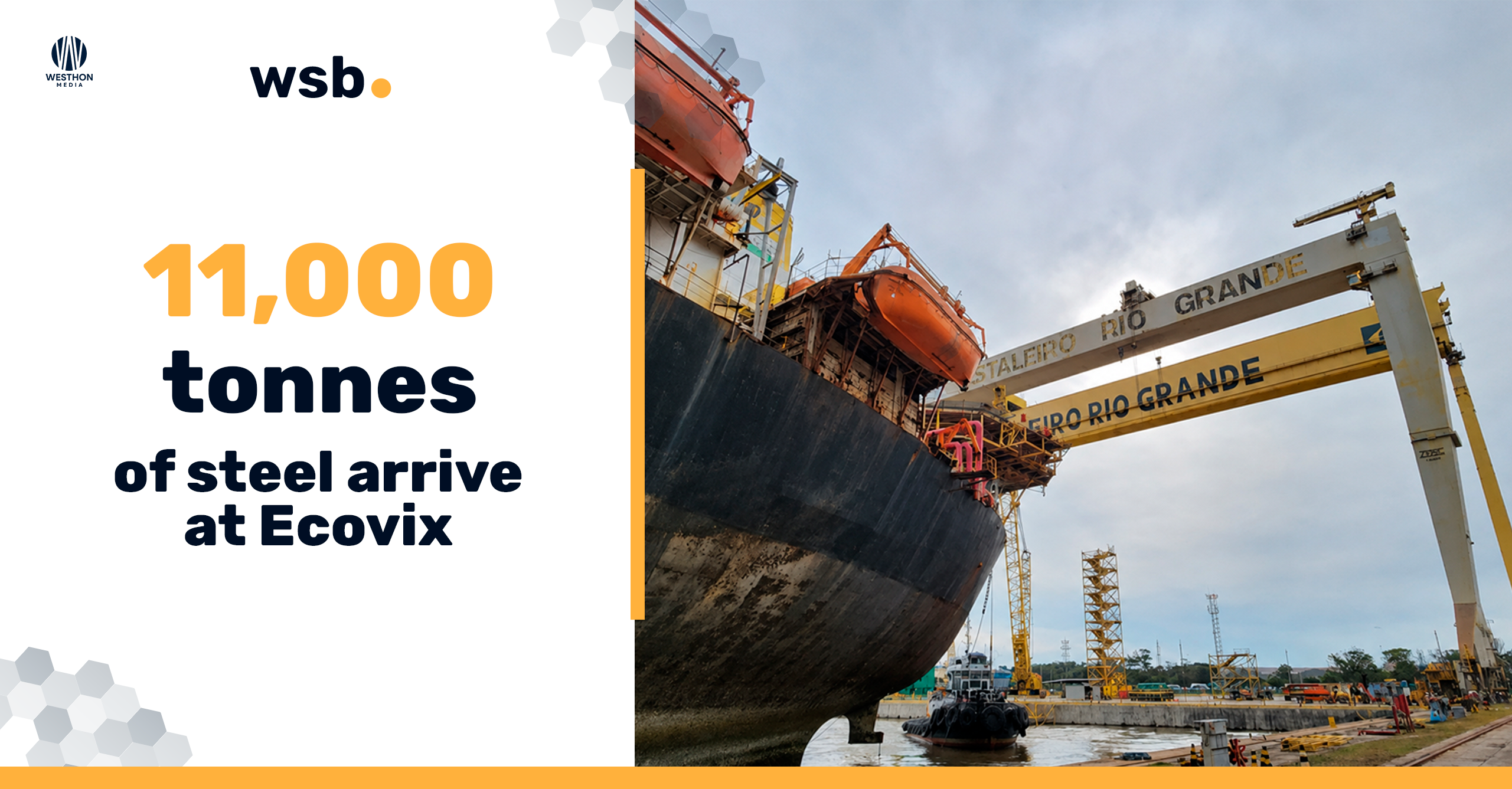
    The shipment represents more than half of the steel required for the first four Handy-size tankers and supports the expansion of production at the Rio Grande Shipyard.

    Every major project is defined by milestones that demonstrate its transition from planning to execution.

    For the Transpetro fleet renewal programme, one of those milestones has now been reached with the arrival of approximately 11,000 tonnes of steel at the Ecovix-operated Rio Grande Shipyard, in southern Brazil.

    The shipment represents more than 50% of all steel plates required for the construction of the first four Handy-size tanker hulls and provides the material base for the acceleration of production at the yard.

    The four vessels are being constructed by the consortium formed by Ecovix and Mac Laren, with Ecovix leading the project and carrying out the principal construction activities at the Rio Grande Shipyard.

    The arrival of the steel is particularly significant because it marks the beginning of a more intensive industrial phase. Construction will proceed in series, with the first hull entering production and the additional vessels being progressively incorporated into the production line.

    The project is also well advanced beyond the procurement of steel. According to information available to WSB, the yard has already progressed with the acquisition of more than 90% of the equipment, materials and items required for the first four tankers.

    Approximately 500 people are already directly employed at the Rio Grande Shipyard in connection with the project. This new production phase is expected to support the addition of a further 500 positions, bringing the total number of direct jobs to approximately 1,000.

    The first four Handy-size tankers form part of a broader portfolio of 13 vessels already contracted for construction at the Rio Grande Shipyard, reinforcing the scale and long-term relevance of the industrial mobilisation now underway in Rio Grande.

    Speaking to O Litorâneo during the steel delivery, Transpetro’s Maritime Transportation Director, Jones Soares, highlighted the importance of the projects for both Transpetro and Petrobras and expressed his personal confidence in their successful execution.

    The arrival of 11,000 tonnes of steel is therefore more than a logistics event. It is a visible and measurable indication that the project is advancing into physical execution, supported by large-scale procurement, workforce mobilisation and the progressive reactivation of the shipbuilding supply chain.

    XXXXXXXXXXXXXXXXXXXXXXXXXXXXXXXXXXXXXXXXXXXXXXXXXXXXXXXXXXXXXXXXXXXXXXXXX

    11.000 toneladas de aço chegam à Ecovix enquanto o programa de navios-tanque da Transpetro entra em nova fase industrial

    A remessa representa mais da metade do aço necessário para os quatro primeiros navios-tanque do tipo Handy-size e viabiliza a expansão da produção no Estaleiro Rio Grande.

    Todo grande projeto é marcado por etapas fundamentais que demonstram sua transição do planejamento para a execução.

    Para o programa de renovação da frota da Transpetro, um desses marcos foi alcançado com a chegada de aproximadamente 11.000 toneladas de aço ao Estaleiro Rio Grande, operado pela Ecovix, no sul do Brasil.

    A carga representa mais de 50% de todas as chapas de aço necessárias para a construção dos cascos dos quatro primeiros navios-tanque Handy-size e fornece a base de materiais para acelerar a produção no estaleiro.

    As quatro embarcações estão sendo construídas pelo consórcio formado pela Ecovix e pela Mac Laren, com a Ecovix liderando o projeto e executando as principais atividades de construção no Estaleiro Rio Grande.

    A chegada do aço é particularmente significativa, pois marca o início de uma fase industrial mais intensa. A construção ocorrerá em série: o primeiro casco entrará em produção e as demais embarcações serão progressivamente incorporadas à linha de montagem.

    O projeto também está avançado além da etapa de aquisição de aço. Segundo informações obtidas pelo WSB, o estaleiro já avançou na compra de mais de 90% dos equipamentos, materiais e itens necessários para os quatro primeiros navios-tanque.

    Cerca de 500 pessoas já trabalham diretamente no projeto no Estaleiro Rio Grande. Espera-se que esta nova fase de produção permita a criação de mais 500 postos de trabalho, elevando o total de empregos diretos para aproximadamente 1.000.

    Os quatro primeiros navios-tanque Handy-size integram um portfólio maior de 13 embarcações já contratadas para construção no Estaleiro Rio Grande, reforçando a escala e a relevância a longo prazo da mobilização industrial em curso na cidade.

    Em entrevista ao jornal O Litorâneo durante a entrega do aço, o Diretor de Transporte Marítimo da Transpetro, Jones Soares, destacou a importância dos projetos tanto para a Transpetro quanto para a Petrobras e expressou sua confiança pessoal no sucesso da execução. A chegada de 11.000 toneladas de aço é, portanto, mais do que um evento logístico. É um indicador visível e mensurável de que o projeto está avançando para a execução física, apoiado por aquisições em larga escala, mobilização de mão de obra e a reativação progressiva da cadeia de suprimentos da indústria naval.

  • Open Tenders & More

    Open Tenders & More

    Dear Madam/Sir,

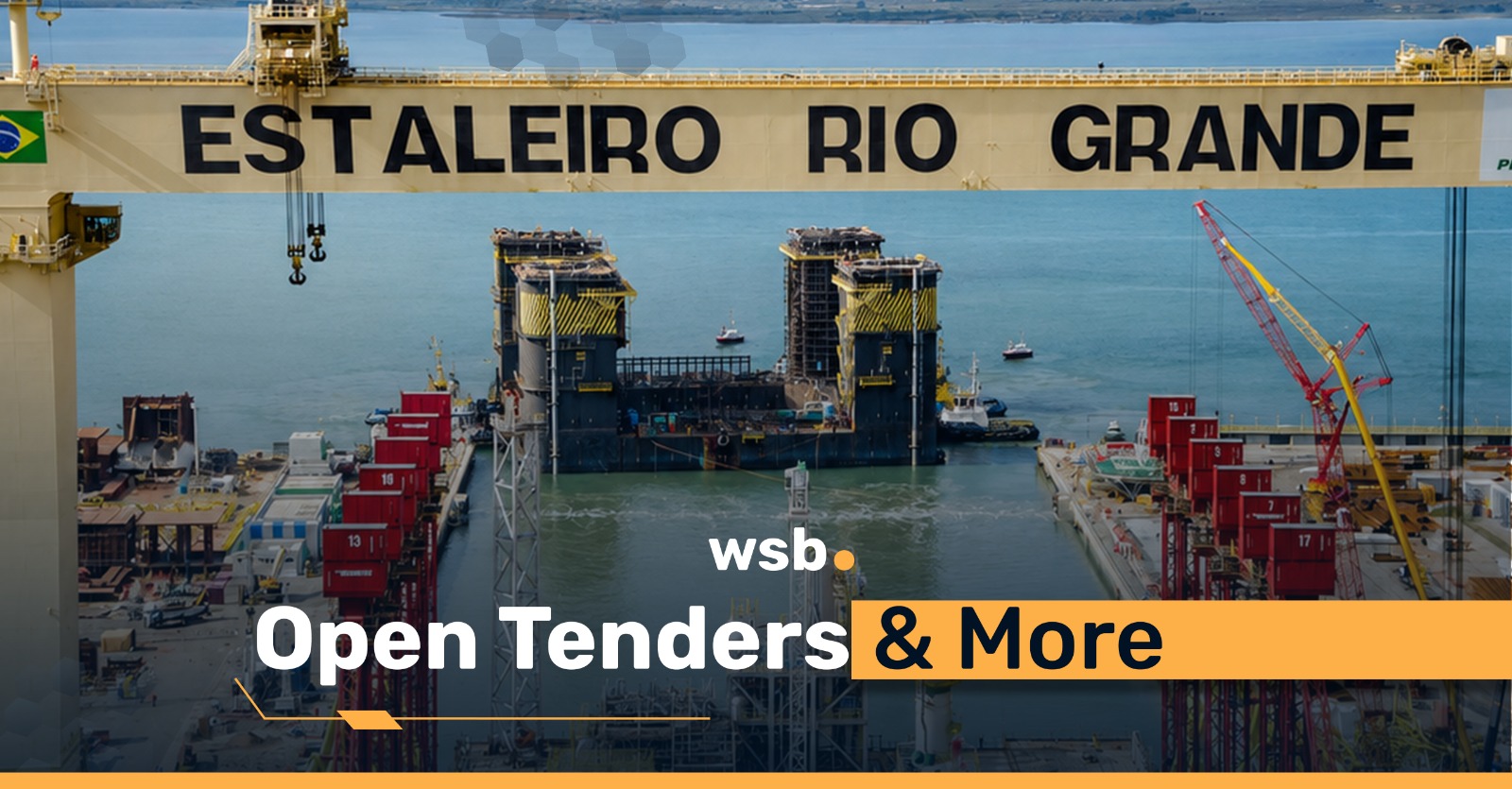
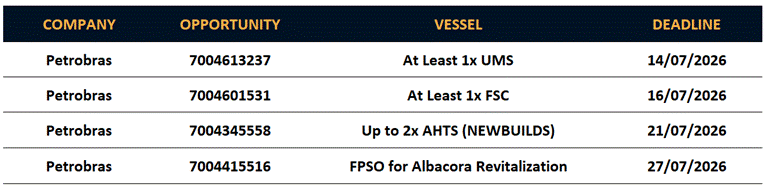
    WSB is pleased to provide an update on the current long-term tenders that are open to offer.

    Open tenders:

    What has changed?

    • Nothing new under the sun.

    What else is happening?

    • Everyone is after a floatel. Floatel Victory completed her contract with Karoon at the FPSO Cidade de Itajaí, commenced operations at the Bacalhau field with Equinor, and is set to end the year under a six-month firm contract with Brava.
    • That’s a lot of steel! Ecovix has received a shipment of 11,000 tonnes of steel to continue the construction of four Handysize vessels for Transpetro. The shipyard also has an orderbook of five gas carriers and four MR1 tankers. Could there be more projects on the way?
    • A slowdown for some, a boom for others. As tenders cool ahead of the election period, the imbalance between supply and demand has left some vessels without contracts. However, the AHTS market tells a different story: there isn’t a single vessel left available.
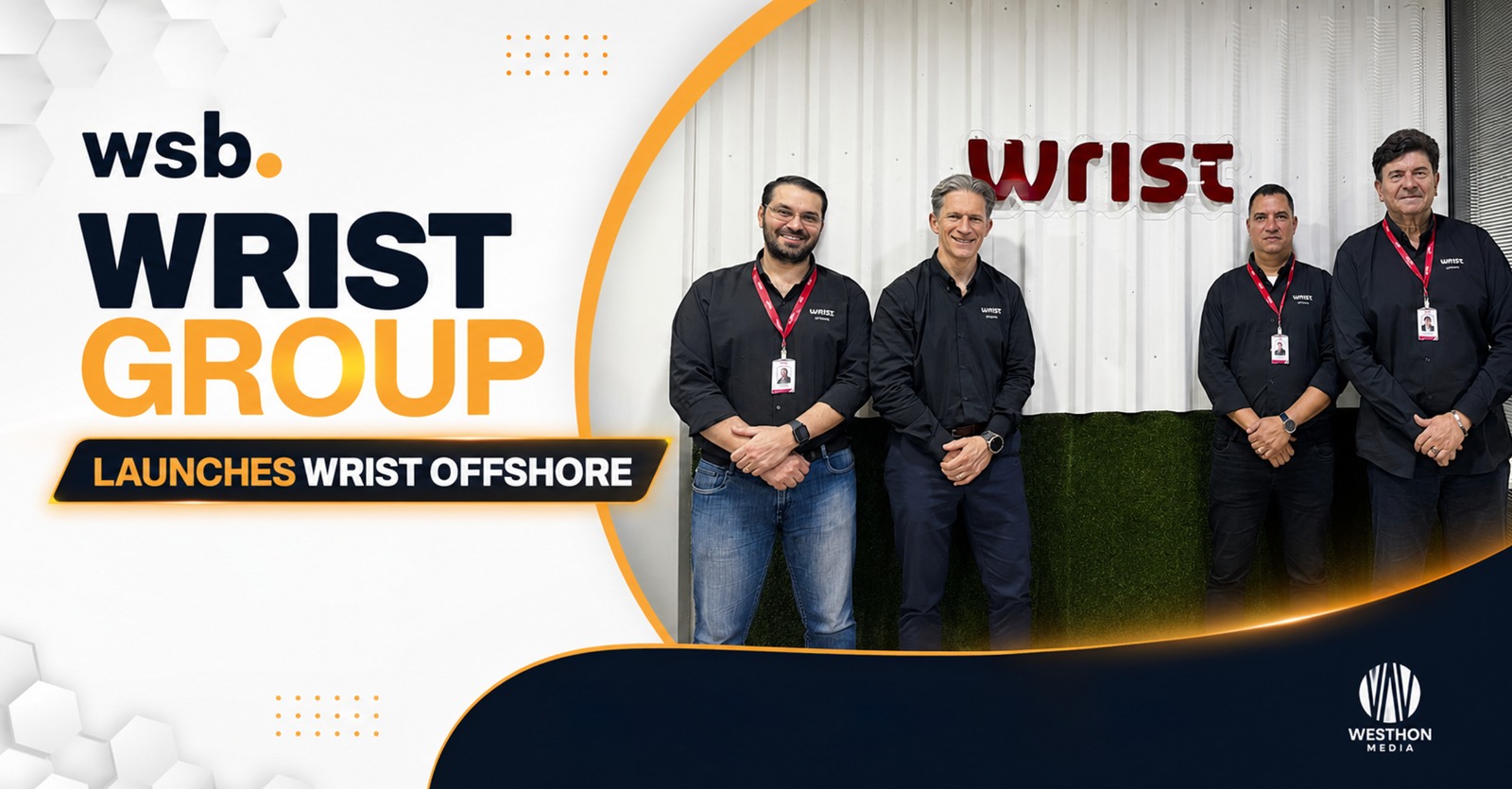
  • Wrist Group launches Wrist Offshore, unifying operations across three key markets

    Wrist Group launches Wrist Offshore, unifying operations across three key markets

    Wrist Group has launched Wrist Offshore, a new brand bringing together the operations of Strachans, Den Helder Stores and Wrist Boa Praça under a single identity focused on the offshore energy market.

    The move is part of the Group’s strategy to strengthen its offshore business by combining the capabilities of the three companies into a more integrated service platform operating across the United Kingdom, the Netherlands and Brazil.

    The unified brand will operate through seven key maritime hubs and serve more than 70 ports, providing a broader range of offshore supply and logistics services. Strachans, Den Helder Stores and Wrist Boa Praça will continue to operate as separate legal entities.

    According to Wrist Group, the integration is intended to strengthen coordination between its offshore and ship supply operations, expand its international reach and give customers access to a broader range of products, services and local expertise across offshore oil and gas, renewables and emerging energy sectors.

    In Brazil, Wrist Boa Praça will continue operating from its bases in Rio de Janeiro, Macaé, Vitória and Recife. The company, which joined Wrist Group in 2024, currently operates more than 12,500 square metres of warehouse capacity and plans to open an additional 3,100-square-metre facility in Rio de Janeiro in August 2026.

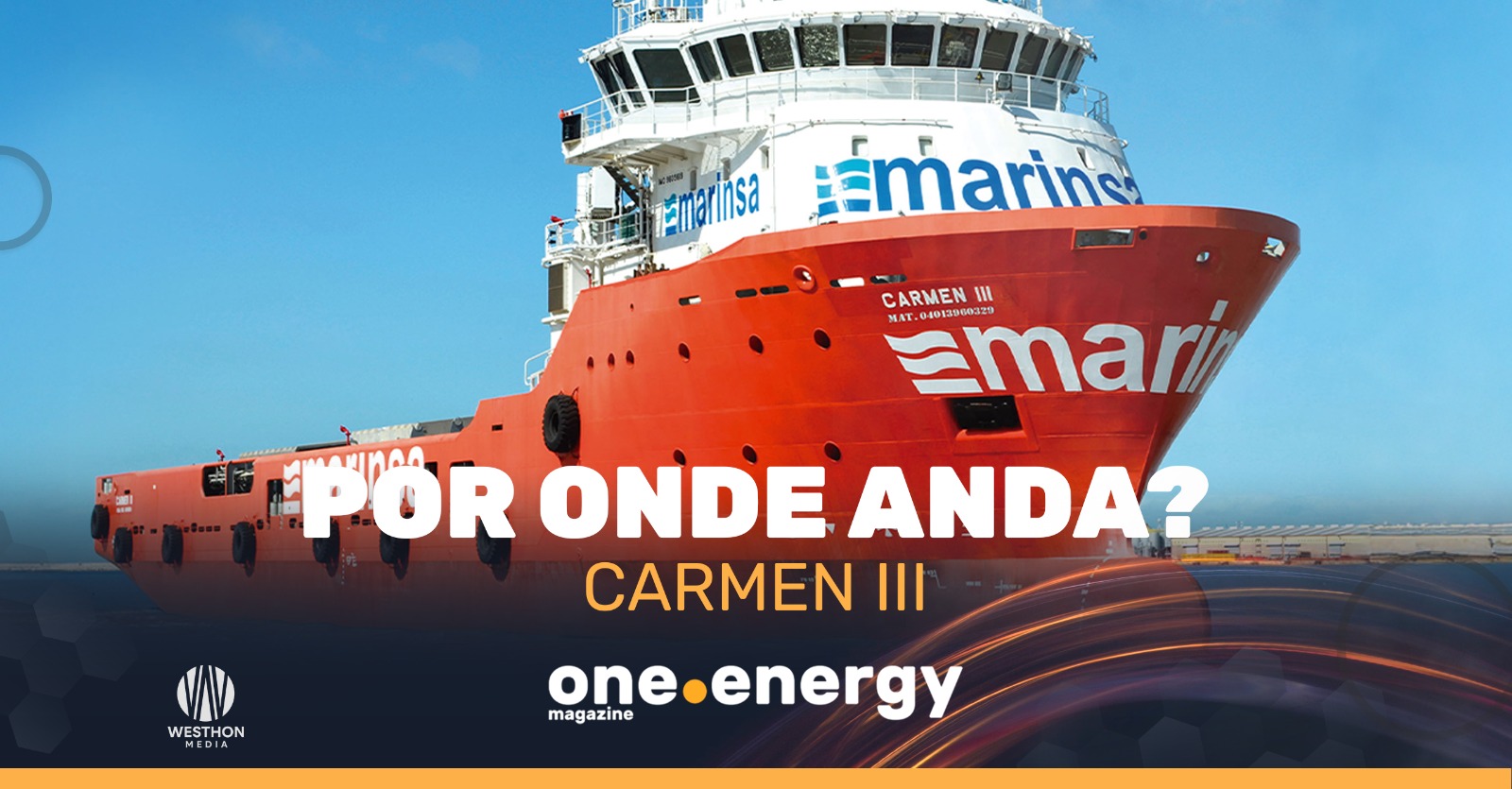
  • Por Onde Anda? – Carmen III

    Por Onde Anda? – Carmen III

    The original name was Princess Ihuaku.

    The vessel was intended for Tidewater.

    The plan was for delivery in the early 2010s.

    But when the vessel was finally delivered in 2017, the offshore market was already a very different one, and her identity was also about to change.

    Carmen III began as hull NT8002, part of a four-vessel PSV programme ordered by Tidewater from Drydocks World in 2010.

    The series was expected to begin delivery in 2012, but the vessel was not completed until April 2017. By then, offshore activity had contracted, vessel oversupply was pressuring day rates and Tidewater was approaching a financial restructuring under Chapter 11.

    The origin of the name Princess Ihuaku is not explained in the public records reviewed. Ihuaku is an Igbo given name commonly translated as “the face of wealth”.

    Completed by DDW-PaxOcean, the PSV measured approximately 81.3 metres in length, 16 metres in beam and around 3,200 tonnes of deadweight. She was equipped with DP2 capability, diesel-electric propulsion and approximately 670 square metres of usable deck area.

    In the same year, the vessel was acquired by Marinsa, part of Grupo CEMZA. Renamed Carmen, she was placed under the Mexican flag in December 2017 and later became Carmen III.

    The vessel found a new role in the Mexican offshore market. But years later, Brazil would present a different challenge.

    A difficult entry into Brazil

    Marinsa mobilised Carmen III to Brazil for a Petrobras PSV 3000 charter, working locally with Internav.

    The vessel reached the Rio de Janeiro area in 2025, but the proposed foreign-flag charter faced blocking requests from Brazilian tonnage during the regulatory circularisation process.

    Wilson Sons offered two Brazilian-flagged PSVs: Mandrião and Atobá. ANTAQ ultimately declared the Mandrião blocking firm, while rejecting the Atobá blocking because the vessel did not meet Petrobras’ technical and operational requirements.

    The confirmed Mandrião blocking was enough to prevent the foreign-vessel charter from progressing. According to market information reviewed by WSB, the issue could not be resolved, the charter was cancelled and Carmen III returned to Mexico.

    Today, under the name Carmen III, the vessel remains officially listed by Marinsa as part of its specialised fleet. She has returned to the Gulf of Mexico, flying the Mexican flag and classified as a DP2 PSV, IMO 9605619.

    Carmen III was designed for Tidewater, found a market in Mexico and, years later, discovered that reaching Brazil did not necessarily mean being able to operate.

    The episode may not have been Marinsa’s only challenge in Brazil.

    Coming next in Por Onde Anda? Lagunero, another vessel from the group with its own difficult chapter in the country.

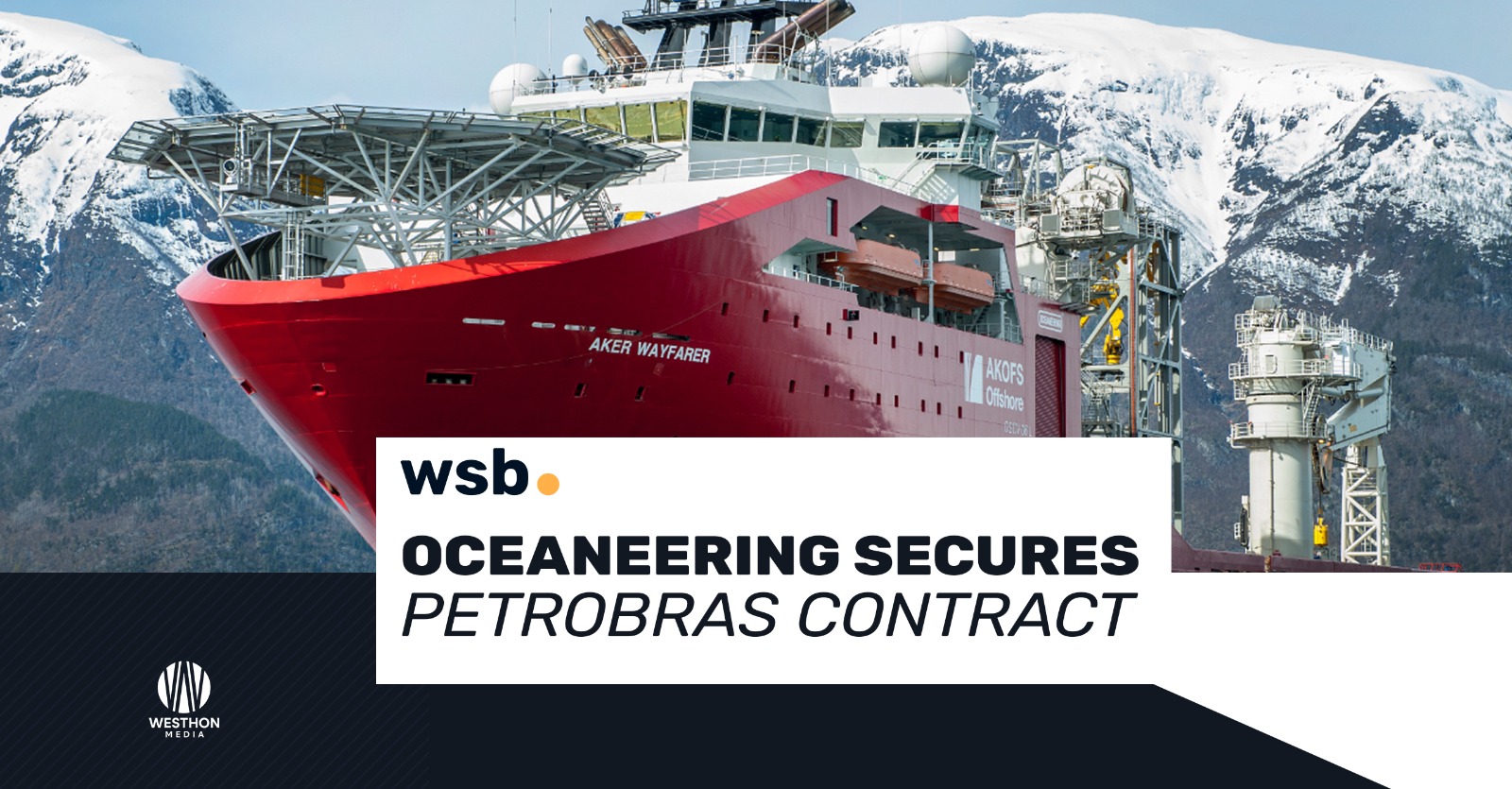
  • Oceaneering secures Petrobras contract

    Oceaneering secures Petrobras contract

    A new Petrobras contract highlights the continued importance of subsea services in Brazil’s offshore sector.

    This week, Oceaneering announced that it has been awarded a four-year contract by Petrobras to provide ROV services offshore Brazil. Operations are scheduled to begin in 2027 and will include two work-class ROV systems, specialized tooling packages, and monitoring and positioning support services deployed from AKOFS Offshore’s subsea engineering support vessel Aker Wayfarer. The contract was awarded through a competitive tender process and will be executed by Oceaneering’s Brazilian subsidiary, Marine Production Systems do Brasil (MPS). The contract value was not disclosed.

    ROVs remain essential for a wide range of offshore activities, including inspection, intervention and other subsea operations throughout the life cycle of offshore assets. As Brazil continues to develop new offshore projects while maintaining a large portfolio of producing fields, these capabilities remain an integral part of offshore execution.

    Although this is a single contract, it fits within a broader pattern seen in Brazil’s offshore market, where continued

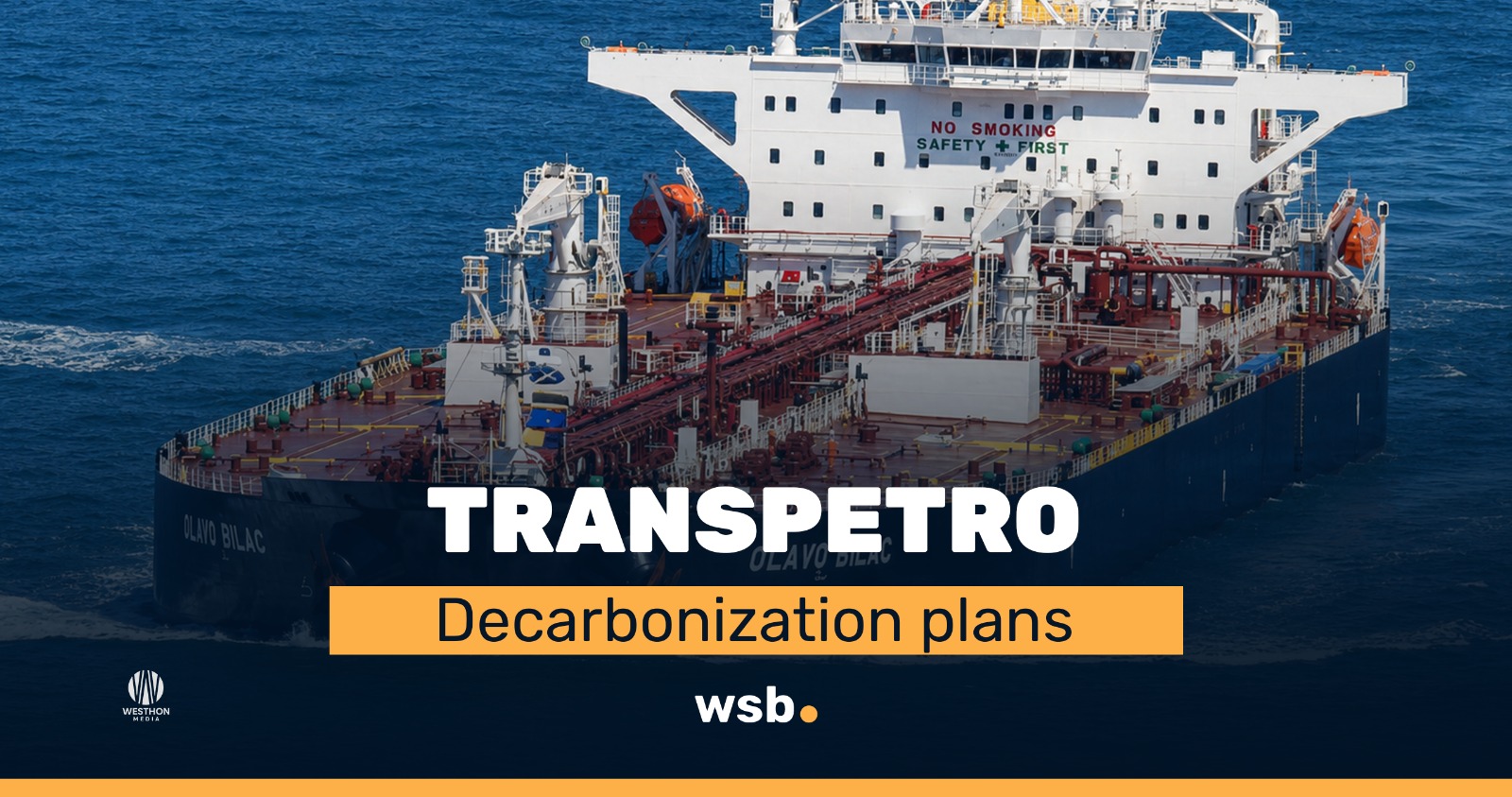
  • Transpetro – Decarbonization plans

    Transpetro – Decarbonization plans

    Decarbonization in shipping is becoming less about breakthrough technologies and more about combining practical solutions that can be deployed today.

    Transpetro’s latest initiative reflects this approach in practice.

    On July 2, the Petrobras subsidiary completed its first bunkering operation using B30, a marine fuel containing 30% renewable content. The operation took place at the Port of Rotterdam, where the tanker Olavo Bilac received approximately 400 tonnes of fuel.

    The initiative builds on a program launched in 2025. During its first phase, six vessels operated on B24 fuel, consuming around 4,000 tonnes and avoiding approximately 1,600 tonnes of CO₂ emissions.

    The use of renewable-content marine fuels is only one component of the company’s broader decarbonization strategy.

    Transpetro is also investing in hydrodynamic appendages, engine combustion optimization, software-based speed monitoring, regular hull cleaning and specialized low-friction coatings. Together, these initiatives improve vessel efficiency, reduce fuel consumption and contribute to lower greenhouse gas emissions.

    For shipowners and operators, the direction is becoming increasingly clear. Progress toward lower emissions is likely to come from combining alternative fuels with proven efficiency technologies, allowing measurable reductions while leveraging existing fleet infrastructure.

    The initiative is aligned with the International Maritime Organization’s (IMO) ambition of achieving net-zero greenhouse gas emissions from international shipping by or around 2050.

  • Vast and Petrobras: new agreement

    Vast and Petrobras: new agreement

    One clause says a lot about where Brazil’s offshore logistics are heading.

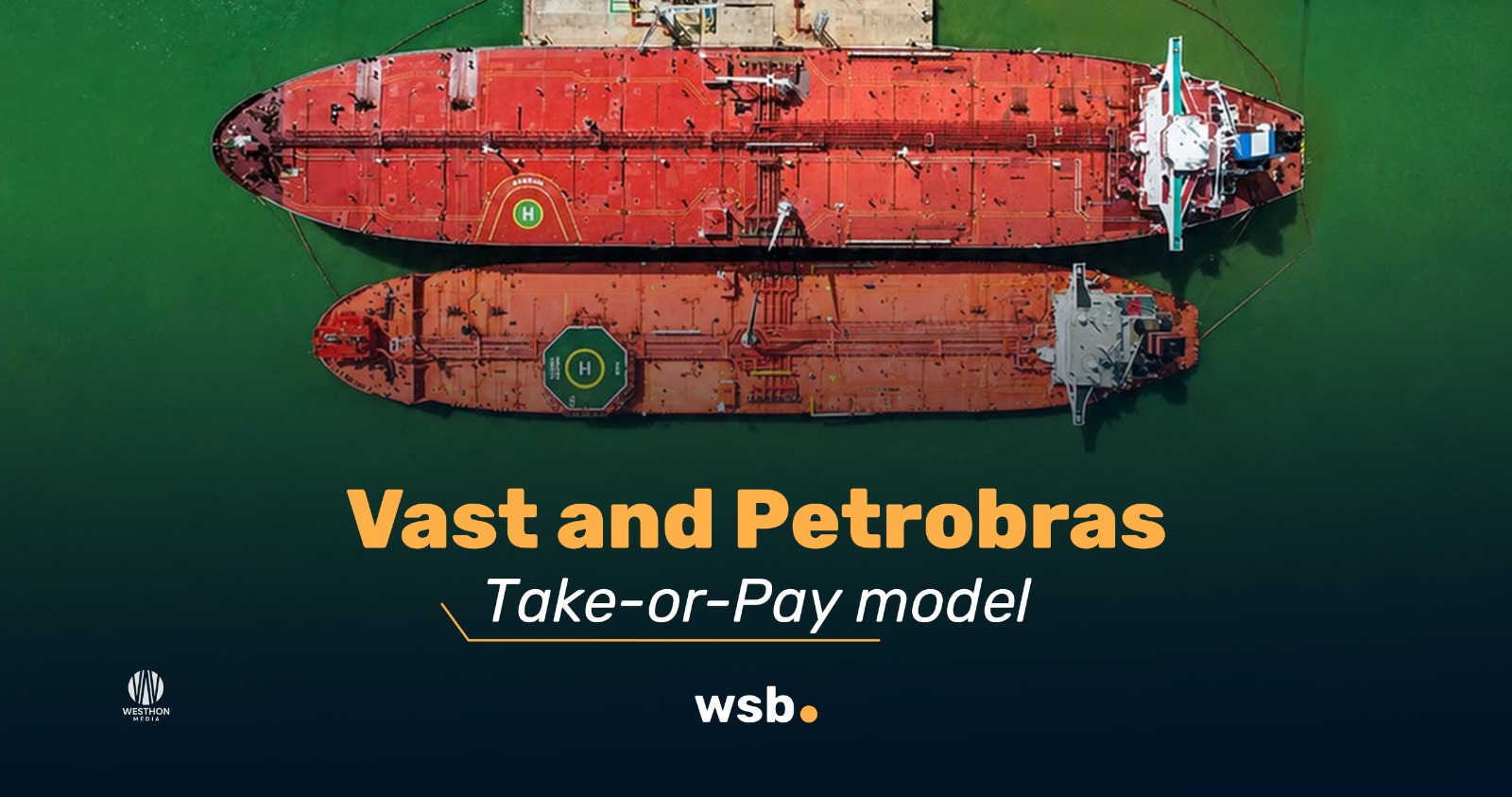
    This week, Vast Infraestrutura and Petrobras announced a new long-term agreement for crude oil transshipment operations at the T-Oil terminal, located at the Port of Açu. The contract includes a take-or-pay clause, marking the first agreement of this type between the two companies. Although financial terms were not disclosed, the companies have maintained a commercial relationship for transshipment services since 2019.

    Under this model, Petrobras commits to pay for a minimum contracted capacity regardless of actual throughput. In return, it secures long-term access to terminal capacity and greater operational predictability, while Vast benefits from more stable revenues and increased confidence to support future investments.

    The significance of this agreement goes beyond the contractual structure itself. It reflects a broader trend in Brazil’s offshore sector, where export infrastructure is increasingly being treated as a strategic asset alongside production capacity. As offshore output continues to grow, long-term logistics planning becomes just as important as developing new fields.

    For terminal operators, take-or-pay agreements reduce commercial risk, improve cash flow visibility and strengthen the financial foundations for future expansion. For producers, they provide greater certainty over export logistics, even though minimum payment obligations remain in place during periods of lower utilization.

    The agreement also reinforces the strategic importance of T-Oil. In 2025, the terminal carried out 229 crude oil transshipment operations and handled more than 48% of Brazil’s crude oil exports through terminals. Located close to the country’s main producing basins, T-Oil is licensed to handle up to 1.8 million barrels of oil per day and currently serves 11 major operators active in Brazil.

    As Brazil expands offshore production over the coming years, agreements that combine operational certainty with long-term infrastructure planning are likely to become increasingly common across the industry.

  • CADE clears Subsea7–Saipem merger, but the debate goes beyond the approval

    CADE clears Subsea7–Saipem merger, but the debate goes beyond the approval

    The offshore engineering market continues to consolidate, but the debate surrounding competition is far from over.

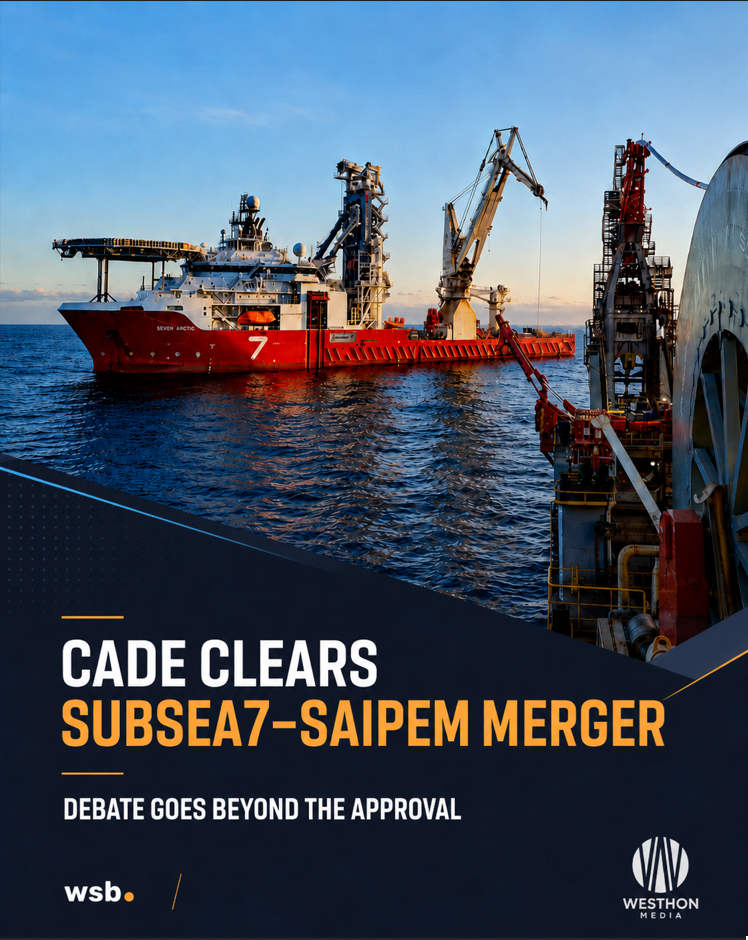
    Brazil’s Administrative Council for Economic Defense (CADE) has approved, without restrictions, the proposed merger between Subsea7 and Saipem, removing one of the final regulatory hurdles for the creation of what will become one of the world’s largest offshore engineering and subsea companies.

    The decision came after major industry players, including Petrobras, ExxonMobil and TotalEnergies, submitted formal observations expressing concerns that the combination could reduce competition in certain offshore engineering and subsea services, potentially affecting future procurement processes. After reviewing the case, however, Conselho Administrativo de Defesa Econômica – Cade concluded that the transaction did not require remedies or restrictions.

    The approval does not eliminate the broader discussion surrounding consolidation in the offshore industry.

    Over the past decade, the sector has experienced a series of major transactions as companies sought greater scale, stronger balance sheets and broader technological capabilities to execute increasingly complex offshore projects. At the same time, operators continue to monitor how this consolidation may influence competition, supplier diversity and commercial dynamics in future tenders.

    For the offshore market, the discussion is no longer whether consolidation will continue—it is how the industry can balance larger, financially stronger contractors with a competitive environment capable of preserving innovation, efficiency and commercial flexibility.

    Stay informed on key offshore developments — visit wsb-one.com, our data platform trusted by leading offshore companies.

  • FPSO Cidade de Niterói reaches the final chapter

    FPSO Cidade de Niterói reaches the final chapter

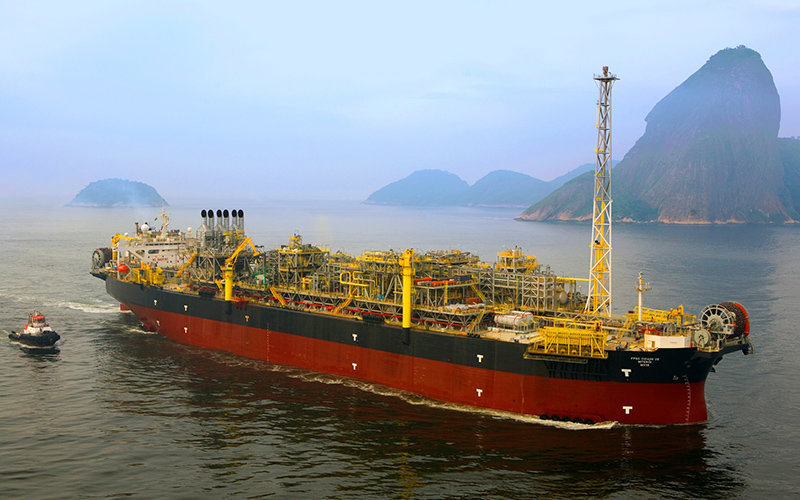
    After nearly 17 years producing offshore Brazil, the FPSO Cidade de Niterói MV18 has entered the final stage of its operational lifecycle. MODEC has confirmed that the vessel has arrived at a ship recycling facility in Denmark following the completion of its demobilization from the Marlim Leste Field, in Brazil’s Campos Basin.

    Delivered under an EPCI contract and subsequently operated by MODEC under a long-term charter and operations agreement with Petrobras, the FPSO achieved first oil in February 2009. During its time offshore, the unit processed approximately 159 million barrels of oil, becoming an important part of the Marlim Leste development.

    Designed to process up to 100,000 barrels of oil per day, 124 million standard cubic feet of gas per day, and store 1.6 million barrels of crude oil, Cidade de Niterói represents an important generation of FPSOs that helped consolidate Brazil as one of the world’s leading deepwater producers.

    The retirement of the FPSO follows the conclusion of its long-term charter with Petrobras and reflects the natural evolution of mature offshore developments. As fields such as Marlim Leste advance through new revitalization strategies and older production systems reach the end of their economic and operational cycles, legacy FPSOs are gradually being withdrawn from service.

    The vessel will now be recycled in Denmark in accordance with the EU Ship Recycling Regulation and the Hong Kong International Convention for the Safe and Environmentally Sound Recycling of Ships, highlighting the industry’s growing focus on responsible end-of-life asset management.

    Why it matters

    The retirement of Cidade de Niterói illustrates a broader transformation taking place in Brazil’s offshore industry. As mature production systems reach the end of their operational lives, decommissioning, demobilization and responsible recycling are becoming increasingly important segments of the offshore value chain, creating new technical, environmental and commercial opportunities across the industry.

    Stay informed on key offshore developments — visit wsb-one.com, our data platform trusted by leading offshore companies.

  • A.P. Moller Holding’s Ocean Yield Acquisition Reflects a Broader Shift in Maritime Investment

    A.P. Moller Holding’s Ocean Yield Acquisition Reflects a Broader Shift in Maritime Investment

    Capital is increasingly flowing toward maritime businesses capable of generating long-term contracted cash flows. As shipping enters a new investment cycle driven by fleet renewal, decarbonization and rising capital requirements, investors are placing greater value on business models that combine stable earnings with long-term visibility.

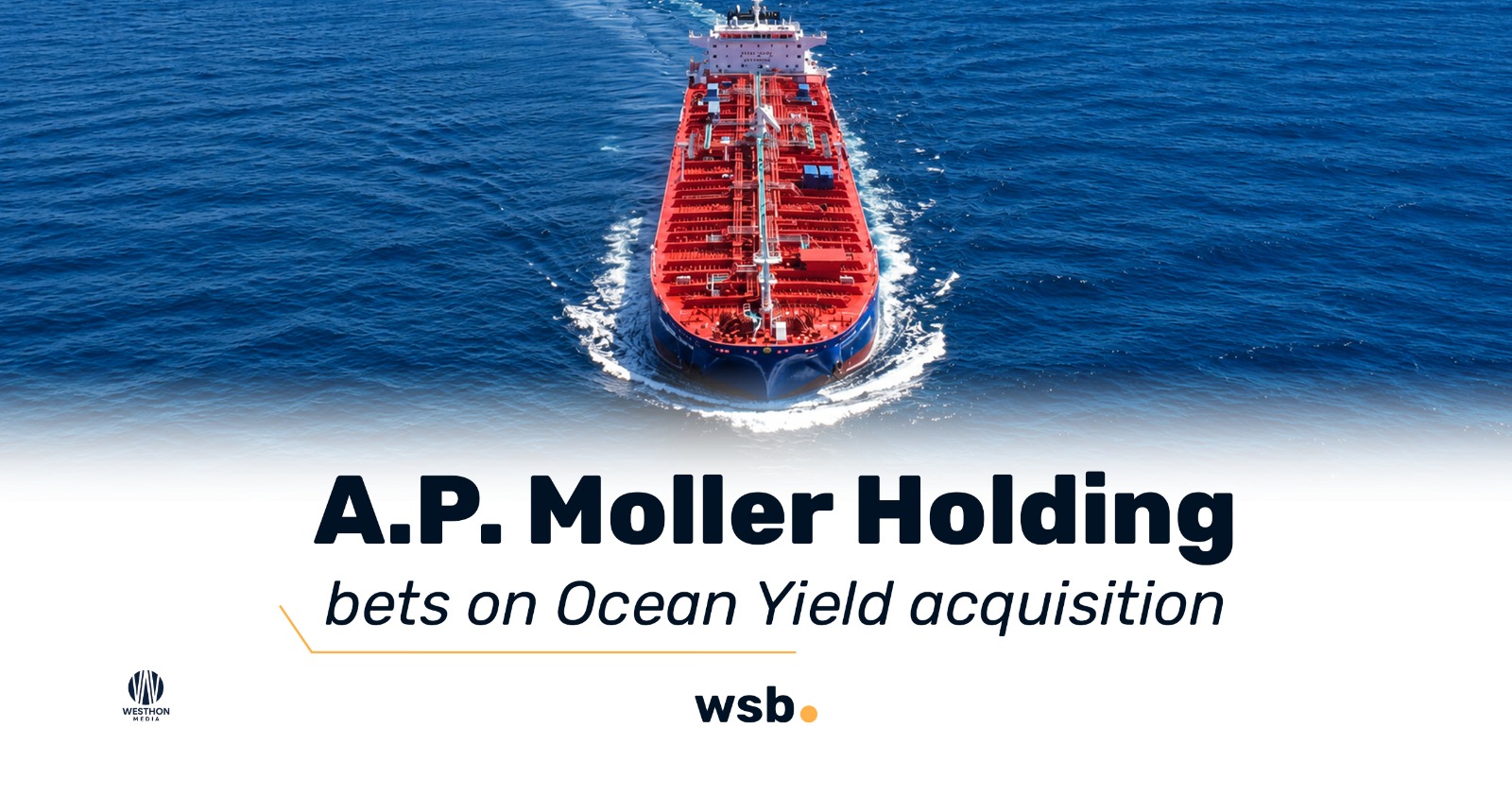
    A.P. Moller Holding’s agreement to acquire 100% of Ocean Yield reflects this strategy. Rather than expanding vessel operations, the Danish group is expanding its exposure to contracted maritime assets through one of the world’s leading ship leasing platforms. The transaction, which remains subject to regulatory approvals, will see A.P. Moller Holding acquire Ocean Yield from funds managed by KKR.

    Headquartered in Oslo, Norway, Ocean Yield holds interests in more than 70 modern vessels across multiple shipping segments, including LNG carriers, gas carriers, containerships, tankers and dry bulk vessels. Since being acquired by KKR in 2021, the company has invested more than US$3 billion in fleet expansion and diversification while increasing its long-term contract backlog to over US$5 billion.

    According to Martin Larsen, Chief Financial Officer of A.P. Moller Holding, Ocean Yield complements the group’s maritime portfolio through an established leasing platform built on stable and predictable cash generation, combining an experienced management team with more than a century of maritime expertise.

    The transaction illustrates how the maritime investment landscape is evolving. Rather than seeking exposure solely to freight markets, long-term investors are increasingly allocating capital to businesses supported by contracted revenues, diversified counterparties and resilient cash generation. As financing becomes a defining factor in fleet renewal and decarbonization, ship leasing platforms are expected to play an increasingly strategic role across the global maritime industry.