Last week, WSB Advisors reinforced its commitment to knowledge, innovation and industry engagement by joining some of the most relevant events across different sectors.
On August 12, Anidio Correa, R&D Environment Projects Lead at WSB, attended the opening of Rio Innovation Week, Latin America’s largest technology and innovation conference. At the same event, Alvaro Antunes, CEO of Intcom Solutions a WSB partner company, moderated a panel on the impact of artificial intelligence in education and corporate environments.
On August 14, Anídio also participated in the workshop “Extending the Life of Oilfields and Offshore Assets” hosted by SOBENA – Sociedade Brasileira de Engenharia Naval. The session explored key issues such as natural production decline, projected asset lifespan, regulatory challenges, integrity management, decommissioning and the growing role of artificial intelligence.
Meanwhile, in São Paulo, Fernando Vilela, CMO of WSB Advisors and CEO of Café na Trilha, was invited to provide full coverage of Shimano Fest 2025, the largest bicycle festival in Latin America, held this weekend at São Paulo’s Memorial da América Latina. More than just an expo, Shimano Fest has become a cultural landmark that blends sport, lifestyle, business and entertainment into a unique celebration of cycling. With attractions ranging from test rides of the latest models and a dedicated kids’ arena to debates on sustainable mobility and entrepreneurship, the event gathers athletes, brands and enthusiasts in one dynamic space. This year’s highlights include live shows, the Latin American edition of the Mechanical Challenge, bike trial demonstrations, historical exhibitions such as the MemorialDoMTB and a strong presence of leading brands showcasing new launches.
On August 15, Daniel Buckley, Chartering Manager at WSB, also had the opportunity to visit the Multipurpose Aircraft Carrier Atlântico (A140), the largest active warship in Latin America. Measuring 203 meters in length, 30 meters in height and with the capacity to carry up to 18 aircraft, the vessel demonstrates the scale and operational capacity of the Brazilian Navy.
Stay connected with WSB Advisors for insights at the intersection of offshore, energy, and innovation. Discover more at wsb-one.com, our intelligence platform trusted by leading offshore companies.
Author: Rafael Bortoloti
-
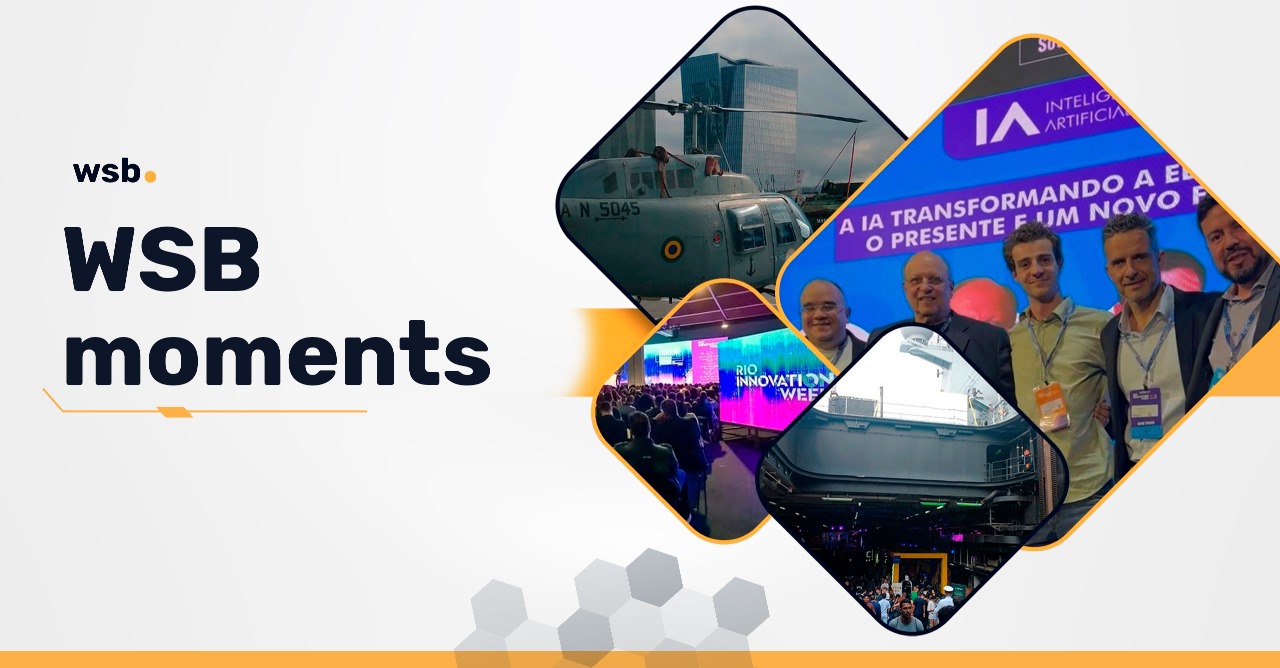
WSB moments
-
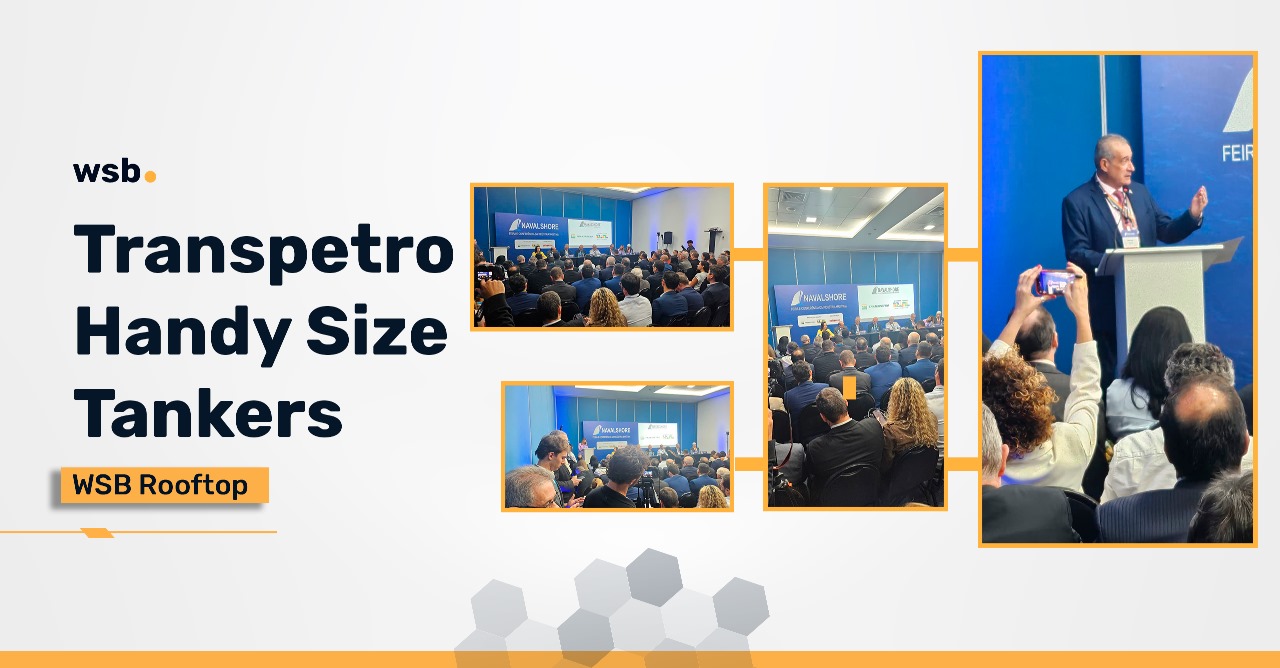
Navalshore – Petrobras bid update
By Fernando Vilela and Ronaldo Lima
At the opening of Navalshore today, Transpetro – Petrobras Transporte S. A. CEO Sérgio Bacci announced the effectiveness of the contract for the construction of Handy size tankers at the Ecovix shipyard, under the Ecovix-Mac Laren consortium. These vessels, intended for Transpetro, will strengthen Brazil’s cabotage operations and the distribution of oil products along the coast.
The contract, signed earlier this year between April/ May, now enters into force, marking a significant step for Brazil’s shipbuilding sector and reinforcing the strategic role of domestic yards in supporting the country’s energy logistics.
-
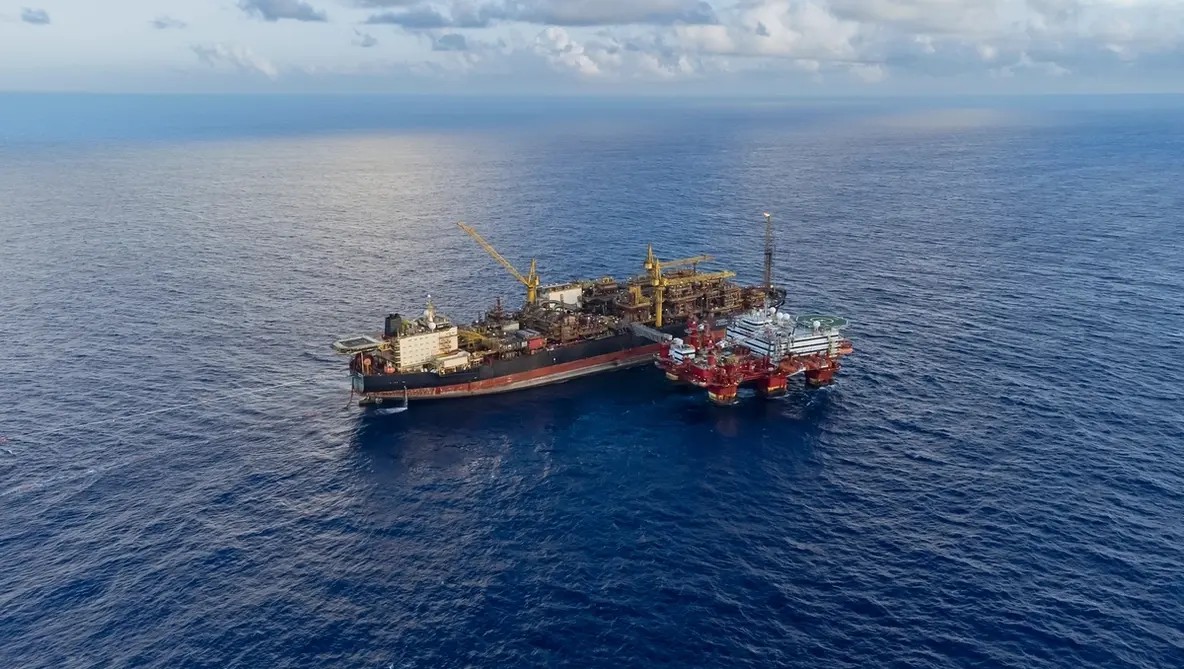
FPSO Peregrino – interdiction
The Brazilian National Petroleum Agency (ANP) has suspended operations on the FPSO Peregrino, operated by Equinor in the Campos Basin, after an audit identified with safety management and fire fighting system. Production has been halted and necessary adjustments are estimated to take between three to six weeks.
PRIO, which holds a 40% stake in the field and is acquiring the remaining 60% from Equinor for USD 3.35 billion, has reaffirmed that the transaction remains subject to ANP and CADE approval. The acquisition is structured in two phases and is expected to be completed by 2026.
In the second quarter, the Peregrino field averaged production of 97,500 barrels per day. Following the full acquisition, PRIO aims to nearly double output, targeting 190,000 barrels per day. Equinor has confirmed that corrective measures are underway, with safety as the company’s top priority.
-
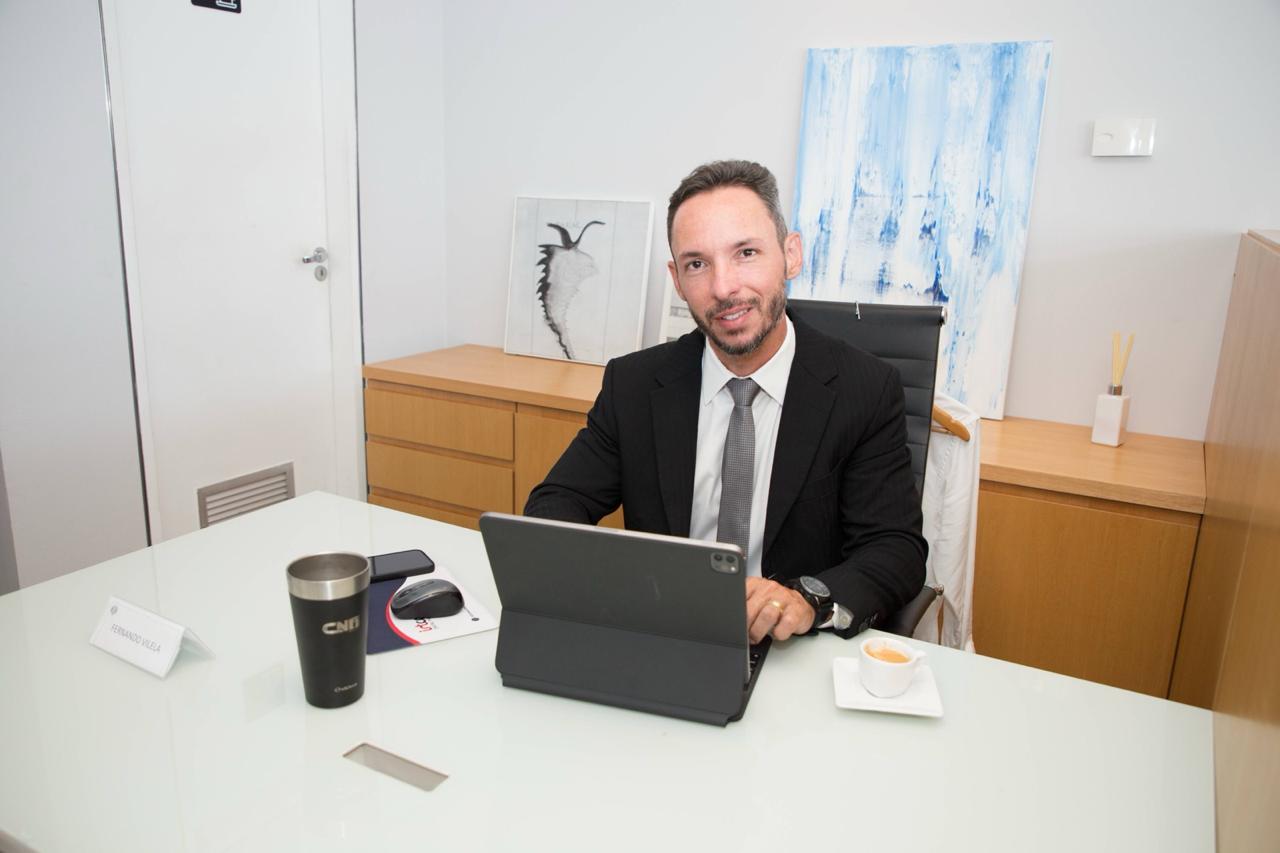
Special WSB: Be.Do.Have!
The order that builds a purposeful career—and maybe even your LinkedIn!
Building a solid career goes way beyond filling out resumé or stacking your LinkedIn profile with certificates and fancy job titles.
If you want to stand out, it’s no use blasting out resumés to random openings or taking courses just to post the diploma on your feed. You need to build a trajectory with clarity, strategy, and intention.
And first of all: CLARITY. I’m not talking about market trends or external opportunities. I’m talking about what’s inside of you. I’m talking about self-awareness.
The starting point is not what you want to HAVE, like most people think. It’s about who you ARE, where you ARE right now, and where you genuinely want to go. Most people live in reverse: they want to have something, then they’ll do something, and finally, they’ll be someone. That classic thinking: “When I have this, then I’ll do that, and I’ll be happy.” But that’s not how the game works.
As the Cheshire Cat said in Alice in Wonderland: “If you don’t know where you want to go, any road will take you there.”
In today’s competitive, volatile, and demanding market, that “any road” usually leads to frustration, anxiety, and identity crises.
In mentoring sessions with CEOs and entrepreneurs, the structure of self-knowledge looks a lot like project management. First, you define the vision, values, and aspirations of the person—what I prefer to call the “Human Being”—separate from their professional life. Then, you reverse engineer the plan with SMART goals, building a timeline from the future back to the present.
It only makes sense to create plans and tasks once the goal is clear and aligned with who you truly are—not with what others expect you to be. And here’s the core truth: you can’t expect to DO or HAVE anything before knowing who you need to BE.
If you’re still not clear on that, let me spell it out: you need to BE first, then DO, and only then you’ll HAVE.
And how do you know if you’re on the right track? You measure it. If you don’t measure, you can’t improve. If you don’t know where you are, not even the best strategy in the world can help you.
Here’s where The Subtle Art of Not Giving a Fck*, by Mark Manson, hits deep: self-awareness isn’t about thinking you’re amazing. It’s about recognizing where you fall short, where you’re weak, where you need to improve. As he says, “true self-awareness is realizing you’re not that special”—and like Carl Jung said, you’ve got to face your shadow. That’s how we evolve—with self-knowledge and strategy, not illusions.
So ask yourself right now:
What am I doing today?
Where am I heading?
Without clarity, you become a passenger in your own career. And the cost is the most expensive one there is: time.
Ironically, the cure for lack of clarity is action. So if you don’t have it yet, start moving. Do something. Try. Experiment. The path reveals itself along the way. And here comes your fuel: motivation.
The path isn’t easy. We all have bad days and face hard things. But if you want a better career, ask yourself: what pain are you willing to endure? Want to be an entrepreneur? Are you ready for financial uncertainty and the ups and downs? Want a career abroad? Are you ready to give up comfort and start over?
Set a minimum routine for yourself—even on bad days. Especially on bad days. Accepting tough moments is a positive experience in itself. That’s where you also learn to deal with your feelings—crucial skills for any solid professional.
There’s a quote I carry with me: “It’s not what life does to you, it’s what you do with what life does to you.”
Responsibility is always yours—even if the blame isn’t.
And what does all of this have to do with marketing, resumés and LinkedIn?
Everything.
Personal branding is essential. Back in the day, we talked a lot about the concept of “You Inc.” That’s still valid. Build your digital presence like a company: clear, consistent, and authentic positioning. Own your identity, your values, your voice. That’s personal branding.
More than a well-written resumé, today’s professional needs to BE what they put on paper. They need consistency, real networking, knowledge that matters, hands-on experience, and resilience to ride the market cycles.
A well-structured professional is like a tree with deep roots. The storms will come, but they’ll stand strong because they know who they are, what they represent, and where they’re going.
If you’re not seen, you’re forgotten. Update your LinkedIn, build your portfolio, share relevant content, show YOUR point of view. The market rewards those who know how to position themselves. And there’s no such thing as a bad market for that. It’s all on you.
Degrees and certificates are great. But what the market truly values is your ability to create impact.
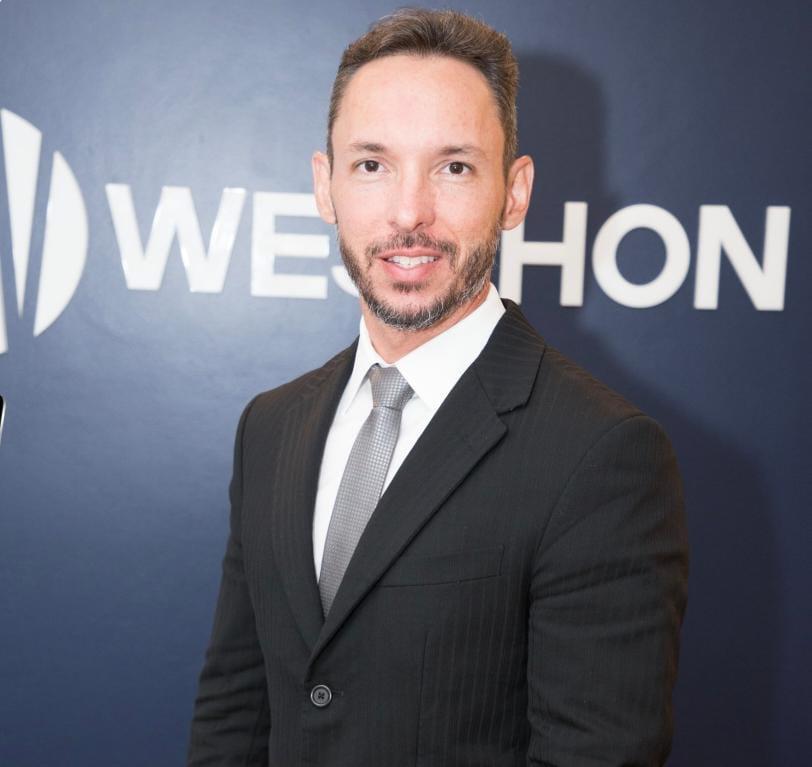
Fernando Mattar Vilela, 41
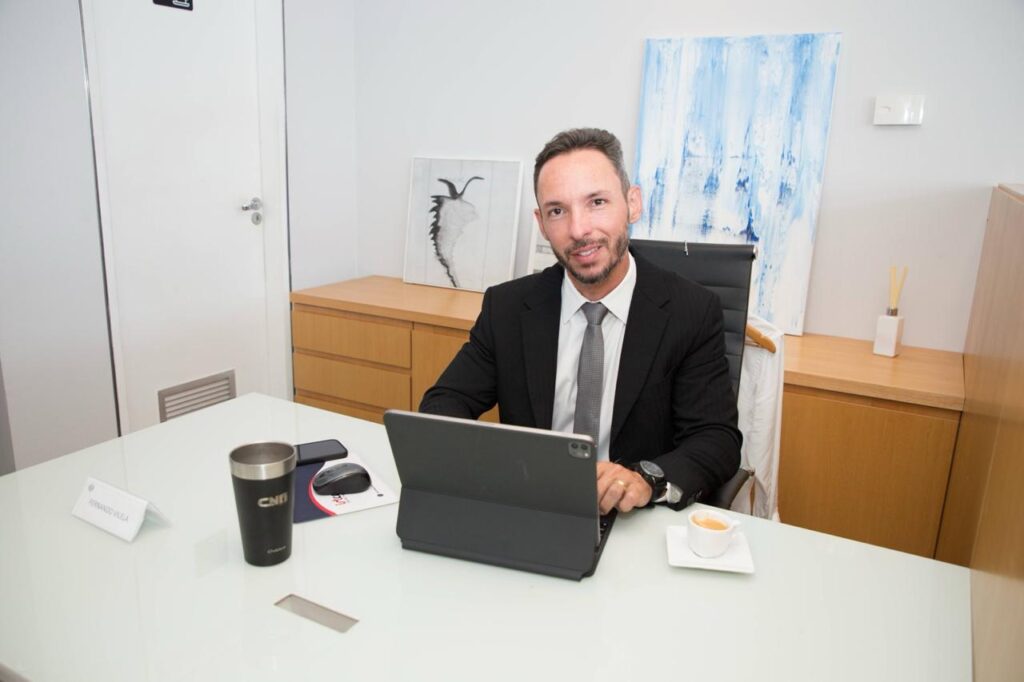
- MBA in Business Management
- Entrepreneur with experience in civil construction, communications and marketing and the offshore market
- Chief Marketing Officer (CMO) at Westhon, WSB and Café na Trilha
-
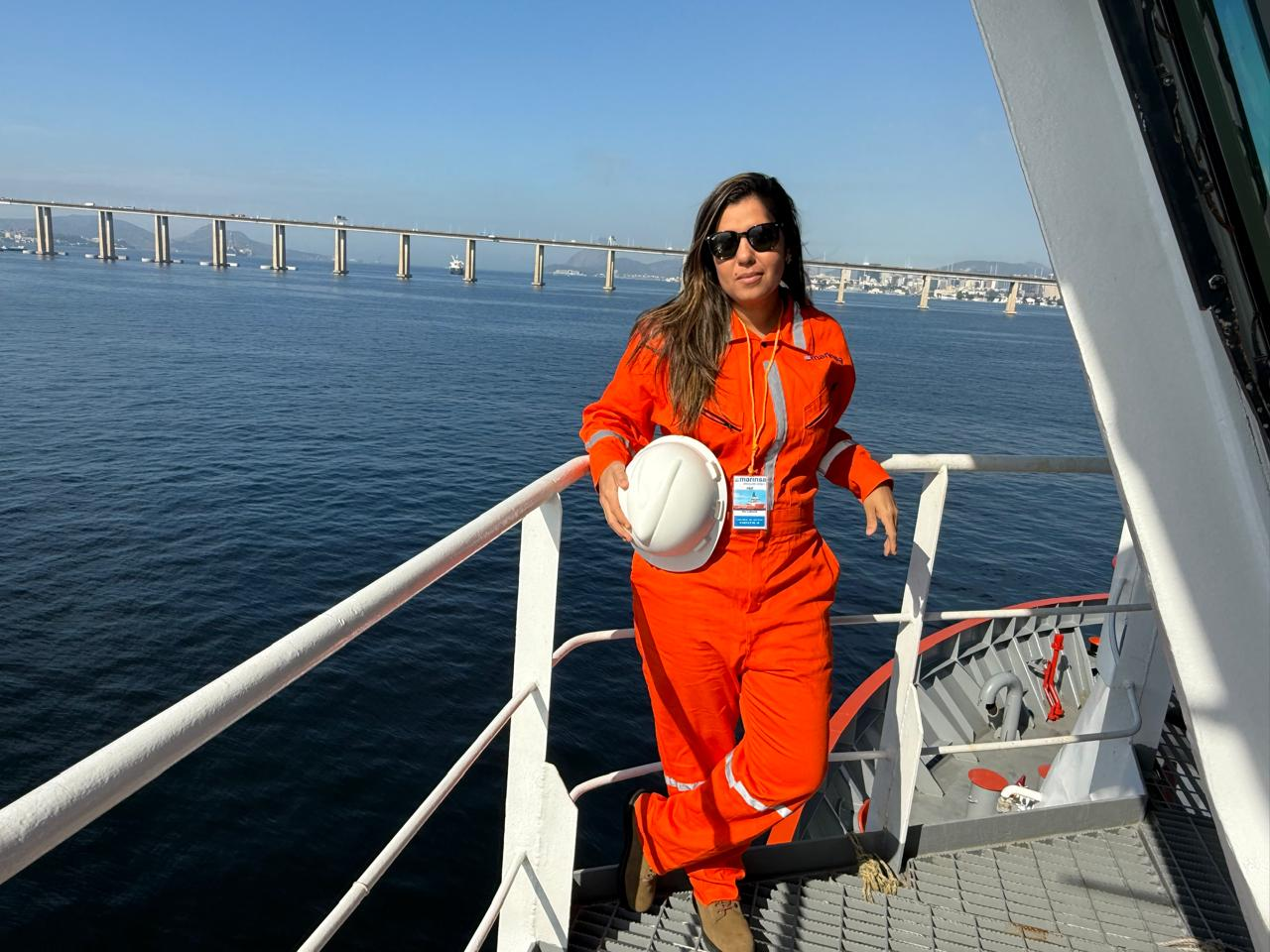
Energy Talks #15 – Vanessa Costa
In this edition of our Energy Talks series, we’re pleased to share a conversation with Vanessa Costa, Business Development at Marinsa and an independent consultant in the global offshore sector. She has been 15 years since graduating from PUC-Rio and becomes the first chemical engineer to be featured in this space.
Vanessa opens up to Westhon, reflecting on her career journey, the role of women in the workforce, her passion for psychology, and her plans for the future. A must-read!

Vanessa Costa (Source: Private Collection) Let’s start with a recent topic: your work on mental health in the workplace. You stirred up quite a reaction on LinkedIn with a post about it. Shortly after, participated on the same theme at the “Women of Energy: Female Leadership in the Energy Sector” event, hosted by the Energy Industries Council (EIC). What motivated you to shed light on these issues?
That LinkedIn post, as we say in Brazil, “wasn’t therapy, but it was therapeutic.” I finally spoke out about something I’d wanted to address for a long time—something I’ve seen a lot in large corporate cultures.
It took me a while to find the courage to speak out, I know, but my main goal was to open up an honest conversation—especially now that we’re finally beginning to talk about psychological safety in the workplace.
Within what you’re able and comfortable to share, what are some of the biggest challenges you and the industry still face when it comes to psychological safety?
There are still a lot of barriers for women and minorities in general. I try not to let it paralyze me. Instead, I speak up and fight for my rights—and for others who have been through the same. Psychological safety must be taken seriously. So many people are getting sick due to pressure, bullying, sexual harassment, and other forms of abuse.
Let’s talk about the other side of the coin. What progress have you seen in this area?
We have the Federal Constitution and improved labor laws in Brazil. In 2022, there was a major legal advancement requiring companies to implement real, effective actions to prevent harassment at work and promote effective actions in the workplace.
Companies are now being pushed to align with this new reality and end the culture of silence. Superficial courses and feel-good slogans aren’t enough anymore. Many reporting channels are managed by HR and not entirely confidential, which creates fear of retaliation. That leads to silence, fear, and illness.
Here’s a thought to carry: Integrity, honesty, and humility will take a person further in their career than technical skills alone ever could. In the professional world, as in life, what truly endures is character. Good people build lasting legacies.
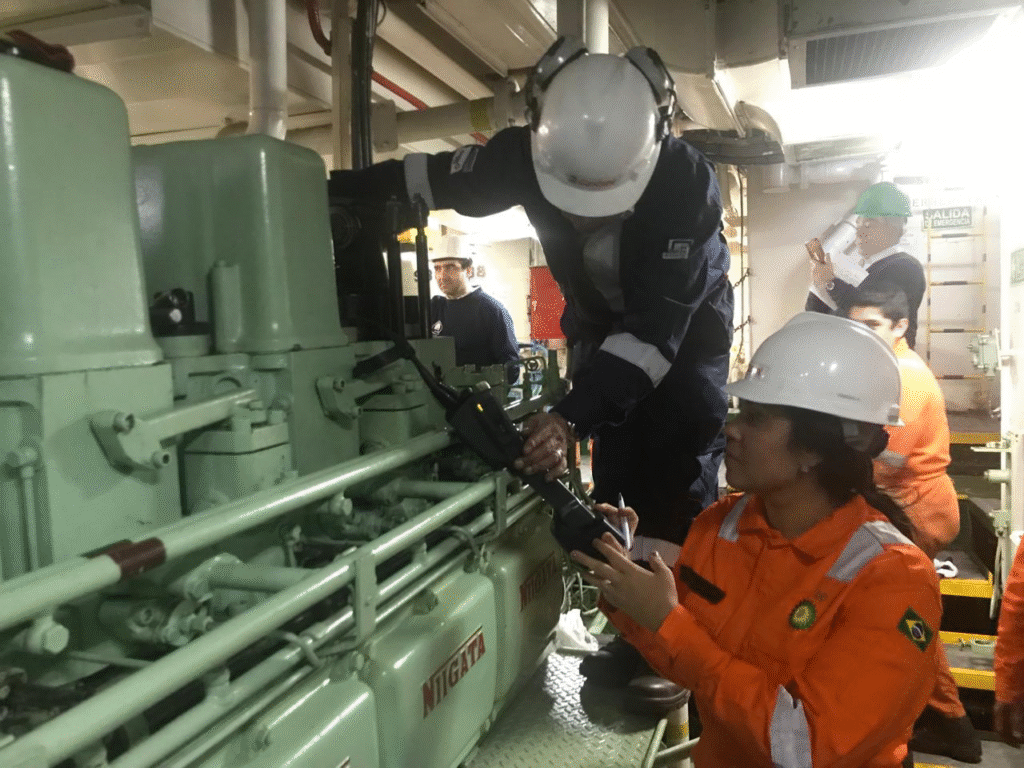
Vanessa during an inspection in Argentina (Source: Private Collection) Beautifully said. Who inspires you?
As a woman and a citizen, I draw a lot of inspiration from my mother and my grandmother. They instilled in me all the values I hold dear, and I now pass them on to my daughter, who’s seven. We’re strong women with firm, thoughtful views of the world.

Valentina (daughter) and her pets, Mili and Torresmo) I also admire the psychologist Yumara Lúcia Vasconcelos from the Federal Rural University of Pernambuco. She has done incredible work and holds a postgraduate degree in Human Rights. Her publications are outstanding, especially on mental health in the workplace and compliance. She should write a book…
And you? Do you think about writing a book? What are your plans for the future?
Perhaps (write a book).
I’m focused on expand my presence in the global offshore market and support Marinsa’s growth in Brazil — especially in the offshore segment. I’m also passionate about encouraging more women to pursue leadership positions in the industry.
Another priority for me is contributing to a fair and gradual energy transition, a cause I deeply believe in. With a strong background in the Oil and Gas/Energy segment and Environmental Management, I’m committed to using this knowledge to drive meaningful and sustainable impact.
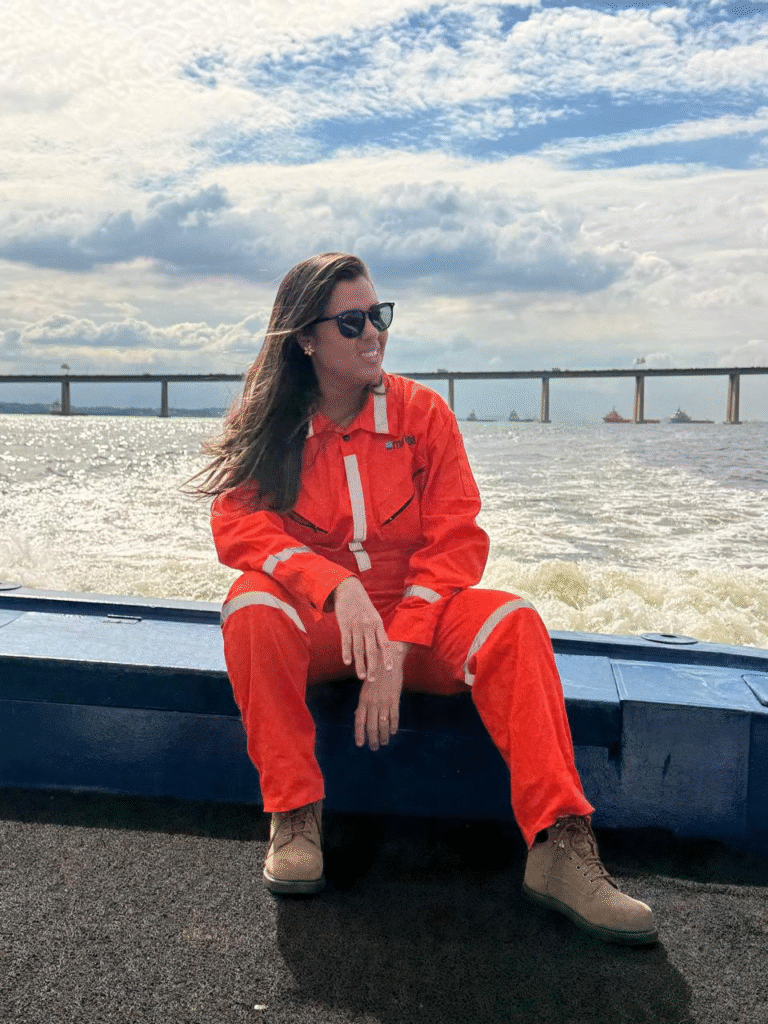
Vanessa en route to the MPSV Puerto Real (Marinsa), by speedboat in Guanabara Bay (Source: Private Collection) What’s your view on the energy transition?
Oil will remain a primary energy source for some time, even as we move toward cleaner alternatives. Brazil already has a relatively clean energy matrix, especially in onshore, but the offshore market holds incredible promise—particularly with the rise of wind energy projects.
The energy transition presents challenges but also opens the door to innovation and new business models.
How do you see the OSV market in Brazil today?
Demand is growing. However, there’s a vessel supply shortage that is growing along as well. The Brazilian fleet is aging, and several vessels are about to be decommissioned, which impacts the availability and, as consequence, the charter rates.
Additionally, foreign companies are also struggling to bring in their vessels to Brazil. There is a great LinkedIn post by WSB that really captured the issue—sometimes vessels are blocked just as they reach Brazil or even once they’re already here. It’s quite challenging for foreign companies to operate in Brazil at this moment.
Despite Petrobras opening bids for foreign-flagged vessels, we still face the risk of blockage. The Brazilian market is full of opportunities, but foreign shipping companies hit major legal barriers.
Our legislation is outdated in this regard—it should keep up with the pace of the market. Right now, it’s like listening to a WhatsApp message on 1x speed while the market is moving at 2x.
WSB touched on this at their last seminar, and I couldn’t agree more.
Now let’s go back to the beginning of your career. Tell us about your early years and how you chose chemical engineering.
I’m from Rio de Janeiro and have always been curious about how things work. As a kid, I used to mix my mom’s beauty products—deodorants, perfumes, shampoos—you can imagine the mess I made (laughs).
In high school, I fell in love with the lab, and that’s when I realized I wanted to work with chemistry. I was also good with numbers, so instead of going into teaching or pure lab work, I chose chemical engineering. It gave me a broader view of processes and opened up more career possibilities—especially in the energy sector, which had always fascinated me.
I started my degree with an open mind—unsure of the exact direction, but knowing I wanted to be involved in meaningful, large-scale projects.
How did your professional journey begin?
I’ve always been focused on becoming a top professional. I even took some unpaid internships early on. Around 2006, I had the opportunity to intern and was awarded a research grant to study organochlorine compounds in Guanabara Bay. The project explored their impact on local fauna and flora, as well as the broader consequences for society. That experience really opened my eyes to the connection between science, the environment, and people—and it sparked my curiosity for the offshore world.
After I graduated, one of my first jobs was working with energy projects in Brazil’s Northeast, specifically focused on thermoelectric power plants. It was an incredible technical learning experience—especially being involved from the early project phase through to the commissioning of two plants in João Pessoa. Seeing them go from concept to full operation was a milestone I’m truly proud of.
But it was my time at TechnipFMC from 2012 to 2015 that really solidified my love for offshore. I worked on early field development projects and with process safety in mature assets.
Later, at BP Energy (2016–2024), I had the opportunity to work on both technical and commercial fronts across LATAM. That experience helped me transition from engineering to a more commercially focused role.
How was that transition from engineering to commercial?
Career changes are never easy, but I was fortunate to take on roles—especially at BP—that, while technical, had strong commercial aspects. The transition felt natural, and my engineering background has become a valuable asset in business conversations and decision-making.
In a previous chat, you shared a fascinating story. Would you mind sharing it again with our readers?
Sure! In 2023, BP invited me on a cruise to Cozumel, Mexico, for a conference with our commercial partners. At the time, I was managing contracts for Castrol, a BP subsidiary, across several South American countries. It was right after the pandemic, and the experience was truly special—a wonderful opportunity to reconnect in person with colleagues and business partners, and also to strengthen key commercial relationships.
That trip also left a lasting impression on me for another reason: I realized that, throughout the cruise, I was the only woman in every meeting and gathering from the territory I managed. While it’s not uncommon to see fewer women in offshore or technical environments, that moment made the gender gap especially visible. It reminded me that we still have a long way to go in creating more inclusive spaces in our industry.
Supporting women toward leadership has always been a personal mission. Throughout my career, I’ve actively participated in initiatives to promote gender equity in the energy sector. While at BP, I had the opportunity to serve on the global planning committee for BP WIN STEM—an initiative focused on empowering women in Science, Technology, Engineering, and Mathematics. We organized a series of global online events to engage and inspire women from all over the world. It was a powerful experience that reinforced my belief in the importance of collective action to create more inclusive and diverse leadership spaces.
How was the transition from BP to Marinsa?
It was both difficult and easy. Leaving BP was emotionally tough—it meant a lot to me. And like any job change, it came with butterflies. But when I saw the opportunity for professional growth, I didn’t hesitate.
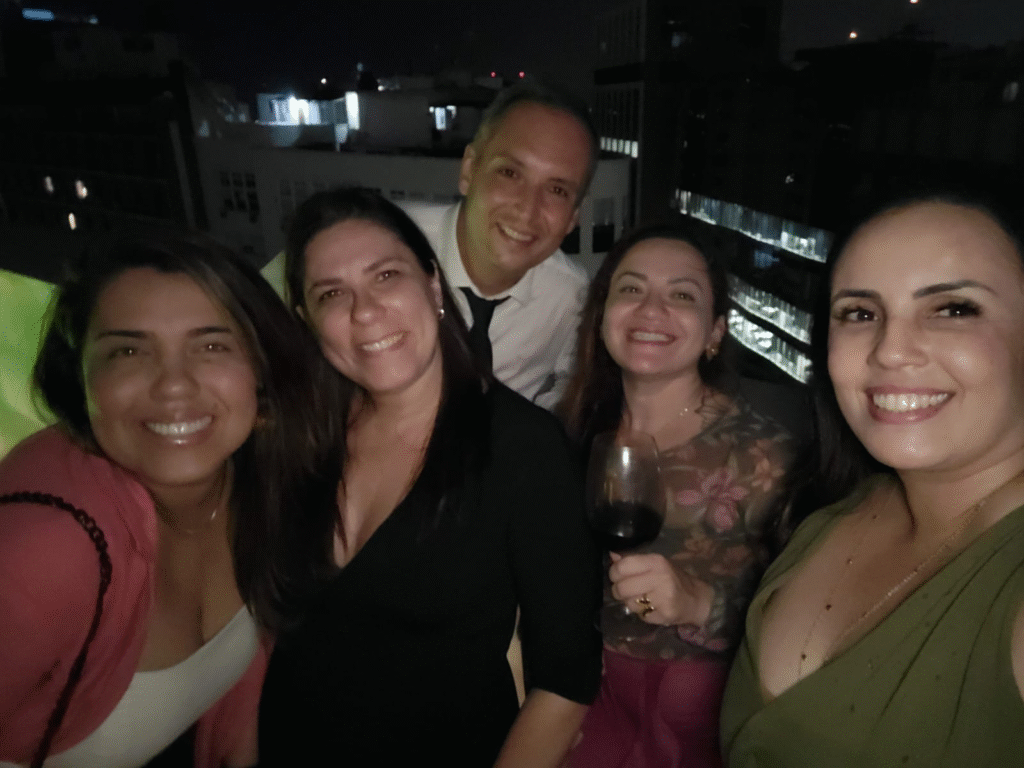
Vanessa alongside friends at WSB’s office (Source: Private Collection) Final considerations…
If there’s one thing I’ve learned throughout my career, it’s that growth often comes from the courage to step into the unknown. Whether navigating offshore operations, commercial strategy, or the complexities of workplace culture, I carry with me a strong belief in integrity, inclusion, and continuous learning. I hope my journey can serve as a reminder that there’s space for transformation—even in the most traditional industries—and that women belong in every room where decisions are made.
Thanks, Vanessa
-
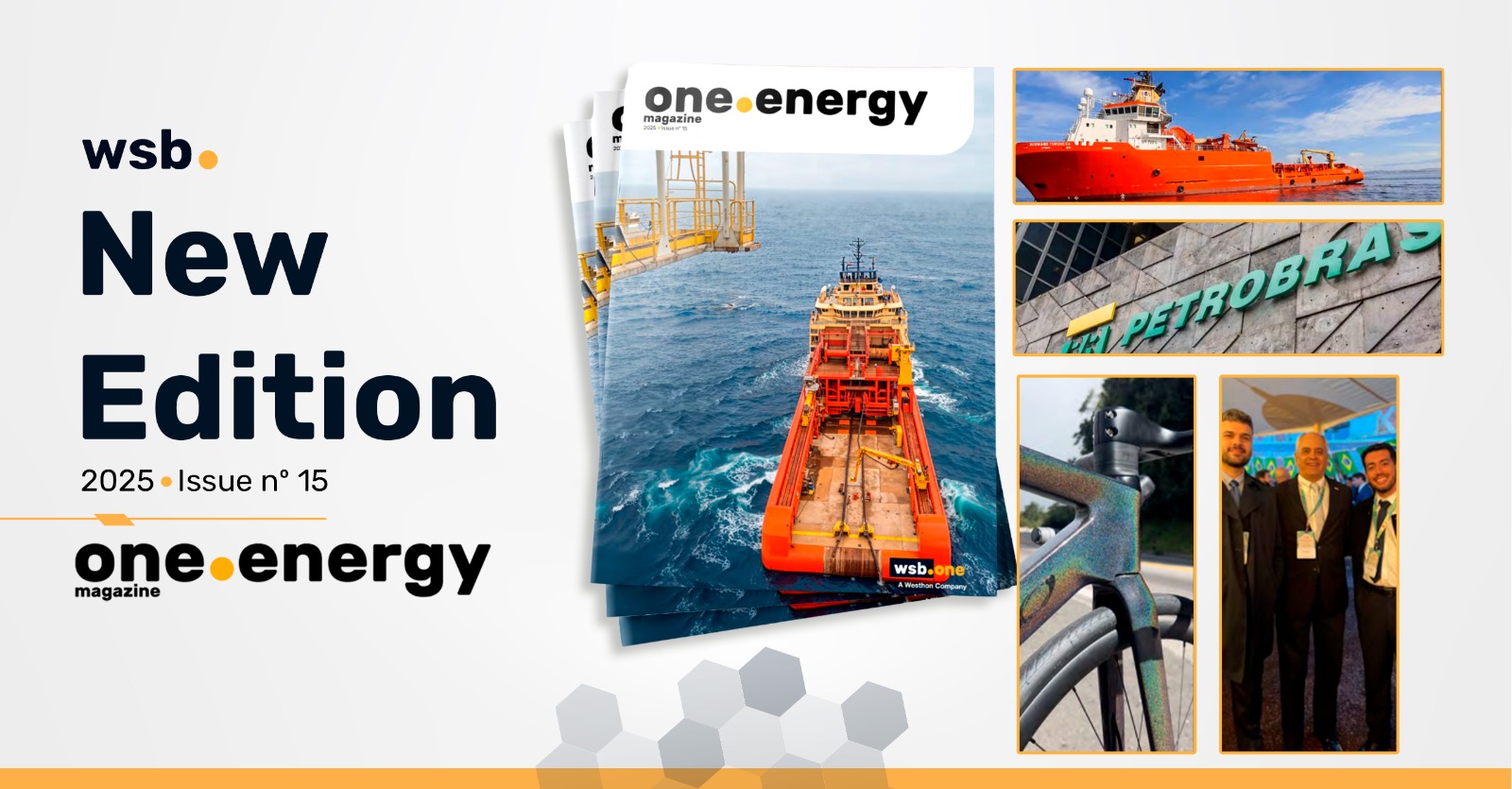
New magazine is on!
The latest edition of One Energy magazine is now live, delivering fresh insights and exclusive perspectives for the offshore industry. This issue features an in-depth interview with Vanessa Costa, International Business Development Manager and Oil & Gas Market Consultant, marking the first time our publication addresses the crucial topic of psychological safety in the workplace.
In this candid conversation, Vanessa shares her professional journey, her views on the OSV market, the ongoing Energy Transition, family relationships and her outlook for the future, a must-read for industry professionals.
This edition also brings: highlights from Intcom Solutions’ recent events; a behind-the-scenes look at The Guardians of WSB-One.com; WSB’s presence at Nor-Shipping; Westhon’s engagement in sports initiatives; thought-provoking insights from Fernando Vilela; and a detailed market update with a special focus on OSV movements.
Explore the full edition now at cms.oneenergynews.com and stay connected to the stories shaping the offshore energy landscape.
Stay informed on key offshore developments — visit wsb-one.com, our data platform trusted by leading offshore companies.
Click here to read: https://lnkd.in/dWrGze46 -
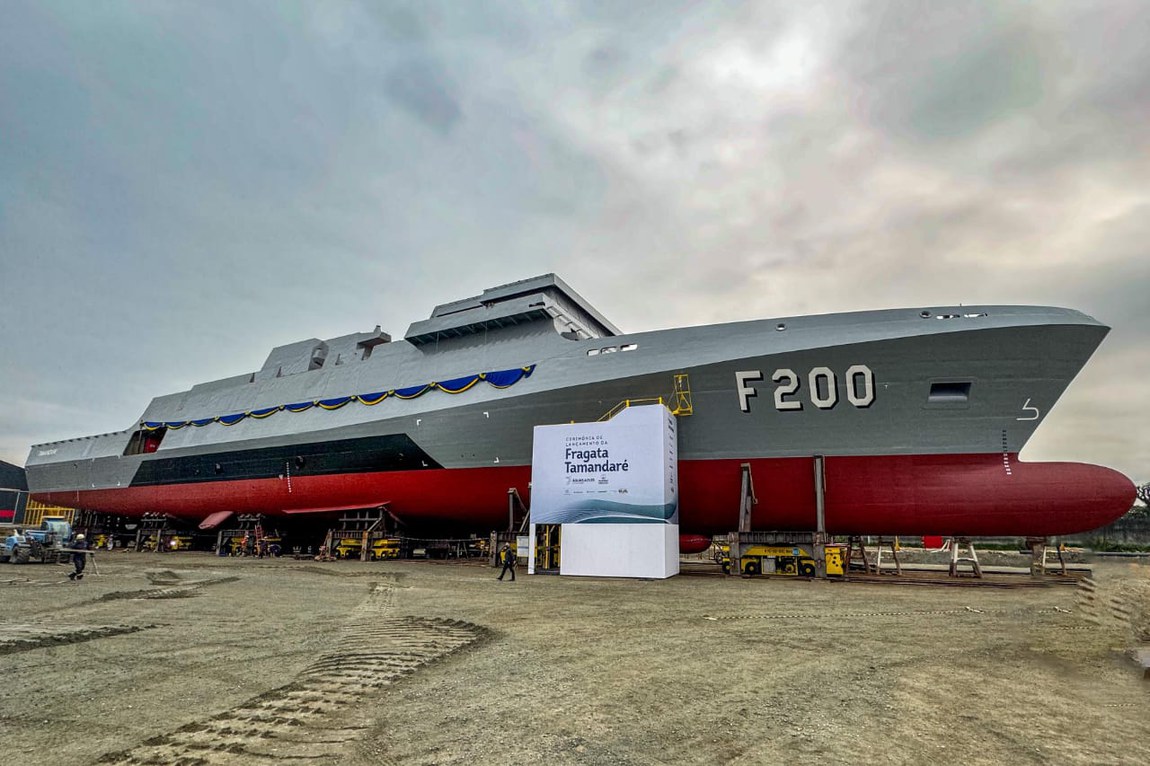
Breaking News
The Brazilian Navy’s Tamandaré frigate (F-200), the first of its new class, has begun sea trials focusing on systems performance and navigability, with delivery expected in December.
In the shipbuilding sector, South Korea’s Hanwha Ocean is advancing plans to establish a shipyard in Niterói, aiming to strengthen its offshore presence, meet local content requirements and position itself for upcoming Petrobras projects.
Meanwhile, Seagems has successfully completed the BRAVA Project in the Santos Basin, connecting new wells to the FPSO Atlanta. The company now operates exclusively for Petrobras under contracts totaling USD 1.8 billion.
Finally, Petrobras and Ibama have scheduled the Pre-Operational Assessment for August 24 in block FZA-M-59, the final step before a potential drilling license is granted for exploration in the Foz do Amazonas.
Stay informed on key offshore developments — visit wsb-one.com, our data platform trusted by leading offshore companies.
-
Petrobras sets production record
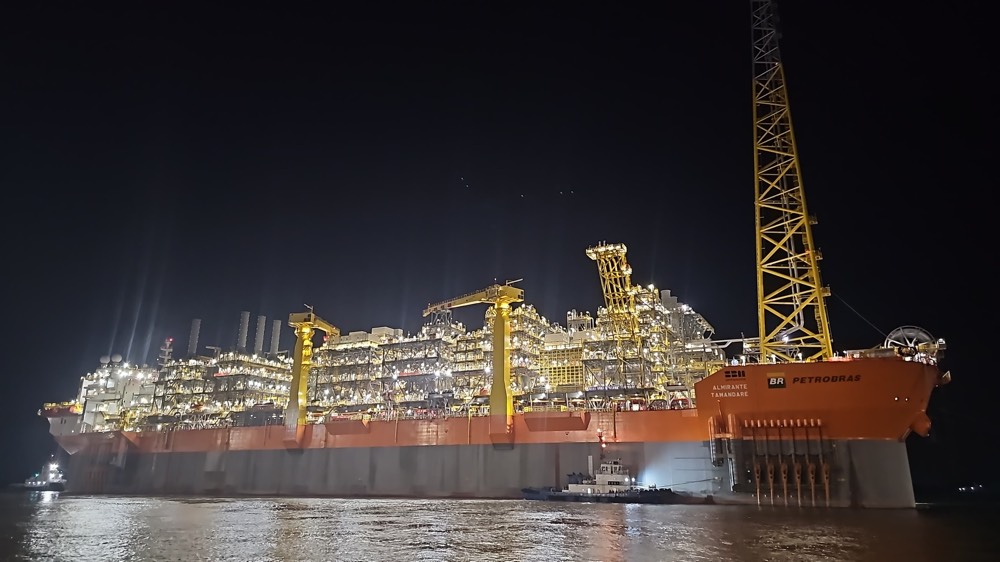
Petrobras’ Almirante Tamandaré unit, part of the Búzios 7 Project, reached a record output of 225,000 barrels of oil per day — the highest production ever achieved by a single unit in the company’s history and three months before of the expected. Located in the massive Búzios field in the Santos Basin pre-salt, the FPSO began operations in February and hit full capacity with just five wells.
The milestone confirms Búzios’ potential to become Petrobras’ top-producing field, with projections of reaching 1.5 million bpd by 2030. The company highlighted sustainable technologies onboard, such as a closed flare system and heat recovery solutions, which earned the unit ABS’s Sustainability Seal.
Stay informed on key offshore developments — visit wsb-one.com, our data platform trusted by leading offshore companies.
-
Equatorial Margin: new step
Petrobras and Instituto Brasileiro do Meio Ambiente e dos Recursos Naturais Renováveis – Ibama have reached an agreement to soon carry out a Pre-Operational Assessment (APO) in the Foz do Amazonas Basin, specifically in block FZA-M-59, off the coast of Amapá. This exercise is a simulated emergency designed to test oil spill response protocols, including wildlife protection measures and is expected to take place on August 24.
Planned to last three to four days, Petrobras’ performance in this simulation will be a decisive factor in obtaining the environmental license required to drill the exploratory well, a process the company has pursued for years, facing regulatory resistance.
According to Petrobras’ Director of Exploration and Production, Sylvia dos Anjos, technical teams from both institutions met this week to finalize the simulation details. While the official start date of the APO still awaits IBAMA’s confirmation, the tone is optimistic. “We are closer than we were before. I’m optimistic,” she said during an industry event in Rio de Janeiro.
The upcoming APO will be a key moment not just for Petrobras, but for Brazil’s offshore exploration roadmap. If successful, it could unlock a new frontier in the Foz do Amazonas Basin, opening opportunities for the supply chain and reinforcing Brazil’s position in the global energy market.
Stay informed on key offshore developments — visit wsb-one.com, our data platform trusted by leading offshore companies. -
Coming soon: One.Energy magazine
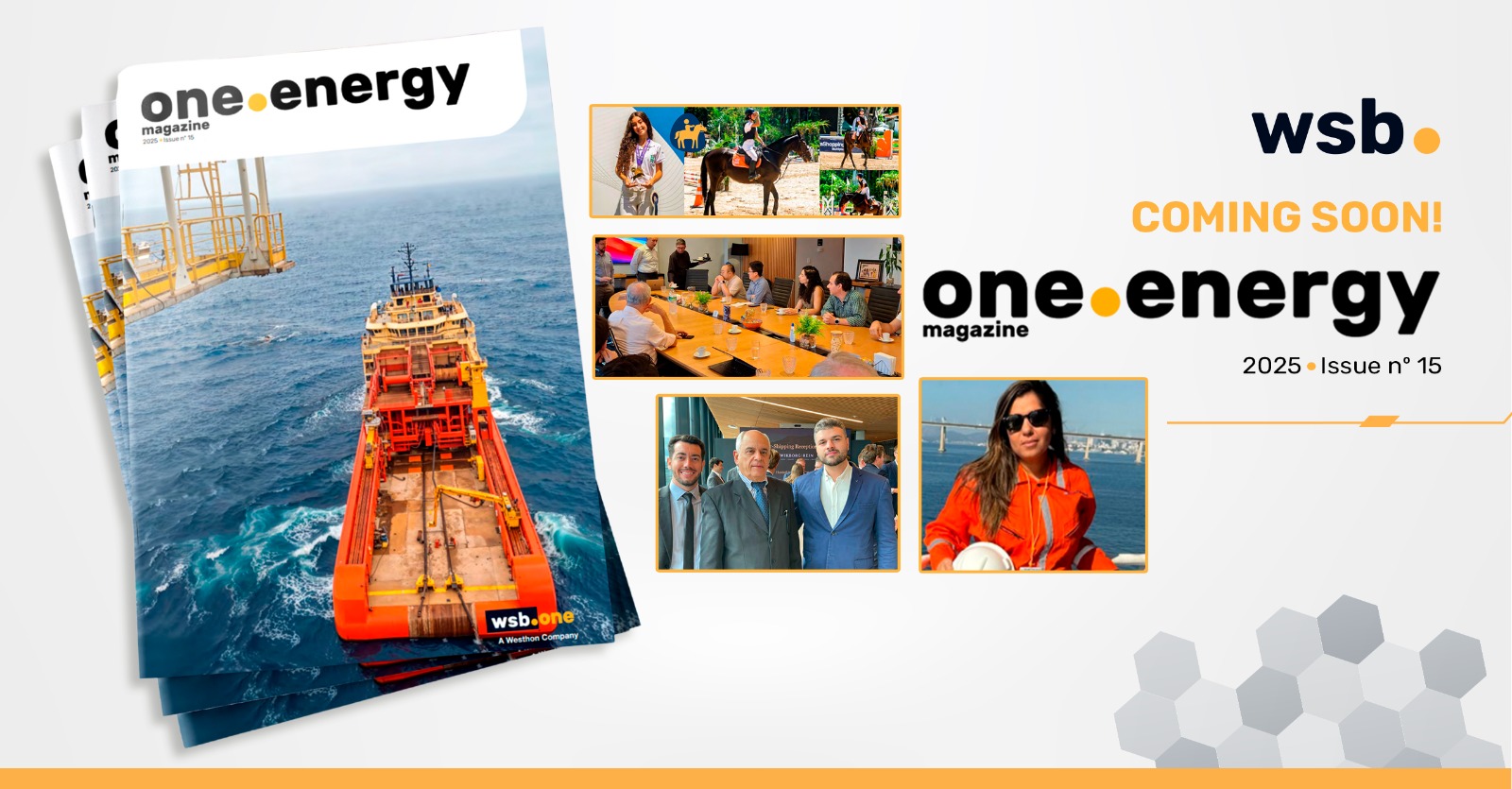
Coming soon in the next edition of One Energy magazine, readers will gain exclusive access to an interview with Vanessa Costa, International Business Development Manager and Oil & Gas Market Consultant. In this feature, Vanessa addresses a topic never before covered in our publication: Psychological safety in the workplace.
This issue also highlights:
– Intcom Solutions outings
– The Guardians of WSB-One.com
– WSB’s presence at Nor-Shipping
– Westhon’s involvement in Sports
– Reflections by Fernando Vilela
Stay informed and connected at www.cms.oneenergynews.com. -
Open Tenders
Dear all,
WSB Advisors is pleased to provide an update on the current long-term tenders that are open to offer.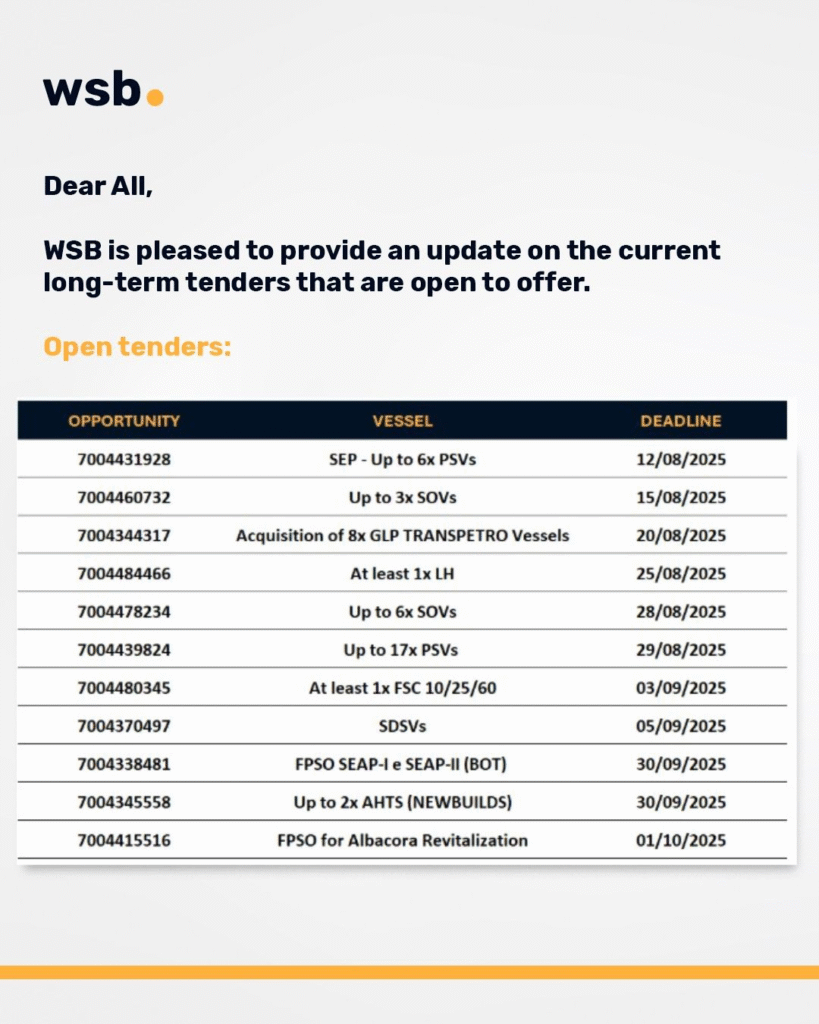
What has changed?
– Petrobras has extended the deadline for opportunity no. 7004460732, which refers to the potential charter of up to three SOVs. The new submission deadline is August 15th, 2025.
– Petrobras has extended the deadline for opportunity no. 7004478234, which refers to the potential charter of up to six SOVs. The new submission deadline is August 28th, 2025.
– Petrobras has extended the deadline for opportunity no. 7004370497, which refers to the potential charter of SDSVs. The new submission deadline is September 5th, 2025.
– Petrobras has extended the deadline for opportunity no. 7004431928, which refers to the potential charter of up to six PSVs under the SEP program. The new submission deadline is August 15th, 2025.
What else happening:
– DOF secured two firm 4-year RSV contracts with Petrobras, adding Skandi Carla and Geoholm to its Brazilian fleet, with both vessels scheduled to begin operations in December 2025.
Stay informed on key offshore developments — visit our website cms.oneenergynews.com and wsb-one.com, our data platform trusted by leading offshore companies -
Offshore highlights
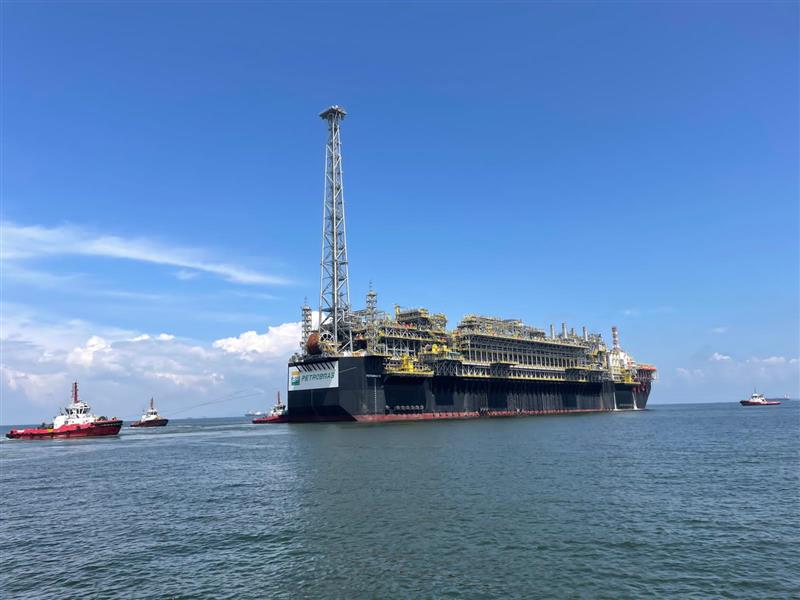
BRAVA has completed, earlier than planned, the full and final settlement of FPSO Atlanta receivables with Yinson Offshore. The transaction totalled approximately US$ 260 million including US$ 4.5 million paid upfront in July 2025 and now the balance plus interest. Brava projects a positive impact on operating cash flow exceeding US$ 40 million (present value) over the next three years. The move forms a strategic component of its ongoing liability management efforts aimed at reducing leverage and optimizing capital structure.
Transpetro has become the first Brazilian company to carry out ultrasonic inspections of tanker cargo tanks using drone-mounted technology. Certified by the American Bureau of Shipping (ABS), this inspection method was applied to the tanker João Cândido, marking a major milestone in digital asset integrity and operational safety in Brazil’s maritime sector.
Axess Group has secured a regulatory compliance contract with Seatrium for six Petrobras-bound FPSOs: P78, P80, P82, P83, P84, and P85. Axess will oversee adherence to Brazil’s technical and legal standards throughout the construction phase in Singapore having started with the P 78, already underway en route to Brazil.