PRIO concludes the acquisition of Sinochem Petroleum Netherlands for $1.915 billion. This includes a 40% stake in the Peregrino and Pitangola fields in the Campos Basin, with the remaining 60% held by Equinor.
The transaction boosts PRIO’s production capacity by approximately 35,000 barrels per day—a 50% increase from its current average of 75,000 boe/d.
Author: Rafael Bortoloti
-

Prio concludes acquisition
-
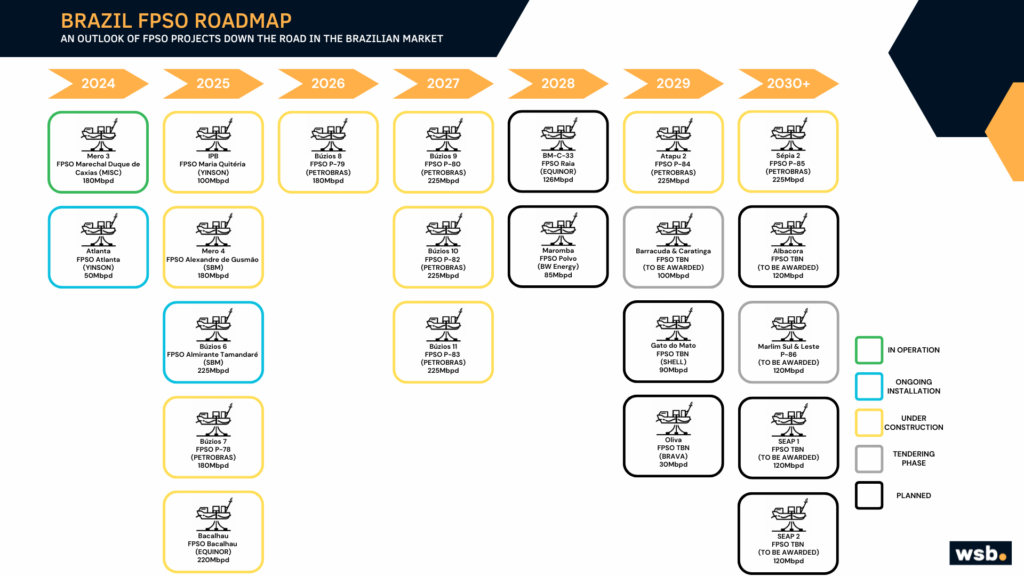
Brazil FPSO roadmap
Unlock the Power of Information with WSB Advisors!
Ever wondered where to find the most comprehensive database in the offshore sector?
Introducing WSB. One – your ultimate resource for integrated and cross-referenced data on vessels, contract durations, technical specifications, and much more.
Experience the convenience of having all this critical information just a few clicks away, right at your fingertips.
Curious to learn more? Reach out to us at commercial@cms.oneenergynews.com
WSB – We Support your Business
-
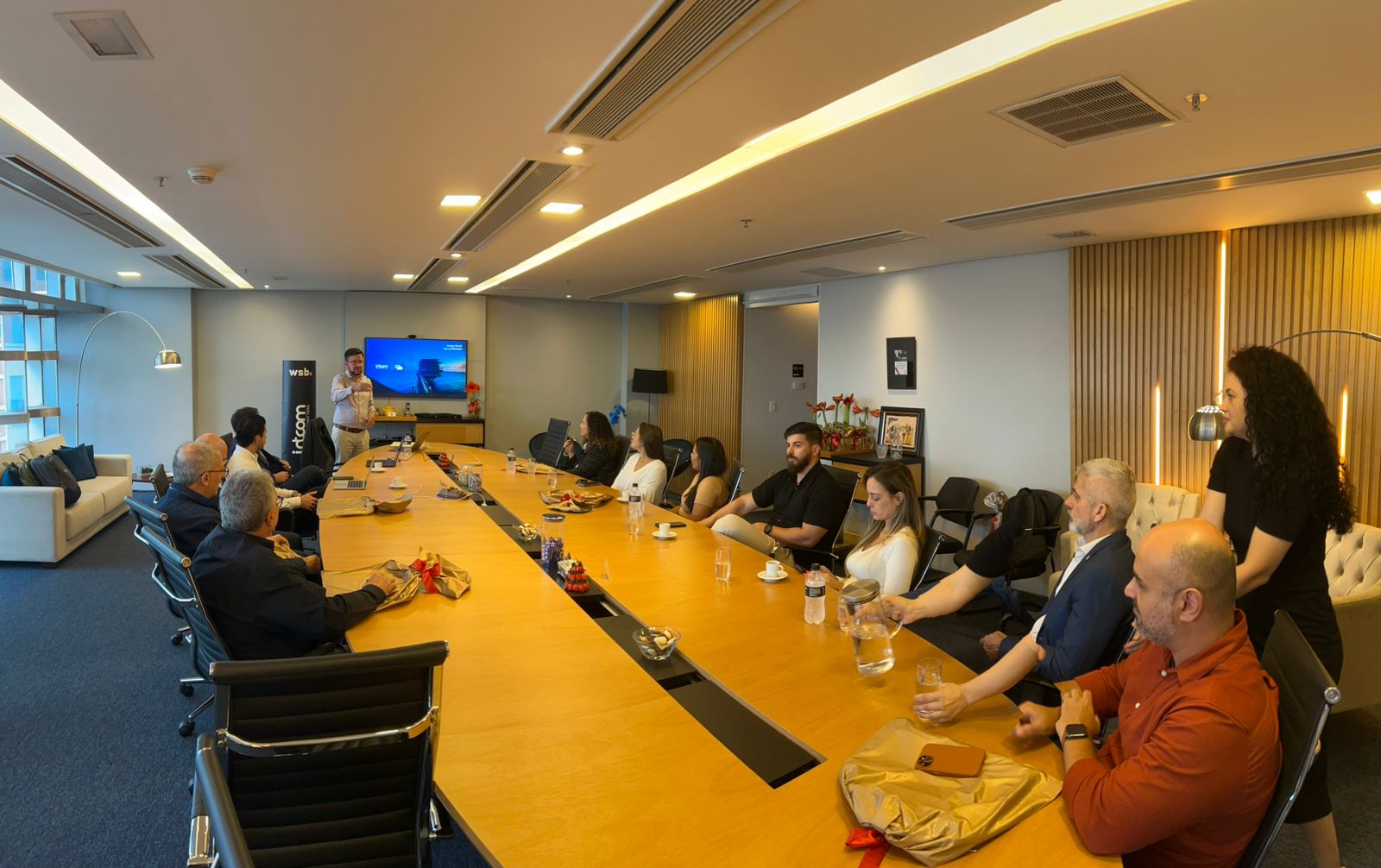
WSB and Intcom: AI Seminar
Exploring AI in O&G: Intcom Solutions & Pix Force Seminar
Intcom, in partnership with Pix Force, hosted last thursday (5/12) a seminar on the transformative impact of Artificial Intelligence in the O&G sector.
Raphael Montes, Proposals Manager & Partner at WSB Advisors, discussed trends in the naval sector, while Alvaro Antunes – CEO at Intcom and Daniel Moura – CEO at PiX Force, showcased advanced AI solutions like Blue Opex, which enhance risk management, optimize production, and improve decision-making.
To celebrate the occasion, Intcom honored long-standing partnerships with Wilson Sons and GRUPO CBO – Companhia Brasileira de Offshore, presenting them with a special token of gratitude for over a decade of collaboration. The event concluded with an intimate and informal social gathering at Westhon’s Rooftop, further strengthening connections with our esteemed guests.
-
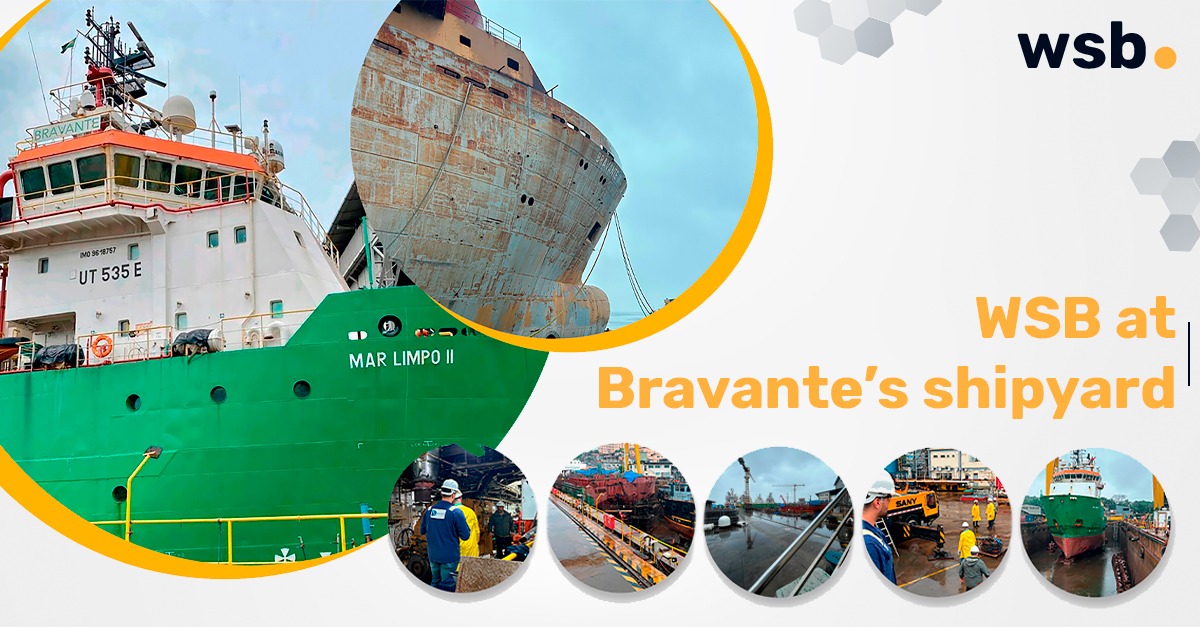
WSB Advisors at Bravante’s shipyard
WSB – Brokerage and Beyond
Wednesday 04th December Raphael Montes (Proposals Manager & Partner at WSB Advisors) and Pedro Pellegrini (Shipbroker Intern) had an agenda at São Miguel Shipyard in São Gonçalo, Bravante Group.
The yard is busy with repair-work. Besides, our WSB client had the chance to witness the great quality of Bravante vessels occasionally berthed on this opportunity: Bravante II and Mar Limpo III and VI.
Working outside the fancy office walls in Rio Branco avenue is the best part of a knowledgeable commercial team. We also gather some information for WSB.One, the most comprehensive database in the market.
WSB – We Support your Business
-
Camorim and C-Falcão
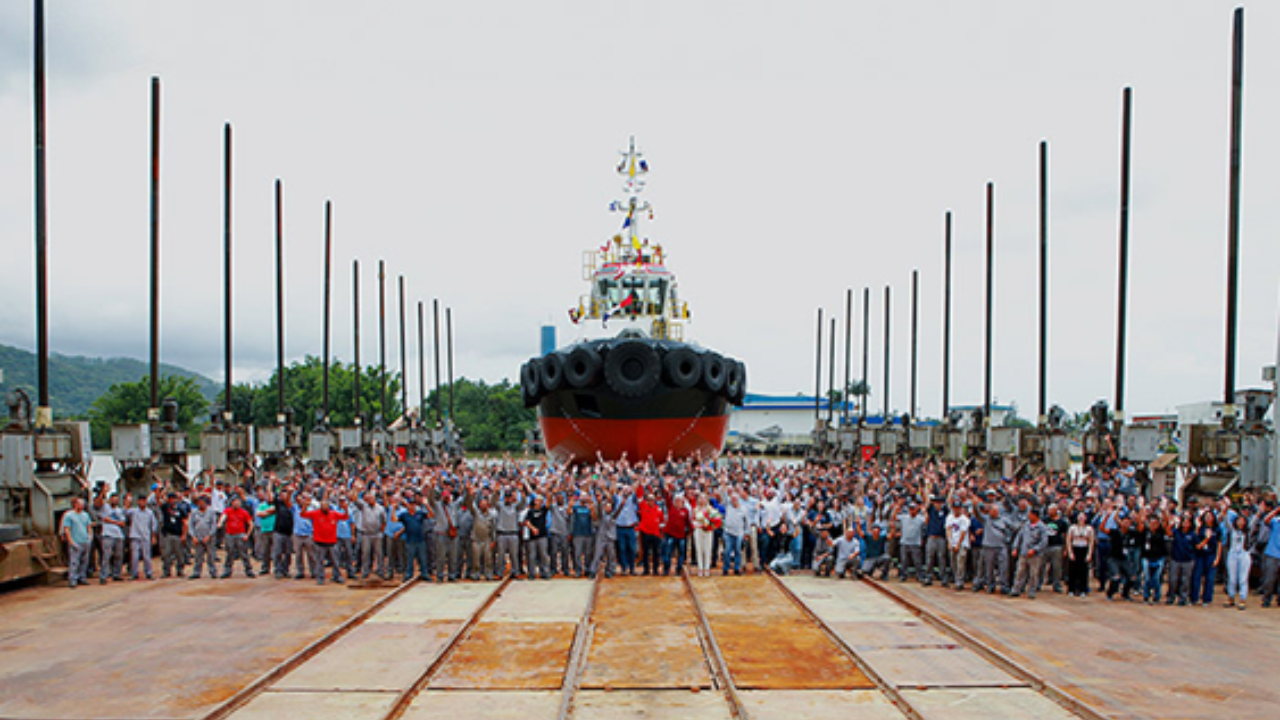
Camorim launched ASD tug C-Falcão, built by Detroit Brasil in Itajaí, Santa Catarina. C-Falcão is a sister ship to C-Fênix, delivered last week: 70 tons of bollard pull, 24.35 meters in length and 11 meters of beam.
C-FÊNIX was delivered last week in Rio de Janeiro, on the occasion of the Camorim year end celebration in Marina da Glória where WSB Advisors had the honor to visit and watch the christening by Lalesca Costa. These deliveries are part of five ASD tugs ordered. Next on the line: C-Albatroz, C-Condor and C-Harpia.
Camorim fleet currently exceeds 140 vessels, including PSVs, AHTSs, barges, launches, floating docks, and LHs. -
Petrobras tender update
Earlier this year, in March, WSB Advisors shared insights on Petrobras’s FPSOs SEAP I and II, predicting that securing their own units would be the most probable route, based on statements by Carlos Travassos at the time.
Fast forward through two tender attempts, Petrobras has now returned to the market for the third time with a Build-Operate-Transfer (BOT) model. Under this model, the contractor is tasked with designing, constructing, delivering, and operating the units for a specific period before transferring both the asset and its operations to Petrobras.
What’s new this time? SEAP II is now a firm commitment, while SEAP I has been set as an optional requirement. Petrobras believes the BOT model will tackle two critical aspects: accelerating delivery timelines and optimizing financing, while ultimately reducing operational costs once the units are fully transferred.
Traditionally, chartered units are delivered faster but come with higher costs, while owned units, though more affordable in the long run, often face extended delivery timelines. It will be interesting to see how this BOT approach unfolds for these critical FPSO projects.
-
WSB Advisors at Christmas Dinner
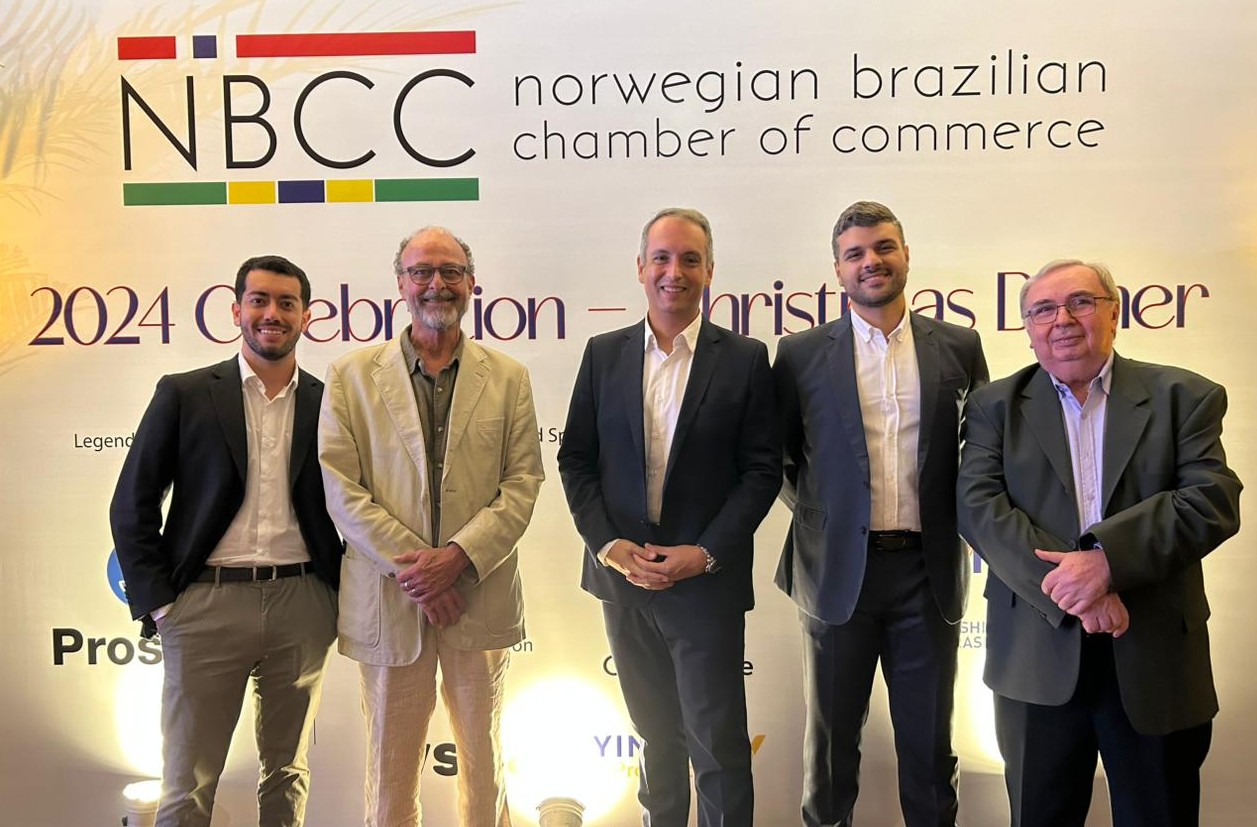
Last Friday (29th), WSB Advisors attended the NBCC – Norwegian Brazilian Chamber of Commerce – Christmas Dinner at Clube Caiçaras, Rio de Janeiro. The event was another fantastic opportunity organized by the NBCC, this time to celebrate 2024’s achievements.
Proudly a Gold Sponsor, WSB joined Equinor, IKM Testing Brasil, Innovation Norway, OSM Thome and Yinson to support in this category. The gathering brought together around 100 attendees, including valued friends from Prosafe, Aalborg, Altera Infrastructure, Knot, and more.In the picture, from left to the right: Pedro Pellegrini (Shipbroking Intern), Daniel Buckley (Chartering Manager), Alexandre Vilela (CEO), Raphael Montes and Genésio Ramos.
We congratulate the NBCC on hosting this memorable evening and look forward to our continued partnership in 2025 and beyond.
WSB – We Support your Business! -
Petrobras RFI Offshore wind
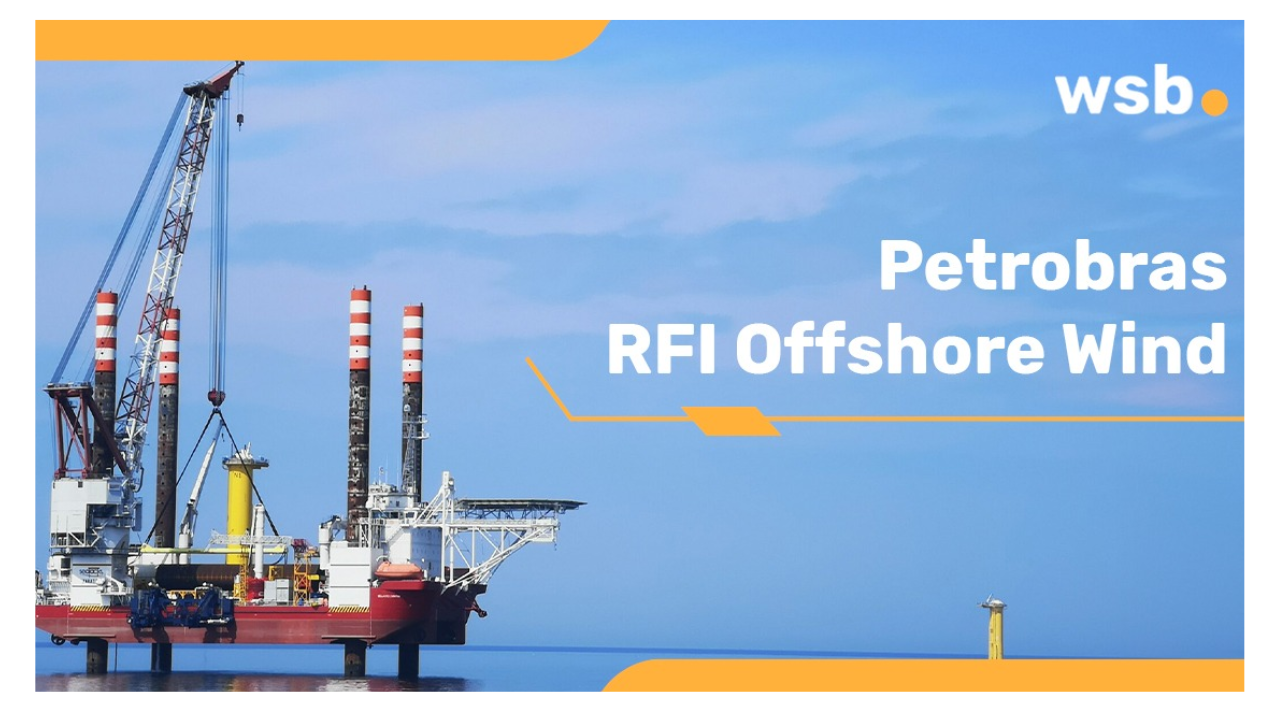
Petrobras has issued an RFI for a pioneering Offshore Wind pilot project near Porto do Açu, Rio de Janeiro. The initiative aims to install a high-capacity turbine (18MW+) 25km offshore, with 32km of submarine cables to form the interconnection system. The project may be contracted in parts or as a complete EPCI (Engineering, Procurement, Construction, and Installation) package.
Set to launch operations by September 2028, the facility will supply power to the grid, off-grid projects, or support the electrification of E&P activities.
This international RFI invites global expertise, particularly from regions like the North Sea, to strengthen Petrobras’ capabilities in offshore wind and foster the development of a robust supply chain for Brazil’s energy transition.
-
Brava signs contracts to develop Atlanta and Papa-Terra fields
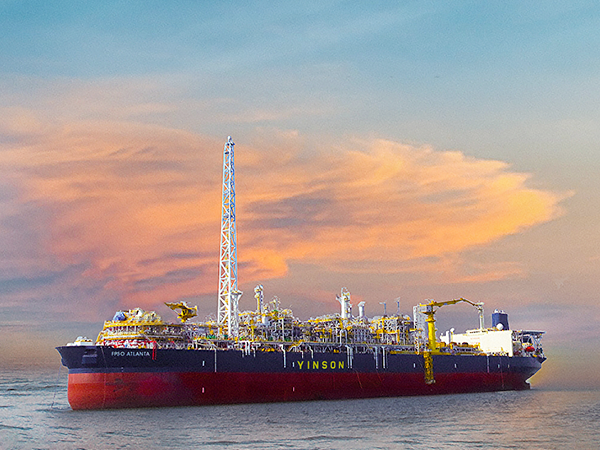
Brava has announced the signing of three contracts for its first integrated development campaign in the Atlanta and Papa-Terra fields, with an option to develop the Malombe field through a tieback.
The campaign will begin in 2025 and the contracts value, covering the first four wells, is approximately $200 million.
– The Lone Star rig, provided by Constellation Oil Services, will drill and complete the wells in the Atlanta and Papa-Terra fields, with the possibility of a fifth well, to be decided by Brava.
– OneSubsea will supply two wet Christmas Trees, safety equipment used in oil extraction, for the Atlanta field. The equipment for the Papa-Terra and Malombe fields is already in place.
– Baker Hughes will provide flowlines and risers for the Atlanta wells, with an option for Malombe. Existing flowlines will be used for the Papa-Terra wells. -

Atlantic Zonda in Rio de Janeiro
The drillship Atlantic Zonda, operated by Ventura Offshore, has arrived in Rio de Janeiro after departing from Singapore 45 days ago. The vessel will now begin a 36-month contract with Petrobras.
This 7th-generation, dual-drilling rig, built on the Samsung 96K design, is capable of drilling in water depths of up to 12,000 feet. -
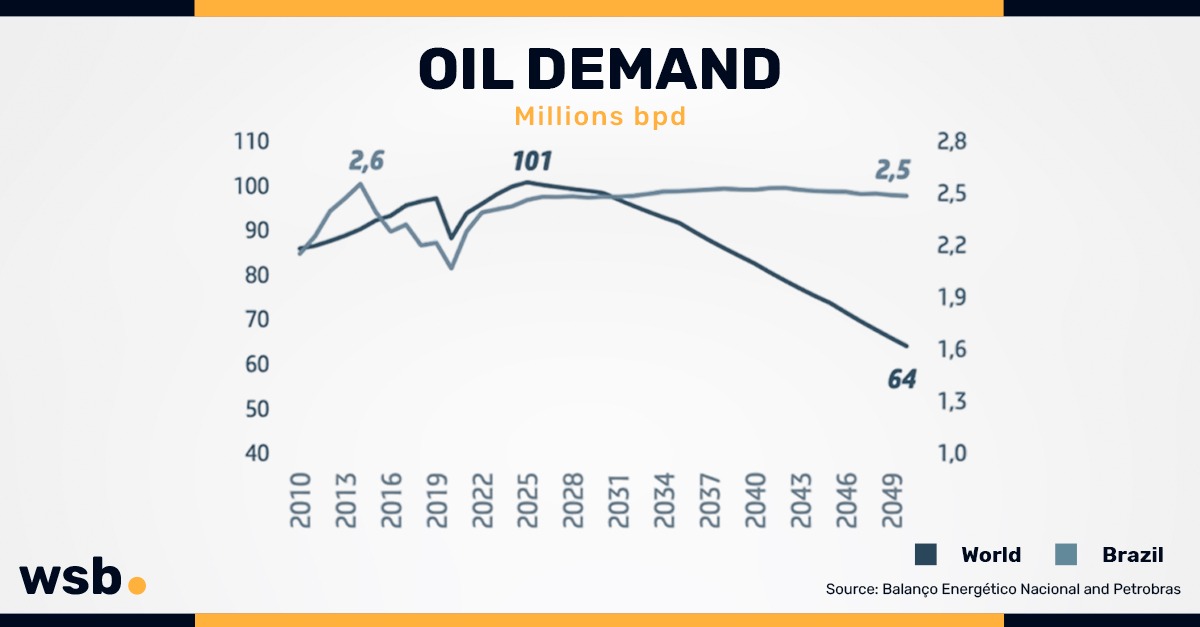
Oil demand in Brazil and world
In the release of its latest Strategic Plan, Petrobras presented a graph suggesting that global oil demand will drop significantly in the coming years: from 101 million barrels per day (bpd) to 64 million bpd by 2049. In contrast, Brazil is expected to see a modest increase, rising from 2.3 million bpd to 2.5 million bpd over the next 25 years. These figures may indicate a global shift toward energy transition, as well as the potential for oil prices to rise in the future, which could prompt investors to seek alternative options.
It’s important to note that Brazil stands out as one of the few countries capable of increasing investment in the oil and gas industry while prioritizing sustainability. This is largely due to technologies developed and implemented exclusively by Petrobras, such as Carbon Capture, Utilization, and Storage (CCUS). Oil and gas will remain, and continue to be, a crucial component of Brazil’s energy agenda, alongside shipbuilding and other essential infrastructure activities for its energy sector.
Petrobras relies on its own data as well as figures from the National Energy Balance, as shown in the image below. What’s your take on this? What do you think the implications of this decline might be for our market? -
Vast and Efen: partnership first step
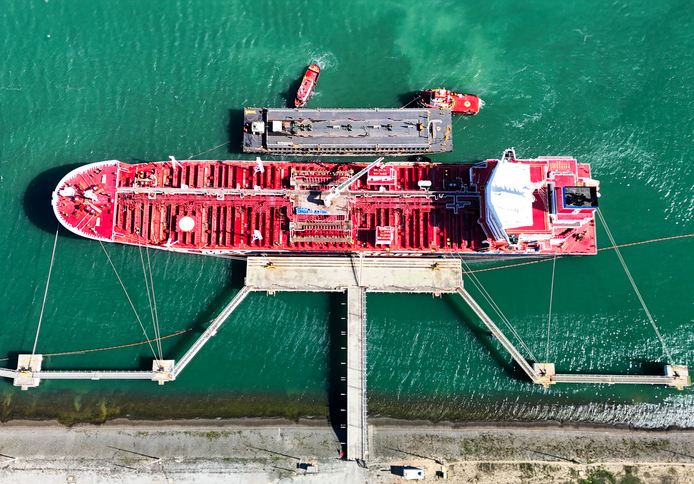
After signing a contract with Efen, Vast Infraestrutura completed its first operation at the Açu Liquid Terminal (TLA), a new terminal at the Port of Açu in São João da Barra. A few weeks ago, the infrastructure company took over operations at the site with the goal of transforming it into a hub for the storage and handling of liquids.
Vast performed the transshipment of marine gas oil (MGO) using the ship-to-barge method, which offers greater efficiency and cost savings. This fuel is widely used in the main propulsion engines of vessels, including offshore support vessels (OSVs) and tugboats. The process involved transferring fuel from a berthed MR, with a gross tonnage of up to 59,000 tons, to a barge alongside.
The companies have signed a five-year agreement, and Efen will have storage capacity for 20,000 m³ to supply the markets at the Port of Açu and offshore, from a total of 84,000 m³ later available.