Author: Rafael Bortoloti

  • PRIO: Wahoo’s update

    PRIO: Wahoo’s update

    In an event with business representatives, PRIO reinforced it’s ready to start drilling in the Wahoo field, Campos Basin. All that’s missing is the Brazilian Institute for Environment and Renewable Natural Resources approval. The expectation is that the first oil will be extracted in this year’s third
    quarter with an estimated 40 thousand boed, going until 2052.

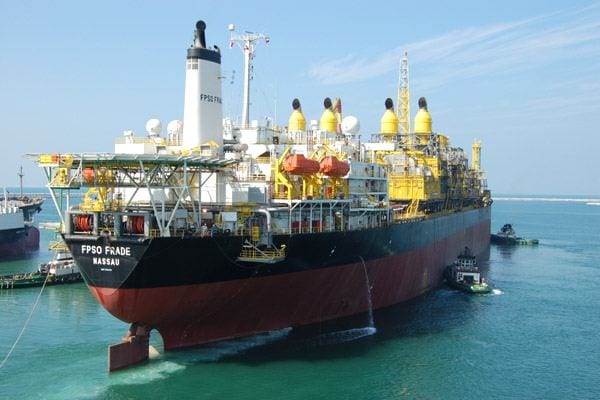
    The production will be possible through a pioneering submarine tieback project in Latin America that is 32 km long. This will connect the Wahoo wells to the FPSO Valente, which is owned by PRIO itself and operates in the Frade field, also in Campos Basin. A McDermott vessel will do the tieback and should arrive in Brazil between April and May.

    PRIO also reported that the project already generates around R$860 million in investments in the supply chain of local suppliers. The company must pay
    R$2.5 billion in royalties to the state and municipalities of the state
    of Espírito Santo.

  • AHTS multipurpose arrives

    AHTS multipurpose arrives

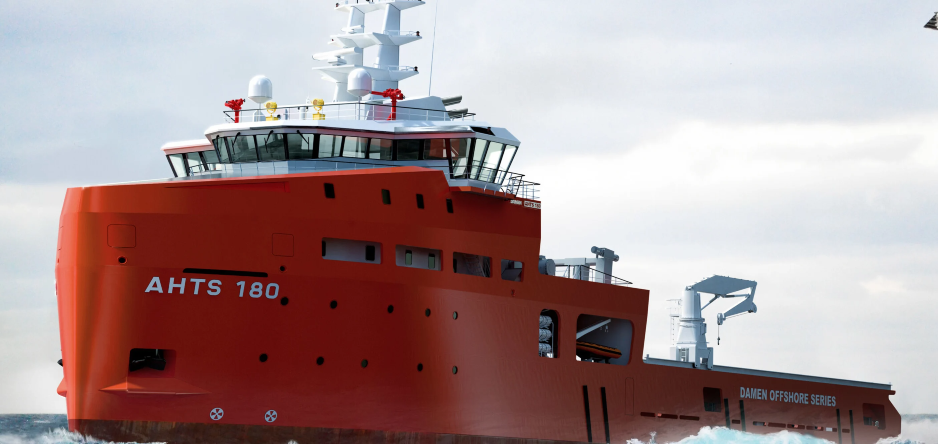
    Oceanicasub X, another AHTS acquisition for Oceanica’s fleet, has arrived in Brazil. The vessel was awarded by Petrobras in a public opportunity back in 2022 as AHTS Multipurpose for a firm duration of approx. 4 years. Besides the regular activities of an AHTS, the vessel will also be required to engage in ROV and shallow diving operations.

    “Although this is the first time Petrobras charters one AHTS with the provision of diving services, it will not be the first time diving operations will be carried out from this type of vessel, as in the recent past Petrobras had very successful experiences mobilizing diving systems on their own at C-Sailor and Asso Trentuno, both anchor handlers from Bram and Asso Marítima, respectively”, said Raphael Montes, Proposals Manager at WSB.

  • Explaining the Boskalis move on ALP

    Explaining the Boskalis move on ALP

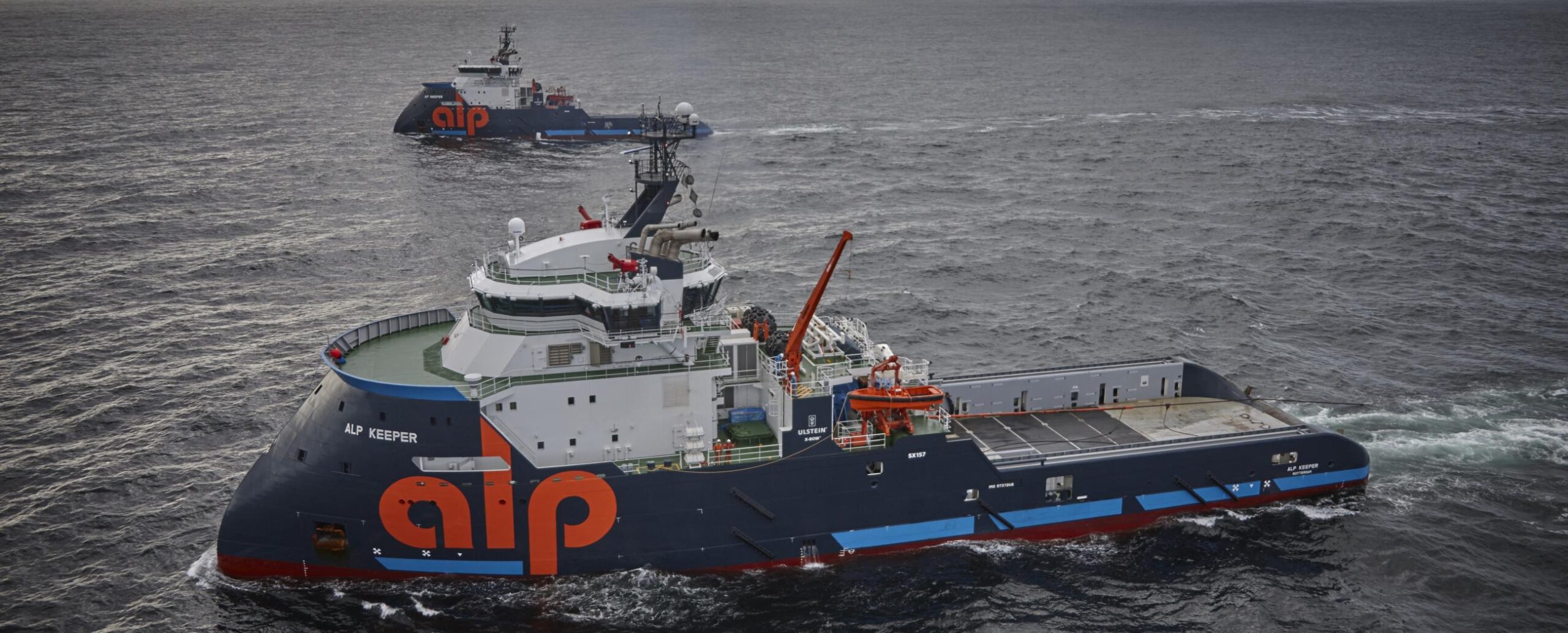
    Shipyards are full and rates are rapidly picking up, and Boskalis sets a strategy to grow organically through acquisitions. The recent full take over of ALP Maritime makes a lot of sense. Boskalis eyes the long-distance ocean towage market, specifically the FPSOs and even more so the box-shaped hulls. Consider the future Equinor Brasil unit for instance, the FPSO for Bacalhau. Possibly three vessels of 300 tonnes bollard pull would be required for a wet tow since state-of-the-art Boka Vanguard for instance might not have the capacity to undertake a dry tow. What we see emerging is a second-to-none contractor capacity for long distance ocean towage. This is the opinion of our Managing Director Alexandre Vilela.

  • Investments coming

    Investments coming

    The ANP (National Oil Agency) reported that investments in the production phase of Brazil’s current oil and gas contracts will total just over R$130 billion in 2024. The Santos Basin will receive the majority of investments: 60.4%, followed by Campos Basin (28.17%) and Sergipe Basin (6.26%). The majority will be allocated to platform works with R$37 billion, followed by line launch activity with R$27.7 billion and well drilling with R$12.4 billion.

    The ANP also highlighted that by 2028 R$514 billion will be invested in the production phase of current contracts for the exploration and production of oil and natural gas in Brazil. Of this total, the Santos basin stand out with 61%, and Campos with 28% of investments. Until then, 4.195 million boed of production are estimated.

  • Workshop at WSB

    Workshop at WSB

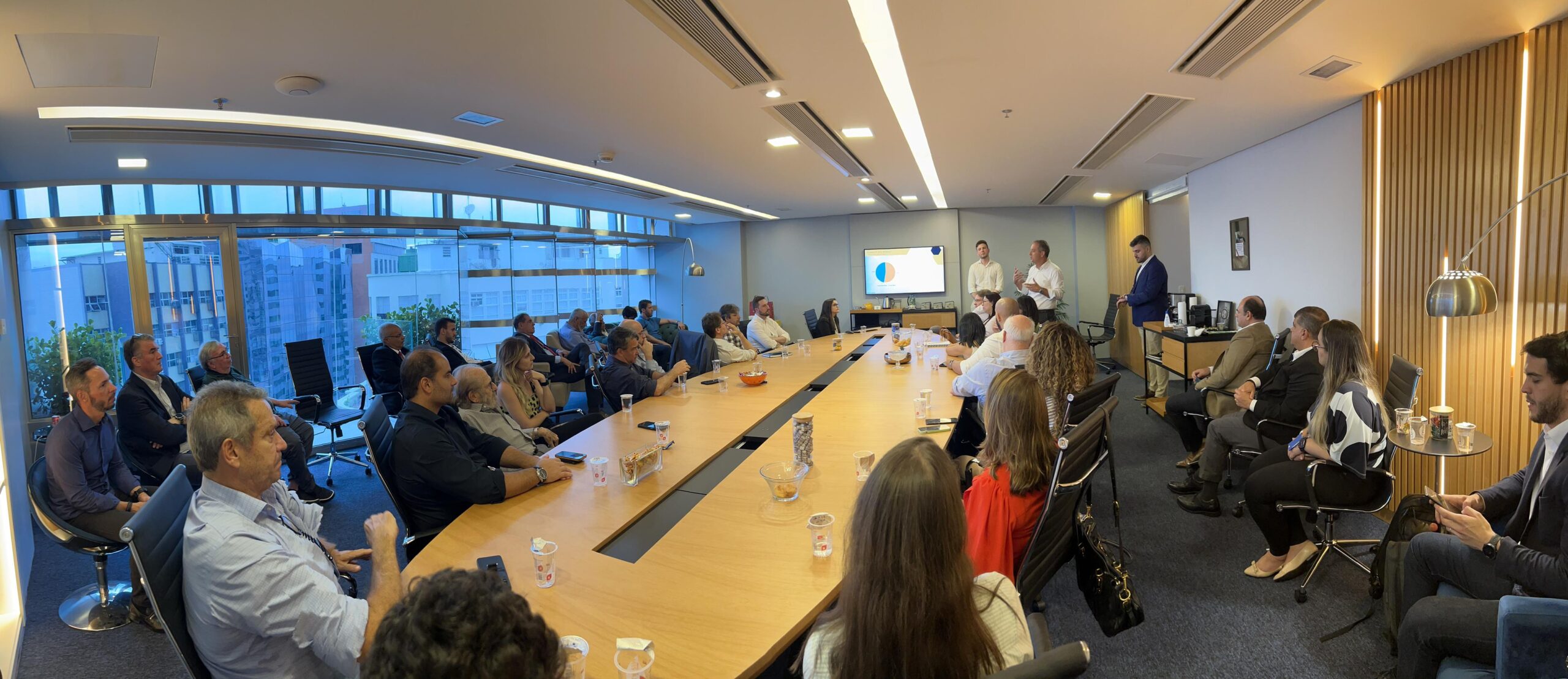
    Wednesday 31st January. To top it all off for the first month of a promising year for the shipping industry, WSB Advisors held its first quarterly workshop of 2024, in our headquarters downtown Rio de Janeiro.

    WSB One, our exclusive and most comprehensive offshore database in the local market provided the data that supported a top-level discussion amongst the leading authorities on the subject matter: CEOs and other management level professionals from the largest OSV companies in country.

    Westhon board member Ronaldo Lima hosted the event having as key-note speaker Paulo Rolim, Chairman of the Board for Westhon. Super-users Beatriz Mendes, Omar Darian and Raphael Montes conducted the market look out in a demonstration where data reveals:

    1. Rates are not as nearly close to the levels they should be,
    2. WSB Advisors projects condition for 50+ vessels to be ordered in the short run.

    “This was nice, really nice. Very explanatory. The workshop contributed much for the studies and processes we are undertaking”, commented Gustavo Machado, executive director of WSUT Wilson Sons Ultratug Offshore and President of the Brazilian Association of Offshore Support Companies – ABEAM.

    Data matters!

  • Prio’s new OSV?

    Prio’s new OSV?

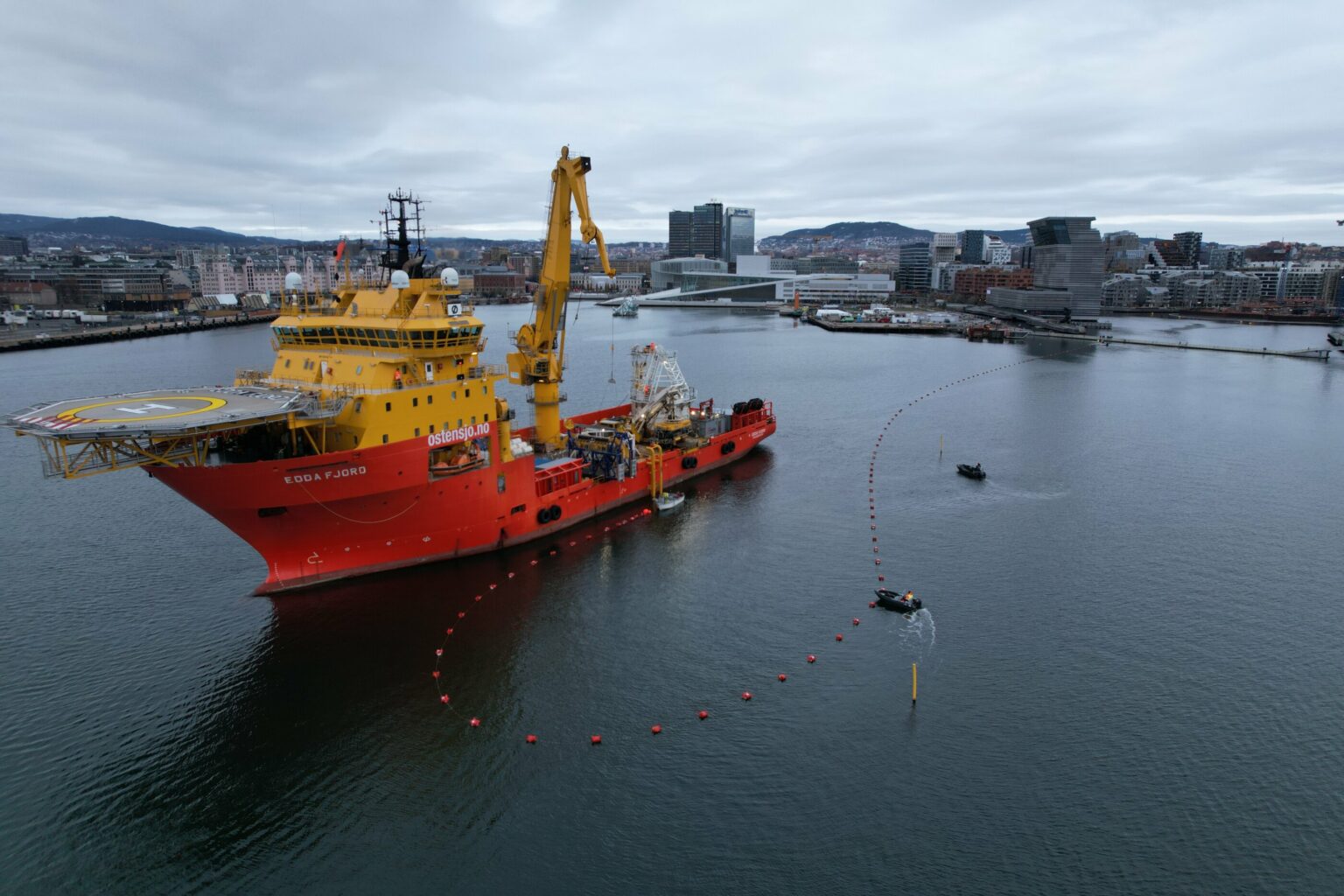
    Back in 2022, PRIO announced the acquisition of the semi-submersible rig West Capricorn, which has since been renamed Hunter Queen and is presently involved in drilling activities for the company. While not officially announced, it appears that the Brazilian oil company will add a 2002-built MPSV named Edda Fjord to its fleet this year.

    The former vessel operator, Østensjø Reder, formally announced that it has been delivered to its new owners in Haugesund, Norway, and is currently en route to Brazil. The sale price was not disclosed. As the company is not a Brazilian Shipping Company (EBN), PRIO is likely to hire one to take care of the vessel’s management and operations.

  • fmm priority for 10 PSVs

    fmm priority for 10 PSVs

    A new cycle of priorities for new building projects is being assigned in anticipation of the new building tender expected from Petrobras” says Raphael Montes, Proposals Manager from WSB Advisors.

    The Board of the Merchant Marine Fund (CDFMM) has voted the priorities for their last meeting on 12th December 2023. We have confirmed that CMM Offshore has interest in building 10 offshore support vessels. The priority includes Wilson Sons Estaleiros Ltda. as shipyard and mentions PSVs of 5.000t dwt designed by Damen with their Green Ethanol project. The total priority amount is just above USD 850 million, or 85 million per vessel.

    For further details on this and other priorities from the CDFMM please contact us. www.cms.oneenergynews.com

  • solstad vessel chartered

    solstad vessel chartered

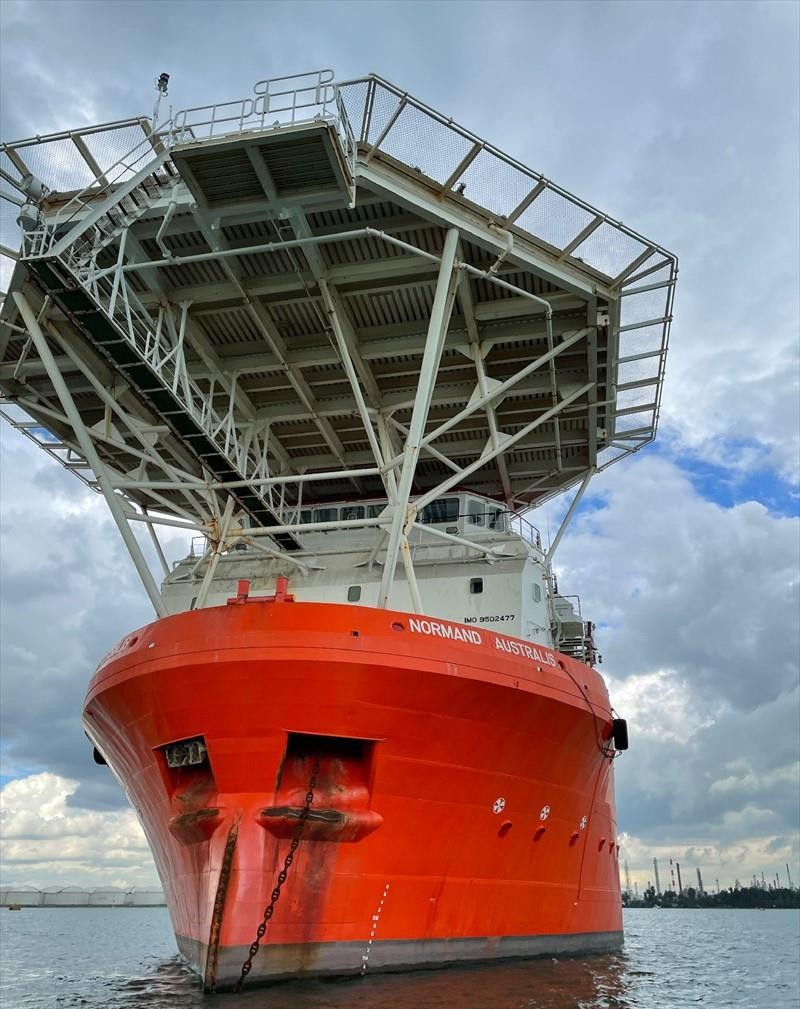
    As first-hand reported by WSB Advisors in July 2023, solstad took first place on the 50 POB accommodation vessel with just below USD 90k daily rate with the Normand Australis.The Norwegian listed owner has now announced the contract signature with Normand Fortress replacing the Normand Australis according to availability.Normand Fortress is expected in Brazil Q2 2024, two years firm plus options. Normand Valiant is operating for petrobras also as accommodation since Q3 2022 for an initial period of 2 years. Solstad reports that this contract had an extension secured for 6 months until Q1 2025.

  • Aibel delivering modules

    Aibel delivering modules

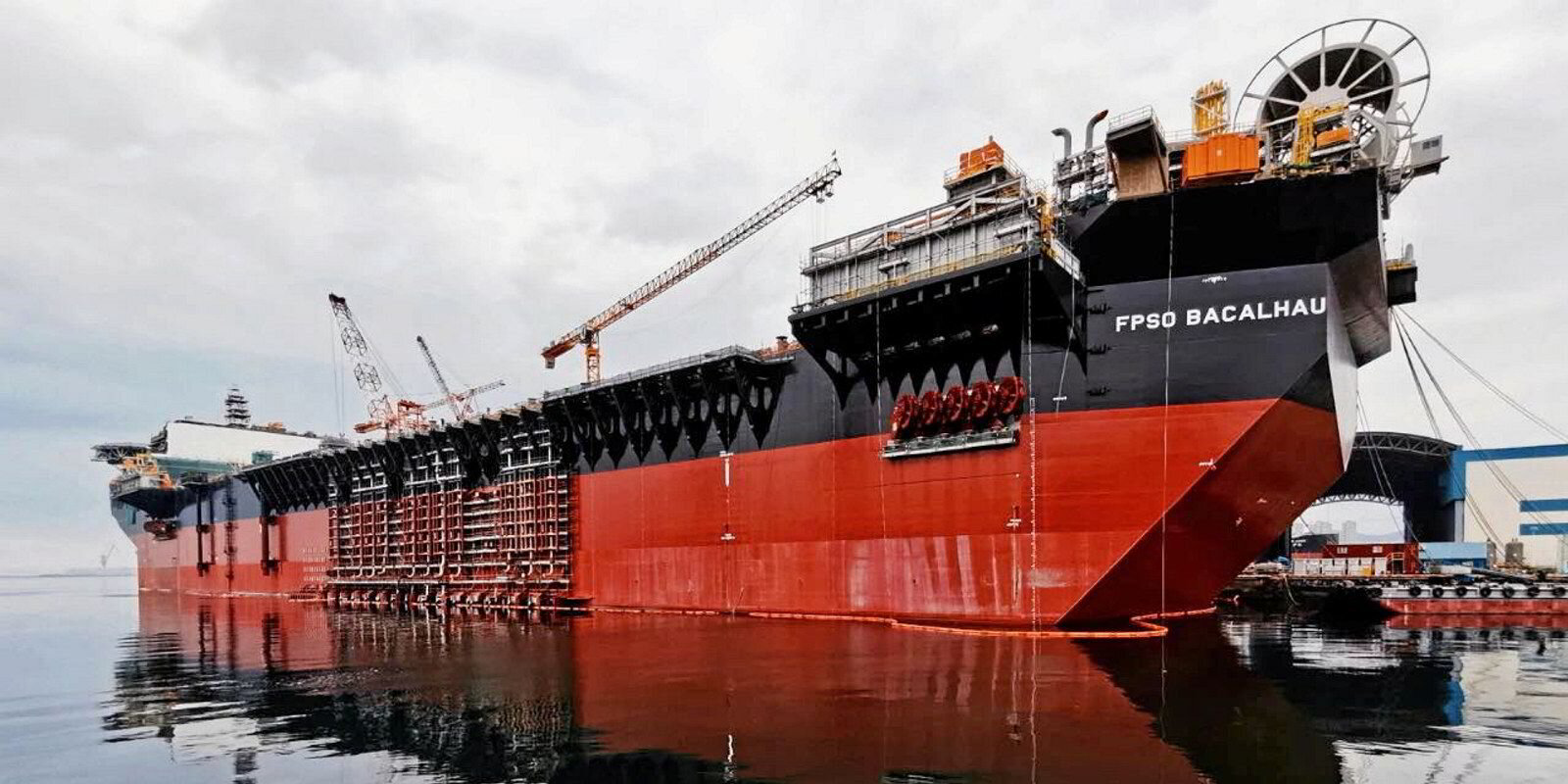
    Modules built by the Norwegian company Aibel for the FPSO Bacalhau left shipyard in Thailand bound to Singapore where parts are ready waiting to be integrated to the shipping hull before it heads to Brazil. Aibel produced 22 thousand tons of upper modules.

    The FPSO will be delivered to MODEC and chartered by Equinor, operating in Campo de Bacalhau, Santos Basin. The first oil production is expected for 2025. The development of the field will cost around US$8 billion and will include 19 subsea wells that will be connected to the FPSO Bacalhau, whose production capacity is 220.000 boed. The project in Bacalhau Field also includes partners ExxonMobil, Petrogal Brasil SA and Pré-Sal Petróleo SA (PPSA).

  • Shipbroker: understand who is this professional

    Shipbroker: understand who is this professional

    The shipbroker plays a very important role in the maritime industry, facilitating transactions related to the purchase, sale or charter of vessels.

    It acts as an intermediary between shipowners, charterers and other stakeholders in the sector.

    The main role of the shipbroker is to facilitate negotiations between interested parties. This involves understanding each client’s specific needs and requirements, assessing market conditions and presenting suitable options.

    Whether for the purchase, sale or charter of ships, the shipbroker works to obtain the best possible conditions for its clients.

    Qualifications

    The profession of shipbroker requires detailed knowledge of the maritime market, solid negotiation skills and an extensive network of contacts in the industry.

    With globalization and the increasing complexity of the offshore support market, shipbrokers play a fundamental role in facilitating international business.

    We, at WSB Advisors, work as offshore shipbrokers for vessels such as PSVs, AHTSs, RSVs, MPSVs and others.

    Were you aware of the importance the shipbroker role plays nowadays? Share your thoughts with us in the comment section!

    Who can be a shipbroker?

    Anyone with an interest and suitable skills can pursue a career as a shipbroker.

    However, this profession typically requires a combination of technical knowledge, communication skills, negotiation abilities, and a deep understanding of the maritime market.

    Here are some important guidelines to succeed in this career:

    Obtaining education related to the maritime sector, logistics, international trade, administration, or related areas can be beneficial.

    Participating in specific courses or training programs in offshore brokerage can provide more specialized knowledge.

    Developing a profound understanding of the maritime market, including types of vessels, trade routes, international regulations, and industry trends.

    Enhancing communication, negotiation, and interpersonal relationship skills, as the shipbroker profession involves frequent interactions with various stakeholders.

    Seeking internship or job opportunities in companies related to the offshore support sector or ship brokerage to gain practical experience.

    Establishing and expanding a network of contacts is crucial to be successful as a shipbroker. Participating in industry events, conferences, and professional associations can help build this network.

    The majority of transactions and communications in the maritime sector are conducted in English, widely considered the international language of business and maritime chartering. Therefore, it is extremely important to be fluent in English.

    We make money when our customers make money! Even a professional with years of experience can be considered a newbie to our market. Experience, interpersonal skills and great networking are just the beginning of a successful career.

    The shipbroker’s responsibilities may vary depending on the specific area of ​​activity, the type of vessel and the market segment, though they are all interconnected. A good shipbroker must delve into the technical specificities of different areas, even if they specialize in just one.

    Duties:

    Market Research: Monitor maritime market trends, including ship prices, freight rates, and supply and demand conditions.

    Vessel Assessment: Analyze the technical characteristics, operational conditions, and maintenance history of vessels to provide accurate information to customers.

    Contract Negotiation: Facilitate negotiation between buyers and sellers or renters, including determination of prices, payment terms, deadlines, specific operating demands, guarantees and other contractual terms.

    Documentation: Assist with the preparation and review of related documentation such as purchase and sale agreements, charter agreements, letters of credit, and other documents necessary to complete the transaction.

    Post-Sales Follow-up: Provide ongoing support after completion of the transaction to resolve any issues that may arise, ensuring what was agreed.

    Data analysis: Use available tools and information to analyze data. Create and identify market opportunities!

    Knowledge of Regulations: Stay up to date with maritime industry regulations and laws that may impact transactions.

    Mediation and Conflict Resolution: In cases of disagreements or disputes, the shipbroker can act as a mediator, facilitating the resolution of conflicts between the parties involved.

    Travel and Itinerary Management: In some situations, especially in cargo brokerage, ship brokers may be responsible for managing ship voyages, optimizing itineraries for efficiency and profitability.

    Interpersonal relationships: Get to know the human being and have good relationships to understand the professional and personal needs of each person. Your role is to help them make the best decisions.

    Have a nice Network: Networking can shorten paths and time for resolving conflicts, in addition to generating access to information. Time is money, and our word is our bond!

    And you? What do you think it takes to be a good shipbroker?
  • TotalEnergies with new projects

    TotalEnergies with new projects

    TotalEnergies and its partners from the Libra consortium have initiated a series of offshore wind measurements in the pre-salt region. According to the company, the goal is to gather novel and high-quality data on the wind behavior in the pre-salt region to support future offshore wind projects.

  • OSRV up up and away

    OSRV up up and away

    Petrobras tender for the charter of up to 12 OSRVs had its results disclosed to the market with 9 Brazilian flagged vessels hired. 13 proposals were presented, 8 proposals were originally qualified, 1 was under analysis and were disqualified.

    “We noticed some offers just below Petrobras’ indicative budget of USD 31K/
    day, and Petrobras consider hiring OSRVs with rates almost double of what we saw in past tenders. After negotiations with Petrobras minor discounts might be granted by the owners. Still, current rates reaffirm that the market is improving for owners” – says Omar Darian, Chartering Manager at WSB.