Author: Rafael Bortoloti

  • petrobras AHTS results

    petrobras AHTS results

    Last Tuesday, Petrobras received offers for their latest AHTS TS opportunity. With
    just 5 vessels presented, the early results pulled from Petrobras e-sourcing system
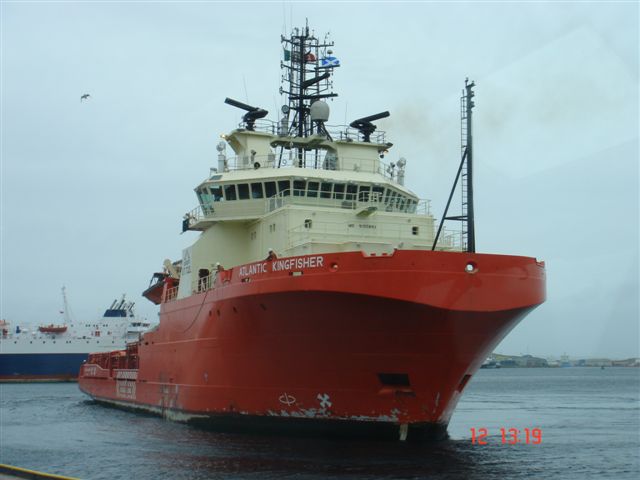
    showcased a significant increase in average rates when compared to the previous similar opportunities. Posidonia Shipping presented the AHTS Atlantic Kingfisher from Canadian
    Owners Atlantic Towing and managed to secure 1st place in qualification with a day rate of USD 44.975. CBO came just behind with AH Liguria which was offered at USD 46.950.


    Remaining offers were nearing USD 60.000, therefore more detached from the possible awarded vessels. This tender was aiming to charter only Brazilian Flag (or REB) vessels and just one small extension on the deadline was granted by Petrobras during the process, which really indicates that this opportunity was
    more directed to hire available vessel already in country.
  • equinor oil production

    equinor oil production

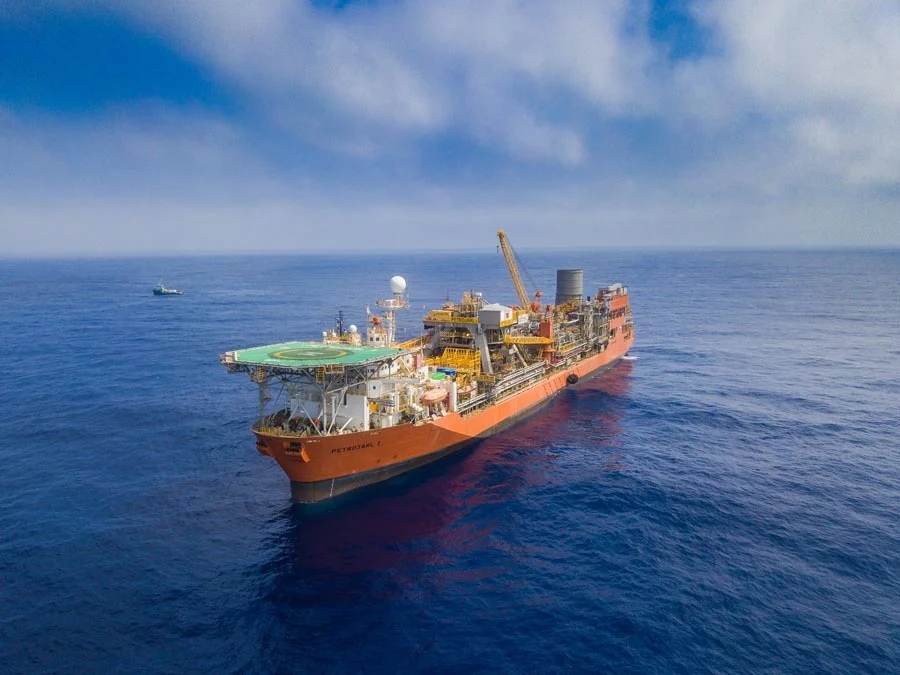
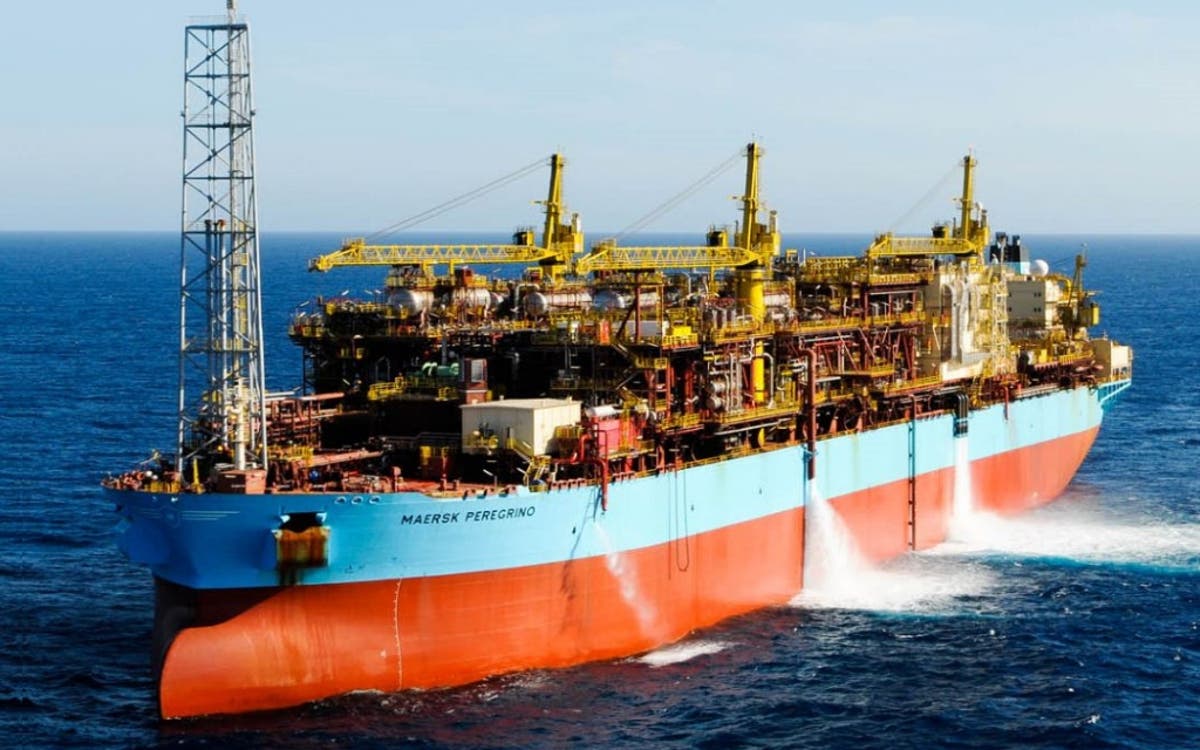
    Peregrino field, in Campos Basin, reached a production of 110 thousand barrels of oil per
    day. This number represents the maximum processing capacity of the FPSO Peregrino.
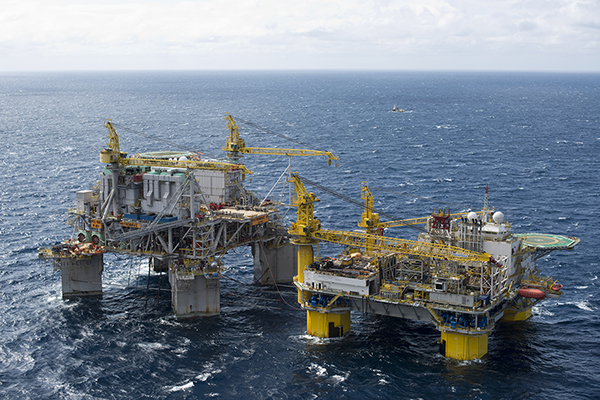
    After an extensive maintenance program, upgrades and repairs to the FPSO and
    installation of a new fixed platform, Peregrino C, in October 2022 Phase 2 of the field produced
    its first oil. The second phase extended the field’s life through 2040 and will add 250 to 300
    million barrels of oil to the field while halving CO2 emissions per barrel over the remaining
    life of the asset.

  • TotalEnergies offshore wind

    TotalEnergies offshore wind

    TotalEnergies, the French major, and the government of Rio de Janeiro signed a
    memorandum of understanding (MoU), which aims to collaborate with the development of
    the offshore wind generation industry in the Brazilian state. It is worth reminding that the
    two parties have already stated their interest in participating in the first offshore wind energy
    tender in Brazil due next year. The agreement covers two years and studies will be carried
    out on tax incentives as well as the expansion of the grid system for future projects.

  • equinor and modec

    equinor and modec

    As previously mentioned in our weekly market update, MODEC has signed a contract with
    Equinor to build the FPSO that will operate at BM-C-33 block, also known as Bacalhau field,
    in the Campos Basin. The new unit to be built by MODEC will bring several innovations, some of
    them related to carbon emissions such as the adoption of combined cycle gas turbines. With
    such technology, the average CO2 intensity of the BM-C-33 over the life of the field will be
    less than 6 kg per barrel of oil equivalent, while the global industry average is 16 kg. The BMC-33 project will also be the first in the country to process offshore gas and deliver it directly
    to the national grid without the need of onshore processing.

  • posidonia PSVs

    posidonia PSVs

    Posidonia Shipping, a shipping Company (EBN) with activities in both offshore support and cabotage segments in Brazil, has concluded the acquisition of two Brazilian flagged PSVs. The vessels were under construction at EISA shipyard but were never finished due to financial struggles from previous owners and the yard itself. Posidonia expects the reactivation of the vessels to take around 15 months to complete with a grand total of USD 70 million worth in investments. 

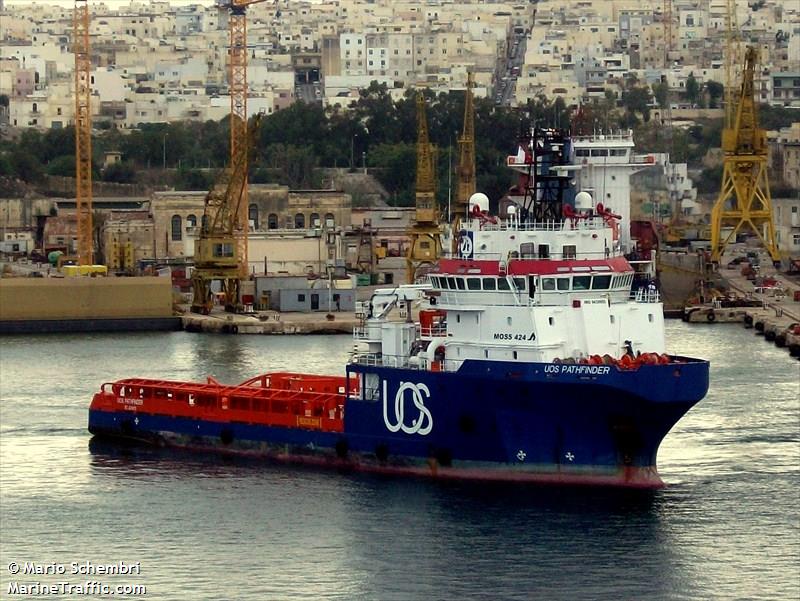
    Posidonia already has two other offshore support vessels operating in Brazil in partnership with German-owner UOS, the AHTS GH Navigator and AHTS GH Pathfinder. The Navigator has recently concluded a long-term charter with Karoon whilst the Pathfinder is still operating with Petrobras’s Cargo Transfer Vessel (CTV).

  • More oil in Atlanta

    More oil in Atlanta

    Enauta announced that it has found a new oil blend with “excellent petrophysical properties”
    in the Atlanta field, in the Santos Basin. The Brazilian independent estimates the volume
    at about 230 million barrels. The Brazilian company’s discovery is in the field’s Definitive
    Production System deployment area which should start operating in 2024, with initial
    production of 50.000 barrels of oil per day in Phase 1.

    The new discovery is in well 9 -SHEL-19D-RJS drilled in 2006. This was programmed
    with the objective of collecting information in conjunction with the drilling of well 7-ATL-7HA-RJS (“7HA”) which is part of a cloister of six wells under Phase 1 of the Atlanta Definitive System.

  • AH Valletta new contract

    AH Valletta new contract

    AHTS AH Valletta from owners CBO was chartered by Total Energies for 30 days firm
    to replace Siem Atlas while docking. Vessel is expected to be available by June 15th and
    currently sailing under Brazilian special register (REB) and has a 222 t bollard pull capacity

  • petrobras insists in amazon

    petrobras insists in amazon

    Petrobras informed that it will file a request with IBAMA, Brazil’s environmental protection
    agency, to reconsider the decision to deny the company a license to explore an exploratory
    well in block FZA-M-059, located at the Amazon River delta, in the state of Amapá.
    Last week, IBAMA rejected Petrobras’ application, alleging a series of “technical inconsistencies”. The company however, claims that it meets all the requirements set forth in Brazilian legislation including the
    technical requirements demanded by IBAMA itself. However, Petrobras stated that the
    revised request will have the addition of new commitments, with an eye on the preservation
    of the local environment as well as developing projects for the communities.

  • New PSV tender

    New PSV tender

    Petrobras released this week yet another PSV tender to the market, this time seeking to charter up to 9 vessels with various specifications. This opportunity is most likely a “second round” of the tendering process from last year that was expected to hire up to 20 vessels but, due to the lack of offers and incompatibility of windows, ended up with just 11 vessels awarded. Realistically speaking, Petrobras now wishes to fulfil their demands by chartering the additional tonnage required through this process, which has identical specifications, contract terms and duration as the previous one. However, the very same question from last year still  begs: Will there be enough vessels available to match Petrobras’ needs? Let’s see…

  • baúna production back

    baúna production back

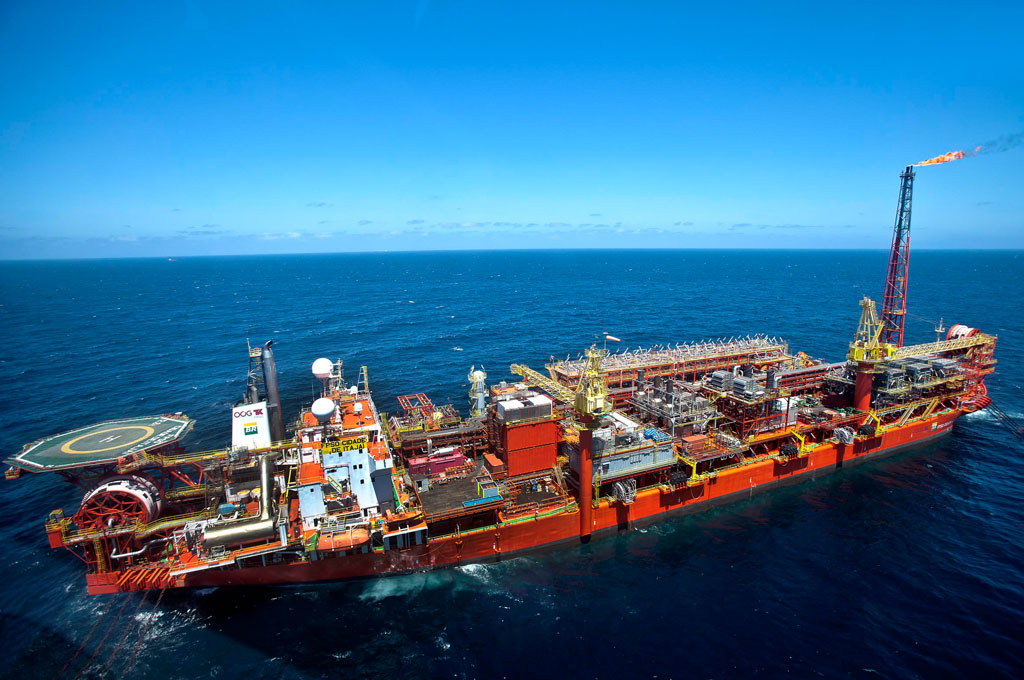
    Two months after having production stopped in the Baúna field because of a containment
    incident associated with the high-pressure flare on the FPSO Cidade de itajaí, Karoon
    restarted production at 100% capacity. The identification of the leak source and necessary
    repairs were made only two days after the shut down by Altera and Ocyan but the Australian oil
    company decided to go through a full inspection and testing of the associated systems

  • hook-up of FSO Pargo

    hook-up of FSO Pargo

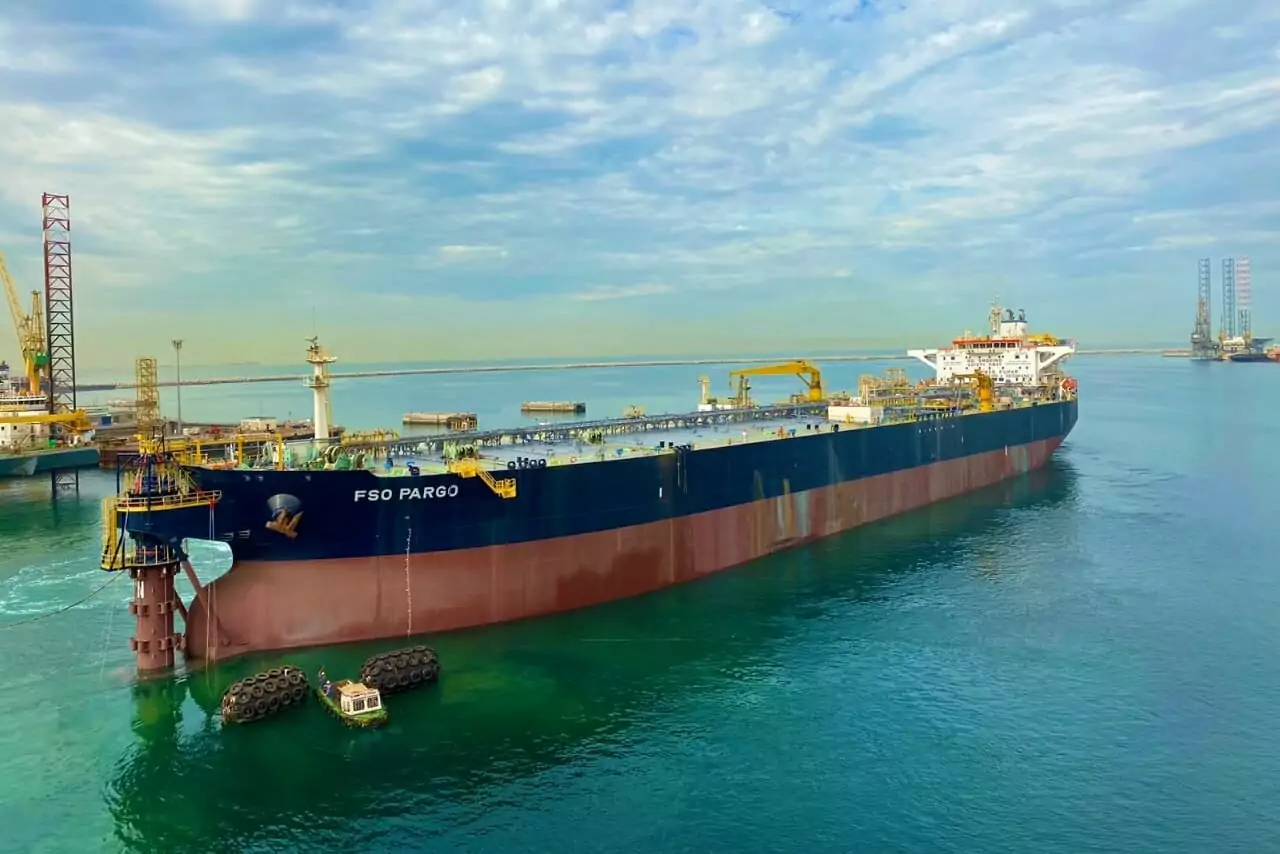
    Perenco has concluded the hook-up operation on the converted Pargo floating storage and offloading vessel (FSO). The company now plans to submit final documents to the country’s
    regulatory authorities for the operational license of the FSO. The double-hulled vessel, built in
    2004, has a storage capacity of 750,000 bbl. Earlier this year, production at Pargo cluster
    which comprises the shallow-water Pargo, Carapeba and Vermelho fields reached 13.000
    bbl/d of oil, up from 2.800 bbl/d when Perenco became operator in October 2019.

  • Oil production at papa terra

    Oil production at papa terra

    Oil production at Papa Terra cluster has been temporarily interrupted by 3R Petroleum due
    to restrictions on the offloading system on FPSO 3R-3 as the unit reached the limit of
    the available oil storage capacity. A damage was identified on the hose that is used in the
    offloading operations (oil transfer from the production platform to the shuttle tanker). The
    Company has already started the necessary procedures to replace the damaged section
    which is estimated to take up to 10 days, allowing the asset to resume production