Camorim marked its 30th anniversary yesterday (May 21) with a special event at Espaço Costa Hall, in Rio de Janeiro, bringing together leaders and professionals from across Brazil’s offshore and maritime industries. The evening was filled with celebration and optimism, and featured a vibrant performance by samba icon Dudu Nobre.
The event highlighted Camorim’s impressive trajectory and continued growth. Headquartered in Niterói, the company now operates a fleet of over 150 vessels, including tugboats, PSVs, AHTSs, barges, launches, and LHs, underscoring its leadership and responsiveness to market demands.
WSB Advisors was represented by Raphael Montes, Proposals Manager & Partner, and Pedro Pellegrini, Shipbroker Intern. Beyond celebrating this important milestone, it was also an opportunity to strengthen connections with long-standing partners and key industry stakeholders.
Our sincere thanks go to Eduardo Adami and Carlinhos Camorim, as well as the entire Camorim team.
Category: Last News
-
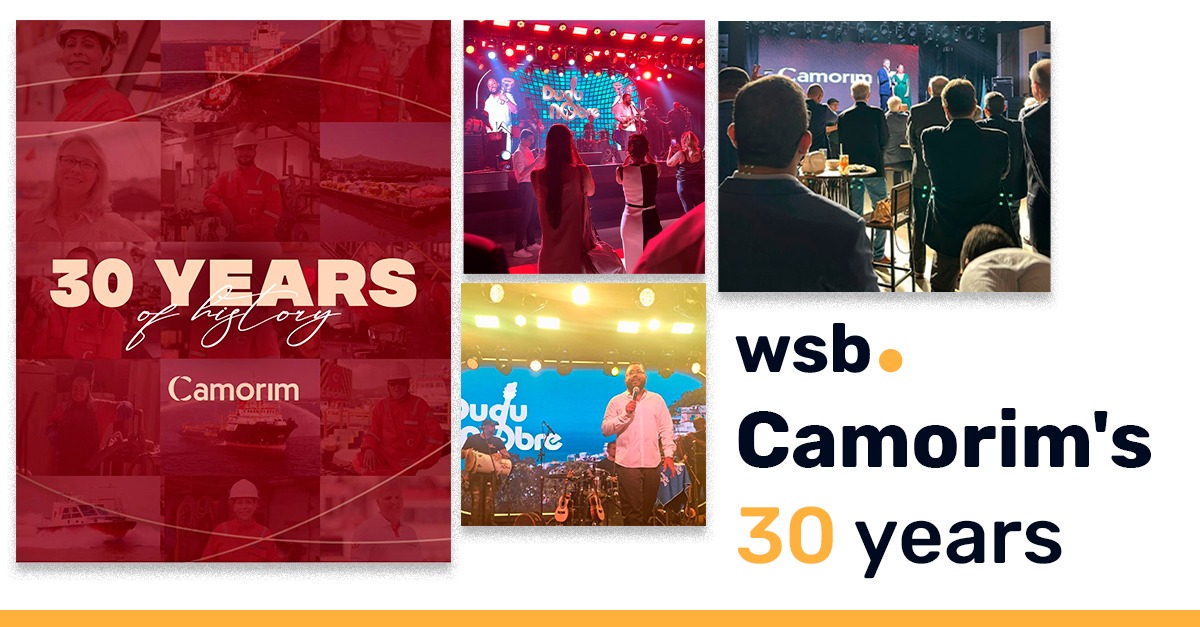
WSB Advisors at Camorim’s party
-
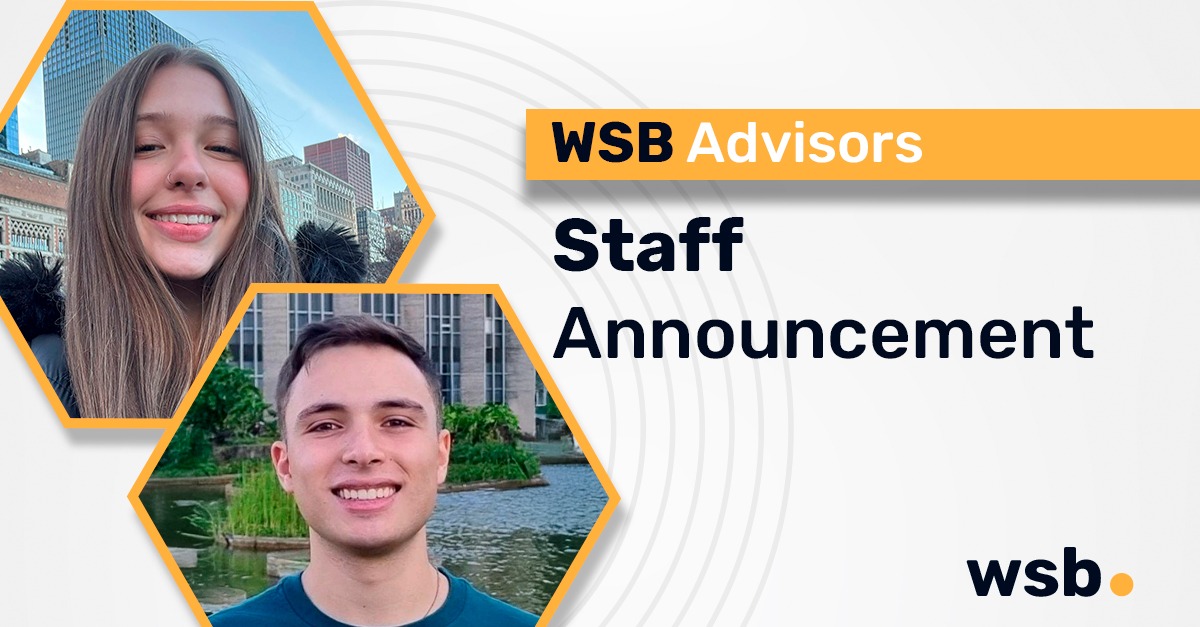
WSB Advisors – Staff Announcement
New Talent at WSB Advisors: Meet Maria Eduarda Camba and Paulo Cantergiani
WSB Advisors is proud to welcome two promising new talents to our team: Maria Eduarda Camba as a Shipbroker Intern and Paulo Cantergiani as a Market Analyst Intern. Both joined our Rio de Janeiro office this week and are embarking on their professional journeys in the offshore energy sector.
Maria Eduarda, or Duda, as she’s known by the team, is currently studying International Relations at UFRJ and brings strong communication skills, global perspective, and notably interest in international trade. At WSB, she will support chartering activities, assist with contract management, and be responsible for the daily updates of WSB. One, the most comprehensive offshore market database available today.
Paulo Cantergiani, a student of Electronic Engineering at IME, brings a strong foundation in programming and robotics. Passionate about technology and innovation, Paulo will focus on optimizing WSB. One and supporting broader digital transformation projects across the Westhon Group. His technical expertise will play a key role in the evolution of our internal systems and tools.
We’re excited to have Duda and Paulo on board and look forward to their growth within the group. Welcome to the team! -
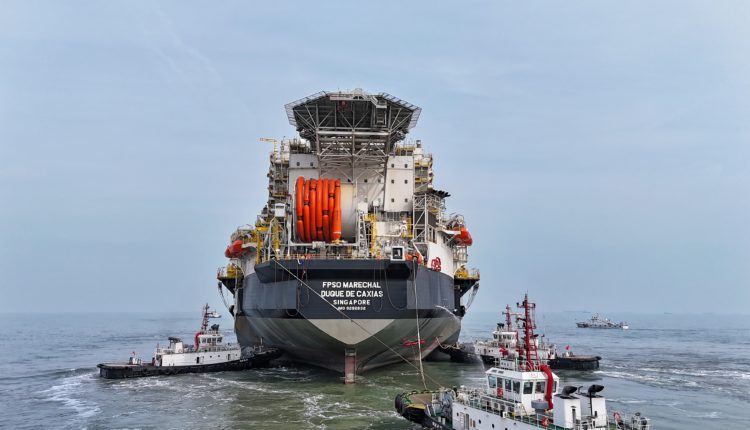
Marechal Duque de Caxias: peak production
The FPSO Marechal Duque de Caxias has reached its peak production yesterday (May 19), hitting 180,000 barrels of oil per day (bopd). Located in Mero field, Santos Basin pre-salt, the unit sits 180 kilometers off the coast of Rio de Janeiro in 2,000 meters of water depth. The ramp-up took just 201 days, a remarkable milestone for a project of this scale.
The vessel began operations in October 2023 and is the third unit of its size installed in Mero in the last 30 months. It will be connected to 15 wells, eight producers and seven injectors for water and gas, via a comprehensive subsea infrastructure. With this unit now fully operational, Mero’s production capacity surpasses 590,000 bopd, alongside the FPSOs Pioneiro de Libra, Guanabara, and Sepetiba.
According to Sylvia Anjos, Petrobras’ Director of Exploration and Production, this performance reflects the dedication of the company’s teams and the adoption of cutting-edge technologies.
Starting in 2028, it will be the first FPSO in the world to deploy HISEP (High Pressure Separation), a groundbreaking technology that allows for subsea oil and gas separation. High-CO₂-content gas is re-injected into the reservoir directly from the seabed, significantly cutting emissions while optimizing oil production.
Mero is a unitized field operated by Petrobras (38.6%) in partnership with Shell Brasil (19.3%), TotalEnergies (19.3%), CNPC Brasil (9.65%), CNOOC (9.65%), and PPSA (Pré-Sal Petróleo S/A), which holds 3.5% as the government’s representative in the non-contracted area. -
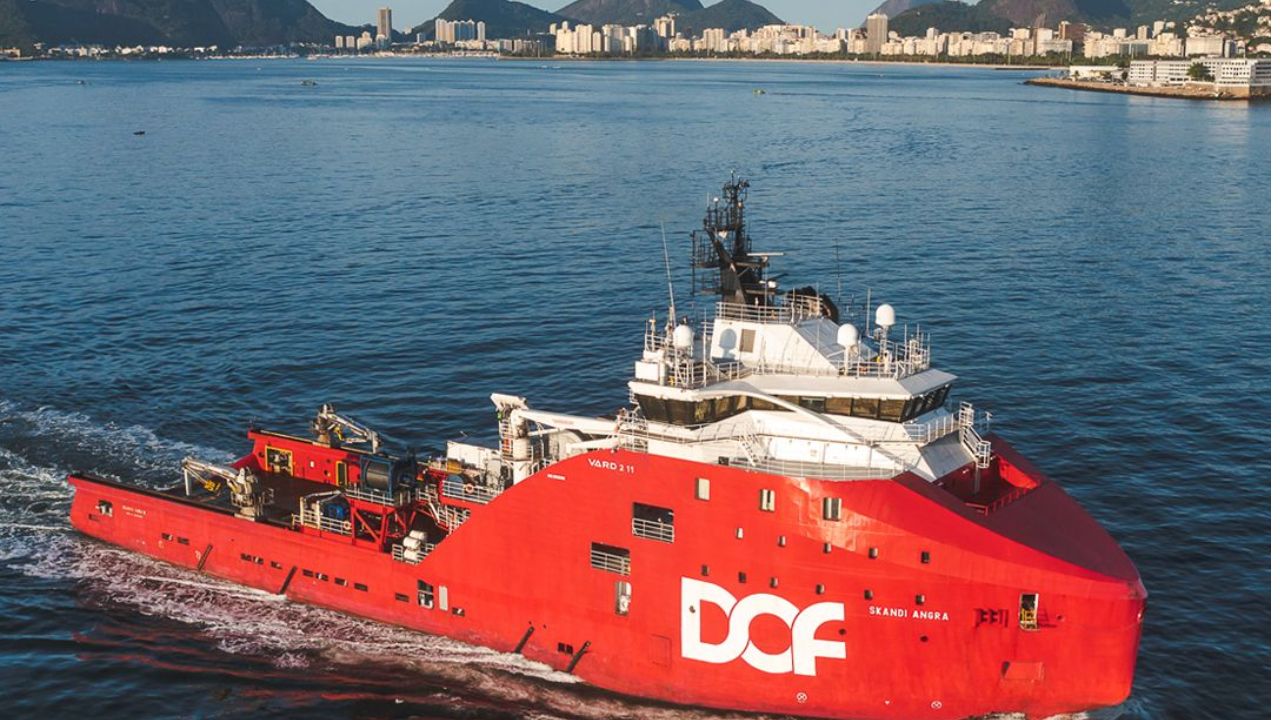
Petrobras: agreements with Prosafe and DOF
Market Update: Major Contract Awards for Prosafe and DOF with Petrobras
Petrobras has awarded Prosafe a significant tender for the provision of the Safe Notos, a semi-submersible accommodation and maintenance vessel (UMS). The total contract is valued at approximately USD 204 million and includes a firm four-year commitment beginning in September 2026, directly after the conclusion of the vessel’s current contract initiated in Q3 2022. The Safe Notos will continue supporting offshore safety and maintenance operations for the Brazilian oil giant.
Meanwhile, DOF has confirmed the award of four new vessel charter contracts with Petrobras. A standout in the announcement is the Skandi Iguaçu, an AHTS unit currently in operation for Petrobras, which will enter a fresh four-year charter starting in February 2026. The Skandi Angra, Skandi Paraty, and Skandi Urca have also secured new four-year deals, set to commence in January following the expiration of their current agreements. As WSB previously reported, these contracts involve ROV operations at depths reaching 3,000 meters. The combined value of the four charters is approximately USD 480 million. -
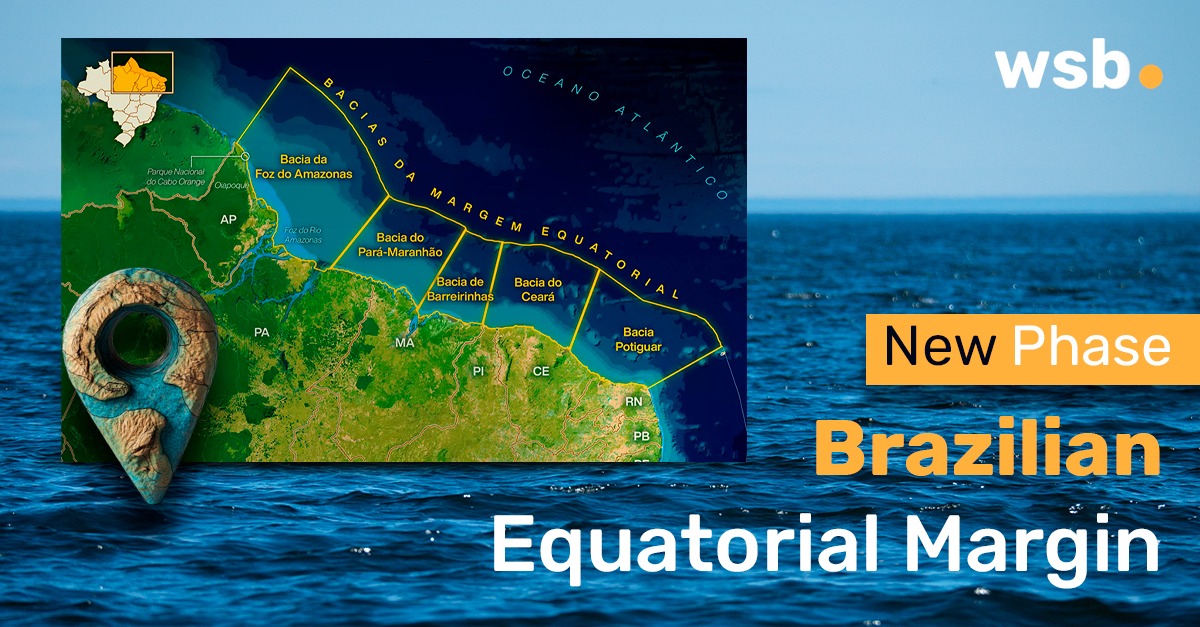
Brazilian Equatorial Margin: new phase
Ibama has approved Petrobras’ Oilspill Wildlife Protection and Response Plan, a key component of the company’s Individual Emergency Plan for offshore exploration in Block FZA-M-59, located in the Foz do Amazonas Basin. This approval marks an important procedural step but does not yet authorize exploration in the Equatorial Margin but rather to proceed with research, considered Brazil’s most promising post–pre-salt frontier.
With this phase cleared, Petrobras will now proceed with inspections and wildlife rescue drills to validate its response capabilities in the event of an oil spill. These activities aim to demonstrate the company’s preparedness in managing potential environmental impacts.
While progress remains slow, industry voices remain optimistic. “This approval does not mean that Ibama is granting permission for oil exploration in the Equatorial Margin, which is seen as the major successor to Brazil’s pre-salt fields. There’s still a long way to go. The process is moving slowly, but I believe it’s only a matter of time. Petrobras has an exceptional technical team and unmatched expertise, and it has already demonstrated, on multiple occasions and in various ways, that sustainable exploration is indeed possible,” said Anidio Correa, R&D Environment Projects Lead at WSB Advisors. -
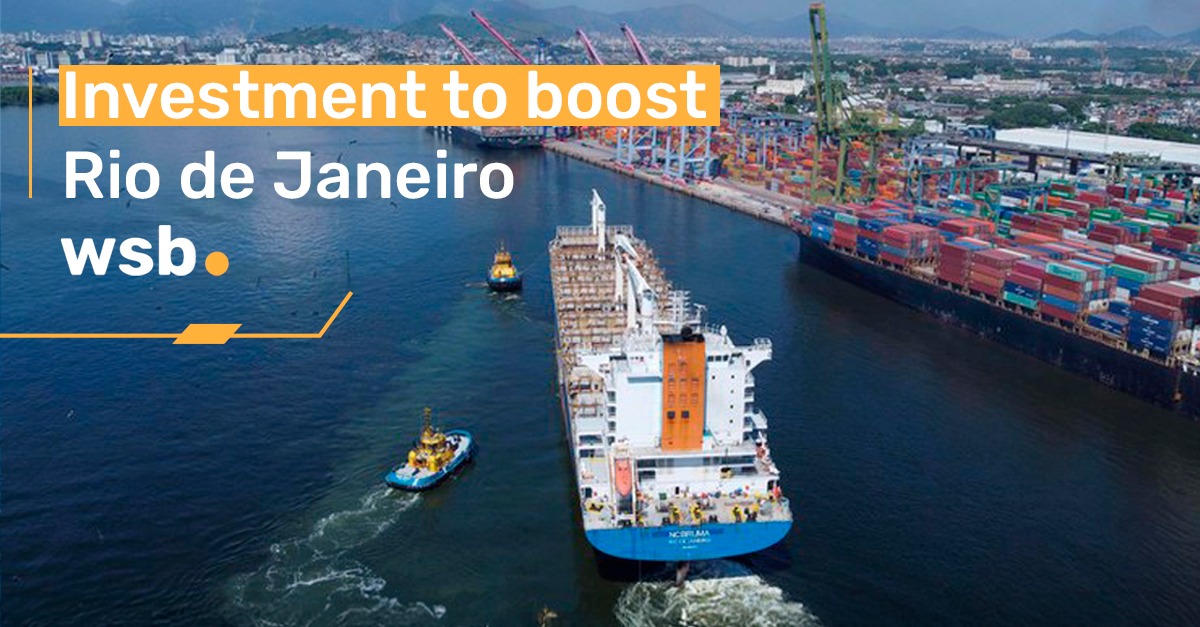
Investment to boost Rio de Janeiro
The Merchant Marine Fund (FMM), managed by the Ministry of Ports and Airports, has approved R$6.6 billion in investments for the state of Rio de Janeiro. The funding, announced last week, focuses on naval and port projects, particularly those supporting the oil and gas industry.
Among the 14 projects approved is the construction of four Handy-class vessels for transporting oil byproducts for Petrobras. This initiative, valued at R$1.5 billion, will be executed by a consortium involving the Rio Grande shipyard in Rio Grande do Sul and Mac Laren shipyard in Niterói. Additionally, the Green Port shipyard in Niterói received R$242.2 million to build a new floating dock, reinforcing its role in the industry’s ongoing revival.
The FMM plays a critical role in financing Brazil’s merchant marine and shipbuilding sectors, which have recently seen renewed momentum, with several shipyards reopening and new OSV bids emerging.
Is this a signal of a lasting recovery for the industry? -
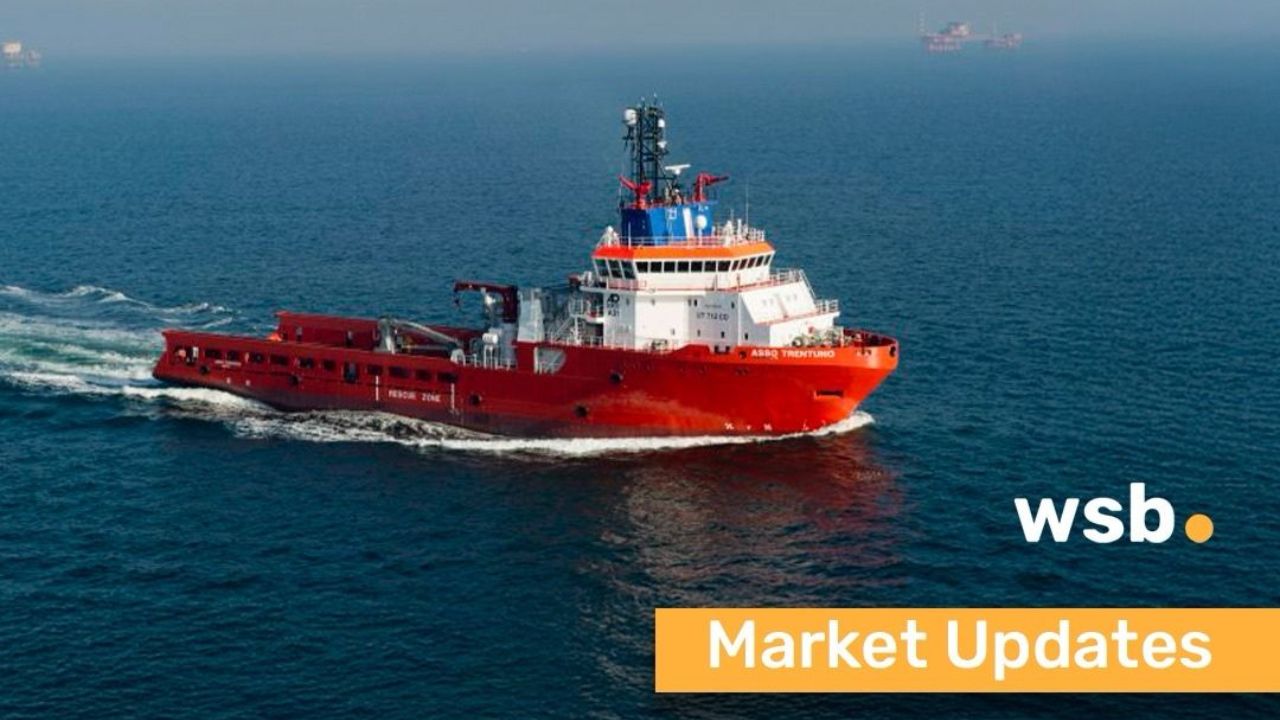
WSB Market Updates
Petrobras has awarded contracts to the Asso Trentuno and Asso Ventinove. The Asso Trentuno has already begun operations under a four-year firm contract with extension options, while the Asso Ventinove is awaiting final clearance to commence.
Navship continues its impressive growth. The shipyard recently submitted bids for the latest RSV newbuilding tender, competing alongside two other companies. If both bids are successful, Navship will have a remarkable 14 newbuilds in its pipeline, six PSVs and eight RSVs, slated for delivery over the next six years.
Stay tuned -
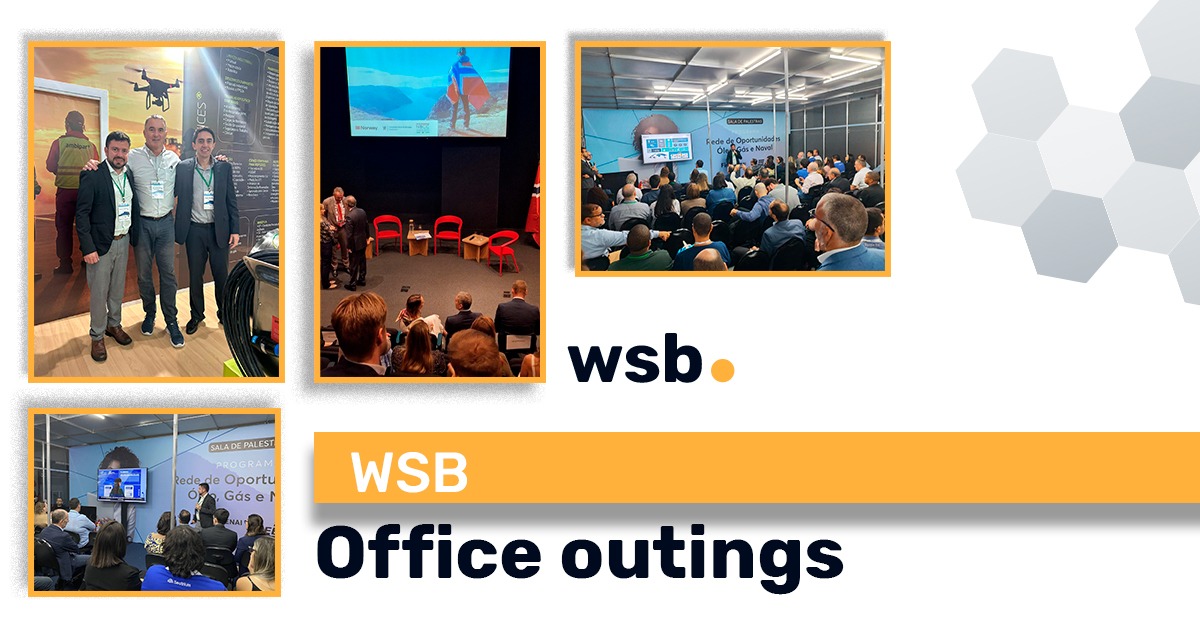
WSB Office outings
Anidio Correa, R&D Environment Projects Lead at WSB Advisors, participated in the breakfast seminar Challenges and Opportunities for Strengthening Collaboration Between Norway and Brazil this Friday (May 16) in Rio de Janeiro. The event, organized by the NBCC – Norwegian Brazilian Chamber of Commerce in honor of Norway’s Constitution Day, celebrated on May 17, featured discussions on key topics like trading opportunities, investments, the Amazon Fund, climate change, COP 30, EFTA-MERCOSUR, energy, oceans, and artificial intelligence. Norwegian Ambassador Odd Magne Ruud and Brazilian Ambassador Flavio Goldman shared their perspectives, with moderation by Kjetil Solbrække from NBCC. WSB congratulates Norway on its Constitution Day and extends its thanks to NBCC for the invitation.
Meanwhile, also in Rio, Jake van den Dries , HSSE Lead at WSB, supported his friend Alvaro Antunes, CEO of Intcom Solutions, at FPSO Expo 2025. Antunes took the stage alongside Daniel Moura, CEO of Pix Force, during the Startups in Focus pitch session, where they introduced BlueOpex with Identec’s Crew Companion e-mustering system, providing a comprehensive approach to personnel tracking and safety management. -
RSV bids: results are out
Petrobras Releases Commercial Ranking for Eight Newbuild RSV Tender
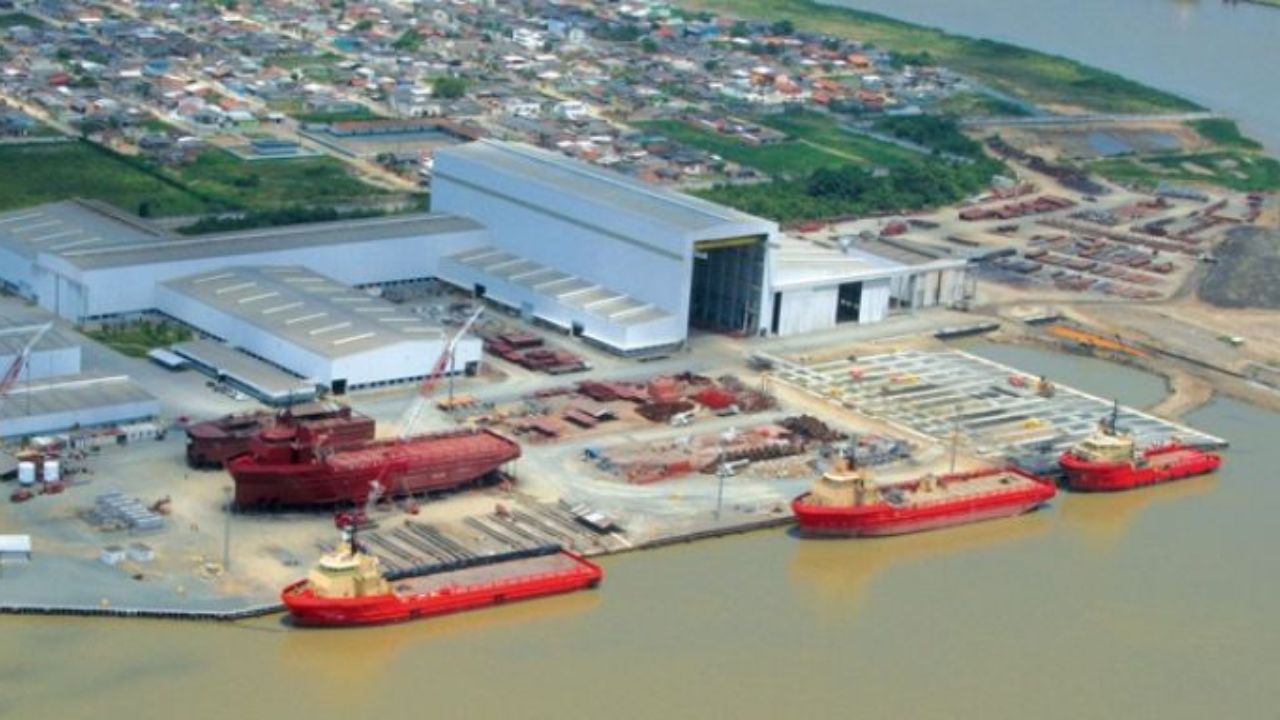
Petrobras has published the long-awaited commercial ranking for its tender to charter up to eight newbuild RSVs. As a preliminary result, four slots have been awarded to Bram and four to DOF (LOT L). The process, which began in October, is divided into 12 lots, with contracts spanning up to 12 years, including four to five years allocated for vessel construction.
Navship has emerged as a significant player, participating in every lot, sometimes as the sole bidder. Notably, DOF will also utilize Navship’s facilities, alongside its in-house operator, Bram.
The Total Cost Per Vessel (TCV) covers vessel charter, ROV services, fuel consumption, and PEOTRAM bonuses, as stipulated in regulatory guidelines. TCV rates range from $124,980.80 to $145,314.43 per vessel, depending on the lot.
Petrobras will prioritize contract awards that minimize overall expenditure across all lots, aiming to secure the most cost-effective combination for the number of vessels it plans to charter.
For more details, refer to the chart below or reach out at comercial@cms.oneenergynews.com.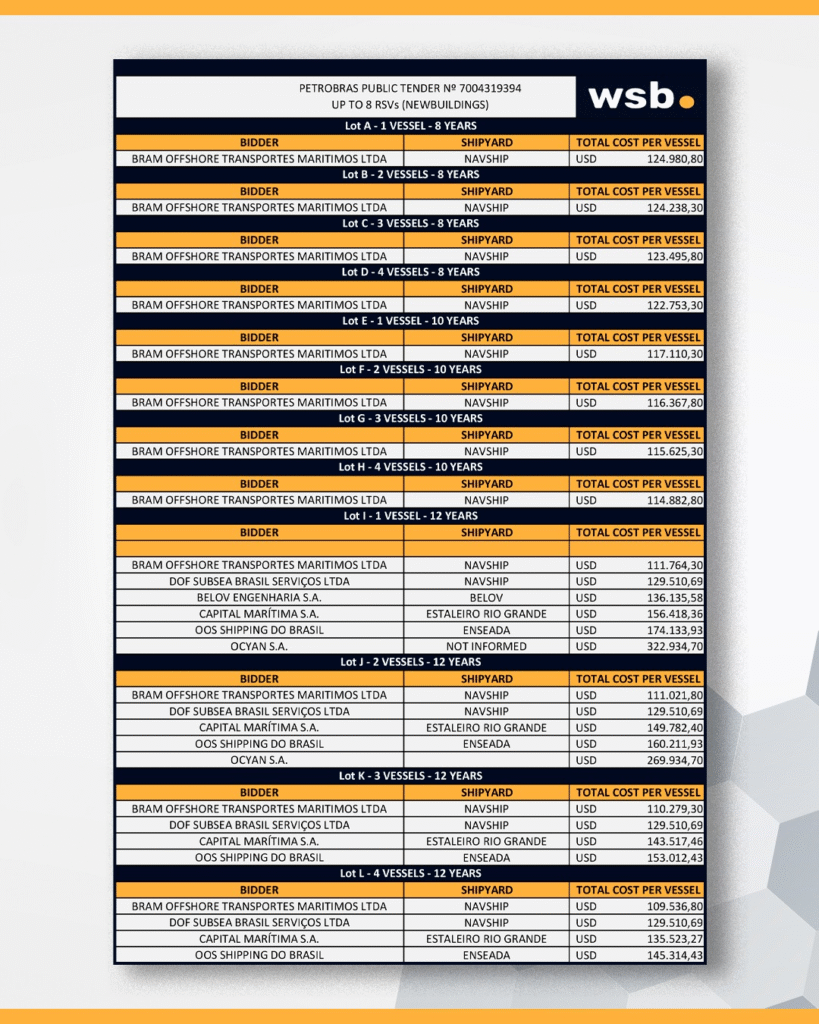
-
Energy Talks #14 – Fernanda Hille
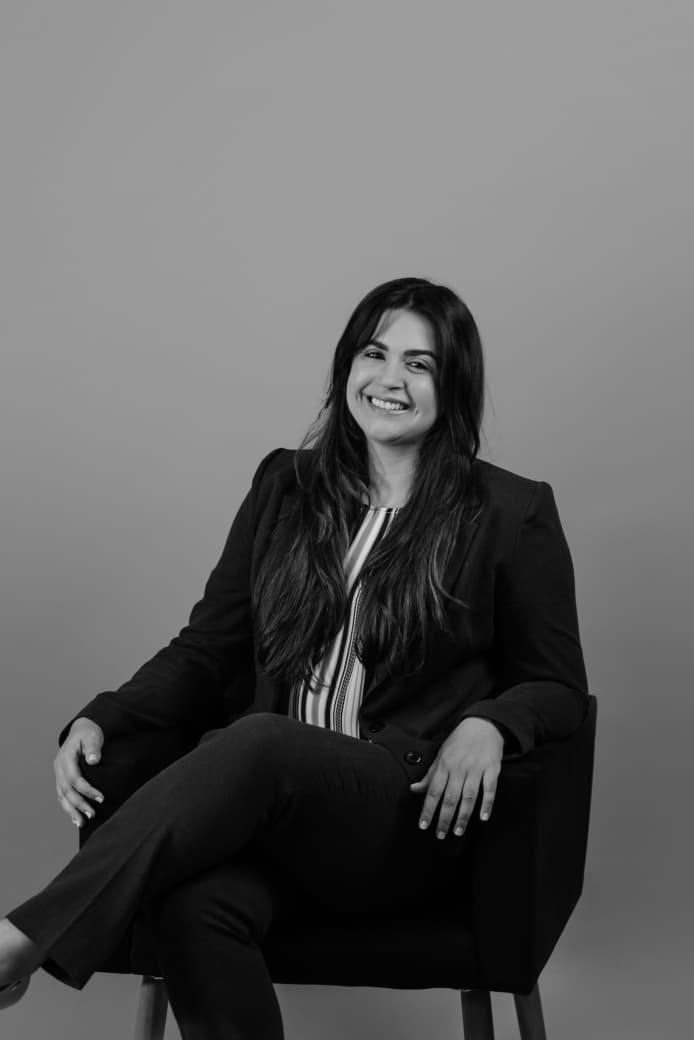
In this edition of Energy Talks, we invite you to read our conversation with Fernanda Hille.
A senior naval engineer at Navship — the shipyard arm of the Bram/Edison Chouest Offshore group — Fernanda has spearheaded significant improvements across various vessels. Most recently, she was transferred to ECO’s headquarters in Cut Off, Louisiana, where she has been working since February.
Just before departing for the U.S., Fernanda stopped by the WSB office in Rio de Janeiro for a chat.
Fernanda, thank you so much for speaking with us. We have to start with the big question: what are these changes you’ve been working on?
Hull form modifications aimed at reducing fuel consumption. Each vessel is unique, so the changes are never exactly the same. Think of it like Formula 1: engineers use CFD (Computational Fluid Dynamics) simulations to test car shapes for better aerodynamics. I do the same, but for ships.
I joined Navship in June 2020, initially focusing on structural and stability engineering. But it wasn’t long before hydrodynamics — my true passion — started to demand more of my time. Hydrodynamics is the study of how fluids move and interact with surfaces, and it plays a key role in how efficiently a ship performs.
Through simulations, we optimize elements like the bulb, bow, stern, beam, and overall length to make vessels more hydrodynamic, reducing power demand at cruising speeds. There are many ways to reduce a ship’s fuel consumption, but hull form is undoubtedly one of the most important.
Our first modification was to the bulb of the Bram Rio in 2022, which resulted in a 7% reduction in fuel use. We’ve continued refining our approach since then.
What are you hoping to experience in the U.S.? And how do you think you’ll have changed by the time you return to Brazil in February 2026?
The projects, challenges, and daily routine will remain pretty similar. Navship’s engineering team is always closely involved with ECO Group’s designs, so I’ve already been collaborating with the U.S. team remotely for some time. What’s changing now is proximity — I’ll be working directly with colleagues and leaders I previously only knew virtually or met during brief visits. I think that closer interaction will improve communication and efficiency.
What are some of the current challenges the company is facing?
There’s been a noticeable trend toward renewing Brazil’s OSV (Offshore Support Vessel) fleet. For example, at the end of last year, Bram and Navship won a bid to build six PSVs for Petrobras.
Still, many vessels in operation are nearly 20 years old, which poses a number of challenges. That’s why continued investment in new builds is essential for modernizing the fleet.
Beyond building and repairing OSVs, we’re involved in projects that set us apart, especially due to our vertical integration. We’re one of the few companies in the sector that controls the entire production chain — from design to delivery — giving us strategic advantages in speed, flexibility, innovation, competitive pricing, and, most importantly, quality.
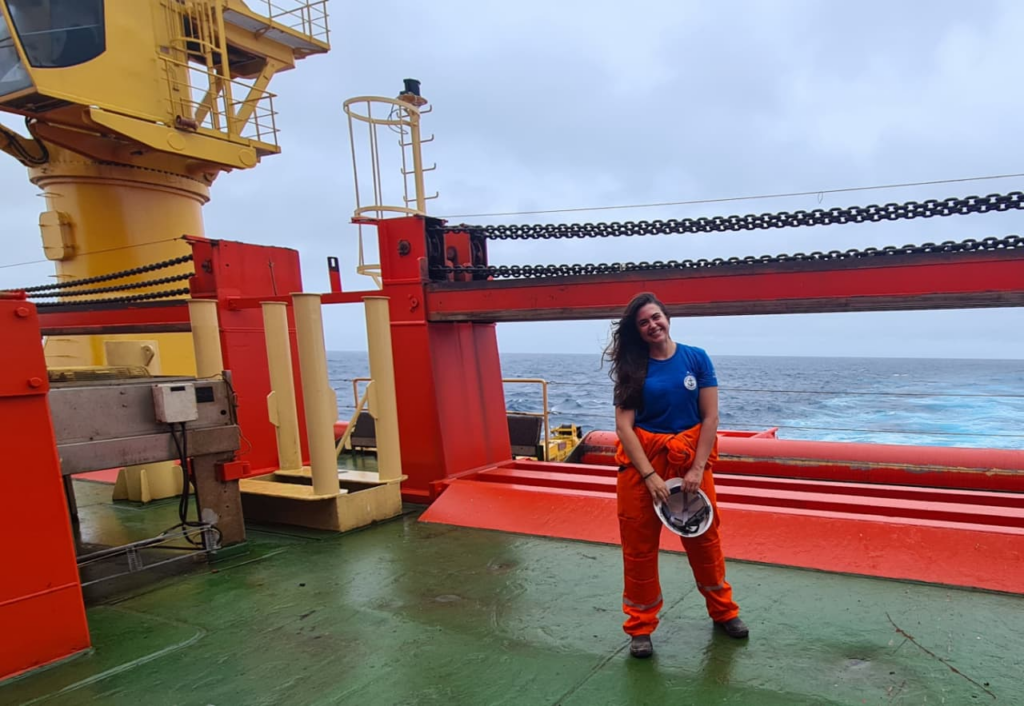
Fernanda Hille (Source: Private Collection) What about sustainability?
Sustainability is a constant priority for us. In addition to optimizing hulls, we’re developing vessels with hybrid propulsion systems that significantly reduce CO₂ emissions. Navship also focuses on material reuse, and the group as a whole supports various environmental awareness initiatives.
What’s been your most challenging project to date?
That would have to be the design of the ECO Edison, the first offshore supply vessel for wind turbines in the U.S. We started the project in 2020, and the vessel was delivered last year.
It was very different from the types of vessels we typically build in Brazil. Offshore wind energy is well established in the U.S., which made the project both exciting and challenging — especially since it was my first year on the job. Thankfully, our team is very cohesive and supportive, which made all the difference.
You’ve spoken highly of the Edison Chouest group and received recognition, including this recent opportunity to work abroad. Can you talk more about your relationship with ECO and the values you share with the company?
I truly admire the way the company is run. There’s a strong culture of engagement and openness to new ideas. That kind of environment keeps everyone motivated. I’m deeply grateful for the opportunities and recognition I’ve received. Navship is the first company I’ve worked for that’s not tied to academia, and I’m glad to be having such a positive experience here.
Let’s talk about your early journey and your love for hydrodynamics. What made you choose naval engineering?
I’ve wanted to be an engineer since I was 14, but initially, I planned to study civil engineering.
I was raised by my single mother, Mrs. Dolores, and we couldn’t afford for me to study far from home. I’m from Joinville, Santa Catarina, so my only civil engineering option was UDESC (State University of Santa Catarina). Unfortunately, I was sick during the entrance exam and didn’t do well — competition was intense, and I didn’t make the cut.
Two weeks later, Plan B appeared: engineering at UFSC (Federal University of Santa Catarina). They offered a general engineering program, with seven disciplines to choose from after the first two years. Naval engineering was one of them.
I initially planned to transfer back to UDESC, but by then, Brazil’s naval industry was booming, and I started reconsidering. What I’ve always been sure about is my passion for engineering. I’ve always loved math, physics, and building things. I took the UFSC entrance exam in 2011 and started in 2012.
Looking back, failing the UDESC exam was a blessing in disguise. I believe that when you give your best and things still don’t work out, it’s often because something better is ahead. As the saying goes, “God writes straight with crooked lines.”
What do you remember most from your time at university?
I loved it. To help my mom financially, I quickly found paid research opportunities, starting in my second semester and continuing until I graduated.
I worked on three major projects, with the most significant focused on hydrodynamics in partnership with Petrobras. We worked on optimizing riser floater layouts to prevent vortex-induced vibrations (VIVs).
Another defining experience was an exchange program in 2016, funded by the Brazilian government. I spent time in Hoboken, New Jersey, studying at the Stevens Institute of Technology, and later conducted a two-month research project on heat transfer in Chicago. That experience delayed my graduation by a year, but it was well worth it — I finished my degree in 2017.
How did you make the transition into the job market?
When I graduated, the market wasn’t as promising as when I started university, so I expected a tough search. But Professor André Fujarra, who had guided me through my hydrodynamics work, encouraged me to apply directly for a PhD at USP (University of São Paulo), even though I hadn’t done a master’s.
It was a bold move, but I was accepted, supported by a Petrobras-funded research scholarship. I moved to São Paulo in February 2018 to develop a numerical tool to simulate motions of moored semi-submersibles and FPSOs. The research was done at USP’s Numerical Offshore Tank (TPN), where I also got hands-on experience with seakeeping model tests.
How did you end up at Navship?
In March 2020, I went home to Joinville for a family event, and that same weekend, Brazil went into lockdown. I had been living in São Paulo, but with the airport closures, I got stuck.
I had sent my resume to Navship the month before and assumed the opportunity had passed. But in May, I was called for an interview, got the job, and started in June — still in Joinville, which is just an hour from Navegantes. I only returned to São Paulo at the end of the year to collect my things.
How do you see the state of naval engineering education in Brazil?
The demand for naval engineers is cyclical and closely tied to the state of the shipbuilding industry. Right now, it’s a great time — there’s a strong demand for new graduates.
That said, the field still lacks visibility. Brazil has one of the longest coastlines in the world, but only six naval engineering programs. I may be biased, but it’s a fantastic field with diverse career paths — from technical roles to sales, construction, logistics, offshore operations, and more.
You’ve achieved so much in under a decade. Does that surprise you? What’s your biggest reflection?
It does surprise me. Earning a PhD and landing a role like this right after graduation — it’s been an incredible ride. I’m grateful for all the opportunities and blessings along the way.
What’s your biggest professional dream — maybe something you hope to achieve in the next 10 years?
I’d love to be part of designing the world’s most efficient PSV, striking the perfect balance between cargo capacity and fuel consumption. And honestly, I think our team could achieve that even sooner.
You teared up when talking about your mother. Can you tell us more about her?
I still don’t know how she managed it all — caring for me, taking care of my bedridden grandmother with Alzheimer’s, and working full-time. She always pushed me to study. Though she couldn’t support me financially, she gave me everything else I needed. I’m deeply thankful to have been raised by her. I truly believe she’s still watching over me.
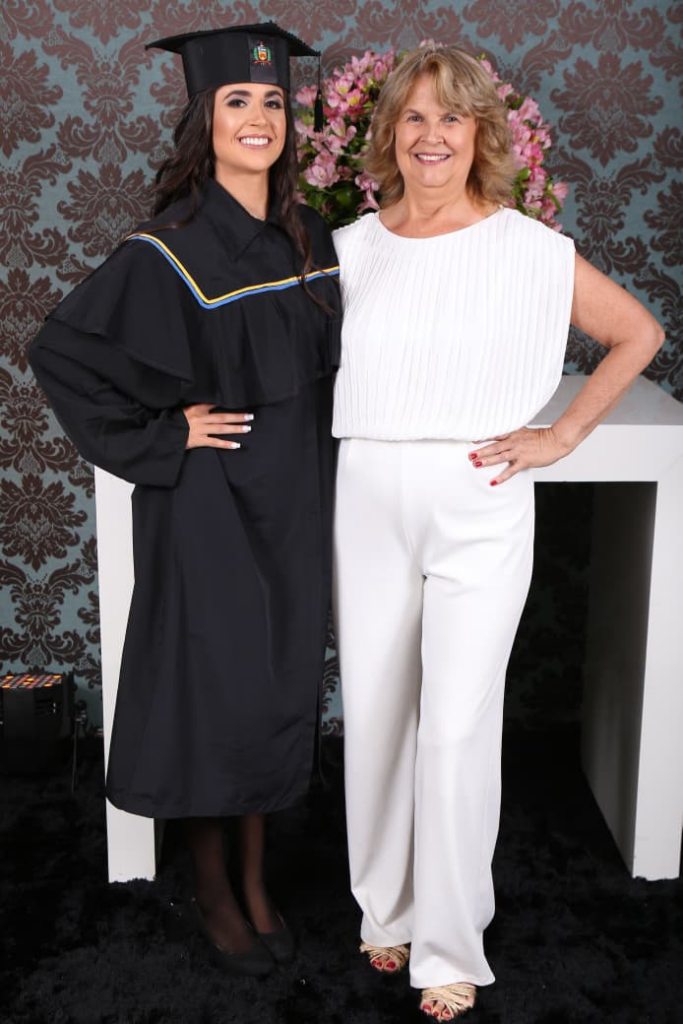
Fernanda Hille and her mother (Source: Private Collection) You were a rhythmic gymnast growing up. That must’ve been special. What do you take from that time, and does sport still play a role in your life?
I believe sports can be just as transformative as education. I trained from age 8 to 17 — five hours a day, five days a week. During holidays, we trained even more. I represented my city in state and national competitions. The farthest I traveled was João Pessoa — 3,000 km from home!
When I started university, I had to leave gymnastics behind. For a while, I wondered if it had been worth it. But now, I know it shaped who I am. These days, I do CrossFit. I love the community aspect.
Thank you, Fernanda.
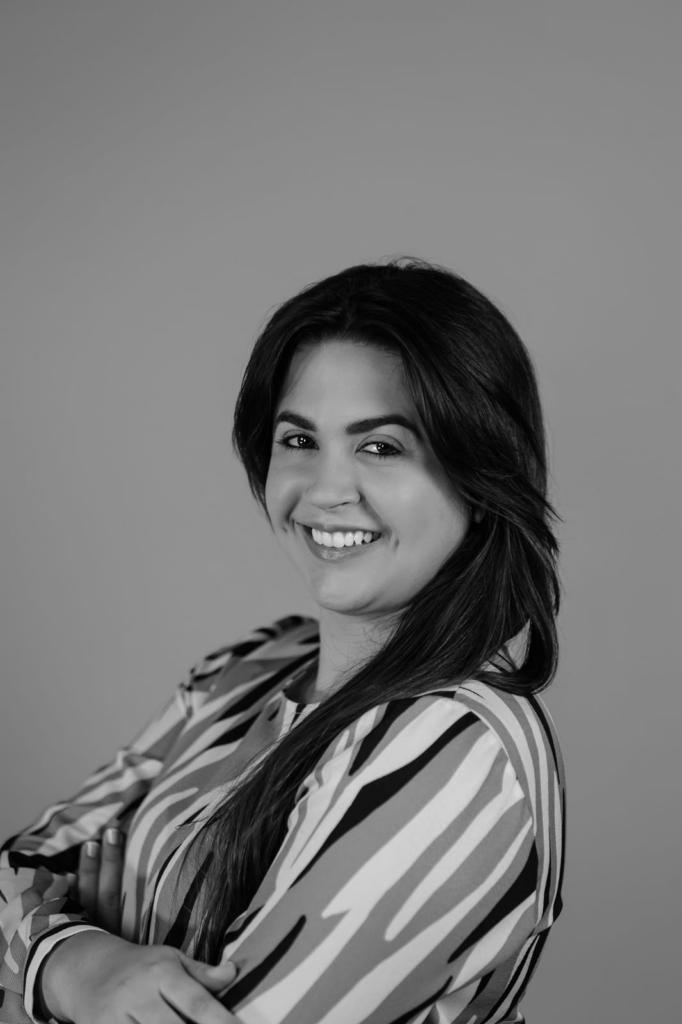
Fernanda Hille (Source: Private Collection) -
Aram block: opportunities
Petrobras Highlights Potential of Aram Block in Latest Update
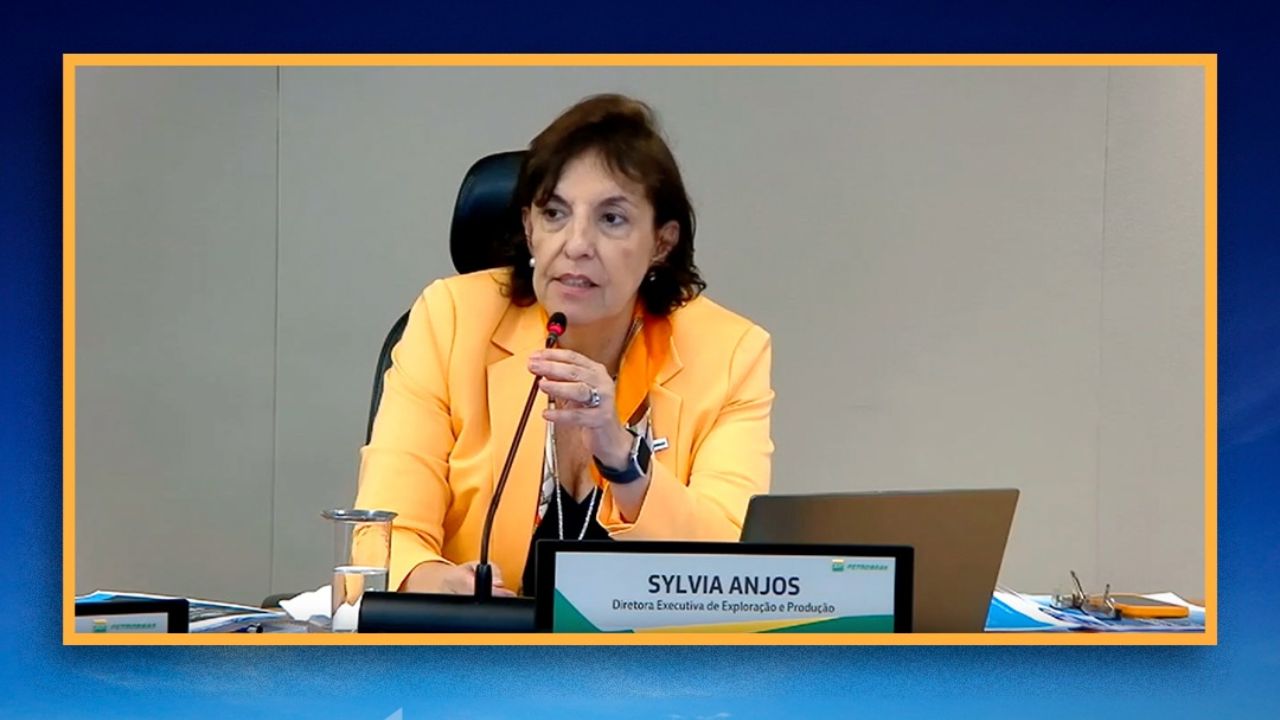
Petrobras Exploration and Production Director Sylvia Anjos provided updates on key projects during a press conference on Tuesday (May 13). Sylvia emphasized the significance of the Aram block in the Santos Basin, describing it as a milestone of the company’s current strategy alongside future investments in the Equatorial Margin.
As previously reported by WSB Advisors, Petrobras recently announced a major discovery of high-quality, contaminant-free oil in the Aram block, its second this year. According to Anjos, this is just the beginning:
“There are still two more wells to be drilled in Aram, which will essentially define the central and northeastern parts of the area. We are still conducting evaluations and plan to integrate this with the Brava, Forno, and Marlim fields,” Anjos stated.
Is Aram block as promising as it seems? -
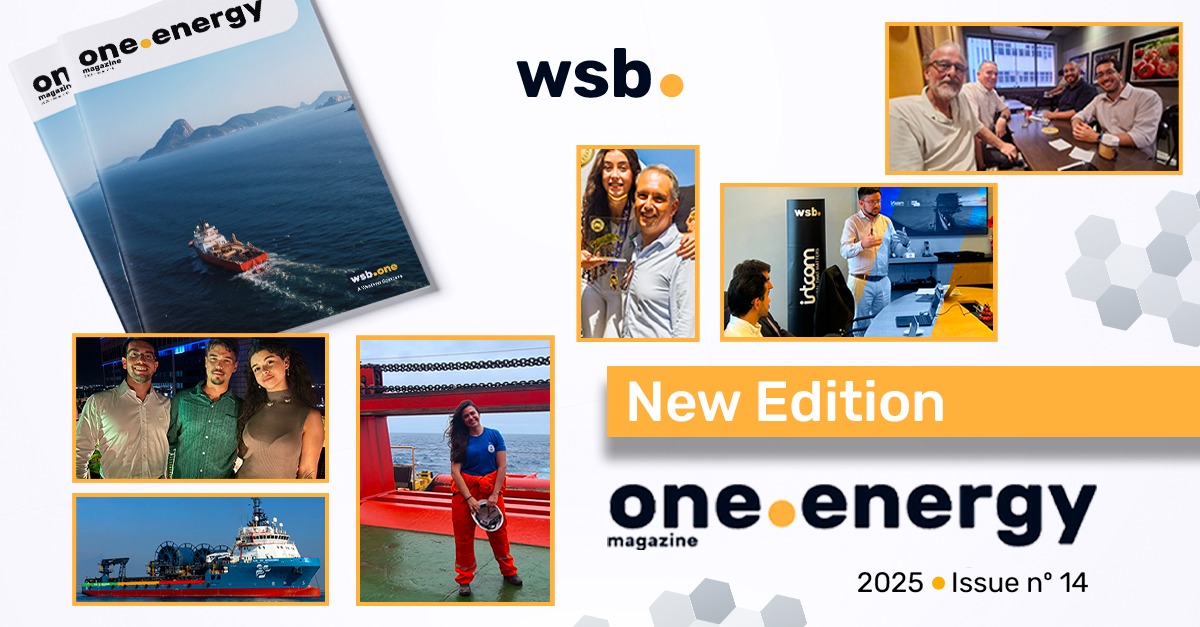
New WSB magazine is out!
One. Energy Magazine Now Live!
The latest edition of One. Energy is here, featuring an exclusive interview with Fernanda Hille, a pioneering naval engineer at Estaleiro Navship. Known for her transformative work in Bram’s fleet, Hiller’s achievements recently earned her a stint at Edison Chouest Offshore U.S. headquarters.
Also in this issue:
• Discovering Marina da Glória
• Inside the Work Culture at WSB Advisors — insights from Rafael Silva Drumond of, Grupo Bravante
• Updates from Intcom Solutions and Pix Force
• Monjasa Makes History, with Wilson Nobre
• WSB & Liga Naval | UFRJ Collaboration, led by Pedro Pellegrini
• Influence and Engagement — an in-depth analysis by Fernando Vilela • The inspiring story of Clara Vilela
• Offshore market updates
Don’t miss this must-read edition. Click below to explore!
One. Energy Magazine – Issue No. 14 – 2025
https://lnkd.in/dUbjc_dR