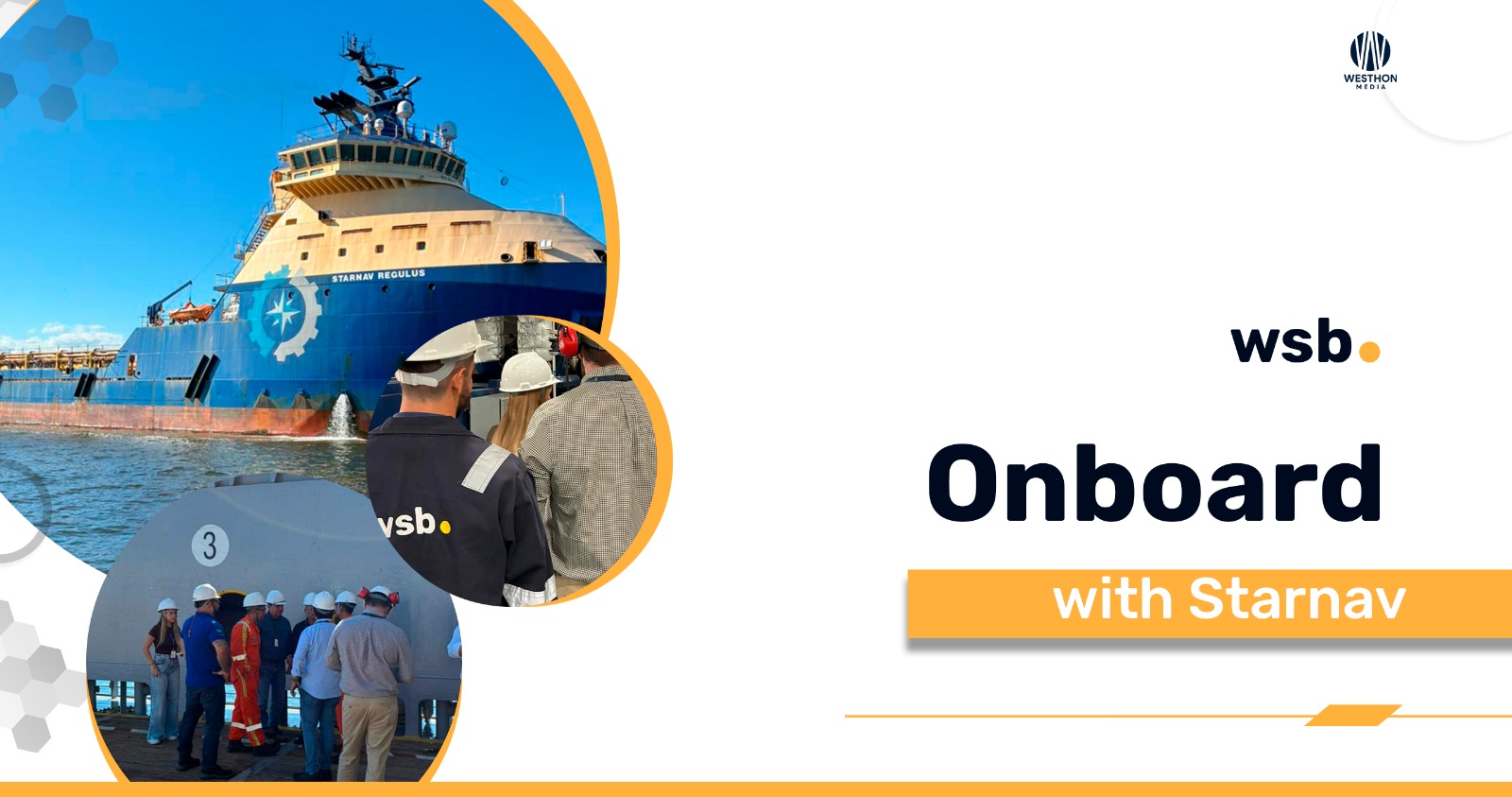
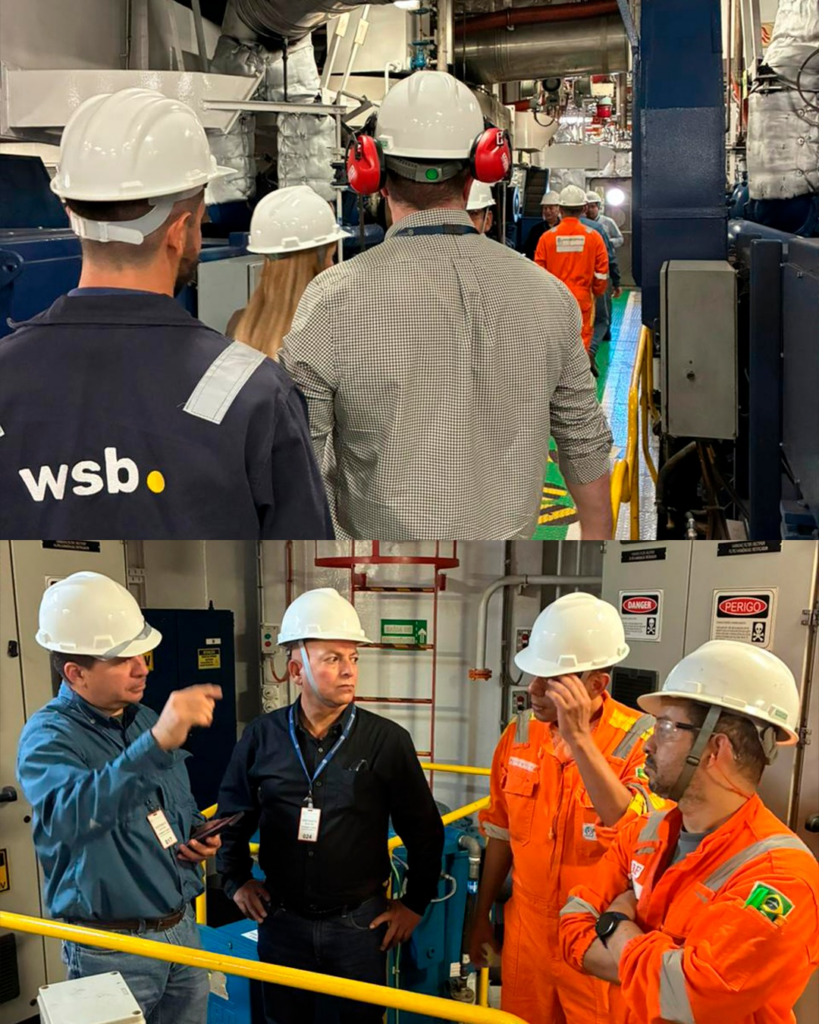
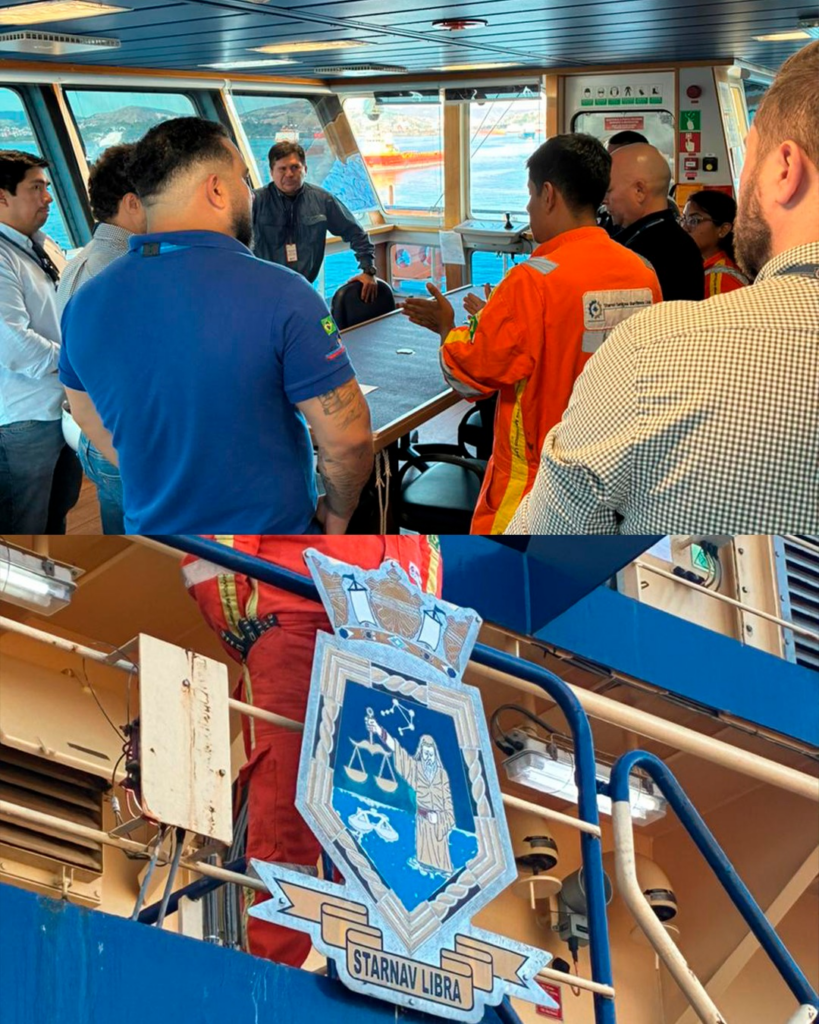
Last Thursday, May 7, WSB Advisors was aboard the PSVs Starnav Libra and Starnav Regulus, from Starnav, for a courtesy visit with clients in Guanabara Bay.
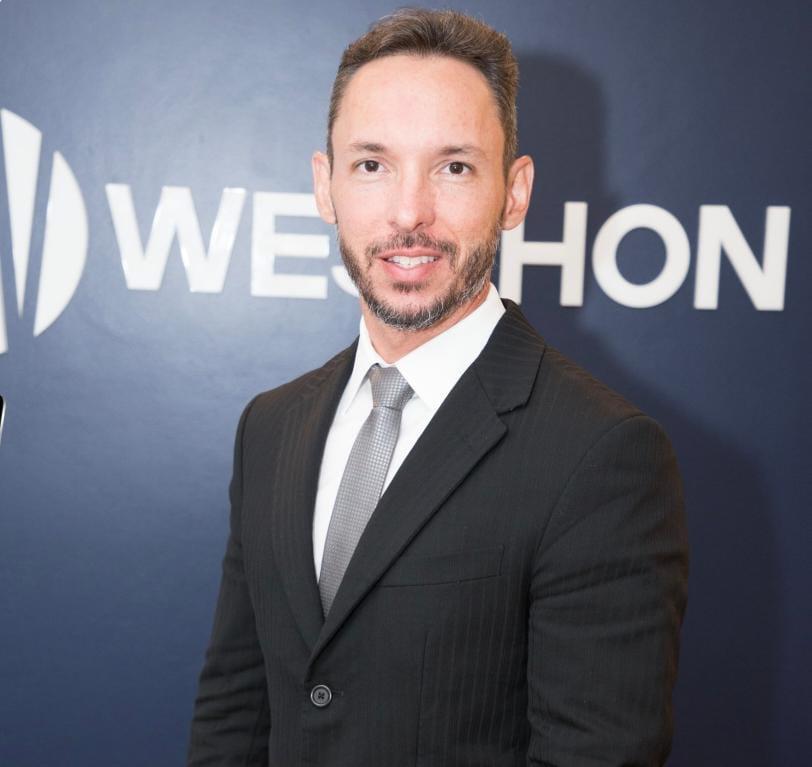
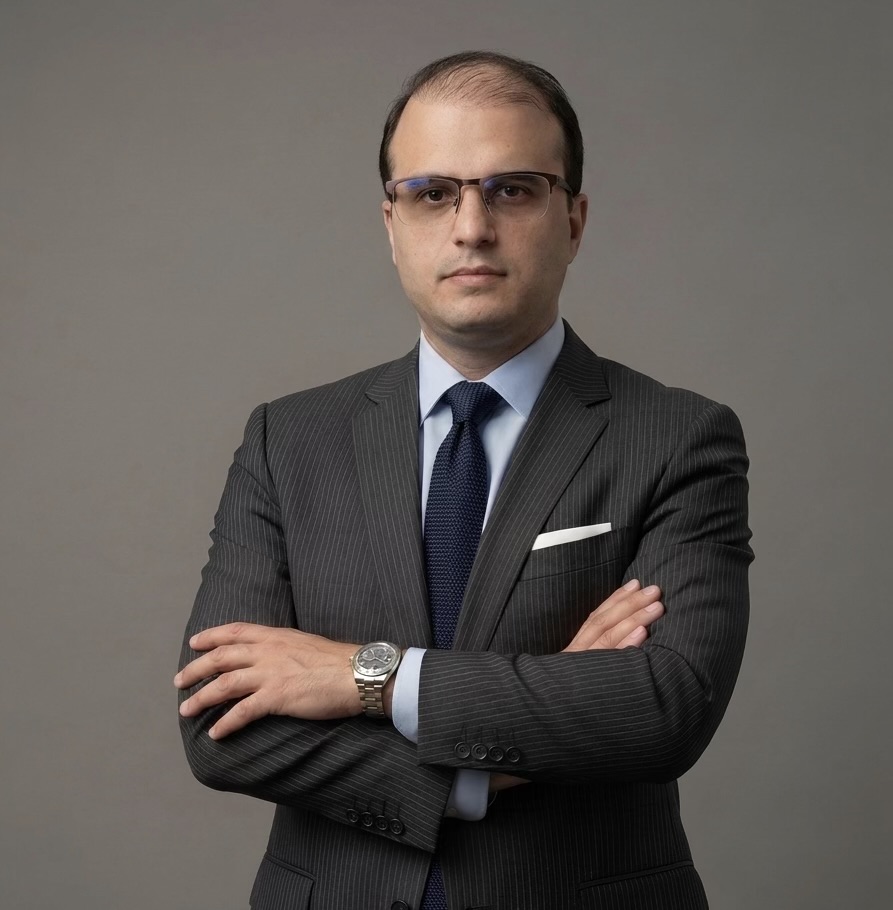
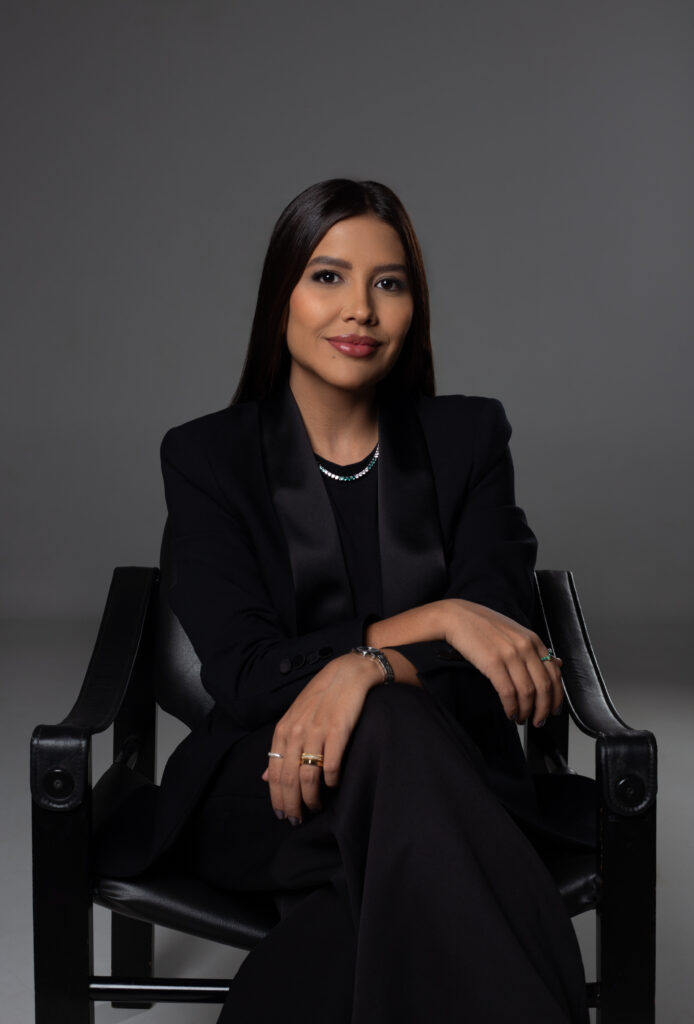
Representing WSB: Raphael Montes, Managing Director; Pedro Pellegrini, Shipbroker/Naval Engineer; and Maria Eduarda Camba, Shipbroker Intern.
“It was my first visit to a PSV. What caught my attention was the sheer size of the vessel and how clean and organized all the spaces were, including the engine room,” comments Maria Eduarda.
The vessels will support a pipeline installation campaign soon.
The agenda included representatives from the clients and the Starnav team, including Marco Antonio Cozzolino and Vinicius Balbinott Silva. We continue aligning technical and operational details to ensure safety and efficiency in the offshore execution.
We thank Starnav for the warm reception and for the partnership that strengthens the naval sector.
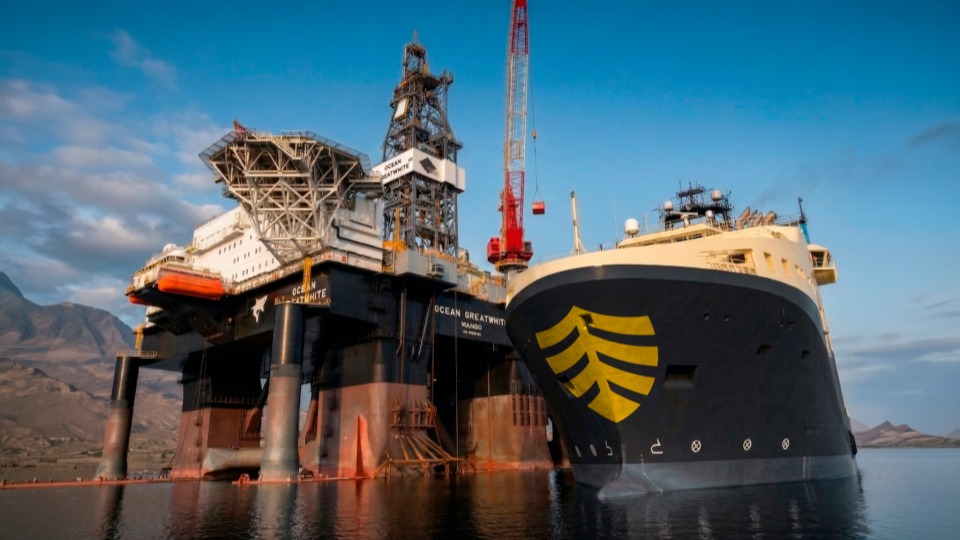
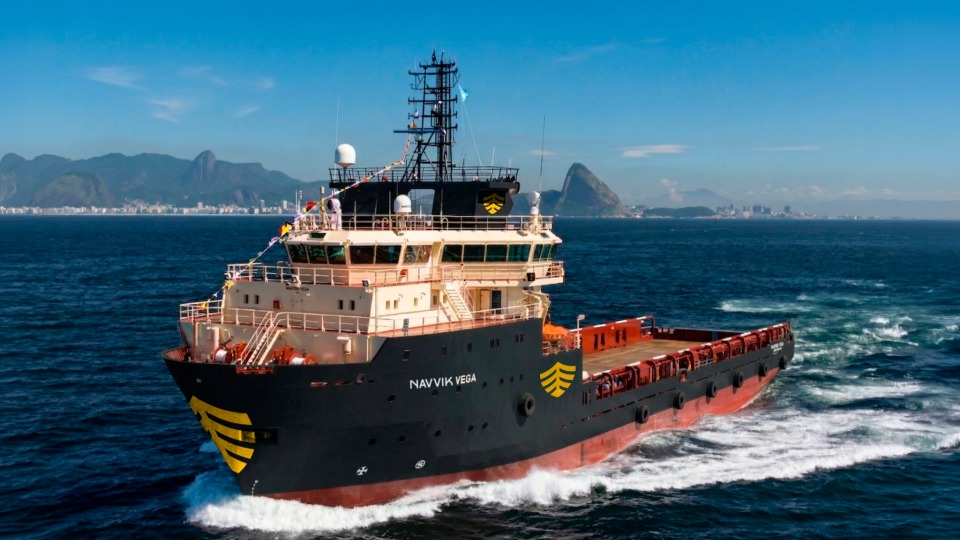
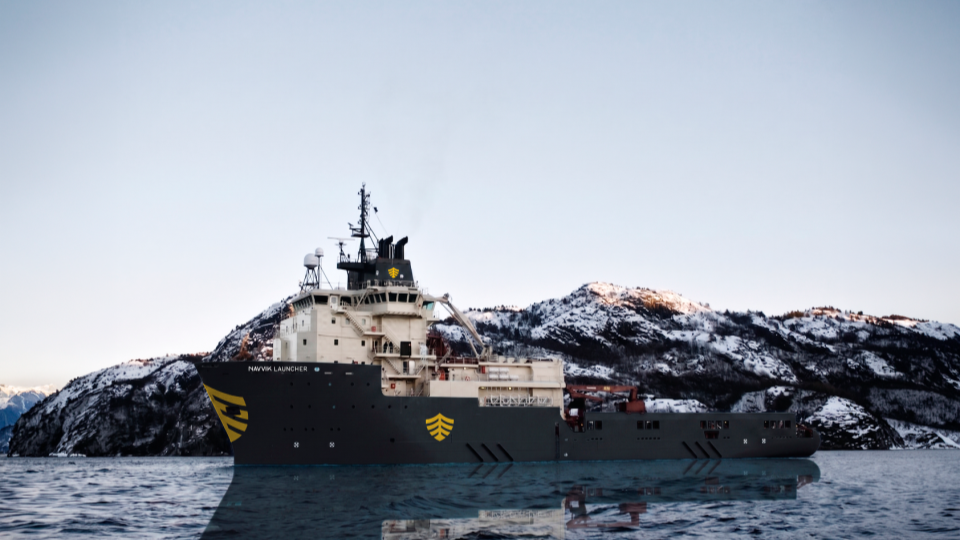
A rebrand alone means very little in offshore shipping. What matters is whether a new identity reflects a real operating proposition. In the case of NAVVIK, the market is not looking for a logo exercise. It is looking for delivery, continuity and proof that a platform built in practice — day after day — can remain commercially sharp while evolving with greater focus, direction and growth ambition.
More than a new name, NAVVIK represents the natural evolution of an operation already established in the market. One defined by consistency of delivery, even in complex scenarios, high safety standards, operational discipline and, above all, the quality and experience of its crews. Together, these elements support something rare in offshore: predictability and reliability.
There are moments in offshore shipping when the market notices a new name — and moments when it notices a new intention.
The emergence of NAVVIK as the new identity of the former Maersk Supply Service Brazil belongs to the latter.
On the surface, the change is visible: a new name on the hull, a new visual language, a new corporate expression. But in this case, the name itself carries a deliberate attempt to translate positioning.
Source: NAVVIK
NAV points directly to the universe of navigation — vessel, guidance, direction and route. It reflects purposeful movement, the ability to find the right path in uncertain environments.
VIK, inspired by Nordic and maritime heritage, refers to bay, harbor and shelter — a place of safe arrival, but also departure.
This construction connects to deeper roots: navis and navigare, associated with navigation and guidance, and vík, from Old Norse, present in many northern European ports and at the origin of the word “viking.” The company’s proposed definition captures this idea: “the navigator that guides to the safe harbor,” reflected in the tagline “Guided by the Sea.”
But in Brazil, names alone do not take offshore companies very far.
This market has seen too many restructurings, too many cycles of enthusiasm and contraction, too many changes of control presented as strategic reinvention. Which is why the real question is not what NAVVIK is called. The real question is what NAVVIK is being built to become.
And that question matters because this is not just another transition.
When DOF completed the acquisition of Maersk Supply Service in November 2024, the Brazilian operation was deliberately left outside the transaction. Later, in early 2026, a consortium led by ASM Texas Corp. and FV Star One Limited signed the agreement to acquire the Brazilian business and its local offshore support fleet.
That sequence matters. Brazil was not absorbed into a generic global integration logic. It was carved out because it required its own ownership structure, its own operating thesis and, ultimately, its own proof of value.
From WSB’s perspective, that is precisely why NAVVIK deserves attention
Not because the market should confuse transition with achievement. Quite the opposite. The market will, rightly, wait to see what NAVVIK delivers.
And here lies a key point: NAVVIK is not starting from zero. It starts with history.
The central message behind the new brand is clear: continuity with evolution.
Maersk Supply Service brought the operation to this point with a solid foundation — technical, operational and cultural. NAVVIK is being built to take that story further — without rupture, but with greater focus and clearer strategic direction, with Brazil as a relevant base for growth.
Skepticism and confidence are not opposites. Sometimes, the most grounded confidence comes from a sober reading of the platform. And in this case, there are reasons to believe that NAVVIK starts from a firmer base than a simple rebrand would suggest.
Source: NAVVIK
People, identity and credibility
In offshore support, people are often reduced to a secondary paragraph in stories dominated by steel, day rates and tender volumes. That is a mistake.
The hardest asset to build in Brazil is not necessarily the fleet. It is the operational environment around it — and, above all, the people who sustain it on a daily basis.
This is where NAVVIK reinforces one of its clearest pillars: people as the company’s primary asset.
The operational excellence the company carries is not theoretical. It has been built in practice, over time, by teams with deep knowledge of the Brazilian offshore environment — its complexity, its demands and its less predictable variables.
Consistency of delivery, even in complex scenarios. High safety standards. Operational discipline. Crew quality and experience.
These are not abstract attributes. They are what enable predictability and reliability in practice.
The maritime background of the new shareholders reinforces this logic, but does not create it from scratch. The differentiator lies in continuity — a working operational culture now supported by greater focus and alignment.
This is not sentimental. It is commercial.
The offshore companies that perform best over time are those that translate operational quality into predictability. And in this sector, predictability is a first-order competitive asset.
In that sense, NAVVIK’s story is also one of well-managed transition: change of name, adjustments in structure and repositioning — without loss of operational consistency.
Why the people story matters:
Operational excellence built in practice
Deep knowledge of the Brazilian offshore environment
Consistency under complex conditions
Safety and discipline as operational foundations
People as a strategic asset
NAVVIK is not starting from zero. It starts with operations, culture and people already proven at sea.
Market positioning: Brazilian, technical and commercially aware
Source: NAVVIK
The second question the market will ask NAVVIK is whether it can position itself intelligently for Brazil’s next cycle.
Here again, the combination of continuity and evolution becomes central.
The company starts from a solid operational base, with a track record of delivery and relevance to demanding clients. At the same time, it seeks to strengthen its positioning through greater proximity to the Brazilian market, without losing technical rigor.
That combination — local yet disciplined — is difficult to execute. But when done well, it becomes a real competitive advantage.
To operate in Brazil, an offshore company needs more than fleet capacity. It needs fluency.
Fluency in local dynamics. Fluency in institutional relationships. Fluency in how crews operate and how clients make decisions.
NAVVIK has the opportunity to translate that fluency into strategic positioning — not as narrative, but as operational reality.
Still, the market will watch.
It will watch whether NAVVIK maintains its delivery standards. Whether it preserves client trust. Whether it converts operational strength into disciplined growth.
That caution is justified. But it is also fair to say that few transitions begin with this level of operational continuity.
Three strategic pillars:
Operational continuity with strategic evolution
Brazil as a relevant growth base
Disciplined and focused expansion
In offshore, change only matters when it preserves what already works.
Industrial ambition and the road ahead
The final test is the one that separates a renamed company from a real platform: industrial ambition.
NAVVIK signals that it does not intend to simply manage a legacy. The intention is to build a new phase — anchored in a base that has already proven its consistency.
This ambition does not need to appear in immediate announcements. It shows in positioning — more focus, clearer strategy and stronger alignment between operations and growth.
The Brazilian offshore market is moving toward a new cycle. In that context, companies that combine a solid operational track record with forward-looking vision will have an advantage.
The market’s current sentiment is clear: “let’s see what NAVVIK delivers.” That is natural — and healthy.
But discretion should not be mistaken for fragility.
NAVVIK does not need to be romanticized. It does not need to be overpromoted. And it certainly does not need the market to suspend its judgment.
What it needs is to do what serious offshore companies do: deliver.
That is harder than repainting a hull. But it is also what truly matters.
For now, the most balanced reading is this: NAVVIK is not relevant simply because it replaces a name. It is relevant because it represents continuity — with evolution — of an operation that already works, now with greater focus, direction and growth ambition.
And in this market, that is not branding.
That is strategy.
“Maersk Supply Service brought us this far. Now, together, we go further with NAVVIK.
A new name. The same direction.
The evolution of our brand is part of a necessary process of transition and independence. NAVVIK preserves the symbolic territory we had already built for the new brand: A deep connection to the sea A sense of safe direction A spirit of navigation The idea of shelter, route and continuity A global, strong and maritime sound
NAVVIK is a name that sounds like a shipping company. It has presence. It has strength. It has horizon.”, says Tarik Darian, NAVVIK’s CEO.
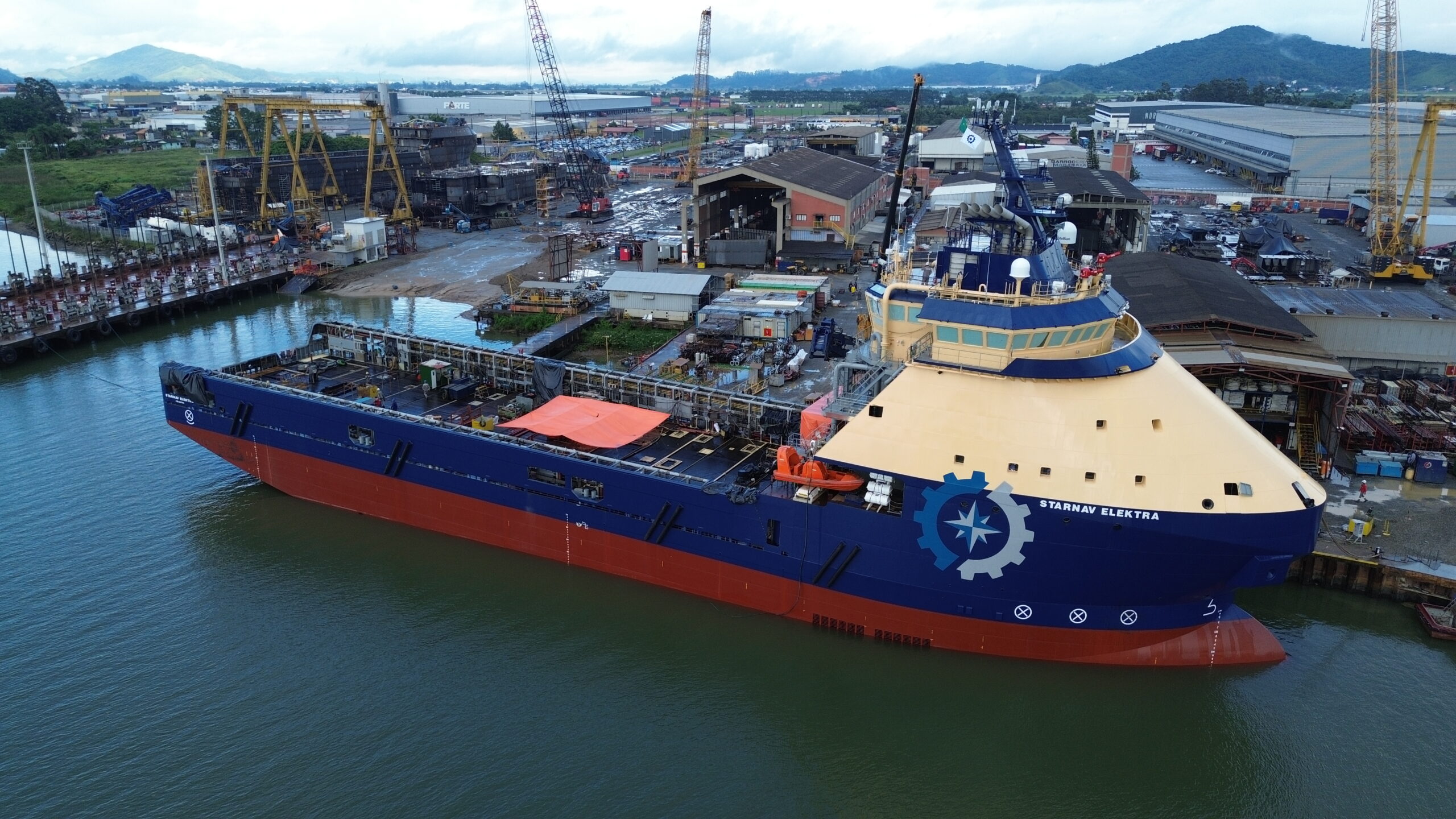
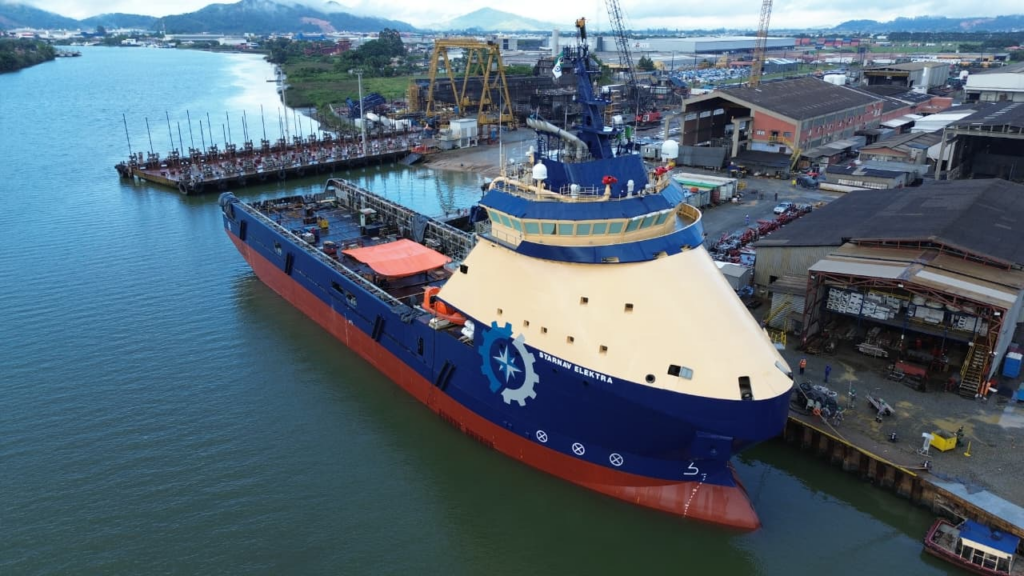
Detroit Brasil shipyard, located in Itajaí (Santa Catarina), launched the vessel Starnav Elektra at the end of March, a new asset for Starnav. Currently in the final commissioning phase, including lighting, finishing, and system testing, the vessel is scheduled for delivery in July 2026. More than expanding the fleet, the project represents a strategic and technological step forward for the company.
Classified as a PSV, Starnav Elektra stands out for its larger dimensions compared to the company’s other PSVs. It features 5,500 tons of deadweight and approximately 1,000 m² of free deck area, distributed across 92.1 meters in length and 20 meters in beam—an increase of 2.1 meters and 1 meter, respectively, over other units. The vessel can accommodate up to 42 people and is equipped with a DP2 dynamic positioning system, essential for safe offshore operations.
The main propulsion system consists of two Schottel azimuth thrusters, each rated at 2,500 kW, a configuration already well established within the fleet. The key differentiator, however, lies in the incorporation of more advanced technologies.
The project includes a hybrid propulsion system, featuring a battery bank supplied by WEG with a capacity of 1,320 kW. The engines comply with IMO Tier III standards and operate with an SCR (Selective Catalytic Reduction) system aimed at reducing and monitoring NOx emissions. The vessel is also equipped with advanced systems for controlling and monitoring fuel consumption, aligned with increasing demands for energy efficiency.
Another highlight is its enhanced maneuverability, with three 1,200 kW bow thrusters, improving performance in complex operations. Starnav Elektra will be the first hybrid vessel built in Brazil and the first to operate with the Hybrid notation from the American Bureau of Shipping (ABS).
BNDES financing and long-term charter
In December 2024, Starnav signed a contract to supply six PSVs to Petrobras, with Starnav Elektra leading the package. The charter will last 12 years, with operations of the first vessel expected to begin this year. The construction of the remaining units will follow a serial production model, with each project starting upon delivery of the previous one and requiring 40% local content at least.
At the same time, the partnership between Starnav and Detroit secured a contract for the construction of four OSRVs, the first of this type in the company’s fleet, all based on the same hull design developed by Detroit.
As a result, the fleet is expected to grow from 18 to 28 vessels in the short term, including 24 PSVs and 4 OSRVs. As with Starnav Elektra, these projects benefit from significant financing from a important financial agent, the BNDES/FMM, reflecting market confidence in the company’s execution capability.
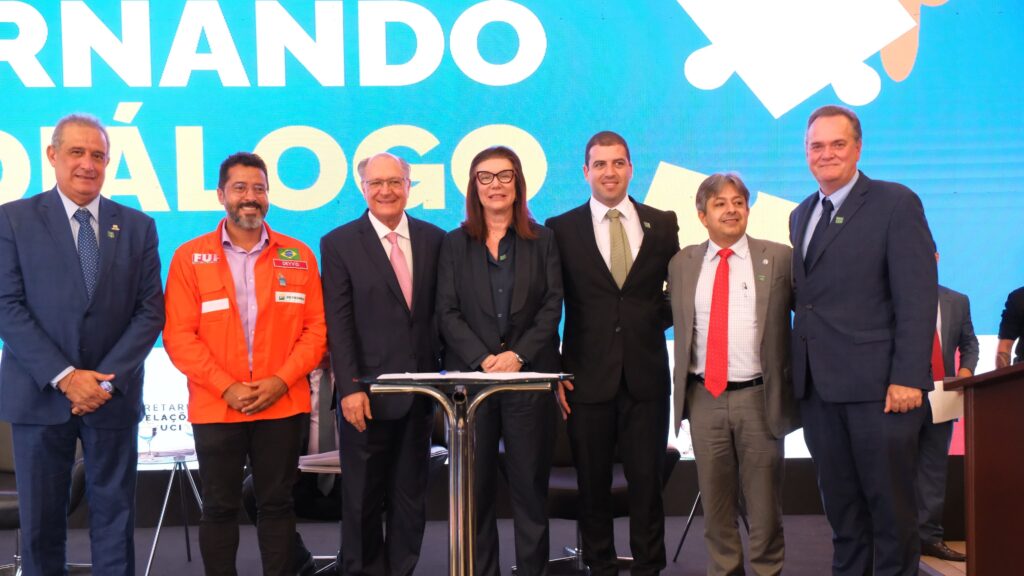
“These new units incorporate cutting-edge technologies and reinforce our commitment to sustainable and innovative practices. They meet the highest ESG standards and are expected to generate around 11,000 direct and indirect jobs,” said Magda Chambriard, president of Petrobras at the time.
Source: Petrobras
Currently, Starnav operates 18 PSV 4,500 vessels in its fleet, all DP2, with 17 built in Brazil at its own shipyard. The exception is Starnav Aquarius. The fleet is expected to reach 28 vessels in the near future
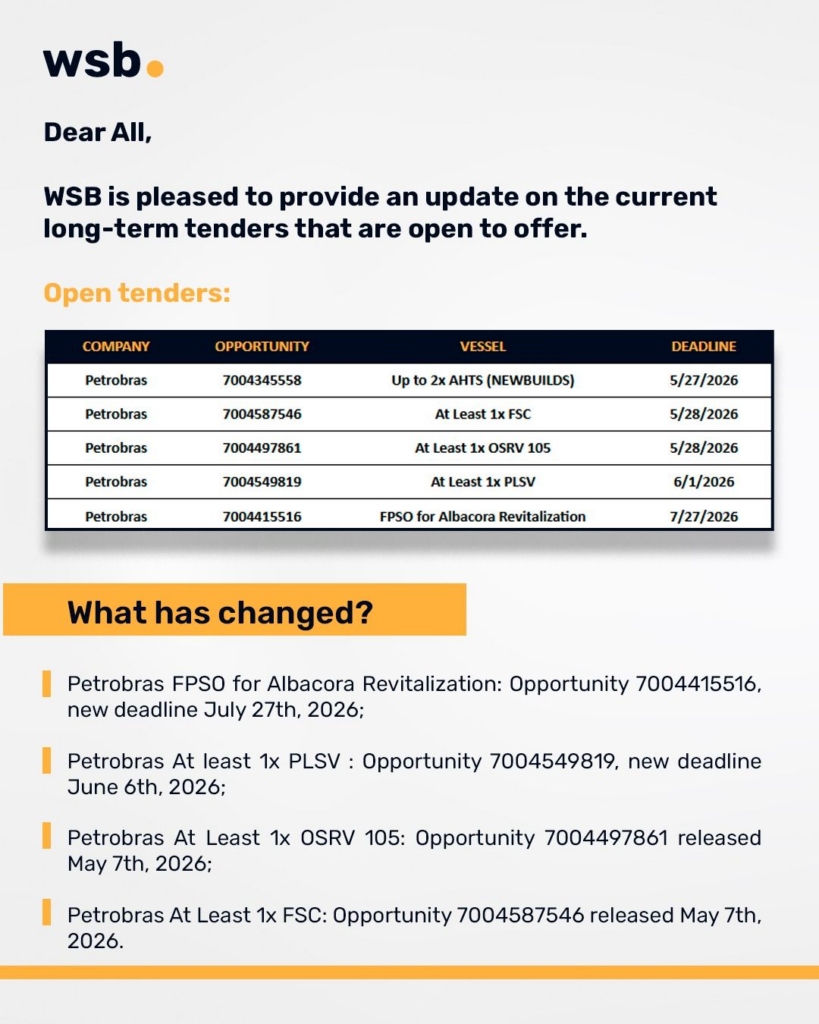
WSB is pleased to provide an update on the current long-term tenders that are open to offer.
New deadlines and opportunities were released across ongoing Petrobras tenders. Below are the latest changes monitored by WSB Advisors.
What has changed?
* Petrobras — FPSO for Albacora Revitalization: Opportunity 7004415516, new deadline July 27th, 2026 * Petrobras — At least 1x PLSV: Opportunity 7004549819, new deadline June 6th, 2026 * Petrobras — At least 1x OSRV 105: Opportunity 7004497861, released May 7th, 2026 * Petrobras — At least 1x FSC: Opportunity 7004587546, released May 7th, 2026
There’s a scene that has become routine in the corporate world. You’ve probably seen it. Maybe you are that guy. The other day, I was sitting at a crowded airport terminal — the kind that smells like bad coffee and collective anxiety — when I noticed an executive cutting across the hall with that fast, purposeful walk of someone who believes he’s saving the world. Suit perfectly fitted, shoes polished, what looked like a Rolex on his wrist — the kind that doesn’t just tell time, it tells people you’ve “made it.” Phone glued to his ear, another screen buzzing in his hand, and then the line, delivered almost automatically: “This week is chaos… I have no time for anything.” — and I just thought: of course.
What struck me wasn’t the chaos. It was the pride. There was something almost satisfying about it, as if exhaustion itself had become an achievement. That’s exactly what it was: a quiet proof that he was too important to have time.
For a long time, this is how we learned to recognize success. It came with visible signals — cars, watches, travel, hotels. Things that didn’t need explanation. You just knew. Always busy. Always solving. Always putting out fires. Not necessarily in debt, but almost always under pressure, living with the constant feeling that if he stops, something will fall apart. Over time, this stops being a phase and becomes a personality. Chaos becomes necessary, because chaos validates, urgency validates, overload validates. It’s as if someone has to hold the world together — and, of course, that someone always ends up being… you know.
Source: Pixabay
The corporate narcissist is still there, but he’s no longer necessarily the most put-together person in the room. A different profile has started to emerge — someone who doesn’t look busy all the time, who doesn’t keep repeating how overloaded they are, and who doesn’t need to prove every five minutes that they’re indispensable. At first, that’s uncomfortable, because it breaks the script. This person doesn’t talk about a packed schedule. They’re simply not available all the time. They train, they sleep, they disappear when needed. And, contrary to what common sense used to suggest — and in some places still does — this doesn’t make them less productive. It makes them less chaotic.
2026 trends are already reflecting this shift. Reports from Bain & Company and Exame point to luxury moving away from display and into what is now called “quiet luxury”: premium athleisure like Lululemon and On Running, Louis Vuitton spas, curated retreats. Brands have figured out that the ultra-wealthy are spending more on recovery than on possessions. Wellness has become the new Rolex. And in business, this is no longer a trend — it’s a requirement. Regulations like NR-01 now place mental health and fatigue management at the center of operations, because exhausted teams miss checklists, misread data, and turn fatigue into operational risk. Exercise is no longer a hobby — it sharpens focus, reduces errors, and can increase productivity by 20–30%, as recent studies suggest.
Fitness culture has become the billboard of this new luxury. Not because of aesthetics, but because of what it signals. The person showing up at a high-end gym at 7 a.m., wearing premium gear, isn’t just working out. They’re communicating something much deeper: they control their schedule, they don’t live at the mercy of chaos, they have time. And today, time is rarer than money.
While many people spend their days reacting, a few are actually designing their days. While many claim they don’t have time, others simply refuse to live without it. In the end, this isn’t about money not mattering. It does. Money is what gets you into the game in the first place. But for a long time, we confused having money with looking like we had it. People leveraged themselves to the edge just to display success — watches, cars, lifestyles built more on pressure than on stability. That version still exists, but it’s not the one that lasts.
Because real wealth doesn’t just show up in what you can buy. It shows up in what you don’t have to prove anymore. The person who truly has money doesn’t need chaos to justify it, doesn’t need to look busy to feel important, and doesn’t need to trade all their time just to sustain the image. They have something much harder to fake: balance — the ability to generate, sustain, and protect, financially, physically, and mentally. Because having money and having control are not the same thing. And the second is what determines whether the first actually means anything.
Time doesn’t show up. Time is imposed. And the people who can impose it usually aren’t the ones trying to look rich. They’re the ones who actually are.
In offshore operations, fuel consumption and energy demand are high-impact costs—well-known and often dreaded fixtures of any OPEX spreadsheet. The novelty today lies not in identifying these costs, but in how we manage them. Energy efficiency, which for a long time lived in the realm of aspirational goals—or served merely as “eye candy” for sustainability reports—has undergone a reality check. With the tightening of IMO regulations, what was once a marketing narrative has become a technical prerequisite for commercial viability. Today, an asset is either efficient, or it becomes a financial and environmental liability.
At the heart of this transition, next-generation automation systems are doing the heavy lifting. Solutions like Wärtsilä’s Fleet Optimisation Solutions (FOS) exemplify this shift by integrating data intelligence into physical navigation. By cross-referencing variables such as weather, currents, and real-time hull performance, the system enables route management that prioritizes actual fuel savings over theoretical estimates. On the electrical side, systems like Metizoft Powersave target the invisible waste within auxiliary loads. By controlling the frequency of motors and pumps, the technology ensures that the load on the auxiliary engines is strictly proportional to the operational demand, directly reducing the fuel burn that significantly impacts the year-end balance sheet.
Direct Impact on OPEX: Precision in Every Cent
When analyzing the implementation of these technologies, the focus remains squarely on cost reduction. Fine-tuning auxiliary systems—components that have historically run at full capacity even under minimal demand—can yield fuel savings between 5% and 15%. According to industry performance benchmarks and data from manufacturers such as Metizoft, while these figures vary based on the vessel’s operational profile, they represent a direct recovery of profit margins that were previously dissipated through unnecessary mechanical effort.
Compliance and Asset Attractiveness
Adherence to international regulations is often viewed as an administrative burden. However, integrated systems transform compliance into a passive process. By automating the collection of performance data, technology acts as a guardian of regulatory standards (such as the CII), streamlining audits and reporting. Furthermore, in the chartering market, end-clients are increasingly scrutinizing the carbon footprint of their sub-contractors. A technologically superior vessel is a lower-risk asset, translating into better utilization rates and longer-term contracts.
Strategy Beyond Engineering
Investing in energy management is no longer about adopting experimental tech; it is about integrating proven solutions that address immediate economic challenges. The high-performance offshore market no longer accepts waste as a “cost of doing business.” When energy management systems take center stage, the conversation shifts from purely technical specifications to strategic financial management.
Looking at the bridge and the engine room through the lens of efficiency is the first step in ensuring an asset remains competitive in an increasingly demanding landscape. However, the intelligence that optimizes consumption at sea is only half of the equation. In our next column, we will explore how this same data foundation is allowing operational control to transcend the physical limits of the vessel, connecting the onshore office to the heart of the asset in real time.
In this edition of Energy Talks, we had the pleasure of speaking with Amanda Durante. At just 28 years old, she proudly says she turned not being hired at Itaú Unibanco into the driving force to not only change industries, but also to become an entrepreneur and inspire other women.
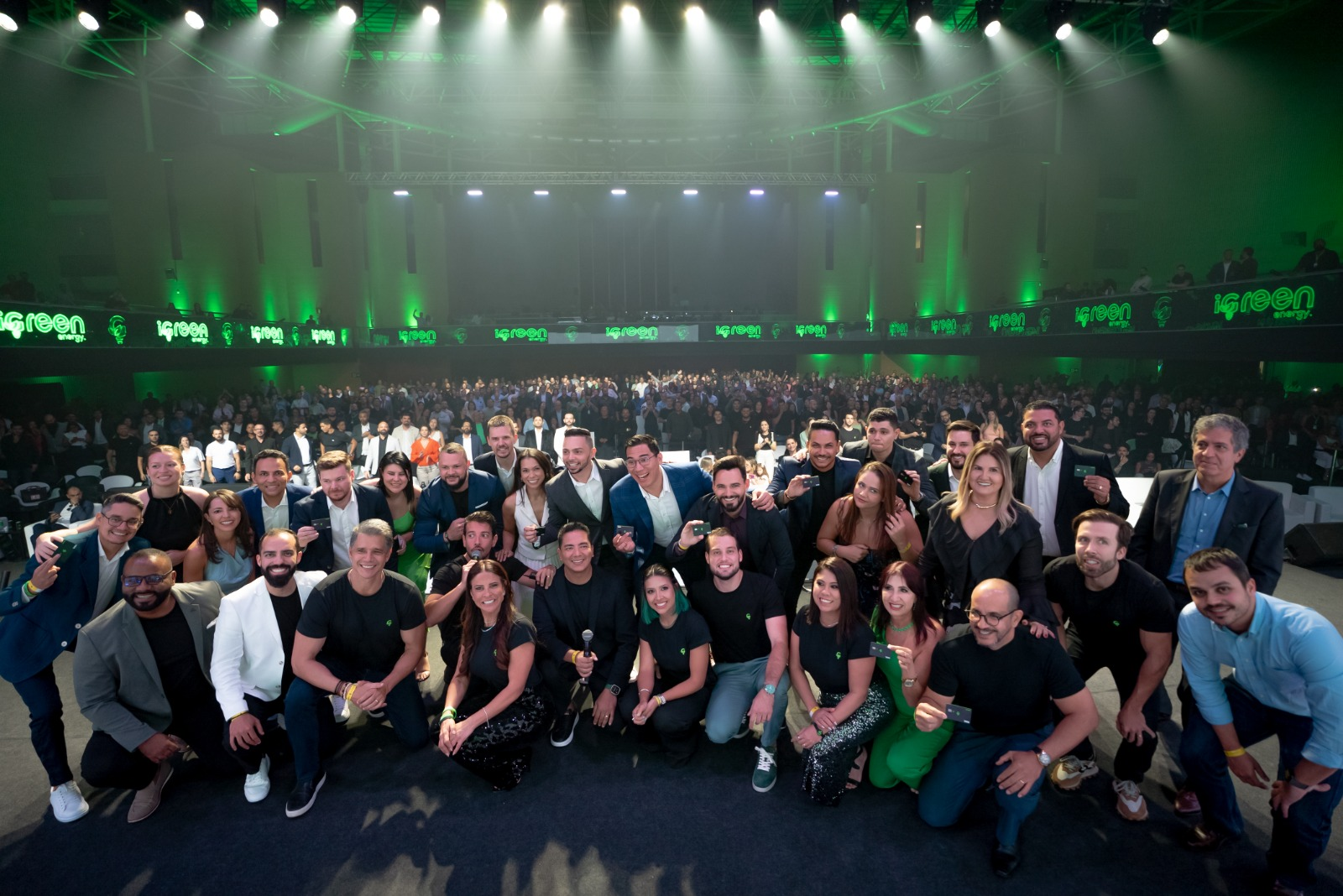
With support from her brother and husband, she founded iGreen Energy. Established in 2021 and headquartered in Uberlândia, the company was created with the mission of democratizing access to clean and renewable energy. It connects members to solar plants without the need for installation or upfront investment, generating immediate savings on electricity bills. With more than 500,000 members across over 20 states, the company offers significant compensation to its network of licensed partners and contributes to reducing CO₂ emissions and building a more sustainable future.
Under her leadership, iGreen has grown with thousands of salespeople and hundreds of thousands of sustainable energy subscribers. The company’s name came from the idea of connecting energy producers and consumers, much like delivery platforms connect restaurants and customers. Her work was recognized when she was named to the prestigious Forbes Under 30 list in the “Business & Industry” category in 2025.
Tell us a bit about your personal and professional journey and how it influenced not only the creation of iGreen, but also the professional you are today
I grew up in an entrepreneurial household. No one had a traditional corporate job, and I was never pressured to go to college or follow a specific path. I was always encouraged to be creative and take care of my own responsibilities. One situation that really marked me was that my mother NEVER did a school assignment for me, not even with me. She would always say, “You are the student, so you have to do it!” My projects were always the ugliest in the class, but she would look at them and say, “It’s the most beautiful one, because you made it!” And that’s how I grew up.
I studied Business Administration and entered the job market as an intern at Itaú, but I wasn’t hired because, according to them, I wasn’t creative. That’s when I started looking for new opportunities and discovered the solar energy sector. I began as a salesperson, earning only commissions. I grew within the company, took on multiple roles, and eventually had the idea to invite my brother to help with sales. We talked and decided to create a business model. The owner of the company I worked for didn’t like the idea. So my brother Thiago and I left and founded iGreen.
Amanda Durante (Source: Private Collection)
2) Your entry into the job market had a turning point after your experience at Itaú Unibanco. How did that episode shape your entrepreneurial vision?
I learned a lot there. I learned how to sell and how to chase targets. But I also realized that it wasn’t what I wanted for my life—it lacked purpose. Even so, because of the money, I tried to get hired. And that’s when they told me I wasn’t creative. That hurt a lot. And it was exactly that moment that made me realize I needed to work with purpose. I found that purpose in renewable energy.
3) It’s impossible to talk about you without mentioning your presence on the Forbes Under 30 list in 2025. What does that recognition represent in your journey?
To me, it’s a seal that we’re on the right path! Being on Forbes had always been a dream, and when I applied, I thought, “Well, I still have three years to try again,” because I never imagined I would be selected on the first attempt. It was surprising and very rewarding, because it confirms what we already knew: we are building something great.
4) You lead a company in a sector historically dominated by large players and often by men. What was it like to build authority and space in this environment?
In almost every meeting, I’m the only woman and the youngest person, but I’ve never cared about that. I’ve never felt inferior because of it. I believe authority is built through results. So I deliver results. It doesn’t matter whether I’m a woman or a man—what matters is whether I’m generating results.
Throughout your journey as a founder, what were the most decisive challenges in scaling the business? Who supported you? And what did you learn from them?
There have been and still are many daily challenges, but I believe the first “no’s” I received were the hardest. Even so, we never stopped because of them. My husband, Calebe, has always supported me a lot. My brother and business partner always reminded me: “Amanda, we are a company of faith. So let’s believe until the end.” Believing that everything works for our good allows us to work with peace, knowing that God takes care of everything for us.
iGreen was created with the goal of democratizing access to clean energy. What is still missing for this to happen on a large scale in Brazil?
We’ve already achieved major progress. Looking back, when I started working in energy, Brazil’s electricity matrix had only 1.2% solar. iGreen was founded in 2021, and now, in 2026, solar has already surpassed 22%. That’s huge.
For large-scale democratization, I believe we still need two key developments: building plants in regions that still lack access, and opening up the free energy market, where everyone will be able to choose their energy provider.
iGreen Energy (Source: Courtesy)
The shared generation model has grown rapidly. What are the main regulatory and market barriers to its expansion today?
What slows things down the most today is uncertainty in the sector. Things change constantly, new signals emerge, and nothing is decided clearly. But the security we have lies in Law 14,300, and we will continue to grow while waiting for the opening of the free market.
How do you see the impact of recent regulatory changes in Brazil’s solar energy sector?
I believe there is currently no negative impact—quite the opposite. We continue to grow while others wait for concrete answers. We are convinced that the electricity sector will only evolve, following the example of countries that have already advanced toward opening the free market. So I see no negative impact, only positive ones, accelerating this transition—and we will be ready for it.
Do Brazilian consumers already understand the value of solar energy, or are we still in a phase of awareness and education?
Unfortunately, we are still in the awareness phase. Brazilian consumers are still very tied to traditional utilities, regardless of their shortcomings. There is still a lot of fear about trusting a new solution. But we remain committed to this mission: through our licensed partners, we educate consumers one by one, door to door, with personalized service, bringing satisfaction and efficiency to the end user—our members.
Looking at the next five years, what is your vision for the future of solar energy and distributed generation in the country?
We are on a very strong growth curve. Every month, 90,000 new members start receiving clean, renewable energy through iGreen, which is equivalent to more than 22 million kWh. If since 2019 we have gone from 1.2% to 22% solar share in the energy matrix, I believe that in five years we can double that percentage and make solar the main energy source in Brazil.
The energy transition is a global topic. Where is Brazil well positioned, and where does it still need to evolve?
Brazil is very well positioned. With 22% of the matrix being solar and more than 50% made up of renewables overall, we are already a renewable-majority country, which is a major step in the energy transition. However, what needs to change is the mindset that solar is only for the wealthy. This holds back growth, because 80% of our members are individuals who consume up to 300 kWh—people who see solar as a real opportunity to save money. Until the right people understand this, we will continue to lose time.
In an international scenario marked by conflicts involving oil, do you believe this tends to accelerate the search for renewable sources, especially solar?
Absolutely. We are already seeing this in practice: panel prices have dropped, and the sector has been growing rapidly because of it.
Sustainability also involves social impact. How do you see the role of renewable energy in inclusion and economic development?
iGreen has already generated more than 25 million reais in savings for our members—money that goes back into Brazilians’ pockets—while providing clean energy. We have also avoided more than 20,000 tons of CO₂ emissions. I’m sure sustainability has greatly contributed to inclusion and economic development.
If you could implement one structural change in Brazil’s electricity sector today, what would it be and why?
I would invest in modernizing the energy transmission infrastructure. One of the biggest complaints today is that the grid cannot handle the volume of energy being injected. Instead of slowing down solar energy expansion, what needs to happen is a structural reform in transmission. We cannot limit generation because infrastructure hasn’t kept up.
Artemis II (Source: NASA)
Missions like Artemis II have reignited global interest in innovation. Do you believe initiatives like this can also inspire advances in new energy sources?
Absolutely. Elon Musk, for example, is an investor in renewable energy, and missions like this highlight the importance of global change. I believe they encourage innovation and progress. When the world decides to move in a certain direction, the effects are felt across all sectors, including energy.
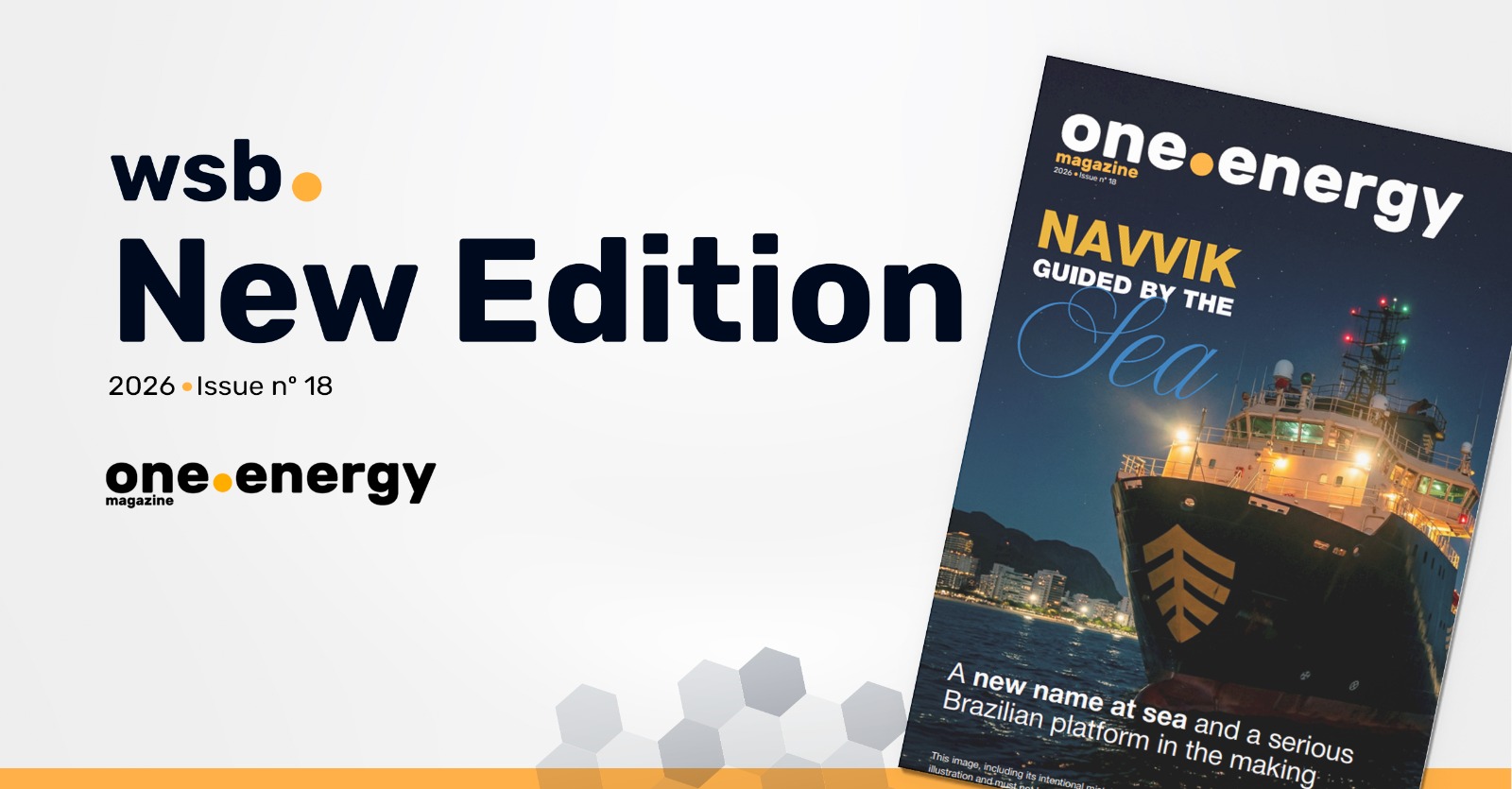
The 18th edition of One Energy Magazine brings different perspectives on energy, offshore and global markets, including an interview with Amanda Durante, CEO of iGreen Energy Oficial, one of Brazil’s leading solar energy companies, as well as Luis Fernando Priolli’s reflections on water and ongoing tensions in the Middle East.
• Starnav Elektra in detail • WSB Advisors Feelings • Industry news • Alvaro Antunes: the strategist transforming innovation into global impact • Por Onde Anda? — Comandante Airton • Columns
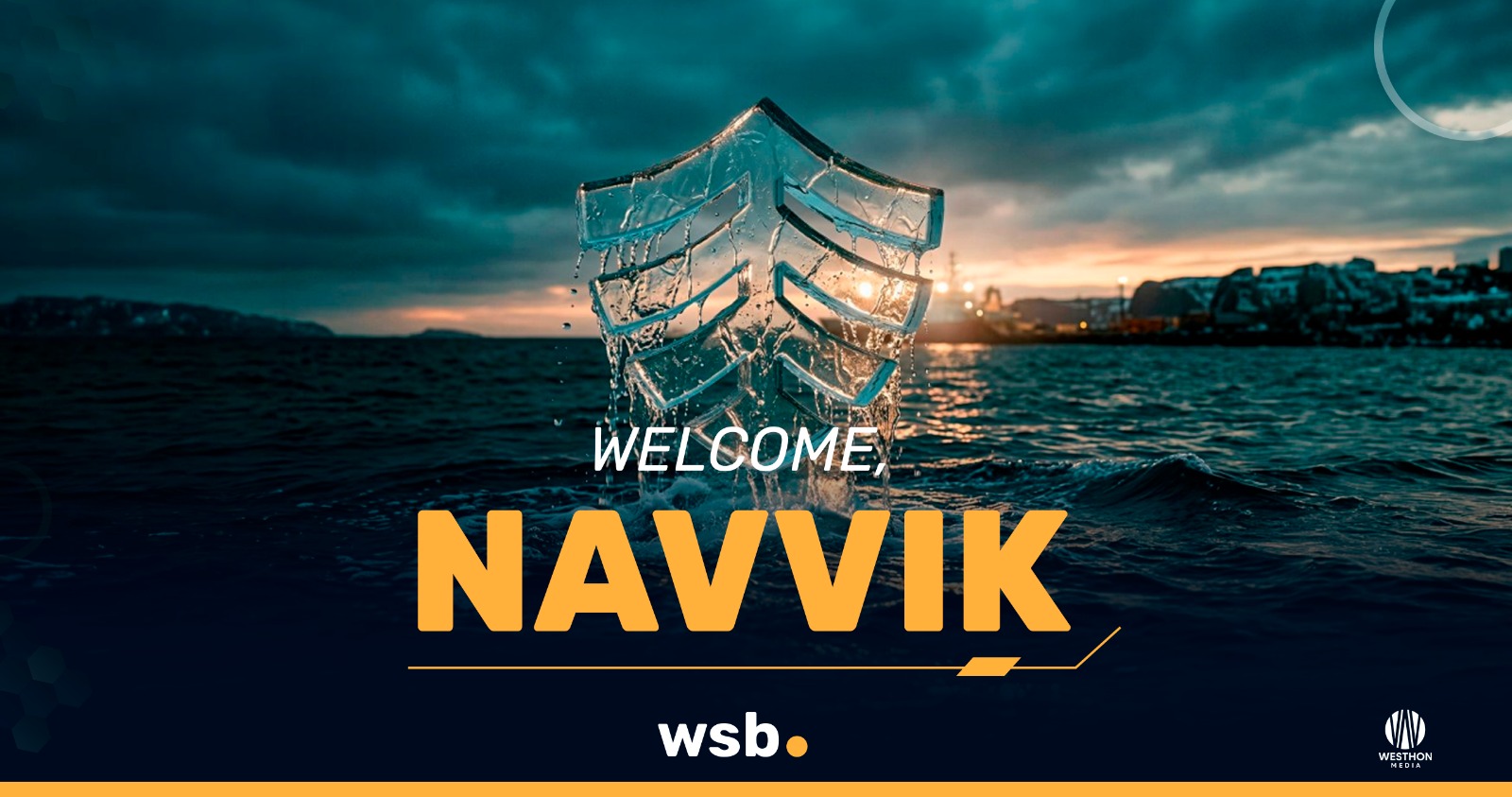
Maersk Supply Service Brazil has entered a new chapter, now operating under a new name, new ownership and a clear maritime identity:
NAVVIK — guided by the sea.
This is not just a rebrand.
It is the transition of a respected offshore support platform into a Brazilian-led maritime company built on continuity, technical credibility and long-term ambition.
With Tarik Darian as CEO, alongside his brother Omar Darian and Heitor Gioppo, NAVVIK starts its journey with a solid operational foundation and a team that understands the sea, the assets, the risks and the industry.
The full story — including the brand, the transaction and the vision behind NAVVIK — is featured in the latest edition of One Energy Magazine.
NAVVIK. Guided by the sea. Departing from a safe harbour.
There are offshore units that operate quietly… And there are those that, even in silence, define an era.
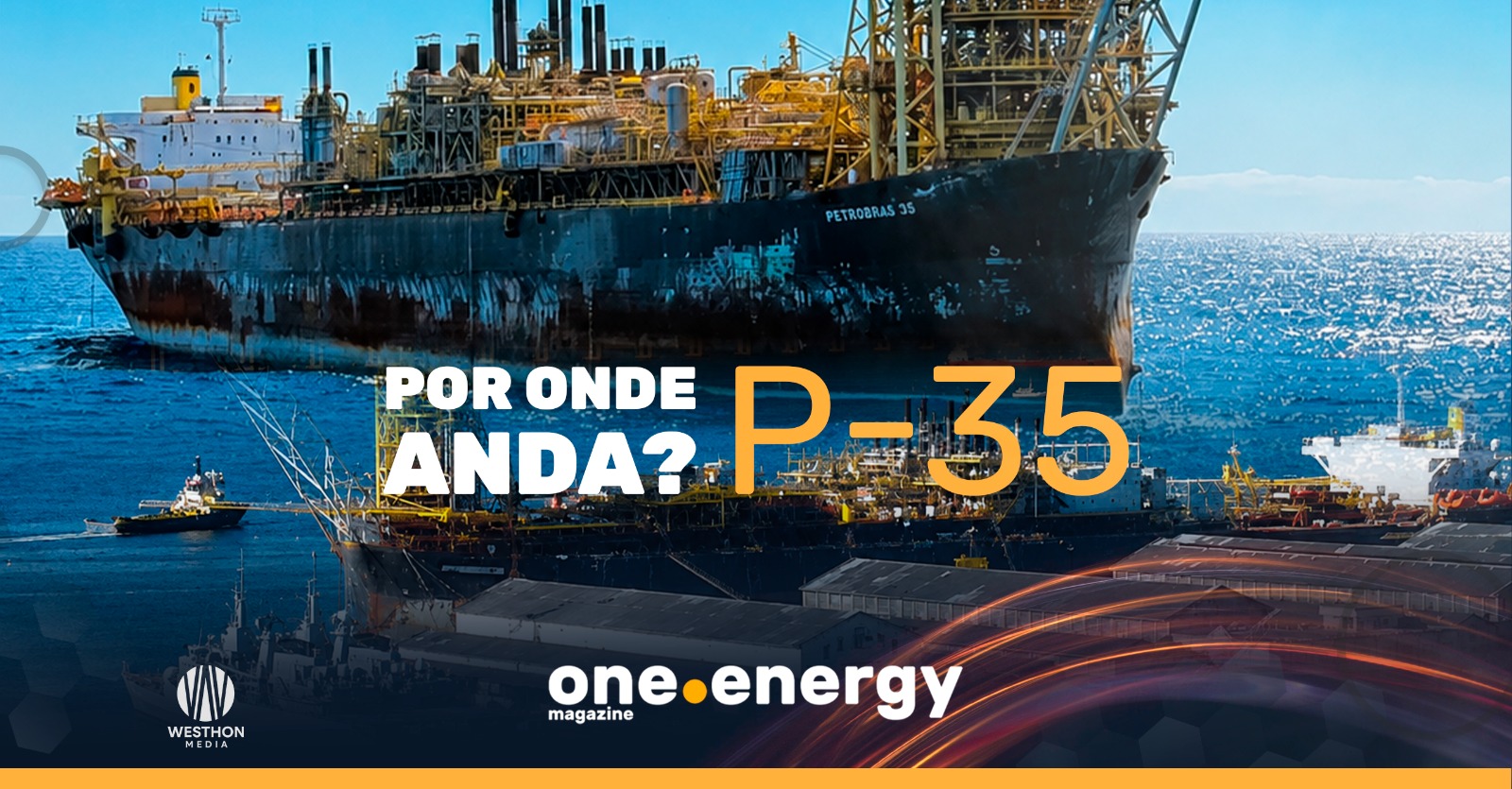
P-35 was one of them.
For years, far beyond the horizon, she remained anchored in the Campos Basin, transforming crude from deep waters into one of Brazil’s most strategic assets: energy.
Today, after more than two decades in operation, she no longer produces.
Now deactivated from offshore production by Petrobras, the platform leaves behind more than steel and systems.
It leaves a question.
But also a story still worth revisiting.
From Tanker to Offshore Giant
Before becoming one of Brazil’s early FPSOs, the platform had a different life.
Originally built in Japan in 1974 as the tanker José Bonifácio, the vessel was converted into an FPSO in 1999 as part of Petrobras’ strategy to accelerate deepwater production through adapted floating systems.
At that moment, the conversion of tankers into FPSOs was becoming a strategic solution for rapidly expanding offshore production capacity in Brazil.
It was a pivotal moment — not only for the vessel, but for Brazil’s offshore trajectory.
A Pillar of Marlim
Shortly after conversion, P-35 was installed in Marlim Field in 1999, one of the most important assets in the Campos Basin.
At the time, Marlim was one of the most important offshore developments in the world and a central part of Brazilian offshore production expansion during the late 1990s and early 2000s.
From that point forward, she became exactly what the offshore industry values most:
Reliable. Consistent. Essential.
For more than two decades, the platform operated with little visibility outside the industry — but with enormous impact within it.
Its numbers help explain her scale:
Production capacity: approximately 130,000–135,000 barrels of oil per day Storage capacity: close to 1 million barrels Operational water depth: approximately 850 meters Operational life: more than 20 years connected to offshore production
Over time, she processed volumes difficult even to fully comprehend — quietly supporting part of Brazil’s production during critical phases of offshore expansion.
P-35 belonged to the first major generation of Brazilian FPSOs that helped transform offshore production in the Campos Basin and consolidate Brazil as a global reference in deepwater offshore operations — long before pre-salt became dominant.
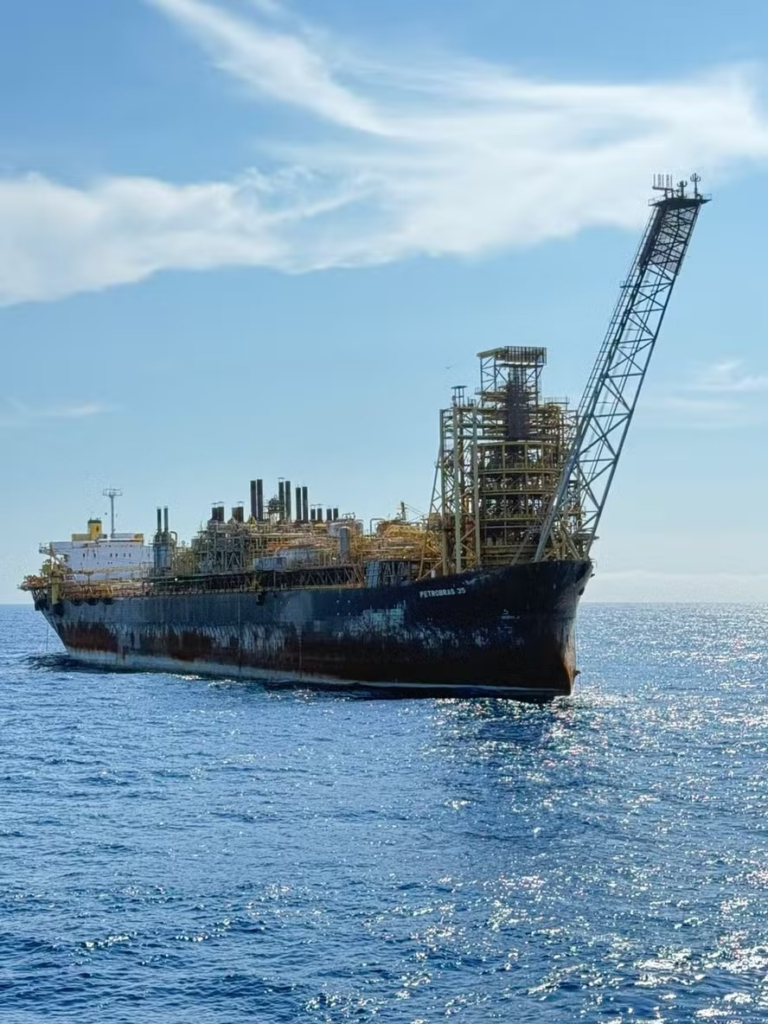
P-35 (Source: Courtesy)
The Quiet Exit
Her departure, much like her operation, happened without spectacle.
In 2024, Petrobras ended production operations of the platform within the broader Marlim revitalization program, while studies related to possible reuse and redevelopment continue under evaluation.
And even after the end of her operational life, P-35 has not completely disappeared.
Which means she may not yet have reached her final destination.
Where Is She Now?
At WSB Advisors, our connection with the sea is not abstract.
It is daily. It is visible. It is intentional.
From our offices, overlooking one of Brazil’s busiest marine corridors, we monitor in real time the movement of vessels that shape the industry we cover.
It is no coincidence.
The choice of where we work reflects what we do.
And sometimes, the offshore world comes closer than expected.
Right in front of us.
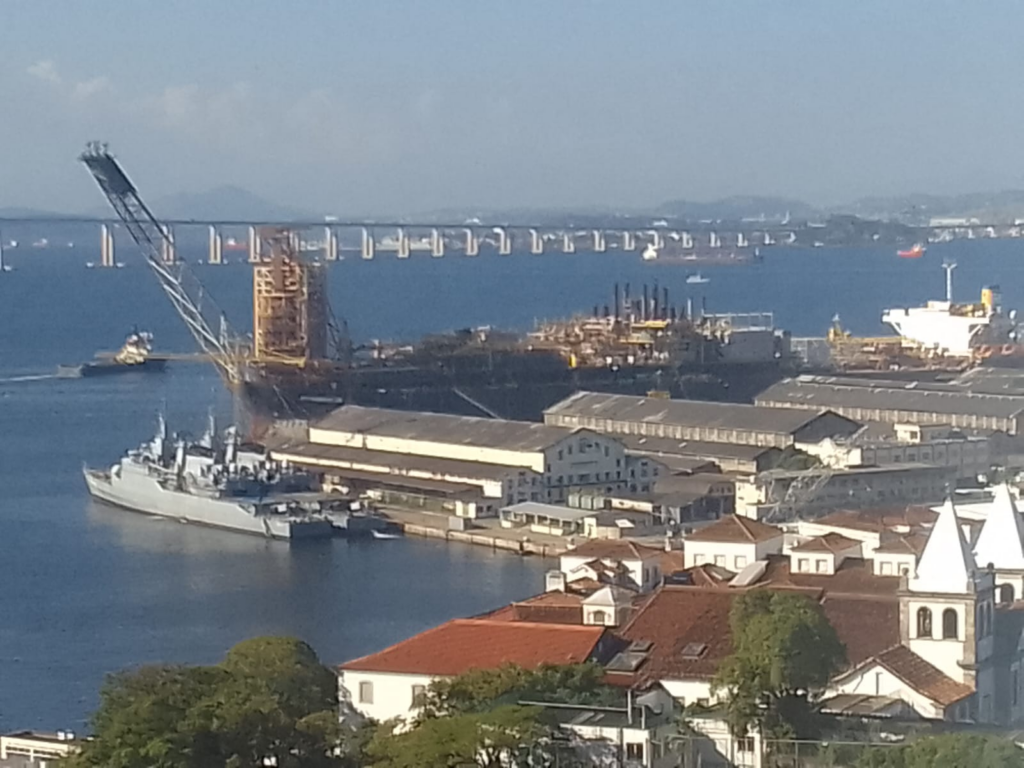
FPSO P-35 (Source: Daniel Buckley/WSB Advisors)
This week, the image above — captured from WSB Advisors’ office on Avenida Rio Branco, downtown Rio de Janeiro — shows her currently positioned alongside the Navy’s berth, a silent giant that no longer operates, but remains very much present.
There is something symbolic about that.
A platform that once operated hundreds of kilometers offshore…
Now resting within sight.
A reminder that, in this industry, even the largest assets eventually return — not to the spotlight, but to observation.
From a distance. From the shore. From our windows.
For years, she existed almost exclusively offshore, outside public visibility. Seeing the platform positioned close to the coastline today creates an unusual contrast for those familiar with her operational history.
And perhaps that is exactly what still makes P-35 draw attention even after leaving production.
And perhaps, for the first time, we can answer the question:
Where is P-35 today?
For now — right before our eyes.
For our offshore industry, few images explain the passage of time as clearly as this one.
Today we say goodbye to Dalton Schmitt — and celebrate the breadth of his journey and the legacy he leaves behind.
Dalton was present at numerous WSB events and workshops, enriching every gathering with his elegance, generosity, and a rare enthusiasm that naturally connected generations. More than a highly respected expert, he was a true connector of people, ideas, and experiences.
At 81, he remained active by choice, driven by a genuine passion for the maritime industry. Since 2014, he had served as Offshore Business Director at Posidonia, closely following the sector’s evolution. Throughout his distinguished career, he made remarkable contributions: he was co-founder and president of Seamar Serviços de Apoio Marítimo, a pioneer in the offshore support segment in Brazil; he led Astromaritima. for more than 16 years (1997–2014); he served on the boards of ABEAM and Syndarma; and he held a leadership role at Apex Marine Services in Panama for nearly two decades.
He also worked as a Senior Consultant at Asgaard Bourbon and was widely recognized as one of Brazil’s foremost authorities on cabotage. In addition, he contributed as an advisory member to the American Bureau of Shipping (ABS). His academic background included a degree in Business Administration from NYU and executive education in General Management from Pontifícia Universidade Católica do Rio de Janeiro, foundations that supported a career marked by excellence and respect.
More than titles and achievements, Dalton will be remembered for his presence: elegant, curious, and genuinely engaged. Someone who chose to be present, to contribute, and to connect.
His farewell was marked by a moving tribute, with a ship horn salute in Guanabara Bay this Wednesday (May 6), and a tribute held during the traditional ABEAM cocktail reception in Houston, during OTC, symbolic gestures from an industry he helped shape, especially by mentoring many of the executives now leading companies in the sector.
He will be greatly missed. His teachings, his stories, and his spirit will endure.
Petrobras has reported that it has been informed by Brazil’s National Agency of Petroleum, Natural Gas and Biofuels (ANP) of the approval of the Production Individualization Agreements (AIPs) for the shared Sururu and Berbigão reservoirs, located in the pre-salt layer of Santos Basin. According to the company, the agreements entered into force on May 1.
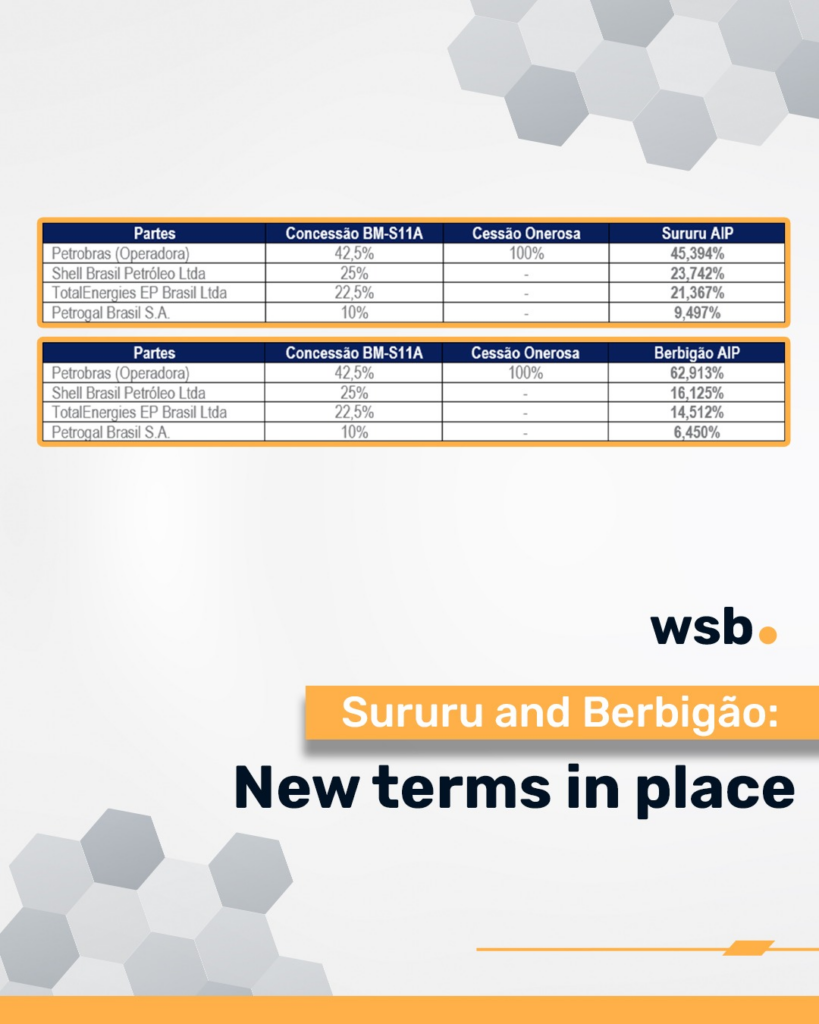
The AIPs formalize the understanding between Petrobras, the Federal Government and partners Shell, TotalEnergies and Petrogal for the joint development of the areas. The shared reservoirs involve the BM-S-11A concession contract and the transfer-of-rights contract, the latter fully held by Petrobras.
Under the approved terms, the Sururu reservoir will have the following stakes: 45.394% for Petrobras, 23.742% for Shell, 21.367% for TotalEnergies and 9.497% for Petrogal. In Berbigão, Petrobras will hold 62.913%, followed by Shell with 16.125%, TotalEnergies with 14.512% and Petrogal with 6.45%.
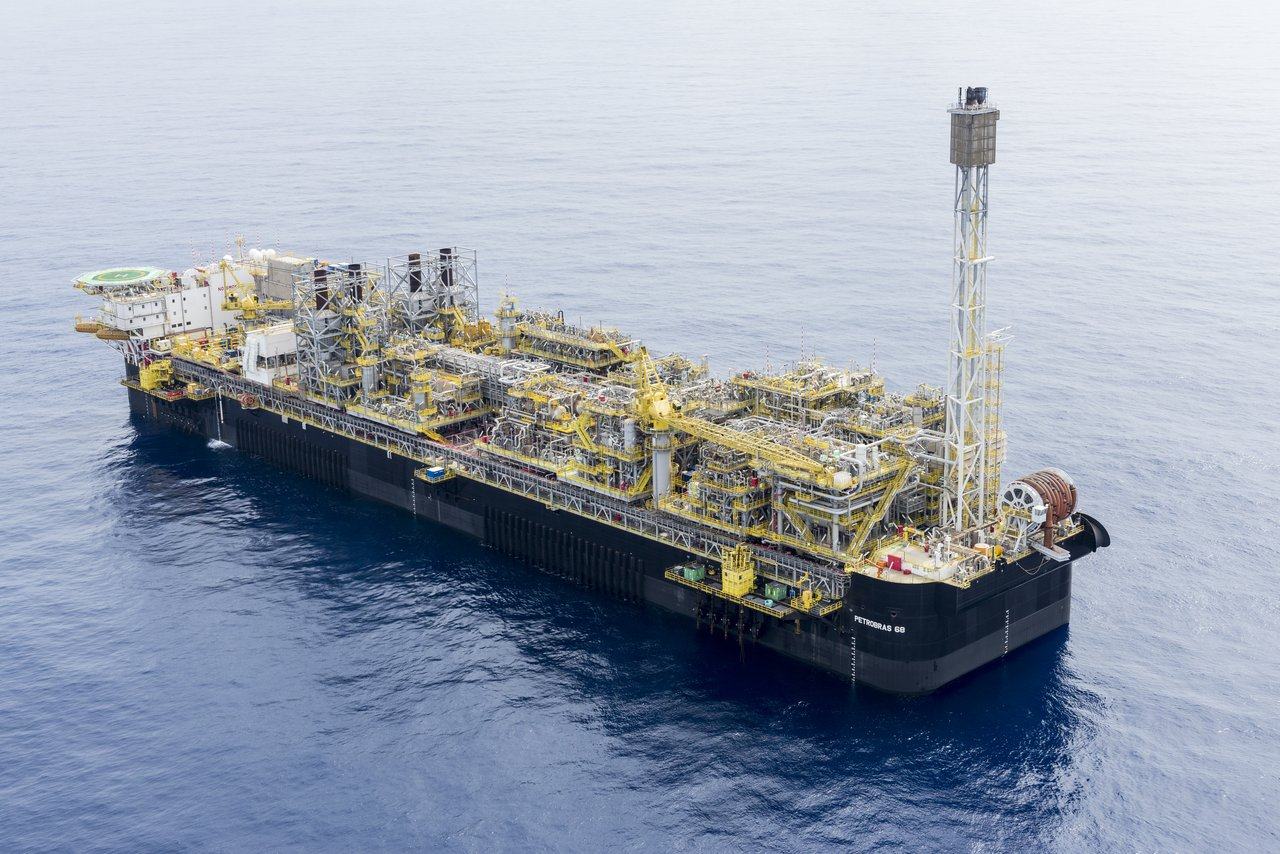
Both reservoirs have been producing since 2019 through the FPSO P-68, which has a processing capacity of up to 150,000 barrels of oil per day. The AIPs define each company’s participation and establish the rules governing the joint development and production of oil and natural gas in the shared reservoirs.
The approval follows years of regulatory discussions involving the unification of the reservoirs, after ANP determined the shared development of the areas. The consortium partially challenged aspects of the process, which also led to international arbitration proceedings related to the fields’ development structure.
Production individualization agreements are required when reservoirs extend beyond the boundaries of contracted areas, in accordance with ANP regulations. Financial compensation related to costs incurred and revenues associated with volumes produced prior to the agreements entering into force will still be negotiated among the companies involved.