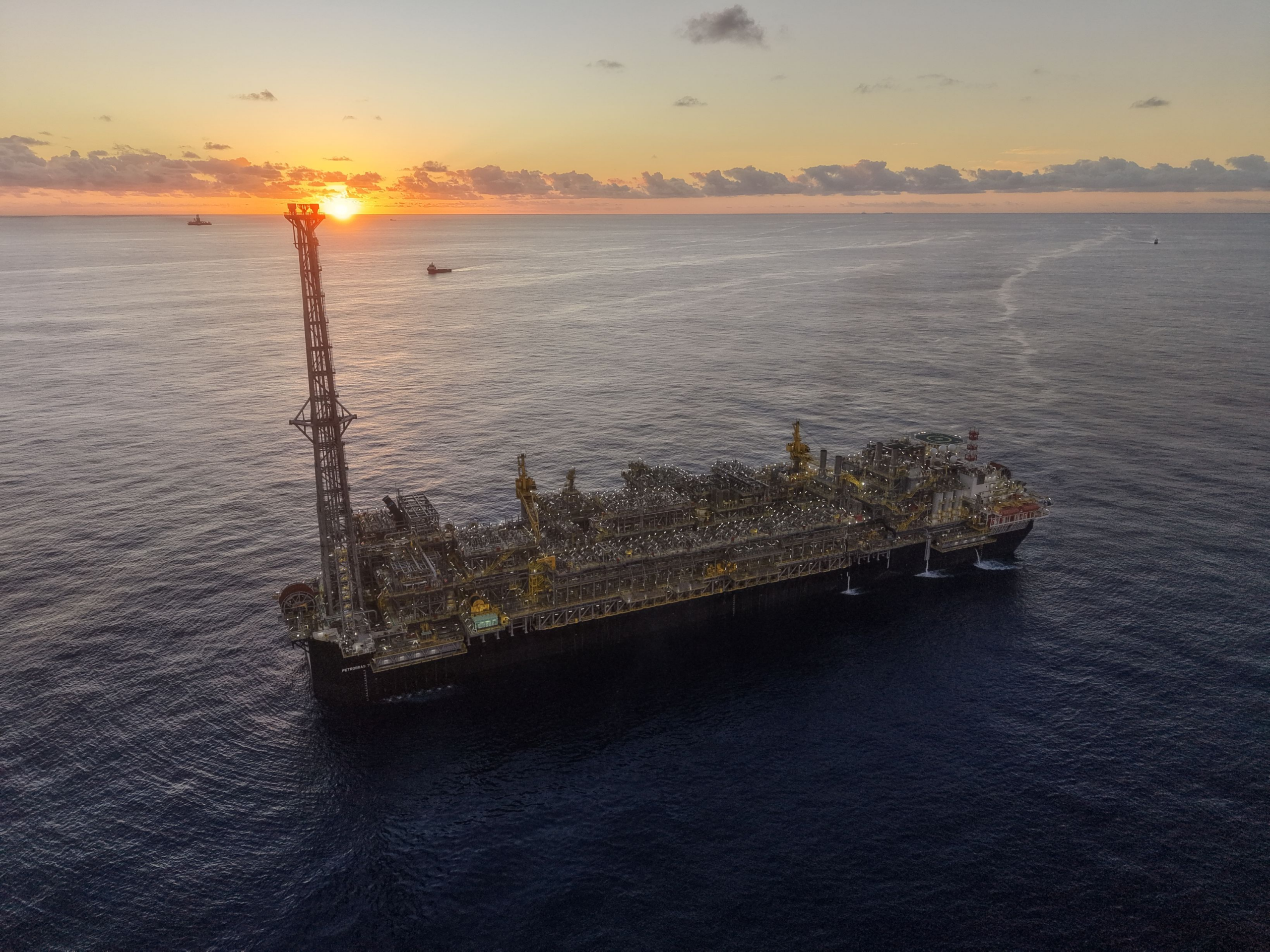
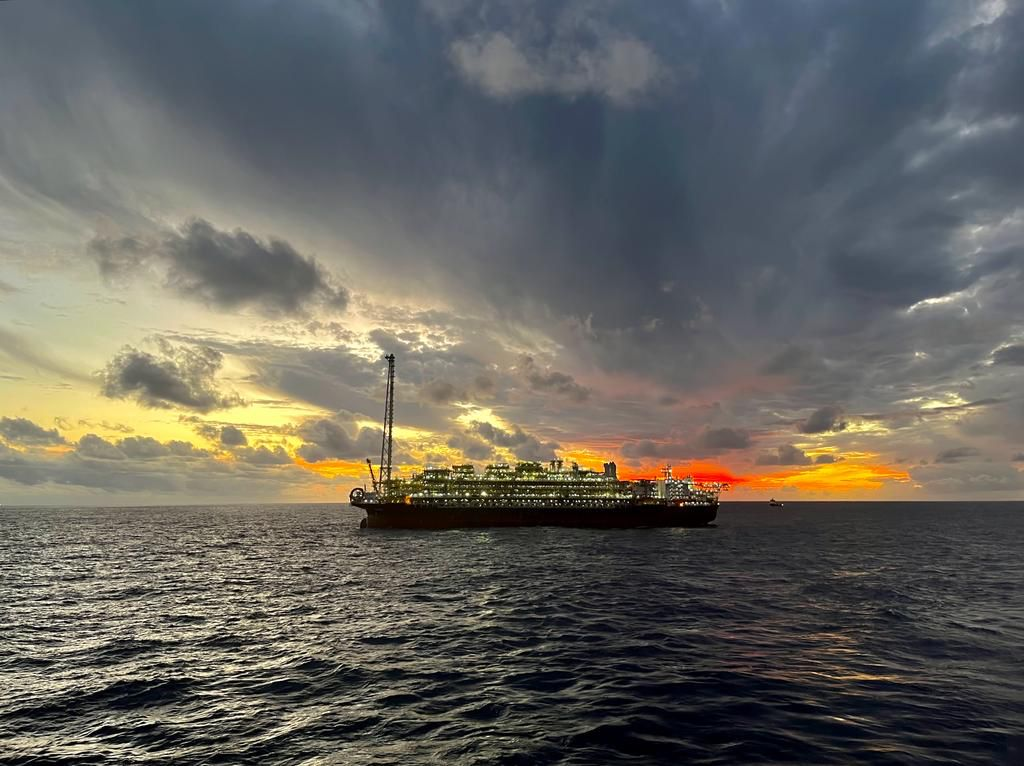
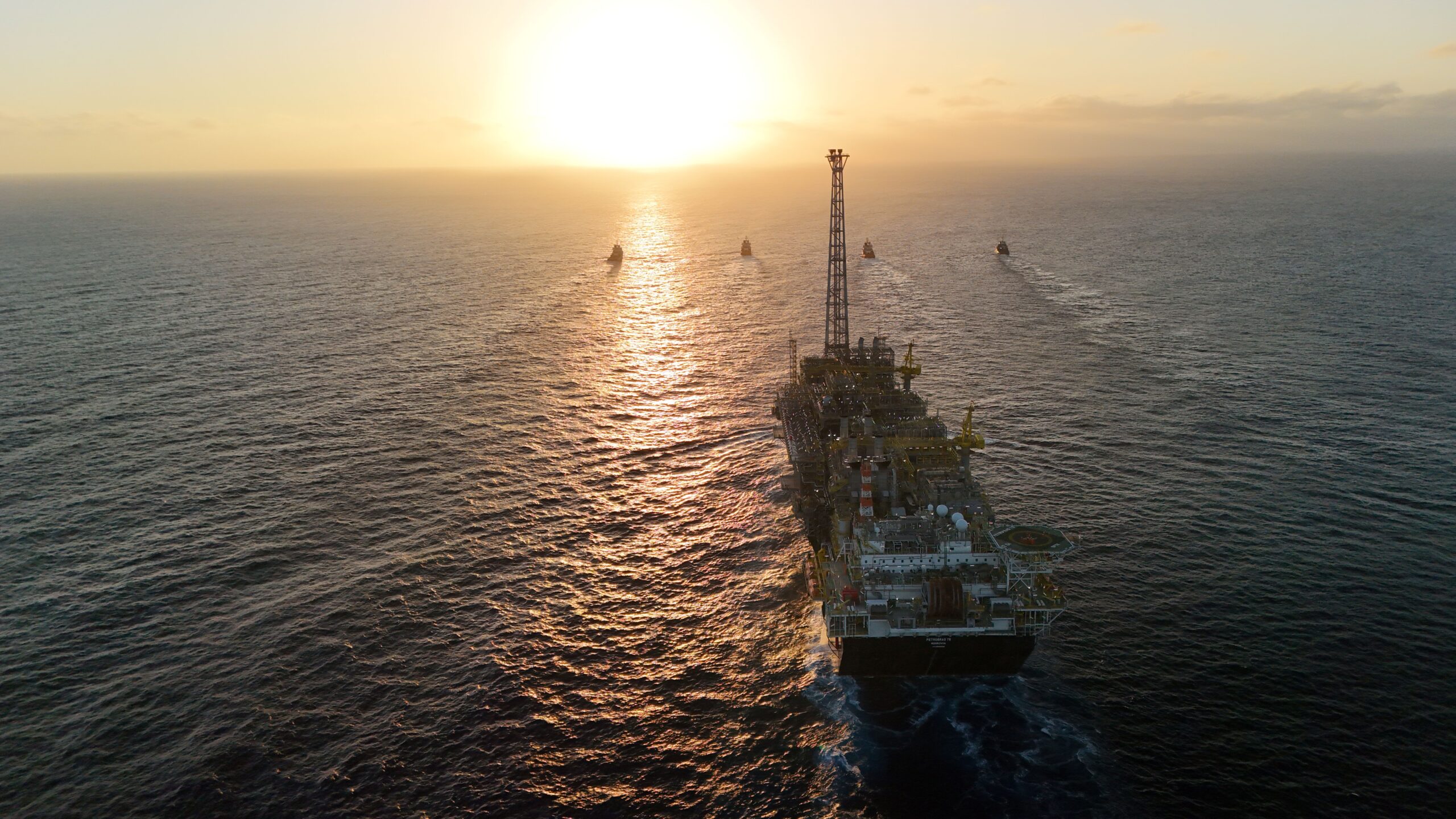
Petrobras announced that the Búzios field, located in the pre-salt Santos Basin, set a new production record by reaching an average of 1.2 million barrels of oil per day on June 26, just three days after surpassing the historic milestone of 1.1 million bpd.
According to the company, the increase was driven by the continued ramp-up of the P-78 and P-79 FPSOs, which are progressing toward their nameplate production capacity of 180,000 barrels of oil per day each.
Karoon Energy has completed the transition process and officially assumed operatorship of the Baúna FPSO, formerly known as Cidade de Itajaí, in May.
The company acquired the FPSO from Altera Infrastructure and Ocyan in April 2025 for US$115 million, excluding transaction-related costs. Since then, Karoon and A&O have carried out an extensive transition program covering personnel, contracts, management systems and operational processes.
To support the handover, Karoon recruited personnel, transferred key service agreements and implemented new management systems, while securing all required regulatory approvals in Brazil.
According to the company, the transition was completed without disrupting operations. More than 80% of the existing FPSO workforce remained with the project, helping maintain operational continuity at the Baúna field in the Santos Basin.
CEO and Managing Director Carri Lockhart stated that more than 700 people participated in the company’s strategic initiatives throughout the transition process. She added that assuming operatorship of the FPSO represents an important milestone in Karoon’s evolution into a fully integrated offshore oil and gas operator.
There are offshore units that operate quietly… And there are those that, even in silence, define an era.
P-35 was one of them.
For years, far beyond the horizon, she remained anchored in the Campos Basin, transforming crude from deep waters into one of Brazil’s most strategic assets: energy.
Today, after more than two decades in operation, she no longer produces.
Now deactivated from offshore production by Petrobras, the platform leaves behind more than steel and systems.
It leaves a question.
But also a story still worth revisiting.
From Tanker to Offshore Giant
Before becoming one of Brazil’s early FPSOs, the platform had a different life.
Originally built in Japan in 1974 as the tanker José Bonifácio, the vessel was converted into an FPSO in 1999 as part of Petrobras’ strategy to accelerate deepwater production through adapted floating systems.
At that moment, the conversion of tankers into FPSOs was becoming a strategic solution for rapidly expanding offshore production capacity in Brazil.
It was a pivotal moment — not only for the vessel, but for Brazil’s offshore trajectory.
A Pillar of Marlim
Shortly after conversion, P-35 was installed in Marlim Field in 1999, one of the most important assets in the Campos Basin.
At the time, Marlim was one of the most important offshore developments in the world and a central part of Brazilian offshore production expansion during the late 1990s and early 2000s.
From that point forward, she became exactly what the offshore industry values most:
Reliable. Consistent. Essential.
For more than two decades, the platform operated with little visibility outside the industry — but with enormous impact within it.
Its numbers help explain her scale:
Production capacity: approximately 130,000–135,000 barrels of oil per day Storage capacity: close to 1 million barrels Operational water depth: approximately 850 meters Operational life: more than 20 years connected to offshore production
Over time, she processed volumes difficult even to fully comprehend — quietly supporting part of Brazil’s production during critical phases of offshore expansion.
P-35 belonged to the first major generation of Brazilian FPSOs that helped transform offshore production in the Campos Basin and consolidate Brazil as a global reference in deepwater offshore operations — long before pre-salt became dominant.
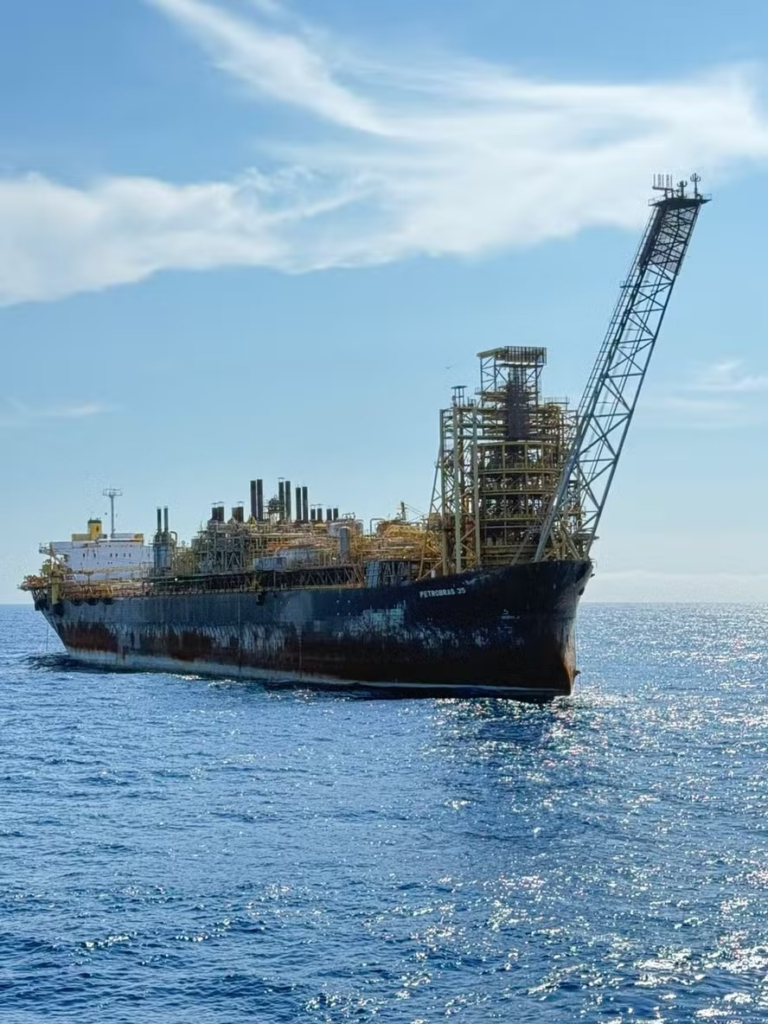
P-35 (Source: Courtesy)
The Quiet Exit
Her departure, much like her operation, happened without spectacle.
In 2024, Petrobras ended production operations of the platform within the broader Marlim revitalization program, while studies related to possible reuse and redevelopment continue under evaluation.
And even after the end of her operational life, P-35 has not completely disappeared.
Which means she may not yet have reached her final destination.
Where Is She Now?
At WSB Advisors, our connection with the sea is not abstract.
It is daily. It is visible. It is intentional.
From our offices, overlooking one of Brazil’s busiest marine corridors, we monitor in real time the movement of vessels that shape the industry we cover.
It is no coincidence.
The choice of where we work reflects what we do.
And sometimes, the offshore world comes closer than expected.
Right in front of us.
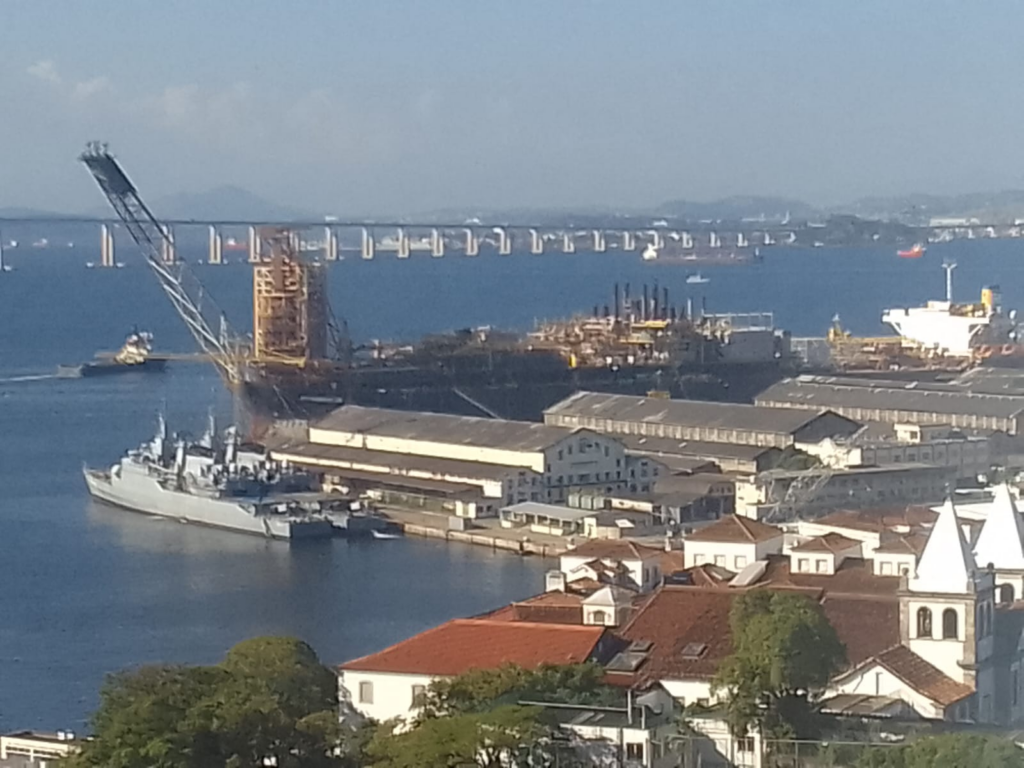
FPSO P-35 (Source: Daniel Buckley/WSB Advisors)
This week, the image above — captured from WSB Advisors’ office on Avenida Rio Branco, downtown Rio de Janeiro — shows her currently positioned alongside the Navy’s berth, a silent giant that no longer operates, but remains very much present.
There is something symbolic about that.
A platform that once operated hundreds of kilometers offshore…
Now resting within sight.
A reminder that, in this industry, even the largest assets eventually return — not to the spotlight, but to observation.
From a distance. From the shore. From our windows.
For years, she existed almost exclusively offshore, outside public visibility. Seeing the platform positioned close to the coastline today creates an unusual contrast for those familiar with her operational history.
And perhaps that is exactly what still makes P-35 draw attention even after leaving production.
And perhaps, for the first time, we can answer the question:
Where is P-35 today?
For now — right before our eyes.
For our offshore industry, few images explain the passage of time as clearly as this one.
Petrobras has reported that it has been informed by Brazil’s National Agency of Petroleum, Natural Gas and Biofuels (ANP) of the approval of the Production Individualization Agreements (AIPs) for the shared Sururu and Berbigão reservoirs, located in the pre-salt layer of Santos Basin. According to the company, the agreements entered into force on May 1.
The AIPs formalize the understanding between Petrobras, the Federal Government and partners Shell, TotalEnergies and Petrogal for the joint development of the areas. The shared reservoirs involve the BM-S-11A concession contract and the transfer-of-rights contract, the latter fully held by Petrobras.
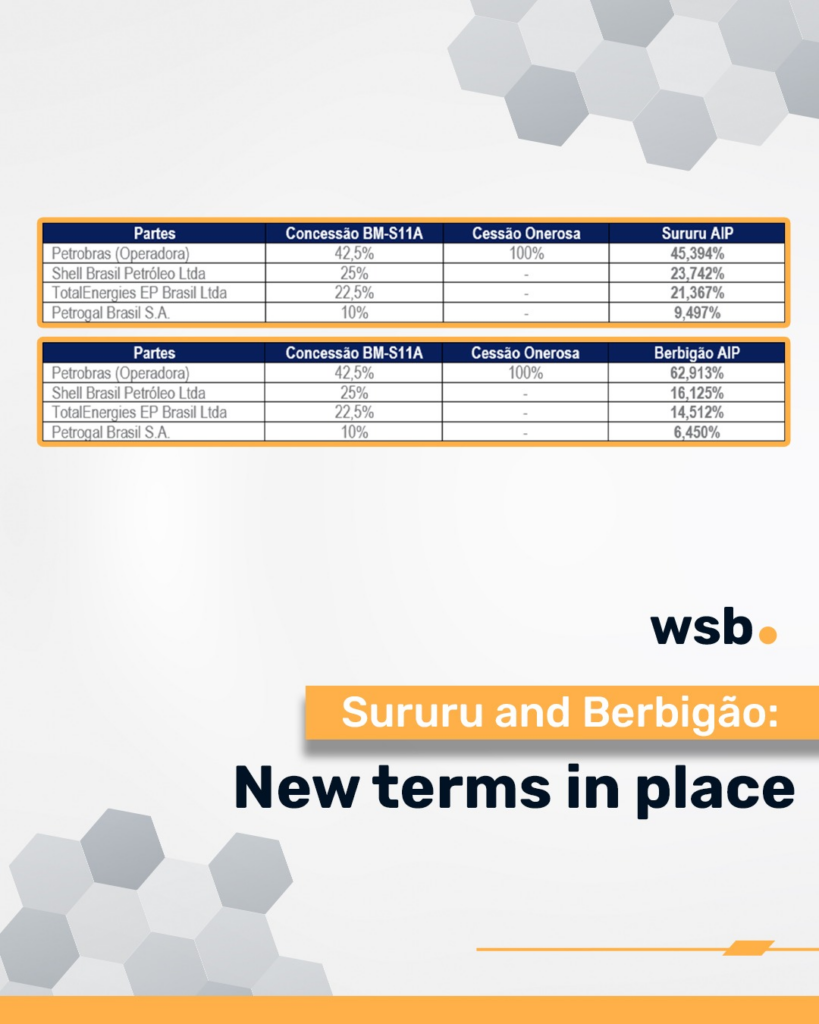
Under the approved terms, the Sururu reservoir will have the following stakes: 45.394% for Petrobras, 23.742% for Shell, 21.367% for TotalEnergies and 9.497% for Petrogal. In Berbigão, Petrobras will hold 62.913%, followed by Shell with 16.125%, TotalEnergies with 14.512% and Petrogal with 6.45%.
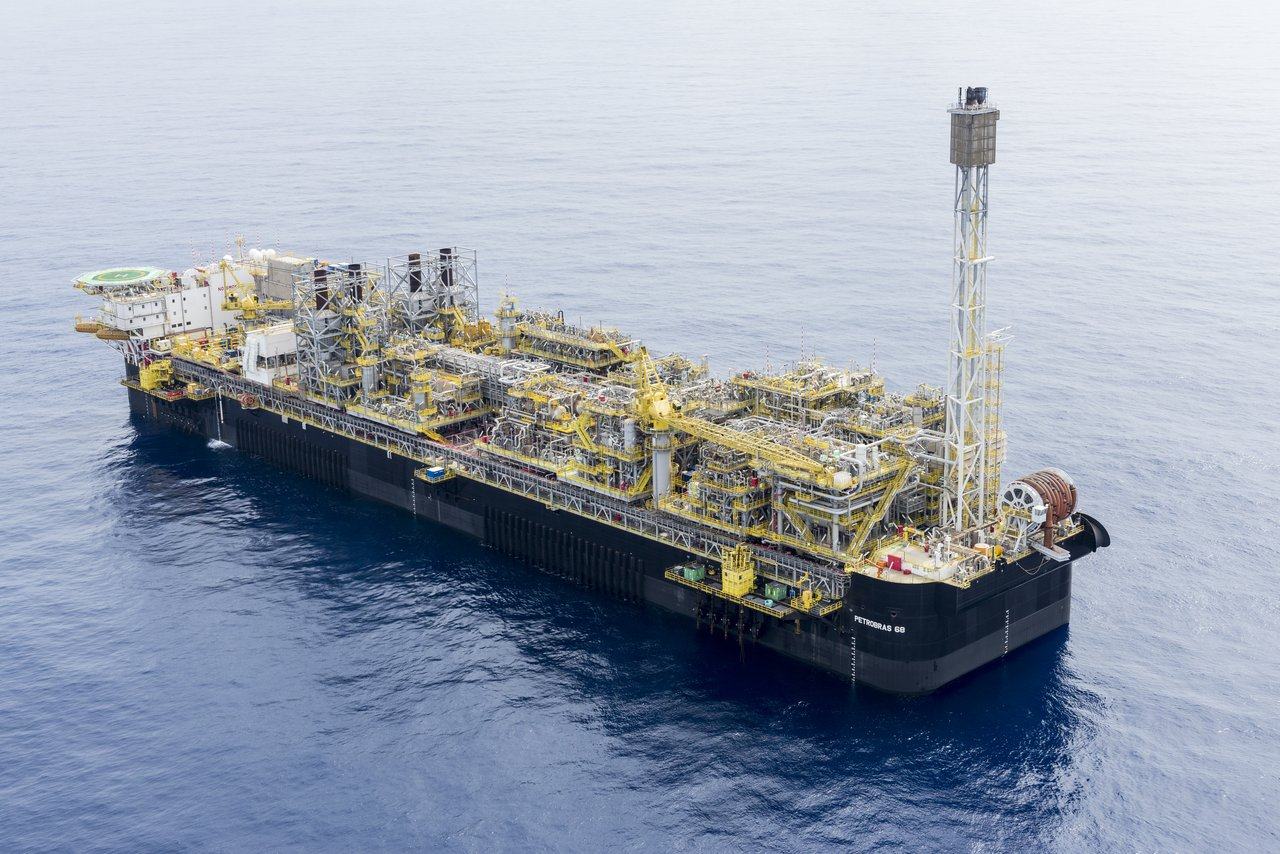
Both reservoirs have been producing since 2019 through the FPSO P-68, which has a processing capacity of up to 150,000 barrels of oil per day. The AIPs define each company’s participation and establish the rules governing the joint development and production of oil and natural gas in the shared reservoirs.
The approval follows years of regulatory discussions involving the unification of the reservoirs, after ANP determined the shared development of the areas. The consortium partially challenged aspects of the process, which also led to international arbitration proceedings related to the fields’ development structure.
Production individualization agreements are required when reservoirs extend beyond the boundaries of contracted areas, in accordance with ANP regulations. Financial compensation related to costs incurred and revenues associated with volumes produced prior to the agreements entering into force will still be negotiated among the companies involved.
Petrobras has completed the tieback of the Búzios 90 well, a step that enables first oil from the P-79 platform in the Búzios field, in the Santos Basin. The unit will have the capacity to produce up to 180,000 barrels of oil per day and compress 7.2 million cubic meters of gas, becoming the eighth platform operating in the field. Start-up now depends only on approval from the Agência Nacional do Petróleo (ANP).
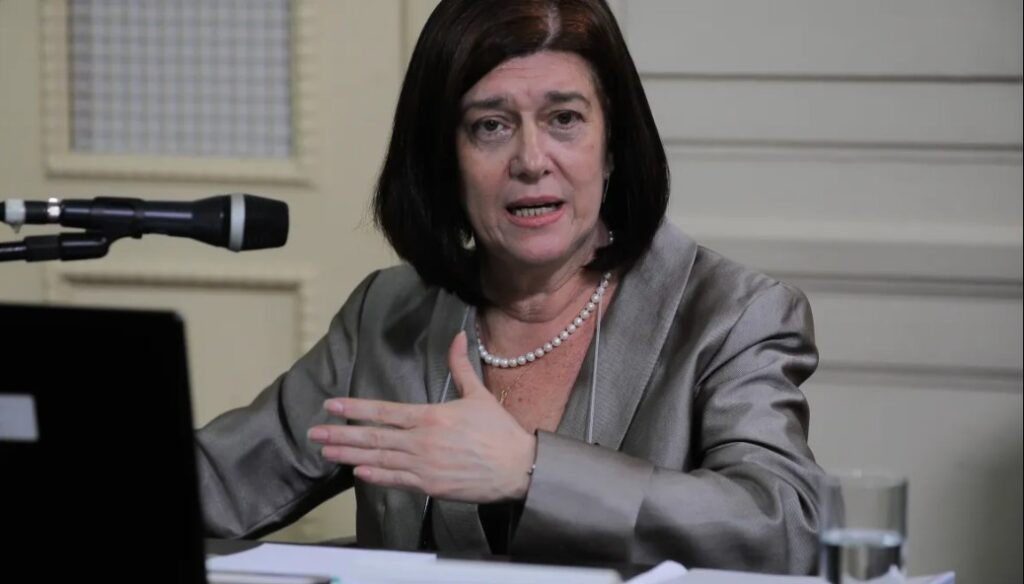
According to the company’s CEO, Magda Chambriard, the platform is ready to begin operations once regulatory clearance is granted. She highlighted the complexity of the work, which involved around 1,300 hours and the installation of 15 km of flexible and rigid lines, as well as umbilicals. The Búzios 90 well is expected to produce about 50,000 barrels per day.
Located about 180 km off the coast of Rio de Janeiro in ultra-deep waters, P-79 is part of the Búzios 8 project, which includes 14 wells — eight producers and six injectors — as well as a gas export pipeline connected to the Rota 3 system.
The tieback campaign was carried out alongside anchoring operations and involved 11 vessels, both owned and contracted. According to the company, the main challenges were managing simultaneous activities on the FPSO and in the subsea environment, as well as logistical constraints.
Oil price rally driven by conflict in Iran enables full project sanction with two platforms Dutch firm SBM Offshore has won the tender for the construction and operation of the two floating production units (FPSOs) for the Sergipe Deepwater project (SEAP), as confirmed by Petrobras CEO Magda Chambriard during the “CNN Talks” event this Wednesday (April 1). The award of both units — SEAP I and SEAP II — was made possible by the recent upswing in international oil prices, which has improved the project’s economic attractiveness.
“With this increase in oil prices, we are now able to move forward with SEAP I,” Chambriard said, referring to the second platform, whose bankability had been contingent on a more favorable price environment. Brent crude has surged above $100 per barrel in recent weeks, driven by the conflict involving the United States, Israel, and Iran, which led to a partial closure of the Strait of Hormuz — a critical chokepoint through which roughly 20% of the world’s oil supply transits.
Magda Chambriard (Source: Petrobras)
Production capacity and infrastructure
The combined capacity of the two platforms is expected to reach 200,000 barrels of oil per day and 18 million cubic meters of natural gas per day. Each FPSO will be capable of processing up to 120,000 barrels of oil and 12 million cubic meters of gas, with output transported to shore via a pipeline system spanning approximately 128 kilometers (100 km offshore and 28 km onshore).
The SEAP project encompasses seven fields declared commercial by Petrobras in December 2021 — Agulhinha, Agulhinha Oeste, Budião, Budião Noroeste, Budião Sudeste, Cavala, and Palombeta — located within the BM-SEAL-4, BM-SEAL-4A, BM-SEAL-10, and BM-SEAL-11 concessions, roughly 80 kilometers off the coast of Sergipe in the Sergipe-Alagoas Basin.
Brazil’s National Petroleum Agency (ANP) recently approved an extension of the concession contracts, pushing SEAP I’s term to 2055 and SEAP II’s to 2057. The move provides greater regulatory certainty and is expected to increase recoverable oil and gas volumes by 14.5%, according to the regulator.
Project trajectory and market context
Originally slated for startup in 2026, SEAP has undergone two schedule revisions — first to 2028 and later to 2030. The final investment decision (FID) for the first platform, SEAP II, was approved by Petrobras in December 2025 and included in the company’s firm investment portfolio under its 2026–2030 Strategic Plan. SEAP I, meanwhile, had been classified as a “target project,” dependent on favorable market conditions. The tender followed a Build, Operate and Transfer (BOT) model, under which SBM Offshore will construct and operate the units before transferring ownership to Petrobras at the end of the contract term. The company submitted the most competitive technical and commercial bids for both platforms in a process concluded in March.
The recent rise in oil prices — with Brent trading above $100 per barrel since the onset of the Iran conflict in March — proved decisive in securing the economic viability of the second unit. When Petrobras released its strategic plan in November 2025, it outlined total investments of $109 billion, including $81 billion in firm projects and $28 billion in conditional projects. SEAP I was among those contingent on market conditions. Analysts at Bank of America forecast Brent will remain around $100 per barrel throughout 2026, with an annual average of $92.50 — a pricing environment that supports the project’s economics.
SBM Offshore and its footprint in Brazil
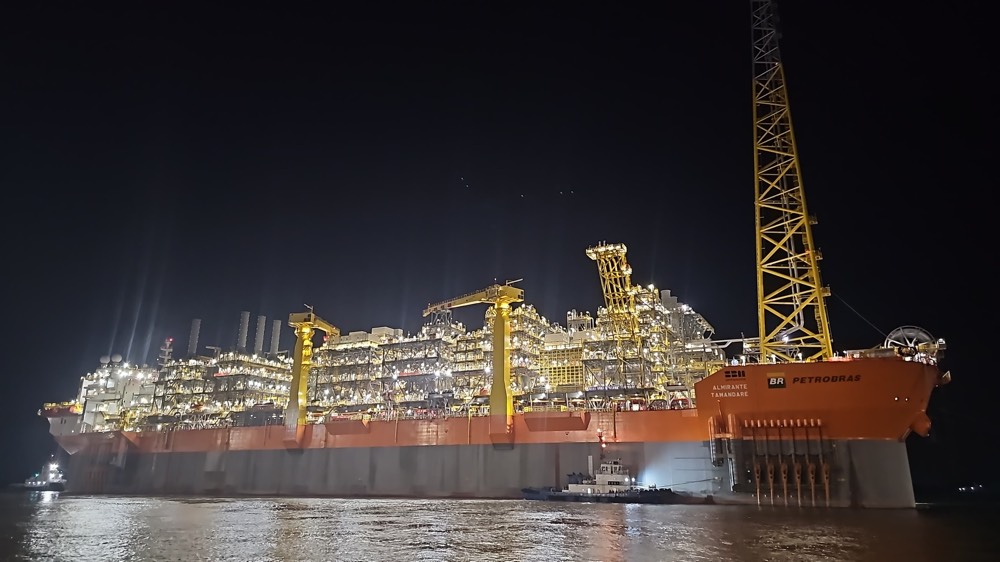
SBM Offshore is a longstanding supplier to Petrobras, with nine FPSOs currently operating in Brazilian waters. The company is particularly active in the Santos Basin, supporting pre-salt developments such as Mero, Búzios, and Tupi. The FPSOs Almirante Tamandaré and Alexandre de Gusmão, each with a capacity exceeding 180,000 barrels per day, began operations in 2025 at the Mero field.
FPSO Almirante Tamandaré (Source: Petrobras)
According to a company statement released in November 2025, the bids for SEAP I and II underscore SBM Offshore’s “leading position in the large and complex FPSO segment.” While competing globally with Asian shipyards, the company maintains approximately 50% of its operations in Brazil, as noted by CEO Øivind Tangen.
Regional impact and outlook
Startup of the SEAP project is scheduled for 2030, with SEAP II expected to come online first, followed by SEAP I roughly one year later. Studies by the Government of Sergipe estimate total investments of $5 billion (approximately BRL 25 billion) and a cumulative impact of up to BRL 37.8 billion on the state’s GDP over the project lifecycle.
The development is considered strategic for expanding Brazil’s domestic natural gas supply, with potential to serve thermoelectric power plants, fertilizer industries, and energy-intensive consumers in the Northeast. Petrobras signed a memorandum of understanding with the Sergipe state government in March to support commercialization of the gas, while the state is actively working to attract industrial consumers that can benefit from the new infrastructure.
The tender for the export gas pipeline is expected to be launched later in 2026, with startup aligned with first production in 2030. With the FPSO contracts now awarded, workstreams related to subsea infrastructure — including production and injection systems to tie back wells to the floating units — are set to move forward. SEAP represents the first new deepwater oil and gas frontier outside the Santos Basin since the pre-salt discoveries, positioning Sergipe as an emerging player in Brazil’s energy sector after decades of production concentrated in mature onshore fields.
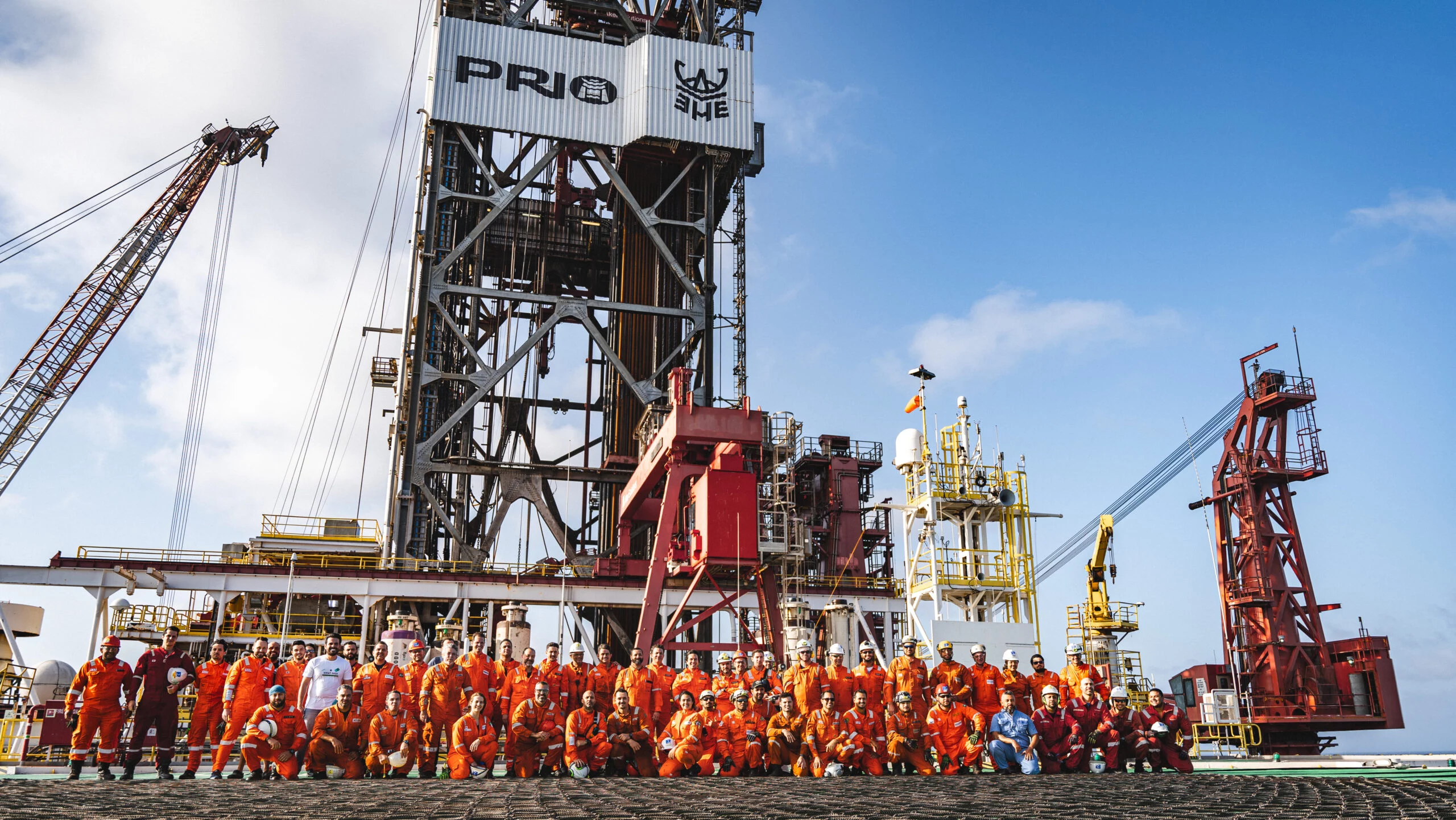
PRIO reported that it has received from Ibama an amended drilling license for the Frade Field. With this authorization, the company will be able to drill up to 14 new wells in the asset, located in the Campos Basin.
The operation is expected to be carried out using the offshore drilling unit Hunter Queen, capable of operating in deepwater environments and supporting both drilling and intervention campaigns. The unit was acquired by PRIO from Foresea in 2022. The field is currently operated by the FPSO Valente, which has a production capacity of up to 100,000 barrels per day. In the fourth quarter of 2025, Frade recorded an average production of approximately 31,500 barrels per day.
The unit is characterized as a 6th-generation semi-submersible drilling rig equipped with dynamic positioning, capable of operating in water depths of up to 3,000 meters and supporting complex offshore drilling campaigns. Built in 2011 in Singapore, it can accommodate around 180 personnel.
PRIO also stated that it will disclose the schedule for the new drilling activities in due course.
Seatrium confirmed successful first gas injection on FPSO P-78, achieved 61 days after first oil on December 31, 2025.
Unit is installed at Búzios Field in Santos Basin, approximately 180–230 km offshore Rio de Janeiro, and operates for Petrobras.
Key unit specifications:
• Oil production capacity: 180,000 b/d • Gas processing: 7.2 million m³/d • Storage capacity: 2 million barrels • First oil: December 31, 2025 • First gas injection: March 2026
Construction involved module fabrication, integration and commissioning across shipyards in Asia and Brazil, executed in partnership with Petrobras.
FPSO P-78 forms part of new generation of units being delivered by Seatrium for Petrobras. Combined developments are expected to add around 1.3 million b/d to Brazil’s offshore production capacity over coming years.
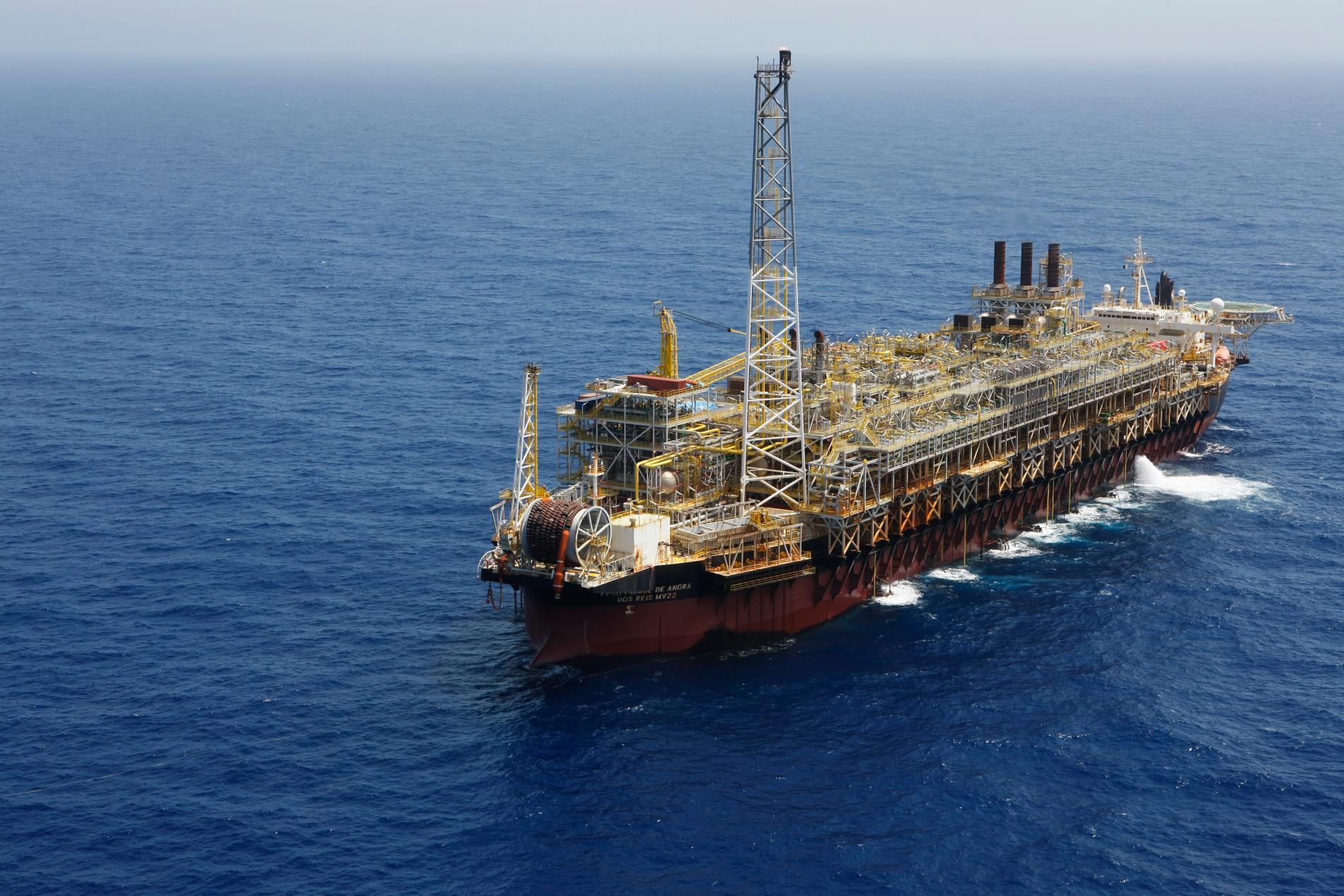
In January 2026, Petrobras executed amendments to the charter and service contracts of FPSO Cidade de Angra dos Reis, adjusting commercial and operational terms. The unit’s role in Petrobras’ production system remains unchanged, aligned with ongoing optimization of its FPSO portfolio.
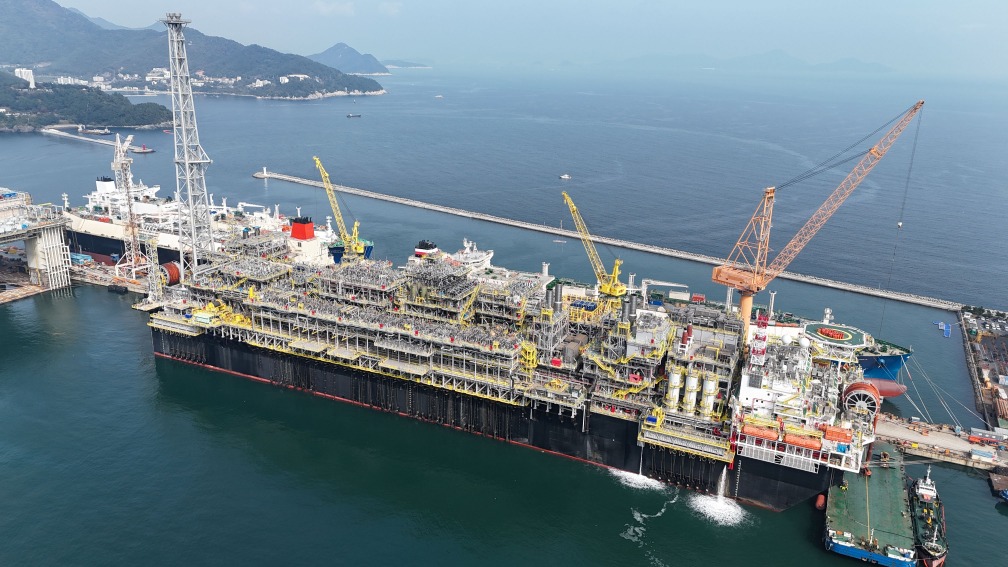
Petrobras FPSO P-79 departed from Hanwha Ocean shipyard in Geoje, South Korea, on November 11, 2025, heading to Búzios field (Santos Basin), where it will operate as “Búzios-8” unit. Designed to produce 180,000 barrels of oil per day and process 7.2 million m³/day of associated gas, the unit is expected to begin operations in early 2026. Petrobras also obtained environmental licenses authorizing an additional 20,000 bpd production capacity at Búzios.
P-79 mobilization marks another milestone in Petrobras’s large-scale expansion of pre-salt production capacity in Santos Basin, where multiple FPSOs are under construction or commissioning. The voyage will be carried out with crew on board to speed up the integration and commissioning schedule, once the unit arrives in Brazil.
The FPSO’s arrival and commissioning phases will define the startup timeline for Búzios-8. Industry forecasts to further consolidate Búzios as one of the world’s largest deepwater oil-producing fields.
Stay informed on key offshore developments — visit wsb-one.com, our data platform trusted by leading offshore companies.
MODEC has awarded TMC Compressors a contract to supply a large-capacity marine compressed air system for FPSO Gato do Mato, which will operate offshore Brazil in approximately 2,000 meters of water depth. The award, announced this week, covers a system designed for high reliability and low maintenance requirements to support continuous offshore operations. FPSO Gato do Mato is expected to produce around 120,000 barrels of oil per day and is being developed by Shell (50%), Ecopetrol (30%), and TotalEnergies (20%).
Marine compressed air systems are essential for instrumentation, control, and safety tools onboard. In ultra-deepwater operations, reliability and ease of maintenance are critical to reduce downtime and logistical costs. TMC emphasized its track record of supplying similar systems for MODEC’s FPSO fleet.
The award strengthens the supply chain for Gato do Mato FPSO project, which remains in the equipment procurement and topside integration phase. Delivery, testing, and integration milestones will be the key for unit’s commissioning schedule.
Stay informed on key offshore developments — visit wsb-one.com, our data platform trusted by leading offshore companies.
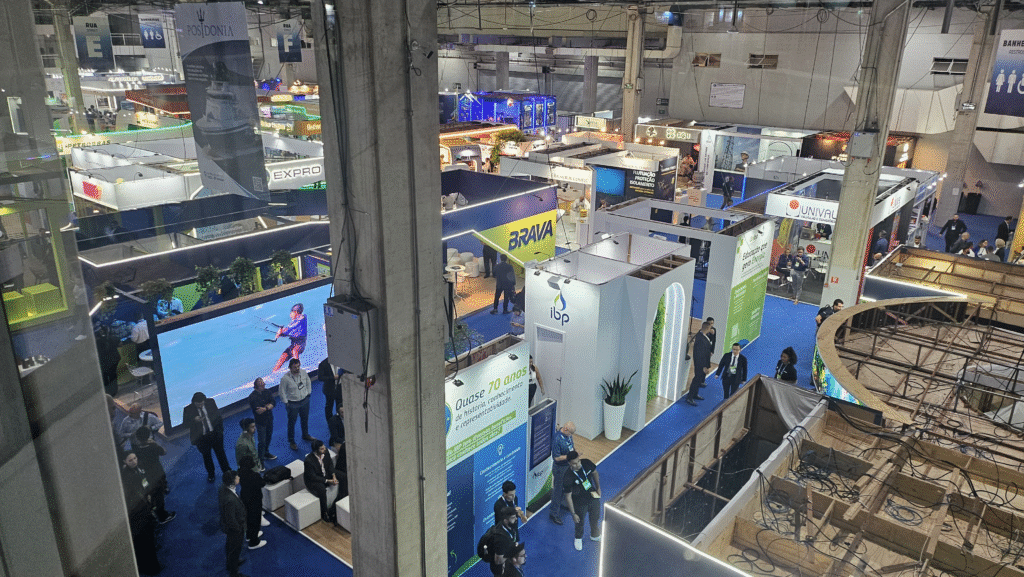
The Expomag Convention Center in Rio de Janeiro hosted OTC Brasil 2025 from October 28 to 30, bringing together key stakeholders from across the oil, gas, and energy value chain. Inspired by the traditional OTC Houston, the conference gathered thousands of attendees and reinforced Brazil’s role in the global offshore industry.
WSB Advisors attended the event with a delegation representing commercial, technical, content and HSEQ functions: Raphael Montes (Proposals Manager), Pedro Pellegrini (Shipbroker Intern), Romulo Bacchiega (Head of Content & Sales), Ronaldo Lima (Senior Advisor), Genesio Ramos (New Building Lead), Jake van den Dries (Partner & HSEQ Lead), and Daniel Buckley (Chartering Manager). Their presence underscored our commitment to following industry trends and strengthening strategic relationships across the energy ecosystem.
OTC Brasil (Source: Ronaldo Lima/WSB Advisors)
Under the theme “The future of deepwater technologies: connecting oil, gas and renewables,” this year’s edition highlighted the potential of Brazil’s Equatorial Margin, along with discussions on AI, CCUS, offshore wind, and diversity. The program featured more than 200 exhibitors and 150 speakers, including executives from Petrobras, Shell, Equinor, TotalEnergies, Chevron, SLB and TechnipFMC, as well as government representatives from Amapá, home to Petrobras’ FZA-M-059 exploration block.
The exhibition floor reflected strong participation from industry players such as Porto do Açu, Camorim and Posidonia, in addition to offshore equipment and service providers, IBP, and DNV. The audience ranged from C-level leaders to entrepreneurs, students and operational professionals, reinforcing the event’s collaborative profile.
A technical highlight was TotalEnergies’ presentation of a new, safer and more efficient polymer technology for well cementing operations on drillships.
Held every two years, OTC Brasil remains a key forum for networking, business development and knowledge exchange shaping the future of the Brazilian offshore industry. For WSB Advisors, the event was an opportunity to deepen market insights, strengthen partnerships and reaffirm our role in supporting clients through the evolving energy landscape.
In addition to the exhibition, WSB Advisors also attended parallel events such as Triunfo Cocktail Party at EXC Rio.
Stay informed on key offshore developments — visit wsb-one.com, our data platform trusted by leading offshore companies.