Tag: Shipbroking

  • Energy Talks #17 – José Eduardo Leal

    Energy Talks #17 – José Eduardo Leal

    By Rafael Bortoloti and Romulo Bacchiega

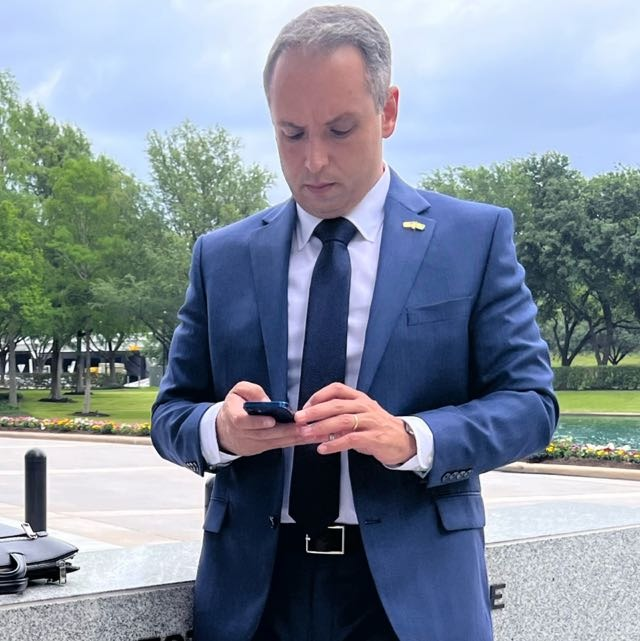
    In this edition of Energy Talks, we sat down with José Eduardo Leal, a computer engineer graduate of PUC-Campinas, who is currently working as a Senior Sales Manager with the global marine technology company, Kongsberg Maritime (KM).

    We began the conversation by exploring the role of technology and artificial intelligence in marine operations, and it naturally expanded to topics such as autonomous navigation, regulation, vessel-to-shore communication, predictive analytics, and the specific challenges of the Brazilian market.

    The result is an in-depth discussion of how data, connectivity, and automation are reshaping the present — and the future — of the maritime industry.
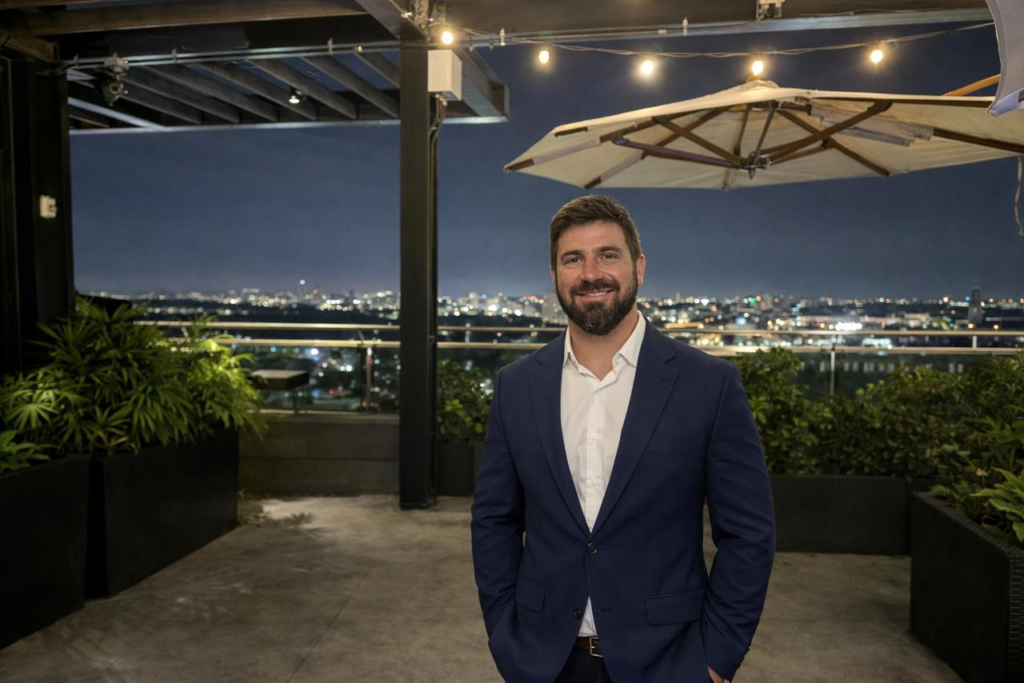
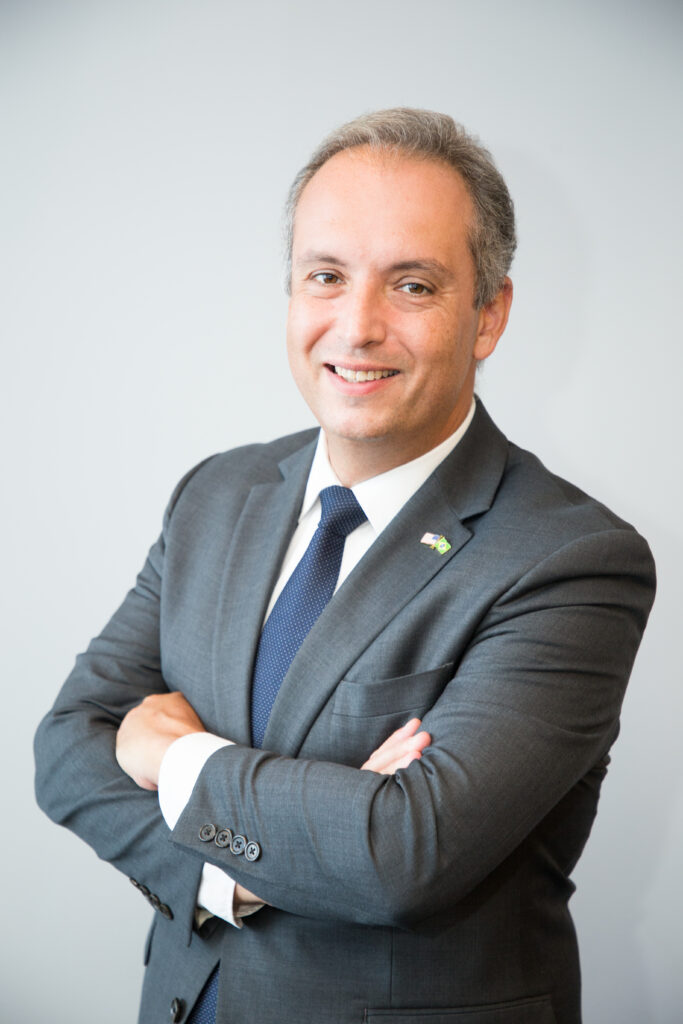
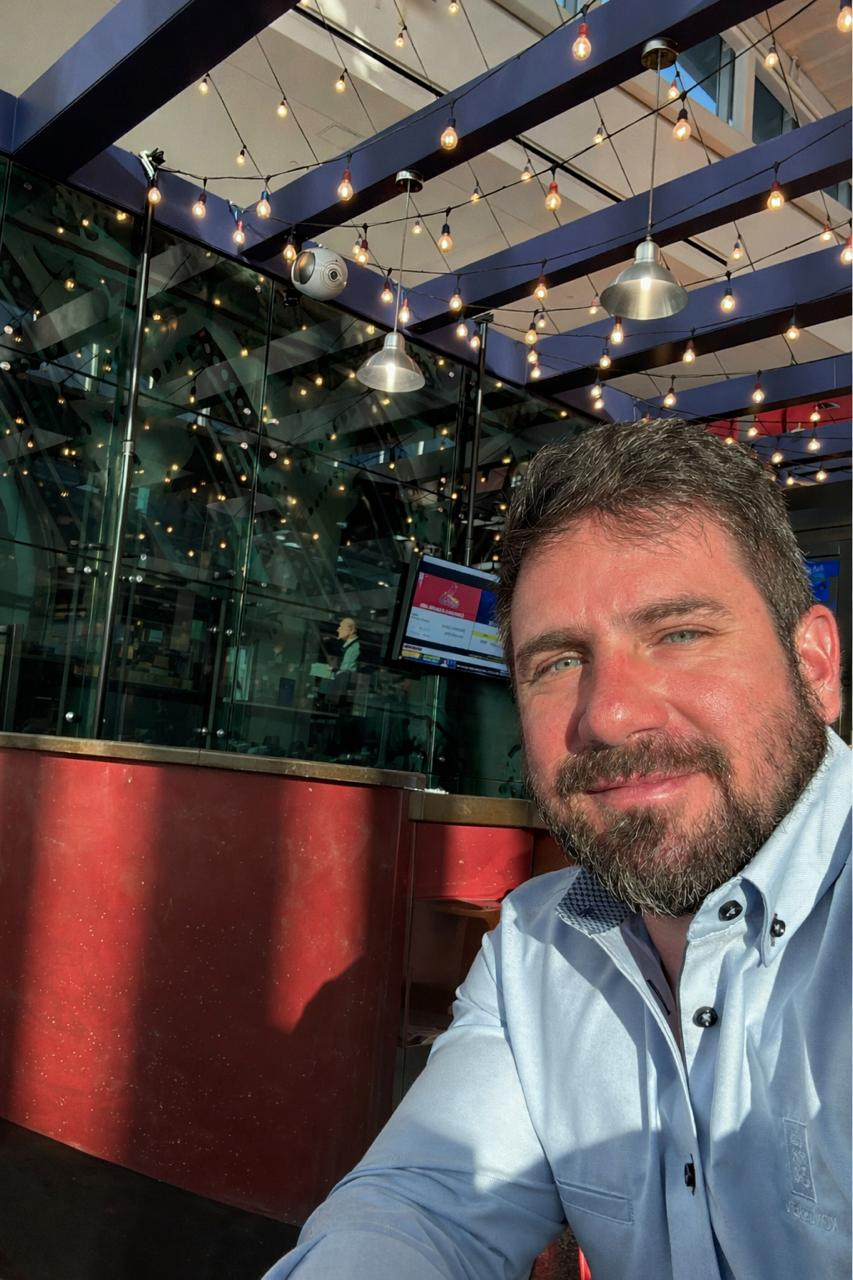
    José Eduardo Leal
    José Eduardo Leal (Source: Private Collection)

    How has your background in computer engineering contributed to your work in the maritime sector?

    I graduated from PUC-Campinas in 2011 with a degree in Computer Engineering, but even before that, it was clear to me that technology would be the driving force behind major societal transformations. In 2010, while still at university, I began my professional journey at a research center in Campinas, working in telecommunications.

    In 2013, I was offered a software engineering role at Kongsberg, and spent the next four years working with dynamic positioning (DP) systems. During that period, I worked as a field engineer and helped develop solutions for offloading operations in Brazil, specifically for DPSTs (DP Shuttle Tankers) and for offloading spread-moored FPSOs.

    After that, I worked as a DP Surveyor on shuttle tankers, where I gained hands-on onboard experience and deepened my operational understanding. In November 2023, I returned to Kongsberg, where I currently work as Senior Sales Manager. This journey has shown me that in the maritime environment, software, hardware, and operational safety are inseparable; it is not about developing conventional applications, but systems that control the position, heading, and behavior of entire vessels. That requires a much more complex technological approach.

    You frequently participate in lectures and workshops with major Brazilian energy logistics companies. What is the focus of these presentations, and how important are these dialogues?

    Kongsberg has close and strategic partnerships with energy companies around the globe, including here in Brazil. I’ve specialized in shuttle tankers over the course of my career and have been involved in the development of KM’s specific functionalities for Brazilian offloading operations, so I’ve been able to foster a technical relationship with key operators.

    In workshops and lectures, my main focus is on demonstrating how technology can enhance operational safety, particularly in critical operations such as dynamic positioning, offloading, and system integration. I share real operational cases, data insights, and practical examples that illustrate how digital solutions, automation, and data analytics can reduce risk and support informed crew decision-making.

    This dialogue is extremely valuable. It creates a two-way exchange where we not only present innovations but also gain operational feedback that helps refine our technologies to better meet the realities of offshore operations.
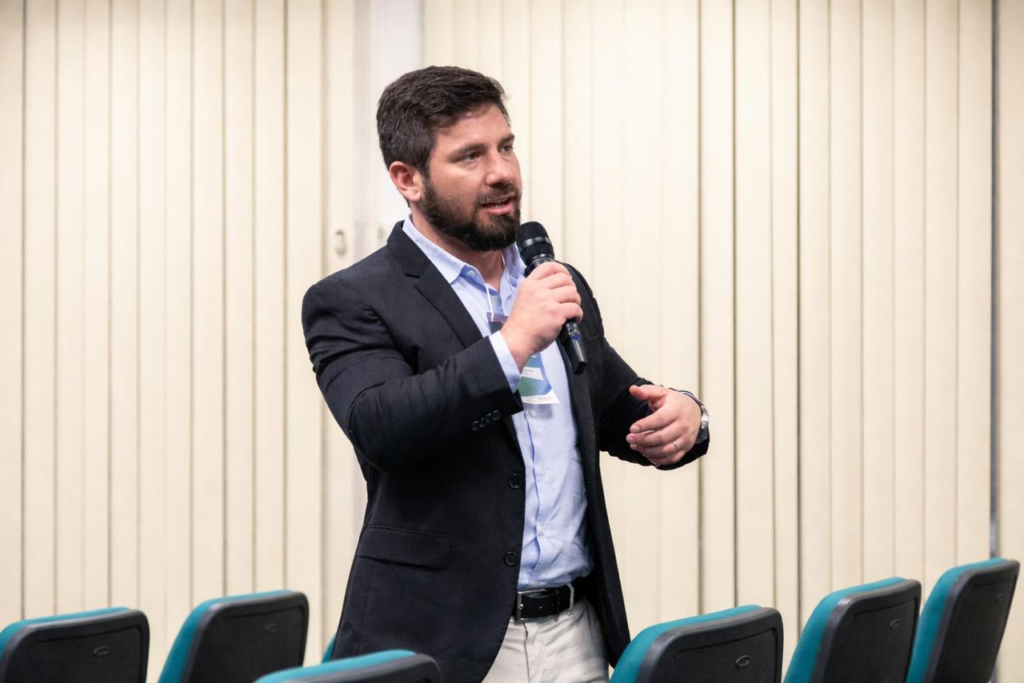
    José Eduardo Leal (Source: Private Collection)

    What are the industry’s main technological challenges today related to artificial intelligence and automation?

    Without a doubt, the biggest challenge is regulation. Technology development is advancing rapidly- Often outpacing the frameworks needed to govern it. The pace of progress in artificial intelligence, remote navigation, and autonomous vessel operations is being tempered by the regulatory requirements, class rules, and the necessary adaptation of maritime authorities.

    This is understandably a cautious process. We are dealing with highly sensitive operations involving human safety, environmental protection and high-value assets. For example, KM, has been working with remote and autonomous navigation for years, but broad adoption depends on regulatory alignment and stakeholder confidence.

    At the same time, the direction of travel for the industry is clear. Automation offers tangible benefits: reduced operational risk, lower exposure to human error, improved energy efficiency, and in many cases, better quality of life for professionals. Shore-based operational centers can enable crews and operators to work remotely while maintaining safe and efficient vessel performance.

    Is this regulatory challenge local or global?

    It’s a global challenge, but there are regional nuances. Every country has its own rules, authorities, labor laws, and economic interests. ,These different regulatory frameworks add layers of complexity to the advancements of autonomous and remote vessel operations.

    Norway, for example, is a few steps ahead. Kongsberg Maritime maintains a close working relationship with the Norwegian maritime authorities and classification societies, such as DNV. The collaboration of stakeholders helps to enable pilot projects and controlled technology testing.

    Today, KM is involved in multiple remote and autonomous vessels initiatives. One of the most emblematic examples is Reach Remote 1, a 24-meter Uncrewed Surface Vessel (USV) operating along the Norwegian coast conducting subsea inspections. The vessel navigates autonomously and is remotely operated from an onshore control center. The vessel even carries a remotely operated vehicle for subsea intervention work.
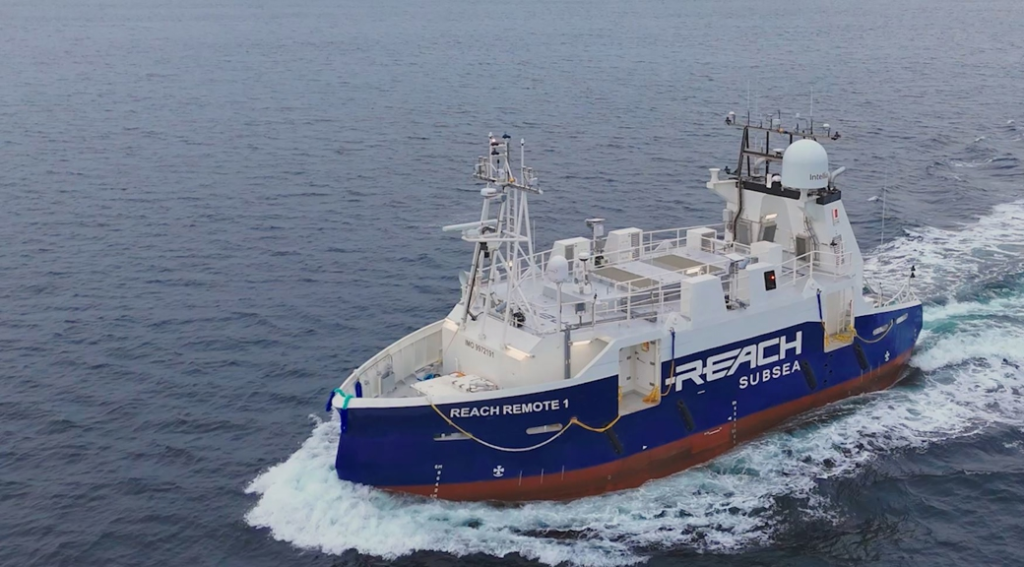
    Reach Remote 1 (Source: Kongsberg)

    Two vessels in this series have already been delivered, and two additional units are under contract.

    Beyond smaller uncrewed platforms, there are also projects underway involving larger vessels equipped with remote and autonomous capabilities. Many of these vessels still operate with onboard crews due to local regulatory requirements, including in Norway and Sweden\- where remote and autonomous systems function as decision-support tools, strengthening operational safety and redundancy and real-time situational awareness.

    Are there social factors involved in this advancement?

    Absolutely. In some countries, automation is seen as a solution to an aging population and a shortage of maritime labor. In others, there are concerns about how advanced technologies impact employment opportunities.

    Each region has its own variables: taxes, bureaucracy, labor legislation, and public policies. That’s why there is no one-size-fits-all solution. The technology is the same, but its implementation must consider the local context.

    And how do you see this scenario in Brazil?

    In Brazil, there is not yet a clearly defined regulatory framework for remote or autonomous navigation. Progress will likely come through structured pilot projects led by major industry players, as they have enough operational scale and institutional influence to move within the regulatory and maritime authorities.

    There are also important partnerships in place with Brazilian universities, alongside ongoing research and feasibility studies. However, most of these initiatives remain at an early stage, but what can be said is that the technological potential is significant- even if the pathway to large-scale implementation will require time, regulatory maturations, and continued industry collaboration
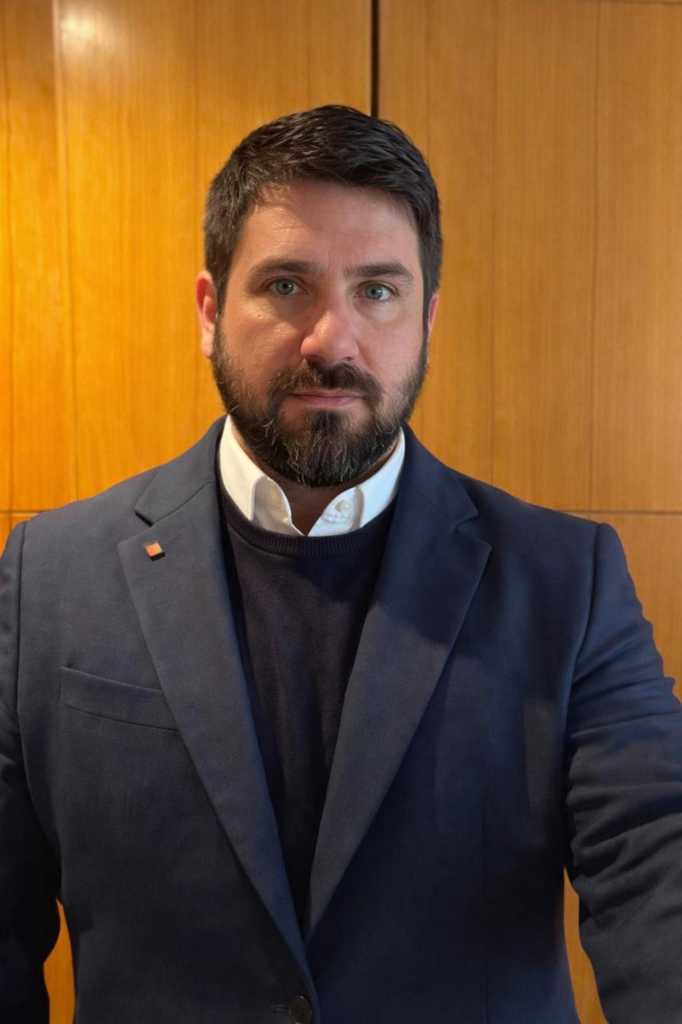
    José Eduardo Leal (Source: Private Collection)

    Speaking of applied technology, what are Kongsberg’s main differentiators today?

    One of KM’s key differentiators is our ability to collect, integrate, and interpret operational data at scale. There are vessels operating in Brazil and around the world with our Condition Monitoring System (CMS), which enables continuous real-time insight into asset performance.

    The system uses sensors installed on critical equipment- such as thrusters- to monitor vibration, temperature, and other operational parameters. By combining this data acquisition capability with our deep product knowledge and engineering expertise, we can interpret performance patterns and anticipate failures before they occur.

    This allows operators to move from reactive maintenance to proactive, predictive strategies- anticipating potential failures before they occur, reducing unplanned downtime and ultimately improve vessel safety, reliability, and lifecycle efficiency.

    Is this directly connected to concepts such as RUL and predictive maintenance?

    Exactly. The concept of Remaining Useful Life (RUL) is at the core of this strategy. Based on the collected data, we can estimate a component’s remaining lifespan and guide operational decisions with much greater accuracy.

    Tell us a bit more about RUL…

    RUL tool predicts the remaining useful life of azimuth thruster components through a digital model connected to the physical equipment. It uses sensors and real-time data, analyzed in the cloud, to monitor conditions and performance throughout the lifecycle.

    The system supports more efficient maintenance decisions, reducing unexpected failures and operational risks. Benefits include optimized maintenance planning, better spare parts management, and extended thruster lifetime. In addition, it contributes to increased safety, sustainability, and readiness for remote operations.

    This type of solution is already deployed across multiple regions worldwide and is a clear example of how well-used data generates real value for operators.

    Moving to the most anticipated topic: how is artificial intelligence used today at Kongsberg?

    Artificial intelligence is already embedded across multiple solutions at Kongsberg, primarily driven by the scale and quality of operational data we work with—always with shipowner authorization and strict data governance. At KM, we talk about shaping the maritime future through our commitment to continuous innovation, research and development, and sustainability. We have an extremely broad portfolio. In fact, on many vessels, we supply and integrate the majority of the onboard systems- everything short of the engines.

    This allows us to have a unique, holistic view of vessel behavior. The greater the level of system integration and, the stronger the data synergy, the more accurate operational insights we can deliver to our clients.

    Today, we use artificial intelligence in areas like trend analysis, alarm pattern recognition, and  operational indicators. While small deviations in equipment behavior may go unnoticed in day-to-day operations, AI algorithms can detect subtle patterns that indicate emerging issues- such as, overheating risks or performance degradation- well before they become problems.

    A practical example of this application?

    An important example is ASOG (Activity Specific Operating Guidelines). In Brazil, this document is mandatory and defines the safe operational limits of a vessel for specific activities.

    Traditionally, ASOG is a static, paper-based document that the operator must consult and interpret. By applying AI to the real-time operational data, we can transform this framework into a dynamic decision-support tool. Instead of relying solely on manual interpretations, operators receive automated, real-time guidance on whether the vessel is operating within green, yellow, or red safety zones.

    This dramatically reduces the cognitive workload on the bridge while strengthening situational awareness and operational safety. It’s automation improving human decision-making.

    What are the differences between IoT, AI, and data prediction?

    The three concepts are closely related but operate at different layers of the digital ecosystem.

    The Internet of Things (IoT) is fundamentally about connectivity. It enables onboard equipment and vessel systems to be connected and provides the ability to access, monitor, and in some cases, remotely interact with them from shore.

    Data prediction builds on this connected environment. By collecting large volumes of operational data and analyzing them through advanced analytics, you can identify patterns, trends, and performance deviations. The greater the volume of data, the more accurate and reliable the predictive model becomes.

    Artificial intelligence is a step further. Rather than simply analyzing data, AI systems process information autonomously- learning from patterns, generating insights, and issuing alerts or recommendations without direct human intervention. In practice, it’s the difference between having data analyzed by a team and having an intelligent system continuously learning from the data to support operational decision-making.

    How do you see AI in the maritime industry over the next 5, 10, or 20 years?

    Safe autonomous navigation is just the tip of the iceberg — and also among the most complex challenges we face. We already see autonomous cars on the roads, but in a maritime environment, the variables and complexity is far greater.

    Even so, AI is already present in virtually all ship systems. What’s interesting is that many technologies are shared across industries: sensors used in aviation, for example, are also applied to vessels.

    The potential is enormous, and we are still only at the beginning.

    Do these technologies represent a threat or an opportunity for workers in the sector?

    I see them as tools to add value, not as replacements for people. Many high-risk operations can — and, arguably, should — be performed remotely. In my view, remote operation is even simpler to implement than fully autonomous operation.

    At the same time, it is essential for professionals to continuously enhance their skills. Regardless of education, position, or industry, the ability to embrace change and adapt to new technology is an invaluable asset.

    Finally, what advice would you give to those who want to pursue a career in the technological naval sector?

    The naval sector demands resilience. It’s hardly ever an easy environment, especially onboard. But it is an extremely open market for those who are willing to learn. I joined without deep knowledge of dynamic positioning systems, and Kongsberg invested in my training and supported my development. What I have learned is that showing interest, staying curious, and being open to evolve makes all the difference.

    Thank you very much, Leal! It was a truly enriching conversation for all of us.
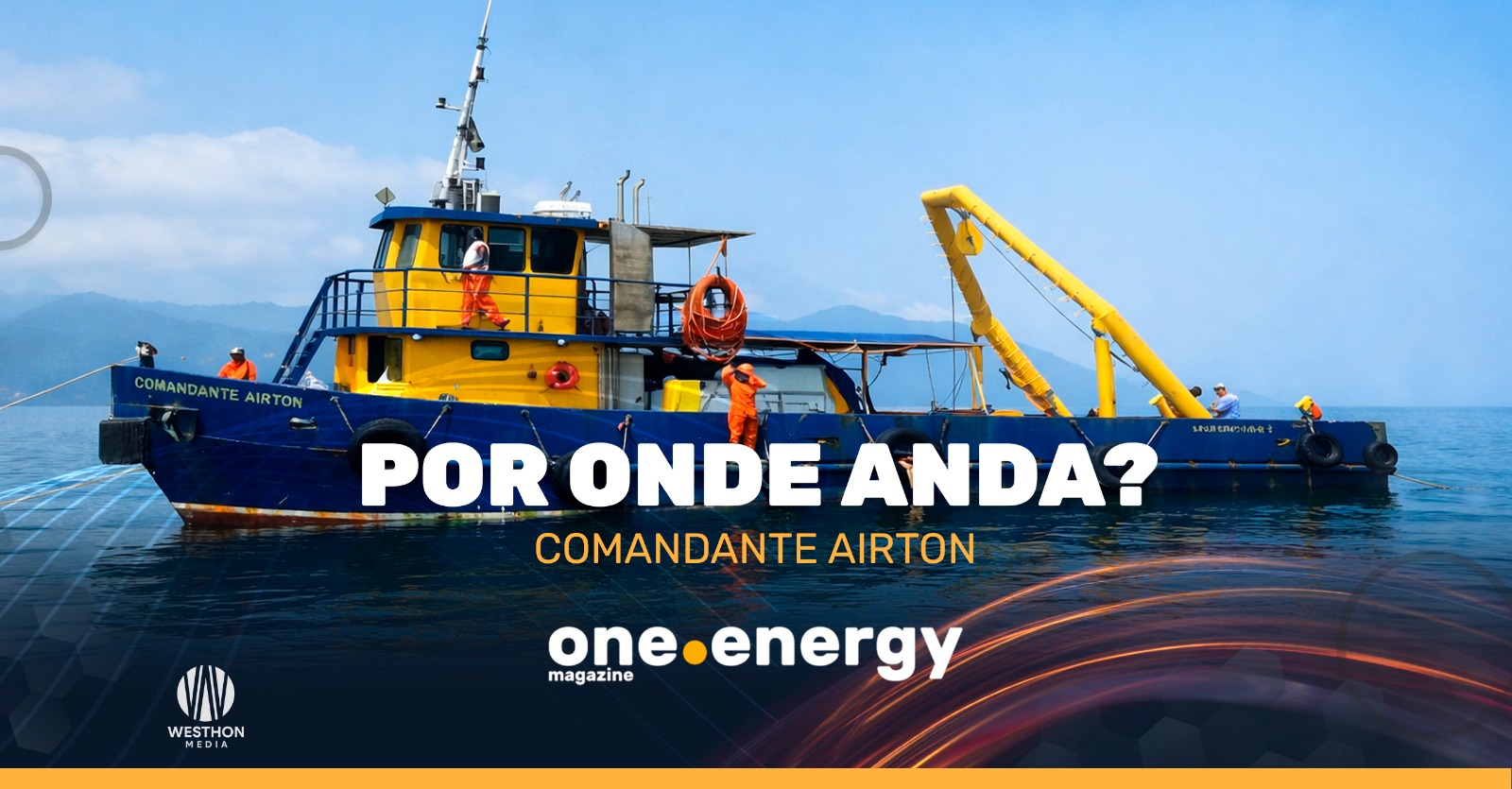
  • Special WSB: Por onde anda? Comandante Airton

    Special WSB: Por onde anda? Comandante Airton

    Por Onde Anda? — Comandante Airton

    Comandante Airton was built in 2014. Steel hull. Twin Scania DSI 12 engines. 18.75 metres in overall length (LOA). Designed from the outset for one purpose: heavy-duty work.
    Not to impress. Not to be the largest in the fleet. To work.

    “This vessel is a phenomenon. It never breaks down. Perhaps the secret lies in the fact that it is always moving, always working. Just as the human body seizes up when sedentary, so does she. It is a source of pride for all of us,” says Diego Venturini, Commercial Director and partner at Umi San.

    Classified as a tugboat, she operates offshore with a 15-day endurance, a cruising speed of 10 knots, and a 15-tonne lifting capacity through a stern A-frame that makes her surprisingly versatile for an asset of her size. The vessel is one of UMI SAN’s flagships — a company specialising in coastal navigation.

    Registered under the Brazilian flag, MMSI 710005126, Comandante Airton currently operates within UMI SAN’s fleet, supporting maritime operations that include buoy installation and maintenance, diving activities, hydrographic surveys, and the towage of barges and submerged structures.

    Certified by the DPC for diving operations under NORMAM 222. Equipped with a hyperbaric chamber and an onboard real-time data processing workstation.

    A small vessel. A complete operational package.

    But the story of Comandante Airton does not begin with the vessel. It begins with the man.

    Who was Comandante Airton?

    In 1999, Comandante Airton A. Rodrigues — freshly retired from the Brazilian Navy — decided not simply to leave the sea behind. He founded UMI SAN, a company whose name carries both a language and a purpose: umi, meaning “sea,” and san, meaning “master” in Japanese, combined with the acronym SAN — Serviços de Apoio à Navegação (Navigation Support Services).

    In 2019, Comandante Airton Rodrigues passed away. In 2021, the vessel was incorporated into the fleet. The company he built kept sailing. The projects continue.

    “This was the first vessel in Brazil to carry out a rock-breaking operation using diamond wire cutting, without the use of explosives,” says Venturini. The operation took place in Itaguaí, where legislation prohibited the removal of underwater rock formations through blasting.

    And the fleet gained a name that was no longer merely operational.

    Some vessels are given a simple name. Others are given one with weight, with history, with the quiet responsibility of representing something greater than steel and engines.

    Comandante Airton is the second kind.

    Every Thursday, a new Where Are They Now? — stay tuned.

  • WSB Advisors in the press – Portos e Navios

    WSB Advisors in the press – Portos e Navios

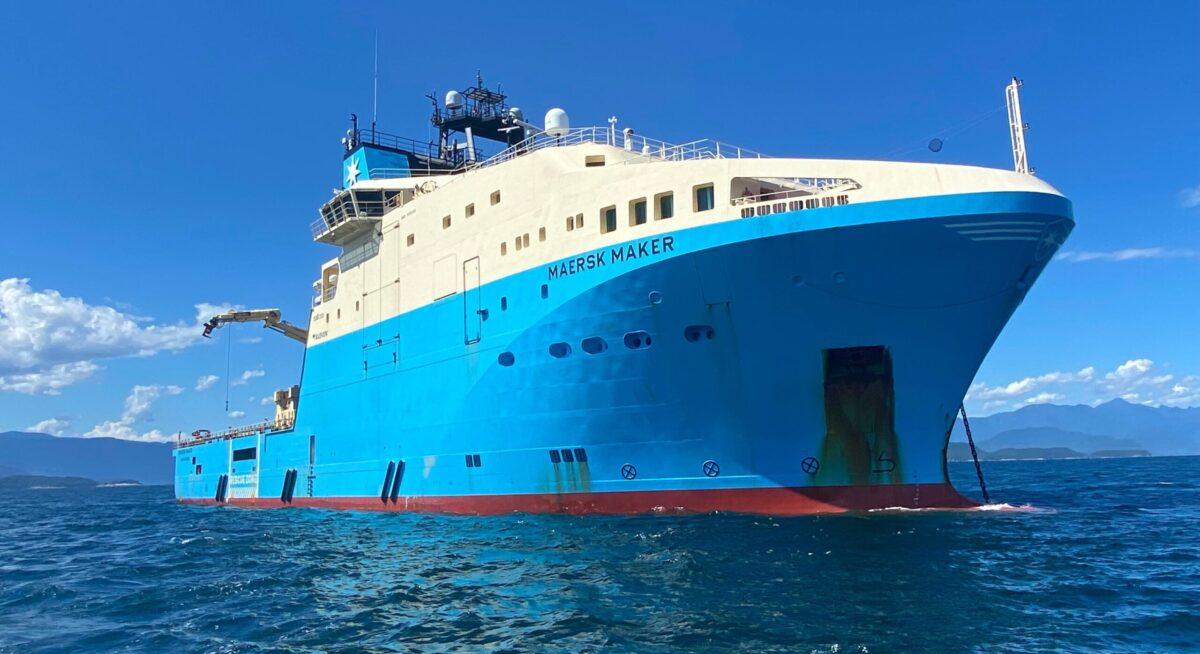
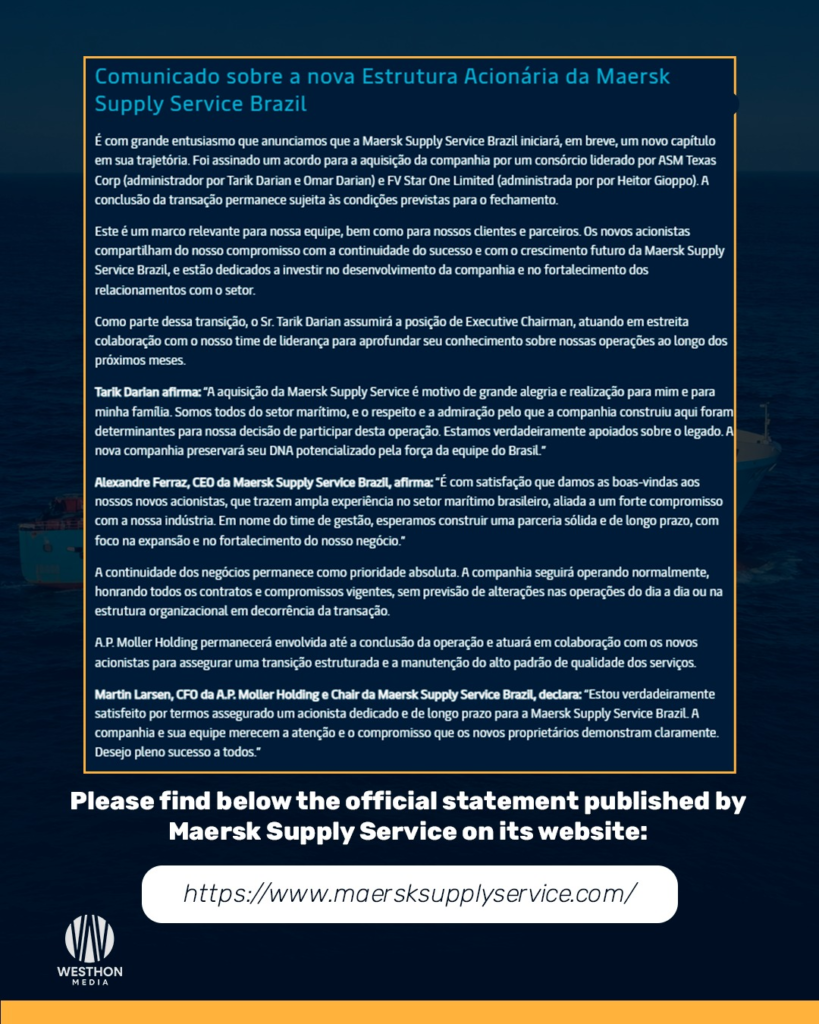
    Alexandre Vilela, CEO of WSB Advisors, was interviewed this week by Portos e Navios, analyzing the three transactions that impacted most the offshore market in 2026: Tidewater / WS Ultratug Offshore, OceanPact Serviços Marítimos / Companhia Brasileira de Offshore (CBO), and ASM Maritime / Maersk Supply Service Brasil. In the conversation, he detailed the strategic factors behind these moves and what they indicate for the future of the offshore support vessel market in Brazil.

    According to Vilela, the merger between OceanPact and CBO had long been anticipated by the market and is part of a global consolidation cycle that began after the 2014–2016 oil crisis. Major international groups such as DOF Group and Solstad Offshore have also undergone significant fleet and corporate restructuring processes in recent years. In Brazil, however, such movements tend to occur with some delay, due to regulatory characteristics and the prevalence of long-term contracts.

    For the executive, current signals suggest the sector is now moving into a new phase. More than mergers, the next cycle is expected to be marked by fleet renewal and expansion, driven by the ageing of offshore vessels. With a global average fleet age between 15 and 17 years — and even higher in some Brazilian segments — the stage appears set for new investments, including the possible entry of new players into the national market.

    “The offshore sector has undergone more than forty consolidation transactions in recent years, something unprecedented since the 2014 crisis,” Vilela says.

    Read more here

  • Special: WSB Norway

    Special: WSB Norway

    By Rafael Bortoloti

    Throughout 2025, we shared — here and across our social media channels — the inauguration of transfer of Westhon Headquarters to Teresópolis, a mountain city located approximately 100 km from our WSB office in Rio de Janeiro. Now, it is time to officially introduce WSB Norway, also launched last year in Kristiansand, a strategic city in Southern Norway.

    Situated in one of the most iconic hubs of the global offshore industry, the new unit strengthens WSB’s presence in the North Sea and enhances its ability to connect European and Asian shipowners with operational demands originating from Brazil. This move positions WSB as the first genuinely Brazilian offshore shipbroking firm to establish its own structure in Norway, reinforcing its role as a bridge between complementary markets.

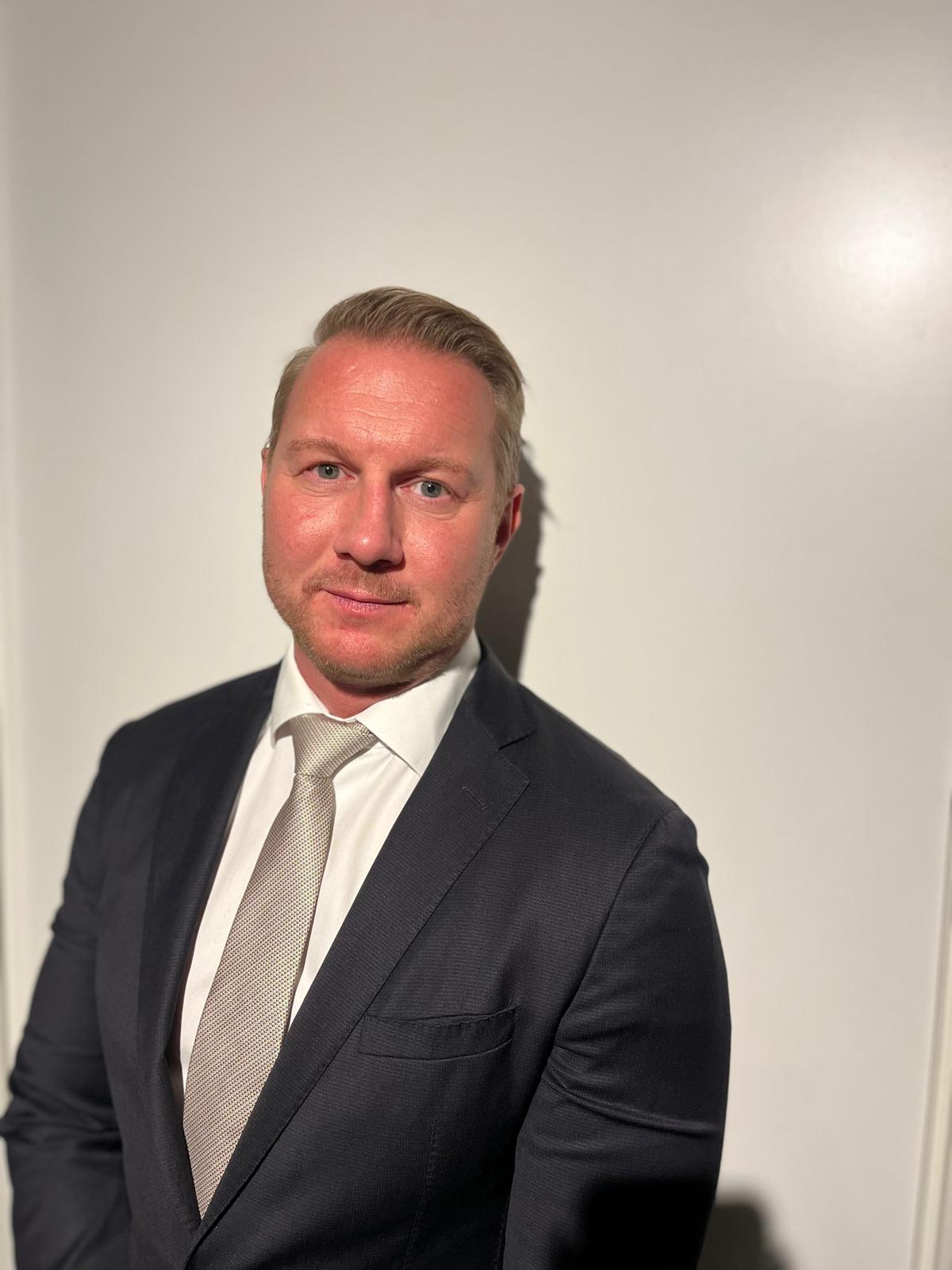
    Sølve Høyrem, the Leader behind WSB Norway

    At the helm of WSB Norway is the experienced and multifaceted broker Sølve Høyrem. With more than 25 years of dedicated shipbroking experience in the Norwegian market, he has built a distinctive and resilient career path. Over the years, he played a central role in the continuity and development of Westshore following the passing of Erik Stalemo, further strengthening his standing within the offshore brokerage community.

    “I have always focused on building long-term relationships based on trust and performance. In shipping, consistency and credibility are everything,” Høyrem says.

    One of the most significant milestones in his career was the financial turnaround and growth of Westshore, a shipbroking company he joined in 2002, when its annual revenue was approximately USD 400,000. After taking on the role of Managing Director in 2007, he led a growth cycle that increased revenue to USD 9 million the following year — a leap that cemented Westshore’s position in the market and reinforced his reputation within the industry.

    The invitation to lead WSB Norway came from Alexandre Vilela, CEO of WSB Advisors. Their professional paths first crossed at Westshore, when Høyrem invited Vilela in 2010 to open the local Westshore office. That early gesture of trust marked the beginning of a long-standing professional relationship. Years later, the collaboration evolved and ultimately culminated in the consolidation of WSB Advisors in 2016 — a dynamic that reflects a simple principle: trust once given returns in kind.

    Alexandre Vilela (Source: WSB Team)

    “From the very beginning, our cooperation was both enjoyable and highly successful. We built a strong professional relationship based on trust, market insight, and a shared commitment to delivering value to our clients. As part of this new chapter, I am establishing WSB Norway,” he adds.

    Among Sølve’s key challenges is expanding the international client portfolio, bringing new partners closer to the Brazilian operation — with several offers already presented and certain business secured. Another strategic objective is to establish a healthy and recurring revenue stream in Norway, laying solid foundations for future expansion.

    “I look forward to strengthening these international connections and creating new opportunities across these key markets,” he states.

    WSB Advisors and Norway: a consolidated relationship

    Kristiansand is a city that breathes offshore — a characteristic shared by Norway as a whole. The country is home to some of the leading companies in the maritime and energy industries, including Equinor, DOF, BW Offshore, NOV, and Solstad.

    WSB Advisors’ connection with the Norwegian market, however, goes far beyond the opening of the new office. One.Energy magazine has a broad reach in the country and has established itself as one of the leading international offshore publications among Norwegian readers.

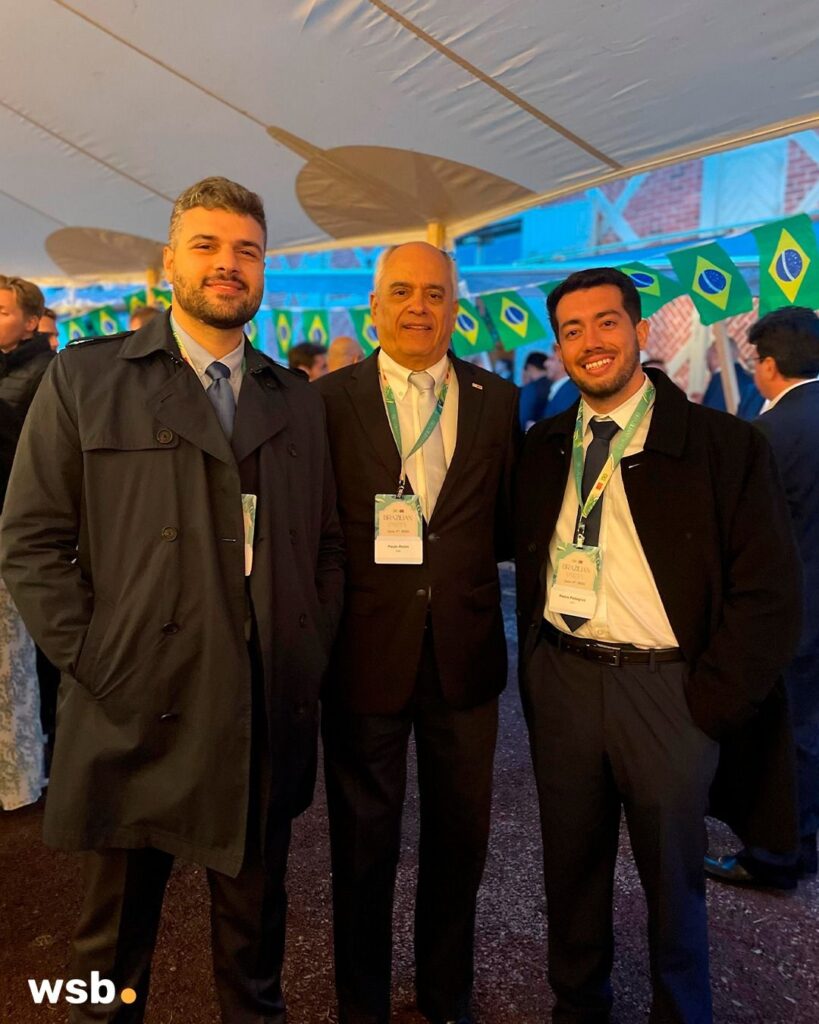
    In 2025, members of the WSB Brazil team attended Nor-Shipping, held in Lillestrøm, near Oslo, alongside Sølve Høyrem. Regarded as one of the most prestigious events in the global maritime industry, the latest edition marked its 60th anniversary, attracting more than 60,000 visitors from 104 countries.

    WSB team at Nor-Shipping
    WSB team at Nor-Shipping (Source: WSB Team)

    Sølve highlights an important distinction in market dynamics:

    “In Norway, the spot market is highly developed and very active, with strong broker involvement. This is a characteristic of a mature offshore market, where brokers play an integrated role between owners and charterers. Brazil, even after a challenging decade for the industry, has seen increasing broker activity — a sign that the market is evolving and becoming more structured,” Høyrem explains.

  • New Edition – One Energy magazine

    New Edition – One Energy magazine

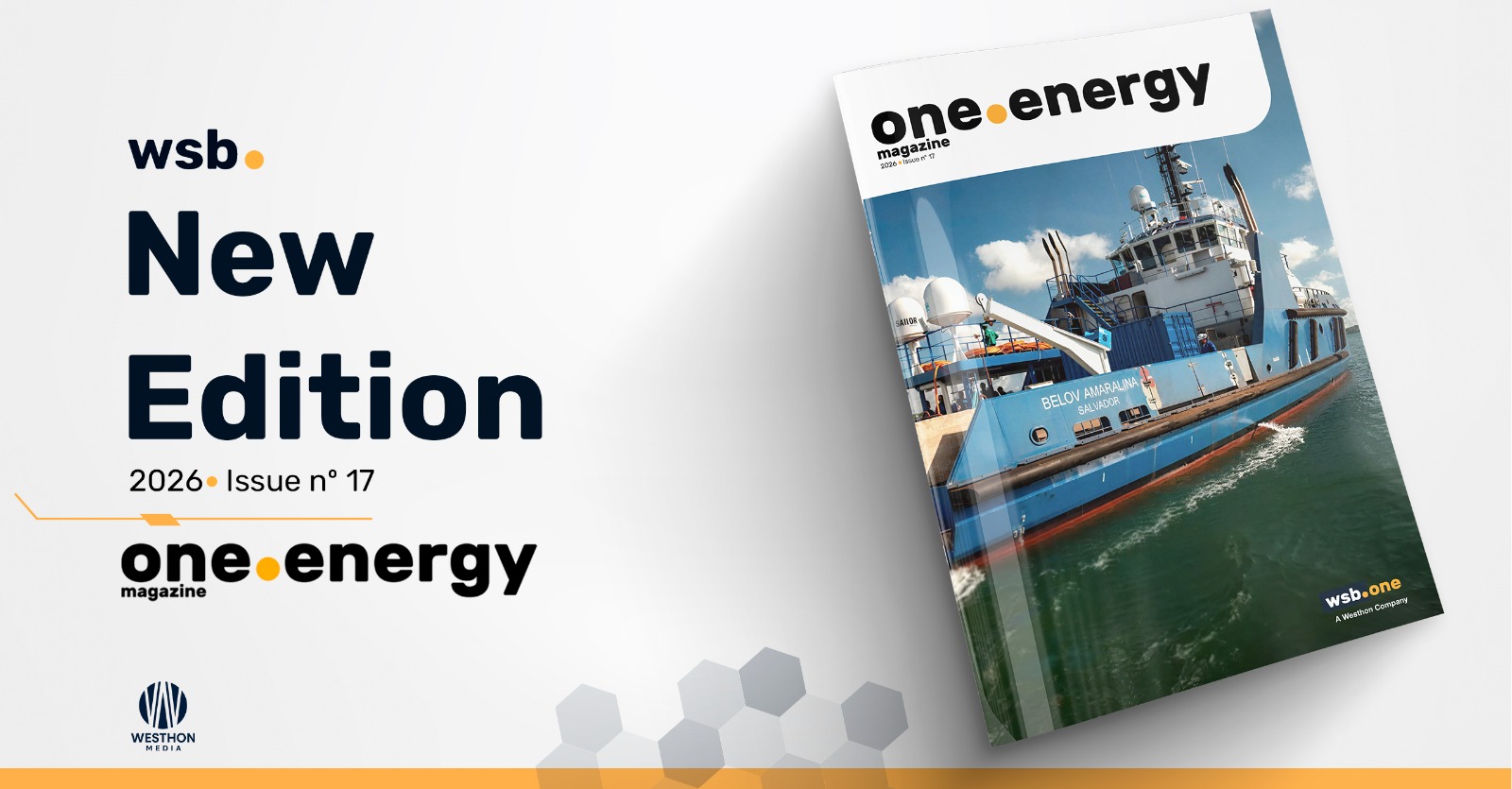
    One Energy Magazine — Issue 17

    Now Available!

    In this edition of One Energy Magazine, you’ll find an exclusive interview with José Eduardo Leal Senior Sales Manager at Kongsberg Maritime, focused on technology and artificial intelligence in the maritime sector.

    This issue also features:

    • An in-depth look at Belov Arembepe
    • WSB Advisors Norway
    • Staff announcement
    • Por onde anda?
    • Camorim behind the largest light and fireworks show on Earth
    • Tidewater acquires Wilson Sons, plus more market updates
    • Perspectives from Fernando Vilela, Alexandre Vilela, Luiz Fernando Priolli and Romulo Bacchiega
    • Market insights

    A must-read.

    Click here to read:

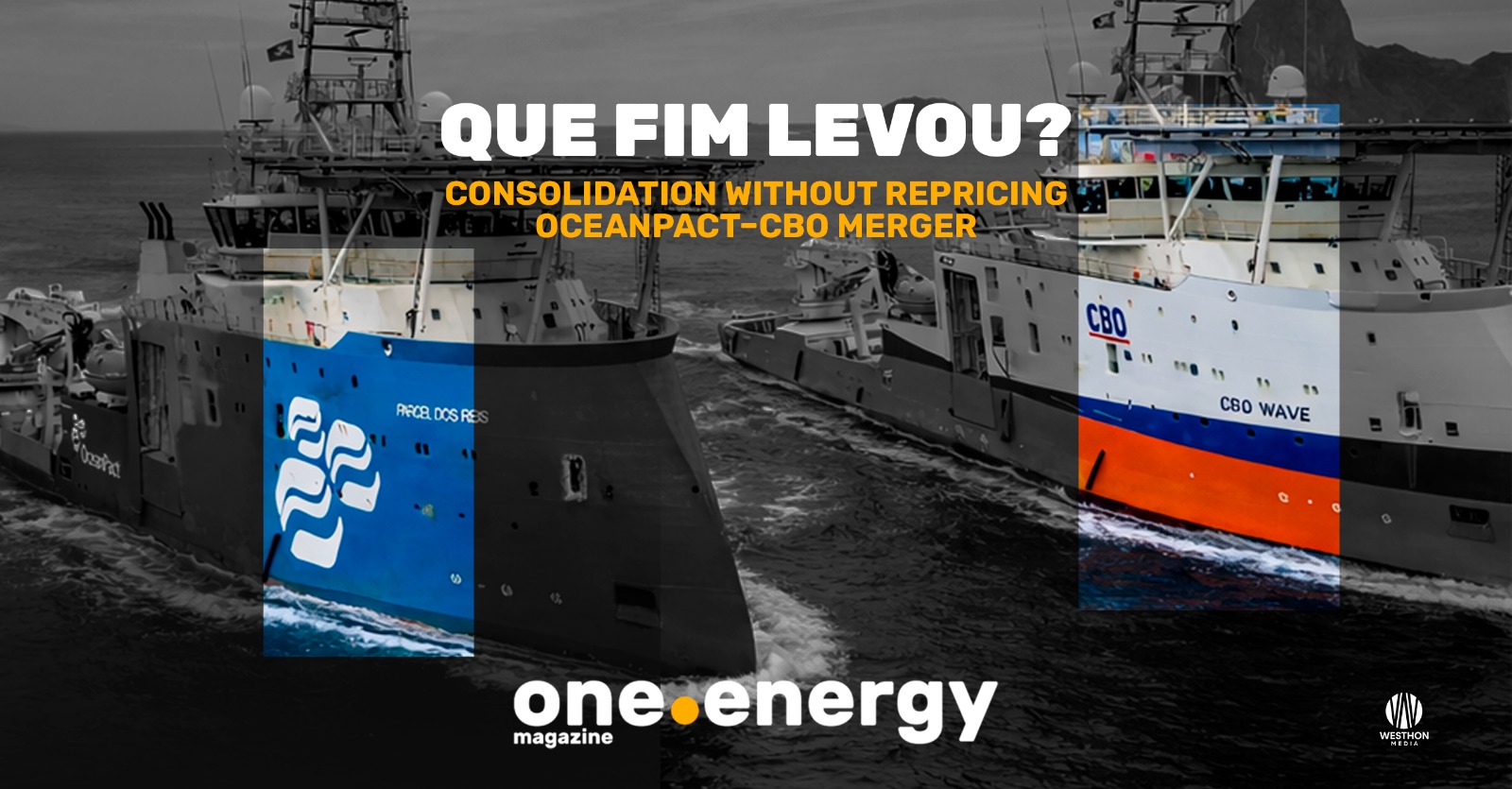
  • Special WSB: Que fim levou? Consolidation without repricing

    Special WSB: Que fim levou? Consolidation without repricing

    By Alexandre Vilela

    Consolidation Without Repricing
    OceanPact–CBO merger

    Bigger, But Not Yet Richer
    The OceanPact–CBO merger and the economics behind the market’s restraint

    Brazil’s offshore sector has produced a bigger company. What it has not yet produced is a richer one.

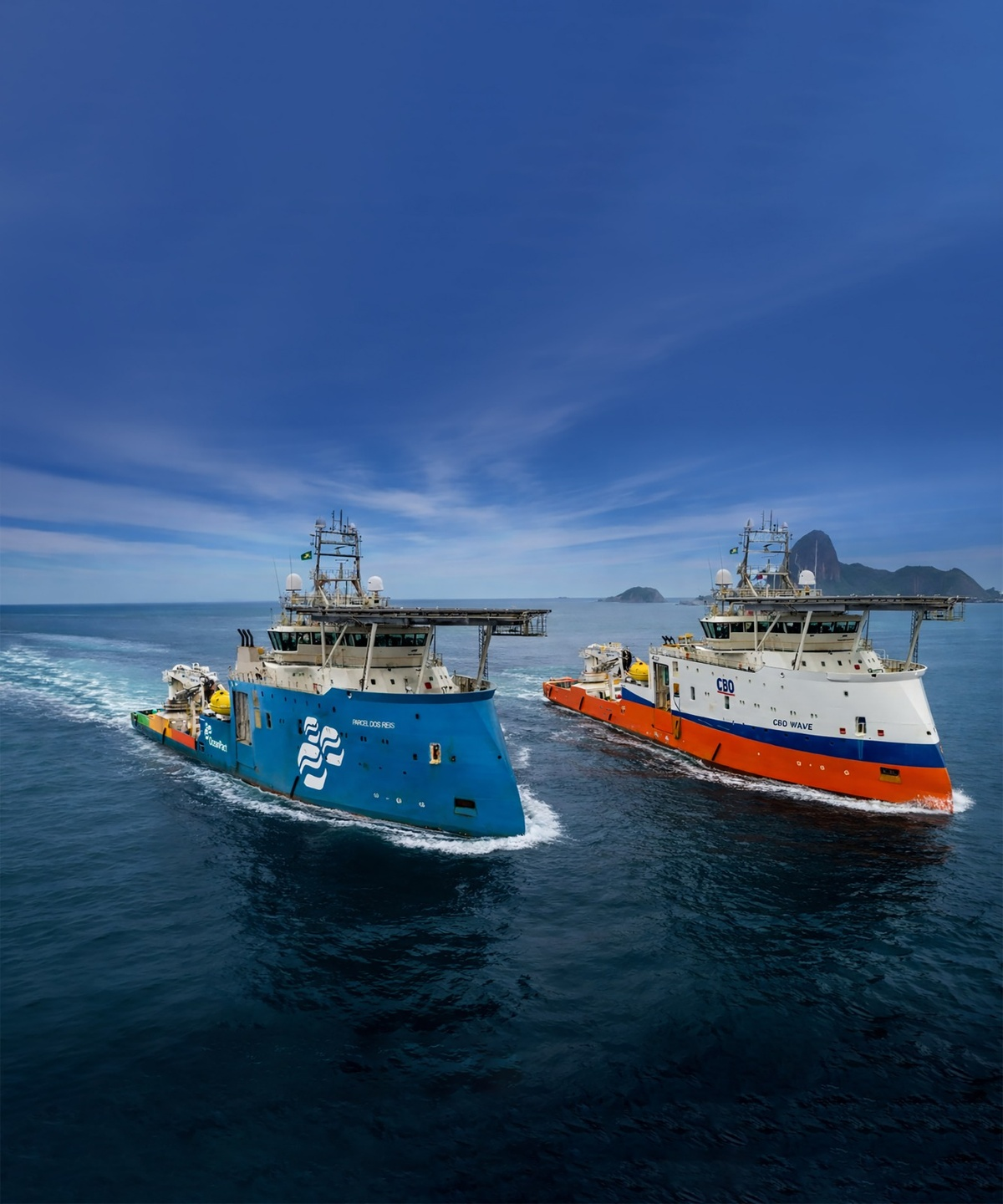
    The merger between OceanPact and CBO represents one of the most consequential consolidation moves in the Brazilian offshore services industry in recent years. The combined company will operate a fleet of 73 vessels, generate revenues exceeding R$4 billion annually, and carry a backlog estimated at roughly R$14 billion. By operational standards, the platform that emerges from this combination is substantial, placing the group firmly among the most significant offshore service providers in the Brazilian market.

    CBO Bianca
    CBO Bianca (Source: CBO)

    Yet the reaction of the equity market has been notably restrained. OceanPact’s share price, which had already appreciated in anticipation of consolidation in the sector, has not experienced the type of re-rating that often accompanies transactions of this magnitude. The explanation appears to lie not in the strategic logic of the merger — which is widely understood — but in the underlying economics of the two companies and in the structural realities of the offshore services business.

    The valuation multiples that framed the transaction initially appear balanced. Market commentary surrounding the deal points to an implied valuation of roughly 5.3x EV/EBITDA for CBO compared with approximately 4.9x for OceanPact, figures that fall broadly within the range typically observed for offshore support vessel operators. Yet multiples alone rarely capture the deeper dynamics of capital intensity and cash generation that ultimately shape investor perception. Globally, offshore vessel operators seldom sustain valuations far above 6x to 7x EBITDA, even in favorable cycles, precisely because a meaningful portion of operating cash flow must continually be reinvested into fleet maintenance, regulatory upgrades and eventual replacement.

    OceanPact’s financial profile prior to the merger already reflected the challenges of operating a diversified offshore services platform. The company’s integrated model — combining environmental response, subsea support and offshore logistics services — requires continuous reinvestment in specialized equipment and operational capabilities. Financial statements for recent periods revealed instances in which capital expenditures exceeded operating cash generation, resulting in negative free cash flow before financing. In a capital-intensive industry, that dynamic inevitably raises questions about long-term cash conversion.

    CBO, by contrast, historically demonstrated stronger financial discipline. Its operations remained anchored in the traditional offshore vessel market, where fleet management and contract stability tend to produce more predictable financial outcomes. EBITDA margins near 50%, compared with approximately 30% for OceanPact, reflected both operational efficiency and the relative simplicity of a vessel-centric business model.

    The merger therefore combines two companies with distinct financial characteristics. While CBO contributes stronger cash generation from its fleet operations, that discipline alone may not fully offset the capital demands embedded in OceanPact’s integrated services platform. The combined entity inherits broader operational capabilities, but it does not fundamentally alter the capital dynamics that investors have been scrutinizing.

    Fleet structure adds another dimension to the equation. Although the merged company commands a larger number of vessels, the transaction does little to change the average age profile of the fleet, which remains in the mid-teen range. Offshore support vessels typically approach the limits of their economic life near thirty years, after which maintenance, propulsion upgrades and regulatory compliance requirements become prohibitive. With an estimated fleet age around 16 to 17 years, roughly half of the combined fleet may approach that threshold within the next decade. Even conservative replacement economics illustrate the scale of the issue. Replacing twenty vessels over time at prices between $30 million and $50 million per unit, typical for modern offshore tonnage, implies a long-term capital requirement approaching $600 million to $1 billion. And building takes time.

    Source: Courtesy/CBO + Oceanpact

    Neither OceanPact nor CBO has recently pursued a major program of new vessel construction. Fleet expansion in recent years has instead relied primarily on acquisitions of existing tonnage in the secondary market. While this strategy preserves capital in the short term, it also compresses the timeline for fleet renewal and increases dependence on maintenance investment to extend vessel life.

    At the same time, the offshore market itself may be evolving in ways that complicate the strategic narrative surrounding integrated service platforms. For much of the past decade, the industry assumed that oil companies would increasingly favor bundled service solutions combining vessels, engineering and subsea operations. Yet the Brazilian market appears to be moving along a somewhat different trajectory. Petrobras has recently taken a more cautious stance toward certain integrated contracting structures. Activities such as pre-laid mooring systems for FPSO installations have increasingly returned to the domain of EPCI contractors or Petrobras’ own engineering resources, while the backbone of offshore logistics continues to rely on the familiar categories of offshore tonnage: PSVs, AHTS vessels, OSRVs, RSVs and PLSVs.

    In this sense, the offshore market continues to function largely as a fleet-driven commodity business, where vessel availability, reliability and pricing remain the central competitive variables. That environment tends to reward the financial discipline associated with operators such as Tidewater, whose strategy emphasizes fleet efficiency, controlled capital expenditure and consistent free cash flow generation.

    Integrated offshore platforms can certainly succeed, but historically they have done so when accompanied by substantial technological investment, as illustrated by companies such as DOF, which built their position through specialized subsea vessels and significant capital programs. The OceanPact–CBO combination appears to pursue a somewhat different path, expanding operational scope while relying primarily on existing fleet assets rather than embarking on a new generation of specialized vessels.

    For investors, the central question therefore becomes less about the logic of consolidation and more about its financial implications. A larger fleet and broader service offering may strengthen commercial positioning, but scale alone does not automatically translate into improved economics. The market is ultimately asking whether the combined company will be able to convert its expanded operational footprint into consistent free cash flow after fleet investment and operational reinvestment.

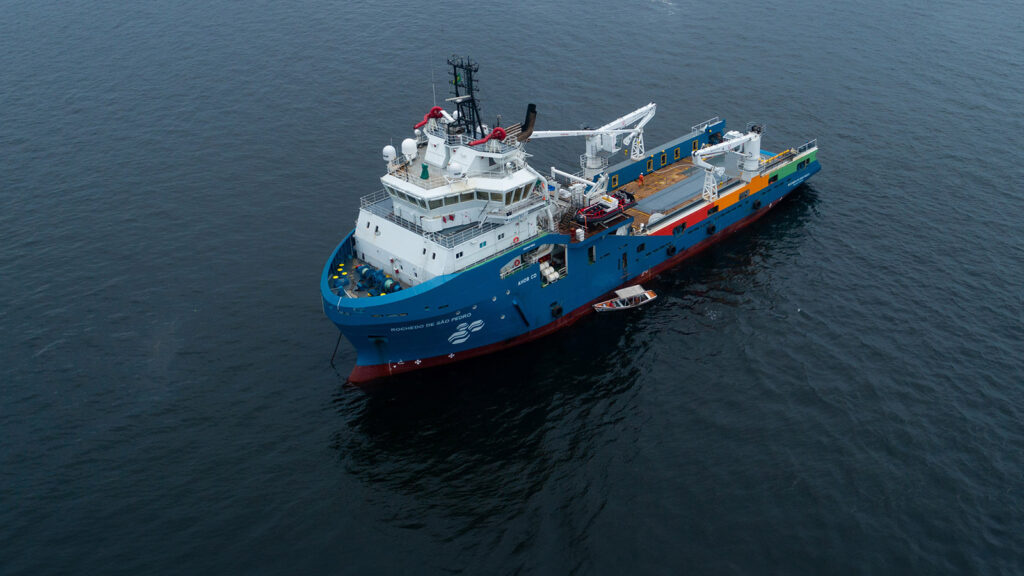
    Rochedo de São Pedro (Source: Oceanpact)
    Rochedo de São Pedro (Source: Oceanpact)

    Until that question is answered, the market’s restraint may be less a sign of skepticism than a reflection of experience.

    In offshore services, larger fleets often signal stronger operational capability.
    But in the eyes of investors, value is measured less by the number of vessels a company controls than by the cash those vessels ultimately generate.

  • PRIO – Wahoo field

    PRIO – Wahoo field

    PRIO announced on March 3 that it has received the Operating License for Wahoo field, in Campos Basin, from Instituto Brasileiro do Meio Ambiente e dos Recursos Naturais Renováveis (Ibama) — the final regulatory step before first oil.

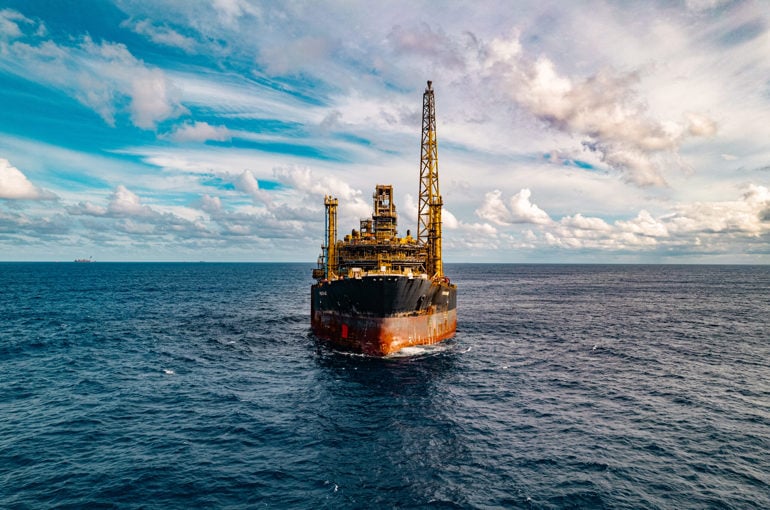
    With commissioning in its final phase, production will take place via a subsea tieback to the FPSO at Frade Field, leveraging existing infrastructure and optimizing capex.

    PRIO acquired a 35.7% stake in Wahoo from bp in 2020. The field is estimated to hold more than 140 million barrels of recoverable resources.

  • Special WSB: “Que fim levou?”

    Special WSB: “Que fim levou?”

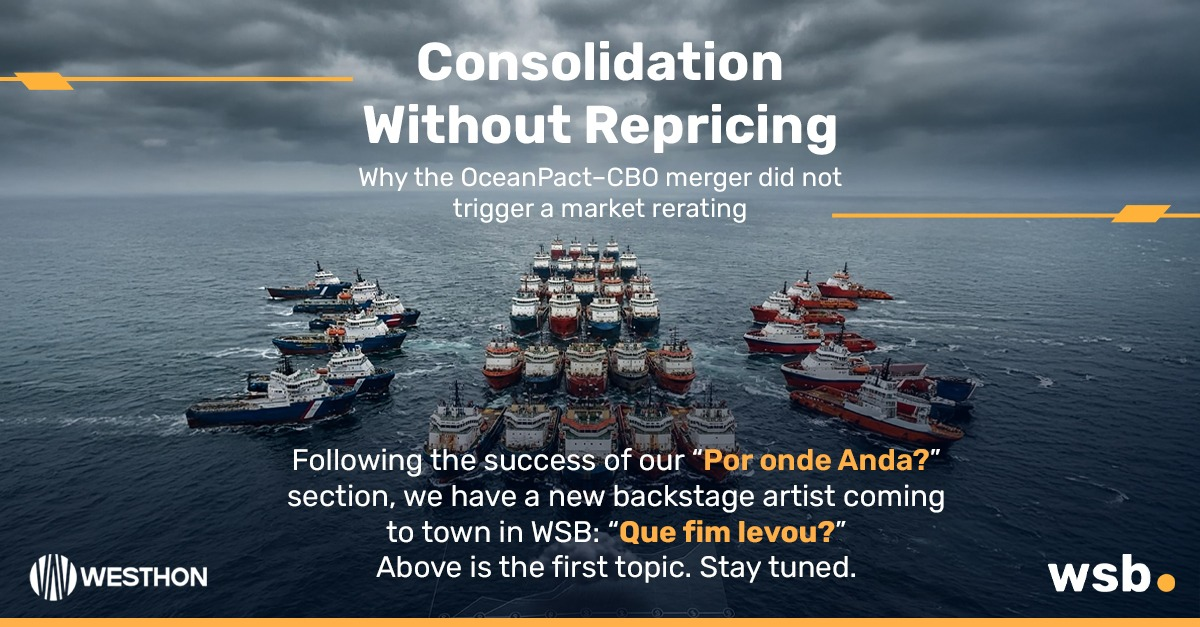
    Consolidation Without Repricing

    Why the OceanPact–CBO merger did not trigger a market rerating

    Following the success of our “Por onde Anda?” section, we have a new backstage artist coming to town in WSB:

    “Que fim levou?”

    Above is the first topic. Stay tuned.

  • OceanPact and CBO announce combination agreement

    OceanPact and CBO announce combination agreement

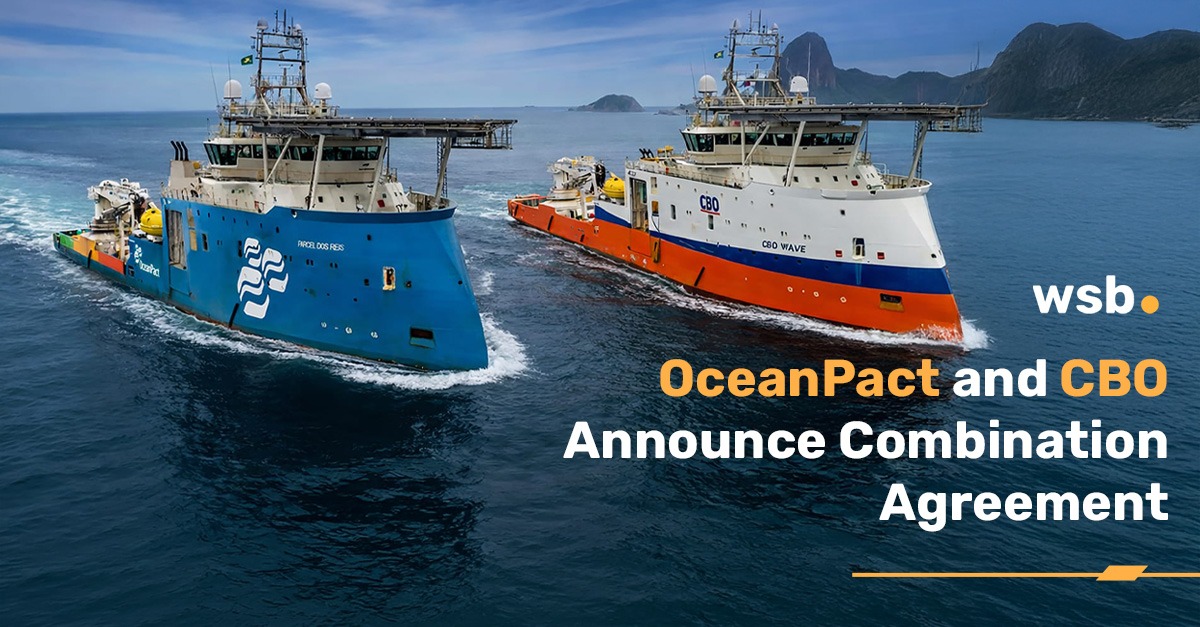
    OceanPact Serviços Marítimos S.A. announced it has signed an Association Agreement to merge with CBO Holding S.A., forming a combined offshore support company with 73 vessels and approximately R$13.6 billion in contracted backlog. OceanPact was advised by Itaú BBA as financial advisor in the transaction, with legal advisors to the parties including Mattos Filho (OceanPact) and Pinheiro Neto Advogados (CBO), as reported by BrazilJournal. The transaction will be implemented through the merger of CBO into OceanPact and remains subject to shareholder approval (March 30, 2026) and clearance from Conselho Administrativo de Defesa Econômica (CADE).

    Under the agreed terms, OceanPact will issue 274,551,446 new common shares to CBO shareholders, based on an exchange ratio of 1.9805700858 OceanPact shares per CBO share. Upon closing, former CBO shareholders will hold 57.86% of OceanPact’s total share capital. The exchange ratio was negotiated between the parties with support from external advisors.

    CBO contributes a fleet of 45 OSVs (42 owned), including PSVs/ORSVs, RSVs and AHTSs, strengthening fleet scale, rejuvenating average vessel age and expanding operational capabilities. OceanPact expects the combination to enhance cash flow generation, unlock operational synergies and position the company among the leading global offshore support platforms.

    The transaction also includes a corporate reorganization to segregate contingent legal claims related to UP Offshore, ensuring any future net proceeds accrue exclusively to OceanPact prior-to-closing shareholders.

  • Belov Arembepe contracted by Petrobras

    Belov Arembepe contracted by Petrobras

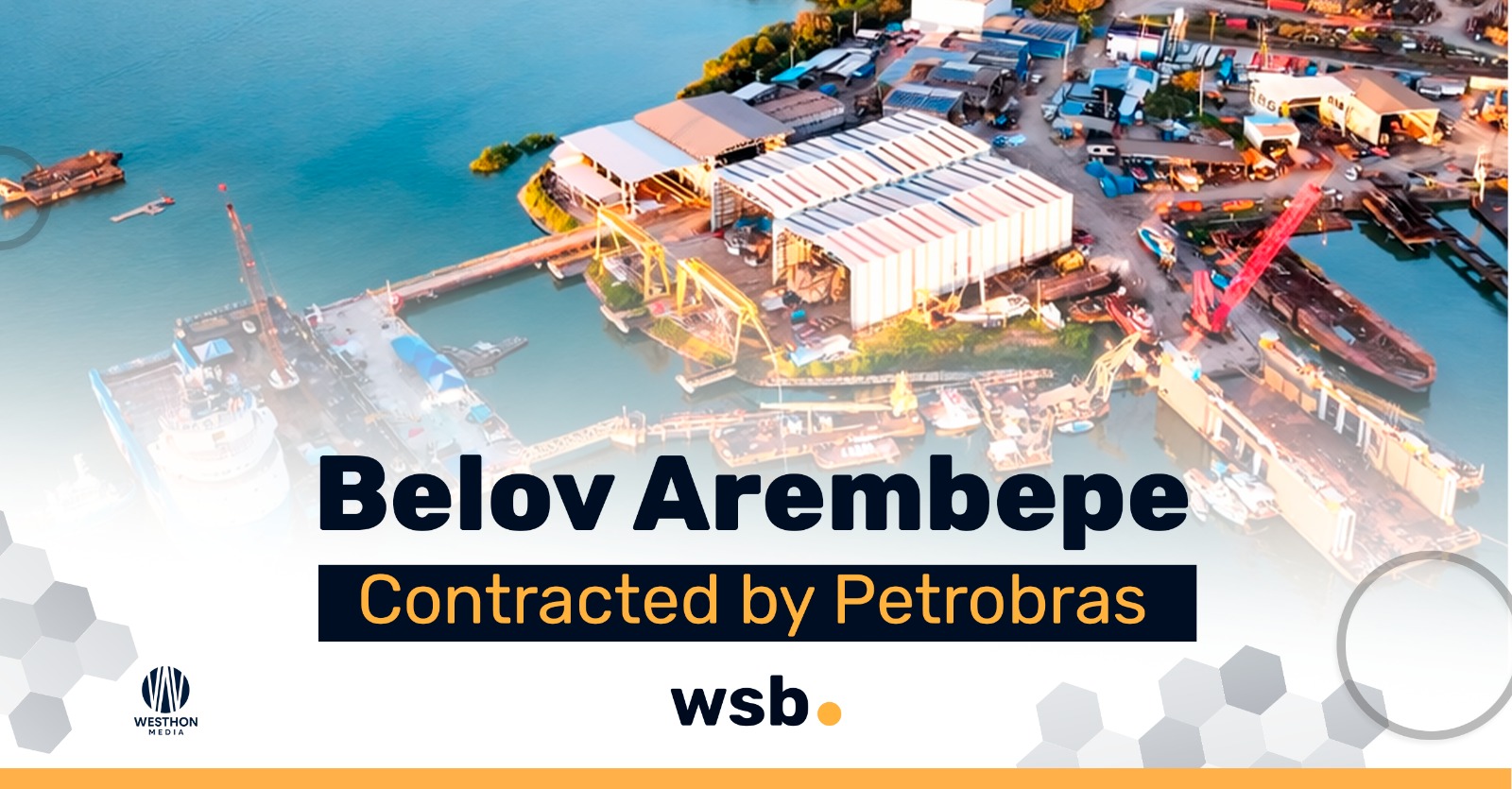
    Belov Engenharia has signed a contract with Petrobras for the chartering of the SDSV Belov Arembepe, which will operate for the oil company for a period of four years. The agreement includes PPU-based remuneration components denominated in Brazilian reais and U.S. dollars, with a total contractual value (Service plus hire) of approximately R$ 680 million over the term.

    Construction of the Belov Arembepe began in February 2026 and is expected to last approximately 18 months, with delivery scheduled for the second half of 2027, when Petrobras is DUE to commence operations with the vessel.

    The Belov Arembepe will be the fourth SDSV in Belov’s fleet and the third vessel to be built at the group’s shipyard in Bahia. The project has been granted R$115 million in financing from the Fundo da Marinha Mercante (FMM).

    “The Belov Arembepe will incorporate the proven design of previous vessels, with operational upgrades implemented based on lessons learned in recent offshore campaigns,” said Juracy Vilas-Bôas, Director at Belov Engenharia, in an interview for the upcoming edition of One Energy magazine.

    For further technical information about the vessel, visit wsb-one.com

  • Special WSB? Por onde anda? BGL 1

    Special WSB? Por onde anda? BGL 1

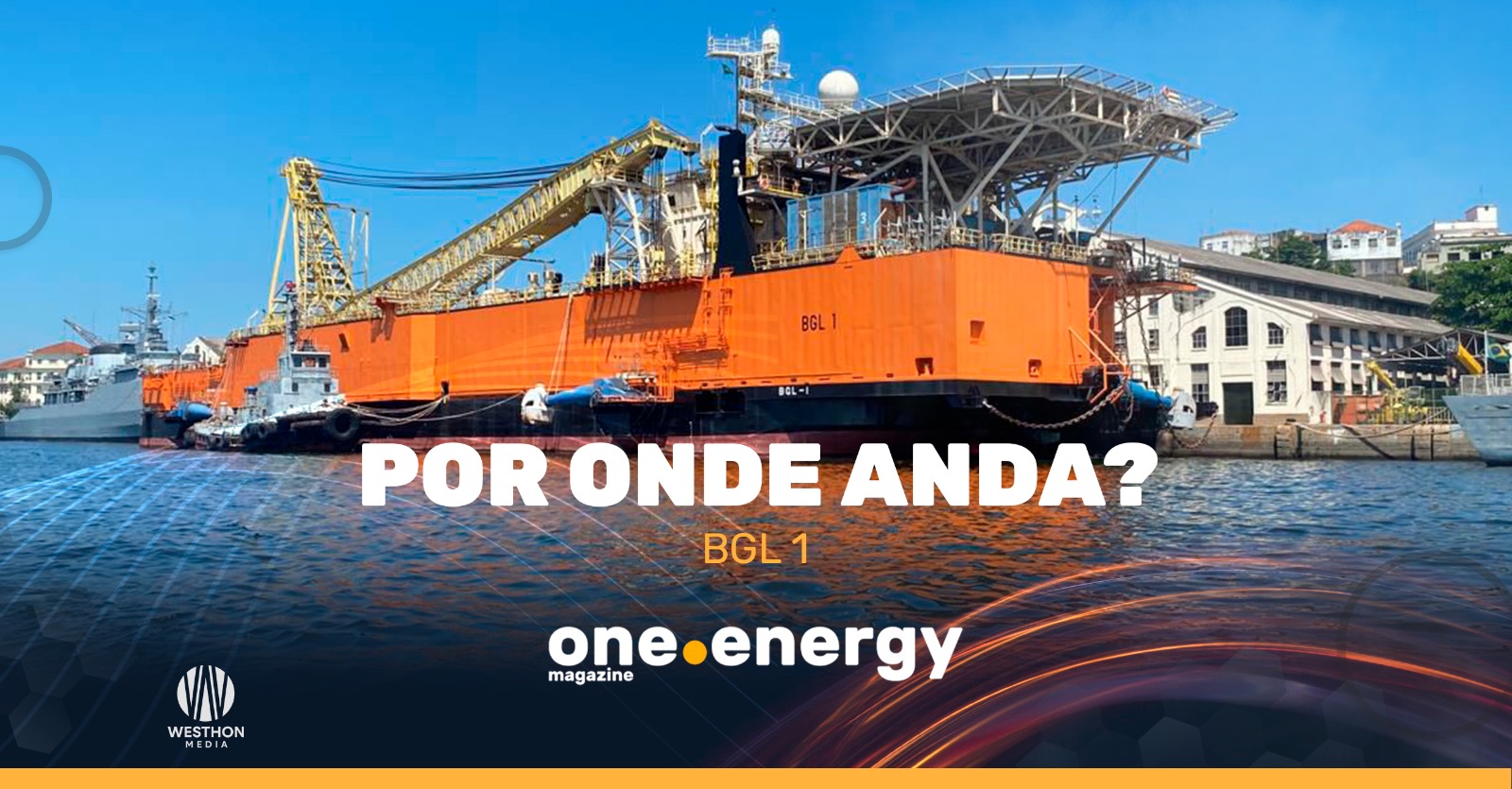
    In the middle of Carnival in Brazil, while many people were joining the street parades… a 1,000-ton crane barge decided to leave.

    After years practically motionless, BGL 1 departed the pier at Cais da Ilha das Cobras without announcement, without statement and without, at least for now, a clear explanation.

    A discreet move for an asset far too large to go unnoticed — especially one that had long been part of the landscape seen from our office on Avenida Rio Branco, Rio de Janeiro.

    Built in Japan by Mitsui Engineering & Shipbuilding and delivered in 1977 already linked to contracts with Petrobras, BGL 1 was never just another offshore construction asset.

    For decades, she operated as one of the main pipe-laying and heavy-lift barges in Brazilian waters, directly supporting the expansion of the country’s subsea infrastructure. With 1,000-ton lifting capacity, dynamic positioning and a configuration tailored for offshore construction campaigns, she built a track record few assets can match — pipeline installation, structural supports, complex removals, shallow-water interventions and special projects.

    Precisely because she was a working asset, not a showcase unit, what followed stands out: after years of intense activity, the barge entered a prolonged period of inactivity, remaining for long stretches at Estaleiro Inhaúma in Guanabara Bay before being acquired by Super Braço in 2019 and later undergoing interventions at the Arsenal de Marinha do Rio de Janeiro.

    And then… operational silence.

    For an asset of this scale, not operating is more than the absence of a contract — it is a decision.
    Keeping a construction barge idle implies continuous cost.
    So the inevitable question was never “why wasn’t she operating,” but “why was she still there, simply existing?”

    During Carnival 2026, a movement.

    BGL 1 was recently towed toward the Porto de Sepetiba region.
    No public announcement. No operational confirmation. No defined scope.

    Reactivation?
    Logistical repositioning?
    Preparation for sale?
    Or simply cost rationalization outside Guanabara Bay?

    In offshore construction, assets of this nature do not move without reason.
    But reason and destination are not always the same thing.

    What is certain is that a vessel that helped build part of Brazil’s subsea infrastructure spent years floating sidelined — and has now started moving again.

    It does not necessarily mean operation.
    But ceasing to remain still always means something.

    And you, any idea where BGL-1 is going next? Comments are open below.

    Every Thursday, a new “Por onde anda?” — stay tuned.