Tag: Shipbroking

  • Por onde anda? GNL 1001 & GNL 1008

    Por onde anda? GNL 1001 & GNL 1008

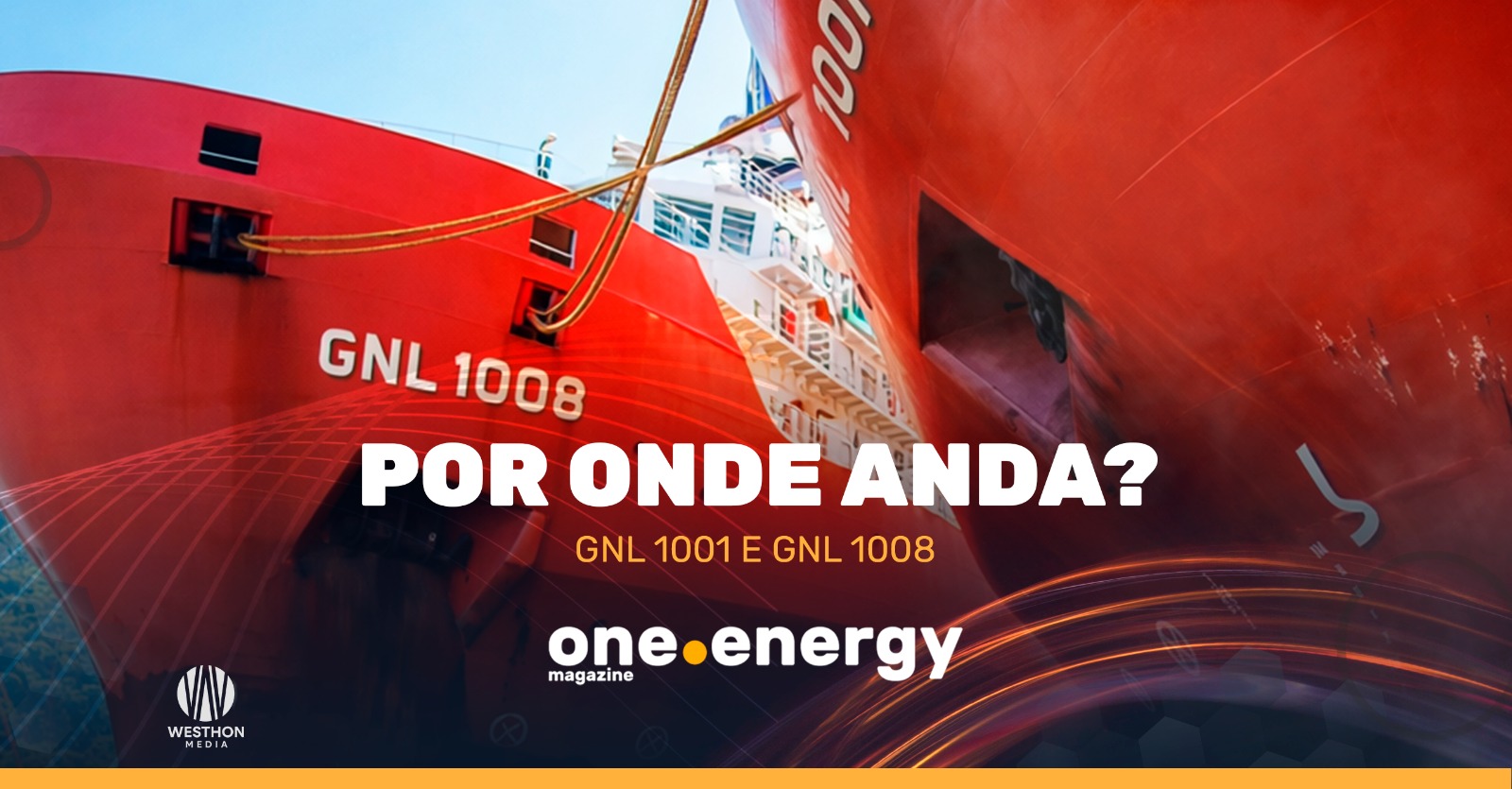
    Within Brazil’s offshore support vessel landscape, Platform Supply Vessels GNL 1001 and GNL 1008 follow an uncommon trajectory — modern PSVs that moved from lay-up back toward a path of recovery and renewed operational relevance.


    Delivered in 2016 (GNL 1008) and 2017 (GNL 1001) by TWB S.A., later Keppel/Seatrium Brasil, both units were built to Ulstein P105-derived designs. Measuring approximately 94 meters in length, with beam close to 20 meters and deadweight between 4,500 and 5,467 tonnes, they rank among largest PSVs operating in Brazil.

    Following delivery, both vessels entered directly into long-term contracts with Petrobras, integrating Brazil’s offshore logistics chain for several years and fully absorbing vessel capacity. During this period, units were commercially and operationally associated with Galáxia Marítima — Em recuperação Judicial, appearing in public records and market references as part of group’s offshore portfolio, despite being formally recognized mainly for tonnage and registry purposes.

    Inflection point came closer to end of those contracts — first in case of GNL 1008, whose charter ended earlier — and more critically after contract termination, amid growing operational constraints and judicial disputes.

    Available indications suggest structural integrity of vessels remained largely preserved due to relatively recent age and high construction standards; however, when observed at anchorage areas or ports, units already reflected an unmanaged lay-up condition, with minimal technical supervision and no clear reactivation plan.

    Break in this cycle occurred in late 2025, when Singapore-based Seatrium Limited divested 100% equity interest in Guanabara Navegação Ltda. (GNL) — special purpose entity holding both vessels — to Posidonia Shipping & Trading Ltda. The transaction, valued at approximately USD 59.7 million, took place within a judicial process and aligned with Seatrium’s divestment of non-core assets, while reflecting Posidonia’s confidence in rebuilding offshore capacity.

    Under Posidonia’s management, both units have been renamed and are being prepared for operational reactivation as part of a fleet strategy focused on large-capacity PSVs aligned with profile of recent offshore demands in Brazil. Acquisition represents more than a simple change of control: it marks potential return of two modern PSVs to operation as utilization gradually recovers and charter demand strengthens.

    Trajectory of GNL 1001 and GNL 1008 is less about long dormancy and more about structural resilience and strategic repositioning. In a market marked by asset attrition and regulatory frictions, these vessels illustrate how the right ownership transition can preserve operational relevance well beyond a typical lay-up cycle.

    Every Thursday, a new “Por onde anda?” — stay tuned.
  • Equinor secures first Union oil cargo from Bacalhau

    Equinor secures first Union oil cargo from Bacalhau


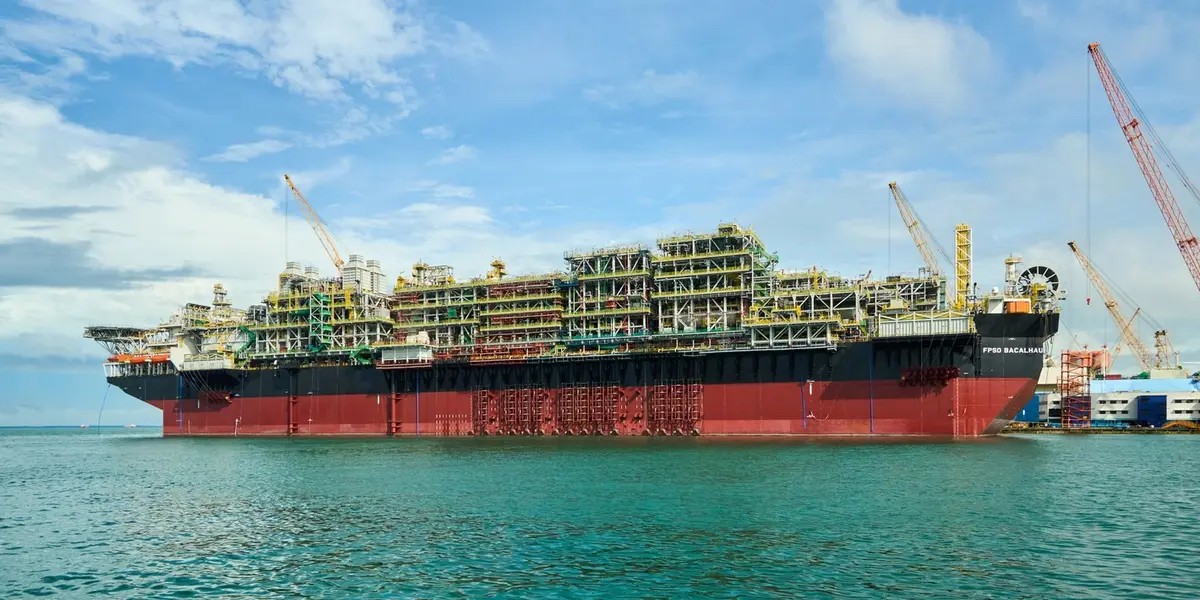
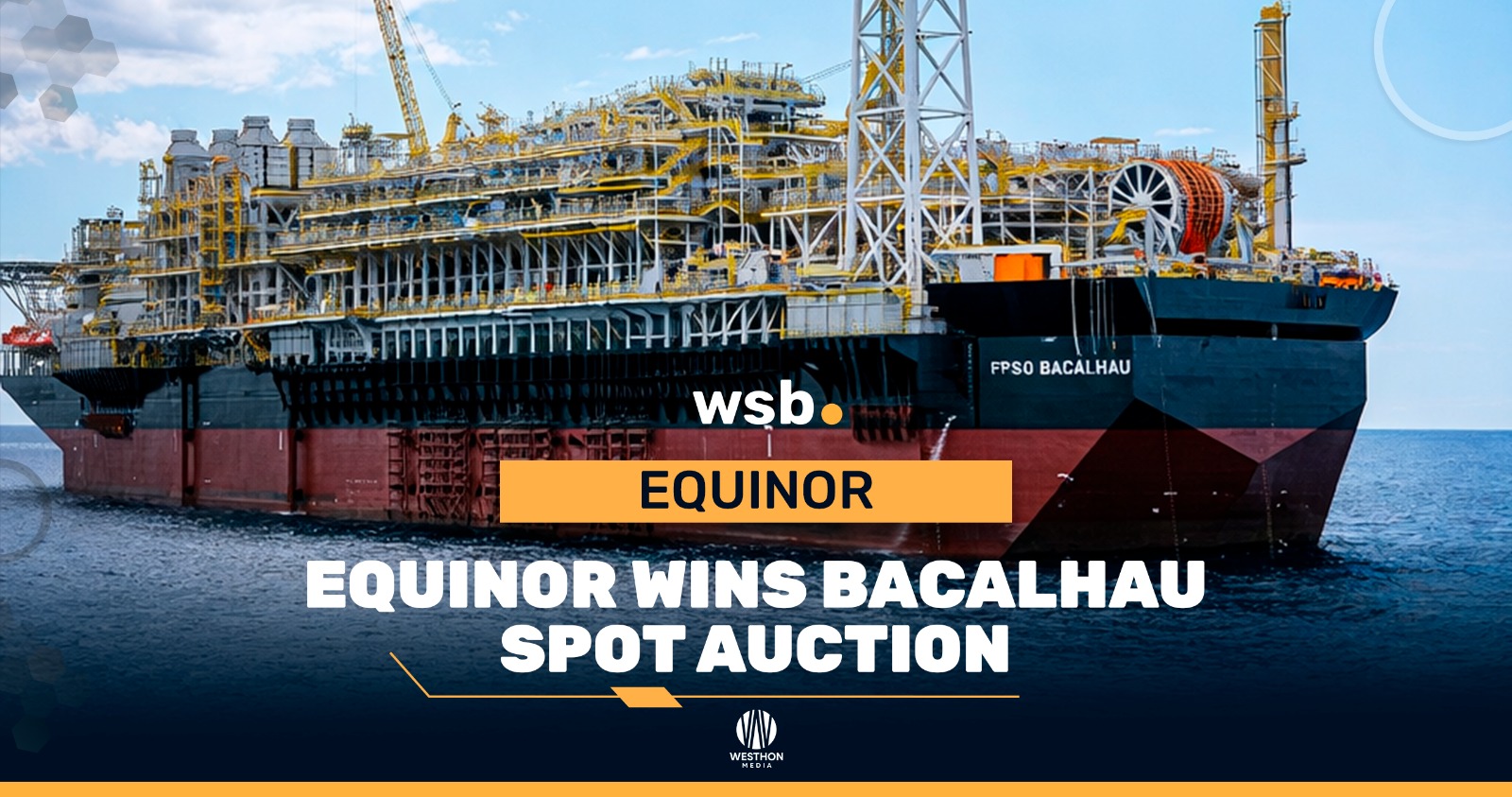
    Equinor won PPSA’s 5th Spot Oil Auction, securing the first 1 million-barrel cargo of crude oil belonging to the Union from the Bacalhau field, in pre-salt Santos Basin. The cargo is scheduled for loading in late March 2026, marking the start of commercialization of the Union’s oil from the asset.

    As reported yesterday, the auction gathered five qualified bidders — Equinor, ExxonMobil, Galp, Petrobras and PetroChina — underscoring strong interest from global majors in Brazil’s pre-salt crude. The sale follows the start-up of Bacalhau, which began production on October 15, 2025.

    According to PPSA (Pré-Sal Petróleo S/A), a new spot auction is already planned for March, covering additional Union oil cargoes from Bacalhau, reinforcing the transition of the field from initial production to a regular commercialization phase. Under the current cycle, three to four Union cargoes are expected, with further liftings scheduled between May and September 2026.

    Stay informed on key offshore developments — visit wsb-one.com, our data platform trusted by leading offshore companies.

  • PPSA holds 5th Spot Oil Auction as Global Majors Compete for First Bacalhau Cargo

    PPSA holds 5th Spot Oil Auction as Global Majors Compete for First Bacalhau Cargo

    On January 14, PPSA (Pré-Sal Petróleo S.A.) is conducting the 5th Spot Oil Auction for crude oil produced at the Bacalhau field, marking the start of commercialization of the Union’s oil from this asset. The field entered production on October 15, 2025, and the auction had its schedule revised from an original December 2025 date to January 2026.

    Five companies — Equinor, ExxonMobil, Galp, Petrobras and PetroChina — have been qualified to participate in the virtual bidding for the first cargo of 1 million barrels of oil from Bacalhau that belongs to the Union. The shipment of the cargo is expected in late March 2026 under the terms of the spot sale.

    This initial cargo is the first of three to four total cargoes to be offered under the 5th Spot Auction, with additional shipments planned between May and September 2026. The spot format reflects PPSA’s ongoing strategy to commercialize volumes on a flexible, market-responsive basis, with pricing typically referenced to dated Brent.

    The Bacalhau field, located in the pre-salt Santos Basin at depths exceeding 2,000 meters, holds recoverable reserves exceeding 1 billion barrels of oil equivalent, according to industry estimates. The development is operated by Equinor in partnership with ExxonMobil Brasil and Petrogal Brasil (a joint venture of Galp and Sinopec), with PPSA managing the Union’s contractual interests under production sharing arrangements.

    From an offshore market perspective, the 5th Spot Auction signals the transition of Bacalhau from early-stage production to active commercialization, drawing participation from global integrated majors and reinforcing Brazil’s role as a supplier in global crude markets. The outcome of today’s bidding will set a price and counterparties for the first shipment and establish a commercial benchmark for subsequent volumes in 2026.

    Stay informed on key offshore developments — visit wsb-one.com, our data platform trusted by leading offshore companies.

  • Tupi/Iracema back at 1 million bpd

    Tupi/Iracema back at 1 million bpd

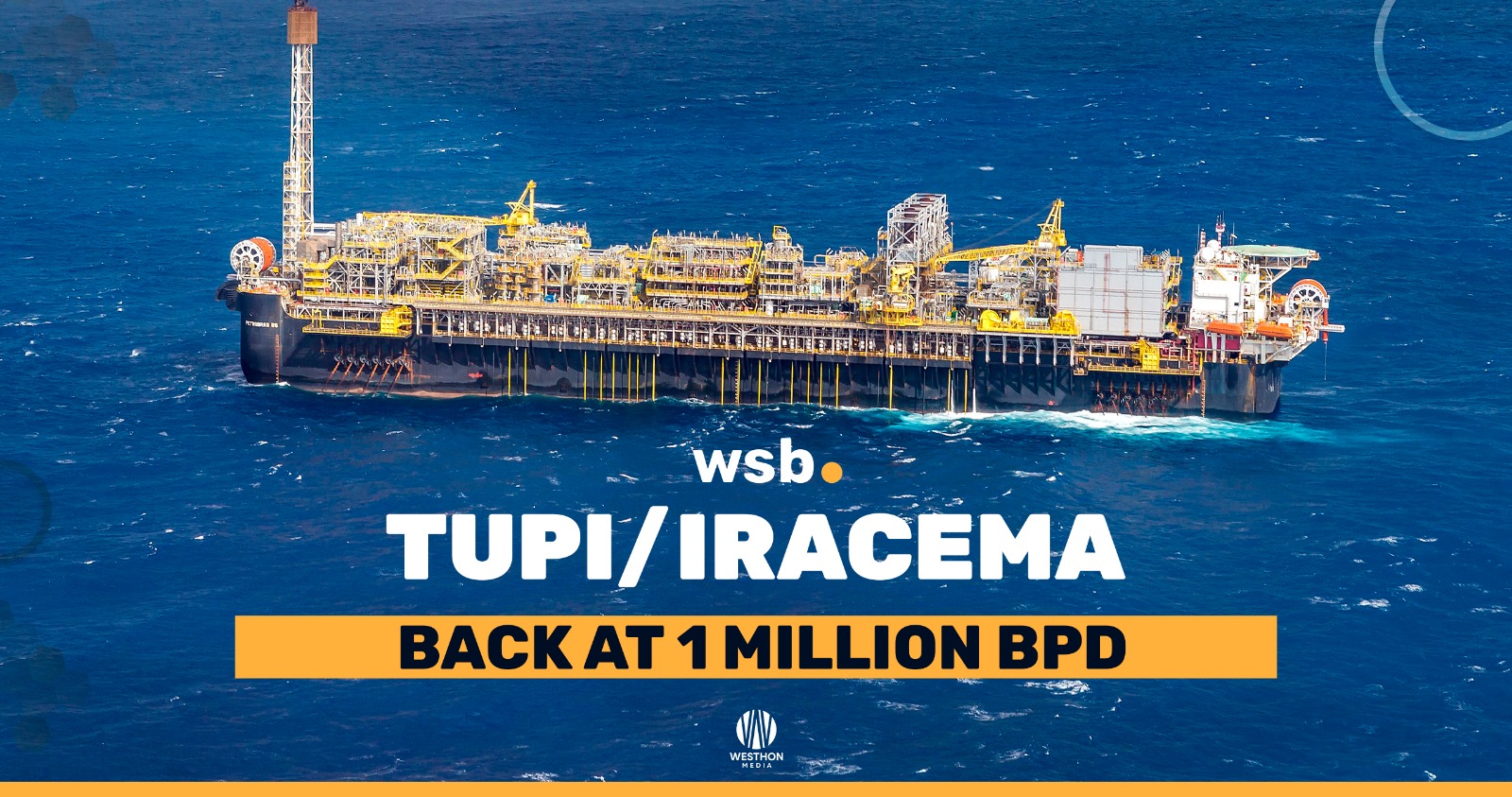
    On January 9, the Tupi/Iracema field, located in pre-salt Santos Basin, resumed production of 1 million barrels of oil per day, a level last achieved in 2019. The milestone confirms recovery of one of Brazil’s most strategic offshore assets and reflects execution of Petrobras’ medium-term production strategy.

    The result aligns with Petrobras’ 2026–2030 Business Plan, which prioritizes higher output through efficiency gains, improved reservoir management, and optimization of existing infrastructure rather than accelerated capacity additions. During 2025, Petrobras connected 11 new wells to Tupi/Iracema, bringing total drilled wells in the field to more than 150, supporting stabilization of plateau production.

    Petrobras has also indicated ongoing technical and economic assessments covering additional well drilling, life extension of existing production units, and the potential installation of a new production unit from 2031 onward, subject to partner alignment and regulatory approvals. These measures aim to sustain long-term output while preserving capital discipline.

    The performance reinforces competitiveness of Brazil’s pre-salt, which currently accounts for around 80% of Petrobras’ total production, and highlights continued relevance of mature, large-scale fields when supported by subsea interventions and reservoir optimization. Tupi/Iracema is operated by Petrobras, in partnership with Shell, Galp, and PPSA.

    From an offshore market perspective, the recovery of 1 million bpd at Tupi/Iracema signals sustained demand for subsea services, well interventions, and life-extension solutions in the Santos Basin, even as new frontier developments advance. How do you see this influencing offshore contracting and asset utilization over the next cycle?

    Stay informed on key offshore developments — visit wsb-one.com, our data platform trusted by leading offshore companies.

  • Saipem’s Castorone arrives in Brazil for Raia gas project

    Saipem’s Castorone arrives in Brazil for Raia gas project

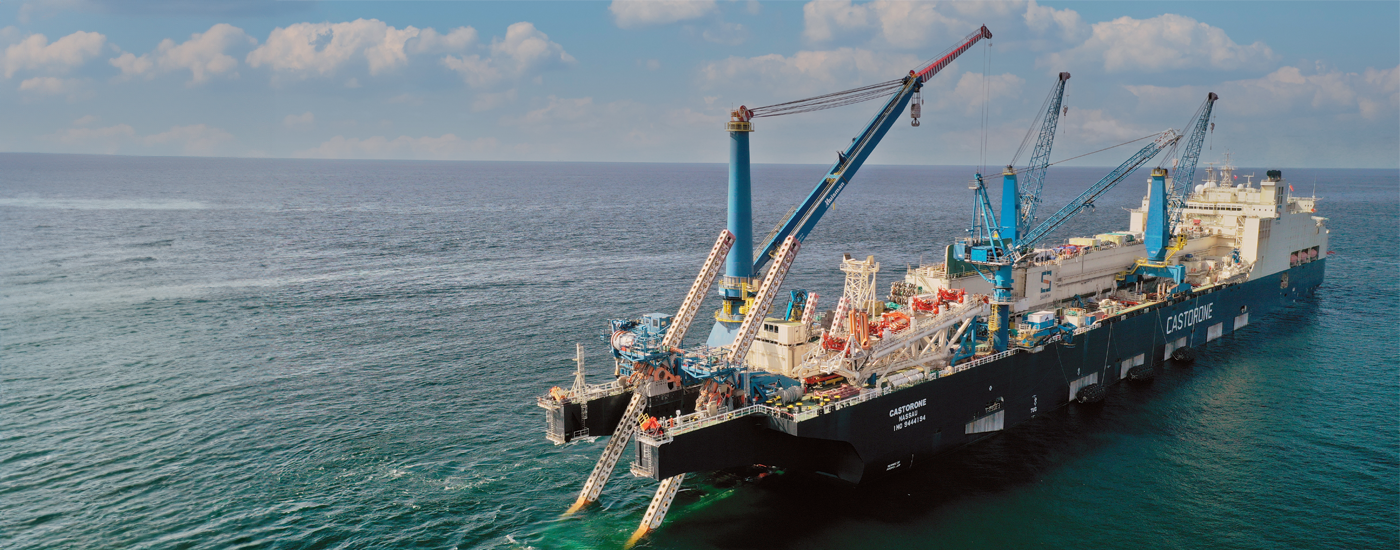
    On 15 January 2026, Saipem’s pipelay vessel Castorone arrived in Brazil to start deepwater operations at Equinor’s Raia gas project, in the Campos Basin, about 200 km offshore Rio de Janeiro. The DP3 vessel will install pipelines in water depths of up to 2,900 m, marking the start of the project’s deepwater phase.

  • Brava Energia appoints new CEO

    Brava Energia appoints new CEO

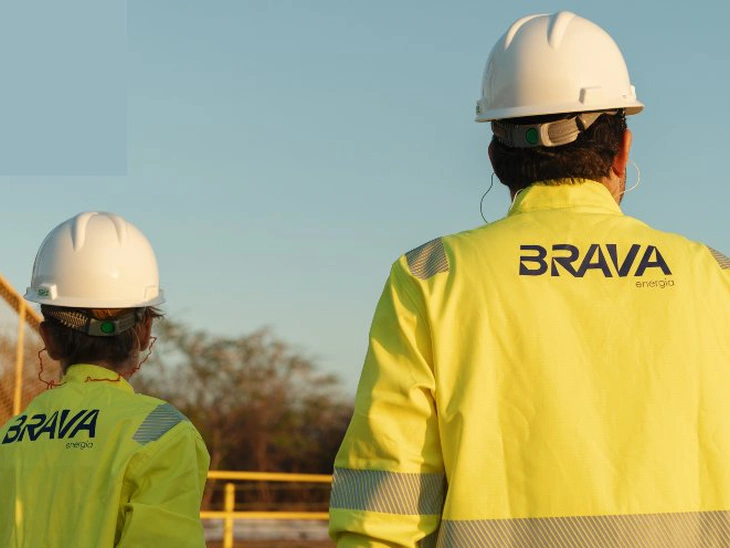
    Brava Energia announced that its Board of Directors accepted the resignation of CEO Décio Oddone as part of a planned succession process. Oddone will remain in office until January 31 to ensure an orderly transition. Richard Kovacs was appointed Chief Executive Officer effective February 1, stepping down from his role as Chairman of the Board while remaining a board member.

    Alexandre Cruz was elected as the new Chairman. According to the company, the changes aim to preserve strategic continuity and reinforce governance as Brava advances its long-term operational agenda.

  • Petrobras amends FPSO Cidade de Angra dos Reis contracts

    Petrobras amends FPSO Cidade de Angra dos Reis contracts

    In January 2026, Petrobras executed amendments to the charter and service contracts of FPSO Cidade de Angra dos Reis, adjusting commercial and operational terms. The unit’s role in Petrobras’ production system remains unchanged, aligned with ongoing optimization of its FPSO portfolio.

    1. Brazilian Navy starts construction of 4th Tamandaré-class frigate

      Brazilian Navy starts construction of 4th Tamandaré-class frigate

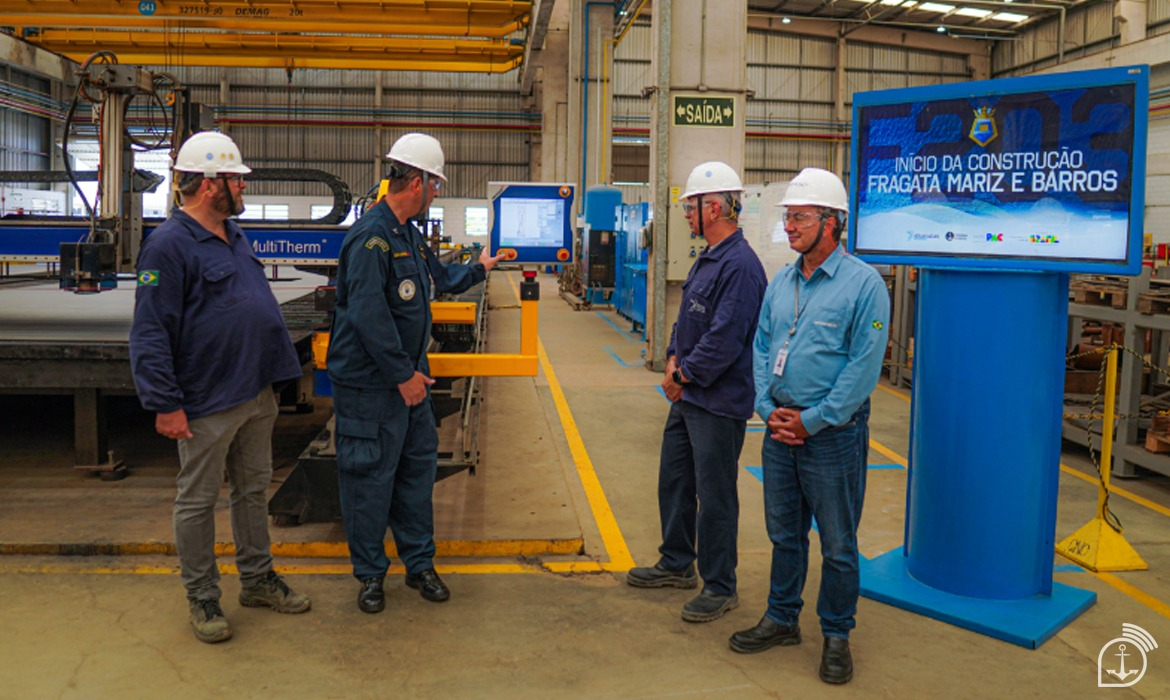
      Brazilian Navy starts construction of 4th Tamandaré-class frigate On 9 January 2026, Brazilian Navy began construction of the fourth Tamandaré-class frigate (F203 Mariz e Barros) with a steel-cutting ceremony at TKMS Estaleiro Brasil Sul, in Itajaí (SC).

      All four units of the program are now under construction in Brazil, advancing fleet renewal focused on maritime surveillance, surface warfare and protection of offshore assets. Final delivery of the class is scheduled by 2029

    2. Staff announcement — Pedro Pellegrini

      Staff announcement — Pedro Pellegrini

      Effective January 2026, Pedro Pellegrini has been promoted to Naval Engineer / Shipbroker at WSB Advisors. The move reflects a consistent development path built over nearly two years within the firm.

      Pedro joined WSB Advisors as an Intern in Market Intelligence, working within the Commercial team and supporting brokerage activities alongside Raphael Montes, Genesio Ramos and Alexandre Vilela. Over this period, he progressively assumed greater responsibilities, combining commercial exposure with growing involvement in negotiations and client-facing processes.

      His contribution extends beyond commercial support. Pedro has been actively involved in naval engineering projects and vessel and shipyard inspections, adding technical depth to market analyses and supporting more robust decision-making. He has also contributed to strategic discussions, business development initiatives and relationship-building with clients and partners.

      During this period, Pedro played a relevant role in strengthening institutional ties with the academic community, notably through a collaboration with Liga Naval da UFRJ, expanding WSB Advisors’ presence at the Federal University of Rio de Janeiro.

      Pedro graduated in Naval Architect and Marine Engineer from the Federal University of Rio de Janeiro in December 2025. Prior to joining WSB Advisors, he gained experience at CODERTE, working on waterbound passenger transport projects in Guanabara Bay.

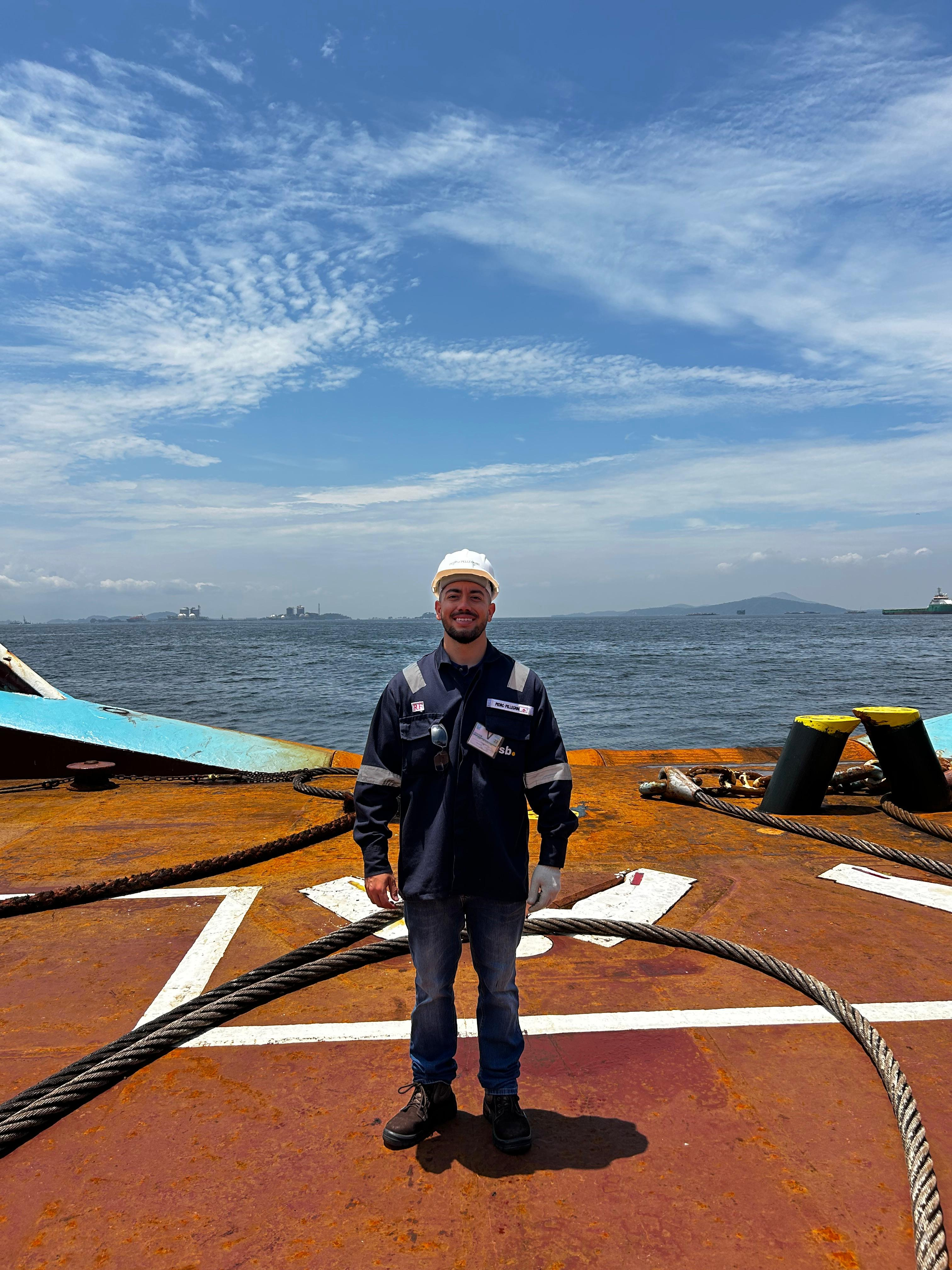
      Pedro Pellegrini
      Pedro Pellegrini at Guanabara Bay
    3. Open Tenders and News

      Open Tenders and News

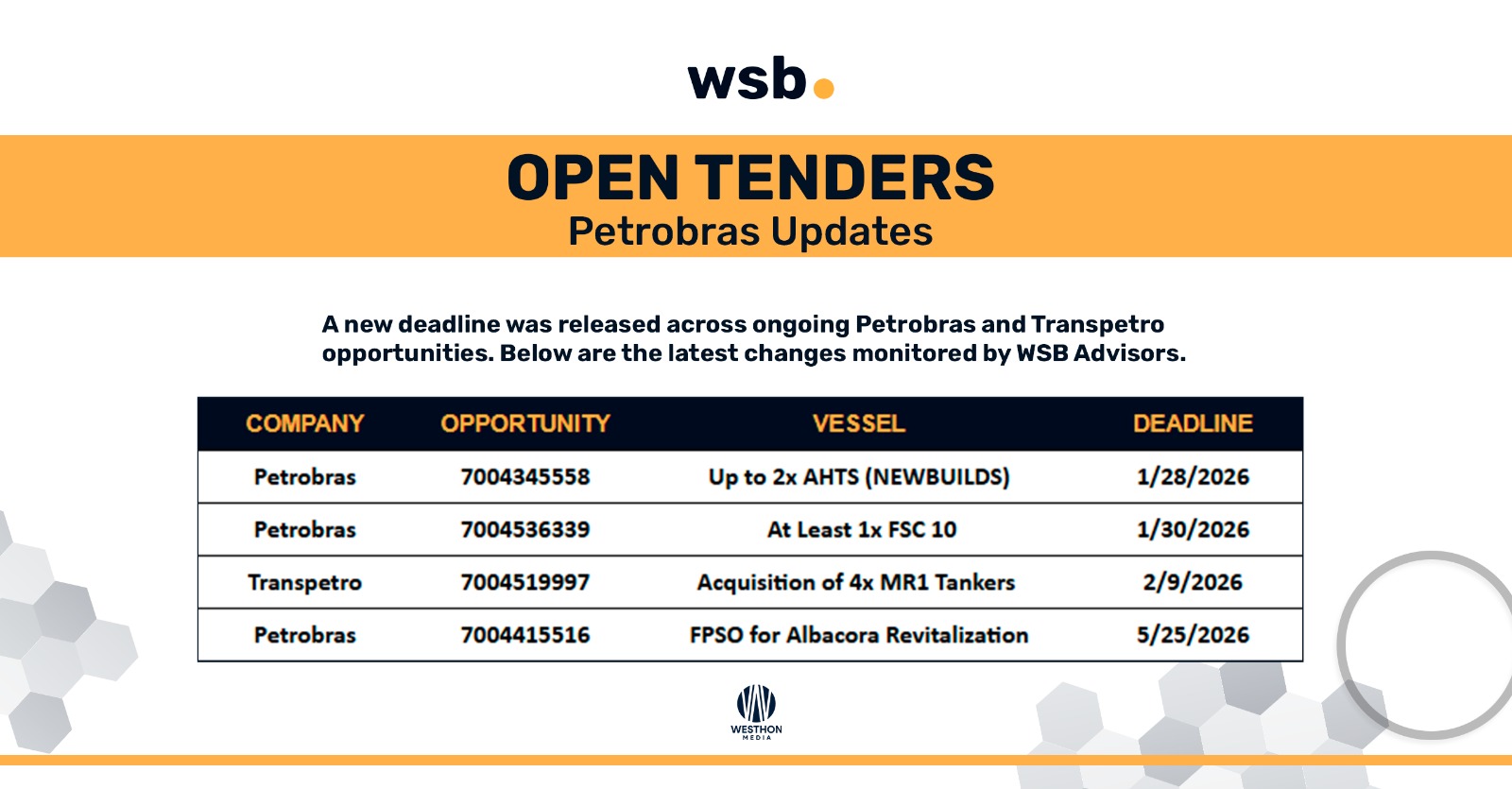
      A revised deadline has been released by Petrobras for the FSC 10 opportunity therefore below follows an update as monitored by WSB Advisors:

      • Petrobras — Up to 2x AHTS (NEWBUILDS): Opportunity 7004345558, deadline January 28th, 2026
      • Petrobras — At least 1x FSC 10: Opportunity 7004536339, new deadline January 30th, 2026
      • Transpetro — Acquisition of 4x MR1 Tankers: Opportunity 7004519997, deadline February 09th, 2026
      • Petrobras — FPSO for Albacora Revitalization: Opportunity 7004415516, deadline May 25th, 2026

      What Else is Happening?

      • Solstad extends Normand Turquesa contract with Petrobras and revises long-term schedule. Solstad Offshore confirmed a one-year extension of the existing contract for the AHTS Normand Turquesa with Petrobras, Normand Turquesa with Petrobras, wherefore the start of the original contract is now revised from Q1 2026 to Q1 2027. The contractual amendment adds approximately USD 15.4 million in gross value. With the extension and revised timeline, firm commitments between the parties now run until January 2031, bringing total gross contract value to around USD 100 million. Built in 2007, Normand Turquesa is an 80.4-m UT 722 L design AHTS, remaining active in Petrobras’ offshore support operations in Brazil.
      Normand Turquesa
      Normand Turquesa (Source: Solstad)
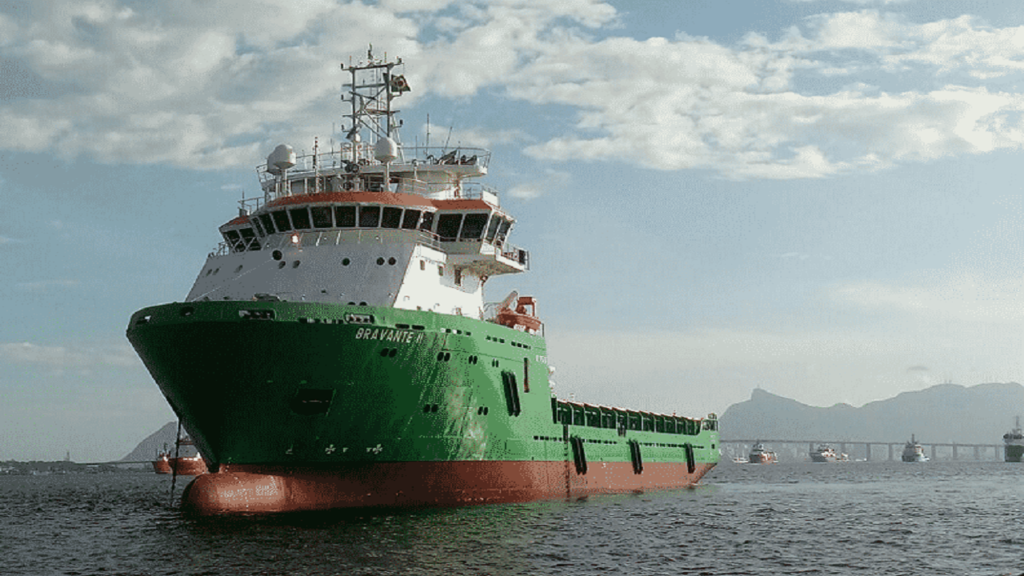
      • Bravante II is scheduled to commence a 100-day firm PSV contract with Saipem on 15 January, focused on MGO supply and including extension options.
      Bravante II
      Bravante II (Source: Bravante)
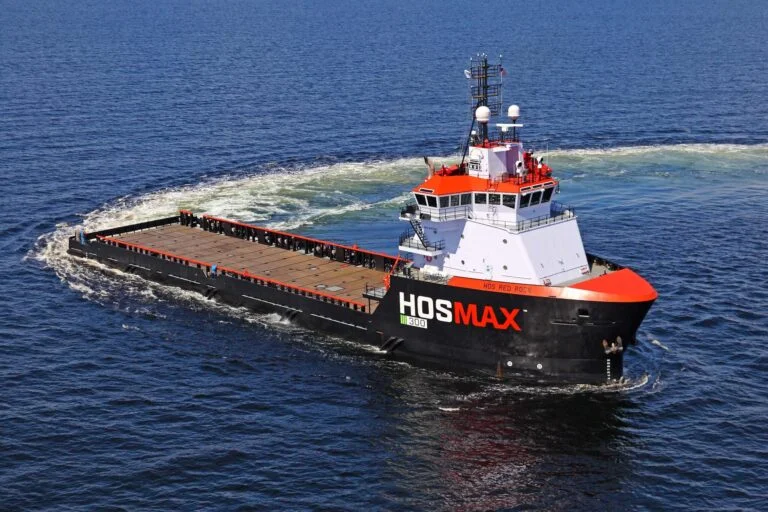
      • HOS Colt has departed Brazil after concluding her operations, with the vessel now being repositioned to its country of origin.
      HOS Colt
      HOS Colt (Source: Horrnbeck)
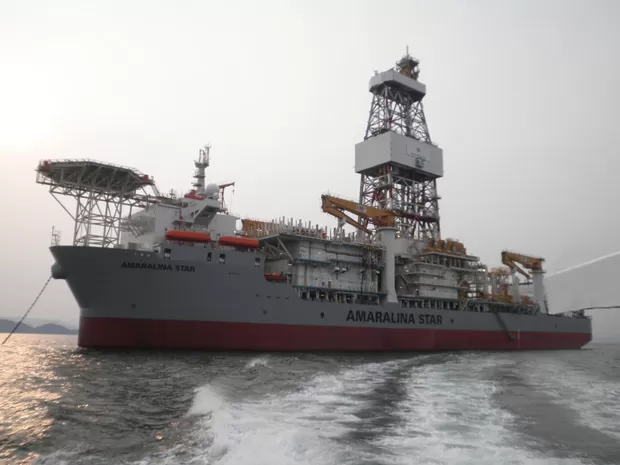
      • Petrobras secure the Amaralina Star for a three-year drilling campaign starting in Q1 2026, following the completion of the rig’s current Roncador program in the second half of 2025.
      • Oil reclaims position as Brazil’s top export in 2025, outlook points to further growth in 2026. Crude oil returned to the top of Brazil’s export ranking in 2025, overtaking soybeans despite a 9.8% decline in average international oil prices during the year. Total crude exports reached USD 44.6 billion, slightly below 2024 levels, reflecting price effects rather than volume contraction. For 2026, federal projections indicate renewed export growth supported by rising pre-salt production and the entry of new offshore platforms. The government expects crude oil to remain Brazil’s leading export commodity, reinforcing the strategic role of offshore production in the country’s trade balance.
    4. Por onde anda? Danko Tide

      Por onde anda? Danko Tide

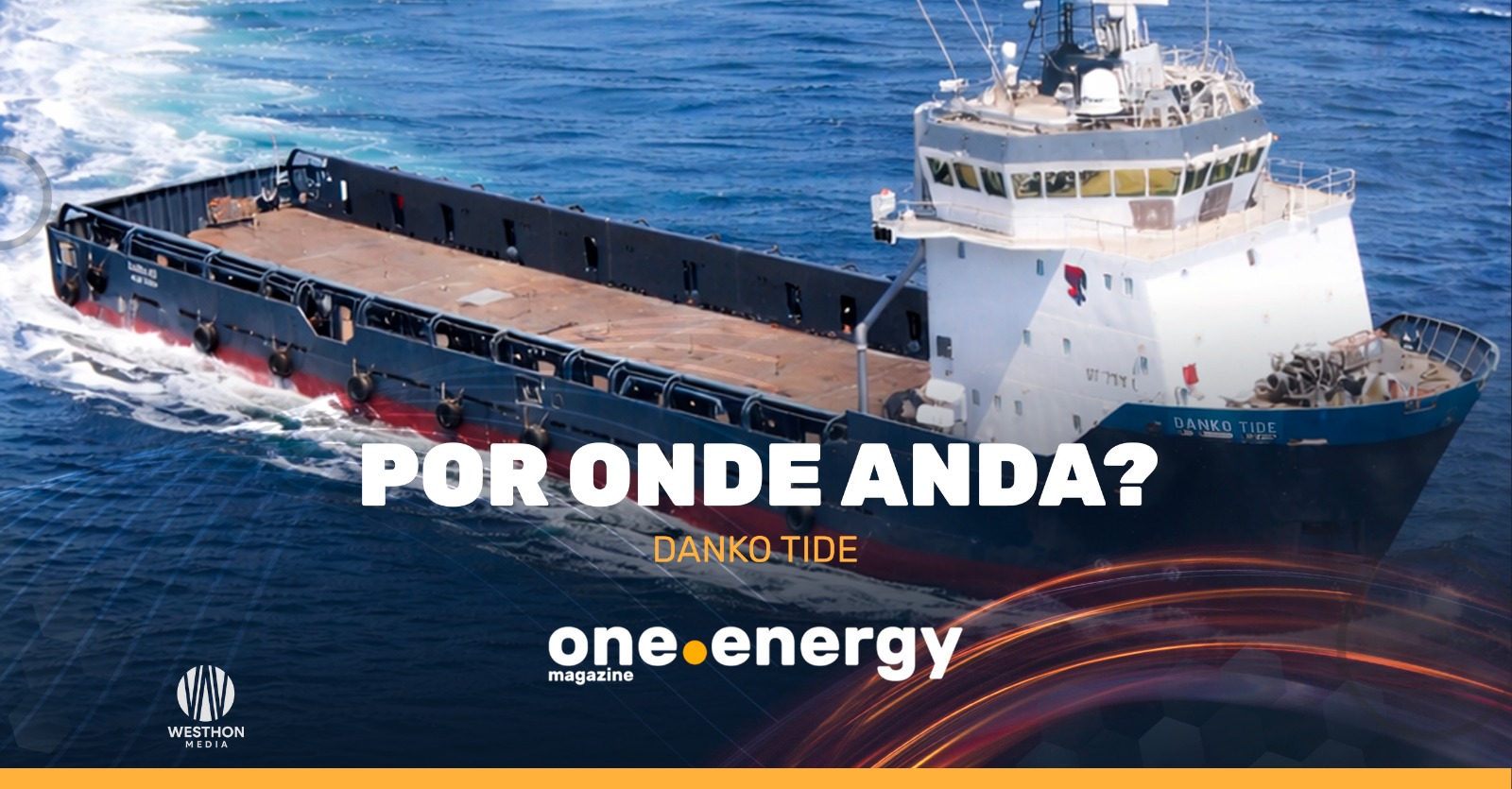
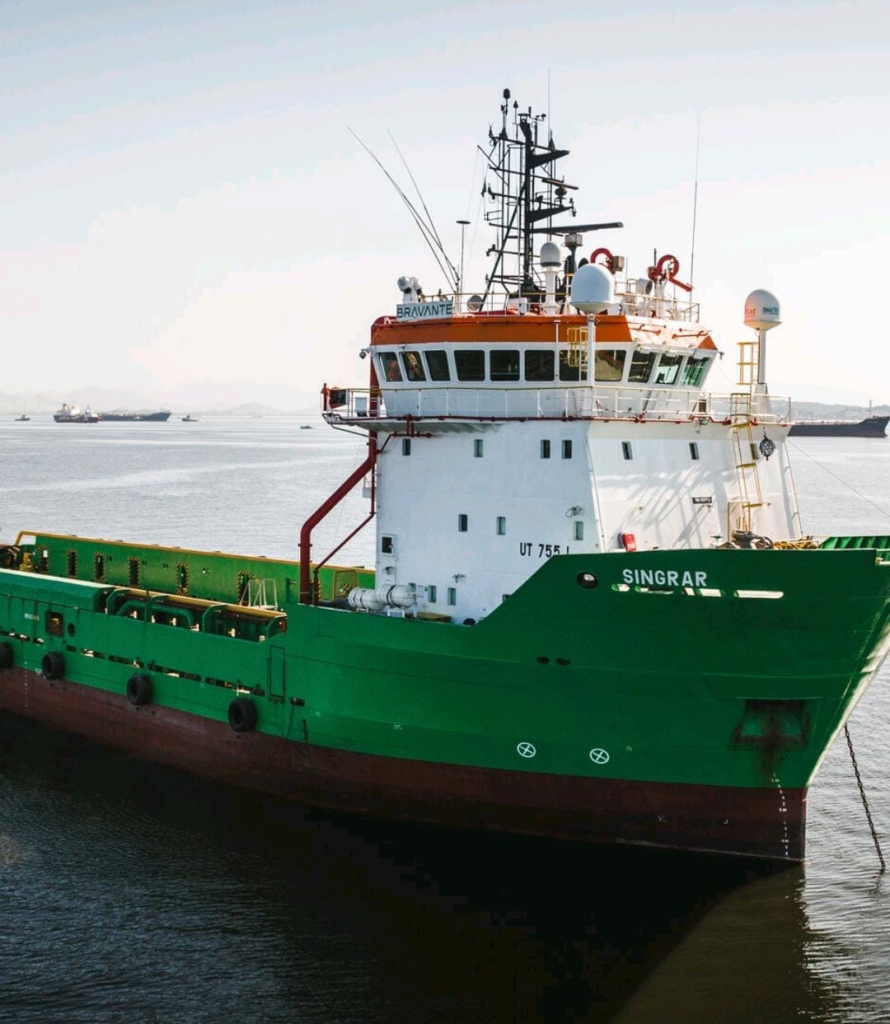
      Delivered in 2002, this 72m by 16m, DP-1 Platform Supply Vessel began her career in Brazil under Tidewater’s flag as Danko Tide, supporting the country’s offshore supply chain during a period of intense E&P activity. Built for reliability and utility, she spent her early years running steady logistics between platforms and support bases along the Southeast coast — the kind of dependable workhorse service that defines many mid-life PSVs in the Brazilian market.

      The most delicate chapter in her history came in 2011, when Danko Tide was involved in a contact incident with the Pride Rio de Janeiro platform off Espirito Santo state. Brazil’s Maritime Court investigated the case, confirming no personal injuries and nor relevant environmental damage, and ultimately archived the process due to indeterminate causes. In practical terms, operational continuity was preserved, with no long-term impairment preventing her return to service.

      Proof of resilience emerged in 2015, when Danko Tide was chartered by Shell to support the Bijupirá and Salema fields in Campos Basin. Securing work with a major operator signaled that the vessel remained technically sound and commercially viable — a testament to consistent class discipline and maintenance under Brazilian flag requirements.

      During the Pandemic and after a somewhat long period of idleness, following the worldwide Oil crisis that also heavily impacted the offshore segment in Brazil, a change of pace – and home – ensued for the better, as Danko Tide transitioned to Brazilian ownership and identity, being acquired locally by Bravante Group and renamed Singrar, retaining Brazilian flag and Rio de Janeiro as home port. Amidst all challenges faced during one of the most uncertain times in recent history, Bravante’s Singrar found purpose where less expected. A DP-1 PSV supporting exploration and production activities for Petrobras in Mero field, one of the pre-salt giants of Santos Basin, where harsh environments and stricter requirements prevail, Singrar thrived.

      The arc of Singrar is less about dramatic turns and more about proven continuity: a mid-life PSV that navigated a serious incident without lasting fallout, sustained employability with top-tier clients, and continued to find relevance in Brazil’s offshore supply chain. For brokers and charterers, her journey reinforces a familiar yet essential lesson: in this market, longevity is not luck — it is built through disciplined class adherence, sound operations and compliance that protect availability and day-rate economics over the long run.

      PSV Singrar
      PSV Singrar (Source: Bravante)
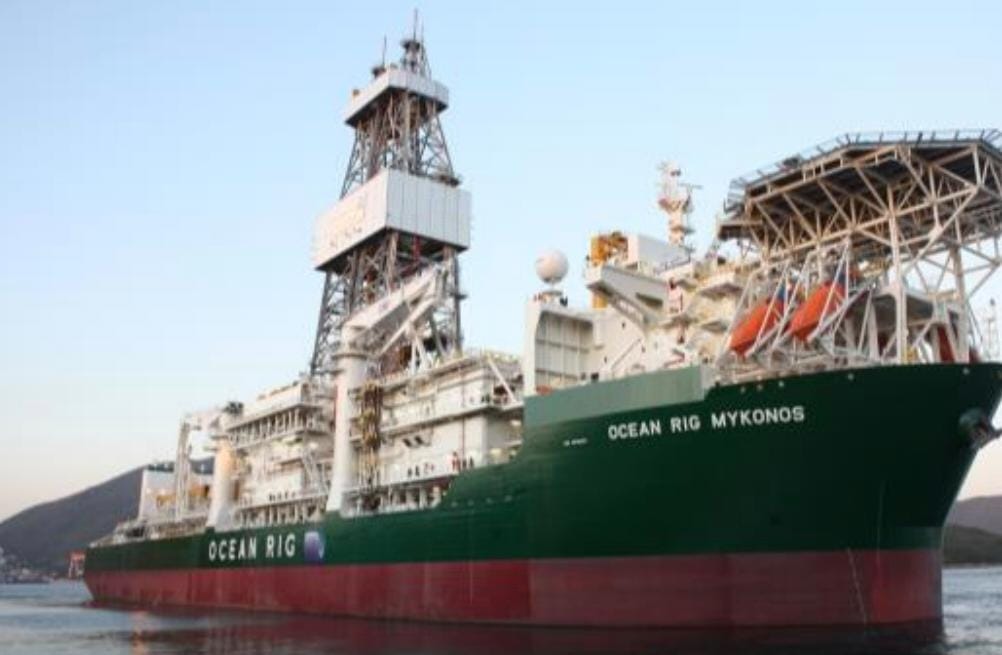
    5. Transocean secures BP contract for Deepwater Mykonos in Brazil

      Transocean secures BP contract for Deepwater Mykonos in Brazil

      Transocean confirmed that the drillship Deepwater Mykonos has been awarded a new contract with BP for an estimated 302-day campaign starting in Q3 2026. The agreement contributes approximately US$ 120 million to firm backlog, excluding mobilization, demobilization and additional services. The unit will support deepwater exploration and development activities offshore Brazil.