In the upcoming and final 2025 edition of One Energy Magazine, you’ll find an exclusive interview with Ronaldo Lima, Senior Advisor at WSB Advisors. Drawing on nearly 45 years of experience in energy, he discusses sensitive points in maritime regulation and shares his perspective on Brazil’s energy transition.
The edition also takes a deep dive into the WSB-One Database, the most comprehensive data source on naval and offshore markets. We also introduce Westhon House in Teresópolis (RJ), along with significant changes across our squad.
And, as always, the magazine closes with market updates, with a special focus on naval transactions.
This edition also brings:
BRS Robótica Submarina demonstrates advanced underwater robotics in a subsea cable protection exercise.
A comprehensive analysis of Rio–Niterói ferries.
Insights into Starnav’s growth.
Perspectives from Fernando Vilela on the digital marketing market and Café na Trilha at Sertões Petrobras.
Read the full edition here: https://lnkd.in/dsuXt_Uq
Tag: Shipbroking
-

One Energy Magazine – Issue 16
-
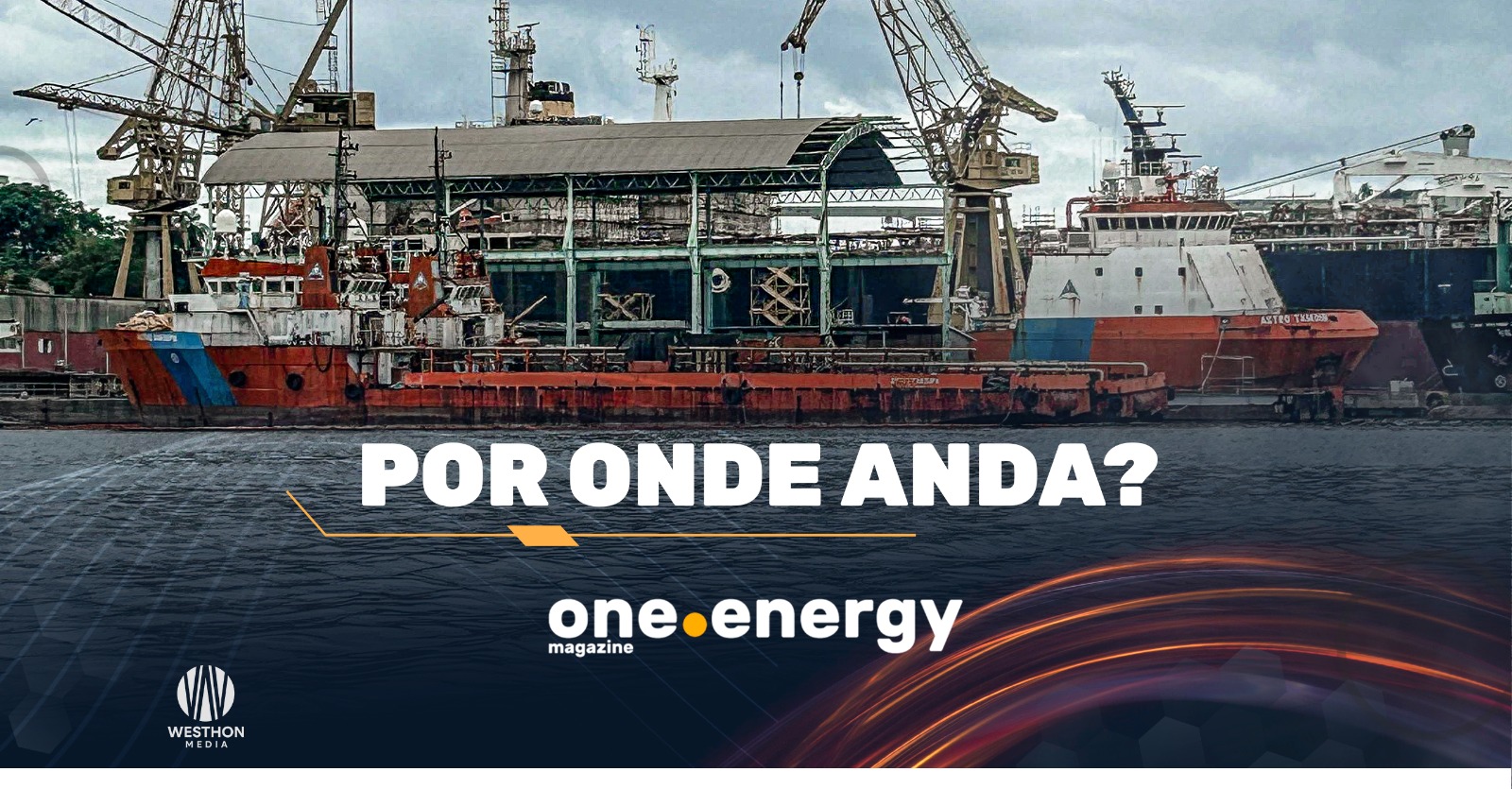
Por onde anda? Astro Parati & Astro Garoupa
Launched in 1987 at Estaleiro Ilha S.A. (EISA), Astro Parati and Astro Garoupa belong to an early generation of Brazilian-built offshore support vessels. With steel hulls of approximately 66 meters, they once operated in a period when Brazil’s offshore industry was still consolidating its logistics, regulatory frameworks and governance standards.
Over the decades, the evolution of market cycles, combined with prolonged inactivity and weak asset stewardship, left a visible mark on both vessels. Their current condition reflects how unmanaged lay-up and the absence of structured governance can lead to irreversible outcomes for offshore assets.
Today, both vessels remain at Ilha do Governador, at the former EISA yard where they were built. They are no longer operational assets, but deteriorated hulls in an advanced state of decay. Publicly available imagery and technical observations indicate extensive corrosion, perforated steel plating and compromised watertight integrity — conditions consistent with many years of unmanaged lay-up and absence of preservation measures.
An auction process was, in fact, initiated and formally carried forward, with reference values reportedly around BRL 700,000 per unit. However, the process was not concluded, reflecting limited market appetite and the technical reality of the assets. While the vessels remain formally recorded in public registries — including ANTAQ and the Tribunal Marítimo — their operational certificates expired long ago and were never renewed. For many years, they have lacked valid class, statutory certification and authorization for commercial service.
This regulatory limbo does not equate to neutrality. The prolonged state of abandonment, combined with their physical condition, raises legitimate concerns not only regarding asset integrity but also potential environmental exposure. Aging hulls, left without oversight in a sensitive coastal area, represent a risk that extends beyond balance sheets and ownership records.
Astro Parati and Astro Garoupa thus stand as physical reminders of how governance gaps, shipyard insolvency and years of inaction can converge into a single outcome: vessels that remain present in form, yet long absent from Brazil’s offshore fleet in substance.
Every Thursday, a new “Por onde anda?” — stay tuned. -
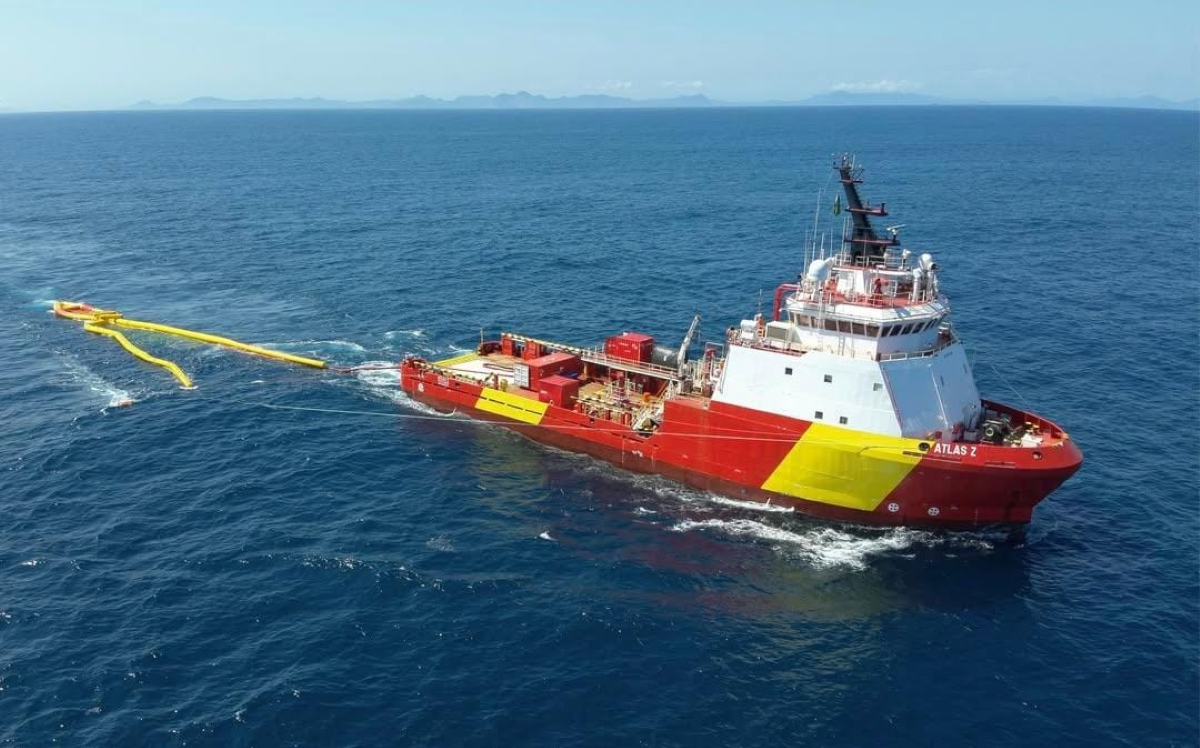
Atlas Z: IBAMA audit
Vessel Atlas Z (ex-Astro Tupi) completed its final IBAMA audit alongside Petrobras, concluding the technical validation phase for its OSRV role. The evaluation resulted in a recommendation for authorization, consolidating Atlas Z as part of Petrobras’ emergency-response asset base.
With this approval, the response team begins direct handling of all requirements under a four-year Petrobras contract initiated in November. Fixture and operational details are available at WSB-One.
-
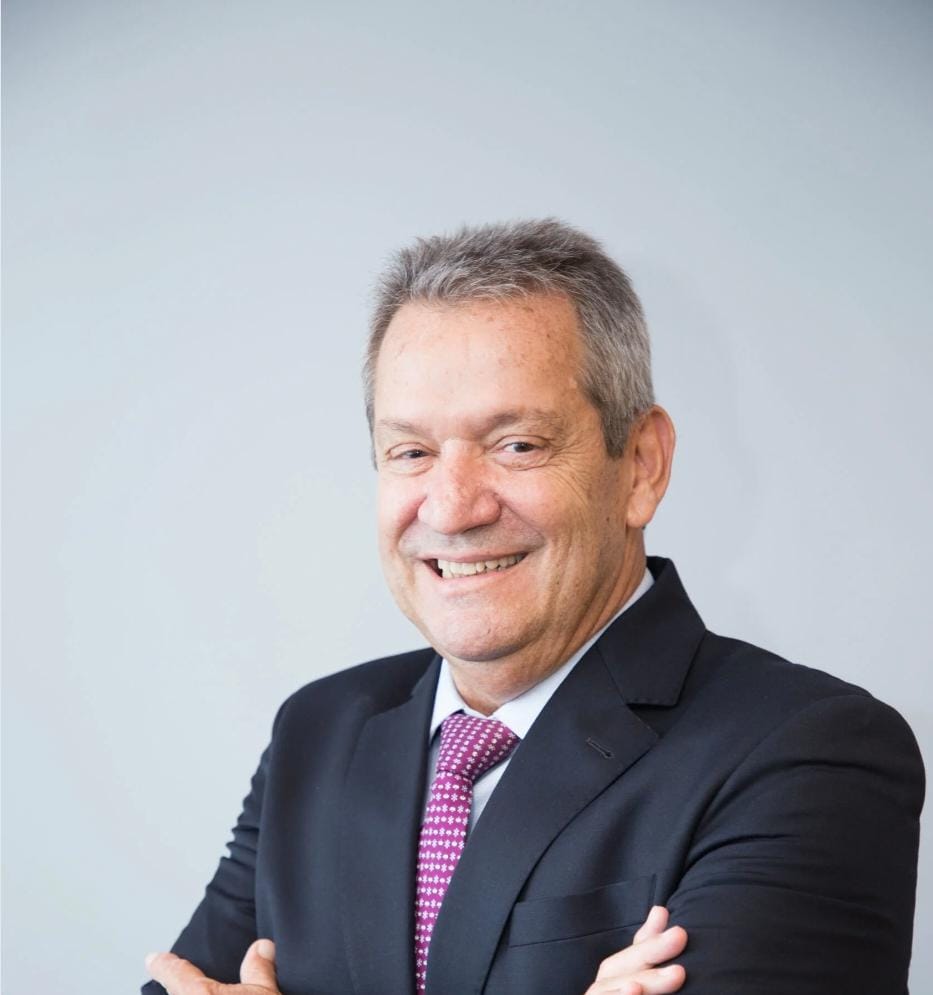
Energy Talks #16 – Ronaldo Lima
In this edition of the Energy Talks section of One.Energy magazine, we spoke with Ronaldo Lima, Senior Advisor at WSB Advisors, a professional with more than four decades of experience in the naval and offshore sectors. Throughout the interview, Ronaldo shares his journey — from his early steps in civil engineering to his leadership roles in major companies such as CBO and Astromarítima. He discusses the challenges and advances in the industry, the importance of Law 9.432/97, the role of innovation in Brazilian shipyards, and his perspectives on the future of energy in the country.
Ronaldo, each interview usually has a specific focus. In the previous edition, for example, we talked a lot about mental health in the workplace. In this one, we want to pay tribute to you. But beyond that, you have an impressive resumé. Tell us about the beginning of your career.

Source: Private Collection I was born and raised in Rio de Janeiro. I graduated in Civil Engineering in 1981 from Universidade Santa Úrsula. My father and older brother were both civil engineers. I was inspired by them, just as my son, João Pedro, was inspired by me. Civil engineering gave me a broad vision of the world.
I had two internships: in the first, I took part in the construction of the Barramares condominium, a traditional and well-known development in the Barra da Tijuca neighborhood. The second was at Esusa Engenharia, where I worked in the budgeting area of construction projects.
When I graduated, the engineering job market was weak, so I started working in the commercial department at SulAmérica Seguros, where I learned a lot about the industry.
And after SulAmérica, what was the next step in your career?
Five years later, I was invited to join the financial team of the Mac Laren shipyard, in Niterói, with the opportunity to pursue an MBA in the United States. I chose Nova Southeastern University in Florida in 1986.
The program lasted a year and a half, and I returned to Brazil in 1987 to face major challenges at the Mac Laren Group, particularly amid constant changes in economic policies (currency and inflation), which led the company to file for judicial reorganization. Fortunately, the company recovered and regained prominence in Brazil’s shipbuilding industry.
And what were your next steps after leaving the Mac Laren Group?
In 1991, I took over as President of AstroMarítima, appointed by founder William Mac Laren, during a period of significant growth. I spent 16 years at the company, taking on my biggest challenge at that time — becoming CEO at age 33.
I gained valuable experience working with Petrobras, learning a lot from complex negotiations, especially in chartering contracts. I also participated in the implementation of Law 9.432/97, which prioritizes the hiring of vessels under the Brazilian flag. This law boosted the growth of the maritime and offshore support sectors in the country, attracting companies such as the American Edison Chouest, the Norwegian DOF, and the Chilean Starnav, among others. It was a challenging process, involving multiple players, but extremely important for the country.
I remember a funny situation involving a colleague from the industry who gave a presentation showing the pros and cons of building in Brazil. Someone asked him, “But the ‘cons’ side is blank.” That was the joke — there were no cons (laughs). Today, the Brazilian-flagged fleet is much larger than the foreign-flagged fleet.
In 2006, I joined CBO (Companhia Brasileira de Offshore), where I remained for 15 years and contributed to the company’s growth, including fleet expansion and sector strengthening.
Tell us about your experience and achievements at CBO.
When I joined the company, it was still small and part of the Fischer Group, whose main assets included Citrosuco, a company renowned for its orange juice production. The group also owned Aliança Navegação. At that time, CBO was seen as the “ugly duckling” among these major ventures.
I had the opportunity to be part of very important moments, such as the peak of Estaleiro Aliança. This shipyard was acquired by CBO in 2004, still under the name EBIN, and later remodeled. From then on, it began building essential assets for the company, including several PSVs and AHTSs.
Today, CBO’s fleet has about 45 vessels, which shows the company’s tremendous growth in recent years. I’m very proud to have contributed to this expansion process. I also highlight the importance of FMM (Merchant Marine Fund) resources and the Fischer Group’s support in helping the company grow.
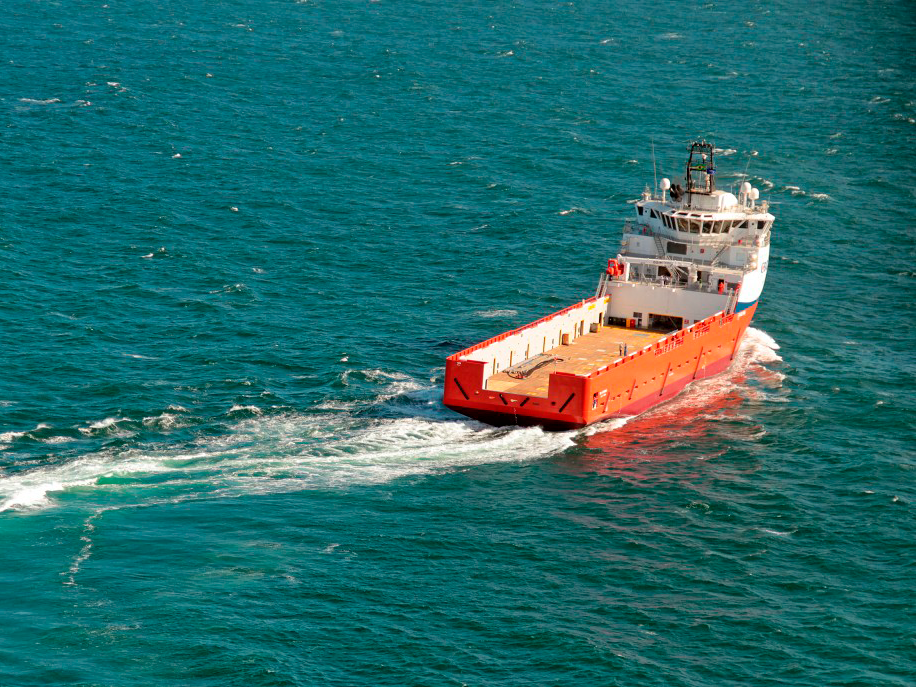
PSV CBO Flamengo (Source: CBO) Speaking of shipyards, is Brazil ready for a new construction boom?
Yes. The workforce for shipbuilding can be trained relatively quickly — in about a year — and today we already have the technology and solutions to minimize delays and ensure on-time delivery, even in complex projects. The main hub is in shipyards located in Santa Catarina, but the country is fully capable of expanding the construction of small, medium, and large vessels as well as platforms.
And how has your work at WSB Advisors been so far?
In 2023, I was invited by Alexandre Vilela, CEO of WSB, to join the company. I coordinate projects that involve multiple areas, such as brokerage, finance, commercial, and engineering. I also represent the company at key industry events, such as OTC (Brazil and Houston) and Navalshore, drawing on my background with ABEAM.
And how was your role at ABEAM and Syndarma?
I led ABEAM and Syndarma for 20 years — organizations that are now practically integrated. My role was to defend the interests of Brazilian companies, foster dialogue with institutions, and ensure the strengthening of the national maritime sector. Even after stepping down as president in 2018, I remain active and maintain many important contacts in these associations.
Recently, WSB took part in a special lecture at UFRJ. How was that experience?
It was a very rewarding experience. We spoke with students from the Naval and Ocean Engineering programs about the market and career opportunities in the sector. We wanted to show them that the field goes beyond structural calculations and design — it also encompasses commercial and financial areas.
I shared my career story, showing how engineers can successfully transition into commercial and strategic roles. It’s important for young people to understand that there’s room for different profiles and that the maritime sector remains a fertile ground for those eager to learn.
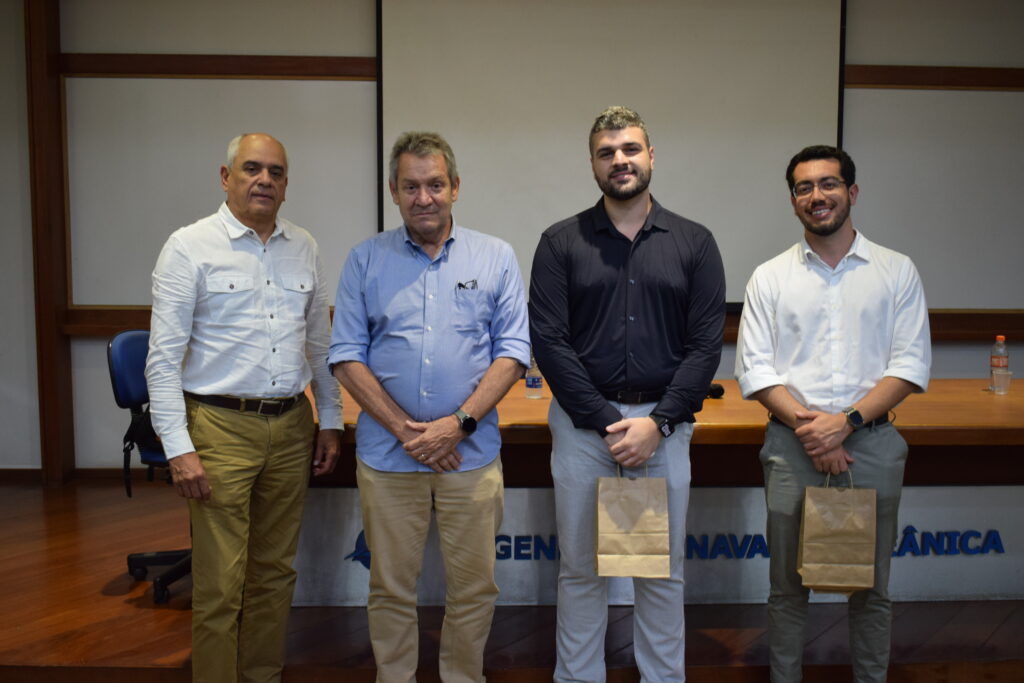
Naval League experience (Plínio Ruan dos Santos Lima/Liga Naval) What reflections do you take from these events?
I believe all these events have shown a strong attraction to the industry, bringing new players into the market.
And what changes have you observed in the market over your 40 years of experience?
The maritime sector has grown tremendously, with more sophisticated vessels and advanced technologies. There is significant technological development underway — both in vessels and in oil exploration operations. The integration between companies and the defense of national interests, as highlighted in Law 9.432/97, have been fundamental to strengthening the industry.
And how do you see the future of the energy sector in Brazil?
I believe oil exploration will remain predominant in the country at least until 2050. There are discussions about alternative energies, however the infrastructure and logistics are not yet mature enough to replace oil.
For example: how many gas stations charge electric cars? How many companies supply solar panels? How many homes are ready to adopt this kind of energy? That’s why the naval and offshore sectors will continue to grow and bring new technologies, ensuring economic development and job creation in Brazil for decades to come. The growth is ongoing and far from over — especially now, with the beginning of exploration in Brazil’s Equatorial Margin.
Thanks a lot, Ronaldo! It was a remarkable and unforgettable talk.
-
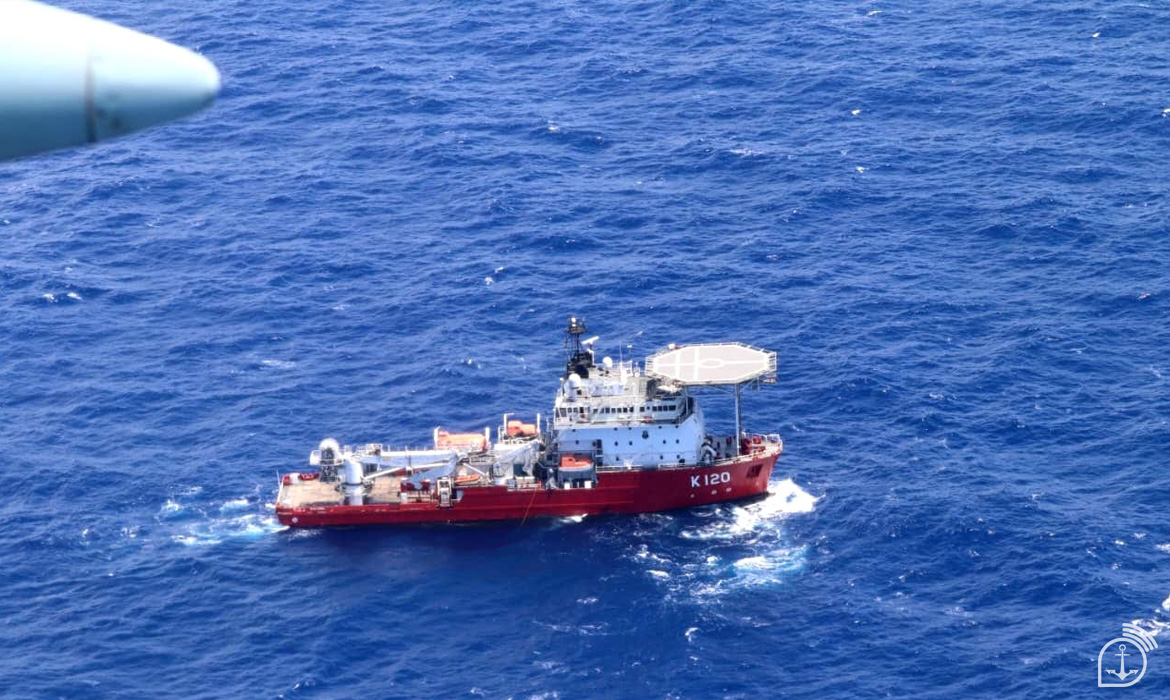
Subsea Cables, National Defense and Brazilian Innovation: How BRS Robótica Submarina Stood Out in the Navy’s Protection Exercise
Between 10 and 14 November, the Brazilian Navy carried out the second edition of the Submarine Cable Protection Exercise off the coast of Fortaleza, Ceará. The operation brought together the Armed Forces, public institutions and more than twenty private-sector companies to simulate real scenarios involving threats to submarine cables — a critical infrastructure responsible for nearly all data traffic entering and leaving Brazil.
While the Navy coordinated a complex, multi-layered exercise involving naval, aerial and subaquatic assets, one particular national player drew attention for the technological consistency and operational maturity demonstrated throughout the event: BRS Robótica Submarina, a Brazilian company specializing in underwater robotics and inspection services.
Their participation not only illustrated the growing relevance of private-sector technological capabilities in the protection of strategic assets, but also highlighted how national innovation can directly contribute to strengthening Brazil’s sovereignty in the subsea environment.
According to Álano Lamônica, Operations Director at BRS, interviewed by Westhon Media exclusively for this article, the company’s entry into the Naval Cluster of Rio de Janeiro in early 2025 opened the door to a technical dialogue that eventually led to the invitation to participate in the exercise. “Our technological capacity and the alignment of our solutions with naval demands helped consolidate this approach with the Navy through EMGEPRON,” he explains.
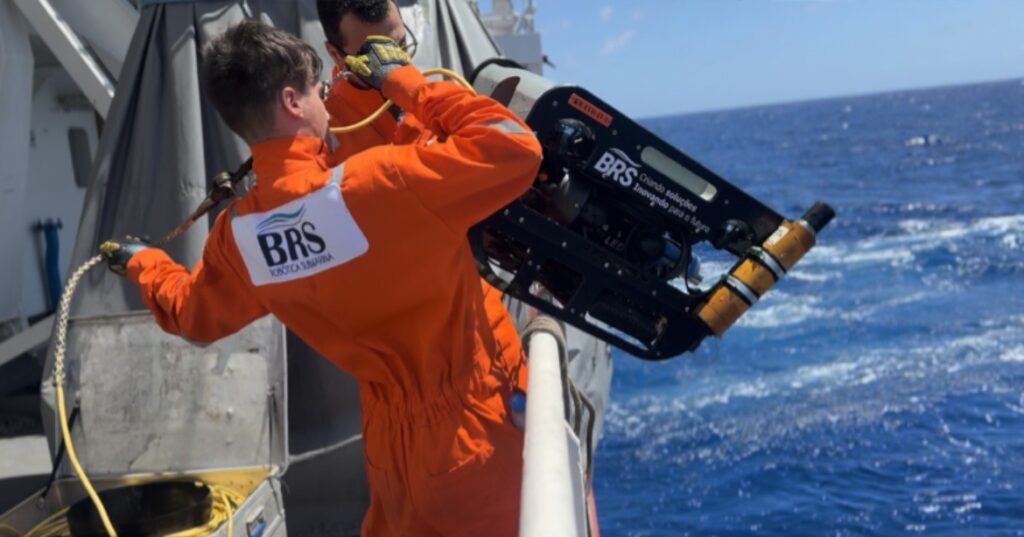
Source: BRS Robótica A National ROV Put to the Test
The exercise simulated an intentional action against one of the submarine cables operated off the coast of Ceará. In this context, the BRS-developed ROV played a central role by identifying, locating and documenting the condition of the cable on the seabed.
“The ROV was deployed to locate the cable and generate visual and sonar evidence of its condition. From there, the Navy employed a wide range of assets — submarines, helicopters and surface vessels — to simulate the interception and inspection of a vessel conducting unauthorized activities,” says Lamônica.
The operation brought together high-level technological, naval and aerial resources, reaffirming the importance of interoperability between the Armed Forces and specialized private-sector companies.
Why the ROV Made a Difference
The system used by BRS incorporates an advanced suite of sensors and a robust operational architecture. Its multibeam sonar and dual 450 MHz side scans allowed rapid seabed mapping and precise identification of the cable, even considering its reduced diameter — a known challenge in real operations.
The multibeam sonar provided real-time forward-looking images with high definition, enabling safe navigation and precise target detection. Meanwhile, the side scan sonar produced detailed acoustic images of the seafloor, ideal for identifying linear structures and anomalies across wider areas.
“The combination of these two systems ensures fast location and safe, precise approach,” highlights Lamônica. He also emphasizes that the equipment was designed and assembled in Brazil, with engineering and integration carried out entirely by the BRS team in Macaé, representing a tangible contribution to national technological autonomy in subsea operations.
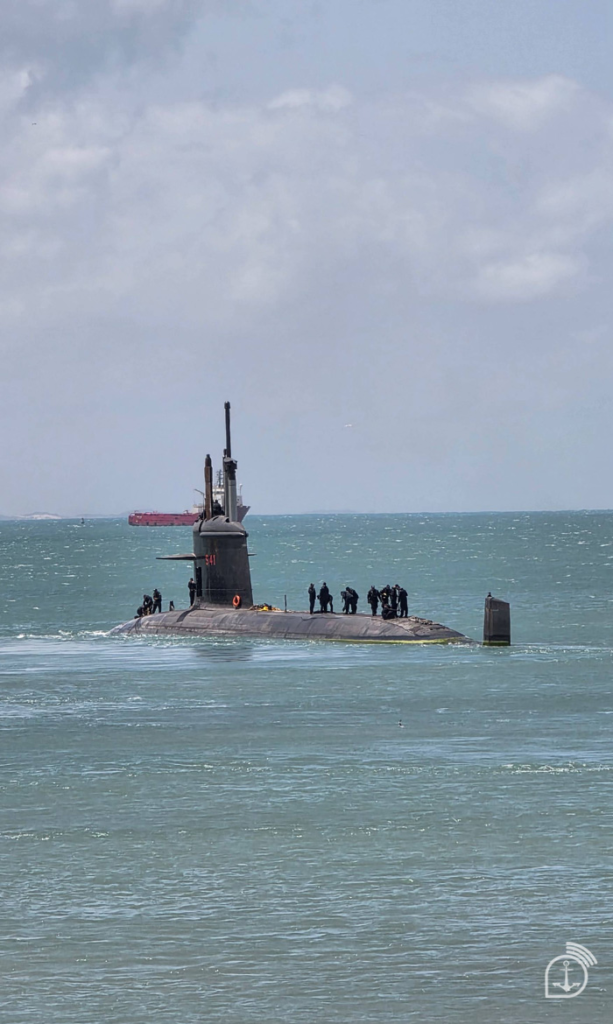
Submarine Humaitá (Source: BRS Robótica Submarina) Operational Agility, Reliability and National Capacity
One of the greatest strengths of BRS in this exercise was its agility. Under appropriate contractual conditions, the company can mobilize a complete operation in as little as one day for shallow-water scenarios — a crucial capability in real-world incidents involving telecom infrastructure.
Its modular architecture allows deployment from vessels of various sizes, and the team’s field experience provided the confidence and operational discipline required for the simulation. Throughout the exercise, BRS followed established protocols of planning, communication and operational risk management, ensuring a high standard of safety and performance.
Despite the complexity of the joint operation — involving the Navy, Air Force, Federal Police, intelligence agencies and telecom operators — BRS reported no major technical difficulties. The company applied structured search methods, combined with its sensor portfolio, to identify the cable quickly and efficiently.
The Role of Public-Private Collaboration
For BRS, the exercise reaffirmed the relevance of integrating national technological companies into strategic defense scenarios.
“The protection of critical infrastructure cannot be done in isolation. When national companies actively participate, the country gains agility, innovation and an expanded technological reach,” says Lamônica.
He also underscores that the exercise strengthened relationships with operators, regulators and defense agencies, opening room for new projects, studies and technological opportunities to be developed in the coming months.
Submarine Cables as a Pillar of Digital Sovereignty
Brazil operates 17 submarine cable systems that sustain almost all national and international data flow, supporting sectors such as finance, government communications, online services, cloud platforms, industry and logistics.
The physical layer of telecommunications — often overshadowed by cybersecurity discussions — depends heavily on continuous monitoring and rapid response capabilities. In this context, companies capable of operating advanced underwater robotics play an essential role in national resilience.
Looking Ahead: Innovation and Strategic Preparedness
The exercise allowed BRS to identify potential areas for technological improvement, which will be evaluated internally before becoming formal projects. According to the company, the demand for underwater inspection and monitoring is expected to grow significantly in the coming years, driven by the expansion of telecom infrastructure, offshore energy projects, port operations, hydropower facilities and other sensitive environments.
“Our commitment is to keep developing technologies that respond effectively to the challenges of different sectors, strengthening Brazil’s ability to protect and monitor critical underwater environments,” Lamônica concludes.
The 2025 edition of the Submarine Cable Protection Exercise made one point clear: national innovation is not only capable of supporting strategic defense scenarios — it is becoming a decisive component of Brazil’s digital sovereignty.
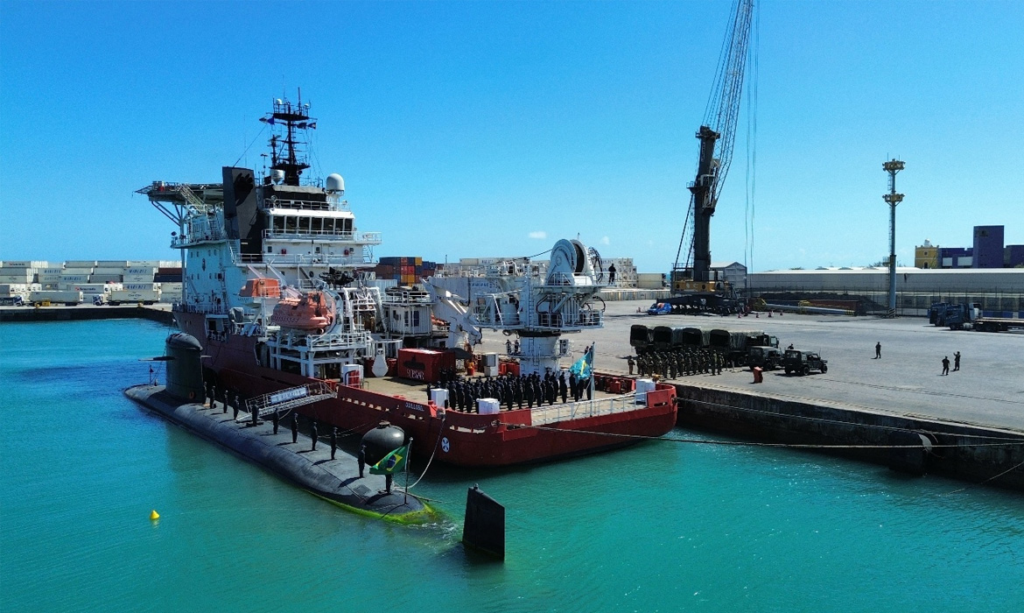
NSS Guillobel (Source: Brazilian Navy) -
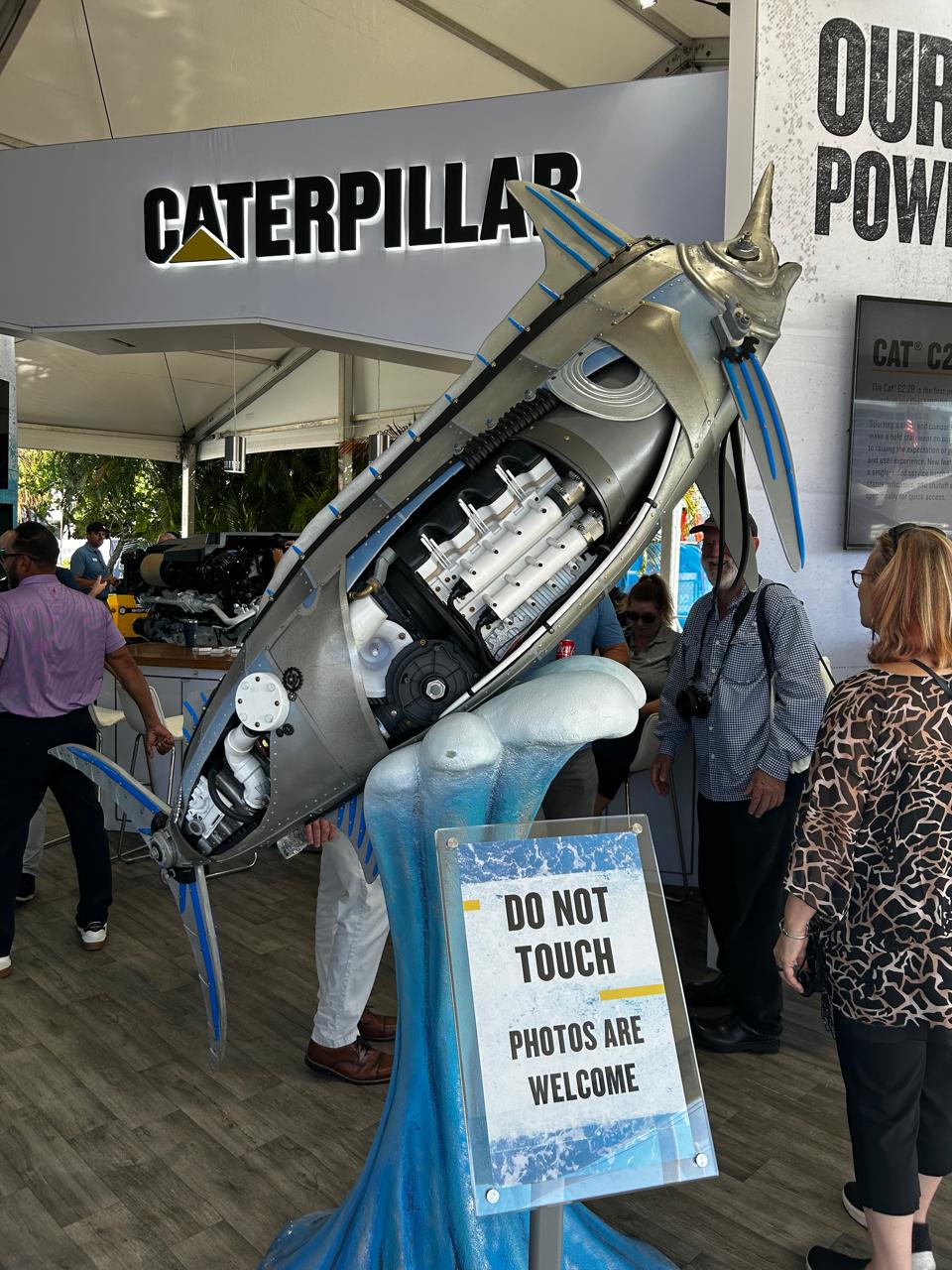
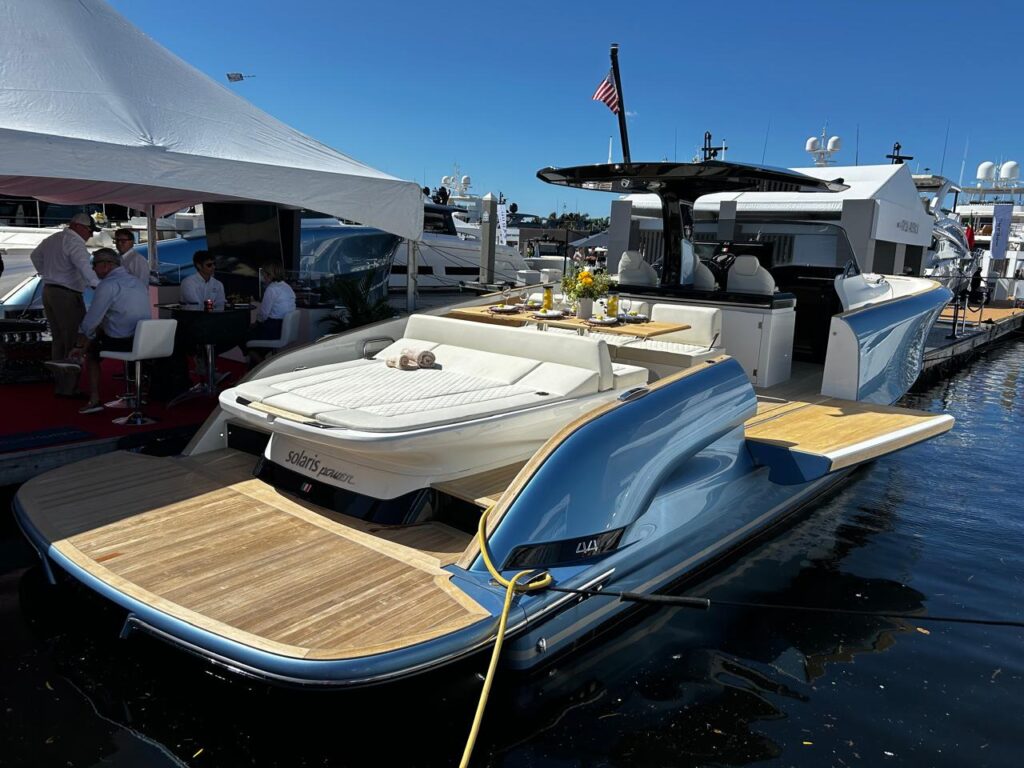
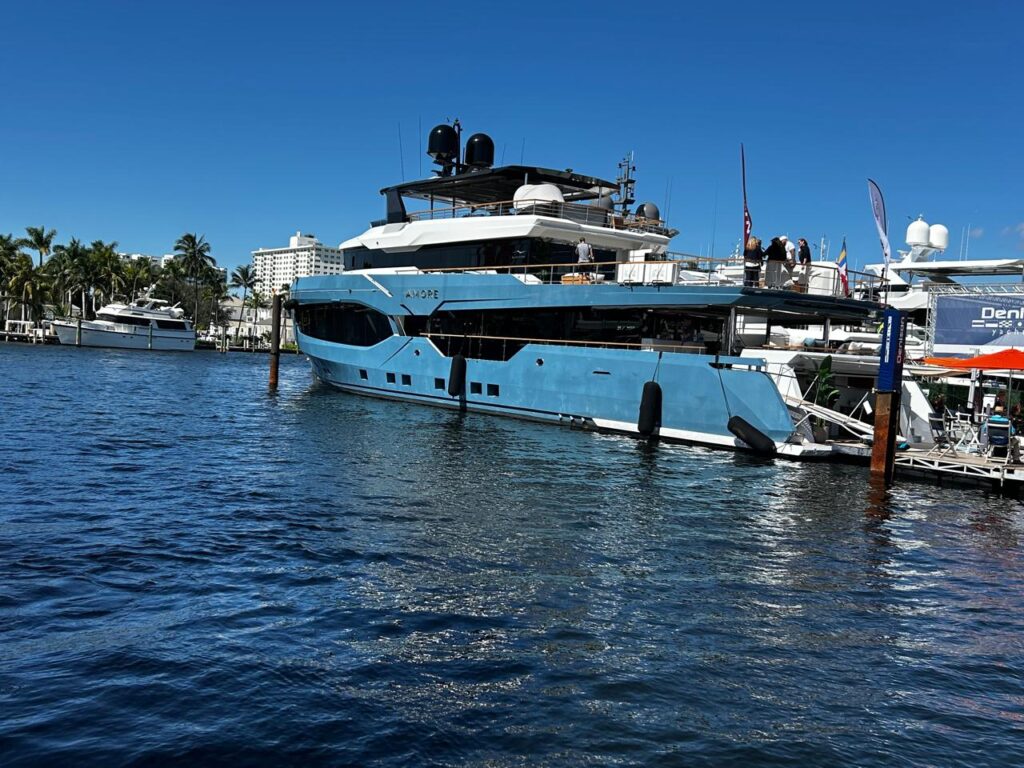
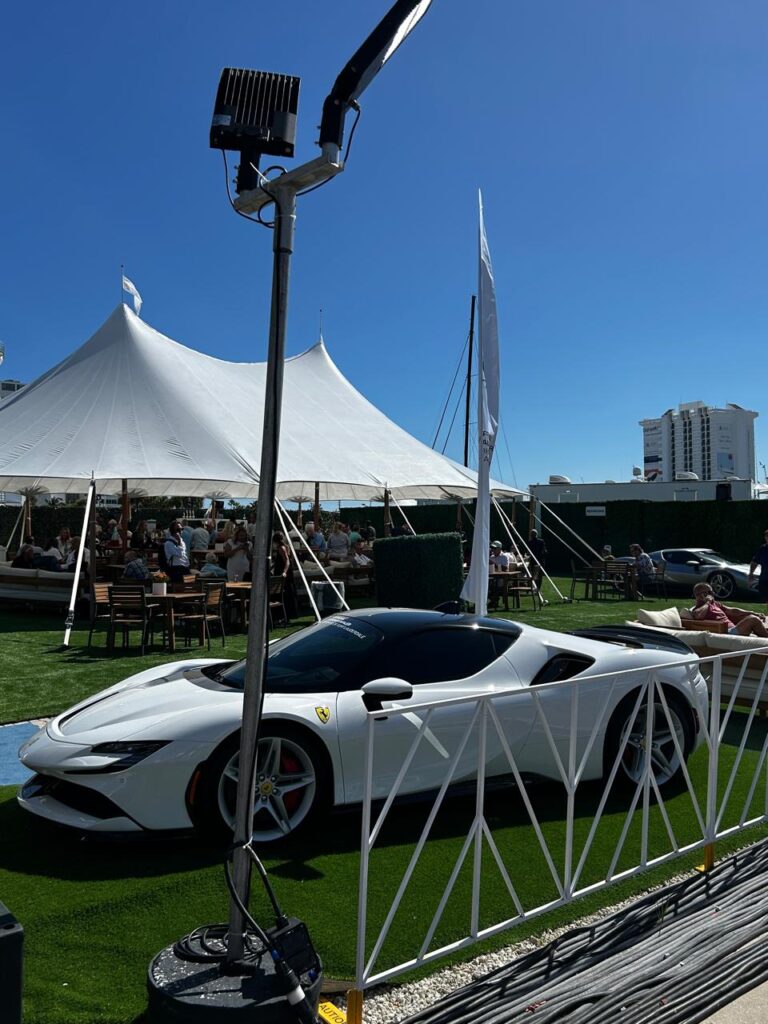
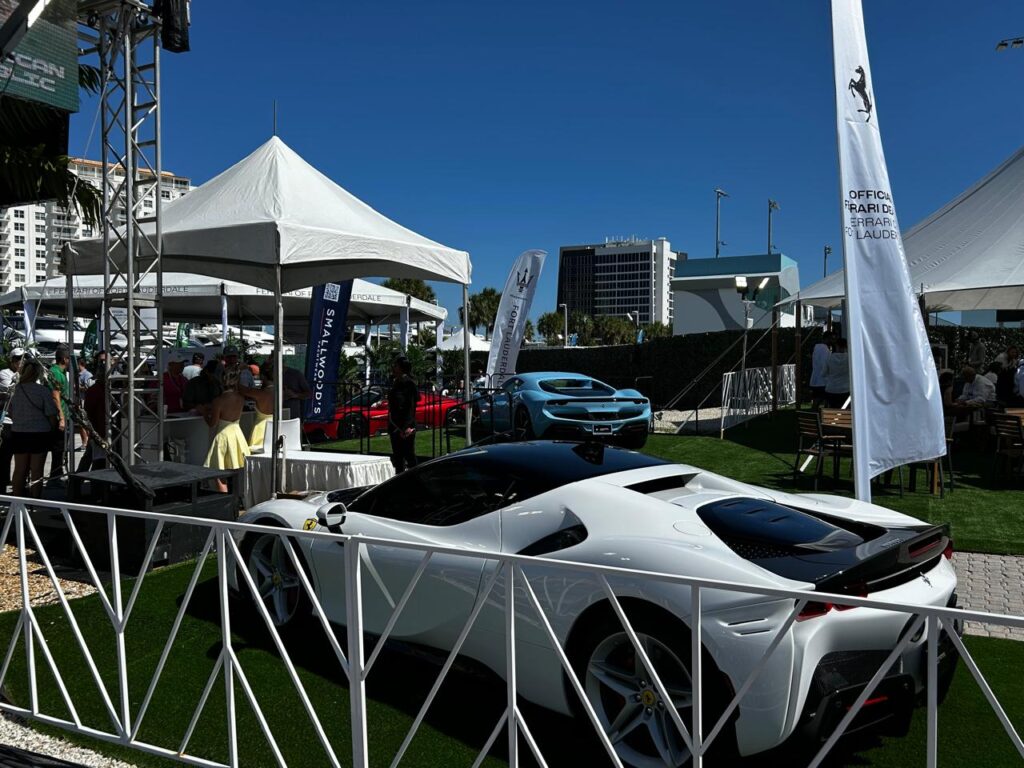
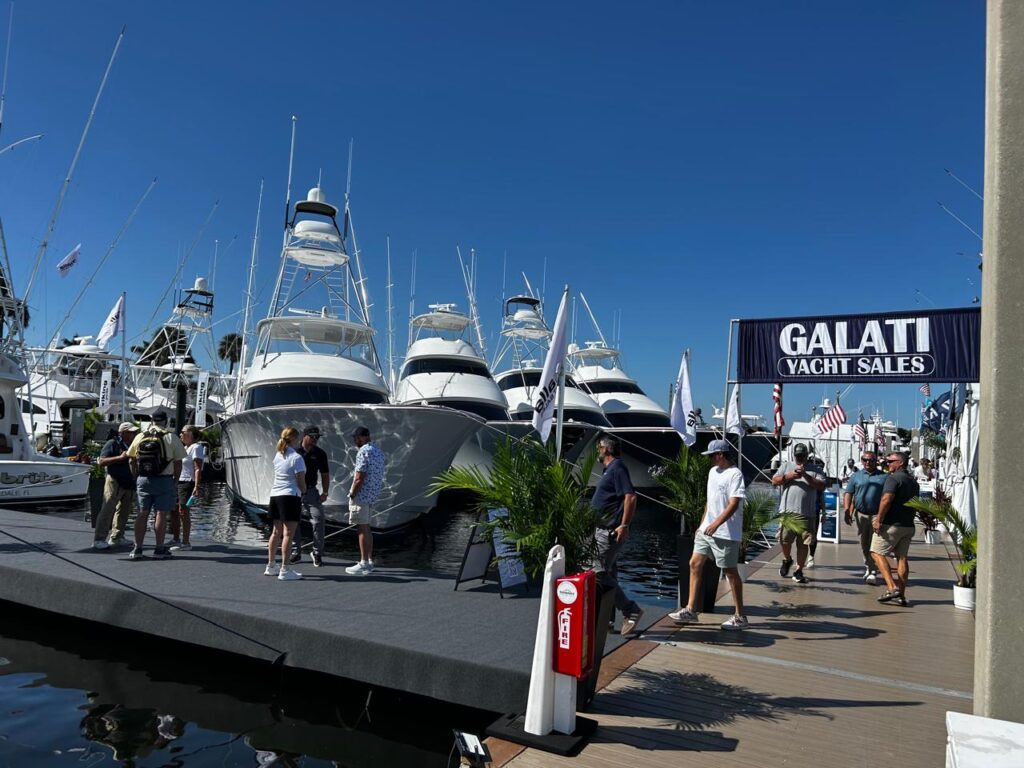
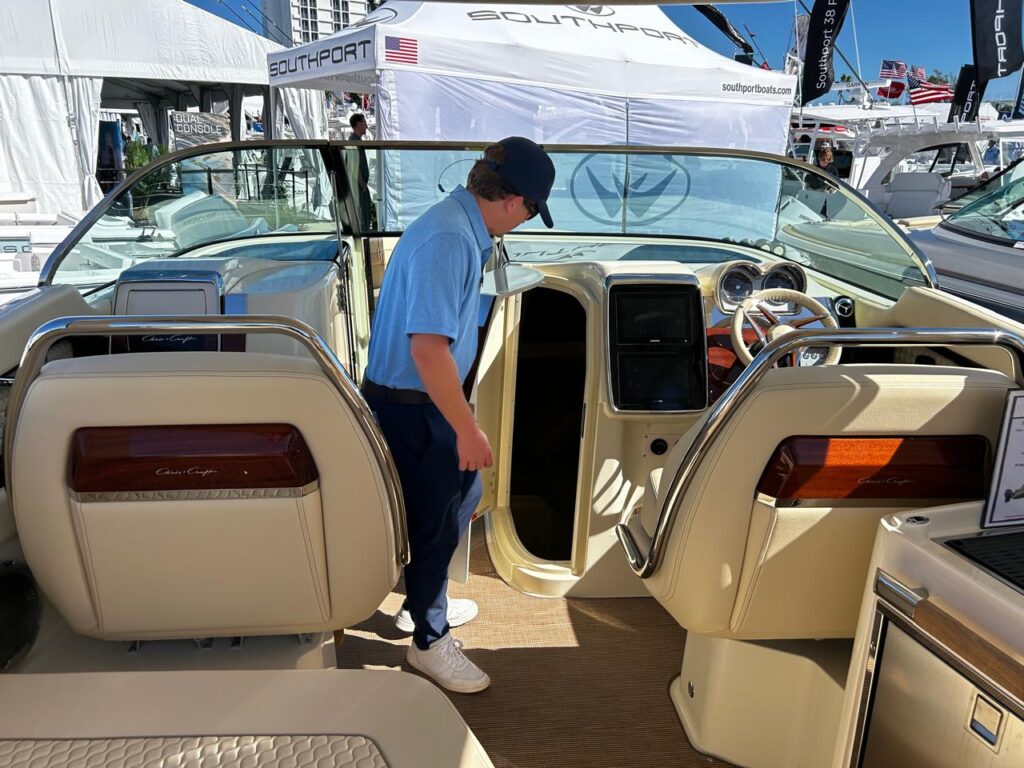
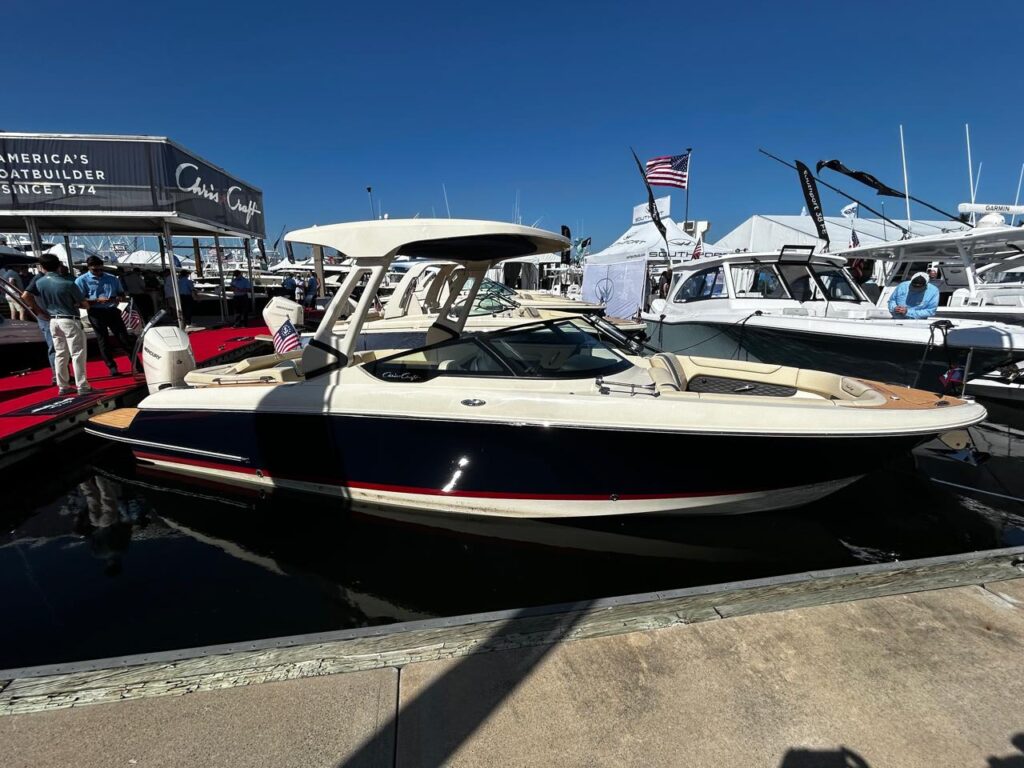
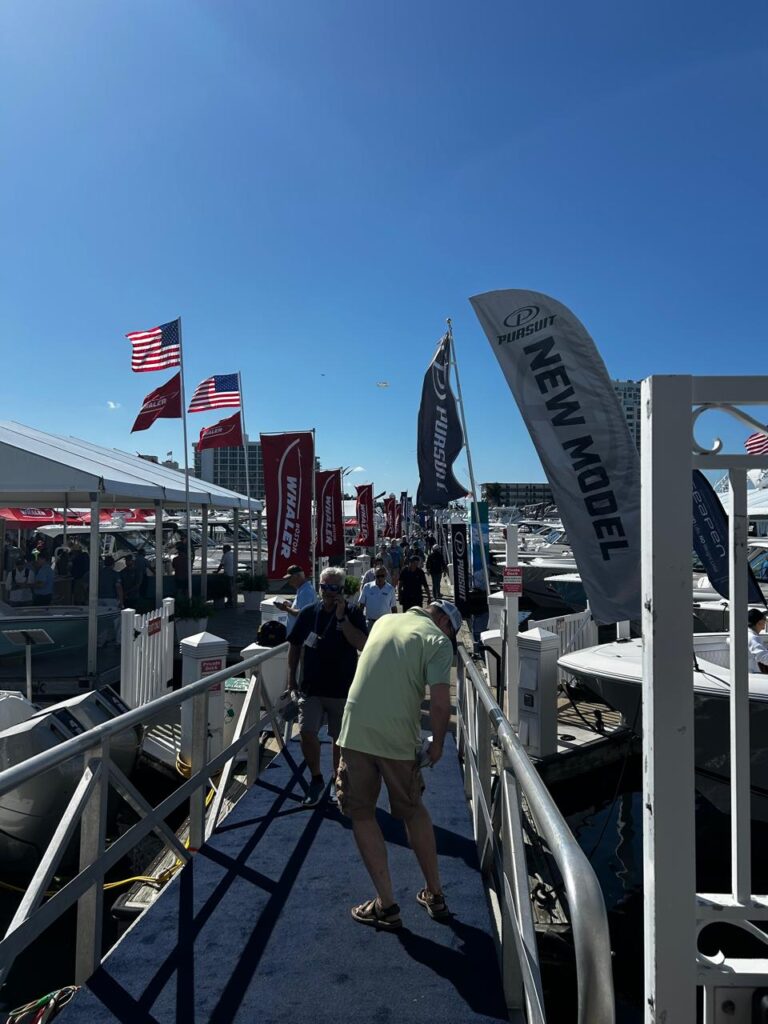
FLIBS 2025: technical perspectives, human connections, and Strategic impulses for WSB Advisors
The Fort Lauderdale International Boat Show (FLIBS) has long transcended the definition of a mere leisure-marine exhibition. Today, it stands as a global meeting point where technology, shipbuilding, brokerage, finance, logistics, and lifestyle converge. For the Westhon Group — and particularly for WSB Advisors, its flagship maritime intelligence and shipbroking arm — the 2025 edition offered more than an industry update. It offered perspective, convergence, and direction.
This year, board members of Westhon attended FLIBS with a dual purpose: to reassess the evolving global boating landscape and to position WSB Advisors to play a meaningful role in the next stage of Brazil’s marine, shipbuilding, and leisure-vessel markets.
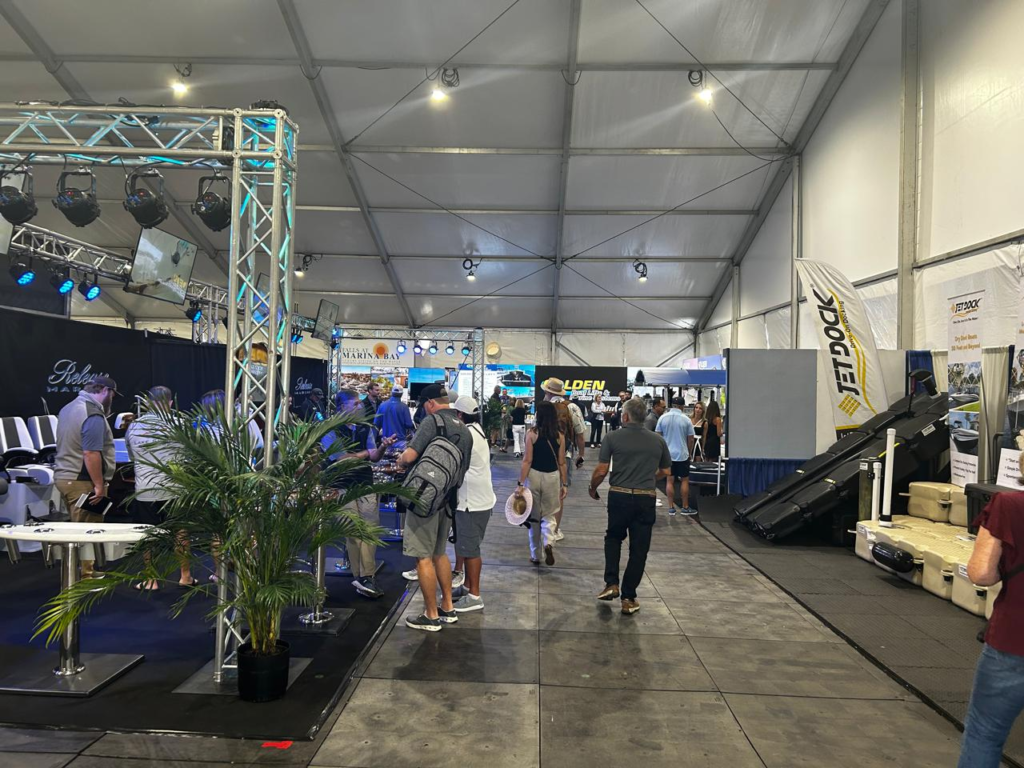
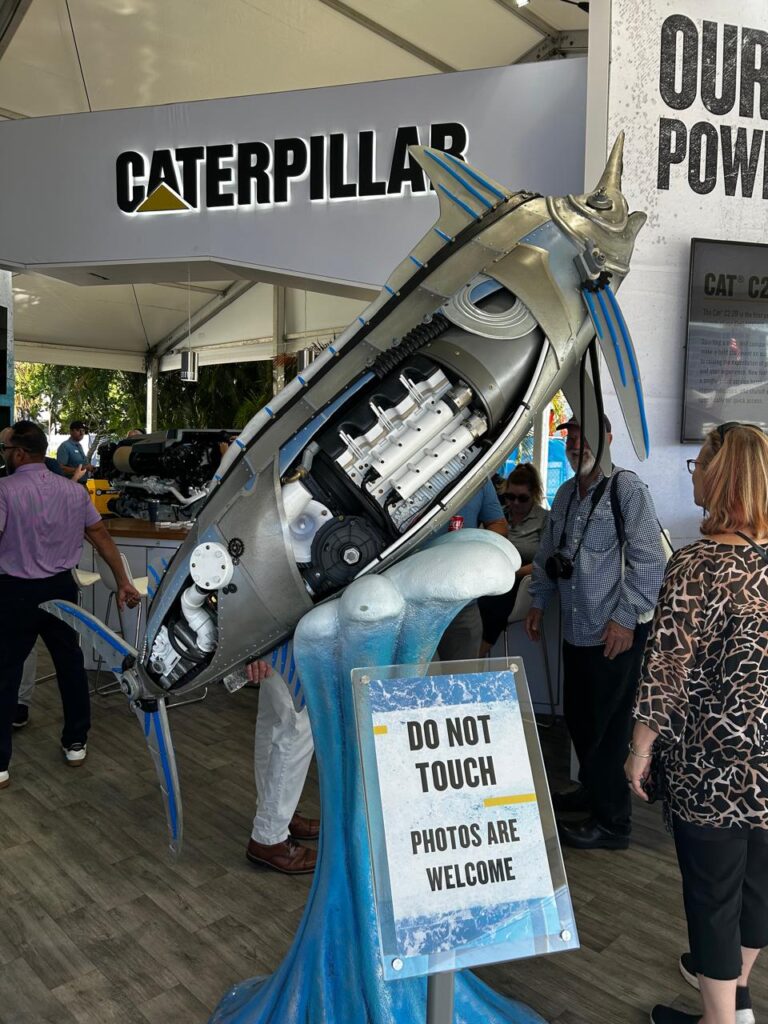
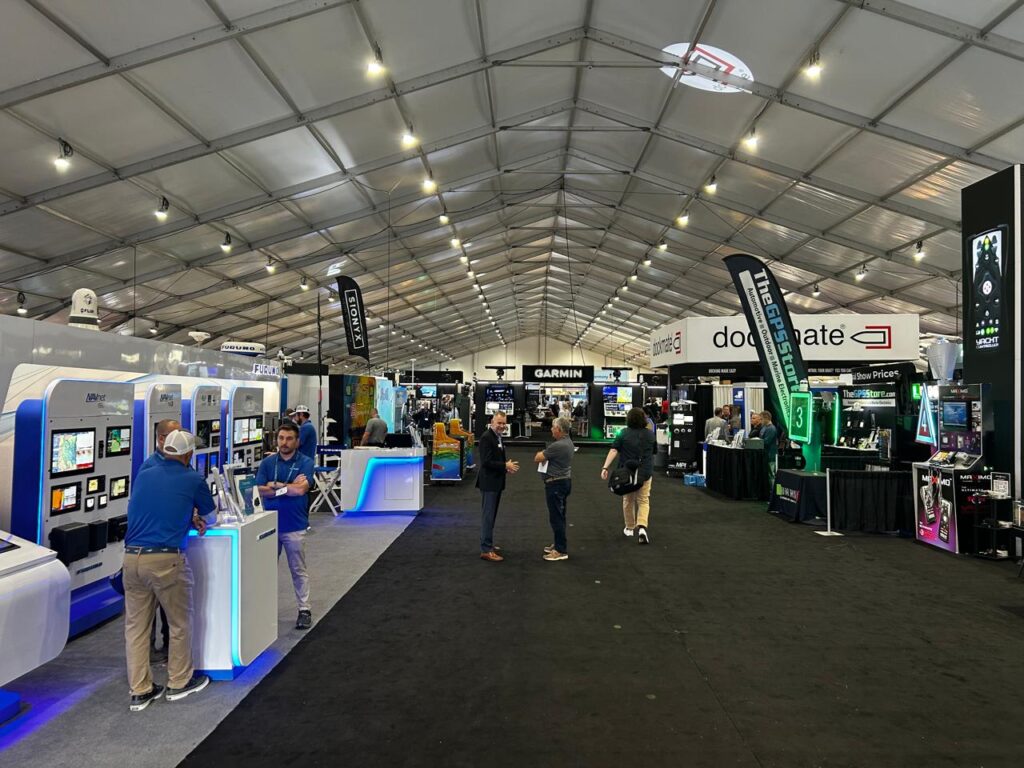
FLIBS 2025 (Source: Alexandre Vilela)
A Showcase of Scale and Technical Maturity
FLIBS’ organisation remains a reference point for global maritime events. The show spans seven venues and presents a curated technical ecosystem rather than a catalogue of vessels. Every segment — from superyachts to tenders, from electronics to propulsion — is arranged with operational precision. That structure is particularly relevant to WSB Advisors, whose work depends not only on market information but on a deep understanding of how marine supply chains behave.
In 2025, FLIBS brought:
- more than 1,300 vessels on display;
- over 1,000 brands from 50+ countries;
- an economic impact of USD 1.7 billion to Florida;
- increased representation from shipyards, naval architects, refit specialists and marine-tech manufacturers.
For a shipbroking and intelligence house, these numbers matter. Growth in the leisure sector typically precedes investment waves in support infrastructure, finance, and later — as in Brazil — regulatory adaptation. Understanding this cycle is essential for anticipating vessel flows, demand drivers and shipbuilding opportunities.
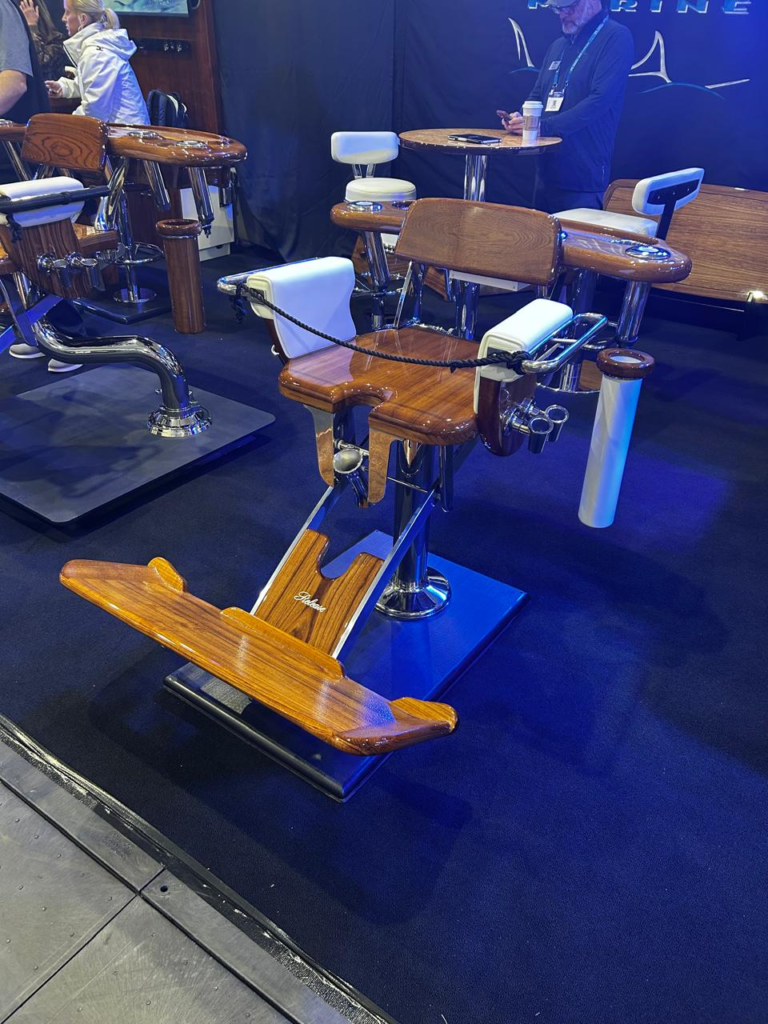
FLIBS 2025 (Source: Alexandre Vilela)
WSB Advisors: Connecting International Shipping With Emerging Marine Niches
WSB Advisors’ traditional expertise is rooted in offshore support vessels, project cargo, industrial tonnage, and shipyard-related strategy. But the maritime world is changing, and the boundaries between industrial and leisure segments are becoming increasingly permeable.
FLIBS revealed three particularly relevant intersections:
1. The global mobility of vessels and the rise of multi-regional dry-transport networks
The delegation met international co-brokers who specialise in seasonal yacht relocation to South America and the Mediterranean. These networks, although leisure-orientated, open channels for repositioning vintage offshore support vessels to jurisdictions that have consolidated dismantling and repurposing capacity — an area where Brazil still faces regulatory and technical bottlenecks.
This creates a two-way market:
- pleasure craft heading into Brazil,
- older offshore units moving out of Brazil for compliant end-of-life handling.
Such flows fit directly within WSB Advisors’ brokerage structure.
2. Shipbuilding insights beyond traditional offshore and merchant vessels
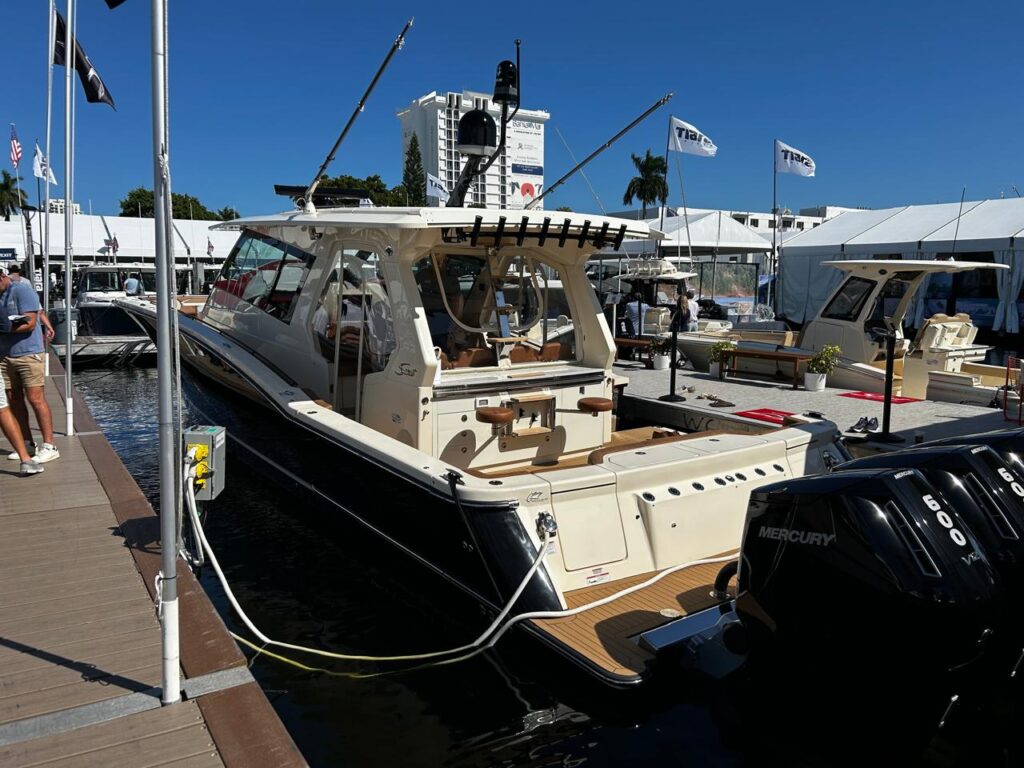
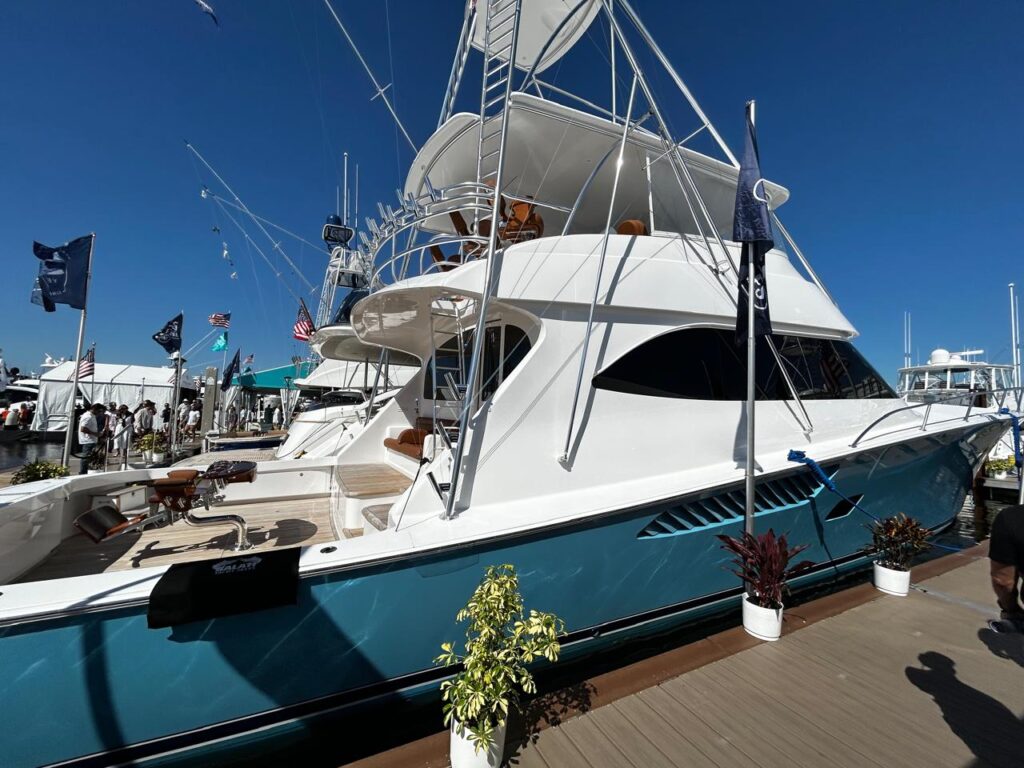
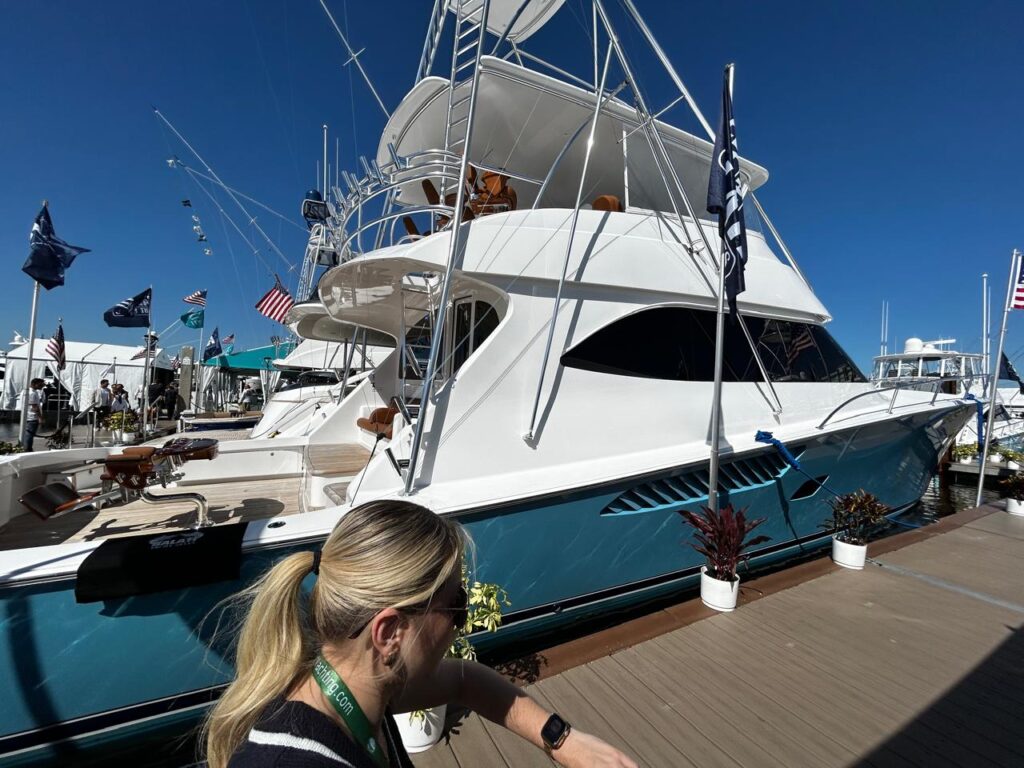
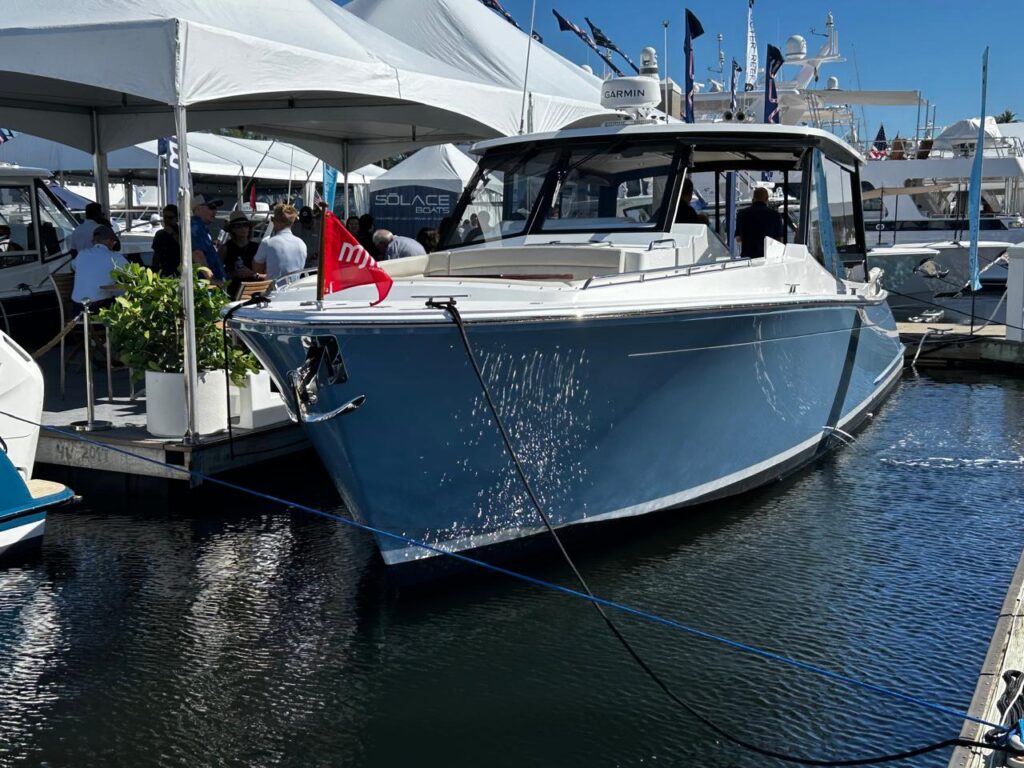
FLIBS gave visibility to shipyards diversifying into fast craft, aluminium builds, composite construction, and hybrid propulsion solutions. For WSB Advisors, which is studying new pathways for shipbuilding in Brazil beyond tankers, gas carriers, and OSVs, these sectors offer technological spillover and industrial insights.
The leisure-marine industry is often the first to adopt innovation: lightweight materials, digital helm systems, advanced navigation electronics, battery-hybrid arrangements. These technologies eventually influence commercial shipbuilding. WSB’s engineering and advisory teams benefit from understanding these early trends

3. Brazil’s underexplored leisure-vessel potential
WSB Advisors will take the lead within Westhon’s structure to develop activities in boating and marine leisure, including brokerage, refit intelligence, design partnerships, and eventually domestic shipbuilding pathways. The Brazilian market remains fragmented but rapidly growing. FLIBS offered a strategic benchmark of where Brazil can evolve — and where WSB can position itself.
Human Connections Behind the Technical Landscape
Beyond numbers and logistics, FLIBS also reaffirmed a human truth: maritime business is built on relationships.
The Westhon delegation reconnected with long-standing colleagues and suppliers such as Yanmar, Raymarine, Garmin, and engineers and managers from global shipyards. These conversations highlighted shared challenges: equipment availability, import cycles, emissions regulations, electronic integration, and the need for standardised service networks across the Americas.
WSB Advisors, whose model blends technical brokerage with human-centric market engagement, benefitted from this environment. The show’s atmosphere — a mix of engineering precision and boating passion — reflects precisely the crossover that defines WSB’s approach: data and relationships, intelligence and proximity, strategy and trust.
Technical Themes With Strategic Impact
Several technical developments at FLIBS directly aligned with Westhon and WSB’s focus areas:
- Sustainability & Hybrid Systems
Battery-hybrid propulsion advances are accelerating in leisure craft and are likely to influence auxiliary systems on offshore vessels. - Electronics Integration
Raymarine and Garmin showcased new unified bridge systems, increasingly user-friendly yet deeply data-driven. Such interfaces foreshadow the future of small commercial craft and support boats in Brazil. - Modular Shipbuilding
A number of yards presented modular and pre-fabricated solutions that could be adapted to regional Brazilian shipyards seeking competitive differentiation beyond heavy steel. - Lifecycle Management
Discussions on responsible dismantling and vessel lifecycle planning underscored the relevance of WSB Advisors’ work on the safe redeployment of ageing offshore tonnage.
These themes play naturally into the intelligence, brokerage, engineering and shipyard advisory capabilities that WSB Advisors has spent years consolidating.
A Moment of Strategic Convergence
FLIBS 2025 offered Westhon and WSB Advisors a rare combination of technical content, market visibility, networking and future-oriented insight. It bridged the firm’s core offshore and industrial domains with the fast-evolving world of leisure-marine technology, supply chains and vessel mobility.
Above all, the event reinforced that WSB Advisors’ future lies not only in managing complex offshore and shipyard deals but also in shaping new market entries — including the professionalisation of Brazil’s boating sector and the development of a cross-Americas maritime intelligence network.
In a global industry where technology advances quickly and relationships matter deeply, FLIBS served as both a mirror and a compass: reflecting where the market stands today and guiding where Westhon and WSB Advisors can go next.
Source: FLIBS -
Union Oil Auction Set for July 2026
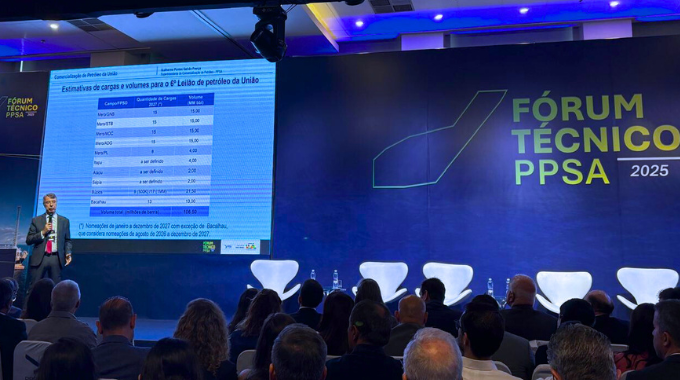
PPSA confirmed it will market 106.5 million barrels of Union-owned oil at the 6th Union Oil Auction, scheduled for 29 July 2026 at B3 in São Paulo. Volumes include 64 million barrels from Mero and 21.5 million from Búzios, alongside additional batches from Bacalhau, Itapu, Sépia and Atapu. Liftings are planned throughout 2027, except Bacalhau, which begins in August 2026. The announcement was made during the PPSA Technical Forum 2025 in Rio.
-
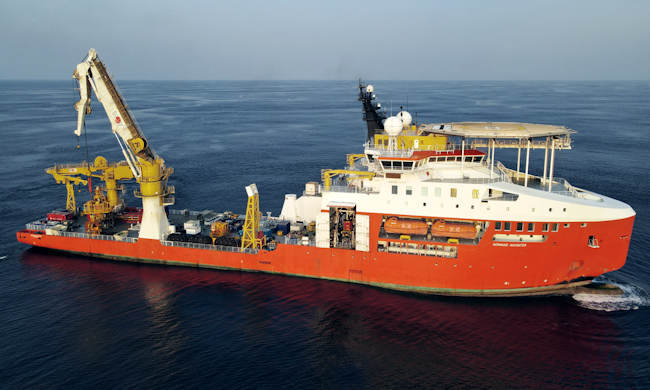
Solstad Secures New Contracts in Brazil and the North Sea
Solstad Maritime announced new contracts for Normand Navigator, Normand Cutter and Normand Jarstein, covering a firm period of 175 days + 150 optional days, beginning between December 2025 and January 2026. Combined contract value is approximately USD 25 million. Navigator and Cutter will conduct ROV and survey operations in Brazil, while Jarstein will operate in the North Sea.
-
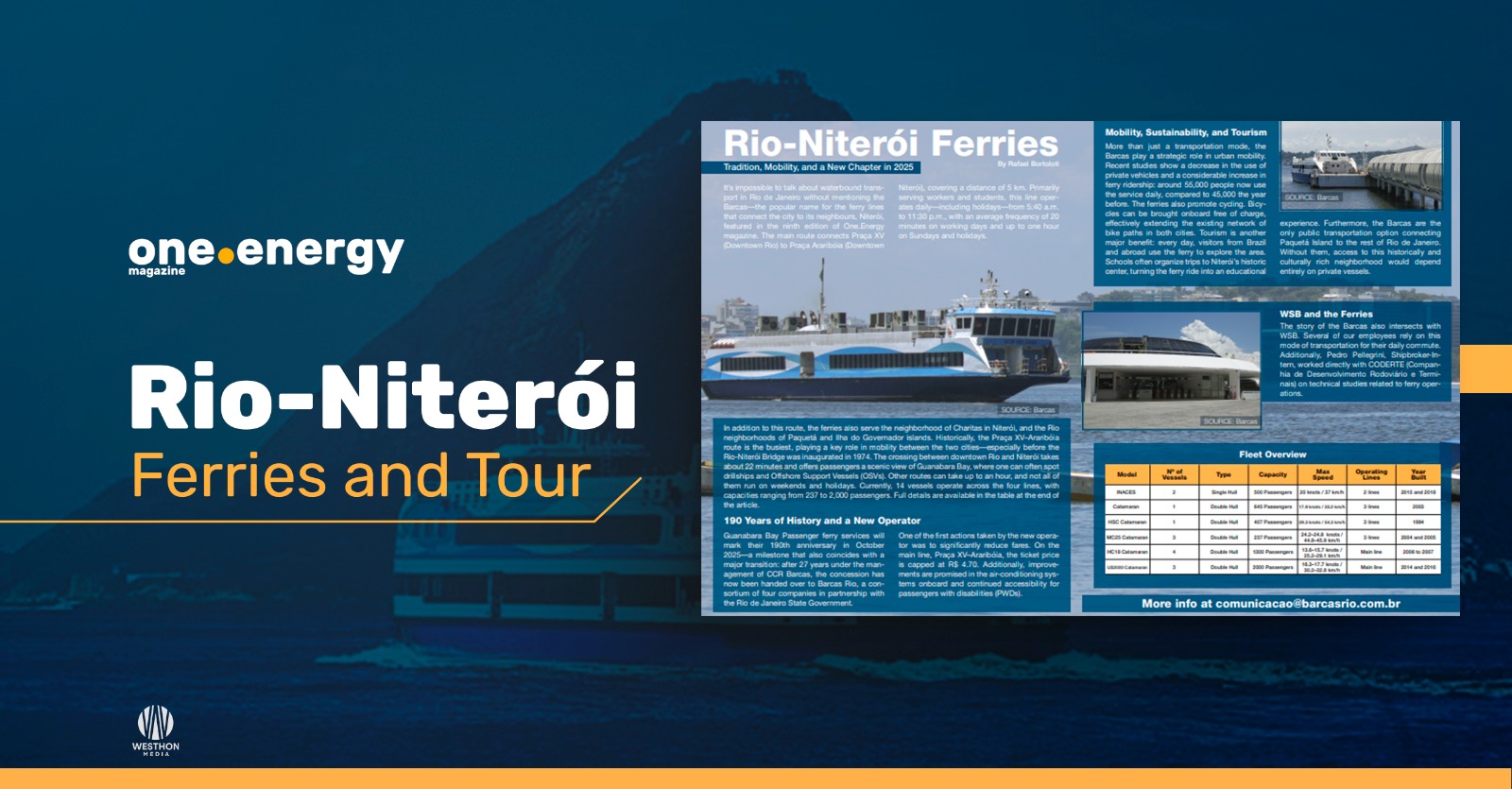
Rio-Niterói: ferries and tour
How about a different kind of boat ride?
The Rio–Niterói ferry service launched a new route in early November: a two-hour tour across Guanabara Bay. The trip takes place on the first Sunday of each month, departing from and returning to Praça XV in downtown Rio.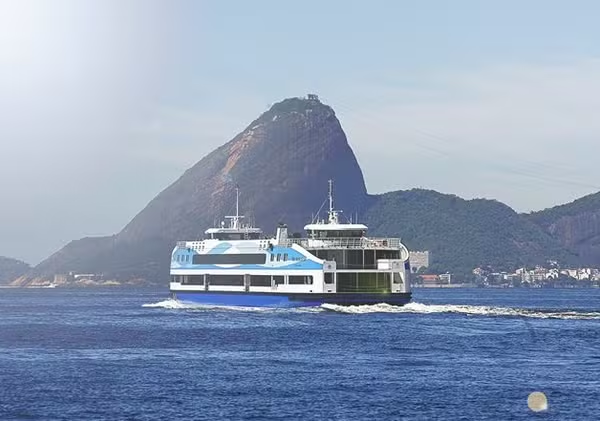
Rio-Niterói ferry
The route covers key landmarks such as the Rio–Niterói Bridge, Museum of Tomorrow, Ilha Fiscal, Sugarloaf, Christ the Redeemer and Niterói’s Museum of Contemporary Art. Passengers also gain close views of ships and shipyards, supported by guides who provide context and commentary throughout the tour.
In 2025, Rio–Niterói ferries moved to a new operator under stronger state oversight. Over the past year, the system has seen meaningful changes, including a 50% fare reduction and upgrades across the fleet.
The new tour is part of the celebrations for the system’s 190th anniversary. Its history will be featured in the next edition of Westhon One Energy Magazine. Don’t miss it. -
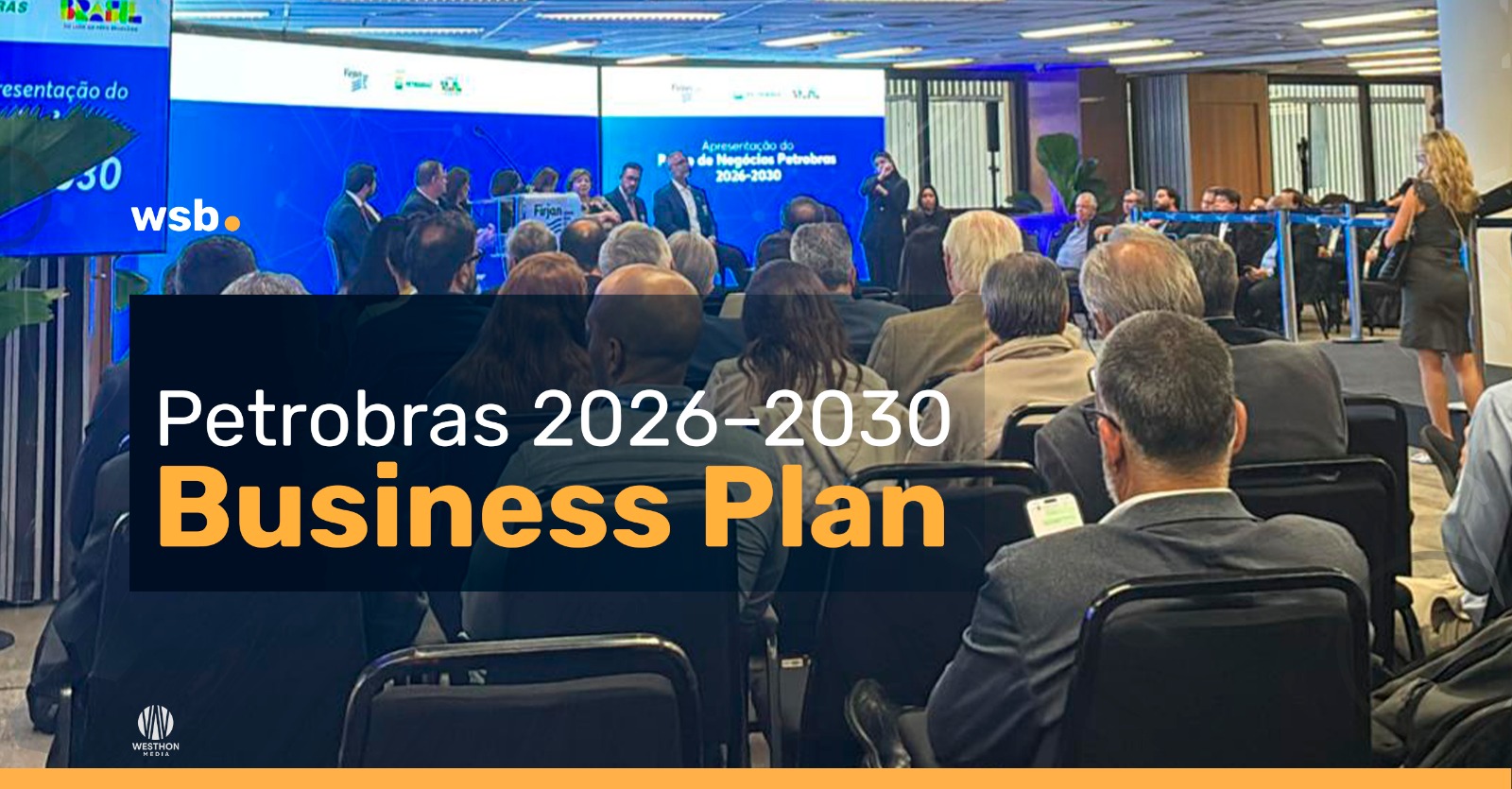
Petrobras Unveils its 2026–2030 Business Plan
Petrobras Unveils its 2026–2030 Business Plan, Signaling a New Growth Cycle with Direct Impacts on the Naval and Offshore Industry
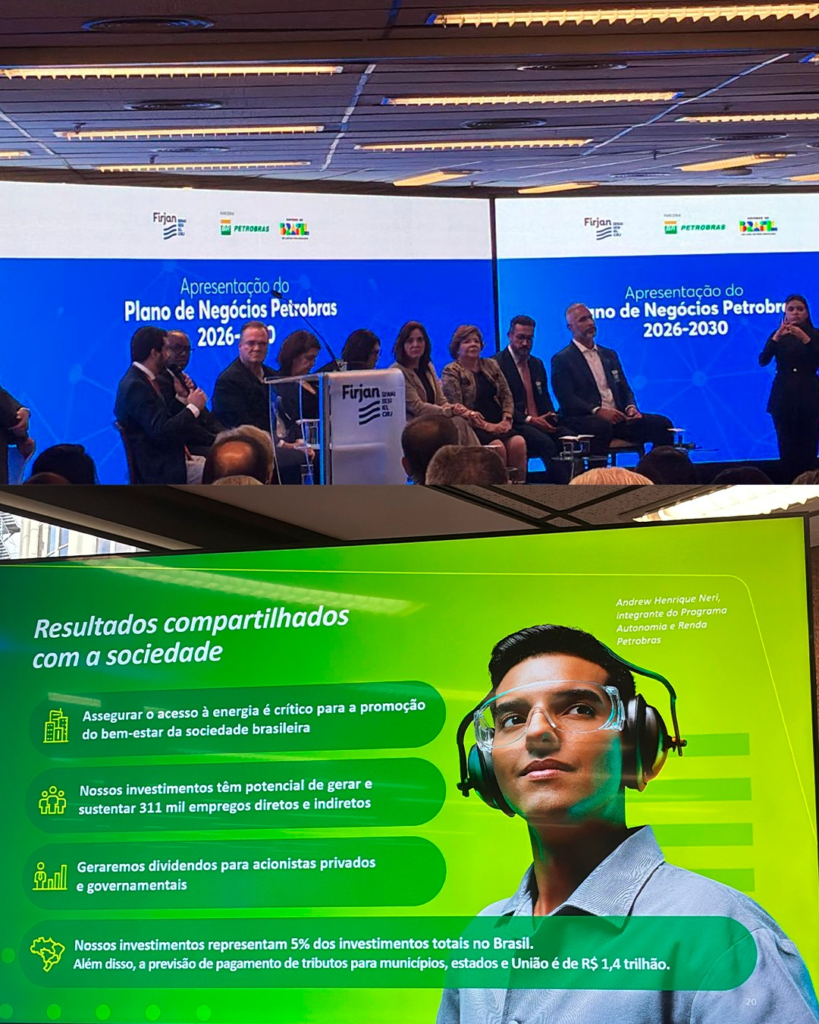
Petrobras presented its official 2026–2030 Business Plan last Friday, December 5, at the Firjan headquarters in Rio de Janeiro. The event brought together company executives, industry representatives, institutional leaders and numerous guests from across the energy sector. The presentation, delivered by technical specialists and managers from multiple business units, outlined not only the company’s strategic direction for the next five years but also a clear view of the role that oil, natural gas and low-carbon fuels will play in Brazil’s energy matrix through 2050.
The plan reinforces Petrobras’ ambition to maintain a leading position in the nation’s energy supply, combining growth in oil and gas output with increasing investments in biofuels, petrochemicals and low-carbon energy solutions. The company also reiterated its firm commitment to a “just” energy transition, aligned with national energy security and the competitiveness of Brazil’s industrial base.
A plan launched in a challenging market environment
The presentation began with a pragmatic assessment: market conditions in 2025 proved more challenging than anticipated, with Brent prices falling below the assumptions adopted in the previous plan. Even so, the new plan is anchored in operational discipline and capital efficiency, projecting a breakeven Brent of US$ 59/bbl as early as 2026.
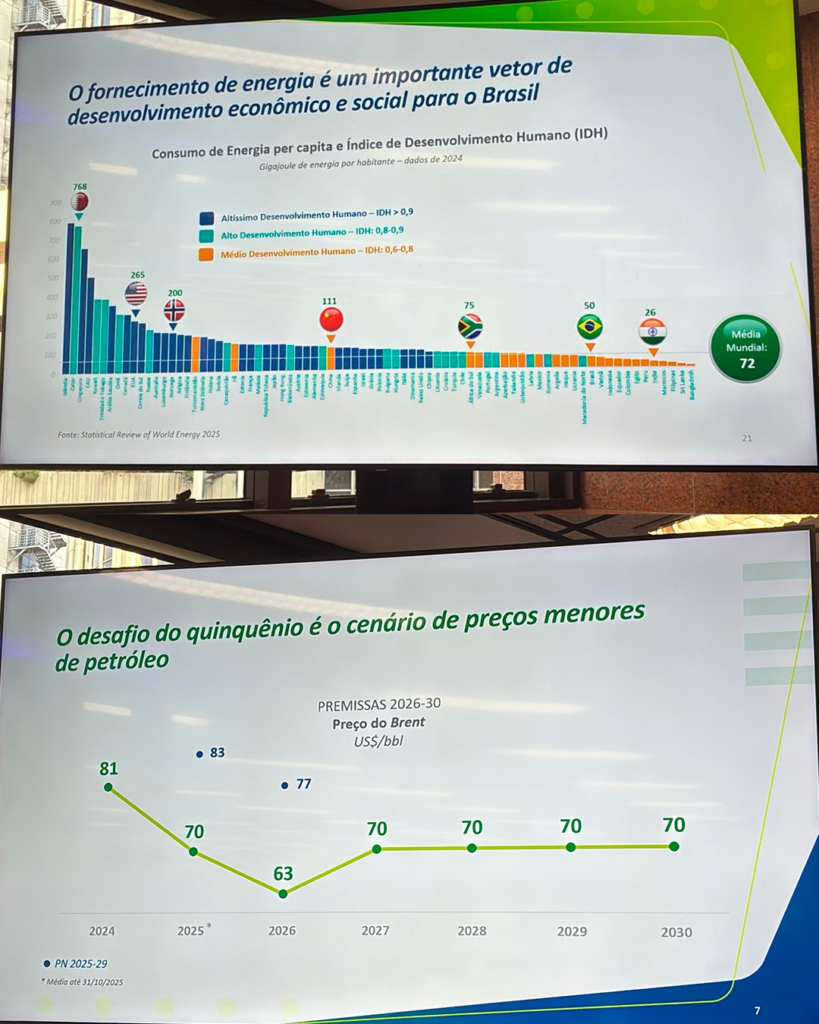
Source: Petrobras Despite this scenario, Petrobras reaffirmed ambitious targets for production growth, supported by structural improvements in efficiency, governance and cost optimization.
Oil and gas production accelerates and underpins new investments
Petrobras expects to deliver consistent growth in oil and natural gas production throughout the five-year period. The updated forecast points to approximately 2.4 million barrels per day in 2025, stabilizing between 2.6 and 2.7 million barrels per day by 2030.
This expansion is driven by a robust portfolio of pre-salt and post-salt projects, including new FPSOs, upgrades to existing systems and around 100 additional development wells by 2030. Among the highlights are the Búzios 6 through 11 projects, Atapu 2, Sépia 2, Raia and the Mero Extension, which form the core of pre-salt production growth.
Source: Petrobras Natural gas output is also set to expand, with domestic availability projected to reach 67 million m³/day by 2030.
US$ 109 billion in investments and a portfolio built for resilience
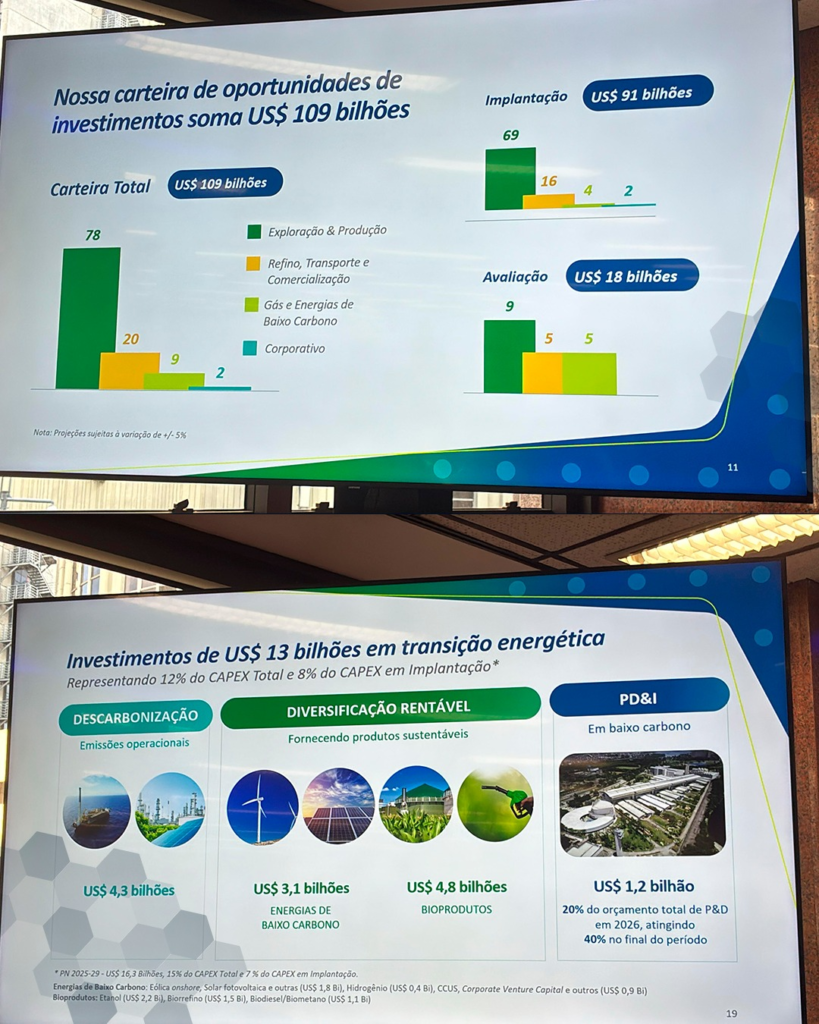
Combined, the investments outlined in the plan reach US$ 109 billion. The largest share — US$ 91 billion — is already in the implementation phase. The capital is allocated primarily across:
- Exploration & Production;
- Refining, Transportation and Marketing;
- Gas and Low-Carbon Energy;
- Corporate Projects.
The company emphasized that, even under lower oil-price assumptions, it will maintain a gross debt ceiling of US$ 75 billion, converging to US$ 65 billion by the end of the decade, ensuring its dividend policy and long-term self-funding capacity.
Maritime logistics, fleet renewal and direct impact on the naval sector
One of the most anticipated segments of the presentation involved the Mar Aberto program, a comprehensive initiative to overhaul Petrobras’ maritime logistics and modernize its fleet. The plan allocates approximately US$ 2 billion to new vessels, which may translate into nearly US$ 4 billion in domestic shipbuilding activity.
The package includes:
- 20 coastal navigation vessels;
- 18 barges and pushers for bunker operations;
- 12 PSVs;
- 10 OSRVs;
- 16 RSVs;
- 2 AHTSs.
This initiative — one of the most significant naval-sector announcements made by Petrobras since the early 2010s — has the potential to reactivate shipyards, revive suppliers and restore operational capacity across a supply chain that has remained largely underutilized for nearly a decade.
The company also confirmed the continuation of its offshore vessel chartering program, noting that roughly 40 new offshore support vessels will be contracted to sustain E&P activities throughout the period.
For a sector that has endured almost ten years of subdued activity, the message was explicit: the pace of exploration and production planned for the coming years will require renewed and expanded capacity within Brazil.
Source: Petrobras Expansion of refining capacity and new industrial projects
Petrobras also outlined its portfolio of structural investments in refining, logistics and natural gas. Key highlights include:
- new biorefining projects at REPLAN, RPBC and Boaventura;
- expansion of HDT and HDS units;
- increased export and propylene handling capacity;
- new pipeline infrastructure in Brazil’s Center-West region;
- modernization and construction of vessels for refined-product transportation.
Together, these initiatives reinforce the company’s objective of increasing domestic processing of Brazilian crude, reducing import dependence and boosting the supply of higher-quality fuels.
Energy transition: focus on biofuels and low-carbon solutions
Petrobras has earmarked US$ 13 billion for low-carbon and bioproduct initiatives — the largest investment ever allocated to this area in the company’s history.
The funds target:
- ethanol, biodiesel and biomethane;
- renewable diesel (R5);
- SAF and biobunker;
- hydrogen projects;
- carbon capture, utilization and storage;
- onshore solar and wind;
- innovation and R&D in clean energy technologies.
The company emphasized that, while Brazil’s energy mix remains significantly more renewable than the global average, fossil fuels will continue to play a relevant role in the decades ahead. The strategy, therefore, is to expand oil and gas production while laying the foundation for a diversified portfolio of sustainable, higher-value energy products.
Employment, economic impact and social value
As a final highlight, Petrobras estimated that the investments under the plan could support 311,000 direct and indirect jobs across the country.
Projected tax contributions — spanning federal, state and municipal jurisdictions — total R$ 1.4 trillion, underscoring the company’s role not only as an energy producer but as a critical driver of economic and social development. -

Petrobras at Firjan – Business Plan in Focus – 2026/2030
Petrobras presents today (December 5th), at Firjan-RJ, its 2026–2030 Business Plan, already approved by the Board of Directors. The session, running from 2:30 p.m. to 6:00 p.m., brings together suppliers, public-sector leaders and representatives from across the oil and gas market.
With planned investments of US$109 billion for the next five years, the plan maintains volumes seen in previous cycles and reinforces a clear direction: expansion of the renewable energy portfolio and low-carbon initiatives.
The presentation outlines priorities, opportunities and perspectives that will guide company actions over the coming decade, highlighting its energy transition strategy and integration with the supply chain. -
Special WSB: Por onde anda?
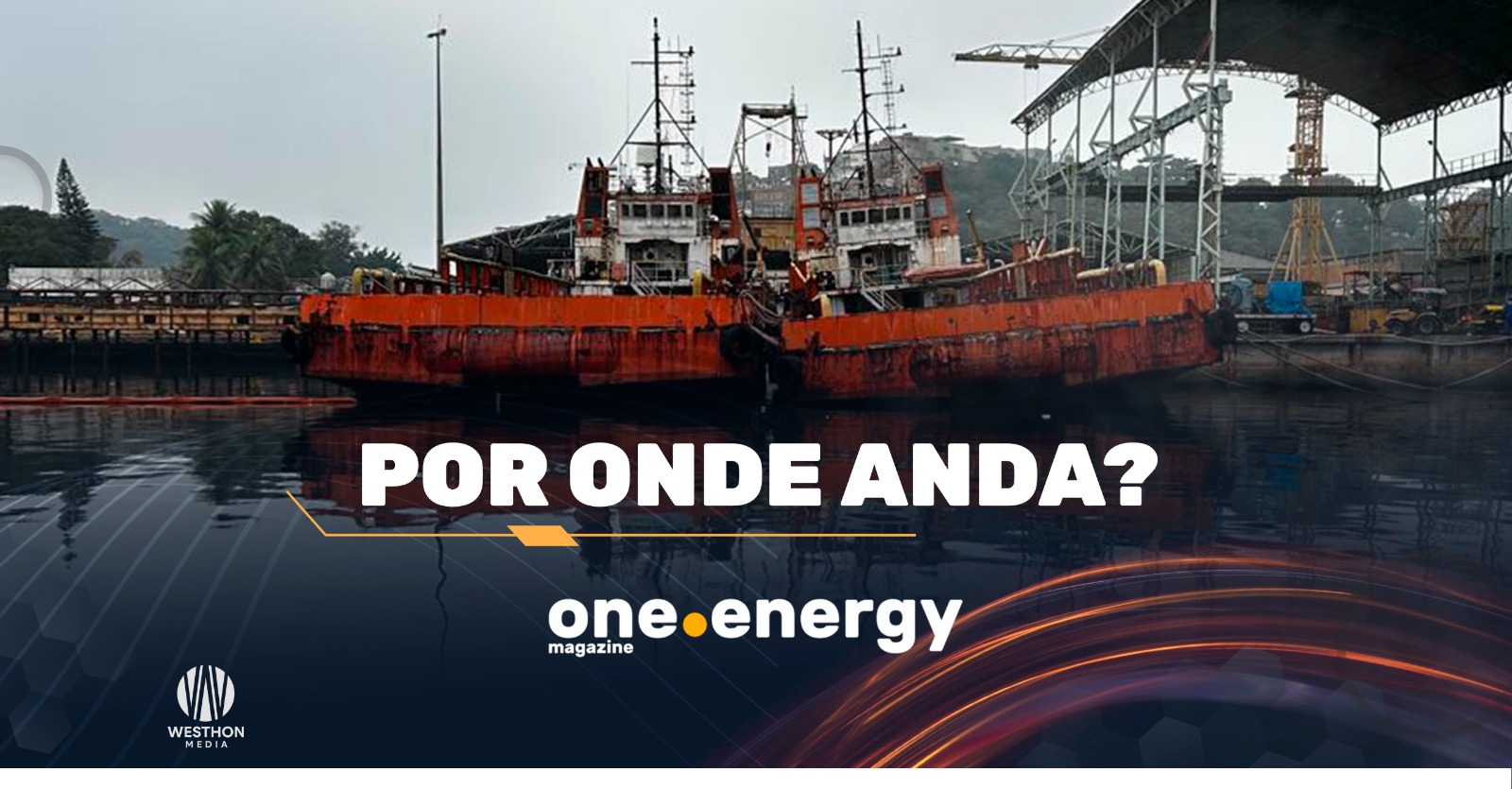
Astro Tamoio, a OSRV built in 2016 and once part of Astromaritima’s operational fleet, stands today as a stark reminder of how governance failures can erase an entire asset. Her trajectory changed irreversibly after a fatal incident in 2021 while contracted to Petrobras, leading to her lay-up and gradual degradation. Creditors and lien holders were left increasingly exposed as management under heir Renato Cabral failed to advance any effective resolution. Even an attempted auction in the BRL 40 million range — a figure arguably defensible in a heated market — did not progress, likely incompatible with the vessel’s visibly deteriorated condition.
Market observers have also pointed out the disappearance of key components, raising questions about whether parts may have been redirected to sister vessel Astro Tupi — now operating as Atlas Z. Despite ANTAQ records still listing Astromaritima as the owner of Astro Tamoio, Tribunal Marítimo registers no record of the supposed renaming to Astro Mero, and the listing for Astro Tamoio itself now appears as “expired.”
What remains is, in practical terms, a formal ghost ship — a hull decaying in tropical waters on the edge of Guanabara Bay, preserved not through stewardship, but through the gaps and inconsistencies of public records, while debts continue to accumulate under Astromaritima.
Every Thursday a new “Por onde anda?” — stay tuned.