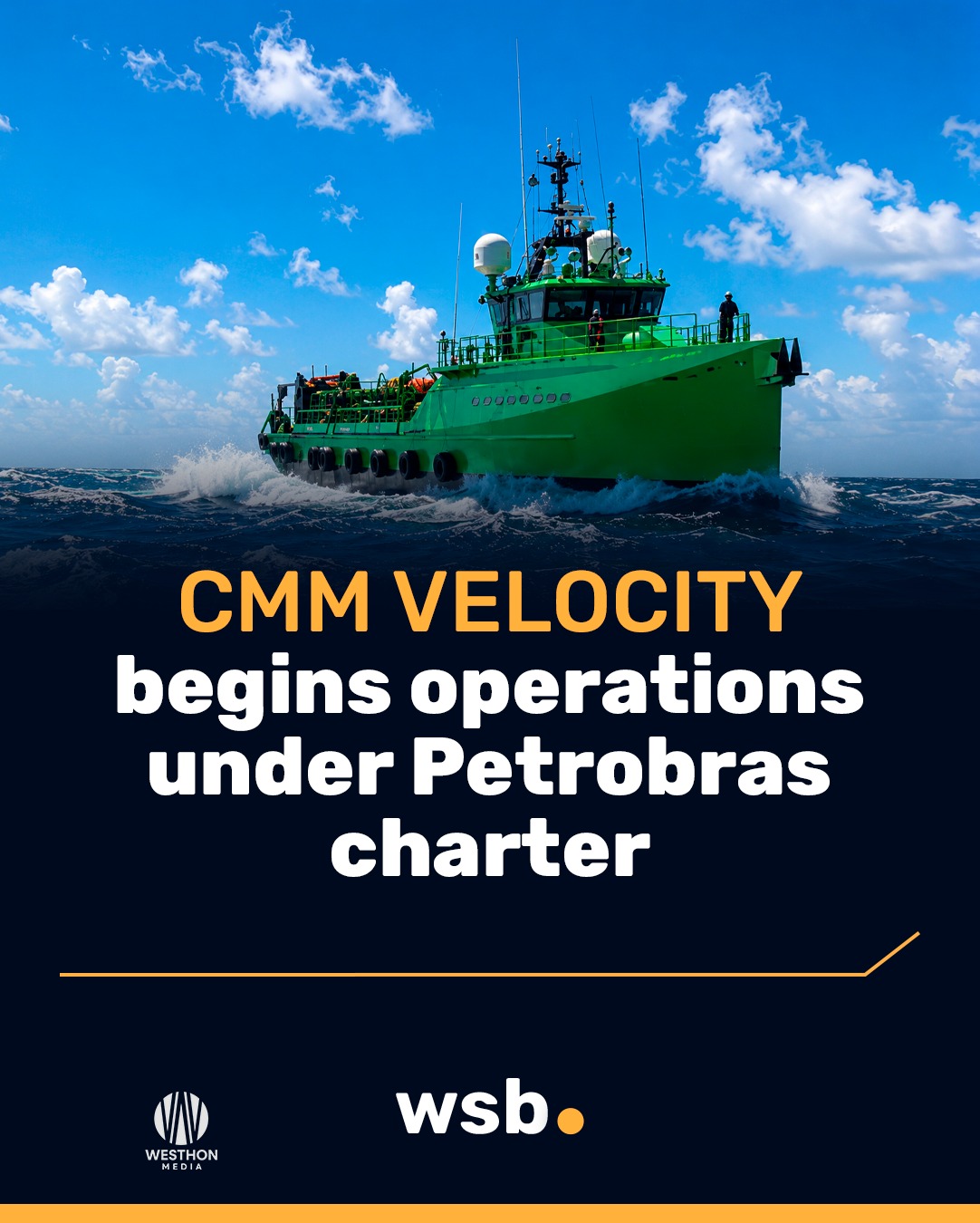
CMM Offshore has announced the start of operations of the FOSRV CMM Velocity under a four-year Petrobras charter, marking the vessel’s return to service following the agreement announced earlier this year.
The CMM Velocity is a Fast Oil Spill Response Vessel dedicated to environmental emergency response and oil spill prevention, supporting Petrobras’ offshore contingency strategy.
The operation will also incorporate drone-based monitoring to strengthen environmental response capabilities, adding another layer of surveillance and operational support to the vessel’s scope.
With the vessel now back in operation, Petrobras expands the availability of dedicated oil spill response assets supporting its offshore activities
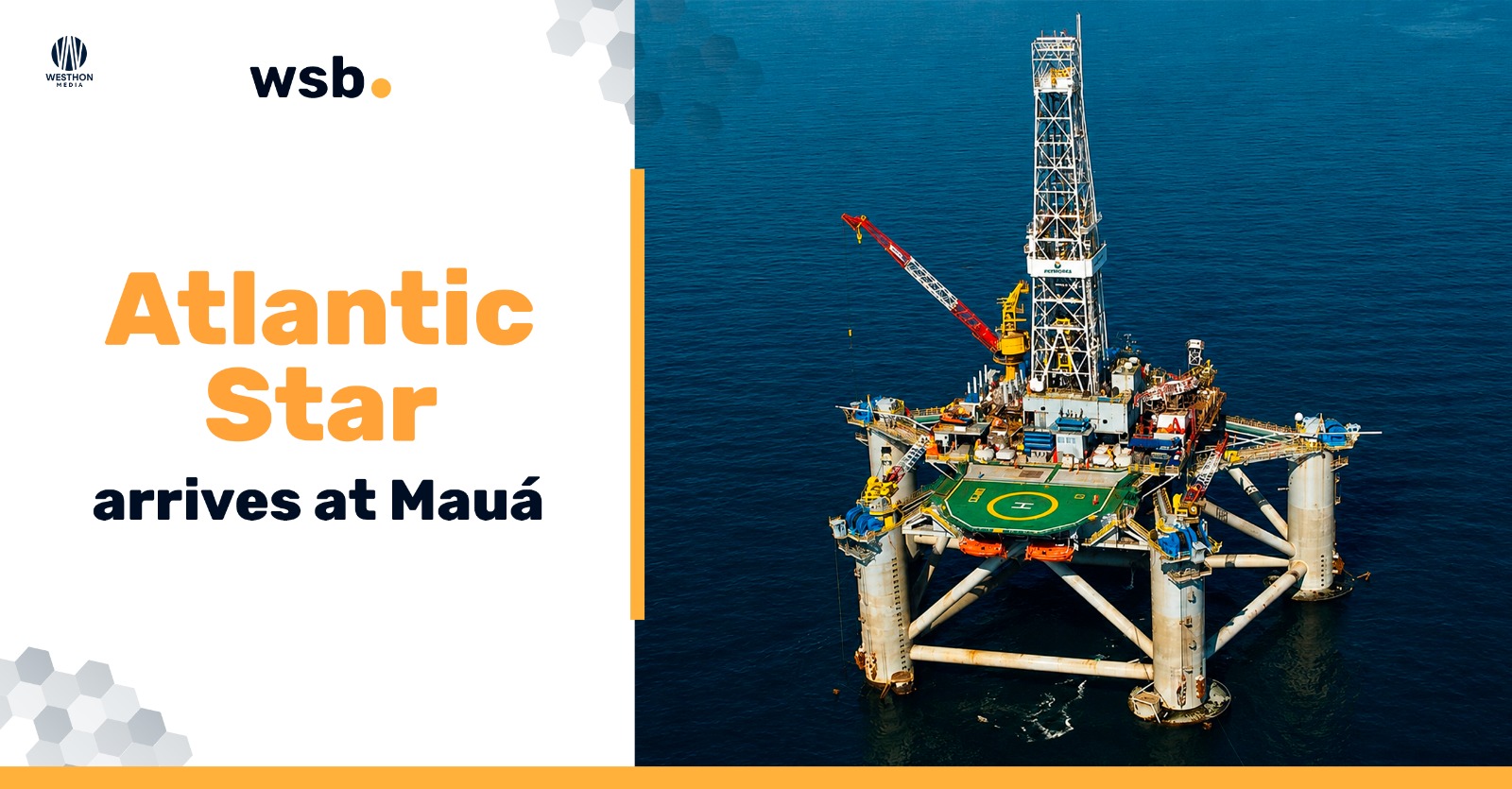
The semi-submersible Atlantic Star arrived in Guanabara Bay today under tow by the AHTSs Valletta and Xavantes and is expected to berth at Estaleiro Mauá S/A following the completion of its workover campaign for Karoon Energy at the Baúna field.
The timing is significant.
Constellation’s contract with Karoon covered a one-well heavy workover campaign, while Karoon has since confirmed that the intervention on the SPS-92 well was successfully completed, restoring production to approximately 8,600 barrels of oil per day. The Atlantic Star’s arrival at Mauá comes immediately after the conclusion of that campaign, marking the end of its latest operational assignment.
The market is already watching Trident Energy as a possible next destination for the Atlantic Star. While no public contract award has been announced, Constellation Oil Services’s latest investor presentation places two developments side by side: the completion of the Karoon campaign and an open demand from Trident Energy for an anchor-moored drilling unit with start-up expected in 2027. Although the company does not explicitly connect the two, the sequence has naturally attracted the market’s attention.
The movement is public. The context is on WSB.One. Contact us for full access.
There is a very common belief about artificial intelligence that goes against everything I learned over the last few months working with data: that what matters is the model.
That the secret is choosing the right LLM, the newest architecture, the most sophisticated fine-tuning.
It is not.
What research has already shown
Andrew Ng, co-founder of Google Brain, former chief scientist at Baidu and professor at Stanford, has been saying this publicly for a few years. In his words: “If 80% of our work is data preparation, then ensuring data quality is the most important work of a machine learning team.”
That is not an opinion. It is a conclusion from someone who built some of the largest AI systems in the world.
A Landing AI experiment makes this even clearer. A company wanted to use computer vision to detect defects in steel plates. The baseline accuracy was 76.2%. An AI team spent two months trying to improve the model. The result: zero improvement. Ng’s team then tried a different approach, focused entirely on the quality of the training data. In two weeks, accuracy went up to 93.1%. Almost 17 percentage points. Without changing a single line of the model.
MIT formalized this approach in a full course: Introduction to Data-Centric AI. The main argument is simple: in the real world, data is not fixed. You can and should engineer your data just as much as you engineer your model.
What I saw happen in practice
Working on the development of WSB.one, a market intelligence platform for the offshore sector, the theory became reality very quickly.
The Brazilian maritime market has a lot of public data: chartering records at ANTAQ, regulatory decisions, vessel movements, corporate structures. All published. Almost nothing connected.
Building scraping pipelines with Python and Django to collect this information was challenging. Many sources were hard to access, each portal with its own behavior, its own structure, its own obstacles. But the real work was not collecting.
A.I (Source: ChatGPT)
It was in turning raw data into something with real quality.
Standardizing vessels names that appear in different forms across different databases. Reconciling corporate entities that are split across records. Identifying when the same information, from different sources, tells contradictory stories. That is the work no model solves on its own, and it determines whether the final result is intelligence or just well-formatted noise.
What this means for those using AI today
If you are implementing AI in your company and the results are not coming, the answer is probably not in changing the model. It is in the data you are feeding it.
A few questions worth asking before any change in architecture:
Is the data consistently formatted, or does each source follow its own logic? Are there inconsistencies between sources that the model is trying and failing to reconcile? Is the data you have representative of the real problem, or is it just the easiest data to collect?
The Data-Centric AI approach does not ask you to ignore the model. It asks you to stop treating data as a detail to be fixed later.
The model is a tool. Data is the raw material. And no tool, no matter how sophisticated, turns bad raw material into a good result.
Even before the computers are turned on and activity begins in WSB’s Advisors office in downtown Rio de Janeiro, Maria Ciriaco is already at work. As an Administrative Assistant, she is consistently the first to arrive, helping prepare the environment for another productive day.
Her role, however, extends far beyond organizing spaces. Maria helps create an atmosphere of warmth, care, and well-being that has become part of the company’s identity.
Originally from Nova Russas, a small town in the state of Ceará, Maria left her hometown in 2002. Alongside her family, she traveled nearly 2,500 kilometers to Rio de Janeiro in search of new opportunities. Her story reflects that of thousands of Northeastern Brazilians who built new lives far from home while never losing touch with their roots.
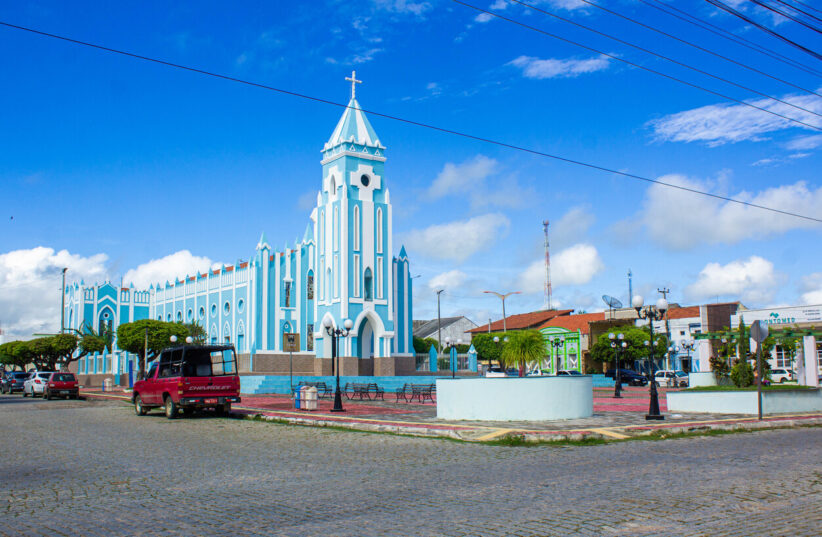
Nova Russas, Maria’s hometown (Source: Courtesy of Nova Russas City Hall)
Now 37 years old, Maria carries with her fond memories of a childhood spent under the care of her grandparents, Francisco and Zulmira. Among games, open spaces, and climbing trees, she discovered a passion that today also contributes to her livelihood.
“I have many memories of Ceará. I was raised by my maternal grandparents. I had a privileged childhood—surrounded by animals, plenty of room to run, and trees to climb. But making cheese and sweets with my grandmother was one of my favorite activities,” Maria recalls.
It was alongside Mrs. Zulmira, in the late 1990s, that Maria first learned about cooking. What began as a family tradition evolved into a skill admired by everyone around her. At WSB, her homemade treats have become part of everyday life. From sandwiches affectionately called internally as “Mac Mary” to cakes and desserts with or without sugar, her recipes help energize meetings, events, and visits from guests.
“I don’t have a favorite type of recipe. I simply enjoy exploring new ones. New challenges motivate me. Beyond being a hobby, cooking represents a life transformation for me. Above all, it is rewarding to see people appreciate and praise the dedication I put into everything I make,” she says.
In 2026, Maria celebrates two years with WSB Advisors. Alongside Camila Lopes and Vilma Fernandes, she contributes to the company’s facilities management, helping oversee workplace organization, visitor reception, employee support, and the infrastructure required for the daily operation of the office and corporate events.
Her professional journey includes experience as a receptionist, waitress, store manager, and sushi woman. Each stage helped develop qualities that define her presence today: attention to detail, a service-oriented mindset, and the ability to make people feel welcome.
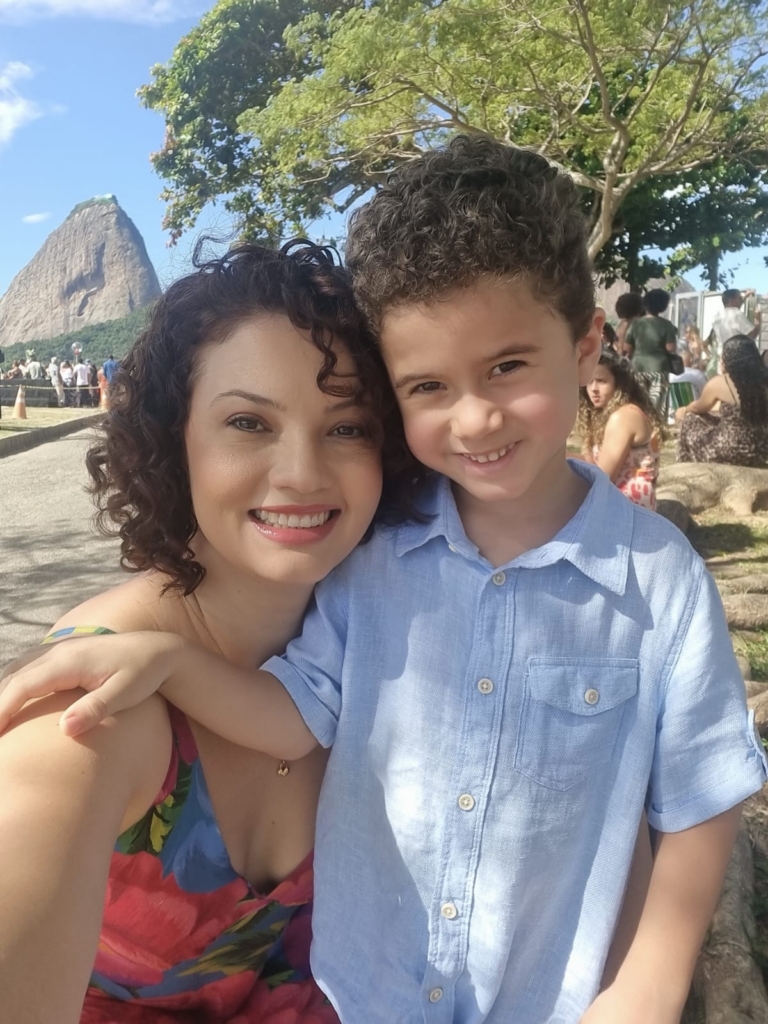
The mother of four-year-old Bento, Maria balances her time between work, family, fitness, and leisure. She enjoys watching cartoons with her son while sharing a bowl of popcorn and also follows series such as “The Mentalist”, “Yellowstone”, and “S.W.A.T.”
Maria and Bento (Source: Private Collection)
“I have my challenges and my dreams, such as moving out of a rental home and into a larger house. But when I reflect on my life, I sometimes feel privileged. I have the most important things: health and the energy to wake up every day at 4:30 a.m., exercise, and work.”
At WSB, Maria represents something that is difficult to measure through reports or performance indicators. Her work helps keep everything running smoothly, but her greatest contribution may be her ability to transform simple gestures into meaningful experiences. Whether welcoming a visitor, preparing a cup of coffee, or introducing a new recipe, she turns dedication into a way of caring for people—and that, every day, helps power the company’s energy as well.
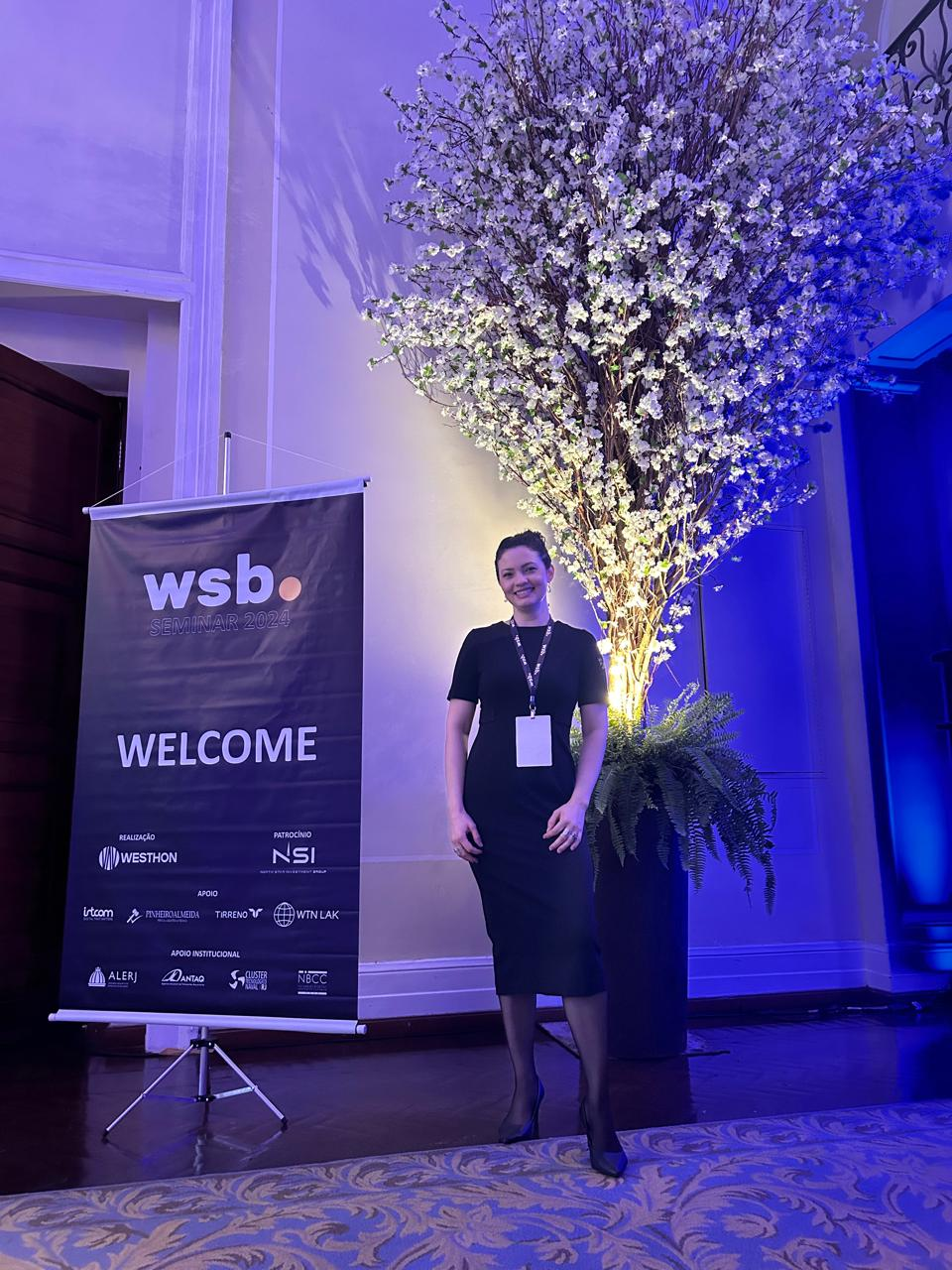
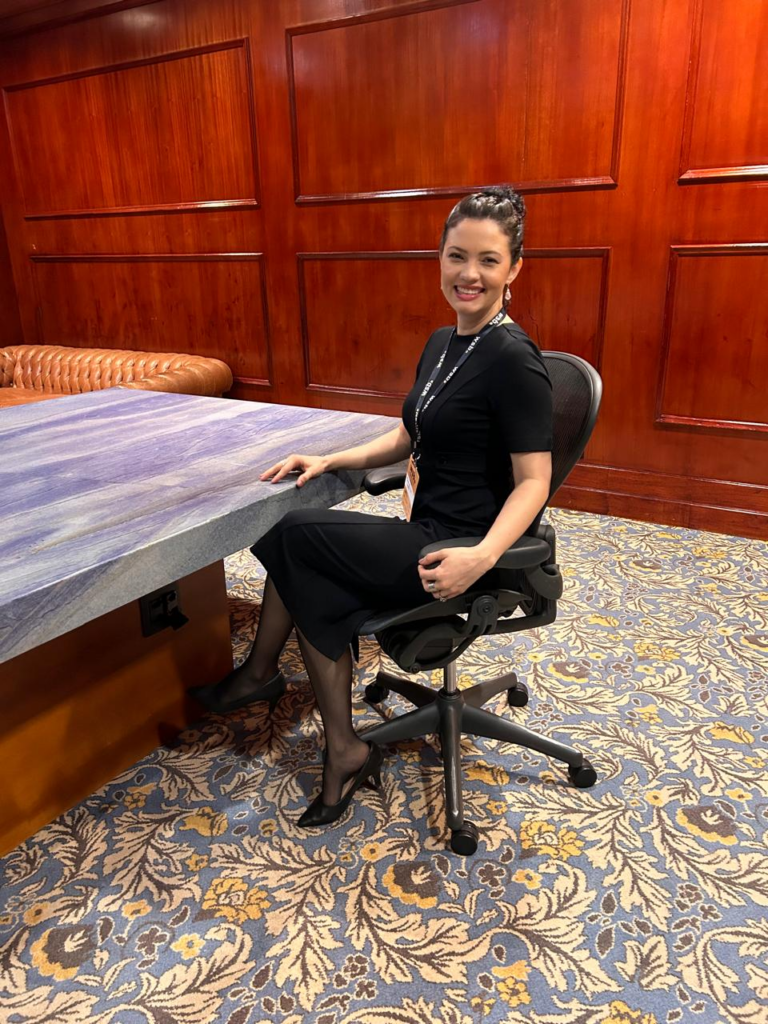
Maria Ciriaco at WSB Seminar 2024 (Source: Klésio Abel)
The other day, someone called me asking for information. They weren’t a client, weren’t interested in hiring anything, didn’t want a meeting, and certainly weren’t asking for a proposal. They just wanted a piece of information. Then came the questions: a vessel, a contract, a contact, a confirmation.
Sound familiar?
We’ve all been on both sides of that conversation, especially because, in our industry, it’s necessary. At some point, we’ve all shut down the computer, ignored the reports, closed a few of the dozens of tabs open in our browser, and decided to call someone.
And that’s where the contradiction appears.
Never before have we had so much access to information, and never before have we seen so many people desperately searching for it.
I’m certain that the person who made that call was carrying more research capability in their pocket than an entire company possessed a few decades ago. Today we have LinkedIn, artificial intelligence, tracking systems, specialized platforms, newsletters, dashboards, and an almost absurd amount of data available just a few clicks away. Depending on your role, there’s a good chance you even subscribe to WSB.One or another industry platform.
In theory, finding answers has never been easier.
But, as always, there’s a “but.”
If information is everywhere, why do we keep looking for people?
What happened to all those predictions? Face-to-face meetings would disappear. Industry events would become irrelevant. Networking would move entirely online.
According to the internet’s experts, intermediaries would be replaced by platforms, and artificial intelligence would take care of the rest.
A logical conclusion?
Funny.
Events got bigger, trade shows expanded, airports remain crowded, and we continue receiving invitations to lunch and dinner.
The reality is that professionals still travel across cities, states, countries, and even oceans to discuss matters that, theoretically, could be resolved in a fifteen-minute video call.
The problem was never the technology.
The problem was that we misunderstood where the real value was.
For a long time, we believed that information was power. And perhaps it was, back when data was scarce and those who had access to it held a significant advantage.
Today, the challenge is no longer finding information.
It’s surviving it.
And, interestingly enough, ending the day with just as many questions as when you started.
Consider this: a platform can show where a vessel is. It can display contracts, historical data, movements, and market trends. In fact, it should. That’s exactly what data platforms are designed to do. They save time, organize complex markets, and eliminate an enormous amount of work.
But eventually, every piece of information leads to the same question:
“Now what?”
Will that seemingly available vessel actually be available when you need it? Will the contract that’s about to expire really come to an end? Is there an extension negotiation taking place behind the scenes? Is the owner genuinely interested in that opportunity? Are there any operational or technical issues? Does the documentation comply? Does the crew meet the requirements?
And perhaps the most important question of all:
Will that client actually close the deal, or will they change their mind three times during the negotiation?
Because that’s precisely the moment when data stops helping on its own.
That’s when experience, relationships, and judgment begin to matter.
Perhaps the market is not witnessing the end of intermediaries.
Perhaps it’s witnessing the end of professionals whose only role was moving information from one side to the other.
Technology already does that.
And it does it better, faster, and cheaper.
What remains rare is someone capable of interpreting context, anticipating risks, connecting scattered pieces of information, and turning a mountain of data into a practical decision.
Someone capable of looking at a screen full of information and saying:
“Ignore 95% of this. What matters is right here.”
The more data exists, the more valuable judgment becomes.
And there’s an observation that may be even more important.
“Deal closed. Contract signed. What’s next?”
In reality, that’s often when the real work begins.
That’s when operational adjustments, delays, scope changes, pending documents, questions, problems, and the inevitable surprises that no spreadsheet could ever predict begin to emerge.
And perhaps that’s the point advocates of disintermediation never fully understood.
Finding an opportunity has become easier. Closing a contract has become easier too. Making things work afterward remains the hard part.
And perhaps that’s why the most valuable professionals are not merely those who find opportunities, but those who remain present when those opportunities become responsibilities. They’re the ones who stay involved, answer the phone when problems arise, and help find solutions long after the excitement of the negotiation has faded and the reality of execution has begun.
Because data helps find answers.
Experience helps make things work.
And that may say more about the future of business than any technological prediction of the past decade
The shipment represents more than half of the steel required for the first four Handy-size tankers and supports the expansion of production at the Rio Grande Shipyard.
Every major project is defined by milestones that demonstrate its transition from planning to execution.
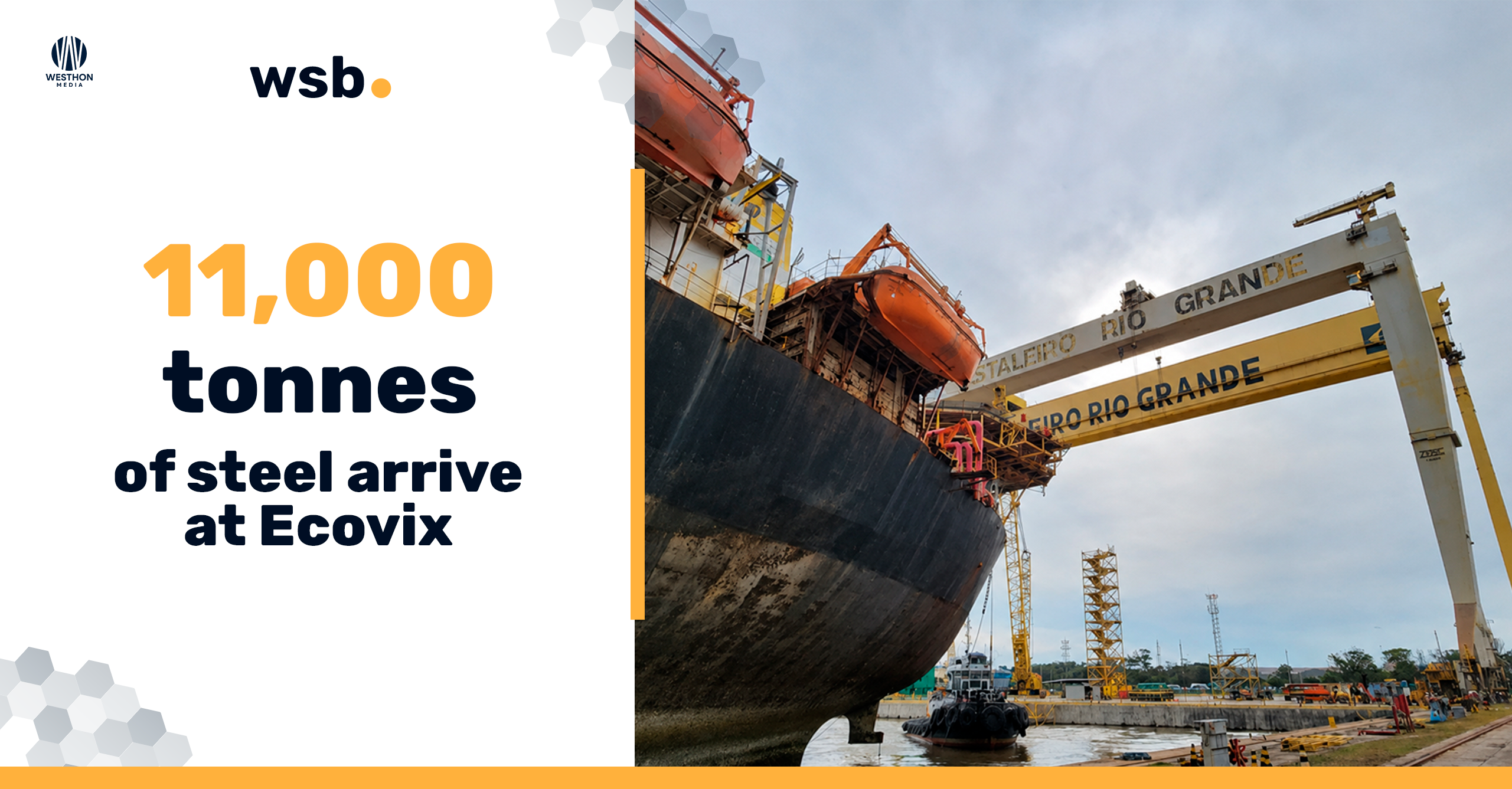
For the Transpetro fleet renewal programme, one of those milestones has now been reached with the arrival of approximately 11,000 tonnes of steel at the Ecovix-operated Rio Grande Shipyard, in southern Brazil.
The shipment represents more than 50% of all steel plates required for the construction of the first four Handy-size tanker hulls and provides the material base for the acceleration of production at the yard.
The four vessels are being constructed by the consortium formed by Ecovix and Mac Laren, with Ecovix leading the project and carrying out the principal construction activities at the Rio Grande Shipyard.
The arrival of the steel is particularly significant because it marks the beginning of a more intensive industrial phase. Construction will proceed in series, with the first hull entering production and the additional vessels being progressively incorporated into the production line.
The project is also well advanced beyond the procurement of steel. According to information available to WSB, the yard has already progressed with the acquisition of more than 90% of the equipment, materials and items required for the first four tankers.
Approximately 500 people are already directly employed at the Rio Grande Shipyard in connection with the project. This new production phase is expected to support the addition of a further 500 positions, bringing the total number of direct jobs to approximately 1,000.
The first four Handy-size tankers form part of a broader portfolio of 13 vessels already contracted for construction at the Rio Grande Shipyard, reinforcing the scale and long-term relevance of the industrial mobilisation now underway in Rio Grande.
Speaking to O Litorâneo during the steel delivery, Transpetro’s Maritime Transportation Director, Jones Soares, highlighted the importance of the projects for both Transpetro and Petrobras and expressed his personal confidence in their successful execution.
The arrival of 11,000 tonnes of steel is therefore more than a logistics event. It is a visible and measurable indication that the project is advancing into physical execution, supported by large-scale procurement, workforce mobilisation and the progressive reactivation of the shipbuilding supply chain.
11.000 toneladas de aço chegam à Ecovix enquanto o programa de navios-tanque da Transpetro entra em nova fase industrial
A remessa representa mais da metade do aço necessário para os quatro primeiros navios-tanque do tipo Handy-size e viabiliza a expansão da produção no Estaleiro Rio Grande.
Todo grande projeto é marcado por etapas fundamentais que demonstram sua transição do planejamento para a execução.
Para o programa de renovação da frota da Transpetro, um desses marcos foi alcançado com a chegada de aproximadamente 11.000 toneladas de aço ao Estaleiro Rio Grande, operado pela Ecovix, no sul do Brasil.
A carga representa mais de 50% de todas as chapas de aço necessárias para a construção dos cascos dos quatro primeiros navios-tanque Handy-size e fornece a base de materiais para acelerar a produção no estaleiro.
As quatro embarcações estão sendo construídas pelo consórcio formado pela Ecovix e pela Mac Laren, com a Ecovix liderando o projeto e executando as principais atividades de construção no Estaleiro Rio Grande.
A chegada do aço é particularmente significativa, pois marca o início de uma fase industrial mais intensa. A construção ocorrerá em série: o primeiro casco entrará em produção e as demais embarcações serão progressivamente incorporadas à linha de montagem.
O projeto também está avançado além da etapa de aquisição de aço. Segundo informações obtidas pelo WSB, o estaleiro já avançou na compra de mais de 90% dos equipamentos, materiais e itens necessários para os quatro primeiros navios-tanque.
Cerca de 500 pessoas já trabalham diretamente no projeto no Estaleiro Rio Grande. Espera-se que esta nova fase de produção permita a criação de mais 500 postos de trabalho, elevando o total de empregos diretos para aproximadamente 1.000.
Os quatro primeiros navios-tanque Handy-size integram um portfólio maior de 13 embarcações já contratadas para construção no Estaleiro Rio Grande, reforçando a escala e a relevância a longo prazo da mobilização industrial em curso na cidade.
Em entrevista ao jornal O Litorâneo durante a entrega do aço, o Diretor de Transporte Marítimo da Transpetro, Jones Soares, destacou a importância dos projetos tanto para a Transpetro quanto para a Petrobras e expressou sua confiança pessoal no sucesso da execução. A chegada de 11.000 toneladas de aço é, portanto, mais do que um evento logístico. É um indicador visível e mensurável de que o projeto está avançando para a execução física, apoiado por aquisições em larga escala, mobilização de mão de obra e a reativação progressiva da cadeia de suprimentos da indústria naval.
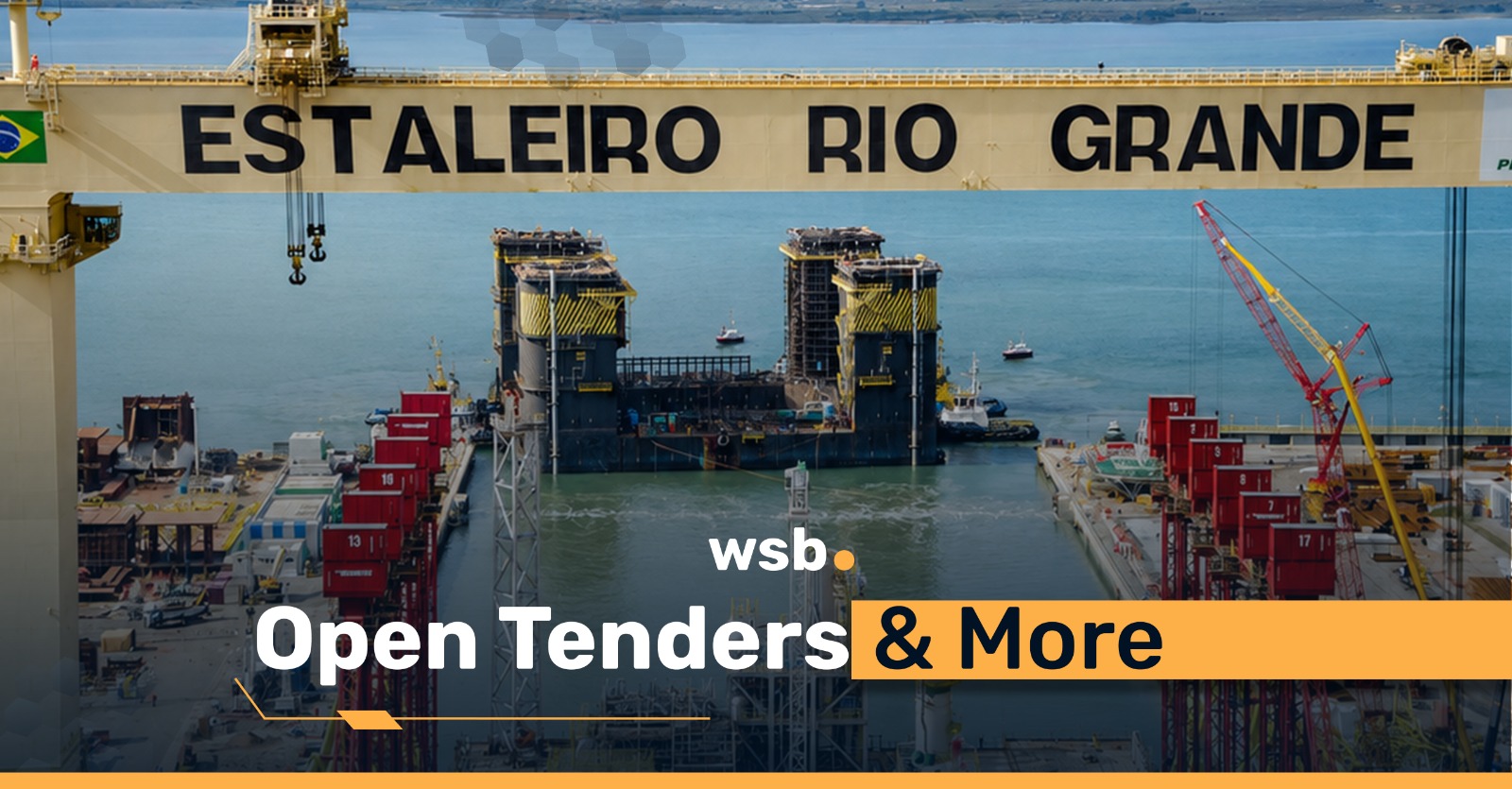
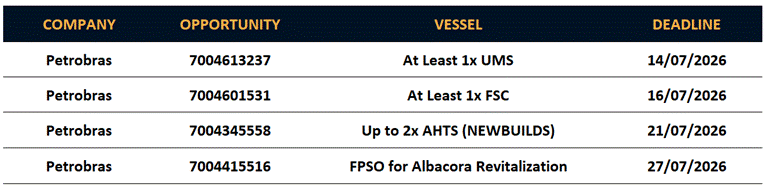
WSB is pleased to provide an update on the current long-term tenders that are open to offer.
Open tenders:
What has changed?
Nothing new under the sun.
What else is happening?
Everyone is after a floatel.Floatel Victorycompleted her contract with Karoon at the FPSO Cidade de Itajaí, commenced operations at the Bacalhau field with Equinor, and is set to end the year under a six-month firm contract with Brava.
That’s a lot of steel!Ecovix has received a shipment of 11,000 tonnes of steel to continue the construction of four Handysize vessels for Transpetro. The shipyard also has an orderbook of five gas carriers and four MR1tankers. Could there be more projects on the way?
A slowdown for some, a boom for others. As tenders cool ahead of the election period, the imbalance between supply and demand has left some vessels without contracts. However, the AHTS market tells a different story: there isn’t a single vessel left available.
But when the vessel was finally delivered in 2017, the offshore market was already a very different one, and her identity was also about to change.
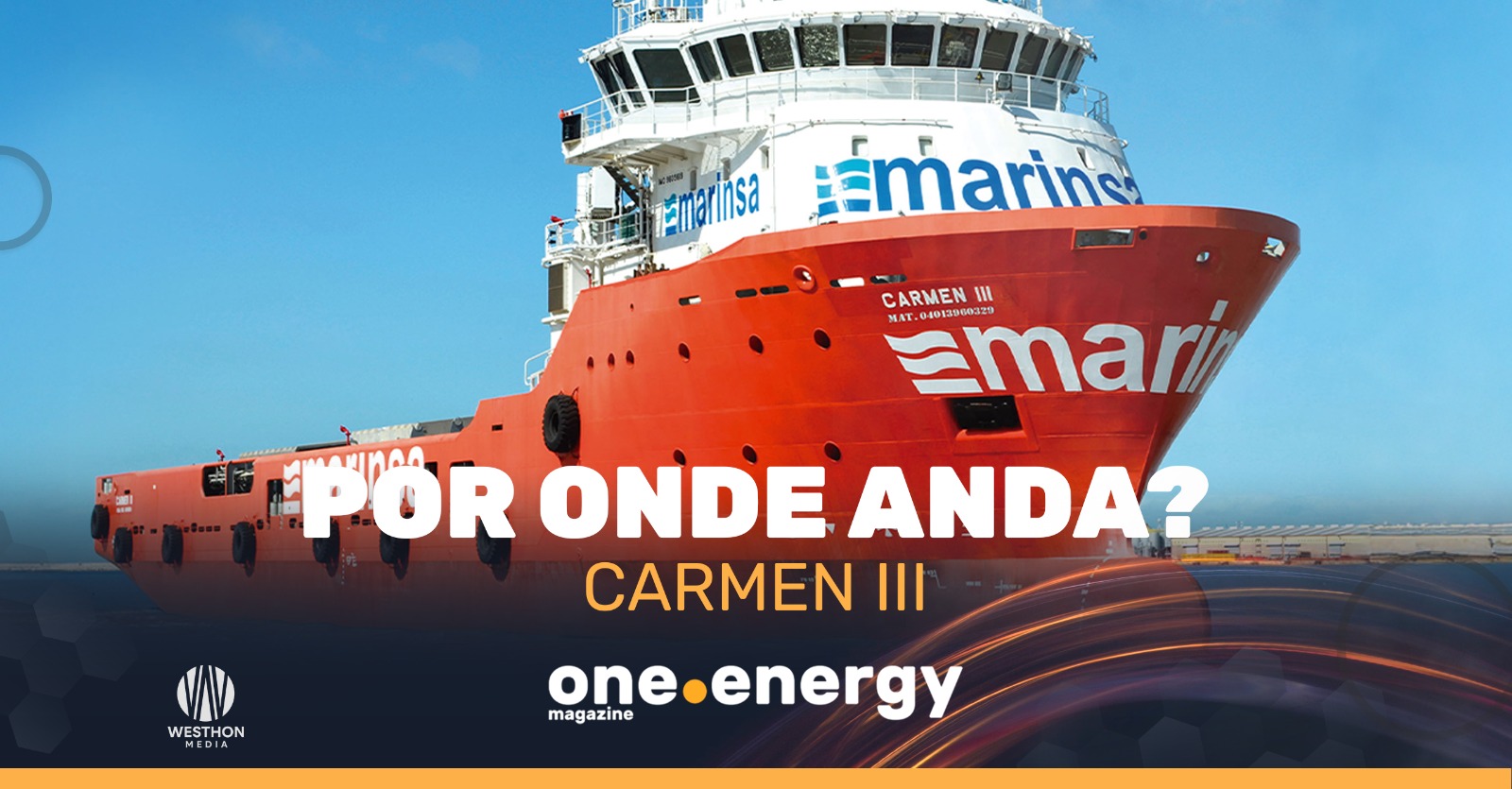
Carmen III began as hull NT8002, part of a four-vessel PSV programme ordered by Tidewater from Drydocks World in 2010.
The series was expected to begin delivery in 2012, but the vessel was not completed until April 2017. By then, offshore activity had contracted, vessel oversupply was pressuring day rates and Tidewater was approaching a financial restructuring under Chapter 11.
The origin of the name Princess Ihuaku is not explained in the public records reviewed. Ihuaku is an Igbo given name commonly translated as “the face of wealth”.
Completed by DDW-PaxOcean, the PSV measured approximately 81.3 metres in length, 16 metres in beam and around 3,200 tonnes of deadweight. She was equipped with DP2 capability, diesel-electric propulsion and approximately 670 square metres of usable deck area.
In the same year, the vessel was acquired by Marinsa, part of Grupo CEMZA. Renamed Carmen, she was placed under the Mexican flag in December 2017 and later became Carmen III.
The vessel found a new role in the Mexican offshore market. But years later, Brazil would present a different challenge.
A difficult entry into Brazil
Marinsa mobilised Carmen III to Brazil for a Petrobras PSV 3000 charter, working locally with Internav.
The vessel reached the Rio de Janeiro area in 2025, but the proposed foreign-flag charter faced blocking requests from Brazilian tonnage during the regulatory circularisation process.
Wilson Sons offered two Brazilian-flagged PSVs: Mandrião and Atobá. ANTAQ ultimately declared the Mandrião blocking firm, while rejecting the Atobá blocking because the vessel did not meet Petrobras’ technical and operational requirements.
The confirmed Mandrião blocking was enough to prevent the foreign-vessel charter from progressing. According to market information reviewed by WSB, the issue could not be resolved, the charter was cancelled and Carmen III returned to Mexico.
Today, under the name Carmen III, the vessel remains officially listed by Marinsa as part of its specialised fleet. She has returned to the Gulf of Mexico, flying the Mexican flag and classified as a DP2 PSV, IMO 9605619.
Carmen III was designed for Tidewater, found a market in Mexico and, years later, discovered that reaching Brazil did not necessarily mean being able to operate.
The episode may not have been Marinsa’s only challenge in Brazil.
Coming next in Por Onde Anda? Lagunero, another vessel from the group with its own difficult chapter in the country.
A new Petrobras contract highlights the continued importance of subsea services in Brazil’s offshore sector.
This week, Oceaneering announced that it has been awarded a four-year contract by Petrobras to provide ROV services offshore Brazil. Operations are scheduled to begin in 2027 and will include two work-class ROV systems, specialized tooling packages, and monitoring and positioning support services deployed from AKOFS Offshore’s subsea engineering support vessel Aker Wayfarer. The contract was awarded through a competitive tender process and will be executed by Oceaneering’s Brazilian subsidiary, Marine Production Systems do Brasil (MPS). The contract value was not disclosed.
ROVs remain essential for a wide range of offshore activities, including inspection, intervention and other subsea operations throughout the life cycle of offshore assets. As Brazil continues to develop new offshore projects while maintaining a large portfolio of producing fields, these capabilities remain an integral part of offshore execution.
Although this is a single contract, it fits within a broader pattern seen in Brazil’s offshore market, where continued
One clause says a lot about where Brazil’s offshore logistics are heading.
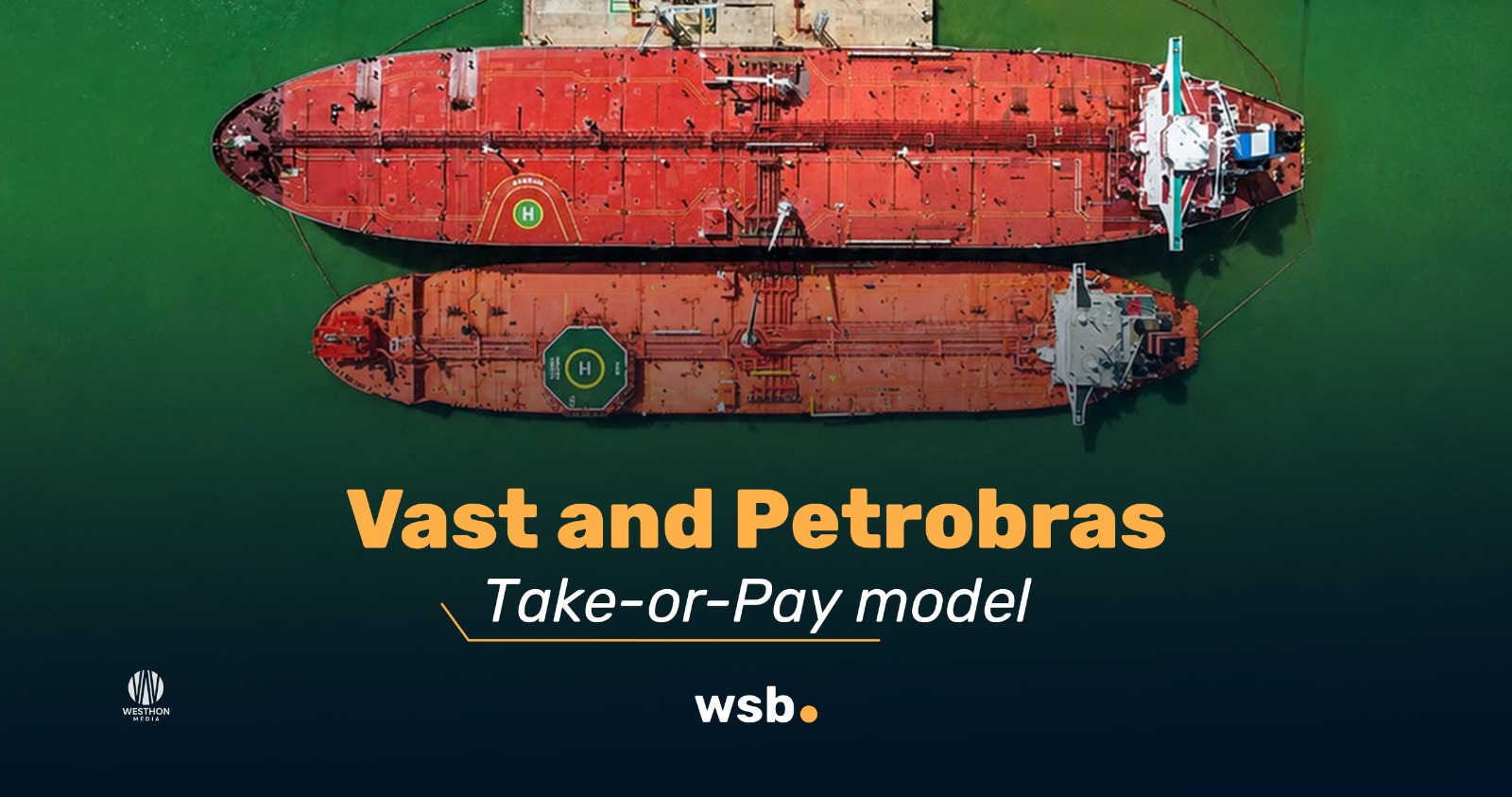
This week, Vast Infraestrutura and Petrobras announced a new long-term agreement for crude oil transshipment operations at the T-Oil terminal, located at the Port of Açu. The contract includes a take-or-pay clause, marking the first agreement of this type between the two companies. Although financial terms were not disclosed, the companies have maintained a commercial relationship for transshipment services since 2019.
Under this model, Petrobras commits to pay for a minimum contracted capacity regardless of actual throughput. In return, it secures long-term access to terminal capacity and greater operational predictability, while Vast benefits from more stable revenues and increased confidence to support future investments.
The significance of this agreement goes beyond the contractual structure itself. It reflects a broader trend in Brazil’s offshore sector, where export infrastructure is increasingly being treated as a strategic asset alongside production capacity. As offshore output continues to grow, long-term logistics planning becomes just as important as developing new fields.
For terminal operators, take-or-pay agreements reduce commercial risk, improve cash flow visibility and strengthen the financial foundations for future expansion. For producers, they provide greater certainty over export logistics, even though minimum payment obligations remain in place during periods of lower utilization.
The agreement also reinforces the strategic importance of T-Oil. In 2025, the terminal carried out 229 crude oil transshipment operations and handled more than 48% of Brazil’s crude oil exports through terminals. Located close to the country’s main producing basins, T-Oil is licensed to handle up to 1.8 million barrels of oil per day and currently serves 11 major operators active in Brazil.
As Brazil expands offshore production over the coming years, agreements that combine operational certainty with long-term infrastructure planning are likely to become increasingly common across the industry.
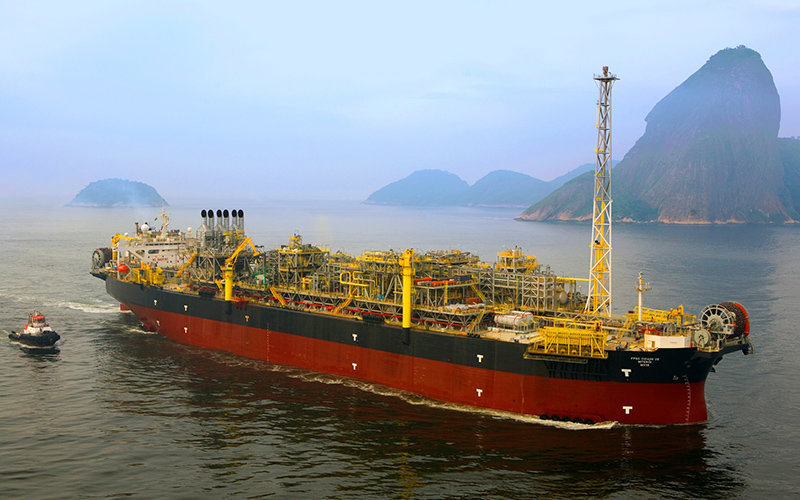
After nearly 17 years producing offshore Brazil, the FPSO Cidade de Niterói MV18 has entered the final stage of its operational lifecycle. MODEC has confirmed that the vessel has arrived at a ship recycling facility in Denmark following the completion of its demobilization from the Marlim Leste Field, in Brazil’s Campos Basin.
Delivered under an EPCI contract and subsequently operated by MODEC under a long-term charter and operations agreement with Petrobras, the FPSO achieved first oil in February 2009. During its time offshore, the unit processed approximately 159 million barrels of oil, becoming an important part of the Marlim Leste development.
Designed to process up to 100,000 barrels of oil per day, 124 million standard cubic feet of gas per day, and store 1.6 million barrels of crude oil, Cidade de Niterói represents an important generation of FPSOs that helped consolidate Brazil as one of the world’s leading deepwater producers.
The retirement of the FPSO follows the conclusion of its long-term charter with Petrobras and reflects the natural evolution of mature offshore developments. As fields such as Marlim Leste advance through new revitalization strategies and older production systems reach the end of their economic and operational cycles, legacy FPSOs are gradually being withdrawn from service.
The vessel will now be recycled in Denmark in accordance with the EU Ship Recycling Regulation and the Hong Kong International Convention for the Safe and Environmentally Sound Recycling of Ships, highlighting the industry’s growing focus on responsible end-of-life asset management.
Why it matters
The retirement of Cidade de Niterói illustrates a broader transformation taking place in Brazil’s offshore industry. As mature production systems reach the end of their operational lives, decommissioning, demobilization and responsible recycling are becoming increasingly important segments of the offshore value chain, creating new technical, environmental and commercial opportunities across the industry.
Stay informed on key offshore developments — visit wsb-one.com, our data platform trusted by leading offshore companies.
Capital is increasingly flowing toward maritime businesses capable of generating long-term contracted cash flows. As shipping enters a new investment cycle driven by fleet renewal, decarbonization and rising capital requirements, investors are placing greater value on business models that combine stable earnings with long-term visibility.
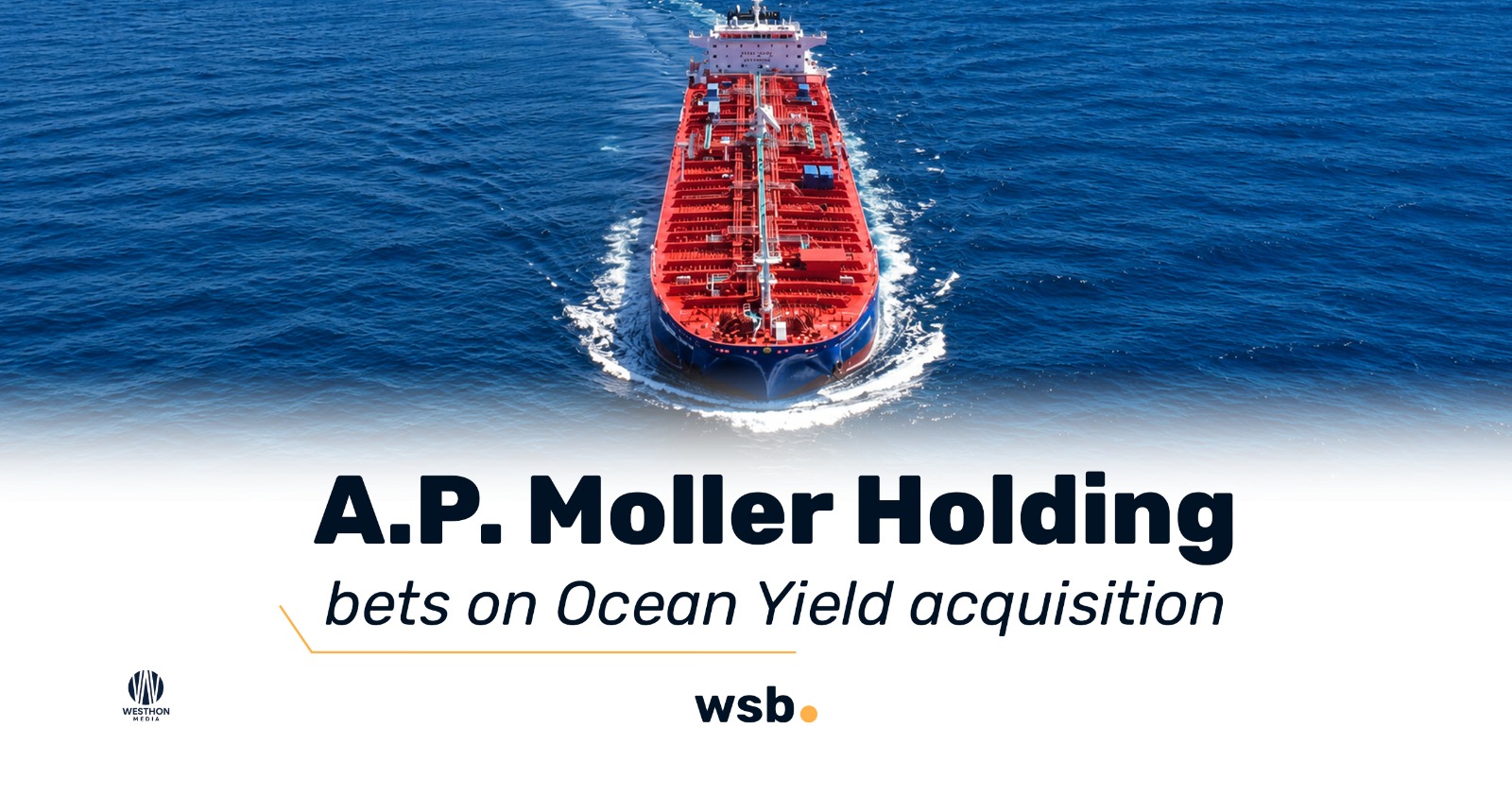
A.P. Moller Holding’s agreement to acquire 100% of Ocean Yield reflects this strategy. Rather than expanding vessel operations, the Danish group is expanding its exposure to contracted maritime assets through one of the world’s leading ship leasing platforms. The transaction, which remains subject to regulatory approvals, will see A.P. Moller Holding acquire Ocean Yield from funds managed by KKR.
Headquartered in Oslo, Norway, Ocean Yield holds interests in more than 70 modern vessels across multiple shipping segments, including LNG carriers, gas carriers, containerships, tankers and dry bulk vessels. Since being acquired by KKR in 2021, the company has invested more than US$3 billion in fleet expansion and diversification while increasing its long-term contract backlog to over US$5 billion.
According to Martin Larsen, Chief Financial Officer of A.P. Moller Holding, Ocean Yield complements the group’s maritime portfolio through an established leasing platform built on stable and predictable cash generation, combining an experienced management team with more than a century of maritime expertise.
The transaction illustrates how the maritime investment landscape is evolving. Rather than seeking exposure solely to freight markets, long-term investors are increasingly allocating capital to businesses supported by contracted revenues, diversified counterparties and resilient cash generation. As financing becomes a defining factor in fleet renewal and decarbonization, ship leasing platforms are expected to play an increasingly strategic role across the global maritime industry.