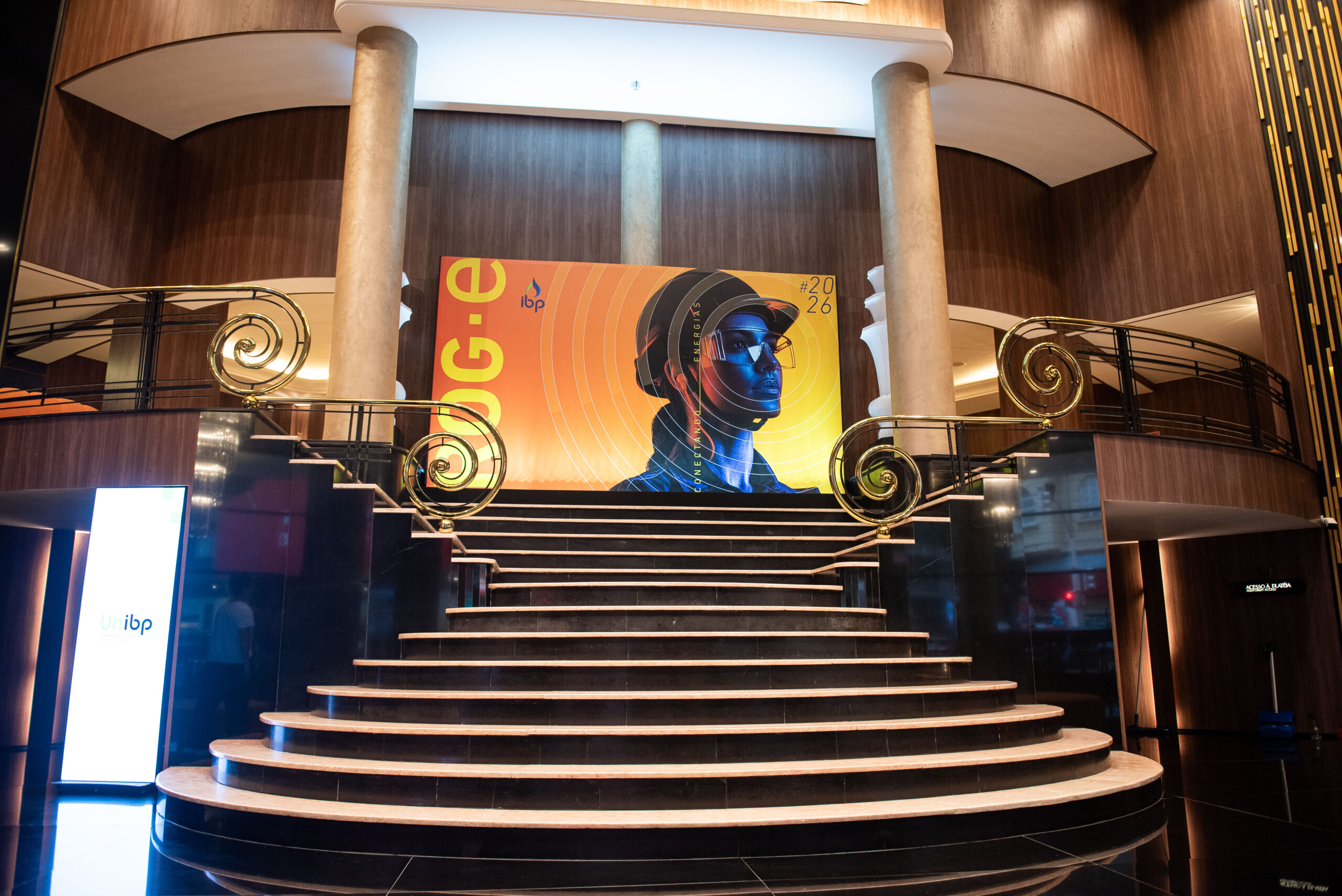
Rio Oil & Gas 2026 (ROG.e) has been confirmed for 21–24 September 2026 at Riocentro, Rio de Janeiro, with expectations of over 75,000 participants and more than 650 exhibitors. The program will integrate upstream, gas, energy transition, technology and supply-chain discussions, reinforcing Brazil’s role as a central platform for global offshore and energy dialogue.
Tag: WSB
-
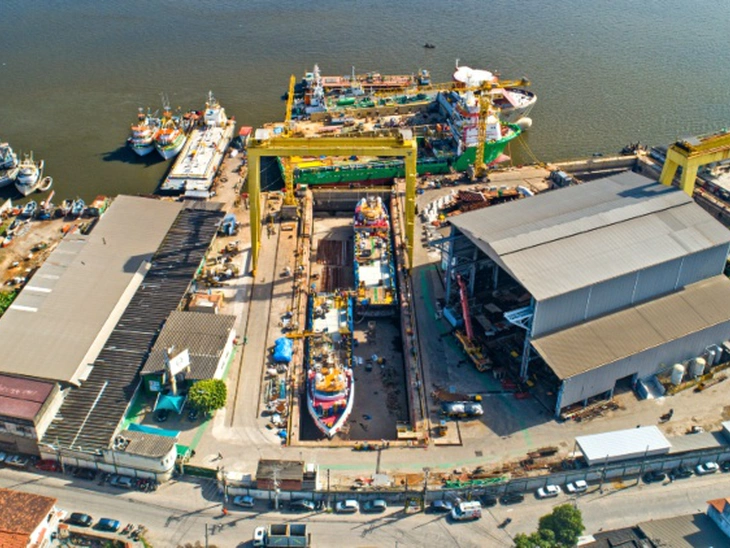
FMM approves R$ 218.8 million for Southern Brazil shipbuilding projects
At its 61st Council meeting, Brazil’s Merchant Marine Fund (FMM) approved R$ 218.8 million to support projects in Santa Catarina and Rio Grande do Sul, including shipyard modernization, inland waterways and passenger vessels, port support and offshore support assets. The decision forms part of the Ministry of Ports and Airports’ 2025 cycle, which closed the year with R$ 32.1 billion in total nationwide approvals.
-

Venezuela: Impacts on Brazil and the Equatorial Margin
Alexandre Vilela, CEO of WSB Advisors and Westhon, analyzes the developments of the recent tensions between the United States and Venezuela and their potential effects on the global oil market, with a particular focus on the implications for Brazil.
According to Vilela, despite the rise in geopolitical instability, the immediate effects on the Brazilian market are likely to be limited. The low level of direct trade integration between Brazil and Venezuela reduces short-term risks related to prices, supply, or logistics.
Vilela also emphasizes that Brazil currently occupies a more resilient position on the international stage, supported by stable production, long-term contracts, and greater regulatory predictability. In the medium and long term, this context could even strengthen the country’s role as a reliable oil supplier in the global market.
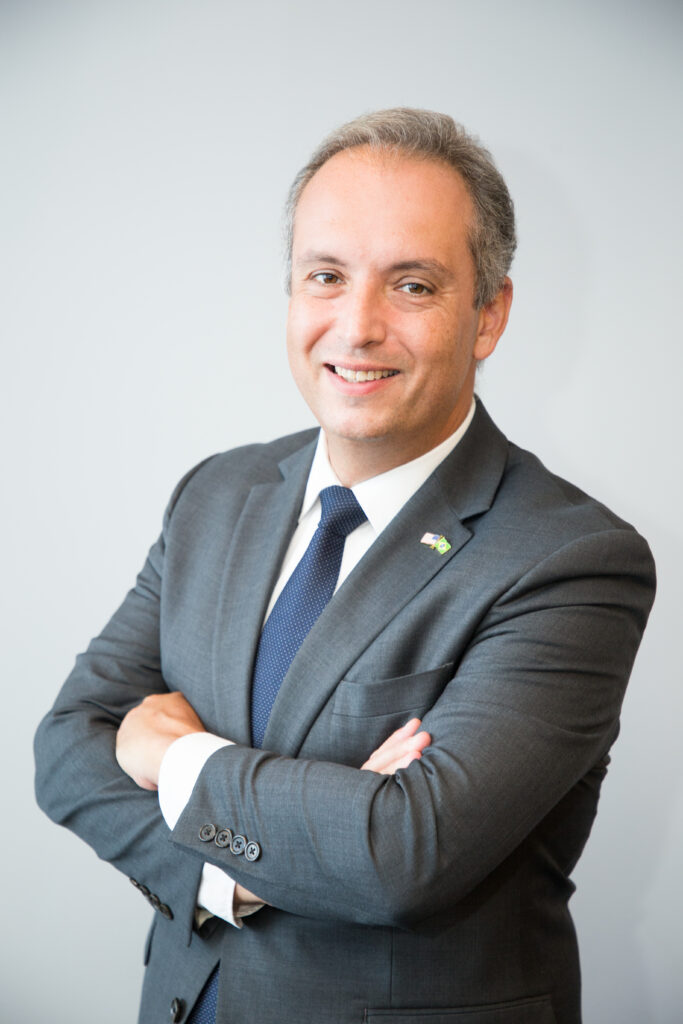
Allexandre Vilela holds a degree in International Relations and has nearly 25 years of professional experience 1. In practice, how could a rise in tensions between the U.S. and Venezuela affect Brazilian oil trade — in terms of price, supply, or logistics?
In the short term, it’s too early to expect any significant impact on Brazilian oil trade. Direct interaction of volumes between Brazil and Venezuela has historically been very limited, and any structural changes in Venezuelan supply would take time to materialize. Moreover, the current situation still lacks the political and operational stability needed to generate meaningful shifts in trade flows. In the long run, Brazil is more likely to benefit than be harmed, mainly due to its position as a stable producer.
2. Is Brazil today more vulnerable or more resilient to geopolitical shocks in the international oil market compared to other recent periods in history? Why?
Brazil is clearly more resilient today. The country has a solid production base, long-term contracts, greater regulatory predictability, and a growing national-flag fleet for transporting oil and derivatives. These factors reduce exposure to external shocks and contribute to greater logistical and commercial stability.
3. Could this new international context have any potential impact on investments or regulatory decisions related to the Equatorial Margin?
In the short term, no. There are also no significant regulatory impacts expected in the long term. Potentially, a reconstruction of Venezuelan production and refining could generate regional synergies, including in terms of knowledge and scale, which could benefit the development of Brazil’s Equatorial Margin. That said, it’s important to note that despite its name, the Brazilian Equatorial Margin is geographically distant from Venezuela and already follows its own logic, aligned with the proven FPSO model, as seen in Guyana.
4. If Venezuelan oil faces additional restrictions or export redirection, could Brazil benefit commercially, or would this likely put pressure on domestic prices and costs?
This scenario is unlikely. Recent developments point more toward a relaxation of restrictions rather than additional tightening. Therefore, no significant structural pressure on Brazilian prices or domestic costs is expected from this specific factor.
5. Could this international context accelerate or slow Brazil’s strategic decisions regarding exploration, refining, and energy self-sufficiency?
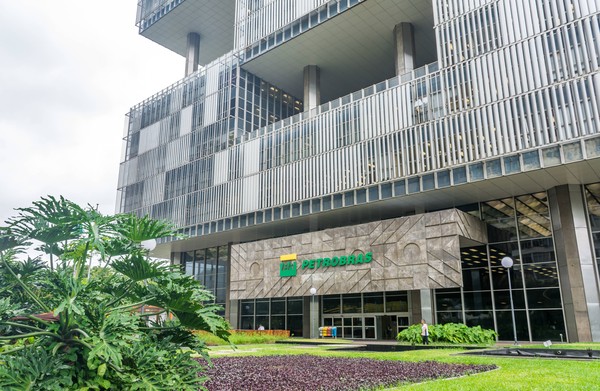
Petrobras headquarter (Souce: Petrobras) Rather than slowing them down, this context reinforces a broader strategic perspective. Brazil has previously been affected by asset nationalizations and unmet commitments in Venezuela, but today it possesses high technical, operational, and financial expertise. Energy self-sufficiency should be understood not only as domestic production but also as a national company’s ability to operate in an integrated way, both inside and outside the country. In this sense, Petrobras can, selectively, align itself with a regional market in reconstruction and capture value in a potential near-term international expansion.
*Questions made by Correio Braziliense
-
Open Tenders & More – Week 01, 2026
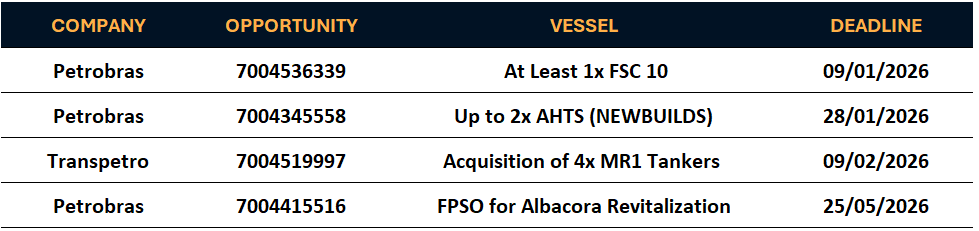
What has changed?
- Petrobras released at least 1x FSC 10 under Opportunity 7004536339, with deadline set for January 09th, 2026.
- Petrobras opened Opportunity 7004345558 for up to 2x AHTS (newbuilds), with deadline set for January 28th, 2026.
- Transpetro is receiving offers under Opportunity 7004519997 for the acquisition of 4x MR1 tankers, with deadline set for February 09th, 2026.
- Petrobras is progressing with Opportunity 7004415516 for the FPSO for Albacora Revitalization, with deadline set for May 25th, 2026.
-
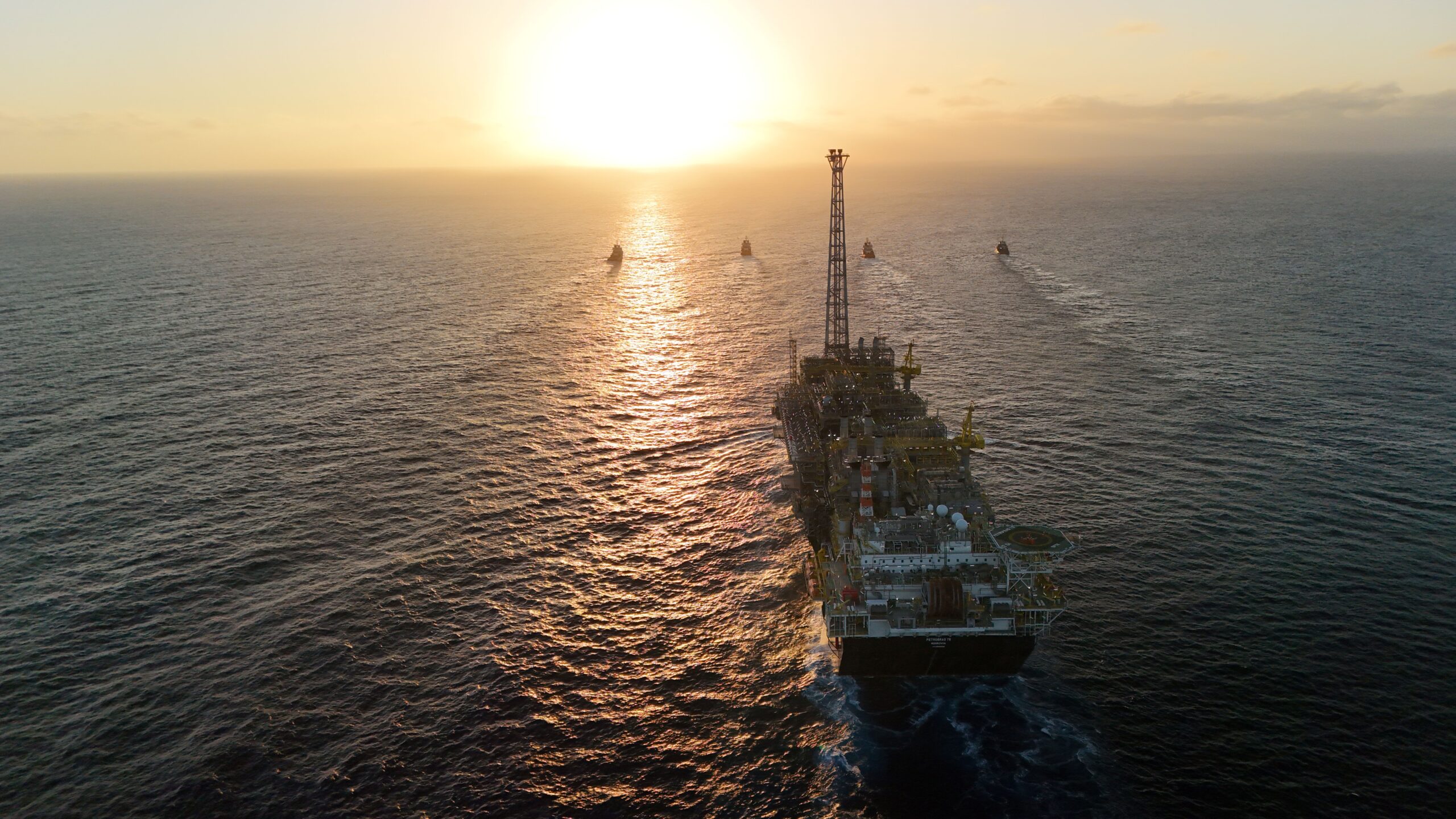
Petrobras starts production at FPSO P-78
Petrobras announced that FPSO P-78 began production on the last day of 2025. The unit is instlalled in Buzios field at Santos basin. The FPSO has production capacity of 180,000 barrels of oil per day and 7.2 million cubic meters of natural gas per day.
With the start-up of P-78, installed production capacity in Búzios Field increases to approximately 1.15 million barrels of oil per day. In addition, the project enables natural gas exports to mainland Brazil through connection with Rota 3 gas pipeline, expanding domestic gas supply by up to 3 million cubic meters per day.
The FPSO arrived in Brazil in October after sailing from Singapore, is equipped with advanced technologies aimed at reducing emissions and improving operational efficiency. It is the seventh production platform in operation at Búzios Field — the largest in Brazil in terms of reserves — which surpassed 1 million barrels of oil per day in October 2025.
Búzios Field is located approximately 180 kilometers off the coast of Rio de Janeiro, in ultra-deep waters of Santos Basin, at water depths exceeding 2,000 meters.
“With this first oil, we are already starting the year making progress toward our main goal for 2026: increasing Petrobras’ oil and gas production. We expect to produce 2.5 million barrels of oil per day throughout the year, with a significant portion coming from Búzios, the country’s largest field in both reserves and production,” said Magda Chambriard, President of Petrobras.
-
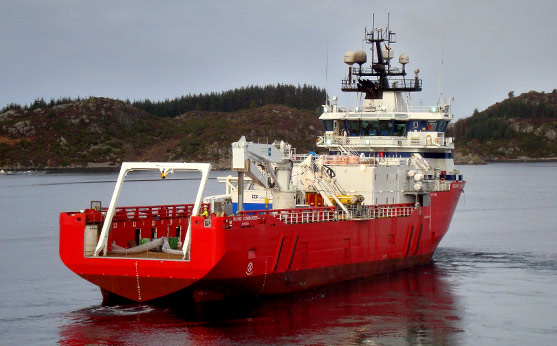
DOF secures new long-term RSV contract
DOF has signed a four-year contract with Petrobras for the vessel Skandi Commander, with operations scheduled to begin in January 2027. The agreement includes deployment of an Autonomous Underwater Vehicle (AUV) alongside the vessel’s Remote Operated Vehicle (ROV), enhancing subsea inspection, survey and intervention capabilities in offshore operations.
The contract adds to ongoing subsea support awards in Brazil, following multiple tenders secured by DOF in 2025 across AHTS, RSV and PIDF segments, cumulatively exceeding USD 2 billion in backlog.
Skandi Commander’s dual ROV-AUV configuration is expected to support inspection and integrity work across Petrobras’ offshore asset base. Mons Aase, CEO of DOF Group ASA, commented on the year’s achievements in Brazil and referenced a significant portion of the company’s fleet on firm contracts extending beyond 2030.
-
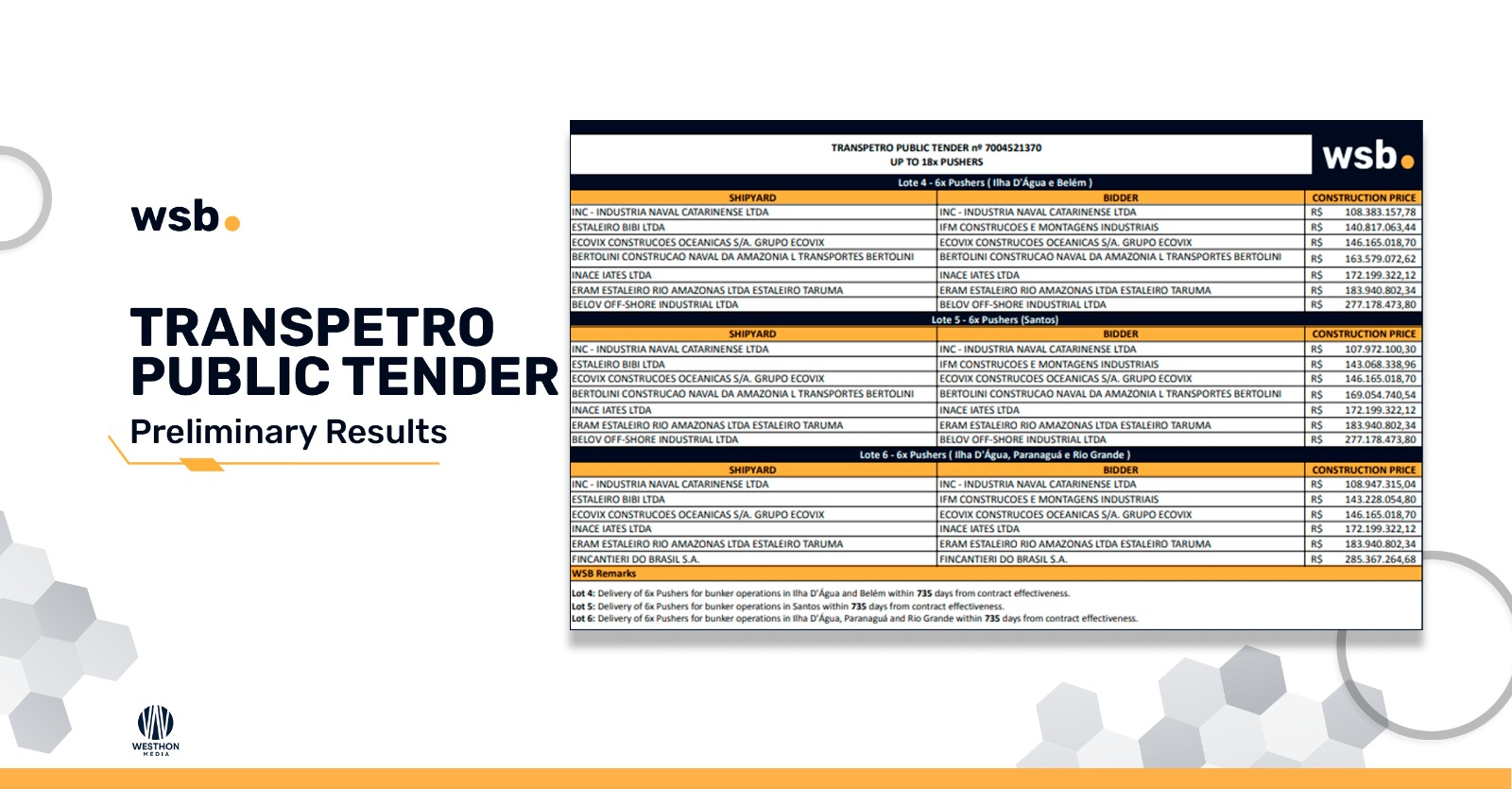
Updates Transpetro: pusher and barges construction
Transpetro opens commercial bids for barges acquisition
As 2025 approaches its final stretch, Transpetro has opened commercial bids under public tender covering acquisition of barges, part of broader process that also includes pusher vessels. Results refer exclusively to opening of price proposals, with full list of bidders disclosed in official documentation.
The tender covers 18 barges, of which ten units are designed for 3,000 DWT and eight units for 2,000 DWT. According to Transpetro, the new acquisitions are expected to significantly expand its operational capacity in transportation of oil products and biofuels in Brazil.
Commercial proposals for barges were submitted across three lots. In Lot A, bids were presented by Navemestra Serviços de Navegação, IFM Construções e Montagens Industriais, Bertolini Construção Naval da Amazônia, Eram Estaleiro Rio Amazonas and Tropheus Montacon. In Lot B, proposals came from Navemestra, Bertolini, IFM, Eram and Tropheus Montacon. Lot C attracted bids from Bertolini, IFM, Eram, INC – Indústria Naval Catarinense, Navemestra, Tropheus Montacon and Fincantieri do Brasil.
At this stage, results reflect commercial ranking only. Transpetro’s bid committee will now proceed with negotiation phase, followed by qualification review, including legal, economic and technical documentation, as well as exequibility analysis of submitted prices, prior to final homologation.
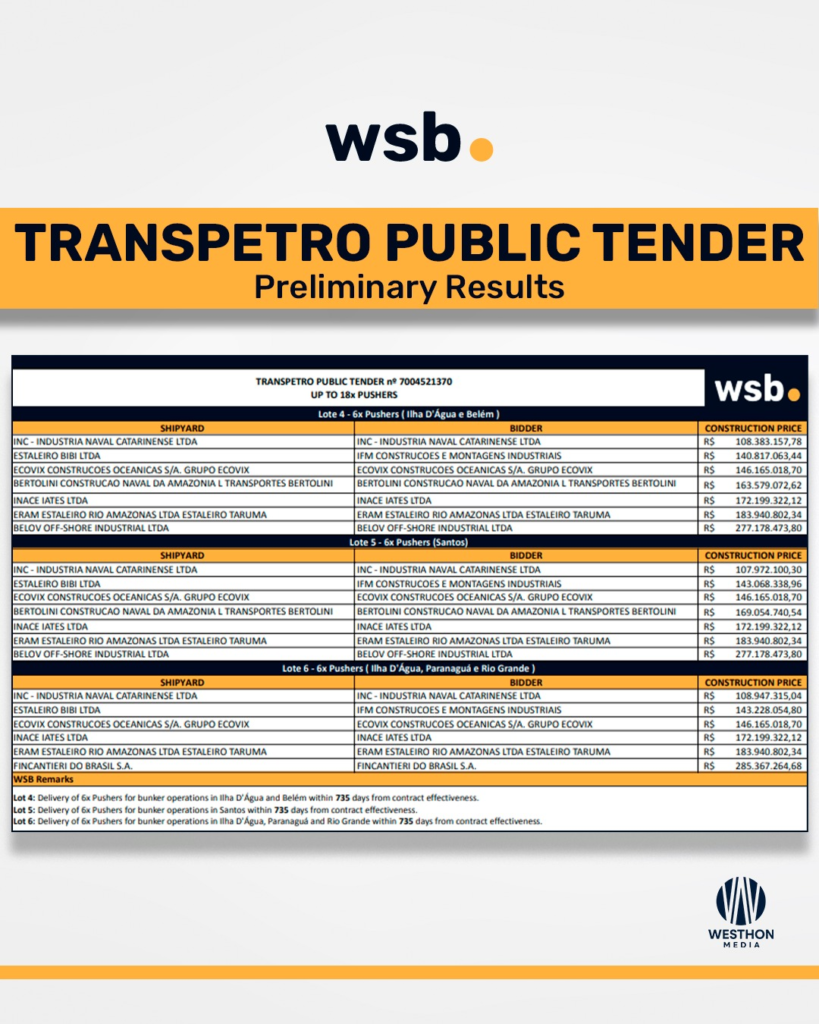
Transpetro releases tender result for pusher barges construction
Transpetro has released tender result for public bidding process 7004521370, aimed at contracting shipyards for construction of pusher barges to support operations across different regions in Brazil.
Lot 4, covering construction of six pushers with planned operations in Ilha D’Água (RJ) and Belém (PA), attracted bids from seven Brazilian shipyards. INC – Indústria Naval Catarinense submitted lowest offer, totaling BRL 108.9 million, ranking first in this lot. Other bidders included Estaleiro Bibi, Ecovix, Bertolini, Inace, Eram, and Belov, with higher price levels.
Lot 5, also involving six pushers, with operations focused on Santos (SP), received proposals from six competitors. Once again, INC – Indústria Naval Catarinense presented lowest bid at BRL 108.9 million, followed by IFM, Ecovix, Inace, Eram, and Fincantieri do Brasil.
Next steps include final qualification review, exequibility analysis of submitted prices, and potential appeal phases, prior to formal award and contract execution.
Stay informed on key offshore developments — visit wsb-one.com, our data platform trusted by leading offshore companies.
-
P-19 and P-26: tender for sale
Petrobras has launched a tender for the sale of platforms P-19 and P-26, both scheduled for decommissioning, with bid submissions expected in February 2026. The units represent a combined volume of approximately 40,000 tonnes of steel. P-26 is currently located at Port of Açu, while P-19 remains moored at Marlim Field, Campos Basin.
The tender introduces more flexible dismantling conditions compared to previous projects, allowing recycling activities to be carried out on impermeable ground rather than exclusively in dry dock. It also permits berthing of the units and execution of pre-dismantling works, signaling a more pragmatic approach to decommissioning logistics and potentially broadening participation from recycling yards and service providers.
-

One Energy Magazine – Issue 16
In the upcoming and final 2025 edition of One Energy Magazine, you’ll find an exclusive interview with Ronaldo Lima, Senior Advisor at WSB Advisors. Drawing on nearly 45 years of experience in energy, he discusses sensitive points in maritime regulation and shares his perspective on Brazil’s energy transition.
The edition also takes a deep dive into the WSB-One Database, the most comprehensive data source on naval and offshore markets. We also introduce Westhon House in Teresópolis (RJ), along with significant changes across our squad.
And, as always, the magazine closes with market updates, with a special focus on naval transactions.
This edition also brings:
BRS Robótica Submarina demonstrates advanced underwater robotics in a subsea cable protection exercise.
A comprehensive analysis of Rio–Niterói ferries.
Insights into Starnav’s growth.
Perspectives from Fernando Vilela on the digital marketing market and Café na Trilha at Sertões Petrobras.
Read the full edition here: https://lnkd.in/dsuXt_Uq -
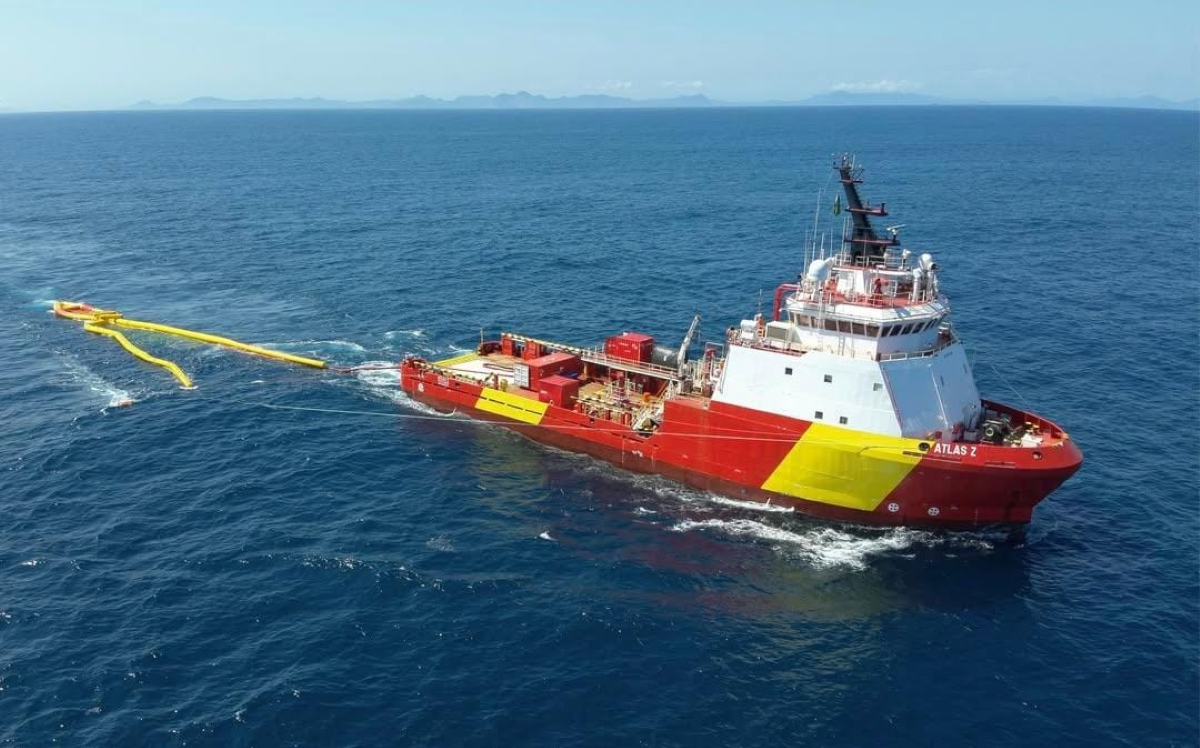
Atlas Z: IBAMA audit
Vessel Atlas Z (ex-Astro Tupi) completed its final IBAMA audit alongside Petrobras, concluding the technical validation phase for its OSRV role. The evaluation resulted in a recommendation for authorization, consolidating Atlas Z as part of Petrobras’ emergency-response asset base.
With this approval, the response team begins direct handling of all requirements under a four-year Petrobras contract initiated in November. Fixture and operational details are available at WSB-One.
-
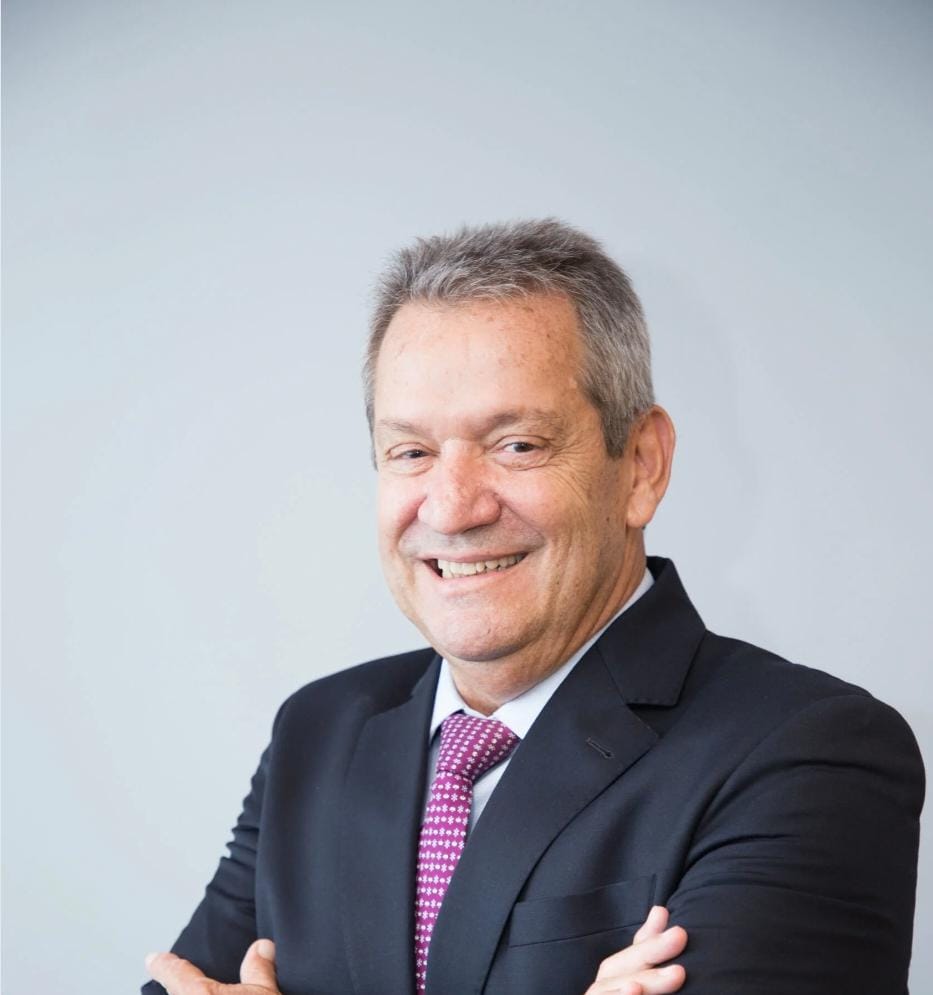
Energy Talks #16 – Ronaldo Lima
In this edition of the Energy Talks section of One.Energy magazine, we spoke with Ronaldo Lima, Senior Advisor at WSB Advisors, a professional with more than four decades of experience in the naval and offshore sectors. Throughout the interview, Ronaldo shares his journey — from his early steps in civil engineering to his leadership roles in major companies such as CBO and Astromarítima. He discusses the challenges and advances in the industry, the importance of Law 9.432/97, the role of innovation in Brazilian shipyards, and his perspectives on the future of energy in the country.
Ronaldo, each interview usually has a specific focus. In the previous edition, for example, we talked a lot about mental health in the workplace. In this one, we want to pay tribute to you. But beyond that, you have an impressive resumé. Tell us about the beginning of your career.

Source: Private Collection I was born and raised in Rio de Janeiro. I graduated in Civil Engineering in 1981 from Universidade Santa Úrsula. My father and older brother were both civil engineers. I was inspired by them, just as my son, João Pedro, was inspired by me. Civil engineering gave me a broad vision of the world.
I had two internships: in the first, I took part in the construction of the Barramares condominium, a traditional and well-known development in the Barra da Tijuca neighborhood. The second was at Esusa Engenharia, where I worked in the budgeting area of construction projects.
When I graduated, the engineering job market was weak, so I started working in the commercial department at SulAmérica Seguros, where I learned a lot about the industry.
And after SulAmérica, what was the next step in your career?
Five years later, I was invited to join the financial team of the Mac Laren shipyard, in Niterói, with the opportunity to pursue an MBA in the United States. I chose Nova Southeastern University in Florida in 1986.
The program lasted a year and a half, and I returned to Brazil in 1987 to face major challenges at the Mac Laren Group, particularly amid constant changes in economic policies (currency and inflation), which led the company to file for judicial reorganization. Fortunately, the company recovered and regained prominence in Brazil’s shipbuilding industry.
And what were your next steps after leaving the Mac Laren Group?
In 1991, I took over as President of AstroMarítima, appointed by founder William Mac Laren, during a period of significant growth. I spent 16 years at the company, taking on my biggest challenge at that time — becoming CEO at age 33.
I gained valuable experience working with Petrobras, learning a lot from complex negotiations, especially in chartering contracts. I also participated in the implementation of Law 9.432/97, which prioritizes the hiring of vessels under the Brazilian flag. This law boosted the growth of the maritime and offshore support sectors in the country, attracting companies such as the American Edison Chouest, the Norwegian DOF, and the Chilean Starnav, among others. It was a challenging process, involving multiple players, but extremely important for the country.
I remember a funny situation involving a colleague from the industry who gave a presentation showing the pros and cons of building in Brazil. Someone asked him, “But the ‘cons’ side is blank.” That was the joke — there were no cons (laughs). Today, the Brazilian-flagged fleet is much larger than the foreign-flagged fleet.
In 2006, I joined CBO (Companhia Brasileira de Offshore), where I remained for 15 years and contributed to the company’s growth, including fleet expansion and sector strengthening.
Tell us about your experience and achievements at CBO.
When I joined the company, it was still small and part of the Fischer Group, whose main assets included Citrosuco, a company renowned for its orange juice production. The group also owned Aliança Navegação. At that time, CBO was seen as the “ugly duckling” among these major ventures.
I had the opportunity to be part of very important moments, such as the peak of Estaleiro Aliança. This shipyard was acquired by CBO in 2004, still under the name EBIN, and later remodeled. From then on, it began building essential assets for the company, including several PSVs and AHTSs.
Today, CBO’s fleet has about 45 vessels, which shows the company’s tremendous growth in recent years. I’m very proud to have contributed to this expansion process. I also highlight the importance of FMM (Merchant Marine Fund) resources and the Fischer Group’s support in helping the company grow.
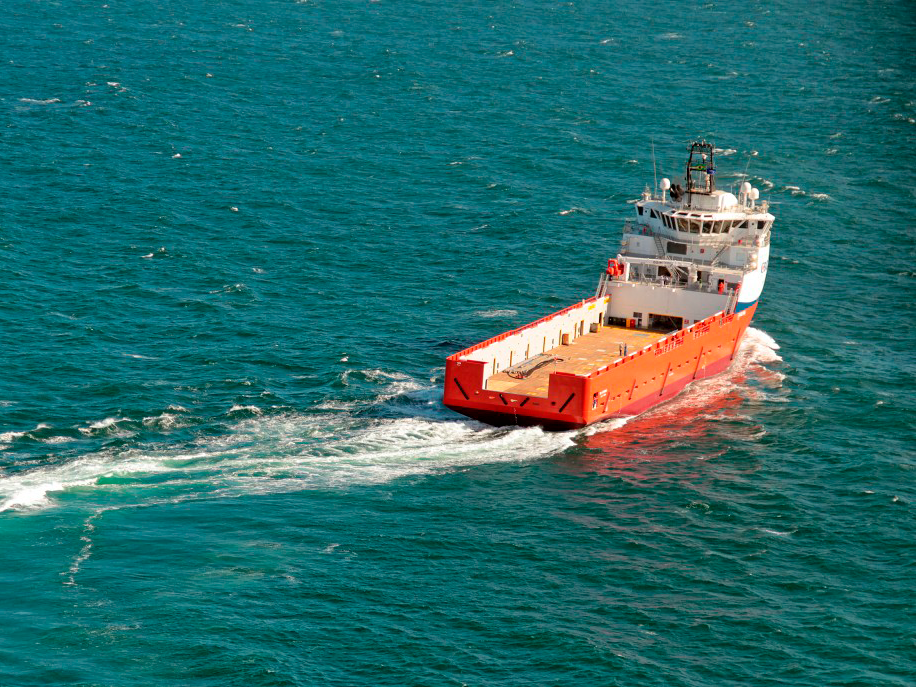
PSV CBO Flamengo (Source: CBO) Speaking of shipyards, is Brazil ready for a new construction boom?
Yes. The workforce for shipbuilding can be trained relatively quickly — in about a year — and today we already have the technology and solutions to minimize delays and ensure on-time delivery, even in complex projects. The main hub is in shipyards located in Santa Catarina, but the country is fully capable of expanding the construction of small, medium, and large vessels as well as platforms.
And how has your work at WSB Advisors been so far?
In 2023, I was invited by Alexandre Vilela, CEO of WSB, to join the company. I coordinate projects that involve multiple areas, such as brokerage, finance, commercial, and engineering. I also represent the company at key industry events, such as OTC (Brazil and Houston) and Navalshore, drawing on my background with ABEAM.
And how was your role at ABEAM and Syndarma?
I led ABEAM and Syndarma for 20 years — organizations that are now practically integrated. My role was to defend the interests of Brazilian companies, foster dialogue with institutions, and ensure the strengthening of the national maritime sector. Even after stepping down as president in 2018, I remain active and maintain many important contacts in these associations.
Recently, WSB took part in a special lecture at UFRJ. How was that experience?
It was a very rewarding experience. We spoke with students from the Naval and Ocean Engineering programs about the market and career opportunities in the sector. We wanted to show them that the field goes beyond structural calculations and design — it also encompasses commercial and financial areas.
I shared my career story, showing how engineers can successfully transition into commercial and strategic roles. It’s important for young people to understand that there’s room for different profiles and that the maritime sector remains a fertile ground for those eager to learn.
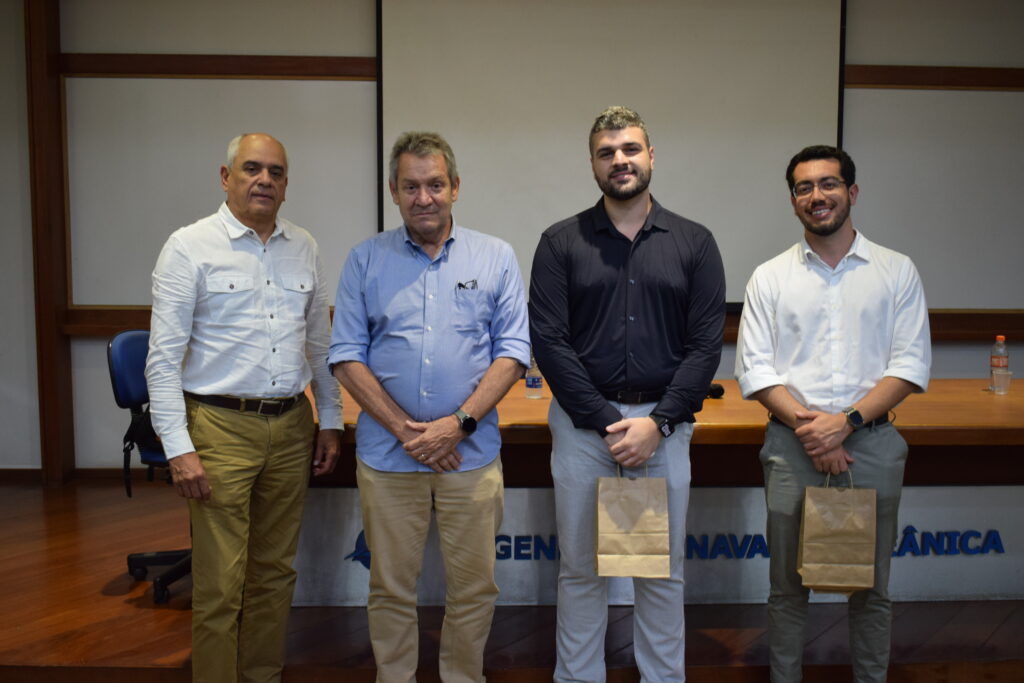
Naval League experience (Plínio Ruan dos Santos Lima/Liga Naval) What reflections do you take from these events?
I believe all these events have shown a strong attraction to the industry, bringing new players into the market.
And what changes have you observed in the market over your 40 years of experience?
The maritime sector has grown tremendously, with more sophisticated vessels and advanced technologies. There is significant technological development underway — both in vessels and in oil exploration operations. The integration between companies and the defense of national interests, as highlighted in Law 9.432/97, have been fundamental to strengthening the industry.
And how do you see the future of the energy sector in Brazil?
I believe oil exploration will remain predominant in the country at least until 2050. There are discussions about alternative energies, however the infrastructure and logistics are not yet mature enough to replace oil.
For example: how many gas stations charge electric cars? How many companies supply solar panels? How many homes are ready to adopt this kind of energy? That’s why the naval and offshore sectors will continue to grow and bring new technologies, ensuring economic development and job creation in Brazil for decades to come. The growth is ongoing and far from over — especially now, with the beginning of exploration in Brazil’s Equatorial Margin.
Thanks a lot, Ronaldo! It was a remarkable and unforgettable talk.
-
Subsea Cables, National Defense and Brazilian Innovation: How BRS Robótica Submarina Stood Out in the Navy’s Protection Exercise
Between 10 and 14 November, the Brazilian Navy carried out the second edition of the Submarine Cable Protection Exercise off the coast of Fortaleza, Ceará. The operation brought together the Armed Forces, public institutions and more than twenty private-sector companies to simulate real scenarios involving threats to submarine cables — a critical infrastructure responsible for nearly all data traffic entering and leaving Brazil.
While the Navy coordinated a complex, multi-layered exercise involving naval, aerial and subaquatic assets, one particular national player drew attention for the technological consistency and operational maturity demonstrated throughout the event: BRS Robótica Submarina, a Brazilian company specializing in underwater robotics and inspection services.
Their participation not only illustrated the growing relevance of private-sector technological capabilities in the protection of strategic assets, but also highlighted how national innovation can directly contribute to strengthening Brazil’s sovereignty in the subsea environment.
According to Álano Lamônica, Operations Director at BRS, interviewed by Westhon Media exclusively for this article, the company’s entry into the Naval Cluster of Rio de Janeiro in early 2025 opened the door to a technical dialogue that eventually led to the invitation to participate in the exercise. “Our technological capacity and the alignment of our solutions with naval demands helped consolidate this approach with the Navy through EMGEPRON,” he explains.
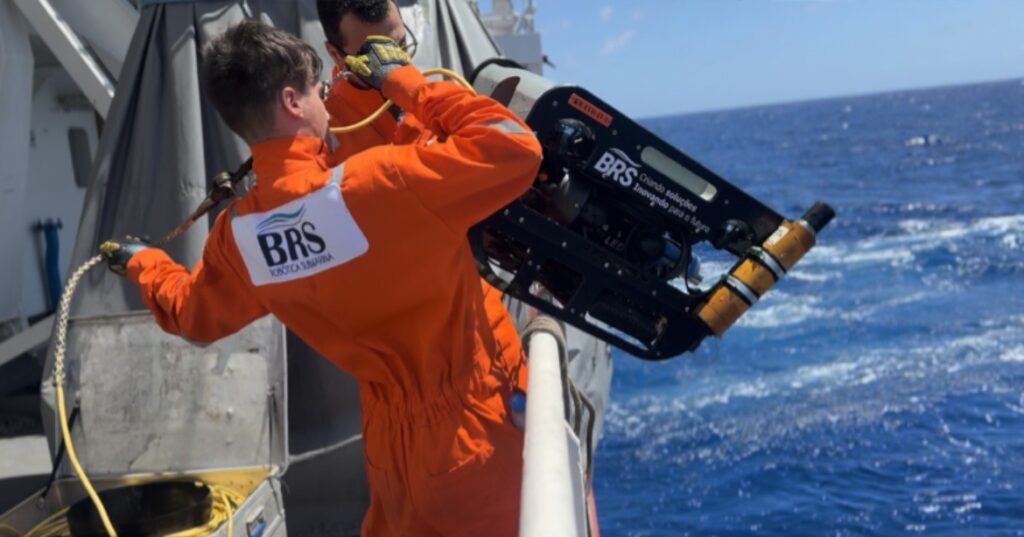
Source: BRS Robótica A National ROV Put to the Test
The exercise simulated an intentional action against one of the submarine cables operated off the coast of Ceará. In this context, the BRS-developed ROV played a central role by identifying, locating and documenting the condition of the cable on the seabed.
“The ROV was deployed to locate the cable and generate visual and sonar evidence of its condition. From there, the Navy employed a wide range of assets — submarines, helicopters and surface vessels — to simulate the interception and inspection of a vessel conducting unauthorized activities,” says Lamônica.
The operation brought together high-level technological, naval and aerial resources, reaffirming the importance of interoperability between the Armed Forces and specialized private-sector companies.
Why the ROV Made a Difference
The system used by BRS incorporates an advanced suite of sensors and a robust operational architecture. Its multibeam sonar and dual 450 MHz side scans allowed rapid seabed mapping and precise identification of the cable, even considering its reduced diameter — a known challenge in real operations.
The multibeam sonar provided real-time forward-looking images with high definition, enabling safe navigation and precise target detection. Meanwhile, the side scan sonar produced detailed acoustic images of the seafloor, ideal for identifying linear structures and anomalies across wider areas.
“The combination of these two systems ensures fast location and safe, precise approach,” highlights Lamônica. He also emphasizes that the equipment was designed and assembled in Brazil, with engineering and integration carried out entirely by the BRS team in Macaé, representing a tangible contribution to national technological autonomy in subsea operations.
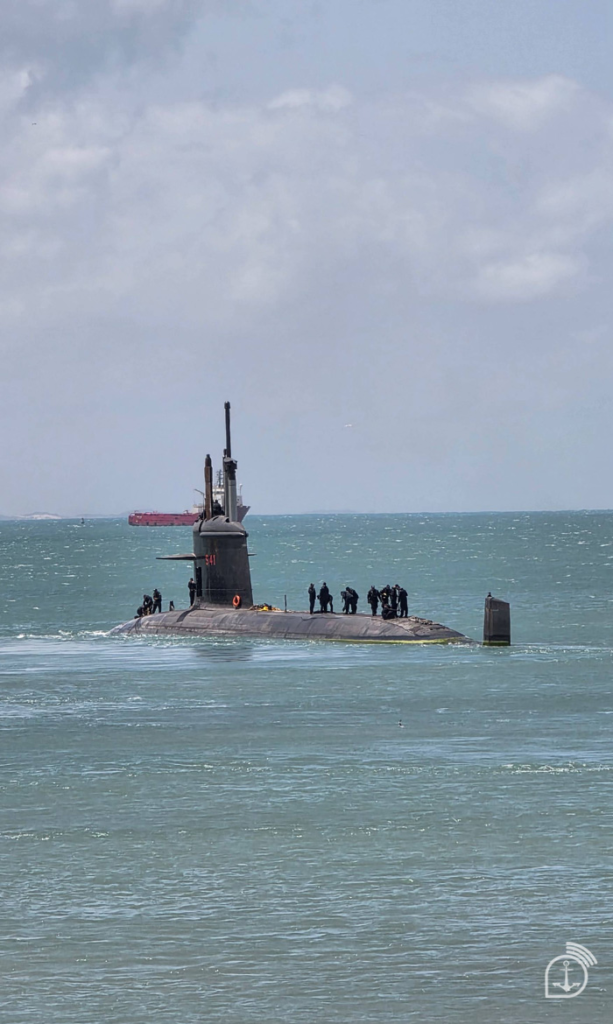
Submarine Humaitá (Source: BRS Robótica Submarina) Operational Agility, Reliability and National Capacity
One of the greatest strengths of BRS in this exercise was its agility. Under appropriate contractual conditions, the company can mobilize a complete operation in as little as one day for shallow-water scenarios — a crucial capability in real-world incidents involving telecom infrastructure.
Its modular architecture allows deployment from vessels of various sizes, and the team’s field experience provided the confidence and operational discipline required for the simulation. Throughout the exercise, BRS followed established protocols of planning, communication and operational risk management, ensuring a high standard of safety and performance.
Despite the complexity of the joint operation — involving the Navy, Air Force, Federal Police, intelligence agencies and telecom operators — BRS reported no major technical difficulties. The company applied structured search methods, combined with its sensor portfolio, to identify the cable quickly and efficiently.
The Role of Public-Private Collaboration
For BRS, the exercise reaffirmed the relevance of integrating national technological companies into strategic defense scenarios.
“The protection of critical infrastructure cannot be done in isolation. When national companies actively participate, the country gains agility, innovation and an expanded technological reach,” says Lamônica.
He also underscores that the exercise strengthened relationships with operators, regulators and defense agencies, opening room for new projects, studies and technological opportunities to be developed in the coming months.
Submarine Cables as a Pillar of Digital Sovereignty
Brazil operates 17 submarine cable systems that sustain almost all national and international data flow, supporting sectors such as finance, government communications, online services, cloud platforms, industry and logistics.
The physical layer of telecommunications — often overshadowed by cybersecurity discussions — depends heavily on continuous monitoring and rapid response capabilities. In this context, companies capable of operating advanced underwater robotics play an essential role in national resilience.
Looking Ahead: Innovation and Strategic Preparedness
The exercise allowed BRS to identify potential areas for technological improvement, which will be evaluated internally before becoming formal projects. According to the company, the demand for underwater inspection and monitoring is expected to grow significantly in the coming years, driven by the expansion of telecom infrastructure, offshore energy projects, port operations, hydropower facilities and other sensitive environments.
“Our commitment is to keep developing technologies that respond effectively to the challenges of different sectors, strengthening Brazil’s ability to protect and monitor critical underwater environments,” Lamônica concludes.
The 2025 edition of the Submarine Cable Protection Exercise made one point clear: national innovation is not only capable of supporting strategic defense scenarios — it is becoming a decisive component of Brazil’s digital sovereignty.
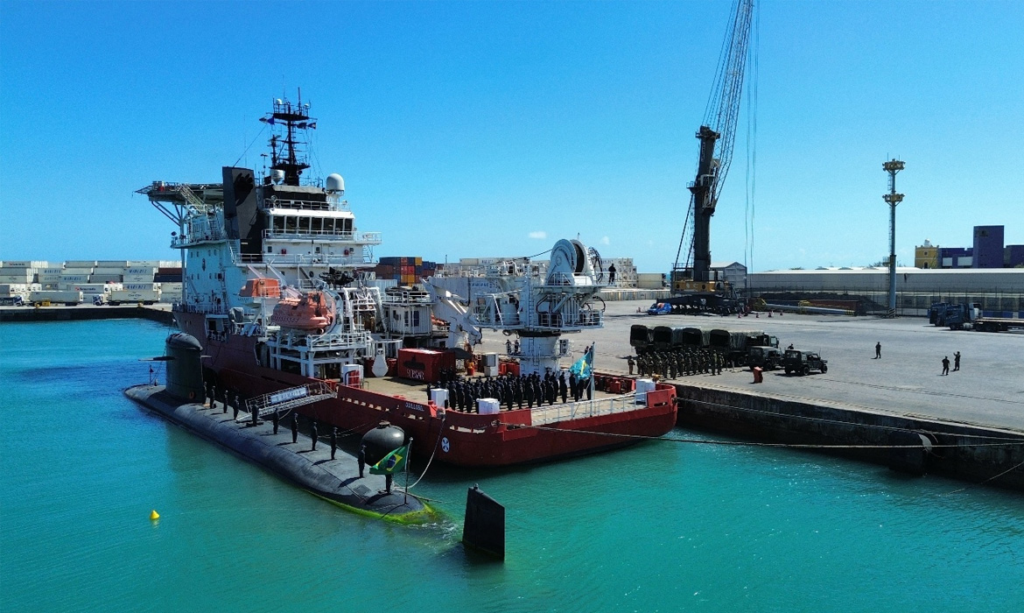
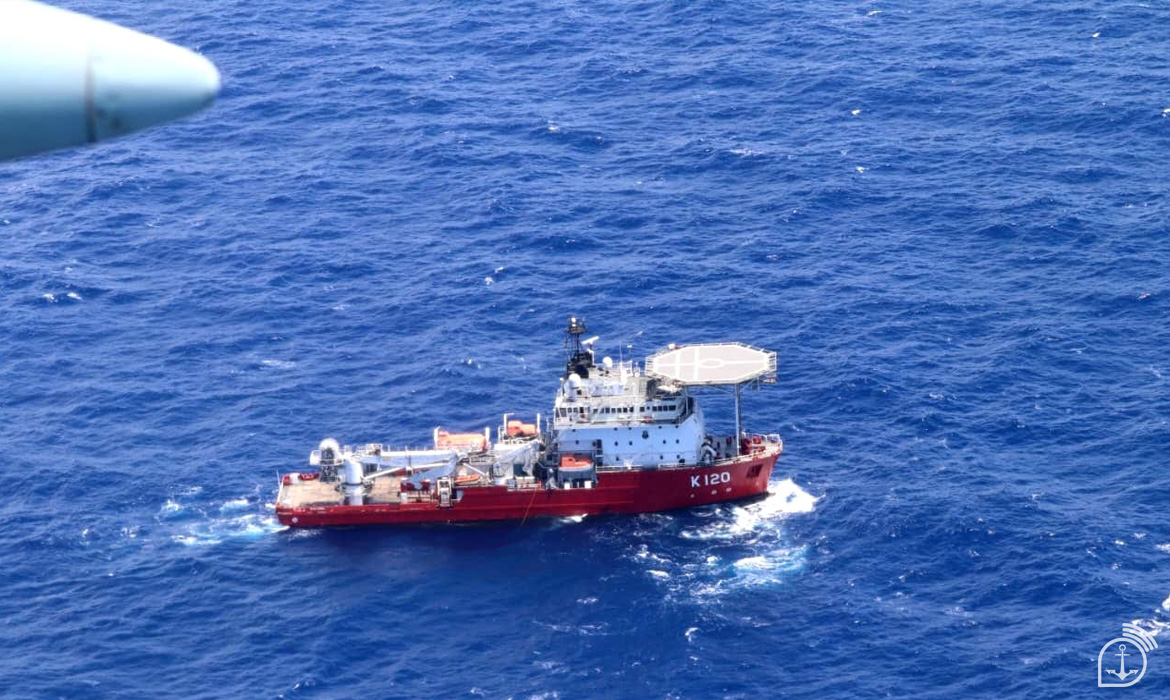
NSS Guillobel (Source: Brazilian Navy)