Tag: WSB

  • Special WSB: Por onde anda? FPSO P-35

    Special WSB: Por onde anda? FPSO P-35

    There are offshore units that operate quietly…
    And there are those that, even in silence, define an era.

    P-35 was one of them.

    For years, far beyond the horizon, she remained anchored in the Campos Basin, transforming crude from deep waters into one of Brazil’s most strategic assets: energy.

    Today, after more than two decades in operation, she no longer produces.

    Now deactivated from offshore production by Petrobras, the platform leaves behind more than steel and systems.

    It leaves a question.

    But also a story still worth revisiting.

    From Tanker to Offshore Giant

    Before becoming one of Brazil’s early FPSOs, the platform had a different life.

    Originally built in Japan in 1974 as the tanker José Bonifácio, the vessel was converted into an FPSO in 1999 as part of Petrobras’ strategy to accelerate deepwater production through adapted floating systems.

    At that moment, the conversion of tankers into FPSOs was becoming a strategic solution for rapidly expanding offshore production capacity in Brazil.

    It was a pivotal moment — not only for the vessel, but for Brazil’s offshore trajectory.

    A Pillar of Marlim

    Shortly after conversion, P-35 was installed in Marlim Field in 1999, one of the most important assets in the Campos Basin.

    At the time, Marlim was one of the most important offshore developments in the world and a central part of Brazilian offshore production expansion during the late 1990s and early 2000s.

    From that point forward, she became exactly what the offshore industry values most:

    Reliable.
    Consistent.
    Essential.

    For more than two decades, the platform operated with little visibility outside the industry — but with enormous impact within it.

    Its numbers help explain her scale:

    Production capacity: approximately 130,000–135,000 barrels of oil per day
    Storage capacity: close to 1 million barrels
    Operational water depth: approximately 850 meters
    Operational life: more than 20 years connected to offshore production

    Over time, she processed volumes difficult even to fully comprehend — quietly supporting part of Brazil’s production during critical phases of offshore expansion.

    P-35 belonged to the first major generation of Brazilian FPSOs that helped transform offshore production in the Campos Basin and consolidate Brazil as a global reference in deepwater offshore operations — long before pre-salt became dominant.

    P-35
    P-35 (Source: Courtesy)

    The Quiet Exit

    Her departure, much like her operation, happened without spectacle.

    In 2024, Petrobras ended production operations of the platform within the broader Marlim revitalization program, while studies related to possible reuse and redevelopment continue under evaluation.

    And even after the end of her operational life, P-35 has not completely disappeared.

    Which means she may not yet have reached her final destination.

    Where Is She Now?

    At WSB Advisors, our connection with the sea is not abstract.

    It is daily.
    It is visible.
    It is intentional.

    From our offices, overlooking one of Brazil’s busiest marine corridors, we monitor in real time the movement of vessels that shape the industry we cover.

    It is no coincidence.

    The choice of where we work reflects what we do.

    And sometimes, the offshore world comes closer than expected.

    Right in front of us.
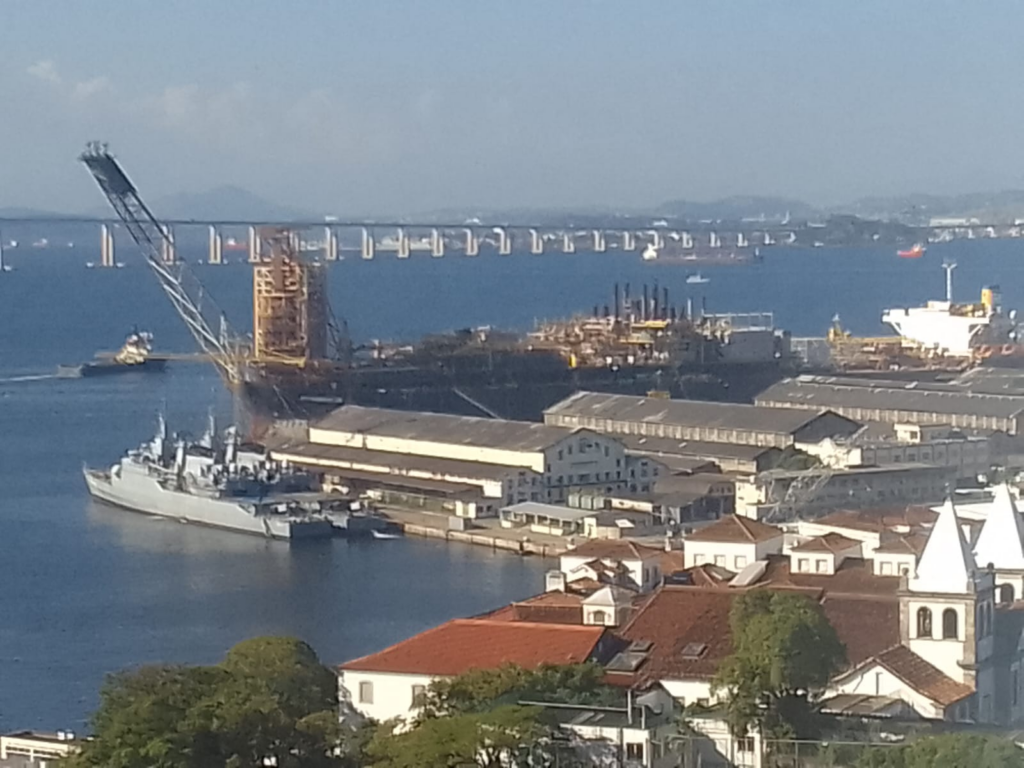
    FPSO  P-35
    FPSO P-35 (Source: Daniel Buckley/WSB Advisors)

    This week, the image above — captured from WSB Advisors’ office on Avenida Rio Branco, downtown Rio de Janeiro — shows her currently positioned alongside the Navy’s berth, a silent giant that no longer operates, but remains very much present.

    There is something symbolic about that.

    A platform that once operated hundreds of kilometers offshore…

    Now resting within sight.

    A reminder that, in this industry, even the largest assets eventually return — not to the spotlight, but to observation.

    From a distance.
    From the shore.
    From our windows.

    For years, she existed almost exclusively offshore, outside public visibility. Seeing the platform positioned close to the coastline today creates an unusual contrast for those familiar with her operational history.

    And perhaps that is exactly what still makes P-35 draw attention even after leaving production.

    And perhaps, for the first time, we can answer the question:

    Where is P-35 today?

    For now — right before our eyes.

    For our offshore industry, few images explain the passage of time as clearly as this one.

    Every Thursday, a new “Por Onde Anda?”.
  • R.I.P Dalton Schmitt

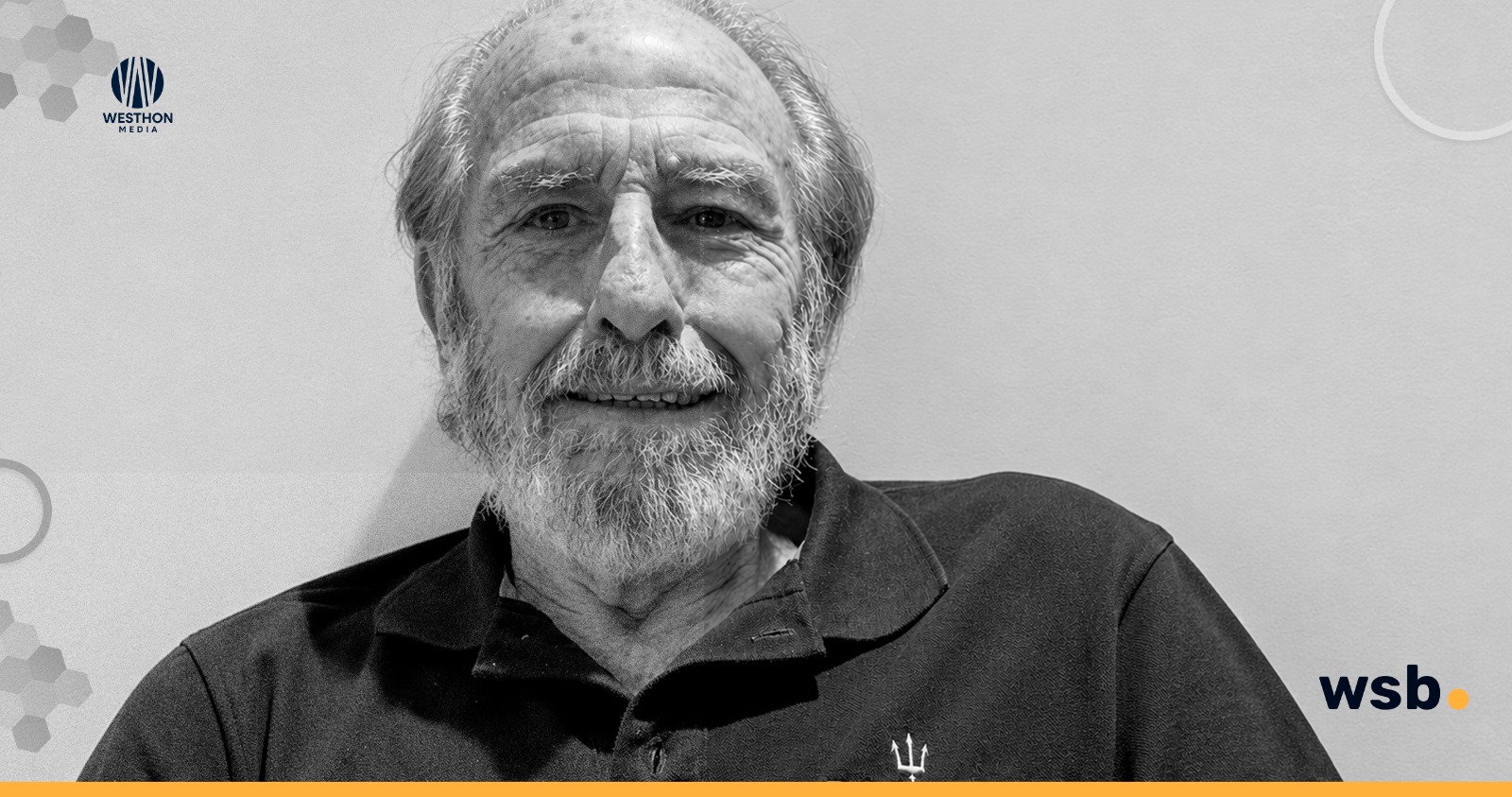
    R.I.P Dalton Schmitt

    Today we say goodbye to Dalton Schmitt — and celebrate the breadth of his journey and the legacy he leaves behind.

    Dalton was present at numerous WSB events and workshops, enriching every gathering with his elegance, generosity, and a rare enthusiasm that naturally connected generations. More than a highly respected expert, he was a true connector of people, ideas, and experiences.

    At 81, he remained active by choice, driven by a genuine passion for the maritime industry. Since 2014, he had served as Offshore Business Director at Posidonia, closely following the sector’s evolution. Throughout his distinguished career, he made remarkable contributions: he was co-founder and president of Seamar Serviços de Apoio Marítimo, a pioneer in the offshore support segment in Brazil; he led Astromaritima. for more than 16 years (1997–2014); he served on the boards of ABEAM and Syndarma; and he held a leadership role at Apex Marine Services in Panama for nearly two decades.

    He also worked as a Senior Consultant at Asgaard Bourbon and was widely recognized as one of Brazil’s foremost authorities on cabotage. In addition, he contributed as an advisory member to the American Bureau of Shipping (ABS). His academic background included a degree in Business Administration from NYU and executive education in General Management from Pontifícia Universidade Católica do Rio de Janeiro, foundations that supported a career marked by excellence and respect.

    More than titles and achievements, Dalton will be remembered for his presence: elegant, curious, and genuinely engaged. Someone who chose to be present, to contribute, and to connect.

    His farewell was marked by a moving tribute, with a ship horn salute in Guanabara Bay this Wednesday (May 6), and a tribute held during the traditional ABEAM cocktail reception in Houston, during OTC, symbolic gestures from an industry he helped shape, especially by mentoring many of the executives now leading companies in the sector.

    He will be greatly missed. His teachings, his stories, and his spirit will endure.

    Our deepest admiration, respect, and gratitude.

    WSB Advisors

  • ANP approves production unitization agreements for Sururu and Berbigão reservoirs

    ANP approves production unitization agreements for Sururu and Berbigão reservoirs

    Petrobras has reported that it has been informed by Brazil’s National Agency of Petroleum, Natural Gas and Biofuels (ANP) of the approval of the Production Individualization Agreements (AIPs) for the shared Sururu and Berbigão reservoirs, located in the pre-salt layer of Santos Basin. According to the company, the agreements entered into force on May 1.

    The AIPs formalize the understanding between Petrobras, the Federal Government and partners Shell, TotalEnergies and Petrogal for the joint development of the areas. The shared reservoirs involve the BM-S-11A concession contract and the transfer-of-rights contract, the latter fully held by Petrobras.

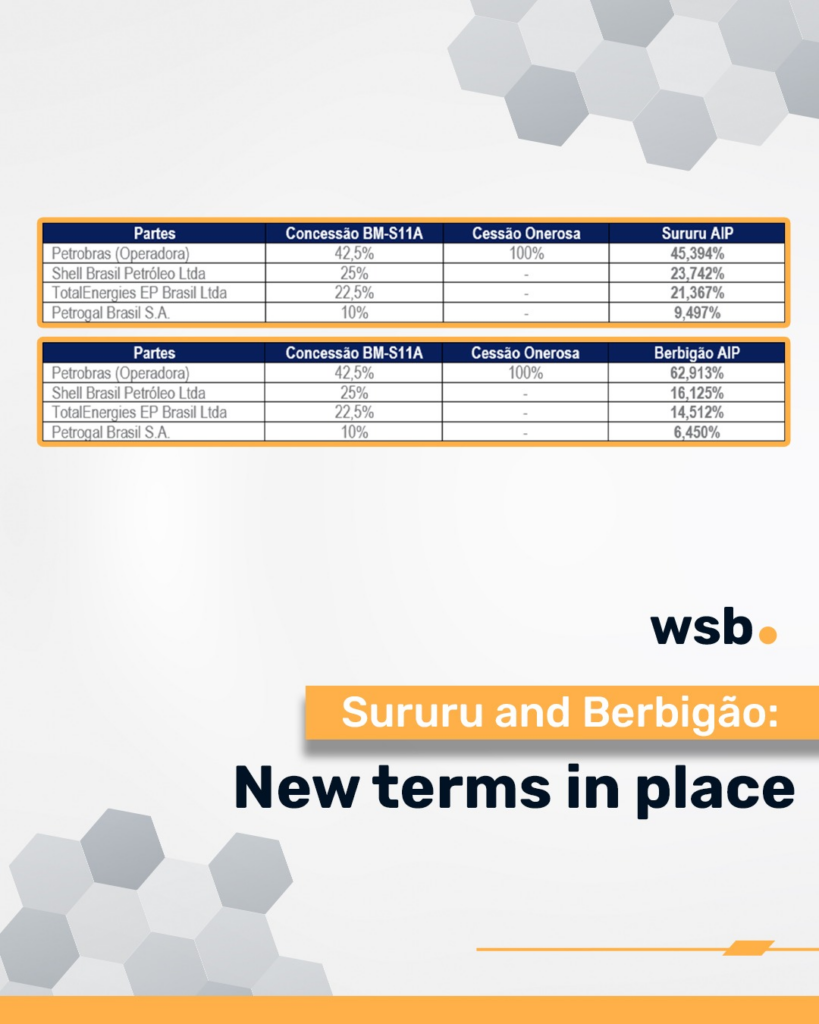
    Under the approved terms, the Sururu reservoir will have the following stakes: 45.394% for Petrobras, 23.742% for Shell, 21.367% for TotalEnergies and 9.497% for Petrogal. In Berbigão, Petrobras will hold 62.913%, followed by Shell with 16.125%, TotalEnergies with 14.512% and Petrogal with 6.45%.

    Both reservoirs have been producing since 2019 through the FPSO P-68, which has a processing capacity of up to 150,000 barrels of oil per day. The AIPs define each company’s participation and establish the rules governing the joint development and production of oil and natural gas in the shared reservoirs.

    The approval follows years of regulatory discussions involving the unification of the reservoirs, after ANP determined the shared development of the areas. The consortium partially challenged aspects of the process, which also led to international arbitration proceedings related to the fields’ development structure.

    Production individualization agreements are required when reservoirs extend beyond the boundaries of contracted areas, in accordance with ANP regulations. Financial compensation related to costs incurred and revenues associated with volumes produced prior to the agreements entering into force will still be negotiated among the companies involved.

  • Brazilian presence gains visibility at OTC

    Brazilian presence gains visibility at OTC

    Around 30,000 professionals from the offshore sector are gathered in Houston for the 2026 edition of the Offshore Technology Conference (OTC) 2026, which features a strong presence of Brazilian companies and institutions.

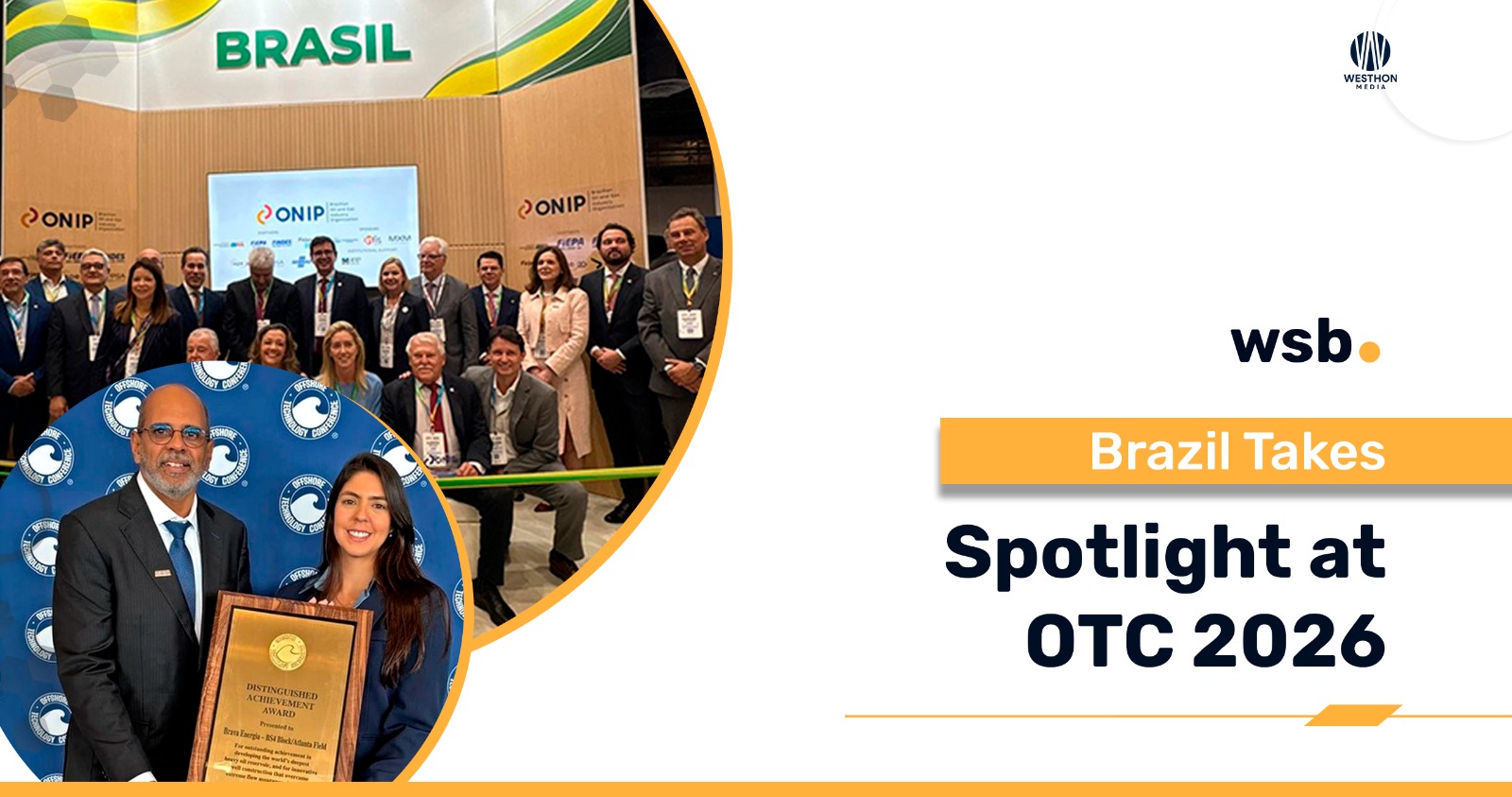
    At the opening of the event on Monday, BRAVA Energia stood out by receiving the OTC Distinguished Achievement Award for Companies for the development of the Atlanta Field, located in Brazil’s Santos Basin. The recognition highlights the project’s technical relevance within the global offshore industry.

    The company also took part in the conference’s technical program.
    Carlos Travassos, joined the panel “Around the World,” addressing the topic “Brazil Offshore Energy in a Nutshell – Next Wave & New Frontiers.” Meanwhile, BRAVA’s Executive Manager Vinícius Passos presented the Atlanta Project during the “Showcases – Largest Worldwide Developments” session, focused on major global industry projects.

    ANP – Agência Nacional do Petróleo, Gás Natural e Biocombustíveis, is also attending the event, represented by senior officials. In partnership with PPSA (Pré-Sal Petróleo S/A), the agency hosted a seminar focused on upstream opportunities in Brazil as part of the conference’s side events.

    Another highlight of Brazil’s participation is Firjan SENAI, which is holding the first international edition of its Supplier Opportunities Network Program (RdO), in partnership with Sebrae RJ. The initiative brings together companies including Baker Hughes, Hanwha Ocean, and SLB, alongside participation from Petrobras, Transpetro – Petrobras Transporte S. A., and Radix.

    OTC 2026 also features the Brazil Pavilion, coordinated by ONIP, bringing together national companies and institutions to promote Brazilian products and services in the international market.

    The Westhon Group is also present at the event. Alvaro Antunes, CEO of Intcom Solutions, is among participants in parallel industry discussions in Houston, including a roundtable on contractor oversight in industrial operations.

    Note: Participant figures are based on industry estimates. Panel titles are not specified to ensure editorial accuracy.

  • OTC 2026 to gather industry players in Houston

    OTC 2026 to gather industry players in Houston

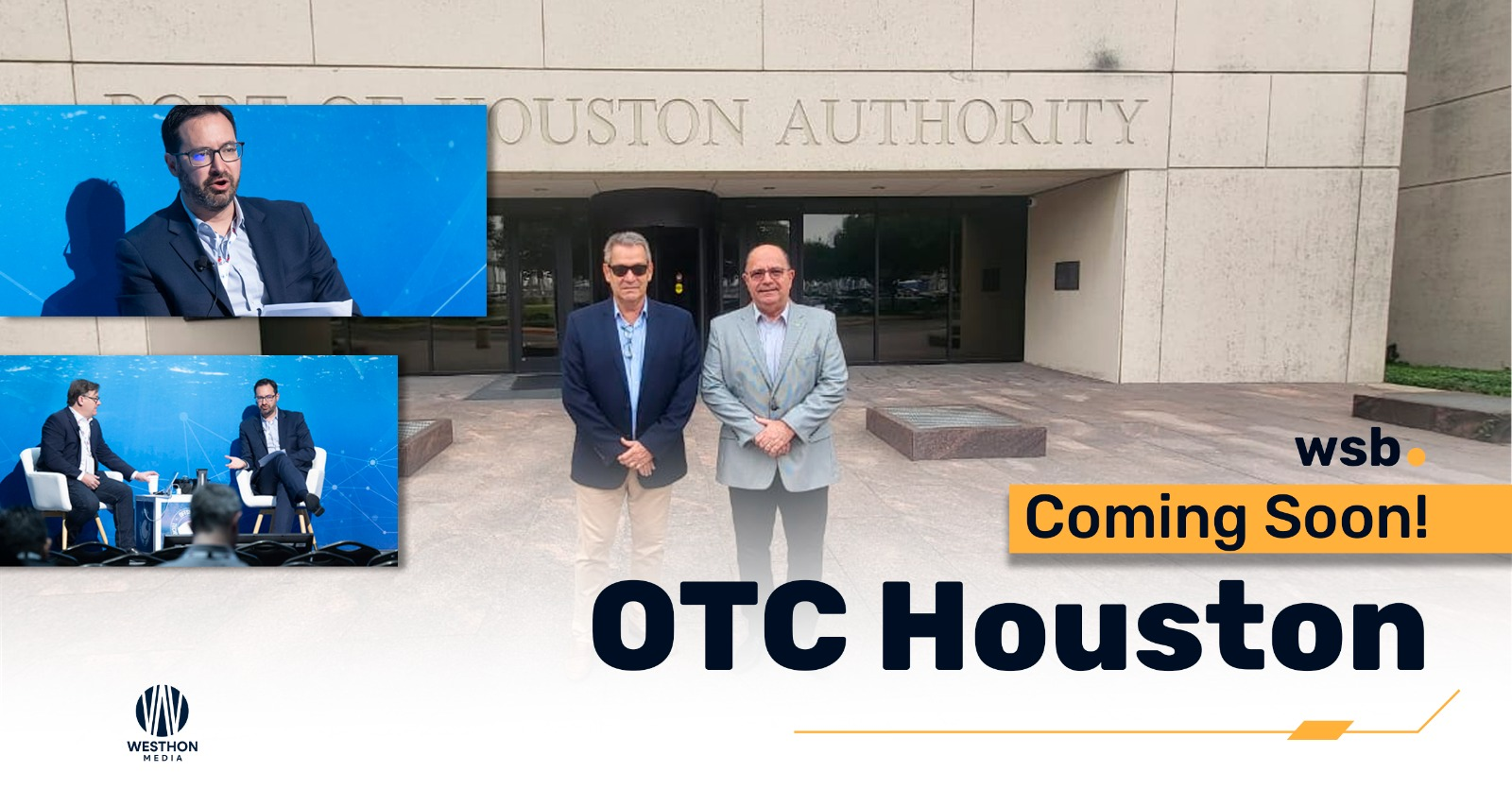
    The offshore industry is set to convene at the Offshore Technology Conference (OTC) 2026, scheduled to take place from May 4 to 7 in Houston.

    Established in 1969, OTC remains one of the largest global gatherings in the offshore sector, typically attracting more than 30,000 professionals. The event’s agenda is expected to focus on topics such as offshore innovation, energy transition and operational efficiency.

    WSB Advisors will be represented at the conference by Alvaro Antunes, CEO of Intcom and partner of the consultancy.

    In addition to participating in the official program, Antunes is expected to attend meetings with industry counterparts in Houston, following the typical pattern of parallel business activity that takes place during OTC.

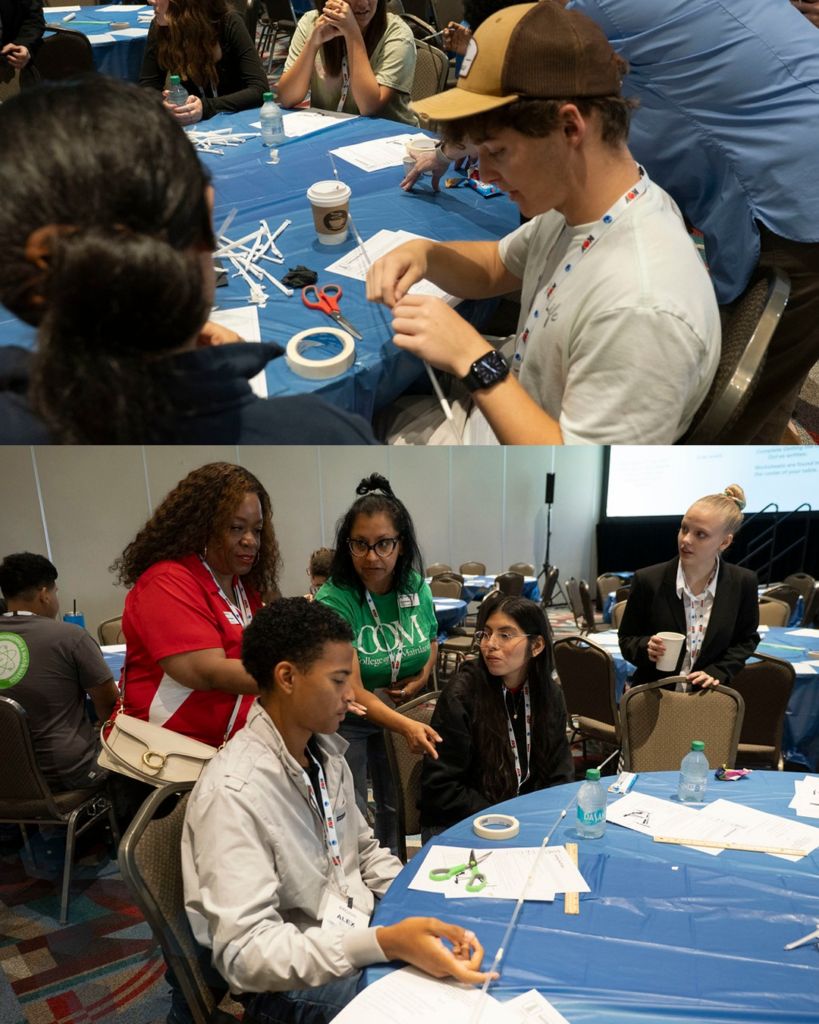
    • Editorial note: The images used in this post are from the 2025 edition

    Stay informed on key offshore developments — visit wsb-one.com, our data platform trusted by leading offshore companies.

  • Petrobras starts production from FPSO P-79 at Búzios ahead of schedule

    Petrobras starts production from FPSO P-79 at Búzios ahead of schedule

    Petrobras began oil production from the FPSO P-79 on May 1, marking an early start compared to the schedule outlined in the company’s latest Business Plan (2026–2030).

    P-79 is operating in the Búzios Field, Santos Basin. The unit has the capacity to produce up to 180,000 barrels of oil per day and compress 7.2 million cubic meters of gas. With its start-up, the field’s installed production capacity reaches around 1.3 million barrels per day.

    The vessel arrived from the Hanwha Ocean shipyard in February and measures approximately 345 meters in length.

    The FPSO is part of the Búzios 8 Development Project, which includes 14 wells — eight producers and six injectors — equipped with intelligent completion systems. The unit is connected through rigid pipelines for production, injection, and gas export, as well as flexible lines for service support.

    P-79 is the eighth FPSO in operation in Búzios, currently Brazil’s largest producing field, which surpassed 1 million barrels per day in 2025. Discovered in 2010, the field is located around 180 km offshore, in water depths exceeding 2,000 meters.

  • Petrobras CEO Magda Chambriard elected chair of Braskem board amid ownership reshuffle

    Petrobras CEO Magda Chambriard elected chair of Braskem board amid ownership reshuffle

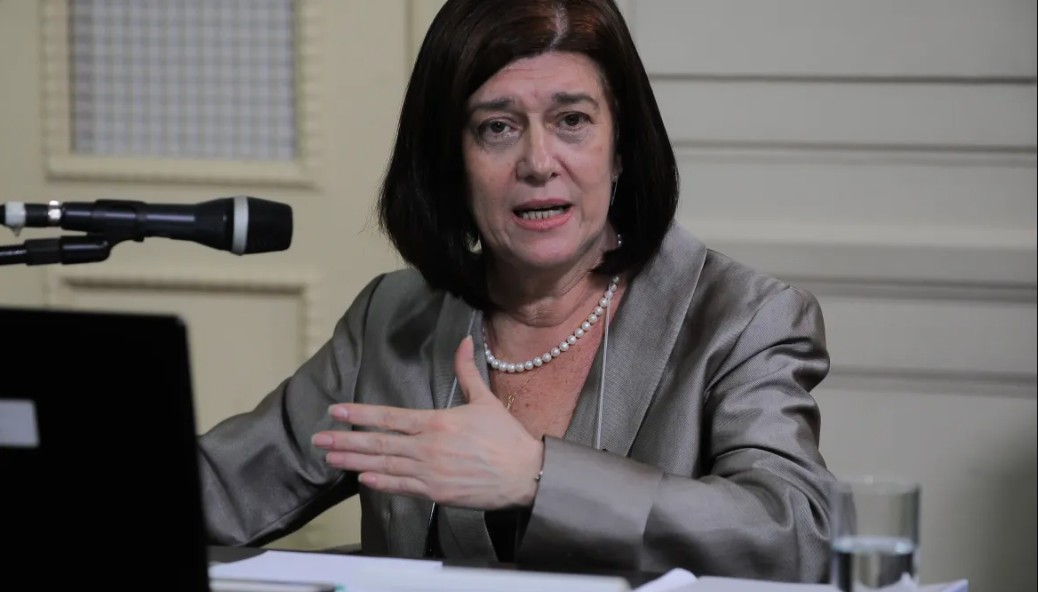
    Magda Chambriard, CEO of Petrobras, has been elected chair of the board of Braskem, following recent changes in the company’s ownership structure.

    The appointment comes amid the ongoing transition of control previously held by Novonor, marking a new phase in Braskem’s governance.

    Petrobras holds approximately 47% of voting shares and 36.1% of total capital in Braskem, positioning itself as a key shareholder in the company. Chambriard’s election reinforces Petrobras’ role in the company’s strategic direction at a time of broader restructuring.

    The move reflects a shift toward greater influence over governance without changes in equity participation, as Petrobras continues to reassess its position across the downstream and petrochemical segments.

    Stay informed on key offshore developments — visit wsb-one.com, our data platform trusted by leading offshore companies.

  • Patrol vessel Mangaratiba

    Patrol vessel Mangaratiba

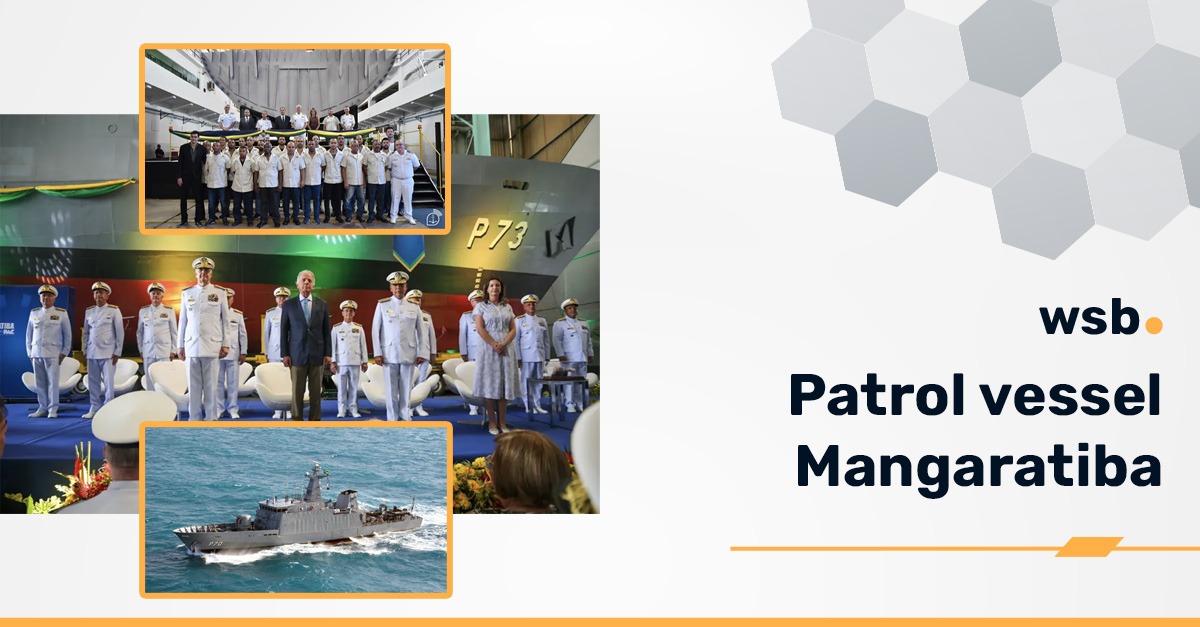
    Marinha do Brasil recently held the launching ceremony of the patrol vessel “Mangaratiba” (P73) at the Arsenal de Marinha do Rio de Janeiro (AMRJ). Following the ceremony, the vessel will proceed to the next stages, including harbor trials, sea trials, and weapons trials — preceding its commissioning into operational service. Full incorporation into the fleet is expected in the second half of this year.

    Construction of the “Mangaratiba” began at a civilian shipyard and was completed at AMRJ, where structural work was finalized and propulsion, electrical, navigation, communication, and weapons systems were installed. Measuring 54.2 meters in length, the vessel has an endurance of approximately 2,500 nautical miles (around 5,000 kilometers) and can accommodate up to 51 personnel, enabling extended operations in remote areas.

    What is a patrol vessel?

    It is a small- to medium-sized warship, designed for versatility and agility in coastal, riverine, and jurisdictional waters. Its main roles include maritime law enforcement, search and rescue (SAR) operations, combating illicit activities such as illegal fishing and smuggling, and protecting strategic assets such as offshore oil platforms.“

    “Mangaratiba” is the fourth patrol vessel of the Macaé class, following:

    • NPa Macaé (P70), commissioned in 2009

    • NPa Macau (P71), commissioned in 2010

    • NPa Maracanã (P72), commissioned in 2022

    The next vessel in this series is the patrol vessel “Miramar” (P74), currently under construction, with launch expected around 2028. Keel laying took place in 2024.

  • Wilson Sons tests drone deliveries for offshore support vessels in Guanabara Bay

    Wilson Sons tests drone deliveries for offshore support vessels in Guanabara Bay

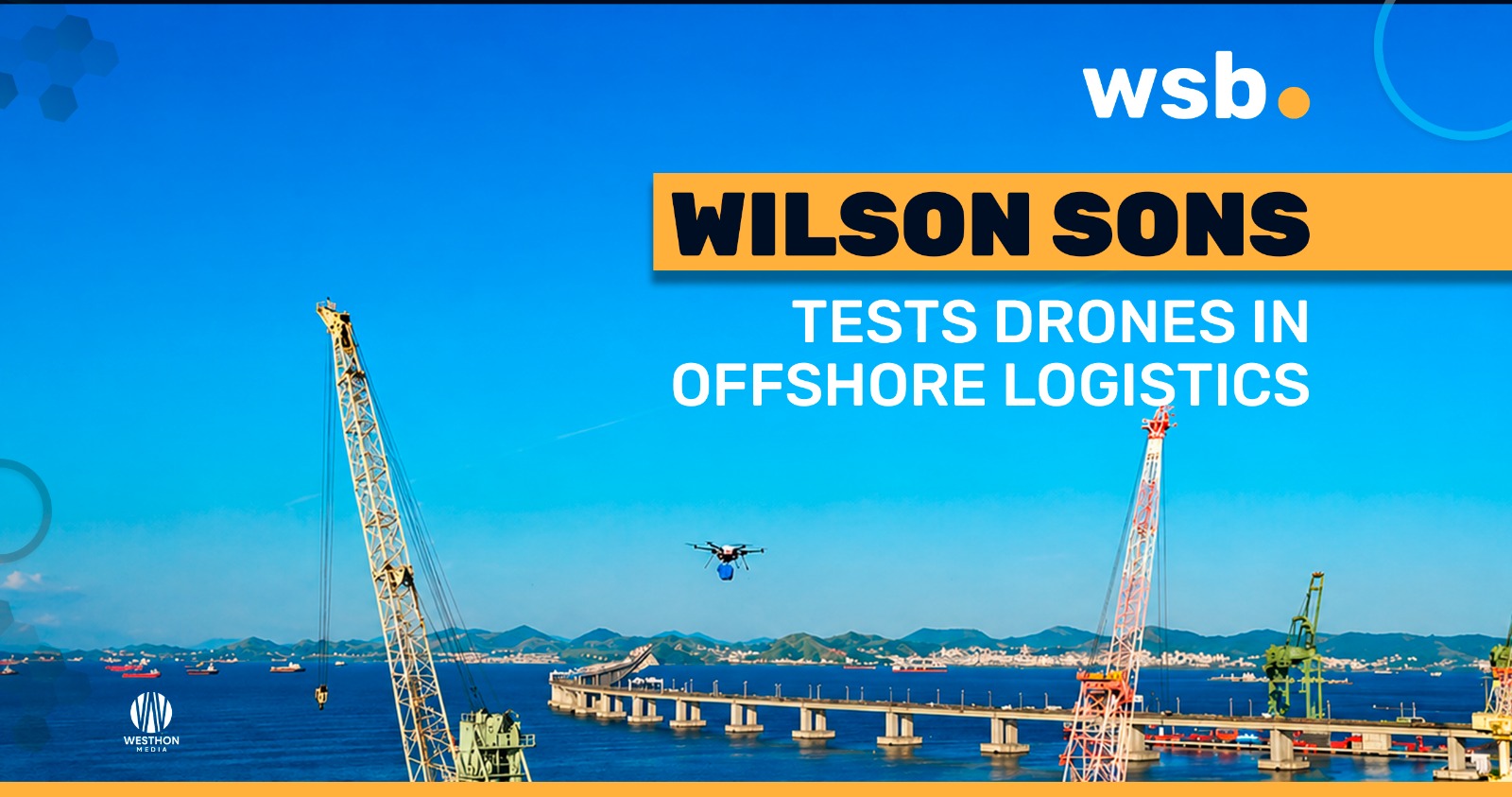
    Wilson Sons has started testing the use of drones to deliver and collect documents from offshore support vessels operating in Guanabara Bay, Rio de Janeiro.

    The operation is currently in a proof-of-concept phase and uses equipment from Speedbird Aero, with support from the company’s offshore base in Rio. Flights cover distances of approximately eight kilometers, with a duration of up to nine minutes, transporting light payloads.

    The initiative follows previous tests conducted at the Port of Salvador and aims to evaluate the technical feasibility of applying drone operations to maritime logistics.

    According to the company, the tests were carried out with the necessary authorizations from the National Civil Aviation Agency (ANAC) and the Department of Airspace Control (DECEA).

    The scope at this stage remains limited to document transfer, with the objective of assessing operational performance, reliability and integration with existing port and offshore routines.

  • Petrobras reinforces Campos Basin strategy with Argonauta transaction

    Petrobras reinforces Campos Basin strategy with Argonauta transaction

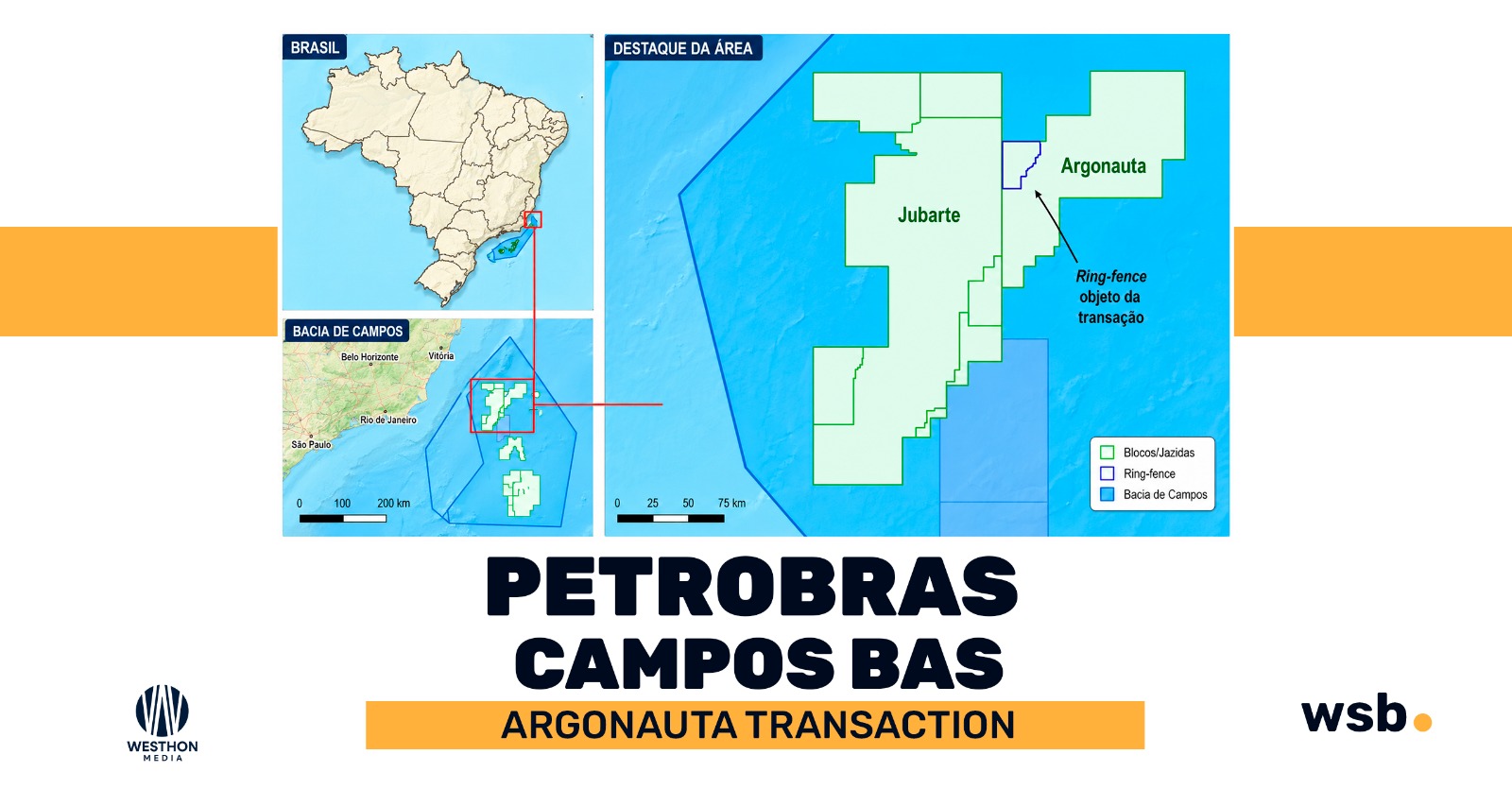
    Petrobras announced an agreement to acquire 100% of a ring-fence portion of the Argonauta Field, in the Campos Basin, currently held by Shell, ONGC and Brava.

    The transaction involves a portion of Argonauta linked to 0.86% of the shared Jubarte pre-salt reservoir. The total consideration will be R$700 million plus US$150 million, subject to contractual adjustments and closing conditions.

    Once completed, Petrobras will hold 98.11% of the Jubarte Shared Reservoir, while the Brazilian government, represented by PPSA, will retain 1.89% related to the extension of the reservoir into non-contracted areas.

    More than a portfolio adjustment, the deal points to a broader strategy: Petrobras is consolidating control over profitable producing assets in the Campos Basin, simplifying governance and reinforcing its position in Brazil’s oldest offshore producing province.

    The move follows other recent transactions, including the reacquisition of Petronas’ stake in Tartaruga Verde and Espadarte Module III, and is aligned with the company’s 2026–2030 Business Plan, which prioritizes value maximization in resilient upstream assets.

    In a market where new frontier development faces longer licensing cycles and higher execution risk, mature basins with existing infrastructure are gaining renewed strategic relevance.

    Campos Basin is no longer just a legacy province. It is becoming a core pillar in Petrobras’ portfolio optimization strategy.

    Stay informed on key offshore developments — visit wsb-one.com, our data platform trusted by leading offshore companies.

  • RSV Bid 2024: DOF awarded

    RSV Bid 2024: DOF awarded

    Petrobras awarded this week four RSV-type vessels to DOF under bid 7004319394, launched in 2024. The contracts have a 12-year term and total more than R$11.05 billion, with an estimated day rate of around US$116,364 per vessel.

    The vessels will be built at the Navship shipyard.

    In addition, the same yard will also be responsible for four other vessels under this tender, which were already awarded last year to Bram Offshore, at a day rate of US$108,990 per vessel.

  • Petrobras postpones AHTS newbuild tender

    Petrobras postpones AHTS newbuild tender

    Bad news? At first glance, yes.

    But maybe not.

    The tender has moved from 27 April to 27 May, after a series of updates and adjustments to the specs.

    In plain English: Petrobras seems to be listening.

    And in a high-spec AHTS newbuilding tender, listening to the market is not weakness. It may be exactly what is needed to bring more yards, more suppliers, more owners and — ultimately — more competition to the table.

    The real story is not the delay.

    The real story is whether this extra month turns into better bids, more bidders and a stronger tender.

    Bram and DOF remain names to watch.

    But the door may now be slightly more open.

    More time. More offers. More competition.

    That is where the market should be looking.