Category: Last News

  • Open tenders & More

    Open tenders & More

    What has changed?

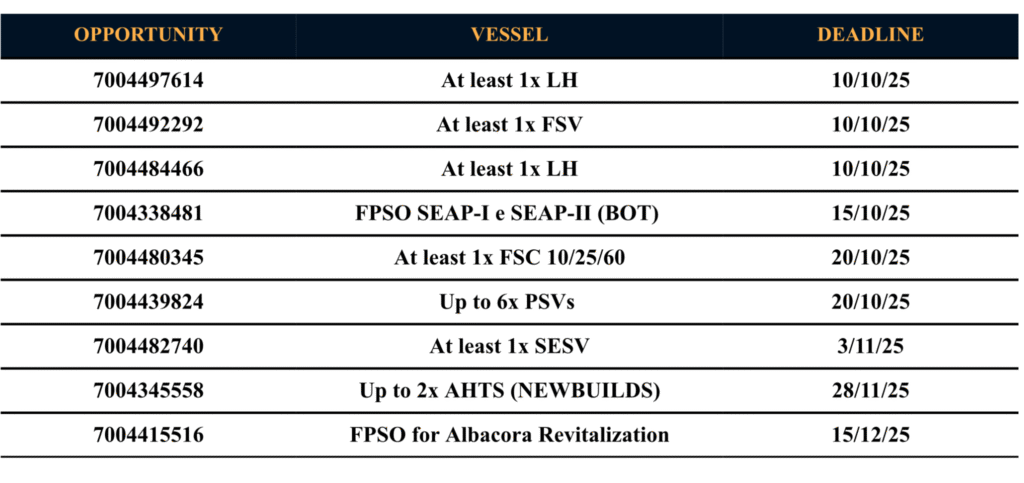
    Petrobras up to 6x PSVs Opportunity 7004439824 new deadline October 20th, 2025.

    Petrobras FPSO SEAP-I e SEAP-II (BOT): Opportunity 7004338481 new deadline October 15th, 2025.

    Petrobras At least 1x FSC 10/25/60: Opportunity 7004480345 new deadline October 20th, 2025;

    What Else is Happening?

    Transocean announced new contract extensions for two of its ultra-deepwater drillships, totaling about $243 million in backlog: BP extended the Deepwater Atlas contract by 365 days in the U.S. Gulf of Mexico, adding around $232 million. Besides that, Petrobras extended the Deepwater Mykonos contract by 30 days in Brazil, contributing approximately $11 million. Both extensions are direct continuations of existing contracts.

  • PPSA auction

    PPSA auction

    The National Energy Policy Council (CNPE) has approved a resolution authorizing Pré-Sal Petróleo (PPSA) to conduct Brazil’s first auction for the sale of the Union’s rights and obligations under Production Individualization Agreements (AIPs). The process covers uncontracted areas of the Mero, Atapu, and Tupi shared reservoirs, all operated by Petrobras.

    The unprecedented measure establishes the technical and economic parameters for the bidding process, including the minimum price to be observed by PPSA. The auction is expected to raise R$ 14.8 billion for the Union, a figure already included in the government’s revenue projections.

    PPSA is expected to publish a public notice detailing the minimum bid amounts and other conditions. The auction winner will assume the Union’s rights and obligations in line with existing contracts, including requirements for decommissioning, environmental recovery and operational continuity.

    Stay informed on key offshore developments — visit wsb-one.com, our data platform trusted by leading offshore companies.

  • Petrobras SOV BID

    Petrobras SOV BID

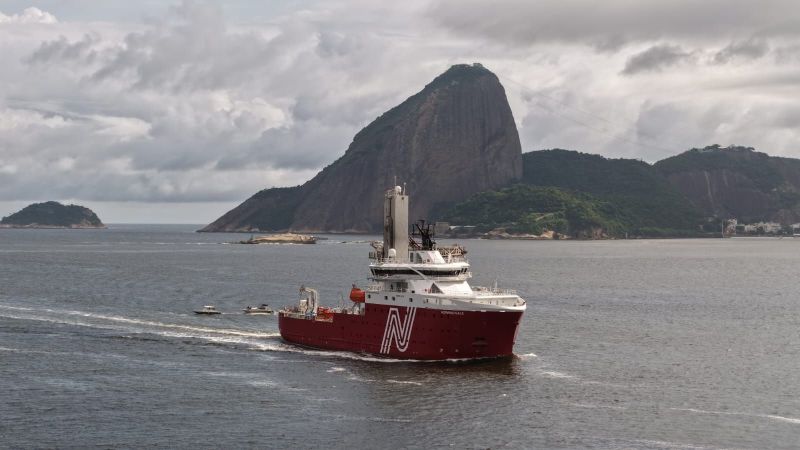
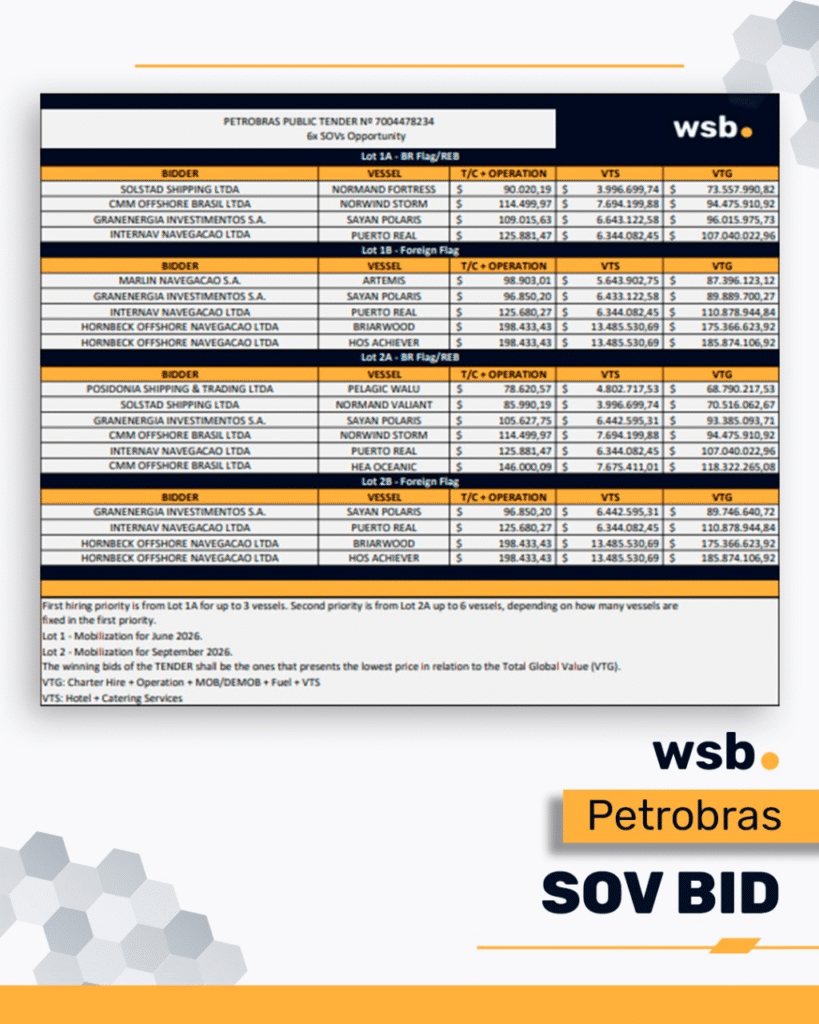
    Petrobras has released the commercial ranking of the bid to charter up to six Service Operation Vessels (SOVs), under Opportunity 7004478234, which has been open for three months. Bidders in general submitted competitive offers, with Solstad taking the lead in Lot A. Another highlight is CMM’s Norwind Storm. Although positioned to be awarded, the vessel is already committed to another Petrobras SOV tender. In Lot B, Posidonia stood out with the Pelagic Walu, offering a daily rate below USD 69,000.

    Lot A covers up to three SOVs with delivery expected by June 2026, while Lot B includes up to six SOVs with delivery expected by September 2026. However, three of the vessels in Lot B will only be contracted if Lot A is not awarded in full.

    To qualify, vessels must provide accommodation for at least 60 people, be equipped with DP2 capability, a gangway and a 200 m² deck area, among other requirements.

    Stay informed on key offshore developments — visit wsb-one.com, our data platform trusted by leading offshore companies.

  • FPSO P-78 in Brazil

    FPSO P-78 in Brazil

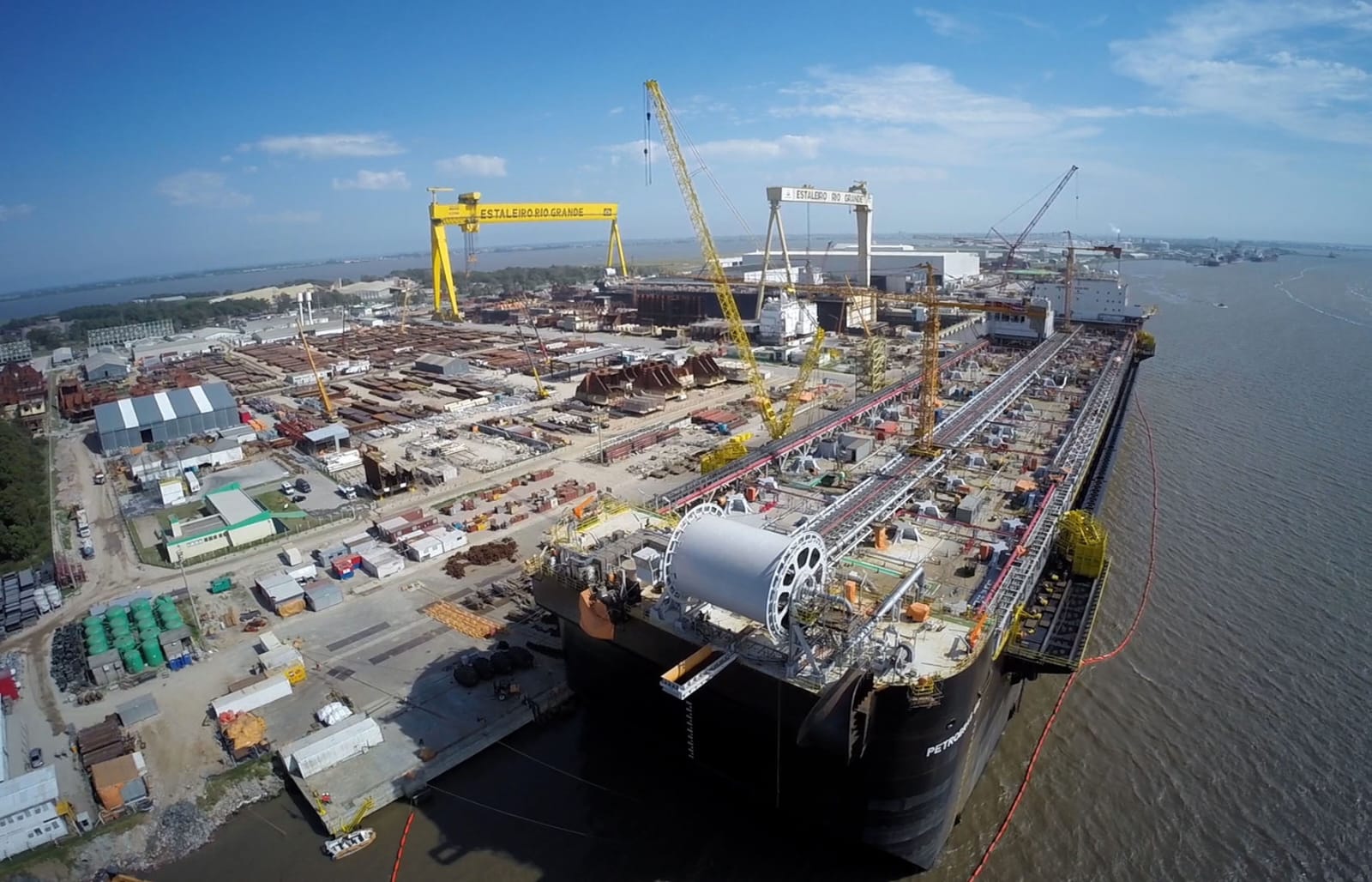
    The FPSO P-78 arrived this Tuesday (September 30) at the Búzios Field, in the Santos Basin, located in ultra-deep waters up to 2,100 meters deep and about 180 km off the coast of Rio de Janeiro. The unit departed from the Benoi shipyard in Singapore on July 13 and will soon begin operations for Petrobras.

    In an official statement, Petrobras emphasized that the voyage was carried out with the crew on board, a strategy that will enable production to start about two weeks earlier than the traditional schedule. Before first oil, anchoring and interconnection to the producing wells will take place, a process expected to last around two months.

    The FPSO has a processing capacity of 180,000 barrels of oil per day and can compress 7.2 million cubic meters of gas per day. The P-78 joins the FPSOs P-74, P-75, P-76, P-77, Almirante Barroso and Almirante Tamandaré already in operation at Búzios. The project includes 13 wells, with 6 producers (2 convertible to injectors), 6 WAG injectors, and 1 gas injector.

    Petrobras expects to have the P-79, P-80, P-82, and P-83 in operation at Búzios by 2027. The field already produces close to 1 million boed and is expected to reach 1.5 million boed by 2030, consolidating its position as the largest deepwater development in the world.

    Visit wsb-one.com for detailed insights on Brazil’s FPSO and rig fleet, including production figures, construction updates, and future deployment schedules.

  • Bid postponed

    Bid postponed

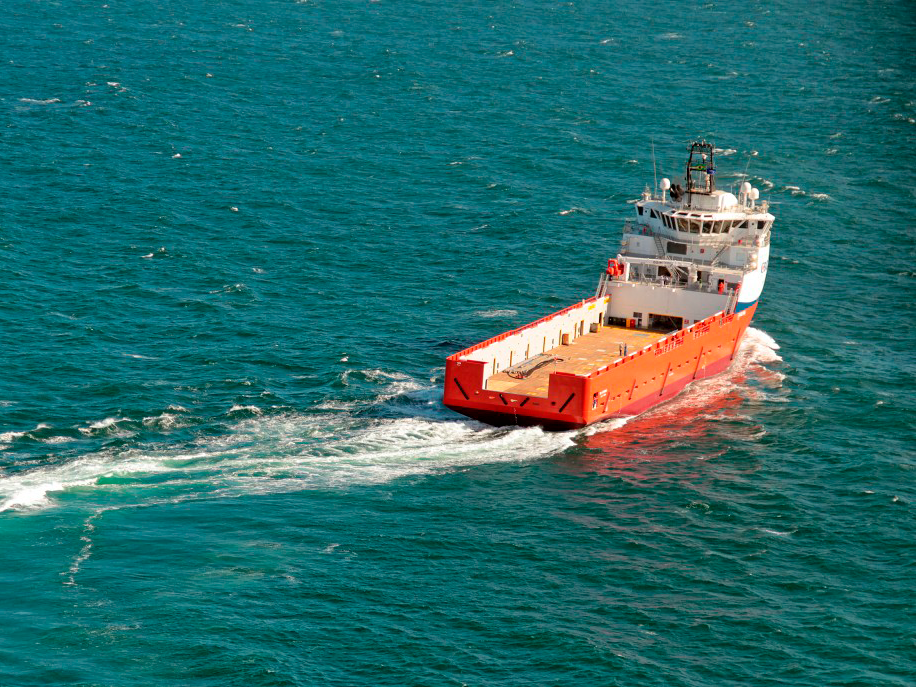
    Petrobras has postponed the bid deadline to charter up to 6 PSVs (Opportunity 7004439824) to October 20, 2025—extending the original October 3 deadline.

  • DOF awarded

    DOF awarded

    DOF has been awarded three contracts from Petrobras valued at USD 390 million for underwater inspections across the Santos, Campos and Espírito Santo basins. Over 4,000 inspections are planned, with operations beginning in 2026 over a three-year term.

  • Baker Hughes secures contract with Petrobras

    Baker Hughes secures contract with Petrobras

    Baker Hughes has secured a contract with Petrobras to supply up to 50 subsea tree systems and related services, to be deployed across fields including Albacora, Jubarte and pre-salt projects, like Mero and Búzios. Procurement and manufacturing are expected to begin in Q3 2025.

  • Amazon shipbuilding initiative

    Amazon shipbuilding initiative

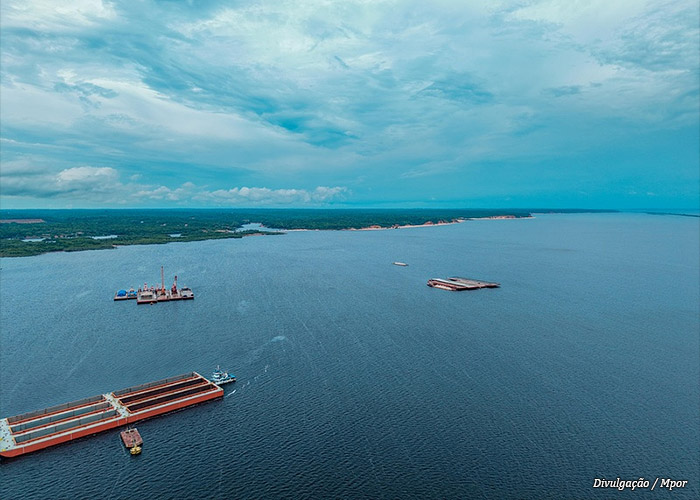
    The Ministry of Ports and Airports has announced BRL 1.7 billion from the Merchant Marine Fund (FMM) to build 188 vessels in Amazonas. The works will be carried out by LHG Mining and Hermasa. In addition, upgrades were inaugurated at the ports of Envira and Eirunepé. The initiative aims to boost the shipbuilding industry, reduce logistics costs and stimulate the riverside economy.

  • Offshore Insights

    Offshore Insights

    – On September 24, 2025, Brazil’s Ministry of Development, Industry, Trade and Services (MDIC) granted preliminary approval for Petrobras’ request to apply accelerated depreciation quotas to 16 of the 25 tankers and gas carriers included in Transpetro/Petrobras TP25 fleet renewal program. The approval covers four Handy-class vessels, eight gas carriers and four MR-1 vessels currently at various stages of the TP25 program. All vessels must be built in Brazil and used exclusively for cabotage operations. A provisional measure was also advanced, increasing the fiscal limit for accelerated depreciation from BRL 1.6 billion to BRL 2.4 billion.

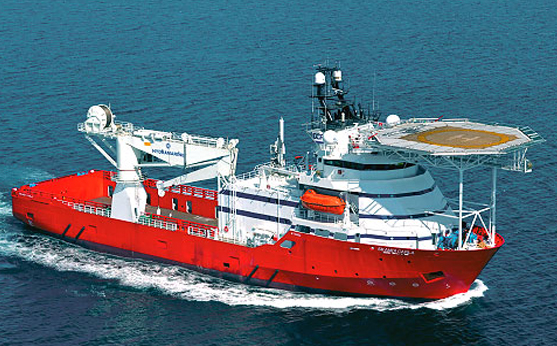
    – DOF has announced three short-term vessel charters in Brazil’s Espírito Santo and Santos Basins. The Geoholm was delivered in mid-September and is currently performing mooring operations with a remotely operated vehicle (ROV). Later this month, the Skandi Salvador will begin a 10-day subsea retrieval campaign and is scheduled to return in November for a 60-day subsea and well intervention program, utilizing a work-class ROV and subsea crane.

    – Camorim has commissioned the C Harpia, the fifth and final vessel in a series of azimuthal tugs built at the Detroit Brasil shipyard in Itajaí (SC). Delivered last week, the tug boasts an 80-ton static bollard pull. The total investment in the series was approximately BRL 220 million. In addition to its core port towing operations, Camorim is expanding its offshore support services, allocating around BRL 110 million to long-term offshore contracts and diversified port logistics. The company also maintains long-term agreements with Petrobras and OOS International for liftboat operations in decommissioning campaigns across the Sergipe-Alagoas and Rio Grande do Norte–Ceará basins. According to a recent study by WSB-One.com, Camorim’s fleet now totals 21,671 available tonnage, positioning it among the largest active shipowners in Brazil.

  • Petrobras, Exxon Mobil, and TechnipFMC Raise Concerns to CADE

    Petrobras, Exxon Mobil, and TechnipFMC Raise Concerns to CADE

    The proposed merger between Italy’s Saipem and Norway’s Subsea 7, aimed at creating a new entity in the subsea services sector, is currently under review by Brazil’s Administrative Council for Economic Defense (CADE). Major oil and gas industry players, including Petrobras, Exxon Mobil, and TechnipFMC, have formally submitted documents expressing their concerns regarding the operation.

    According to the Petition from Petróleo Brasileiro S.A. – Petrobras, filed with CADE on September 18, 2025, under process AC No. 08700.008758/2025-77, the Brazilian state-owned company articulates competitive concerns regarding the merger. Petrobras asserts its legitimacy to intervene as an interested third party in the markets for SURF (Subsea Umbilicals, Risers and Flowlines) services in the form of subsea EPCI contracts and the chartering of PLSV (Pipe Laying Support Vessel) vessels. The document indicates that 10 out of the 21 PLV (Pipe Laying Vessels) mapped for Petrobras’s Subsea EPCI services belong to SAIPEM or SUBSEA7, accounting for 47% of the total. Furthermore, out of the 8 active subsea EPCI contracts where Petrobras is the operator, 6 (Mero 3, Mero 4, Búzios 7, Búzios 8, Búzios 9, and Búzios 11) are executed by SAIPEM or SUBSEA7, representing 75% of the portfolio. In the PLSV vessel chartering market, SAIPEM and SUBSEA7 collectively own 11 out of 34 vessels capable of operating in their E&P projects, which constitutes 32%. The submission’s quantitative data, consistent with insights from WSB Advisors and WSB-One.com, points to anticipated price increases in the SURF segments.

    The Petition from Technip Brasil – Engenharia, Instalações e Apoio Marítimo Ltda. (TechnipFMC), filed with CADE on September 18, 2025, within the same process, also sought qualification as an interested third party. Technip Brasil, a competitor to the Applicants, argues that the operation could lead to a reduction in competition, particularly in the SURF and IRMD (Inspection, Repair, Maintenance, and Decommissioning) markets in offshore fields. The document proposes a relevant market definition that differentiates the availability and specialization of vessels for installing rigid and flexible pipes in SURF EPCI projects for Petrobras and for private companies (IOCs and Independent Operators). TechnipFMC highlights that the Combined Entity would control 11 of the 20 vessels available for EPCI projects, representing over 50% of the capacity, and expresses concern regarding the long-term PLSV vessel chartering market for Petrobras.

    The Petition from ExxonMobil Exploração Brasil Ltda., filed with CADE on September 18, 2025, also under AC No. 08700.008758/2025-77, outlines concerns about a reduction in competition within the deep-water rigid pipe installation market. ExxonMobil argues that the market definition presented by the Applicants in the concentration act notification is too broad and does not accurately reflect the realities of deep-water operations. The document details that the Combined Entity would control a significant share of the global fleet of deep-water pipe installation vessels, with specific participation for methods such as J-lay, Reel-lay, and S-lay. The petition emphasizes that vessels with differing capabilities are not substitutable, and the high utilization rates of deep-water installation vessels (nearing 100% in 2025, excluding maintenance time) indicate a structurally constrained capacity and high entry barriers.

    This is not the first instance of Subsea 7 being subject to CADE’s scrutiny in a concentration act. In 2012, the agency approved Concentration Act No. 08700.005165/2012-32, concerning Subsea 7 Inc.’s acquisition of control over the Acergy Group. This precedent underscores CADE’s ongoing role in reviewing consolidation activities within the subsea services sector.

    In a related but distinct market development, the market observed movements concerning the sale of assets involving DOF and Maersk Supply Service. Globally, on November 1, 2024, DOF Group completed the acquisition of Maersk Supply Service A/S. However, Maersk Offshore Wind and Maersk Supply Service’s operations in Brazil were specifically excluded from this global transaction. Consequently, no CADE review was required.
  • Ibama approves assesment for Equatorial Margin

    Ibama approves assesment for Equatorial Margin

    Petrobras announced on Wednesday night (September 24) that Brazil’s environmental regulator Ibama approved its Pre-Operational Assessment (APO) for exploration in the Equatorial Margin, located in the country’s Northeast. The APO served as a simulation designed to rigorously test Petrobras’ operational capacity while ensuring environmental safeguards.

    The approval clears the path for Ibama to soon grant a full exploration license, signaling a potential resolution to years of disputes between the state-controlled company and environmental advocacy groups. However, Ibama conditioned its decision on Petrobras incorporating further adjustments to its wildlife protection plan, expected to be implemented this week, in order to strengthen its response framework and align fully with regional ecological requirements.

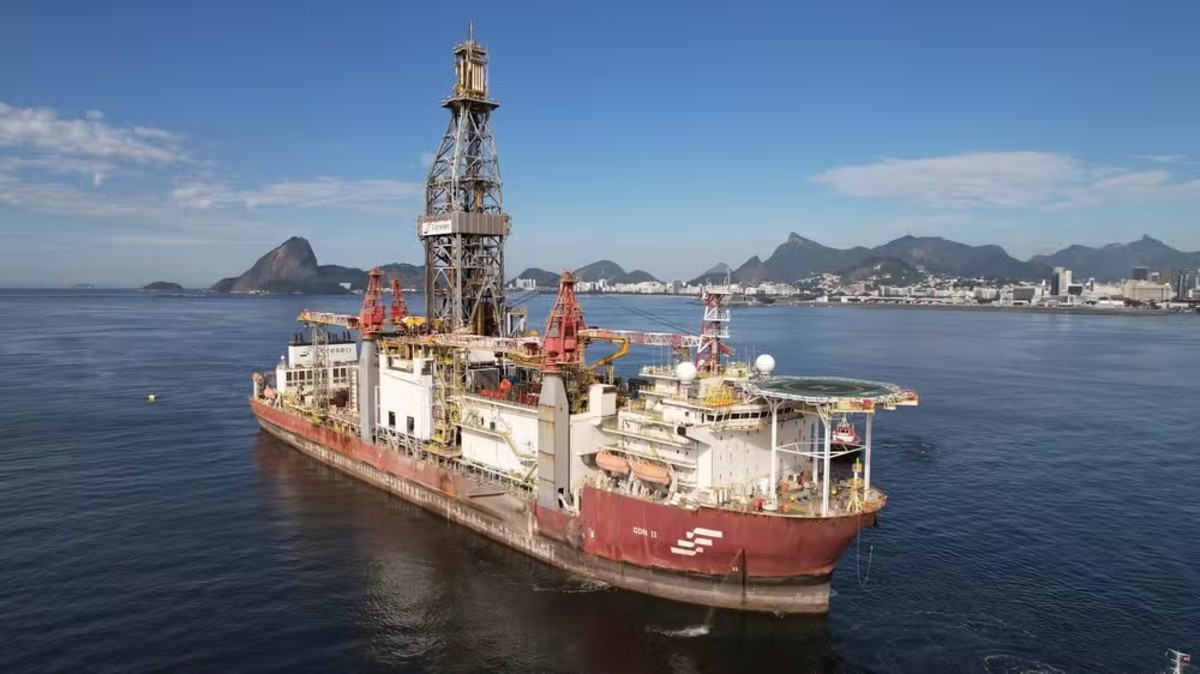
    In an official statement, Ibama emphasized the robustness of Petrobras’ operational structure and acknowledged the unprecedented nature of the activity, which involved significant logistical challenges, large-scale mobilization of resources and broad analytical scope. The APO was conducted in late August using the drillship NS-42, operated by Foresea, on a well within Block FZA-M-59 off the coast of Amapá.

    The Equatorial Margin has been identified as Brazil’s main exploratory frontier, with the potential to generate thousands of jobs, strengthen national energy supply and reduce import dependence. Additional insights on the region, its characteristics and its implications for Brazil’s energy landscape are detailed in the 12th edition of One. Energy, Westhon’s specialized magazine, featuring analysis from Anídio Corrêa, R&D Environment Projects Lead at WSB Advisors.

    Stay informed on key offshore developments — visit wsb-one.com, our data platform trusted by leading offshore companies.

  • Brazilian industry sees strategic movements amidst market shifts

    Brazilian industry sees strategic movements amidst market shifts

    Following the discussion on Starnav’s significant fleet expansion and ongoing naval construction, the broader Brazilian naval industry continues to demonstrate strategic activity. Starnav’s proactive construction of two PSVs, initiated based on market speculation, showcased an anticipation of fleet aging trends and emerging demand within the Brazilian Offshore Support Vessel (OSV) segment. Concurrently, the state of Santa Catarina has been a focal point for additional industry movements.

    The BNDES has initiated a public selection process for a partner to conduct a technical study on the naval industry, backed by a budget of up to R$8 million. The study’s objective is to formulate policy proposals for the sector, with a focus on aligning with decarbonization goals and the energy transition. This analysis will incorporate national and international experiences, addressing productive, geopolitical, environmental considerations and establish an updated industry database.

    Transpetro has confirmed its support for this initiative. Furthermore, Transpetro recently concluded the proposal submission phase for the construction of eight new gas carriers under its TP-25 program. The tender’s structure included provisions for local content bonuses for Brazilian shipyards and penalties for foreign proposals, directly influencing the equalized results currently under evaluation.

    Stay informed on key offshore developments — visit wsb-one.com, our data platform trusted by leading offshore companies.