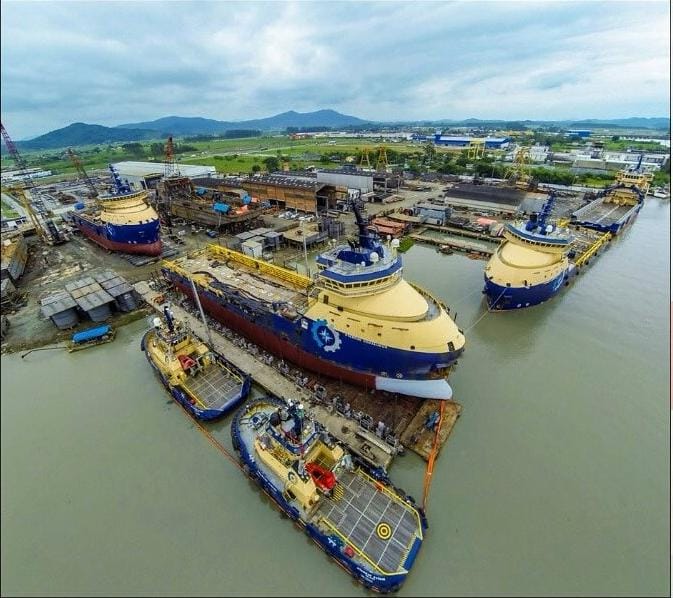
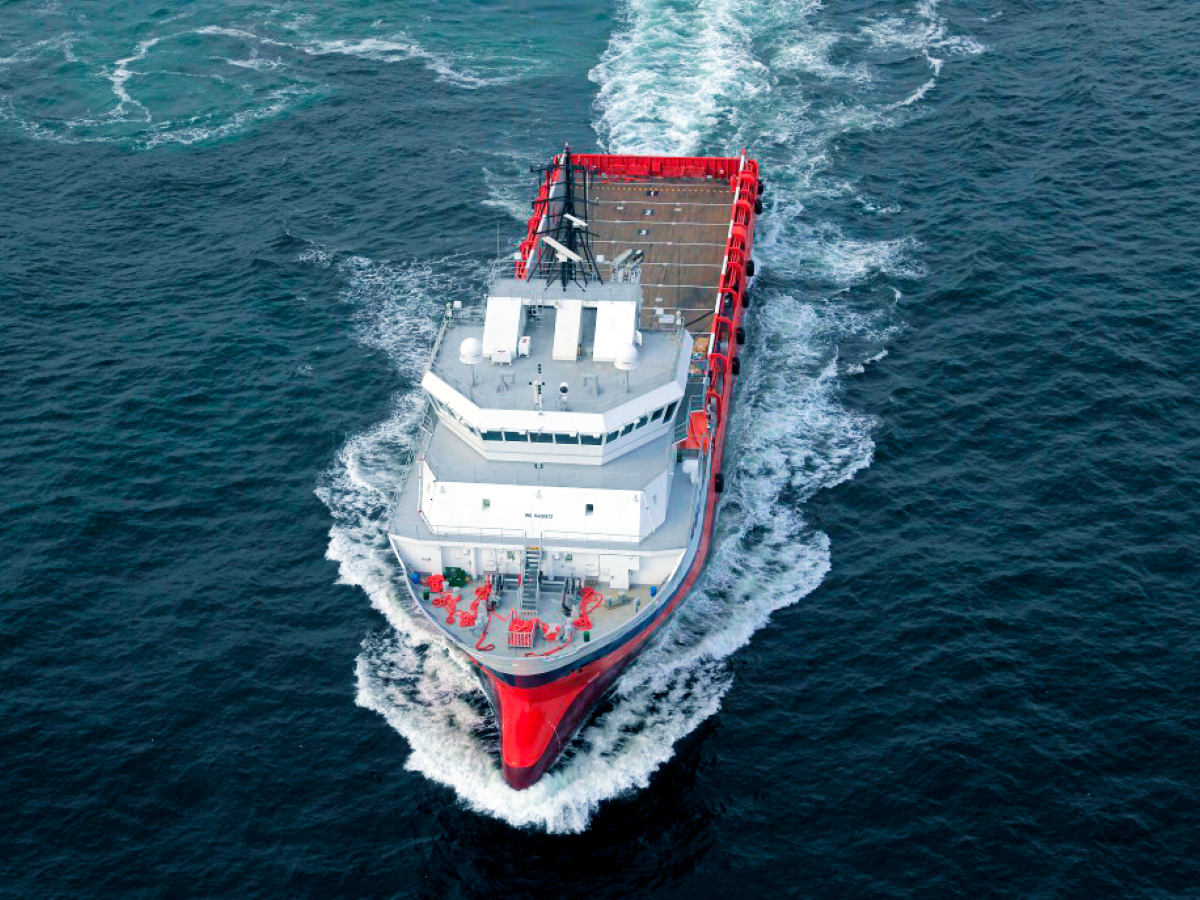
The BNDES (Brazilian National Development Bank) has announced a R$2.5 billion financing package for Starnav. This capital injection is designated for the construction of eight new offshore vessels, specifically four PSVs and four OSRVs, at Starnav’s Detroit Brasil shipyard in Itajaí, Santa Catarina.
Funds are sourced from the Merchant Marine Fund (FMM). These vessels are secured by 12-year charter contracts with Petrobras, providing direct operational mandates. Deliveries are scheduled over 1,820 days, extending until 2030, and the BNDES financing covers approximately 70% of Starnav’s projected total investment of R$2.9 billion.
WSB Advisors highlights that these four new PSVs will join two other PSVs already in varying stages of construction, one nearing completion and another in initial stages, which were part of an open bid by Petrobras last year.
With these additions, WSB-One.com reports that Starnav’s fleet will expand significantly. The total of 10 new vessels – comprising four OSRVs, two PSVs currently under construction and four PSVs yet to be built – will increase the fleet by nearly 50%, raising the total from 18 to 28 units. Currently, the shipowner operates 130,981 DWT. In regulatory terms, the company shows 19,422 tons of availability under ANTAQ rules. The available pool today covers 17 national PSVs and one REB-flagged unit.
Category: Last News
-
Starnav expands fleet
-
Transpetro Gas Carrier – Prelimiary Results
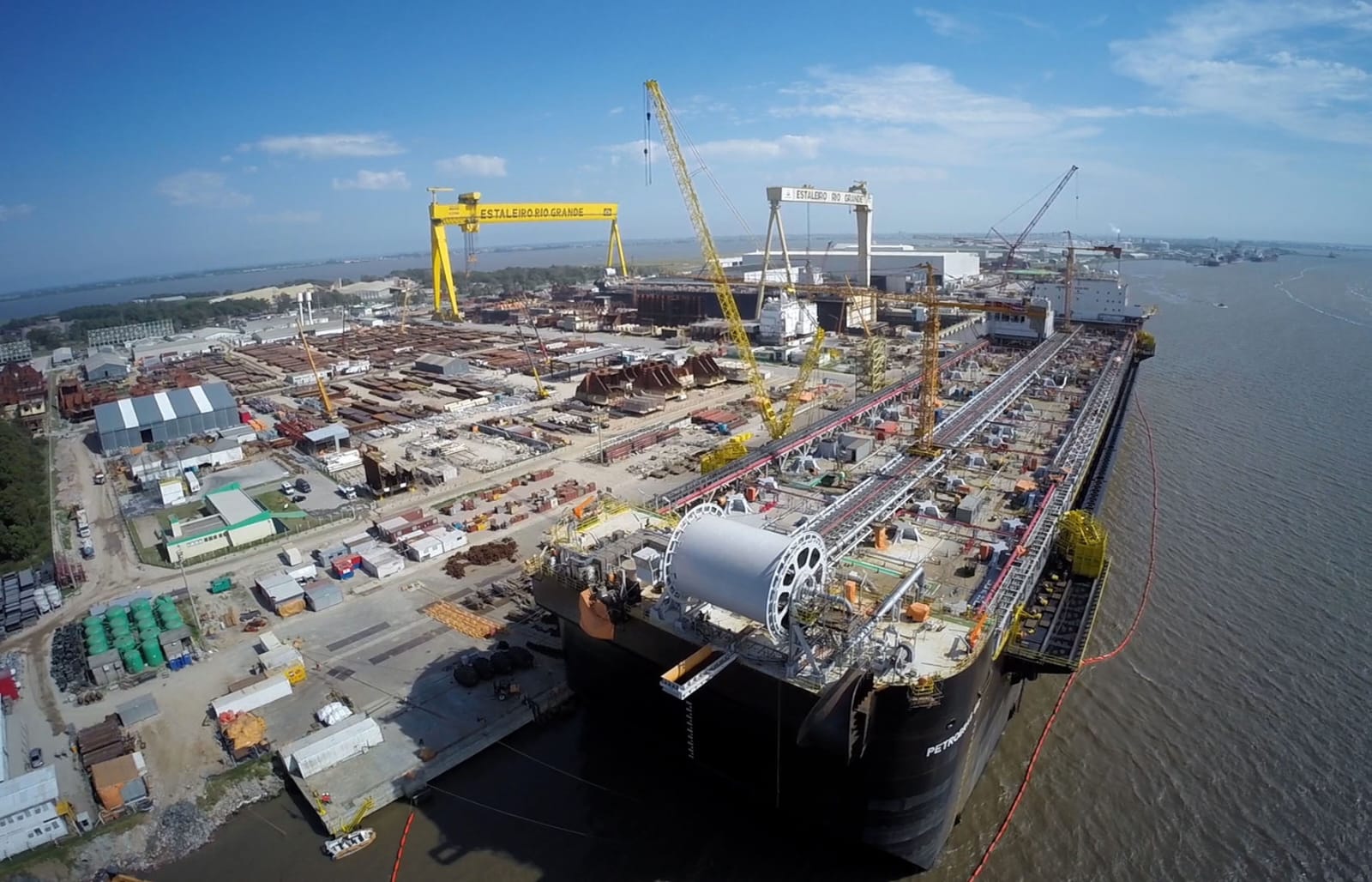
On September 22, 2025, Transpetro closed the bid opening for eight new gas carriers under the TP-25 program. The tender rules included a local content bonus for Brazilian shipyards and a penalty for foreign proposals, which shaped the equalized results now under review.
In Lot A (three vessels of 10,000 GT), KIT L.L.C emerged in first place with a proposal of USD 125 million for the trio, equalized at USD 169.6 million. The company’s unit price is nearly 30% below those of traditional Asian yards Zhouzang and Dalian, which followed in second and third place. The only other Brazilian contender, VARD, submitted a bid but was outpriced by a wide margin.
In Lot B (five vessels incl 14,000 GT), the local builder Ecovix– already awarded four Handy-size tankers earlier this year – took the lead with a USD 415 million proposal, equalized at USD 267.9 million. The outcome was extremely close, with Ecovix edging out three international competitors by a narrow margin in what appears to be a tight draw.
The evaluation process will now define the allocation of contracts.More info to be shortly given by WSB – stay tuned.
-
A Brazilian giant spotted in Angra dos Reis
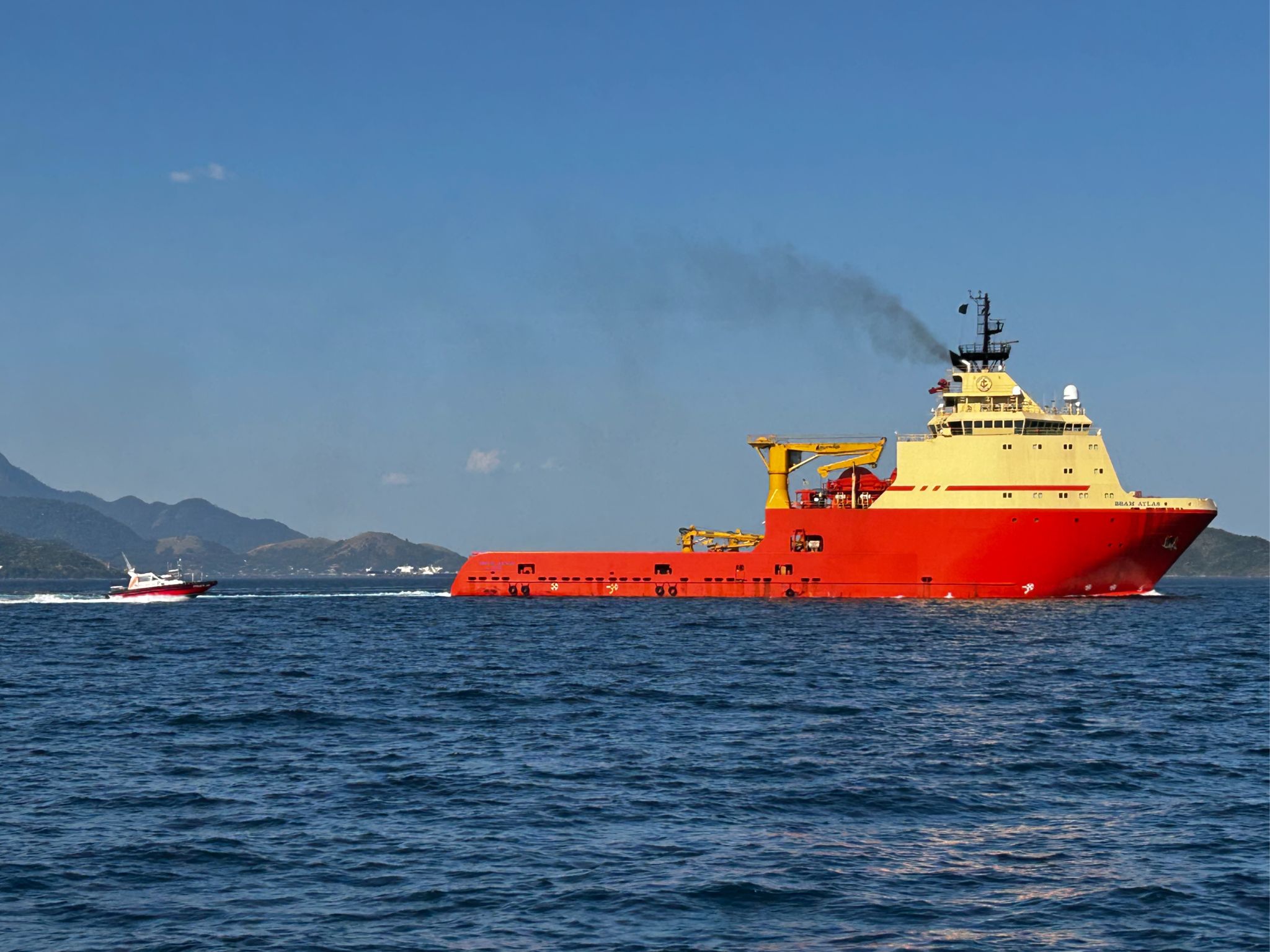
September 21 – From onboard WSB’s The Becrux, I had the privilege of capturing the AHTS Bram Offshore Bram Atlas as she departed Angra, heading toward Macaé on a brilliant day to close the Winter season.
Crossing paths with a Chouest vessel is always a special moment — my salute to the Bram Atlas crew and to our friends at Edison Chouest Offshore.
Built at Estaleiro Navship in Itajai, the Bram Atlas is a prime showcase of Brazilian shipbuilding: powerful, reliable, and built with excellence. Encounters like this remind us of the importance of keeping our industry strong and competitive.Discover more about this vessel at wsb-one.com
-
New operation at Roncador field
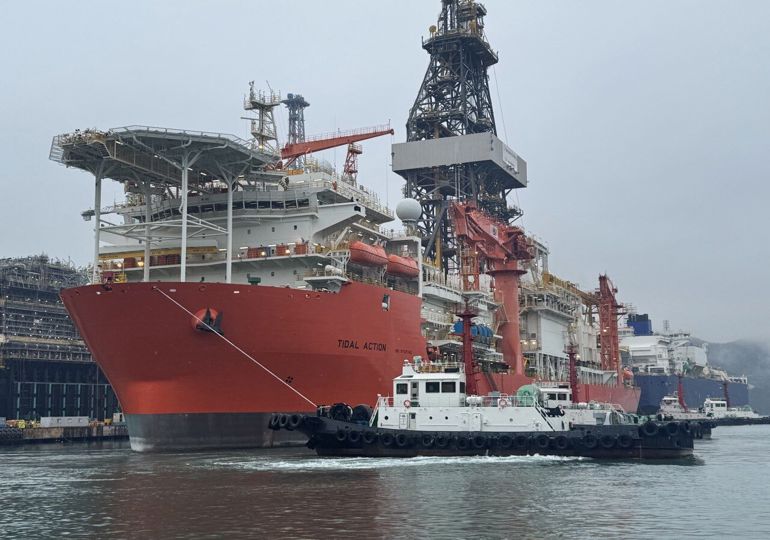
The drillship Tidal Action has started operations this week in the Roncador field, Campos Basin, under charter with Petrobras. The project was developed in partnership with Hanwha Drilling, which supported the mobilization and acceptance process of the unit.
As part of the operation’s logistics, WSB Advisors participated in the charter of the PSV Singrar, operated by Bravante, which engaged in fuel supply duties with the Tidal Action during its mobilization.
Tidal Action is a 7th generation drillship, capable of operating in water depths of up to 3,600 meters and equipped for ultra-deepwater drilling challenges.
Stay informed on key offshore developments — visit wsb-one.com and our data platform trusted by leading offshore companies.
-

Petrobras Launches First CCS Pilot
Petrobras has approved the construction of the São Tomé CCS Pilot Project in Macaé (RJ), Brazil’s first integrated carbon capture and storage (CCS) initiative. The project will test technologies to capture, transport and inject up to 100,000 tons of CO₂ annually into a deep saline reservoir over three years starting in 2028, under close monitoring by ANP and INEA.
By combining offshore expertise with decarbonization strategies, Petrobras aims to validate methodologies that could pave the way for large-scale CCS hubs in the country. The project will also allow regulators to refine and establish procedures for future commercial applications.
Stay informed on key offshore developments — visit wsb-one.com, our data platform trusted by leading offshore companies.
-
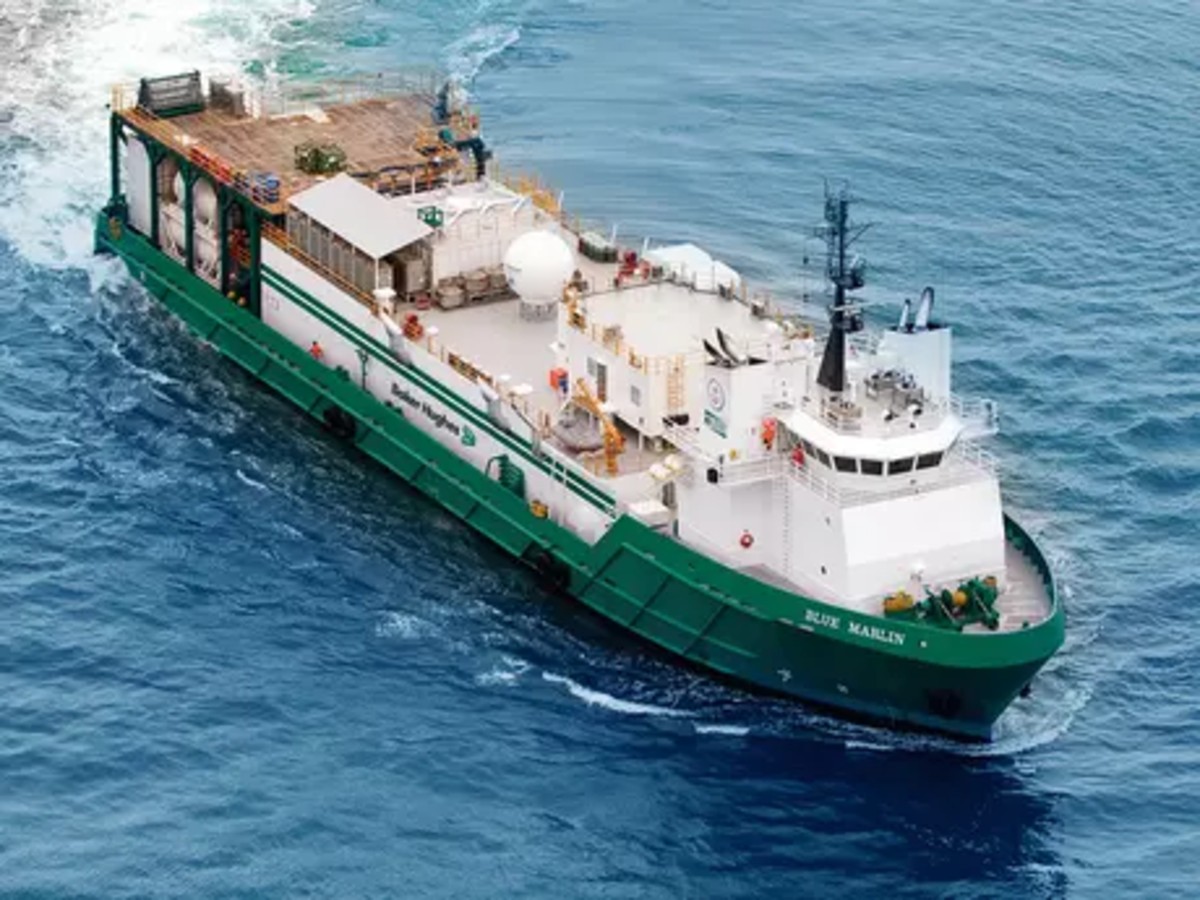
Baker Hughes expands deal with Petrobras
Baker Hughes has signed a multi-year agreement with Petrobras to expand the use of the stimulation vessels Blue Marlin and Blue Orca in Brazil’s offshore oil and gas production. The contract also covers chemical supply and technical services, with the vessels set to enhance well stimulation in both pre-salt and post-salt fields. Equipped with advanced technology, the vessels are designed to minimize downtime and improve efficiency. Most inputs will be sourced locally, strengthening Brazil’s supply chain and supporting the domestic offshore industry.
-
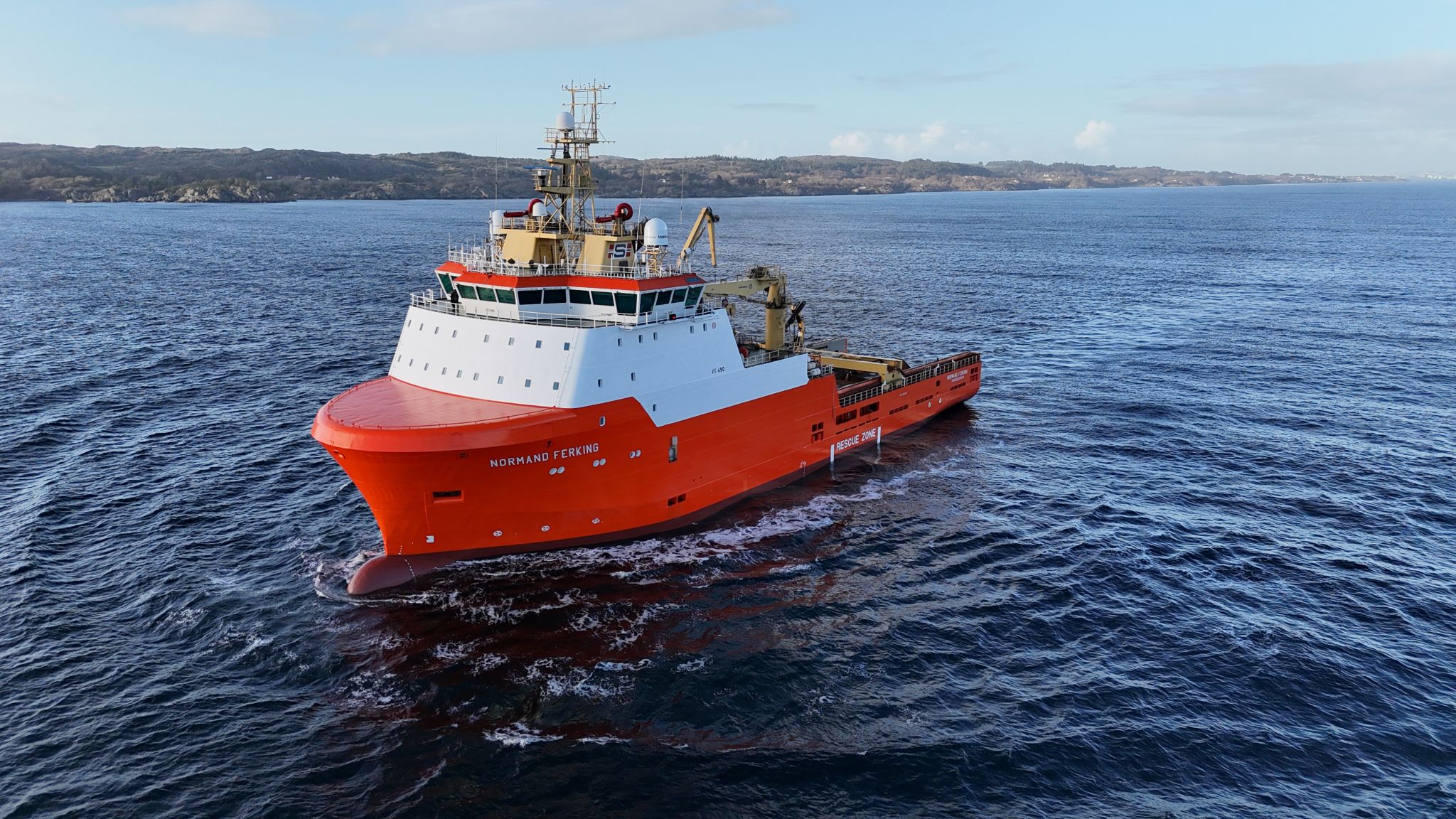
AHTS bid: new deadline
Meanwhile, Petrobras has extended the deadline for its tender to charter at least one OSRV 105 vessel AGAIN (Opportunity 7004492154). The new deadline is this Friday, September 19.
Stay informed on key offshore developments — visit wsb-one.com, our data platform trusted by leading offshore companies, and learn more about our advisory services at cms.oneenergynews.com. -
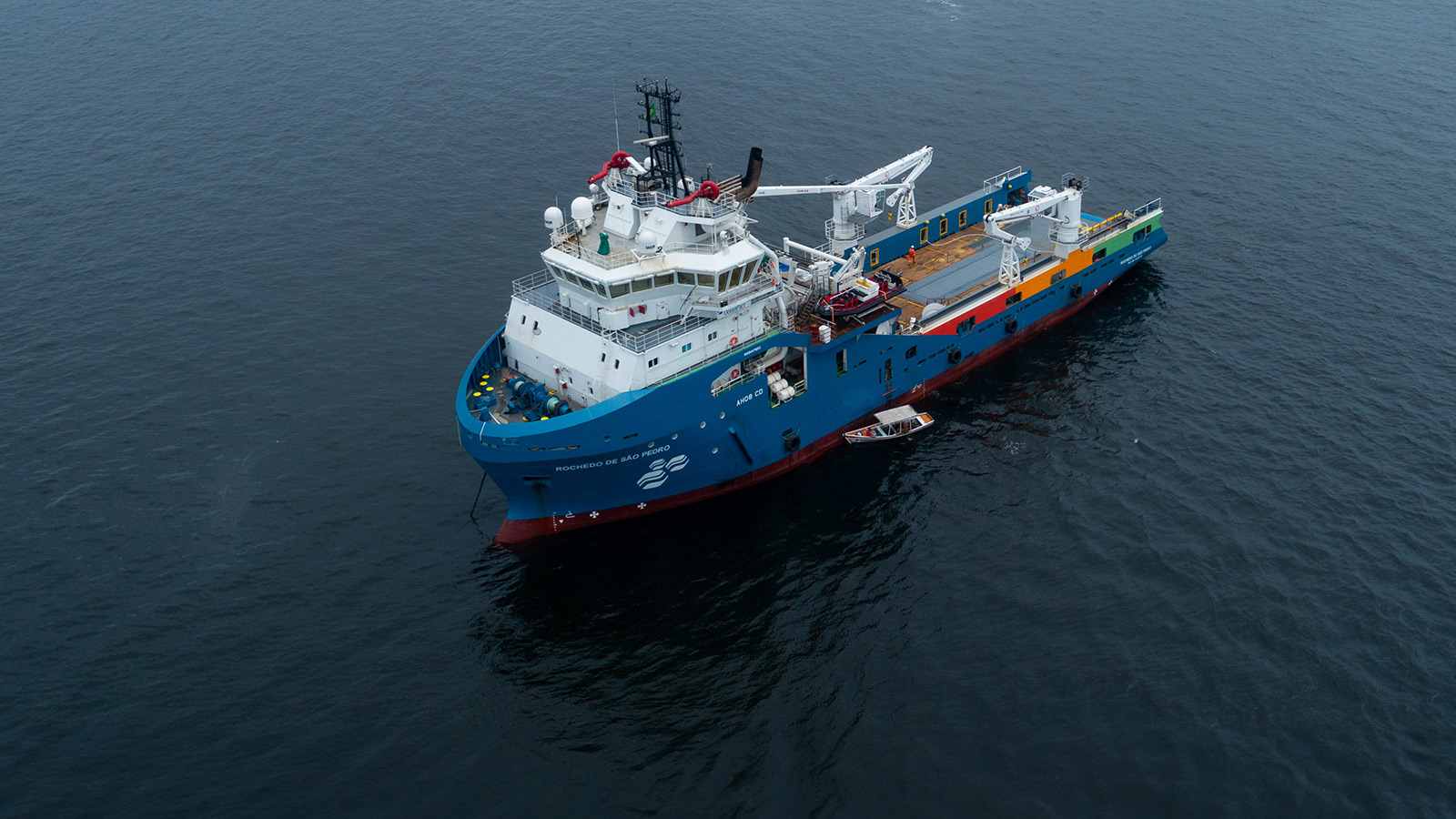
Agreement between Oceanpact and Trident
OceanPact has secured a landmark contract worth over BRL 1 billion with Trident Energy to execute an offshore decommissioning campaign in the Campos Basin. Covering subsea infrastructure from platforms P-07, P-12 and P-15, the three-year project, starting in early 2026, will follow the EPRD model, combining engineering, preparation, removal and final disposal. The company will deploy its own RSV fleet and integrate services across subsidiaries to deliver a full-cycle solution with safety, efficiency and sustainability at the core. -
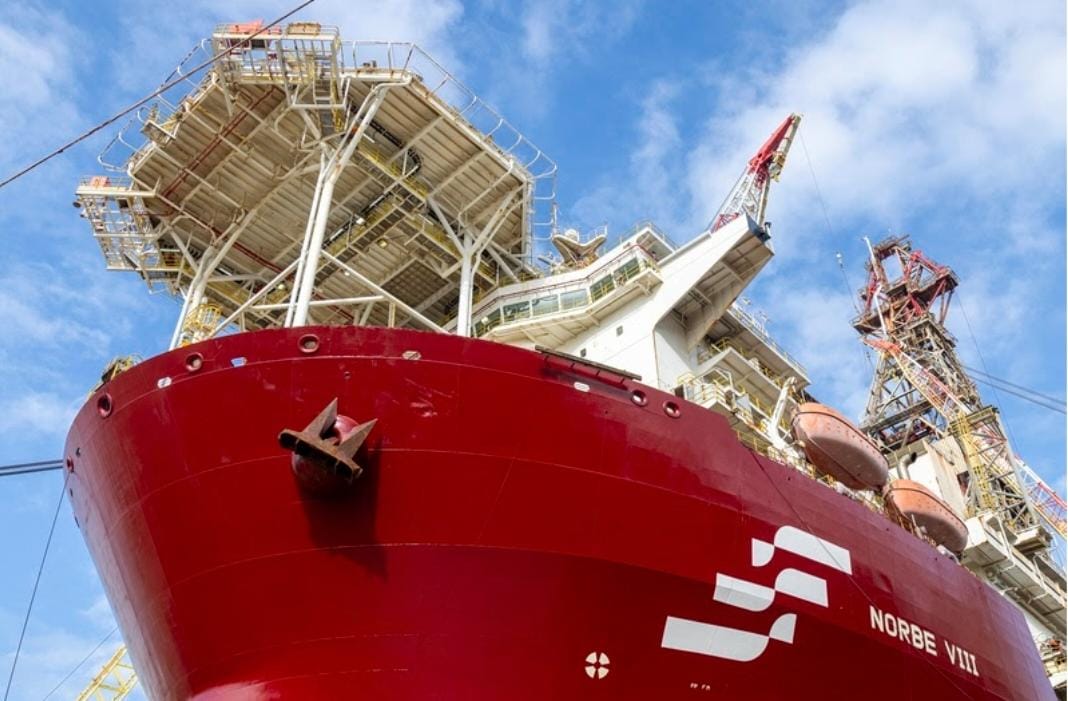
Foresea develops new technology
Foresea is developing a world-first technology package that will allow deepwater drillships to safely operate in shallow-water wells of less than 400 meters. The initiative, created in partnership with Petrobras and international providers, will debut on the Norbe VIII drillship, with factory tests starting in the second half of 2025.
The solution integrates cutting-edge systems such as TechnipFMC’s Reactive Flex Joint, Kinetic’s K-BOS shear ram and Stress Engineering’s Neosight real-time riser analysis. Together, they reduce stress on wellheads, improve disconnection safety and enable precision operations with minimal seabed impact.
This project follows Foresea’s earlier deployment of anchored BOP technology on Norbe VI and reflects a growing effort to adapt dynamically positioned drillships for shallow-water drilling.
-
Open Tenders
Dear All,
WSB is pleased to provide an update on the current long-term tenders that are open to offer.
What has changed?
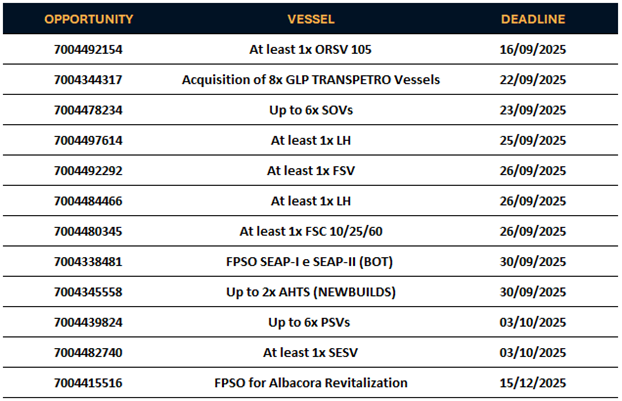
- Petrobras At least 1x ORSV 105: Opportunity 7004492154 new deadline September 16th, 2025;
- Petrobras Up to 6x PSVs : Opportunity 7004439824 new deadline October 3rd, 2025.
What else is happening?
- 3x AHTSs are set to commence this week a 16 days firm spot charter with BW.
- Petrobras has relaunched its offshore tender, initially planned for 17 PSVs, now reduced to just 6, what could have happened?
-
Hanwha Ocean: plans in Brazil
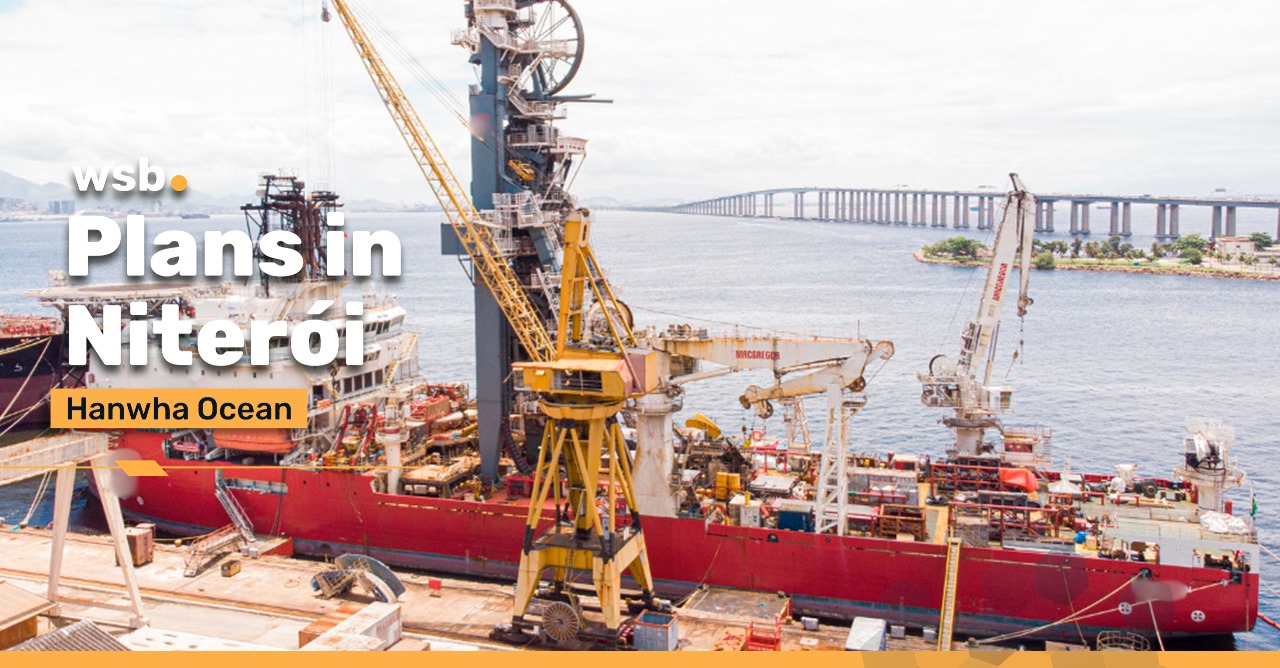
South Korea’s Hanwha Ocean, one of the world’s leading shipbuilders, is weighing the establishment of a shipyard in Niterói, Rio de Janeiro. According to industry reports, the company is in talks with local partners to meet content requirements tied to Petrobras projects.
Among the drivers behind this move is Petrobras’ ongoing tender for the FPSO P-86, where local content is a decisive factor. Hanwha also played a role in the construction of the FPSO P-79 in partnership with Saipem. The company has signaled its intention to not only build but also integrate Brazilian suppliers and services into its operations.
The announcement comes as Brazil is stepping up its industrial policy. In May, the federal government unveiled a BRL 22 billion package aimed at revitalizing shipyards and port infrastructure, creating favorable conditions for new entrants.
What remains unconfirmed is the precise location of the shipyard. While market speculation points to sites such as Estaleiro Mauá or nearby port areas, no official source has validated a specific site. For now, Niterói is the only city formally mentioned. Upcoming announcements on concession contracts, environmental licensing or partnerships with local authorities are expected to shed light on the project’s direction.
What will be the next steps? Place your bets.
Stay informed on key offshore developments — visit wsb-one.com, our data platform trusted by leading offshore companies.
-
Prio 2026
PRIO is gearing up for a landmark year in 2026 with two major subsea tie-backs that could significantly enhance its production profile in the Campos Basin.
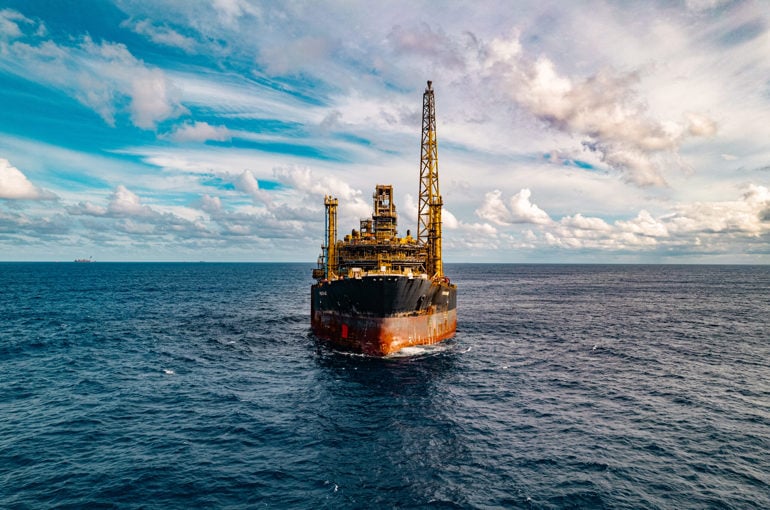
The first, and by far most ambitious, is Wahoo–Frade: approximately 30 km of subsea connection between the Wahoo field and the FPSO Valente (formerly FPSO Frade). The project is expected to add ~40,000 barrels per day to Valente, improving cost efficiency by lowering lifting costs. Earlier this year, IBAMA granted the preliminary environmental licence, covering the interconnection of up to 11 wells, producers, injectors and contingency wells, without the need for a new stationary production unit. The development will rely on production and injection pipelines, umbilicals, subsea control and power systems, and associated equipment.
The second tie-back is Albacora Leste, where PRIO will connect a marginal reservoir north of the field to the FPSO Forte (former P-50) via a 12 km subsea link.
While both projects strengthen PRIO’s position in the Campos Basin, they also bring challenges. Execution timelines, subsea equipment requirements and FPSO adaptations will be key to meeting production targets. Large-scale tie-backs of these type demand not only technical precision but also robust asset integrity strategies.
Some of these insights were shared by PRIO during Rio Pipeline & Logistics 2025.
Stay informed on key offshore developments — visit wsb-one.com, our data platform trusted by leading offshore companies.