Category: Last News

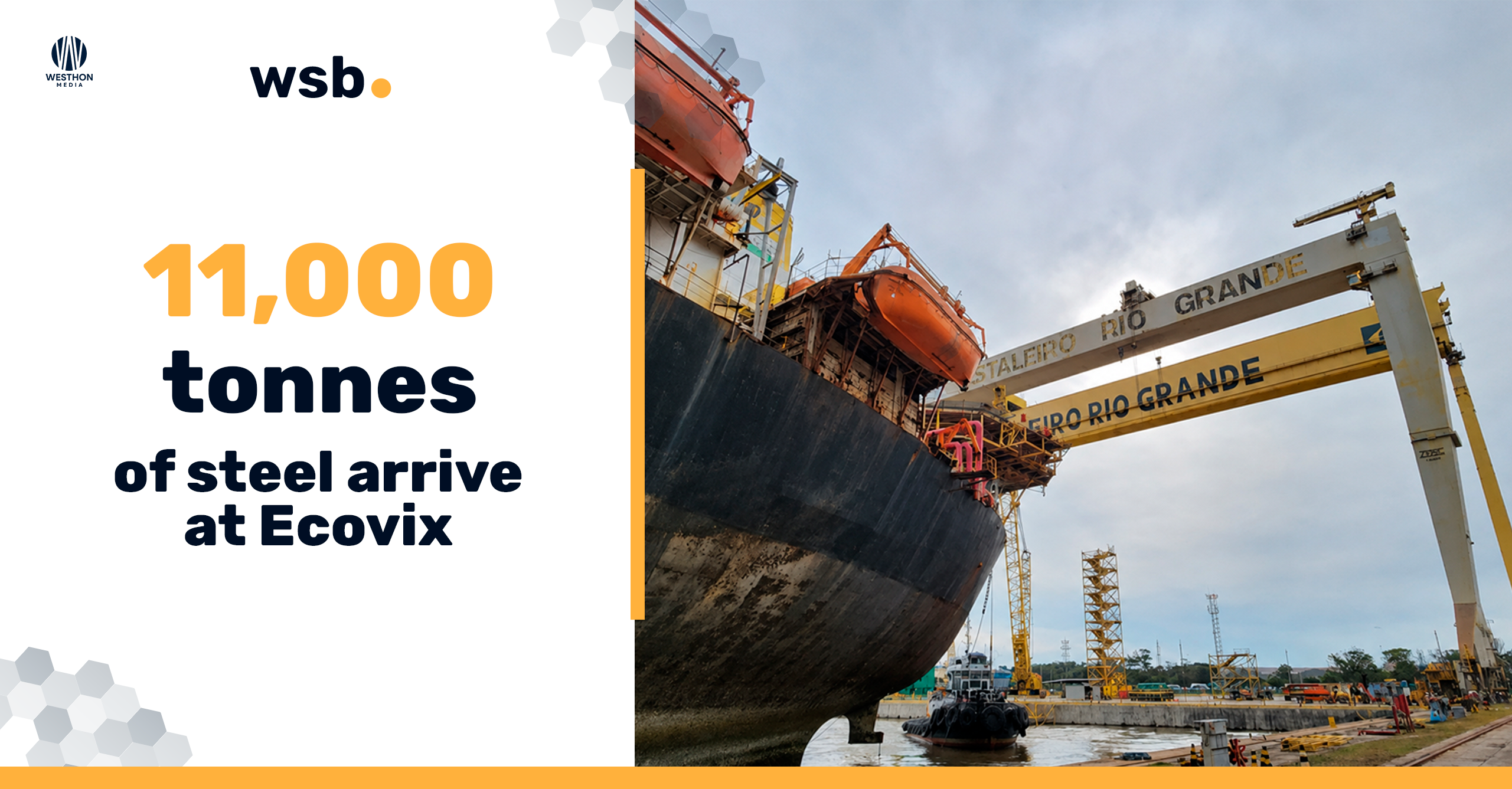
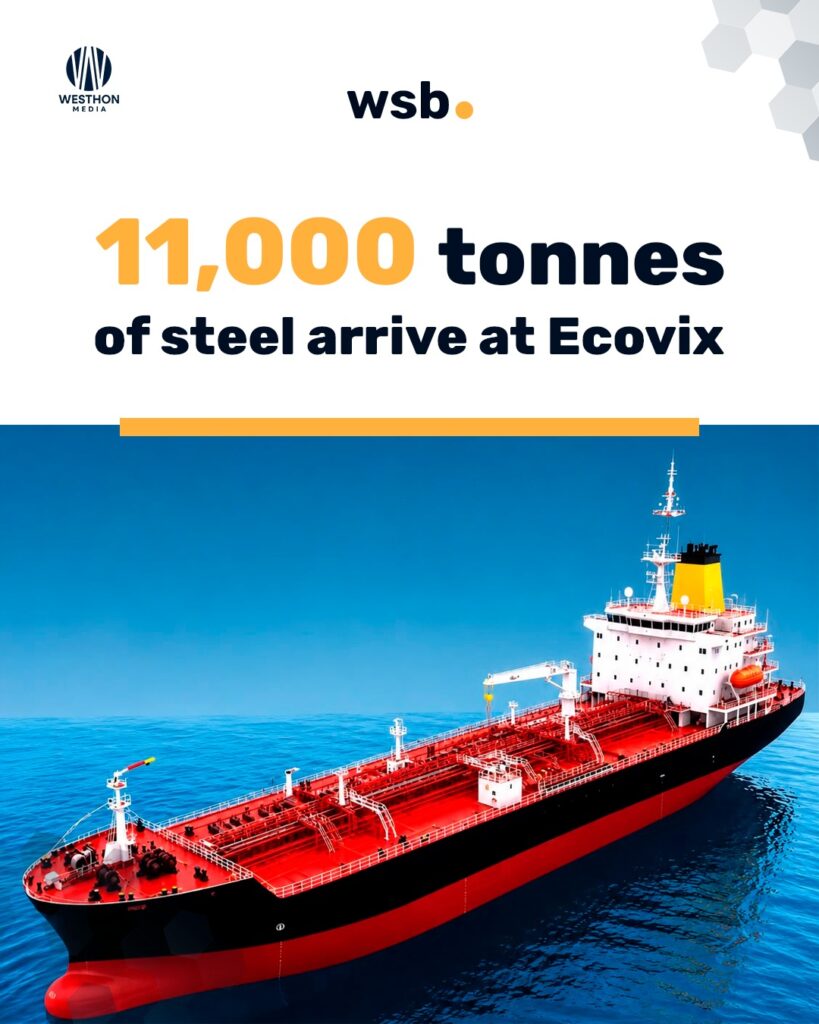
  • 11,000 tonnes of steel arrive at Ecovix as Transpetro tanker programme enters new industrial phase

    11,000 tonnes of steel arrive at Ecovix as Transpetro tanker programme enters new industrial phase

    The shipment represents more than half of the steel required for the first four Handy-size tankers and supports the expansion of production at the Rio Grande Shipyard.

    Every major project is defined by milestones that demonstrate its transition from planning to execution.

    For the Transpetro fleet renewal programme, one of those milestones has now been reached with the arrival of approximately 11,000 tonnes of steel at the Ecovix-operated Rio Grande Shipyard, in southern Brazil.

    The shipment represents more than 50% of all steel plates required for the construction of the first four Handy-size tanker hulls and provides the material base for the acceleration of production at the yard.

    The four vessels are being constructed by the consortium formed by Ecovix and Mac Laren, with Ecovix leading the project and carrying out the principal construction activities at the Rio Grande Shipyard.

    The arrival of the steel is particularly significant because it marks the beginning of a more intensive industrial phase. Construction will proceed in series, with the first hull entering production and the additional vessels being progressively incorporated into the production line.

    The project is also well advanced beyond the procurement of steel. According to information available to WSB, the yard has already progressed with the acquisition of more than 90% of the equipment, materials and items required for the first four tankers.

    Approximately 500 people are already directly employed at the Rio Grande Shipyard in connection with the project. This new production phase is expected to support the addition of a further 500 positions, bringing the total number of direct jobs to approximately 1,000.

    The first four Handy-size tankers form part of a broader portfolio of 13 vessels already contracted for construction at the Rio Grande Shipyard, reinforcing the scale and long-term relevance of the industrial mobilisation now underway in Rio Grande.

    Speaking to O Litorâneo during the steel delivery, Transpetro’s Maritime Transportation Director, Jones Soares, highlighted the importance of the projects for both Transpetro and Petrobras and expressed his personal confidence in their successful execution.

    The arrival of 11,000 tonnes of steel is therefore more than a logistics event. It is a visible and measurable indication that the project is advancing into physical execution, supported by large-scale procurement, workforce mobilisation and the progressive reactivation of the shipbuilding supply chain.
    XXXXXXXXXXXXXXXXXXXXXXXXXXXXXXXXXXXXXXXXXXXXXXXXXXXXXXXXXXXXXXXXXXXXXXXXX

    11.000 toneladas de aço chegam à Ecovix enquanto o programa de navios-tanque da Transpetro entra em nova fase industrial

    A remessa representa mais da metade do aço necessário para os quatro primeiros navios-tanque do tipo Handy-size e viabiliza a expansão da produção no Estaleiro Rio Grande.

    Todo grande projeto é marcado por etapas fundamentais que demonstram sua transição do planejamento para a execução.

    Para o programa de renovação da frota da Transpetro, um desses marcos foi alcançado com a chegada de aproximadamente 11.000 toneladas de aço ao Estaleiro Rio Grande, operado pela Ecovix, no sul do Brasil.

    A carga representa mais de 50% de todas as chapas de aço necessárias para a construção dos cascos dos quatro primeiros navios-tanque Handy-size e fornece a base de materiais para acelerar a produção no estaleiro.

    As quatro embarcações estão sendo construídas pelo consórcio formado pela Ecovix e pela Mac Laren, com a Ecovix liderando o projeto e executando as principais atividades de construção no Estaleiro Rio Grande.

    A chegada do aço é particularmente significativa, pois marca o início de uma fase industrial mais intensa. A construção ocorrerá em série: o primeiro casco entrará em produção e as demais embarcações serão progressivamente incorporadas à linha de montagem.

    O projeto também está avançado além da etapa de aquisição de aço. Segundo informações obtidas pelo WSB, o estaleiro já avançou na compra de mais de 90% dos equipamentos, materiais e itens necessários para os quatro primeiros navios-tanque.

    Cerca de 500 pessoas já trabalham diretamente no projeto no Estaleiro Rio Grande. Espera-se que esta nova fase de produção permita a criação de mais 500 postos de trabalho, elevando o total de empregos diretos para aproximadamente 1.000.

    Os quatro primeiros navios-tanque Handy-size integram um portfólio maior de 13 embarcações já contratadas para construção no Estaleiro Rio Grande, reforçando a escala e a relevância a longo prazo da mobilização industrial em curso na cidade.

    Em entrevista ao jornal O Litorâneo durante a entrega do aço, o Diretor de Transporte Marítimo da Transpetro, Jones Soares, destacou a importância dos projetos tanto para a Transpetro quanto para a Petrobras e expressou sua confiança pessoal no sucesso da execução. A chegada de 11.000 toneladas de aço é, portanto, mais do que um evento logístico. É um indicador visível e mensurável de que o projeto está avançando para a execução física, apoiado por aquisições em larga escala, mobilização de mão de obra e a reativação progressiva da cadeia de suprimentos da indústria naval.
  • Open Tenders & More

    Open Tenders & More

    Dear Madam/Sir,

    WSB is pleased to provide an update on the current long-term tenders that are open to offer.

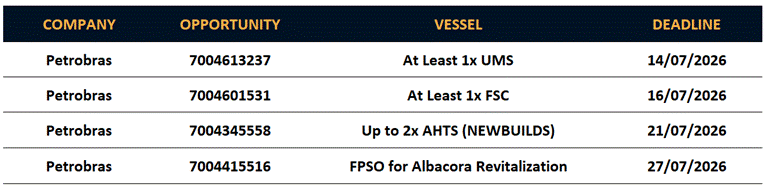
    Open tenders:

    What has changed?

    • Nothing new under the sun.

    What else is happening?

    • Everyone is after a floatel. Floatel Victory completed her contract with Karoon at the FPSO Cidade de Itajaí, commenced operations at the Bacalhau field with Equinor, and is set to end the year under a six-month firm contract with Brava.
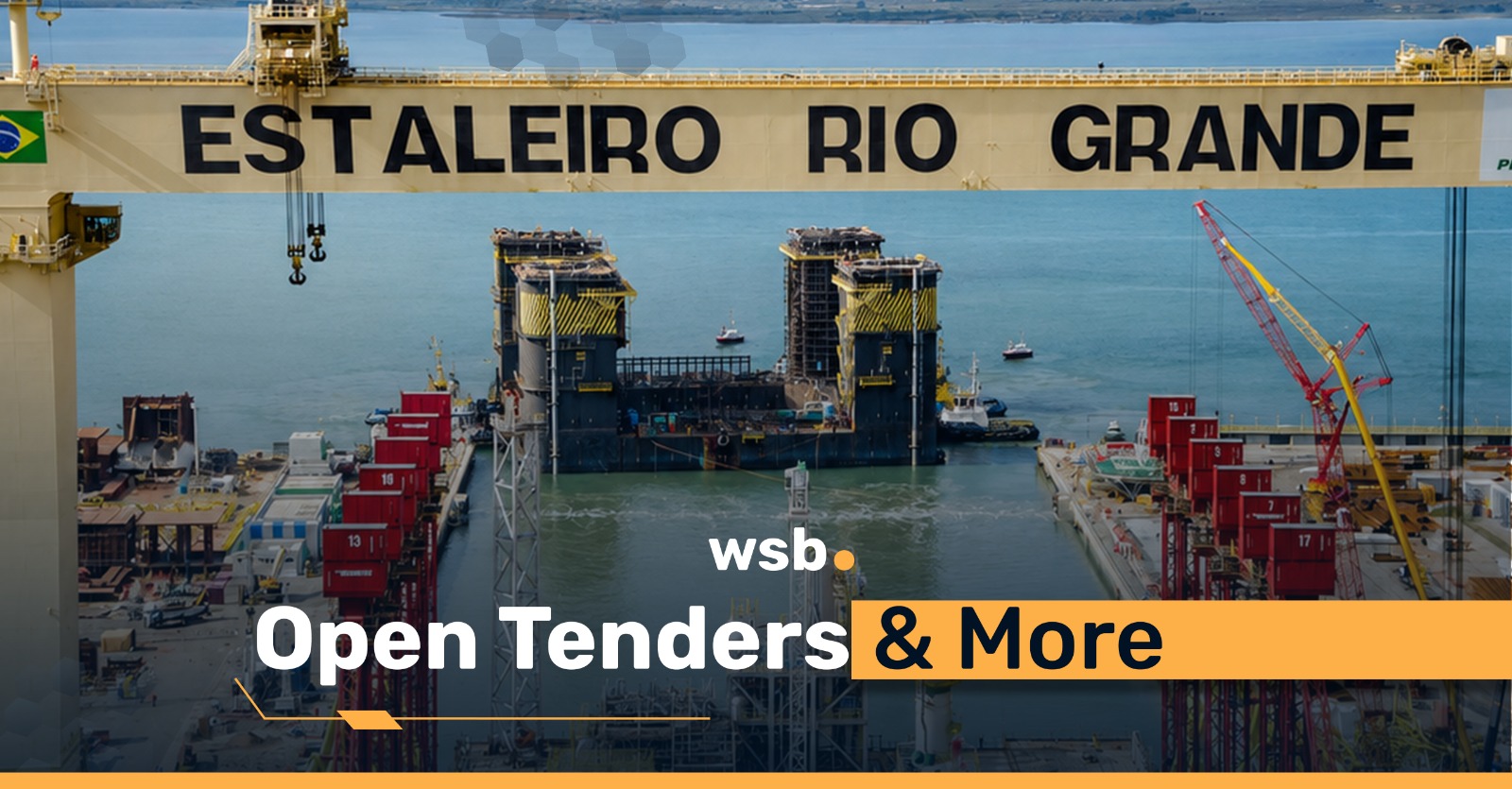
    • That’s a lot of steel! Ecovix has received a shipment of 11,000 tonnes of steel to continue the construction of four Handysize vessels for Transpetro. The shipyard also has an orderbook of five gas carriers and four MR1 tankers. Could there be more projects on the way?
    • A slowdown for some, a boom for others. As tenders cool ahead of the election period, the imbalance between supply and demand has left some vessels without contracts. However, the AHTS market tells a different story: there isn’t a single vessel left available.
  • Tech Compass #3

    Tech Compass #3

    The Future of Data Has Everything to Do with CDs and DVDs — Just Not the Way You Think


    Project Silica and the Future of Cold Data Storage

    By Romulo Bacchiega

    CDs and DVDs use lasers to write and read information on a physical medium. Project Silica, Microsoft’s long-term storage initiative, does something conceptually similar: it uses laser pulses to encode data inside glass plates. The technology is entirely different, the scale is vastly greater, and the durability is in another league altogether, but the underlying principle remains the same: storing information in physical matter.

    Image generated by AI (ChatGPT)

    There is an interesting irony in the digital age. The more advanced our technology becomes, the more dependent we are on storage systems that require continuous maintenance. Hard drives fail, magnetic tapes degrade, and the cloud—while highly effective—still relies on vast physical infrastructure consuming significant amounts of energy and resources to keep data available.

    The question remains remarkably simple: where do we store, safely and for the long term, the information that simply cannot be lost?

    A Principle That Hasn’t Changed

    For thousands of years, humanity has preserved knowledge by recording it on durable physical media. In the maritime industry, there is a fitting parallel. Archimedes’ principle, discovered more than two millennia ago, remains the fundamental law that keeps every vessel afloat, from ancient ships to modern FPSOs. Technology evolves, but certain physical principles remain timeless.

    Project Silica follows the same logic: using the unique properties of glass to address a distinctly modern challenge—long-term digital preservation.

    How It Works

    Developed by Microsoft’s research team in Cambridge and detailed in Nature in February 2026, the technology uses femtosecond laser pulses to write data directly inside glass plates. These pulses create microscopic structures known as voxels, distributed across multiple layers within the material.

    Image generated by AI (ChatGPT)

    One of the project’s most significant breakthroughs was extending the technology from expensive fused silica to borosilicate glass—the same material commonly used in laboratory equipment and household cookware. Beyond the scientific achievement, this represents an important step toward commercial viability.

    The numbers are impressive. A single glass plate just two millimeters thick can store up to 7 terabytes of data. Once written, the information requires no cooling, humidity control, or periodic migration, and the projected lifespan exceeds 10,000 years.

    Cold Data: An Overlooked Challenge

    Not every piece of information needs to be instantly available. In IT terminology, so-called cold data refers to information that is rarely accessed but must remain preserved and retrievable for decades.

    For the energy, oil and gas, and marine sectors, this includes historical contracts, well records, seismic surveys, inspection reports, regulatory documentation, patents, and strategic intelligence. The volume of this information continues to grow, and so do the challenges associated with preserving it.

    The issue is not simply storage cost. It is long-term reliability. Tapes deteriorate, disks fail, and cloud providers change policies, architectures, or business models. Ensuring data integrity over multiple decades remains one of the industry’s most persistent challenges.

    There is also a growing factor that cannot be ignored: artificial intelligence. The rapid expansion of AI workloads is driving demand for larger data centers, greater computing capacity, and significantly higher energy consumption across the digital infrastructure ecosystem. As a result, technologies designed specifically for long-term archival storage are becoming increasingly relevant.

    Project Silica was created precisely for this purpose. It is not intended to compete with high-performance storage systems. Instead, it aims to provide a reliable, ultra-long-term preservation layer with virtually no ongoing energy consumption.

    Warner Bros. was among the first organizations to test the concept, storing the film Superman on a glass plate as part of a pilot project with Microsoft. The objective was straightforward: evaluate a storage medium capable of preserving large digital archives for extremely long periods without the operational burden of traditional infrastructure.

    The Challenges Ahead

    Despite its promise, Project Silica remains far from becoming a mainstream storage solution.

    Writing costs remain high, data retrieval requires specialized equipment, and read/write speeds are nowhere near those of conventional storage technologies. In its current form, the platform is unsuitable for applications requiring frequent or real-time access.

    However, technology history offers plenty of examples of innovations that began as expensive and impractical before becoming widely accessible through scale and maturation.

    In February 2026, Microsoft officially concluded Project Silica’s research phase and indicated that the findings will contribute to future storage solutions within the Azure ecosystem.

    Looking Forward

    It would be premature to suggest that glass-based storage will become the dominant industry standard anytime soon. Significant economic and operational hurdles still need to be overcome.

    But perhaps that misses the larger point.

    The true significance of Project Silica lies in demonstrating that digital information can be preserved for millennia without continuous power consumption or recurring maintenance cycles. More than a product, it represents a new technological foundation for long-term data preservation.

    Image generated by AI (ChatGPT)

    Perhaps one day energy companies will be able to purchase archival storage services with century-scale preservation guarantees. Perhaps an organization’s most valuable information will no longer depend exclusively on active servers housed in climate-controlled facilities, but instead reside on silent glass plates designed to outlast generations.

    Whether or not that future arrives exactly as envisioned remains to be seen. What science has already proven, however, is that such a future is possible—and that alone makes Project Silica worth watching.

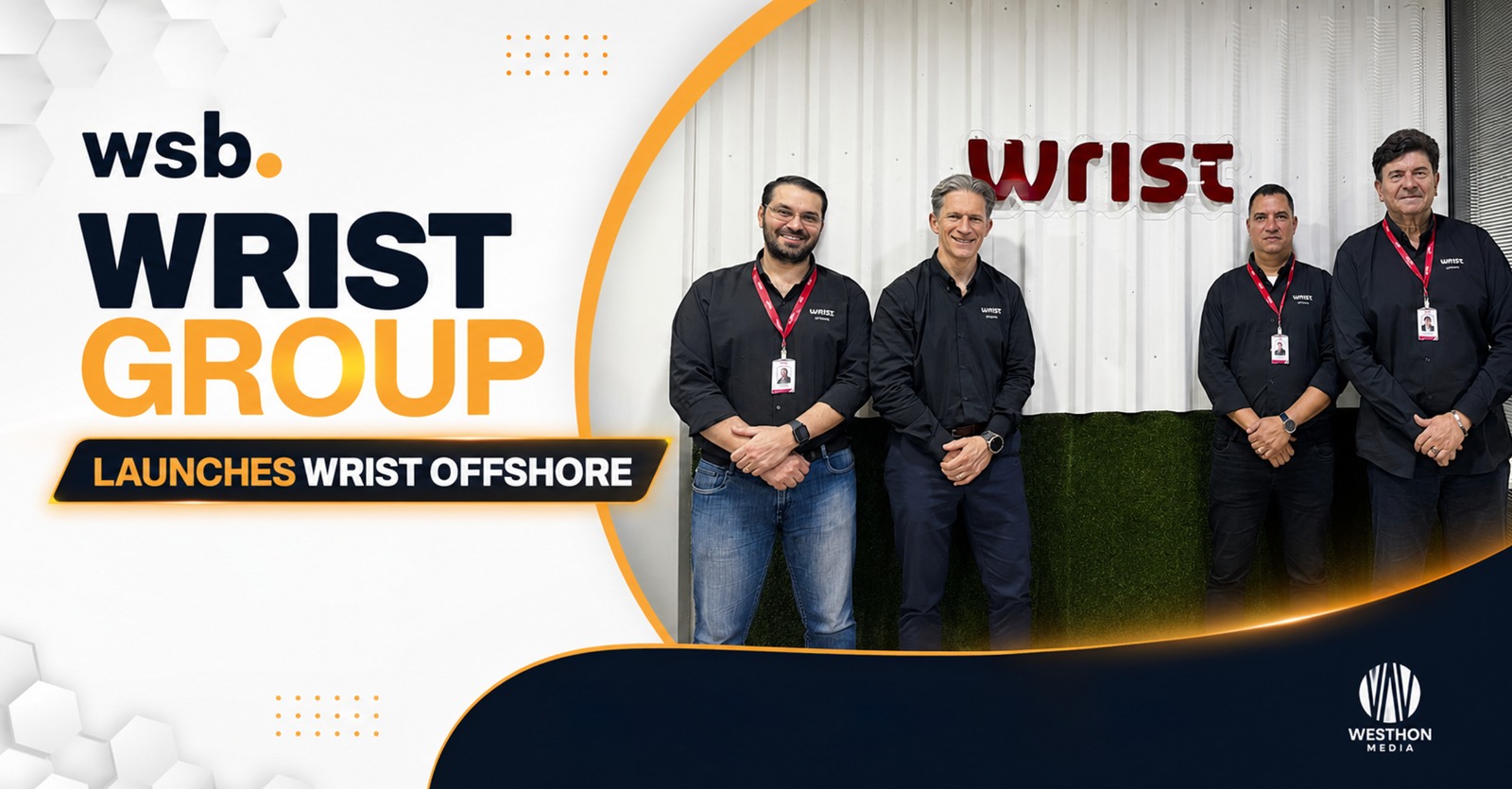
  • Wrist Group launches Wrist Offshore, unifying operations across three key markets

    Wrist Group launches Wrist Offshore, unifying operations across three key markets

    Wrist Group has launched Wrist Offshore, a new brand bringing together the operations of Strachans, Den Helder Stores and Wrist Boa Praça under a single identity focused on the offshore energy market.

    The move is part of the Group’s strategy to strengthen its offshore business by combining the capabilities of the three companies into a more integrated service platform operating across the United Kingdom, the Netherlands and Brazil.

    The unified brand will operate through seven key maritime hubs and serve more than 70 ports, providing a broader range of offshore supply and logistics services. Strachans, Den Helder Stores and Wrist Boa Praça will continue to operate as separate legal entities.

    According to Wrist Group, the integration is intended to strengthen coordination between its offshore and ship supply operations, expand its international reach and give customers access to a broader range of products, services and local expertise across offshore oil and gas, renewables and emerging energy sectors.

    In Brazil, Wrist Boa Praça will continue operating from its bases in Rio de Janeiro, Macaé, Vitória and Recife. The company, which joined Wrist Group in 2024, currently operates more than 12,500 square metres of warehouse capacity and plans to open an additional 3,100-square-metre facility in Rio de Janeiro in August 2026.

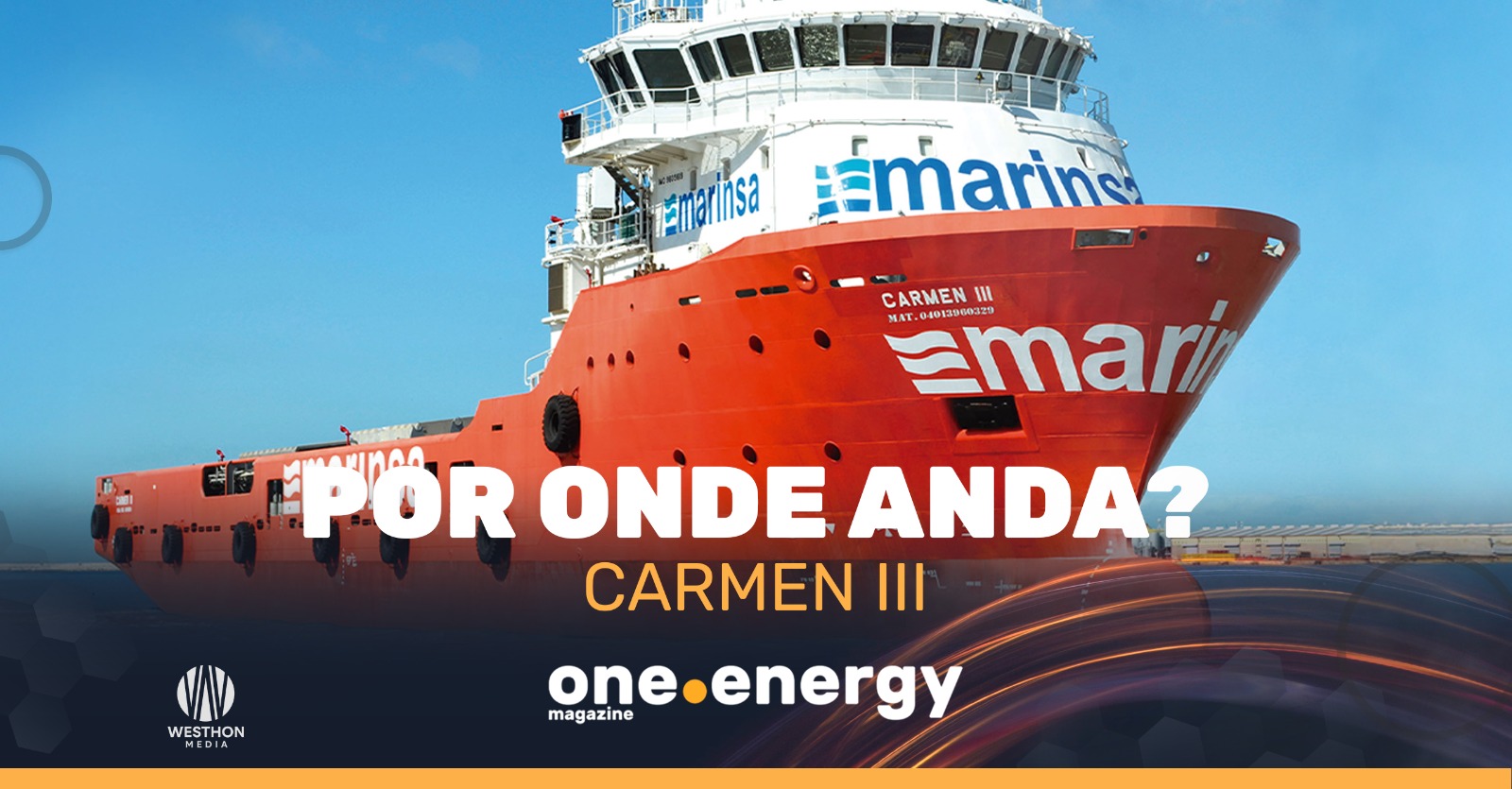
  • Por Onde Anda? – Carmen III

    Por Onde Anda? – Carmen III

    The original name was Princess Ihuaku.

    The vessel was intended for Tidewater.

    The plan was for delivery in the early 2010s.

    But when the vessel was finally delivered in 2017, the offshore market was already a very different one, and her identity was also about to change.

    Carmen III began as hull NT8002, part of a four-vessel PSV programme ordered by Tidewater from Drydocks World in 2010.

    The series was expected to begin delivery in 2012, but the vessel was not completed until April 2017. By then, offshore activity had contracted, vessel oversupply was pressuring day rates and Tidewater was approaching a financial restructuring under Chapter 11.

    The origin of the name Princess Ihuaku is not explained in the public records reviewed. Ihuaku is an Igbo given name commonly translated as “the face of wealth”.

    Completed by DDW-PaxOcean, the PSV measured approximately 81.3 metres in length, 16 metres in beam and around 3,200 tonnes of deadweight. She was equipped with DP2 capability, diesel-electric propulsion and approximately 670 square metres of usable deck area.

    In the same year, the vessel was acquired by Marinsa, part of Grupo CEMZA. Renamed Carmen, she was placed under the Mexican flag in December 2017 and later became Carmen III.

    The vessel found a new role in the Mexican offshore market. But years later, Brazil would present a different challenge.

    A difficult entry into Brazil

    Marinsa mobilised Carmen III to Brazil for a Petrobras PSV 3000 charter, working locally with Internav.

    The vessel reached the Rio de Janeiro area in 2025, but the proposed foreign-flag charter faced blocking requests from Brazilian tonnage during the regulatory circularisation process.

    Wilson Sons offered two Brazilian-flagged PSVs: Mandrião and Atobá. ANTAQ ultimately declared the Mandrião blocking firm, while rejecting the Atobá blocking because the vessel did not meet Petrobras’ technical and operational requirements.

    The confirmed Mandrião blocking was enough to prevent the foreign-vessel charter from progressing. According to market information reviewed by WSB, the issue could not be resolved, the charter was cancelled and Carmen III returned to Mexico.

    Today, under the name Carmen III, the vessel remains officially listed by Marinsa as part of its specialised fleet. She has returned to the Gulf of Mexico, flying the Mexican flag and classified as a DP2 PSV, IMO 9605619.

    Carmen III was designed for Tidewater, found a market in Mexico and, years later, discovered that reaching Brazil did not necessarily mean being able to operate.

    The episode may not have been Marinsa’s only challenge in Brazil.

    Coming next in Por Onde Anda? Lagunero, another vessel from the group with its own difficult chapter in the country.

  • Oceaneering secures Petrobras contract

    Oceaneering secures Petrobras contract

    A new Petrobras contract highlights the continued importance of subsea services in Brazil’s offshore sector.

    This week, Oceaneering announced that it has been awarded a four-year contract by Petrobras to provide ROV services offshore Brazil. Operations are scheduled to begin in 2027 and will include two work-class ROV systems, specialized tooling packages, and monitoring and positioning support services deployed from AKOFS Offshore’s subsea engineering support vessel Aker Wayfarer. The contract was awarded through a competitive tender process and will be executed by Oceaneering’s Brazilian subsidiary, Marine Production Systems do Brasil (MPS). The contract value was not disclosed.

    ROVs remain essential for a wide range of offshore activities, including inspection, intervention and other subsea operations throughout the life cycle of offshore assets. As Brazil continues to develop new offshore projects while maintaining a large portfolio of producing fields, these capabilities remain an integral part of offshore execution.

    Although this is a single contract, it fits within a broader pattern seen in Brazil’s offshore market, where continued

  • Transpetro – Decarbonization plans

    Transpetro – Decarbonization plans

    Decarbonization in shipping is becoming less about breakthrough technologies and more about combining practical solutions that can be deployed today.

    Transpetro’s latest initiative reflects this approach in practice.

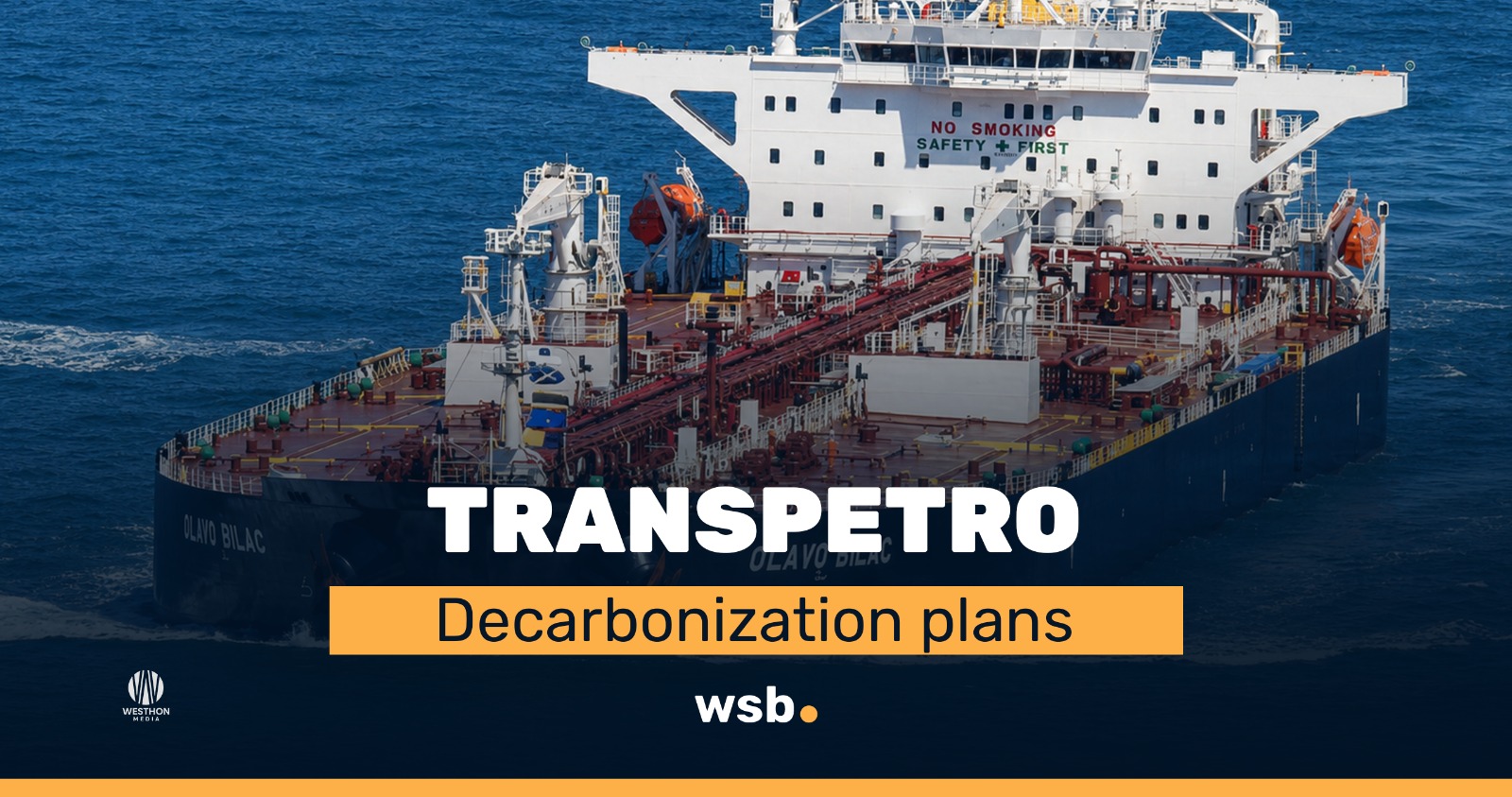
    On July 2, the Petrobras subsidiary completed its first bunkering operation using B30, a marine fuel containing 30% renewable content. The operation took place at the Port of Rotterdam, where the tanker Olavo Bilac received approximately 400 tonnes of fuel.

    The initiative builds on a program launched in 2025. During its first phase, six vessels operated on B24 fuel, consuming around 4,000 tonnes and avoiding approximately 1,600 tonnes of CO₂ emissions.

    The use of renewable-content marine fuels is only one component of the company’s broader decarbonization strategy.

    Transpetro is also investing in hydrodynamic appendages, engine combustion optimization, software-based speed monitoring, regular hull cleaning and specialized low-friction coatings. Together, these initiatives improve vessel efficiency, reduce fuel consumption and contribute to lower greenhouse gas emissions.

    For shipowners and operators, the direction is becoming increasingly clear. Progress toward lower emissions is likely to come from combining alternative fuels with proven efficiency technologies, allowing measurable reductions while leveraging existing fleet infrastructure.

    The initiative is aligned with the International Maritime Organization’s (IMO) ambition of achieving net-zero greenhouse gas emissions from international shipping by or around 2050.

  • Vast and Petrobras: new agreement

    Vast and Petrobras: new agreement

    One clause says a lot about where Brazil’s offshore logistics are heading.

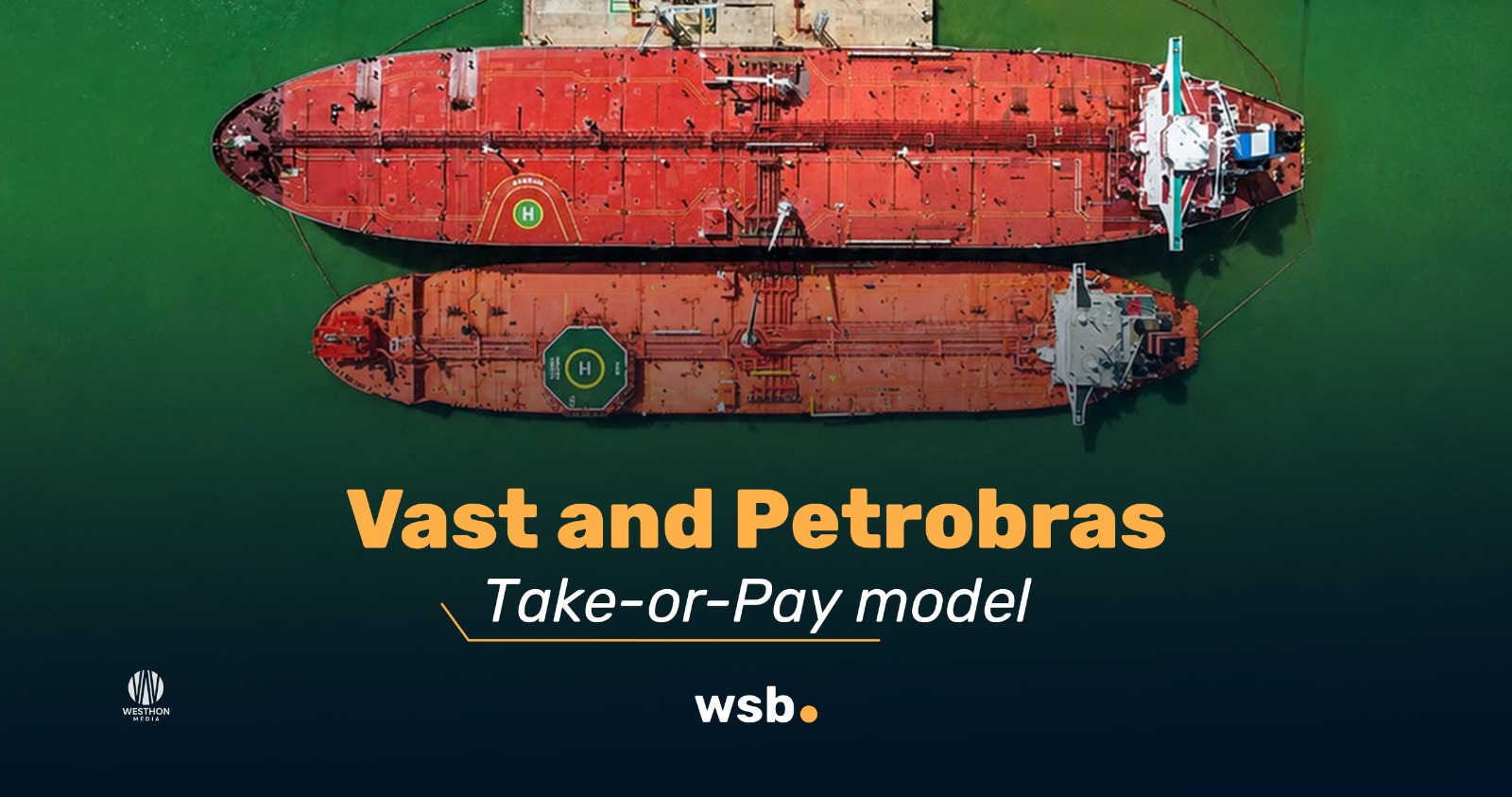
    This week, Vast Infraestrutura and Petrobras announced a new long-term agreement for crude oil transshipment operations at the T-Oil terminal, located at the Port of Açu. The contract includes a take-or-pay clause, marking the first agreement of this type between the two companies. Although financial terms were not disclosed, the companies have maintained a commercial relationship for transshipment services since 2019.

    Under this model, Petrobras commits to pay for a minimum contracted capacity regardless of actual throughput. In return, it secures long-term access to terminal capacity and greater operational predictability, while Vast benefits from more stable revenues and increased confidence to support future investments.

    The significance of this agreement goes beyond the contractual structure itself. It reflects a broader trend in Brazil’s offshore sector, where export infrastructure is increasingly being treated as a strategic asset alongside production capacity. As offshore output continues to grow, long-term logistics planning becomes just as important as developing new fields.

    For terminal operators, take-or-pay agreements reduce commercial risk, improve cash flow visibility and strengthen the financial foundations for future expansion. For producers, they provide greater certainty over export logistics, even though minimum payment obligations remain in place during periods of lower utilization.

    The agreement also reinforces the strategic importance of T-Oil. In 2025, the terminal carried out 229 crude oil transshipment operations and handled more than 48% of Brazil’s crude oil exports through terminals. Located close to the country’s main producing basins, T-Oil is licensed to handle up to 1.8 million barrels of oil per day and currently serves 11 major operators active in Brazil.

    As Brazil expands offshore production over the coming years, agreements that combine operational certainty with long-term infrastructure planning are likely to become increasingly common across the industry.

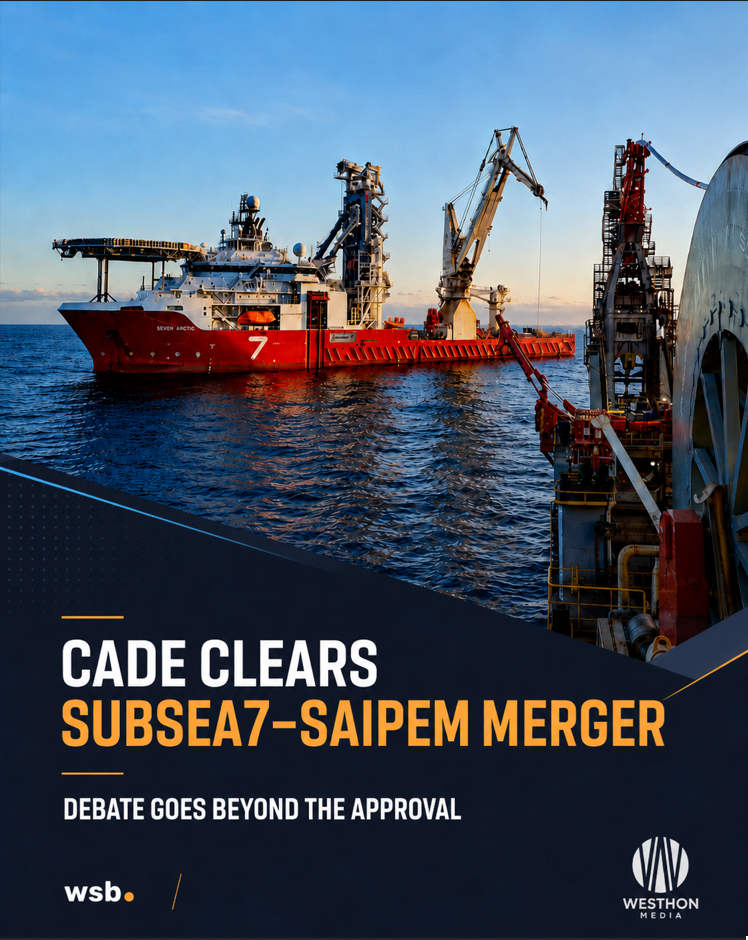
  • CADE clears Subsea7–Saipem merger, but the debate goes beyond the approval

    CADE clears Subsea7–Saipem merger, but the debate goes beyond the approval

    The offshore engineering market continues to consolidate, but the debate surrounding competition is far from over.

    Brazil’s Administrative Council for Economic Defense (CADE) has approved, without restrictions, the proposed merger between Subsea7 and Saipem, removing one of the final regulatory hurdles for the creation of what will become one of the world’s largest offshore engineering and subsea companies.

    The decision came after major industry players, including Petrobras, ExxonMobil and TotalEnergies, submitted formal observations expressing concerns that the combination could reduce competition in certain offshore engineering and subsea services, potentially affecting future procurement processes. After reviewing the case, however, Conselho Administrativo de Defesa Econômica – Cade concluded that the transaction did not require remedies or restrictions.

    The approval does not eliminate the broader discussion surrounding consolidation in the offshore industry.

    Over the past decade, the sector has experienced a series of major transactions as companies sought greater scale, stronger balance sheets and broader technological capabilities to execute increasingly complex offshore projects. At the same time, operators continue to monitor how this consolidation may influence competition, supplier diversity and commercial dynamics in future tenders.

    For the offshore market, the discussion is no longer whether consolidation will continue—it is how the industry can balance larger, financially stronger contractors with a competitive environment capable of preserving innovation, efficiency and commercial flexibility.

    Stay informed on key offshore developments — visit wsb-one.com, our data platform trusted by leading offshore companies.

  • FPSO Cidade de Niterói reaches the final chapter

    FPSO Cidade de Niterói reaches the final chapter

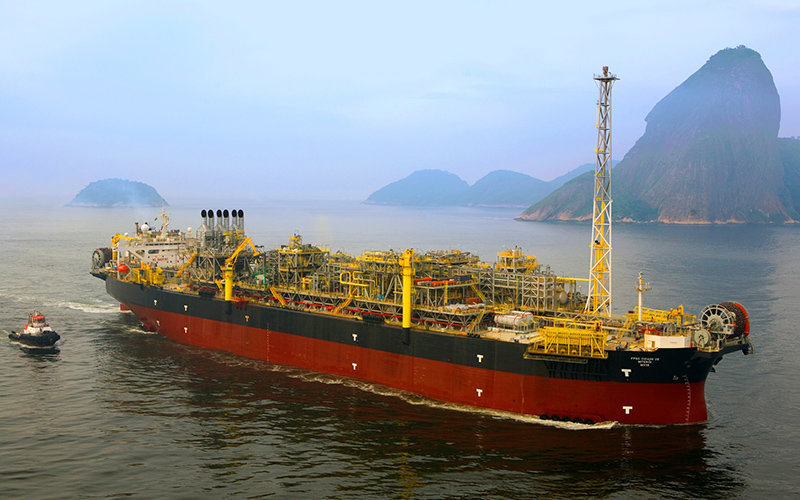
    After nearly 17 years producing offshore Brazil, the FPSO Cidade de Niterói MV18 has entered the final stage of its operational lifecycle. MODEC has confirmed that the vessel has arrived at a ship recycling facility in Denmark following the completion of its demobilization from the Marlim Leste Field, in Brazil’s Campos Basin.

    Delivered under an EPCI contract and subsequently operated by MODEC under a long-term charter and operations agreement with Petrobras, the FPSO achieved first oil in February 2009. During its time offshore, the unit processed approximately 159 million barrels of oil, becoming an important part of the Marlim Leste development.

    Designed to process up to 100,000 barrels of oil per day, 124 million standard cubic feet of gas per day, and store 1.6 million barrels of crude oil, Cidade de Niterói represents an important generation of FPSOs that helped consolidate Brazil as one of the world’s leading deepwater producers.

    The retirement of the FPSO follows the conclusion of its long-term charter with Petrobras and reflects the natural evolution of mature offshore developments. As fields such as Marlim Leste advance through new revitalization strategies and older production systems reach the end of their economic and operational cycles, legacy FPSOs are gradually being withdrawn from service.

    The vessel will now be recycled in Denmark in accordance with the EU Ship Recycling Regulation and the Hong Kong International Convention for the Safe and Environmentally Sound Recycling of Ships, highlighting the industry’s growing focus on responsible end-of-life asset management.

    Why it matters

    The retirement of Cidade de Niterói illustrates a broader transformation taking place in Brazil’s offshore industry. As mature production systems reach the end of their operational lives, decommissioning, demobilization and responsible recycling are becoming increasingly important segments of the offshore value chain, creating new technical, environmental and commercial opportunities across the industry.

    Stay informed on key offshore developments — visit wsb-one.com, our data platform trusted by leading offshore companies.

  • A.P. Moller Holding’s Ocean Yield Acquisition Reflects a Broader Shift in Maritime Investment

    A.P. Moller Holding’s Ocean Yield Acquisition Reflects a Broader Shift in Maritime Investment

    Capital is increasingly flowing toward maritime businesses capable of generating long-term contracted cash flows. As shipping enters a new investment cycle driven by fleet renewal, decarbonization and rising capital requirements, investors are placing greater value on business models that combine stable earnings with long-term visibility.

    A.P. Moller Holding’s agreement to acquire 100% of Ocean Yield reflects this strategy. Rather than expanding vessel operations, the Danish group is expanding its exposure to contracted maritime assets through one of the world’s leading ship leasing platforms. The transaction, which remains subject to regulatory approvals, will see A.P. Moller Holding acquire Ocean Yield from funds managed by KKR.

    Headquartered in Oslo, Norway, Ocean Yield holds interests in more than 70 modern vessels across multiple shipping segments, including LNG carriers, gas carriers, containerships, tankers and dry bulk vessels. Since being acquired by KKR in 2021, the company has invested more than US$3 billion in fleet expansion and diversification while increasing its long-term contract backlog to over US$5 billion.

    According to Martin Larsen, Chief Financial Officer of A.P. Moller Holding, Ocean Yield complements the group’s maritime portfolio through an established leasing platform built on stable and predictable cash generation, combining an experienced management team with more than a century of maritime expertise.

    The transaction illustrates how the maritime investment landscape is evolving. Rather than seeking exposure solely to freight markets, long-term investors are increasingly allocating capital to businesses supported by contracted revenues, diversified counterparties and resilient cash generation. As financing becomes a defining factor in fleet renewal and decarbonization, ship leasing platforms are expected to play an increasingly strategic role across the global maritime industry.

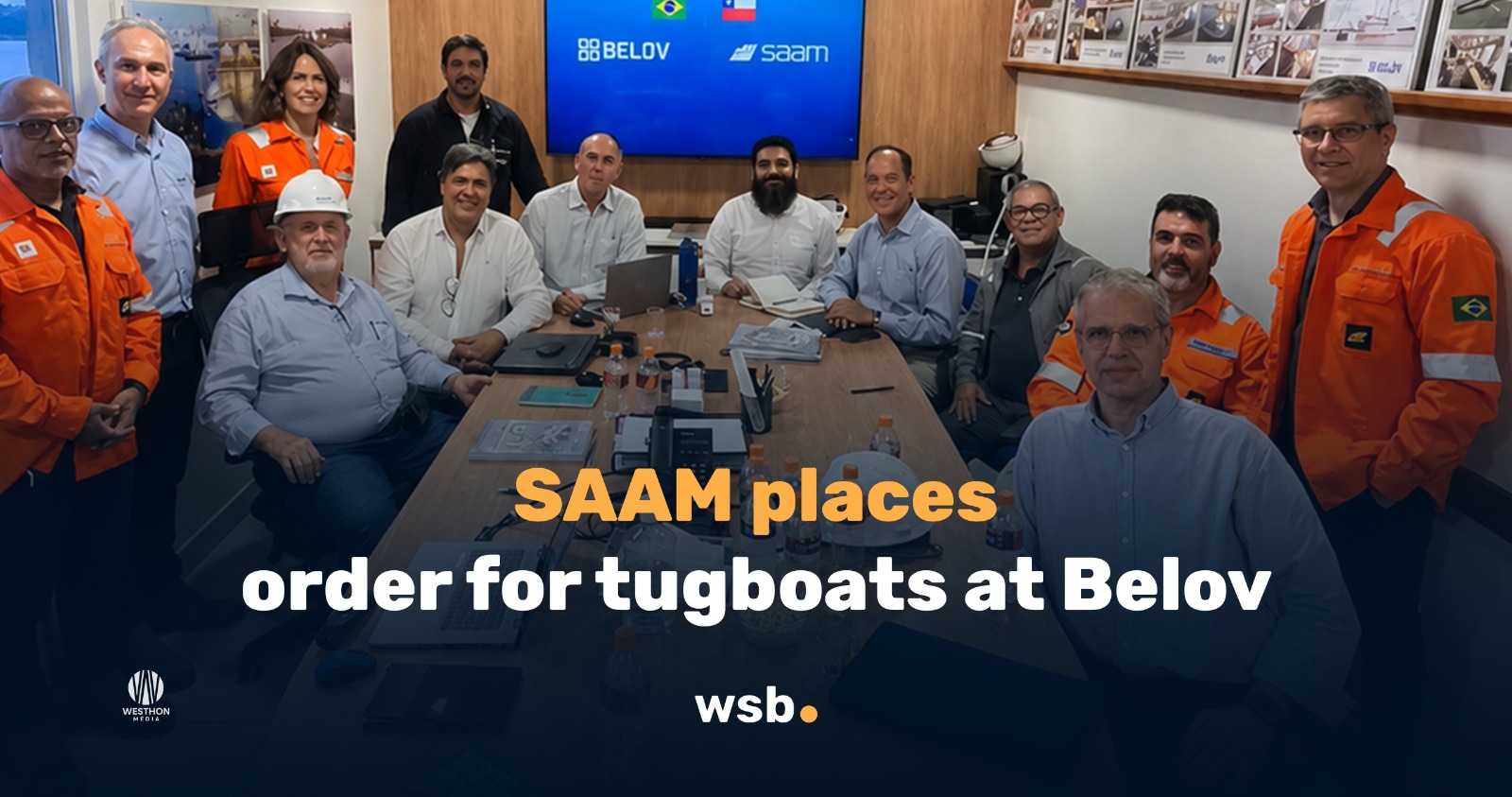
  • SAAM Towage places order for four ASD tugboats at Belov

    SAAM Towage places order for four ASD tugboats at Belov

    Chilean company SAAM Towage, one of the world’s largest port tug operators, has placed an order with Belov Shipyard, in Bahia, Brazil, for the construction of four new azimuth stern drive (ASD) tugboats. Each vessel will feature 70 tonnes of bollard pull and will be equipped with FiFi firefighting systems.

    The newbuilds are scheduled for delivery in 2028 and form part of SAAM Towage’s strategy to modernize and expand its fleet with next-generation assets across its key markets, reinforcing the company’s long-term commitment to Brazil.

    According to Renata Ervilha, Country Manager of SAAM Towage Brazil, the investment reflects the company’s strategy of strengthening its operations with state-of-the-art assets while continuing to grow in one of its most important markets. She also highlighted that the partnership with Belov Shipyard will help strengthen the local logistics chain and contribute to the continued development of Brazil’s maritime industry.

    For Belov Shipyard, the contract represents another important step in the recovery of Brazil’s shipbuilding industry, reinforcing the confidence of international operators in the country’s shipbuilding capabilities.

    Stay informed on key offshore and maritime developments — visit wsb-one.com.