A rebelião no chão de escritório da Capital Marítima
O primeiro sinal visível de uma crise de governança nem sempre é uma petição judicial. Às vezes, é um escritório vazio.
Na Capital Marítima, empresa de apoio marítimo offshore recentemente criada e ligada ao Ace Defender, funcionários de terra declararam greve após alegarem assédio moral, intimidação e quebra da confiança no ambiente de trabalho. O que começou como uma disputa pelo controle societário agora se transformou em uma crise trabalhista.
Em mensagem analisada pela Westhon Media, o comando de greve afirmou que os trabalhadores votaram pela paralisação imediata das atividades para preservar sua integridade física e mental. A comunicação descreveu o ambiente de trabalho como tóxico e informou que uma nova assembleia seria realizada na segunda-feira, 29 de junho, na sede do sindicato, para decidir se a greve continuará. A mensagem também mencionou o Ministério Público do Trabalho e a expectativa de ajuizamento de ações trabalhistas.
As alegações não se limitam a tensões comuns de escritório. Funcionários afirmam que o ambiente mudou após a chegada de uma nova frente administrativa que passou a atuar dentro da empresa. Relatos analisados descrevem a presença de seguranças armados, funcionários se sentindo observados e seguidos ao atender ligações telefônicas, e contatos ordinários com a administração original sendo tratados como suspeitos. Funcionários também afirmam que boletins de ocorrência foram registrados.
Leonardo e Gloria são mencionados em comunicações dos empregados como integrantes da nova direção da empresa. O tom das reclamações chama atenção. Os trabalhadores não estão tratando o caso como uma disputa por salários ou benefícios. Eles descrevem medo, pressão e desconfiança dentro do que antes era um escritório familiar e operacional.
O contexto jurídico é importante, mas mais limitado do que algumas comunicações corporativas sugerem. A disputa envolvendo a Capital Marítima tramita em segredo de justiça e surgiu de uma medida urgente ligada a uma disputa arbitral mais ampla. O material judicial conhecido aponta para uma tutela provisória — uma liminar temporária — e não para uma decisão final sobre o mérito do controle societário. Em estágio anterior, o juízo adotou um arranjo de administração conjunta, não uma transferência definitiva e limpa de comando.
Essa distinção importa. Uma liminar temporária pode alterar assinaturas e direitos de consentimento. Ela não resolve a disputa de fundo. Tampouco autoriza que uma transição contestada seja imposta no ambiente de trabalho — muito menos pelo medo.
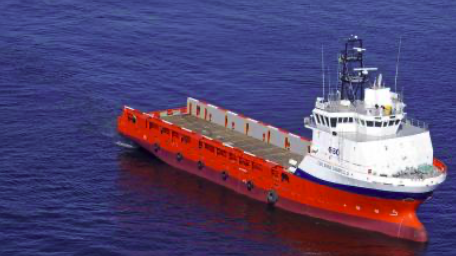
A Capital Marítima não é uma empresa abstrata. Sua relevância está no Ace Defender, embarcação de apoio offshore voltada a uma operação com a Petrobras. Fontes do setor afirmam que a transferência da embarcação da Galáxia Marítima para a Capital Marítima permanece comercialmente sensível porque a Galáxia, como contratada original, ainda pode estar exposta a obrigações relacionadas à Petrobras caso surjam interrupções operacionais, multas ou falhas de desempenho.
O caso também envolve a Belov, empresa brasileira com a qual a Capital Marítima firmou arranjos ligados à tonelagem local e à estrutura do REB que sustenta a bandeira brasileira do Ace Defender. Isso não é um detalhe lateral. No apoio marítimo offshore, a engrenagem menos glamorosa costuma ser justamente aquilo que torna o negócio real: o contrato voltado à Petrobras, a embarcação, a bandeira, o suporte de tonelagem, as contrapartes locais e a equipe de terra capaz de manter a estrutura em conformidade.
Visto dessa forma, o contraste é marcante. A arquitetura empresarial anterior parece ter sido construída em torno de uma plataforma operacional brasileira financiável: compromissos capitalizados, contrapartes locais reconhecidas e uma embarcação posicionada para trabalho com a Petrobras. O estilo de gestão recém-chegado e a disputa, conforme descritos por funcionários e pessoas familiarizadas com a empresa, parecem o oposto: forte presença de segurança, opacidade, dependência de uma estrutura societária estrangeira frouxa e linhas incertas de autoridade dentro do escritório brasileiro.
Há também uma questão de conformidade. A Westhon Media foi informada de que cidadãos estrangeiros participaram de instruções a empregados e de diretrizes internas. A base registral para tal atuação, e se essas pessoas estavam autorizadas a realizar algo além de visitas comerciais, permanece pouco clara. A questão não é nacionalidade. O Brasil permite visitas de negócios. A linha é cruzada quando visitantes passam de reuniões e supervisão comercial para uma administração de fato: dirigir empregados, controlar rotinas internas, supervisionar acessos, coletar informações operacionais ou emitir instruções.
O mesmo se aplica à segurança. Se seguranças foram mobilizados, as perguntas relevantes são simples: quem os contratou, se a empresa e os profissionais estavam devidamente autorizados, se armas eram portadas legalmente e se sua presença tinha caráter protetivo ou coercitivo. No contexto atual, a segurança no escritório não é um detalhe de fundo. Ela está no centro do relato de intimidação feito pelos empregados.
Então há a Libéria.
A pretensão do lado estrangeiro passa pela Constance Maritime Corp., um veículo societário domiciliado na Libéria. Nada disso é ilegal por si só. A navegação está cheia de veículos offshore, holdings e estruturas marítimas ligadas à tradição grega. Mas, em uma operação voltada à Petrobras, a opacidade não é neutra. Uma cadeia de propriedade com aparência de empresa-veículo torna ainda mais importante saber quem está dando instruções no Brasil, quem financia a operação, quem autorizou a segurança e quem responde perante empregados, fornecedores e clientes.
Esse invólucro societário de estilo grego importa justamente porque é familiar. No transporte marítimo, estruturas assim podem ser rotineiras. Em uma crise trabalhista, elas também podem tornar mais difícil localizar a responsabilidade. A questão para a Capital Marítima já não é apenas se um acionista estrangeiro possui direitos sob uma ordem judicial provisória. É se as pessoas que atuam sob esse guarda-chuva têm legitimidade para dirigir uma força de trabalho brasileira, perturbar uma operação sob bandeira brasileira e interferir nos arranjos locais que tornaram o Ace Defender comercialmente viável desde o início.
Executivos seniores da Capital Marítima contatados confirmaram, em linhas gerais, o estado de coisas descrito pelos empregados. Nenhuma contestação substancial foi apresentada até o momento. O novo grupo de gestão recém-chegado ainda não pôde ser alcançado para comentários.
A assembleia de segunda-feira, dia 29, agora testará se a greve se transformará em uma confrontação mais ampla — ou se, como empregados dizem ter sido supostamente ameaçado em uma comunicação de gestão atribuída a Leonardo, os grevistas serão tratados como ausentes injustificados, demitidos e substituídos imediatamente.
Para a Capital Marítima, a questão já não é apenas quem controla a companhia no papel. É se os empregados acreditam que podem voltar ao trabalho sem intimidação — e se a Petrobras e o mercado offshore podem confiar na cadeia de comando por trás do Ace Defender.
——————————————————-
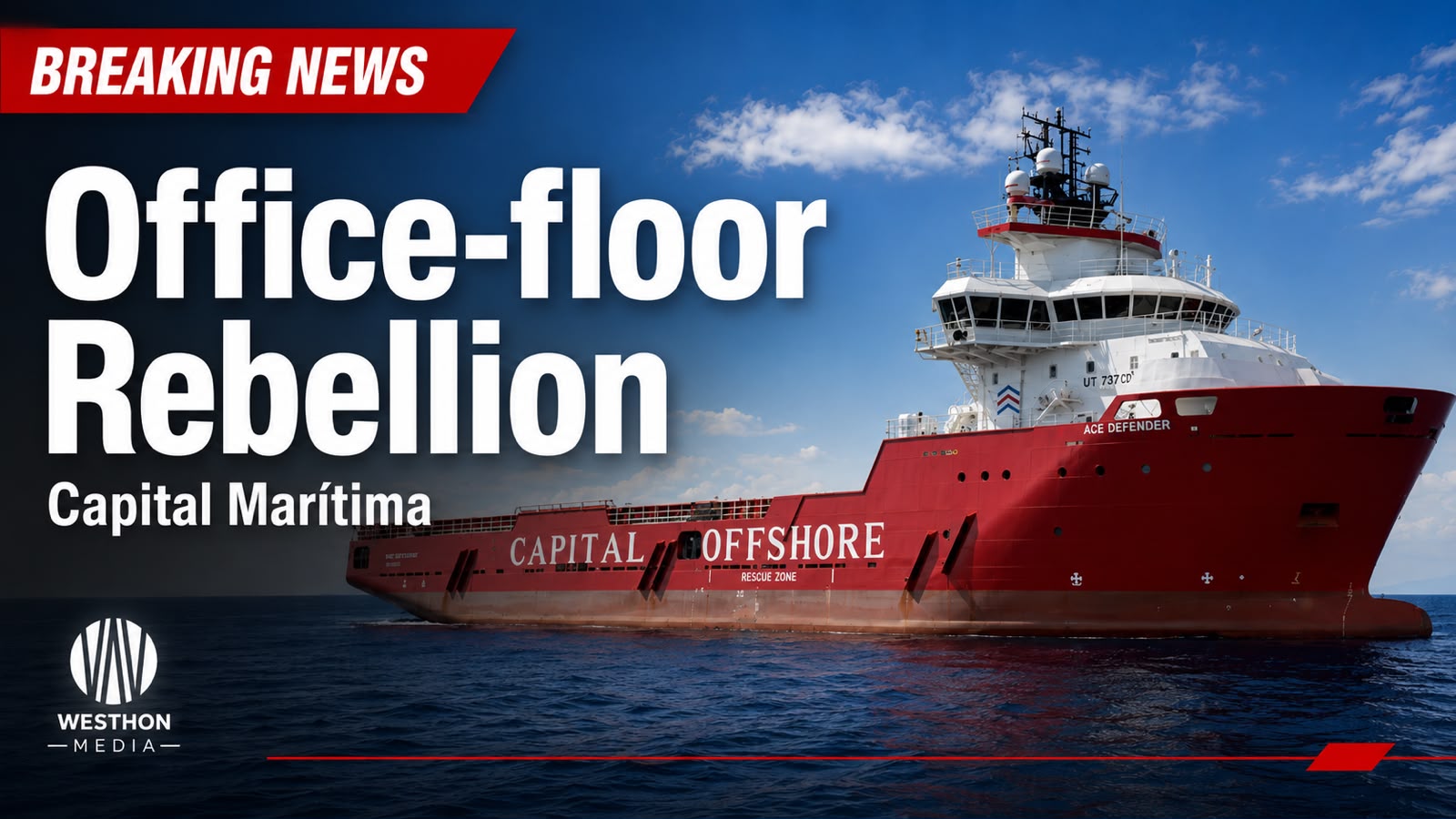
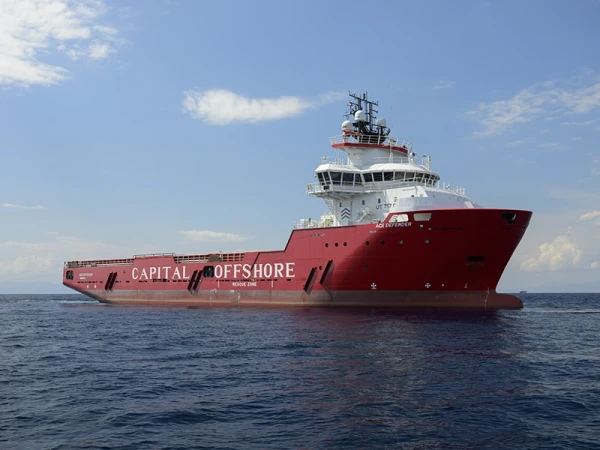
Ace Defender (Source: Capital)
The first visible sign of a governance crisis is not always a court filing. Sometimes it is an empty office.
At Capital Marítima, the recently established offshore support company linked to the Ace Defender, shore-based employees have declared a strike after alleging moral harassment, intimidation and a breakdown of workplace trust. What began as a corporate control dispute has now become a labour crisis.
In a message reviewed by Westhon Media, the strike command said workers had voted to stop activities immediately to preserve their physical and mental integrity. The communication described the workplace as toxic and said a new assembly would be held on Monday, June 29, at the union office, to decide whether the strike should continue. It also referred to the Public Labour Prosecutor’s Office and to expected labour claims.
The allegations are not confined to ordinary office tension. Employees say the atmosphere changed after a newly arrived administrative front began operating inside the company. Accounts reviewed describe the presence of armed security personnel, staff feeling watched and followed when taking phone calls, and ordinary contact with the original admin staff being treated as suspect. Employees also say police reports have been filed.
Leonardo and Gloria are referred to in employee communications as part of the new direction of the company. The tone of the complaints is notable. Workers are not framing the issue as a dispute over salaries or benefits. They are describing fear, pressure and distrust inside what had been a familiar operating office.
The legal background is important, but more limited than some corporate messaging suggests. The dispute involving Capital Marítima is under judicial secrecy and arose from an urgent measure connected to a broader arbitration fight. The known court material points to provisional relief — a temporary injunction — rather than a final decision on the merits of corporate control. At an earlier stage, the court adopted a joint administration arrangement, not a clean final transfer of command.
That distinction matters. A temporary injunction may change signatures and consent rights. It does not settle the underlying dispute. Nor does it license a contested transition to be pushed through the workplace, leave aside, by fear.
Capital Marítima is not an abstract company. Its relevance lies in the Ace Defender, a Petrobras-facing offshore support vessel. Industry sources say the vessel’s move from Galáxia Marítima to Capital Marítima remains commercially sensitive because Galáxia, as original contractor, may still face exposure under Petrobras-related obligations if operational disruption, fines or performance failures arise.
The case also involves Belov, the Brazilian company with which Capital Marítima entered arrangements tied to local tonnage and the REB structure supporting the Ace Defender’s Brazilian flag. That is not a side issue. In offshore support, the unglamorous machinery is often what makes the business real: the Petrobras-facing contract, the vessel, the flag, the tonnage support, the local counterparties and the shore team able to keep the structure compliant.
Seen that way, the contrast is stark. The earlier business architecture appears to have been built around a bankable Brazilian operating platform: funded commitments, recognised local counterparties and a vessel positioned for Petrobras work. The newly arrived management style and dispute, as described by employees and people familiar with the company, looks like the opposite: security-heavy, opaque, dependent on a loose foreign corporate setup and uncertain lines of authority inside the Brazilian office.
There is also a compliance question. Westhon Media have been informed that foreign nationals have taken part in employee instructions and internal directives. The registration basis for such activity, and whether those individuals were authorised to perform anything beyond commercial visits, remains unclear. The issue is not nationality. Brazil allows business visits. The line is crossed when visitors move from meetings and commercial oversight into de facto management: directing employees, controlling internal routines, supervising access, collecting operational information or issuing instructions.
The same applies to security. If guards were deployed, the relevant questions are simple: who hired them, whether the company and personnel were properly authorised, whether weapons were lawfully carried, and whether their presence was protective or coercive. In the present context, security at the office is not a background detail. It sits at the centre of the employees’ account of intimidation.
Then there is Liberia.
The foreign-side claim runs through Constance Maritime Corp., a Liberia-domiciled corporate vehicle. None of that is unlawful by itself. Shipping is full of offshore vehicles, holding companies and Greek-linked maritime structures. But in a Petrobras-facing operation, opacity is not neutral. A shell-company-style ownership chain makes it more important, not less, to know who is giving instructions in Brazil, who is funding the operation, who authorised security, and who is accountable to employees, suppliers and clients.
This Greek-style corporate wrapper matters precisely because it is familiar. In shipping, such structures can be routine. In a labour crisis, they can also make accountability harder to locate. The question for Capital Marítima is no longer merely whether a foreign shareholder has rights under an interim court order. It is whether the people acting under that umbrella are entitled to direct a Brazilian workforce, disturb a Brazilian-flag operation and interfere with the local arrangements that made the Ace Defender commercially viable in the first place.
Senior Capital Marítima figures reached confirmed the broad state of affairs described by employees. No substantive contestation was offered at this time. The newly arrived management group could not be reached for comment as of yet.
The Monday 29 assembly will now test whether the strike hardens into a wider confrontation — or whether, as employees say was allegedly threatened in a management communication attributed to Leonardo, those on strike are treated as unjustified absentees, fired and replaced immediately.
For Capital Marítima, the issue is no longer only who controls the company on paper. It is whether employees believe they can return to work without intimidation — and whether Petrobras and the offshore market can trust the chain of command behind the Ace Defender.
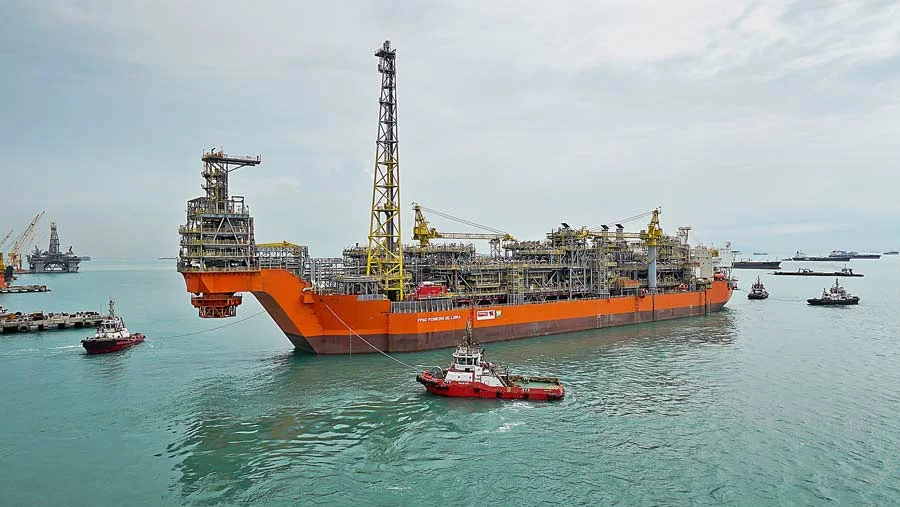
The Libra Consortium, led by Petrobras, has signed a contract with the Electric Energy Research Center (CEPEL) to develop the Power Grid project, an initiative that will assess the feasibility of electrically interconnecting up to five FPSOs operating in the Mero Field, in Brazil’s Santos Basin pre-salt.
The two-year study will evaluate the technical and economic feasibility of creating an integrated offshore electrical network capable of sharing power between production units. The project will include assessments of submarine power cables, electrical equipment, control systems, grid stability and overall system reliability.
According to the consortium, the objective is to improve operational efficiency, increase energy reliability, reduce operating costs and lower greenhouse gas emissions across the field.
If successfully developed, the project could establish the technical foundation for future offshore electrical grid concepts in Brazil and potentially serve as a reference for other large-scale offshore developments worldwide.
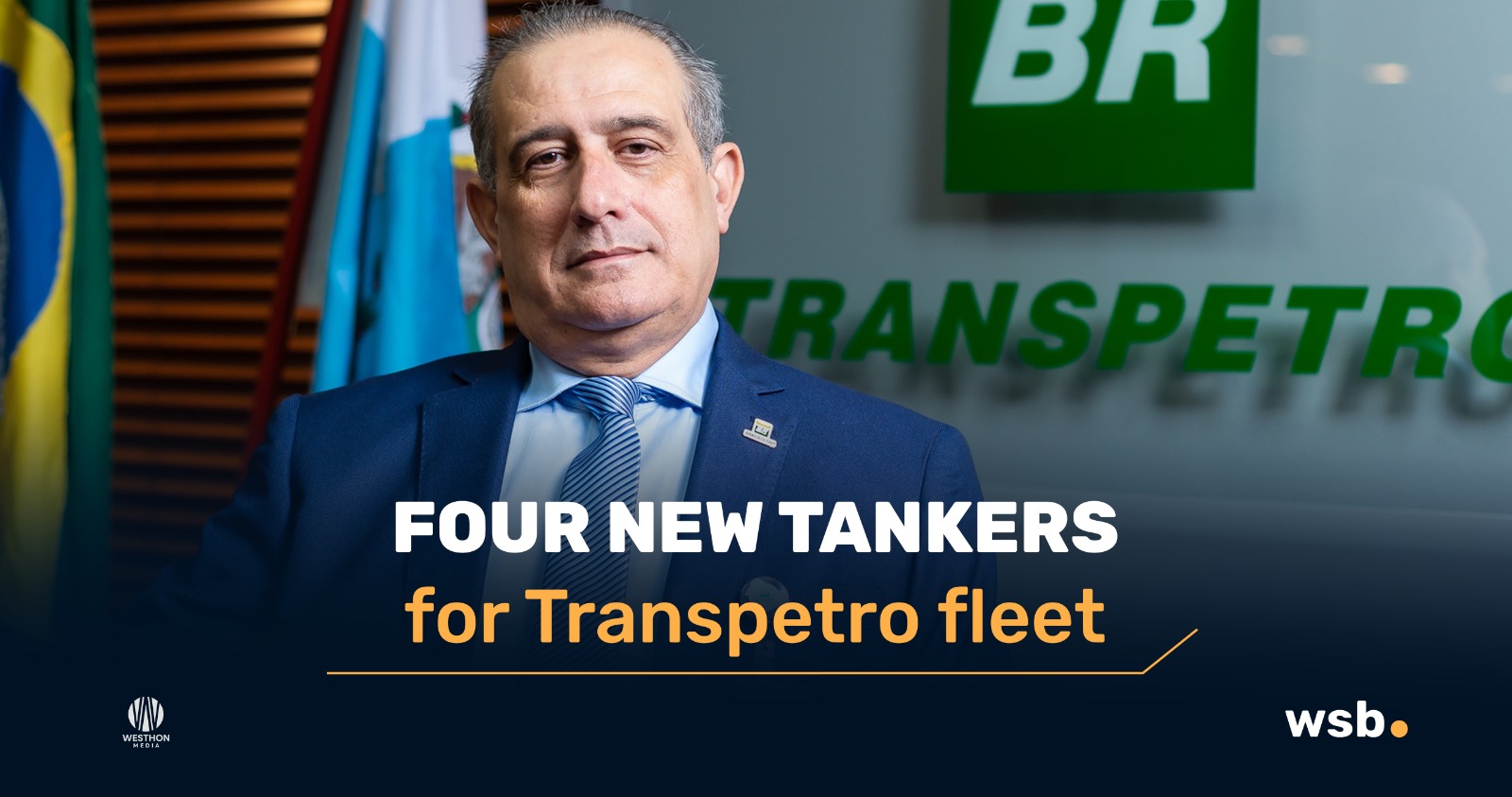
Transpetro has signed a US$427 million contract with Ecovix’s Rio Grande shipyard for the construction of four MR1-class tankers, each with a deadweight capacity of approximately 40,000 tons. The vessels will transport crude oil and petroleum products along the Brazilian coast as part of the company’s fleet renewal and expansion strategy.
The contract stems from the tender concluded in 2024 and forms part of the Mar Aberto Program, Transpetro’s long-term initiative to renew and expand the Petrobras System fleet. Delivery of the first vessel is expected within 33 months.
The broader program includes plans for the construction of 16 coastal shipping vessels, as well as 18 barges and 18 tugboats, reinforcing Transpetro’s long-term investment in Brazil’s maritime logistics infrastructure.
According to Transpetro President Sérgio Bacci, the four MR1 tankers will strengthen the company’s logistics capacity to support Petrobras’ growing production and refining activities. He also stated that, with the vessels contracted under the current fleet renewal program, Transpetro expects to expand its fleet from 26 to 42 vessels by 2030, while supporting the revitalization of Brazil’s domestic shipbuilding industry.
Stay informed on key offshore and maritime developments — visit wsb-one.com, our data platform trusted by leading offshore companies.
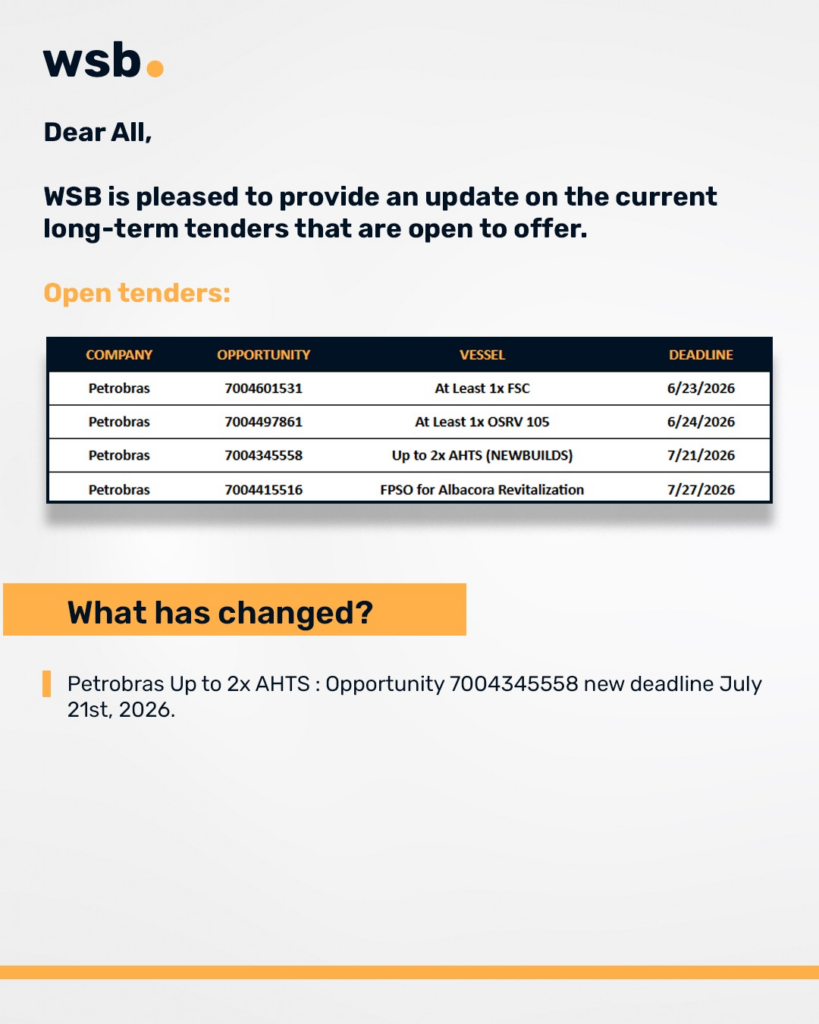
Petrobras has extended the submission deadline for Opportunity No. 7004345558, covering the chartering of up to two newbuild Anchor Handling Tug Supply (AHTS) vessels with specialized technical services. Proposals are now due on July 21, 2026.
The extension follows recent amendments to the tender documentation, including new requirements related to shipyard commitments and financing arrangements. Among the most significant changes are the mandatory submission of a preliminary agreement with the nominated shipyard, the binding nature of the selected shipyard throughout the bidding process and the requirement for written evidence from a financial institution indicating the bidder’s ability to secure construction financing.
While Petrobras has not disclosed the reasons for the extension, the additional time provides participants with further opportunity to address the revised commercial, technical and financial requirements before proposal submission.
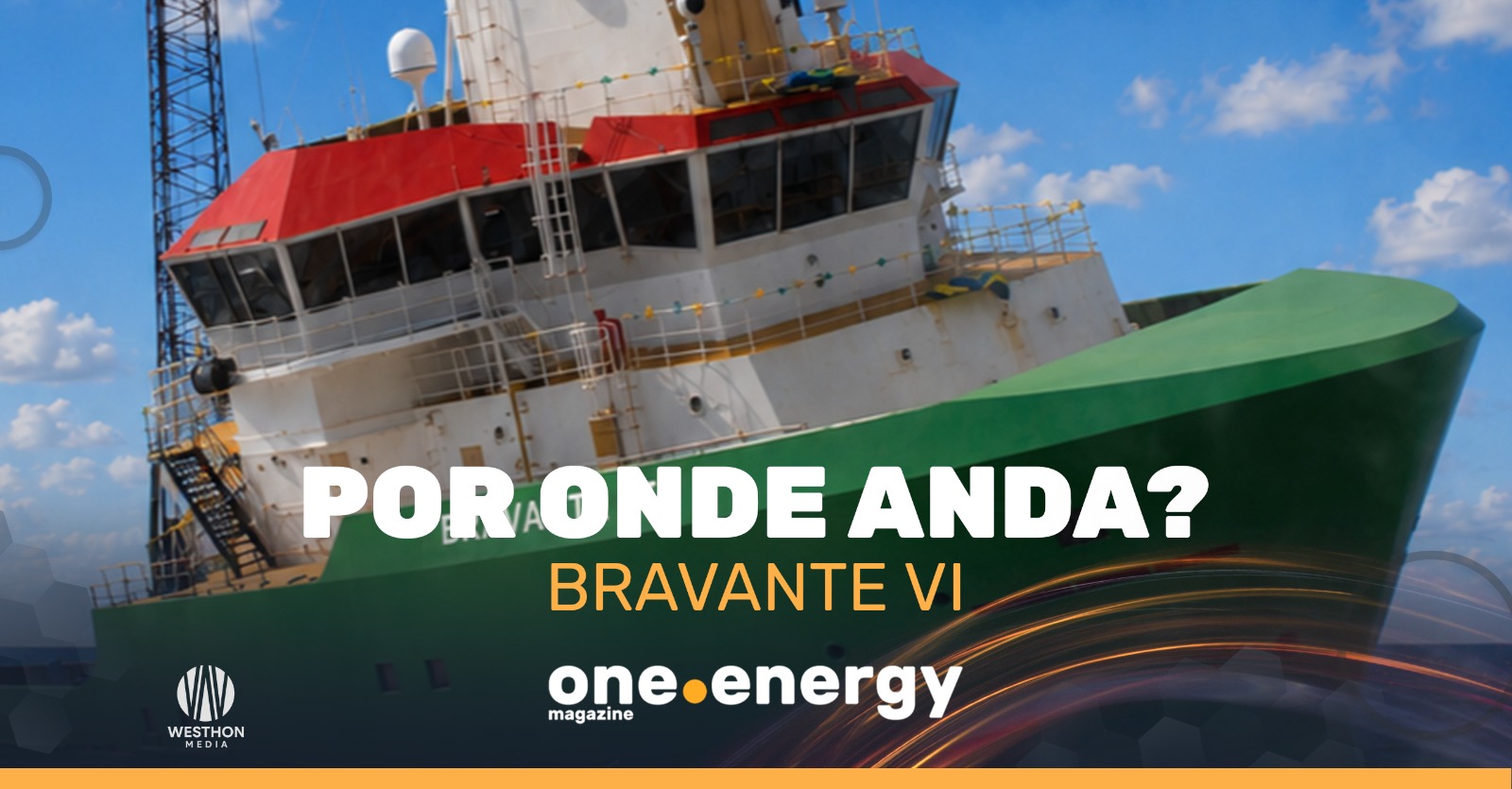
The former Brazilian PSV now operating as a Service Operation Vessel in the United States.
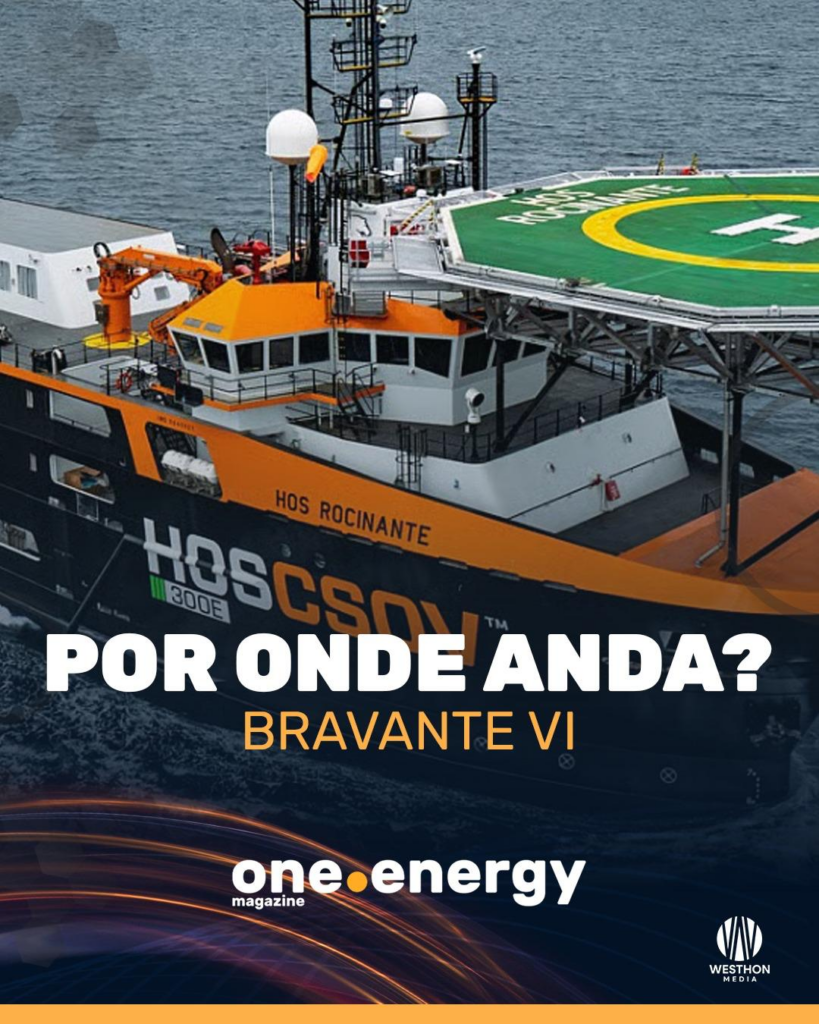
The Bravante VI (IMO 9645621) followed a path that differs from most of the vessels featured in this series.
Built in 2014 by Eastern Shipbuilding Group in Florida, the vessel was delivered to Boldini S.A., a company of Brazil’s Bravante Group, as a Platform Supply Vessel (PSV) designed to support the Brazilian offshore market.
Measuring approximately 92 metres in length, with an 18-metre beam and DP-2 dynamic positioning, she was designed to transport cargo, equipment and supplies to offshore installations. At the time, Brazil was experiencing one of the strongest periods of demand for offshore support vessels, driven by Petrobras’ expanding offshore activities and the rapid development of the pre-salt fields.
That scenario, however, changed quickly.
From 2014 onwards, reduced Petrobras investment, the impacts of the Lava Jato investigations and an oversupplied OSV market triggered one of the most challenging periods ever faced by Brazil’s offshore support industry. Several shipowners underwent financial restructuring, contracts were terminated and part of the fleet was either sold or redeployed to other regions.
Bravante VI became part of that movement.
In 2022, the vessel was acquired by Hornbeck Offshore Services, one of the leading offshore vessel operators in the United States. Initially renamed HOS Rosehill, she returned to the same shipyard where she had been built for an extensive conversion project. Before re-entering service, she received her current name: HOS ROCINANTE.
The conversion
Rather than continuing to operate the vessel as a conventional PSV, Hornbeck chose to convert her into a Service Operation Vessel (SOV) — a category also commonly referred to as CSOV within the offshore wind sector.
The project was carried out by Eastern Shipbuilding Group, the vessel’s original builder. While retaining the original hull, the conversion substantially changed her operational profile. The vessel received a motion-compensated walk-to-work gangway, a hybrid battery system, accommodation for up to 119 personnel, an S-92-certified helideck, a 3D motion-compensated offshore crane and infrastructure designed to support extended offshore campaigns.
The former PSV was adapted to perform a completely different role, providing technical support, accommodation for specialised crews and safe personnel transfer during offshore operations.
According to Eastern Shipbuilding Group and Hornbeck Offshore Services, HOS ROCINANTE is the first U.S.-flagged SOV converted from an existing offshore support vessel.
Where is she now?
Today, the former Bravante VI operates as HOS ROCINANTE, remaining in the Hornbeck Offshore Services fleet and operating along the U.S. East Coast.
Recent public vessel tracking records indicate her involvement in activities supporting the Revolution Wind offshore wind project. Her trajectory also reflects significant changes in two different offshore markets.
By the time she left Brazil, the country’s offshore support sector was still recovering from one of its deepest downturns, with limited demand for walk-to-work vessels. Investment remained largely focused on PSVs, AHTSs, RSVs and MPSVs supporting conventional oil and gas operations.
In the United States, meanwhile, the expansion of offshore wind projects has created demand for vessels capable of accommodating specialised personnel, providing safe offshore personnel transfers and supporting extended offshore campaigns.
Hornbeck’s decision also reflects a broader strategy that has become increasingly common across parts of the maritime industry. Rather than investing in a newbuild, the company selected a relatively modern hull, already built in the United States and compliant with the Jones Act, reducing delivery time, capital investment and project risk compared with commissioning a completely new vessel.
The former Bravante VI therefore reflects three important developments over the past decade: the contraction of Brazil’s offshore support market, the international redeployment of offshore assets and the growing demand for specialised support vessels serving the U.S. offshore wind industry.
It remains to be seen whether this project will remain an isolated case within the U.S. fleet or become a reference for future conversions of similar offshore vessels.
PRIO announced the completion of the fourth and final producing well planned for the Wahoo Field development, bringing the project to its initial production configuration in Brazil’s Campos Basin.
With all four wells now online, Wahoo is expected to operate at its planned production capacity of approximately 40,000 barrels of oil per day, with each well contributing around 10,000 barrels per day.
The development is directly aligned with PRIO’s strategy of increasing production through brownfield projects, subsea tiebacks and operational optimization, rather than relying solely on large-scale greenfield developments.
Wahoo also strengthens the company’s position in the Campos Basin, where the Valente Cluster, comprising the Frade and Wahoo fields, continues to play an increasingly important role in PRIO’s production portfolio. In May, the cluster averaged approximately 55,600 barrels of oil per day, while the company reported total production of around 164,800 barrels of oil equivalent per day.
Why it matters As mature offshore fields continue to attract investment, projects such as Wahoo demonstrate how infrastructure optimization, subsea integration and brownfield development continue to unlock production growth while extending the productive life of existing offshore assets. The project also reinforces the strategic importance of the Campos Basin, where operational efficiency increasingly plays a central role in Brazil’s offshore production landscape.
Stay informed on key offshore developments — visit wsb-one.com, our data platform trusted by leading offshore companies.
Petrobras has extended the submission deadline for Opportunity No. 7004345558, covering the long-term chartering of up to two newbuild Anchor Handling Tug Supply (AHTS) vessels, together with specialized technical services. According to the latest update published on Petronect, proposals are now due on June 22, 2026.
The extension follows a series of recent amendments to the tender documentation, including changes introduced through Addendum K and new requirements related to shipyard commitments and financing arrangements.
Among the most significant updates are the mandatory submission of a preliminary agreement with the selected shipyard, the binding nature of the nominated shipyard throughout the bidding process and the requirement for written evidence from a financial institution indicating the bidder’s ability to secure construction financing. Collectively, these requirements significantly increase the level of commercial, technical and financial preparation expected from participants before proposal submission.
For the market, deadline extensions at this stage of Petrobras tenders are not unusual. As bidders incorporate the latest contractual and commercial requirements into their proposals, additional time often helps ensure greater alignment between Petrobras’ expectations and the documentation submitted by the bidders.
Given the strategic importance of this opportunity for Brazil’s offshore newbuilding market, the additional time is expected to support more robust and competitive proposals while allowing bidders to properly address the changes, technical and financial requirements introduced into the tender.
WSB Advisors will continue to monitor the opportunity and report further developments as they become available.
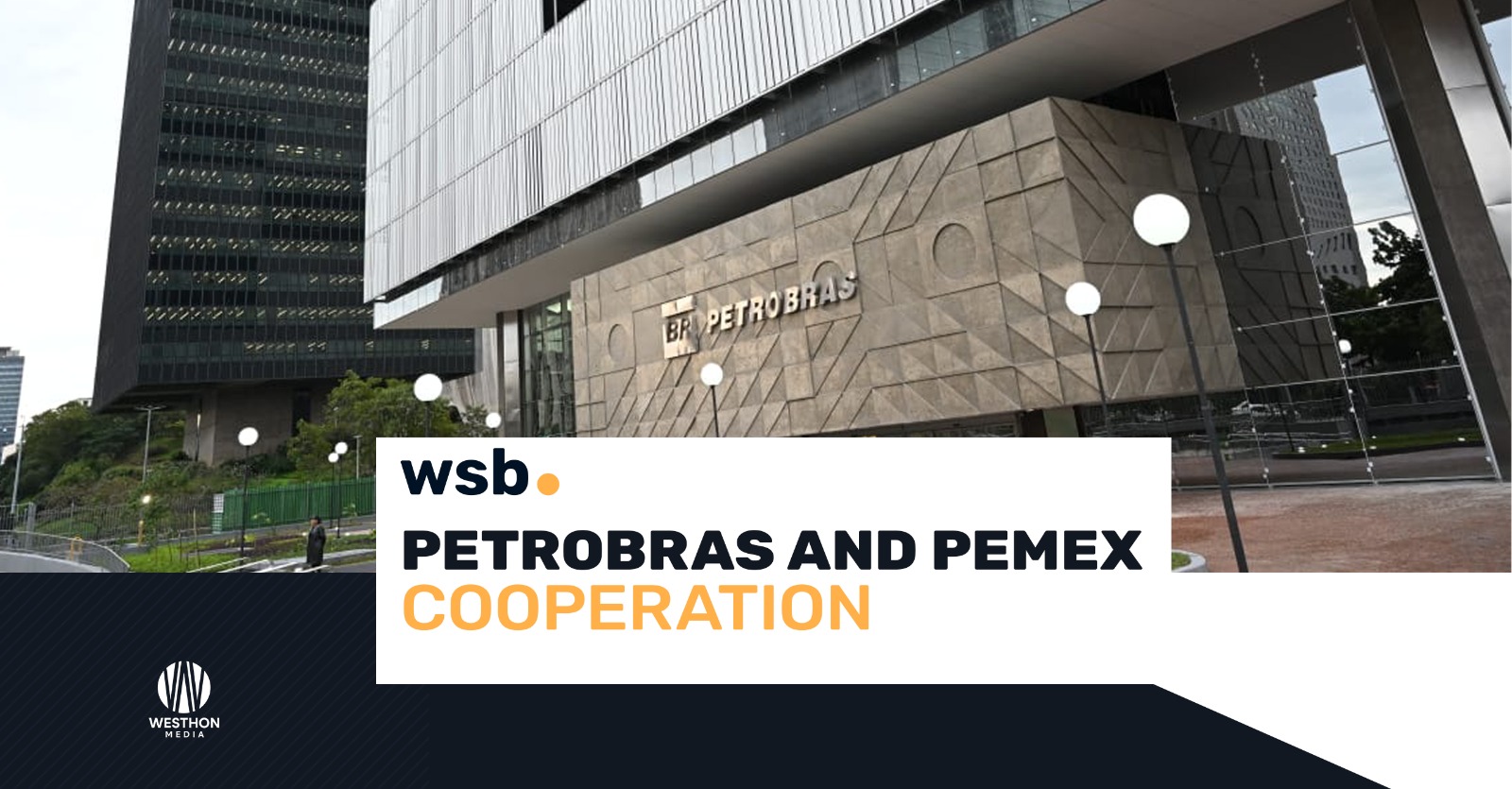
Petrobras is preparing to formalize a cooperation protocol with Pemex, creating a structured channel for technical dialogue between two of Latin America’s largest state-owned energy companies.
The agreement is expected to cover areas such as exploration and production, refining, petrochemicals, fertilizers, decarbonization and technology. Rather than pointing to any specific project, the protocol should be read as a framework for technical teams to exchange experience, compare operational challenges and identify areas of common interest.
This distinction matters.
WSB has recently covered different forms of cooperation involving Petrobras and Equinor. In the Campos Basin, Petrobras’ move into the Itaimbezinho block represents a concrete E&P transaction, with a defined asset and working interest. In offshore wind, the Petrobras–Equinor cooperation was closer to a technical and strategic framework, aimed at evaluating future opportunities in a still-developing segment.
The Pemex protocol should be read closer to the latter. It is not, by itself, a signal of imminent participation in specific E&P blocks or immediate offshore ventures. Its relevance lies in the creation of a formal technical channel between two NOCs with large operational footprints, legacy infrastructure and overlapping strategic challenges.
For Petrobras, the move is consistent with a selective international posture — not a return to broad expansion, but a way to remain technically connected to relevant regional peers. For Pemex, the agreement may offer access to Petrobras’ accumulated experience in deepwater, offshore development and integrated energy operations.
The point, therefore, is not to assume that a project will follow. It is to recognize that Petrobras and Pemex are placing their technical organizations in direct conversation across areas that remain central to the future of both companies: offshore development, refining, decarbonization and long-term energy strategy.
Stay informed on key offshore developments — visit wsb-one.com, our data platform trusted by leading offshore companies.
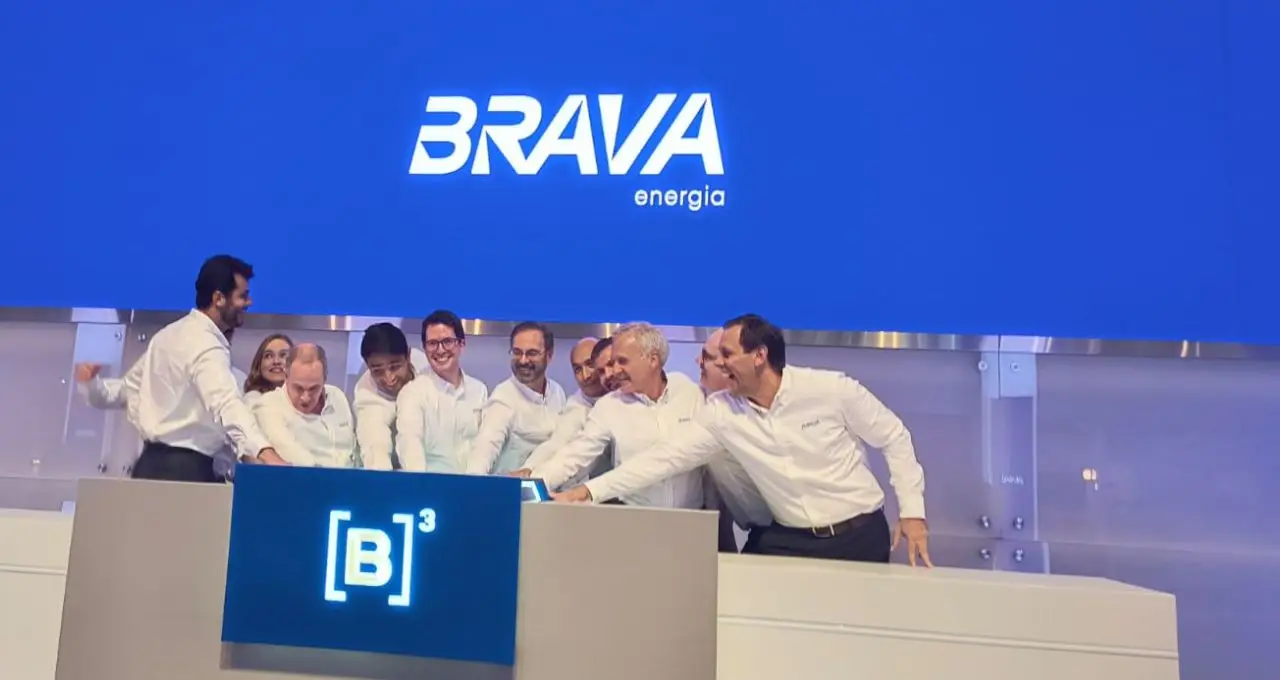
Brava Energia has secured approval from the remaining bondholders required for the acquisition of its controlling stake by Ecopetrol Investimentos do Brasil, satisfying one of the precedent key conditions precedent established under the public tender offer launched by the Colombian energy company. With bondholder consent now in place, the transaction moves closer to completion, subject to the remaining regulatory approvals and contractual requirements.
According to the company, holders of debentures issued by the former 3R Petroleum and former Enauta approved the prior consent required for the change of control. The resolutions were approved during meetings held on June 8 and, together with a previous authorization obtained from holders of another Enauta debt issuance, fully satisfy the debt-related condition precedent outlined in the offer documents.
The approval was considered a significant milestone for the transaction, as the change of control could have triggered early-maturity provisions in certain debt instruments issued by the company. With bondholders granting their consent, that potential hurdle has been removed, substantially reducing execution risk for the deal.
The tendered offer was launched by Ecopetrol as part of its strategy to expand its presence in Brazil’s oil and gas sector. The Colombian state-controlled company had previously announced the acquisition of a significant stake in Brava Energia and is now seeking to consolidate a controlling position through the ongoing transaction.
If completed, the acquisition will further strengthen Ecopetrol’s presence in one of Latin America’s most important offshore oil and gas markets, increasing its exposure to Brazilian offshore production assets and enhancing its regional portfolio.
The transaction remains subject to the fulfillment of the remaining conditions established in the offer documents, including applicable regulatory approvals and the successful completion of the share acquisition process.
WSB Advisors continues to track key offshore contracting activity in Brazil. Below are the latest tender updates currently open to the market.
What has changed?
• Petrobras — At least 1x FSC: Opportunity 7004601531, new deadline June 23rd, 2026 • Petrobras — At least 1x OSRV 105: Opportunity 7004497861, new deadline June 24th, 2026
Stay informed on key offshore developments — visit wsb-one.com, our data platform trusted by leading offshore companies.
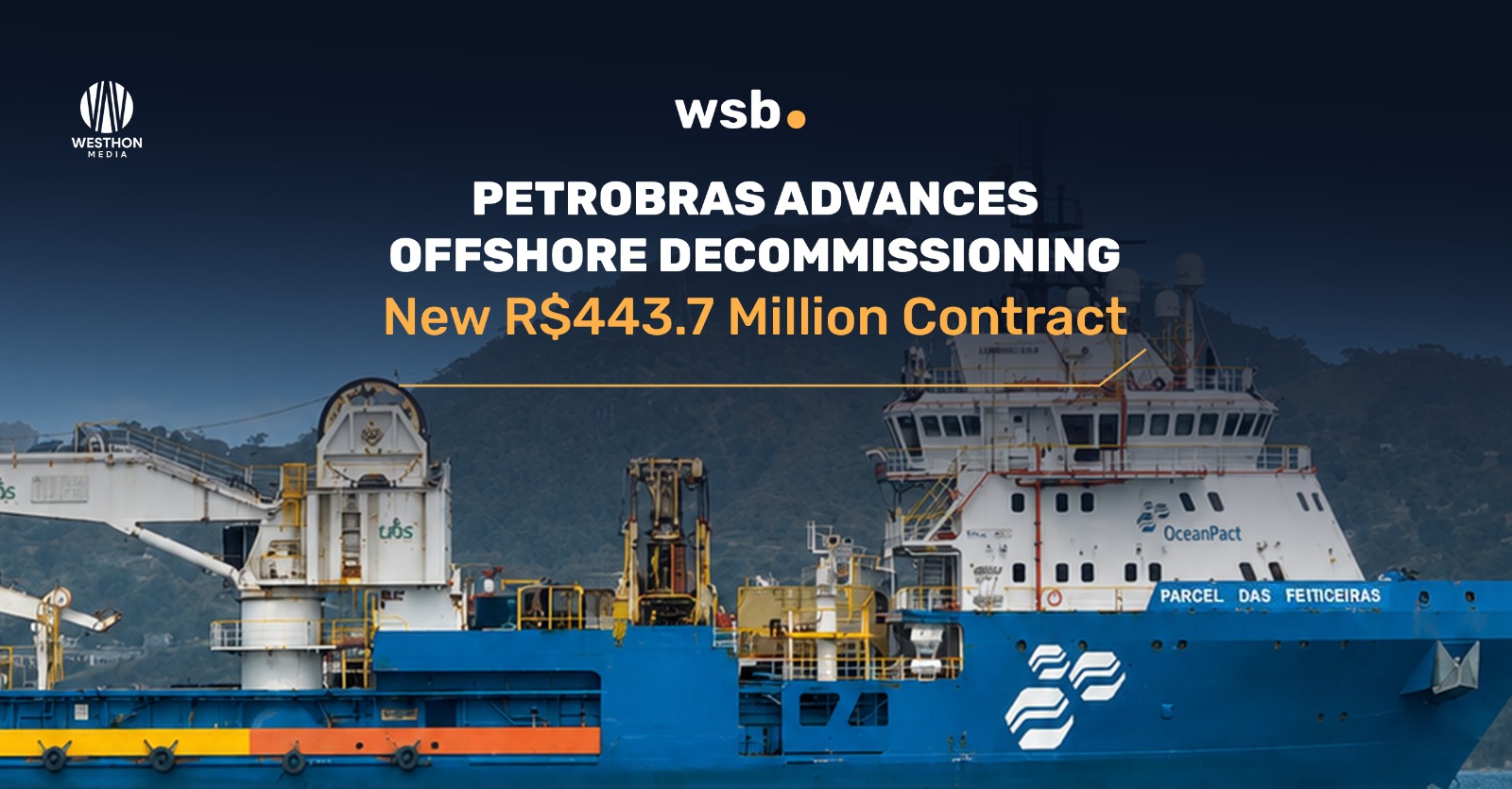
Petrobras has awarded another significant contract as part of its offshore decommissioning strategy, reinforcing the growing pace of activity in one of the Brazilian offshore industry’s fastest-expanding segments.
OceanPact secured the R$443.7 million contract to perform specialized subsea decommissioning services involving the disconnection and recovery of flexible risers and umbilicals associated with the P-18 platform in Marlim Field, Campos Basin. The scope includes subsea inspections, cutting, disconnection and recovery operations using Multipurpose Support Vessels (MPSVs), remotely operated vehicles (ROVs), heavy-lift cranes and other specialized subsea equipment.
The award adds to a series of contracts announced in recent months as Petrobras advances one of the largest offshore decommissioning initiatives currently underway in Brazil. The company’s strategy continues to generate opportunities across multiple segments of the offshore supply chain, including subsea intervention, marine logistics, engineering, heavy offshore construction and environmental services.
As more mature assets reach the end of their operational lives, Brazil’s offshore decommissioning market is becoming an increasingly important business segment rather than simply the final stage of an asset’s lifecycle. The trend is expected to drive long-term demand for specialized vessels, subsea contractors and integrated offshore solutions in the years ahead.
Stay informed on key offshore developments — visit wsb-one.com, our data platform trusted by leading offshore companies.